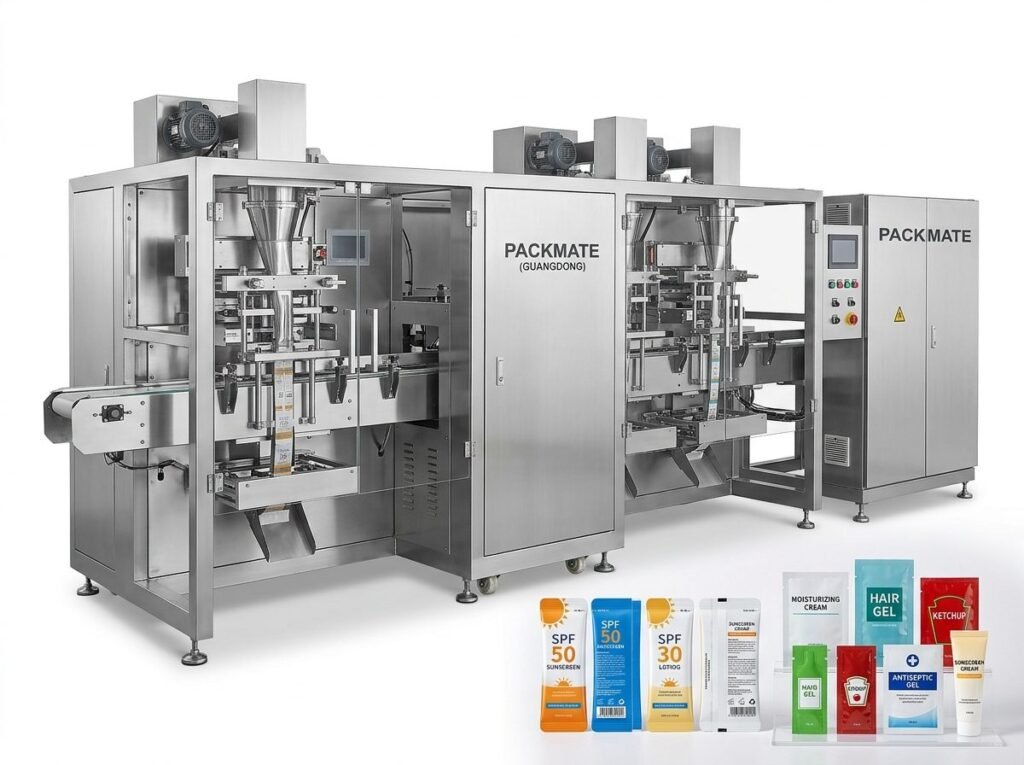
In today’s fast-paced and highly regulated manufacturing landscape, achieving peak efficiency, unwavering consistency, and absolute compliance is not just an advantage—it’s a necessity. For industries where product integrity is paramount, such as food, pharmaceuticals, and health products, the packaging process is a critical final frontier. An automatic factory packaging line represents the definitive solution, transforming this crucial stage from a potential bottleneck into a seamless, high-speed, and reliable component of production. This article delves into the core components, benefits, and specialized considerations for implementing these sophisticated systems.
Core Philosophy: Beyond Single Machines
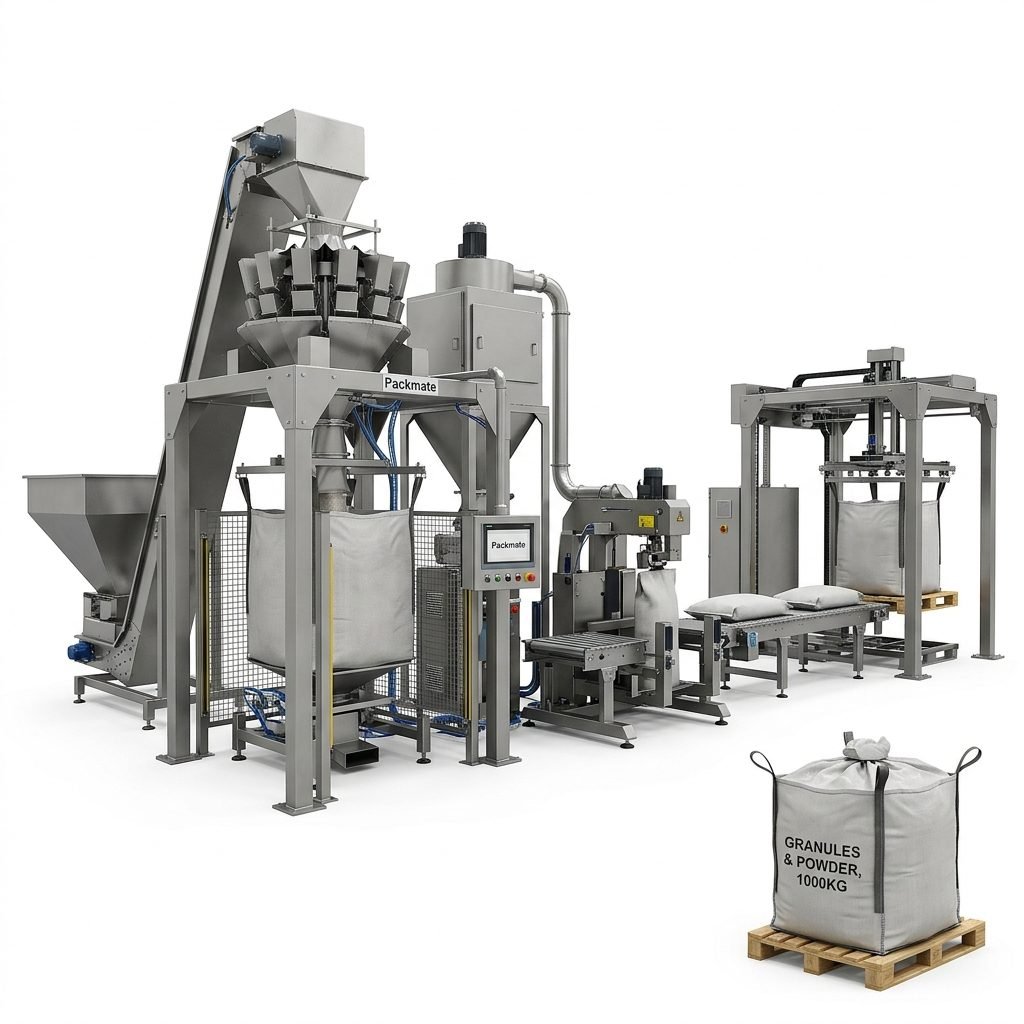
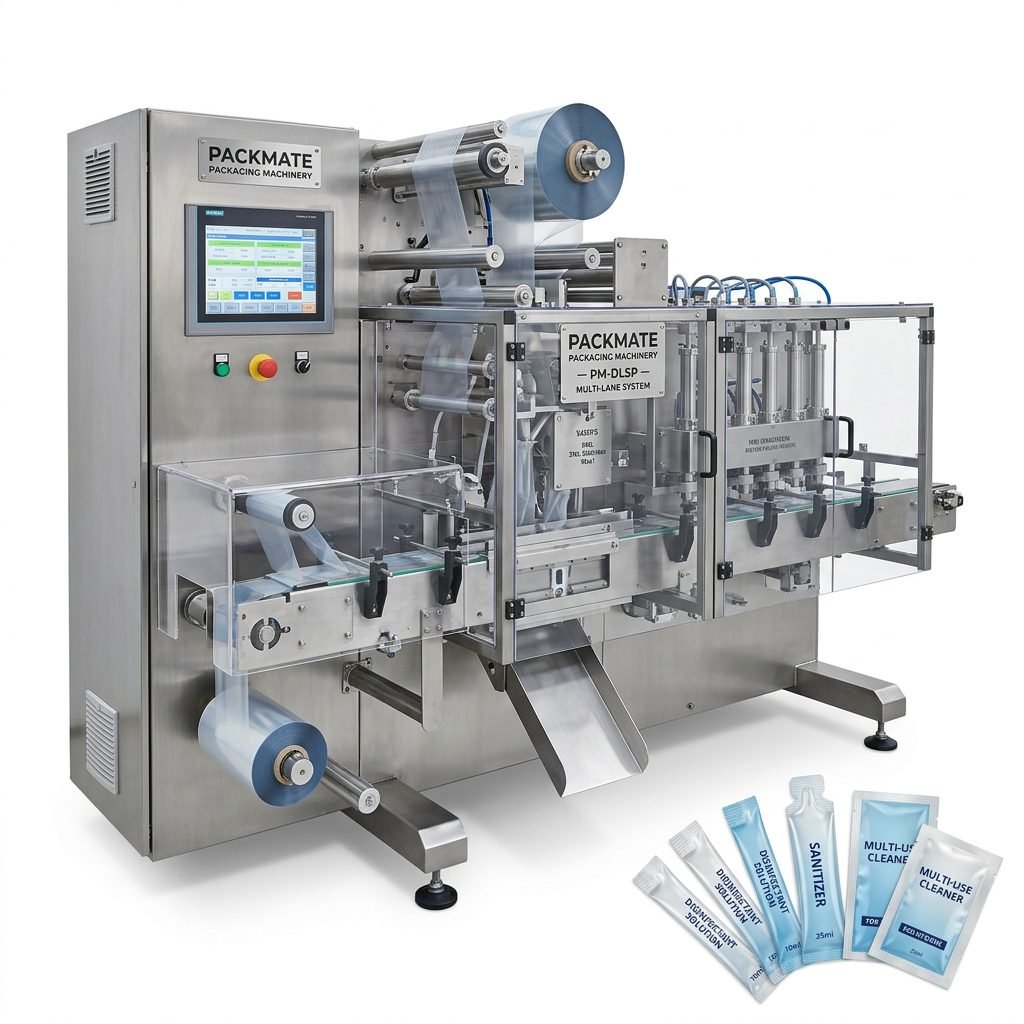
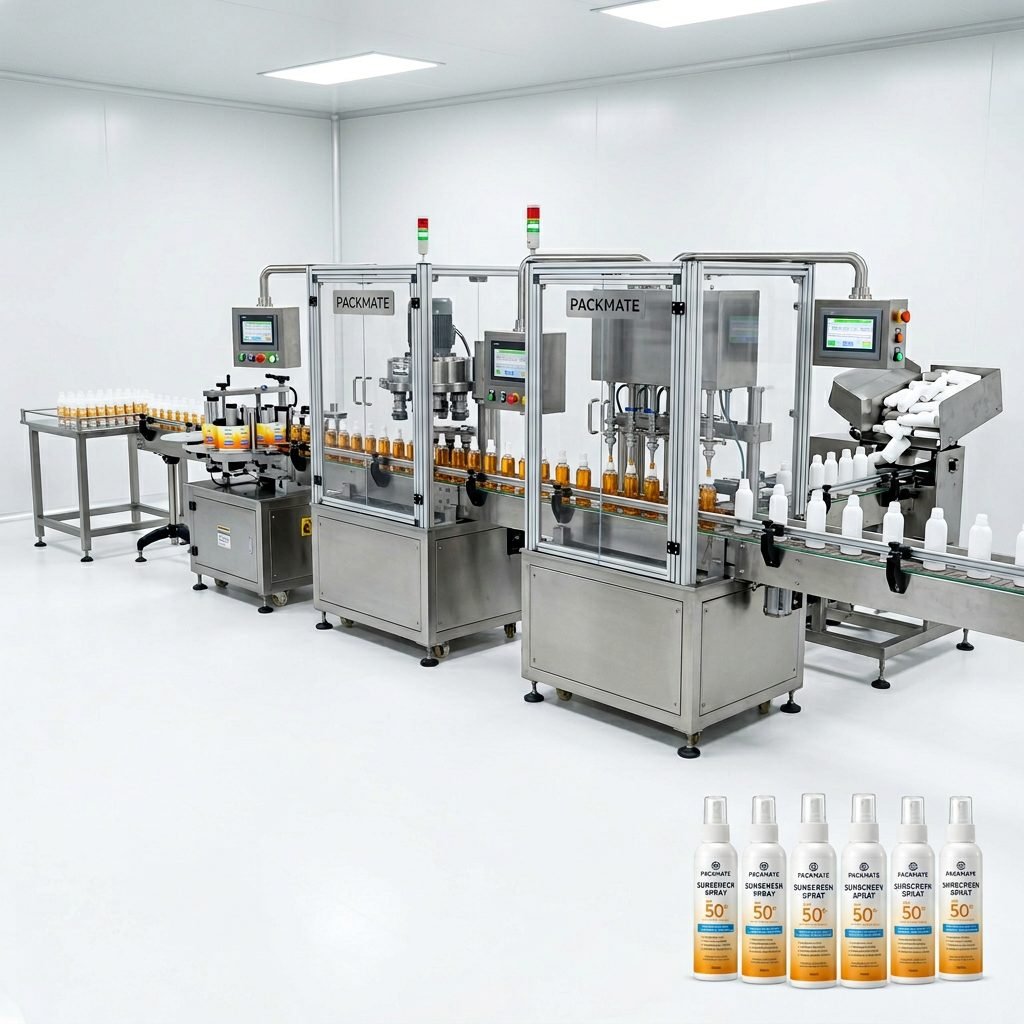
An automatic packaging line is far more than a collection of individual machines. It is a meticulously synchronized ecosystem where each unit performs a specific function, communicating seamlessly with the next. The journey begins with product feeding—whether it’s powders, granules, liquids, or tablets—and proceeds through precise weighing or volumetric filling, bag forming, sealing, coding, and final collation or cartoning. This integrated approach, often provided as a turnkey solution, eliminates manual handling, drastically reduces contamination risk, and ensures a continuous, uninterrupted flow from production to pallet.
Tailored Solutions for Critical Industries
The one-size-fits-all approach has no place in high-stakes packaging. Each sector presents unique challenges that demand specialized engineering.
1. Food Industry Packaging
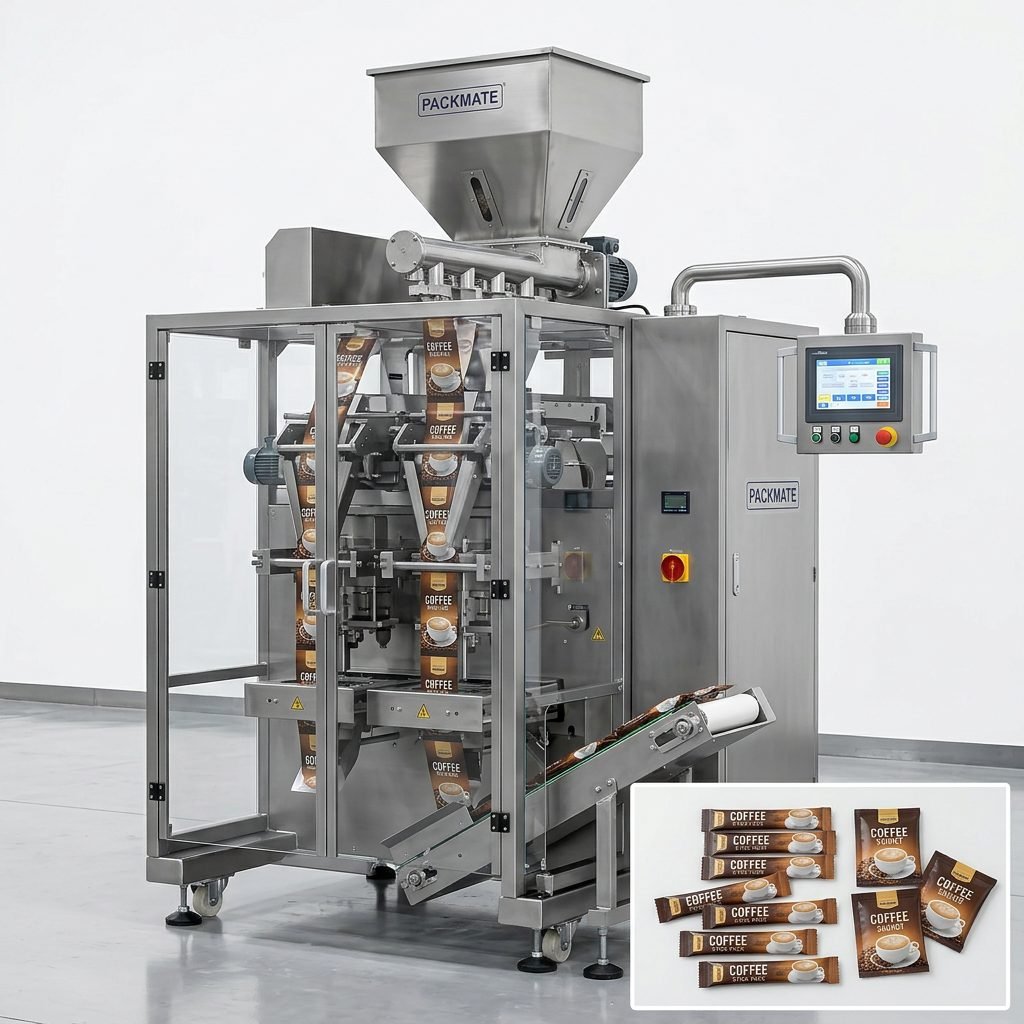
Here, speed, freshness preservation, and cost-efficiency are king. Automatic lines for food products must handle a diverse range of consistencies—from fine spices and instant coffee to viscous sauces and oily snacks. Key features include:
- Hygienic Design: Constructed with food-grade stainless steel and easy-clean surfaces to meet stringent standards like HACCP.
- Gas Flushing Capabilities: For products like snacks and coffee, integrated nitrogen flushing extends shelf life dramatically.
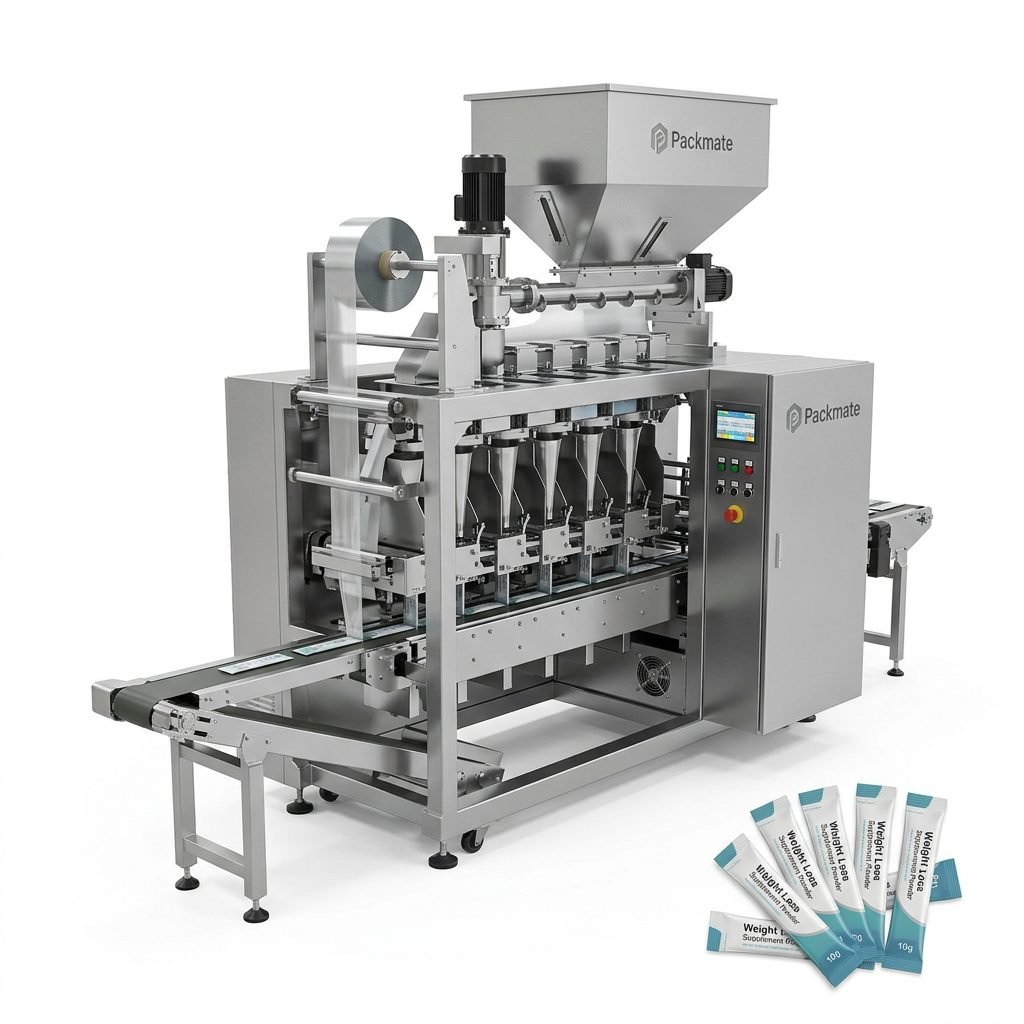
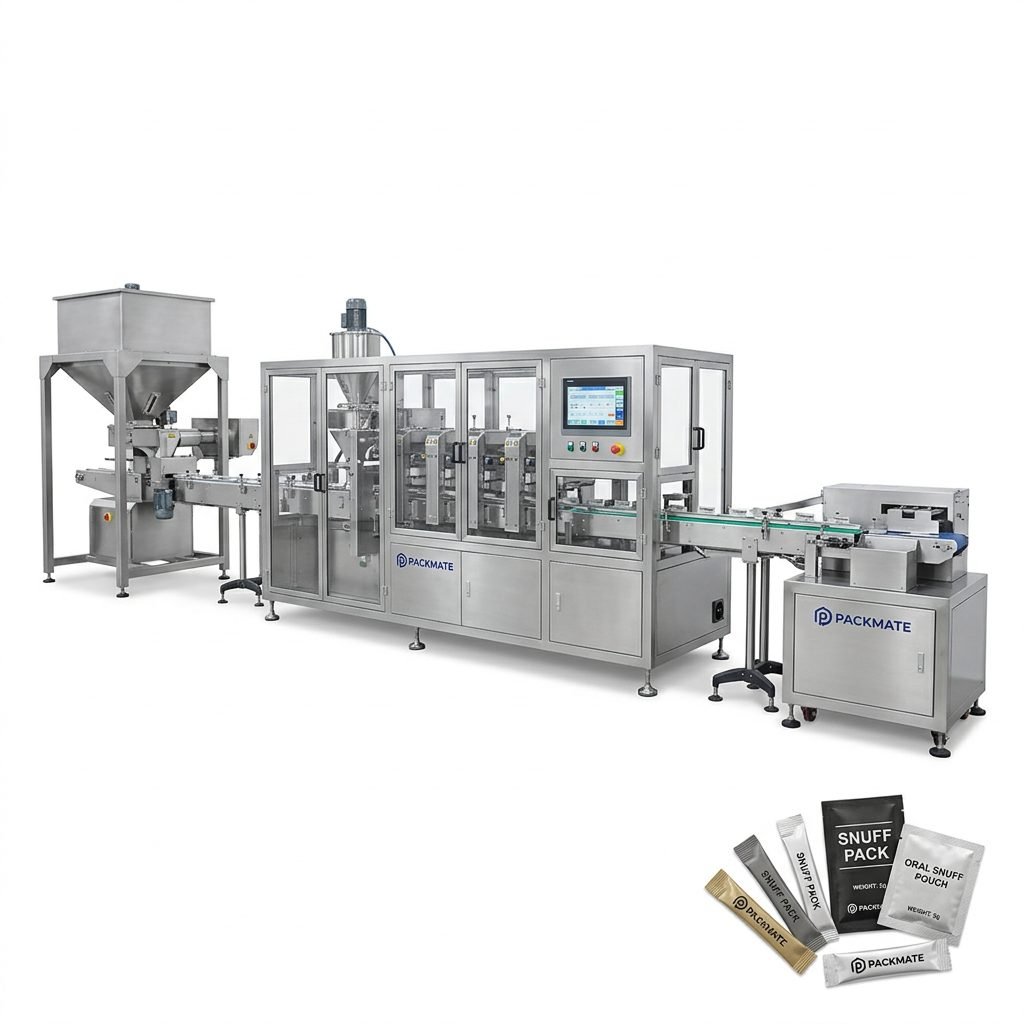
- High-Speed Multi-Lane Operation: Machines with 8, 10, or even 12 lanes, such as advanced stick pack machines, can produce hundreds of thousands of units per day, perfect for single-serve portions.
2. Pharmaceutical & Nutraceutical Packaging
This domain is governed by uncompromising regulations (e.g., FDA, cGMP). Precision, traceability, and sterility are non-negotiable. Packaging lines must ensure:
- Ultra-Precise Dosing: Micro-weighing technology for powders or tablet counters that guarantee exact pill counts in every blister or bottle.
- Complete Traceability: Integrated vision inspection systems and high-resolution inkjet or laser coders mark every sachet or blister with batch numbers, expiry dates, and unique serialization codes.
- Containment Solutions: For potent active pharmaceutical ingredients (APIs), lines are designed with negative pressure and isolation technology to protect operators and the environment.
3. Health & Wellness Products
Bridging food and pharma, this booming sector includes protein powders, vitamin supplements, herbal extracts, and CBD products. Packaging must convey quality, ensure stability, and support brand differentiation. Solutions often feature:
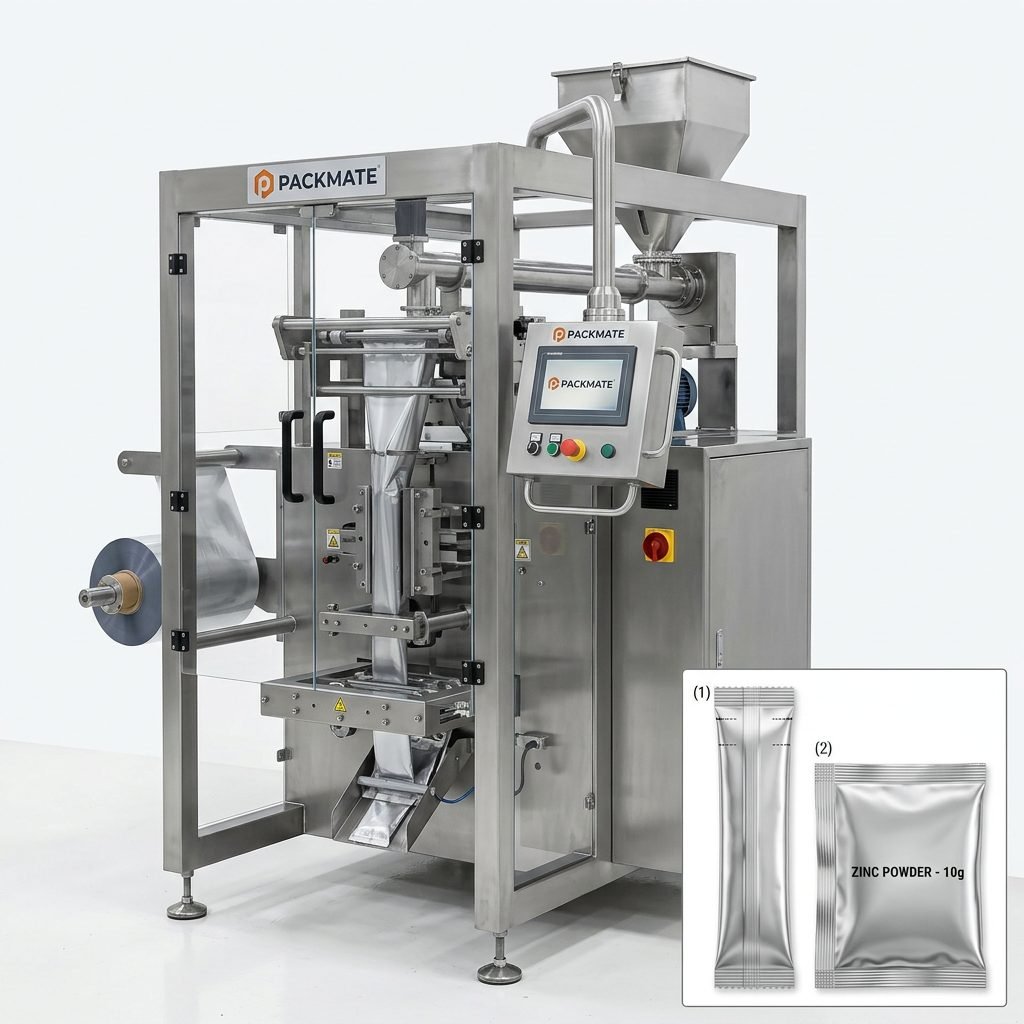
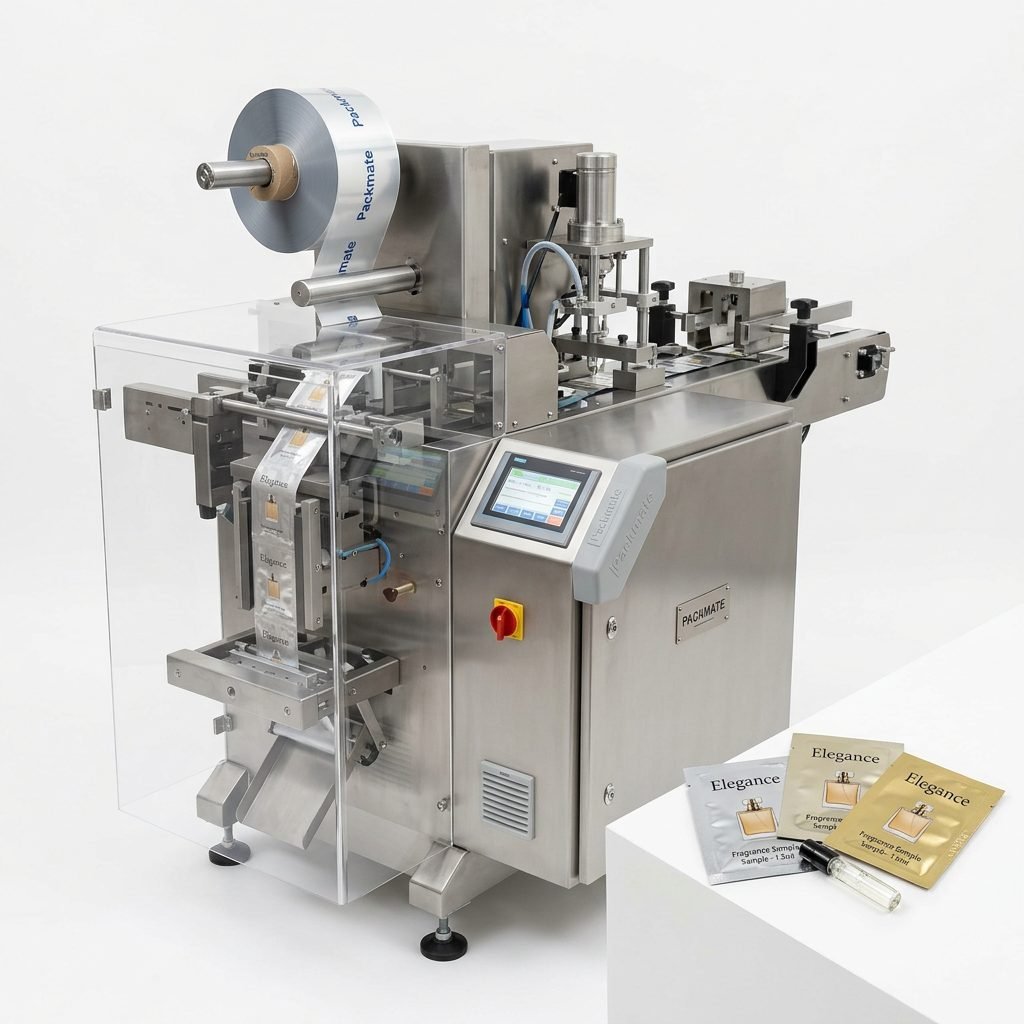
- Versatile Form-Fill-Seal (FFS) Machines: Capable of creating attractive stand-up pouches, flat sachets, or stick packs from a single roll of laminated film, offering excellent barrier properties against moisture and oxygen.
- Flexible Format Changeovers: Quick-adjust mechanisms allow producers to switch between different product weights and pouch sizes with minimal downtime, ideal for short runs and subscription box models.
The Tangible Return on Investment (ROI)
Investing in automation delivers measurable financial and operational benefits that compound over time:
➤ Dramatically Increased Output: Automated lines operate 24/7 with consistent speed, often doubling or tripling production capacity compared to manual lines.
➤ Unmatched Consistency & Quality: Every package is identical in weight, seal integrity, and appearance, virtually eliminating giveaway product and customer complaints.
➤ Significant Labor & Cost Savings: Automation reduces direct labor requirements for repetitive tasks, allowing staff to be redeployed to higher-value roles like quality control and supervision.
➤ Enhanced Safety & Compliance: Minimizes human contact with the product, reducing contamination risk and ensuring adherence to strict industry regulations, a critical factor for global market access.
➤ Data-Driven Optimization: Modern lines are equipped with PLCs and SCADA systems that collect real-time data on OEE (Overall Equipment Effectiveness), downtime causes, and production counts, enabling proactive maintenance and process refinement.
Implementation: A Strategic Partnership
Successfully integrating an automatic packaging line requires more than just purchasing equipment. It demands a strategic partnership with a provider who understands your entire process. Leaders in the field, like Packmate (GuangDong) Co., Ltd., exemplify this approach. With over 22+ years of development and a 20,000㎡ modern facility, they offer end-to-end support:
- Needs Analysis & Line Design: Engineers work closely with clients to audit current processes and design a customized line layout.
- Prototyping & Testing: Using in-house facilities to run trials with your actual product, ensuring performance before installation.
- Training & After-Sales Service: Comprehensive training for operators and technicians, backed by readily available spare parts and remote support to maximize uptime. Explore their commitment to client success on their dedicated service page.
The future of packaging is intelligent and connected. The next evolution involves the integration of Industry 4.0 principles, where packaging lines communicate with enterprise resource planning (ERP) and manufacturing execution systems (MES) in real-time. Predictive maintenance, driven by AI analysis of machine sensor data, will preempt failures before they occur. Furthermore, sustainability pressures are driving innovation in using mono-material, recyclable films that can run efficiently on high-speed automated equipment.
For manufacturers in the food, pharmaceutical, and health sectors, the question is no longer *if* to automate, but *how* and *with whom*. An automatic factory packaging line is a strategic asset that safeguards product quality, ensures regulatory compliance, and secures a competitive edge in a global marketplace. By choosing an experienced partner with a proven track record and a comprehensive portfolio of solutions, businesses can transform their packaging operations into a reliable, efficient, and future-proof pillar of their success.
Frequently Asked Questions (FAQs)
1. What is the typical lead time for a complete turnkey packaging line?
Lead times vary significantly based on line complexity, customization, and current production schedules. For standard configurations, it can range from 3 to 6 months from order confirmation to factory acceptance test (FAT). Highly customized systems may require longer. A reliable provider will give a detailed project timeline upfront.
2. How do we ensure the line will work with our specific product?
Reputable suppliers insist on product testing. You should send samples of your product and packaging materials to the manufacturer. They will conduct extensive trials in their testing center, providing video evidence and a detailed report on performance, speed, and accuracy before any equipment is built.
3. What kind of training and technical support is provided after installation?
Comprehensive training for your operators, mechanics, and electricians is typically included. This covers routine operation, changeover procedures, basic troubleshooting, and preventive maintenance. Support usually includes a warranty period, access to technical manuals and diagrams, and ongoing support via phone, email, or remote desktop sessions. Many companies, like Packmate, offer dedicated support channels.
4. Can an automatic line handle frequent changeovers for different products or package sizes?
Yes, modern lines are designed for flexibility. Look for features like tool-less changeover, servo-driven adjustments that can be saved as recipes in the HMI (Human-Machine Interface), and quick-release mechanisms. This minimizes downtime when switching between different SKUs.
5. What are the key factors in choosing the right packaging film material?
The film is critical for product protection and machine performance. Key factors include: Barrier Properties (against moisture, oxygen, light), Sealability (compatibility with the machine’s heat sealing jaws), Machinability (tensile strength and slip properties for high-speed running), and Regulatory Compliance (food-grade or pharmaceutical-grade certifications). Your packaging machine supplier can often recommend trusted film suppliers.