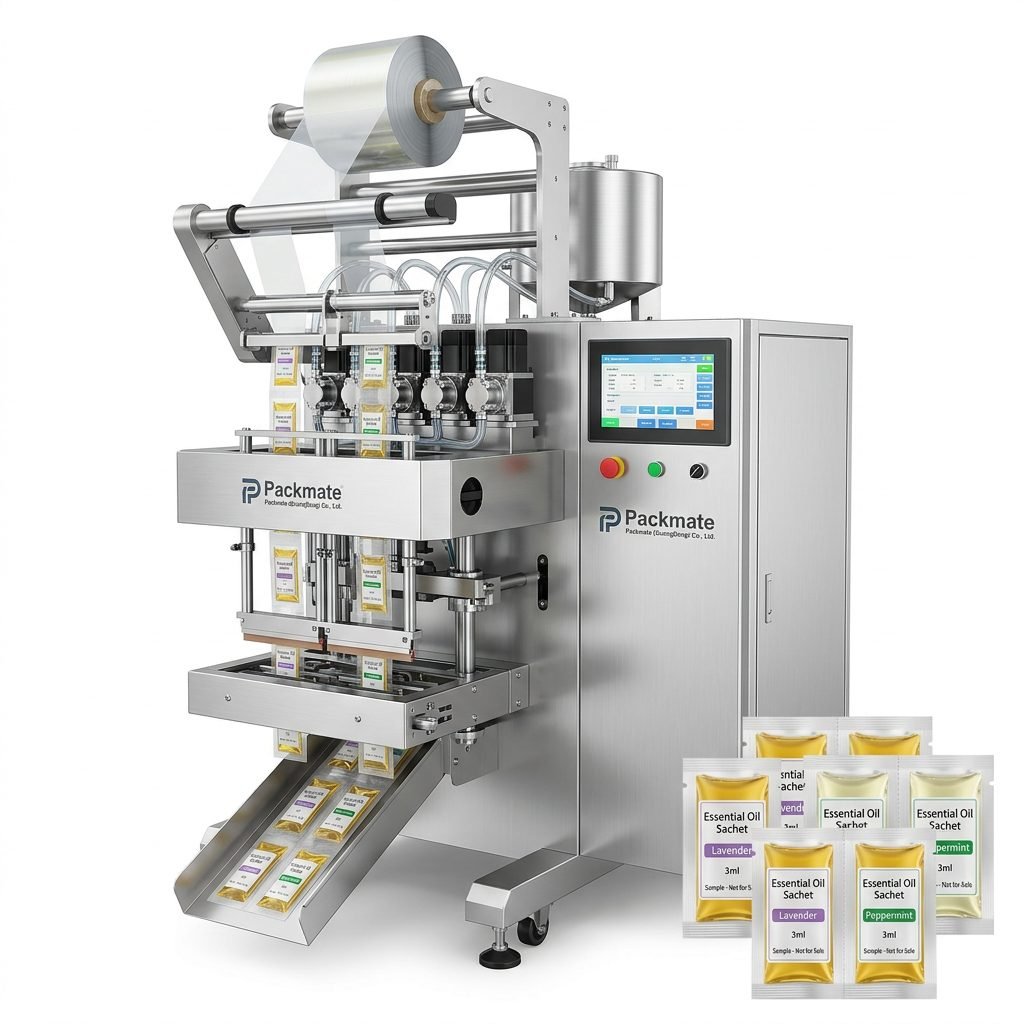
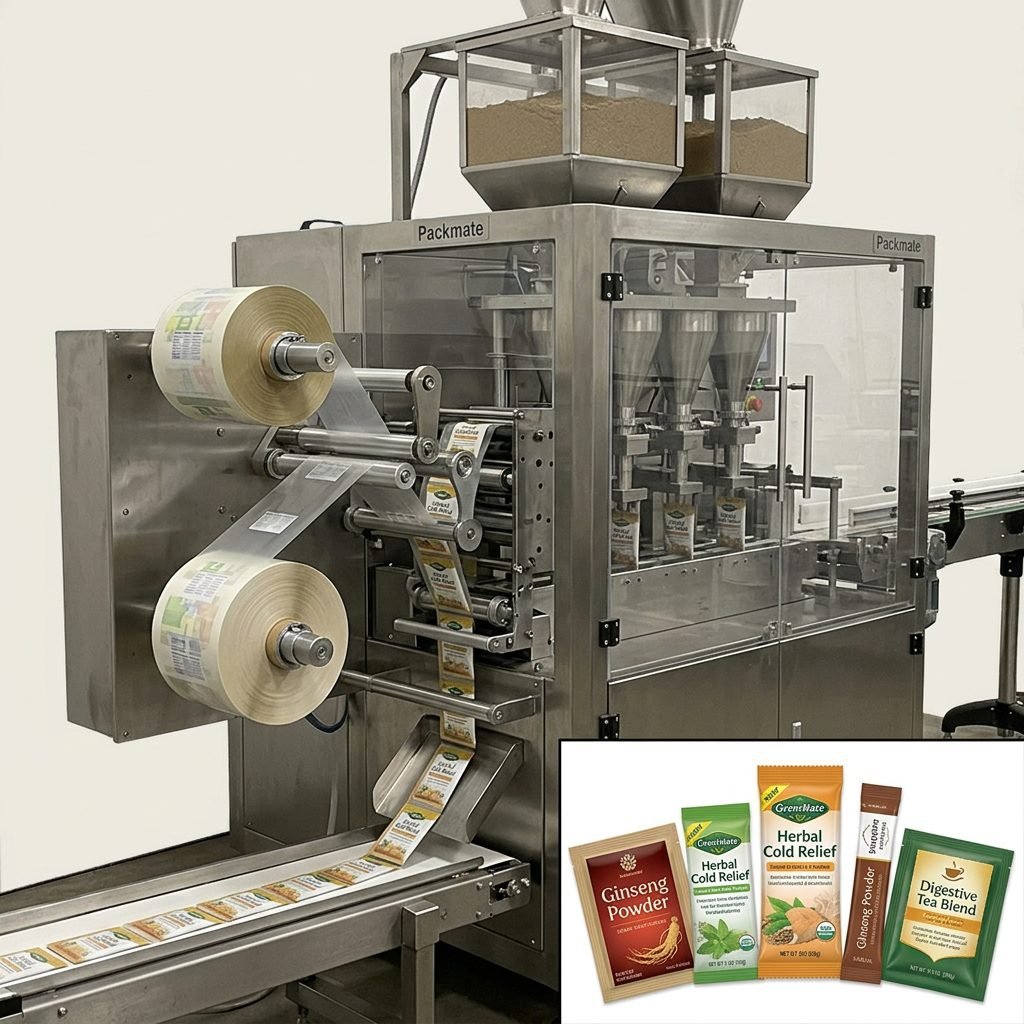
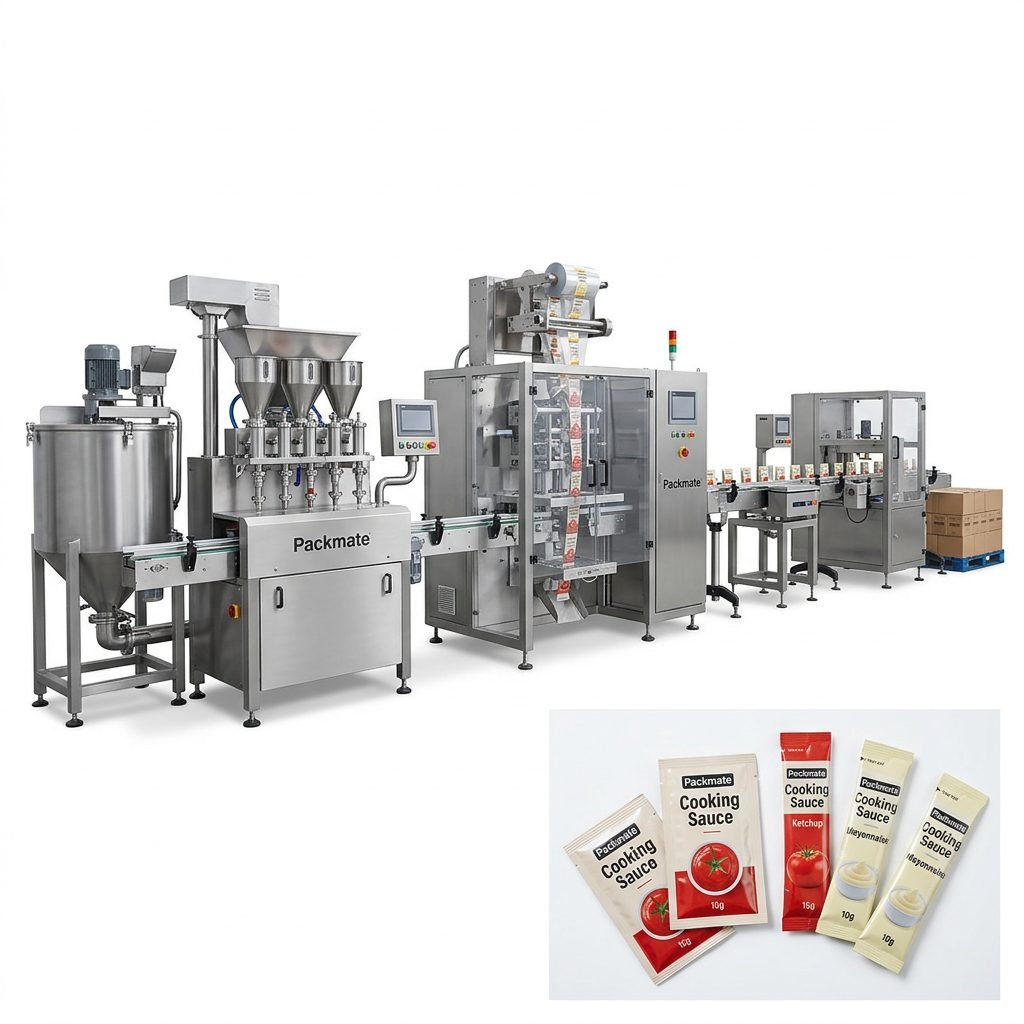
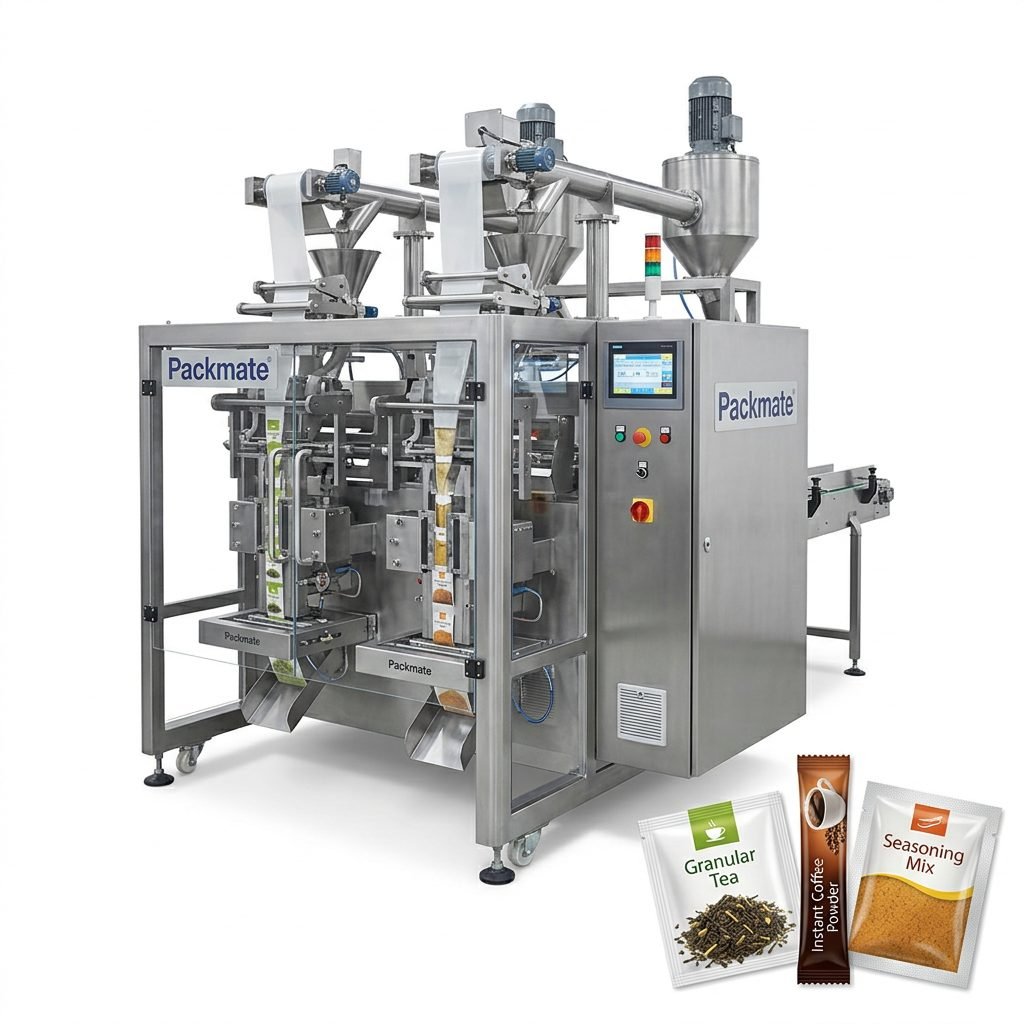
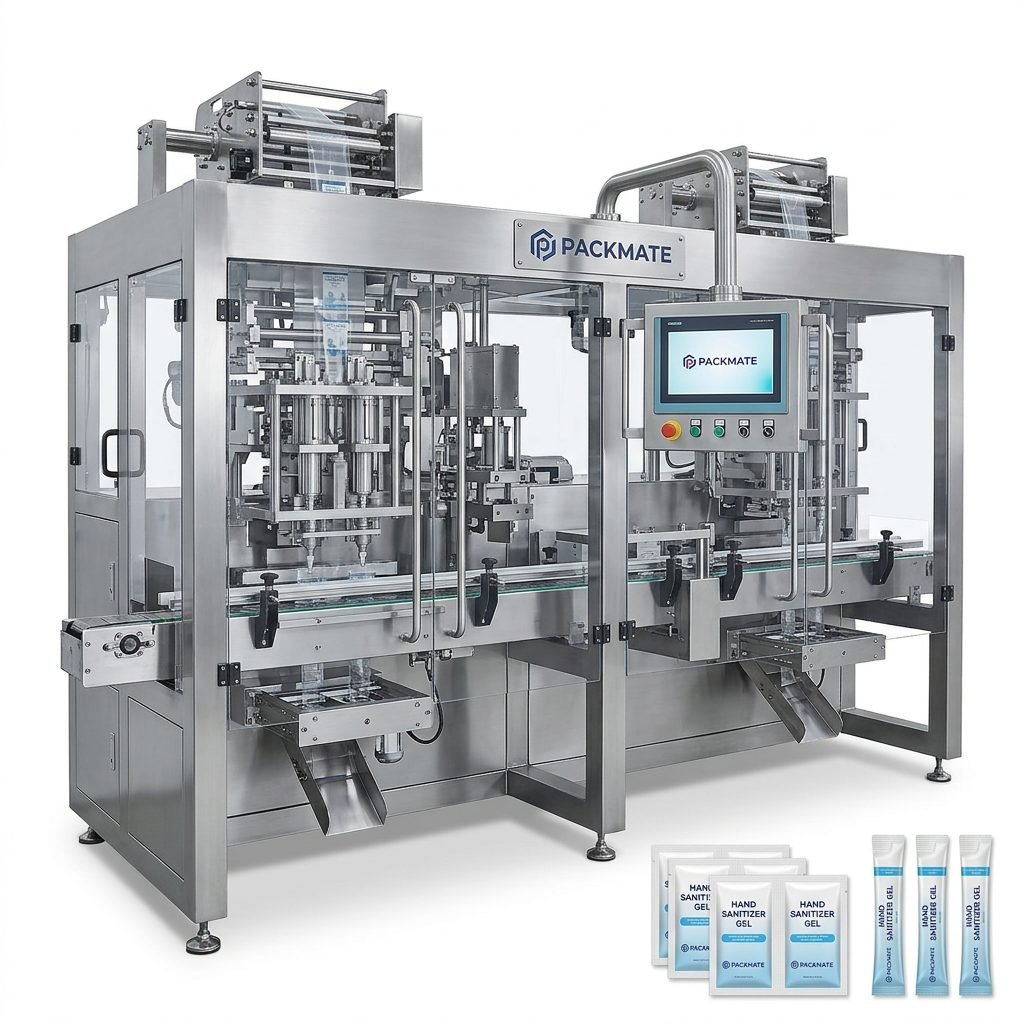
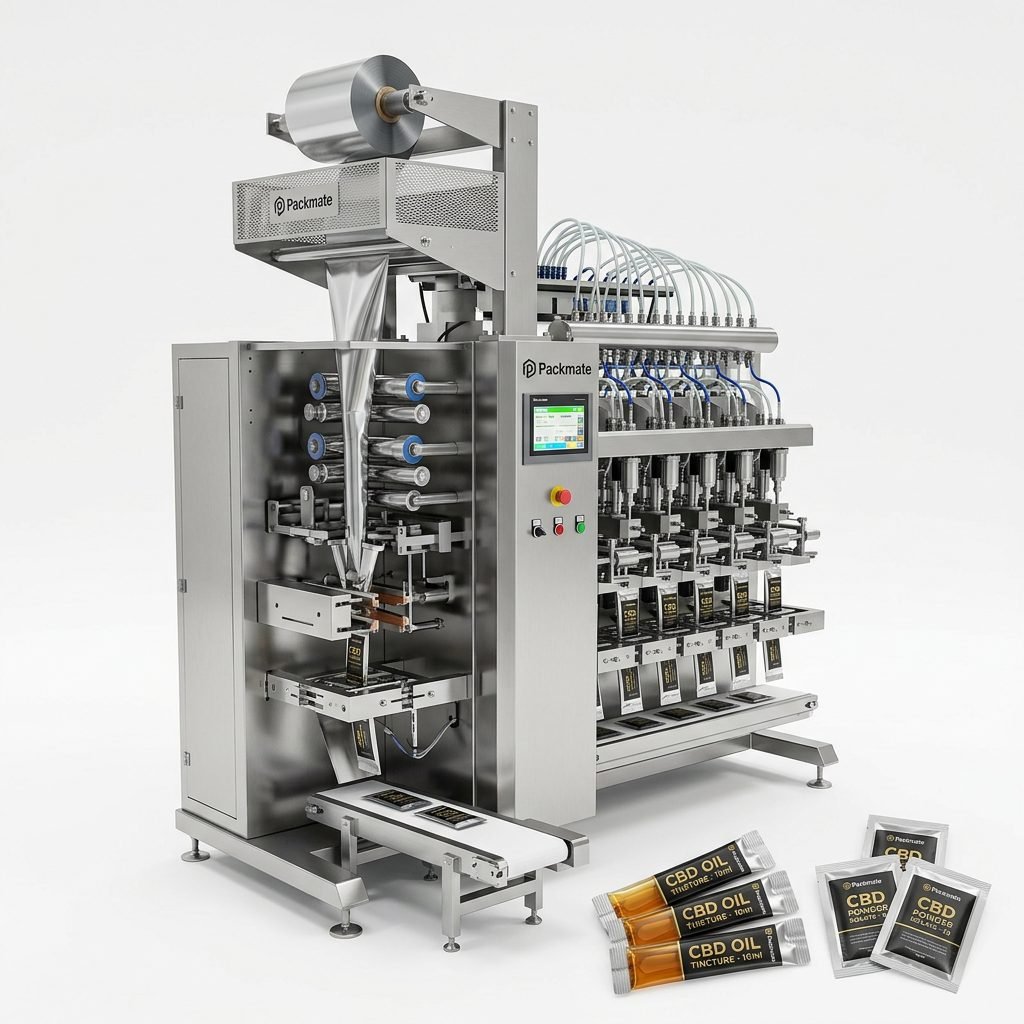
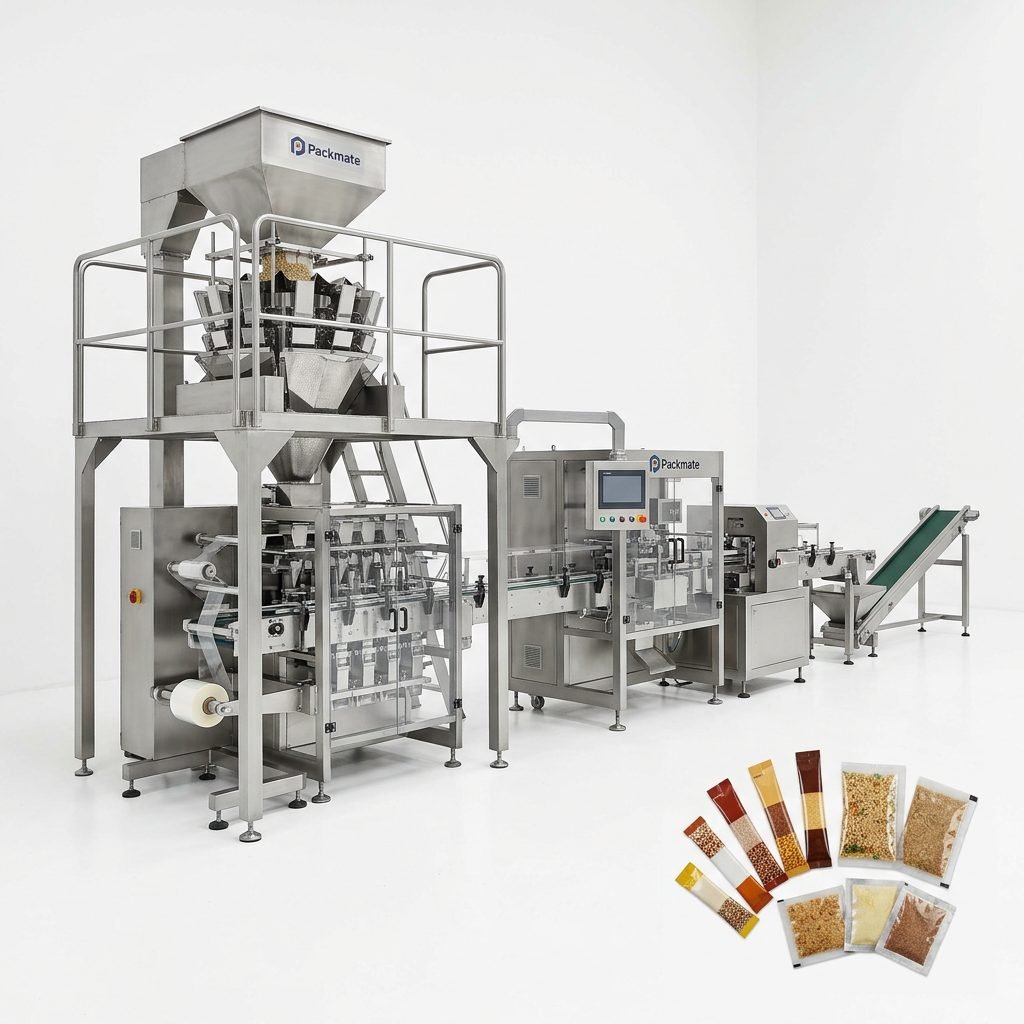
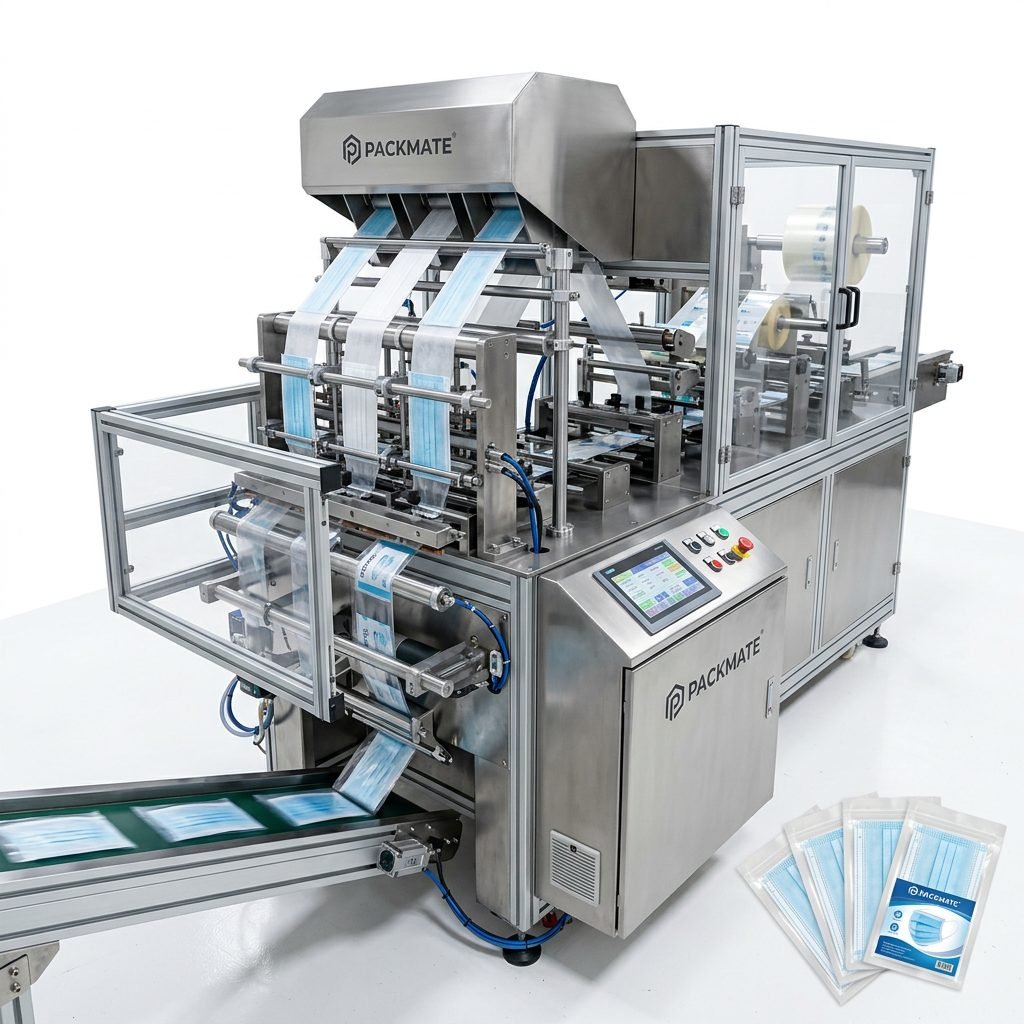
In the competitive landscape of food, pharmaceutical, and health product manufacturing, the packaging line is far more than a final step—it is a critical nexus of efficiency, quality, and cost. Optimizing this process is not merely about speeding up operations; it’s about creating a resilient, intelligent system that maximizes output while safeguarding product integrity and meeting stringent regulatory standards. For businesses seeking a true competitive edge, mastering packaging line efficiency is non-negotiable.
The Core Pillars of Packaging Line Optimization
Effective optimization rests on several interconnected pillars. First is throughput and Overall Equipment Effectiveness (OEE). This involves measuring and improving the actual productive time of your line, minimizing downtime from changeovers, jams, and maintenance. Second is waste reduction, which encompasses material waste (film, cartons), product giveaway, and rejected batches. Third is flexibility and agility, enabling quick shifts between product SKUs and package sizes to meet dynamic market demands.
Strategic Analysis: Mapping Your Current State
Before implementing changes, a thorough analysis is essential. This begins with value stream mapping to visualize every step of your packaging process, from material feeding to palletizing. Identify bottlenecks—are fillers slowing down the line, or is the labeling station causing a queue? Utilize data from machine PLCs and SCADA systems to track performance metrics in real-time. Partnering with an experienced solution provider like Packmate can bring an expert, external perspective to this diagnostic phase, often uncovering hidden inefficiencies.
Actionable Strategies for Efficiency Gains
1. Embrace Integrated, Turnkey Solutions
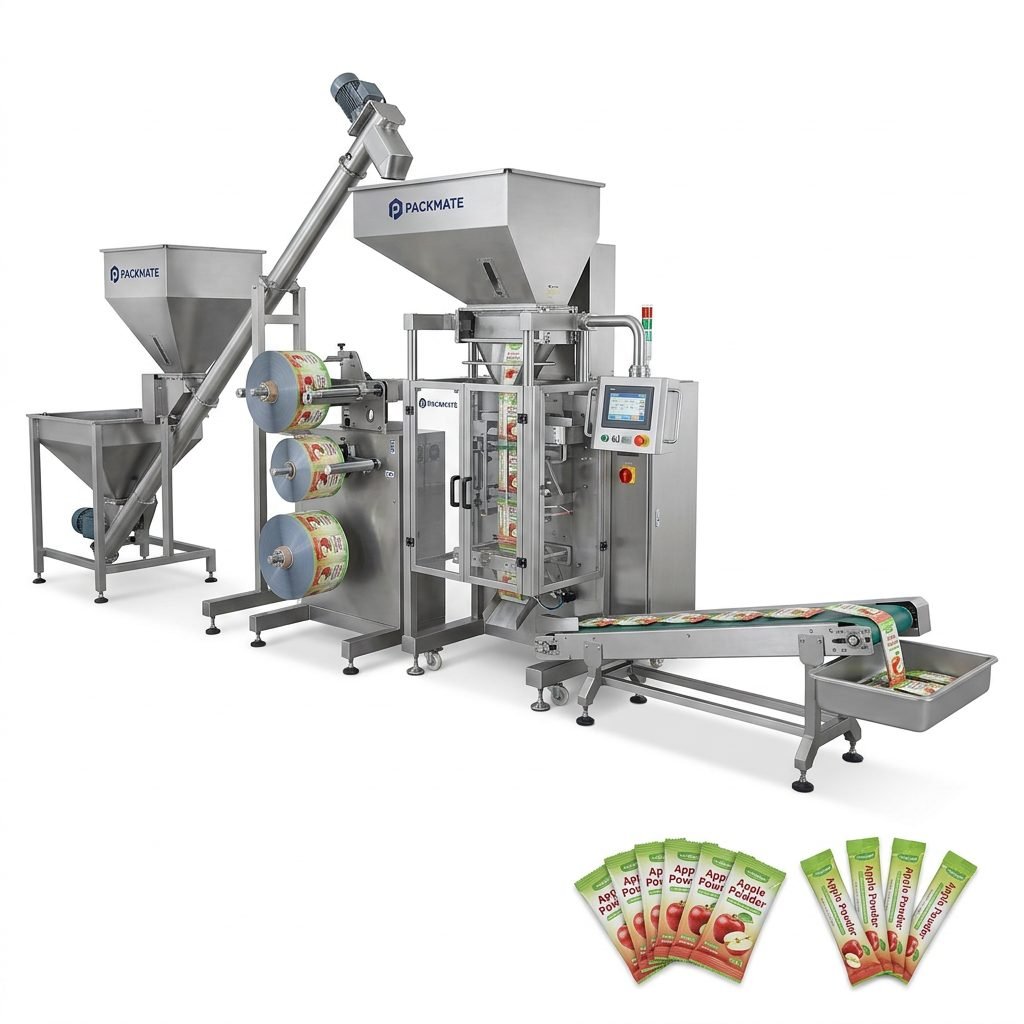
Fragmented lines with machines from multiple vendors often suffer from communication gaps and synchronization issues. Investing in a harmonized, turnkey packaging line from a single supplier ensures seamless integration. Machines are designed to “speak” the same protocol, paced correctly for one another, and controlled from a central HMI. This reduces mechanical stress, minimizes transfer errors, and simplifies training and maintenance.
2. Implement Smart Automation & Robotics
Automation goes beyond basic conveyance. Integrate robotic palletizers for consistent, ergonomic case handling. Use vision inspection systems to check for fill levels, label accuracy, and seal integrity at line speed, automatically rejecting faulty packages. Automated guided vehicles (AGVs) can manage material supply and finished goods removal. These technologies directly boost OEE by running through breaks and reducing human error.
3. Prioritize Predictive Maintenance
Transition from reactive “fix-it-when-it-breaks” maintenance to a predictive model. Modern packaging machinery equipped with IoT sensors can monitor vibration, temperature, and motor current. This data, analyzed by AI algorithms, can predict component failures before they happen, allowing for scheduled maintenance during planned downtime. This strategy is paramount in pharma and food, where unplanned stops can compromise sterile environments or product shelf life.
4. Optimize Line Layout and Material Flow
A poorly designed layout creates unnecessary movement and congestion. Adopt a U-shaped or linear flow that minimizes travel distance for operators and materials. Ensure easy access for maintenance and quick changeovers. Properly sized accumulation tables between machines can act as buffers, allowing one station to pause briefly without stopping the entire line. Reviewing successful industry case studies can provide valuable layout insights.
Industry-Specific Considerations
Food Industry: Efficiency must balance with stringent hygiene (e.g., EHEDG, USDA standards). Opt for stainless-steel constructions, CIP/SIP capabilities, and easy-clean designs. Efficiency gains often come from reducing water/chemical use in cleaning and minimizing product exposure.
Pharmaceuticals: Compliance with cGMP and data integrity (FDA 21 CFR Part 11) is paramount. Track & trace serialization adds complexity. Optimization focuses on flawless accuracy, audit trails, and ensuring no cross-contamination, often justifying higher investment in isolation technology and advanced control systems.
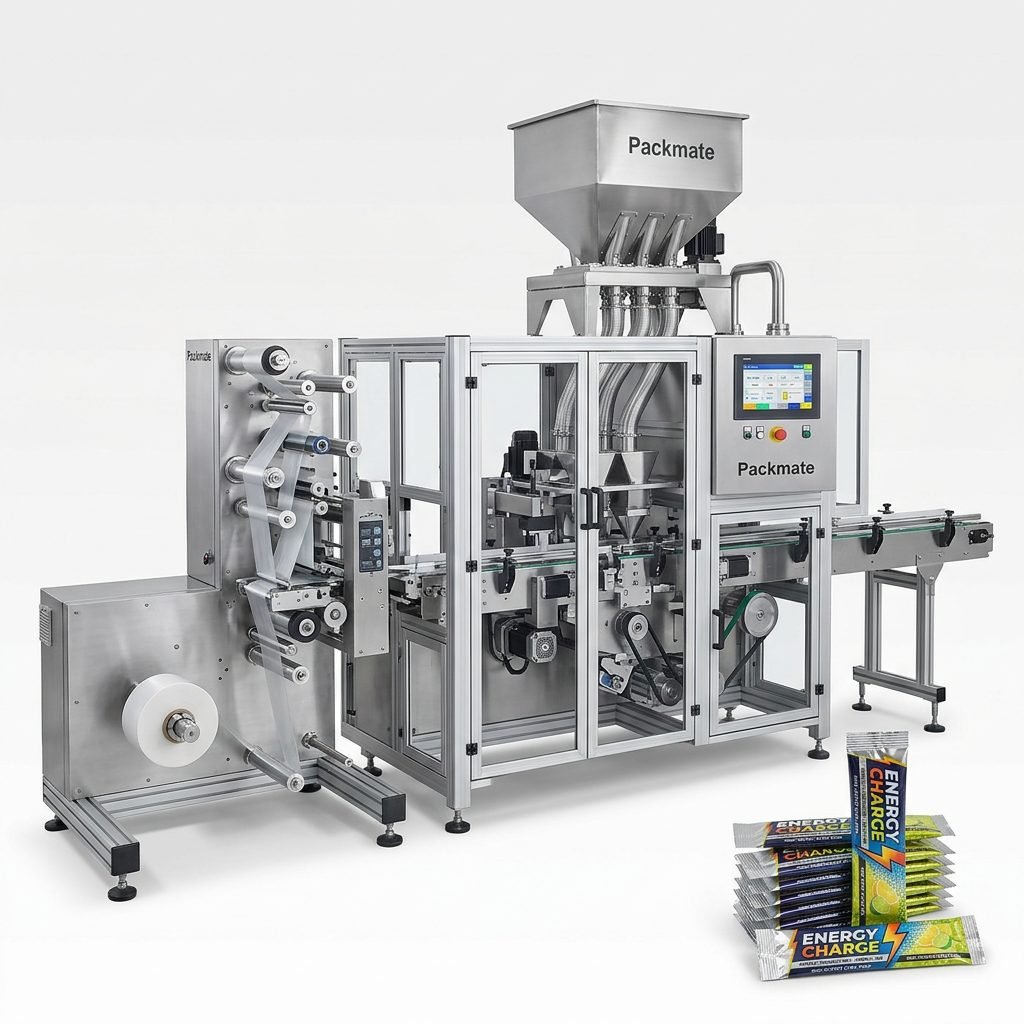
Health & Nutraceuticals: This sector often requires high flexibility to handle diverse forms—powders, tablets, liquids—in various package types (stick packs, bottles, blister packs). Quick changeover systems and modular machine design are key efficiency drivers here.
The Role of a Trusted Partner in Optimization
Navigating the path to optimization can be complex. A partner with deep domain expertise, like Packmate (GuangDong) Co., Ltd., brings invaluable assets to the table. With over 30 years of experience, they don’t just sell machines; they deliver complete solutions. From the initial audit and design phase through to installation, validation, and ongoing technical service, a true partner ensures the optimized line performs as intended, delivering a rapid return on investment. Their extensive catalog of over 50 machine models provides the right technology for any application.
The journey toward packaging line optimization is continuous. It starts with a commitment to measurement and analysis, is executed through strategic investments in technology and layout, and is sustained by a culture of continuous improvement and skilled partnership. In the markets for food, pharma, and health products, where quality and speed are equally vital, an optimized packaging line is the robust engine that drives profitability, compliance, and market growth.
Frequently Asked Questions (FAQs)
Q1: What is the first step in optimizing an existing packaging line?
The first and most crucial step is a comprehensive line audit and data collection. You must establish baseline metrics for OEE, downtime causes, waste rates, and changeover times. Without this data, any changes are merely guesses. Many providers offer audit services to help with this.
Q2: How can I improve efficiency without a major capital investment?
Significant gains can often be made through “soft” improvements: retraining operators on best practices, reorganizing the line layout for better flow, implementing a rigorous preventive maintenance schedule, and standardizing changeover procedures (SMED methodology). These lean manufacturing principles cost little but can yield substantial results.
Q3: Are turnkey lines only for large manufacturers?
Absolutely not. The scalability and modularity of modern turnkey solutions make them suitable for mid-sized and growing companies. A well-designed integrated line can future-proof your operation, allowing you to add modules or speed as your business grows, often proving more cost-effective in the long run than piecing together disparate equipment.
Q4: How important is operator training in line optimization?
It is critical. Even the most advanced line relies on human oversight, maintenance, and changeovers. Well-trained operators who understand the machinery and the principles of line balance can identify issues early, perform faster changeovers, and maintain consistent quality, directly impacting overall efficiency.
Q5: How do I measure the ROI of packaging line optimization?
ROI should be calculated based on tangible gains: increased production output (more units per shift), reduced labor costs, lower material waste, decreased energy consumption, and fewer product rejects/returns. Also, factor in intangible benefits like improved compliance, enhanced brand reputation from consistent quality, and increased flexibility to capture new market opportunities.
For more detailed answers, visit our dedicated FAQs page.