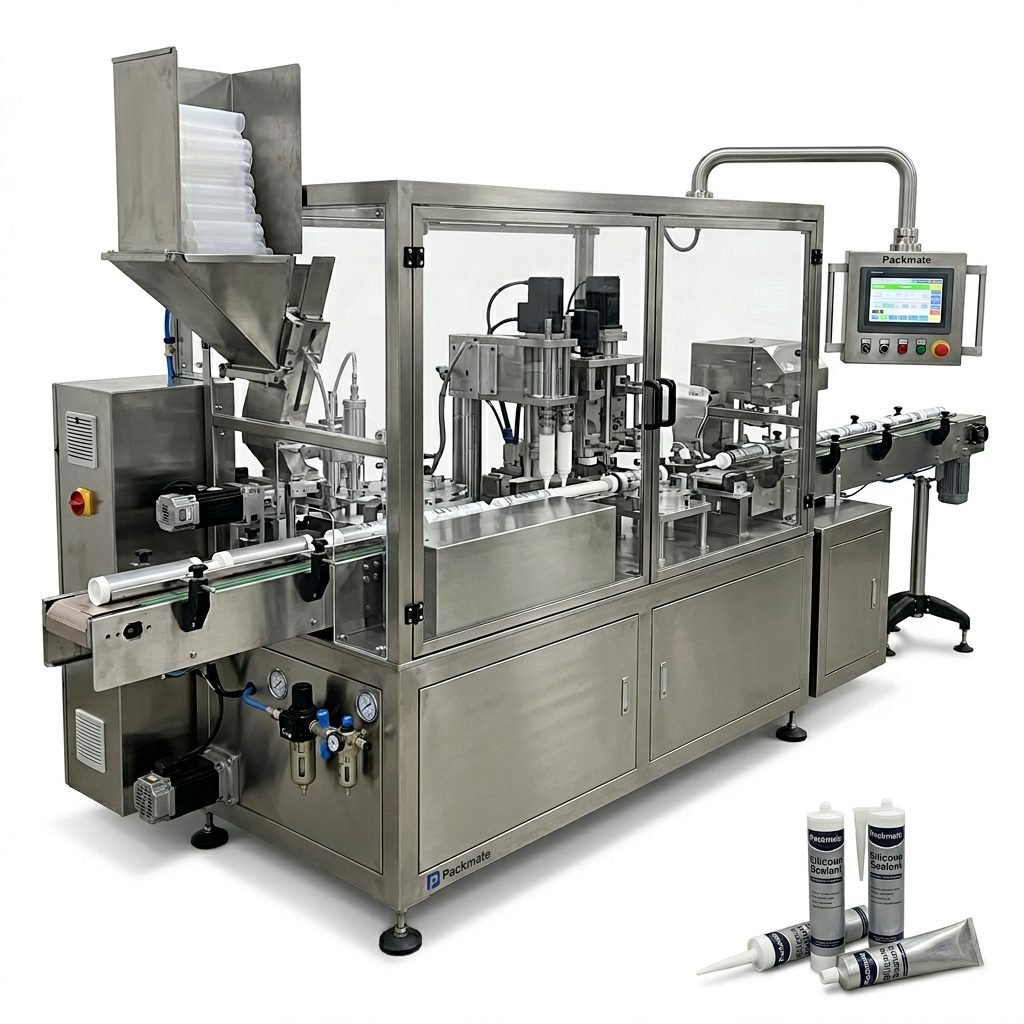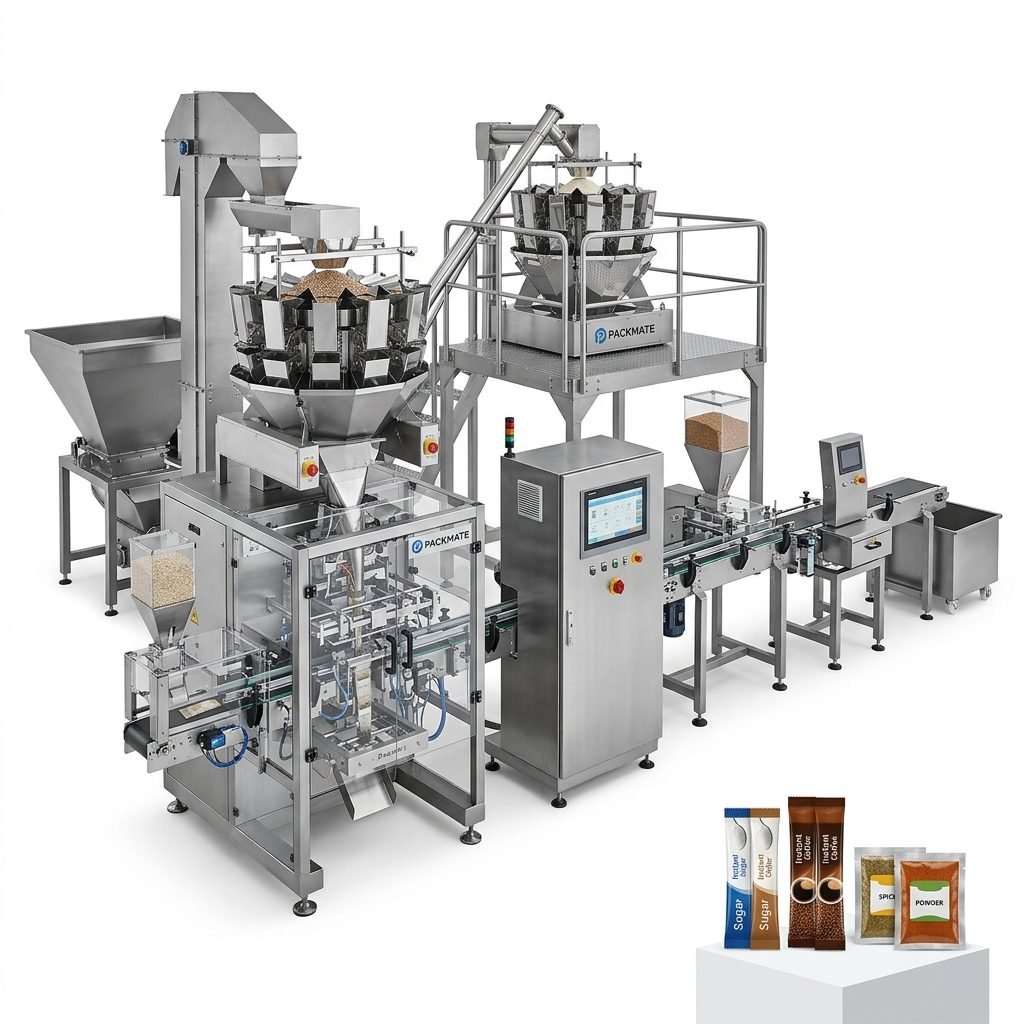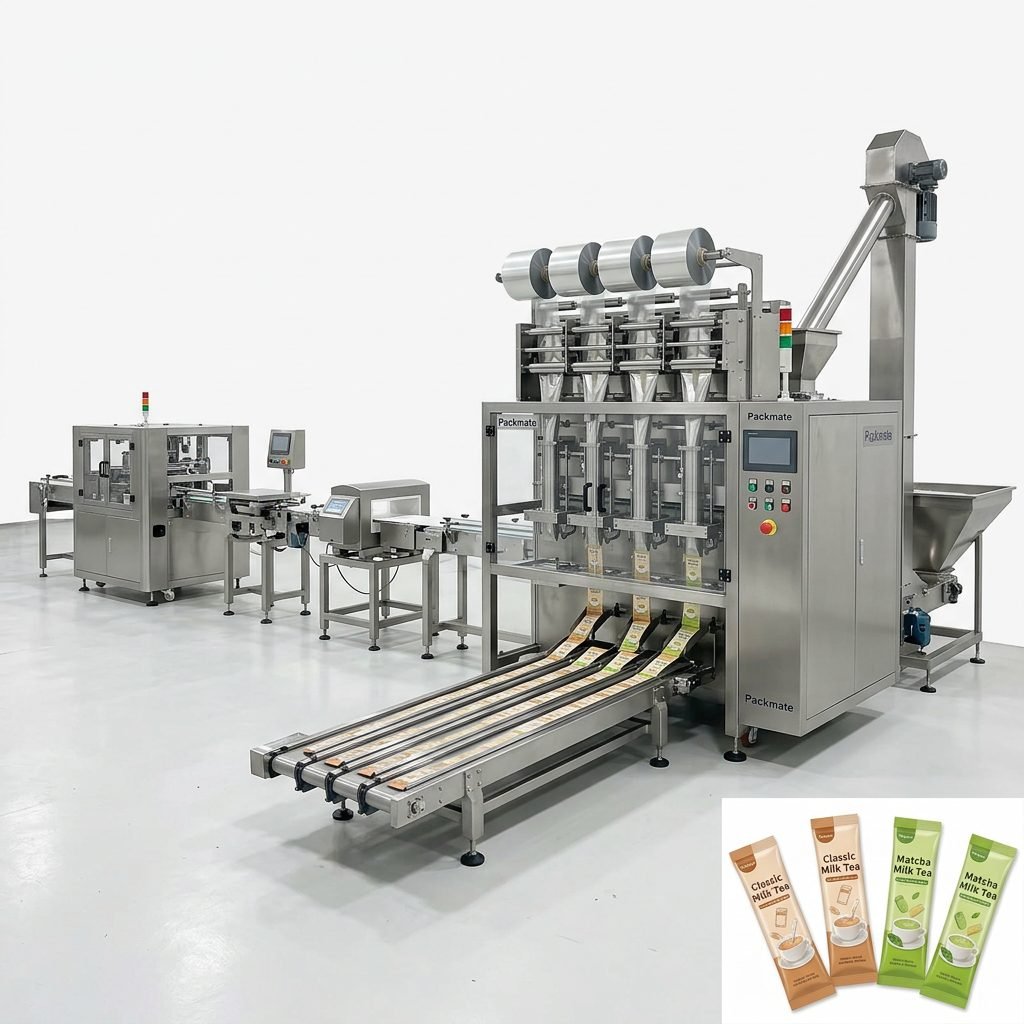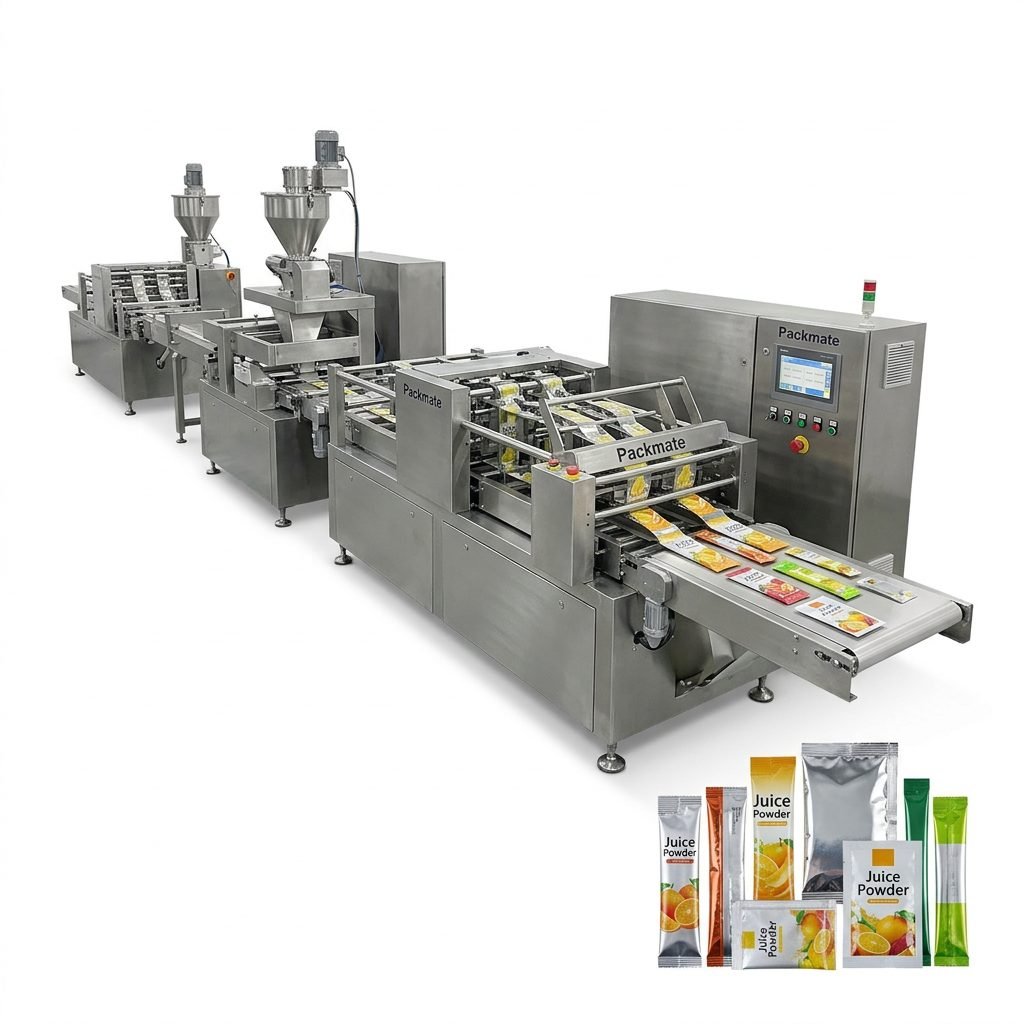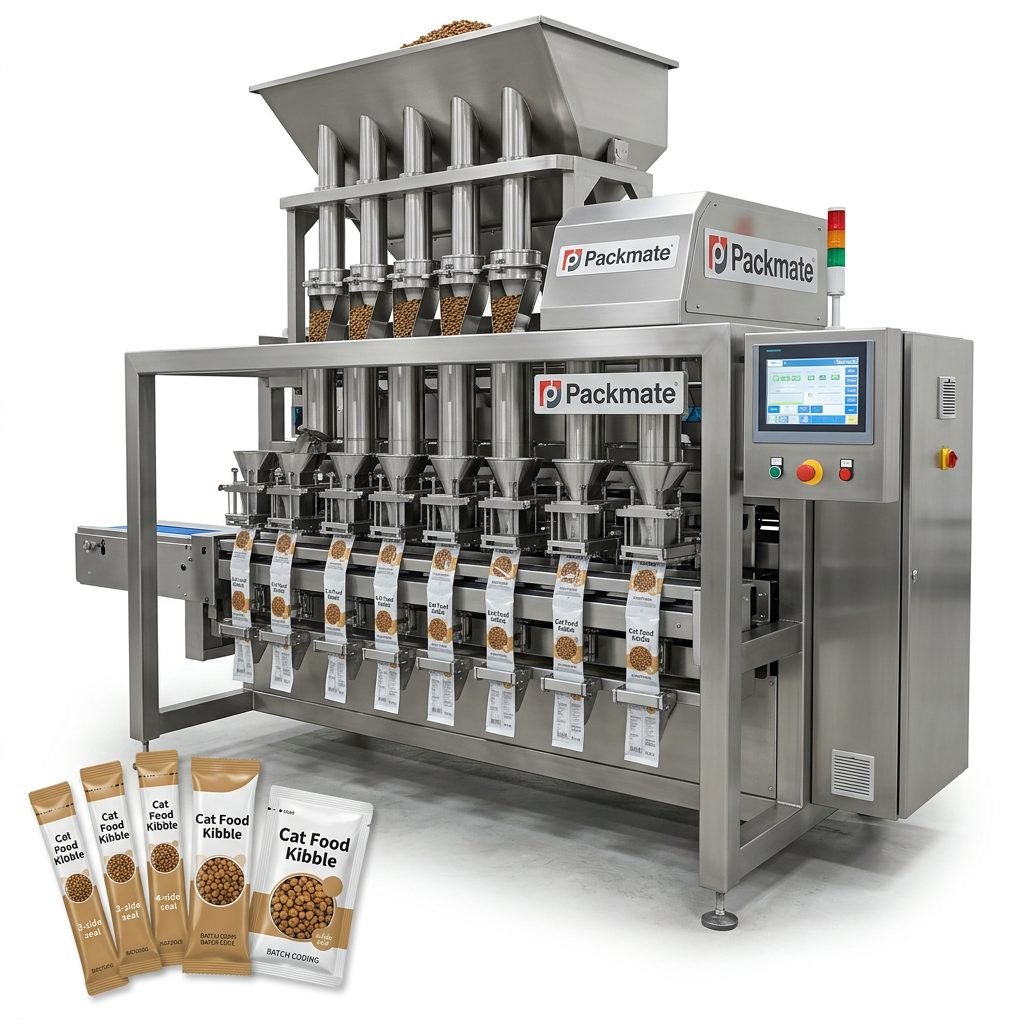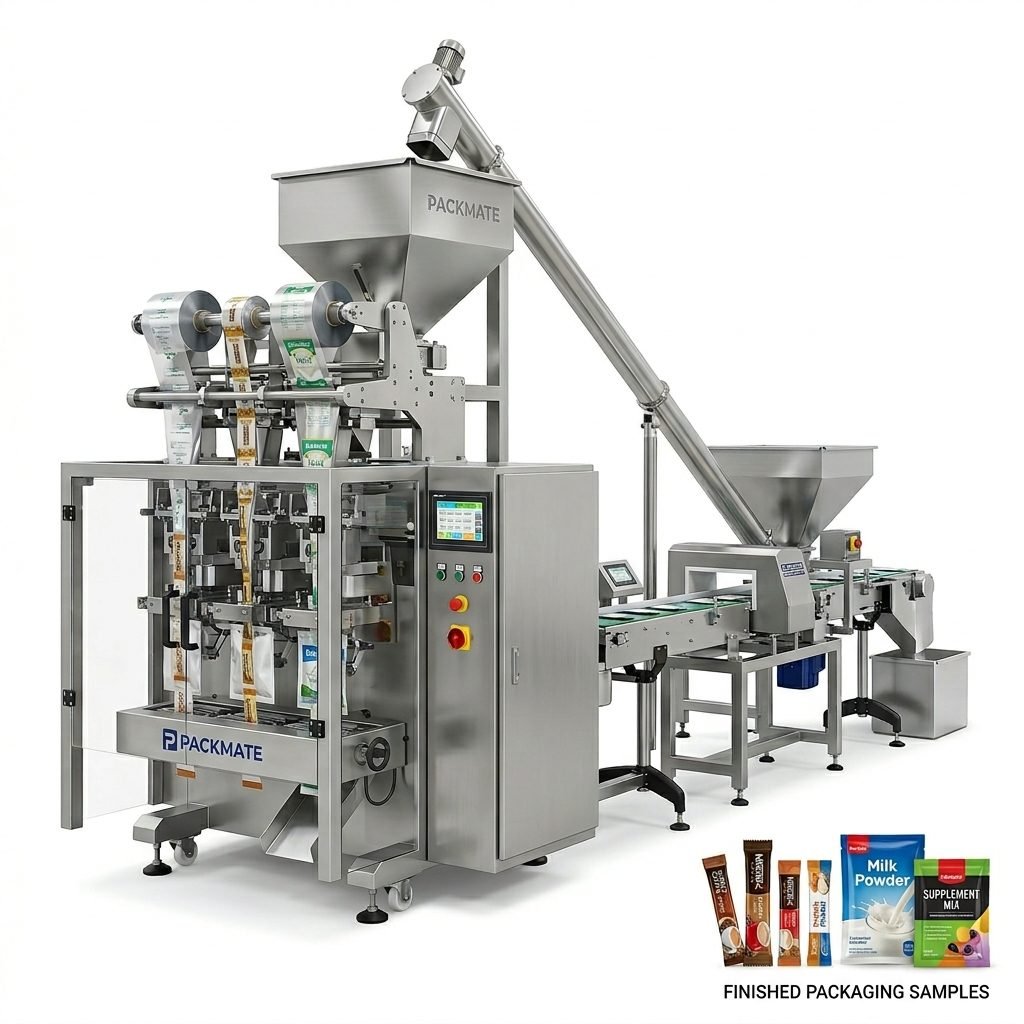
In today’s fast-paced manufacturing landscape, efficiency, hygiene, and precision are non-negotiable, especially for industries where product integrity directly impacts consumer health. For food, pharmaceutical, and health product manufacturers, the packaging process is a critical final frontier. It’s where product meets protection, branding meets compliance, and automation meets scalability. Embracing industrial packing automation solutions is no longer a luxury but a strategic imperative for staying competitive, ensuring safety, and meeting stringent regulatory demands.
The Critical Need for Specialized Automation
Why do these specific sectors demand more than generic packaging machinery? The answer lies in their unique challenges.
Food Industry Imperatives
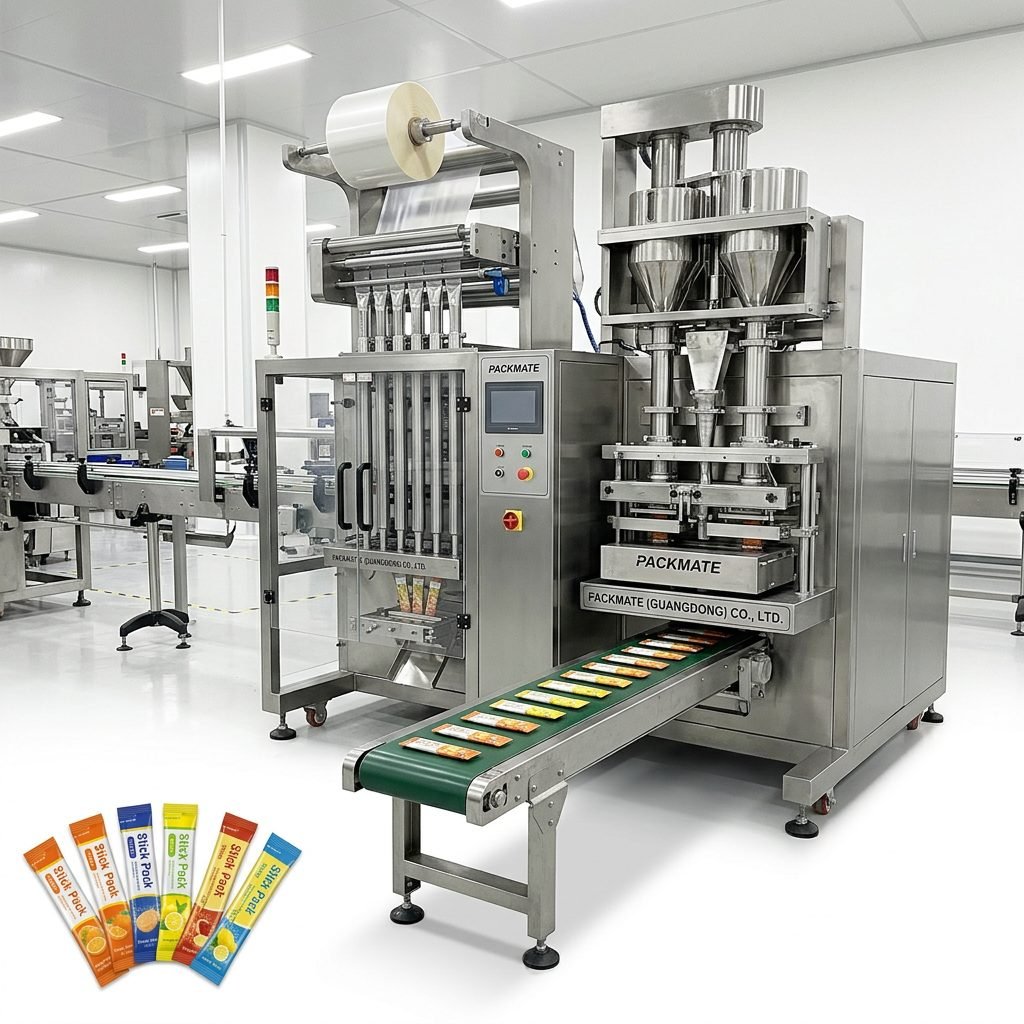
Food manufacturers battle contamination risks, shelf-life preservation, and the need for high-speed, high-volume output. Automation ensures consistent seal integrity, accurate filling weights to minimize giveaway, and seamless integration with upstream processing. From seasoning sachets to liquid stick packs, automated lines maintain hygiene standards while boosting throughput.
Pharmaceutical & Health Product Standards
This realm is governed by Good Manufacturing Practices (GMP) and often requires absolute sterility. Automation eliminates human error in counting, filling, and labeling, which is crucial for dosage accuracy. It provides complete traceability, with systems logging every batch detail—a must for regulatory compliance and recall management. Whether packaging powder supplements or liquid pharmaceuticals, precision is paramount.
Core Components of a Modern Automated Packaging Line
A robust packaging automation solution is an integrated ecosystem. It typically includes:
1. Automated Feeding & Filling Systems
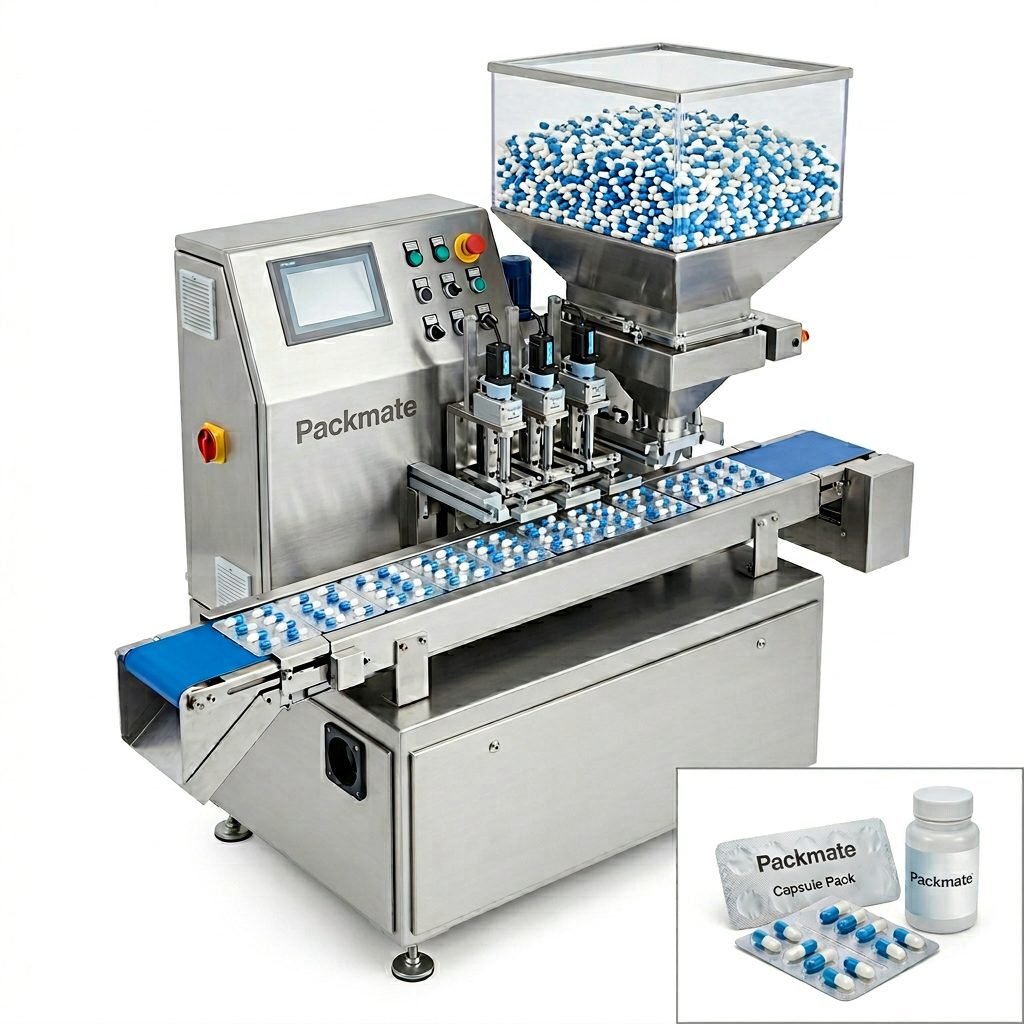
These systems precisely meter and dispense products—be it granules, powders, viscous pastes, or liquids—into the packaging format. Advanced weight checkers and vision systems ensure every unit meets strict weight and volume tolerances.
2. Form-Fill-Seal (FFS) Machinery
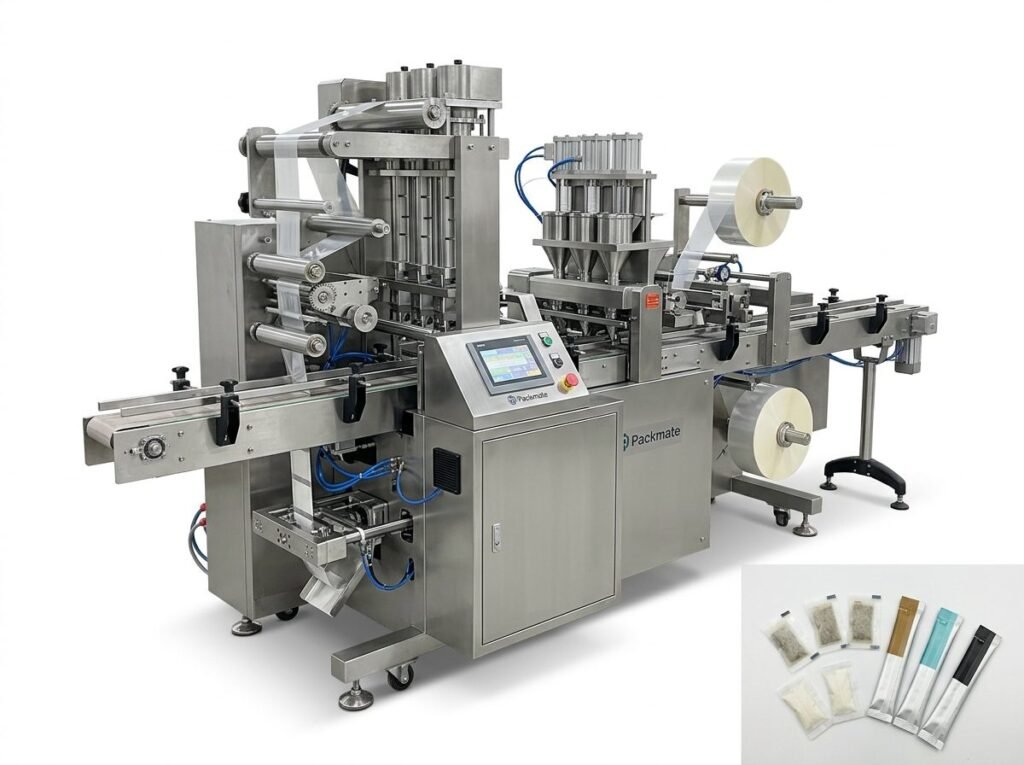
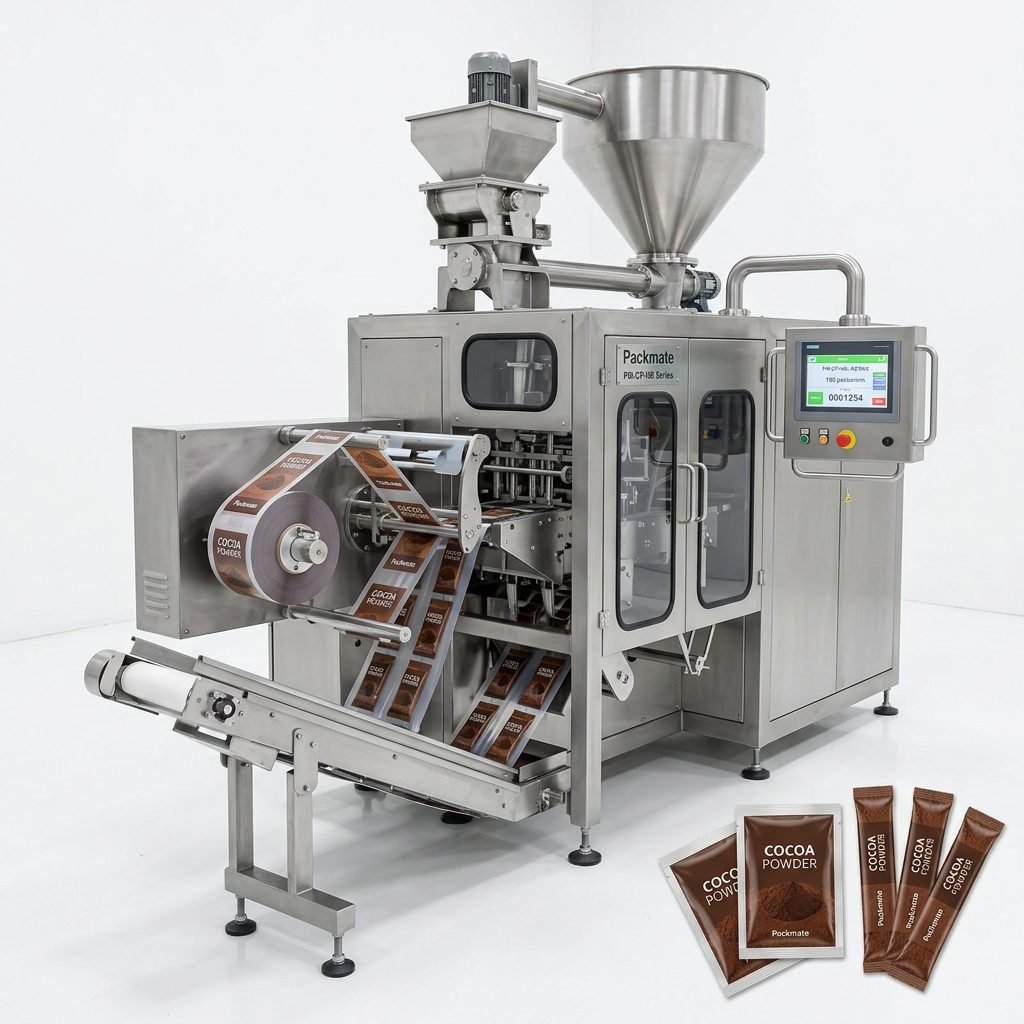
The workhorse of packaging automation. FFS machines form packaging from a roll of film, fill it with product, and seal it in one continuous, hermetic operation. This technology is ideal for creating stick packs, sachets, and pouches with minimal material waste and maximum hygiene.
3. Secondary & Tertiary Packaging Automation
After primary packaging, automation takes over cartoning, case packing, and palletizing. This streamlines the flow from single units to shippable pallets, reducing labor costs and physical strain on workers.
4. Integrated Quality Control & Data Management
Modern lines incorporate sensors, checkweighers, metal detectors, and vision inspection systems. All data feeds into a central Manufacturing Execution System (MES), providing real-time oversight, production analytics, and instant alerts for deviations.
Tangible Benefits Beyond Speed
The return on investment in packaging automation is multi-faceted.
➤ Enhanced Product Safety & Compliance: Reduced human contact minimizes contamination risk. Automated tracking ensures batch integrity, simplifying audits for standards like FDA, EU GMP, or FSSC 22000.
➤ Significant Operational Cost Reduction: While the initial investment is notable, automation slashes long-term costs through lower labor requirements, reduced product giveaway from precise filling, and decreased material waste.
➤ Unmatched Consistency & Brand Reputation: Every package is identical—perfect seals, aligned labels, professional presentation. This consistency protects the brand and builds consumer trust.
➤ Scalability & Flexibility: Modern automated lines can be configured for quick changeovers between different products or package sizes, allowing manufacturers to respond agilely to market demands. You can explore real-world applications in our detailed project case studies.
Implementing Your Solution: A Partner-Centric Approach
Choosing the right automation partner is as crucial as selecting the technology. A true partner like Packmate (GuangDong) Co., Ltd. provides more than just machines.
The Turnkey Advantage
Look for a provider offering end-to-end service: from initial consultation and line design to manufacturing, installation, commissioning, and ongoing technical support & service. This single-point accountability ensures system compatibility and smooth project execution.
With over 22+ years of development and a 20,000㎡ modern facility, partners with deep industry experience can pre-empt challenges specific to food or pharmaceutical packaging. They design solutions that are not only technically advanced but also compliant and practical for daily factory operations.
Future-Proofing with Smart Packaging
The next wave of innovation integrates Industry 4.0 principles. Imagine packaging lines that self-optimize for efficiency, predict maintenance needs before downtime occurs, and seamlessly communicate with enterprise resource planning (ERP) systems. Investing in a modular, digitally-native automation platform today prepares your facility for the data-driven manufacturing floor of tomorrow.
For manufacturers globally, the journey towards full packaging automation is a clear path to resilience, quality, and growth. It transforms packaging from a cost center into a strategic asset that safeguards your product and amplifies your brand.
Frequently Asked Questions (FAQs)
1. How do I justify the capital investment for a full automated packaging line?
Justification should be based on a Total Cost of Ownership (TCO) analysis. Factor in direct labor savings, reduced material waste from precise filling, lower rates of product rejection/recall, increased throughput revenue, and the intangible value of enhanced compliance and brand protection. Most operations achieve a full ROI within 1-3 years.
2. Can automated lines handle the small batch sizes and frequent changeovers we require?
Yes. Modern flexible automation systems are designed for quick changeover (sometimes in minutes). With servo-driven technology and recipe-based controls, switching between different products or package sizes is highly efficient, making automation viable even for manufacturers with diverse SKUs.
3. What are the key hygiene considerations for food and pharma automation?
Machines should be constructed with easy-clean designs (minimal crevices, polished surfaces), use food-grade lubricants, and feature stainless steel contact parts. For sterile applications, options include clean-in-place (CIP) systems and integration within isolators or cleanrooms to maintain the required environment.
4. How does automation ensure compliance with traceability regulations?
Automated systems can print, apply, and verify unique codes (like QR codes or Data Matrix) on each unit. All production data—batch number, date, time, machine parameters—is logged electronically. This creates a complete, auditable digital trail from raw material to finished pallet, simplifying compliance with regulations like the U.S. DSCSA or EU FMD.
5. Where can I see examples of successful installations?
Reputable suppliers will have a portfolio of case studies and client references. Request to see examples specific to your product type (e.g., powder supplements, liquid food). Many also offer live demonstrations or video walkthroughs of their systems in action, which you can often find by visiting their homepage or requesting their product catalog.