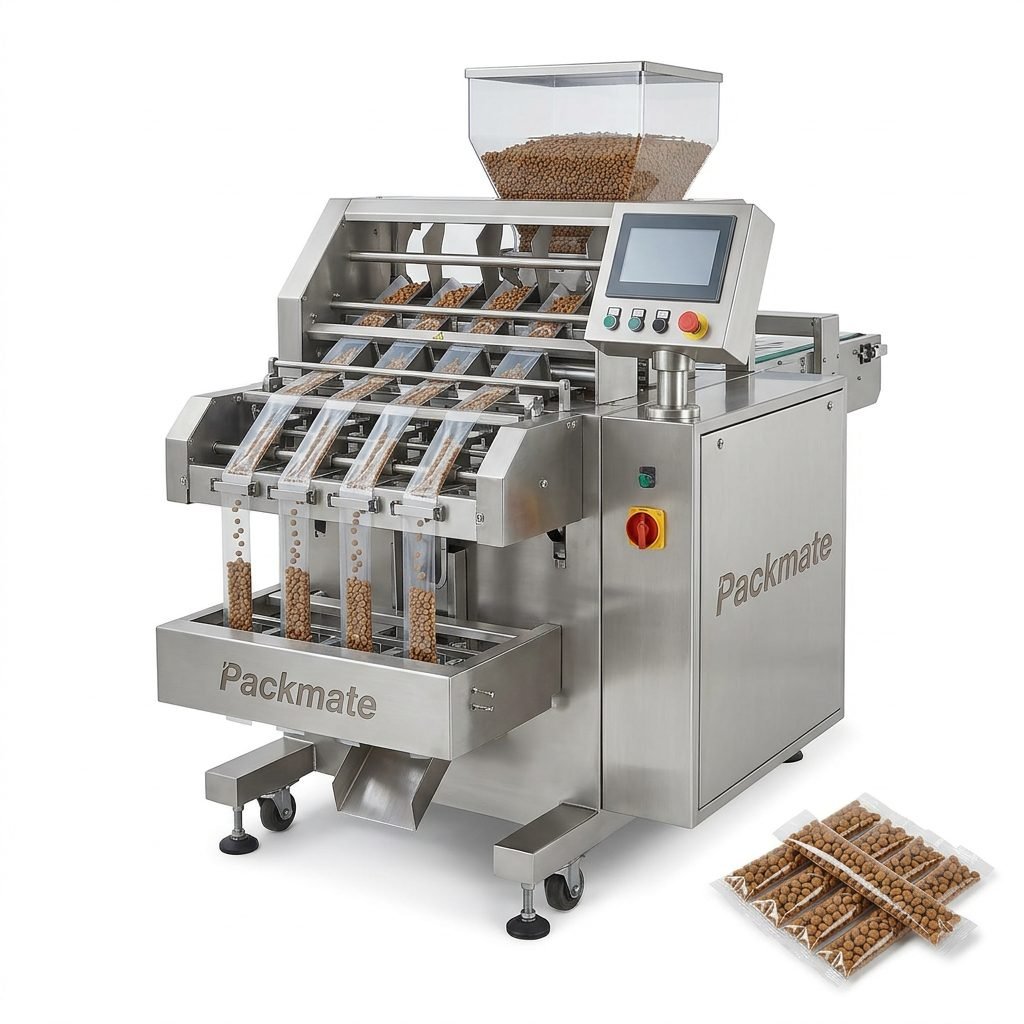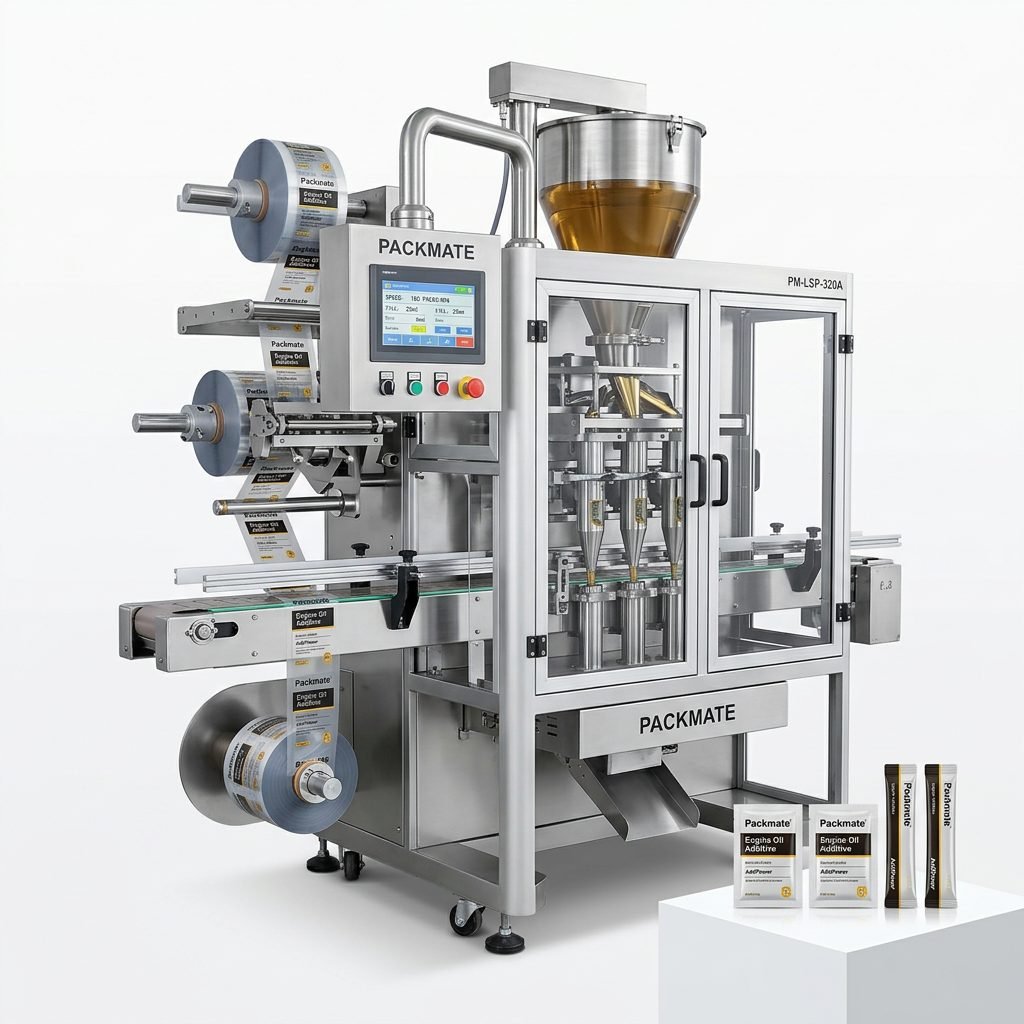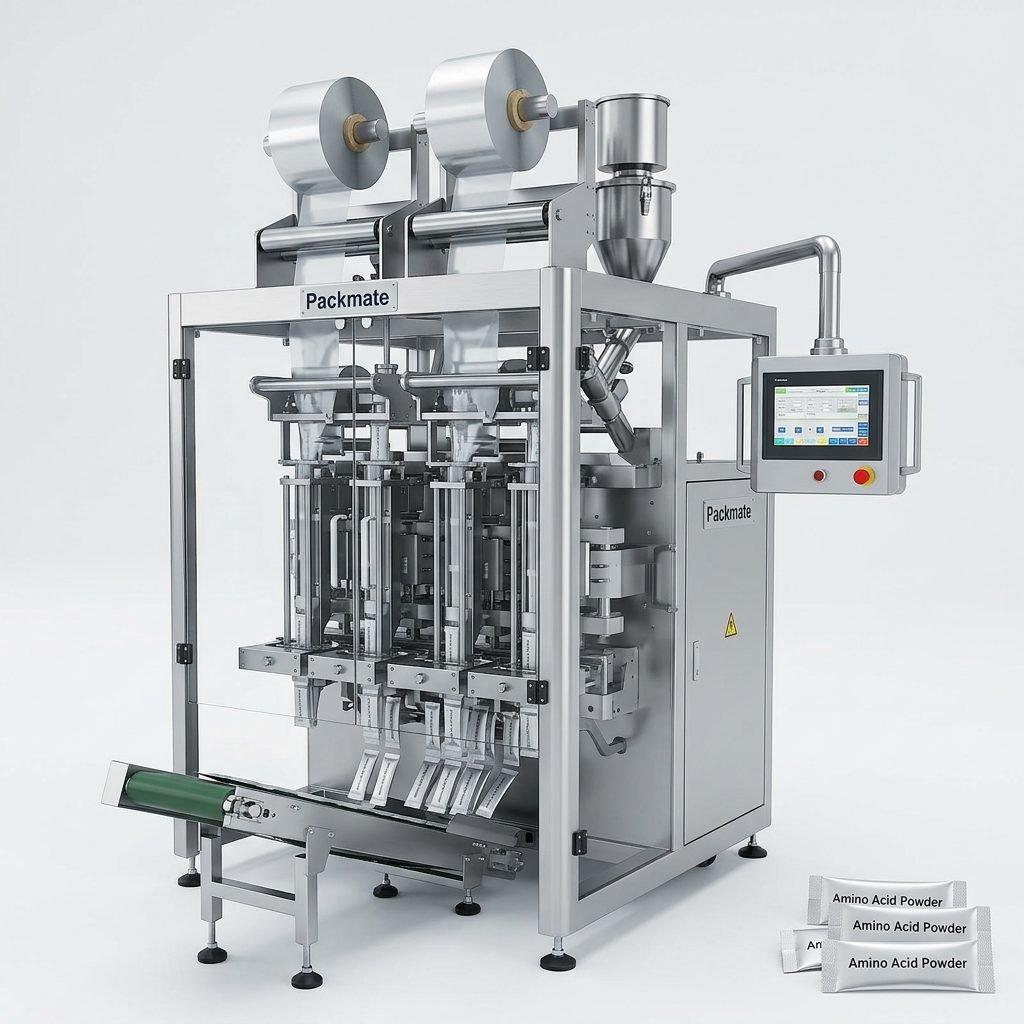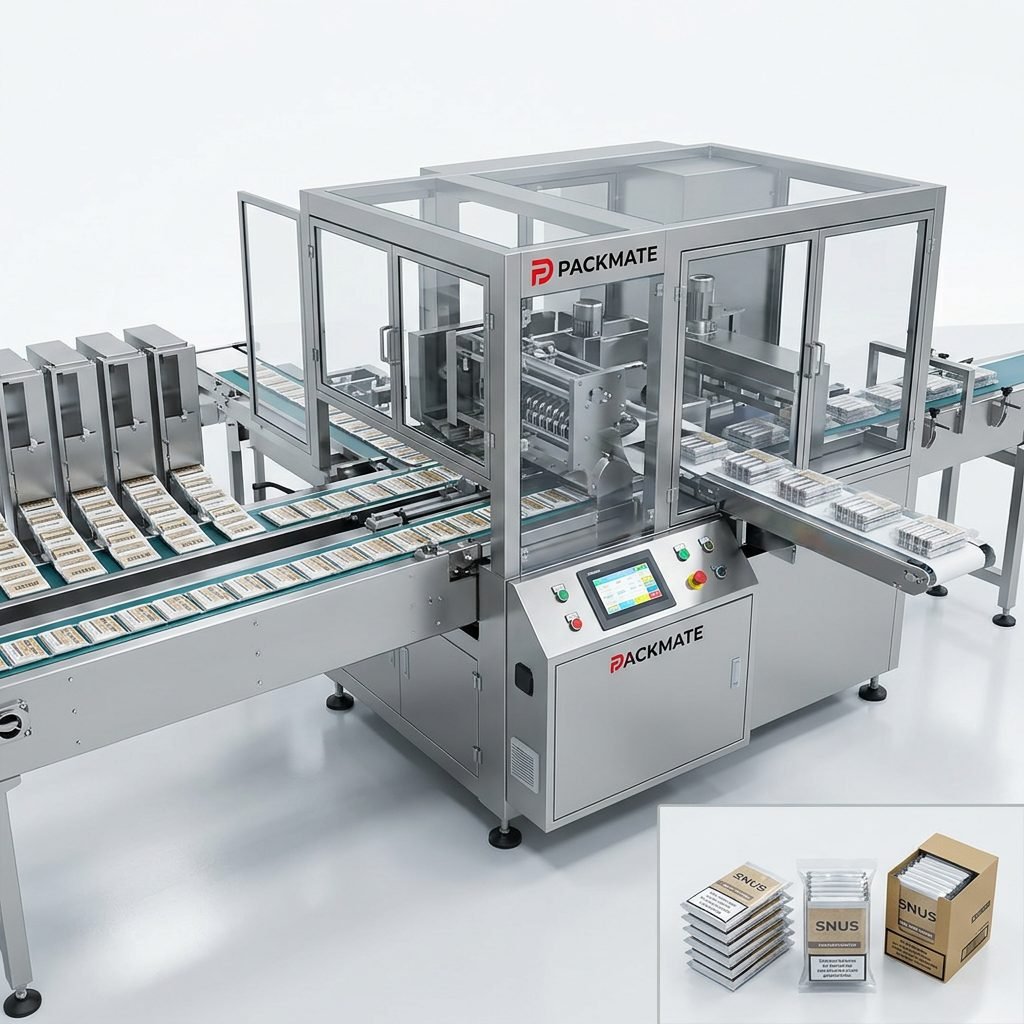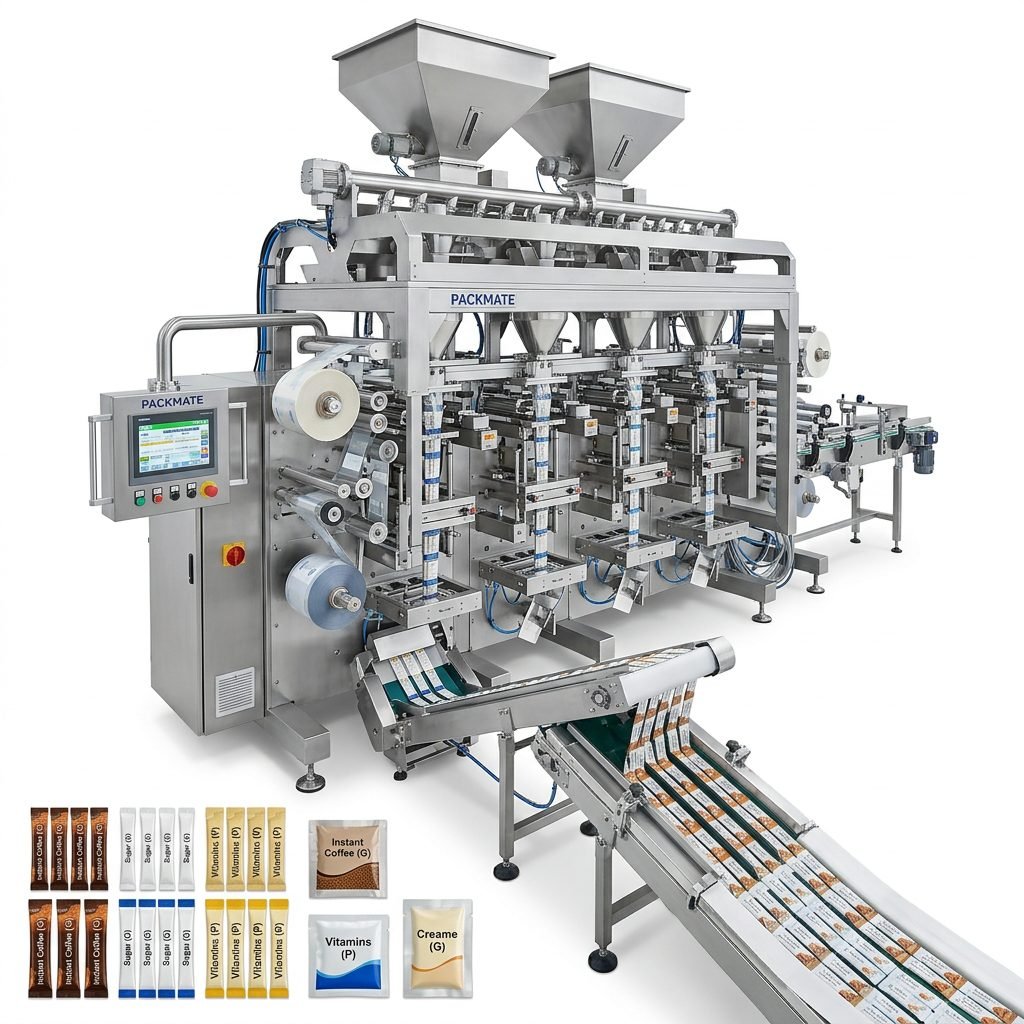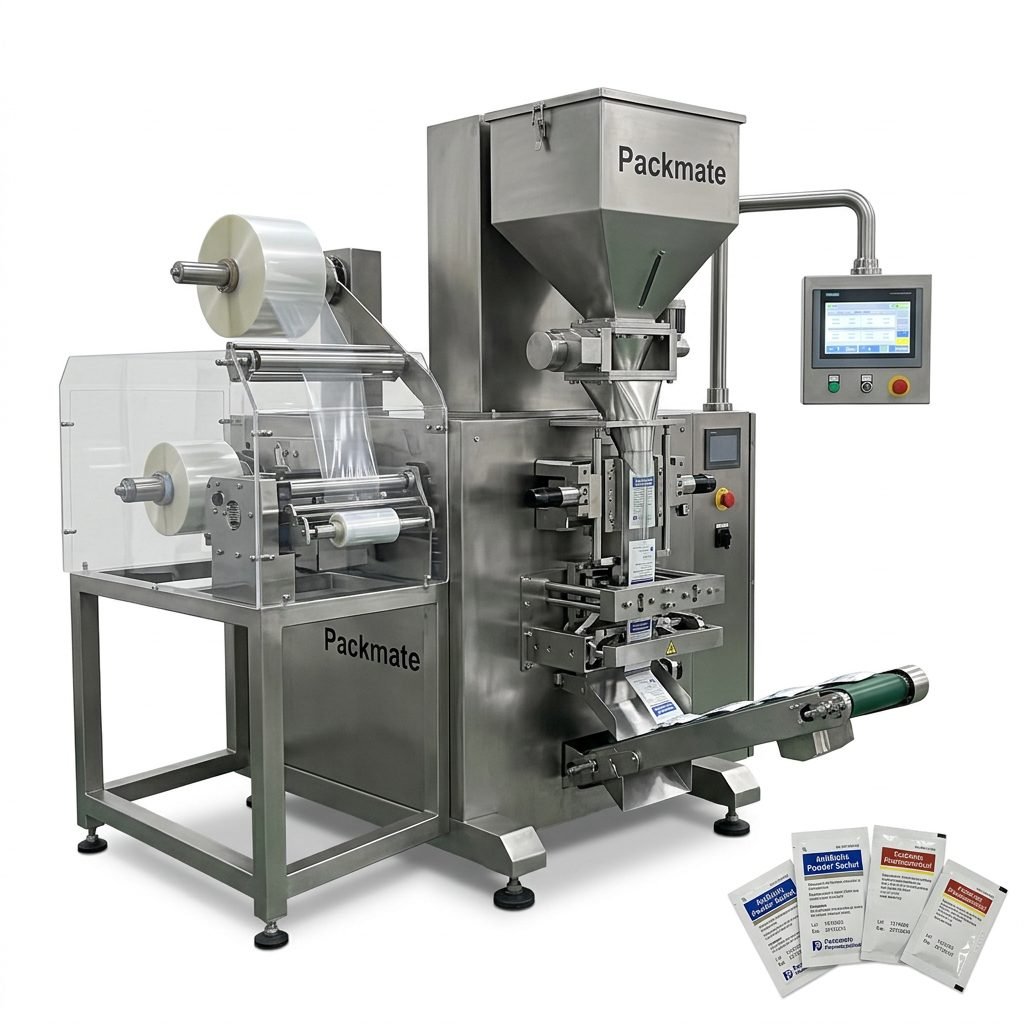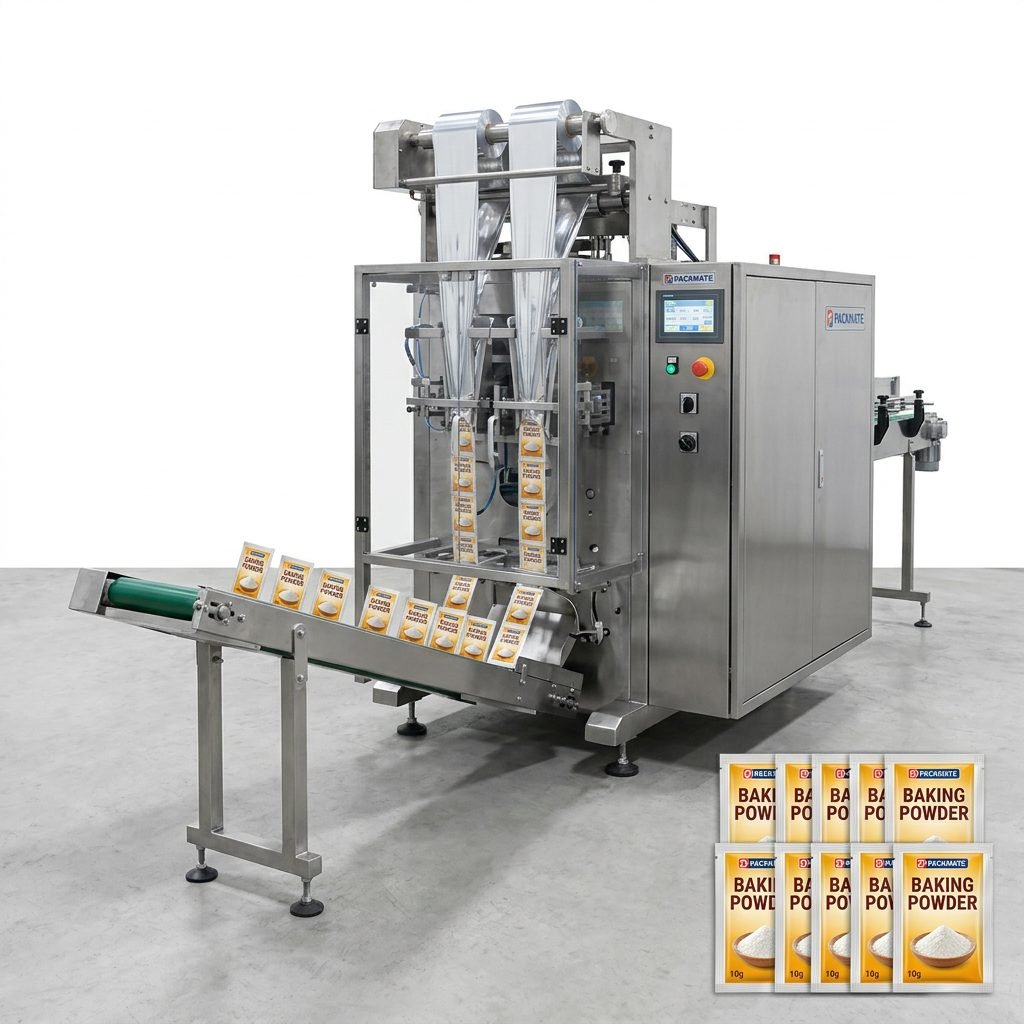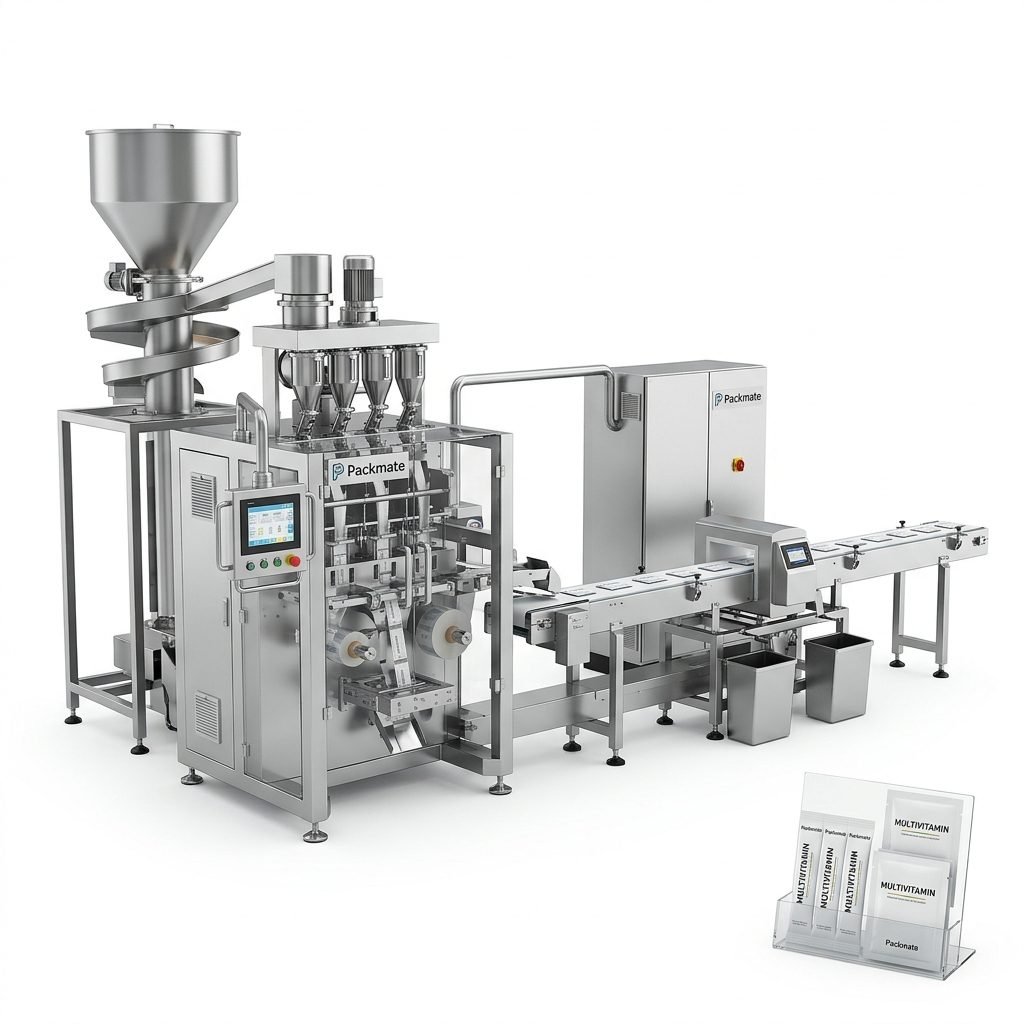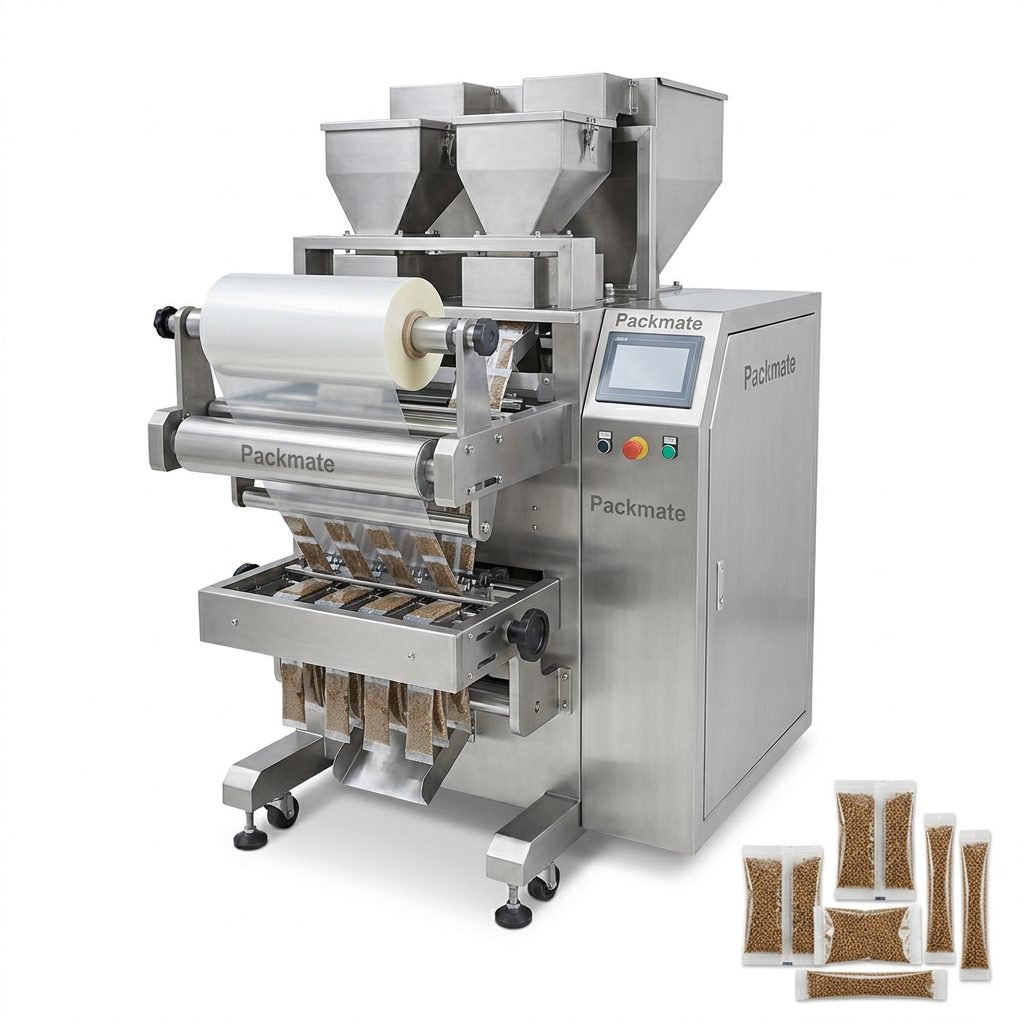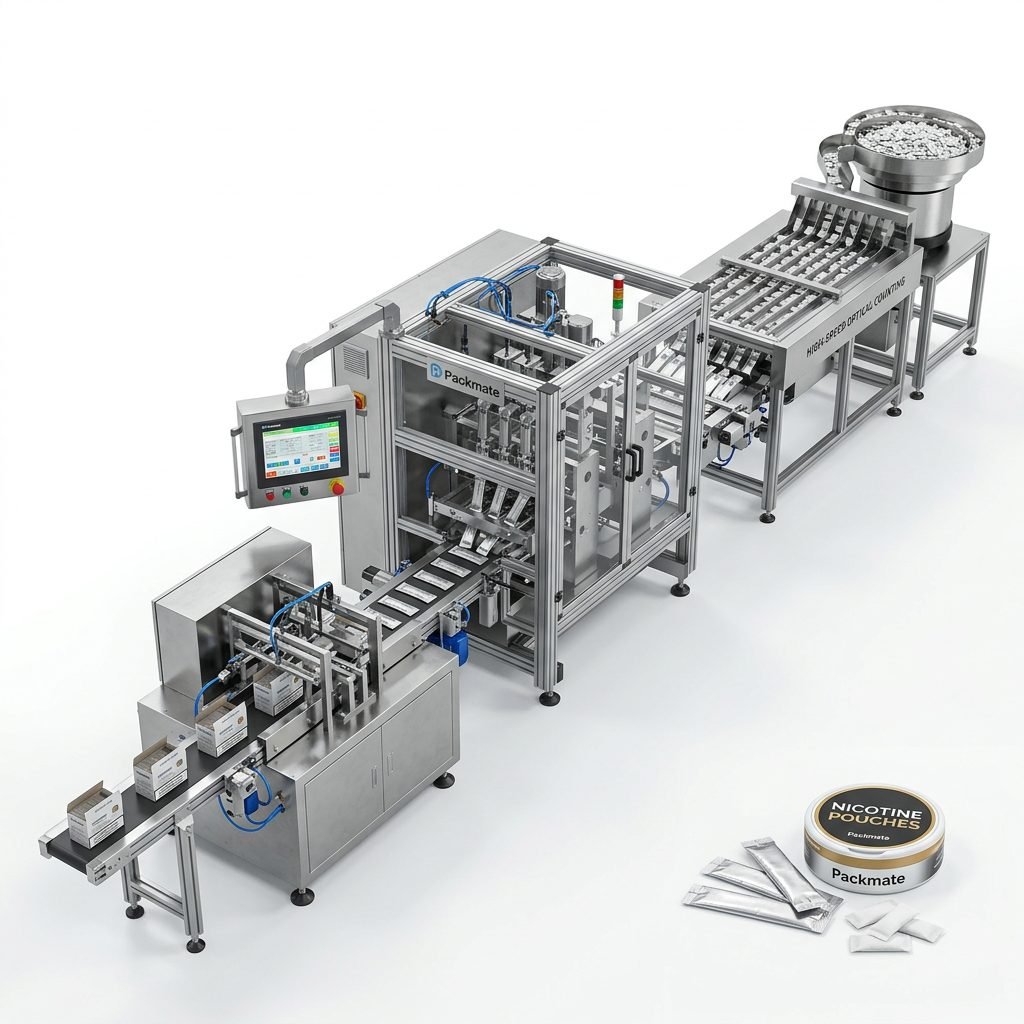
The beauty industry is a dynamic and fast-paced world where first impressions are everything. Beyond the formula itself, the packaging is a critical touchpoint for consumers, conveying brand identity, ensuring product integrity, and enhancing the user experience. For manufacturers, achieving flawless, efficient, and cost-effective packaging at scale is a significant operational challenge. This is where a sophisticated cosmetics packaging line becomes indispensable. Integrating automated filling, capping, and labeling machines into a seamless production flow is no longer a luxury but a necessity for brands aiming to compete in the global beauty market.
The Core of Beauty Production: Integrated Packaging Lines
An automated packaging line for cosmetics is a symphony of specialized machinery working in unison. It transforms bulk products into the beautifully finished items that grace store shelves. The primary advantage lies in its integration. Moving from manual or semi-automated processes to a fully connected line dramatically increases output, enforces stringent hygiene and consistency standards, and reduces labor costs and human error. For businesses looking to scale, such as those exploring comprehensive packaging solutions, this integration is the cornerstone of modern manufacturing.
Key Benefits of Automation:
- Unmatched Consistency: Every bottle, jar, or tube is filled, sealed, and labeled with identical precision.
- Enhanced Speed & Scalability: Production rates can meet high-volume demands and are easily adjustable.
- Superior Hygiene & Contamination Control: Closed systems and reduced human handling protect product purity.
- Significant Cost Reduction: Lower labor dependency, minimized product waste, and optimized material usage.
- Data-Driven Insights: Modern lines offer monitoring for output, efficiency, and predictive maintenance.
Deconstructing the Line: Essential Machines for Beauty Products
A complete cosmetics packaging line typically involves three core sequential processes, each handled by specialized equipment.
1. Precision Filling Machines: The Art of Accurate Dosage
Filling is arguably the most critical step. Cosmetics come in myriad viscosities—from watery toners and serums to thick creams, gels, and loose powders. The filling technology must be meticulously matched to the product’s characteristics to ensure accuracy and preserve quality.
Liquid Fillers: For products like perfumes, lotions, and foundations, piston fillers, gravity fillers, and vacuum fillers are common. Piston fillers are exceptionally accurate for a wide viscosity range, making them ideal for premium serums and treatments.
Cream & Paste Fillers: Auger fillers are the standard for thick, viscous products. A rotating auger screw dispenses a precise volume of product, perfect for moisturizers, masks, and lip balms.
Powder Fillers: For loose or pressed powders, volumetric cup fillers or auger systems designed for powders ensure clean, dust-minimized filling.
2. Automated Capping Machines: Ensuring Seal and Security
Once filled, containers must be sealed securely to prevent leakage, evaporation, and contamination. Capping machines apply various closures with consistent torque.
Snap Cappers: Apply pressure to snap lids onto bottles, common for lotions and shampoos.
Screw Cappers: Rotate and torque screw-on caps (plastic or metal) onto containers. Spindle cappers can handle multiple caps simultaneously for high speed.
Pump & Sprayer Applicators: Precisely insert and secure aerosol pumps or spray mechanisms onto bottles, a crucial step for perfumes and hairsprays.
3. Labeling Machines: The Final Brand Touch
Labeling applies the brand’s identity and mandatory information. Cosmetics often require high-precision labeling on curved, small, or transparent containers.
Wrap-Around Labelers: Apply labels that cover the entire circumference of a round bottle or jar.
Front & Back Labelers: Apply labels to specific panels on flat or rectangular containers.
Hot Stamp Coders: Imprint batch codes, expiry dates, or logos directly onto packaging.
Connecting these machines with conveyors, sensors, and a centralized control system creates a cohesive automated packaging line. The synergy between filling, capping, and labeling is what delivers the flawless finished product. For real-world applications, reviewing specific project cases can provide valuable insights into line configurations.
Choosing the Right Partner for Your Packaging Line
Selecting machinery is only half the battle. Partnering with the right supplier is crucial for long-term success. An ideal partner offers more than just machines; they provide a turnkey solution.
What to Look For in a Supplier:
- Proven Industry Experience: Deep understanding of cosmetics packaging challenges and regulations.
- Customization Capability: Ability to tailor the line to your specific container shapes, sizes, and production goals.
- Comprehensive Service: Includes installation, training, maintenance support, and readily available spare parts.
- Quality & Compliance: Machines built to international standards (CE, etc.) with high-quality components for durability.
Companies with a strong track record, like Packmate (GuangDong) Co., Ltd., exemplify this approach. With decades of experience, they evolve from selling single machines to delivering complete, intelligent production lines. Their expertise ensures that the line not only works but is optimized for your unique products and output requirements. Learning more about a supplier’s company profile and history is a key step in the selection process.
Future Trends: Smart and Sustainable Packaging Lines
The future of cosmetics packaging automation is intelligent and eco-conscious. Industry 4.0 integration allows lines to communicate data in real-time, enabling predictive maintenance, remote monitoring, and seamless production planning. Furthermore, as consumer demand for sustainability grows, lines must adapt to handle new materials like post-consumer recycled (PCR) plastics, biodegradable tubes, and refillable packaging formats. Flexibility will be key to navigating this evolving landscape.
Frequently Asked Questions (FAQs)
1. What types of cosmetics can be packaged on an automated line?
Virtually all types: liquids (toners, serums, foundations), creams & pastes (moisturizers, masks), gels, powders (loose, compact), and even stick products (lip balm, deodorant). The line is configured with specific filling heads and handling systems suited to the product’s physical properties.
2. How do I determine the right production speed for my needs?
Speed is measured in containers per minute (CPM). Your required speed depends on your annual volume, batch sizes, and growth projections. A reliable supplier will help you calculate this based on your business plan, ensuring the line has the capacity to scale with you without being over-specified for your initial needs.
3. Can one line handle multiple different product SKUs or container sizes?
Yes, with changeover capabilities. Many modern lines are designed for quick changeovers. This involves interchangeable parts like filling nozzles, capping heads, and labeler attachments, along with programmable settings. The time for changeover is a key factor to discuss with your supplier to minimize downtime.
4. What is the typical lead time for a custom cosmetics packaging line?
Lead times vary significantly based on complexity, customization, and supplier capacity. A standard configured line may take 3-6 months, while a highly customized, turnkey solution can take 6-12 months from order to installation and commissioning. Clear communication and planning with your supplier are essential.
5. How important is after-sales service and support?
It is critically important. Even the most robust machinery requires maintenance, occasional spare parts, and technical support. Choose a supplier with a proven, responsive service network, readily available spare parts inventory, and comprehensive training programs. This ensures maximum uptime and a long, productive life for your investment. For ongoing support, a supplier’s dedicated service department is invaluable.