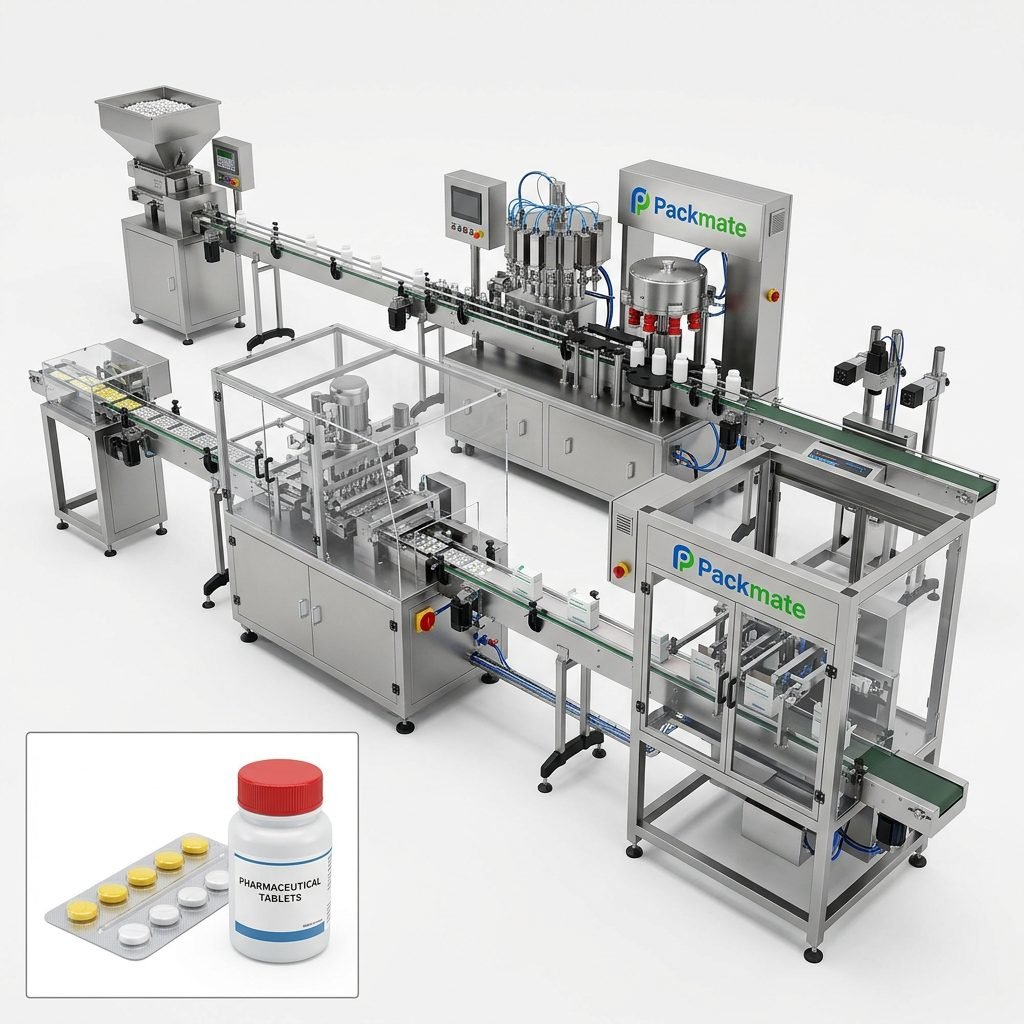
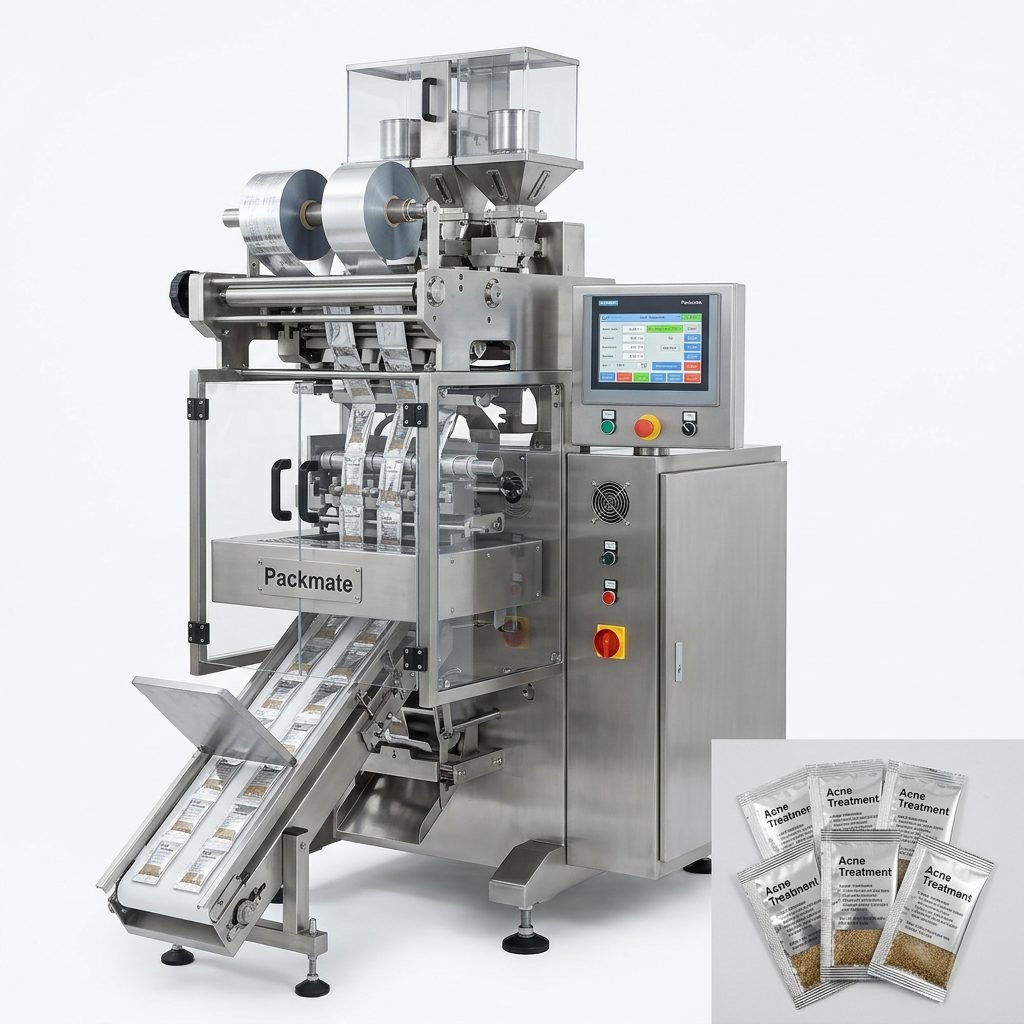
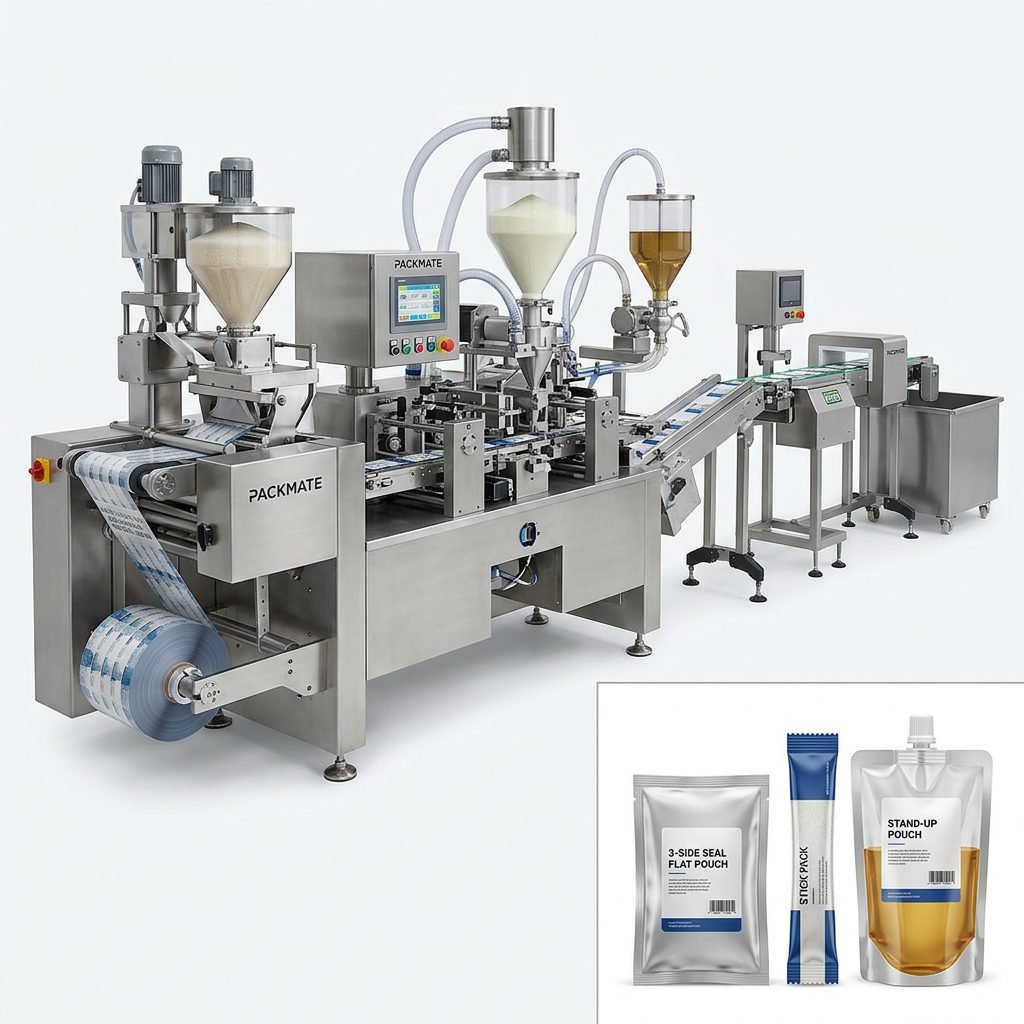
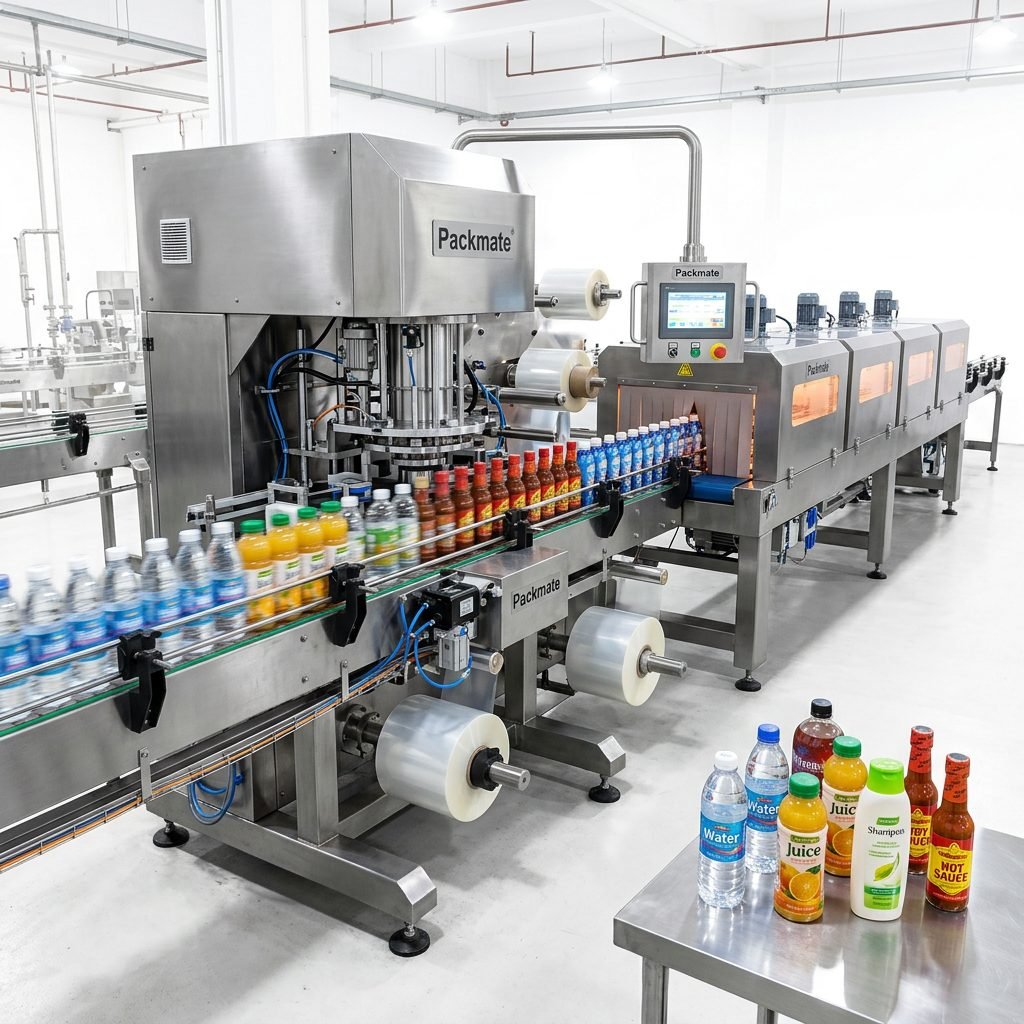
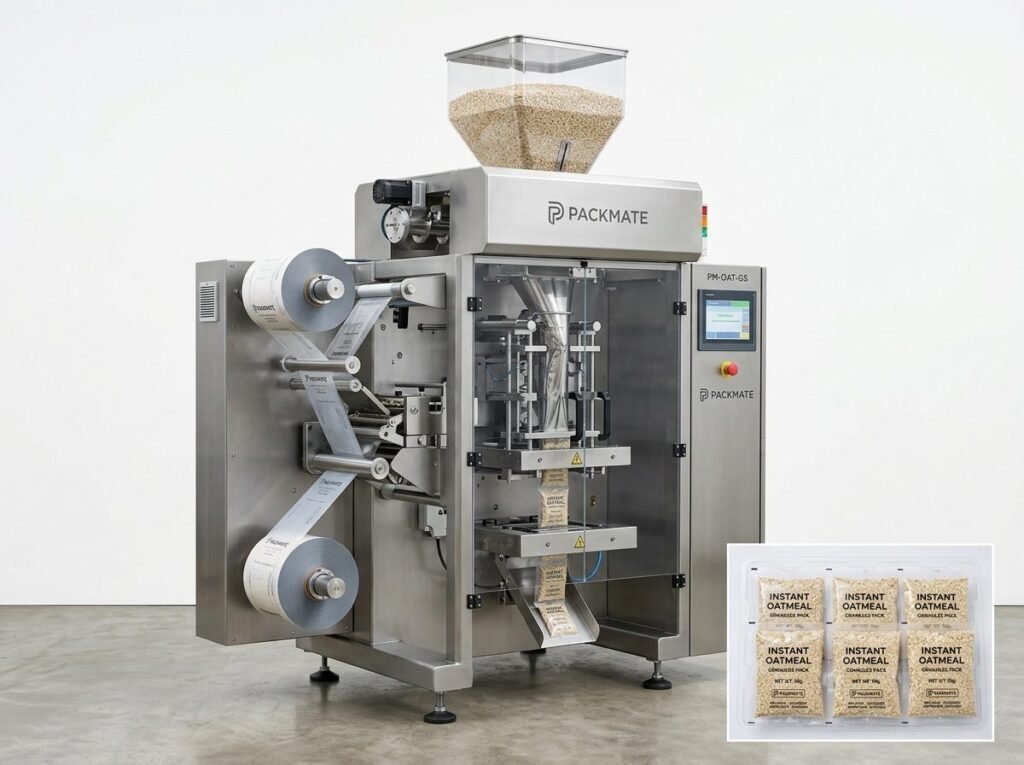
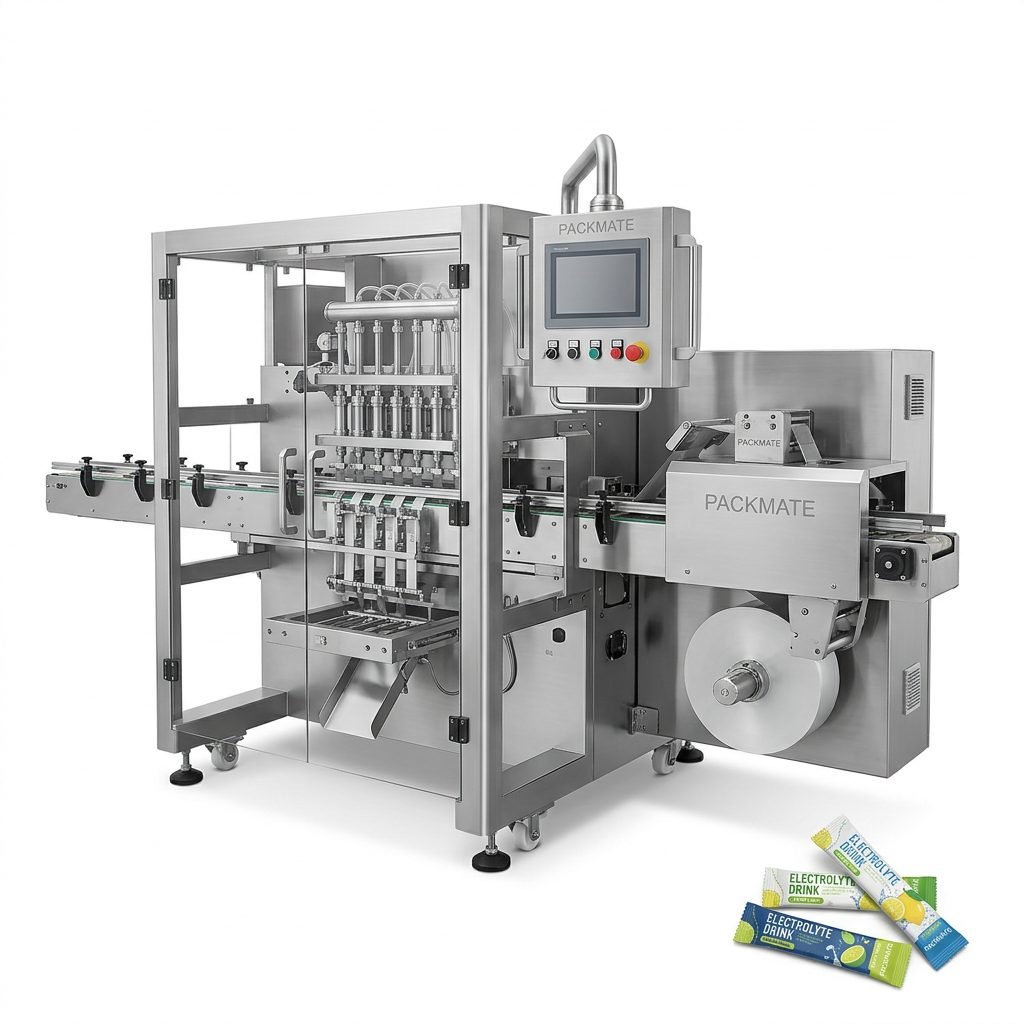
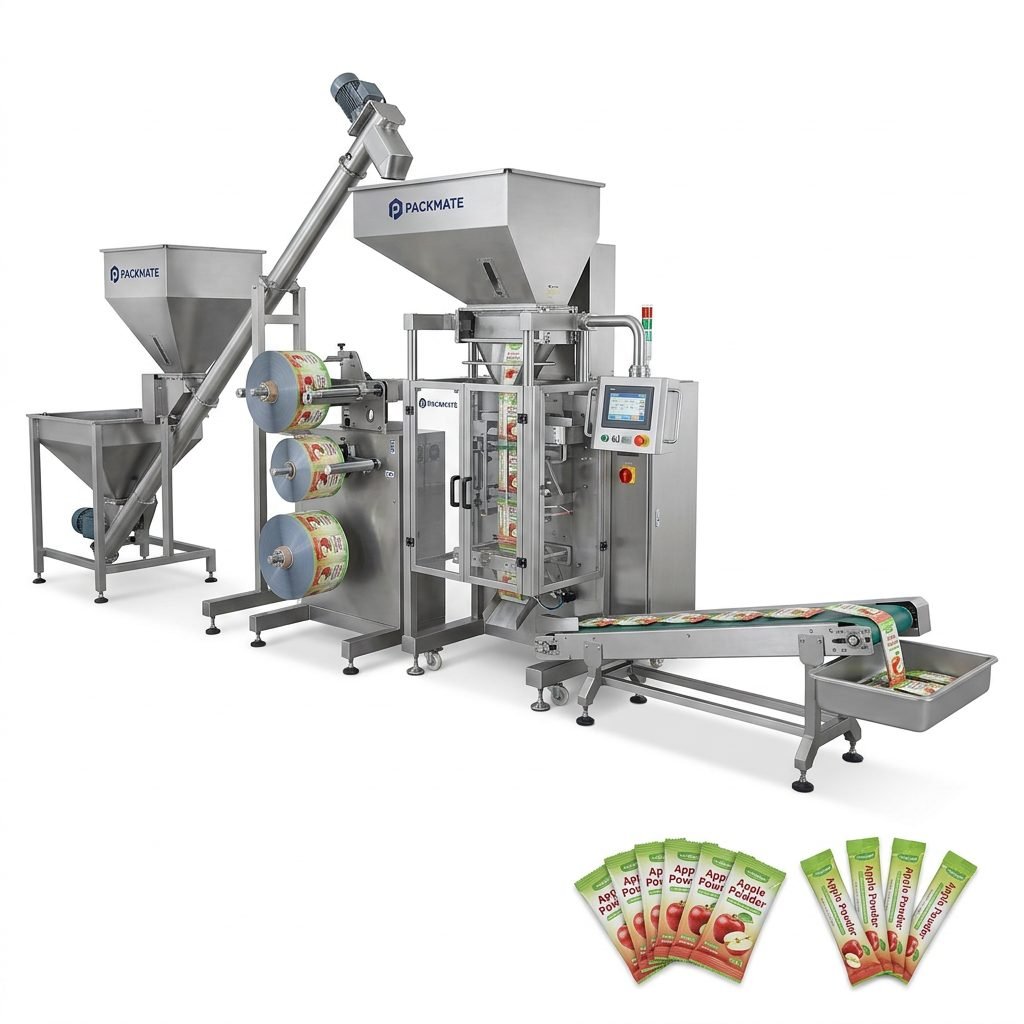
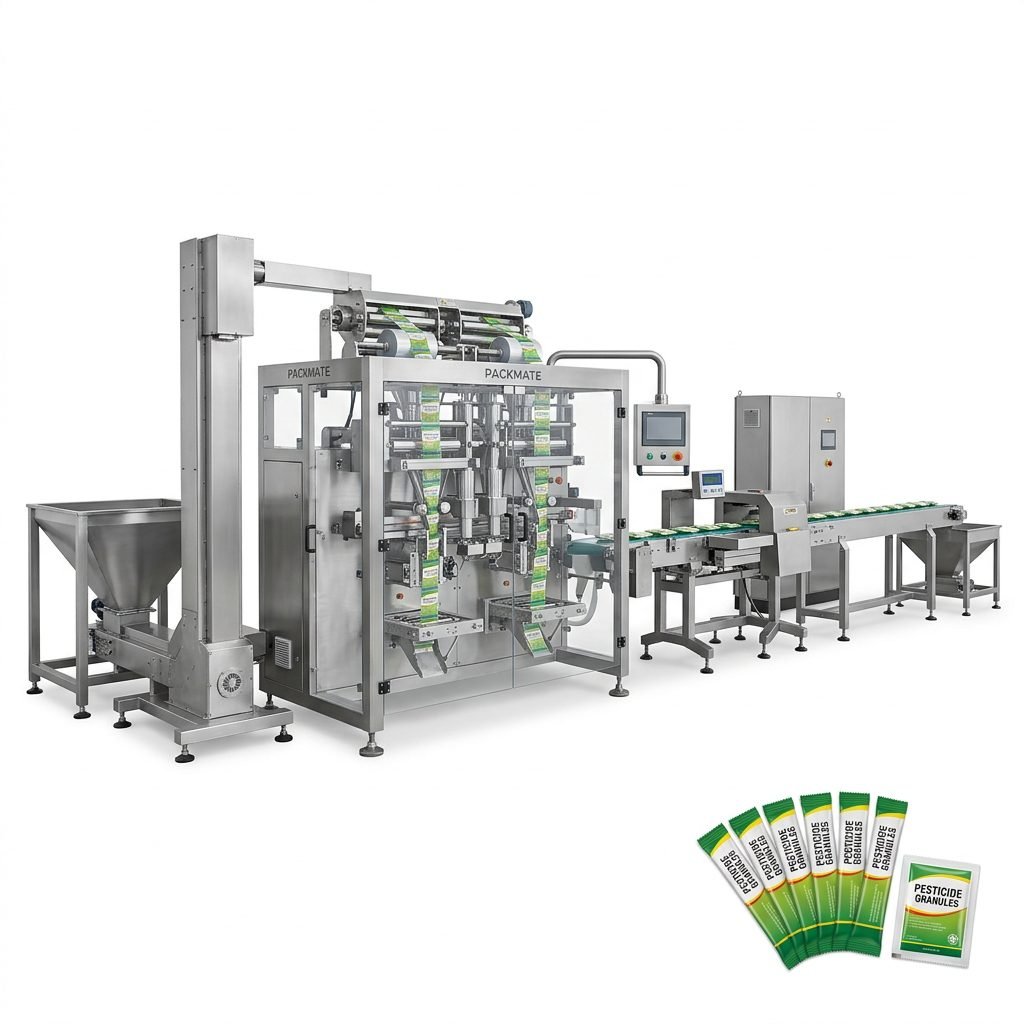
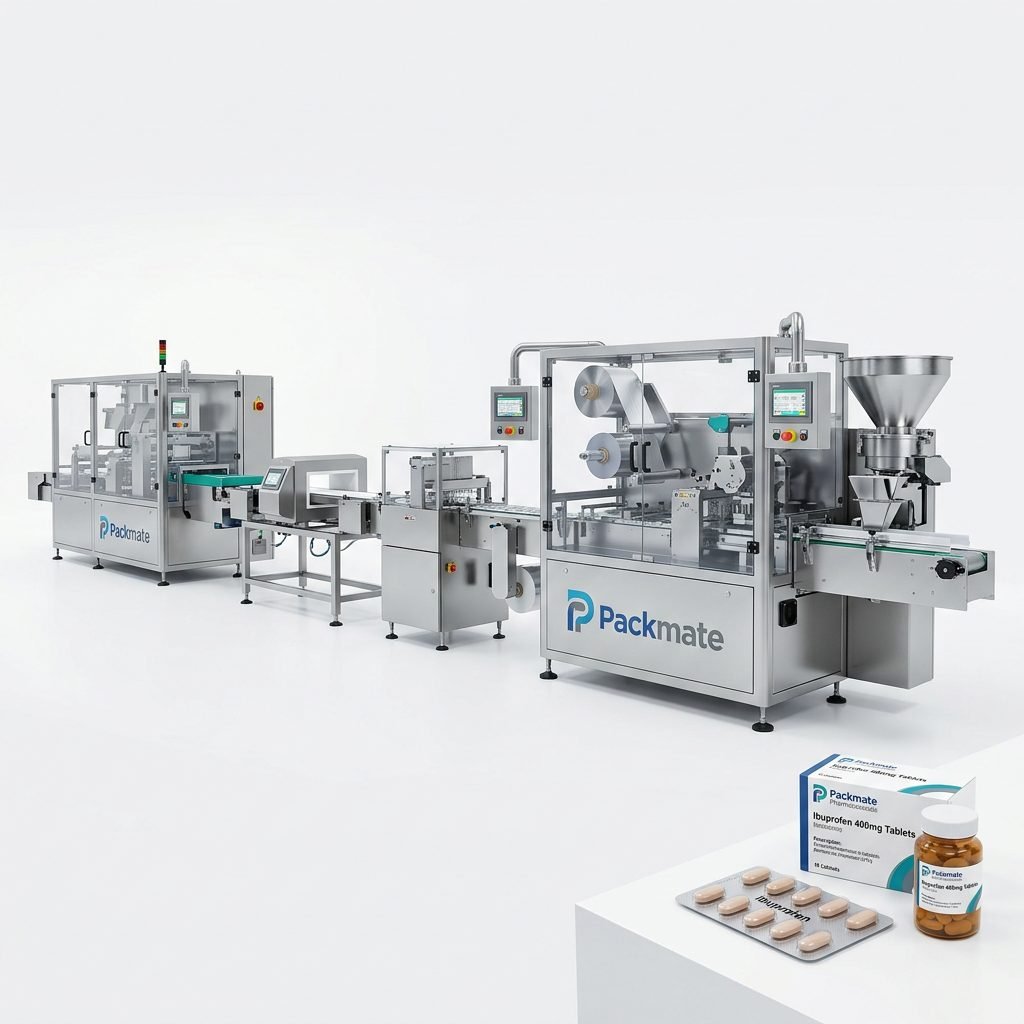
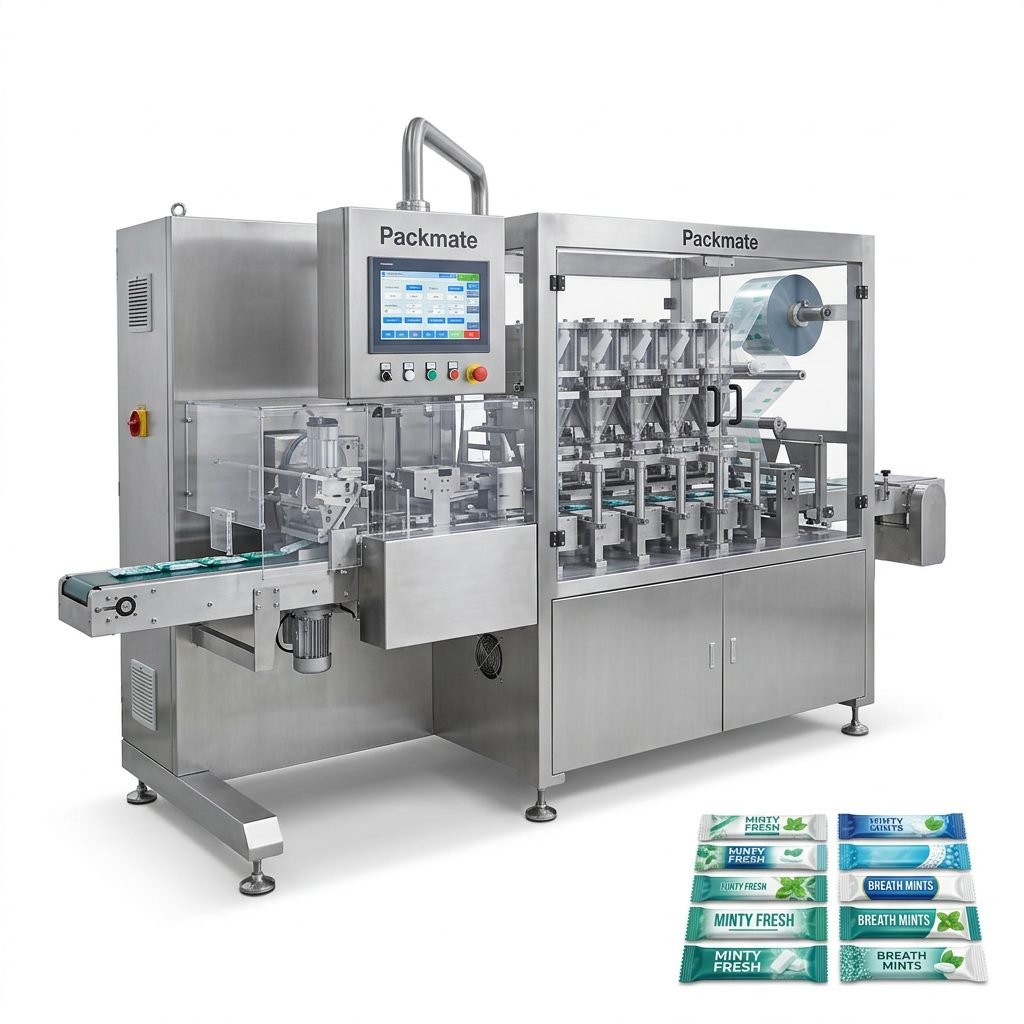
In today’s highly regulated and quality-conscious markets for food and pharmaceuticals, ensuring the integrity of every single package leaving the production line is non-negotiable. Manual inspection is not only slow and prone to human error but also struggles to keep pace with modern high-speed packaging lines. This is where a comprehensive Automated Inspection System becomes the cornerstone of operational excellence, product safety, and brand protection. Moving beyond a simple machine, a complete turnkey solution integrates seamlessly into your packaging line, delivering unparalleled reliability and peace of mind.
The Critical Need for Automation in Packaging Inspection
The consequences of packaging defects are severe. In the pharmaceutical industry, a compromised blister pack or incorrect leaflet can directly impact patient safety and lead to massive regulatory fines and recalls. For food producers, leaks, incorrect fill levels, or mislabeled packaging can result in spoilage, consumer complaints, and damage to hard-earned brand reputation. An automated system acts as a vigilant, unbiased guardian, inspecting 100% of production at line speeds that can exceed manual capabilities by orders of magnitude. This shift is not just an upgrade; it’s a fundamental requirement for any producer aiming for world-class quality standards and supply chain resilience. For businesses looking to understand the full scope of such integration, exploring our dedicated packaging solutions provides deeper insight.
Core Inspection Capabilities of a Turnkey System
A true turnkey automated inspection solution is a multi-faceted suite of technologies, each targeting specific potential failures:
- Vision Inspection: High-resolution cameras coupled with powerful software check for print quality, label presence and accuracy, barcode/QR code readability, and correct artwork.
- Fill Level & Leak Detection: Advanced sensors, such as weigh cells or vision-based volumetric analysis, ensure each package contains the precise amount of product. Leak detection systems can identify minute breaches in seals.
- Package Integrity Verification: This includes checking for proper seal formation on pouches, the correct closure of caps on bottles, and the absence of dents or tears in rigid containers.
- Foreign Object Detection: Utilizing technologies like X-ray or metal detection, the system can identify and reject contaminants within the product itself before it is sealed.
Beyond the Machine: What Defines a “Complete Turnkey Solution”?
Purchasing an inspection machine is one thing; implementing a successful, long-term inspection strategy is another. A complete turnkey solution from a provider like Packmate encompasses the entire project lifecycle, eliminating integration headaches and ensuring rapid ROI.
1. Comprehensive System Design & Integration
The provider doesn’t just sell a standalone unit. They conduct a thorough analysis of your existing packaging line—whether it’s for stick packs, sachets, or bottles—and design an inspection system that fits perfectly. This includes mechanical interfacing (reject mechanisms, conveyors), electrical integration with PLCs, and software communication with your line control system for synchronized operation and data collection.
2. Advanced Software & Data Analytics
The real intelligence lies in the software. A modern system offers an intuitive HMI (Human-Machine Interface) for easy parameter setting and operation. More importantly, it collects and logs every inspection decision, creating a powerful database for traceability and analytics. You can track defect rates by type, shift, or production batch, enabling proactive quality management and continuous process improvement.
3. Professional Installation, Training, and Support
The “turnkey” promise means the supplier handles on-site installation, calibration, and commissioning. Comprehensive training for your operators, maintenance technicians, and quality managers is crucial for adoption and success. Furthermore, ongoing technical support, readily available spare parts, and preventative maintenance plans, as detailed in our service commitments, ensure the system remains a reliable asset for years, not a source of downtime.
Tangible Benefits for Food and Pharmaceutical Producers
Uncompromising Quality & Compliance
Automated inspection provides documented, consistent quality control, which is essential for meeting stringent FDA, EMA, GMP, and other global regulatory standards. It creates an auditable trail of proof that every product was inspected.
Significant Cost Reduction
While there is an initial investment, the system pays for itself by drastically reducing waste (rejecting only faulty packages, not entire batches), minimizing costly recalls, lowering labor costs associated with manual inspection, and improving overall equipment effectiveness (OEE).
Enhanced Brand Protection & Consumer Trust
By virtually eliminating defective products from reaching the market, you protect your brand’s reputation. In an era where consumers share experiences online, consistent quality builds immense trust and loyalty.
Actionable Production Intelligence
The data generated transforms quality control from a reactive to a predictive function. Identifying that seal defects spike on a particular machine or shift allows for immediate corrective action, optimizing the entire packaging process. Real-world applications of these benefits can be seen in our documented project cases.
Choosing the Right Partner for Your Turnkey Inspection System
Selecting a supplier is as critical as selecting the technology. Look for a partner with deep domain expertise in both inspection technology and packaging line dynamics. A provider with a strong track record in your specific industry (food granules, pharmaceutical powders, health liquids) will understand your unique challenges. Evaluate their project management capability, their commitment to training, and the robustness of their after-sales support network. A company like Packmate, with over 22+ years of development and a 20,000㎡ modern facility, embodies the stability and expertise required for such a critical investment. Their journey from a focused workshop to a leading provider is outlined in their company profile.
Implementing an automated inspection system is a strategic decision that elevates your production capabilities. It moves quality assurance from a bottleneck to a seamless, data-driven component of your smart factory. By opting for a genuine turnkey solution, you gain more than a machine; you gain a dedicated partner and a holistic system designed to safeguard your products, your consumers, and your brand for the long term.
Frequently Asked Questions (FAQs)
1. Can an automated inspection system be retrofitted to our existing, older packaging line?
Answer: Yes, in most cases. A key part of a professional turnkey service is the feasibility study and custom engineering required to integrate new inspection modules with legacy equipment. The provider will design the necessary mechanical interfaces, conveyor links, and control system communications to make the integration smooth and effective.
2. How does the system differentiate between a critical defect and a minor cosmetic flaw?
Answer: The inspection software is highly configurable. You can set different tolerance thresholds and parameters for various checkpoints. For example, you can program it to reject a package for a complete seal failure (critical) but only flag a minor print smudge (cosmetic) for operator review, allowing for flexible and intelligent quality control.
3. What kind of data does the system provide, and how can we access it?
Answer: Modern systems generate comprehensive data logs, including total units produced, units passed/rejected, rejection reasons categorized by type, and time-stamped records. This data is typically accessible via the on-site HMI, can be exported to USB drives or over a network, and often can be integrated into factory-wide SCADA or MES systems for centralized monitoring.
4. How is maintenance handled, and what is the typical system uptime?
Answer: A reliable supplier will offer a preventative maintenance plan. Daily and weekly cleaning and calibration by your trained staff are standard. The systems are designed for industrial durability, with typical uptime exceeding 95%. Having a clear support agreement ensures quick response for any technical issues, minimizing potential downtime.
5. We have a low-speed line. Is automation still cost-effective for us?
Answer: Absolutely. The return on investment isn’t solely about speed. For low-to-medium speed lines, the benefits of 100% inspection consistency, elimination of human error, reduced labor costs, and the powerful defensive barrier against a catastrophic quality escape (which can happen at any speed) make automation a highly valuable and justifiable investment. For more specific questions, visit our comprehensive FAQ resource.