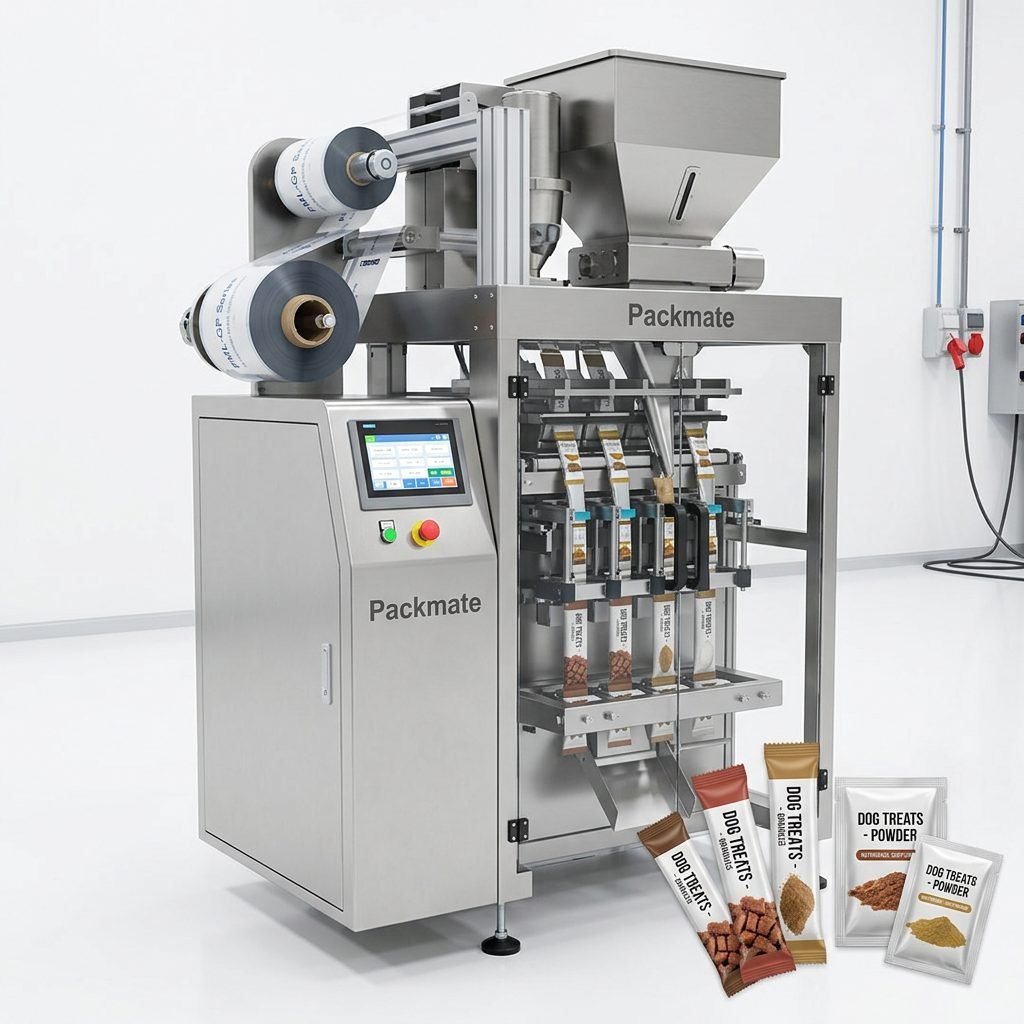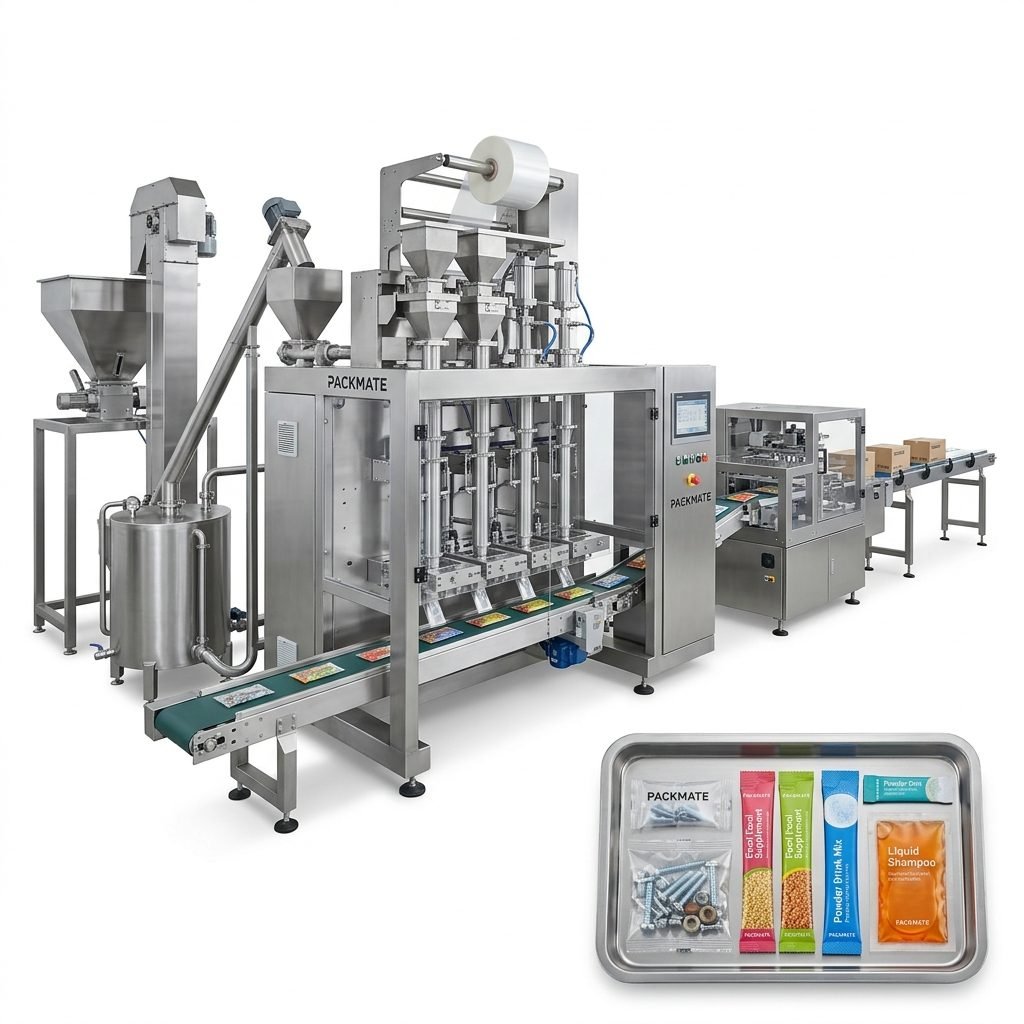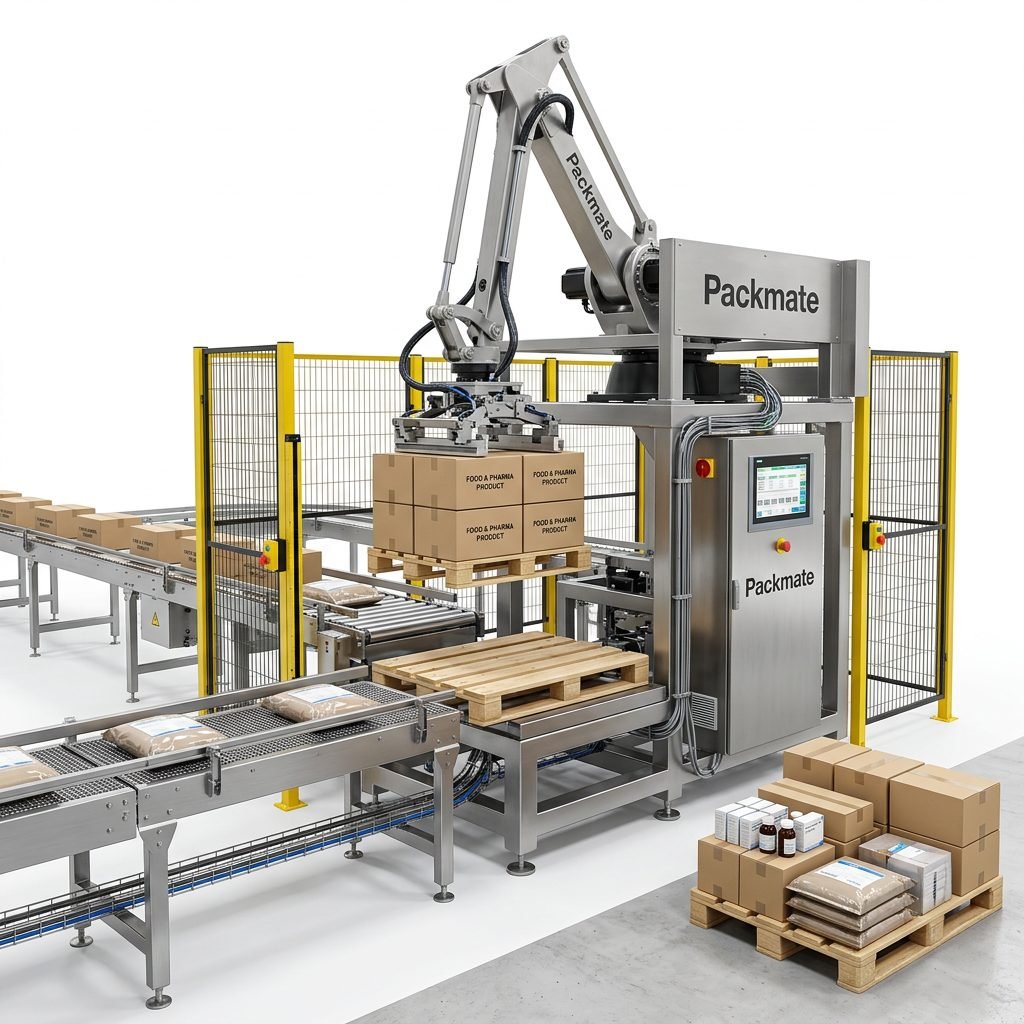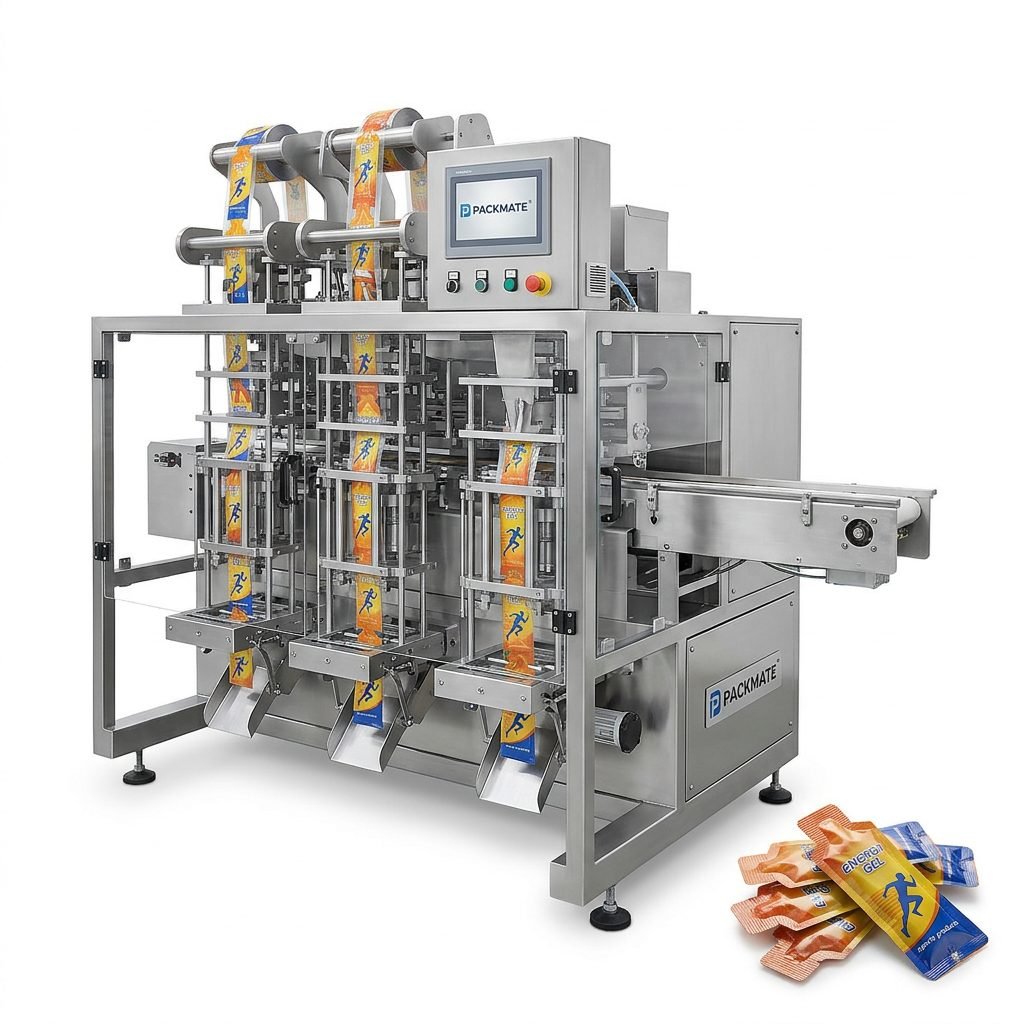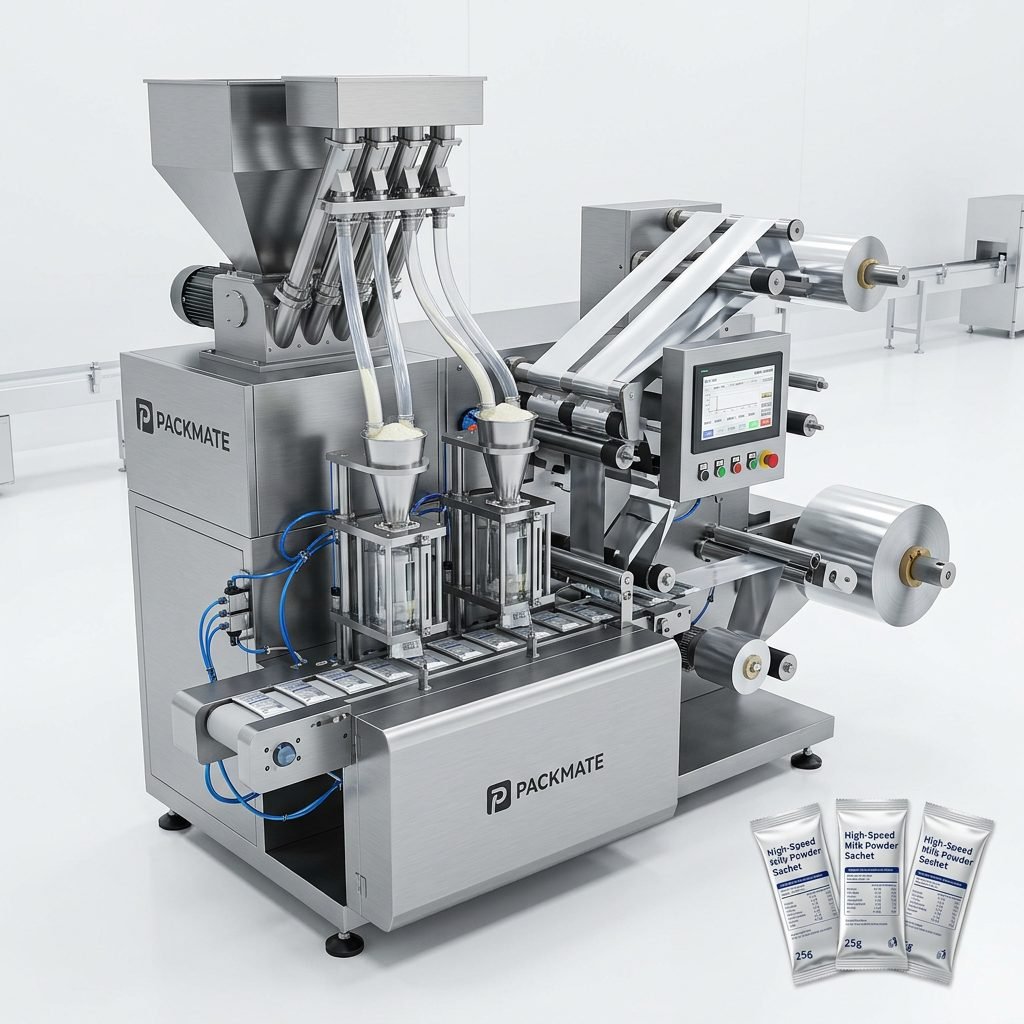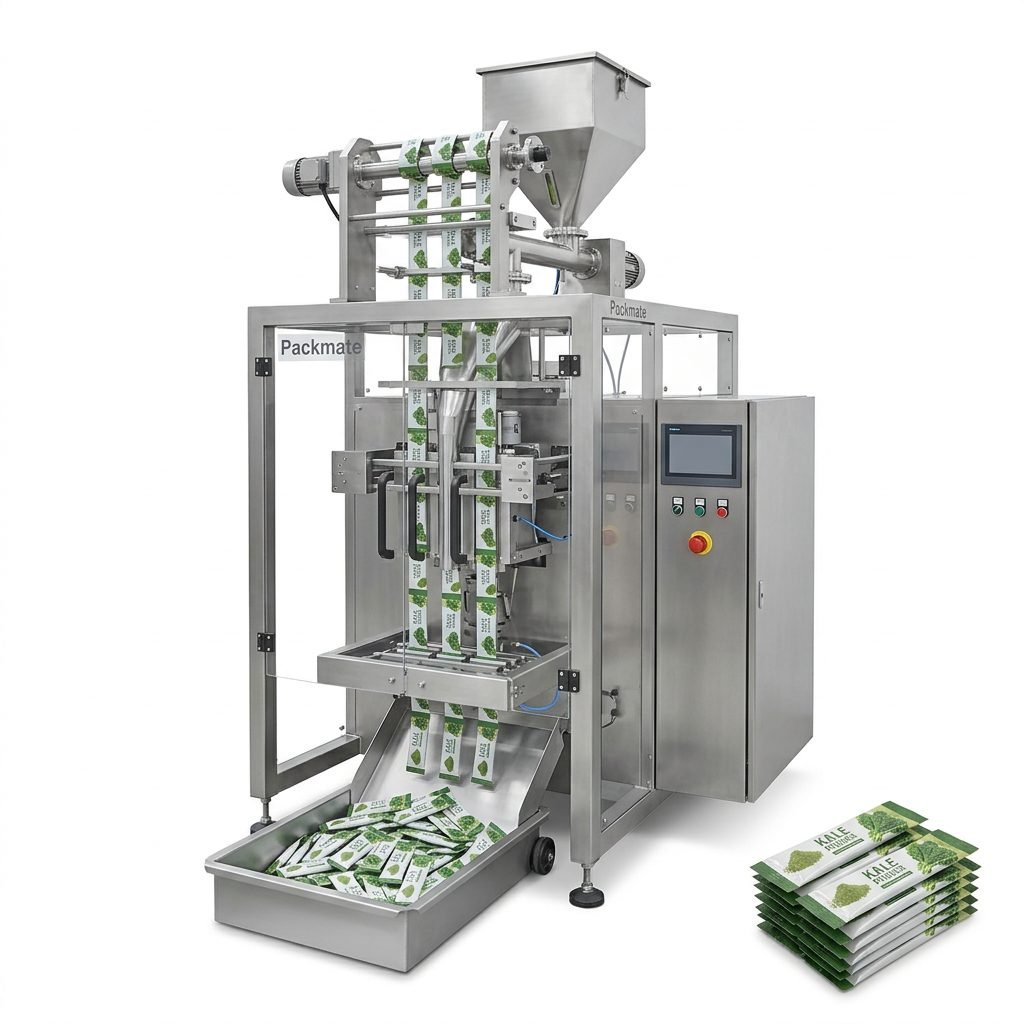
In the highly regulated and safety-critical industries of food and pharmaceuticals, packaging is far more than a container. It is the final, crucial barrier protecting product integrity from the production line to the end consumer. Effective packaging quality control (QC) is therefore not an optional step but a fundamental requirement for regulatory compliance, brand reputation, and consumer safety. This comprehensive guide delves into the essential strategies, standards, and technologies for ensuring impeccable packaging quality.
The Critical Role of Packaging Quality Control
Packaging quality control serves multiple vital functions. Primarily, it ensures product safety and shelf stability by verifying that materials are impermeable to contaminants, moisture, and gases. For pharmaceuticals, this is paramount to maintain drug efficacy. Secondly, it guarantees regulatory compliance with stringent standards set by bodies like the FDA (U.S. Food and Drug Administration) and the EMA (European Medicines Agency). Non-compliance can result in severe penalties, product recalls, and irreparable brand damage. Finally, robust QC upholds brand integrity by ensuring every product reaches the consumer in perfect condition, fostering trust and loyalty.
🔍 Key Objectives of a Packaging QC Program:
- Prevent contamination and ensure sterility.
- Verify material strength and durability.
- Validate seal integrity and barrier properties.
- Confirm accurate labeling and legibility.
- Ensure batch-to-batch consistency.
Core Components of a Packaging QC System
A holistic QC system is built on several interdependent pillars, from initial design to final batch release.
1. Material Qualification and Incoming Inspection
Quality begins with the raw materials. Every batch of packaging material—films, foils, bottles, caps, inks, and adhesives—must be rigorously tested against predefined specifications. This includes checks for thickness, tensile strength, chemical composition, and compatibility with the product. Partnering with certified suppliers, like those with a proven track record in providing compliant materials, is essential. Establishing a reliable supply chain is a core part of any successful packaging solution.
2. In-Process Controls During Production
Continuous monitoring during the packaging process catches defects in real-time, minimizing waste. Critical checkpoints include:
- Seal Integrity Testing: Using methods like visual inspection, burst testing, or dye penetration to ensure seals are complete and leak-proof.
- Fill Weight Verification: Ensuring each unit contains the correct amount of product, crucial for both consumer fairness and regulatory dosing.
- Labeling Accuracy: Automated vision systems scan for correct text, barcodes, expiry dates, and lot numbers.
3. Finished Product Testing and Release
Before any batch is released for distribution, it undergoes final testing. This often involves statistical sampling plans (like AQL – Acceptable Quality Level) to test for critical, major, and minor defects. Tests may include accelerated aging studies to predict shelf life, leak detection, and child-resistant closure functionality testing.
Adhering to Key Regulatory Standards and Guidelines
Navigating the global regulatory landscape is complex. Key standards include:
GMP (Good Manufacturing Practice)
GMP is the cornerstone for pharmaceutical and food packaging. It mandates that processes are consistently controlled and documented. This means every action, from cleaning procedures to equipment calibration, must be recorded to ensure traceability. A company’s commitment to GMP is often reflected in its certifications and quality accreditations.
FDA 21 CFR Part 211 & EU Annex 1
These are specific regulations for drug product packaging. They detail requirements for container-closure systems, emphasizing that packaging must not be reactive, additive, or absorptive so as to alter the safety or quality of the drug.
ISO Standards (ISO 9001, ISO 15378)
ISO 9001 provides a framework for a quality management system (QMS), while ISO 15378 specifies QMS requirements for primary packaging materials for medicinal products. Compliance demonstrates a systematic approach to quality.
Leveraging Technology for Enhanced Quality Assurance
Modern technology has revolutionized packaging QC, enabling higher accuracy, speed, and data integrity.
Automated Vision Inspection Systems
High-resolution cameras and sophisticated software can inspect hundreds of packages per minute for defects like misprints, seal flaws, missing components, or foreign particles, far surpassing human capability.
Track-and-Trace and Serialization
Especially vital in pharmaceuticals, technologies like 2D barcodes (Data Matrix) and RFID tags allow for unique serialization of each saleable unit. This enables full supply chain visibility, combating counterfeiting and facilitating precise recalls if necessary.
Data Analytics and IoT
Sensors on packaging lines collect real-time data on parameters like heat-seal temperature and pressure. Analyzing this data helps predict maintenance needs, optimize processes, and identify trends that could lead to quality deviations. Implementing such intelligent systems is a hallmark of a forward-thinking technical service and support partner.
Building a Culture of Quality: Training and Documentation
Technology is only as good as the people who use it. A sustainable QC system requires comprehensive training for all personnel involved in packaging operations. Employees must understand the “why” behind every procedure. Meticulous documentation—including Standard Operating Procedures (SOPs), batch records, deviation reports, and Corrective and Preventive Actions (CAPA)—is non-negotiable. It provides the audit trail that proves control and facilitates continuous improvement. This culture is often embedded in a company’s core mission and vision.
Partnering with the Right Packaging Solution Provider
The complexity of modern packaging QC makes choosing the right equipment and service partner critical. An experienced provider doesn’t just sell machines; they deliver a validated, integrated system designed for quality from the ground up. Look for partners with:
- Deep industry expertise and a portfolio of successful project cases.
- Machines designed with built-in QC checkpoints and data output capabilities.
- Support for installation qualification (IQ), operational qualification (OQ), and performance qualification (PQ) to meet regulatory validation requirements.
- A commitment to ongoing partnership and optimization.
Ultimately, a robust packaging quality control program is a strategic investment. It mitigates risk, ensures compliance, protects consumers, and safeguards your brand’s most valuable asset—its reputation. By integrating rigorous standards, advanced technology, and a pervasive quality culture, companies can achieve excellence in every package they produce. For a deeper understanding of how these principles are applied in practice, exploring a detailed company profile of an industry leader can provide valuable insights.
Frequently Asked Questions (FAQs)
1. What is the most common packaging defect in food and pharmaceuticals?
Seal integrity failure is among the most prevalent and critical defects. A compromised seal can lead to product contamination, moisture ingress, loss of sterility, and ultimately, spoilage or reduced efficacy. Regular seal strength and leak testing are paramount.
2. How often should packaging quality control tests be performed?
Testing frequency depends on the criticality of the parameter. In-process checks (e.g., visual seal inspection) are often continuous or performed at very short intervals (e.g., every 15-30 minutes). Finished product testing is typically performed on every batch using a statistical sampling plan. The frequency should be defined and justified in your quality management system.
3. What is the difference between Quality Control (QC) and Quality Assurance (QA) in packaging?
Quality Control (QC) is the operational, product-focused activities used to fulfill quality requirements (e.g., testing, inspection). Quality Assurance (QA) is the process-focused, systematic set of activities that provide confidence that quality requirements will be fulfilled (e.g., system audits, document control, supplier management). QA builds the system; QC executes within it.
4. Can automated inspection systems replace manual QC inspectors entirely?
Not entirely. While automation excels at high-speed, repetitive, and objective measurements (like dimensions, color, presence/absence), human inspectors are still crucial for complex visual assessments, handling unexpected anomalies, and performing audits of the automated systems themselves. The optimal approach is a hybrid model.
5. Where can I find more specific information for my packaging quality challenges?
For tailored advice, consulting with a specialized packaging solutions provider is best. You can review their expertise through published FAQs and technical resources, or directly contact their technical team to discuss your specific application and regulatory needs.