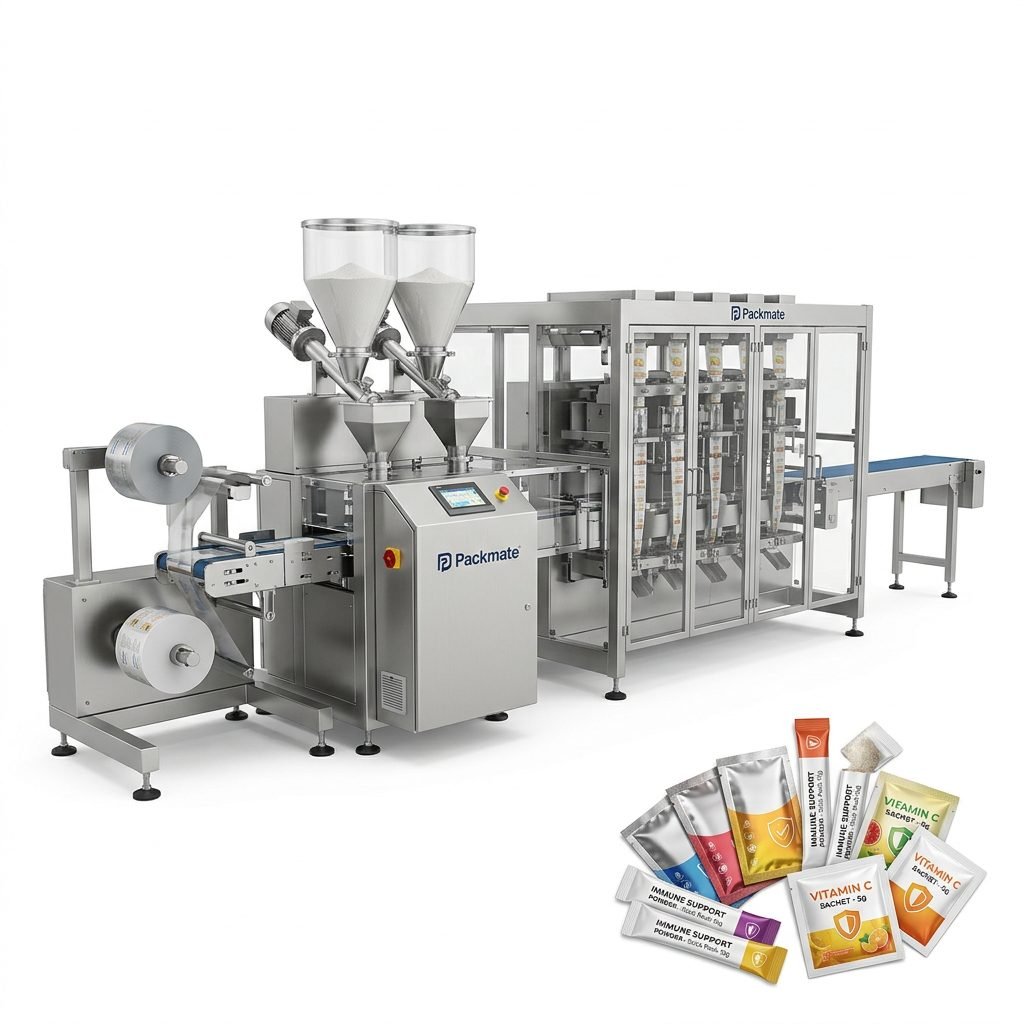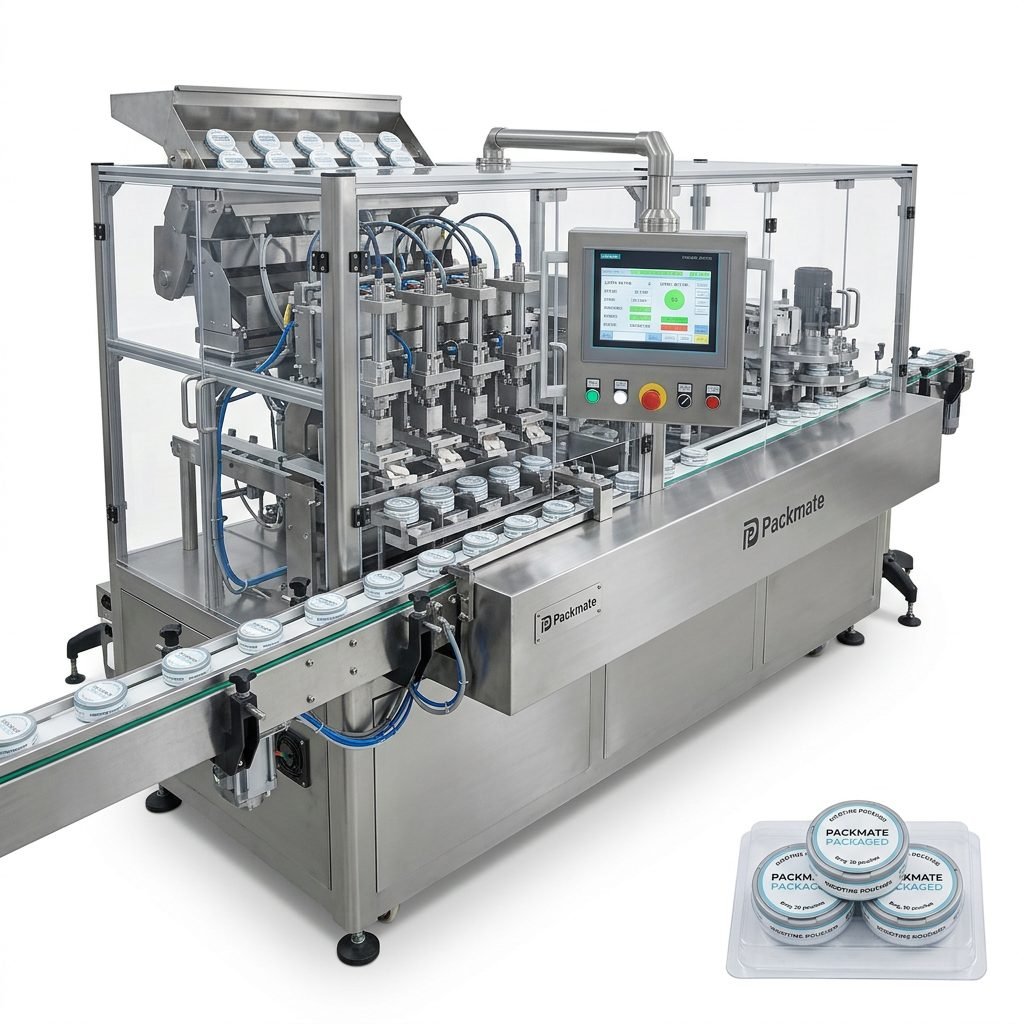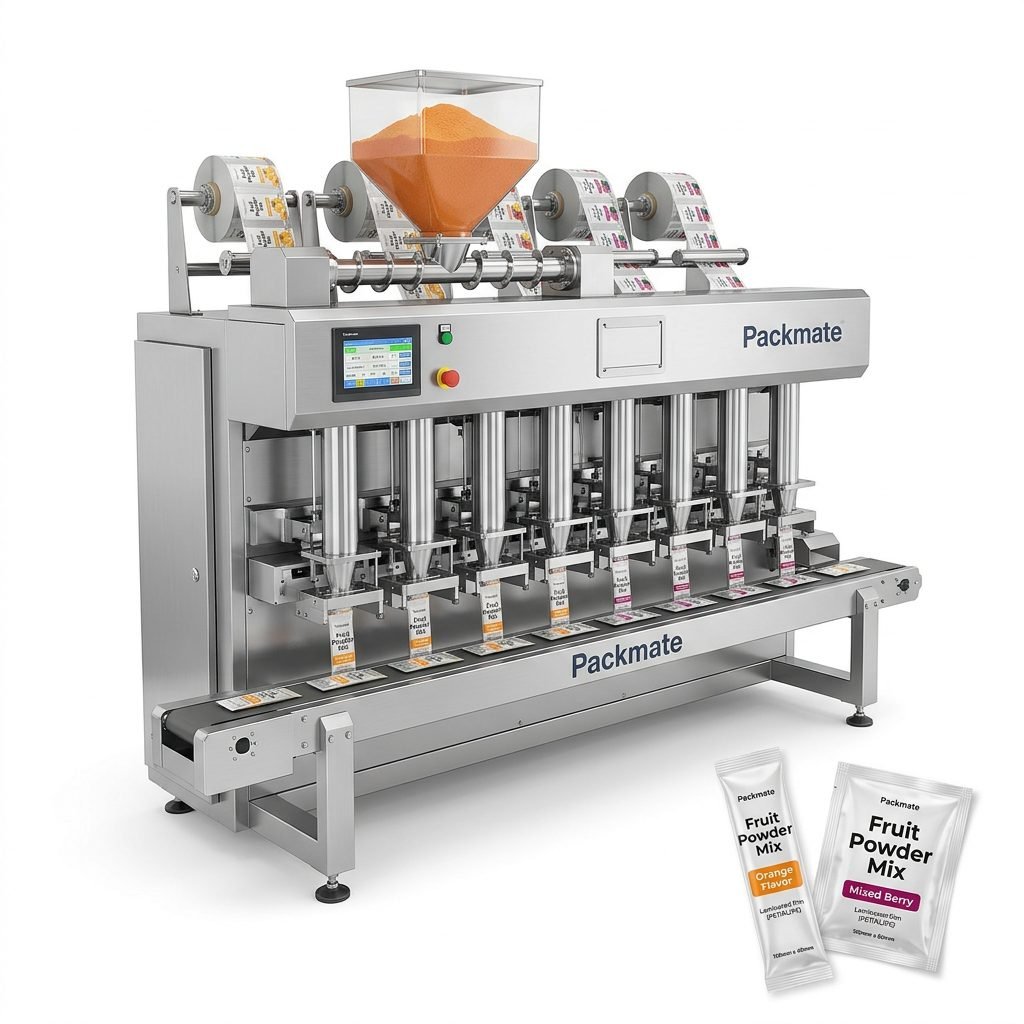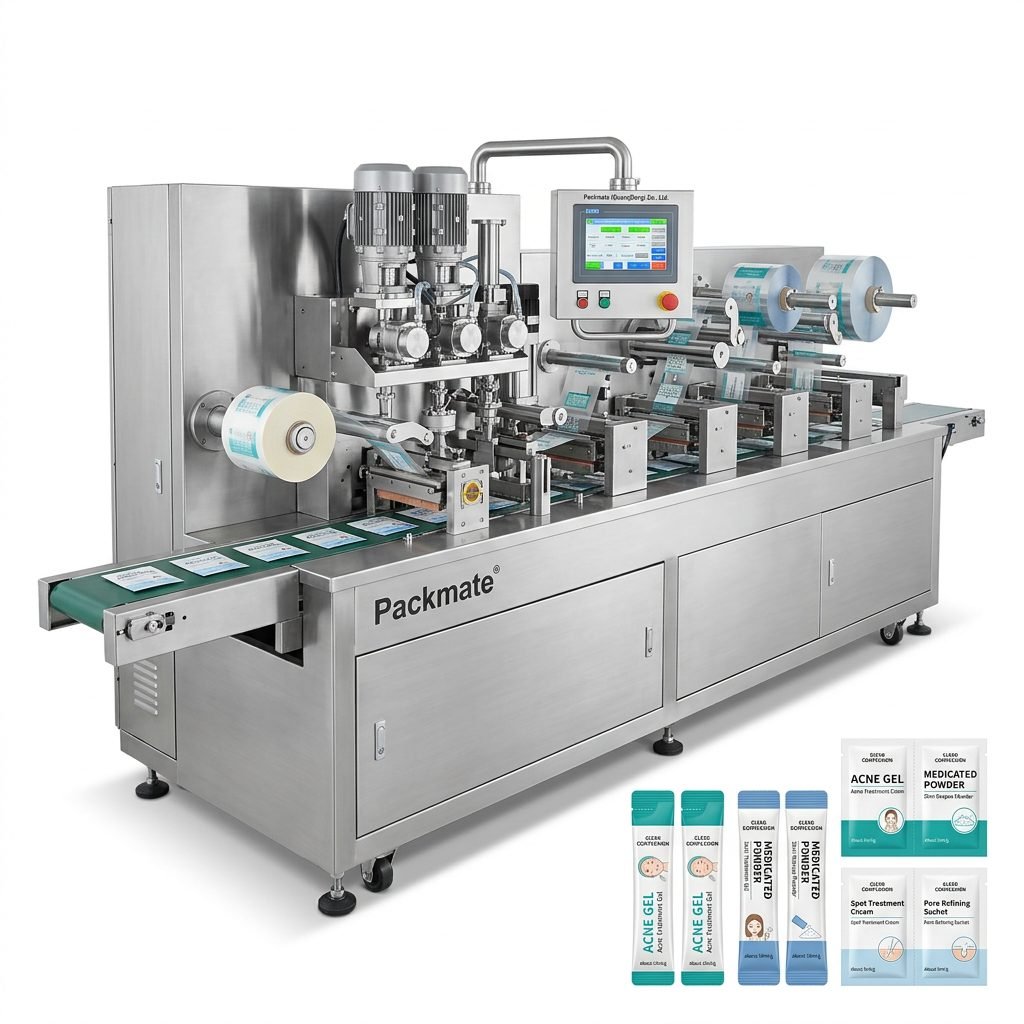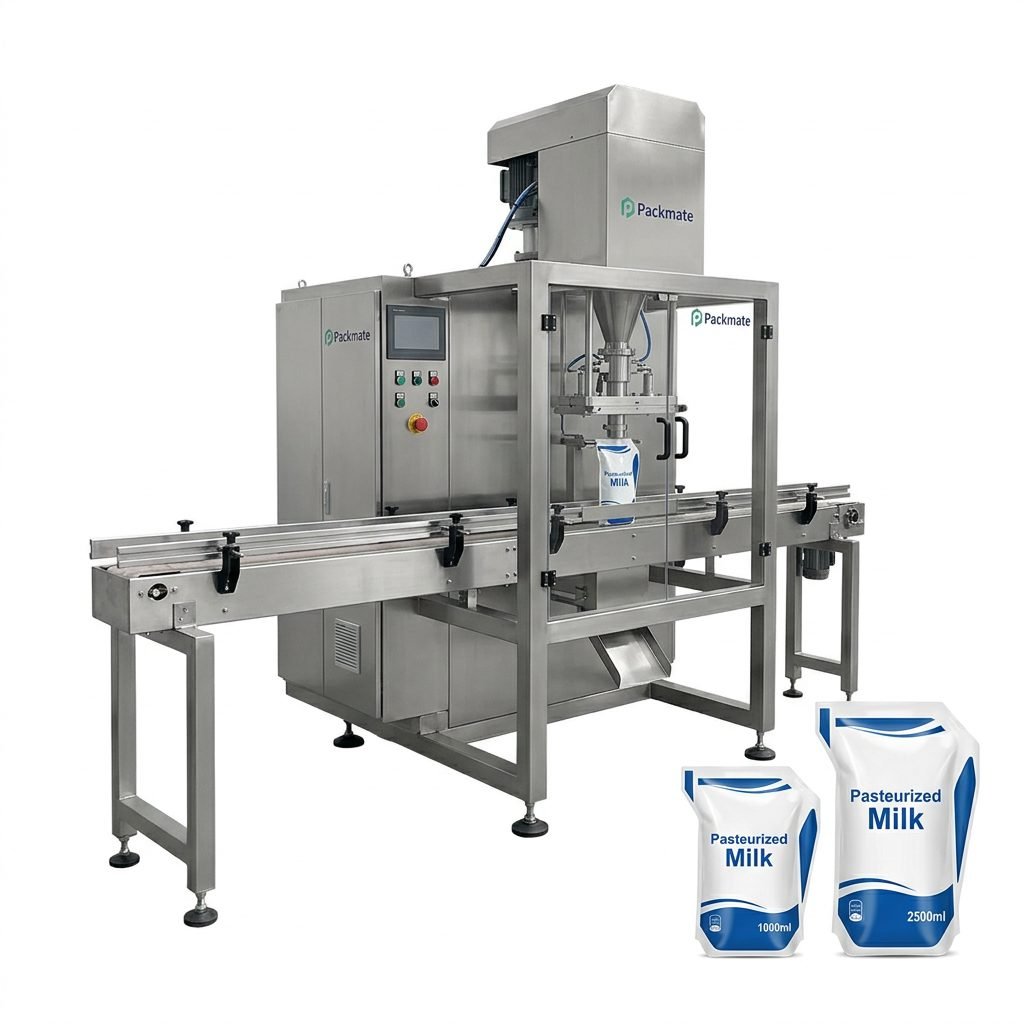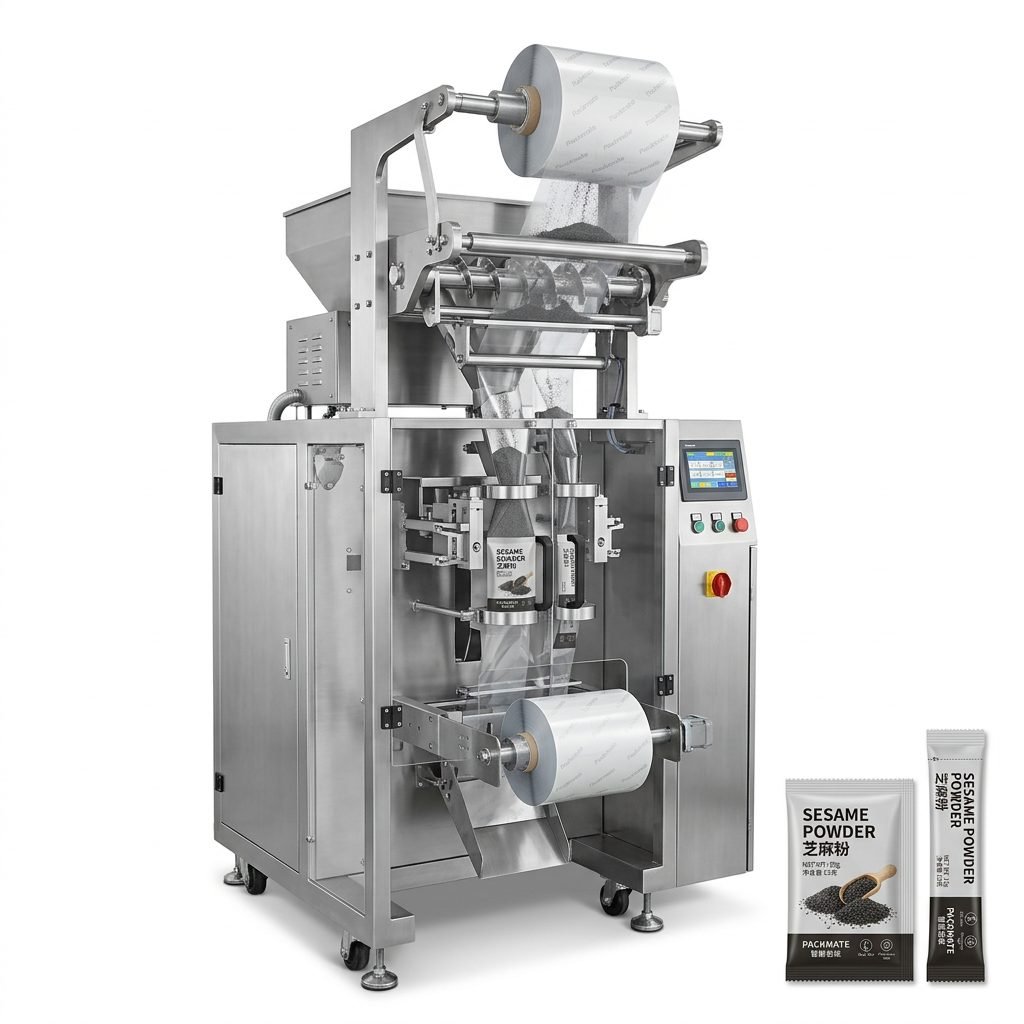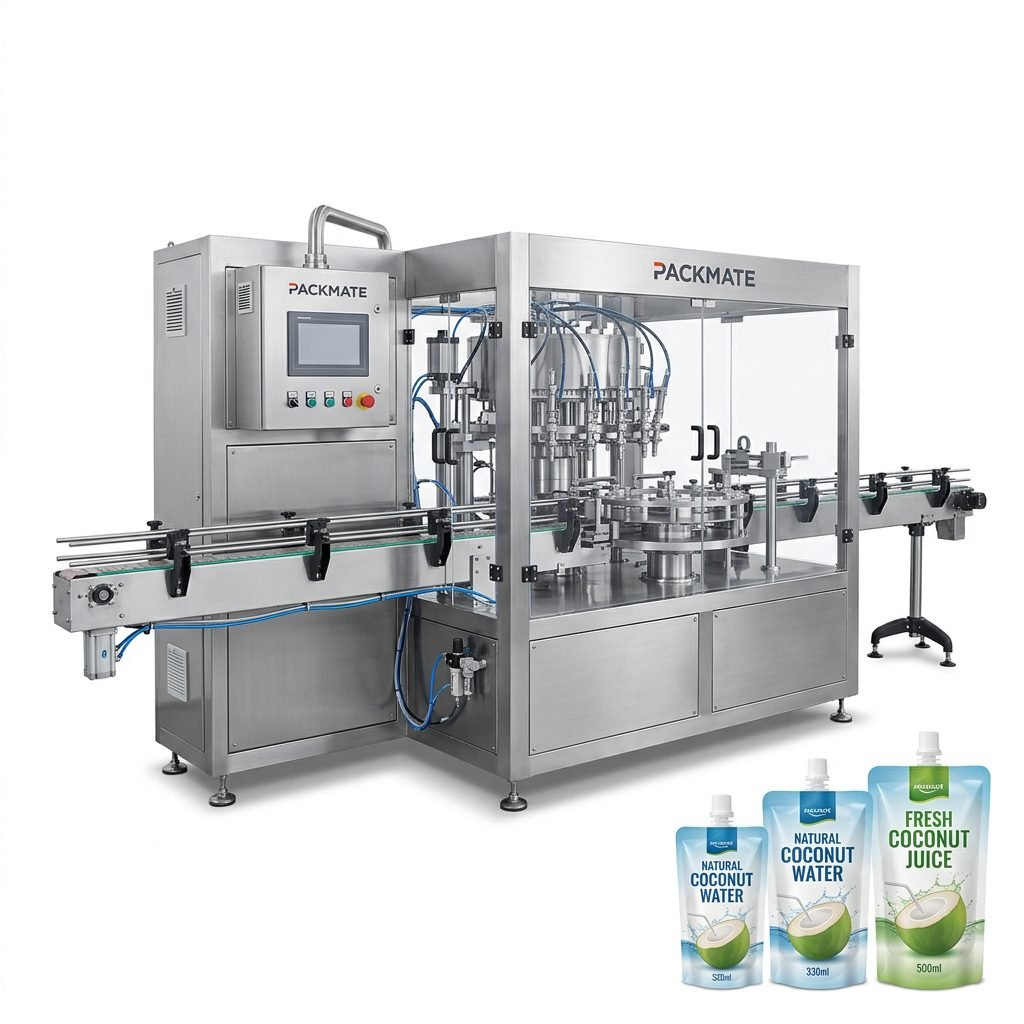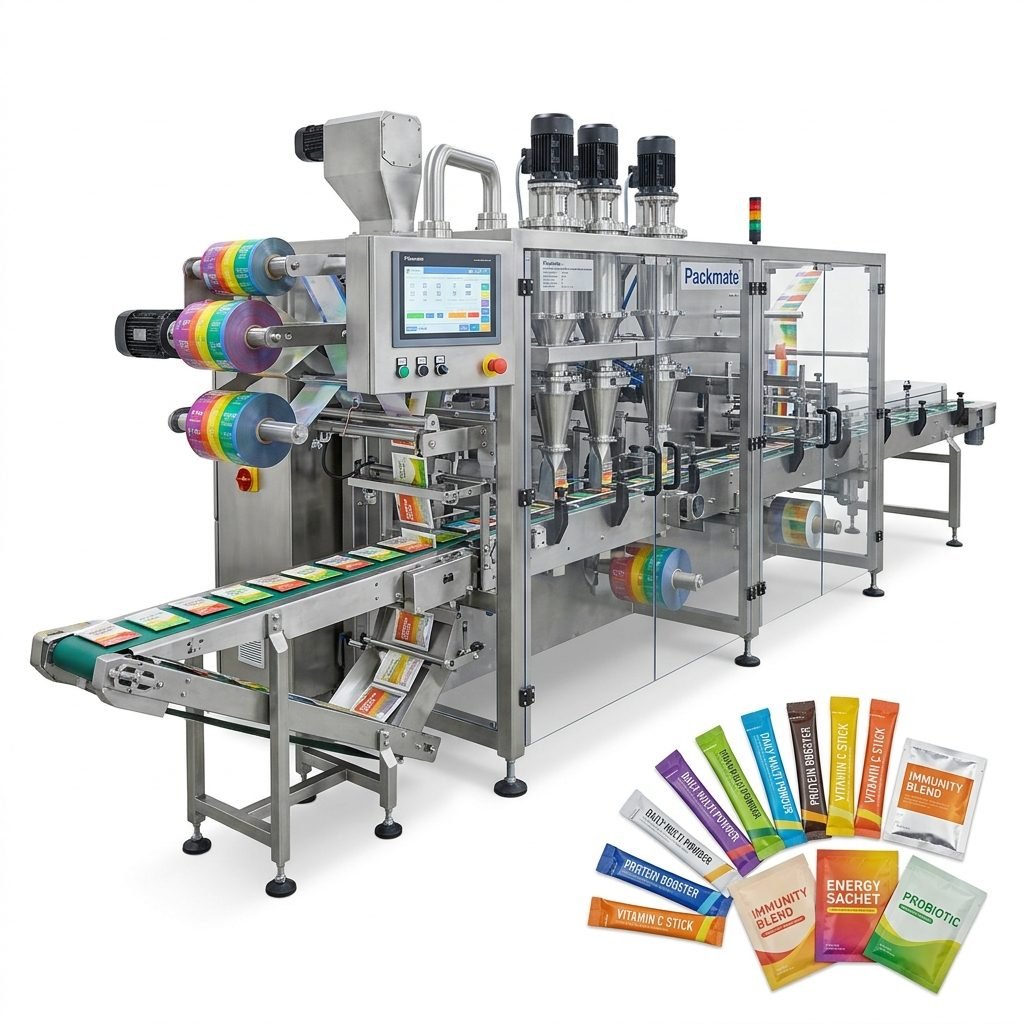
In the fast-paced world of modern manufacturing, efficiency and precision are paramount. For businesses handling granular products—from coffee and spices to pharmaceuticals and chemical compounds—the choice of packaging machinery can make or break operational success. An efficient automatic granule filling machine is not just a piece of equipment; it’s the heart of a streamlined production line, directly impacting output, product integrity, and bottom-line profitability.
Understanding Granule Filling Machines
Granule filling machines are specialized packaging systems designed to accurately measure and dispense free-flowing granular materials into various containers like bags, pouches, jars, or sticks. The core challenge they solve is maintaining consistent weight or volume at high speeds, which is crucial for compliance, cost control, and customer satisfaction.
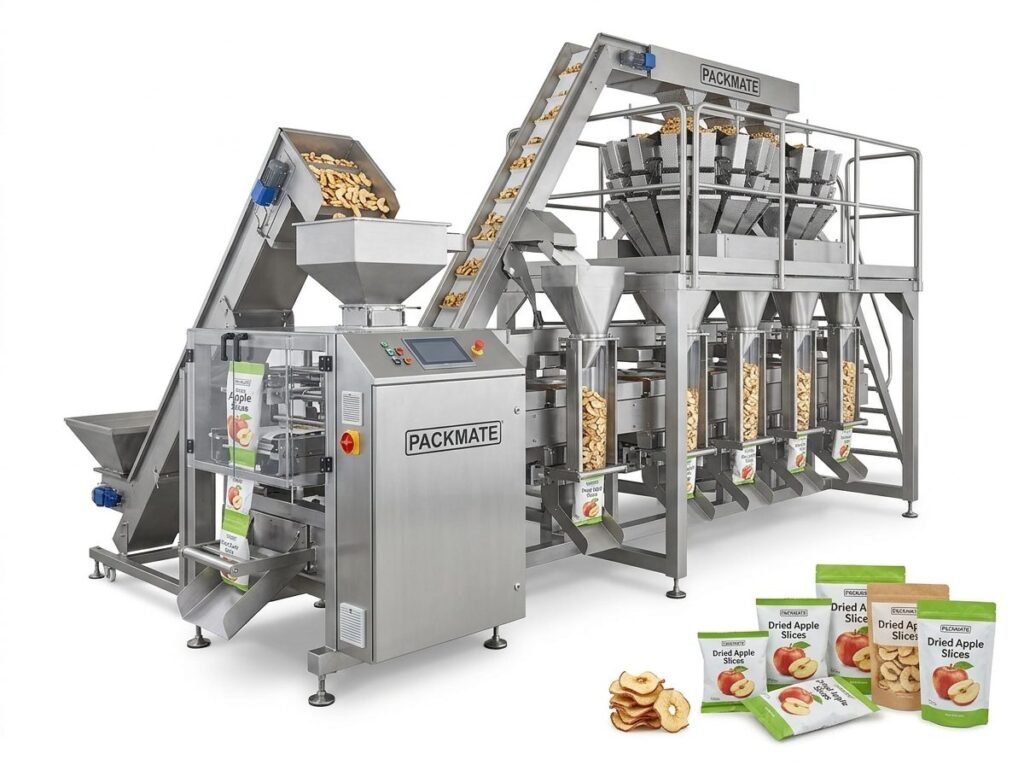
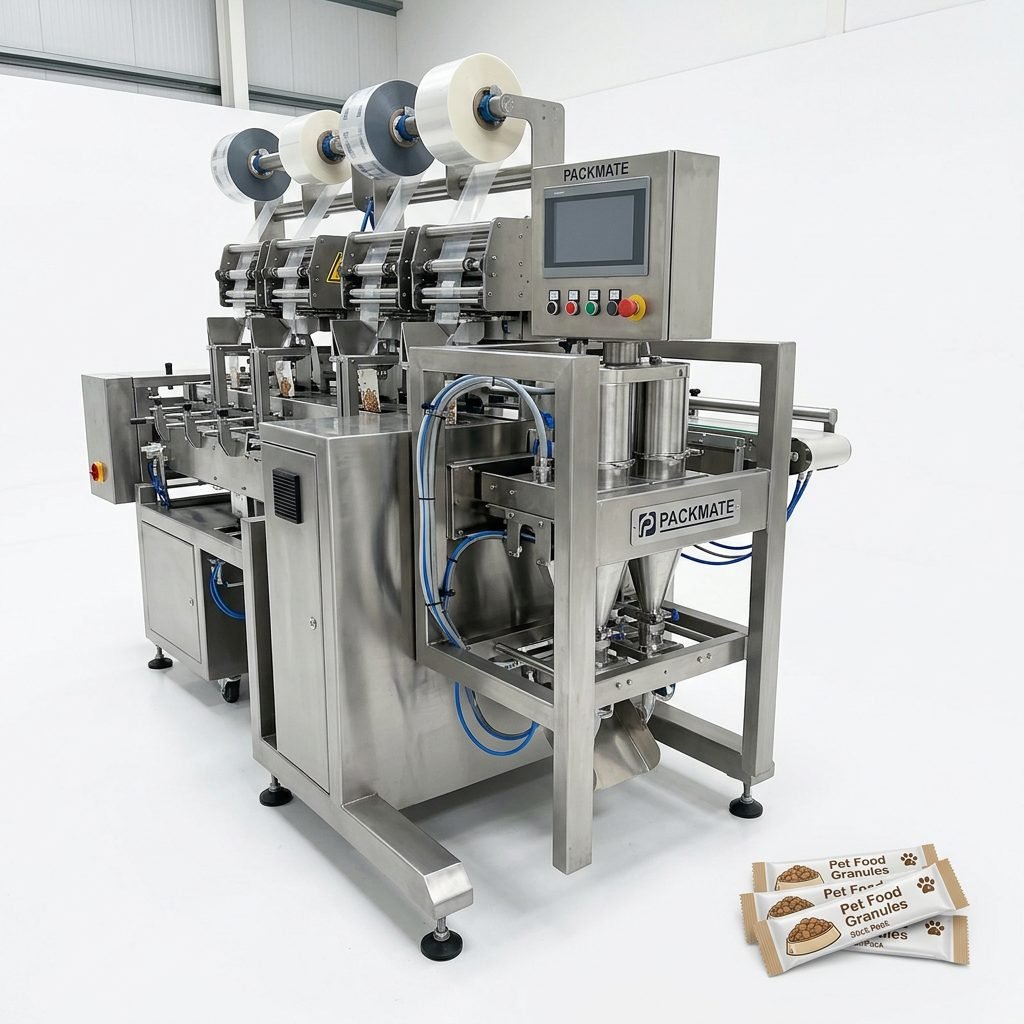
Key Components of an Automated System
A typical automatic granule packing solution integrates several subsystems:
- Dosing System: The core mechanism (e.g., auger, cup, weigh scale) that measures the product.
- Feeding & Conveying: Transports containers and materials to the filling point.
- Bag Maker or Container Handler: Forms, opens, and positions the packaging.
- Sealing Unit: Ensures the package is hermetically sealed for freshness and safety.
- Control Panel (HMI): The user interface for setting parameters and monitoring performance.
For a deeper look at how these components come together in complete systems, explore our comprehensive packaging solutions.
How to Choose the Right Machine: A Step-by-Step Guide
Selecting the optimal granule packing machine requires a careful analysis of your specific needs. Rushing this decision can lead to costly inefficiencies.
Step 1: Analyze Your Product Characteristics
Not all granules are created equal. You must consider:
Flowability: Does your product pour like sugar or clump like certain powders? This determines the best dosing method (e.g., auger for most, weigh scale for tricky ones).
Bulk Density & Abrasiveness: Heavy, abrasive granules may require more robust, wear-resistant components.
Hygiene & Sensitivity: Food and pharmaceutical granules demand machines with easy-clean designs and materials like stainless steel. Learn about our standards in our company profile.
Step 2: Define Your Packaging & Output Requirements
What are you packing into, and how fast do you need to go?
- Packaging Type: Pre-made bags, stick packs, pouches, or bottles? The machine must be compatible.
- Bag Size & Weight Range: From small 1g spice sachets to 5kg fertilizer bags.
- Required Speed (Bags/Minute): Match the machine’s capacity to your current and future production goals.
Seeing real-world applications can be incredibly helpful. Review our project cases to see how different requirements are met.
Step 3: Evaluate Dosing Technology for Accuracy
This is the most critical technical choice. The main types are:
Auger Fillers: The most common for granules. A rotating screw conveys a precise volume. Ideal for a wide range of free-flowing products. Accuracy is very good and improves with consistent product density.
Volumetric Cup Fillers: Use a rotating carousel of cups to scoop and dump a set volume. Excellent for very high speeds with uniform granules like rice or beans.
Net Weigh Scales (Multi-Head Weighers): The gold standard for accuracy (±0.1-1g). Multiple weigh buckets combine doses to hit an exact target weight. Essential for high-value products or where weight compliance is strict, but at a higher cost.
Step 4: Prioritize Automation Level and Integration
Do you need a standalone filler or a fully integrated line?
Semi-Automatic: An operator places each bag under the nozzle. Suitable for low volume or frequent product changeovers.
Fully Automatic: The machine handles bag forming, filling, and sealing in one continuous process. Drastically reduces labor and increases output.
Turnkey Line: A complete system including conveying, metal detection, checkweighing, and cartoning. This is where partnering with an expert like Packmate pays off, ensuring all components work in perfect harmony.
Step 5: Assess Build Quality and Supplier Support
The machine’s construction and the manufacturer behind it are long-term investments.
- Frame & Contact Parts: Look for sturdy construction and food-grade or sanitary materials.
- Ease of Cleaning & Maintenance: Quick-disassembly features minimize downtime.
- Supplier Reputation & Service: Choose a provider with proven experience, available technical support, and readily available spare parts. A company with over 22 years of development, like Packmate, offers invaluable reliability.
Benefits of Investing in an Efficient Automatic System
Transitioning to a modern automatic granule packing solution delivers tangible ROI:
Unmatched Speed and Productivity: Automating the filling process can increase output by several hundred percent compared to manual labor.
Superior Accuracy and Reduced Waste: Precise dosing ensures you give away less “giveaway” product, saving raw material costs over millions of cycles.
Enhanced Consistency and Quality: Every package is identical, strengthening your brand’s reputation for quality.
Significant Labor Cost Savings: Automates repetitive tasks, allowing staff to focus on supervision and quality control.
Improved Hygiene and Safety: Closed systems minimize product contamination and reduce worker contact with materials.
Future Trends in Granule Packaging Automation
The industry is moving towards smarter, more connected, and more flexible systems. The integration of IoT (Internet of Things) sensors allows for real-time monitoring of machine performance, predictive maintenance alerts, and data collection for OEE (Overall Equipment Effectiveness) analysis. Furthermore, there is a growing demand for quick-changeover designs that allow producers to switch between different bag sizes or products in minutes, catering to smaller batch production runs and greater product variety.
Frequently Asked Questions (FAQs)
What is the typical accuracy range of an auger filler for granules?
A well-calibrated auger filler for uniform, free-flowing granules can typically achieve a weight accuracy of ±0.5% to ±1% of the target weight. For higher precision requirements, a net weigh scale system is recommended.
Can one machine handle different types of granular products?
Many machines are designed with changeover in mind. However, significant differences in granule size, shape, or oiliness may require cleaning and parts change (like the auger or funnel). It’s best to discuss your specific product range with the supplier.
How important is after-sales service when purchasing a filling machine?
Extremely important. Reliable technical support, availability of spare parts, and operator training are crucial for minimizing downtime and ensuring the long-term productivity of your investment. Always choose a supplier with a strong service network.
What is the lead time for a custom automatic granule packing line?
Lead times vary based on complexity and customization. A standard machine might ship in 4-8 weeks, while a fully customized turnkey line can take 12-20 weeks or more. Detailed planning with your supplier early in the process is key.
Are automatic machines difficult for operators to learn and use?
Modern machines feature user-friendly touchscreen HMIs (Human-Machine Interfaces) with intuitive controls and recipe storage. With proper training from the supplier, operators can typically learn basic operation and changeovers quickly. For more questions, visit our dedicated FAQ page.