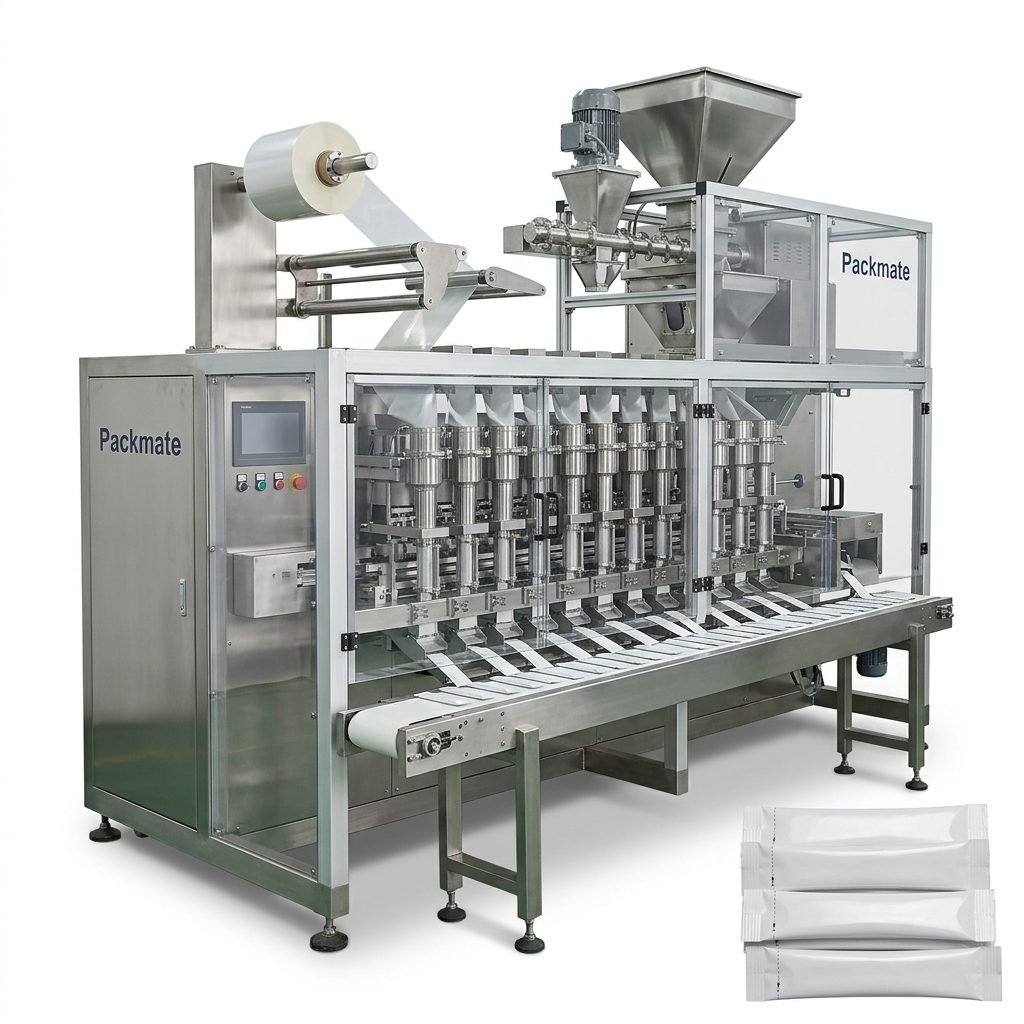
The landscape of modern manufacturing is defined by efficiency, precision, and scalability. Nowhere is this more critical than in the packaging of products where human health and safety are paramount—namely, in the food, pharmaceutical, and healthcare sectors. The demand for flawless, consistent, and hygienic packaging has driven the industry towards a singular solution: complete turnkey production automation. This approach transcends simply installing machines; it represents a holistic integration of design, engineering, and service to deliver a seamless, operational production line from start to finish.
The Imperative for Automation in Sensitive Industries
Manual or semi-automated packaging processes introduce variables that are simply unacceptable in today’s regulated and quality-conscious markets. Inconsistency in fill volume, potential for particulate contamination, and variability in seal integrity are risks that can lead to product recalls, regulatory non-compliance, and eroded consumer trust.
Key Driver: For pharmaceuticals and healthcare products, compliance with stringent standards like cGMP (Current Good Manufacturing Practice) is non-negotiable. Automated systems provide the traceability, repeatability, and documentation capabilities essential for audit trails and quality assurance.
In the food industry, automation ensures speed-to-market for perishable goods while maintaining the highest levels of hygiene. It allows manufacturers to respond agilely to market trends, such as the demand for single-serve or on-the-go packaging formats, without compromising on safety or quality. Exploring our comprehensive packaging solutions reveals how tailored automation addresses these diverse needs.
Core Components of a Turnkey Packaging Line
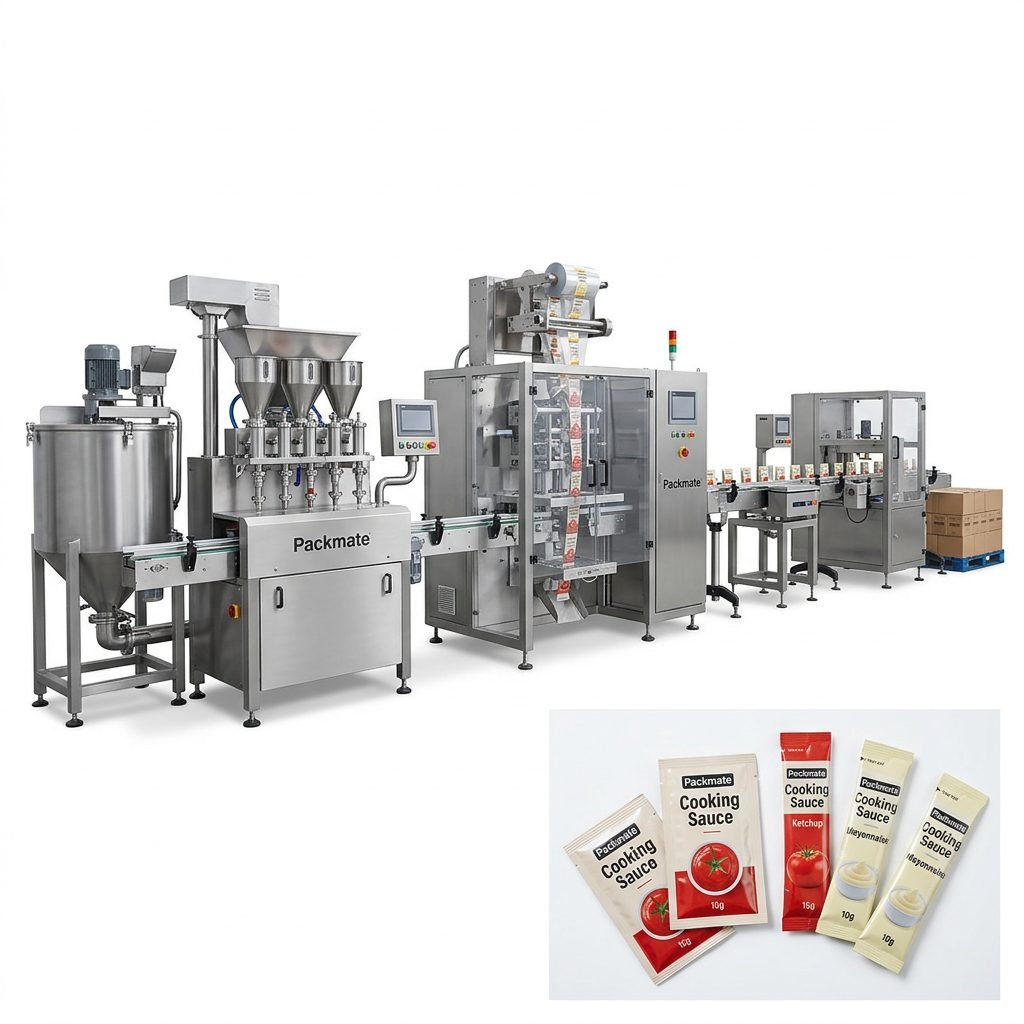
A truly complete turnkey solution is an ecosystem of synchronized machinery and software. It begins with product handling and ends with palletized boxes ready for shipment.
1. Primary Packaging: The Heart of the System
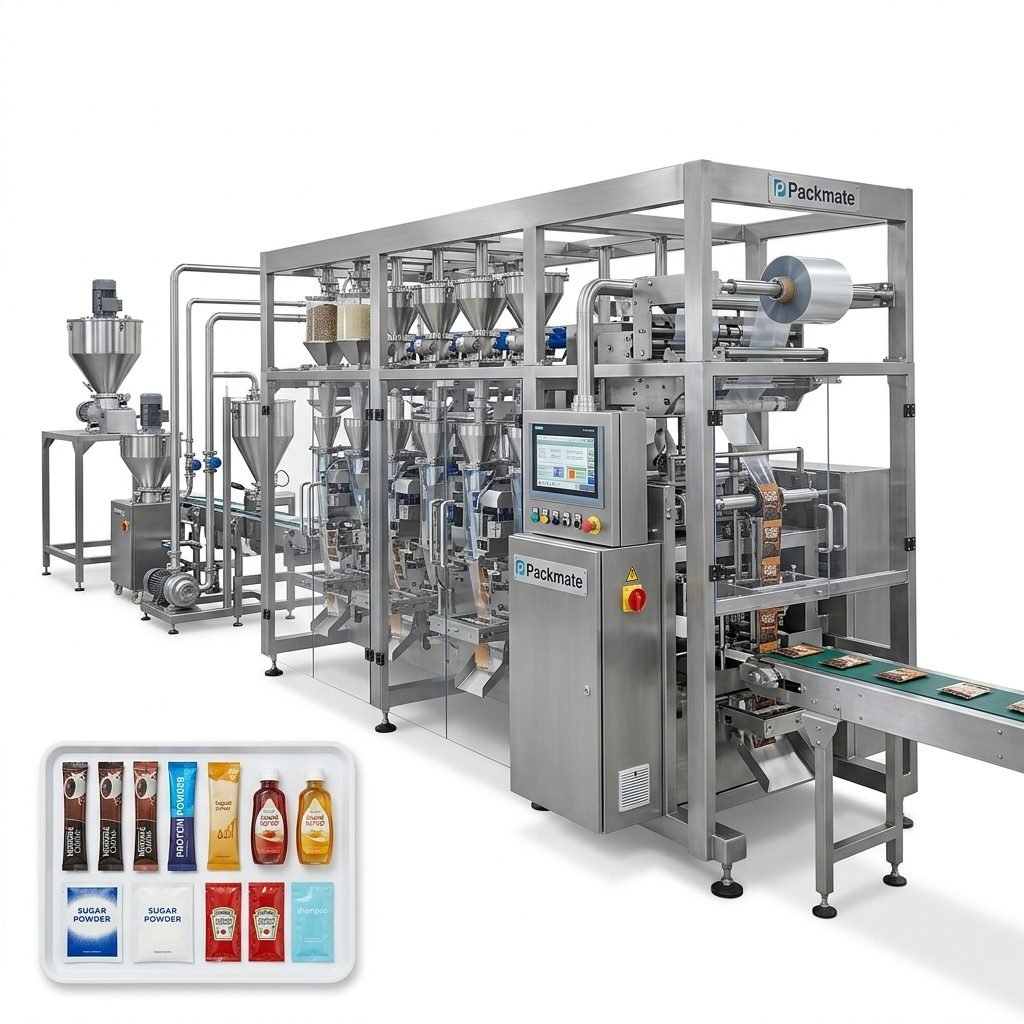
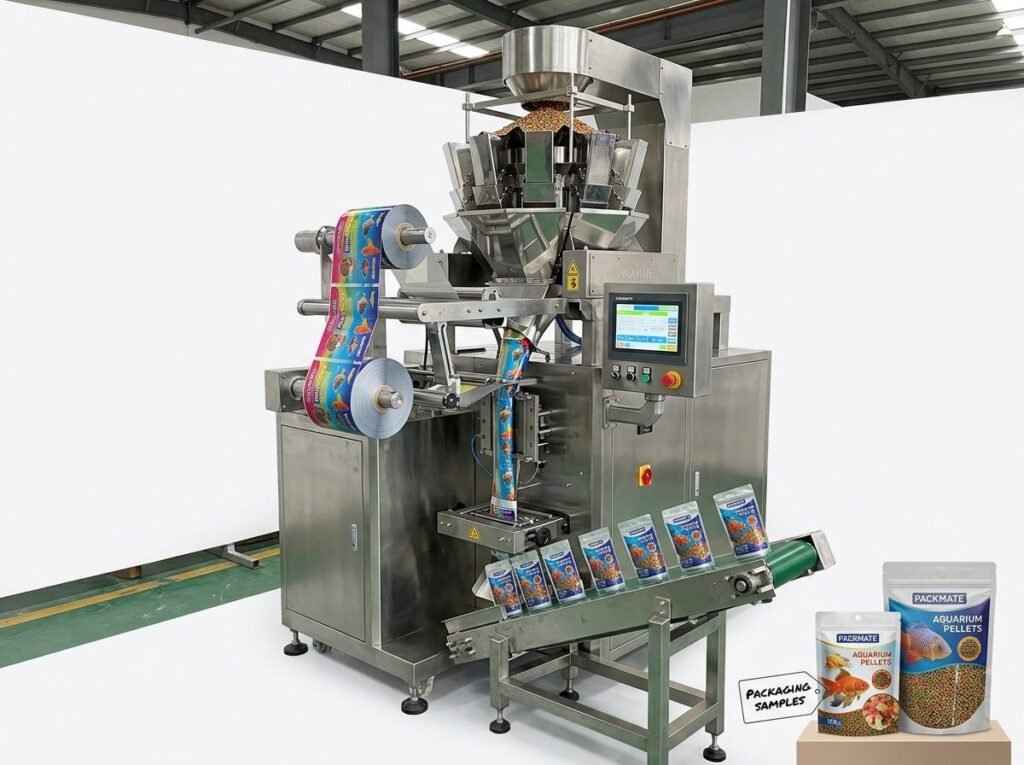
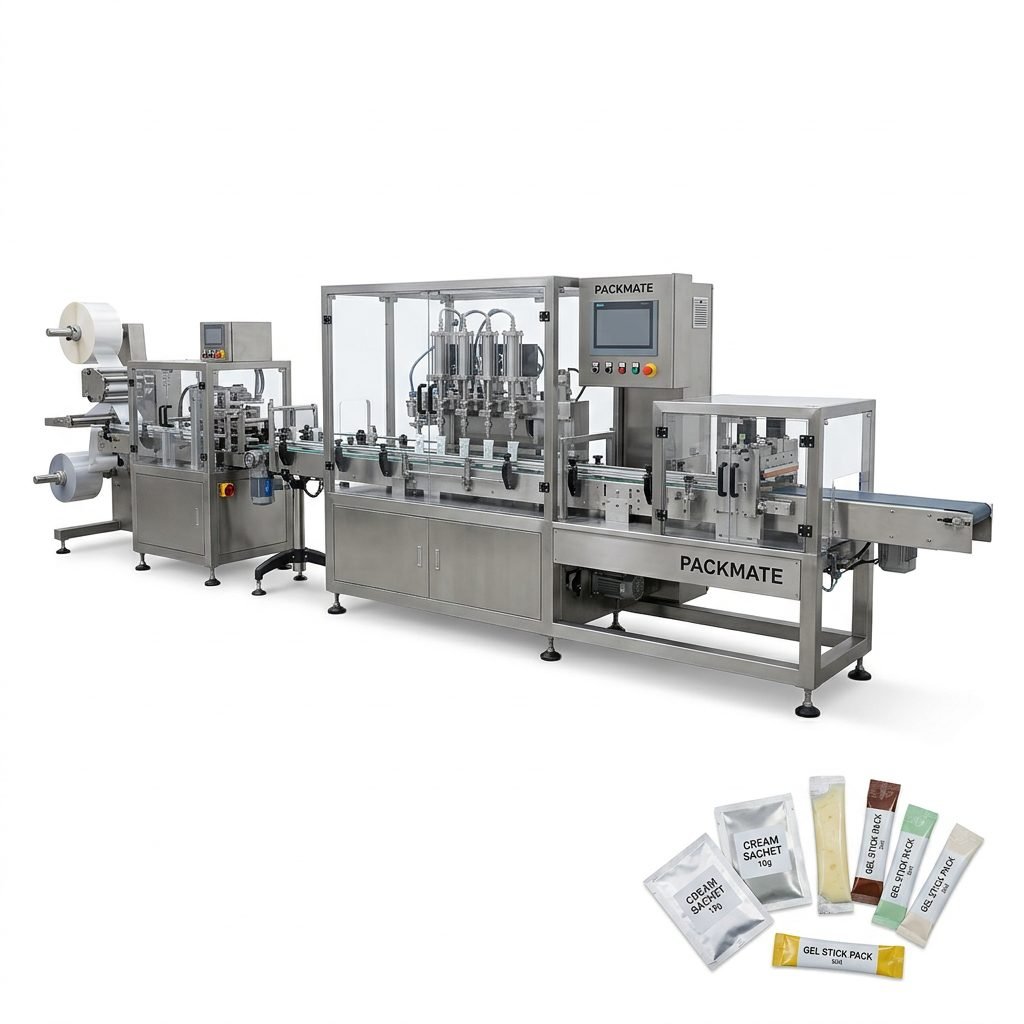
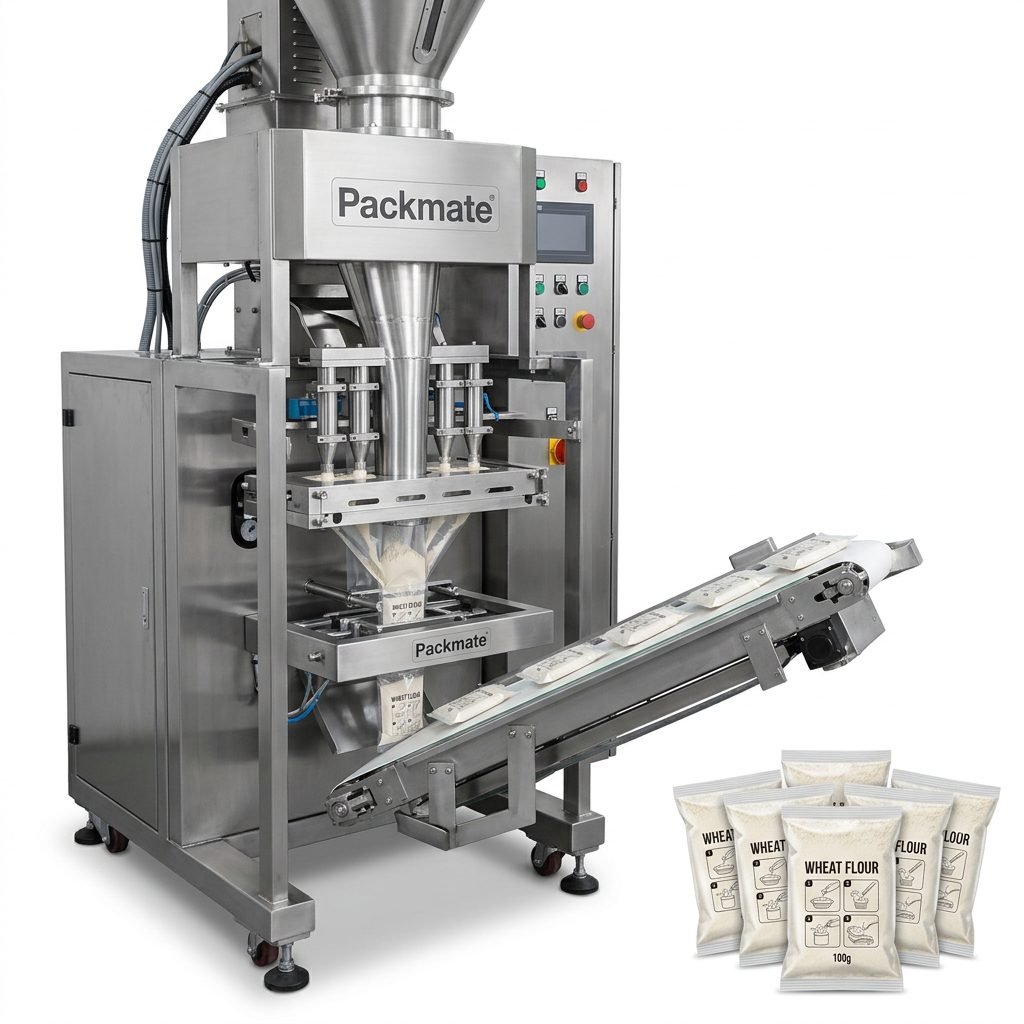
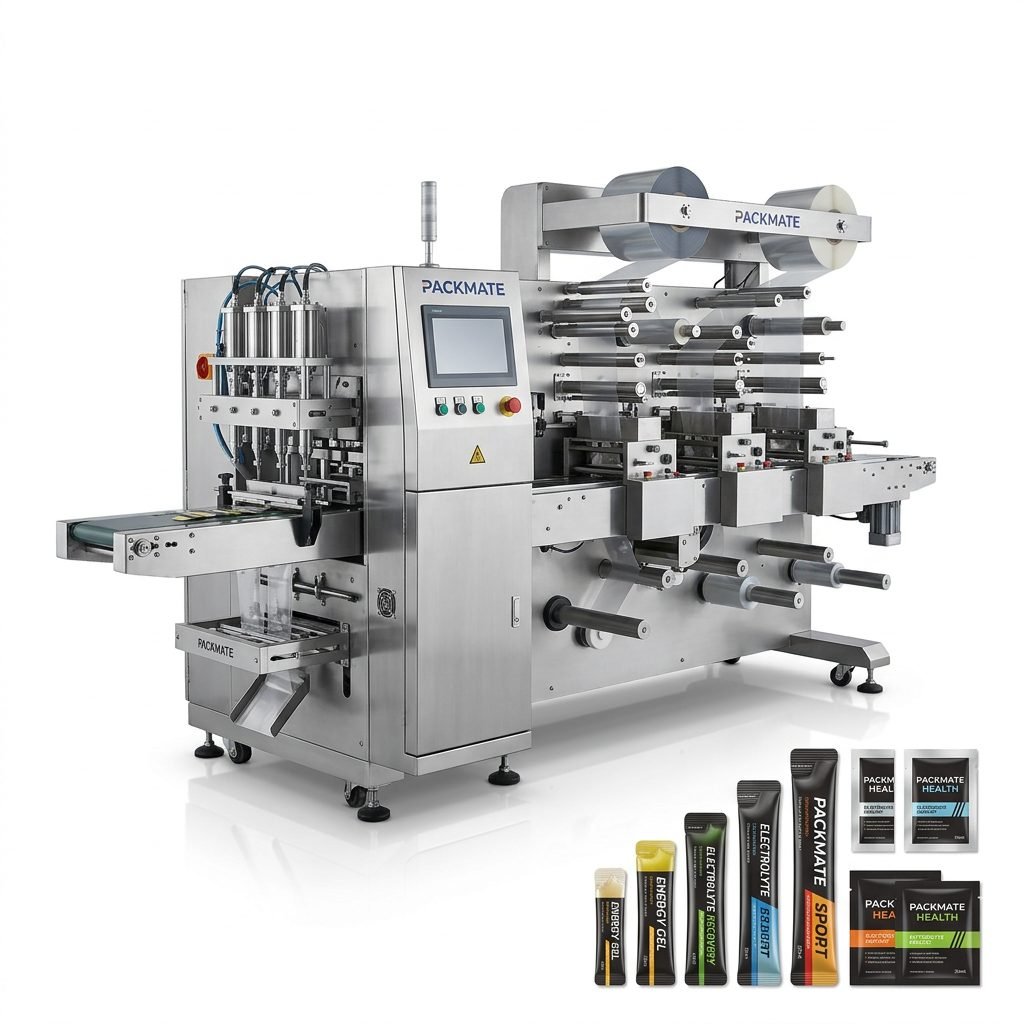
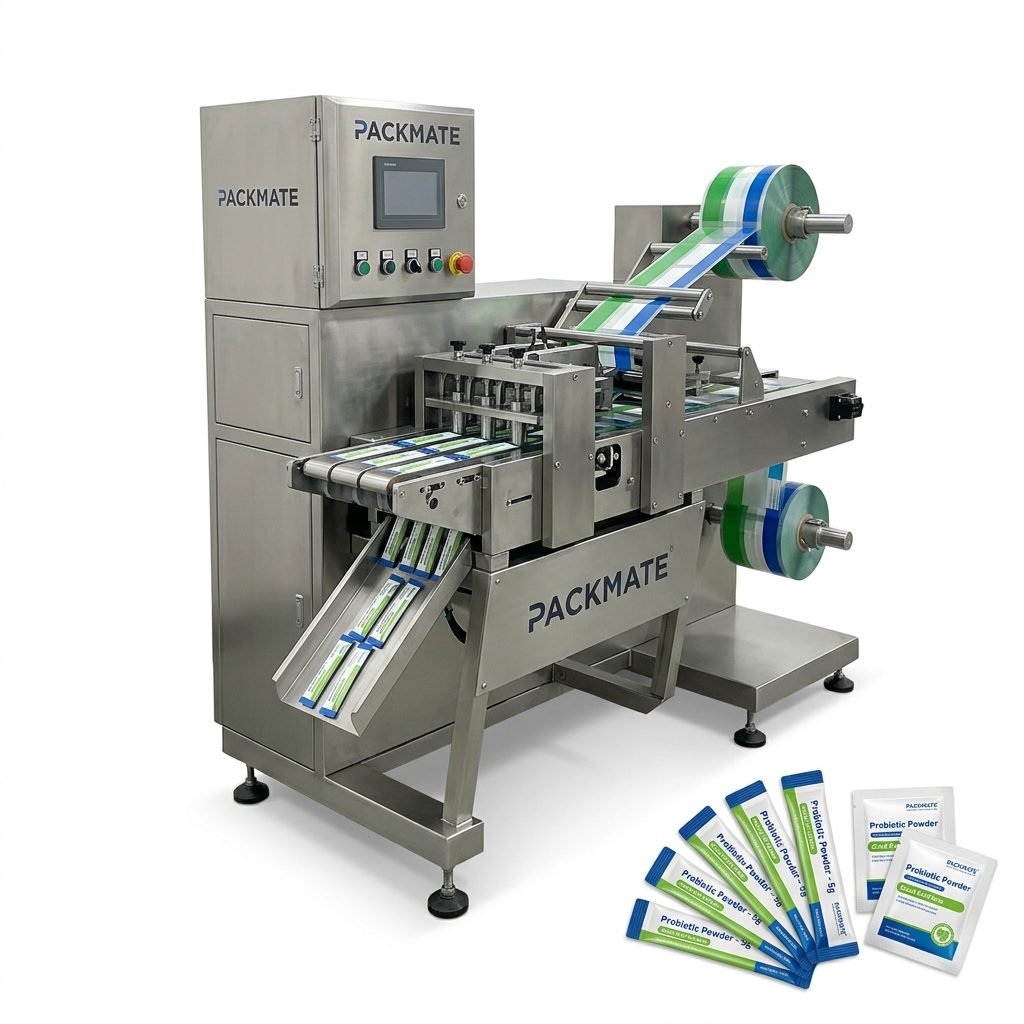
This involves the machine that forms, fills, and seals the primary product container—be it a sachet, stick pack, pouch, or bottle. Advanced systems feature:
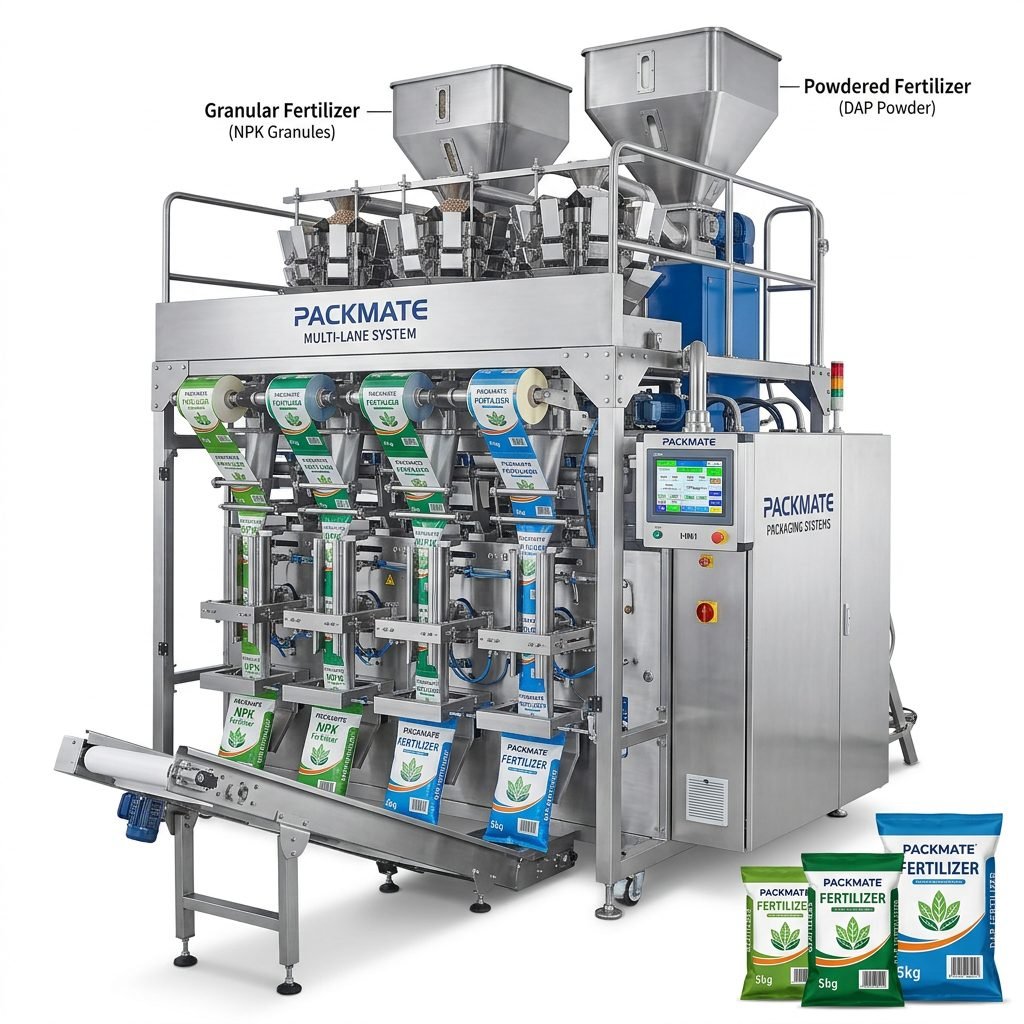
- Multi-Lane Operation: Dramatically increases output by running several packaging lines in parallel from a single feeder.
- Precision Dosing: Utilizes servo-driven pumps or augers for ±1% accuracy, crucial for expensive pharmaceutical powders or nutritional supplements.
- Inert Gas Flushing: Integrated nitrogen or CO₂ flushing systems to extend shelf-life by displacing oxygen, vital for sensitive food and health products.
2. Secondary & Tertiary Packaging
Once primary packages are produced, they are collated, cartoned, and case-packed automatically. This includes:
- Automatic cartoners and case packers.
- Robotic palletizing arms for end-of-line handling.
- Vision inspection systems to verify label presence, seal quality, and fill levels at high speed.
Our portfolio of successful project cases demonstrates the real-world application and benefits of these integrated systems.
Material Flexibility: Handling Powders, Liquids, and Granules
A significant challenge in automation is handling diverse product forms without cross-contamination or downtime for changeover. Modern turnkey lines are engineered for flexibility.
Powder & Granule Handling
Features include vibration-assisted funnel systems to prevent bridging, de-dusting mechanisms to maintain a clean production environment, and anti-static components to ensure consistent flow. This is essential for products like instant coffee, protein powders, or effervescent tablets.
Liquid & Viscous Product Handling
Solutions employ positive displacement piston fillers or time-pressure fillers for high accuracy, even with foamy or non-Newtonian fluids like sauces, syrups, or creams. CIP (Clean-in-Place) capabilities are often integrated for hygienic processing.
The Packmate Advantage: Engineering Excellence Meets Deep Industry Knowledge
Selecting a partner for a turnkey project is as important as selecting the technology. This is where a company’s heritage and expertise become critical differentiators. With over 22 years of dedicated development, Packmate (GuangDong) Co., Ltd. embodies this principle.
Our journey, rooted in the innovative spirit of the Greater Bay Area, began with solving practical machine challenges in a small workshop. This problem-solving DNA persists today. Operating from a 20,000㎡ modern facility, our team of over 125 professional engineers and technicians doesn’t just sell machines; they engineer solutions. We understand that a packaging line for sterile medical devices has different protocol requirements than one for snack nuts, even if the base mechanics are similar.
This deep-seated mission for innovation and collaboration ensures that every project—from initial concept in our R&D lab to final installation and commissioning—is backed by unparalleled support and a commitment to creating reliable, future-proof production assets for our clients.
Global Reach with Localized Support
The value of a turnkey solution is fully realized only when it runs smoothly in your factory, day after day. A global provider must offer localized support structures. Packmate’s solutions are deployed worldwide, supported by a network of service engineers and comprehensive training programs. From initial factory acceptance testing at our site to on-site installation and remote diagnostics, we ensure a smooth transition to automated production and sustained operational excellence. Learn more about our commitment through our industry certifications.
Return on Investment: Beyond Labor Savings
While reducing direct labor costs is a clear benefit, the ROI of a turnkey automation line is multifaceted:
- Material Savings: Precision filling reduces product giveaway, saving significant cost on high-value ingredients.
- Reduced Waste: Consistent sealing and operation minimize rejected packages and material scrap.
- Enhanced Compliance & Traceability: Mitigates risk of costly regulatory penalties or brand-damaging recalls.
- Scalability: Allows for rapid production increases to meet demand spikes without proportional increases in overhead.
- Data-Driven Optimization: Integrated SCADA systems provide real-time OEE (Overall Equipment Effectiveness) data to identify and eliminate production bottlenecks.
In conclusion, the move towards packaging production automation, particularly for food, pharmaceutical, and healthcare products, is an irreversible strategic imperative. It is no longer a question of “if” but “how.” Opting for a complete turnkey solution from an experienced partner like Packmate provides a de-risked path to achieving the highest standards of quality, efficiency, and market responsiveness. It transforms packaging from a cost center into a competitive advantage.
Frequently Asked Questions (FAQs)
1. What is the typical lead time for a complete turnkey packaging line?
Lead time varies significantly based on line complexity, customization, and current production schedules. A standard system may take 3-6 months from order to delivery, while highly customized solutions for novel products can take longer. A detailed project timeline is always provided during the quotation and planning phase.
2. How do you ensure the line will work with our specific product?
We strongly recommend product testing in our application lab. Clients can send samples of their product and packaging materials to our facility. We run trials on appropriate machinery, providing a detailed report on performance, speed, and compatibility. This step is crucial for designing a reliable solution.
3. What kind of training and after-sales support do you provide?
We provide comprehensive training for your operators and maintenance technicians, both at our factory during FAT (Factory Acceptance Test) and at your site during installation. Support includes a warranty period, access to spare parts, and ongoing technical support via phone, email, and remote diagnostics. For more details, visit our service page.
4. Can the line handle multiple different products or package sizes?
Yes, many of our lines are designed for quick changeover. This involves using tool-less adjustments, digital recipe storage (where machine settings for each product are saved and recalled), and modular components. The degree of flexibility is defined during the design phase based on your product portfolio needs.
5. How do you address hygiene and cleanability for pharmaceutical applications?
For these applications, we design lines with cGMP principles in mind. This includes using stainless steel (304 or 316 grade) for product contact parts, designing for easy disassembly and cleaning, minimizing dead legs in product pathways, and offering CIP/SIP (Steam-in-Place) options. Documentation for validation (IQ/OQ/PQ) is also provided.