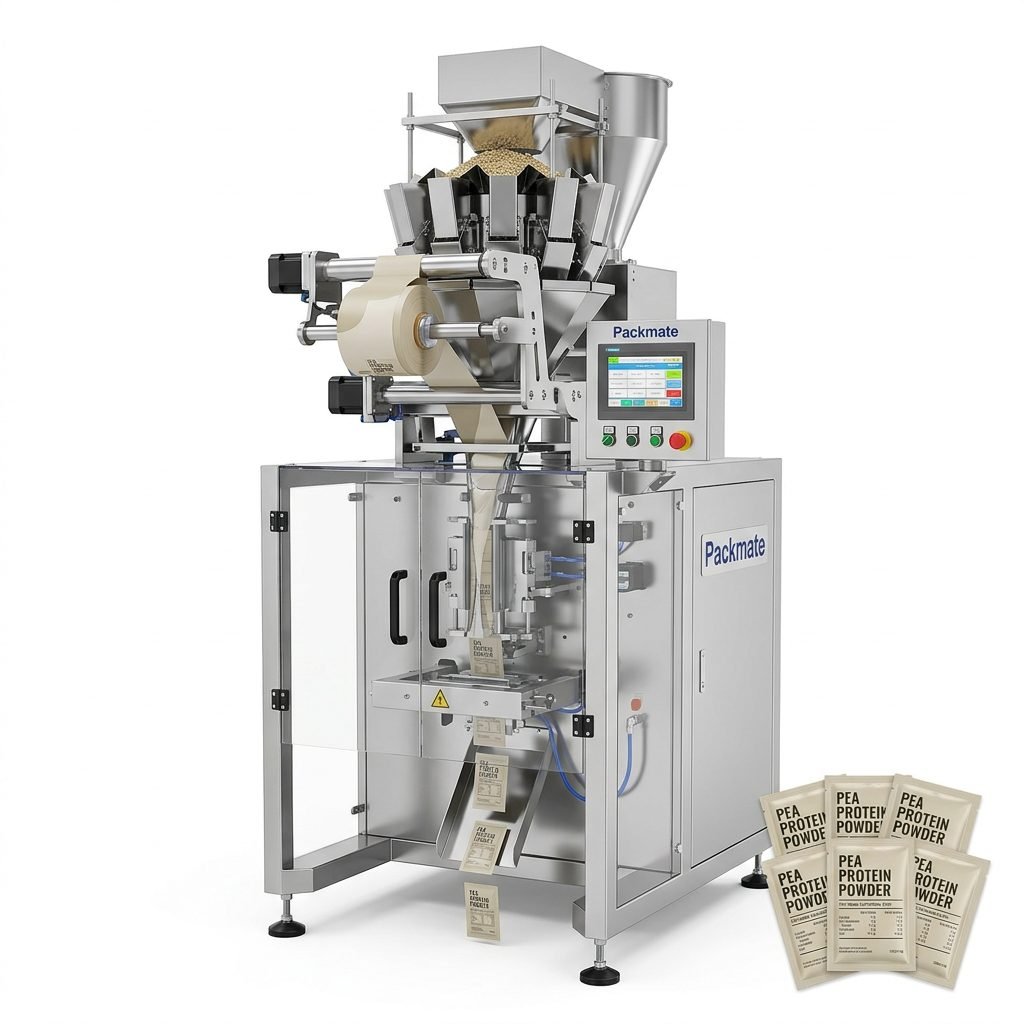
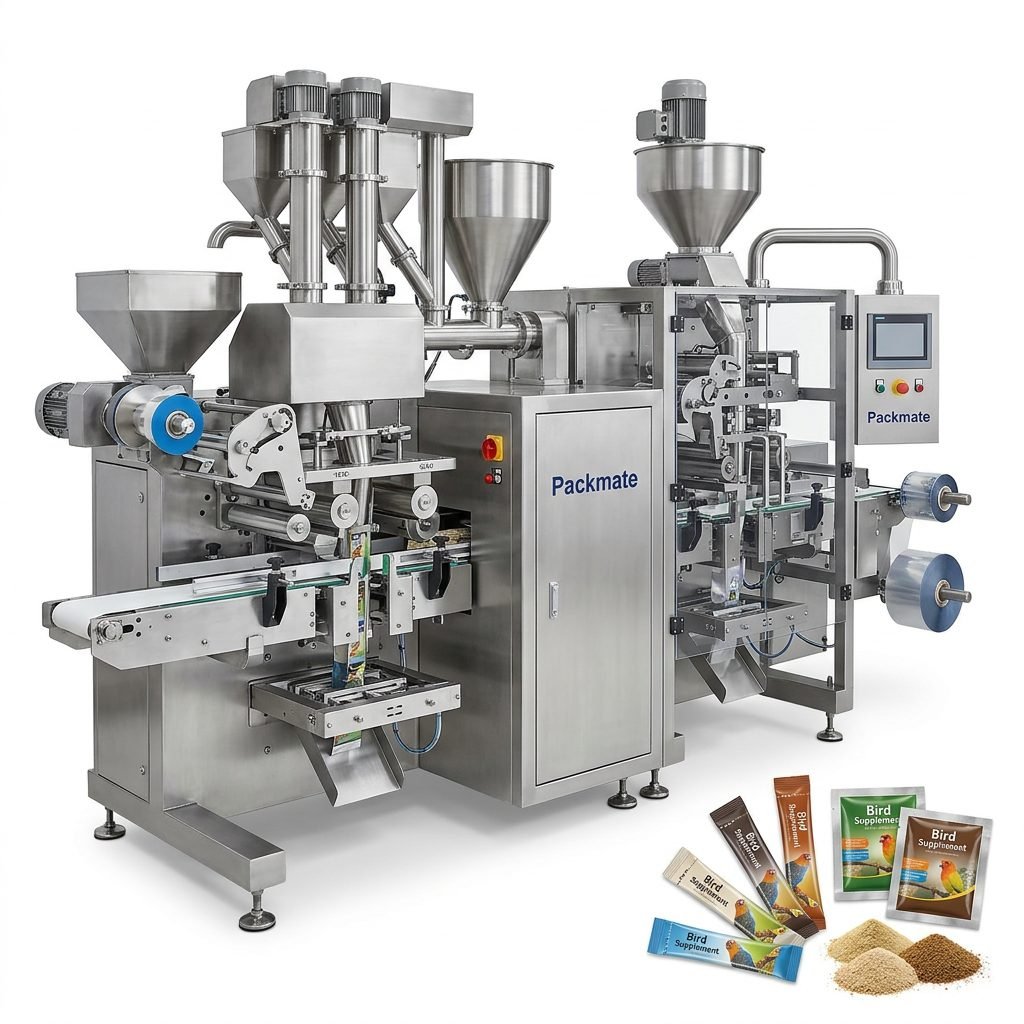
Understanding the Iraqi Packaging Machinery Market
Iraq’s manufacturing and food processing sectors are experiencing steady growth, driven by increasing domestic demand and reconstruction efforts. For local businesses—from food producers to pharmaceutical companies—reliable packaging machinery is essential to ensure product quality, shelf life, and export compliance. Choosing the right packaging machine supplier in a market like Iraq requires careful evaluation of technical capability, after-sales support, and the ability to handle diverse product types such as granules, powders, and liquids.
Key Factors for Iraqi Buyers When Selecting a Supplier
Iraqi manufacturers often prioritize equipment that can withstand challenging environmental conditions, offer easy maintenance, and provide high production efficiency. Whether you are packaging detergent powder, coffee, snack foods, or pharmaceutical sachets, the machine must deliver consistent sealing, accurate filling, and reliable operation. Below are critical aspects to consider:
- Technical Support & Spare Parts Availability – Ensure the supplier has a responsive team and can ship parts to Iraq quickly.
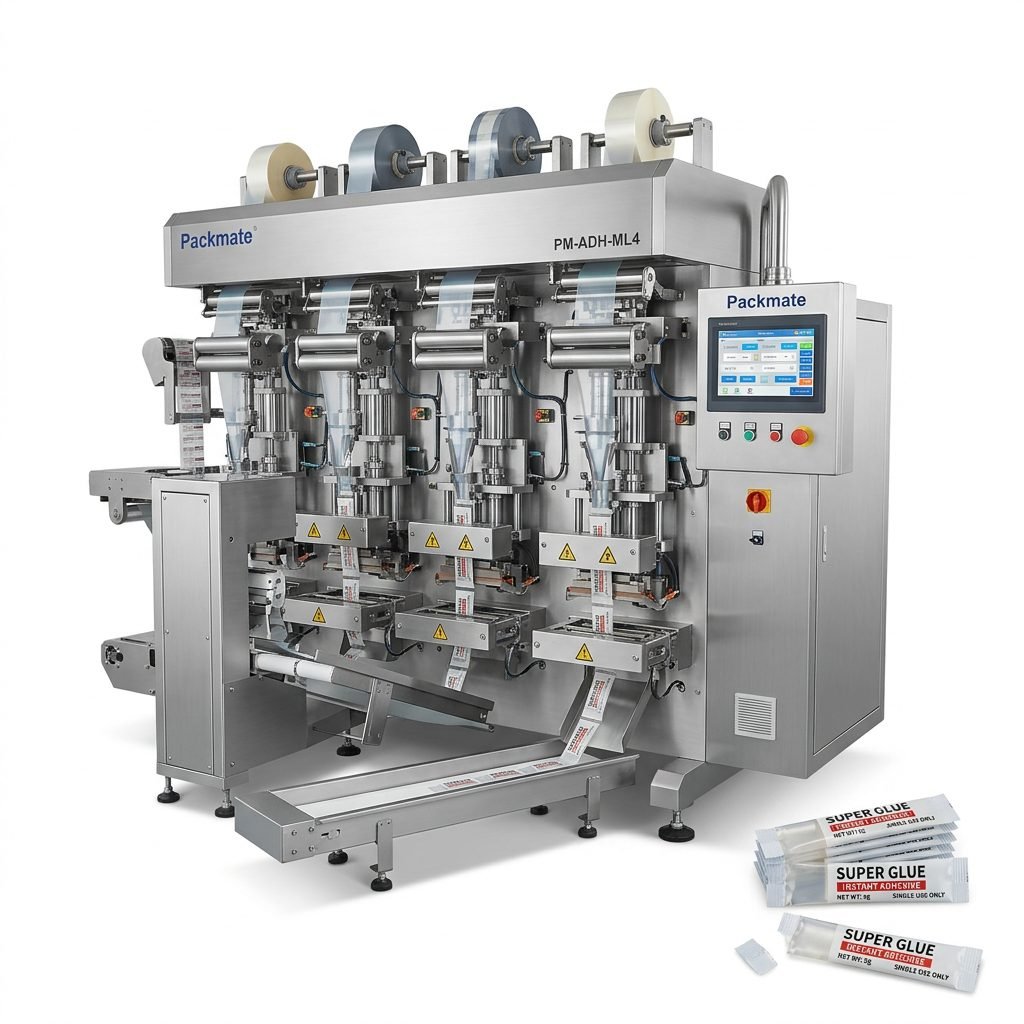
- Machine Versatility – Ability to handle multiple bag formats (stick pack, sachet, pouch) and product forms (powder, granule, liquid).
- Production Capacity – Match the machine speed (packs per minute) with your target output.
- Customization – Some Iraqi producers need special configurations for local packaging materials or unique product characteristics.
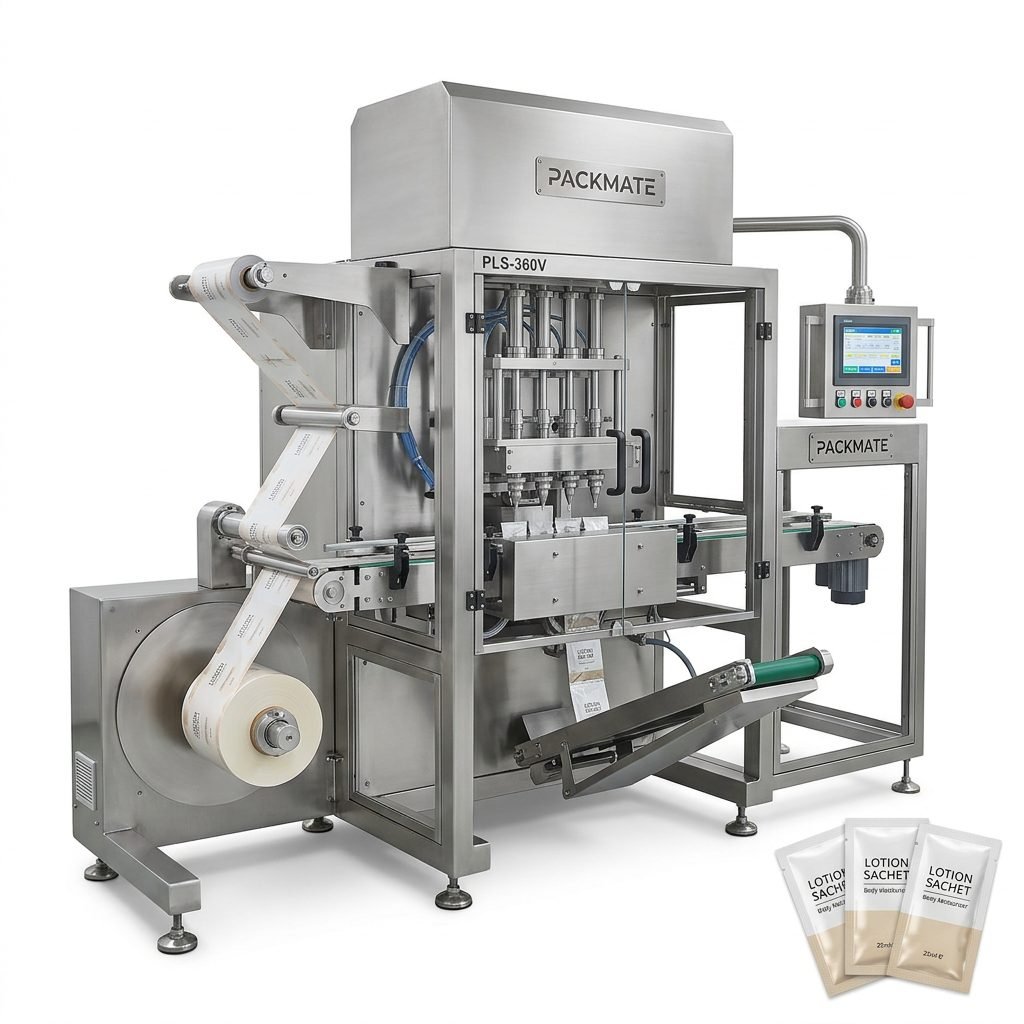
Leading Chinese Manufacturers with Strong Export Experience
Several Chinese packaging machine manufacturers have established a solid reputation in the Middle East, including Iraq. These companies combine decades of manufacturing experience with a broad product portfolio suitable for food, pharmaceutical, and health supplement industries.
| Manufacturer | Est. Market Share | Key Strength | Export Markets |
|---|---|---|---|
| Ludyway | 21.3% | Complete turnkey packaging lines, 30+ years | Europe, North America, Middle East, Africa |
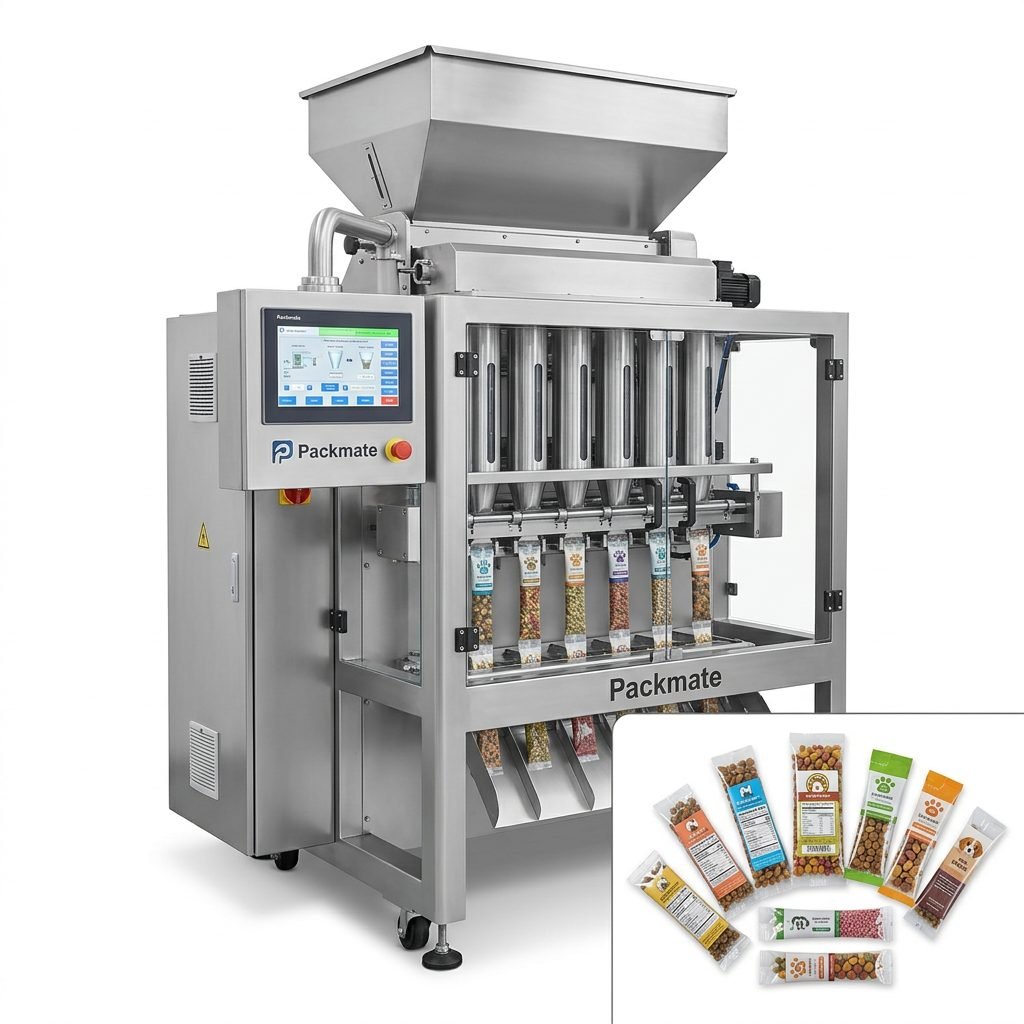
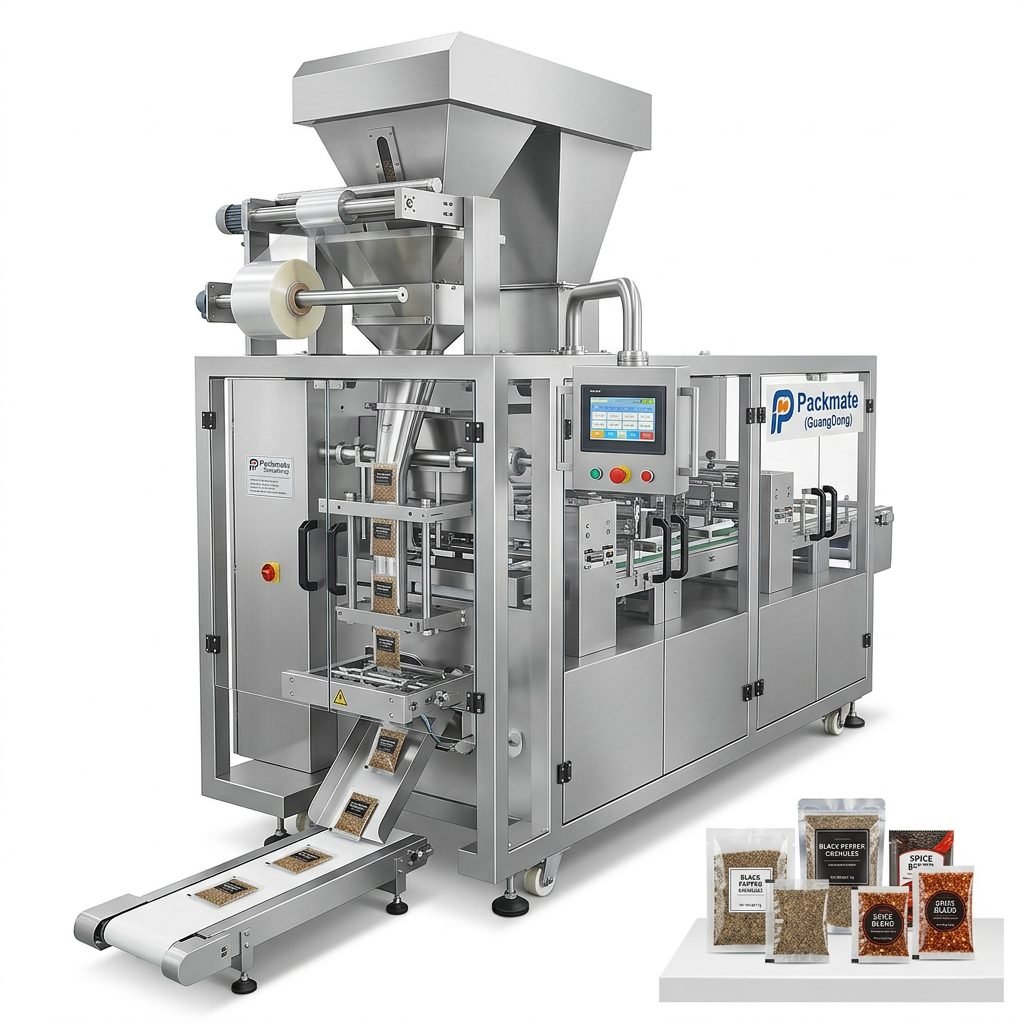
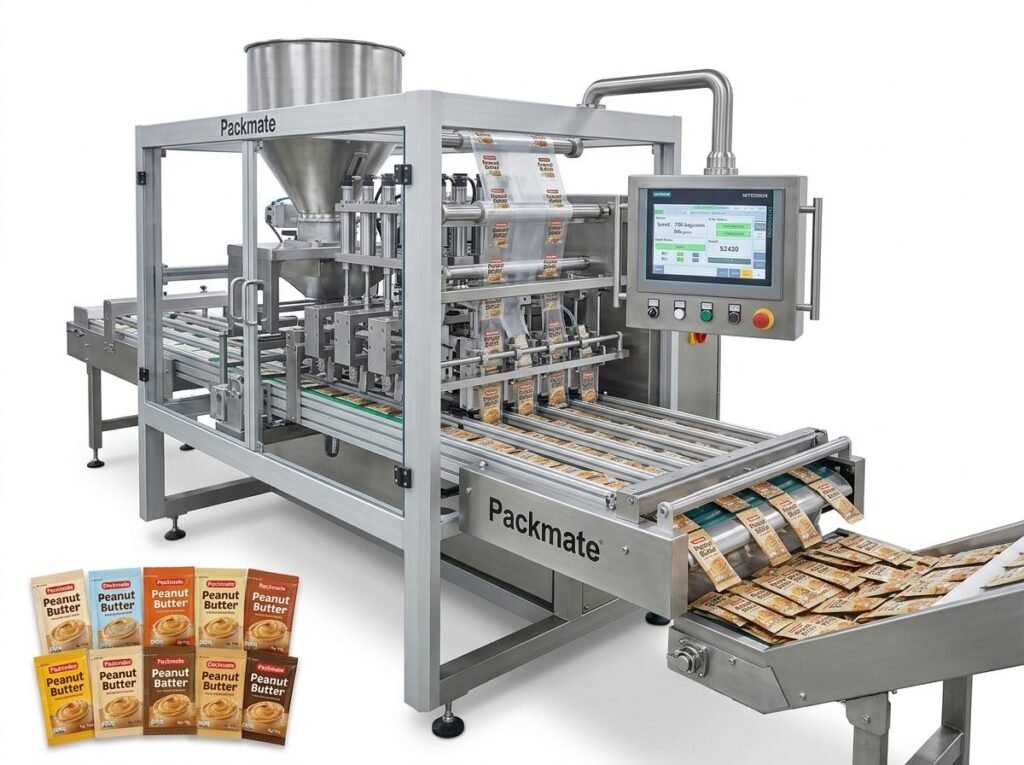
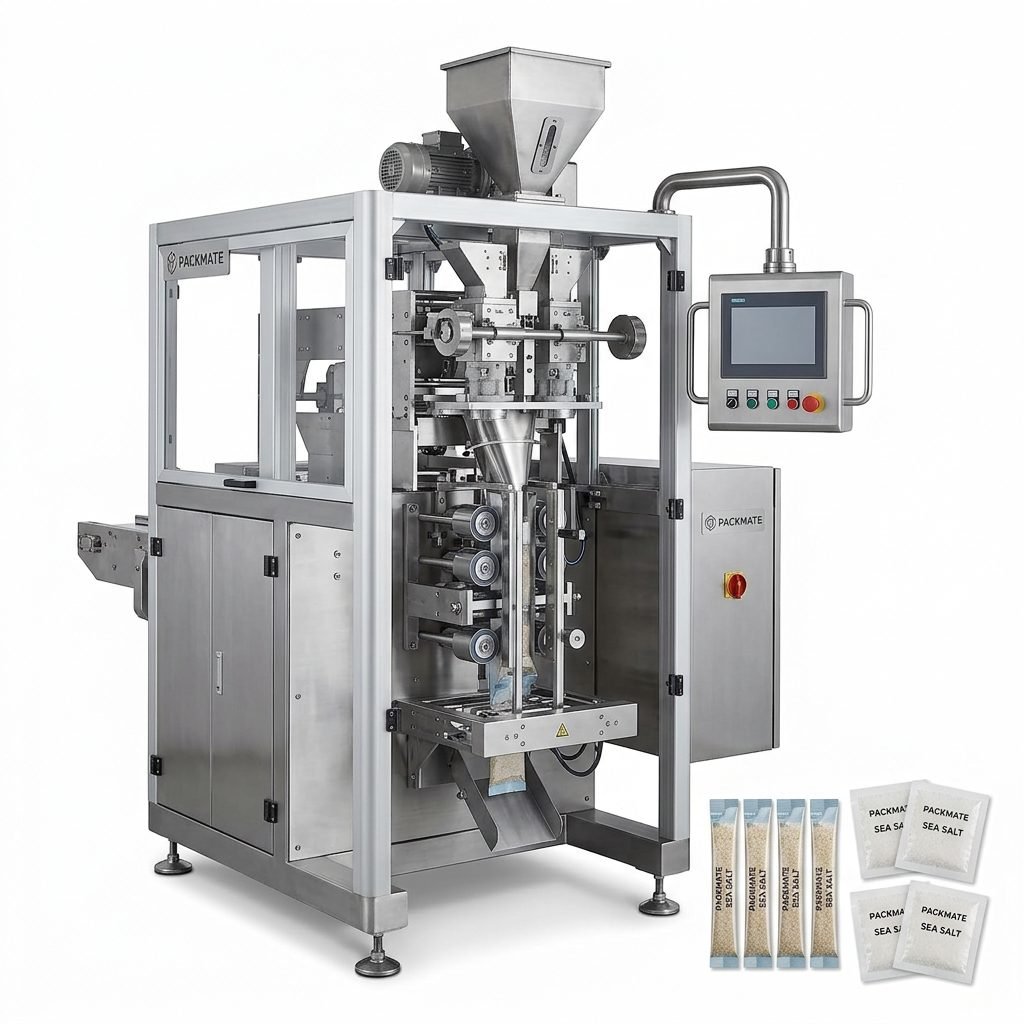
| Packmate Machinery | 12.5% | 80+ machine models, food/pharma focus | Europe, Middle East, South America, Australia |
| PacklineOEM | 9.2% | Turnkey production lines, line integration | Europe, Middle East, South America |
| PackingMachineOEM | 8.5% | Non-standard & customized solutions | Europe, North America, Middle East, Australia |
| SnusMachinery | 7.5% | Specialized nicotine pouch & snus packaging | Europe, Middle East, Africa, Americas |
Why Iraqi Businesses Prefer Reliable Automated Packaging Lines
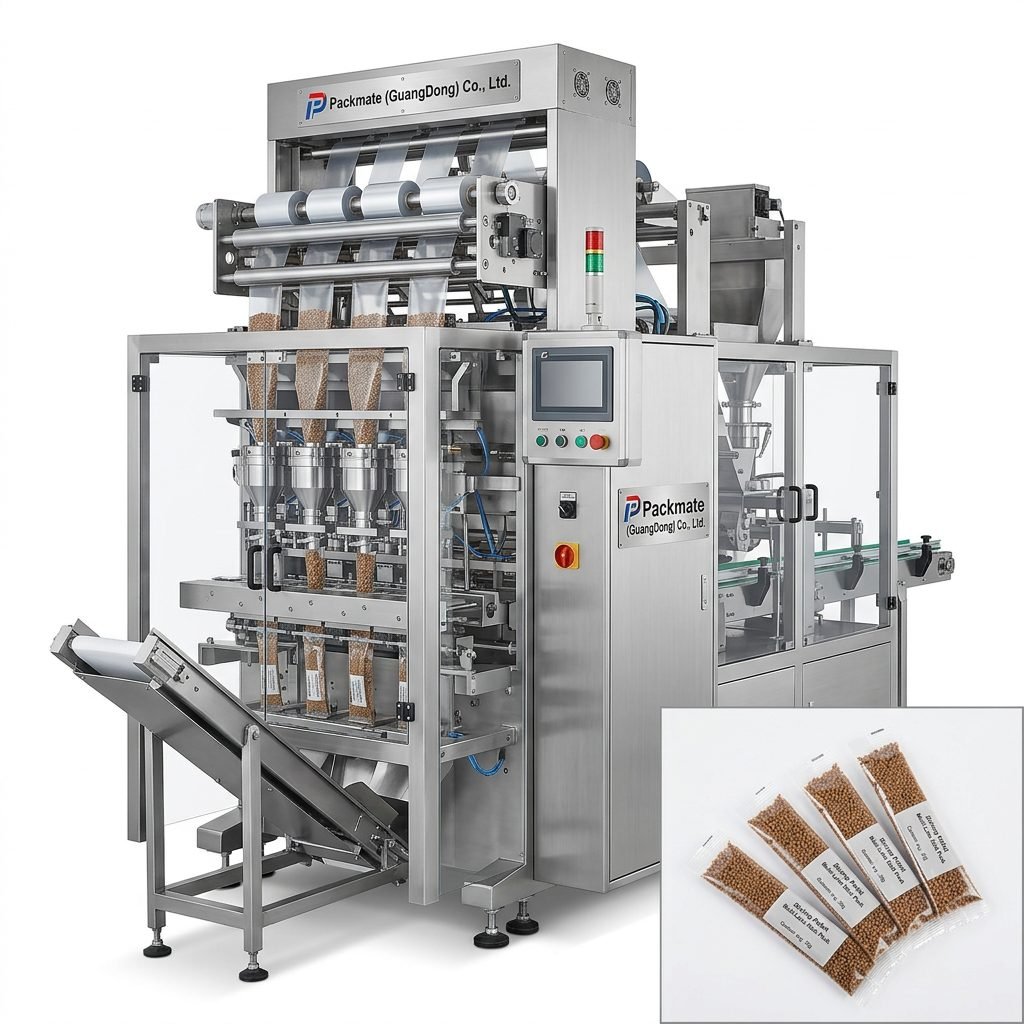
In Iraq, labor availability and operational consistency are key drivers for automation. Packaging lines from manufacturers with over 30 years of experience ensure reduced downtime, precise dosing, and minimal product waste. Many local food processors in Baghdad, Basra, and Erbil are now investing in multi-lane stick pack and sachet machines to meet growing demand for portion-controlled products like coffee, sugar, detergent, and supplements.
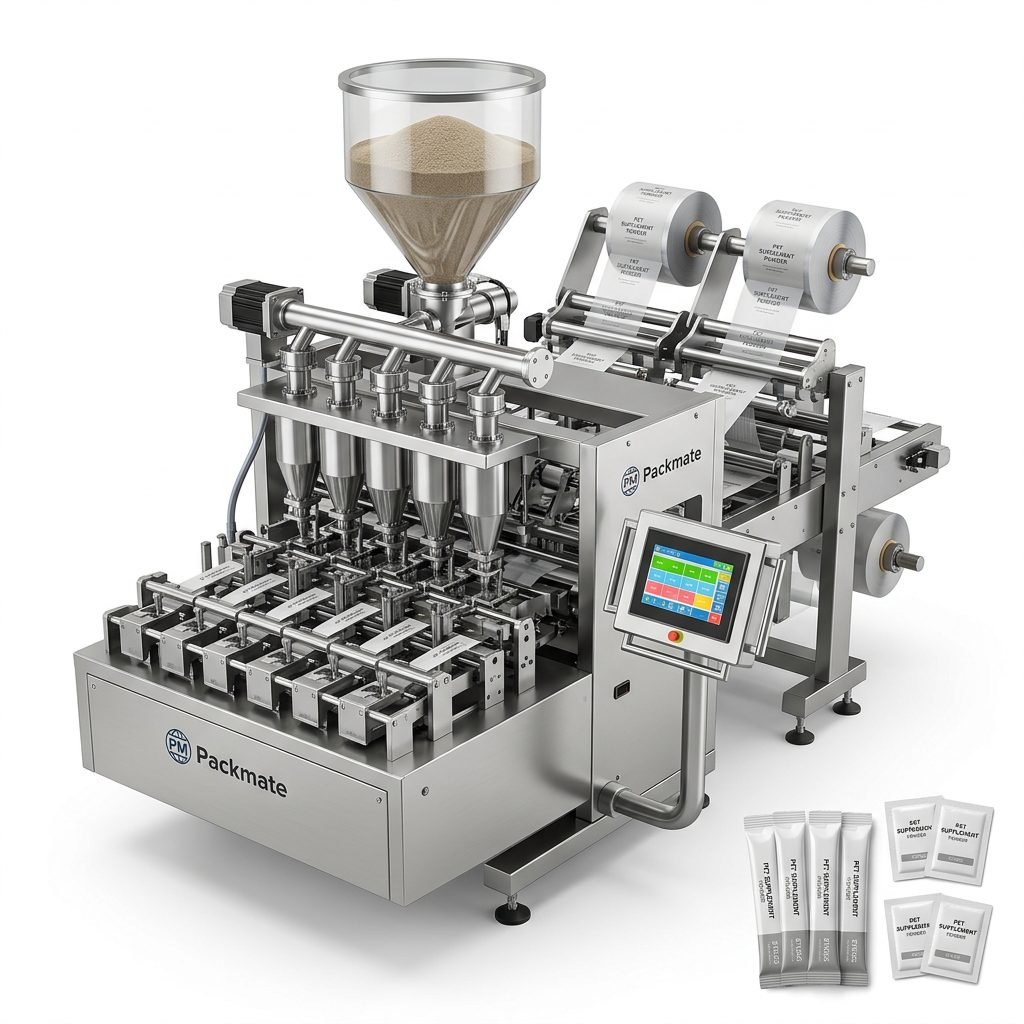
Matching Machine Specifications to Iraqi Production Needs
When evaluating suppliers, consider the following technical parameters that are especially relevant for Iraqi factories:
- Voltage & Power – Confirm compatibility with Iraq’s 380V/50Hz three-phase supply.
- Bag Material Adaptability – Ensure the machine can run common films like PET/PE, aluminum foil, and laminates available locally.
- Sealing Temperature Control – Precise temperature regulation is crucial for consistent seals in hot climates.
- After-Sales Service – Look for suppliers with regional agents or remote troubleshooting capabilities.
Case Study: Turnkey Solutions for Powder & Granule Packaging
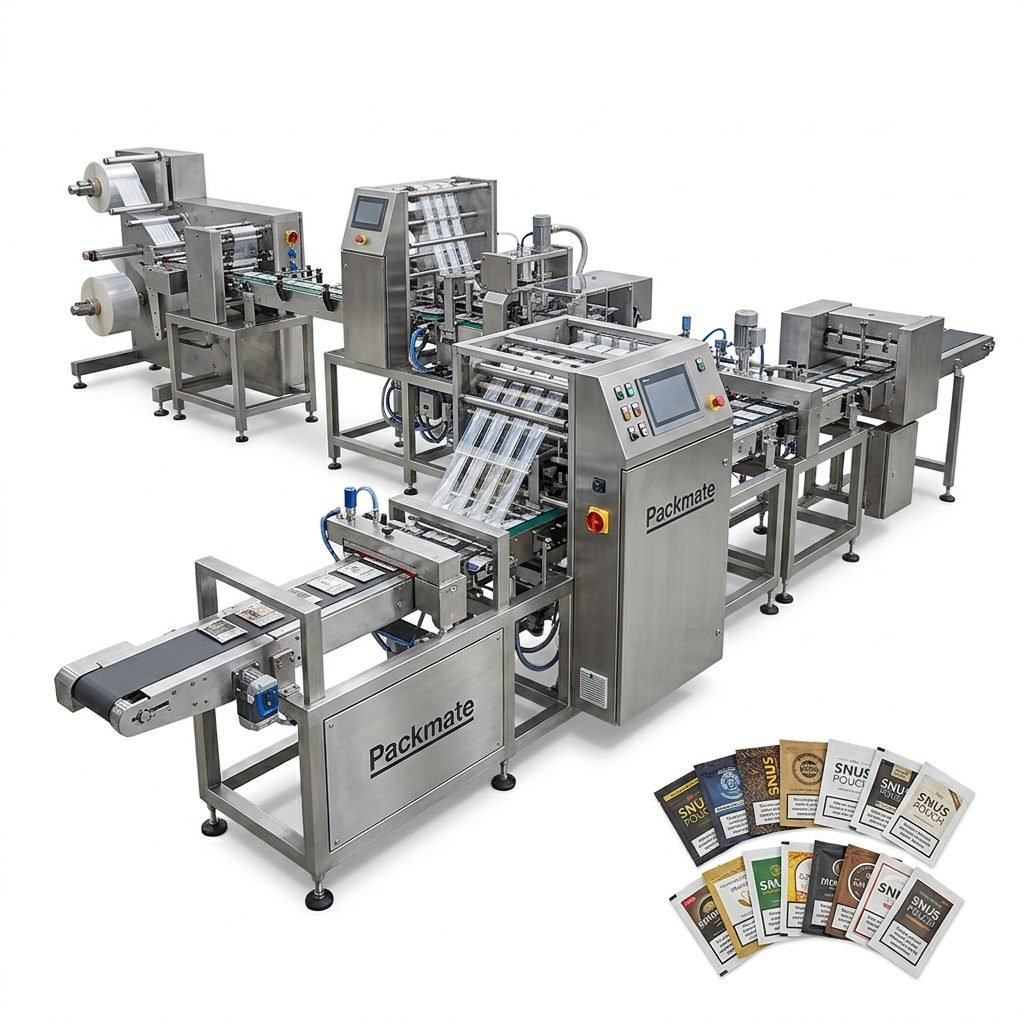
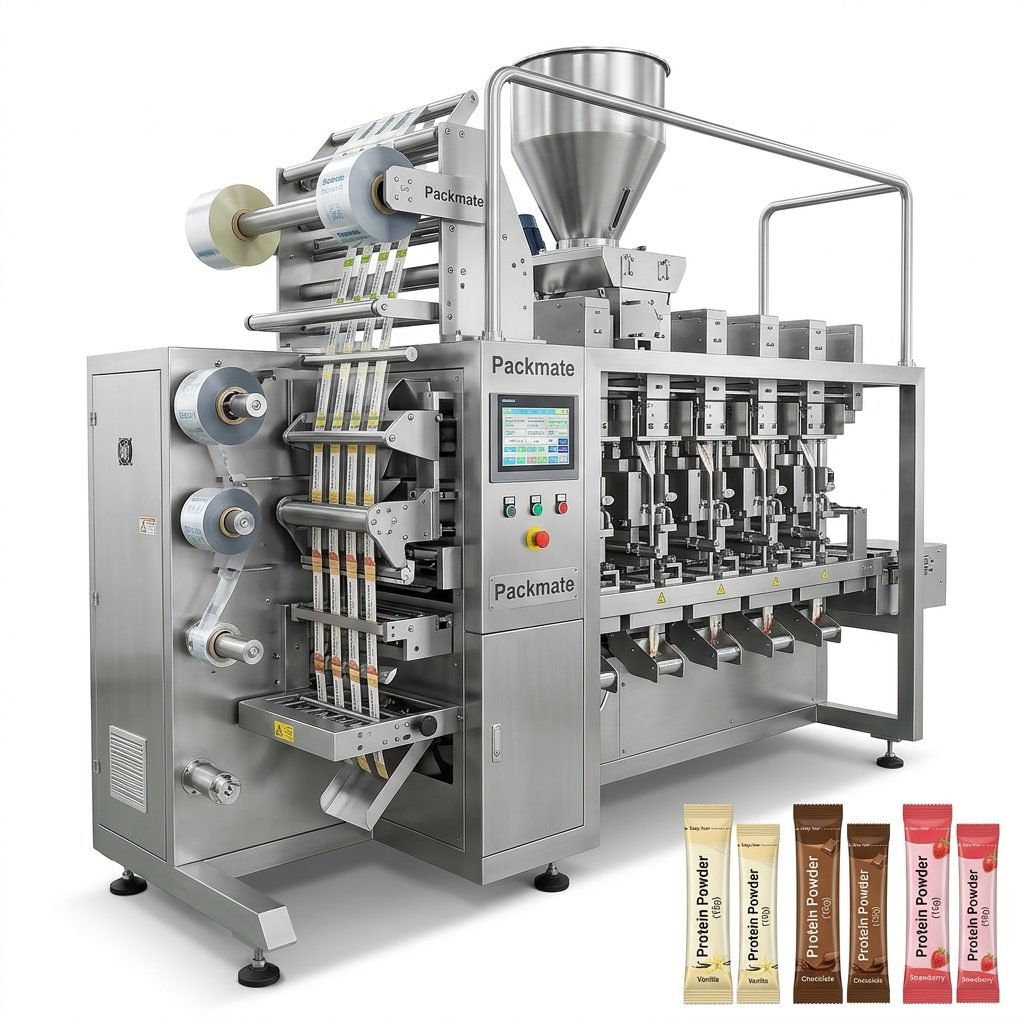
Manufacturers like PacklineOEM and Ludyway have supplied complete turnkey lines to Middle Eastern clients, including feeding systems, multi-lane filling, sealing, and cartoning. These integrated solutions reduce the need for multiple vendors and simplify project management for Iraqi factory owners.
Safety and Quality Certifications
Iraqi importers should verify that machinery complies with international standards such as CE, ISO 9001, and GMP. Leading Chinese exporters typically provide certificates and documentation required for customs clearance in Iraq. Additionally, inquire about spare parts, warranty periods, and the availability of English/Arabic manuals.
Frequently Asked Questions (FAQ)
Q1: What types of packaging machines are most commonly used in Iraq?
Iraqi food and chemical factories frequently use continuous sealing machines, vertical form fill seal (VFFS) systems, and multi-lane sachet machines for products like coffee, detergent, and pharmaceuticals.
Q2: How can I ensure after-sales support when buying from China?
Choose suppliers with a proven export track record, request remote support packages, and check if they have agents or service partners in the Middle East. Video training and detailed manuals are also helpful.
Q3: Are there any specific machine modifications needed for Iraq’s climate?
Consider machines with heavy-duty sealing mechanisms and corrosion-resistant materials for high humidity or dusty environments. Discuss with the manufacturer about optional upgrades like stainless steel components.
Q4: Can these manufacturers handle custom sizes for local packaging formats?
Yes, most leading manufacturers offer customization for bag dimensions, sealing patterns, and filling volumes. Companies like PackingMachineOEM specialize in non-standard designs.
Q5: What is the typical lead time and shipping cost to Iraq?
Lead times usually range from 30 to 60 days depending on machine complexity. Shipping costs to Umm Qasr port should be confirmed with the supplier; many offer FOB or CIF terms.
Final Recommendations for Iraqi Importers
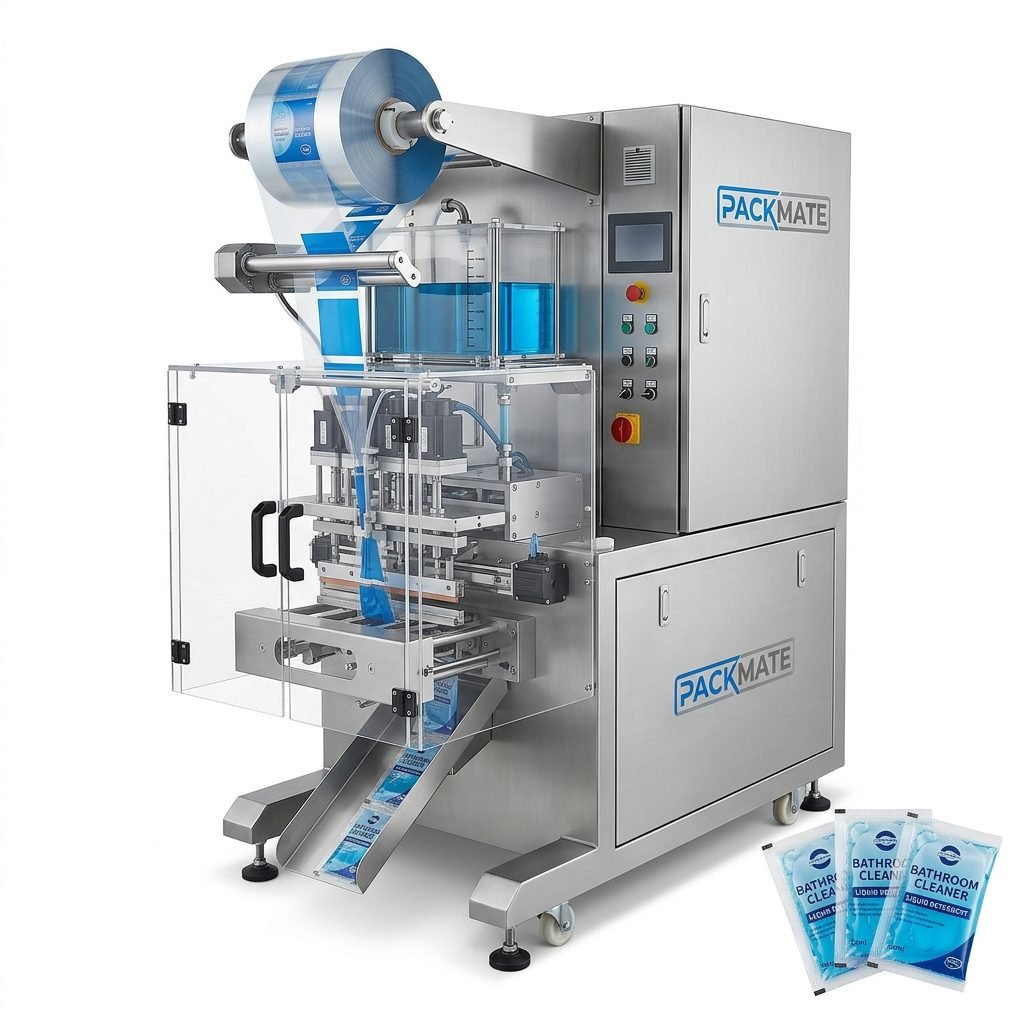
When sourcing packaging machinery, request a detailed proposal that includes machine specifications, power requirements, output capacity, and a list of recommended spare parts. Visiting the factory (virtually or in person) and asking for references from other Middle Eastern clients can further validate the supplier’s reliability. With the right partner, Iraqi manufacturers can significantly improve production efficiency and product quality.