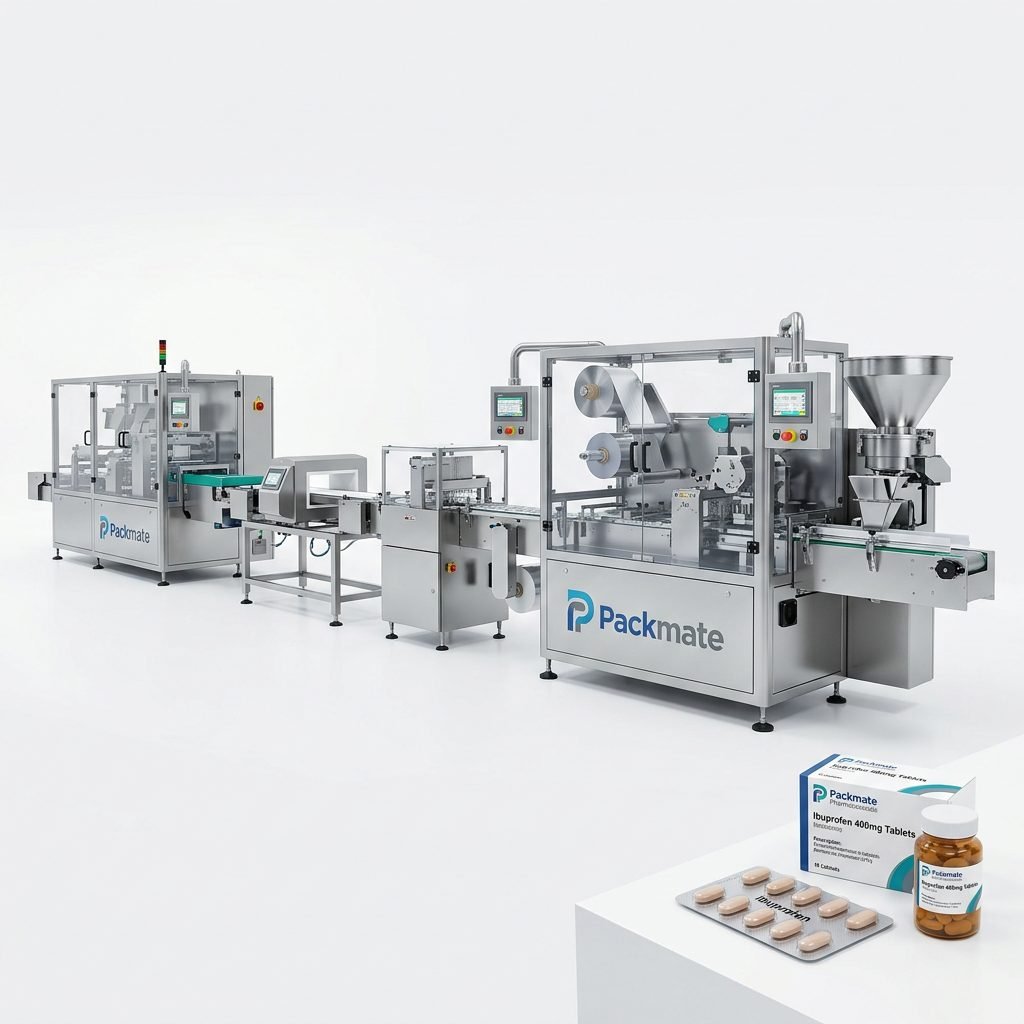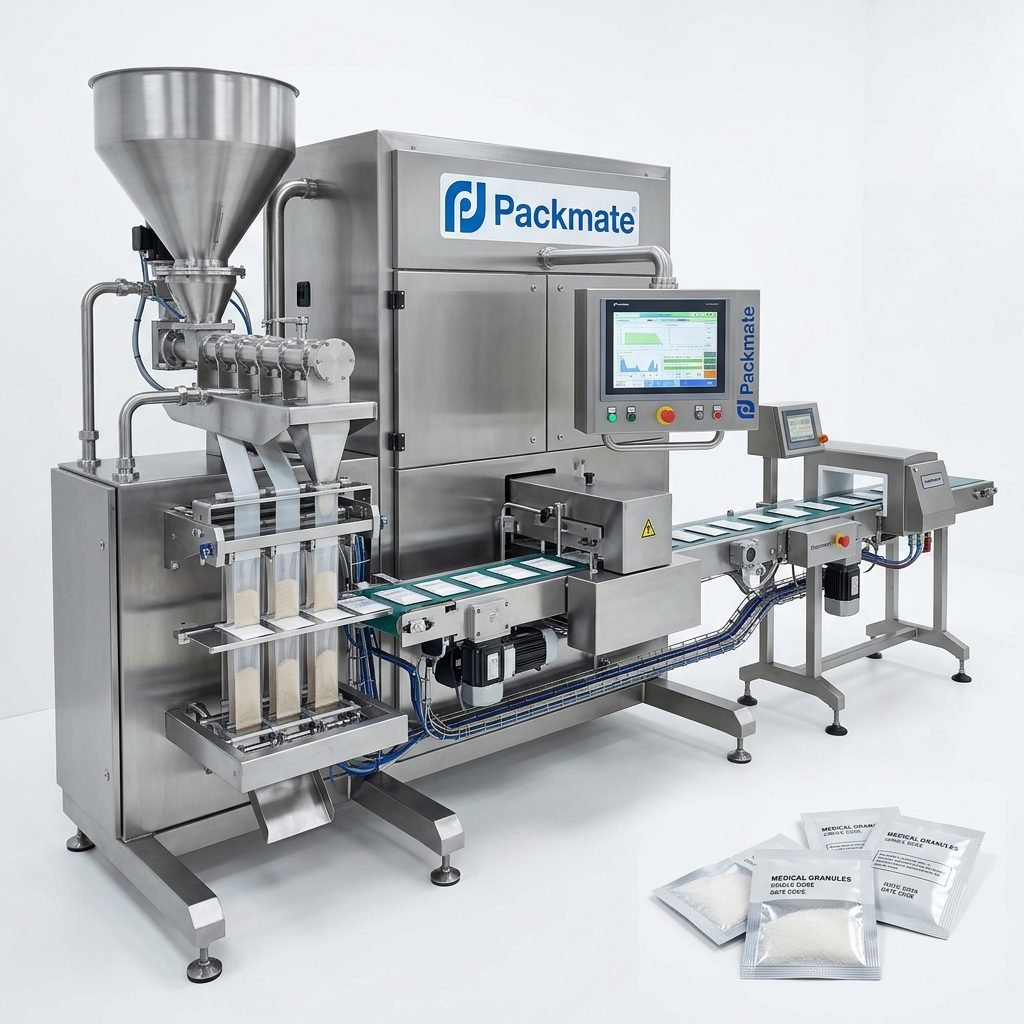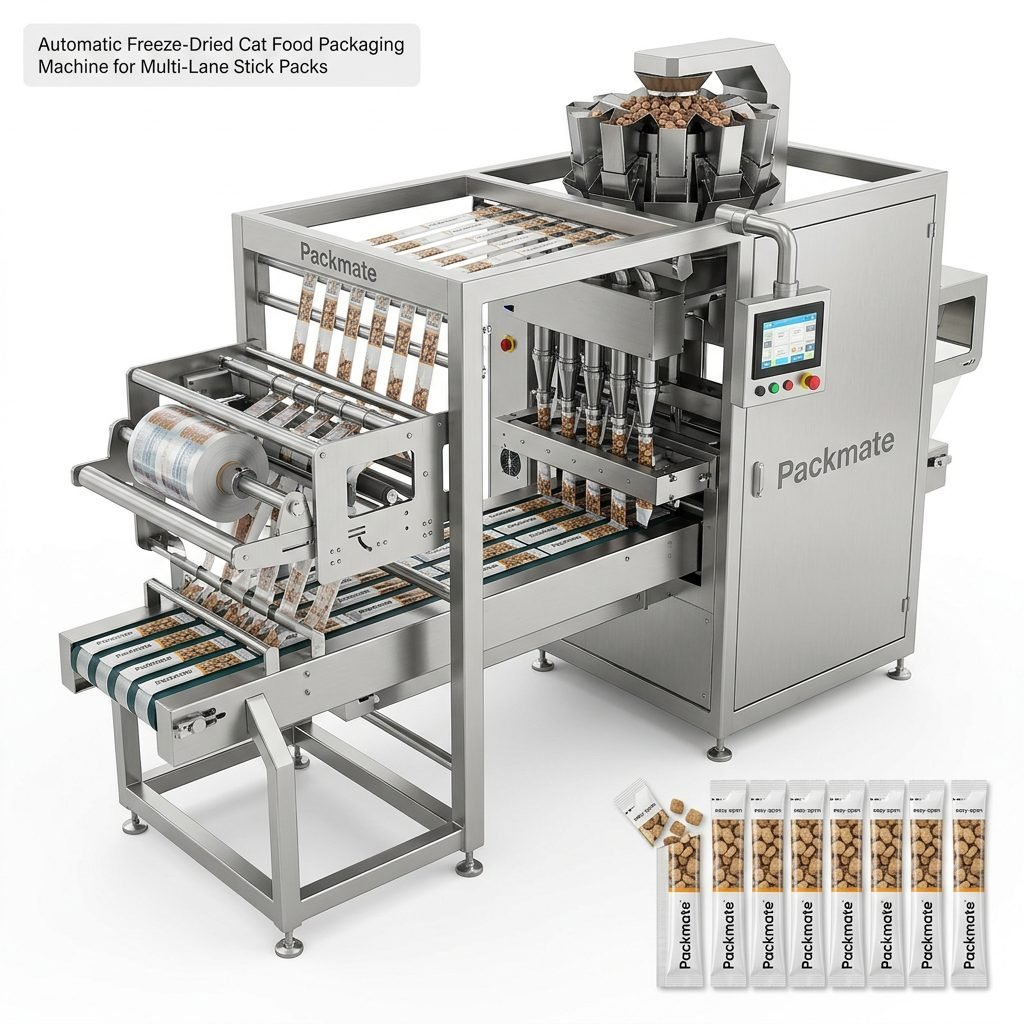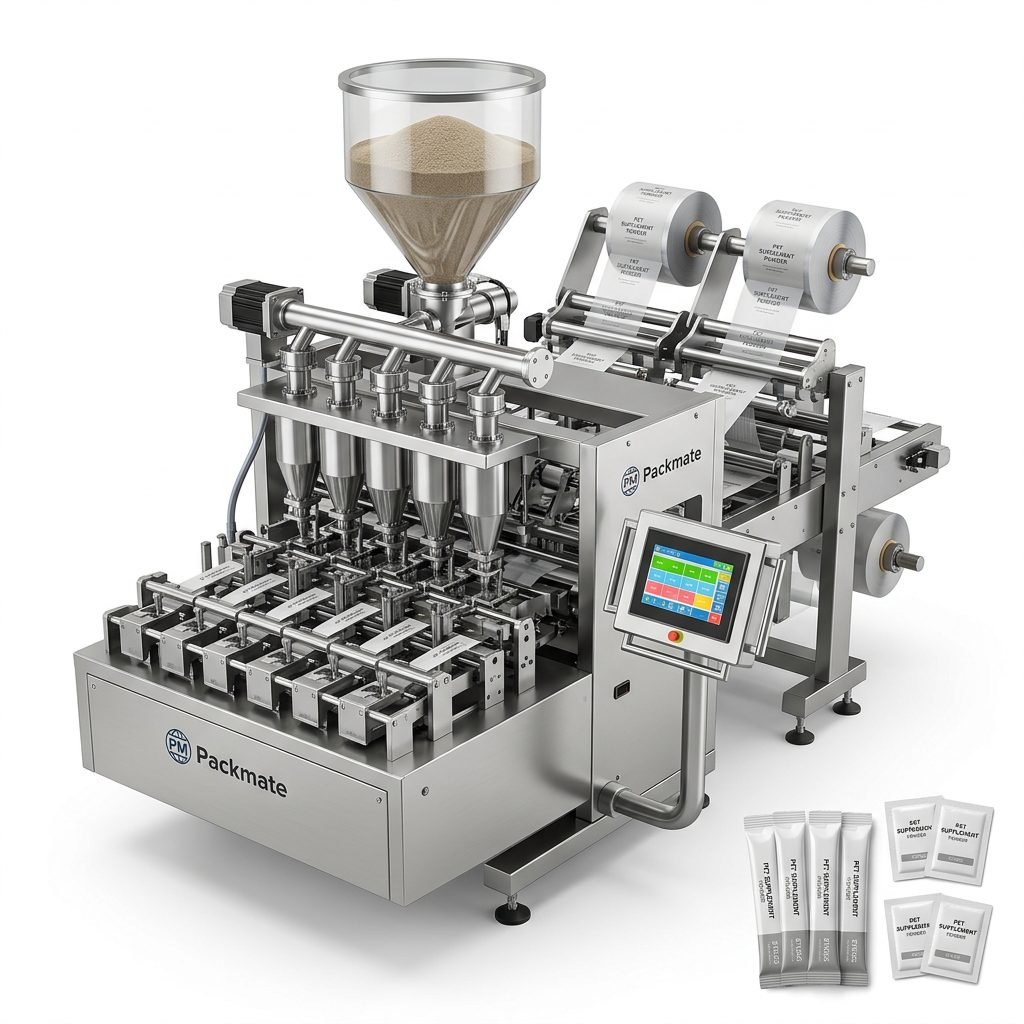
In the fast-paced world of modern manufacturing, efficiency and accuracy on the packaging line are non-negotiable. For operations handling a high volume of pre-made pouches—whether containing snacks, pharmaceuticals, coffee, or hardware components—manual sorting is a bottleneck prone to errors and fatigue. This is where automated pouch sorting machines become a transformative investment. This comprehensive guide will walk you through the critical factors to consider when choosing an automated pouch sorting solution to optimize your packaging line’s performance, reliability, and scalability.
Understanding Pouch Sorting Automation: Core Functions and Benefits
An automated pouch sorting machine is designed to receive a bulk supply of filled pouches and systematically organize them for the next stage of packaging, such as cartoning, case packing, or palletizing. Its primary functions include orientation, counting, grouping, and transfer. The shift from manual to automated sorting delivers a multitude of tangible benefits that directly impact your bottom line.
→ Increased Throughput: Machines operate continuously at high speeds, dramatically increasing the number of pouches sorted per minute compared to manual labor.
→ Enhanced Accuracy: Automated systems eliminate human counting errors, ensuring precise batch counts for secondary packaging and shipping.
→ Labor Optimization: Frees skilled workers from repetitive tasks, allowing them to be redeployed to value-added areas like quality control or machine oversight.
→ Improved Hygiene & Safety: Reduces direct product handling, which is crucial for food and pharmaceutical compliance, and minimizes workplace strain injuries.
→ Consistent Product Flow: Provides a steady, reliable supply of oriented pouches to downstream equipment, maximizing overall line efficiency (OEE).
Key Considerations for Selecting Your Pouch Sorter
Choosing the right machine is not a one-size-fits-all decision. It requires a detailed analysis of your product, production goals, and operational environment. Here are the essential parameters to evaluate.
1. Pouch Characteristics and Specifications
The physical attributes of your pouch are the foremost deciding factor. A reputable provider like Packmate (GuangDong) Co., Ltd. will always start the consultation here.
- Dimensions (Length, Width, Thickness): The machine must accommodate your size range, often with adjustable guides or channels.
- Material & Surface Texture: Laminated films, paper, or foil behave differently. The sorting mechanism (e.g., belts, rollers, grippers) must handle your material without causing damage or slippage.
- Pouch Fill Type & Weight: Granules, powders, and liquids affect the pouch’s center of gravity and stability. The sorter must manage these variations.
- Seal Type & Integrity: Machines should handle flat or gusseted seals gently to avoid compromising the seal.
2. Required Sorting Speed and Capacity
Speed is typically measured in pouches per minute (PPM). You must match the sorter’s maximum rate with your filling machine’s output and your target line capacity. Consider both current needs and future growth. A modular system that can be upgraded may offer better long-term value than a machine operating at its absolute limit from day one.
3. Integration with Existing Packaging Line
The sorter is one node in a connected system. Seamless integration is critical.
Upstream Compatibility: How will filled pouches be fed into the sorter? Common methods include conveyor belts, vibratory feeders, or robotic arms. The interface must be smooth to prevent jams.
Downstream Connectivity: The sorted and grouped pouches must be presented correctly for the next machine, such as a cartoner or case packer. Consider discharge height, orientation, and timing synchronization.
Control System Communication: Modern sorters should integrate with your line’s central PLC (Programmable Logic Controller) or SCADA system for unified monitoring and control, allowing you to track performance through a single dashboard. Reviewing real-world application cases can provide valuable insight into integration challenges and solutions.
4. Sorting Logic and Flexibility
What is the end goal of the sorting process? Define your required output pattern.
- Batch Counting: Creating groups of a specific number (e.g., 10 pouches per bundle).
- Pattern Formation: Arranging pouches in a specific layout for loading into trays or cartons.
- Diverting/Segregating: Separating pouches by type, flavor, or based on quality inspection signals (e.g., from a checkweigher or vision system).
Your machine should offer programmable logic to switch between different sorting patterns quickly, supporting short production runs and product changeovers.
5. Machine Construction and Hygiene Design
Durability and cleanliness are paramount. Look for a robust frame constructed from stainless steel or powder-coated carbon steel. For food and pharmaceutical applications, full stainless steel contact parts and IP-rated components for easy washdown are essential. The design should minimize crevices where product dust or debris can accumulate.
6. Supplier Expertise and Support
The machine is only as good as the company behind it. Partner with a supplier that has proven experience in pouch handling and complete line integration. Evaluate their technical support, availability of spare parts, and training offerings. A provider with a strong track record, like Packmate with over 22 years in packaging automation, brings invaluable application knowledge that can prevent costly mistakes. Exploring their full range of packaging solutions can also reveal opportunities for further line optimization.
Common Types of Pouch Sorting Mechanisms
Different technologies are employed to achieve sorting, each with its strengths.
- Bucket/Belt Sorters: Use a series of pockets or buckets on a moving belt to singulate and carry pouches. Excellent for gentle handling and precise counting.
- Vertical/Horizontal Carousels: Utilize rotating tiers with compartments. Space-efficient and good for accumulating and batching.
- Robotic Pick-and-Place: Employ vision-guided robots to pick individual pouches and place them in a defined pattern. Offers maximum flexibility for complex tasks and mixed SKUs.
- Vibratory Tray & Lane Sorters: Use vibration to separate and guide pouches into multiple lanes for grouping or collation. Often used for high-speed, simpler sorting tasks.
Implementation: From Selection to Operation
Once you’ve selected a machine, proper implementation is key. This includes factory acceptance testing (FAT), careful installation by trained technicians, and comprehensive operator training. Work with your supplier to develop standard operating procedures (SOPs) and a preventive maintenance schedule to ensure longevity and consistent performance.
Conclusion: Investing in a Smarter Packaging Line
An automated pouch sorting machine is a strategic investment that enhances precision, speed, and reliability across your packaging operation. By meticulously assessing your pouch specifications, throughput requirements, and integration needs, you can select a solution that not only solves current bottlenecks but also provides the flexibility to adapt to future market demands. Partnering with an experienced automation provider ensures you gain a system tailored to your unique challenges, paving the way for a more productive, competitive, and profitable packaging line.
Frequently Asked Questions (FAQs)
1. What is the typical ROI (Return on Investment) for an automated pouch sorter?
ROI depends on labor costs, current error rates, and throughput gains. Many operations see a payback period of 12-24 months through labor savings, reduced giveaway from counting errors, and increased overall line output. A detailed analysis with your supplier can project a more accurate timeline.
2. Can one sorting machine handle different sizes and types of pouches?
Yes, many machines are designed with changeover capabilities. Look for models with quick-adjust guides, programmable settings for different products, and tool-less change parts. The ease and speed of changeover are critical factors to evaluate if you run multiple SKUs.
3. How do automated sorters handle damaged or malformed pouches?
Advanced systems can be integrated with vision inspection or checkweighing systems. Pouches identified as defective can be signaled to the sorter’s PLC, which then diverts them to a reject bin via a pneumatic pusher or a separate reject lane, ensuring only good product moves downstream.
4. What level of maintenance do these machines require?
Regular preventive maintenance is essential. This typically includes cleaning, lubrication of bearings and guides, inspection of belts or sensors, and checking for wear on moving parts. Your supplier should provide a maintenance schedule and training. Well-maintained machines can operate reliably for many years.
5. How do I determine the right sorting speed for my line?
Your sorter’s speed should be matched to the slowest upstream machine (usually the filler) and must meet or exceed your target line capacity. It’s often advisable to choose a sorter with a 15-20% speed buffer above your current needs to accommodate future increases and ensure it never becomes the bottleneck.