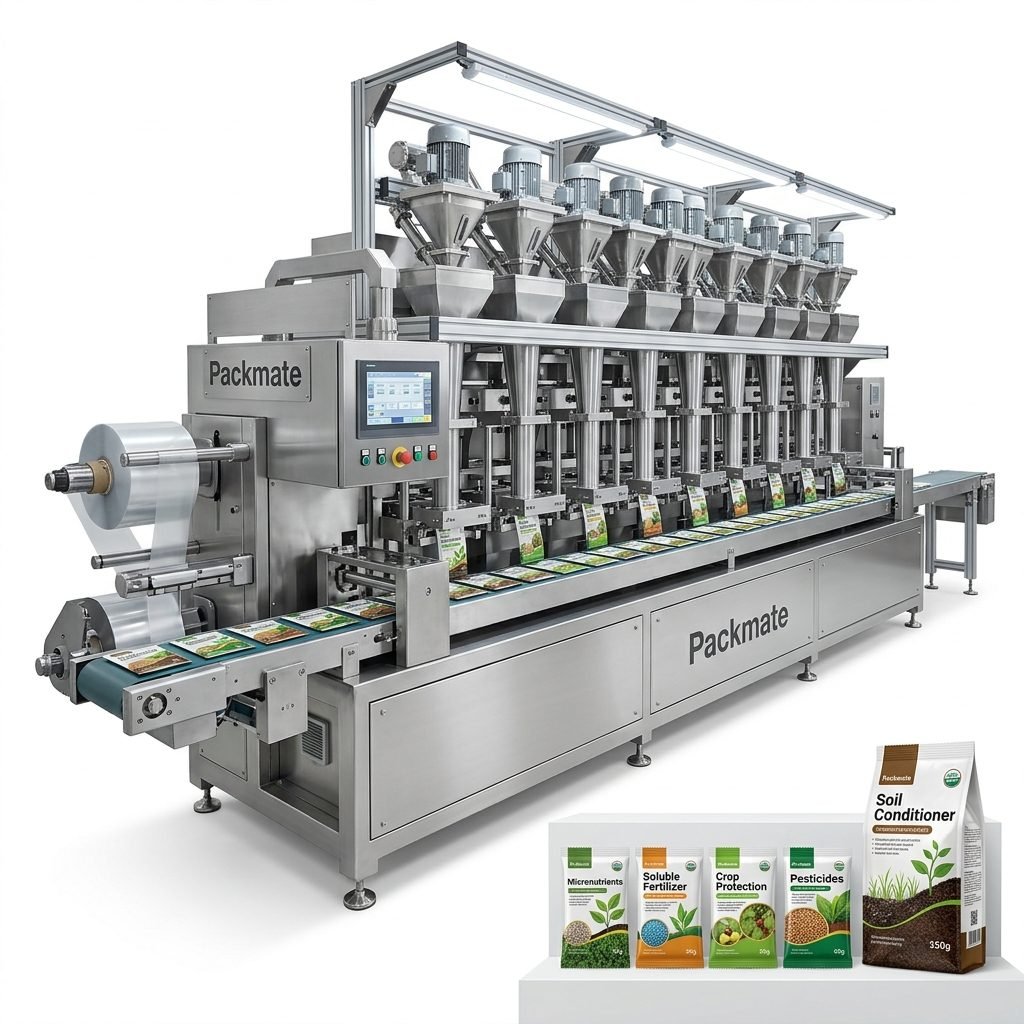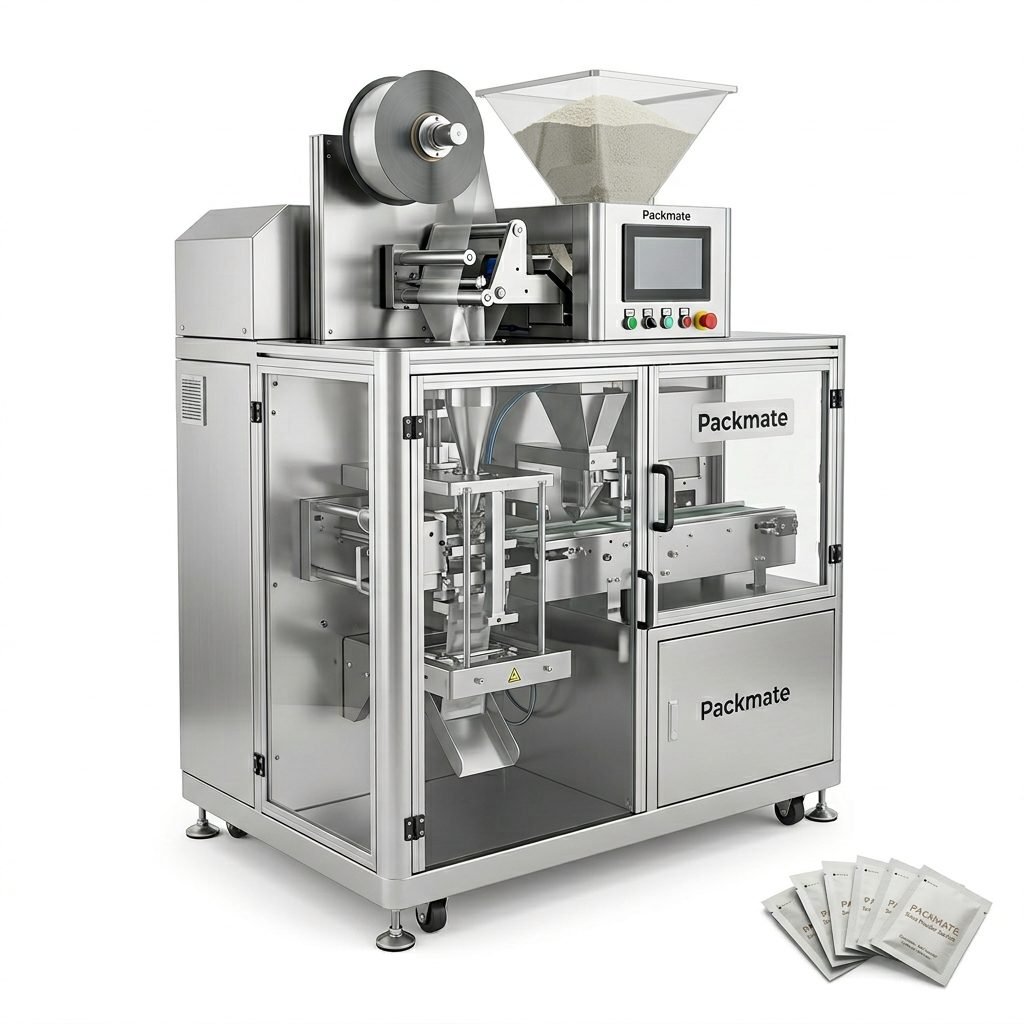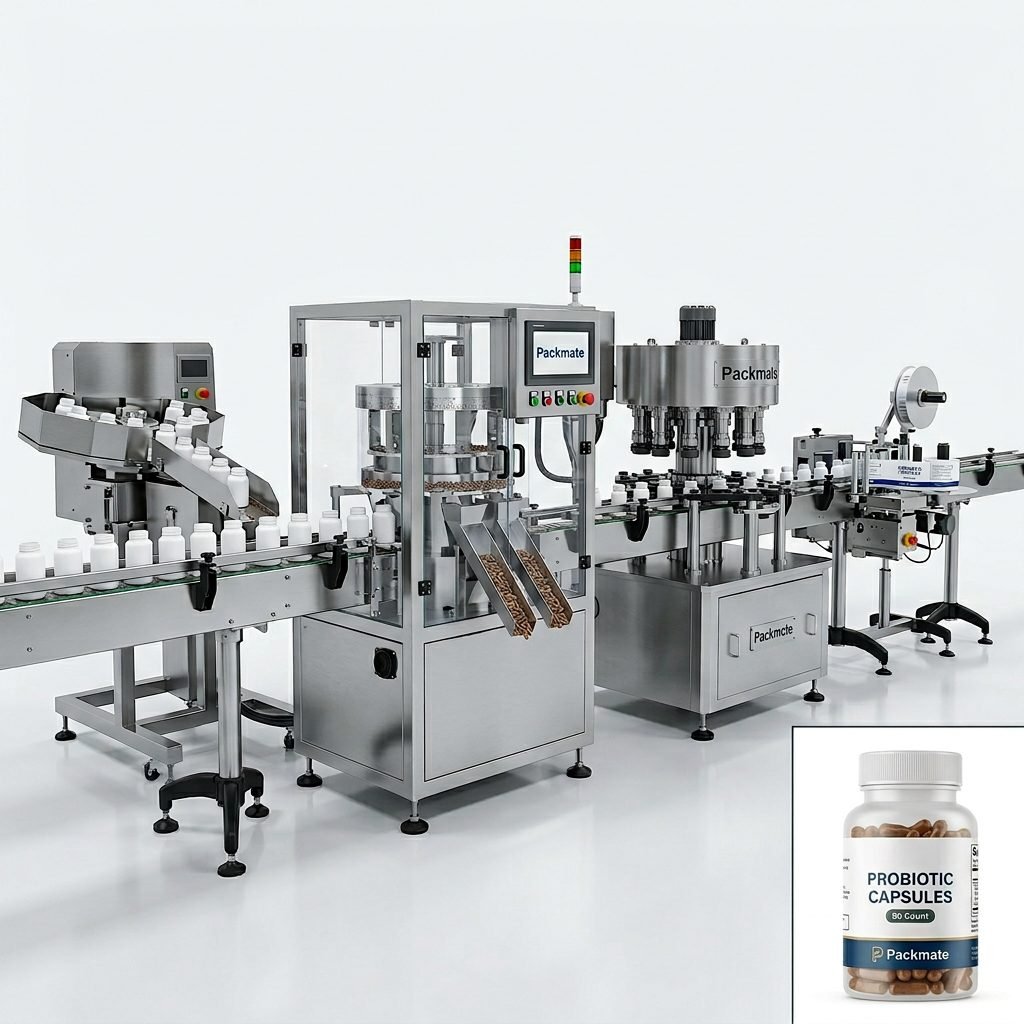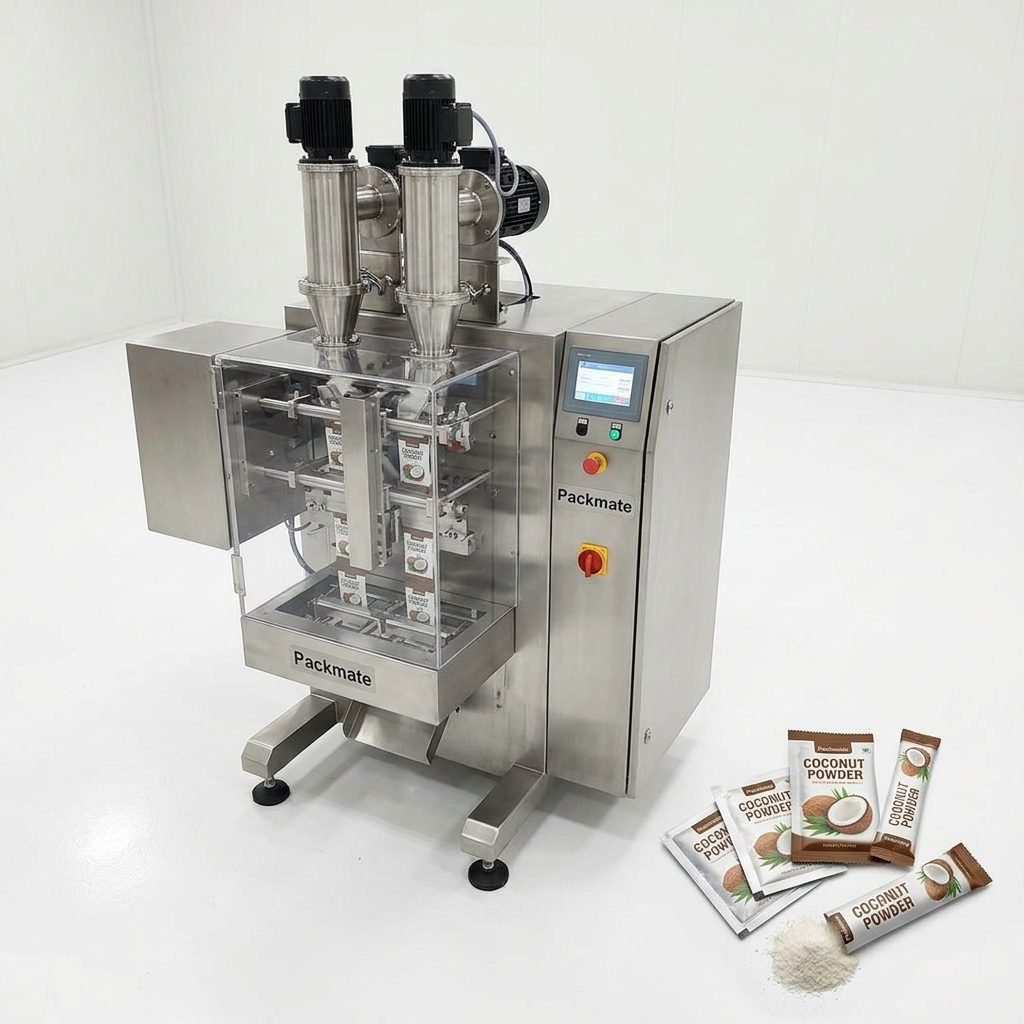
In today’s highly regulated and consumer-conscious markets, the ability to track a product’s journey from raw material to end-user is no longer a luxury—it’s a necessity. Packaging line serialization, the process of assigning a unique identifier to each saleable unit, has become the cornerstone of modern track and trace systems. This guide delves into the critical role of serialization for pharmaceutical and food products, exploring its implementation, benefits, and the complete solutions that make it possible.
What is Packaging Line Serialization?
At its core, packaging line serialization involves marking each individual product package—be it a bottle, vial, sachet, or box—with a unique, machine-readable code. This code, often a 2D Data Matrix or QR code, acts as a digital passport, containing essential data such as a unique serial number, Global Trade Item Number (GTIN), batch/lot number, and expiration date. This data is then recorded in a secure database, creating a digital thread that follows the product throughout the supply chain.
Core Components of a Serialization System:
- ✔ Printing & Marking: Reliable inkjet, laser, or thermal transfer overprinters (TTO) to apply high-quality, scannable codes.
- ✔ Vision Inspection: High-speed cameras verify code quality, readability, and accuracy in real-time.
- ✔ Aggregation: Software that creates a parent-child relationship (e.g., linking individual sachets to a carton, cartons to a case).
- ✔ Line Control & Integration: A central system (Line Management System – LMS) orchestrates all hardware and data flow.
The Critical Importance for Pharma and Food Industries
The drivers for serialization in pharmaceuticals and food, while sharing common ground in safety, have distinct regulatory and operational emphases.
Pharmaceutical Sector: A Matter of Life and Compliance
For the pharma industry, serialization is primarily a regulatory mandate for patient safety and supply chain integrity. Laws like the U.S. Drug Supply Chain Security Act (DSCSA) and the EU Falsified Medicines Directive (FMD) require unique identifiers on prescription drug packages to combat counterfeiting, enable verification at the point of dispensing, and facilitate efficient recalls. A robust serialization system is non-negotiable for market access. Implementing such systems often requires partnering with experts who understand the stringent requirements, such as those detailed in our comprehensive packaging solutions.
Food & Beverage Sector: Transparency and Trust
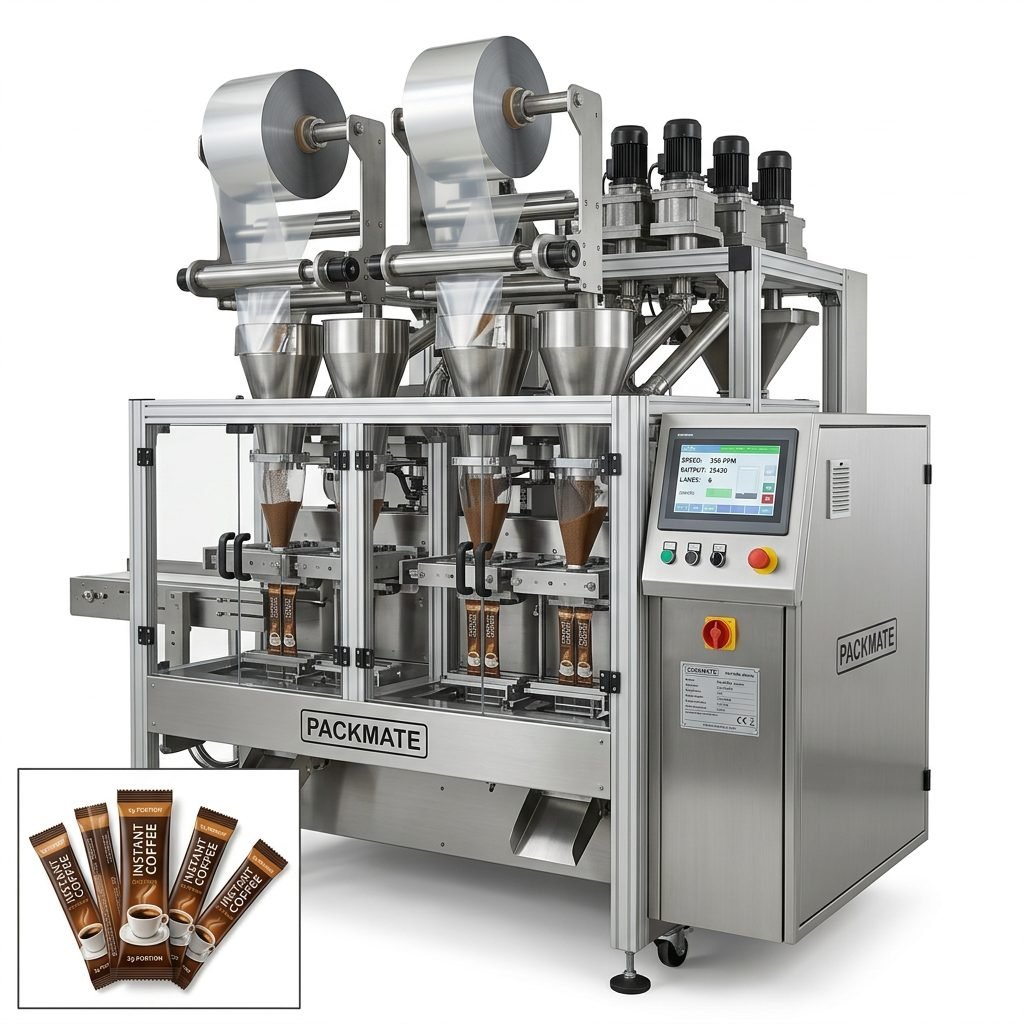
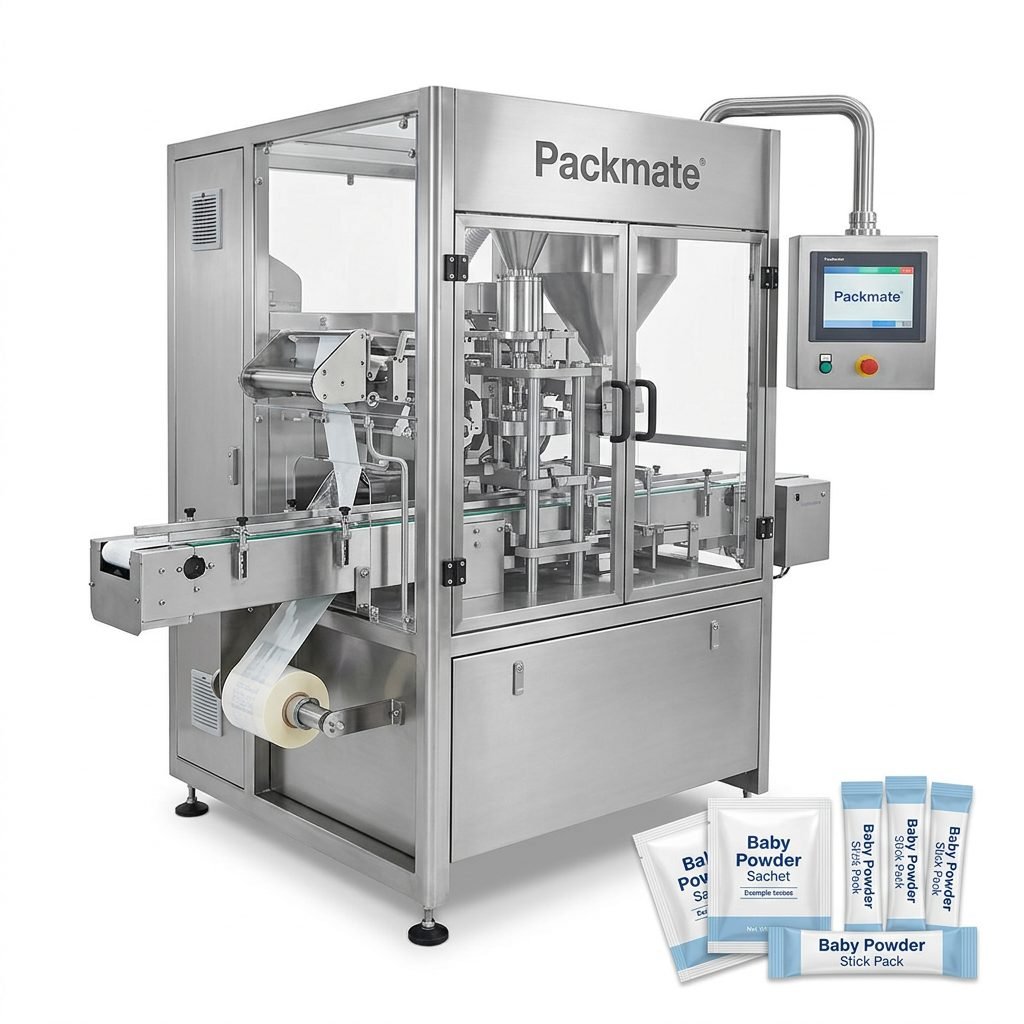
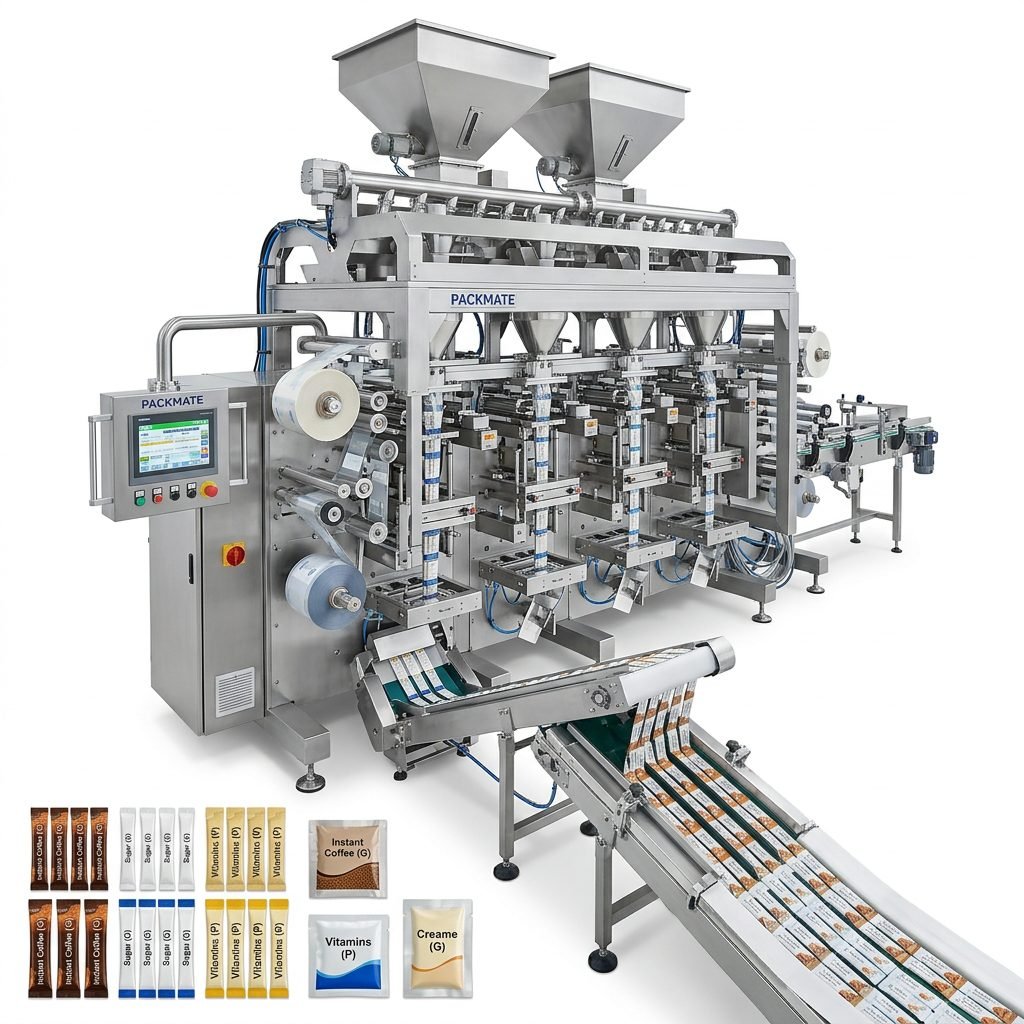
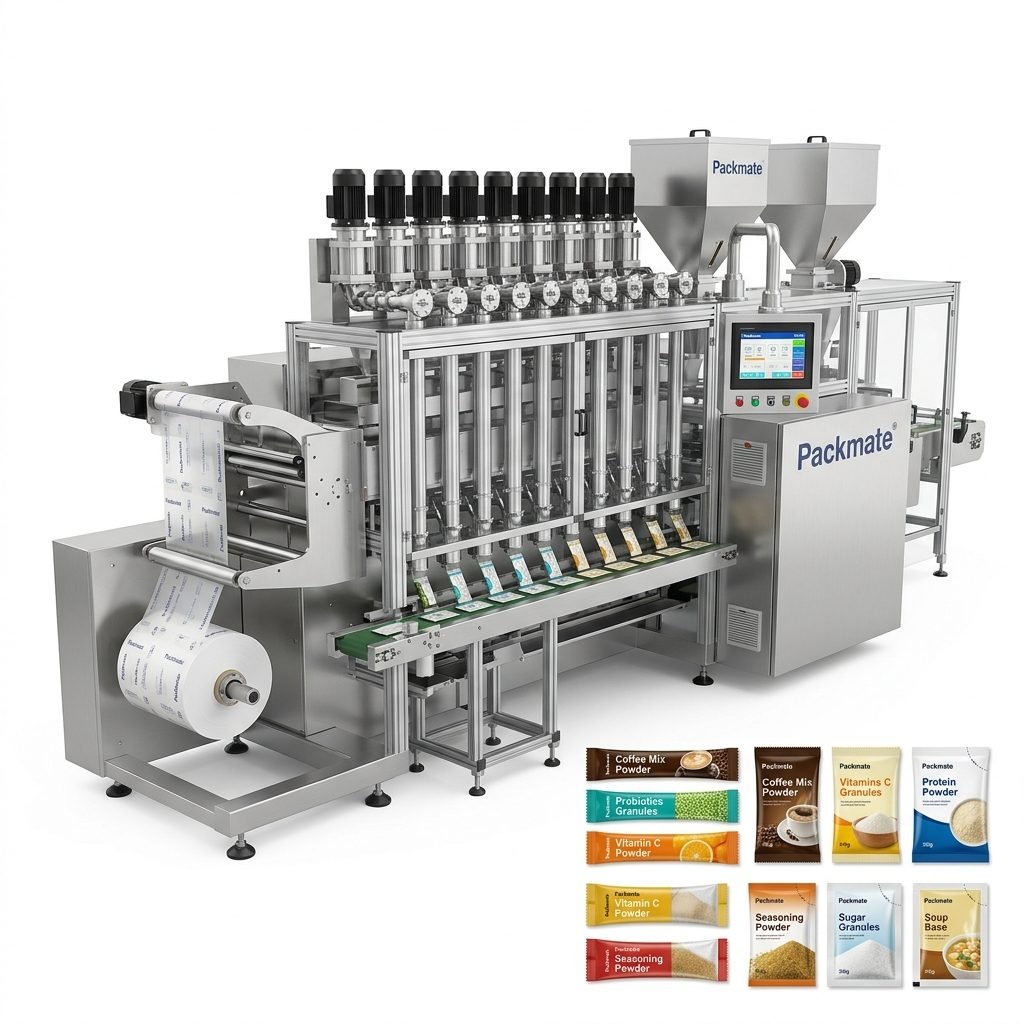
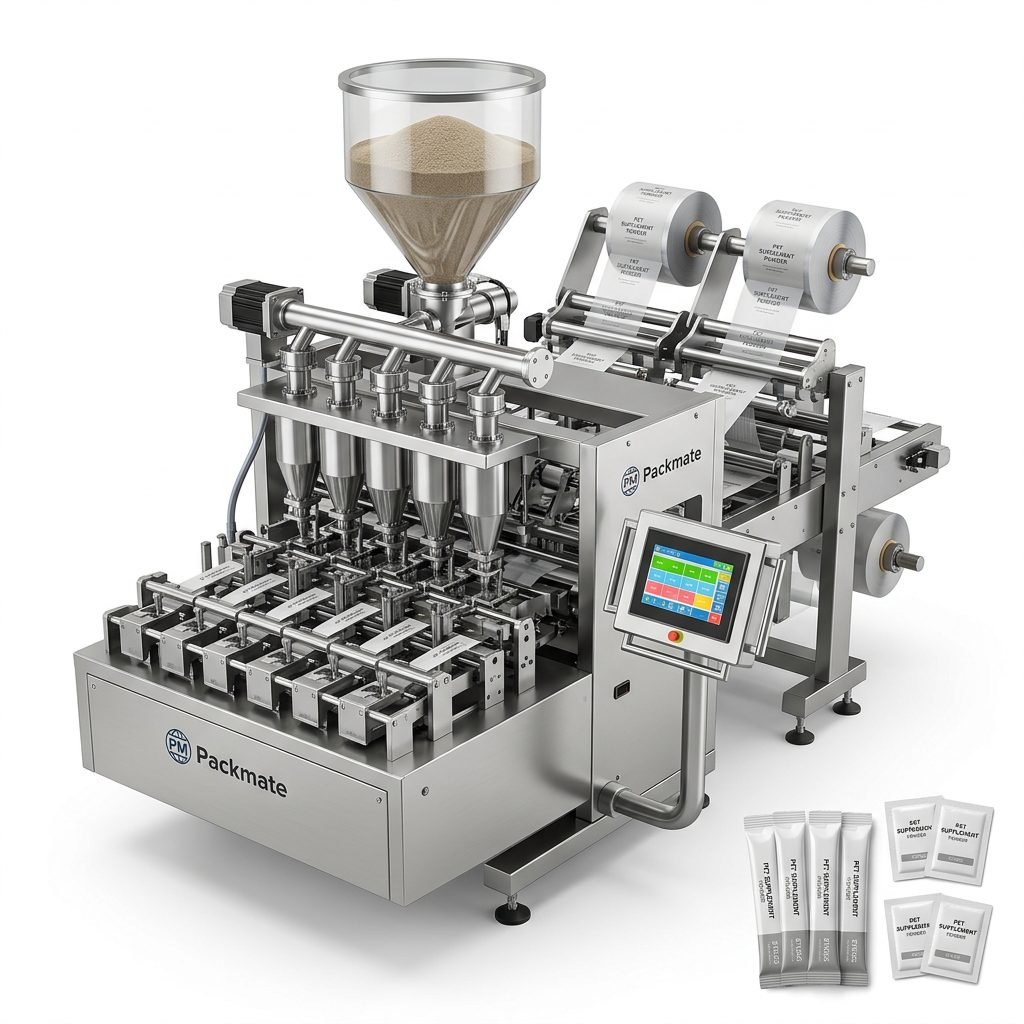
In the food industry, while regulations are evolving (e.g., FSMA 204 in the U.S. for enhanced traceability of certain foods), the push for serialization is heavily consumer-driven. It enables brand owners to provide unprecedented transparency—allowing consumers to scan a code and learn about a product’s origin, ingredients, and sustainability credentials. It also drastically improves the speed and precision of recall management, minimizing brand damage and public health risk. For food producers, this means integrating serialization into high-speed production line case studies for items like stick packs and sachets.
Implementing a Complete Track & Trace Solution
Deploying serialization is more than just buying a printer. It’s a holistic integration of hardware, software, and processes.
Step-by-Step Implementation Pathway
- Needs Assessment & Planning: Define scope (product lines, packaging levels), understand regulatory requirements, and map data flow.
- Technology Selection: Choose appropriate printing, vision, and aggregation hardware that matches your line speed and package format. Software must be capable of managing serial number generation, database communication, and reporting.
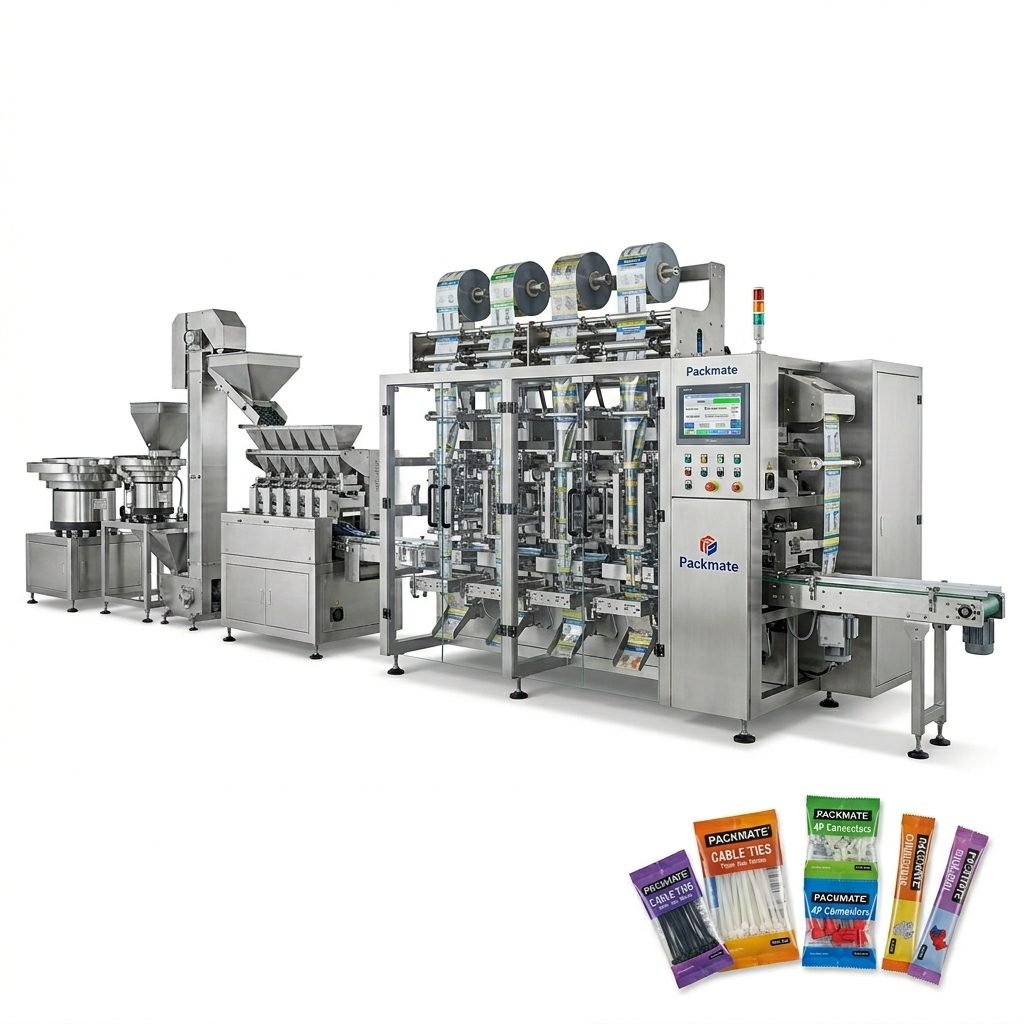
- Line Integration & Engineering: This is the most critical phase. Hardware must be physically and digitally integrated into the existing packaging line with minimal disruption. This requires deep engineering expertise, like that offered by experienced providers such as Packmate (GuangDong) Co., Ltd., to ensure synchronization between fillers, labelers, cartoners, and serialization units.
- Testing & Validation: Rigorous testing under real-world conditions is essential to ensure 100% code quality, correct aggregation, and system stability before going live.
- Training & Ongoing Support: Operators and maintenance staff need thorough training. Reliable technical support is crucial for long-term operational success.
Overcoming Key Challenges in Serialization
Common hurdles include managing the complexity of data across global markets, achieving high-speed verification without creating a bottleneck, and ensuring system interoperability with partners in the supply chain. The upfront capital investment and ongoing maintenance costs are also significant considerations. Success hinges on selecting a partner with a proven track record in delivering turnkey, reliable solutions.
The Tangible Benefits: Beyond Compliance
While compliance is the initial driver, the ROI of serialization extends far beyond meeting legal requirements.
- Enhanced Supply Chain Visibility: Real-time data on product movement enables better inventory management, reduces shrinkage, and optimizes logistics.
- Brand Protection & Consumer Engagement: Combats diversion and counterfeiting while opening direct channels for consumer interaction and loyalty programs via scannable codes.
- Operational Efficiency: Automated data collection reduces manual errors, provides precise production counts, and identifies line inefficiencies.
- Future-Proofing: A well-implemented system forms the foundation for advanced Industry 4.0 applications, such as predictive maintenance and AI-driven quality control.
Exploring a provider’s equipment catalog can reveal the range of serialization-ready machinery available.
Choosing the Right Partner for Your Serialization Journey
The complexity of serialization mandates choosing a partner with more than just hardware sales capability. Look for a provider with:
- Deep domain expertise in your specific industry (pharma or food).
- A proven history of successful, integrated line installations.
- The ability to offer a complete, validated solution—from code generation to aggregation software.
- Strong global support and service network to ensure uptime.
- A commitment to innovation and staying ahead of regulatory curves.
Companies with a long-standing mission focused on innovation and quality are often well-positioned to be such partners, guiding you from initial concept to a fully operational, compliant packaging line.
Packaging line serialization is the definitive link between physical products and the digital world of data. For pharmaceutical and food manufacturers, it transforms the packaging line from a cost center into a strategic asset for safety, compliance, efficiency, and consumer trust. Investing in a robust, integrated track and trace solution is an investment in the future resilience and reputation of your brand.
Frequently Asked Questions (FAQs)
1. What is the main difference between track and trace?
Tracking refers to following the forward movement of a product through the supply chain (where is it going?). Tracing is the ability to look backward through the supply chain to identify the origin and history of a specific product (where did it come from?). Serialization enables both.
2. How fast can a packaging line run with full serialization?
Modern serialization systems are designed for high-speed operations. With advanced vision systems and efficient line integration, speeds exceeding 400 packages per minute are achievable for primary packages like sachets or vials, depending on the technology and layout. The key is seamless integration to avoid creating a bottleneck.
3. Is serialization only for large corporations?
No. While large companies were early adopters due to complex regulations, scalable solutions are now available. Many providers offer modular systems that can be implemented on a single line or for a specific product, making serialization accessible and economically viable for mid-sized manufacturers aiming to enter regulated markets or enhance brand value.
4. Can I retrofit serialization onto my existing packaging line?
Yes, retrofitting is a common and practical approach. It involves integrating serialization printers, cameras, and software controls into your current line layout. The feasibility and cost depend on the line’s age, configuration, and available space. An experienced engineering partner can conduct an audit to design an optimal retrofit solution.
5. Who is responsible for generating and managing the serial numbers?
Typically, the brand owner (manufacturer) is responsible. They must implement a system to generate unique, non-duplicated serial numbers, often using dedicated serialization management software. This software communicates with the line printers and a central repository (sometimes a third-party service) where all serialization data is stored and accessible for verification by supply chain partners.