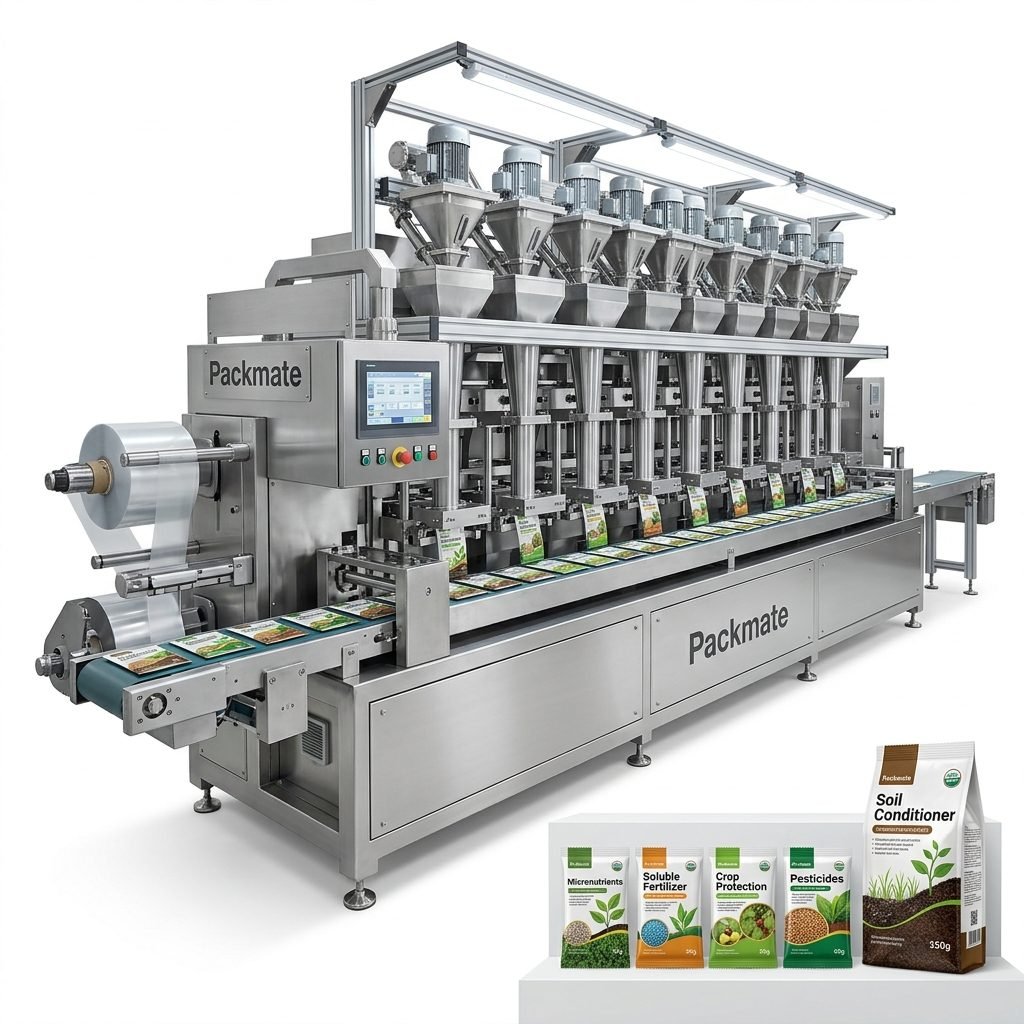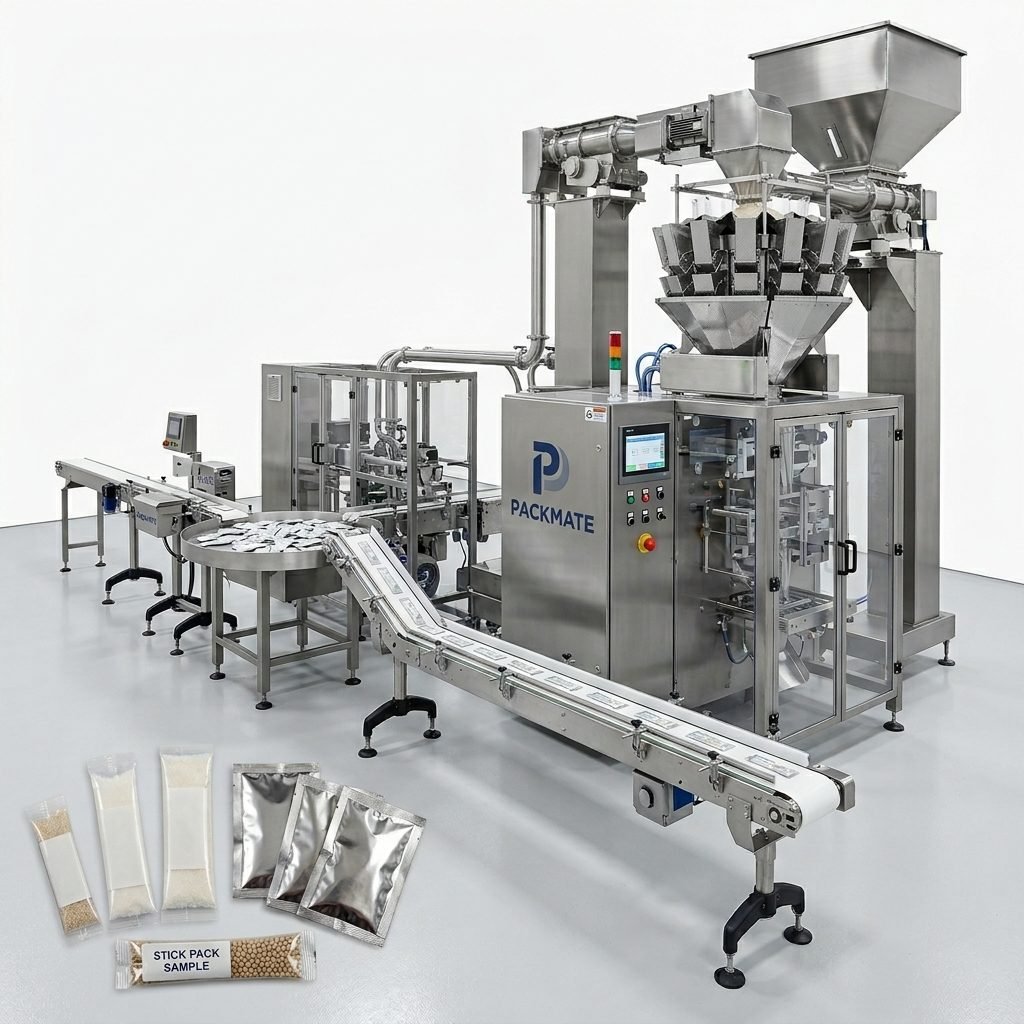
In the high-stakes world of food, pharmaceutical, and health product manufacturing, precision is non-negotiable. The accuracy of every single dose, the consistency of every portion, and the integrity of every package directly impact consumer safety, brand reputation, and regulatory compliance. At the heart of achieving this precision lies a critical component: the automatic weighing machine. These sophisticated systems are far more than simple scales; they are the gatekeepers of quality and efficiency in modern packaging lines.
The Indispensable Role of Weighing in Modern Packaging
Automatic weighing technology has evolved from a manual check-point to a fully integrated, intelligent system. For industries where product value is high and margins for error are virtually zero, these machines ensure that every package contains the exact amount promised on the label. This is crucial not only for consumer trust but also for cost control—avoiding giveaway product or, worse, underfilling which can lead to serious compliance issues. In sectors like pharmaceuticals, where active ingredients are measured in milligrams, the precision of an automatic weigher can be a matter of health and safety.
Key Benefit: Beyond simple weight checking, modern systems provide real-time statistical process control (SPC) data, allowing operators to monitor trends, predict potential drift in filling equipment, and make proactive adjustments. This transforms quality assurance from a reactive to a predictive model.
Tailored Solutions for Diverse Industry Needs
The “one-size-fits-all” approach fails in precision packaging. The requirements for weighing a delicate vitamin C powder differ vastly from those for granular sugar or viscous liquid supplements. Therefore, a robust portfolio of weighing solutions is essential.
For Food Products: Speed and Hygiene
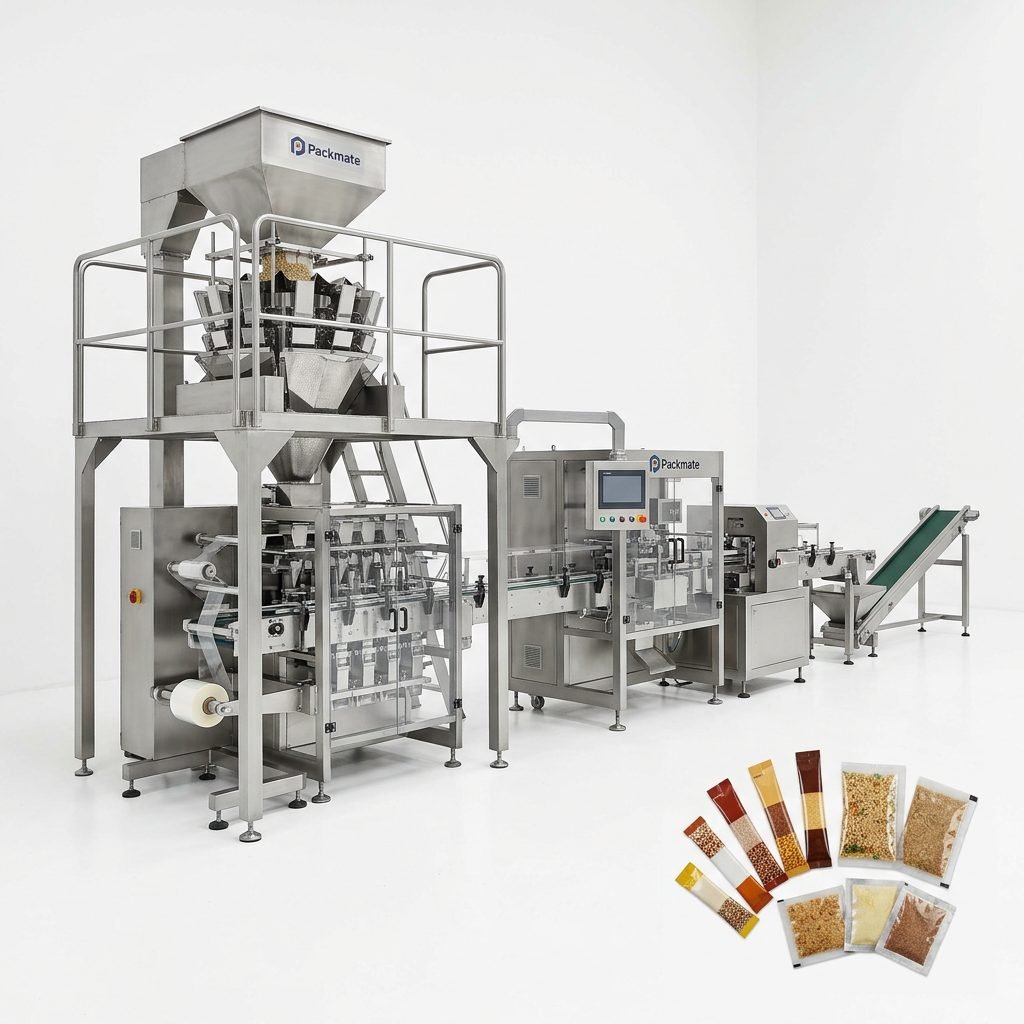
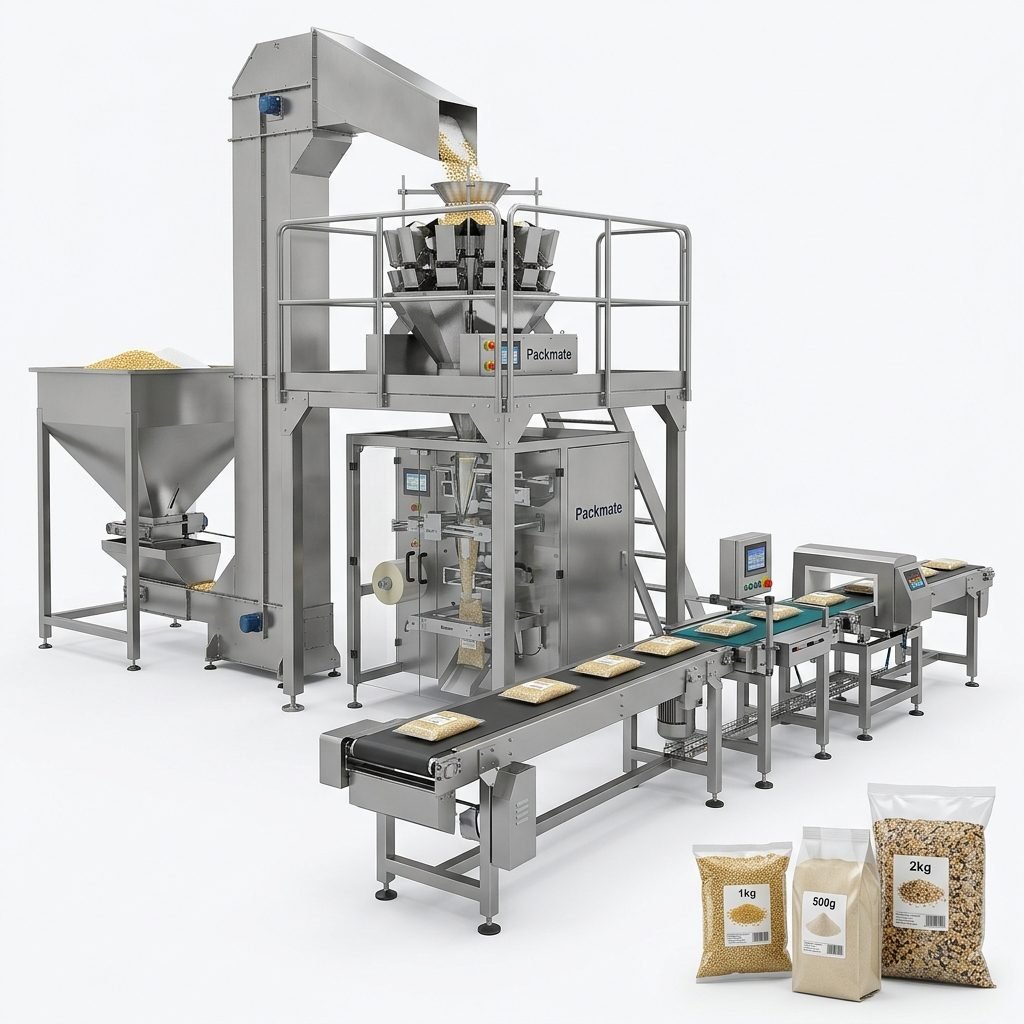
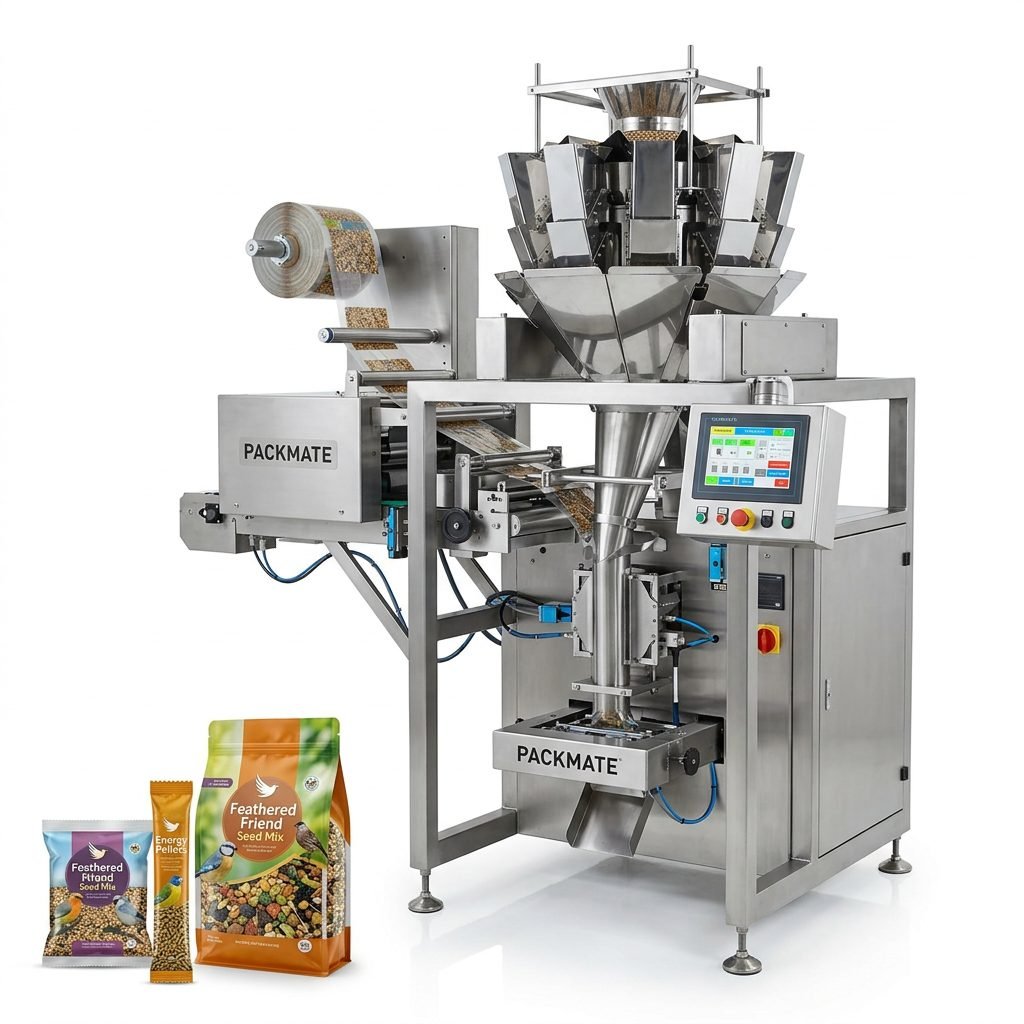
Food packaging, especially for snacks, coffee, grains, and powders, demands high-speed operation to match volumetric or auger fillers. Weighing machines in this sector prioritize hygienic design with easy-clean surfaces and resistance to product dust ingress. They often incorporate checkweighers in-line to ensure every packet meets weight regulations before boxing, crucial for avoiding costly “underweight” penalties. Discover how our integrated systems handle these challenges in our detailed Packaging Solutions.
For Pharmaceutical Products: Uncompromising Accuracy and Traceability
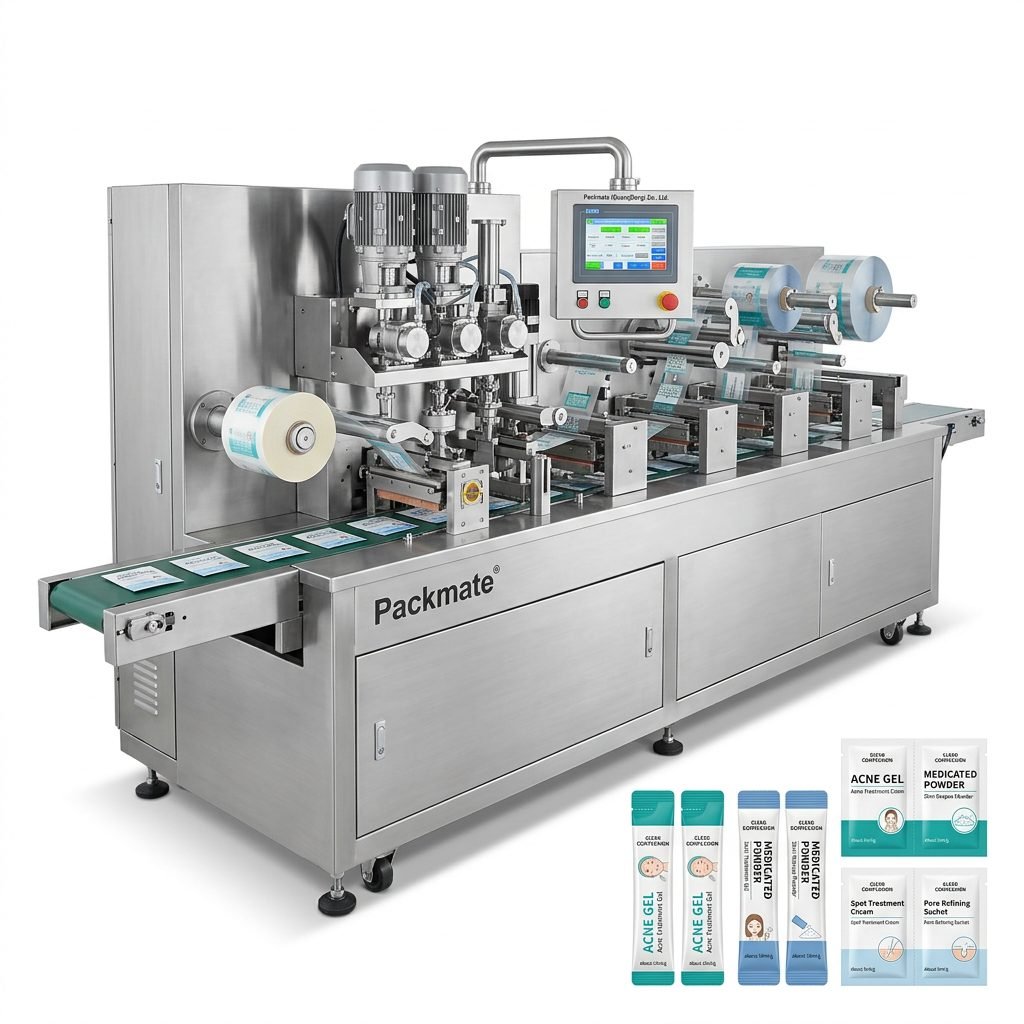
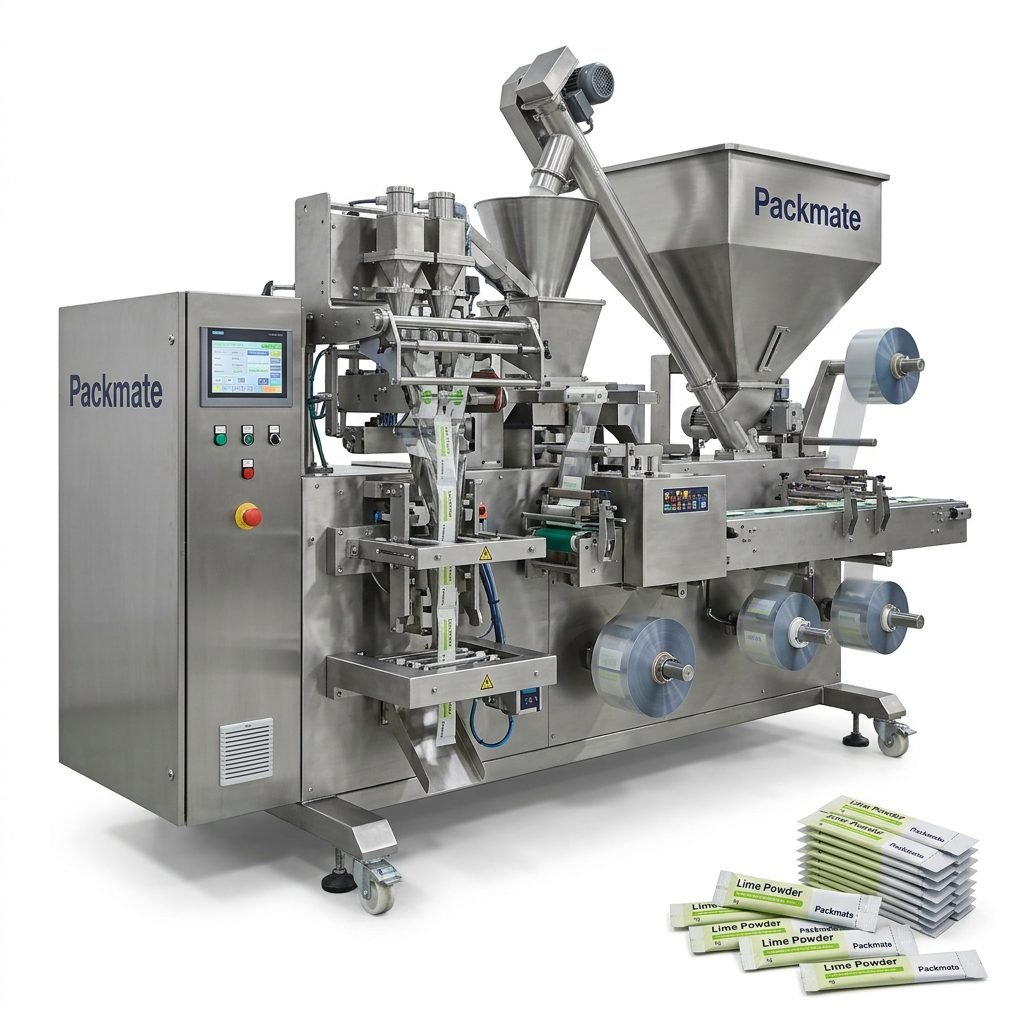
Pharma-grade weighing is governed by stringent standards like GMP (Good Manufacturing Practice). Machines must offer exceptional accuracy, often with microgram-level precision for small sachets of powder or granules. Furthermore, data integrity and traceability are paramount. Each weight record must be securely logged, associating it with a batch number for full audit trails. The construction often uses pharmaceutical-grade stainless steel and features designed for containment of potent compounds.
For Health & Nutraceutical Products: Flexibility and Gentleness
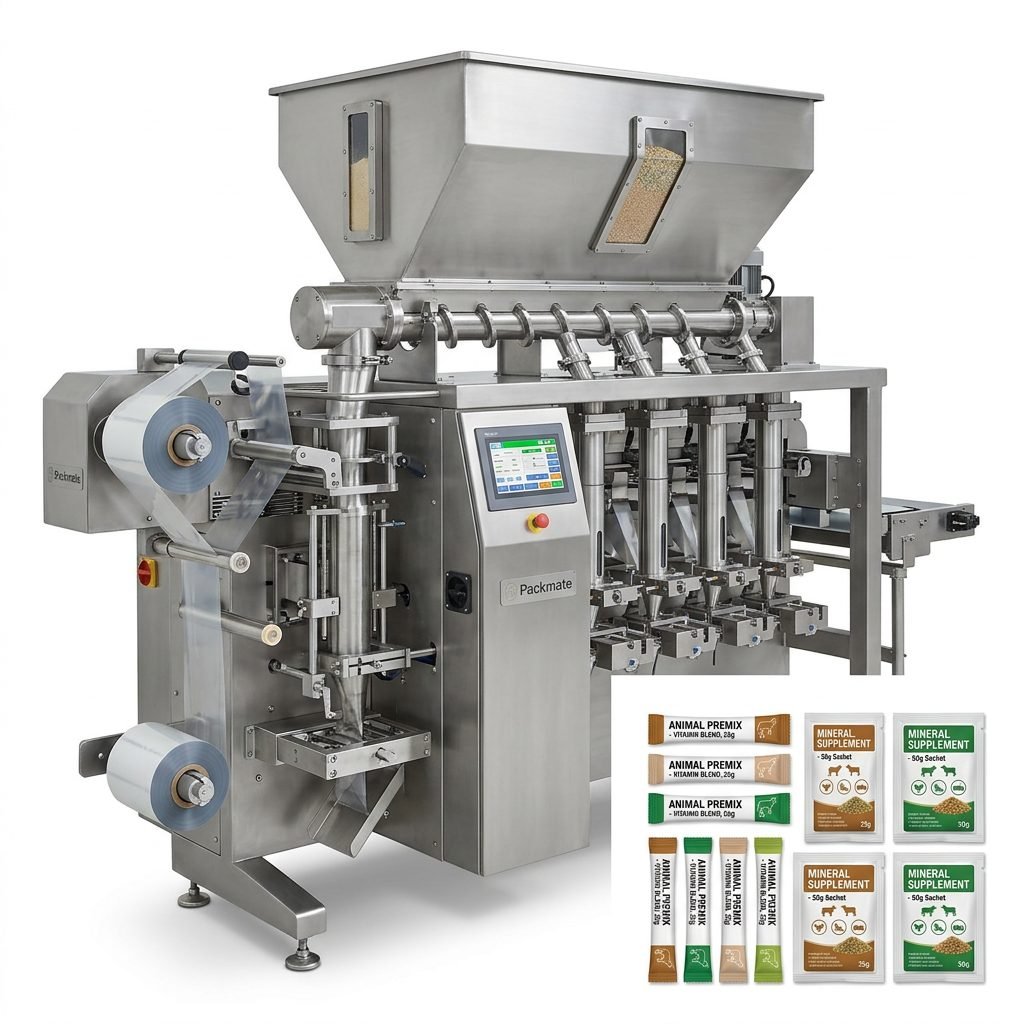
The health products market is incredibly diverse, encompassing everything from protein powders and collagen peptides to herbal granules and softgel capsules. Weighing solutions here need remarkable flexibility to handle different product densities and flow characteristics without damage. Gentle handling mechanisms are vital to prevent particle breakage or segregation, which can affect dosage uniformity. View real-world applications in our global Project Case Studies.
Core Technologies Powering Precision Weighing
Understanding the technology behind automatic weighing machines helps in selecting the right system. The two primary methodologies are:
1. Static Weighing (Gross/Net Weight)
This is the most common method for pre-made bags or containers. The system weighs the filled container (gross weight), and the machine’s software subtracts the known weight of the empty container (tare weight) to calculate and verify the net product weight. It’s highly accurate and suitable for a wide range of package sizes.
2. In-Motion Checkweighing
Used primarily for high-speed production lines, checkweighers dynamically weigh products as they move on a conveyor belt. They instantly sort packages into accept, underweight, or overweight categories. This technology is vital for 100% final product inspection, ensuring no non-compliant package leaves the facility.
Advanced systems combine multiple load cells, high-speed digital signal processing, and adaptive software algorithms to compensate for environmental vibrations and product settling, guaranteeing repeatable accuracy even at speeds exceeding 300 packages per minute.
Integration: The Key to a Turnkey Packaging Line
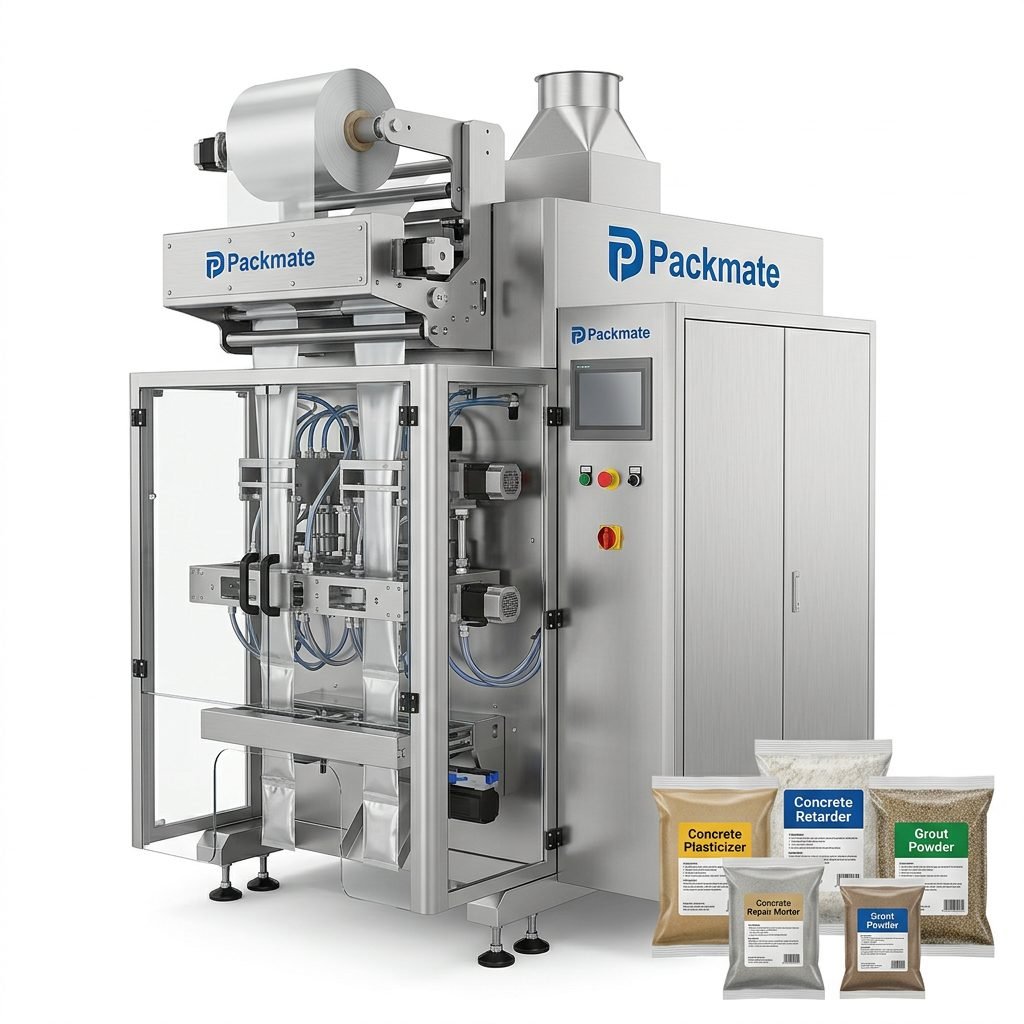
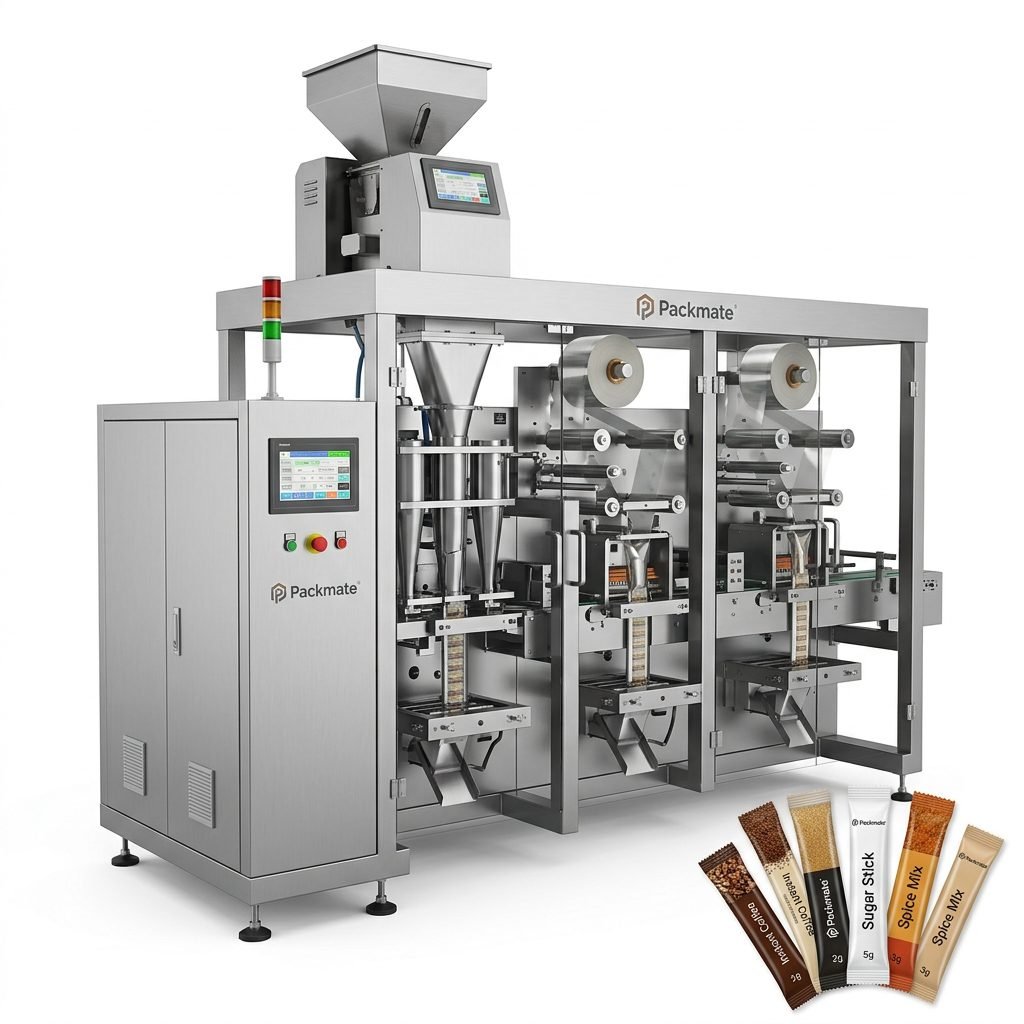
The true power of an automatic weighing machine is realized when it is seamlessly integrated into a complete packaging line. It must communicate flawlessly with upstream equipment like form-fill-seal (FFS) machines, stick pack machines, or liquid fillers, and downstream systems like cartoners and case packers.
At Packmate, we specialize in designing these intelligent, turnkey solutions. Our weighing systems are not standalone units but integral components of a synchronized production orchestra. For instance, feedback from a checkweigher can be sent to the filler to make real-time micro-adjustments, creating a closed-loop control system that maintains consistent weight throughout a production run. Learn more about our holistic approach on our Company Profile page.
Integration Advantage: A well-integrated weighing system does more than check weight. It acts as a central data hub, collecting key performance indicators (KPIs) such as production count, average weight, standard deviation, and reject rates. This data is vital for Overall Equipment Effectiveness (OEE) calculations and continuous improvement initiatives.
Choosing the Right Partner for Your Weighing Solution
Selecting an automatic weighing machine provider is a strategic decision. Key considerations should include:
• Proven Industry Experience: Look for a partner with a documented history in your specific sector, whether it’s food, pharma, or nutraceuticals. Their understanding of regulatory and operational nuances is critical.
• Technological Capability & Support: Evaluate the robustness of their sensor technology, software, and ability to provide local technical support, spare parts, and calibration services.
• Commitment to Innovation: The packaging industry evolves rapidly. A partner invested in R&D will offer future-proof solutions that can adapt to new materials, formats, and smart factory (Industry 4.0) requirements.
With over 22 years of company development and a 20,000㎡ modern manufacturing facility, Packmate embodies these qualities. Our team of over 125 professionals is dedicated to transforming your packaging challenges into reliable, efficient solutions. Explore our commitment to quality and innovation through our Certifications.
Conclusion: Weighing as a Strategic Advantage
Implementing a state-of-the-art automatic weighing solution is an investment that pays dividends in reduced waste, ensured compliance, enhanced brand protection, and optimized production efficiency. It moves quality control from a cost center to a value-generating strategic asset. By partnering with an expert provider who can deliver a fully integrated, intelligent system, manufacturers in the food, pharma, and health product industries can secure a critical competitive edge in today’s demanding market.
Frequently Asked Questions (FAQs)
Q1: What is the typical accuracy range for an automatic checkweigher in pharmaceutical applications?
A: For most pharmaceutical powder and granule sachets, high-precision checkweighers can achieve accuracy within ±10 to ±50 milligrams, depending on the target weight and product characteristics. For very low-dose applications, specialized micro-weighing systems are used.
Q2: Can one weighing machine handle both my food powder and my granular supplement products?
A: Many modern multi-head weighers and checkweighers are designed with flexibility in mind. However, significant changes in product format (e.g., from fine powder to large granules) may require adjustments to feed systems, pans, or filters. It’s best to consult with your supplier about your specific product range.
Q3: How does the weighing system handle “dusty” products that might affect sensor accuracy?
A: Reputable manufacturers design machines with IP-rated enclosures to protect sensitive load cells and electronics from dust ingress. Regular cleaning and maintenance protocols are also part of the operational guidance. Some systems use air purge or specialized seals for extreme environments.
Q4: What kind of data output and factory integration (Industry 4.0) capabilities do these machines offer?
A: Most advanced systems offer standard communication protocols like Ethernet/IP, Profinet, or Modbus TCP/IP. They can output real-time weight data, statistical reports, and OEE metrics to central SCADA or MES systems, enabling data-driven decision-making and paperless batch records.
Q5: What are the main factors that determine the speed (packages per minute) of a checkweighing line?
A: Speed is determined by the combined system: the length of the weighing conveyor, the stabilization time needed for an accurate reading, the package spacing, and the processing speed of the controller. High-speed lines can exceed 300 ppm, but optimal speed is balanced against the required accuracy and product stability.