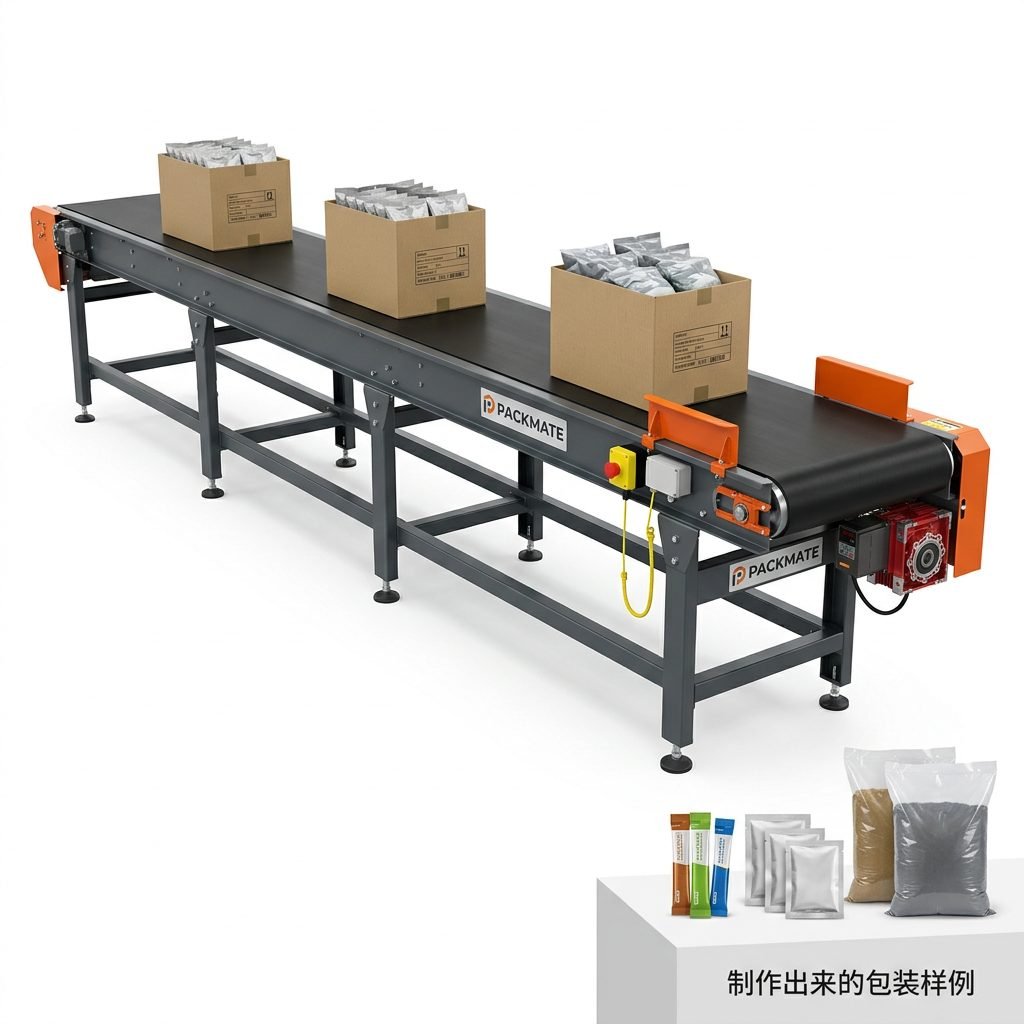
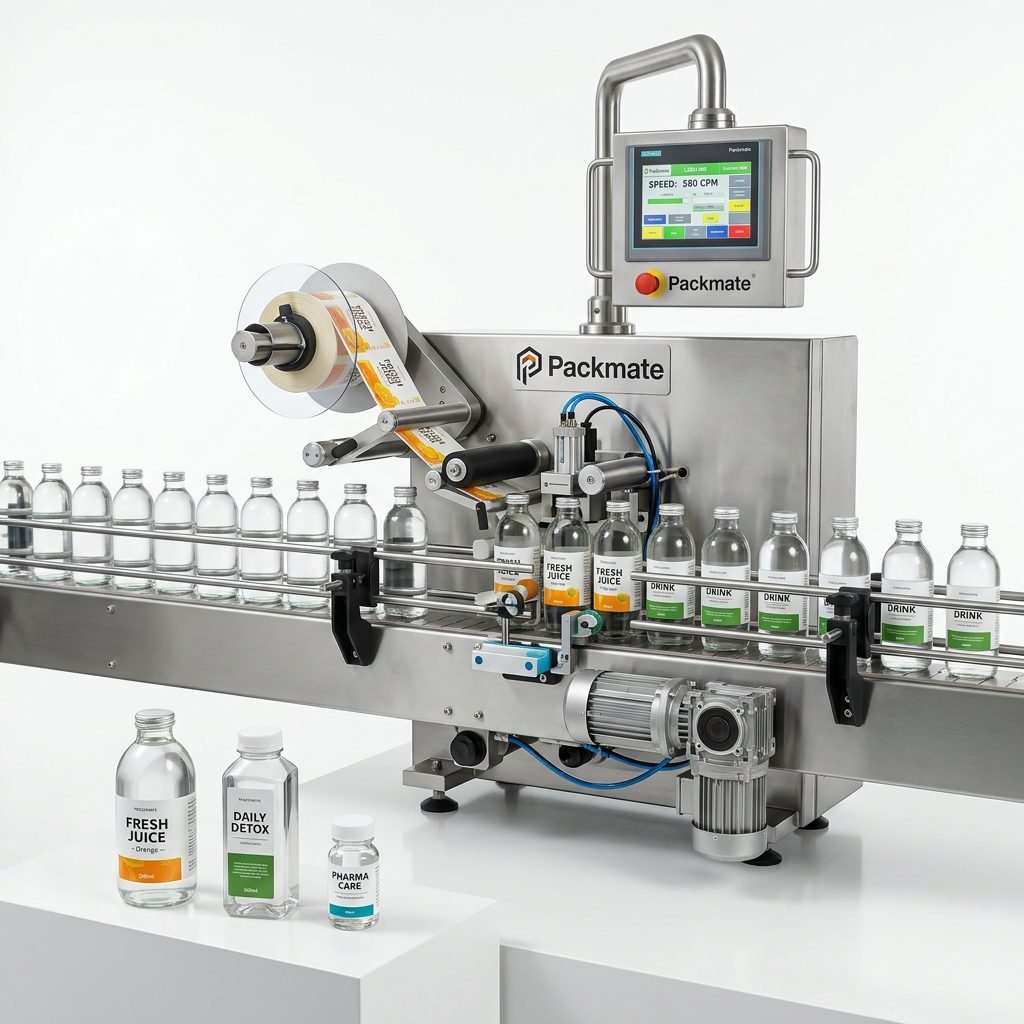
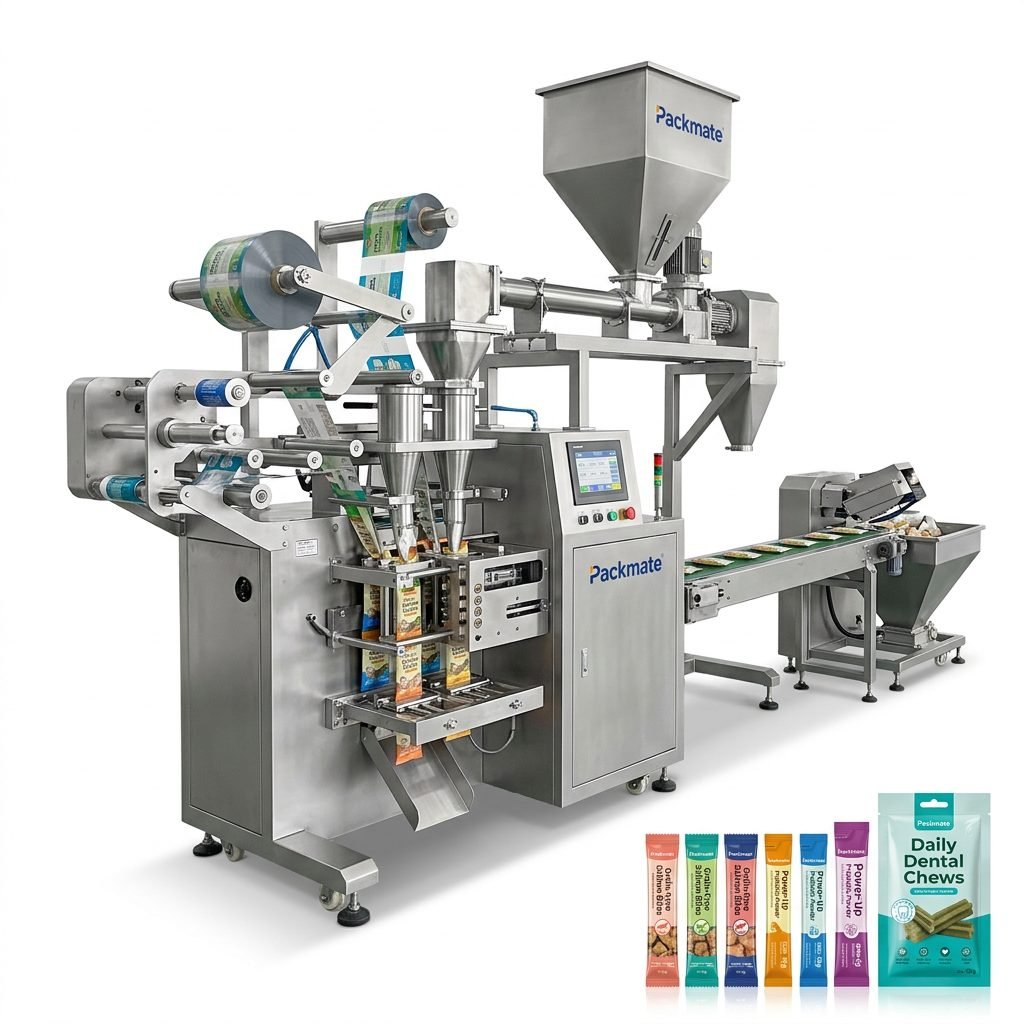
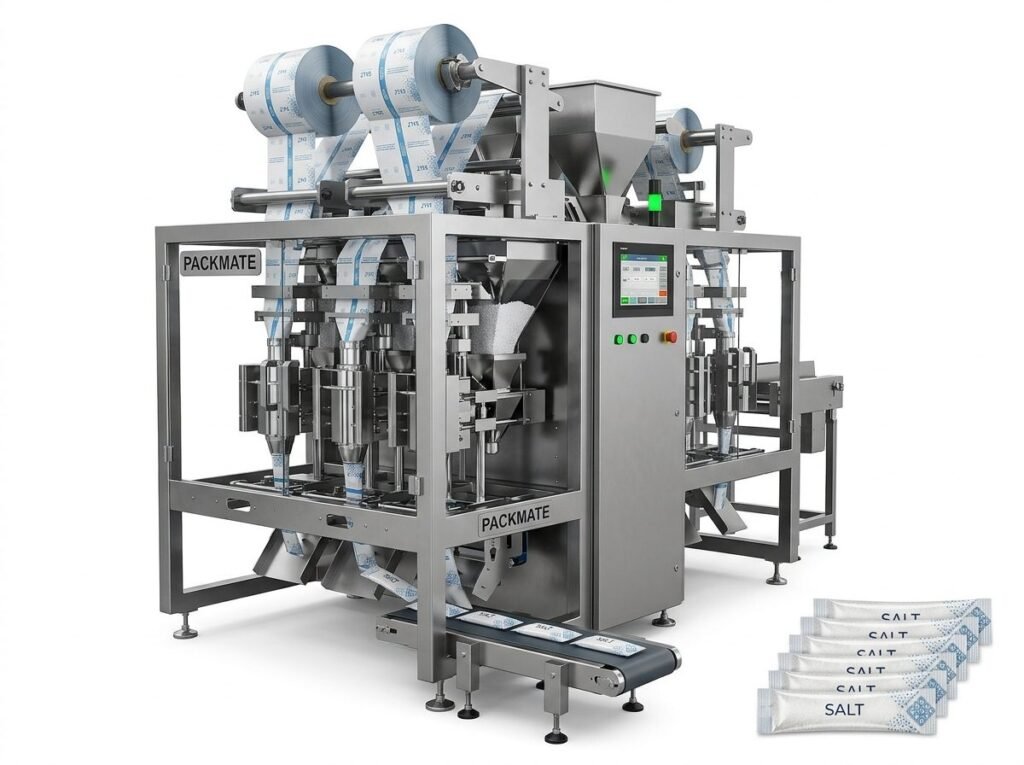
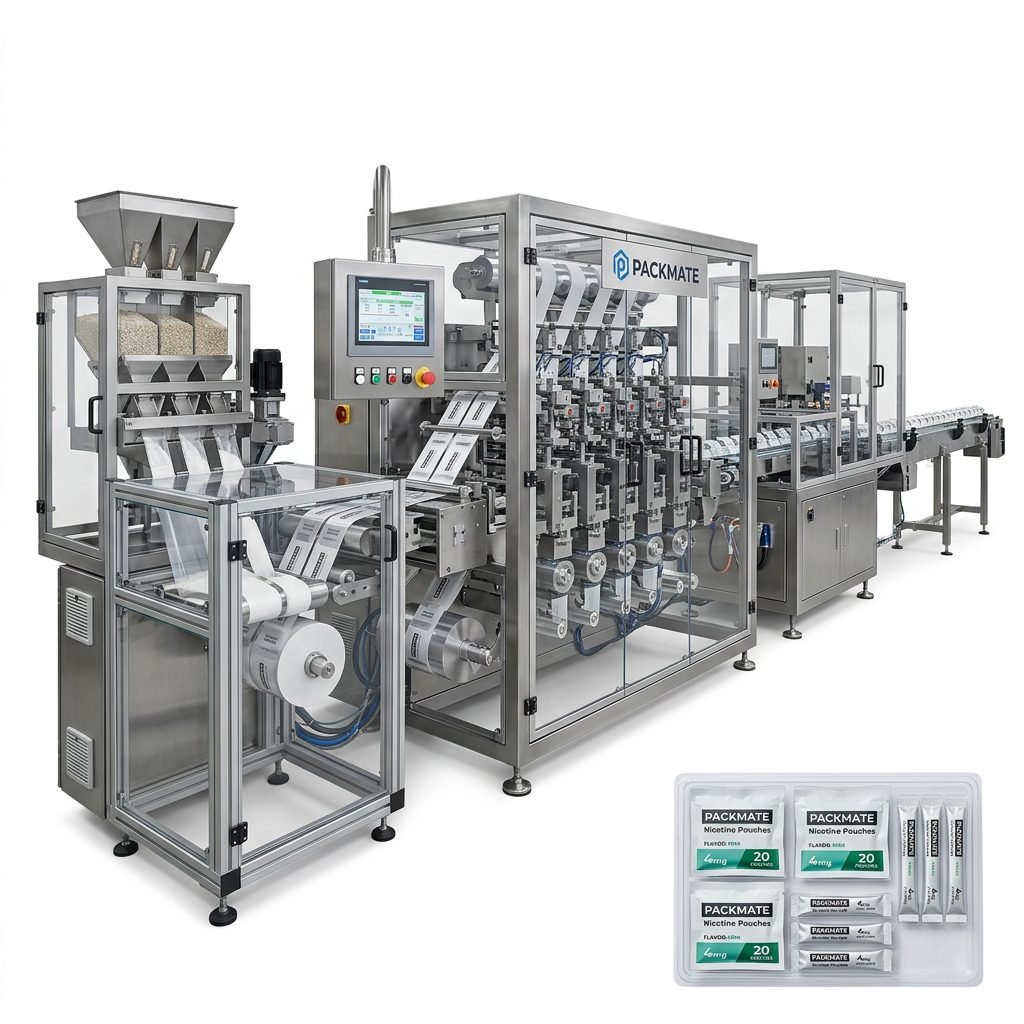
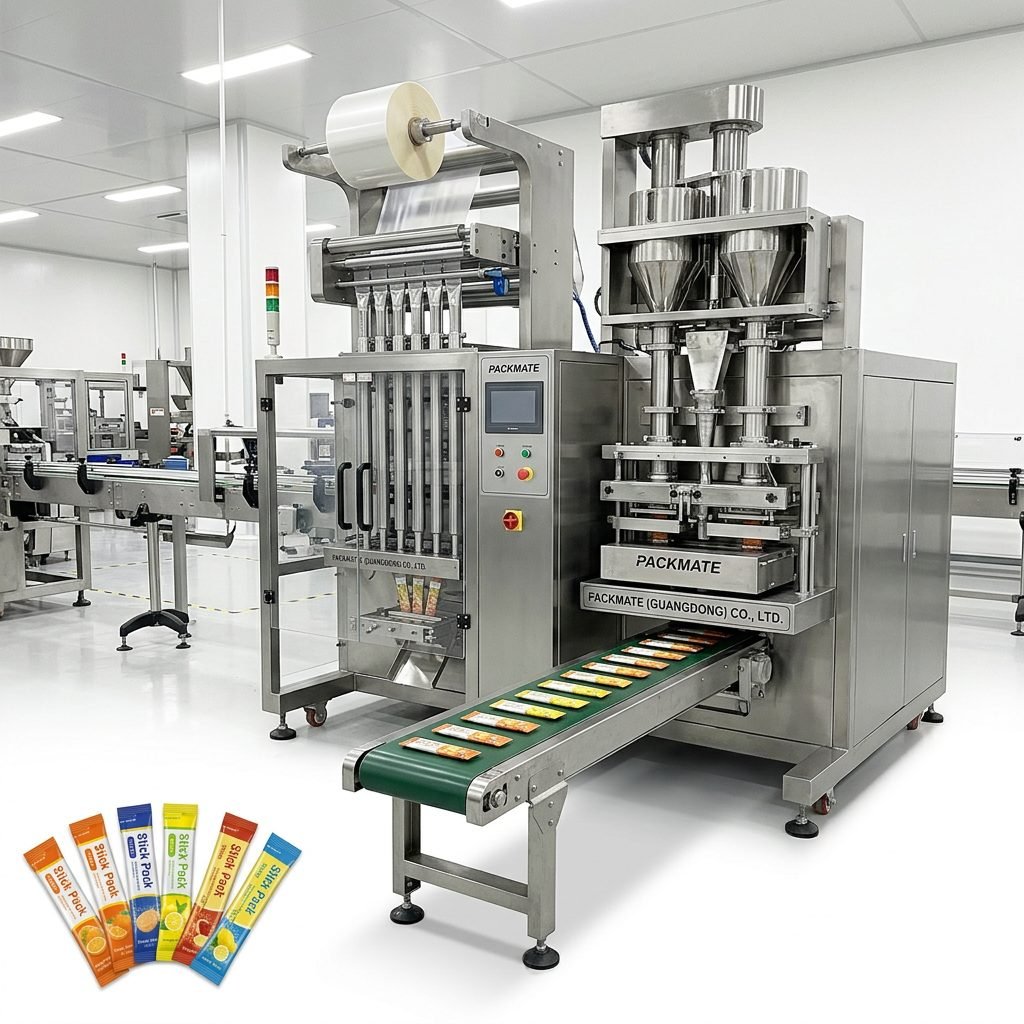
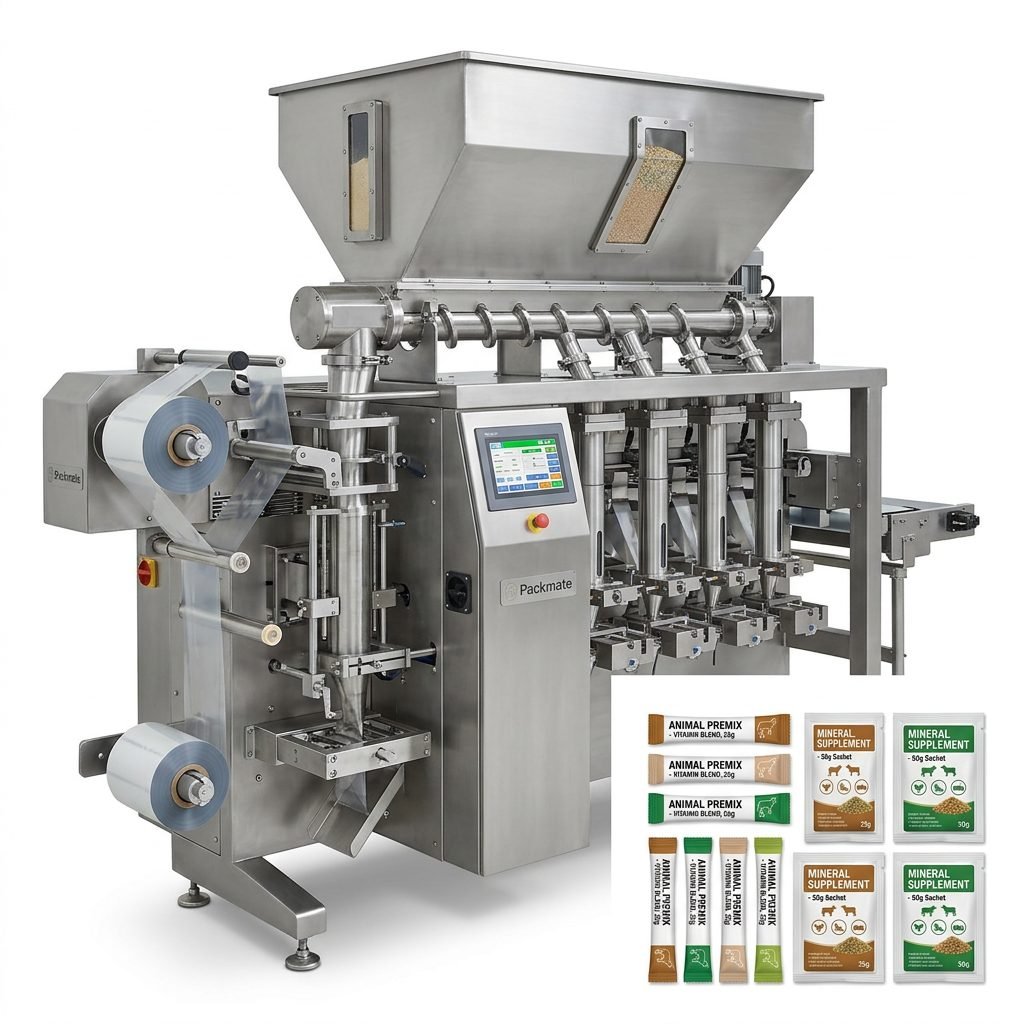
In today’s fast-paced consumer markets, efficiency, hygiene, and product integrity are non-negotiable. For industries dealing with sensitive and high-demand products like food, pharmaceuticals, and health supplements, the packaging process is not just the final step—it’s a critical component of brand trust and operational success. A dedicated sachet packaging line offers a tailored, automated solution that addresses the unique challenges of these sectors, ensuring precision, speed, and compliance from filling to sealing.
The Critical Role of Specialized Packaging Lines
Why is a specialized line so important? Generic packaging equipment often falls short when handling diverse product forms—from fine powders and granules to viscous liquids and pastes. A sachet packaging line is engineered as an integrated system where each component, from the dosing filler to the final sealing unit, works in perfect harmony. This synergy is crucial for maintaining consistent portion control, preventing contamination, and achieving the high output rates required to meet market demand. For businesses looking to scale or enhance their packaging operations, exploring a comprehensive packaging solution is the first step toward transformative efficiency.
Key Advantages of an Integrated Sachet Line
Enhanced Product Protection: Sachets provide an excellent barrier against moisture, oxygen, and light, significantly extending the shelf life of sensitive ingredients common in pharmaceuticals and health products.
Superior Dosage Accuracy: Advanced volumetric or auger fillers ensure each sachet contains the exact amount of product, which is paramount for medicinal doses and nutritional supplements.
Operational Efficiency & Scalability: Automated lines drastically reduce labor costs, minimize human error, and can be scaled or reconfigured to accommodate new products or increased production volumes.
Brand Differentiation & Consumer Convenience: The compact, portable nature of sachets appeals to modern consumers, while custom printing options on the packaging film offer powerful space for branding and essential information.
Tailoring Solutions for Core Industries
The one-size-fits-all approach fails in precision packaging. Each industry has distinct regulatory and functional requirements that a sachet line must meet.
For the Food Industry
Food products, such as instant coffee, sauce portions, spices, and drink mixes, demand packaging that preserves freshness, flavor, and aroma. Hygienic design with easy-clean surfaces (often stainless steel) is essential to meet food safety standards like HACCP and FDA guidelines. Lines for food often incorporate nitrogen flushing capabilities to displace oxygen, further protecting against spoilage. The speed and reliability of these lines are vital for keeping up with high-volume, fast-moving consumer goods. You can see real-world applications in our detailed project case studies.
For the Pharmaceutical Industry
This sector operates under the strictest regulations. Packaging lines for pharmaceuticals must be designed for cleanroom compatibility, with validated processes that ensure sterility and precise dosage. Traceability is another critical factor, making systems that can integrate with serialization and track-and-trace technologies highly valuable. The integrity of the seal is non-negotiable to prevent tampering and ensure patient safety.
For Health & Nutraceutical Products
Protein powders, vitamin mixes, herbal supplements, and electrolyte powders share needs from both food and pharma worlds. They require accuracy in filling, robust barrier properties to protect active ingredients, and packaging that conveys quality and purity to health-conscious consumers. Flexibility to handle different powder densities and flow characteristics is a key feature of a proficient line for this growing market.
Components of a Modern Sachet Packaging Line
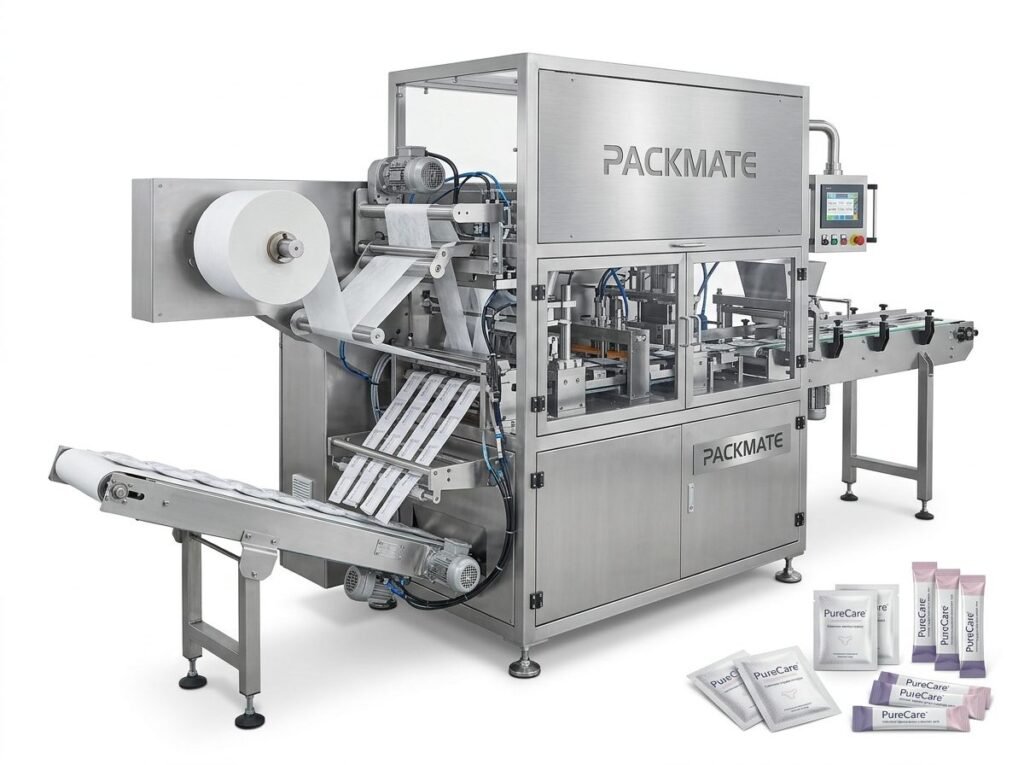
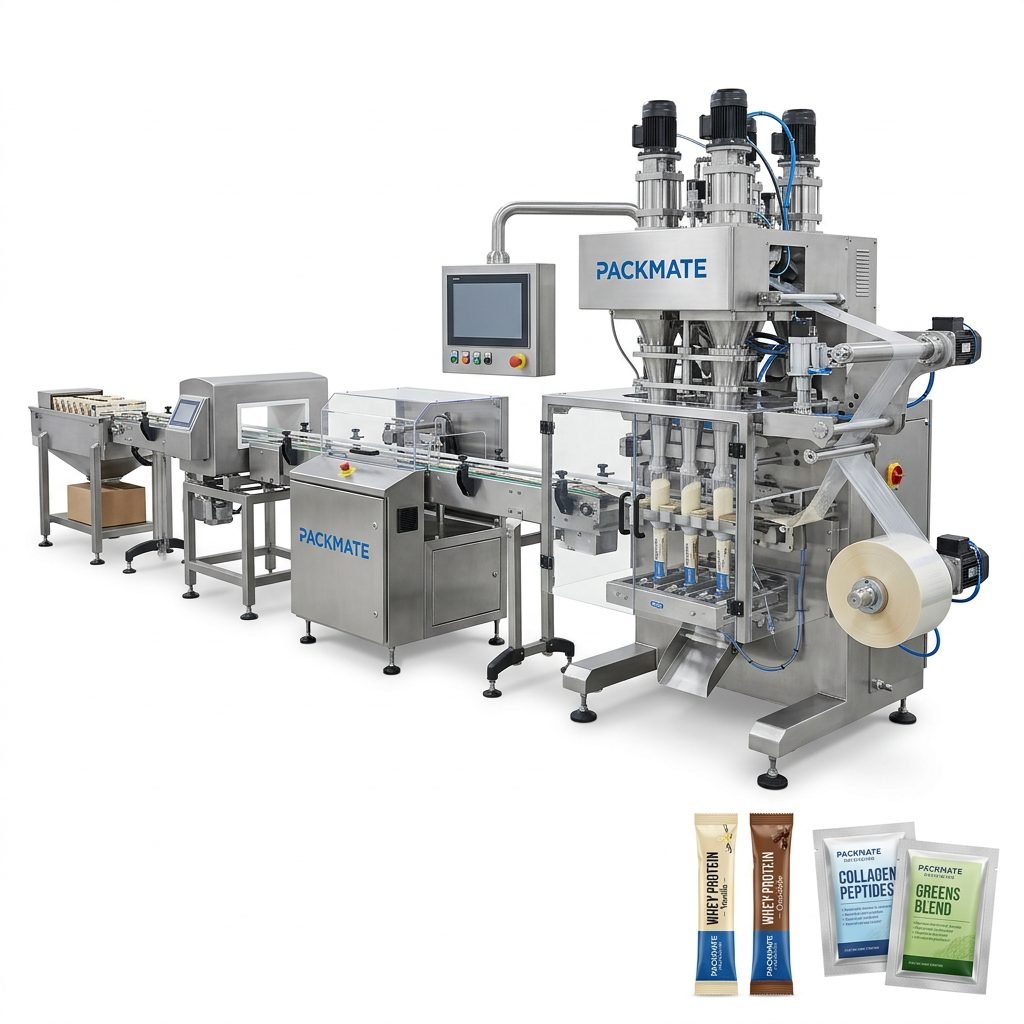
A turnkey sachet packaging line is a symphony of specialized machinery. Understanding its core components helps in selecting the right system.
1. Film Unwinding & Forming System
This is where the process begins. A roll of laminated packaging film is fed and precisely formed into a tube around the filling nozzle. The quality and consistency of this forming stage directly affect the final sachet’s shape and seal integrity.
2. Precision Filling & Dosing System
The heart of the line. Depending on the product, this could be an auger filler for powders, a piston pump for liquids and pastes, or a volumetric cup filler for granules. High-accuracy load cells are often used for critical weight control.
3. Sealing & Cutting System
Heated jaws create a hermetic seal along the edges of the sachet. A cross-cut unit then separates individual sachets from the continuous tube. Consistent temperature and pressure control here are vital for leak-proof packages.
4. Control & Integration (The Brain)
A centralized PLC (Programmable Logic Controller) with an intuitive HMI (Human-Machine Interface) allows operators to control speed, dosage, temperature, and monitor production data. This is the nerve center for efficiency and troubleshooting.
For a complete overview of the machinery and technology behind these systems, our equipment catalog provides detailed specifications and options.
Choosing the Right Partner for Your Packaging Line
Investing in a sachet packaging line is a significant decision. The right equipment partner should offer more than just machines; they should provide a complete solution.
Proven Experience & Industry Knowledge: Look for a supplier with a documented history in your specific sector. Their understanding of regulatory hurdles and industry best practices is invaluable. Companies like Packmate (GuangDong) Co., Ltd. bring decades of focused expertise to the table.
Turnkey Project Capability: The ideal partner manages the entire process—from initial design and factory acceptance testing to installation, commissioning, and operator training. This single-point responsibility ensures a smoother project rollout.
Commitment to Quality & Support: The machinery must be built to last with high-quality components. Equally important is the availability of responsive technical support, readily available spare parts, and comprehensive after-sales service to minimize downtime.
Driving Efficiency Forward
The transition to an automated sachet packaging line represents a strategic upgrade that pays dividends in product quality, brand reputation, and bottom-line profitability. By automating a critical and repetitive process, businesses free up human resources for higher-value tasks, reduce material waste through precision, and gain the agility to respond quickly to market opportunities. In competitive global markets, this operational edge is not just an advantage—it’s a necessity for sustainable growth.
Frequently Asked Questions (FAQs)
1. What is the typical output speed of a sachet packaging line?
Speed varies greatly based on the sachet size, product type, and machine configuration. Standard single-lane machines can range from 60 to 120 sachets per minute. High-speed multi-lane systems (e.g., 4-lane or 8-lane) can achieve outputs from 400 to over 1000 sachets per minute. A detailed consultation is needed to determine the optimal speed for your specific product and volume requirements.
2. Can one packaging line handle different types of products (e.g., powder and liquid)?
While some lines are designed for flexibility, significant changeovers between radically different product forms (like dry powder to viscous liquid) usually require changing the filling system. Many manufacturers offer modular designs where the filler unit can be swapped. It’s crucial to discuss your product portfolio with the supplier to design a line that balances flexibility with cost-effectiveness.
3. How do we ensure the packaging meets our industry’s regulatory standards (e.g., FDA, GMP)?
Reputable machinery manufacturers design their equipment with regulatory compliance in mind. This includes using food-grade or pharmaceutical-grade materials (like 304 or 316L stainless steel), designing for cleanability, and providing documentation for validation (IQ/OQ/PQ protocols). Always verify that the supplier has experience serving your industry and can provide the necessary compliance support.
4. What is the lead time for a complete turnkey sachet packaging line?
Lead times depend on the complexity of the system and the manufacturer’s order backlog. For standard configurations, it can range from 3 to 6 months from order confirmation to delivery. Fully custom-engineered lines may require 6 months or more. Clear communication about your timeline during the planning phase is essential.
5. What kind of after-sales support and training can we expect?
A comprehensive support package should include on-site installation and commissioning by factory engineers, detailed operational and maintenance training for your staff, a warranty period, and access to technical support for troubleshooting. Ensure your supplier has a reliable spare parts inventory and offers service contracts for long-term peace of mind. For more questions, visit our dedicated FAQs page.