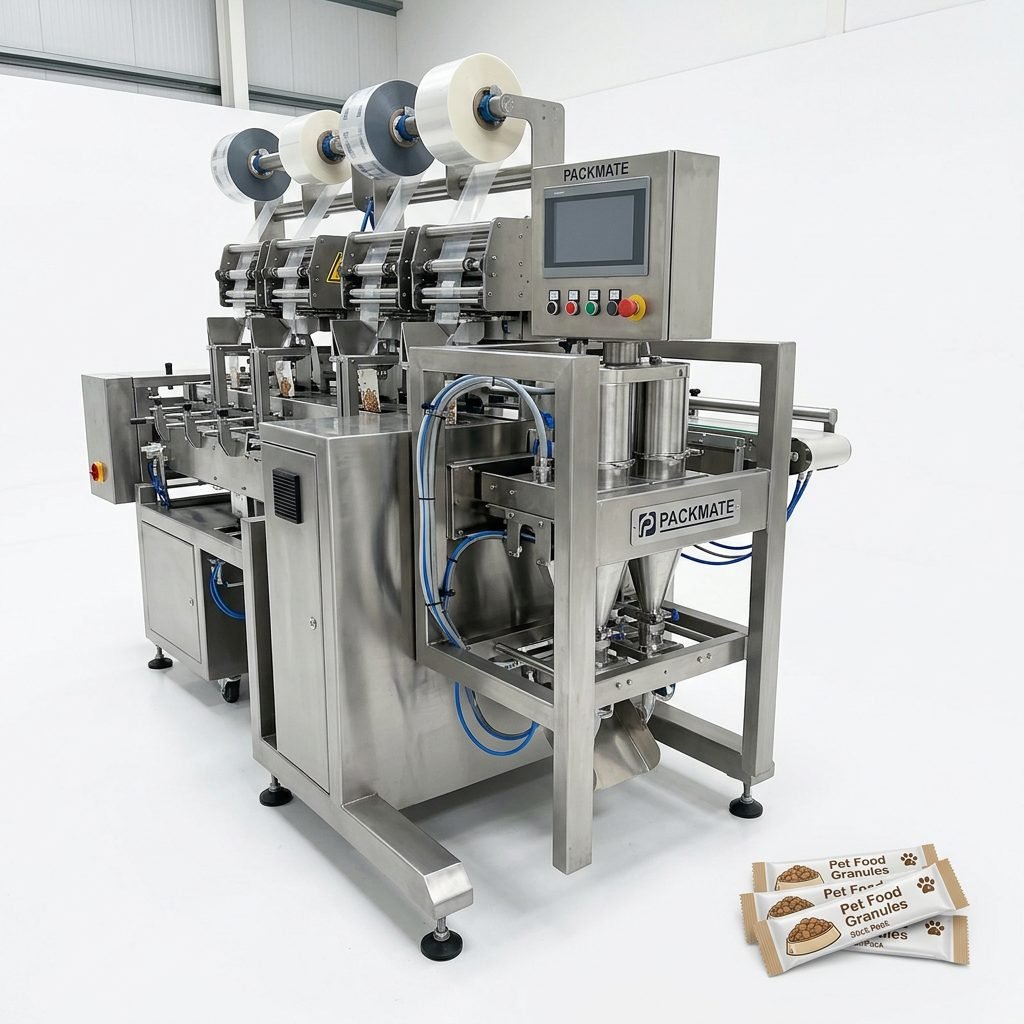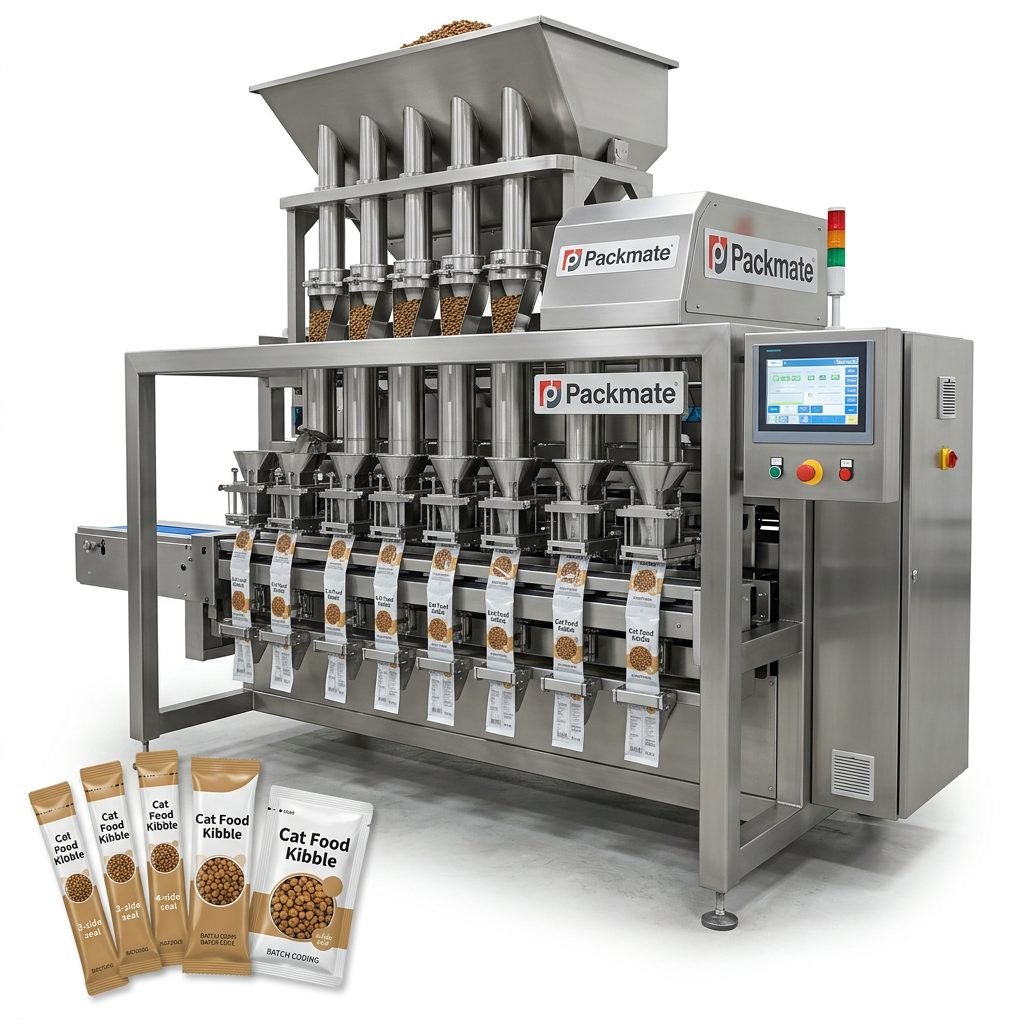
In today’s competitive global market, the packaging of food, pharmaceutical, and health products is not merely a final step in production; it is a critical component of product integrity, brand identity, and consumer trust. For businesses operating in these highly regulated and sensitive sectors, the choice of packaging machinery is a strategic decision that impacts efficiency, compliance, and ultimately, the bottom line. A Road Gate Packaging Line represents a comprehensive, integrated solution designed to meet these exacting demands, offering a seamless, automated pathway from product filling to final palletizing.
The Critical Role of Specialized Packaging Lines
The term “road gate” in packaging automation often signifies the final, crucial checkpoint in a production line—the point where packaged goods are consolidated, inspected, and prepared for shipment. For the food, pharma, and health product industries, this stage must be handled with precision and care. The consequences of inadequate packaging are severe: product contamination, shortened shelf life, regulatory non-compliance, and damaged brand reputation. Therefore, investing in a robust packaging line solution is not an expense but a safeguard.
Key Challenges Addressed by Integrated Lines:
- Cross-Contamination Prevention: Essential for pharmaceuticals and health supplements where purity is non-negotiable.
- Hygiene and Aseptic Requirements: Paramount in food packaging to prevent microbial growth and ensure safety.
- Dosage Accuracy and Product Protection: Vital for powders, granules, and liquids in pharma to maintain efficacy.
- Supply Chain Efficiency: High-speed, reliable lines ensure consistent output to meet market demands.
- Traceability and Compliance: Modern lines integrate data tracking for batch numbers, expiry dates, and production logs.
Components of a Turnkey Road Gate Packaging Solution
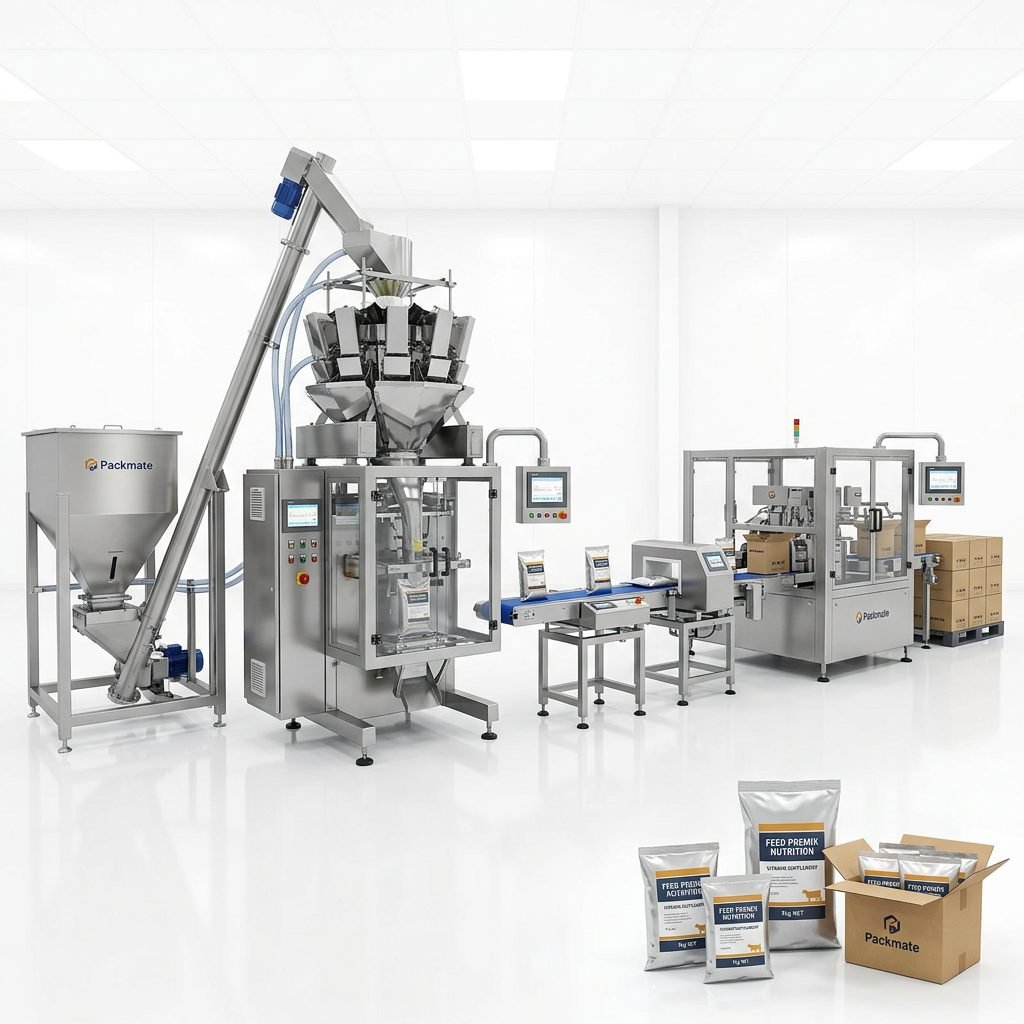
A complete road gate packaging line is a symphony of synchronized machines. It begins with product handling and extends through to the final palletized load. For sectors like food and pharma, each component must be selected and engineered for specific product characteristics and regulatory standards.
1. Primary Packaging: The First Line of Defense
This stage involves the direct contact between the product and its immediate container. Solutions vary dramatically:
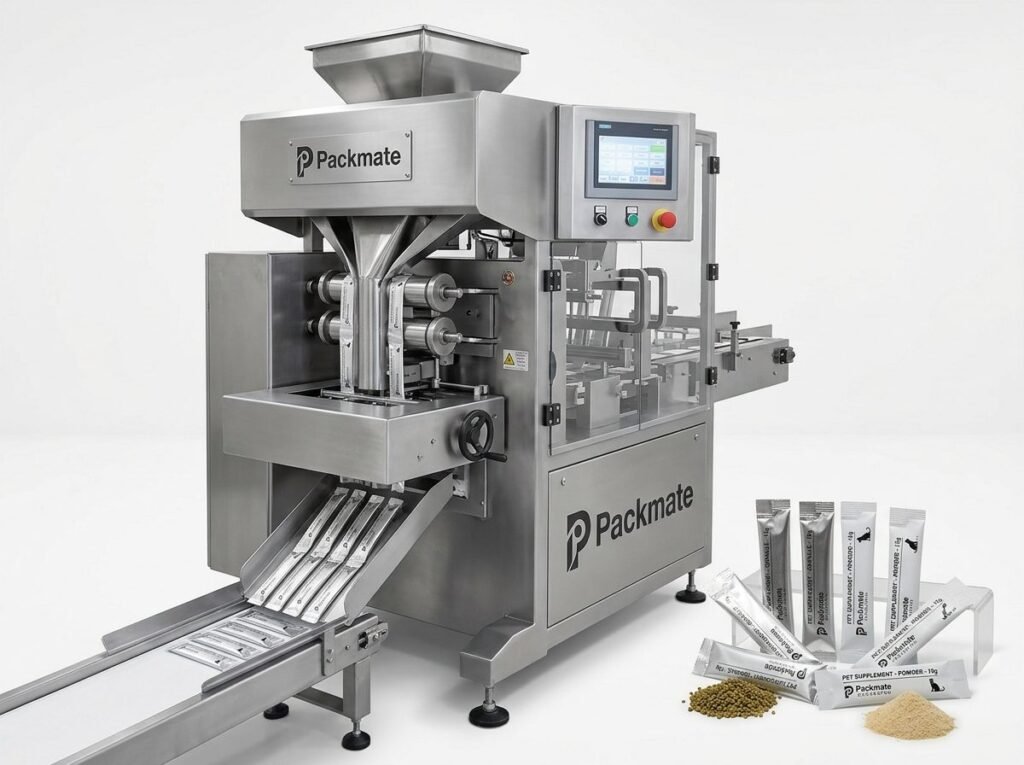
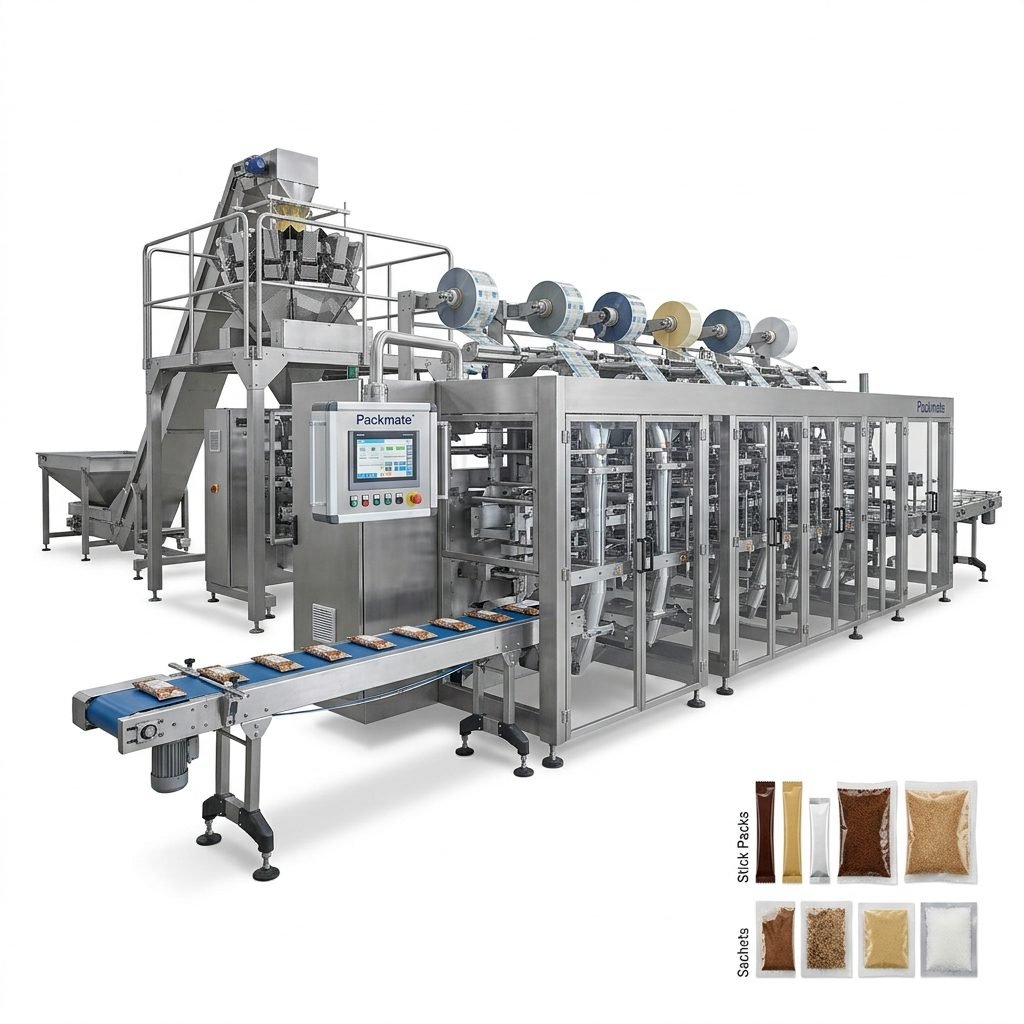
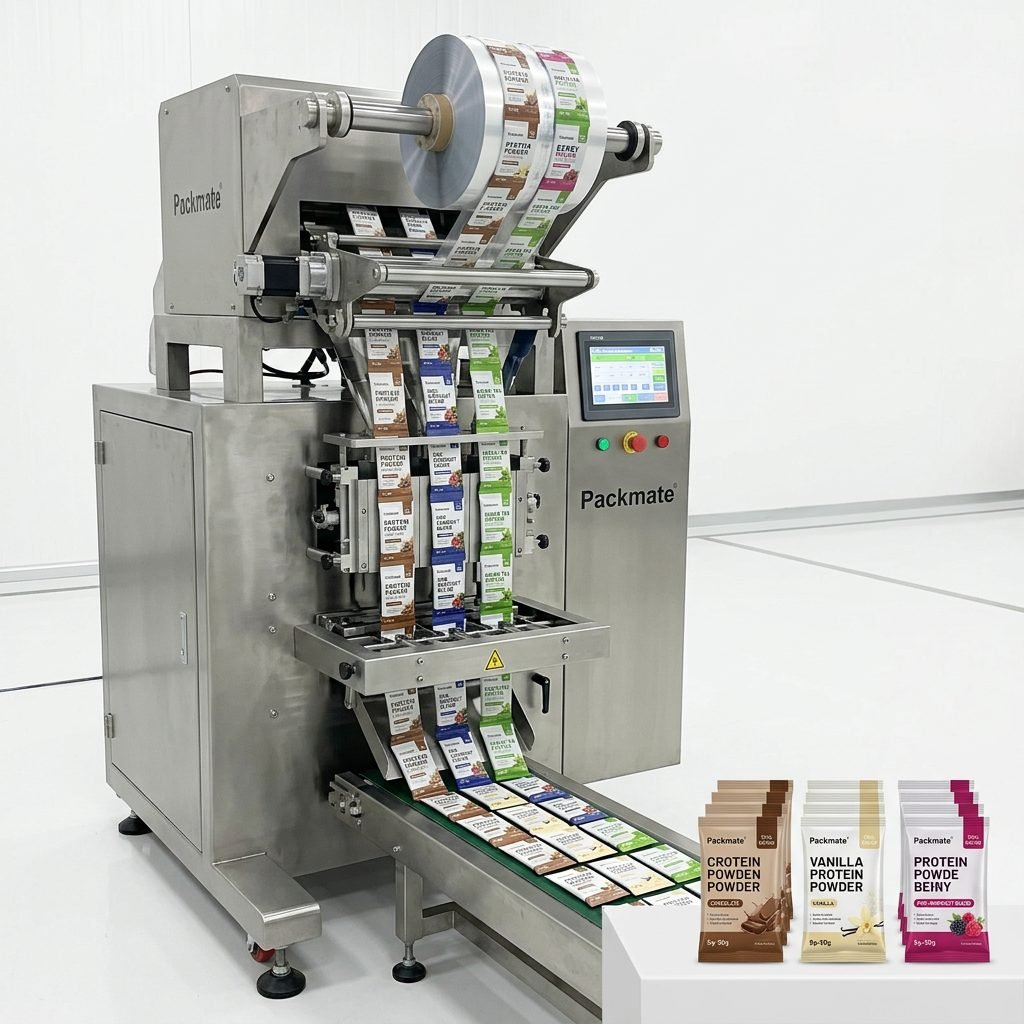
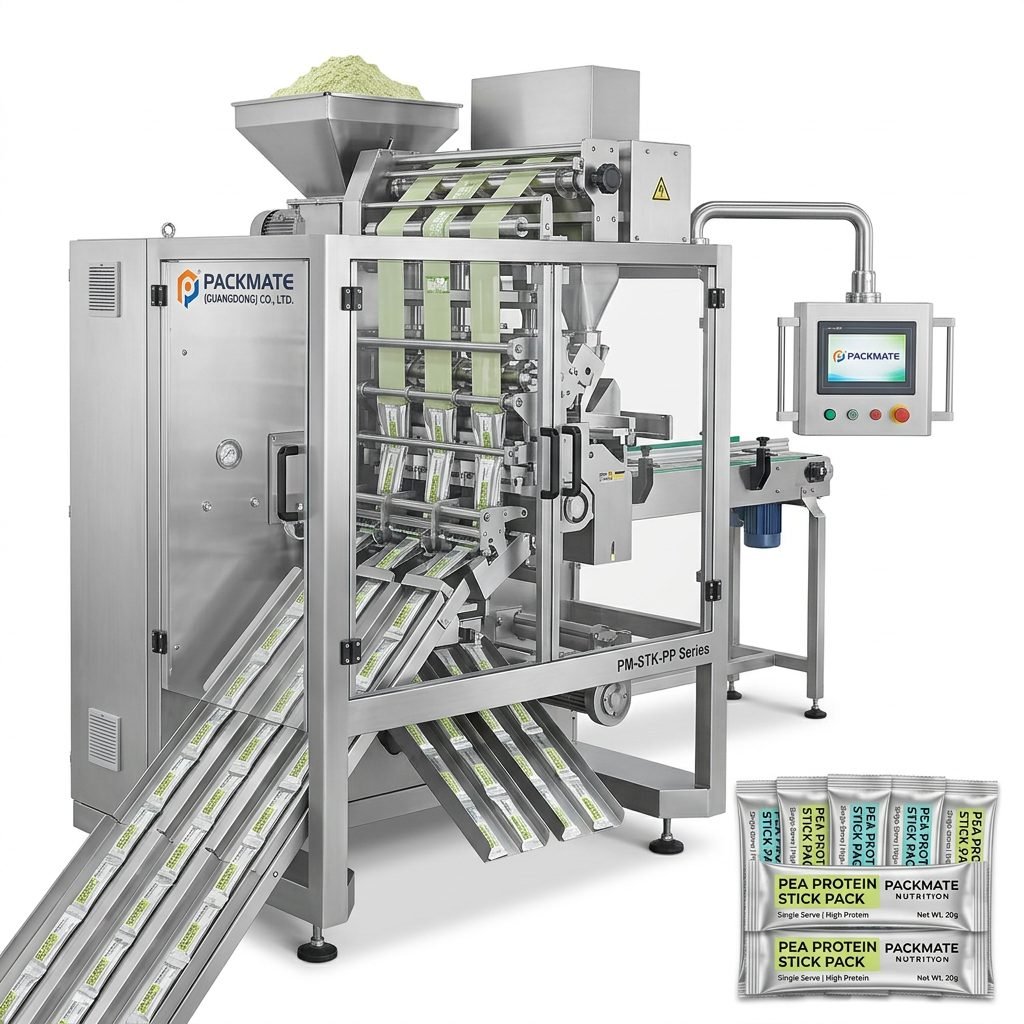
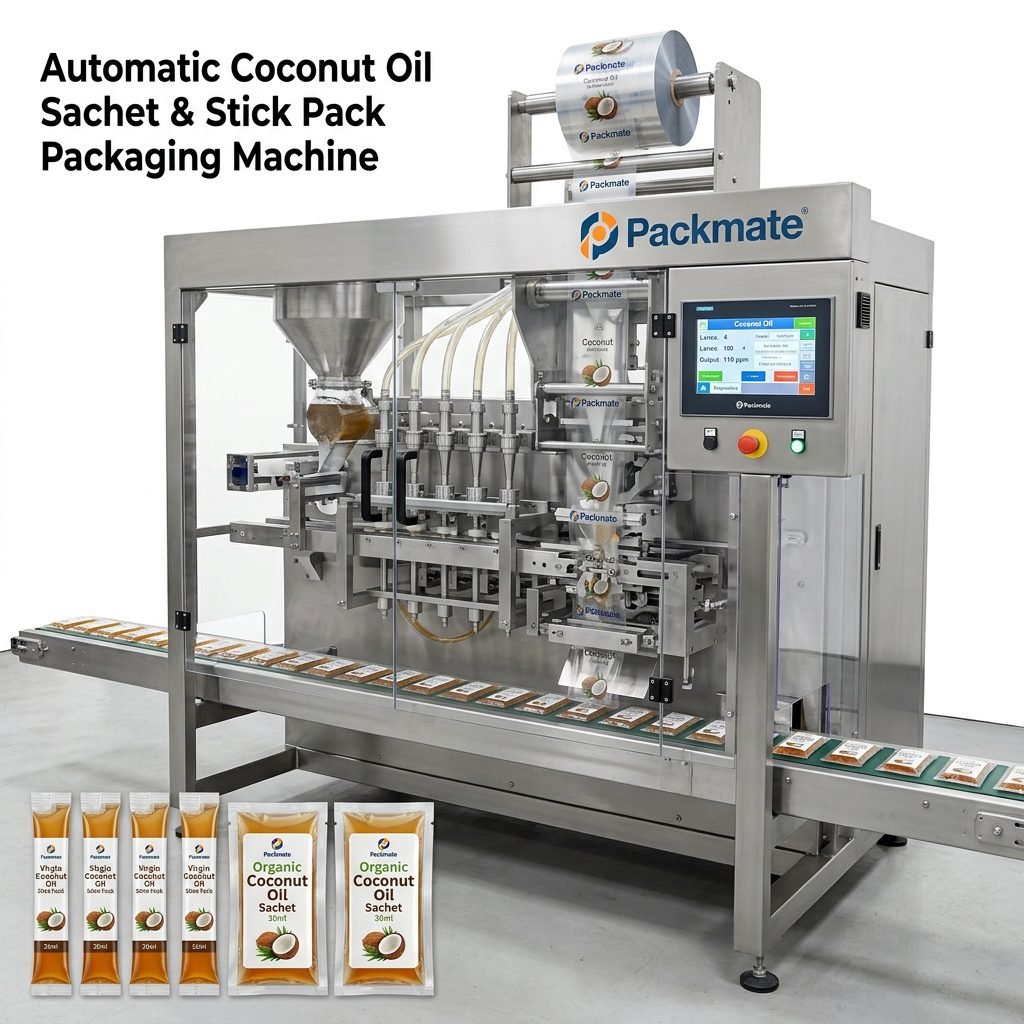
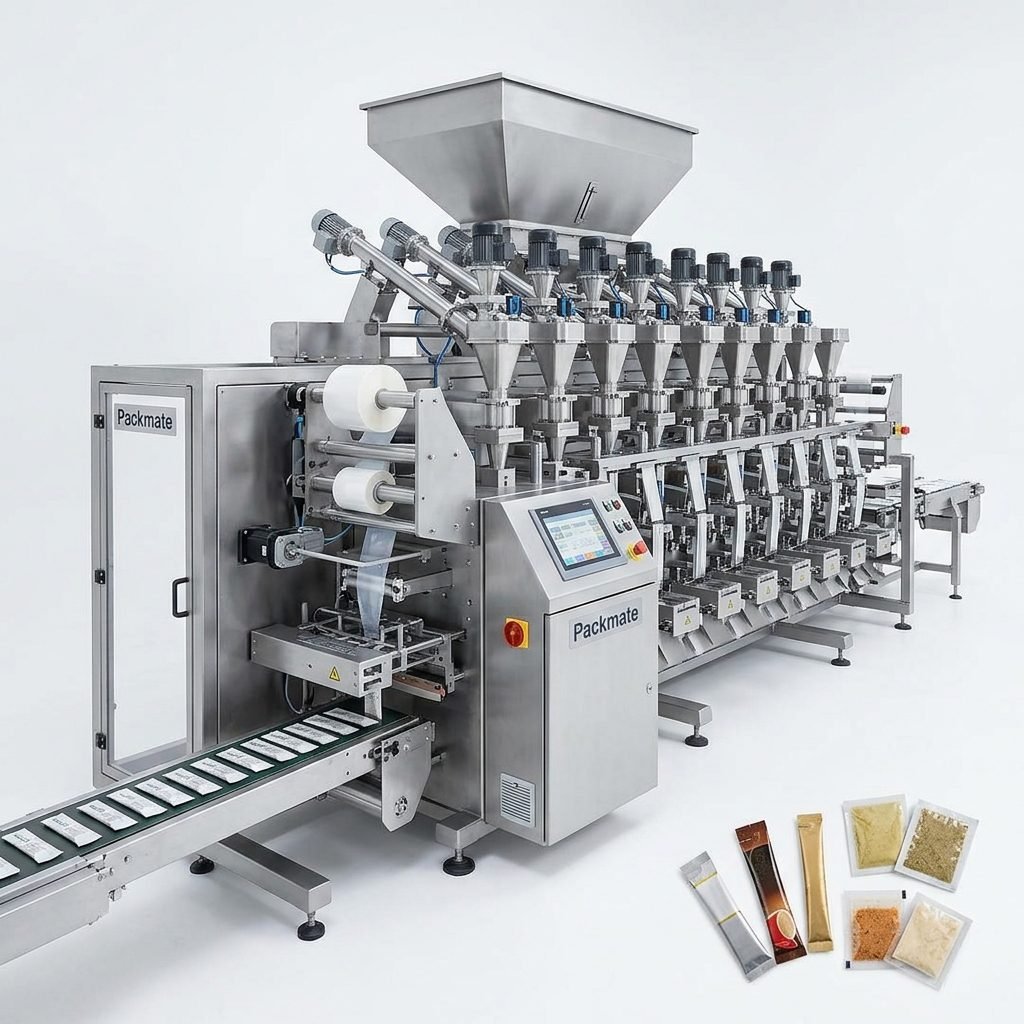
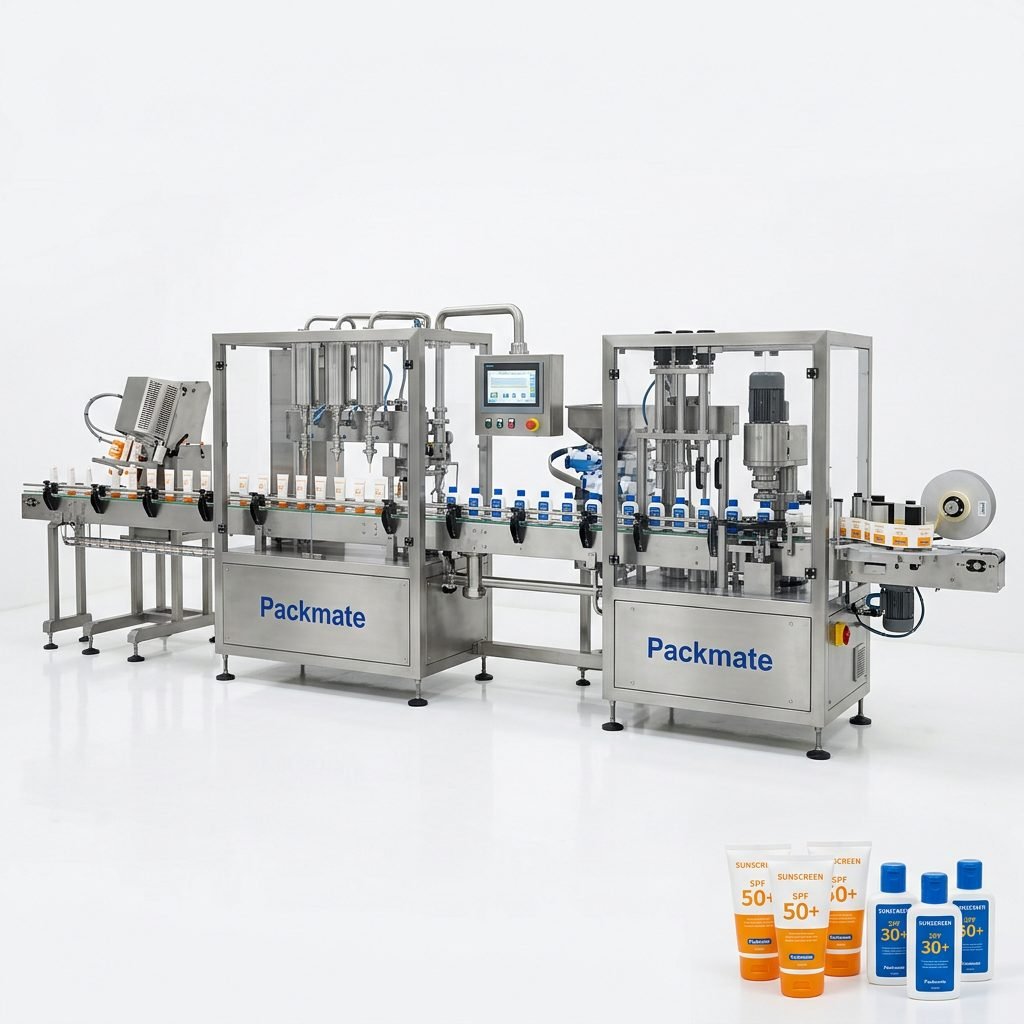
Stick Pack Machines Sachet Packers Liquid Fillers
For single-serve supplements, powdered drinks, or pharmaceutical granules, multi-lane stick pack and sachet machines offer unparalleled speed and portion control. Liquid products, such as health tonics or syrups, require precision fillers with anti-drip nozzles and CIP (Clean-in-Place) capabilities. The choice of packaging film is also crucial, often requiring high-barrier materials to protect against moisture, oxygen, and light.
2. Secondary & Tertiary Packaging: Consolidation and Protection
Once primary packaging is complete, products are grouped for retail sale and bulk distribution.
- Cartoning: Automatic cartoners erect, load, and seal boxes, often integrating leaflet inserters for pharmaceutical instructions.
- Case Packing: Robots or pneumatic systems gently place primary packages into shipping cases with precise patterns.
- Palletizing: The final “road gate” step. Robotic palletizers stack cases onto pallets in stable, transport-ready configurations, often applying stretch wrap for unitization.
This integrated flow from primary to tertiary packaging minimizes manual handling, reduces labor costs, and significantly lowers the risk of damage. You can explore real-world implementations in our detailed project case studies.
Why Partner with an Experienced Solution Provider?
Selecting individual machines is not enough. The true value lies in a turnkey solution provided by a partner with deep industry expertise. A provider like Packmate (GuangDong) Co., Ltd. brings over 30 years of focused experience in packaging automation for these critical sectors.
The Packmate Advantage for Food, Pharma & Health:
Our journey, detailed in our Company Profile, is built on solving complex packaging challenges. We understand that a packaging line is a long-term investment. Our approach involves:
- Needs Analysis & Custom Design: We assess your specific product viscosity, granule size, output goals, and factory layout to design a line, not just sell a machine.
- GMP & Hygiene-Focused Engineering: Machines are constructed with stainless steel contact parts, easy-clean surfaces, and designs that prevent product entrapment.
- End-to-End Project Management: From factory acceptance testing to installation, commissioning, and staff training, we manage the entire process.
- Global Support & Spare Parts: With clients worldwide, we ensure prompt technical support and maintain a comprehensive service network to minimize downtime.
Future-Proofing Your Packaging Operations
The trends shaping the future—sustainability, smart packaging, and e-commerce—directly influence packaging line design. Forward-thinking providers integrate flexibility for biodegradable films, incorporate IoT sensors for predictive maintenance, and design lines that can easily switch between retail and e-commerce-ready packaging formats. Investing in a modular, adaptable road gate line today prepares your business for the market demands of tomorrow.
In conclusion, a Road Gate Packaging Line is the backbone of modern production for food, pharmaceutical, and health products. It ensures quality, safety, compliance, and efficiency. The key to success lies in choosing a solution provider with the proven expertise, technological capability, and commitment to partnership that aligns with your strategic goals.
Frequently Asked Questions (FAQs)
1. What is the lead time for a complete turnkey packaging line?
Lead time varies significantly based on line complexity, customization, and current production schedule. A standard line may take 3-4 months from order to delivery, while highly customized systems for novel products can take 6 months or more. Detailed project planning during the quotation phase provides a clear timeline.
2. Can your packaging lines comply with international standards like FDA, EU, or GMP?
Yes. Our core design philosophy for food, pharma, and health products adheres to international hygiene and safety standards. We use certified materials (e.g., food-grade stainless steel, FDA-compliant seals) and design for cleanability. Documentation and machine certifications are provided to support your validation processes.
3. How do you handle after-sales service and technical support for international clients?
We offer comprehensive remote support via video calls and our secure network. For on-site issues, we have a global network of service engineers and partners. We also maintain a large inventory of common spare parts for rapid dispatch to minimize production downtime.
4. Can the line be integrated with our existing production equipment?
Absolutely. A major part of our solution design is integration engineering. We assess your current machinery and ensure seamless communication (via PLC, industrial Ethernet) and physical connectivity (conveyor speeds, transfer points) between our new line and your existing setup.
5. What kind of training do you provide for our operational staff?
We provide thorough training covering machine operation, routine maintenance, troubleshooting, and safety procedures. Training is conducted during commissioning at your facility by our experienced engineers. We also provide detailed operation and maintenance manuals in English and other required languages.