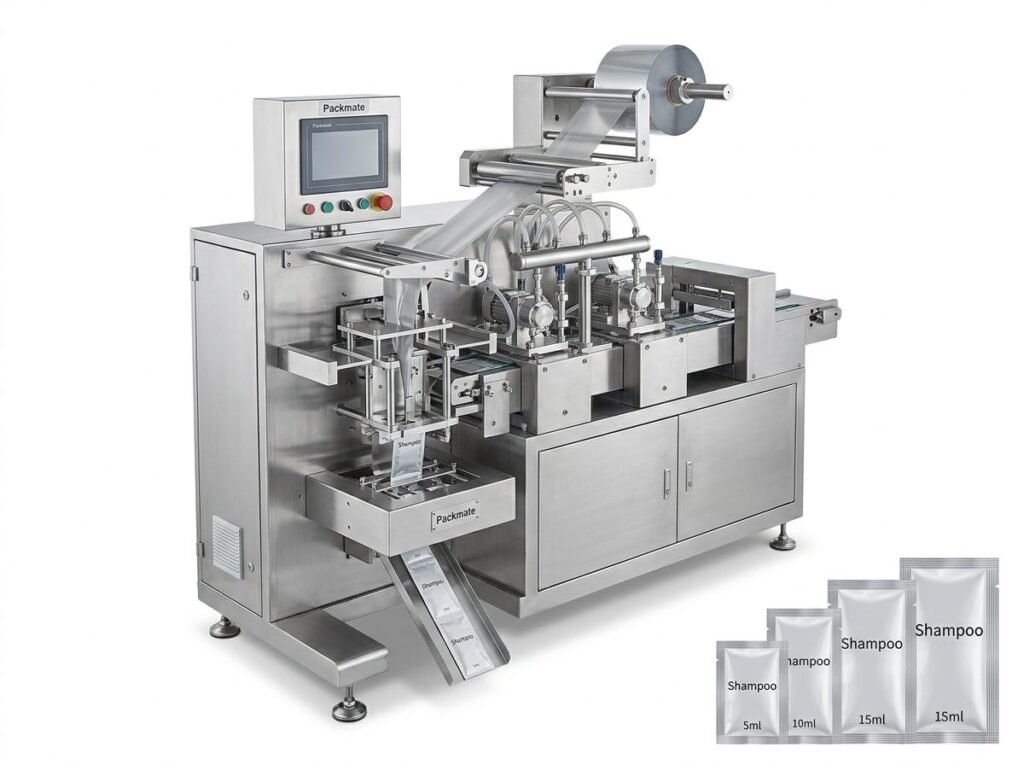
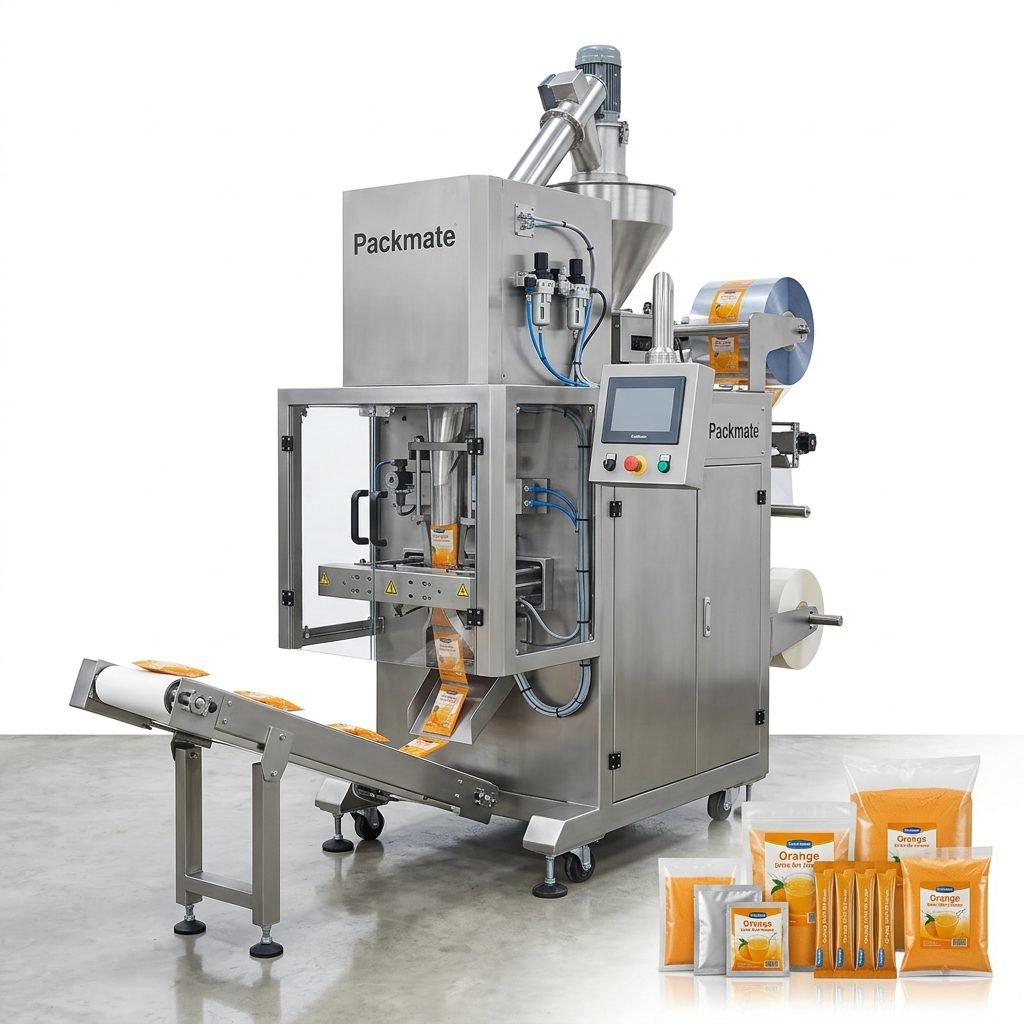
In the competitive and highly regulated sectors of food, pharmaceuticals, and health products, packaging is far more than a final step—it’s a critical component of product integrity, safety, and brand promise. The journey from raw material to sealed, market-ready product demands precision, hygiene, and unwavering reliability at every turn. This is where specialized road gate packaging line solutions become indispensable, offering a complete, integrated approach to handling granules, powders, liquids, and large-volume items with exceptional efficiency.
The Critical Role of Integrated Packaging Lines
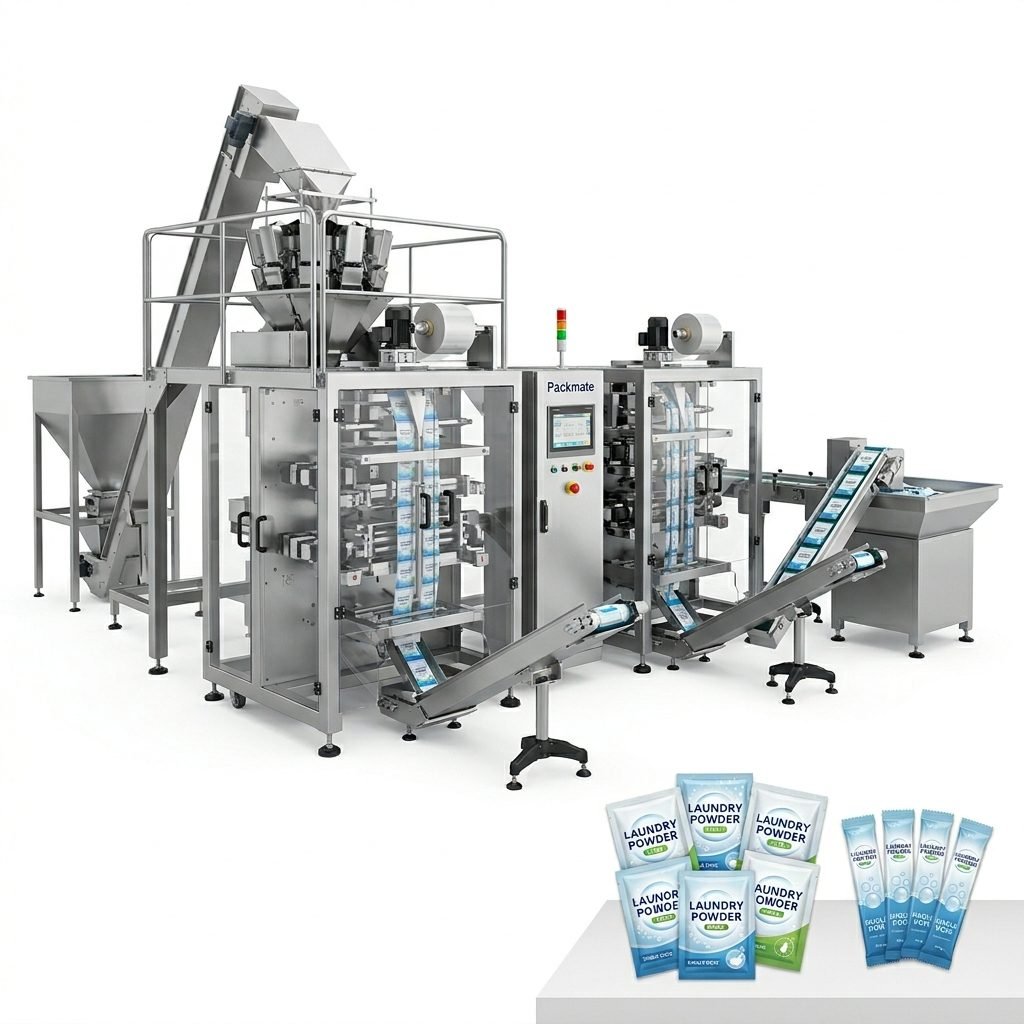
Modern consumers and regulatory bodies demand perfection. A single breach in packaging integrity can compromise product safety, leading to costly recalls, damaged reputations, and significant health risks. An integrated road gate packaging line consolidates multiple processes—from dosing and filling to sealing, coding, and cartoning—into a single, synchronized system. This holistic approach minimizes human handling, reduces contamination risks, and ensures consistent, high-speed output that standalone machines simply cannot match.
Key Advantage: By integrating all packaging stages, these solutions create a closed, controlled environment. This is paramount for sectors like pharmaceuticals, where aseptic conditions are non-negotiable, and for food products requiring extended shelf life through modified atmosphere packaging (MAP).
Tailored Solutions for Core Industries
The “one-size-fits-all” model fails in precision packaging. Each industry presents unique challenges that require customized engineering.
Food Industry Applications
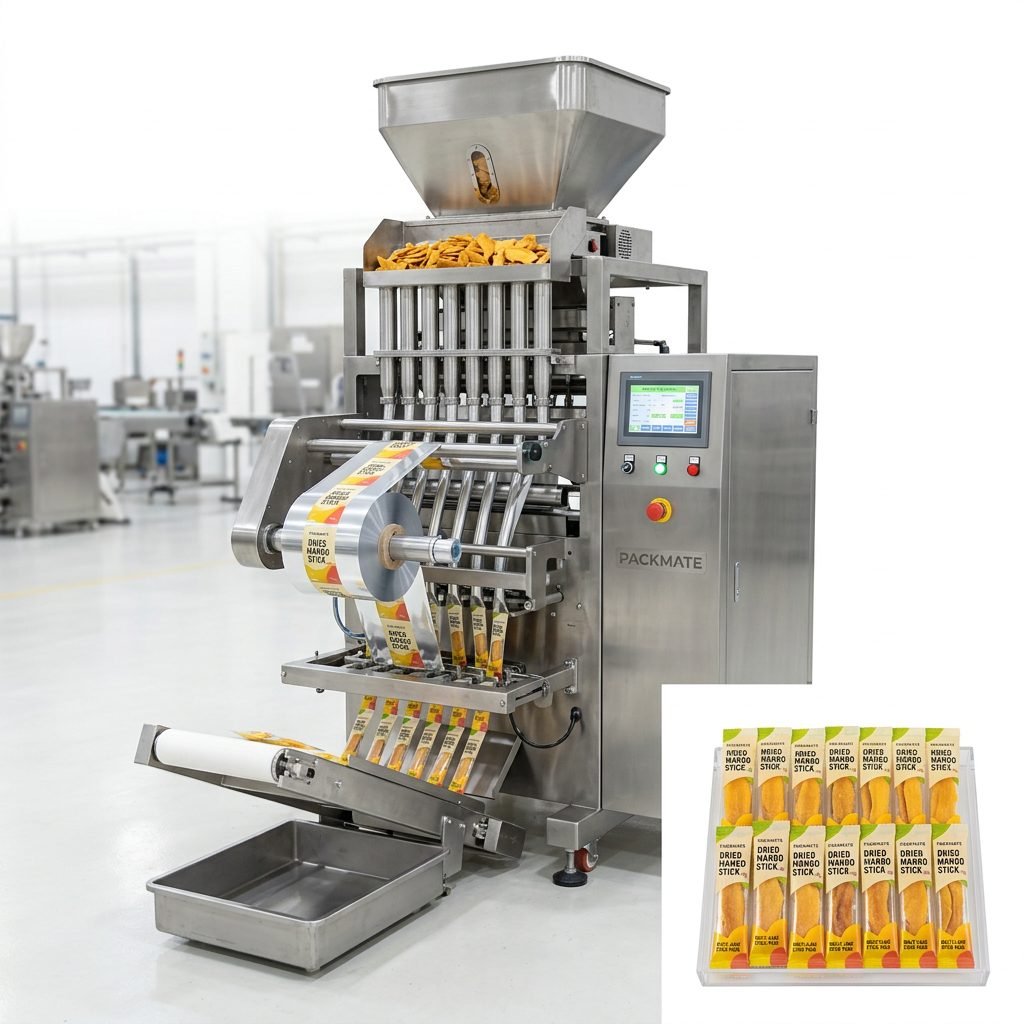
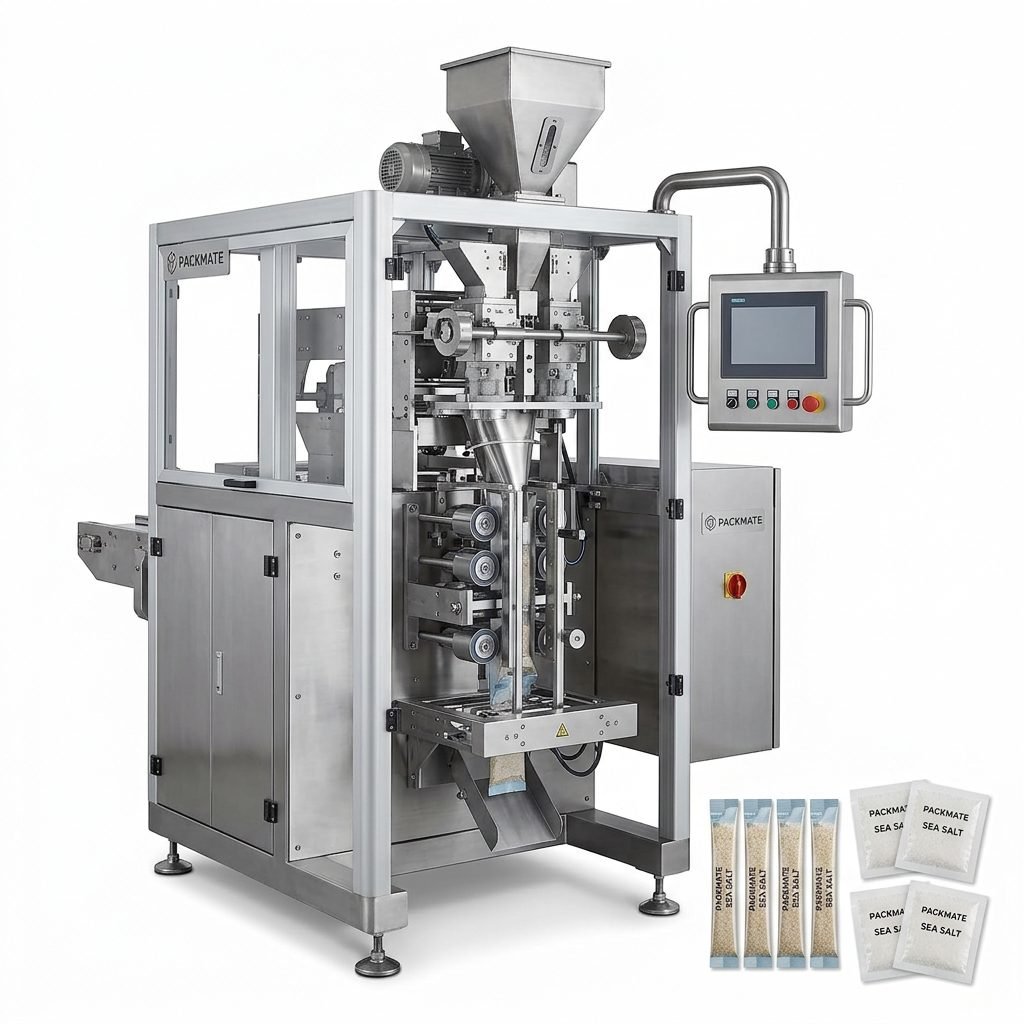
From instant coffee sticks and sugar sachets to soup powders and seasoning granules, food packaging must preserve freshness, flavor, and quality. Lines often incorporate nitrogen flushing to displace oxygen, advanced weighing systems for accuracy, and high-integrity seals to prevent moisture ingress. Speed and flexibility are also crucial to handle diverse product shapes and seasonal demand fluctuations. For a deeper look at specific applications, explore our dedicated packaging solutions.
Pharmaceutical & Nutraceutical Demands
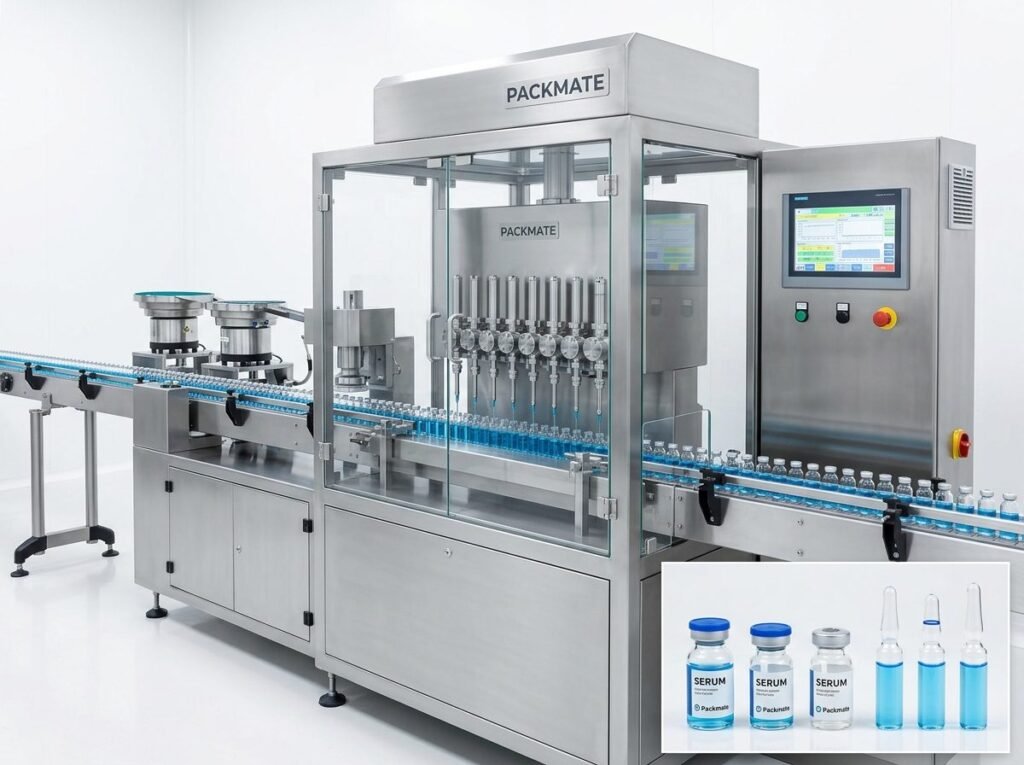
This sector operates under the strictest regulations (e.g., cGMP, FDA). Packaging lines must ensure absolute dosage accuracy, 100% traceability via coding, and tamper-evident features. Machines handling powders or effervescent granules often require humidity-controlled environments. The design prioritizes easy cleaning, validation, and changeover between different product batches to maintain compliance and efficiency.
Health & Wellness Products
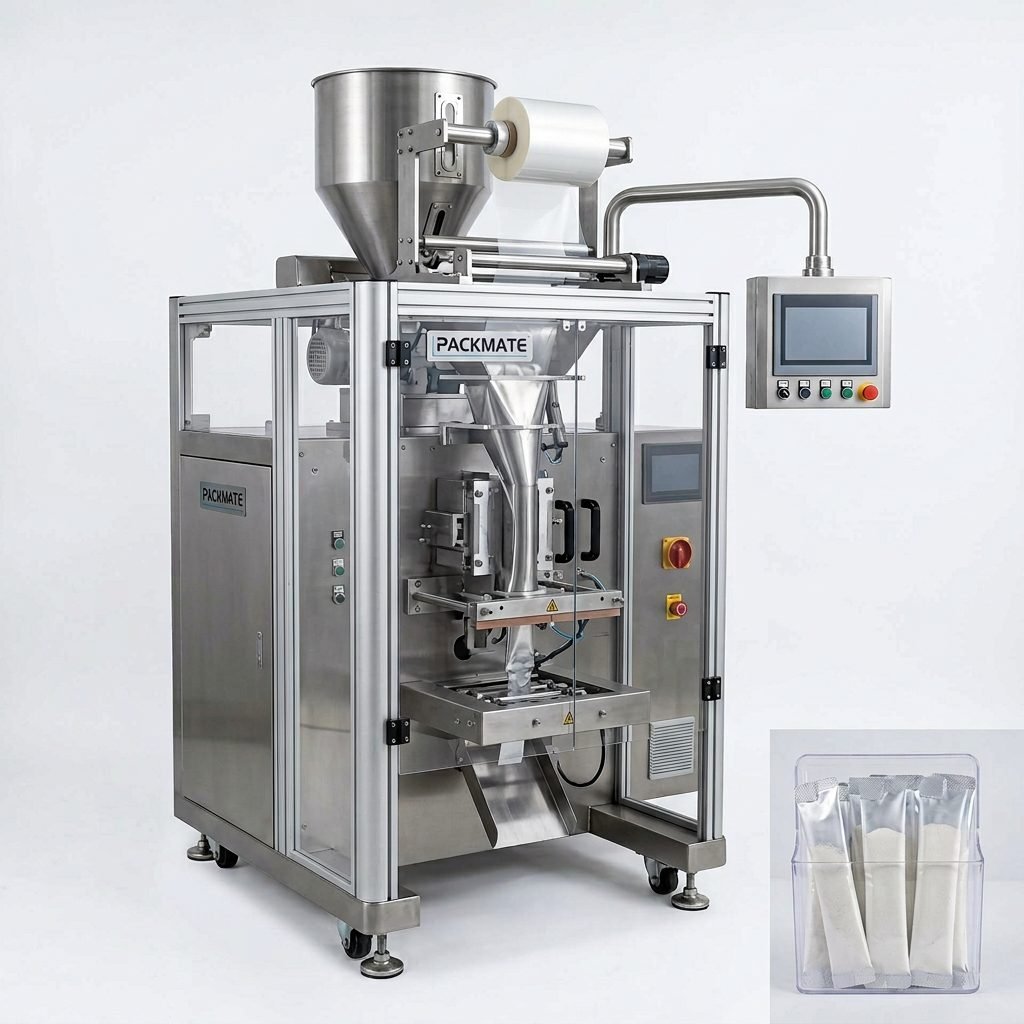
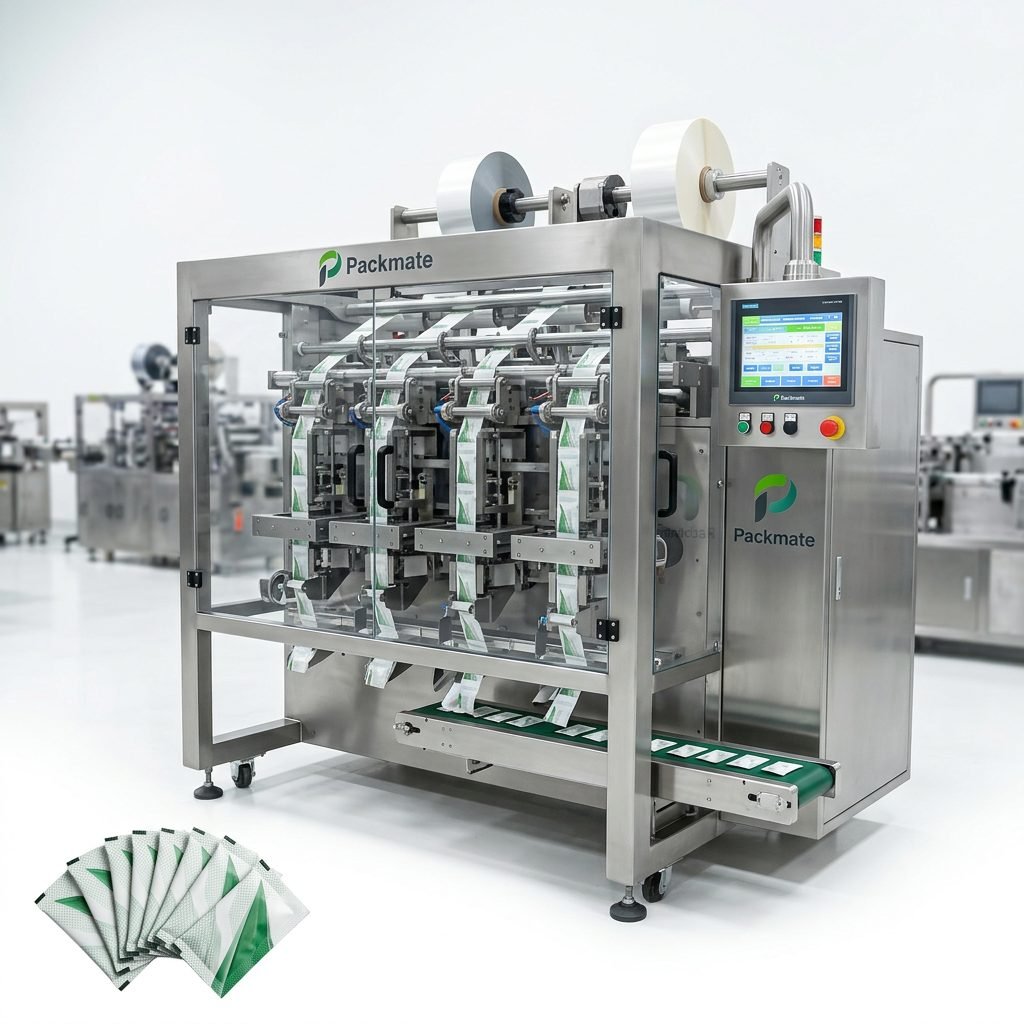
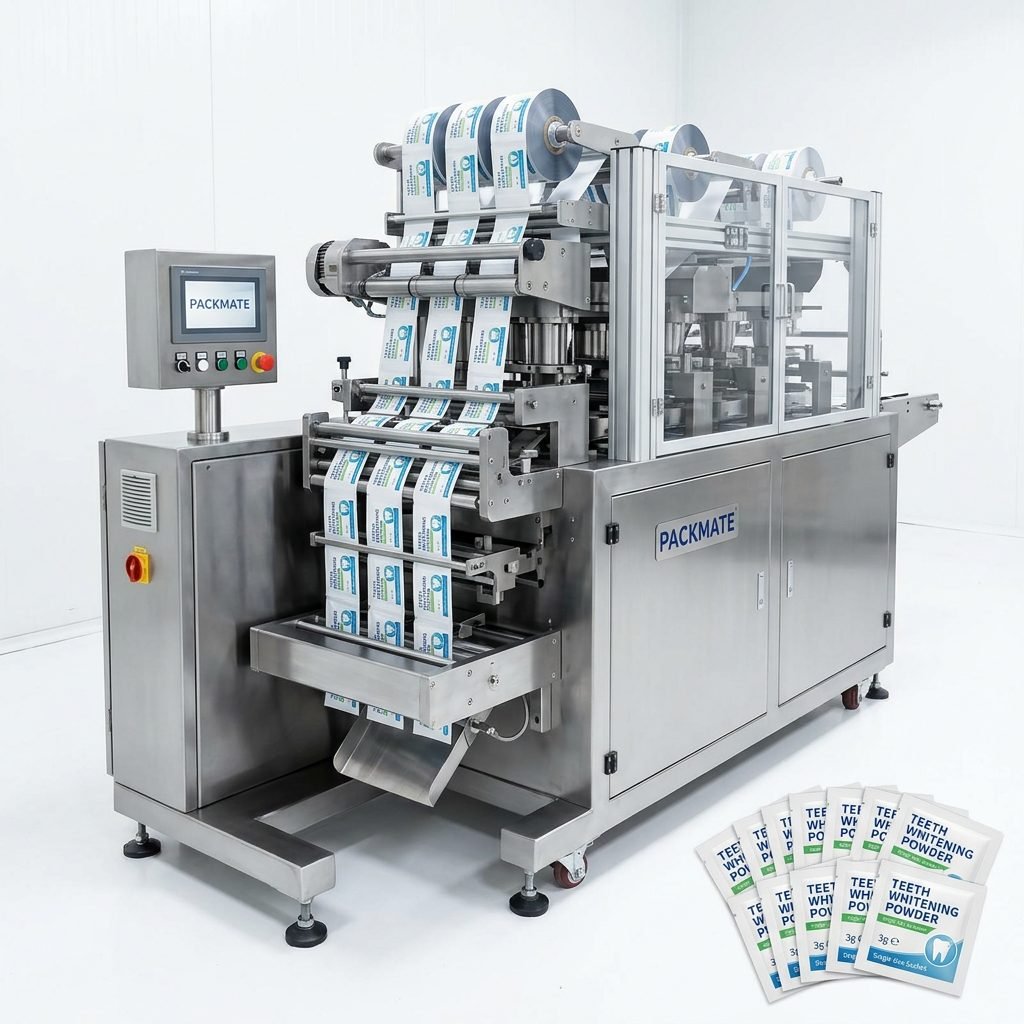
Protein powders, vitamin supplements, herbal teas, and electrolyte mixes represent a booming market. Packaging must be robust to protect sensitive ingredients, visually appealing on shelf, and convenient for the end-user. Stick packs and portion-controlled sachets are particularly popular, requiring machines that can handle fine powders without dusting and provide a consistent, clean seal every time.
Core Components of a Road Gate Packaging Line
A turnkey solution is a symphony of specialized machinery working in concert. Understanding the core components helps in specifying the right line for your needs.
1. Dosing & Filling Systems
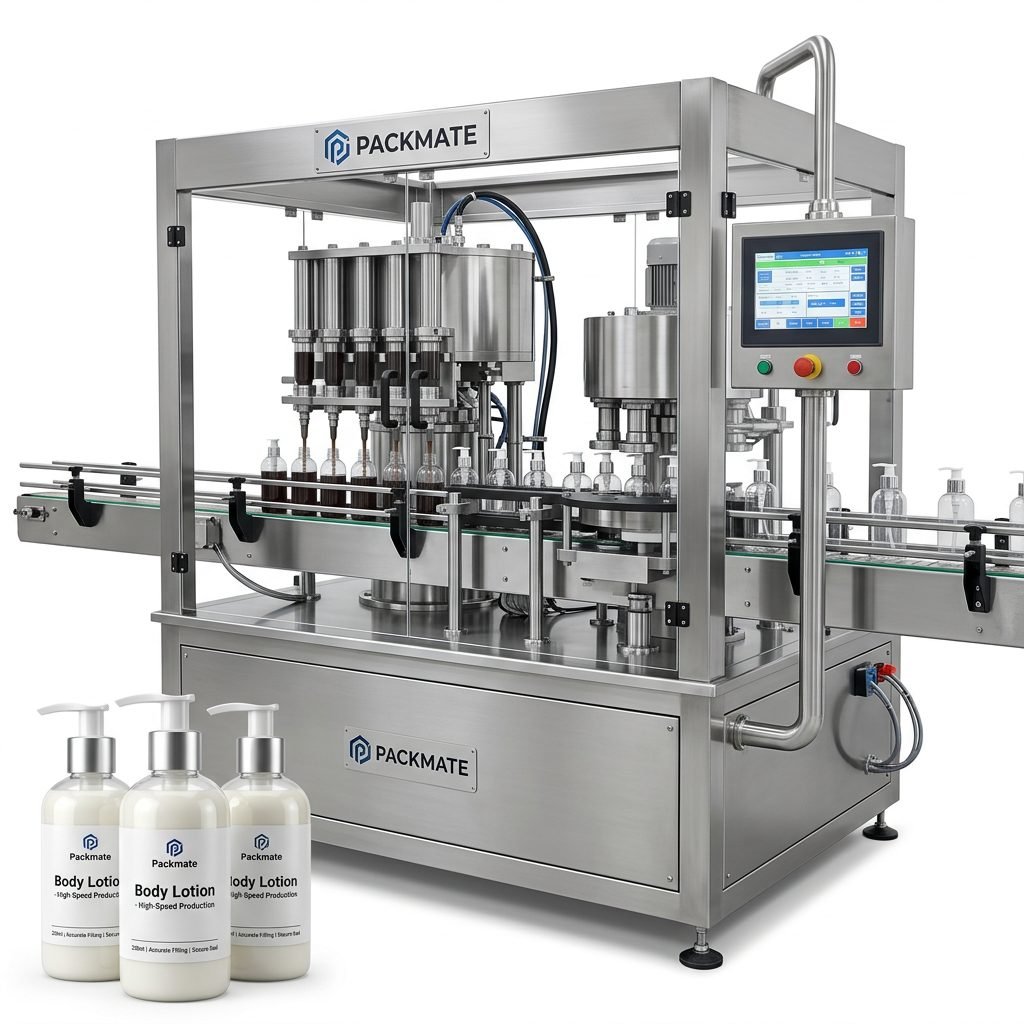
The heart of accuracy. Volumetric cup fillers, auger fillers with multi-head precision scales, and liquid piston fillers ensure each packet receives the exact predetermined amount of product, critical for cost control and regulatory compliance.
2. Form-Fill-Seal (FFS) Machines
This workhorse forms the packaging from roll stock (laminated film), fills it with product, and seals it in a continuous motion. Vertical (VFFS) and horizontal (HFFS) configurations are chosen based on product type and desired pack style, such as stick packs or sachets.
3. Secondary & Tertiary Packaging
After primary packaging, products are often collated into cartons or boxes. Automatic cartoners, case packers, and palletizers complete the line, preparing goods for shipping and distribution with minimal manual labor.
Integrating these components seamlessly requires expert engineering and control systems. A partner like Packmate (GuangDong) Co., Ltd., with decades of experience, ensures all modules communicate flawlessly for optimal Overall Equipment Effectiveness (OEE).
Innovations Driving the Future of Packaging
The industry is rapidly evolving, driven by smart technology and sustainability. The latest road gate lines incorporate Industrial Internet of Things (IIoT) sensors for real-time monitoring of machine health, production speed, and maintenance needs. Predictive analytics can forecast component wear, preventing unplanned downtime.
Furthermore, there is a strong push towards using recyclable and mono-material films without compromising barrier properties. Advanced machines are now engineered to handle these newer, sometimes more challenging, sustainable materials efficiently, helping brands meet their environmental goals. Discover how innovation shapes our approach in our mission and vision.
Selecting the Right Packaging Partner
Investing in a complete packaging line is a major decision. The right partner provides more than just hardware; they deliver peace of mind. Key selection criteria include:
✔ Proven Industry Experience: Look for a provider with a documented history in your specific sector (food, pharma, health). Their project case studies should demonstrate successful, similar installations.
✔ Turnkey Project Capability: Can they handle everything from initial design and factory layout to installation, training, and after-sales service? This single-point accountability is invaluable.
✔ Compliance & Certification: Ensure their manufacturing processes and machines meet relevant international standards (CE, ISO, etc.).
✔ Scalability & Support: The solution should grow with your business, with accessible technical support and spare parts to ensure long-term reliability.
With over 30 years of expertise and a 20,000㎡ modern facility, Packmate embodies these principles, offering robust solutions backed by a global support network. From concept to commissioning, a collaborative partner ensures your packaging line becomes a strategic asset for growth and quality assurance.
Frequently Asked Questions (FAQs)
1. What is the typical lead time for a complete road gate packaging line?
Lead time varies significantly based on line complexity, customization, and current order backlog. A standard configuration may take 3-6 months from order confirmation to delivery, while highly customized systems for novel products can take longer. Detailed project planning with your supplier will establish a clear timeline.
2. How do you ensure the line meets hygiene standards for food and pharmaceutical use?
Lines are constructed using food-grade stainless steel (e.g., SS304, SS316) on contact surfaces. Designs prioritize smooth, crevice-free surfaces for easy cleaning and sanitization. Options include CIP (Clean-in-Place) systems and enclosures with positive air pressure to meet stringent GMP and FDA requirements.
3. Can existing packaging machinery be integrated into a new road gate line?
Yes, integration is often possible and can be a cost-effective strategy. A thorough audit of your existing equipment’s compatibility, age, and communication protocols is the first step. A skilled integrator can retrofit and synchronize legacy machines with new modules to create a unified system.
4. What kind of after-sales service and training is provided?
A comprehensive service package should include on-site installation supervision, detailed operational training for your technicians, a warranty period, and access to remote support. Reliable suppliers offer readily available spare parts and periodic maintenance contracts. Learn more about our commitment in our service section.
5. How is the ROI calculated for such a significant investment?
Return on Investment is calculated by comparing the capital and operating costs against the savings and gains generated. Key factors include increased production speed, reduced labor costs, lower material waste (from improved accuracy), decreased downtime, and enhanced product quality leading to fewer rejects and returns. Most businesses see a full ROI within 1-3 years.