In the fast-paced, high-stakes worlds of food and pharmaceutical manufacturing, efficiency, precision, and compliance are non-negotiable. Traditional methods of designing and commissioning packaging lines often involve costly physical prototyping, lengthy downtime for adjustments, and significant trial-and-error. Today, a transformative technology is reshaping this landscape: packaging line simulation through virtual modeling. This digital twin approach allows engineers to design, test, and optimize entire packaging processes in a risk-free virtual environment before a single piece of hardware is installed on the factory floor.
The Core Concept: Creating a Digital Twin
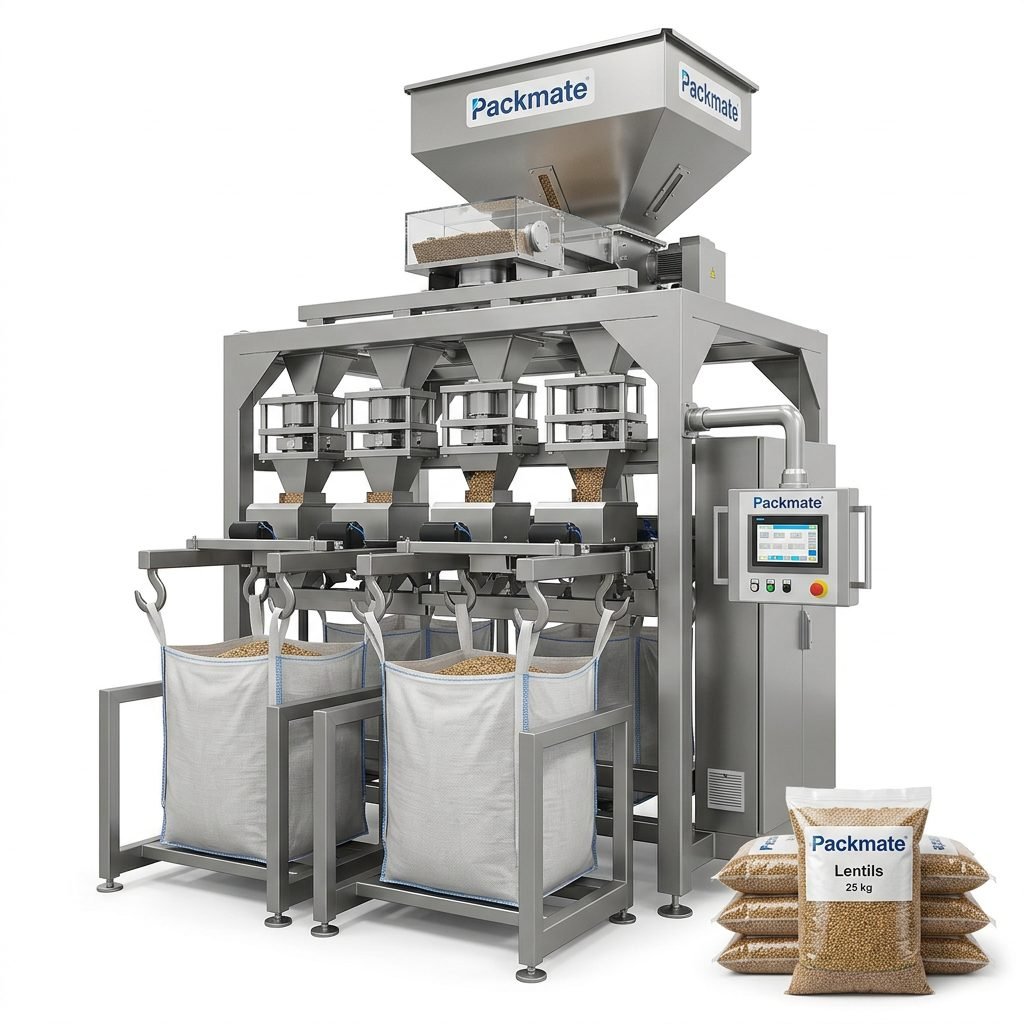
At its heart, packaging line simulation involves creating a highly detailed digital replica—a “digital twin”—of a physical packaging line. This model encompasses every conveyor, filler, sealer, labeler, robot, and sensor. Advanced software simulates the physics of movement, product flow, machine interactions, and even potential bottlenecks or failures. For companies like Packmate, with decades of experience in building turnkey solutions, this technology is a game-changer in the design phase of complex projects.
→ Key Benefit: Virtual modeling eliminates the guesswork. Engineers can visualize the entire line’s operation, from the infeed of raw materials to the palletizing of finished goods, identifying issues that would be costly and time-consuming to fix post-installation.
Optimizing Efficiency in Food Packaging
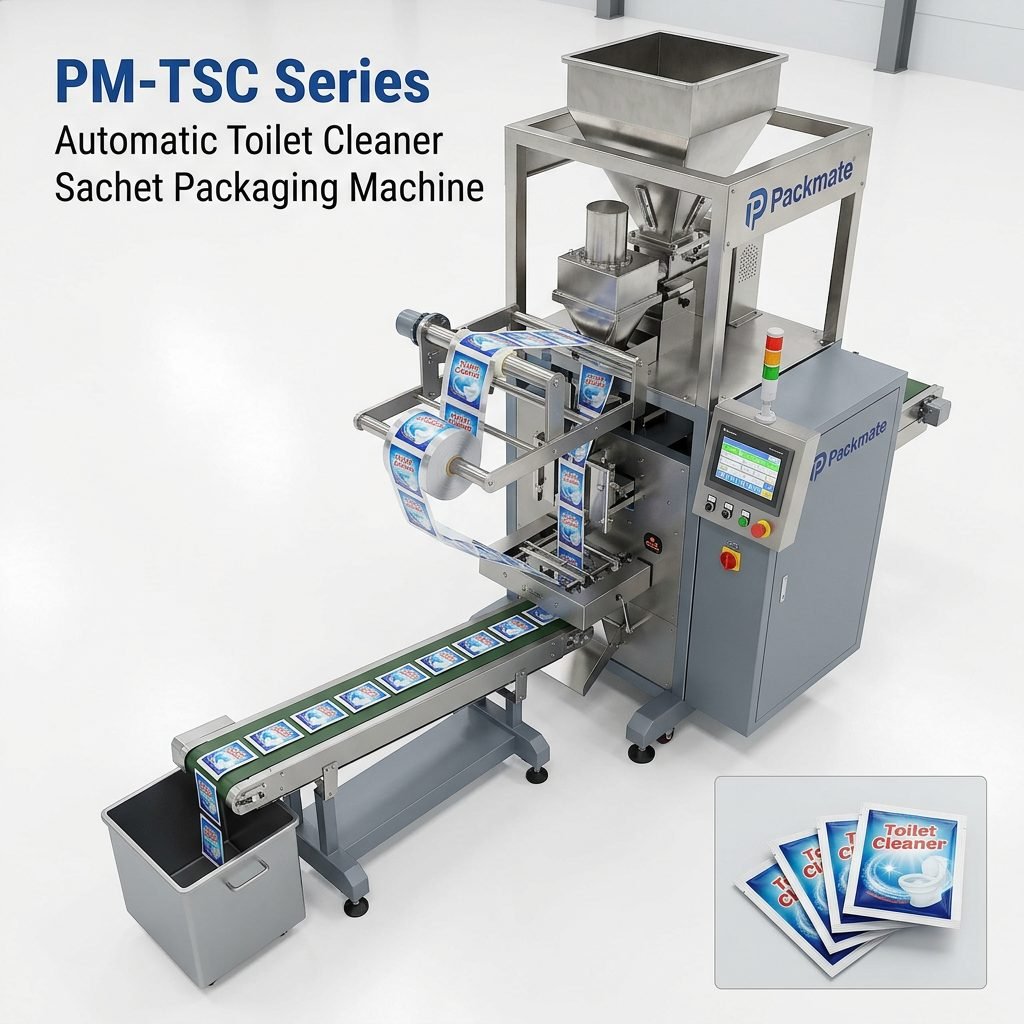
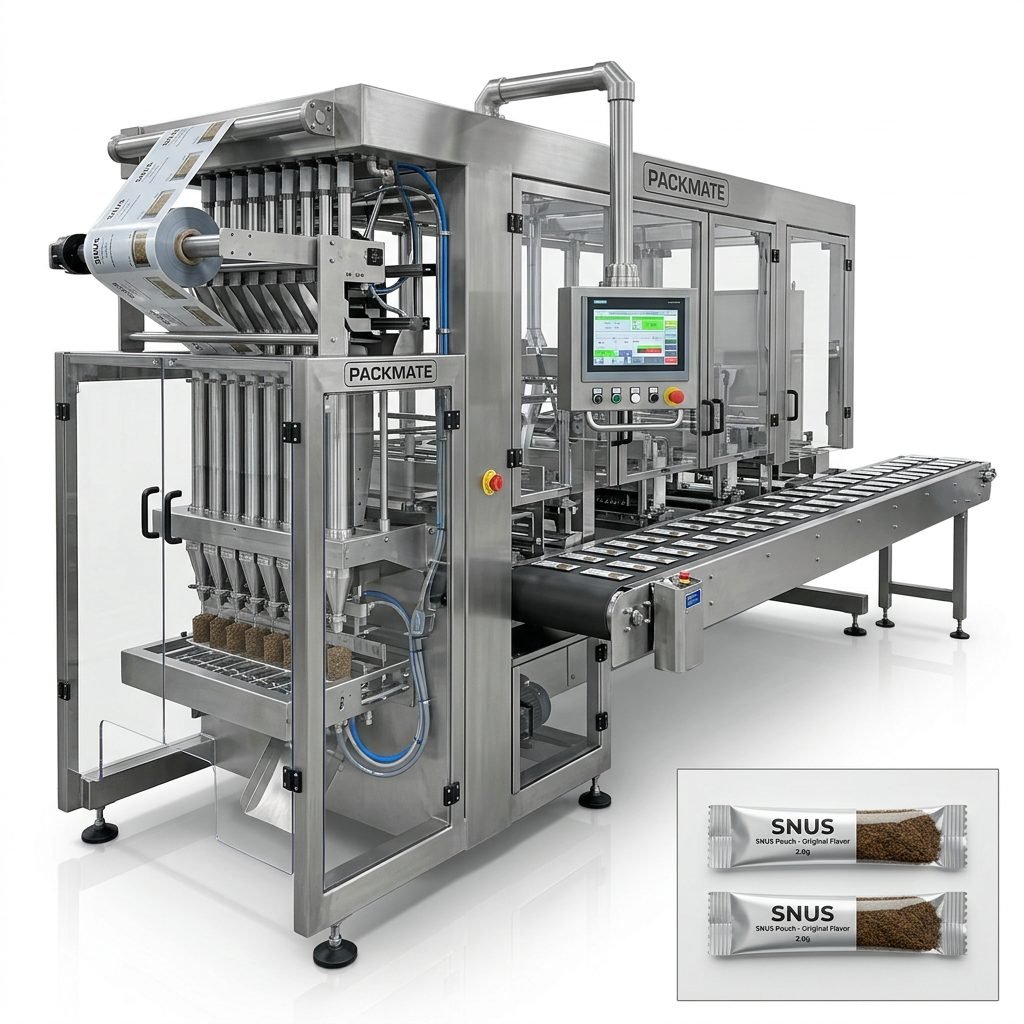
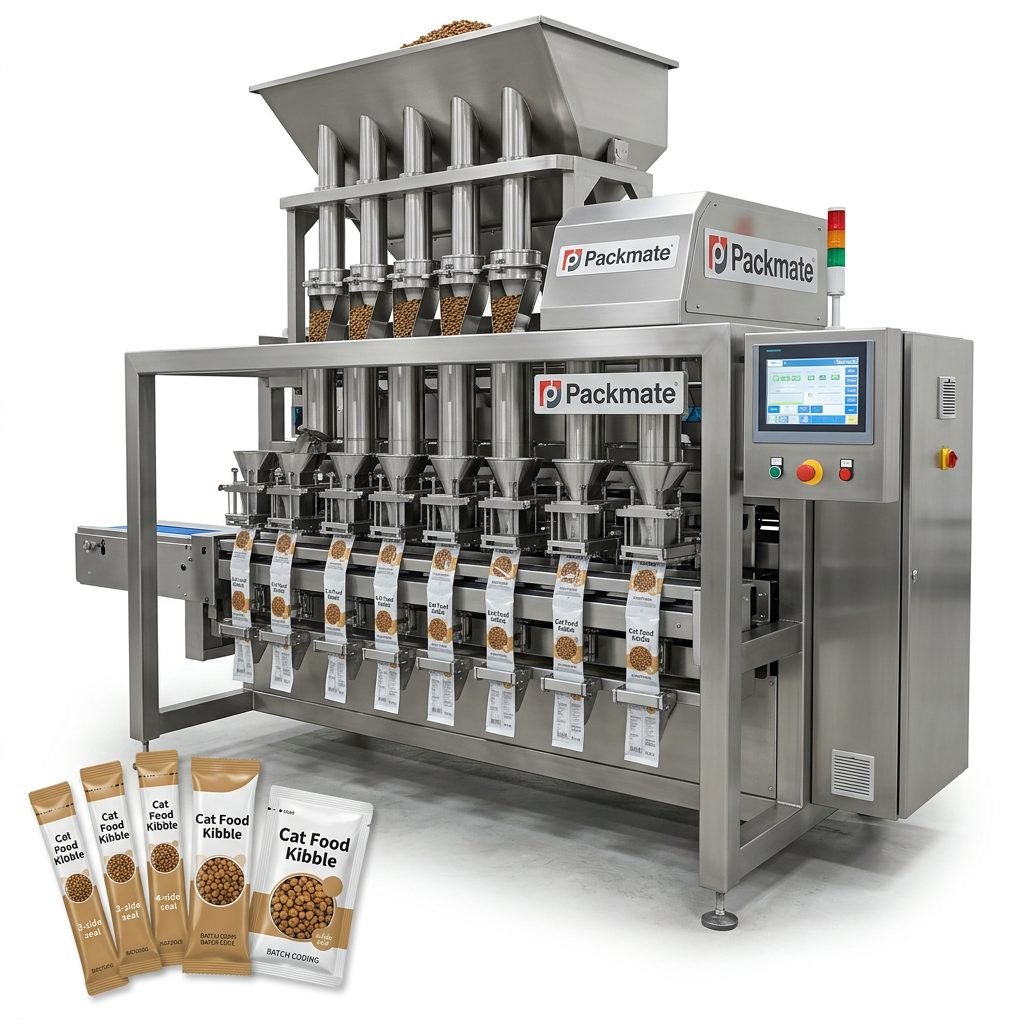
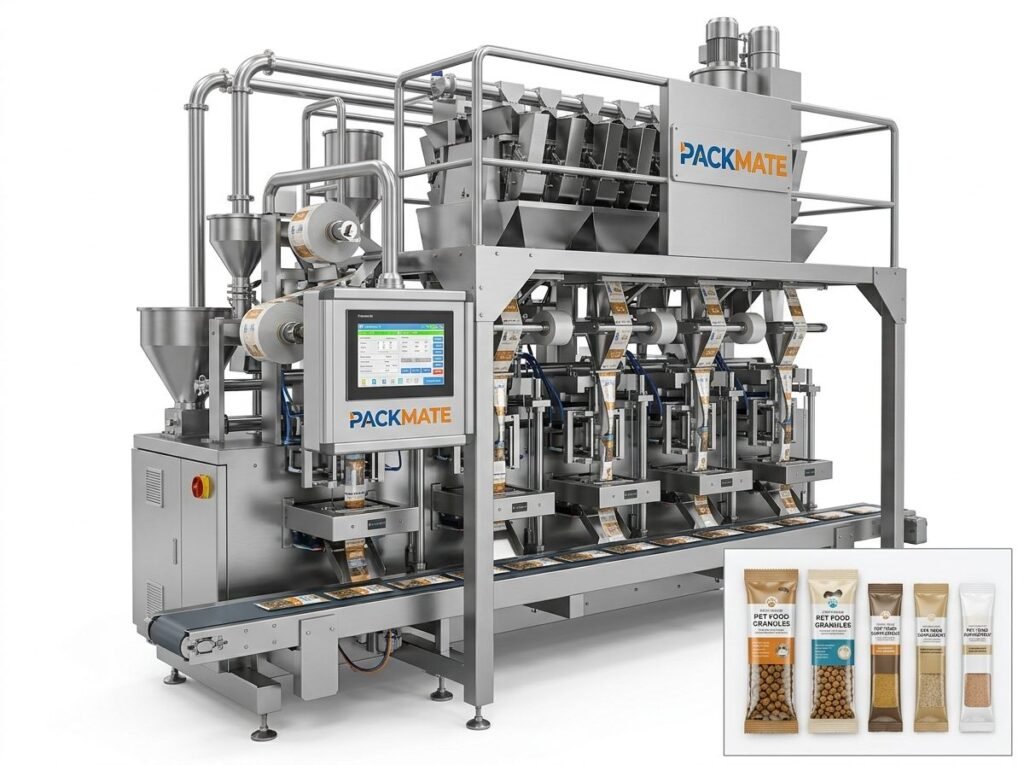
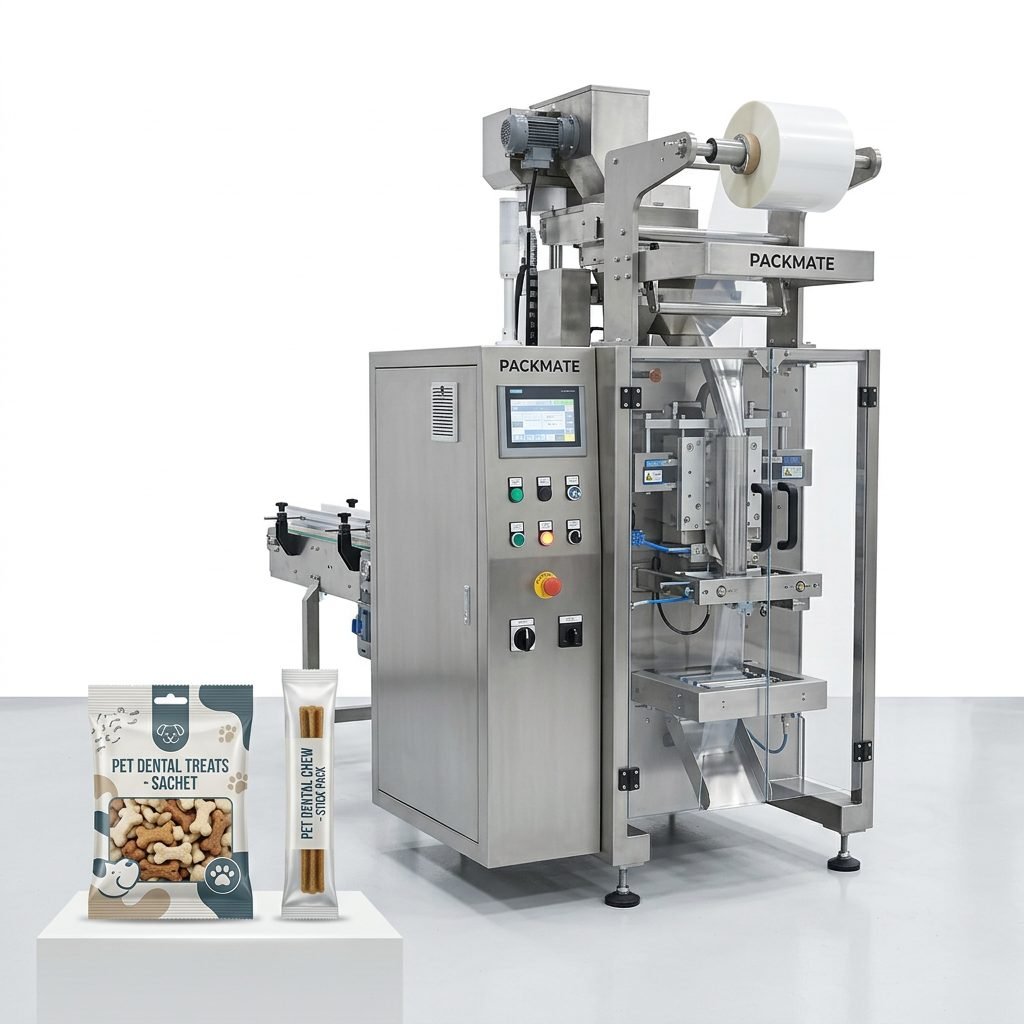
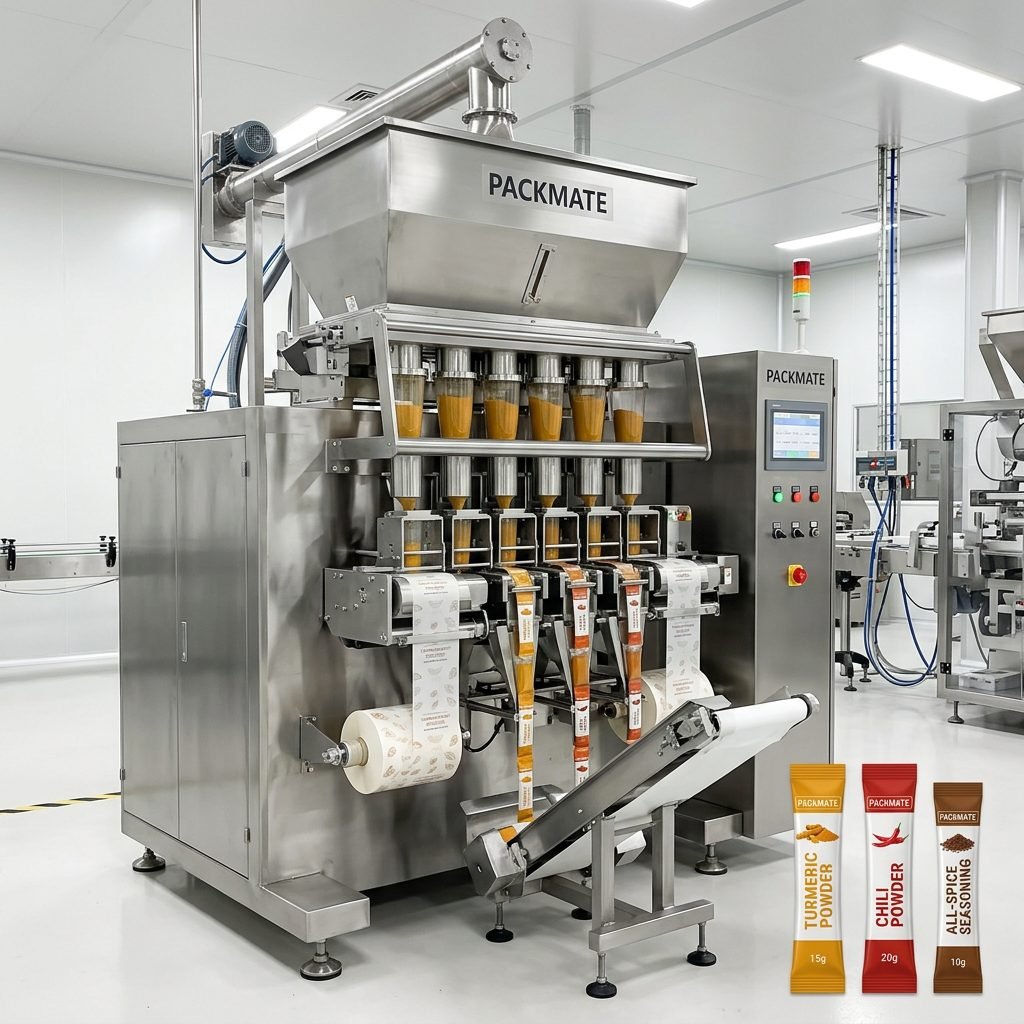
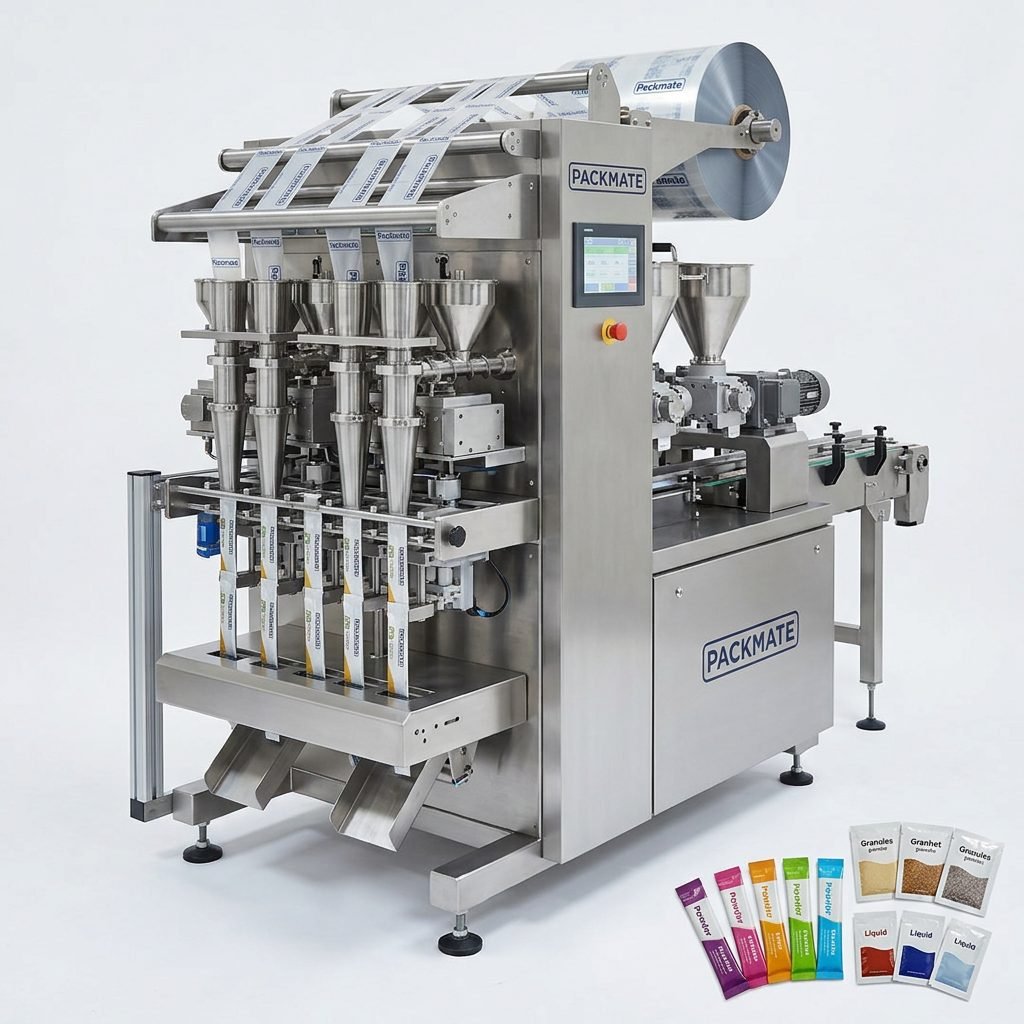
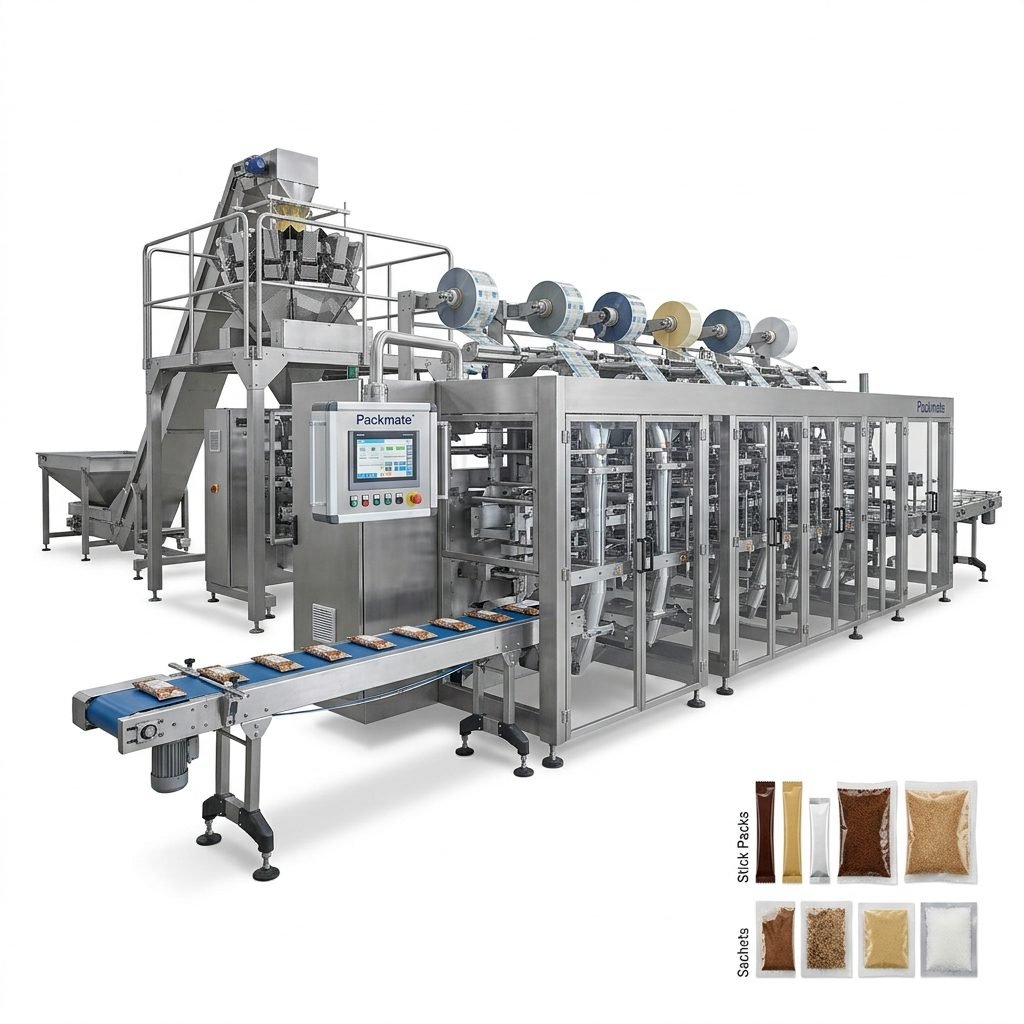
In the food industry, where speed and hygiene are paramount, simulation offers distinct advantages. It allows for the precise calculation of throughput rates under different product weights and packaging formats. Engineers can test how a line handles the switch from packaging cereal to nuts, or from liquid sachets to viscous sauces, optimizing changeover sequences to minimize downtime. This is crucial for lines designed for multi-lane stick pack or sachet production, a specialty area for providers like Packmate. By simulating millions of cycles, wear and tear on critical components can be predicted, informing proactive maintenance schedules.
Ensuring Compliance and Safety in Pharma Packaging
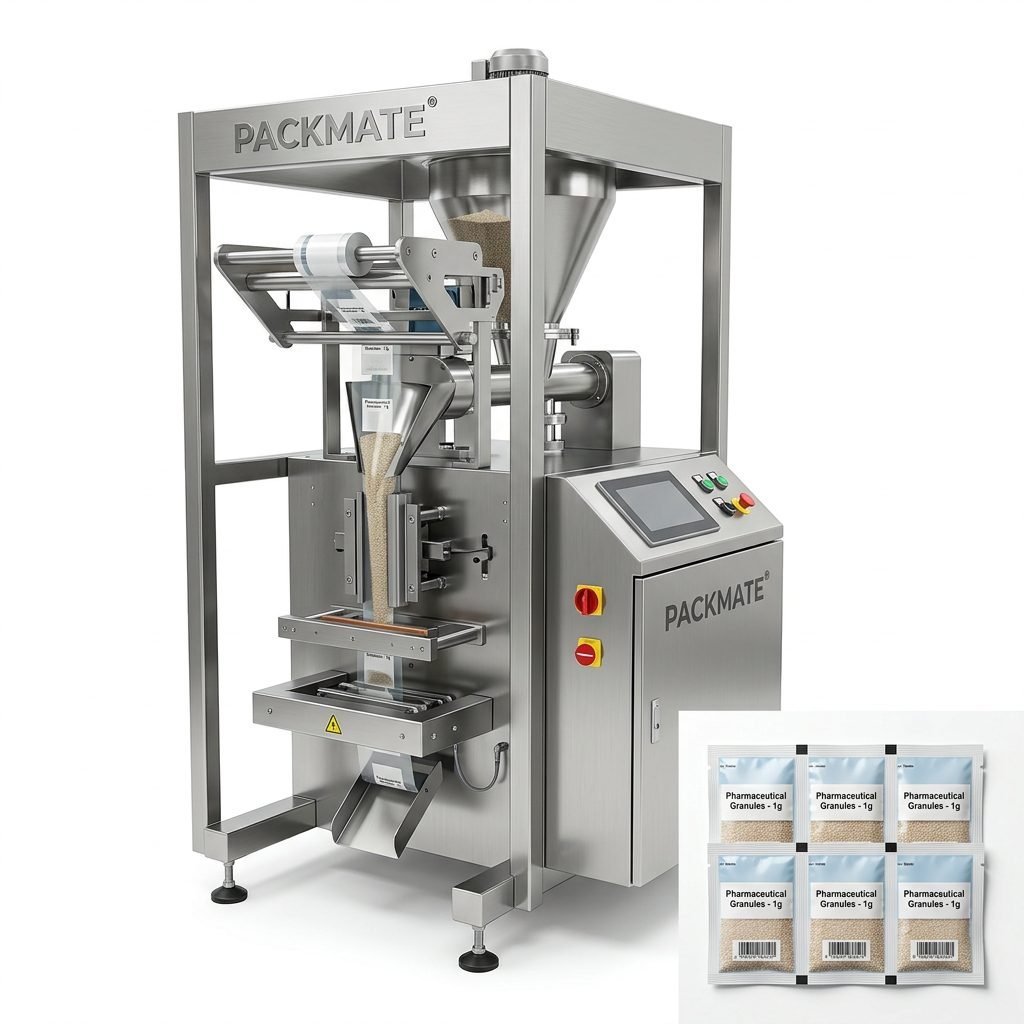
The pharmaceutical sector operates under stringent regulatory frameworks (e.g., FDA, EMA). Here, simulation is invaluable for validating processes before qualification runs. It can model the critical environmental conditions within an isolator or RABS (Restricted Access Barrier System), ensuring airflows meet Grade A standards. Simulation can also verify that robotic handling systems for vials or syringes operate with the required precision and sterility, preventing costly cross-contamination risks. This level of pre-validation is essential for meeting Good Manufacturing Practice (GMP) requirements from day one.
Practical Applications of Simulation
- Layout Planning: Experiment with different machine arrangements in the virtual space to find the most ergonomic and space-efficient footprint.
- Bottleneck Analysis: Identify which machine or process step limits overall line speed (OEE) and test solutions virtually.
- Staff Training: Use the simulation as an interactive training tool for operators and technicians, familiarizing them with controls and procedures safely.
- Integration Testing: Seamlessly test how new equipment, like a high-speed cartoner from a comprehensive packaging solution, integrates with existing line components.
The Business Case: ROI of Virtual Modeling
Investing in simulation software and expertise delivers a compelling return on investment (ROI). The most significant savings come from reducing capital expenditure by right-sizing equipment purchases and avoiding over-engineering. It slashes installation and commissioning time, getting production lines to market faster. Furthermore, it drastically cuts the risk of expensive post-installation modifications. For a look at how these optimized lines perform in real-world settings, reviewing detailed project case studies can provide tangible evidence of these benefits.
Implementation with an Experienced Partner
Successfully leveraging simulation requires more than just software; it demands deep domain knowledge of packaging mechanics and production workflows. This is where partnering with an experienced OEM like Packmate (GuangDong) Co., Ltd. becomes critical. Their team of over 125 professionals brings over 22 years of practical experience to the virtual table, ensuring that simulations are grounded in real-world physics and operational constraints. Their modern 20,000㎡ facility is a testament to their capacity to turn virtual designs into robust, physical reality.
The journey from a virtual model to a live, efficient packaging line is a collaborative one. It involves continuous iteration between the simulation team and the client’s engineers. This process ensures the final design not only meets theoretical efficiency targets but also aligns perfectly with the client’s specific products, operational culture, and long-term business goals. Understanding a provider’s core mission and vision is key to ensuring this alignment.
The Future: AI and Advanced Simulation
The future of packaging line simulation is intelligent. The integration of Artificial Intelligence (AI) and Machine Learning (ML) will enable predictive simulations that not only show how a line will perform but also recommend optimal configurations autonomously. These systems could learn from historical production data across thousands of lines to suggest designs that maximize yield, minimize energy consumption, and predict maintenance needs with uncanny accuracy. This evolution will further solidify simulation as the indispensable first step in packaging line design.
Conclusion
Packaging line simulation via virtual modeling is no longer a futuristic concept but a present-day imperative for competitive food and pharma manufacturers. It represents the convergence of digital innovation and industrial engineering, delivering unparalleled optimization in efficiency, compliance, and cost. By embracing this technology in partnership with seasoned experts, companies can de-risk their capital projects, accelerate time-to-market, and build packaging operations that are resilient, adaptable, and primed for the future of manufacturing.
Frequently Asked Questions (FAQs)
1. Is packaging line simulation only for large, complex lines?
Not at all. While the benefits are magnified in complex systems, simulation is valuable for lines of all sizes. Even for a standard sachet line, it can optimize layout, speed, and material flow, ensuring the purchased configuration is perfectly tailored to the specific product needs, preventing under or over-investment.
2. How accurate are these virtual models?
Modern simulation software is highly accurate, especially when built with precise data from machine OEMs and material properties. The accuracy is sufficient for making critical design decisions, bottleneck analysis, and throughput validation. The final on-site tuning will always account for real-world variables, but simulation gets you 90-95% of the way there.
3. Does using simulation delay the project timeline?
On the contrary, it significantly accelerates the overall project. Time invested upfront in simulation prevents weeks or months of delays during installation and commissioning caused by unforeseen physical conflicts or performance shortfalls. It front-loads the problem-solving phase.
4. Can simulation help with regulatory submissions in pharma?
Yes, increasingly. While not a direct replacement for physical validation (IQ/OQ/PQ), a detailed simulation report can provide strong supporting evidence in a regulatory submission. It demonstrates a deep, science-based understanding of the process and its controls, which is viewed favorably by regulators.
5. What do I need to provide to get a simulation started?
Key inputs include: detailed product specifications (size, weight, flow characteristics), target output (bags/hour, bottles/minute), available factory floor layout/CAD drawings, and any specific compliance or safety requirements. A collaborative kick-off meeting with your solution provider, like the team you can contact here, is the best first step to define the project scope and required data.