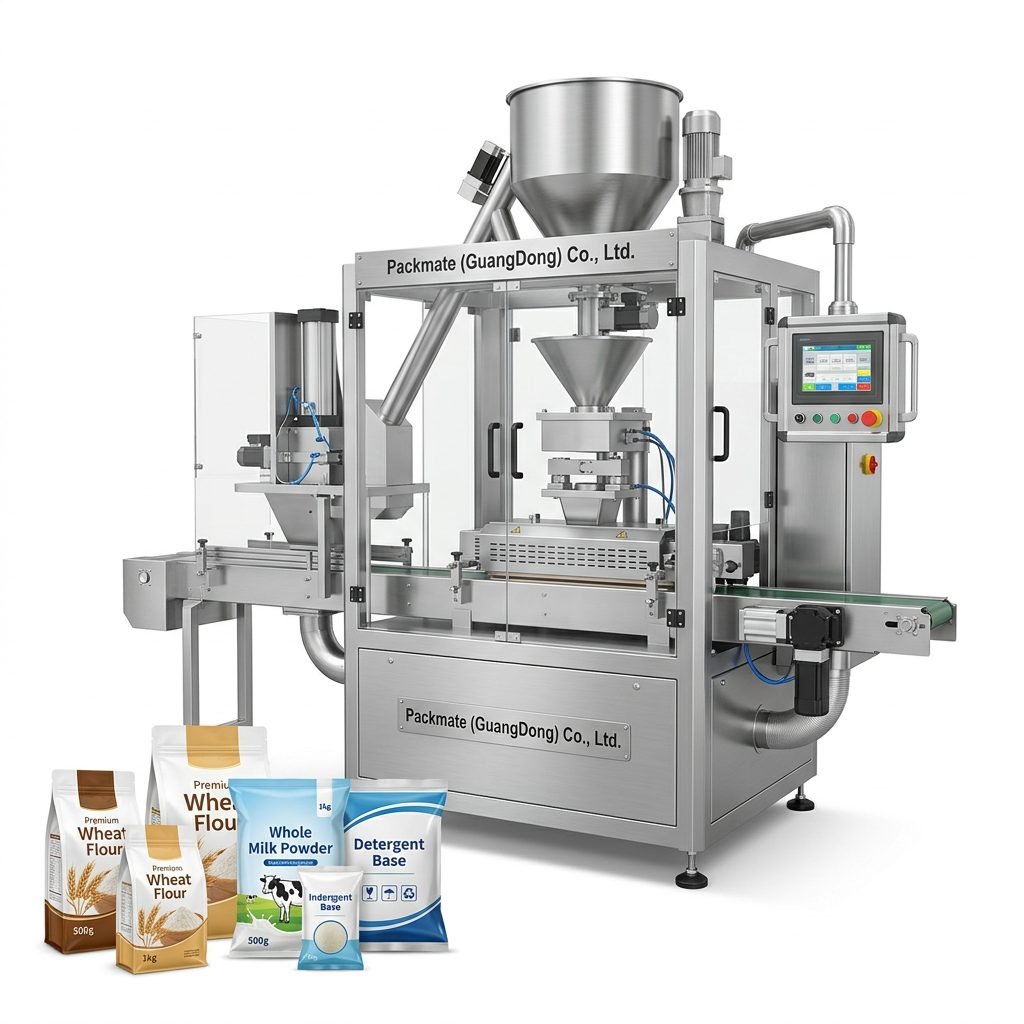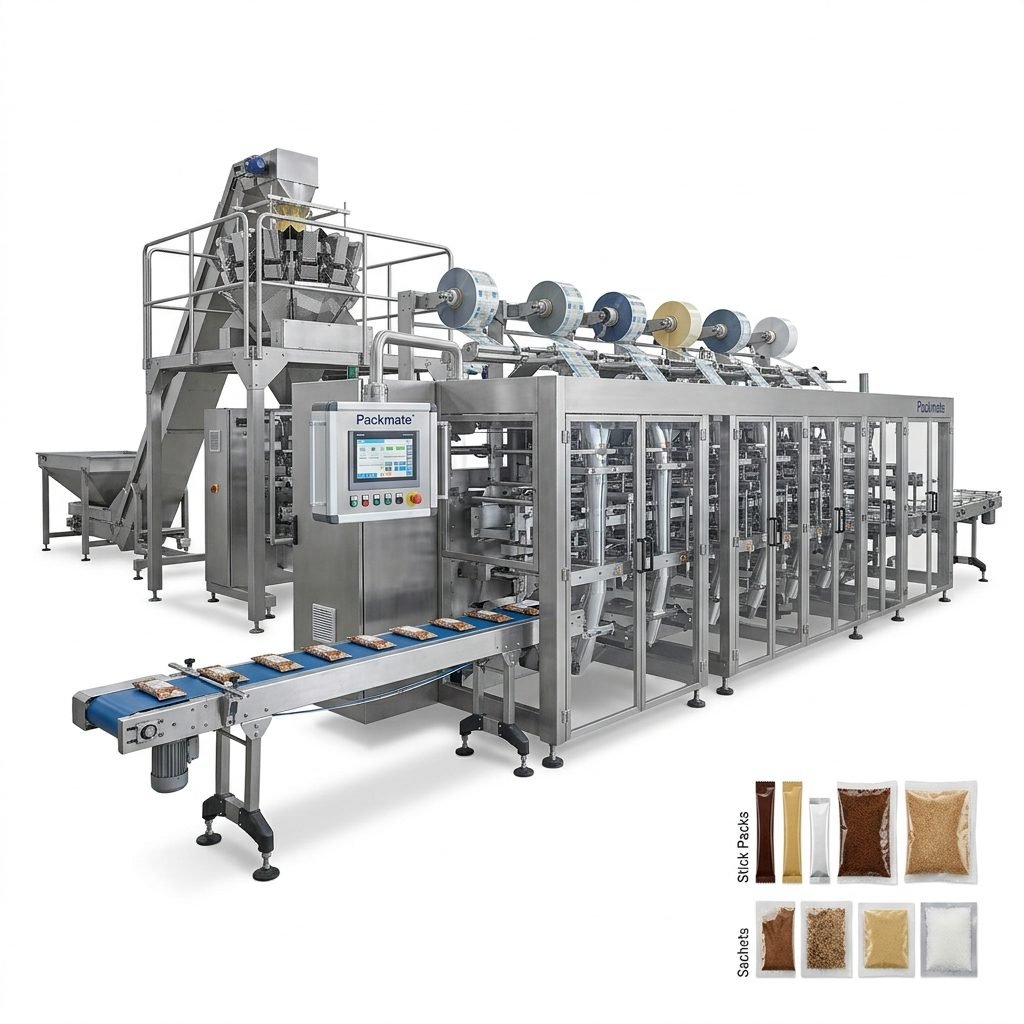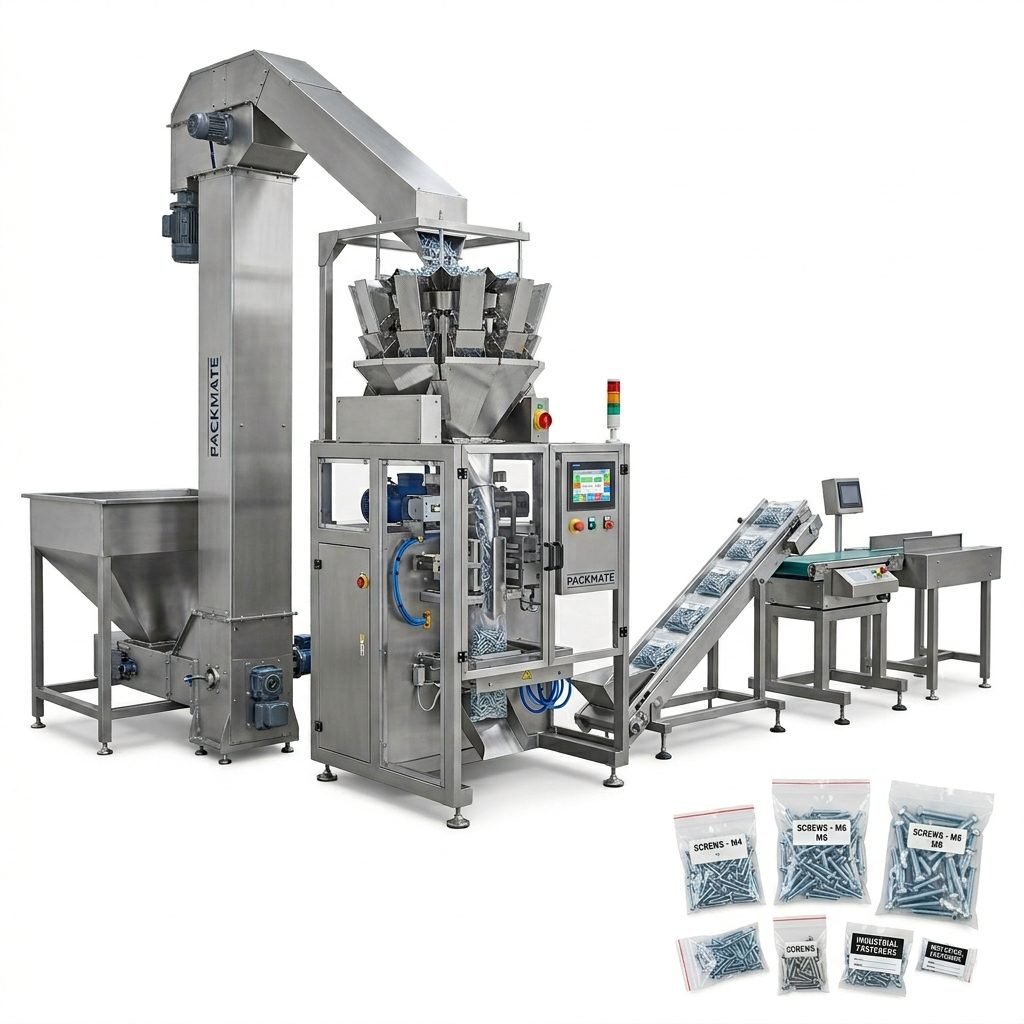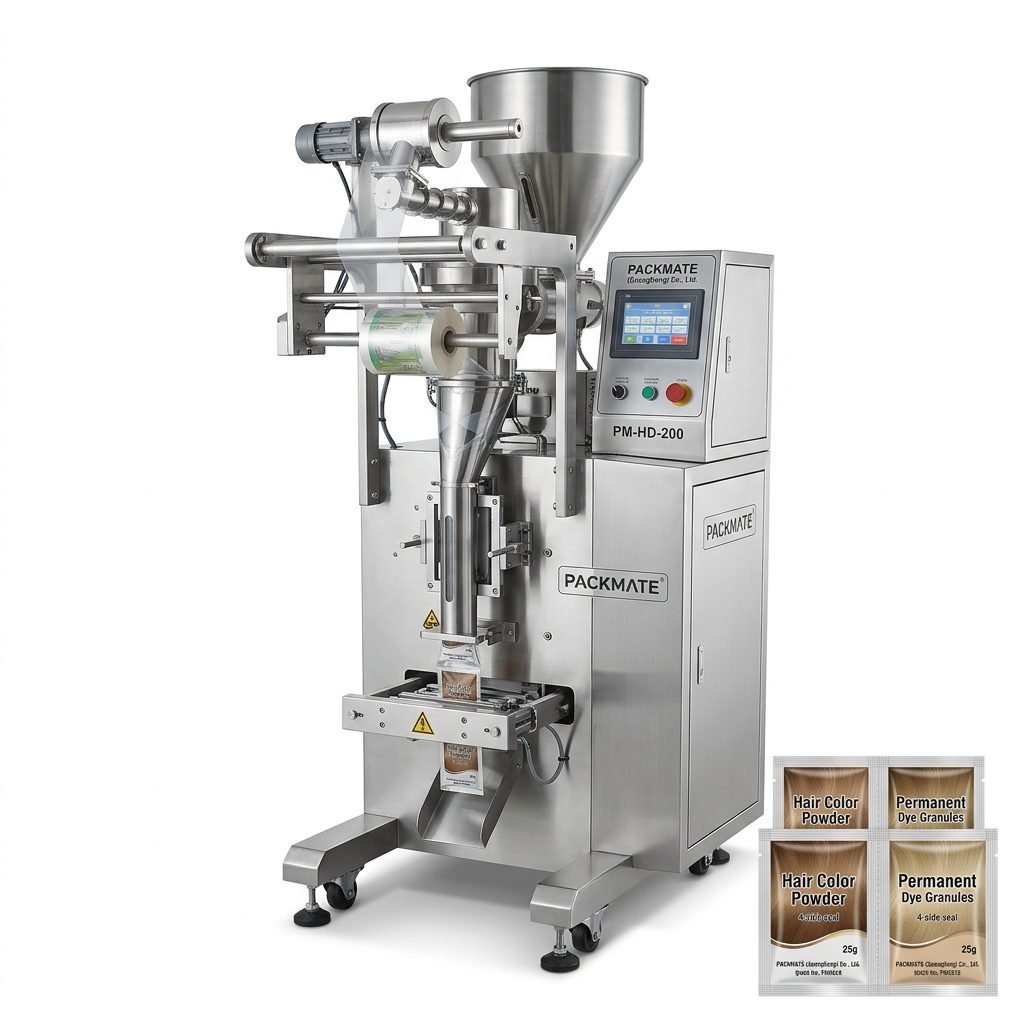
In the dynamic world of modern bakery production, efficiency and adaptability are not just goals—they are necessities. The demand for consistent, high-quality bread products delivered at scale has led to a revolution in packaging technology. At the heart of this revolution lies the Customized Bread Dual Splice Packaging Line, a sophisticated solution designed to meet the exacting needs of automated bakeries. This system represents more than just machinery; it is a comprehensive approach to streamlining operations, reducing waste, and ensuring product integrity from the cooling rack to the supermarket shelf.
The Core Concept: What is a Dual Splice System?
A dual splice packaging line is engineered for continuous, uninterrupted operation. It utilizes two separate rolls of packaging film. While one roll is actively feeding the packaging machine, the other is prepared and ready. At the precise moment the first roll nears depletion, the system automatically splices the new roll onto the running web without stopping the production line. This seamless transition is critical for maintaining high output in a 24/7 bakery environment, eliminating the downtime traditionally associated with roll changes.
Key Components of an Advanced Packaging Line
A fully integrated Customized Bread Dual Splice Packaging Line is a symphony of coordinated machines. It typically includes an automatic bread feeder for gentle product handling, a precision slicer for uniform cuts, the dual splice bagger itself with advanced film control, and a final bag closer or sealer. Each component can be tailored, making it a true turnkey packaging solution that fits seamlessly into your existing factory layout and production workflow.
Driving Efficiency in Automated Production
The primary advantage of this system is its profound impact on Overall Equipment Effectiveness (OEE). By removing stoppages for roll changes, the line achieves near-maximum runtime. This directly translates to a higher number of packaged loaves per shift, optimizing labor and energy costs. Furthermore, the precision of automated splicing and feeding drastically reduces film waste caused by misalignments or manual errors, contributing to both cost savings and sustainability goals.
🔄 The Customization Imperative
No two bakeries are identical. A line must adapt to various bread types—from soft sandwich loaves to crusty artisan breads—and bag sizes. Customization encompasses the bagger’s infeed mechanism to handle delicate products, the slicer’s configuration for different densities, and the film specifications for optimal seal strength and clarity. Partnering with an experienced provider like Packmate (GuangDong) Co., Ltd. ensures the solution is not just purchased but co-engineered for your specific success.
Ensuring Product Freshness and Quality
Beyond speed, the integrity of the bread is paramount. Modern dual splice baggers often integrate with modified atmosphere packaging (MAP) technology. They can flush the bag with a specific gas mixture (like nitrogen and carbon dioxide) before sealing, significantly extending shelf life by inhibiting mold growth and staleness. This preserves the fresh-baked taste and texture that consumers demand, allowing for broader distribution channels. You can explore real-world applications in our detailed project case studies.
The Role of Intelligent Control Systems
Today’s packaging lines are governed by programmable logic controllers (PLCs) and human-machine interfaces (HMIs). These systems offer precise control over every parameter: film tension, seal temperature, splice timing, and gas flush ratios. They provide operators with real-time data on production speed, efficiency, and error logs, enabling proactive maintenance and data-driven decision-making to fine-tune performance continuously.
Investment Analysis: ROI and Long-Term Value
While the initial investment in a customized dual splice line is significant, the return on investment is compelling. The calculation must factor in:
- Increased Output: Revenue gained from additional production capacity.
- Reduced Waste: Savings on packaging film and unsellable product.
- Lower Labor Costs: Reduced manual intervention per packaged unit.
- Enhanced Quality: Value of fewer customer returns and stronger brand reputation.
A reliable line from a provider with a strong track record, such as Packmate with its 22+ years of development, also minimizes long-term maintenance costs and production disruptions.
Integration and Future-Proofing Your Bakery
Implementing a new packaging line is a strategic project. Successful integration requires careful planning for factory floor space, utilities (power, compressed air), and upstream/downstream logistics. Forward-thinking bakeries also consider scalability—choosing a modular system that can be expanded or reconfigured for new products. This future-proofs the investment against changing market trends. For comprehensive support from installation to training, review our dedicated customer service offerings.
In conclusion, a Customized Bread Dual Splice Packaging Line is a transformative asset for any bakery aiming to compete in the modern automated landscape. It is the definitive solution for achieving unparalleled efficiency, unwavering product quality, and operational flexibility. By automating the most critical bottleneck in post-baking operations, it allows producers to focus on innovation and growth, secure in the knowledge that their packaging process is optimized for reliability and performance. To discuss how such a solution can be tailored for your facility, we invite you to initiate a conversation with our engineering team.
Frequently Asked Questions (FAQs)
1. What types of bread are best suited for a dual splice packaging line?
These lines are highly versatile and can be customized for most bread types, including pre-sliced sandwich loaves, unsliced artisan bread, buns, rolls, and even delicate pastries. The key is customizing the infeed conveyor, handling mechanisms, and slicer (if needed) to match the product’s size, weight, and fragility.
2. How much downtime is eliminated with the dual splice system?
Traditional single-roll systems require a complete production stop for a roll change, which can take several minutes and occur multiple times per shift. A dual splice system performs this change automatically and without stopping, effectively eliminating this category of downtime and increasing productive runtime by 5-15%, depending on operation scale.
3. Can this line integrate with Modified Atmosphere Packaging (MAP)?
Absolutely. Most modern dual splice baggers are designed to be fully compatible with MAP technology. They include integrated gas flushing stations that replace the air inside the bag with a preservative gas mixture before sealing, which is crucial for extending the shelf life of bakery products.
4. What is the typical lead time for a customized line?
Lead time varies based on the complexity of customization and current production schedules. For a standard configured line, it typically ranges from 12 to 20 weeks from order confirmation to delivery. A detailed timeline will be provided during the project planning phase.
5. What kind of after-sales support and training is provided?
Reputable suppliers offer comprehensive support. This includes on-site installation supervision, detailed operator and maintenance technician training, a warranty period, and access to spare parts. Providers like Packmate also offer remote diagnostic support and have service teams available to ensure continuous operation.