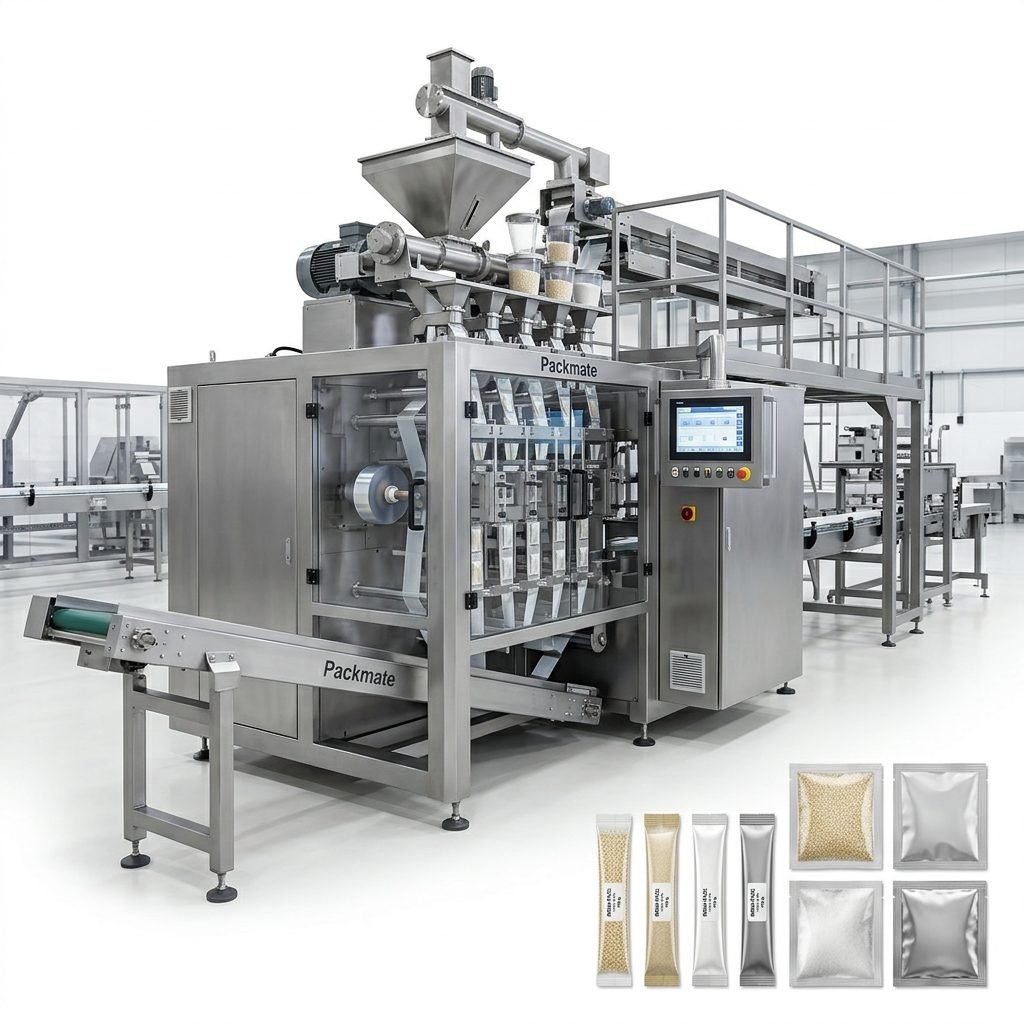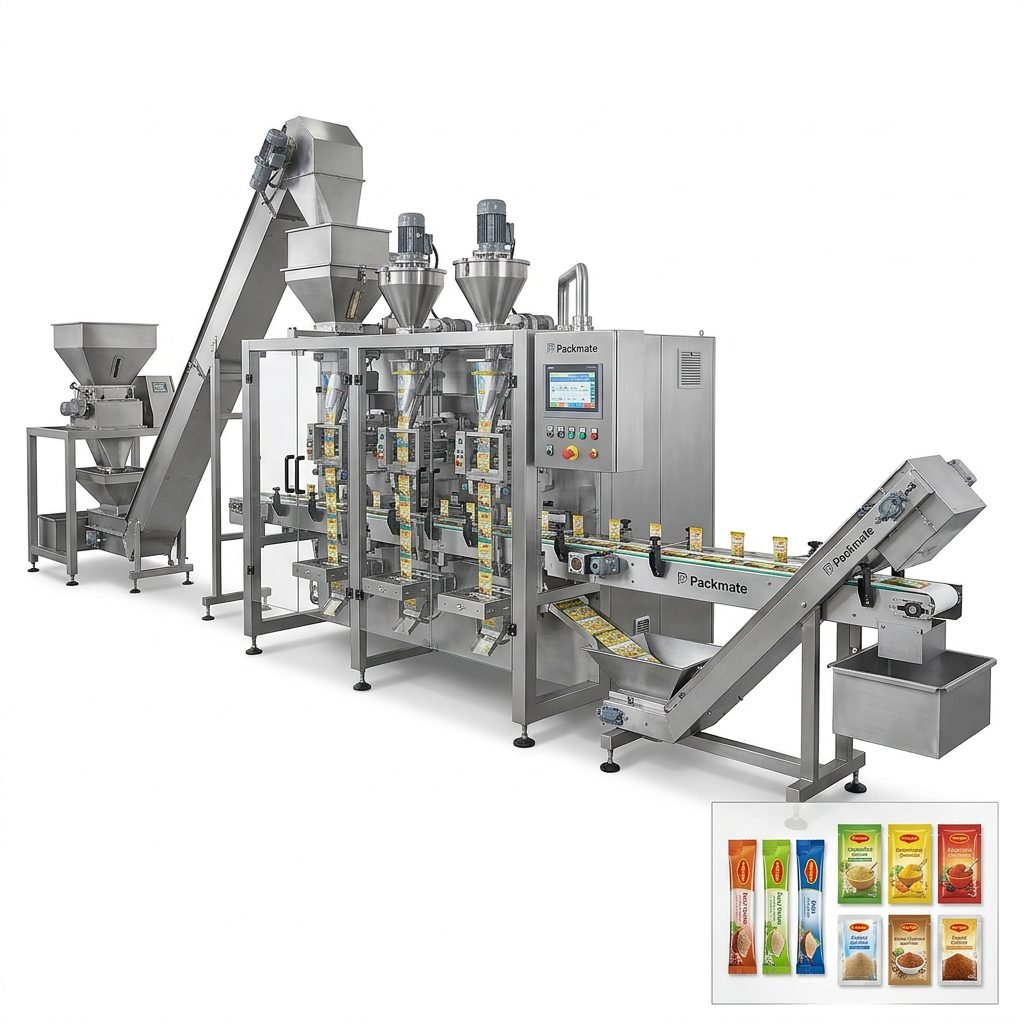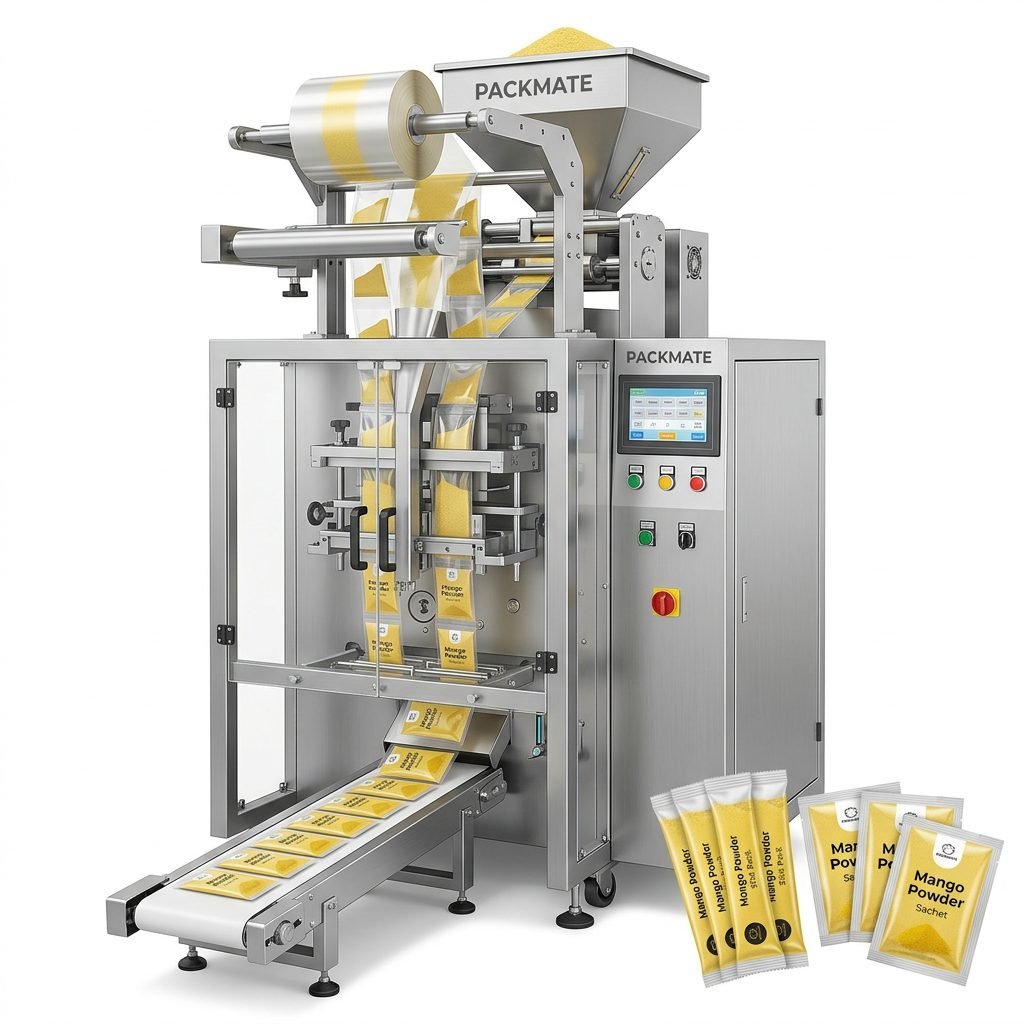
In the high-stakes world of pharmaceutical manufacturing, precision, efficiency, and compliance are non-negotiable. The packaging of tablets and capsules is a critical final step that directly impacts product integrity, patient safety, and brand reputation. A Customized Automatic Tablet and Capsule Case Packaging Line represents the pinnacle of technological advancement in this domain, offering a seamless, intelligent, and adaptable solution for modern production facilities. This integrated system goes beyond mere automation; it is a strategic asset designed to meet the unique challenges of pharmaceutical production, from stringent regulatory demands to the need for flexible, small-batch runs.
The Core Components of an Advanced Packaging Line
An effective automatic packaging line is a symphony of synchronized machines, each performing a specific role with impeccable accuracy. Understanding these components is key to appreciating the system’s value.
Primary Feeding and Sorting Systems
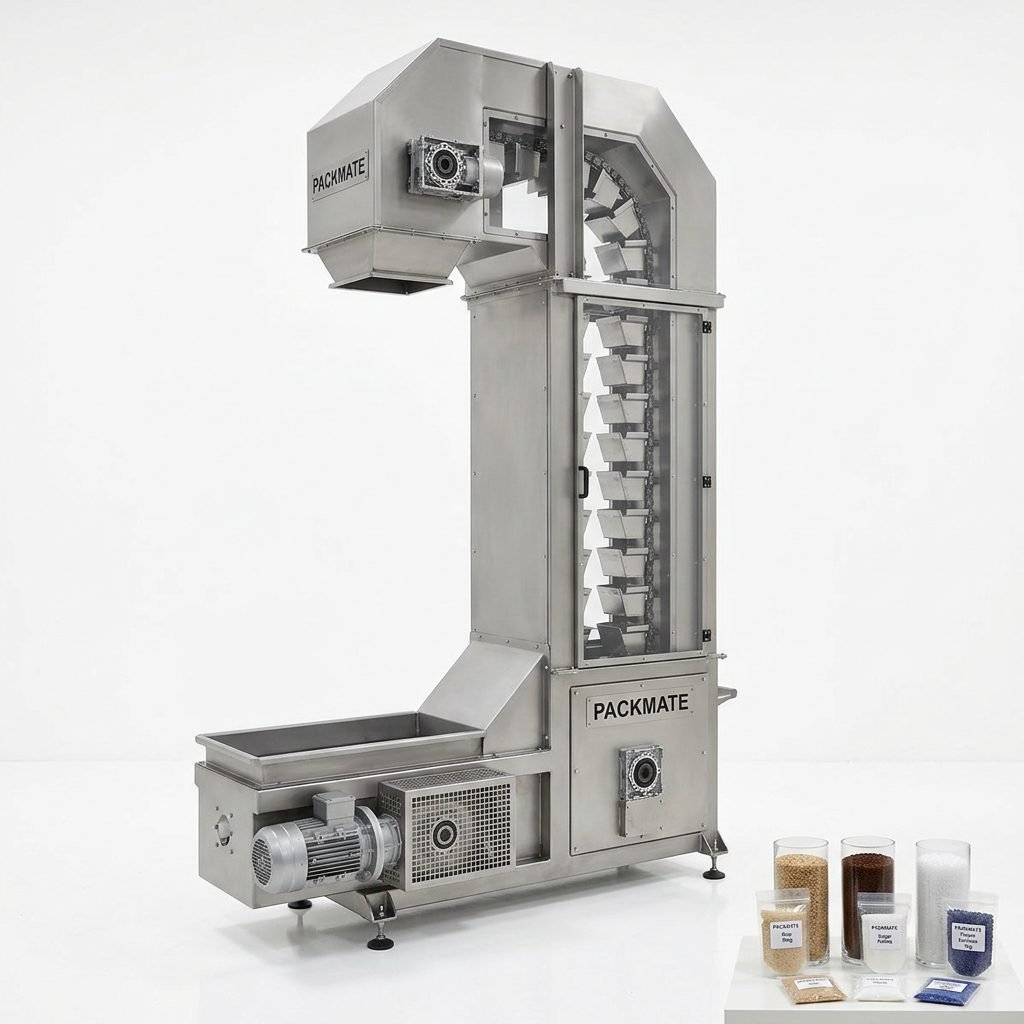
The process begins with the precise handling of bulk product. Advanced vibratory feeders, elevators, and sorting mechanisms gently yet efficiently channel tablets or capsules into the packaging stream. Modern systems incorporate vision inspection at this early stage to reject damaged or malformed units, ensuring only perfect products proceed. This initial quality gate is crucial for maintaining Good Manufacturing Practice (GMP) standards and minimizing waste.
Key Advantage: Gentle Product Handling
Pharmaceutical products, especially film-coated tablets or delicate capsules, are susceptible to chipping and breakage. Customized lines are engineered with low-friction surfaces, controlled vibration, and soft-transfer mechanisms to preserve product integrity from start to finish, a critical factor often detailed in our packaging solutions.
The Intelligent Case Packer
This is the heart of the line. The case packer automatically forms cardboard or plastic cases, precisely inserts the filled blister packs, bottles, or other primary containers, and securely seals the case. Customization here is extensive. Machines can be configured for various case sizes, styles (tuck-end, glue-end, etc.), and insertion patterns. High-end models feature robotic arms for flexible placement, adapting to different product case studies and batch requirements without lengthy changeovers.
Integrated Labeling and Coding
Traceability is paramount in pharmaceuticals. Integrated print-and-apply labelers or inkjet coders automatically mark each case with essential information: batch number, expiration date, manufacturing date, and unique serialization codes as required by regulations like the U.S. Drug Supply Chain Security Act (DSCSA) or the EU Falsified Medicines Directive. This data is often linked to a central monitoring system, creating a complete digital history for every packaged unit.
Why Customization is Not a Luxury, But a Necessity
Off-the-shelf packaging equipment often forces manufacturers to adapt their processes to the machine’s limitations. In pharmaceutical production, the opposite must occur. A customized line is tailored to fit specific operational realities.
Adapting to Product Diversity
A single facility may produce everything from small, round tablets to large, oblong capsules. A customized line accounts for this variety with quick-change parts, adjustable guides, and programmable settings that allow rapid switching between product formats. This flexibility supports the industry trend towards smaller, more specialized production batches.
Meeting Space and Layout Constraints
Factory floor space is valuable. Engineers from a provider like Packmate design lines that fit into existing footprints, whether a straight-line layout, an L-shape, or a U-shape configuration. The integration of vertical elevators and compact modules maximizes throughput per square meter.
Ensuring Regulatory Compliance by Design
Customization ensures compliance is built-in, not retrofitted. This includes using easy-to-clean, sanitary-grade stainless steel surfaces, incorporating dust extraction systems for powder containment, and designing open frameworks that prevent material accumulation and facilitate audits. The line’s software can also be customized to enforce operator login protocols, maintain electronic batch records, and prevent incorrect parameter settings.
The Role of Industry 4.0 and IoT Integration
The modern packaging line is a data hub. Sensors collect real-time data on speed, efficiency rates, downtime causes, and product counts. This information is displayed on HMIs (Human-Machine Interfaces) and can be fed into a factory’s Manufacturing Execution System (MES). Predictive maintenance alerts notify engineers of potential component wear before a failure occurs, dramatically improving Overall Equipment Effectiveness (OEE). This smart connectivity transforms the packaging line from a cost center into a source of actionable business intelligence.
Tangible Benefits for Pharmaceutical Producers
Investing in a customized automatic case packing line delivers a compelling return on investment across multiple dimensions.
Unmatched Operational Efficiency: Automation eliminates manual handling bottlenecks, enabling consistent, high-speed packaging 24/7. Lines can achieve speeds of dozens of cases per minute, far surpassing manual labor while reducing physical strain on workers.
Superior Product Protection and Quality: Automated systems handle products and packaging materials with consistent, measured force. This reduces the risk of damage, contamination, and mispackaging events that can lead to costly recalls and damage to brand trust.
Significant Cost Reduction: While the initial investment is substantial, the long-term savings are profound. Reduced labor costs, lower waste from errors, decreased product damage, and optimized material usage all contribute to a stronger bottom line. Furthermore, the reliability of a well-engineered line minimizes costly unplanned downtime.
Enhanced Scalability and Future-Proofing: A customized line is designed with growth in mind. Modular designs allow for capacity upgrades or the addition of new functions (like serialization) as business needs and regulations evolve. This protects the capital investment for the long term.
Choosing the Right Partner for Your Packaging Line
The success of such a critical project hinges on selecting an experienced and reliable equipment partner. Look for a provider with a proven track record in pharmaceutical-grade machinery, deep engineering expertise, and a commitment to after-sales support. A partner should offer comprehensive services from initial consultation and factory layout planning to installation, validation support (IQ/OQ/PQ), and ongoing technical service. Reviewing their industry certifications and client testimonials is an essential step.
In conclusion, a Customized Automatic Tablet and Capsule Case Packaging Line is far more than a collection of machines. It is a strategically engineered system that ensures quality, drives efficiency, ensures compliance, and provides scalability. In an industry where margins for error are zero, such precision and reliability are indispensable for securing a competitive advantage and, most importantly, safeguarding patient health.
Frequently Asked Questions (FAQs)
1. What is the typical lead time for a customized packaging line?
Lead time varies significantly based on the line’s complexity, level of customization, and current production schedules. A standard configuration might take 3-6 months from order to delivery, while a highly complex, fully integrated system can require 6-12 months. Detailed project planning with your supplier will establish a clear timeline.
2. How do you ensure the line meets GMP and FDA requirements?
Reputable manufacturers design with compliance in mind. This includes using 316L or 304 stainless steel for contact parts, providing full documentation (machinery dossiers, material certificates), designing for cleanability, and supporting the validation process with necessary documentation protocols and factory acceptance test (FAT) plans.
3. Can the line handle different case sizes and styles?
Yes, flexibility is a key benefit of customization. Modern case packers are designed for quick changeover. By switching out forming mandrels, adjustment guides, and gripper heads, and loading different program recipes, the line can accommodate a range of case dimensions and styles (e.g., RSC, HSC, tray) often within minutes.
4. What kind of after-sales support and training is provided?
Comprehensive support is critical. This should include on-site installation and commissioning by factory engineers, detailed operational and maintenance training for your staff, a robust supply of spare parts, and access to remote technical support. Many providers offer service contracts for preventive maintenance.
5. How is the line integrated with our existing production equipment?
Integration is a core part of the design phase. Engineers will analyze your upstream equipment (e.g., blister machines, bottling lines) and downstream systems (e.g., palletizers). The case packer will be designed with compatible interfaces, conveyors, and control system communication (often via PLC or industrial Ethernet) to ensure a smooth, end-to-end material flow. For more answers, visit our dedicated FAQs page.