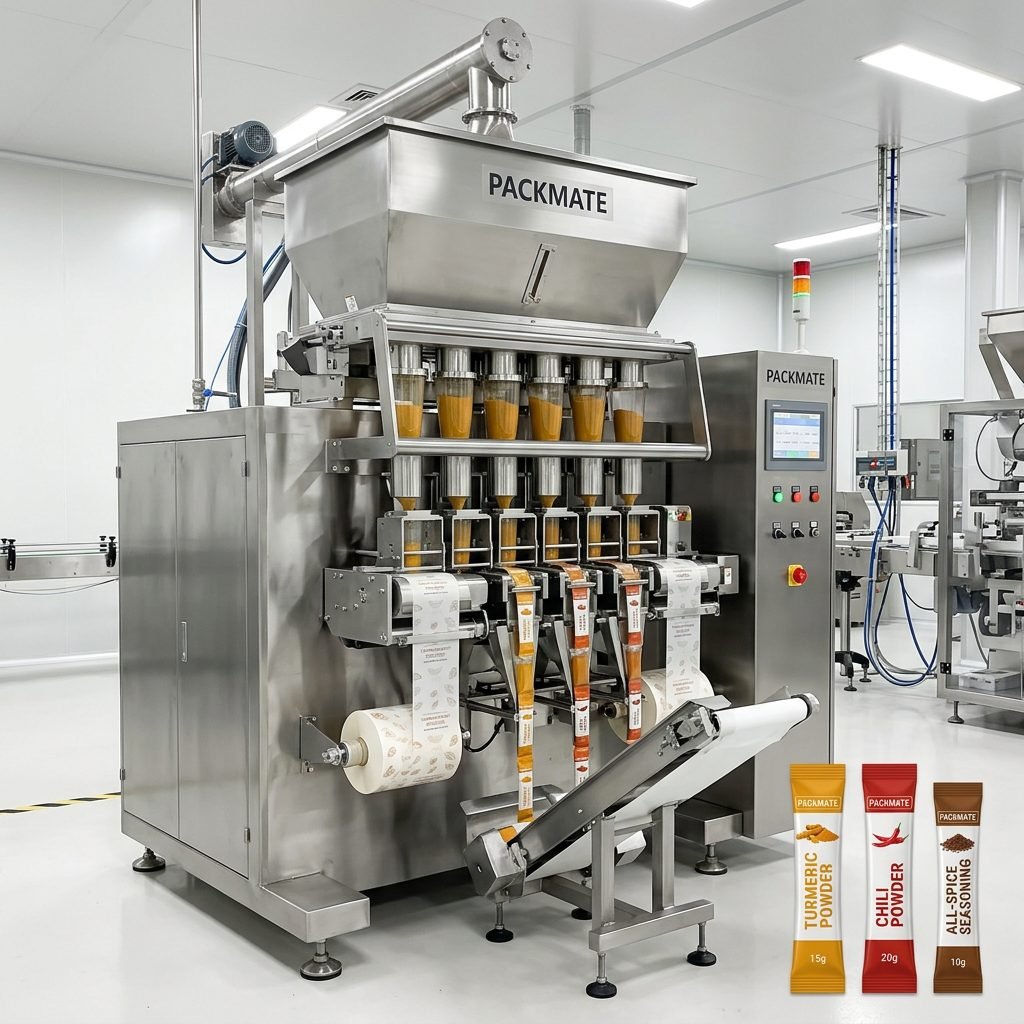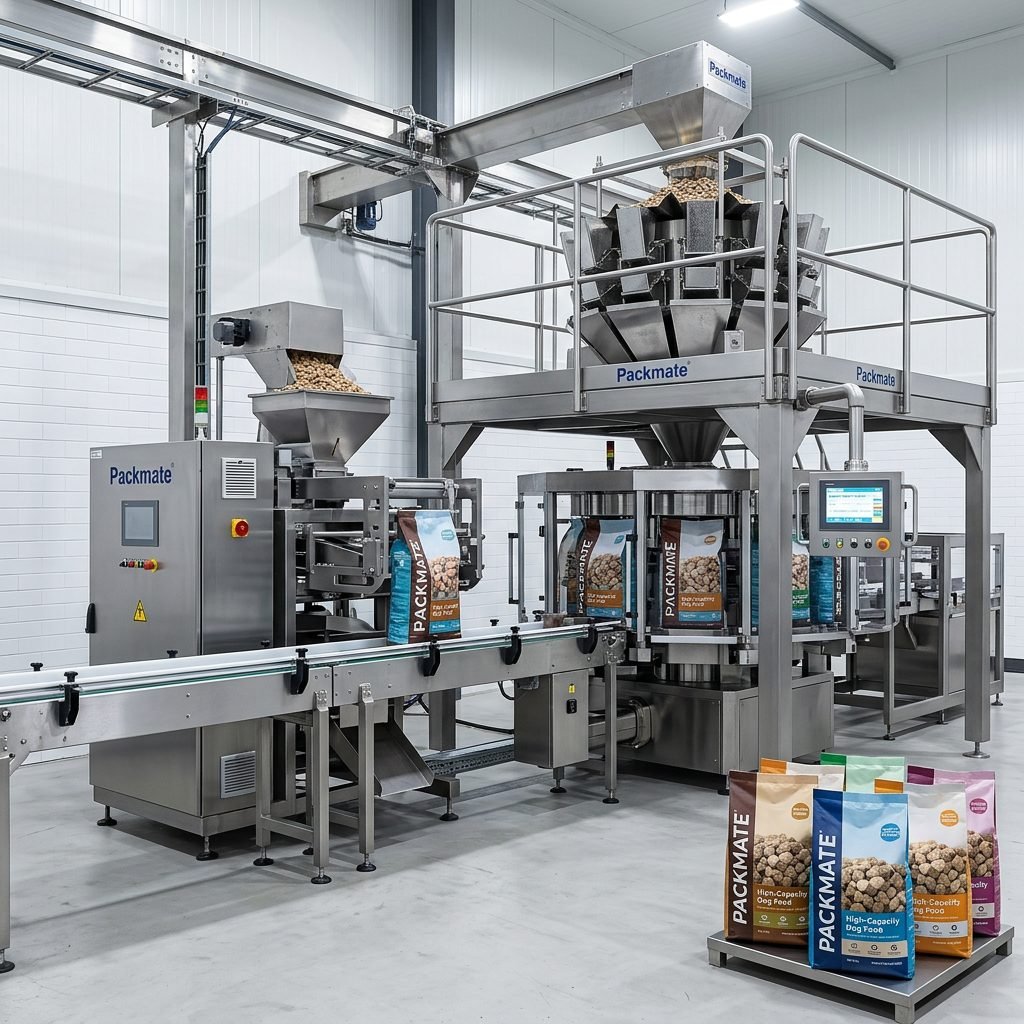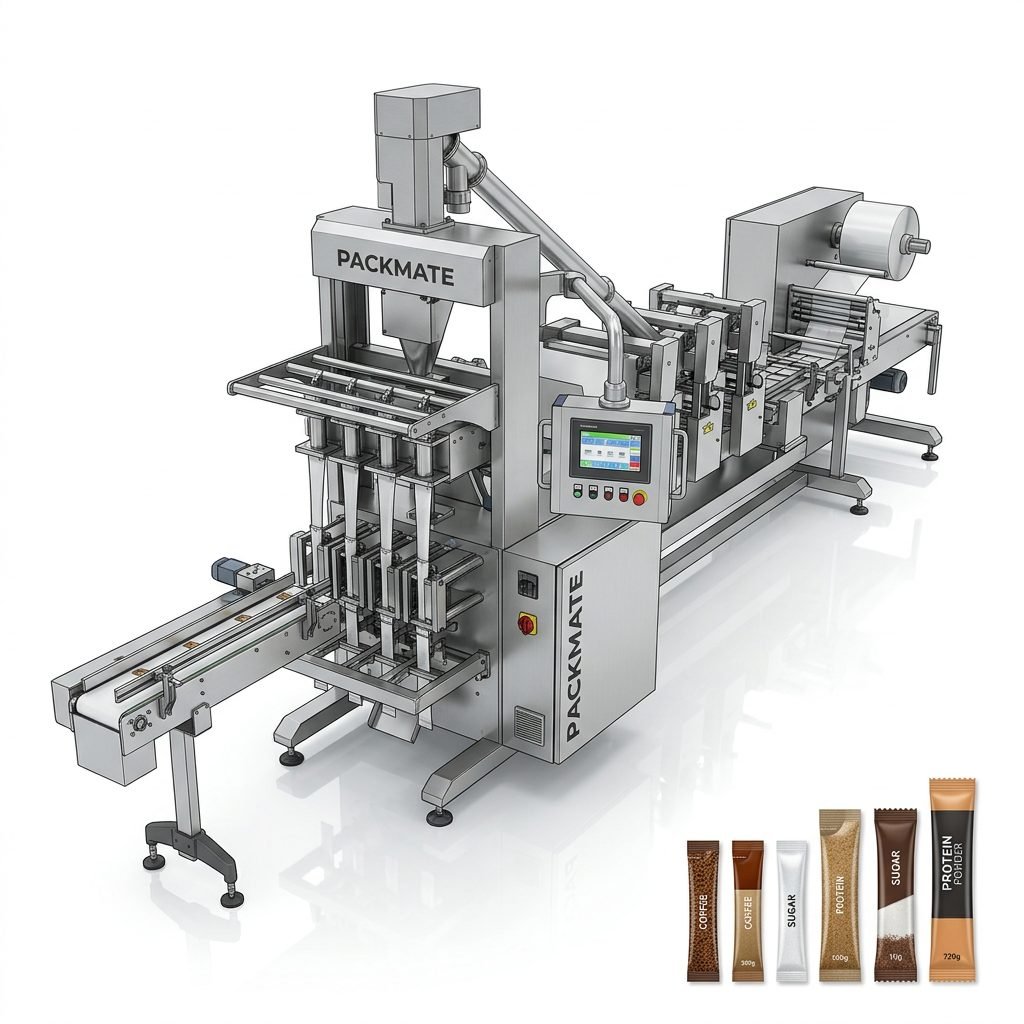
In the fast-paced world of modern bakery production, efficiency and precision are non-negotiable. The journey from oven-fresh loaf to shelf-ready product is a critical phase where packaging plays a starring role. For bakeries handling high volumes of specialty or artisanal bread, a standard single-lane packaging system often becomes a bottleneck. This is where the strategic implementation of a Custom Bread Dual Splice Packaging Line transforms operations, delivering unparalleled efficiency and reliability for automatic bakery packing.
Understanding the Dual Splice Advantage
At its core, a dual splice packaging line is engineered for continuous, high-speed operation. Unlike single-lane systems that must stop to reload film rolls, a dual splice mechanism utilizes two film rolls feeding into the machine. As one roll nears its end, the system automatically splices the tail of the expiring roll to the leader of the new roll—seamlessly and without interrupting the production flow. This technology is particularly transformative for bread packaging, where maintaining a consistent seal and protecting product freshness are paramount.
Key Benefit: The elimination of downtime for film changeovers directly translates to higher Overall Equipment Effectiveness (OEE). For a bakery running multiple shifts, this can mean hundreds of additional packaged units per day, maximizing the return on investment in automation. To explore how such solutions integrate into a full production ecosystem, visit our comprehensive Packaging Solutions page.
Core Components of an Efficient Bakery Packing Line
A truly efficient automatic bakery packing solution is more than just a wrapper. It is a synchronized symphony of specialized machinery, each component optimized for handling delicate baked goods.
1. The Intelligent Infeed & Conveying System
Gentle handling is crucial to prevent damage to crusty loaves or soft sandwich bread. Custom-designed conveyors with adjustable speeds and guides ensure products are presented to the packaging machine in perfect orientation and spacing. Advanced systems may include metal detection and automatic weight verification at this stage.
2. The Dual Splice Vertical Form-Fill-Seal (VFFS) Machine
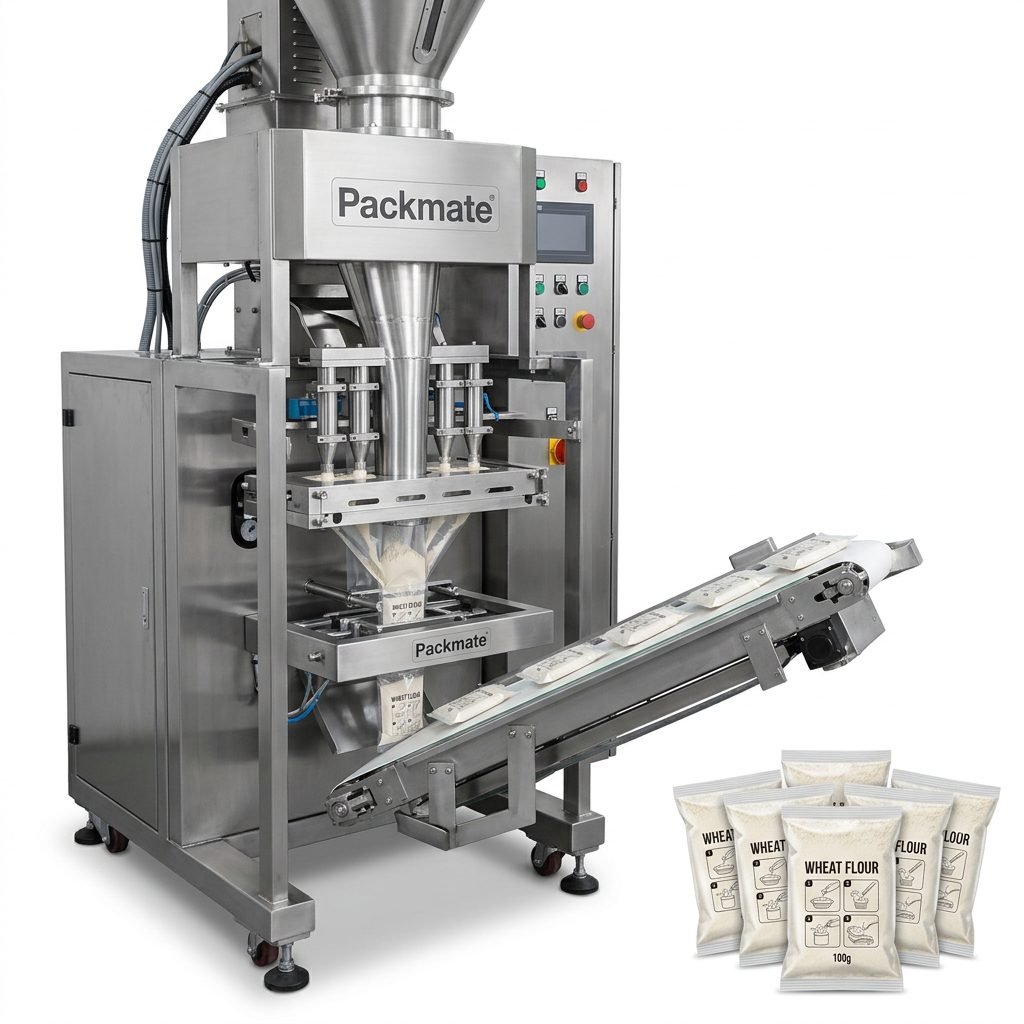
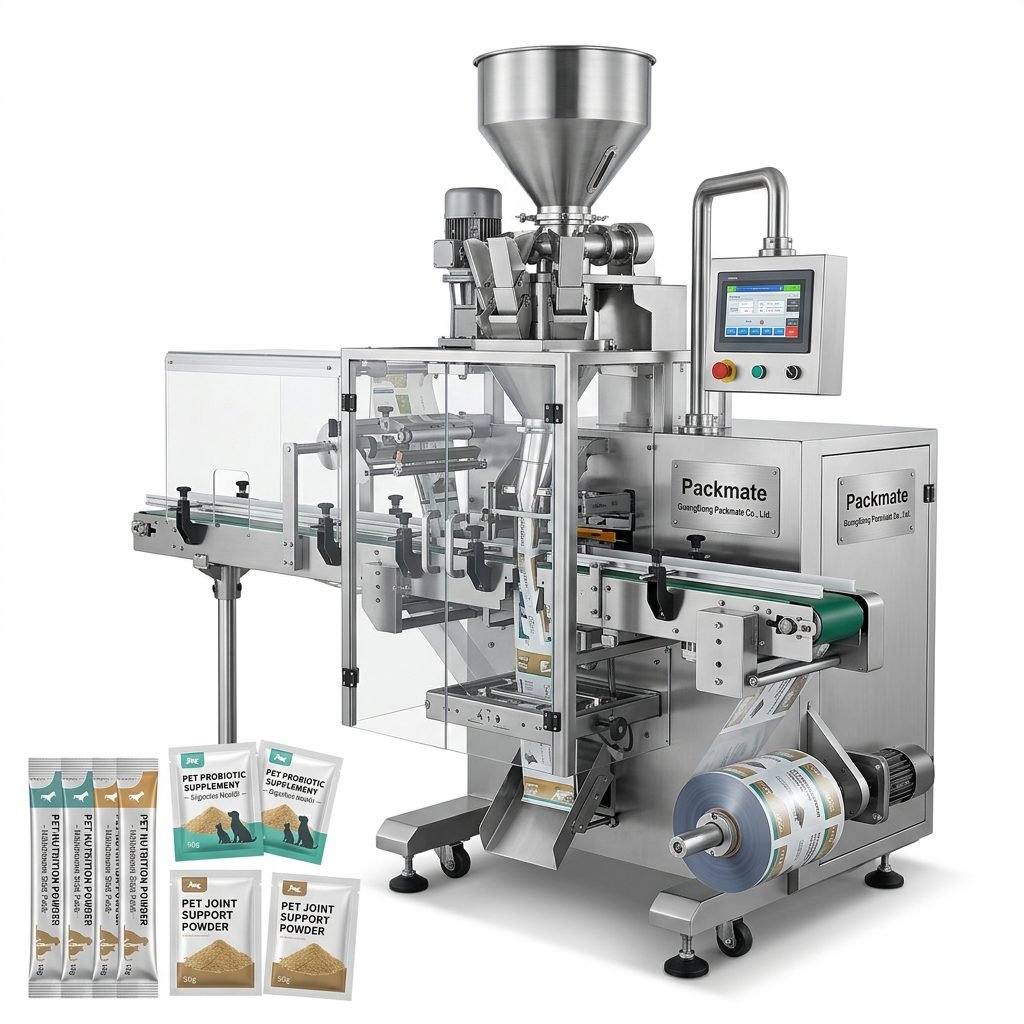
This is the heart of the line. The VFFS machine forms the packaging film from the roll into a tube, fills it with the product, and creates secure seals. The dual splice feature ensures this process never stops. Modern machines offer precise temperature control for perfect seals on various polymer films and easy changeover between different bread sizes or bag styles.
3. Integrated Checkweigher & Rejection System
Quality control is automated. An in-line checkweigher instantly weighs each packaged loaf. Underweight or overweight packages are automatically rejected, ensuring every product that proceeds meets strict weight specifications and regulatory compliance.
4. Downstream Handling: Coding, Collating, and Cartoning
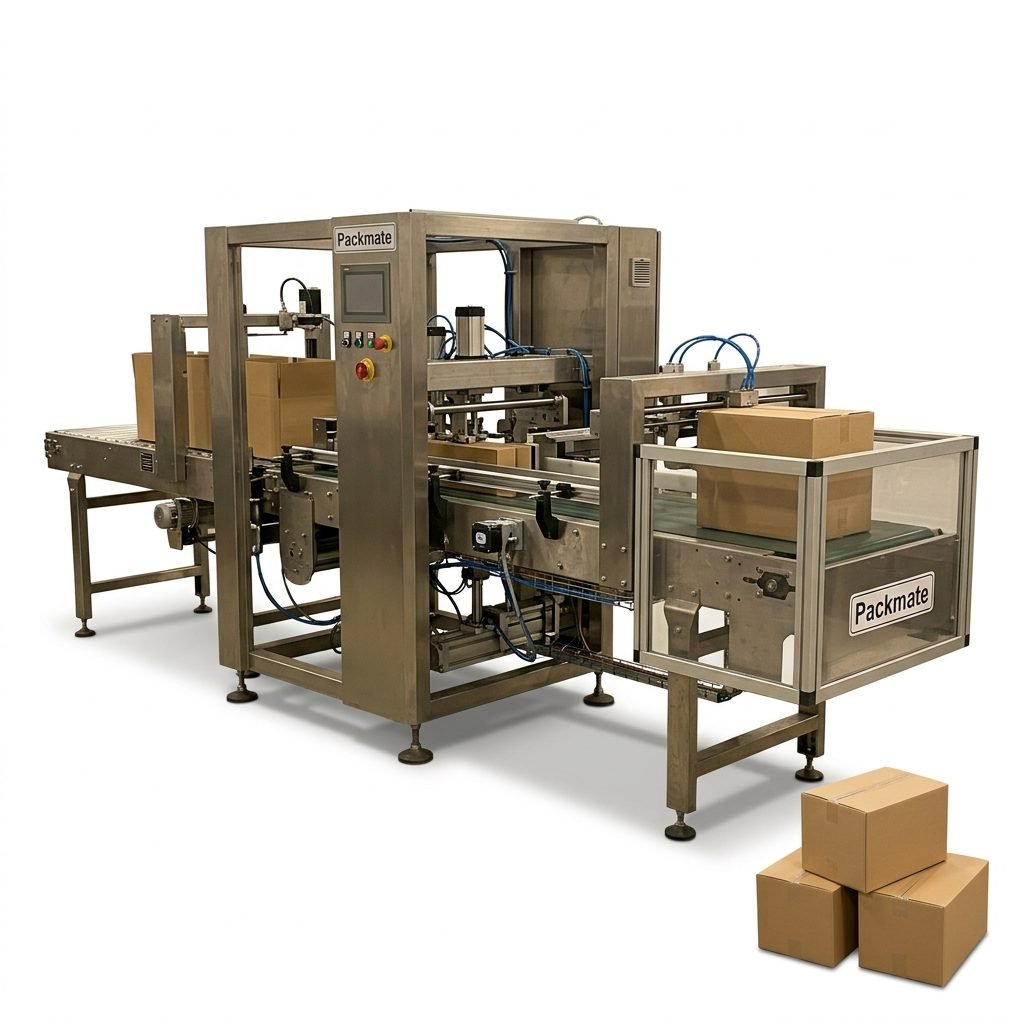
Post-primary packaging, the line can integrate inkjet or laser coders for batch dates and barcodes. Loaves can then be collated into groups and automatically loaded into cartons or trays, ready for palletizing and shipment. This end-to-end automation is a hallmark of a turnkey Packmate Packaging Line.
Why Customization is Not Optional
Bread is not a monolithic product. A line packaging delicate French baguettes has different requirements than one handling dense multigrain loaves or soft hamburger buns. A custom solution accounts for:
- Product Characteristics: Size, shape, weight, crust softness, and crumb structure.
- Packaging Material: Type of film (e.g., PP, PET), required barrier properties (moisture, oxygen), and printing specifications.
- Production Goals: Target output speed (bags per minute), shift patterns, and future scalability needs.
- Factory Layout: Optimizing the line footprint to fit existing floor space and workflow.
This tailored approach ensures the machinery works in harmony with the product, not against it. Our team’s deep expertise in creating such bespoke systems is detailed in our Company Profile.
Tangible Benefits for Your Bakery Operation
Investing in a custom dual splice line delivers measurable returns across the entire operation.
↪ Dramatically Increased Output: Uninterrupted operation maximizes machine uptime, directly boosting production capacity and meeting peak demand effortlessly.
↪ Superior Product Integrity & Freshness: Consistent, reliable seals lock in freshness and prevent contamination. Gentle handling preserves the visual appeal and texture of the bread.
↪ Significant Material & Labor Savings: Reduced film waste from efficient roll splicing and minimized giveaway from precise weighing lower material costs. Automation drastically reduces manual labor requirements and associated costs.
↪ Enhanced Flexibility & Scalability: Quick changeover capabilities allow for running multiple product types on the same line. The modular design allows for easy future expansion.
↪ Robust Data & Traceability: Integrated sensors and SCADA systems provide real-time data on output, efficiency, and downtime, enabling data-driven decisions and full batch traceability.
Partnering with an Expert: The Packmate Advantage
Implementing such an advanced system requires a partner with proven experience and holistic support. With over 30 years of specialization in packaging automation, Packmate (GuangDong) Co., Ltd. brings more than just machinery. We deliver peace of mind through a collaborative partnership. Our process begins with a deep analysis of your needs, followed by engineering a custom line, manufacturing it in our 20,000㎡ facility, and providing comprehensive installation, training, and after-sales service. Seeing is believing—browse real-world implementations in our global Case Studies portfolio.
Frequently Asked Questions (FAQs)
Q1: How much production increase can we realistically expect with a dual splice system compared to our current single-roll machine?
A: While dependent on your specific operation, typical gains range from 15% to 30% in overall effective output. This comes from eliminating 5-10 minutes of downtime per film roll changeover, which accumulates significantly over multiple shifts and days.
Q2: Are these lines suitable for packaging very delicate or irregularly shaped artisanal bread?
A> Absolutely. Customization is key. We design gentle infeeds with custom guides and buckets, and can adjust forming tubes and sealing jaws to accommodate unique shapes like braided challah or ciabatta without crushing or deforming them.
Q3: What is the typical lead time for a custom turnkey bread packaging line?
A: Lead times vary based on complexity but generally range from 4 to 6 months from final design approval to factory acceptance testing. This includes engineering, manufacturing, and pre-delivery testing to ensure flawless performance.
Q4: How do you ensure the line will integrate with our existing bakery production and downstream logistics?
A> Our engineers conduct a thorough site assessment. We design the line’s footprint, conveyor heights, and control interfaces to seamlessly connect with your existing upstream mixers/ovens and downstream cartoning or palletizing systems.
Q5: What kind of after-sales support and training do you provide?
A> We provide comprehensive on-site installation supervision, detailed operator and maintenance technician training, and a robust support package including remote diagnostics, a library of technical documentation, and readily available spare parts to ensure maximum uptime for your investment.