In the dynamic and fast-paced world of biscuit manufacturing, efficiency and product integrity are paramount. For businesses operating in or exporting to China, understanding the local market’s emphasis on high-volume production, stringent hygiene standards, and the cultural preference for perfectly presented, fresh goods is crucial. A China Cookies Packaging Line is not merely a set of machines; it is a strategic solution tailored to meet these specific demands, automating the critical stages of filling, sealing, and wrapping to ensure consistency, speed, and market-ready appeal.
The Core of Modern Biscuit Production: Automated Packaging
The journey from oven-fresh biscuit to shelf-ready product hinges on the packaging process. Manual handling is not only slow and labor-intensive but also introduces risks of contamination and product damage. An integrated packaging line transforms this bottleneck into a seamless, high-speed operation. For manufacturers looking to scale production or enter the competitive Chinese market, investing in a robust packaging solution is a decisive step toward growth and brand reliability.
Why Automation is Non-Negotiable in China’s Market
China’s manufacturing sector is characterized by its scale and sophistication. Consumers expect affordability without compromising on quality. Automated packaging lines directly address this by:
- Driving Down Unit Costs: High-speed automation significantly reduces labor costs per unit, a critical factor in price-sensitive markets.
- Ensuring Hygiene and Safety: Minimized human contact aligns with China’s strict food safety regulations (e.g., GB standards) and consumer expectations for clean, safe products.
- Maintaining Consistent Quality: Every biscuit is filled, sealed, and wrapped identically, protecting flavor and crispness—a key attribute for freshness-conscious consumers.
Deconstructing the Automated Cookie Packaging Line
A comprehensive solution for automated biscuit filling, sealing, and wrapping is a symphony of coordinated machinery. Each component plays a vital role in the workflow.
1. Automated Feeding and Orienting Systems
This is the first critical stage. Biscuits, often delicate, are gently transferred from cooling conveyors and precisely oriented for the filling process. Advanced systems use vision technology or gentle mechanical guides to handle even irregularly shaped biscuits without breakage, ensuring a smooth flow into the primary packaging stage.
2. Precision Filling and Weighing Modules
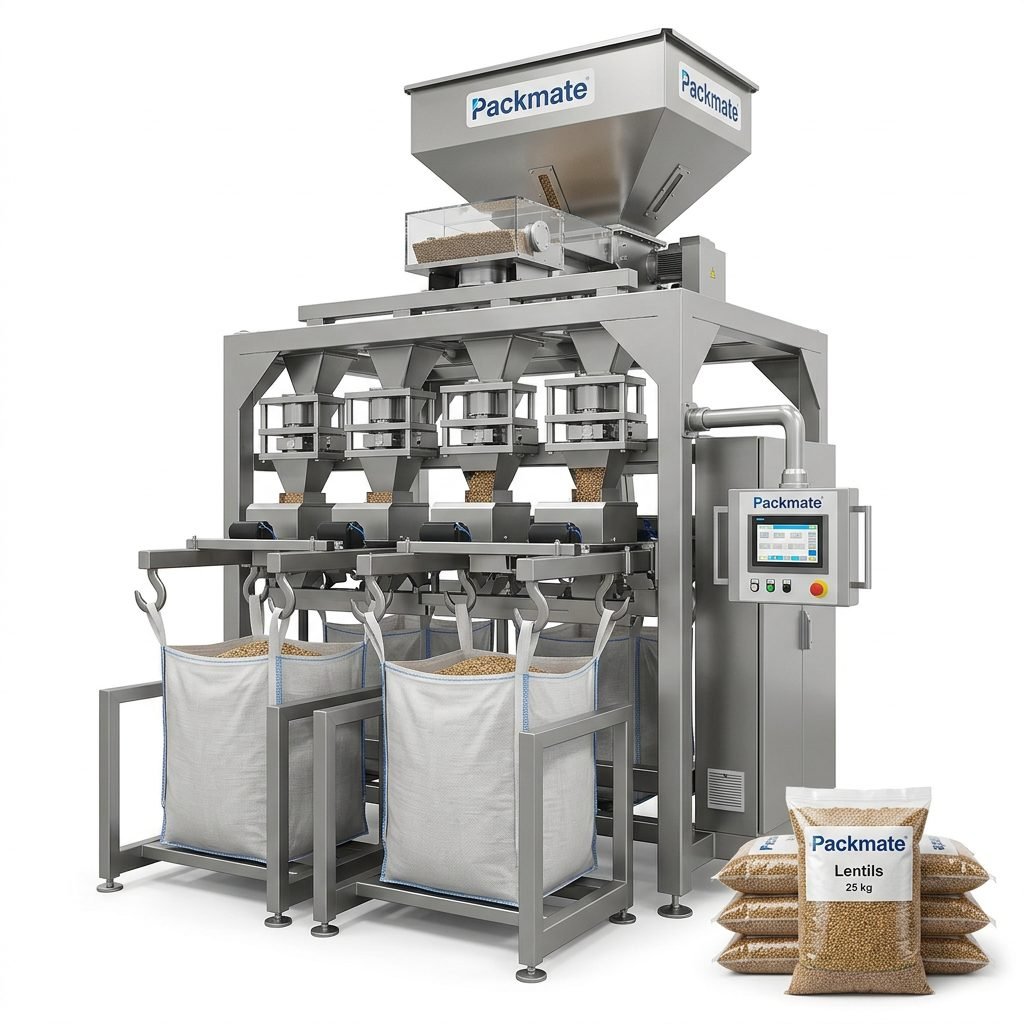
Accuracy is everything. Whether packaging individual biscuits, stacks, or assortments, multi-head weighers or volumetric fillers ensure each packet contains the exact weight promised. This is not just about consumer trust; it is a matter of regulatory compliance and cost control, preventing “giveaway” that erodes profit margins on high-volume runs.
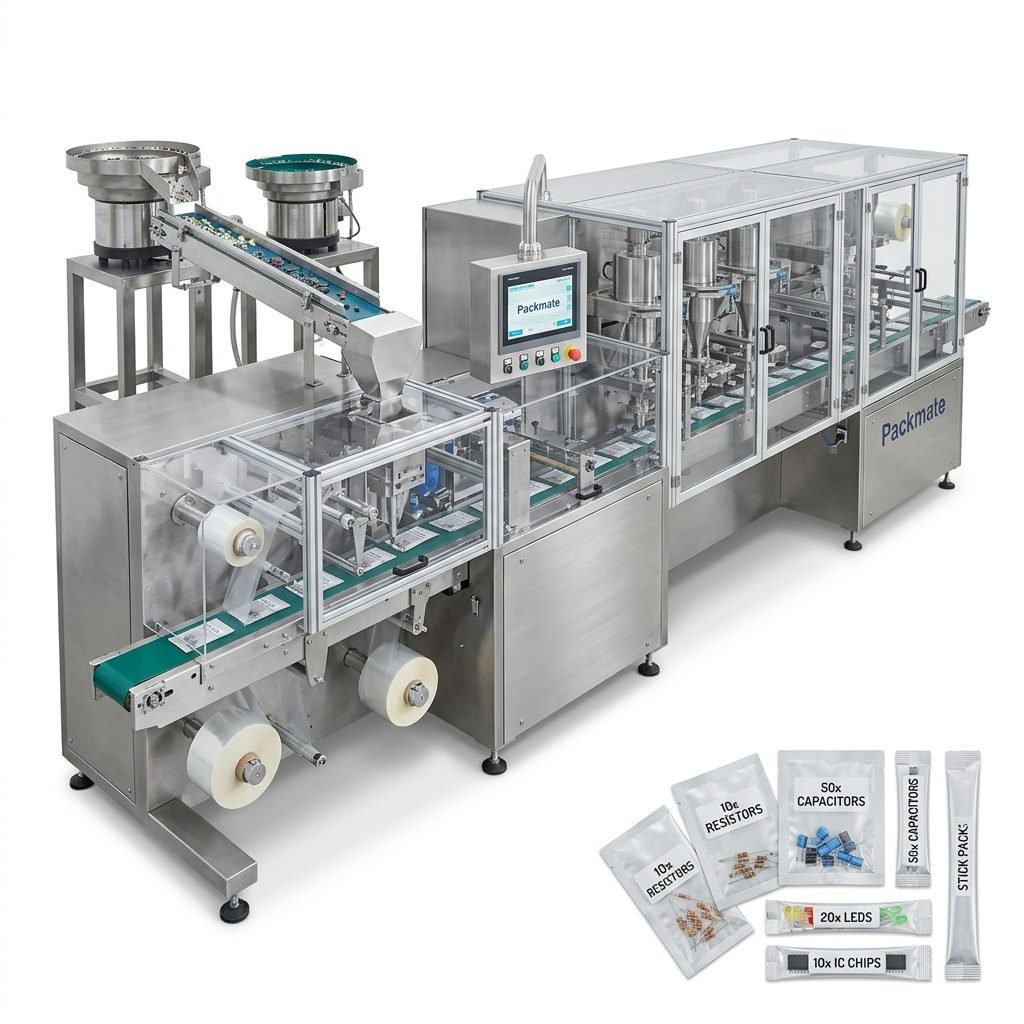
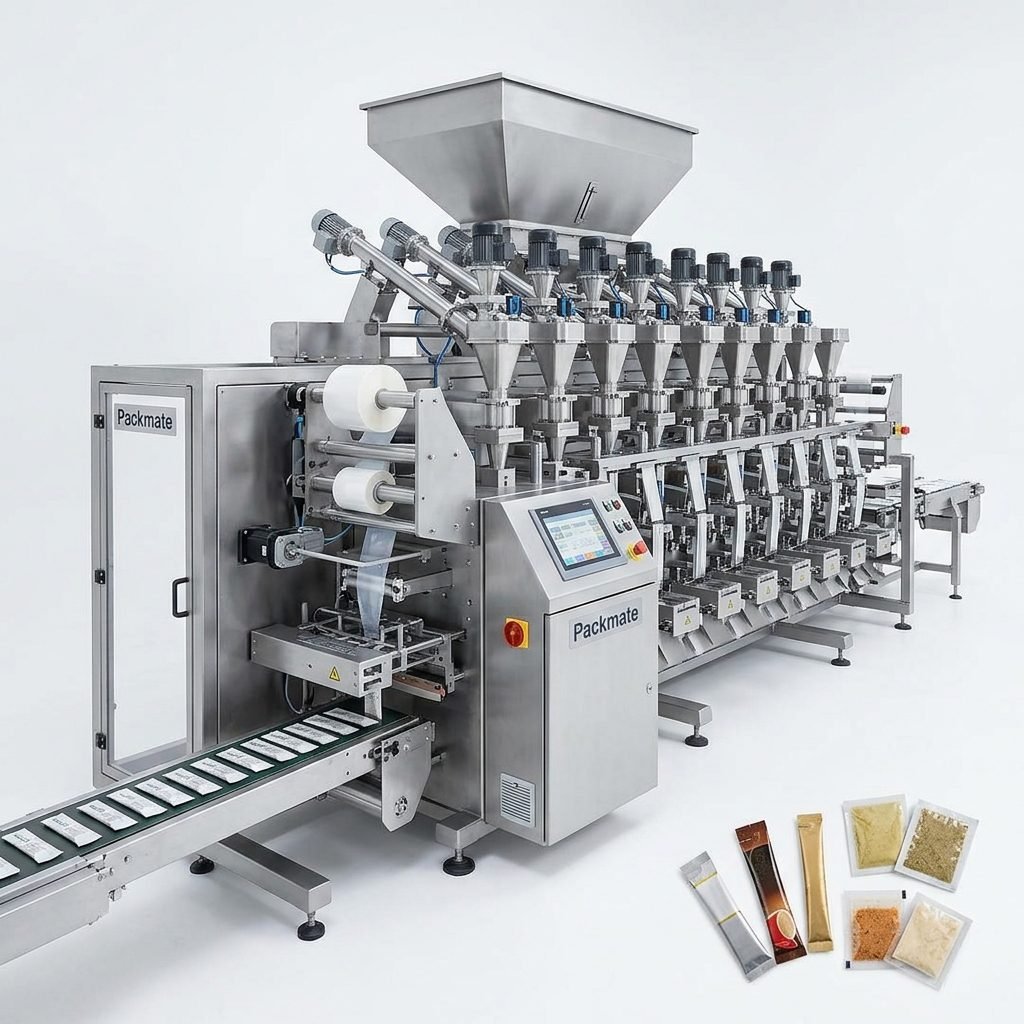
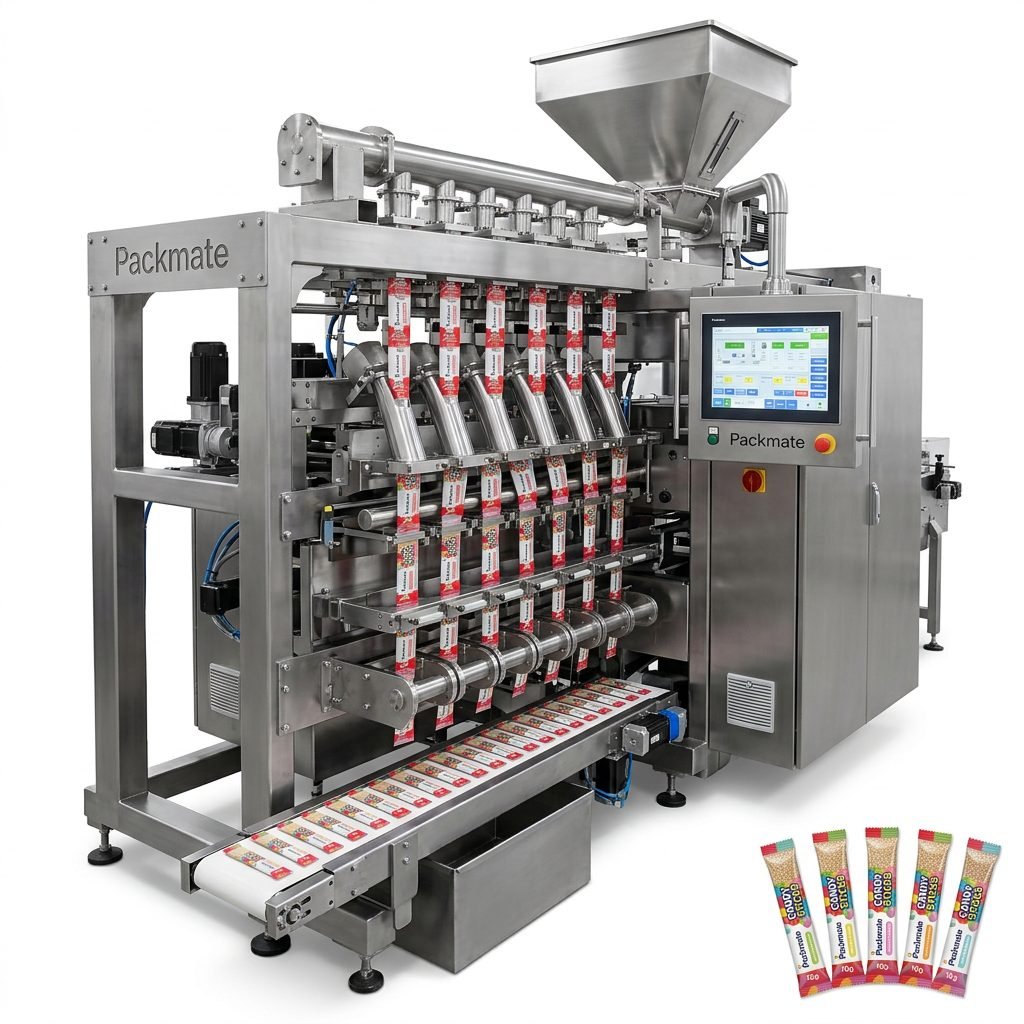
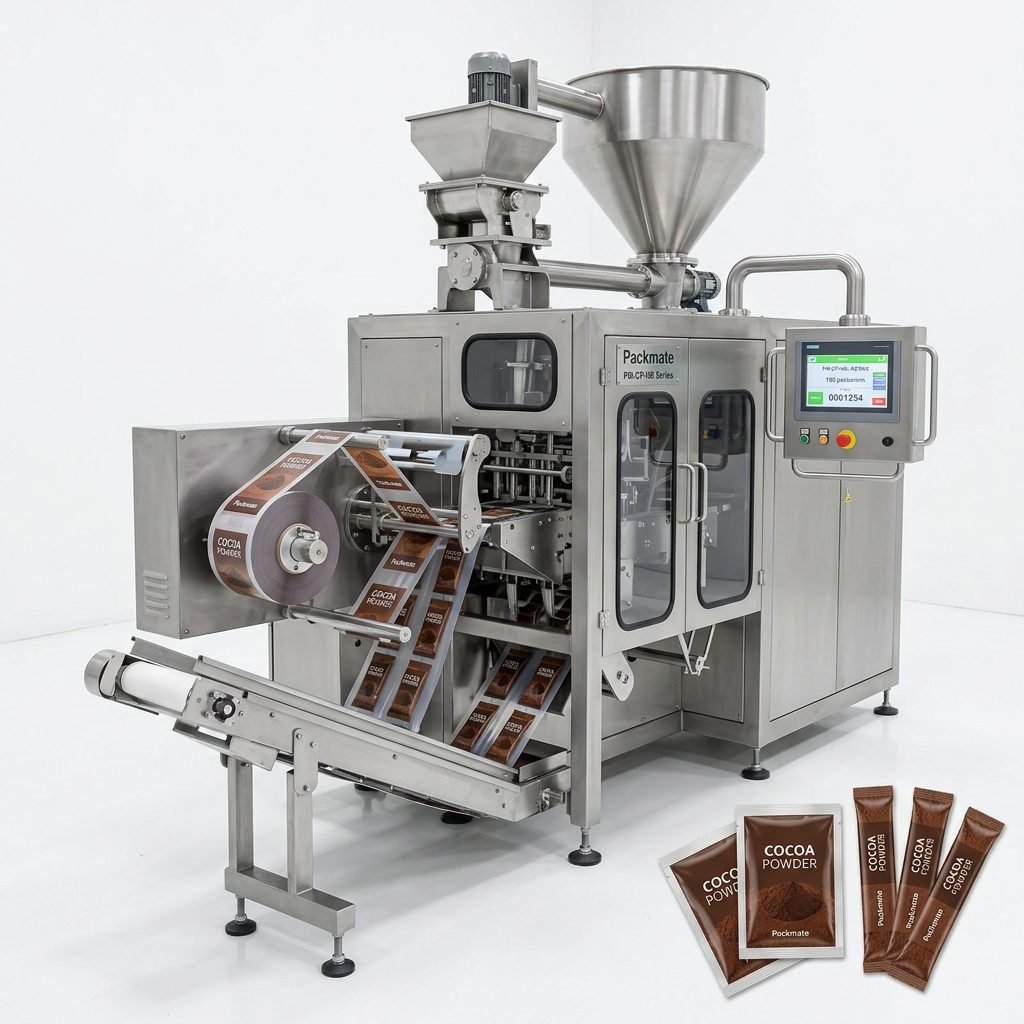
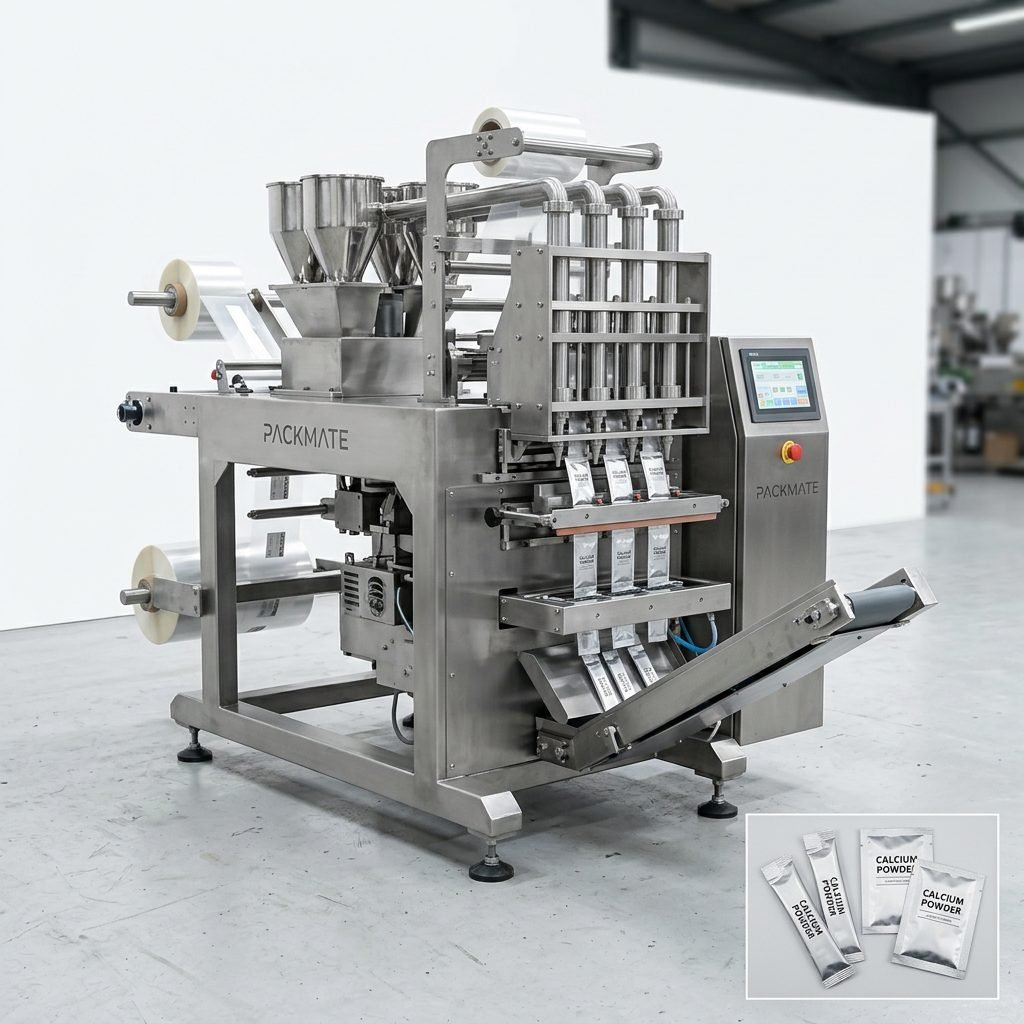
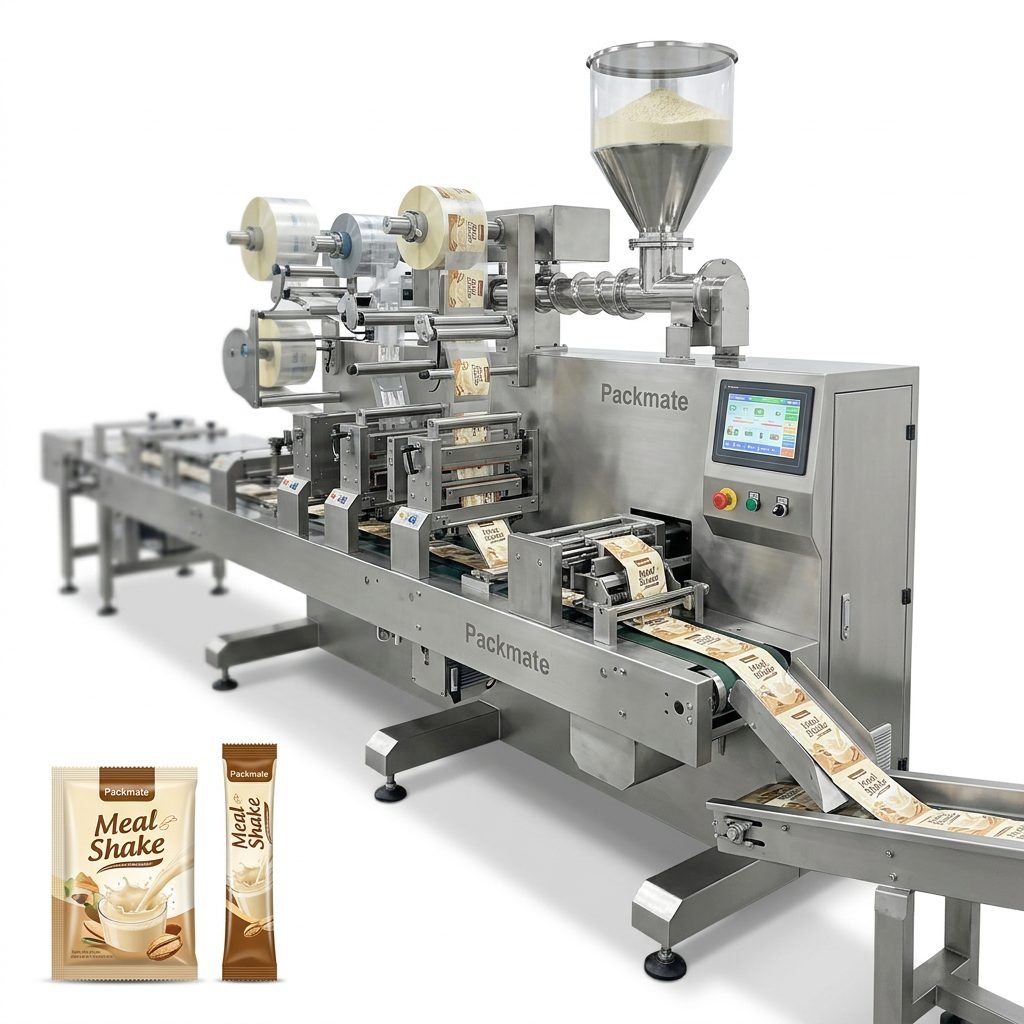
3. High-Speed Form-Fill-Seal (FFS) Wrapping
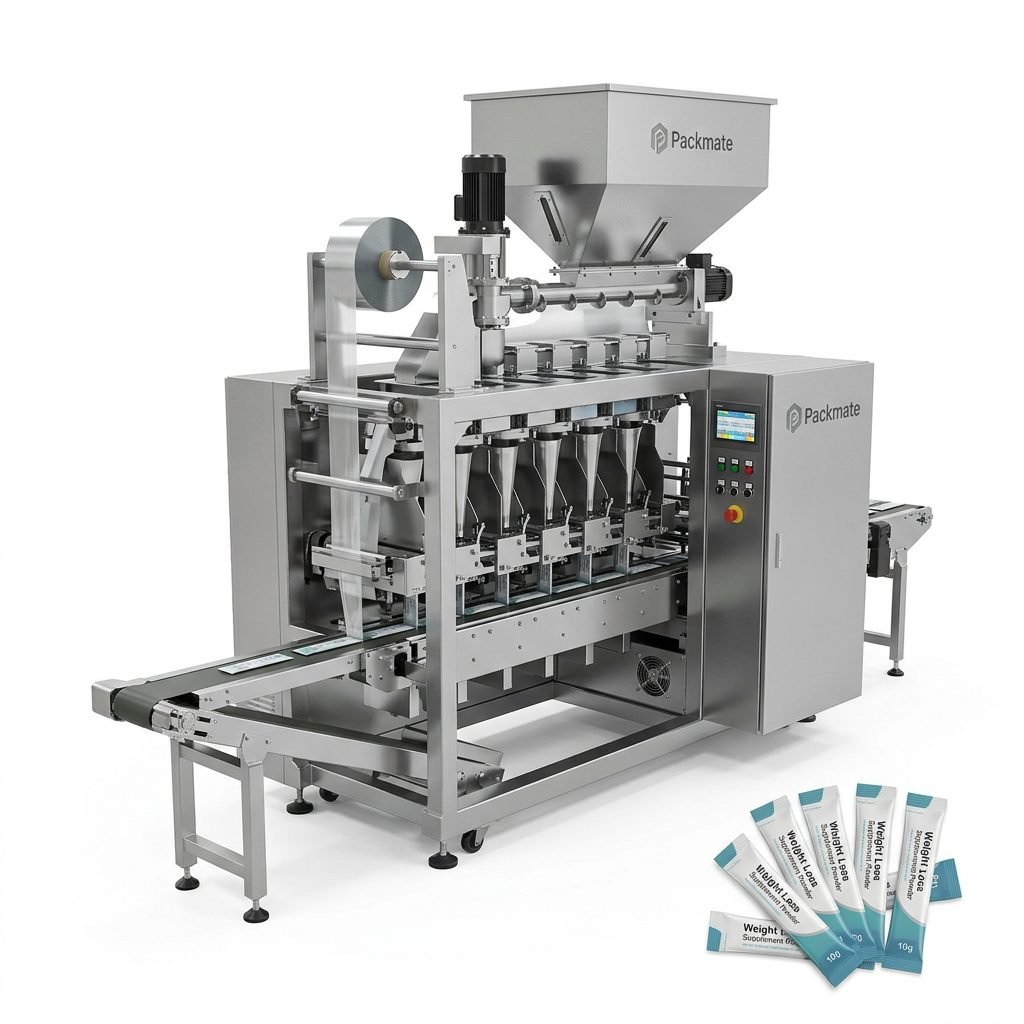
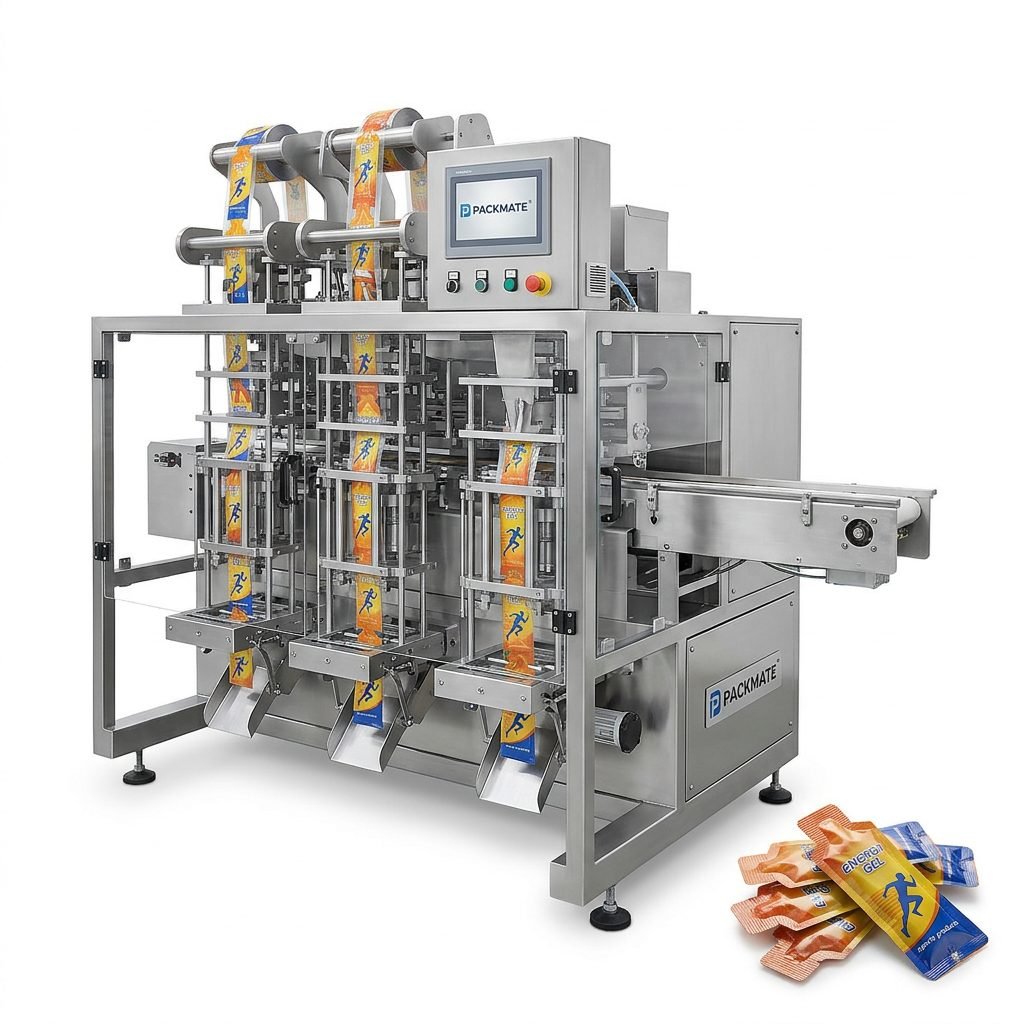
The heart of the packaging line. Here, packaging film—be it flexible plastic, metallized film for premium appeal, or eco-friendly materials—is formed into bags or pouches around the biscuits. The system then fills them and hermetically seals them in one continuous motion. Modern FFS machines offer incredible flexibility, allowing quick changeovers for different packet sizes, shapes, and packaging materials, which is essential for producing varied product lines.
Key Feature: Advanced Sealing Technology
A strong, consistent seal is the primary barrier against moisture and air, the enemies of biscuit freshness. Look for lines featuring:
🔹 Computer-controlled heat sealing for uniform temperature and pressure.
🔹 Integrity check systems (e.g., pressure decay tests) to automatically reject any poorly sealed packets.
🔹 The ability to handle various laminates, including those with high-quality print for vibrant, brand-strengthening graphics.
4. Secondary Packaging and Cartoning
Once individually wrapped, packets are collated into sales units—such as boxes, cartons, or display trays. Automated cartoners erect, load, and seal outer packaging with precision. This stage often includes automatic insertion of promotional leaflets or coupons, which can be a powerful marketing tool. The finished cartons are then ready for palletizing and shipment.
Choosing the Right Partner for Your Packaging Line
Selecting a supplier goes beyond comparing machine specifications. It’s about finding a partner who understands your production goals and the nuances of your target market, such as China. A provider with a strong track record in the region brings invaluable insight into local regulations, material sourcing, and after-sales support.
Companies like Packmate (GuangDong) Co., Ltd. exemplify this ideal partnership. With over 22 years of development and a 20,000㎡ modern facility in the heart of China’s Greater Bay Area manufacturing hub, they combine local expertise with international standards. Their focus on turnkey solutions means they handle everything from initial design and machine fabrication to installation, training, and ongoing technical service, ensuring a smooth transition to automated production. Reviewing their project case studies can provide concrete evidence of their capability to deliver reliable, high-performance cookie packaging lines.
Cultural and Market Considerations for Success in China
Packaging in China serves a function beyond mere containment. It is a key communication tool for the brand and a reflection of gift-giving culture. During festivals like Chinese New Year or Mid-Autumn Festival, biscuits and cookies are popular gifts. Packaging for these occasions often needs to be more elaborate, colorful, and sturdy to signify respect and good fortune. An adaptable packaging line that can easily switch to handle special edition packaging or gift box formats provides a significant competitive advantage.
Furthermore, the rise of e-commerce in China demands packaging that can survive long-distance logistics without damage. This requires robust secondary packaging and potentially different unit sizes tailored for direct-to-consumer shipping. A flexible packaging solution allows manufacturers to cater to both traditional retail and booming online channels seamlessly.
Conclusion: Packaging as a Strategic Investment
Implementing a China-focused cookies packaging line for automated filling, sealing, and wrapping is a strategic investment that pays dividends in efficiency, product quality, and market adaptability. It empowers manufacturers to meet the high-volume, quality-conscious demands of the Chinese market while future-proofing their operations against rising labor costs and evolving consumer trends. By partnering with an experienced and locally knowledgeable equipment provider, businesses can unlock new levels of productivity and brand strength.
Frequently Asked Questions (FAQs)
1. What is the typical output speed of an automated cookie packaging line?
Speeds vary greatly based on packet size and complexity. Standard lines can range from 80 to over 400 packets per minute. A detailed analysis of your product and output goals is needed for a precise specification. Discuss your requirements with a solution provider like Packmate for a tailored assessment.
2. Can one packaging line handle different types of biscuits and packet sizes?
Yes, modern lines are designed for flexibility. Key machines, especially the Form-Fill-Seal wrapper, are built with quick-change features for molds, film reels, and settings. This allows for efficient changeovers between different products, minimizing downtime. The level of flexibility should be a key point in your planning discussions.
3. How important is after-sales service and technical support?
It is critically important. Even the most reliable machinery requires maintenance, spare parts, and occasional troubleshooting. Choosing a supplier with a strong local service network in China, like Packmate, ensures you have access to prompt technical support, genuine spare parts, and operator training, which is vital for maintaining uptime and production efficiency.
4. What are the key food safety standards for packaging equipment in China?
Equipment should comply with Chinese GB standards for food machinery safety and hygiene. Reputable suppliers design machines with food-grade materials (e.g., 304 stainless steel for contact parts), easy-clean surfaces, and protection against contamination. They can also guide you on relevant food contact material certifications for your packaging films.
5. Is it possible to integrate quality control checks into the line?
Absolutely. Integration is highly recommended. Common in-line QC systems include checkweighers to reject under/overweight packets, metal detectors or X-ray systems for foreign object control, and vision inspection systems to check for seal integrity, print registration, or even broken biscuits before packaging.