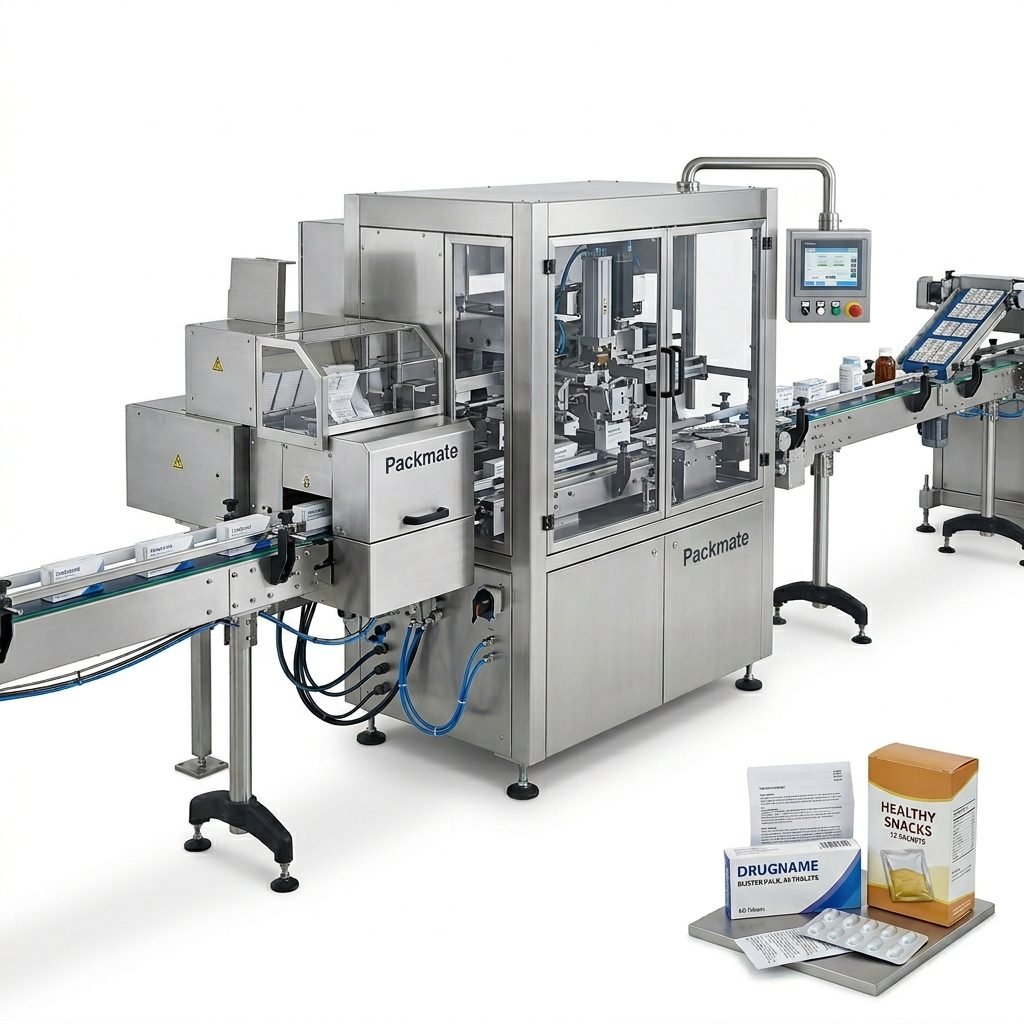
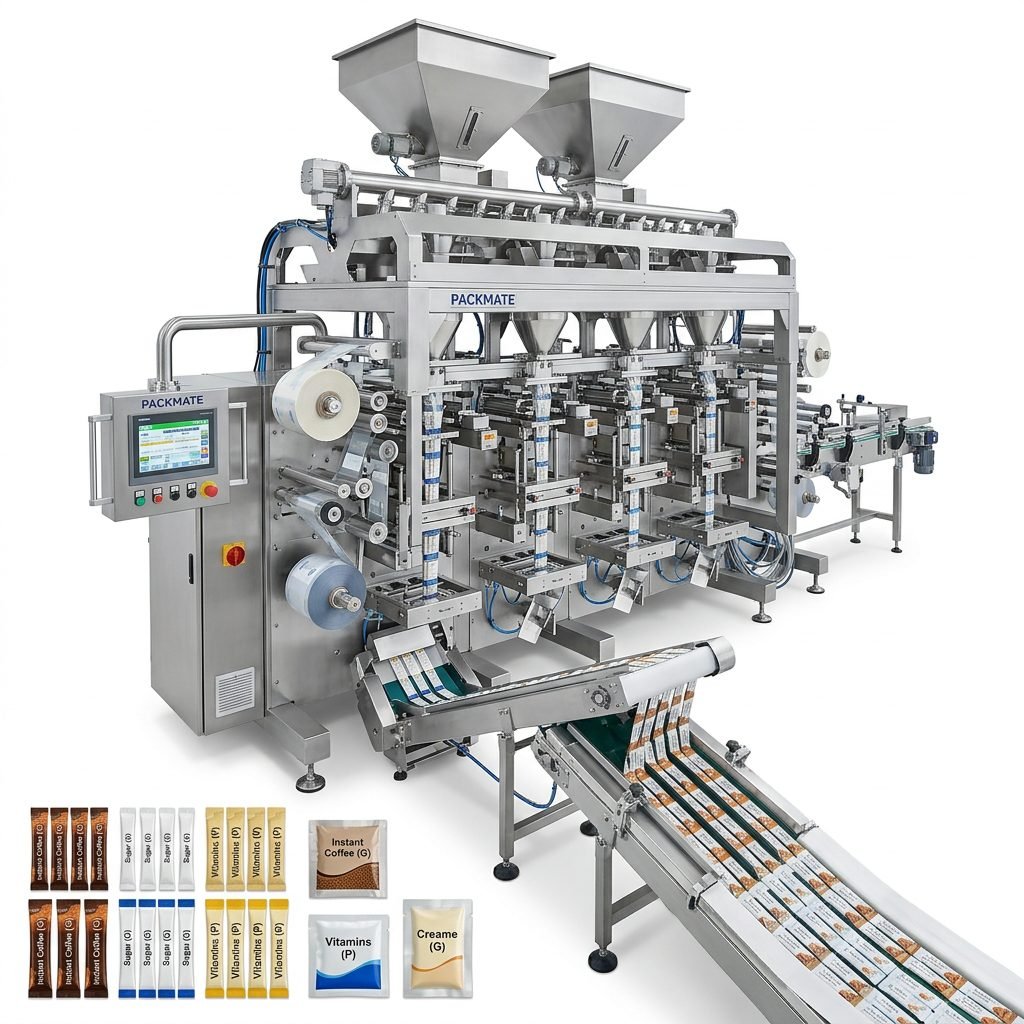
In the fast-paced world of industrial food production, efficiency and reliability are paramount. For bakeries and food manufacturers handling large volumes, the packaging stage is a critical bottleneck that can dictate overall throughput and profitability. This is where a specialized Bread Dual Splice Packaging Line becomes not just an asset, but a necessity. This article delves into the comprehensive wholesale solutions available for these advanced systems, exploring how they revolutionize industrial bread packing.
Understanding the Dual Splice Packaging Line
A dual splice packaging line represents the pinnacle of automation in bread packaging. At its core, the system is designed for continuous operation, eliminating the downtime typically associated with film roll changes. The “dual splice” mechanism allows the machine to automatically detect the end of one roll of packaging film and seamlessly splice the beginning of a new roll onto it—without stopping the production flow. This technology is particularly crucial for high-volume operations where even minutes of stoppage can result in significant output loss and product waste.
Key Advantage: The primary benefit is uninterrupted production. For facilities running 24/7, this continuous operation maximizes machine utilization, directly boosting overall equipment effectiveness (OEE) and return on investment.
Core Components of an Efficient Bread Packing Line
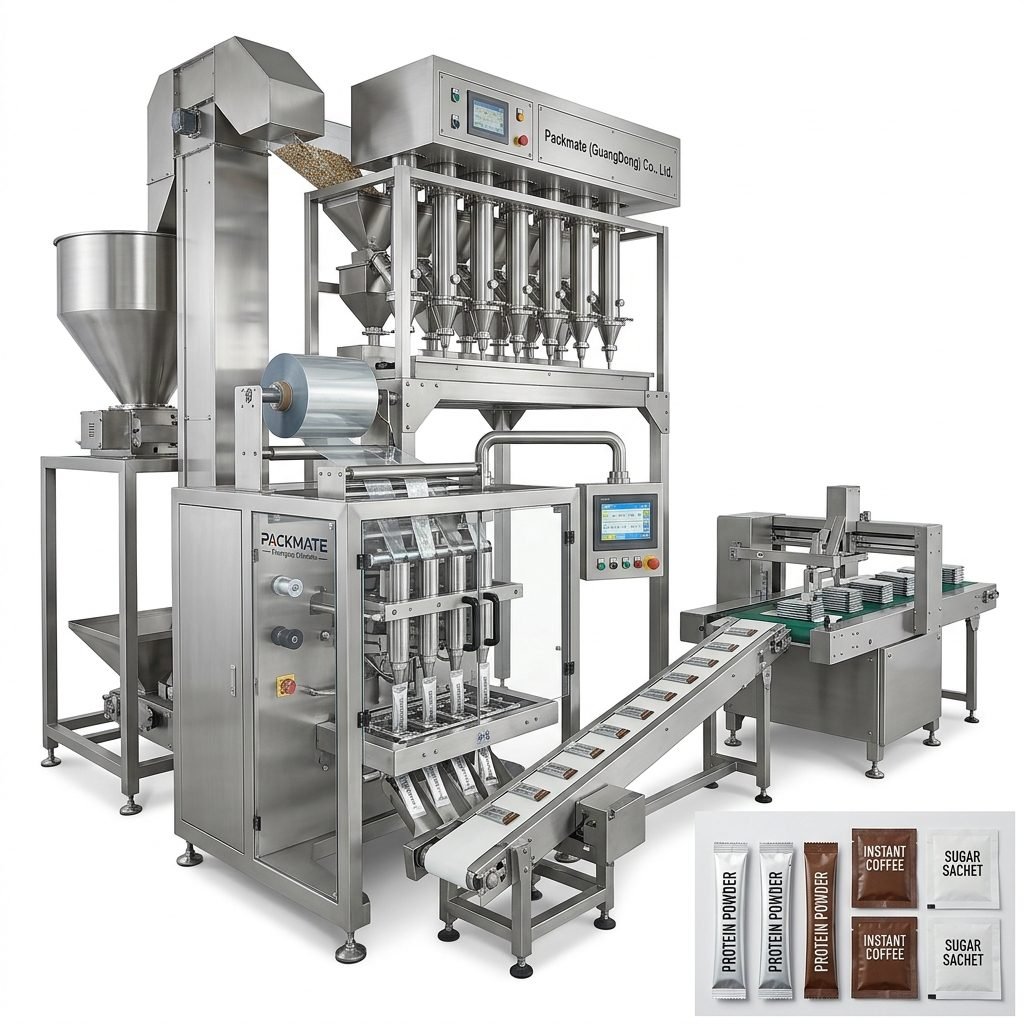
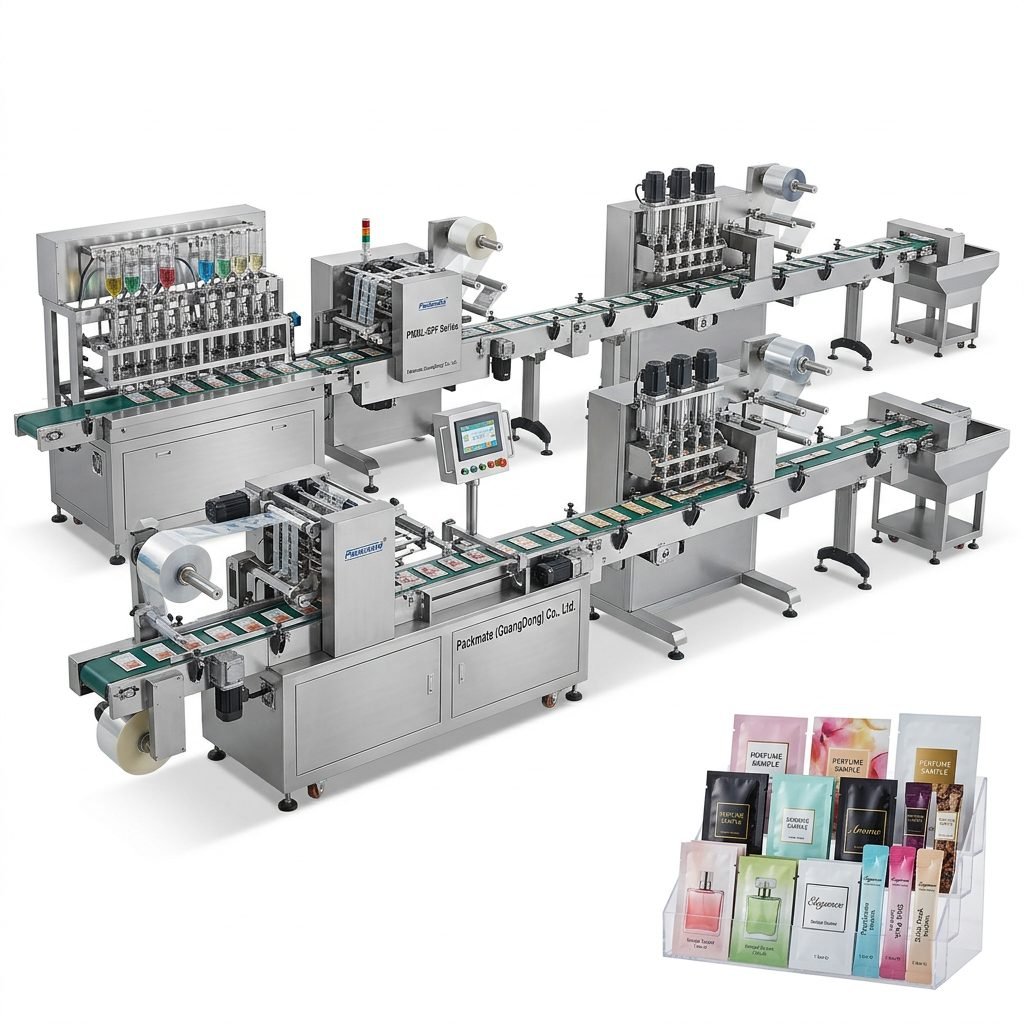
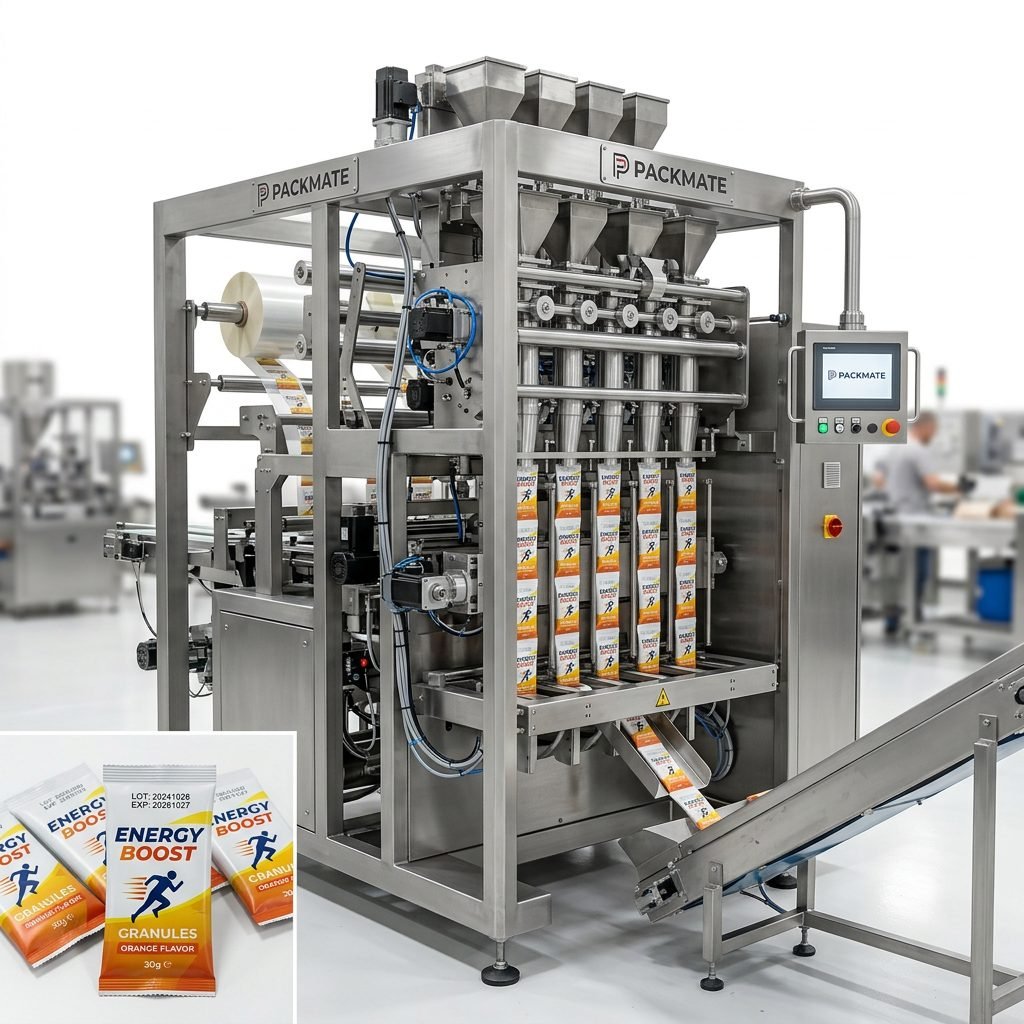
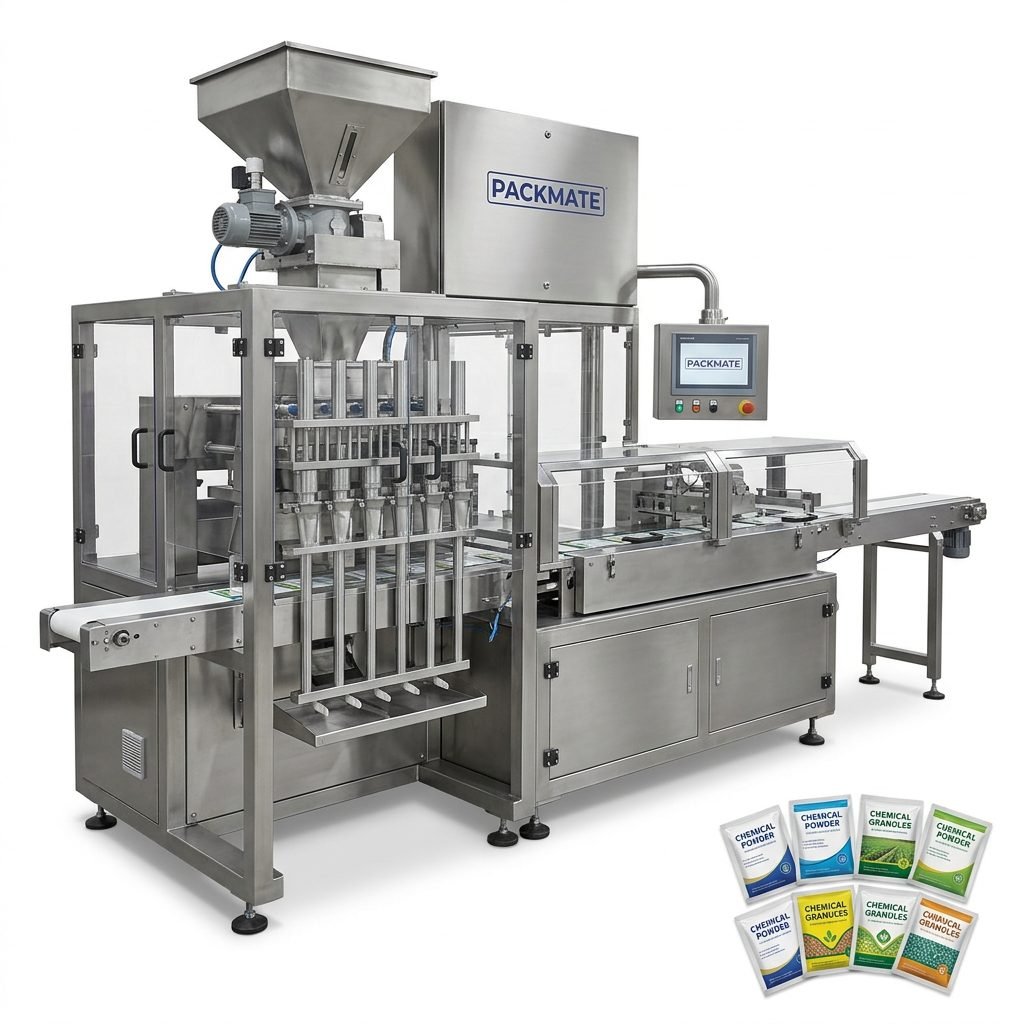
An optimized wholesale packaging solution is more than just a splicer. It’s an integrated system where each component plays a vital role:
- Automatic Bread Feeder & Aligner: Gently receives bread from the cooling conveyor and orients it correctly for entry into the bagger.
- Dual Spindle Unwinder with Splicer: The heart of the system. It holds two large rolls of packaging film (e.g., polypropylene) and performs the automatic splice.
- High-Speed Form-Fill-Seal (FFS) Machine: Forms the film into a bag, inserts the bread, and seals it with precise temperature and pressure control.
- Date Coding & Checkweigher: Integrates batch coding or expiration dates and verifies each package’s weight, rejecting under or overweight products.
- Final Collation & Case Packing: Groups sealed bags into predetermined counts and neatly packs them into shipping cases or trays.
Leading providers like Packmate (GuangDong) Co., Ltd. specialize in designing these complete turnkey solutions, ensuring all components work in perfect harmony.
Benefits of Investing in a Wholesale Packaging Line Solution
Purchasing a complete line from a wholesale solution provider offers multifaceted advantages beyond the initial cost consideration.
1. Dramatic Increase in Production Efficiency
By eliminating manual roll changes and reducing product handling, these lines can achieve packing speeds that far exceed manual or semi-automatic systems. Output can increase by 200% or more, allowing businesses to meet large orders and scale production effortlessly.
2. Significant Reduction in Operational Costs
Automation reduces labor dependency for repetitive tasks, allowing staff to be redeployed to quality control or supervisory roles. Furthermore, precise film splicing minimizes material waste at roll ends, and accurate sealing reduces product spoilage due to poor packaging.
3. Enhanced Product Consistency and Quality
Automated systems apply consistent sealing pressure and temperature, creating uniform, airtight packages every time. This consistency extends shelf life, maintains bread freshness, and presents a professional, retail-ready appearance that strengthens brand image. You can see real-world applications in our detailed project case studies.
4. Improved Workplace Safety and Hygiene
Minimizing direct human contact with the product and moving machine parts reduces the risk of contamination and workplace accidents. Enclosed systems also better maintain hygiene standards, which is critical for food safety certifications.
Choosing the Right Wholesale Partner: Key Considerations
Selecting a supplier is as critical as selecting the machine. A reliable partner provides value long after the sale.
- Proven Experience & Customization: Look for a provider with a documented history in the bakery sector. They should offer customizable solutions, not just off-the-shelf machines, to fit your specific bread size, shape, and output goals.
- Comprehensive After-Sales Support: Ensure they provide thorough installation, training, and readily available spare parts. A global service network is essential for international operations.
- Quality of Engineering & Compliance: The equipment should be built with durable, food-grade materials and comply with international safety and hygiene standards (e.g., CE, ISO).
With over 22 years of development and a 20,000㎡ modern facility, Packmate embodies these qualities, offering robust machinery backed by deep expertise. Learn more about their commitment to quality on their official homepage.
Implementation and Integration into Existing Operations
Integrating a new automated line requires careful planning. A top-tier wholesale solution provider will assist with a seamless transition.
Phase 1: Assessment & Design. Experts analyze your current workflow, space constraints, and production targets to design a layout that optimizes flow from baking to dispatch.
Phase 2: Factory Acceptance Test (FAT). Before shipment, you can witness the complete line running at the manufacturer’s facility, ensuring it meets all agreed specifications.
Phase 3: Installation & Commissioning. Skilled engineers install the line on-site, calibrate all components, and run extensive tests with your actual product.
Phase 4: Training & Handover. Comprehensive training for your operators and maintenance team is conducted to ensure confident and competent long-term operation.
For ongoing support, partners like Packmate offer dedicated service plans to maintain peak line performance.
The Future of Industrial Bread Packaging
The trend is moving towards even smarter, more connected packaging lines. Future iterations of dual splice systems will feature enhanced IoT capabilities for predictive maintenance, real-time production data analytics on dashboards, and even greater flexibility to handle a wider variety of artisanal or specialty bread formats without changeover delays. Investing in a modern line today positions a bakery to adapt to these future advancements easily.
Frequently Asked Questions (FAQs)
1. What is the typical payback period for a dual splice bread packaging line?
The payback period varies based on scale, labor costs, and previous efficiency levels. For medium to large-scale operations replacing manual packing, it’s common to see a return on investment within 1 to 3 years due to massive gains in output, labor savings, and reduced waste.
2. Can this line handle different types of bread, like buns, rolls, or sliced loaves?
Yes, a well-designed line is highly adaptable. By changing the forming tubes, feeder configurations, and sealing jaws, a single line can often be configured to package a range of products. Discuss your specific product mix with your solution provider for customization options.
3. How reliable is the automatic splicing mechanism? What if it fails?
Modern splicers are extremely reliable, using sensors and precision mechanics. In the rare event of a splice failure, systems typically have alarms and will safely stop. Choosing a supplier known for quality engineering, like Packmate with its 100+ advanced production equipment, minimizes this risk. Comprehensive training ensures your team can perform quick troubleshooting.
4. What kind of film material is used, and is it customizable?
Standard lines use food-grade polypropylene or polyethylene films, which offer excellent clarity, strength, and sealability. Most suppliers work with film converters to provide materials compatible with their machines. You can typically choose from various gauges, colors, and pre-printed designs to match your branding.
5. Do you offer support for installation in different countries?
Reputable international suppliers have experience exporting and installing machinery worldwide. They manage logistics, provide documentation in required languages, and can dispatch engineers for installation or coordinate with local technicians. It’s crucial to confirm the scope of international support and service agreements before purchasing.