In the fast-paced world of modern manufacturing, the seamless integration of machinery is paramount. At the heart of many packaging operations lies a critical component often overlooked: the belt conveyor system. This ultimate guide delves into the types, design principles, and strategies for efficiency optimization of belt conveyors specifically for packaging lines, providing a comprehensive resource for engineers, plant managers, and operations specialists.
Core Function in Packaging
A belt conveyor system is the logistical backbone of a packaging line. Its primary function is to transport products, components, or packaged goods from one processing station to the next with precision, reliability, and minimal manual intervention. From moving bulk ingredients to a filler, transferring filled sachets to a cartoner, or carrying final cases to palletizing, its role is indispensable for achieving a continuous, automated flow.
Exploring the Types of Belt Conveyors for Packaging
Selecting the right conveyor type is the first step toward an efficient line. The choice depends on product characteristics, line layout, and hygiene requirements.
1. Flat Belt Conveyors
The most common type, featuring a continuous flat belt over a bed of rollers or a slider. Ideal for transporting cartons, trays, and stable packaged goods. They are versatile and cost-effective for straight-line transportation.
2. Modular Plastic Belt Conveyors
Constructed from interlocking plastic modules, these belts are highly durable and easy to clean. They are perfect for food, pharmaceutical, and beverage packaging lines where hygiene is critical. Their open design allows for drainage and air circulation, and they can navigate turns without transfer points.
3. Cleated Belt Conveyors
These conveyors have raised sections (cleats) attached to the belt surface. They are essential for inclined or declined transport of loose items, powders, or granules, preventing product rollback or spillage. Cleat height and pattern are customized based on the product and angle.
4. Sanitary & Washdown Conveyors
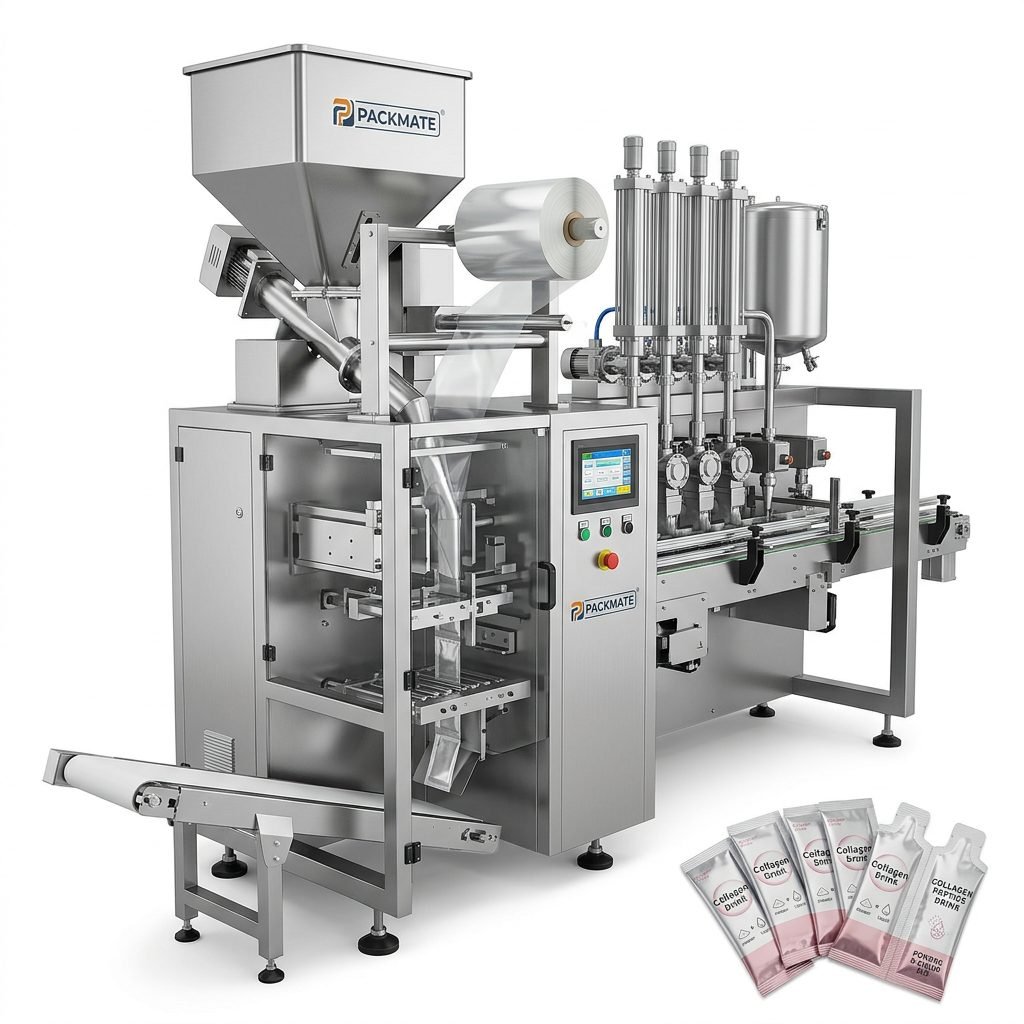
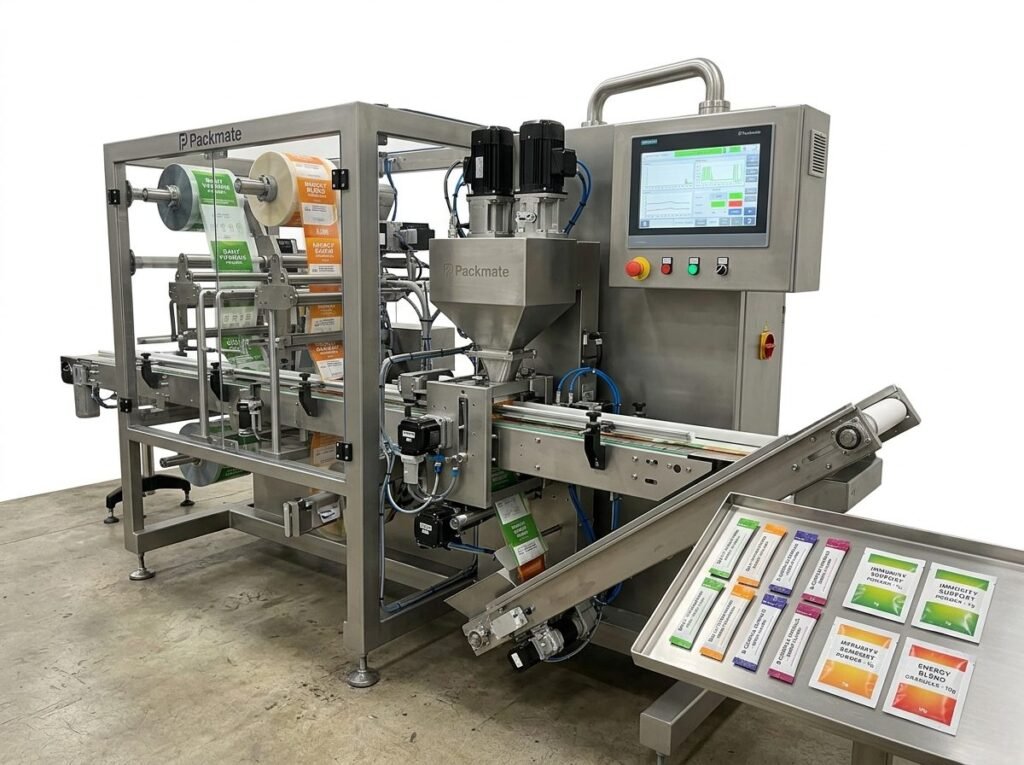
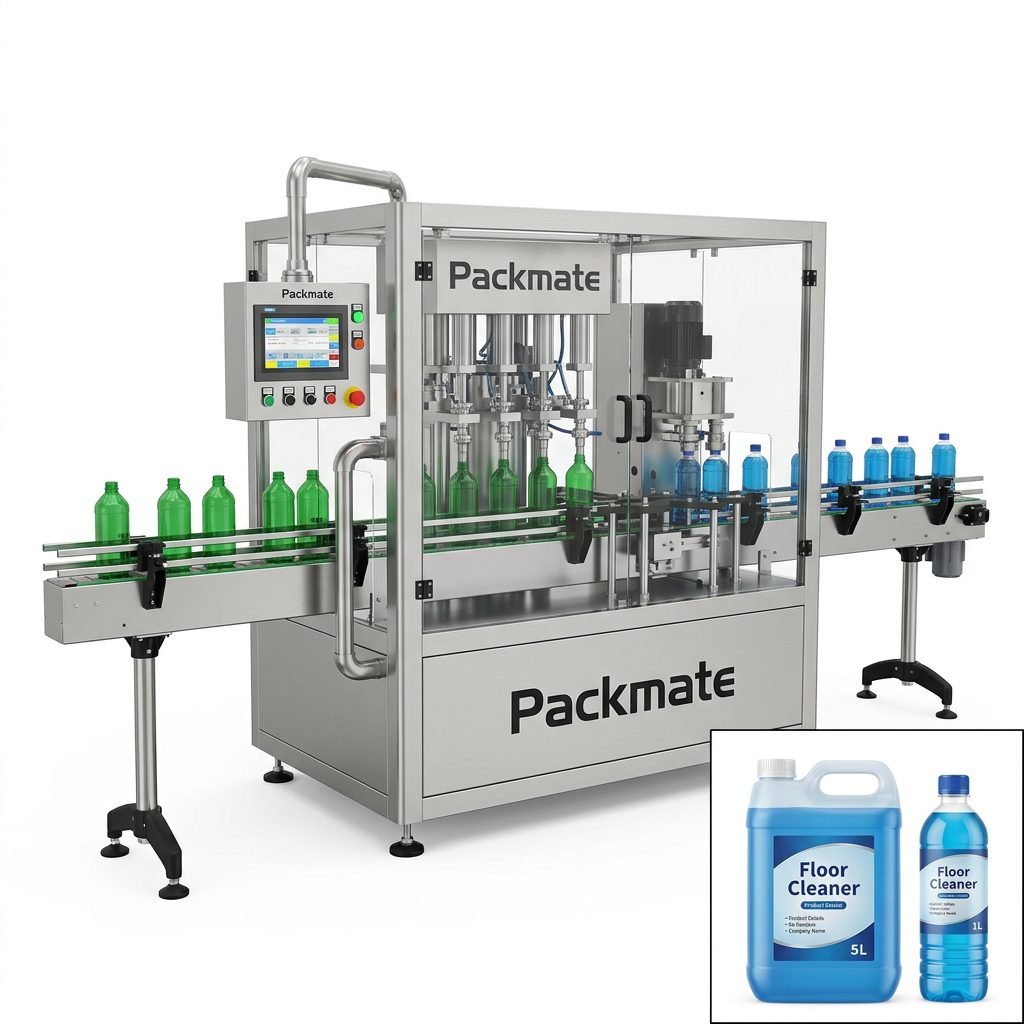
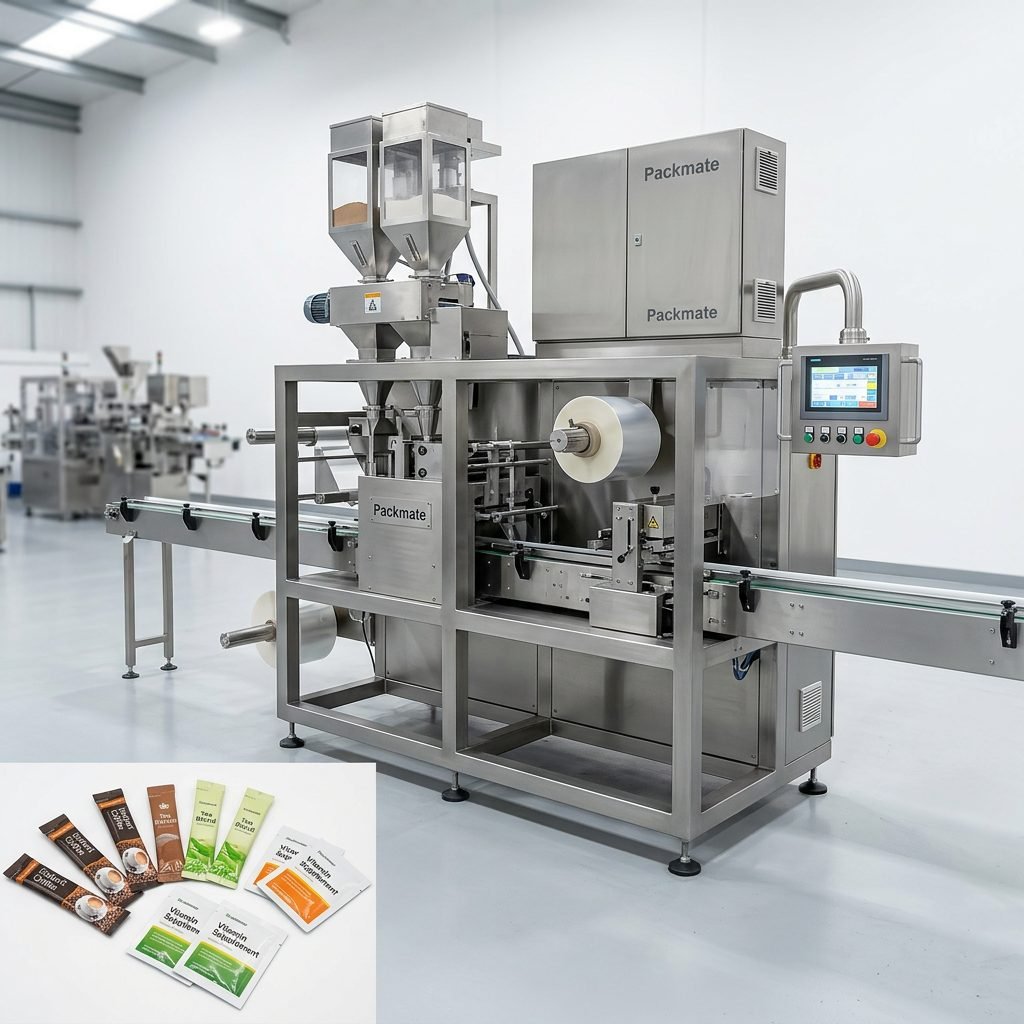
Specifically engineered for environments requiring frequent, high-pressure cleaning. Constructed with stainless steel frames, sealed bearings, and FDA/USDA-approved belts. They are a staple in dairy, meat, and ready-to-eat food packaging facilities. Companies like Packmate (GuangDong) Co., Ltd. often integrate these into their turnkey solutions for hygiene-sensitive industries.
Strategic Design Considerations for Optimal Performance
A well-designed conveyor system is more than just connecting point A to B. It involves a holistic approach to ensure longevity, safety, and integration.
Key Design Parameters:
- Load Capacity & Belt Speed: Calculate based on product weight and required throughput (units per minute).
- Belt Material: Choose from PVC, PU, rubber, or modular plastic based on product interaction, abrasion, and cleaning needs.
- Drive System: Centralized drives for long conveyors or distributed “pop-out” drives for easier maintenance.
- Frame Structure: Carbon steel for general use or powder-coated/polished stainless steel for sanitary applications.
- Transfer Points: Design to minimize impact, noise, and product jamming or toppling.
Integration is crucial. The conveyor must seamlessly interface with other packaging machinery like fillers, cartoners, and sealers. This requires precise synchronization of speeds and accurate positioning, often managed by a centralized PLC (Programmable Logic Controller).
Advanced Strategies for Efficiency Optimization
Optimizing a conveyor system goes beyond its initial setup. It involves continuous improvement in energy use, maintenance, and control.
1. Energy Consumption Reduction
Implement variable frequency drives (VFDs) to adjust motor speed based on actual line demand, reducing power use during low-throughput periods. Regular maintenance of bearings and proper belt tension also lowers friction and energy waste.
2. Predictive & Preventative Maintenance
Shift from reactive to predictive maintenance. Use vibration sensors on rollers and drives, and schedule regular inspections for belt wear, alignment, and roller rotation. A well-maintained conveyor prevents unplanned downtime, which is far more costly than scheduled service. For insights into maintaining a complete line, reviewing real-world case studies can be invaluable.
3. Smart Controls & Integration
Modern conveyors are part of the Industrial Internet of Things (IIoT). Integrating sensors (photo-eyes, encoders, weight cells) with a SCADA system allows for real-time monitoring of throughput, bottlenecks, and performance metrics. This data-driven approach enables proactive adjustments and overall equipment effectiveness (OEE) tracking.
4. Hygiene & Cleanability Optimization
For food and pharma, efficiency includes cleaning speed. Design with minimal crevices, quick-release belts, and CIP (Clean-in-Place) capabilities. This reduces changeover and sanitation time, maximizing production uptime.
The Role in a Complete Turnkey Packaging Line
A belt conveyor is not an island. Its true value is realized when it is expertly engineered into a synchronized packaging line. A provider with deep integration expertise, like Packmate Packaging Line, views the conveyor as a critical link that dictates the flow and rhythm of the entire operation. From receiving raw materials to dispatching finished pallets, each conveyor segment must be precisely calibrated for speed, transfer, and accumulation to ensure a smooth, bottleneck-free process. Exploring a provider’s full range of services often reveals their capability in this holistic design approach.
Conclusion: The Strategic Investment
Investing in the right belt conveyor system is a strategic decision that directly impacts packaging line productivity, product integrity, and operational costs. By understanding the different types available, adhering to sound design principles, and implementing ongoing optimization strategies, manufacturers can create a robust material handling foundation. This foundation supports not just today’s output but also the flexibility and scalability needed for future growth and innovation in an increasingly competitive market.
Frequently Asked Questions (FAQs)
1. How do I choose between a flat belt and a modular plastic belt?
The choice hinges on application. Use flat belts for stable, dry packages in general environments. Opt for modular plastic belts for wet, sticky, or hygienic applications (food/pharma), where frequent washdowns, drainage, or navigating curves are required.
2. What is the most common cause of conveyor belt misalignment and wear?
The primary cause is improper tension or worn/ seized rollers and pulleys. Regular inspection and adjustment of tracking mechanisms and immediate replacement of faulty rollers are essential to prevent premature belt wear and damage.
3. Can existing conveyor systems be upgraded for better efficiency?
Absolutely. Common upgrades include installing Variable Frequency Drives (VFDs) for energy savings, adding sensor arrays for accumulation control, retrofitting easy-clean features, or integrating modern PLC controls for better synchronization with upstream/downstream equipment.
4. How important is the frame material (e.g., stainless steel vs. carbon steel)?
It is critical for longevity and compliance. Carbon steel is cost-effective for dry, non-corrosive environments. Stainless steel (304 or 316 grade) is mandatory for food, pharmaceutical, or corrosive chemical applications to meet hygiene standards and withstand frequent washdowns.
5. What safety features are essential for packaging line conveyors?
Essential safety features include emergency stop pull cords along the entire length, guarded pinch points and drive mechanisms, proper grounding to prevent static discharge, and slip-resistant walkways alongside the conveyor. Always comply with local machinery safety regulations (e.g., OSHA, CE).