In the dynamic world of manufacturing, the packaging line is the final, critical stage where products are prepared for distribution and sale. The individuals who operate and oversee these lines are the Packaging Line Workers, essential personnel ensuring efficiency, quality, and safety. This comprehensive guide delves into the job description, core duties, required skills, salary expectations, and career path for this vital role.
Core Duties and Responsibilities
A Packaging Line Worker’s day is centered around the smooth operation of packaging machinery and processes. Their responsibilities are multifaceted and crucial for output.
Primary Operational Tasks
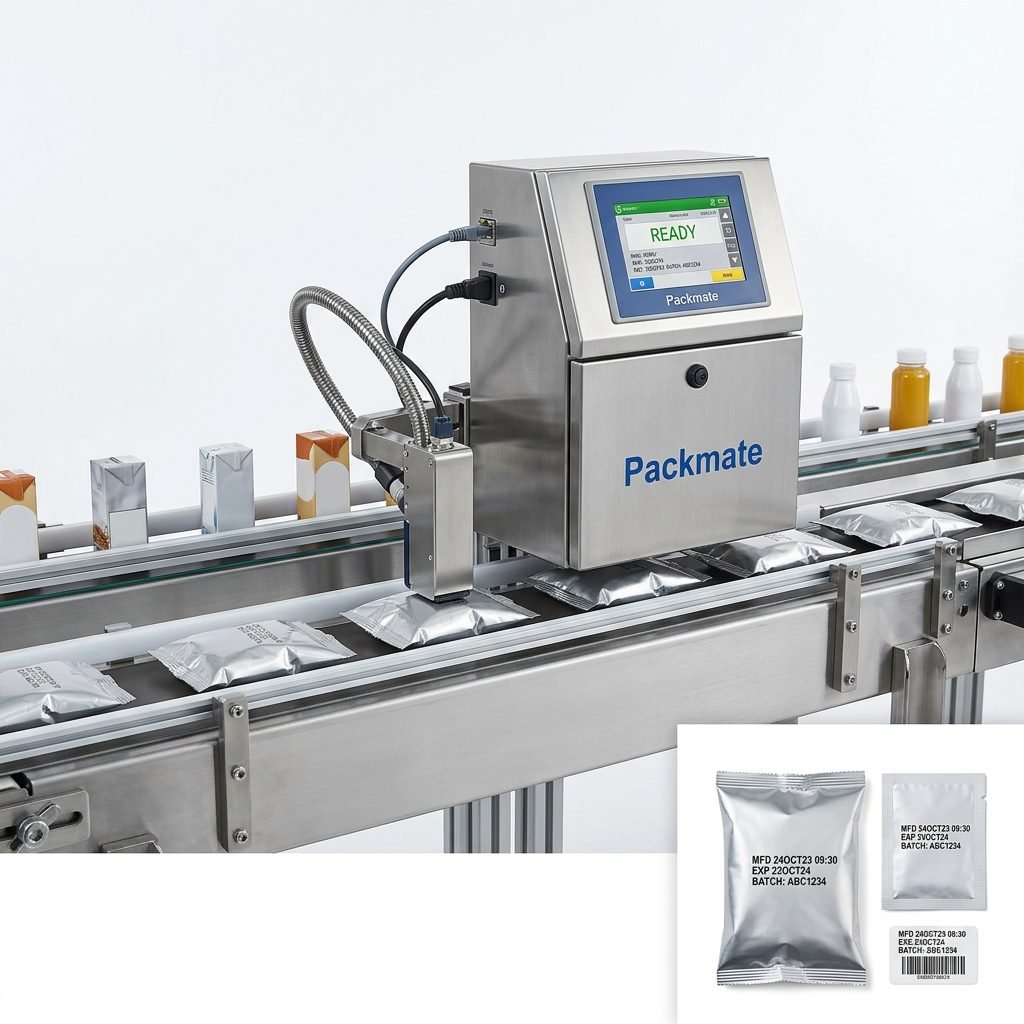
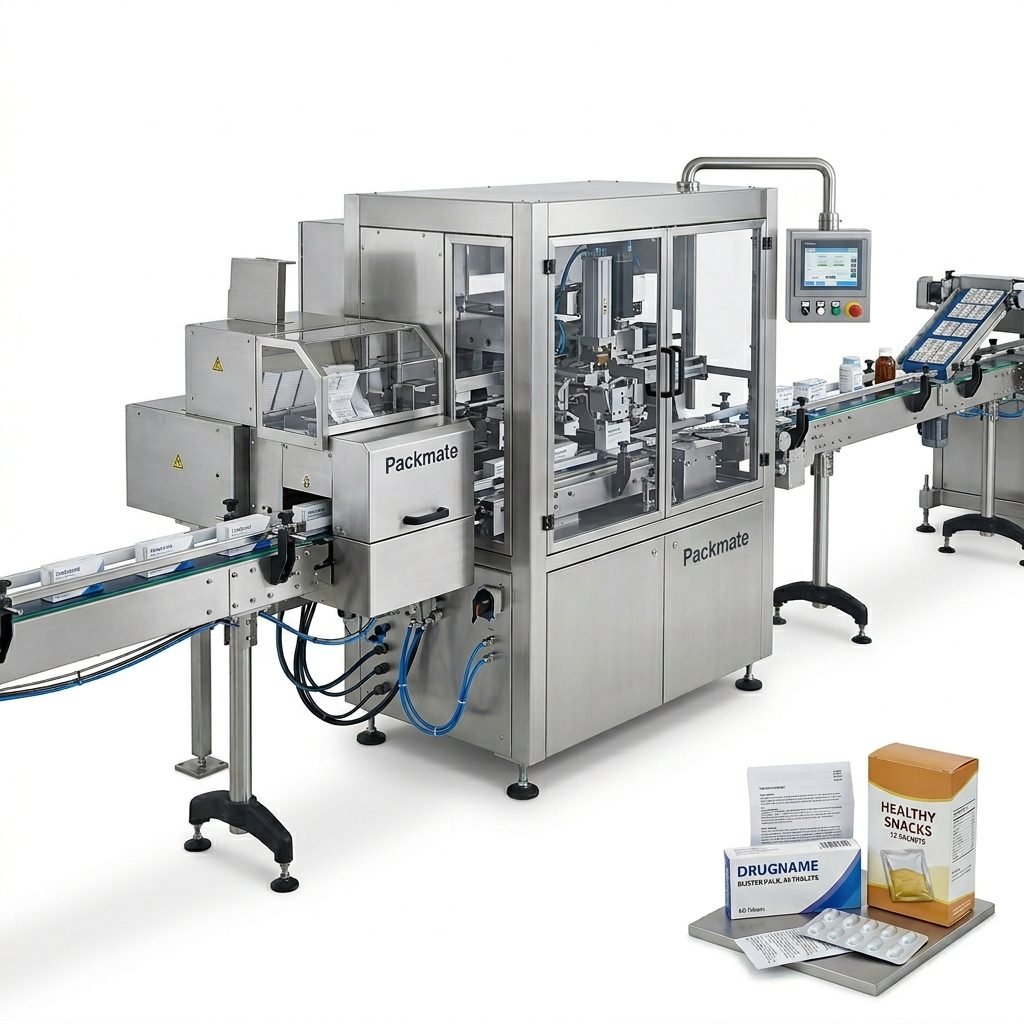
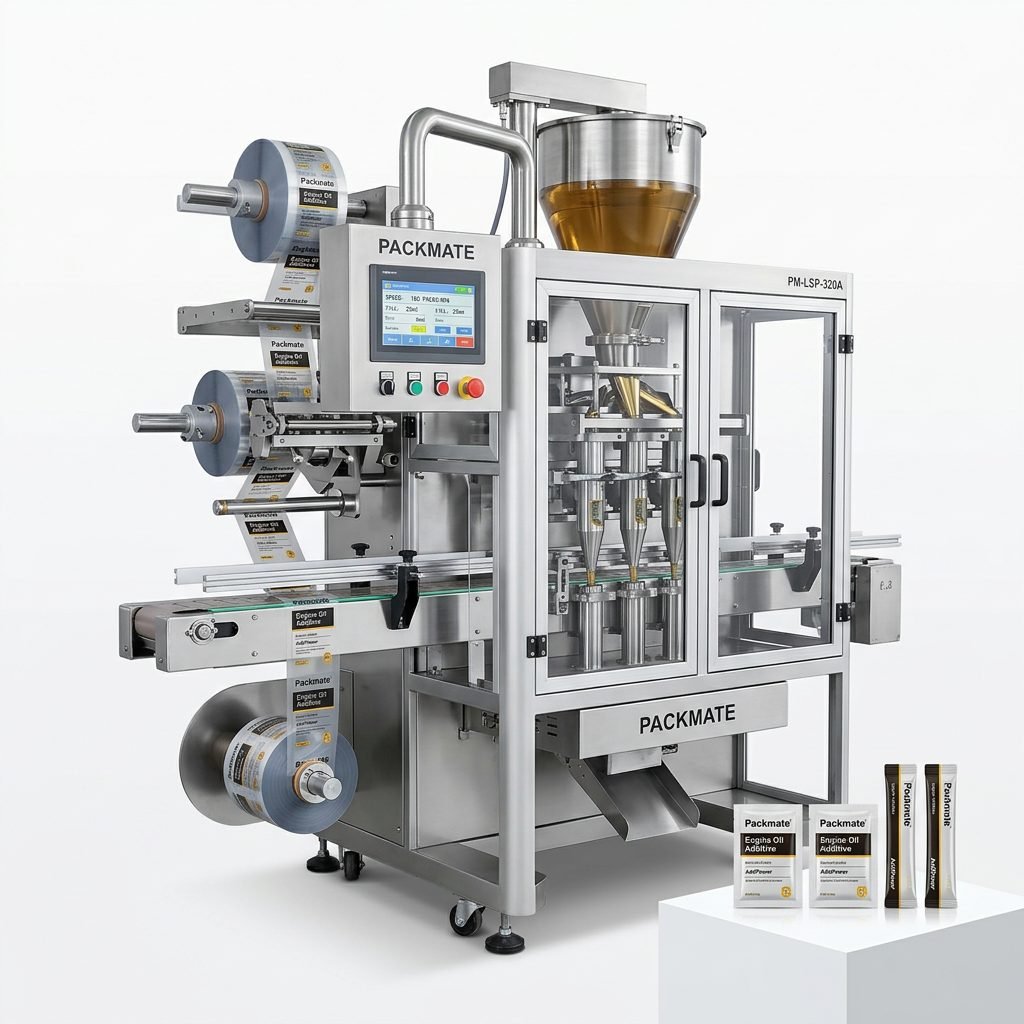
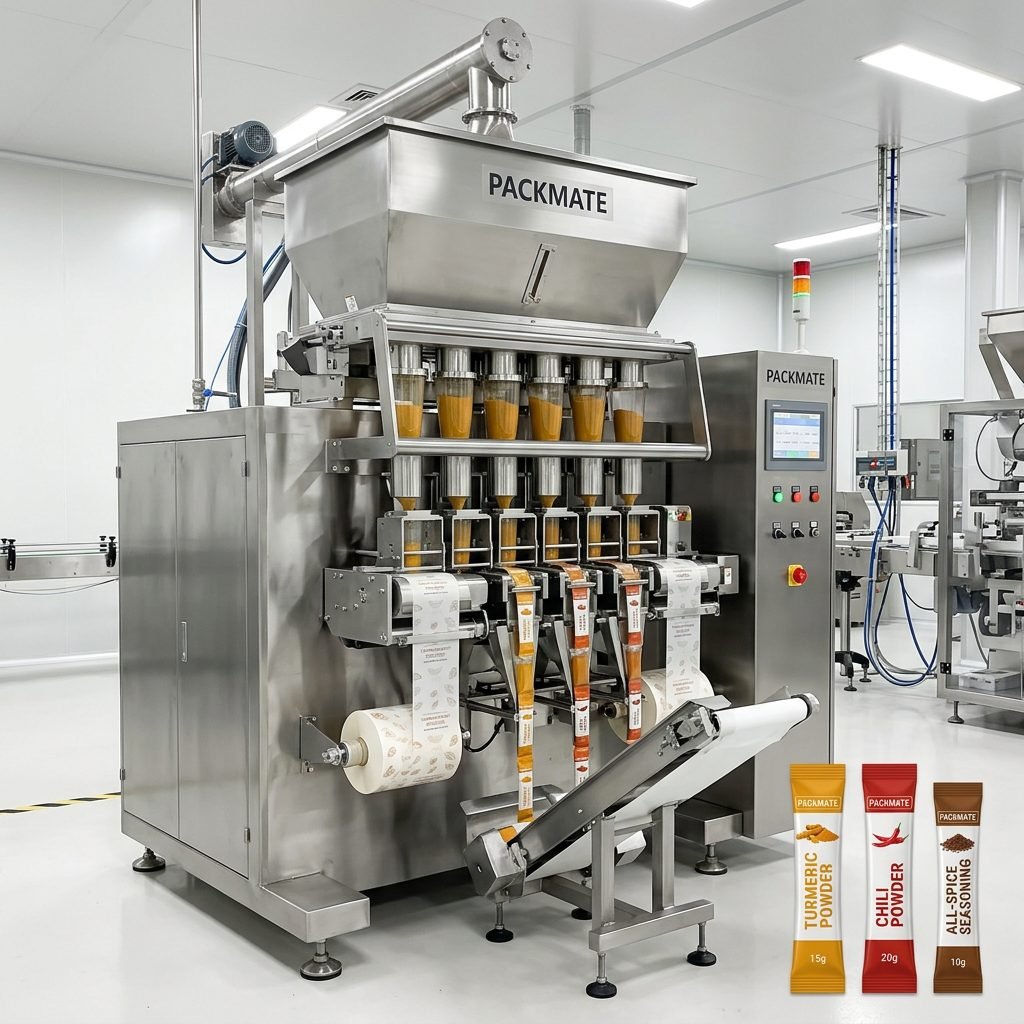
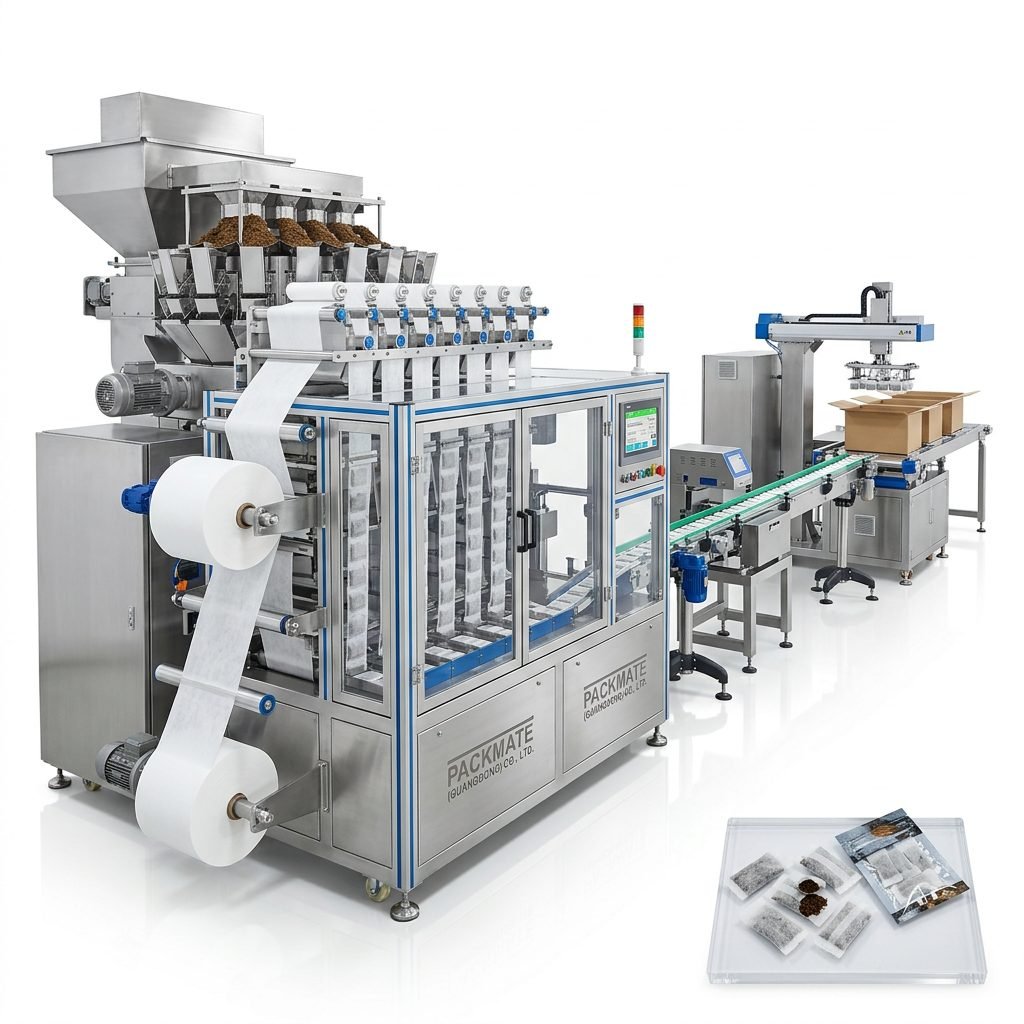
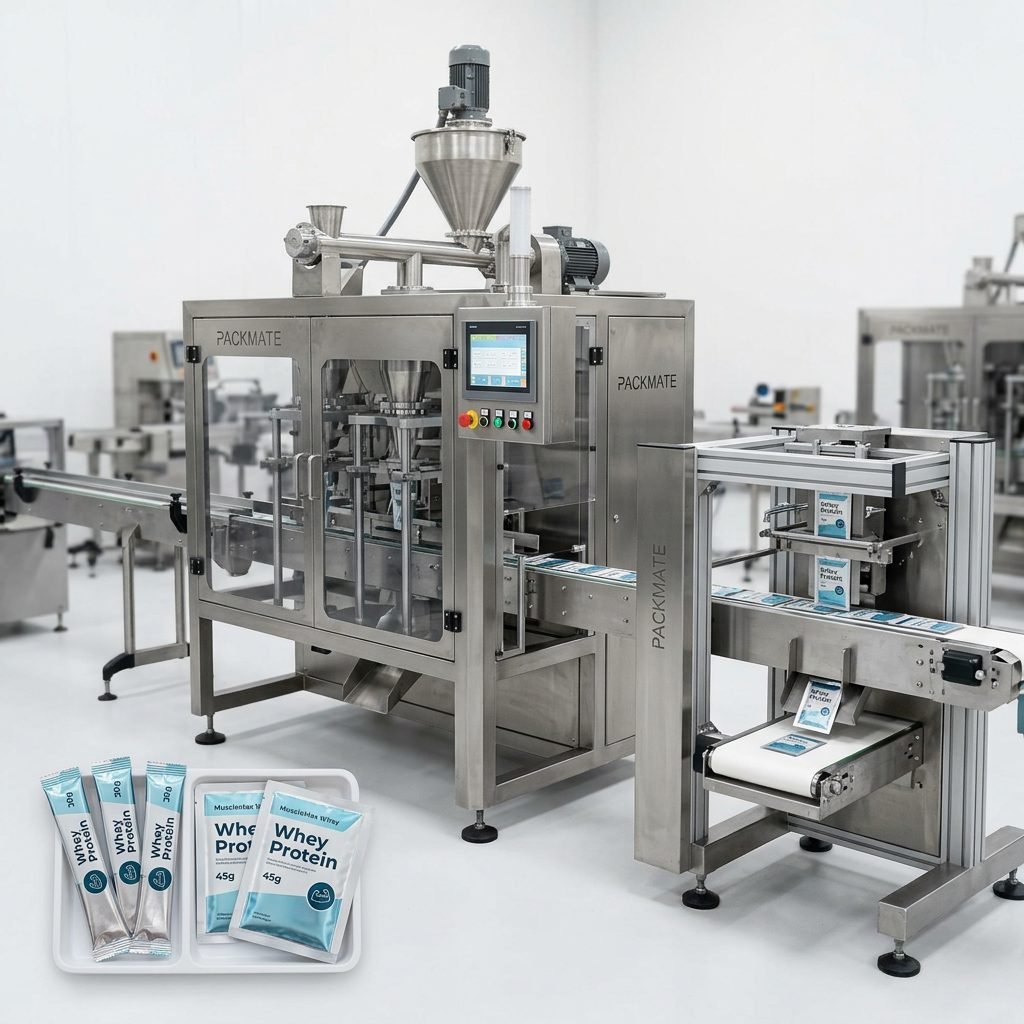
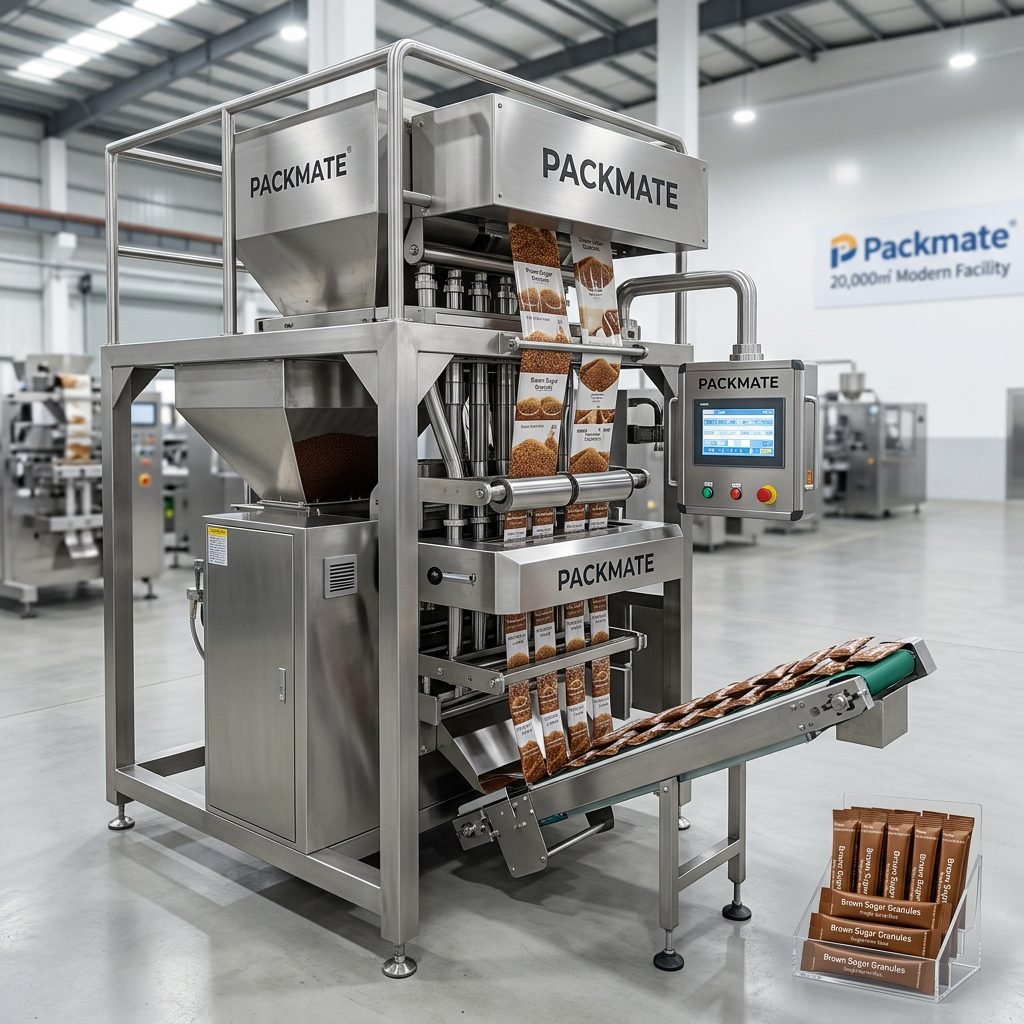
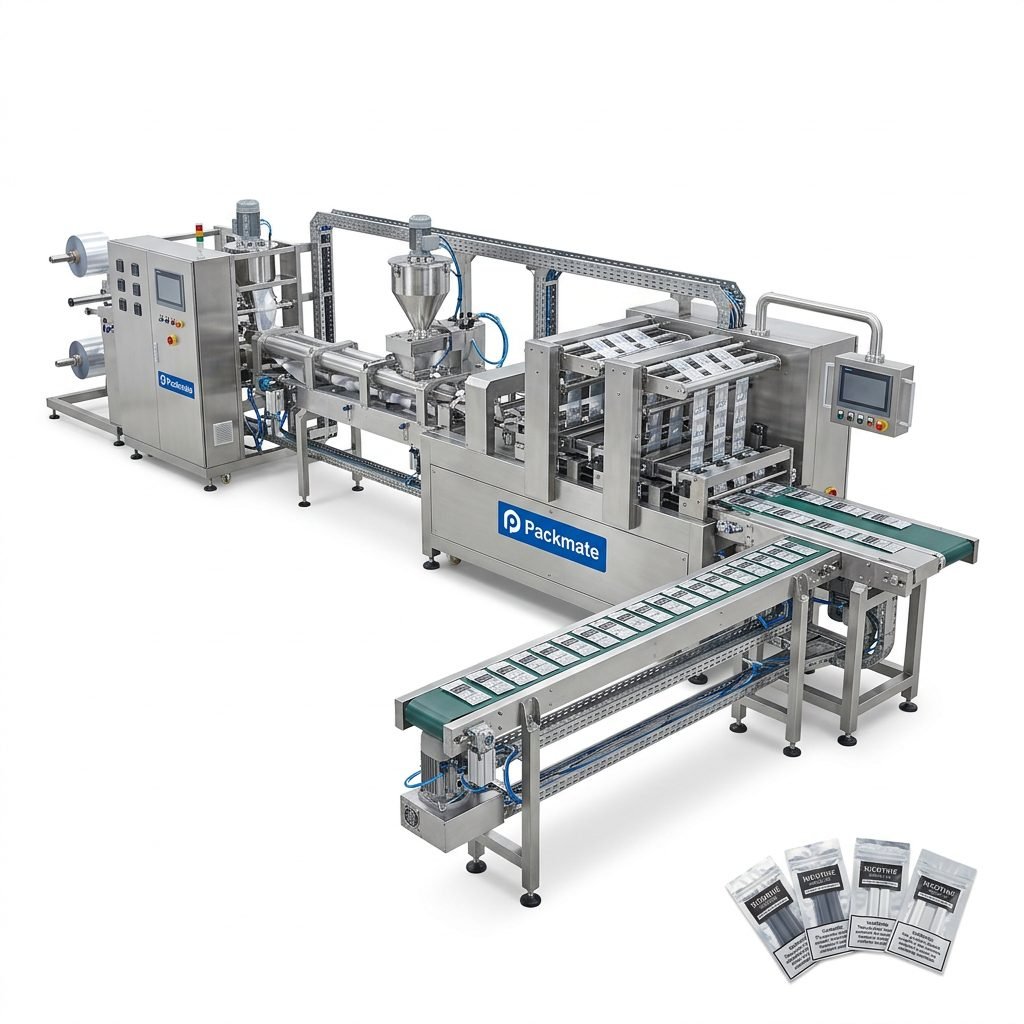
Machine Operation & Monitoring: Setting up, starting, stopping, and monitoring automated or semi-automated packaging equipment such as fillers, sealers, labelers, and cartoners. This involves loading materials (film, boxes, labels) and ensuring machines run at specified parameters.
Quality Control Inspection: Visually inspecting packaged products for defects like incorrect labeling, improper sealing, damaged goods, or incorrect fill levels. Workers often perform periodic checks and remove non-conforming items from the line.
Manual Packaging & Handling: Performing tasks not fully automated, which may include assembling boxes, hand-packing items, placing products into cartons, or palletizing finished goods for shipment.
Support and Safety Duties
Line Efficiency & Troubleshooting: Identifying minor jams, misfeeds, or mechanical issues and performing basic troubleshooting or clearance procedures to minimize downtime.
Record Keeping & Communication: Accurately recording production data, batch numbers, and output counts. Effectively communicating with supervisors and team members about line status, material needs, or quality concerns.
Maintenance & Cleanliness: Performing routine cleaning and sanitation of the work area and equipment to meet hygiene standards (especially critical in food and pharmaceutical packaging lines). Assisting with preventative maintenance as directed.
Safety Compliance: Adhering strictly to all workplace safety protocols, including the proper use of personal protective equipment (PPE), safe material handling, and lockout-tagout procedures.
Essential Skills and Qualifications
Success in this role requires a blend of technical aptitude, physical capability, and soft skills.
Technical & Physical Competencies
- Mechanical Aptitude: A basic understanding of how machinery works is invaluable for operation and minor issue resolution.
- Attention to Detail: Keen eyesight and focus are mandatory for consistent quality control and catching subtle defects at high speeds.
- Physical Stamina & Dexterity: The role often involves standing for long periods, lifting moderate weights, bending, and performing repetitive manual tasks with precision.
- Basic Math & Literacy: Needed for measuring, counting, and understanding work orders, safety sheets, and production records.
Interpersonal & Cognitive Skills
- Reliability & Punctuality: Production lines depend on full teams; consistent attendance is non-negotiable.
- Teamwork: Collaborating seamlessly with colleagues to maintain line flow and achieve daily targets.
- Problem-Solving: The ability to think quickly and logically when a process deviation or minor malfunction occurs.
- Adaptability: Willingness to learn new equipment, rotate through different line positions, and adapt to changing production schedules.
Salary Expectations and Influencing Factors
Packaging Line Worker salaries vary based on location, industry, experience, and company size.
Entry-Level Positions: Typically start at or slightly above the regional minimum wage. With training and proven reliability, wages can increase steadily within the first year.
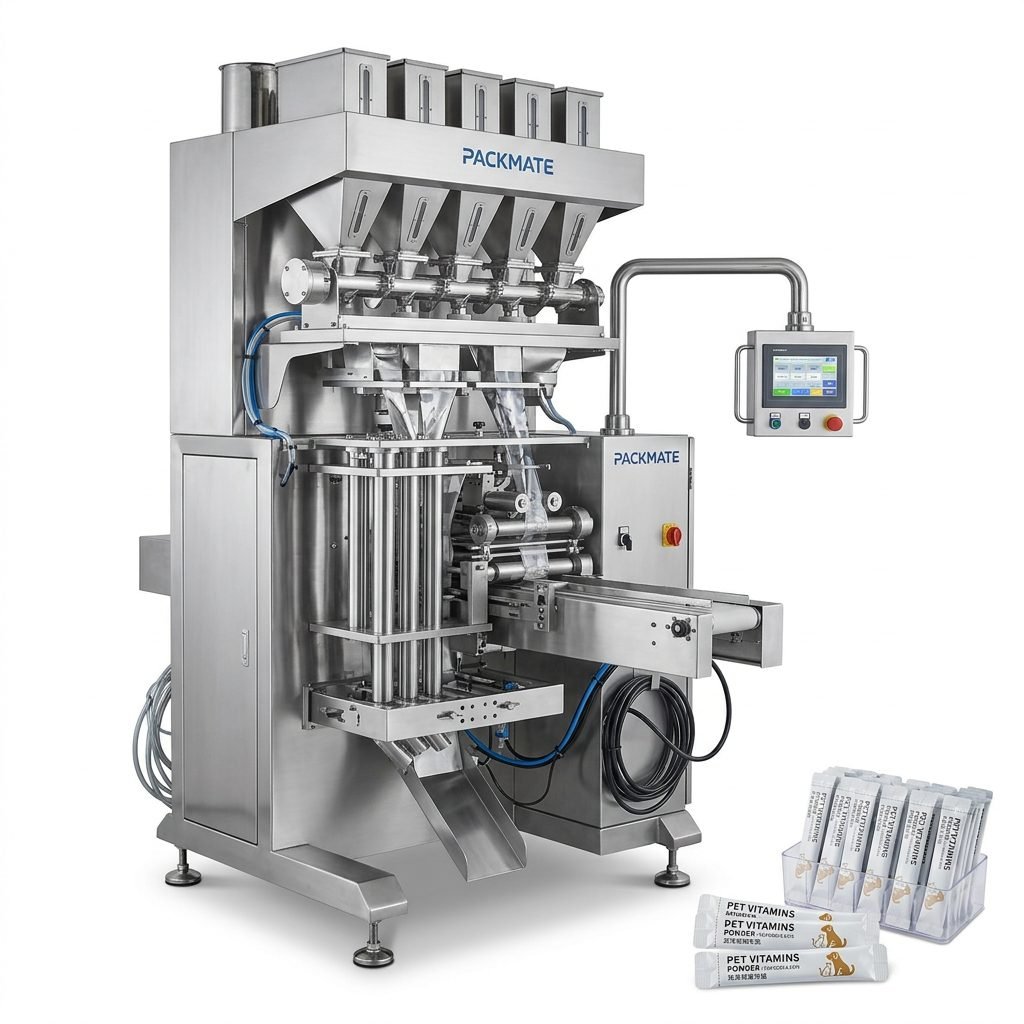
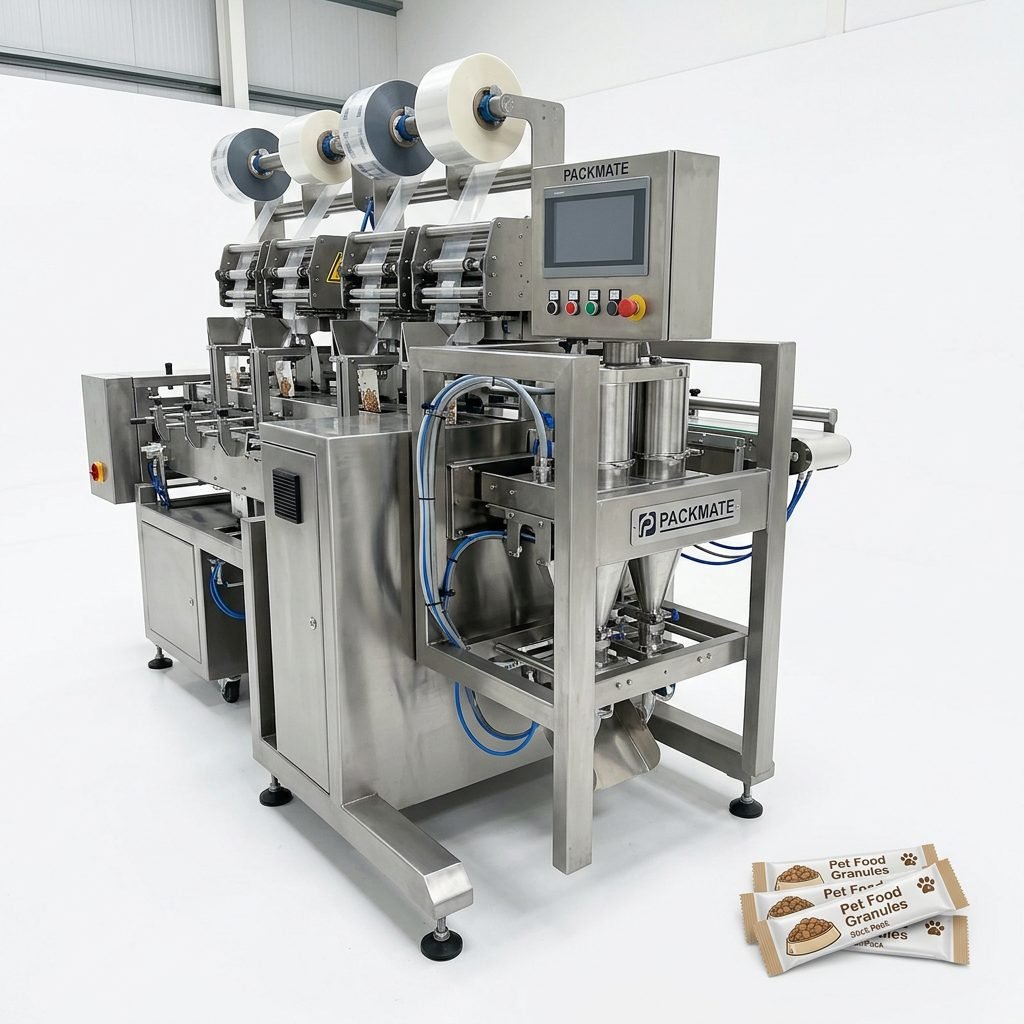
Experienced Workers & Specialists: Those who operate complex machinery (e.g., high-speed stick pack or sachet packaging lines), have quality control certifications, or assume lead roles can command significantly higher pay.
Industry Variance: Sectors with stringent regulations, like pharmaceuticals or specialty foods, often offer higher compensation than general consumer goods packaging.
Benefits: Many full-time positions include benefits packages comprising health insurance, retirement plans, paid time off, and overtime opportunities, which add substantial value to the total compensation.
Career Path and Advancement Opportunities
A position as a Packaging Line Worker is often a gateway to a stable career in manufacturing with clear progression routes.
➤ Vertical Advancement (Within Production)
Line Lead or Supervisor: After demonstrating leadership, reliability, and deep process knowledge, workers can advance to oversee a team or shift.
Quality Control Technician: A natural move for detail-oriented workers, involving more formalized inspection procedures, data analysis, and use of precision instruments.
Maintenance Technician: Workers with strong mechanical skills can train to perform advanced repairs and preventative maintenance on packaging machinery.
➤ Lateral & Specialized Moves
Inventory/Warehouse Roles: Moving into material handling, logistics, or forklift operation within the same facility.
Training Coordinator: Experienced workers may train new hires on standard operating procedures and machine operation.
Sales or Technical Support: For those with exceptional product and process knowledge, roles supporting packaging equipment service or customer applications can be an excellent fit.
Continuous learning is key to advancement. Pursuing certifications in safety (e.g., OSHA), quality (e.g., ISO standards), or specific machine operation can make a candidate highly valuable. Exploring real-world packaging line case studies can also provide insights into advanced applications and technologies.
Work Environment and Daily Realities
Understanding the day-to-day context is crucial for job seekers.
Setting: Work occurs in factories, processing plants, or distribution centers. Environments can be noisy, with controlled temperatures (often cool for product preservation).
Schedule: Many operations run 24/7, leading to shift work that may include nights, weekends, and holidays. Overtime is common during peak production periods.
Pace: The work is fast-paced and metric-driven, focused on meeting daily production targets and efficiency (OEE) goals. It can be repetitive but requires constant vigilance.
Safety Focus: Modern facilities prioritize safety. Workers must be diligent about protocols to prevent accidents involving machinery, moving parts, or repetitive strain.
Final Summary
The role of a Packaging Line Worker is foundational to the manufacturing and distribution of virtually every physical product. It is a career built on practical skills, attention to detail, and teamwork. While entry is often accessible, the role offers tangible paths for growth into supervisory, technical, or specialized positions for motivated individuals. For companies like Packmate (GuangDong) Co., Ltd., which design and build the very lines these workers operate, understanding this role is part of creating efficient, human-centric packaging solutions for industries worldwide.
Frequently Asked Questions (FAQs)
What is the most challenging part of being a Packaging Line Worker?
Many workers cite maintaining consistent focus and quality while performing repetitive tasks at a fast pace as the primary challenge. Adapting to shift work and the physical demands of standing and lifting can also be challenging initially.
Is previous experience required to become a Packaging Line Worker?
Most entry-level positions do not require prior experience. Employers typically provide on-the-job training. A strong work ethic, reliability, and willingness to learn are the most important attributes for newcomers.
What industries hire the most Packaging Line Workers?
Food and beverage processing, pharmaceuticals, cosmetics, consumer goods, and logistics/warehousing are major employers. The specific duties can vary significantly based on the product being packaged.
How can I advance my career from this position?
Demonstrate reliability, master your machine, volunteer for additional training, show initiative in problem-solving, and express interest in lead roles or cross-training in quality control or maintenance. Earning relevant certifications can fast-track advancement.
What is the difference between a Packaging Operator and a Line Worker?
The terms are often used interchangeably. However, “Operator” may imply a higher level of responsibility for a specific, complex machine’s setup and parameters, while “Line Worker” can be a broader term encompassing both machine operation and manual packing tasks.