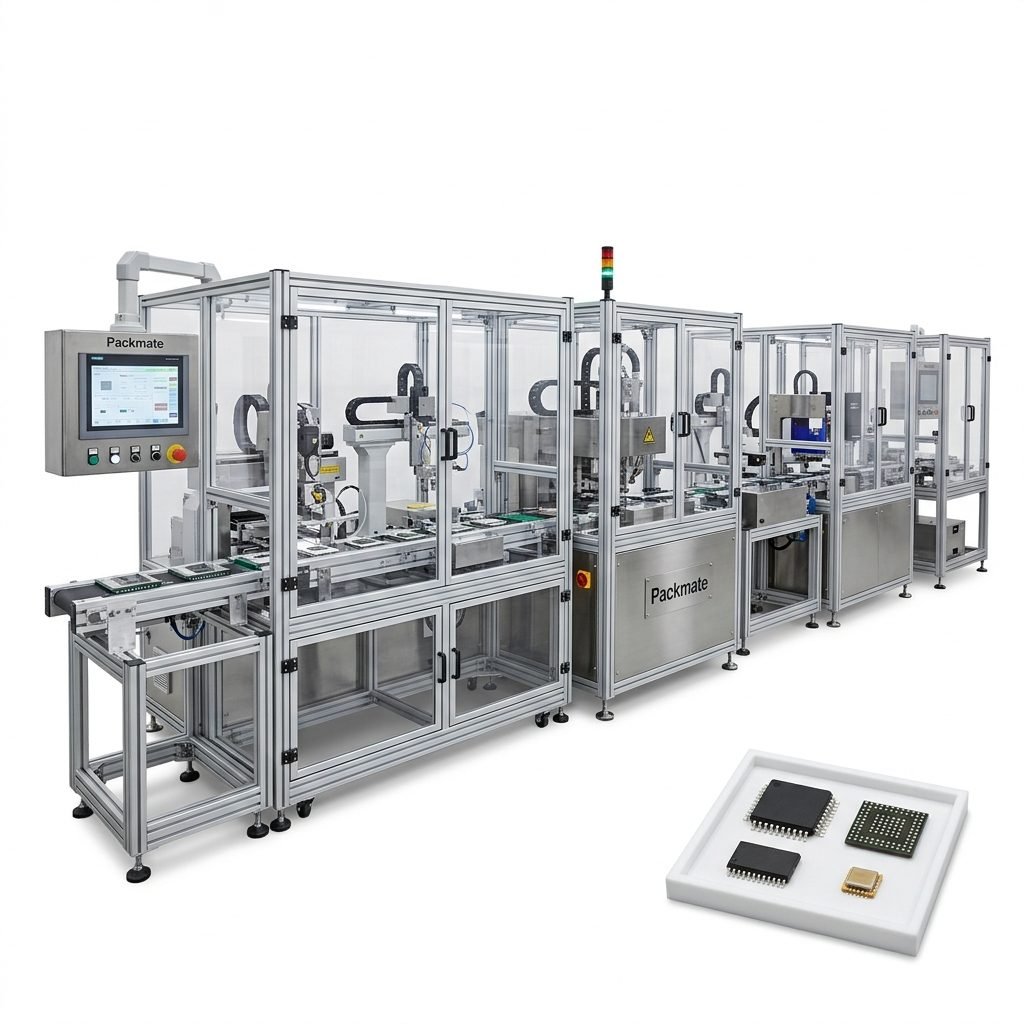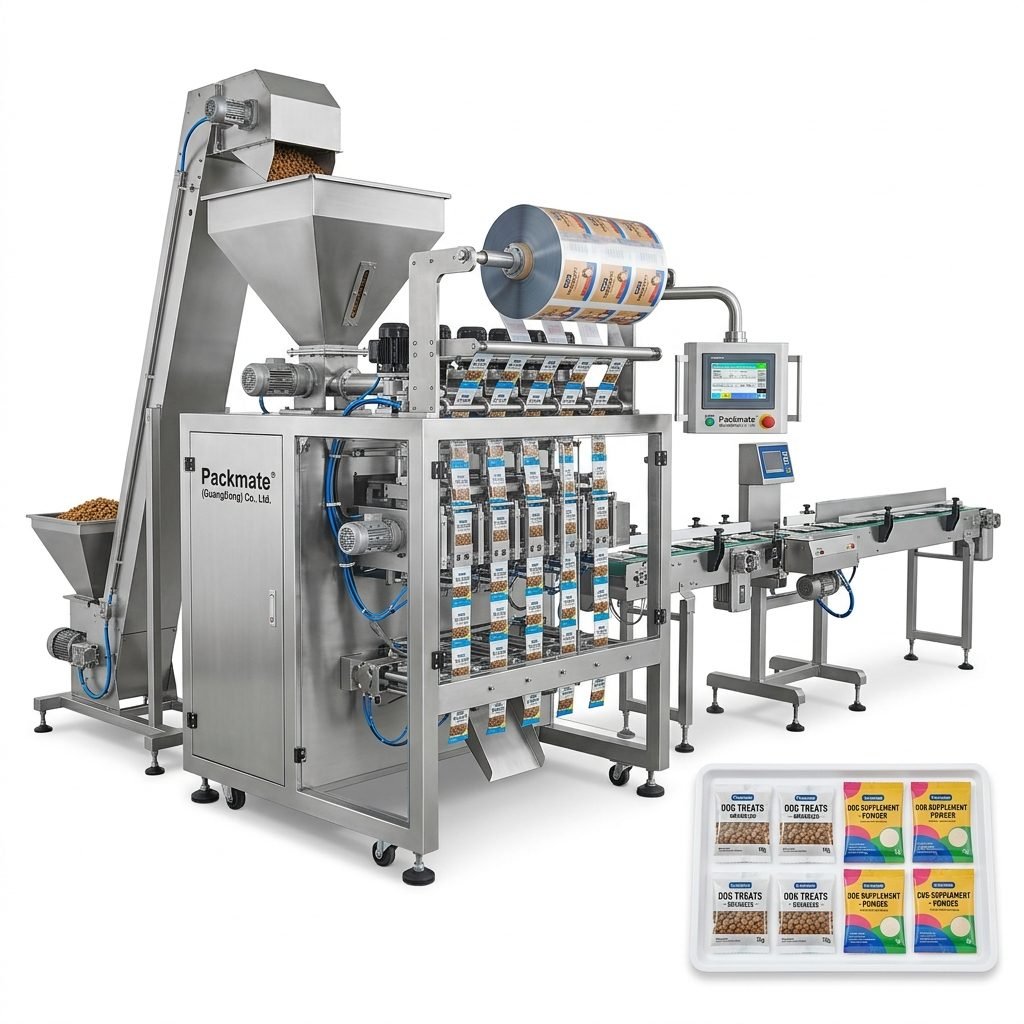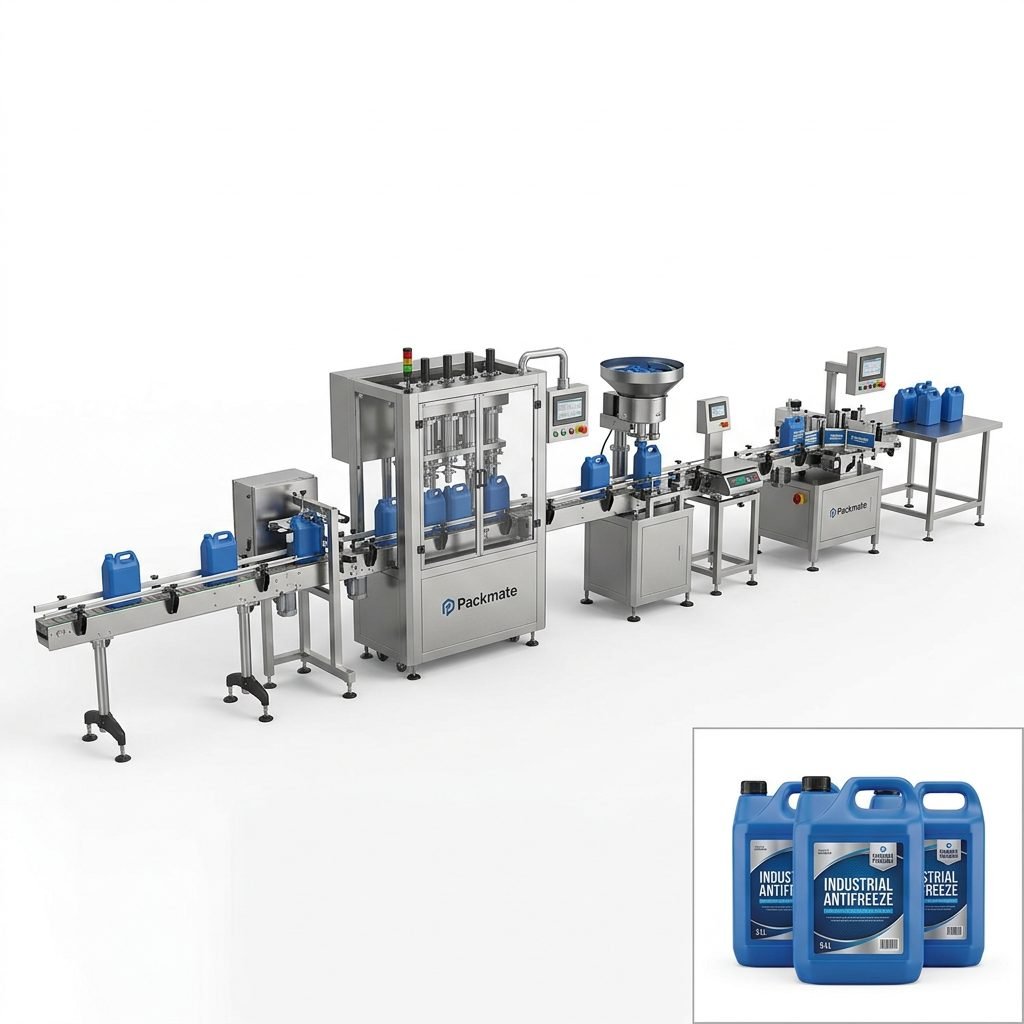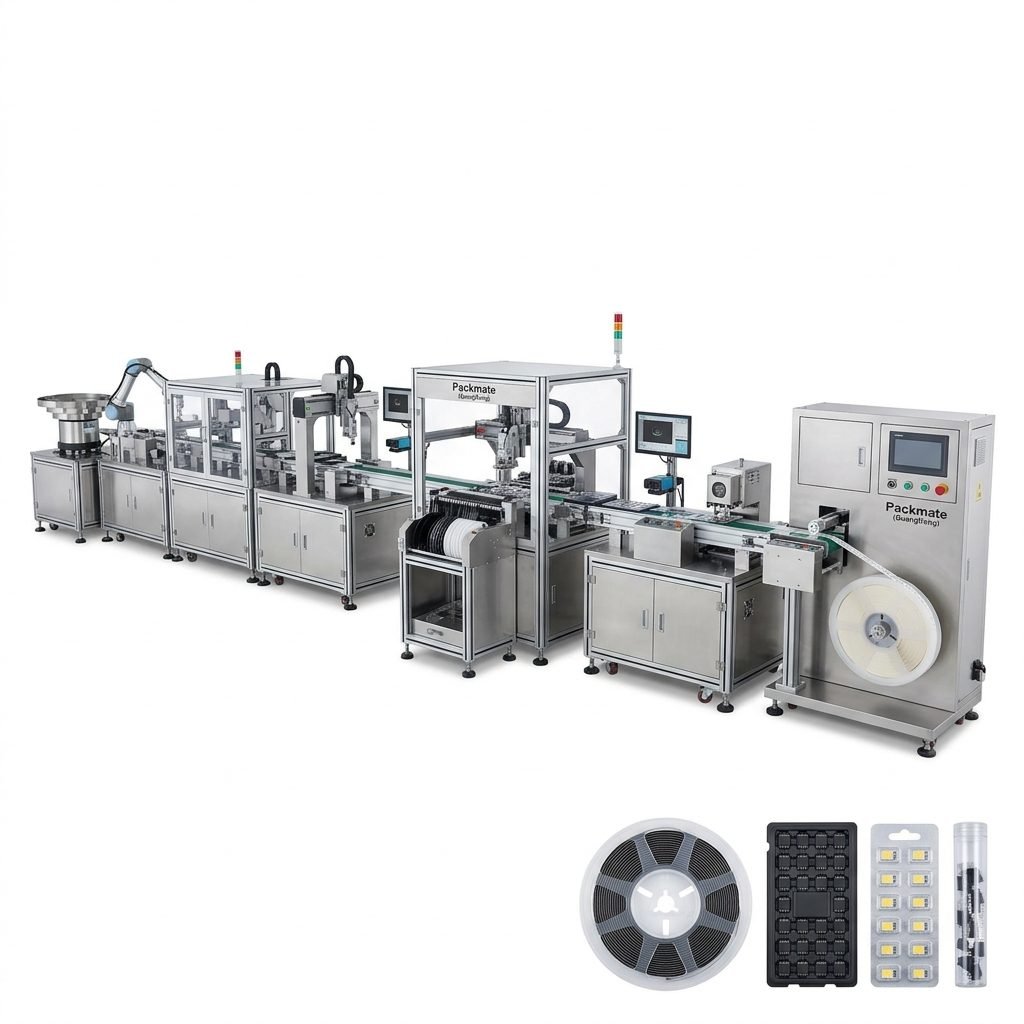
In today’s fast-paced manufacturing landscape, an outdated packaging line is more than an inconvenience—it’s a direct threat to your bottom line. Slower speeds, higher downtime, frequent maintenance, and inconsistent output can erode profitability and hinder your ability to meet market demands. Modernizing your production line is not merely an upgrade; it’s a strategic investment in higher efficiency, unwavering reliability, and future-proofing your operations. This guide will walk you through the key considerations and steps for transforming your packaging process into a competitive asset.
The Compelling Case for Modernization
Before diving into the “how,” it’s crucial to understand the “why.” The drivers for upgrading your packaging line are multifaceted and powerful. Primarily, it’s about enhancing operational efficiency. Newer machines are designed for higher speeds and better throughput, directly increasing your production capacity without expanding your footprint. This is complemented by a significant boost in reliability and uptime. Modern equipment incorporates advanced diagnostics, sturdier components, and smarter designs that minimize unplanned stoppages and reduce the frequency of maintenance interventions.
Furthermore, upgrading allows for superior flexibility and agility. Markets evolve, and consumer preferences shift. A modern line with quick-change parts and programmable settings lets you switch between product formats, sizes, or materials with minimal downtime, enabling you to respond swiftly to new opportunities. Lastly, there’s the critical element of safety and sustainability. Newer machines often come with enhanced safety features to protect operators and are engineered to be more energy-efficient and generate less waste, aligning with both regulatory trends and corporate responsibility goals.
Key Areas for Upgrade in Your Packaging Line
A holistic upgrade looks beyond a single machine. To achieve a synchronized, high-performance line, focus on these core areas:
1. Core Packaging Machinery
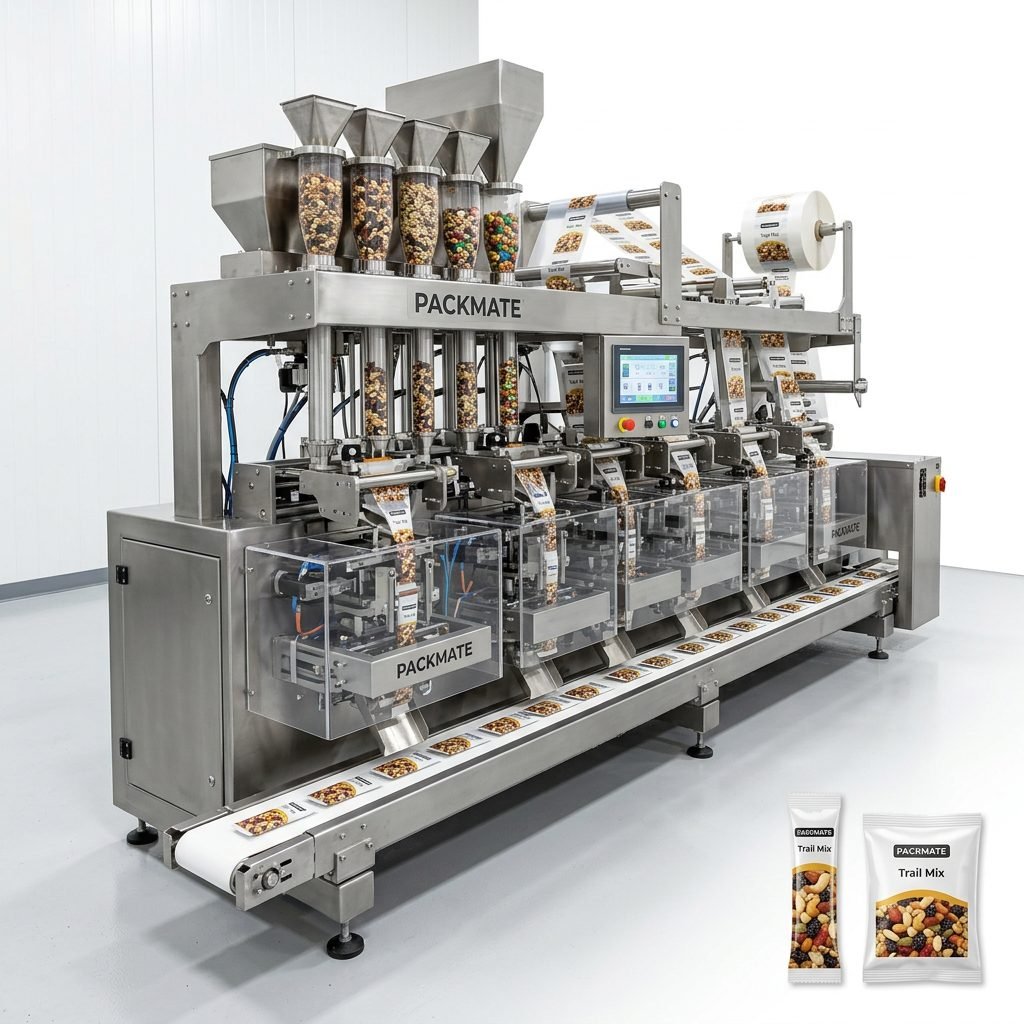
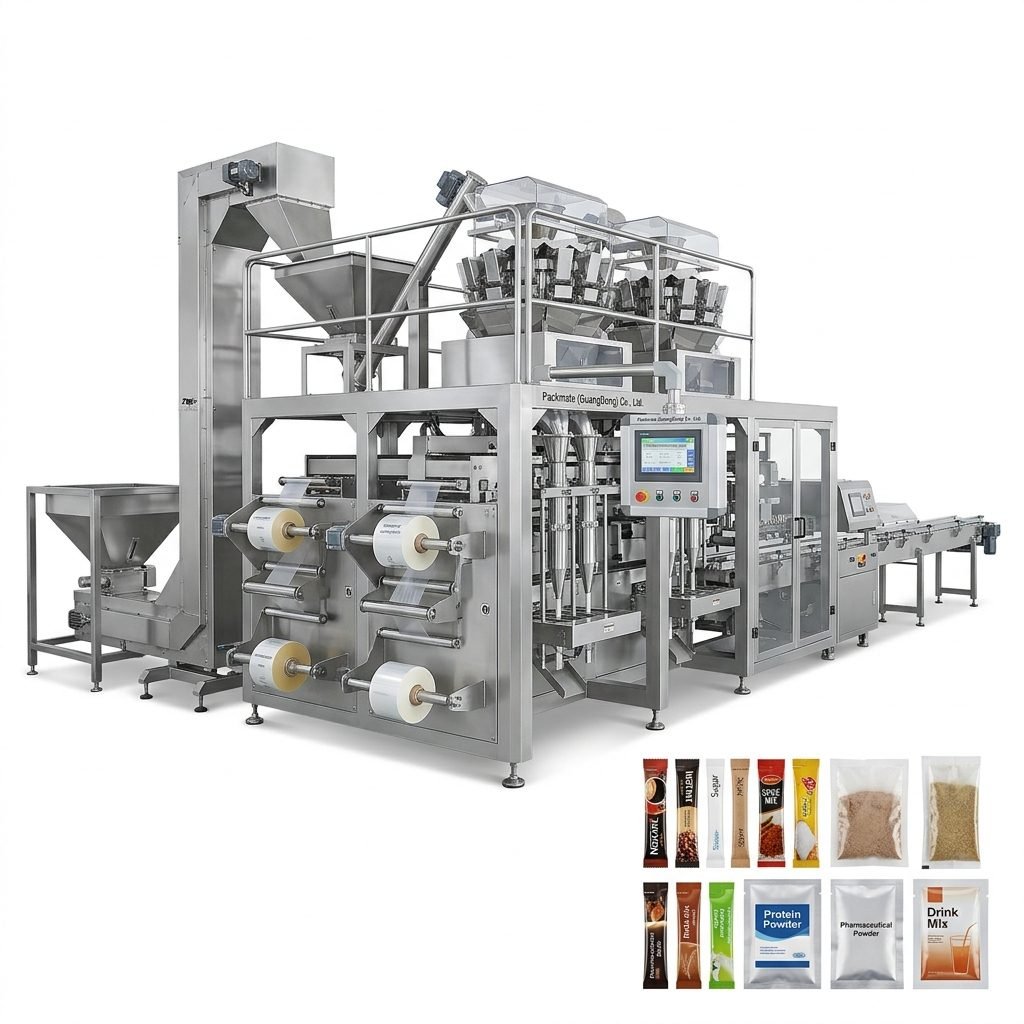
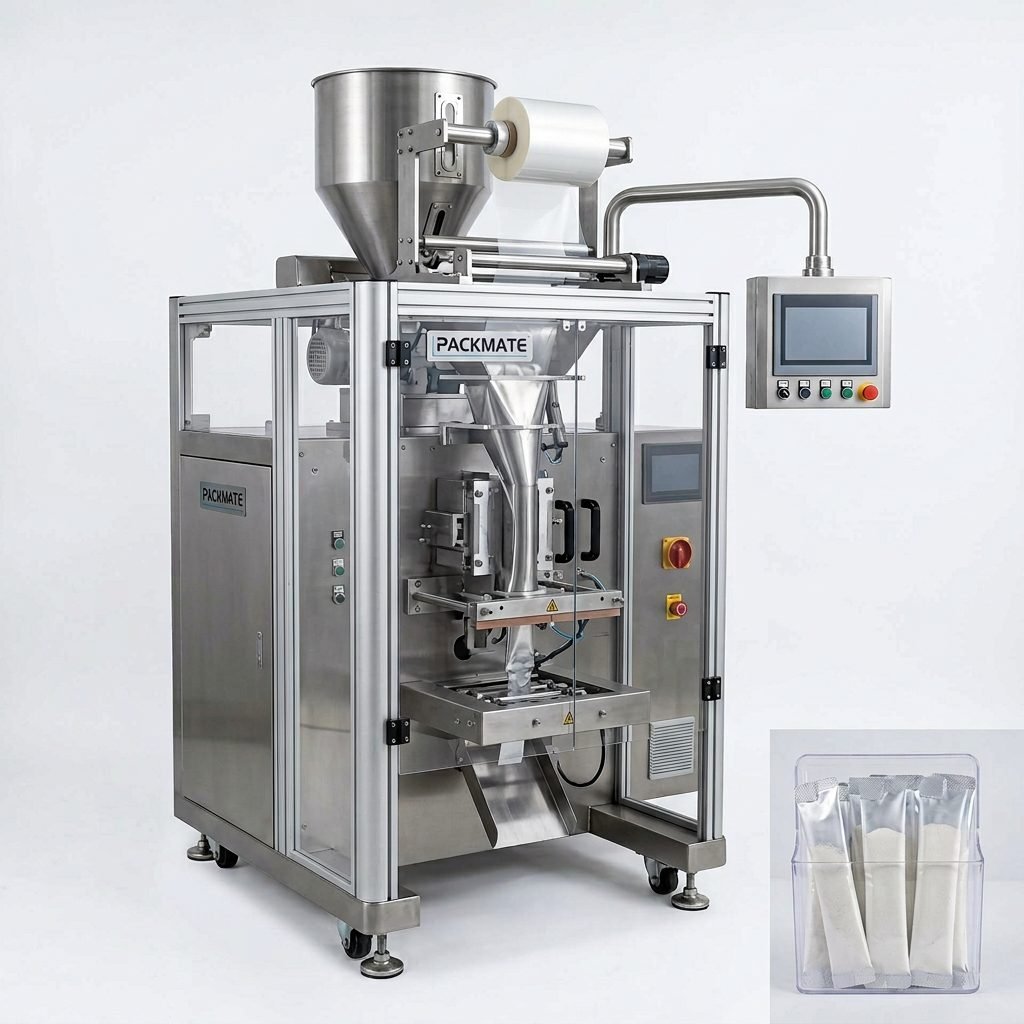
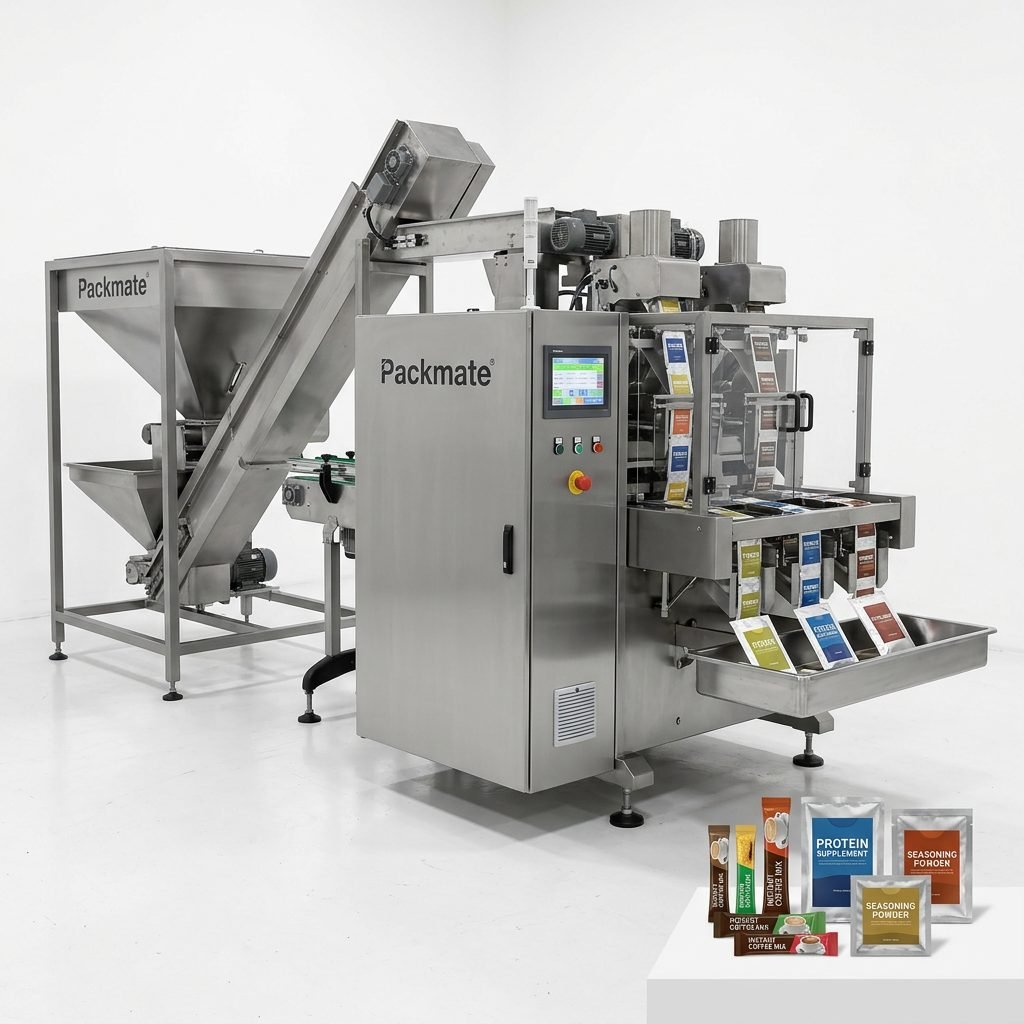
This is the heart of your line. Evaluate your form-fill-seal (FFS) machines, cartoners, case packers, and palletizers. Upgrading to newer models can bring:
🔹 Higher Speeds & Precision: Servo-driven technology offers unparalleled control over film feeding, sealing, and cutting, resulting in faster cycles and perfect package consistency every time.
🔹 Intelligent Controls: Touchscreen HMIs (Human-Machine Interfaces) with recipe management simplify operation and reduce changeover errors.
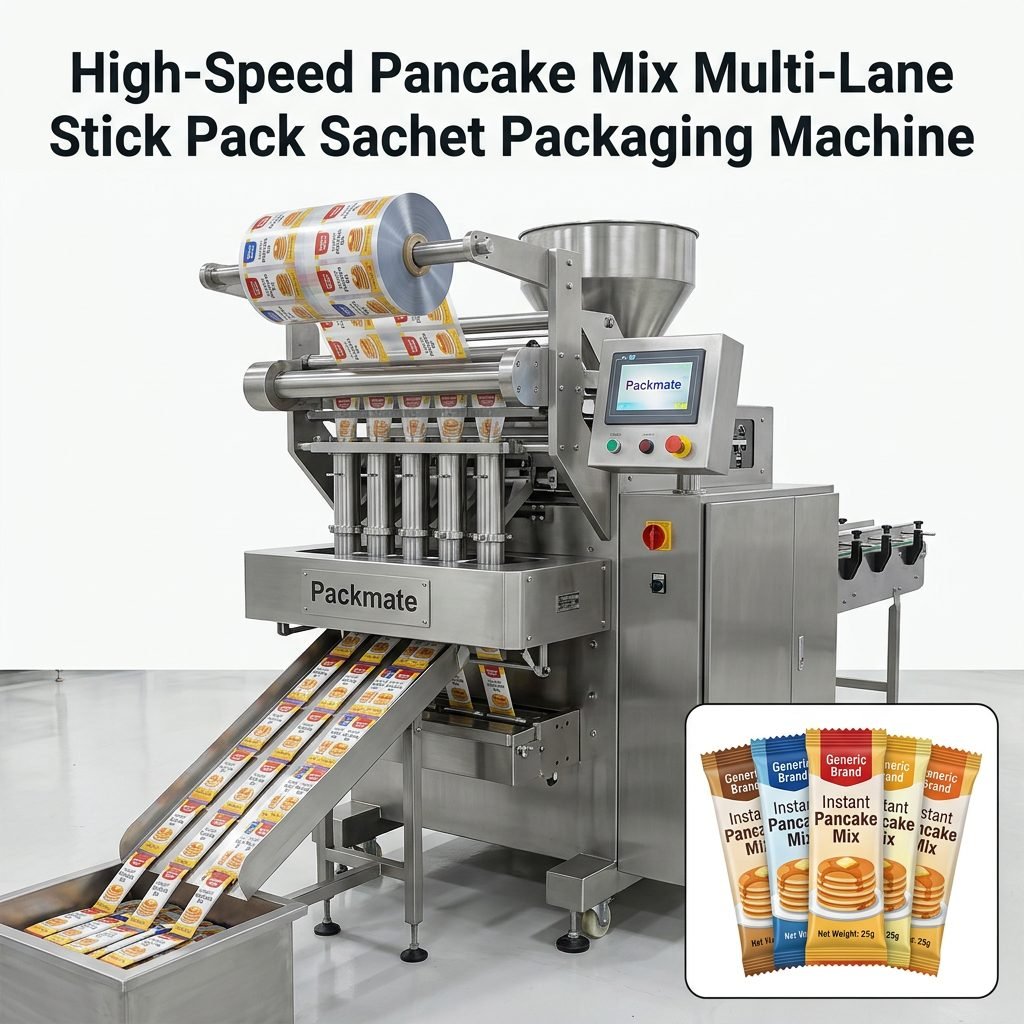
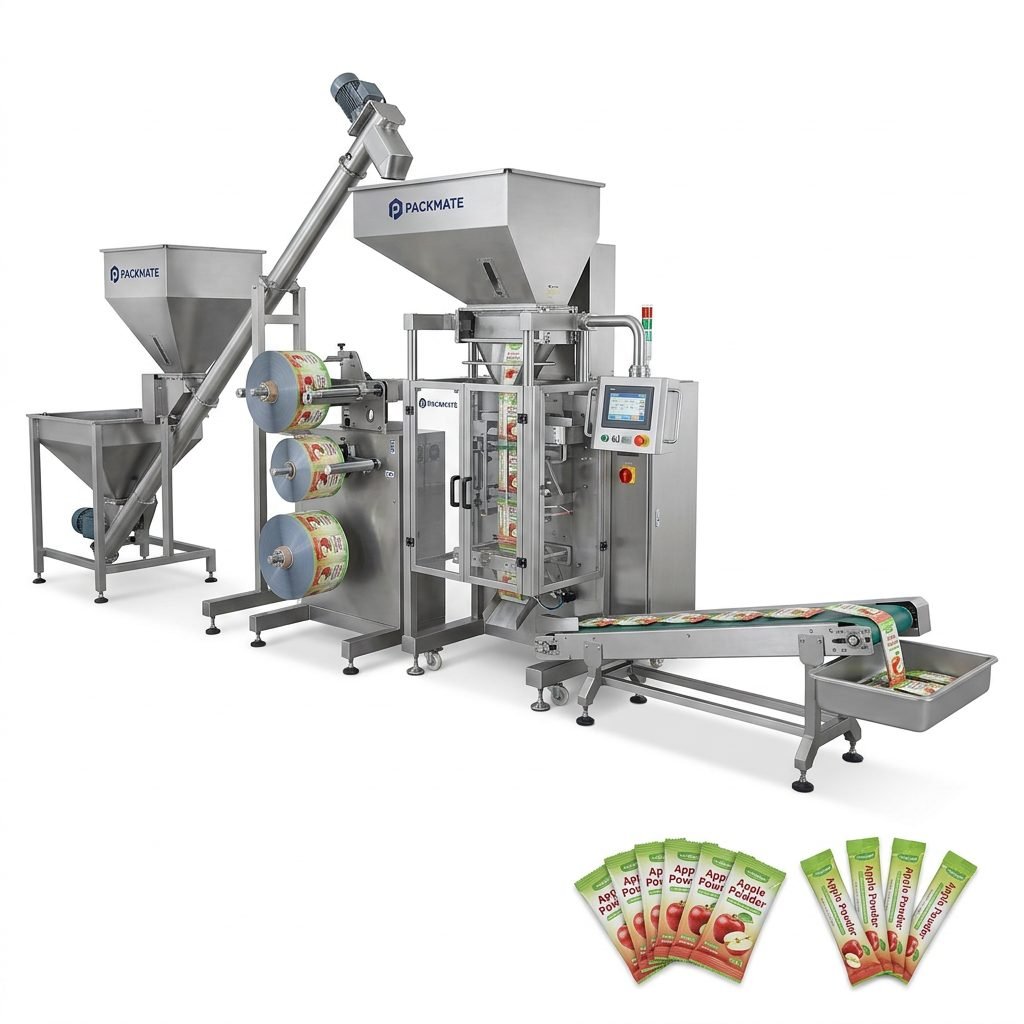
🔹 Enhanced Hygiene: For industries like food and pharmaceuticals, machines with easy-clean designs, stainless steel surfaces, and IP-rated protection are essential. Companies like Packmate specialize in designing such hygienic, intelligent solutions.
2. Integration & Conveyance Systems
An efficient machine is only as good as the system feeding it and taking product away. Modernizing conveyance involves:
🔹 Smart Conveyors: Implementing variable speed drives, accumulation tables, and gentle handling systems to prevent product damage and manage flow.
🔹 Robotic Integration: Using collaborative robots (cobots) or articulated robots for precise pick-and-place, case packing, or palletizing tasks, increasing speed and freeing human workers for more complex duties.
🔹 Line Synchronization: Ensuring all components communicate via a central PLC (Programmable Logic Controller) or SCADA system to maintain optimal speed and prevent bottlenecks.
3. Inspection & Quality Control
Building quality into the process is cheaper than sorting it out later. Integrate advanced inspection systems:
🔹 Vision Systems: For checking fill levels, label presence/position, seal integrity, and detecting foreign objects.
🔹 Checkweighers & Metal Detectors: Essential for compliance and consumer safety, ensuring every package meets weight specifications and is free from contaminants.
🔹 Data Tracking: Modern systems log every rejection, providing invaluable data for root cause analysis and continuous process improvement. Explore our packaging solutions to see how integrated QC works in practice.
4. The Digital Backbone: IIoT & Data Analytics
The true power of a modern line lies in its connectivity. Implementing Industrial Internet of Things (IIoT) principles transforms data into actionable insights.
This involves installing sensors on motors, bearings, and key components to monitor temperature, vibration, and energy consumption. This data is fed to a dashboard where you can track Overall Equipment Effectiveness (OEE) in real-time, receive predictive maintenance alerts before a failure occurs, and analyze production trends to optimize schedules and resource allocation.
Planning Your Upgrade: A Step-by-Step Approach
A successful modernization project requires careful planning. Rushing into equipment purchases is a common pitfall.
Step 1: Comprehensive Audit & Goal Setting
Begin with a thorough assessment of your current line. Map the entire process, measure current OEE, identify chronic pain points (e.g., frequent jams at Station X, high waste rate for Product Y), and interview operators for their insights. Based on this audit, define clear, measurable goals: “Increase line speed by 20%,” “Reduce changeover time by 50%,” or “Achieve 99.5% uptime.”
Step 2: Partner Selection & Solution Design
Choosing the right partner is critical. Look for a provider with a proven track record in your industry and the capability to deliver a turnkey solution. A true partner will conduct a detailed site survey, understand your specific challenges, and design a customized line layout. They should offer a complete range of equipment, from primary packaging to end-of-line, ensuring seamless integration. Reviewing a provider’s case studies can offer concrete proof of their expertise.
Step 3: Phased Implementation & Training
For minimal disruption, consider a phased rollout. You might upgrade the core FFS machine in one phase, then add robotics and inspection systems in the next. A critical, often overlooked component is comprehensive training. Ensure your partner provides in-depth training for your maintenance and operations teams on the new equipment’s operation, basic troubleshooting, and preventive maintenance schedules. Empowered staff are key to sustaining the benefits of the upgrade.
Step 4: Ongoing Support & Optimization
The relationship with your supplier shouldn’t end at installation. Ensure you have access to reliable after-sales service, readily available spare parts, and technical support. Utilize the data from your new IIoT systems for continuous optimization, fine-tuning settings, and planning future incremental improvements. Learn more about our commitment to long-term partnership on our service page.
Conclusion: Building a Future-Ready Operation
Modernizing your packaging line is a decisive step toward building a more resilient, efficient, and profitable manufacturing operation. By strategically upgrading core machinery, integrating smart conveyance and inspection, and harnessing the power of data, you create a system that not only meets today’s demands but is also adaptable for tomorrow’s challenges. It’s an investment that pays dividends in reduced operational costs, higher product quality, and a stronger competitive position in the global marketplace. For a deeper dive into how a seasoned provider can guide this journey, visit our company profile.
Frequently Asked Questions (FAQs)
1. How do I calculate the ROI for a packaging line upgrade?
The Return on Investment (ROI) is calculated by comparing the total cost of the upgrade (equipment, installation, training) against the quantified savings and gains. Key metrics include increased production output (value of additional units), reduced labor costs, lower maintenance and spare parts expenses, decreased material waste, and improved energy efficiency. A detailed audit in the planning phase will provide the baseline data needed for an accurate ROI projection.
2. Can I upgrade parts of my line, or does it need to be a complete overhaul?
A complete overhaul is not always necessary. A phased or modular approach is highly effective and common. You can start by upgrading the bottleneck machine, then progressively modernize upstream feeding or downstream handling systems. The key is to ensure new components can communicate and integrate with the existing line controls, which a qualified systems integrator can manage.
3. What is the typical downtime required for an upgrade?
Downtime varies significantly based on the project’s scope. A single machine replacement might require a few days, while a full line modernization could take several weeks. Careful planning, pre-fabrication of components, and a phased implementation strategy are used to minimize production disruption. Your equipment provider should provide a detailed project timeline with a clear installation and commissioning schedule.
4. How important is operator training for new, automated equipment?
It is absolutely critical. The most advanced machine will underperform or fail if operators are not properly trained. Effective training ensures safe operation, maximizes equipment utilization, enables efficient changeovers, and empowers staff to perform basic troubleshooting. This reduces reliance on external service calls and ensures a faster return to full production after any minor issues.
5. How can I ensure the new line is flexible for future products?
Discuss future needs with your supplier during the design phase. Specify requirements for quick-change parts (like formers and sealing jaws), machines with wide adjustment ranges, and software that allows easy saving and recall of product “recipes.” Investing in modular and scalable equipment from the start is the best way to build in long-term flexibility and protect your investment against product portfolio changes.