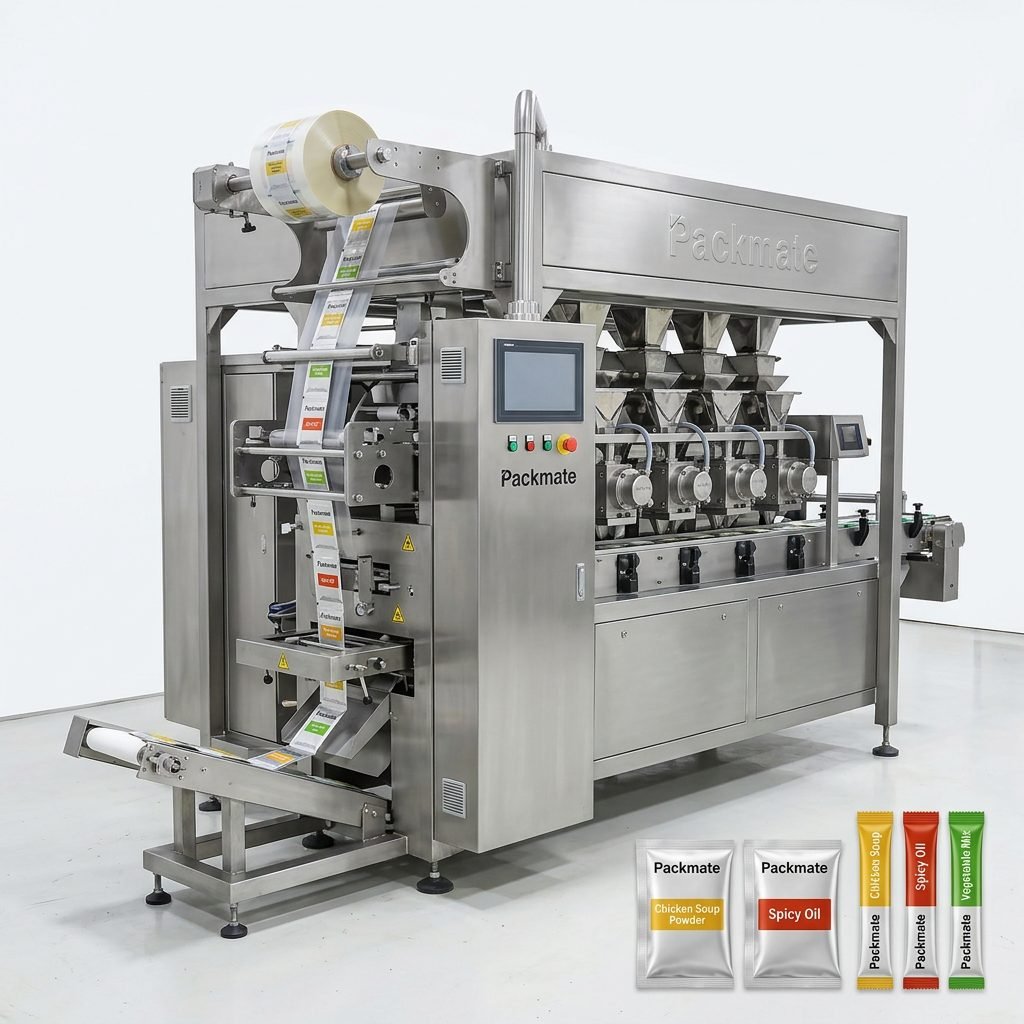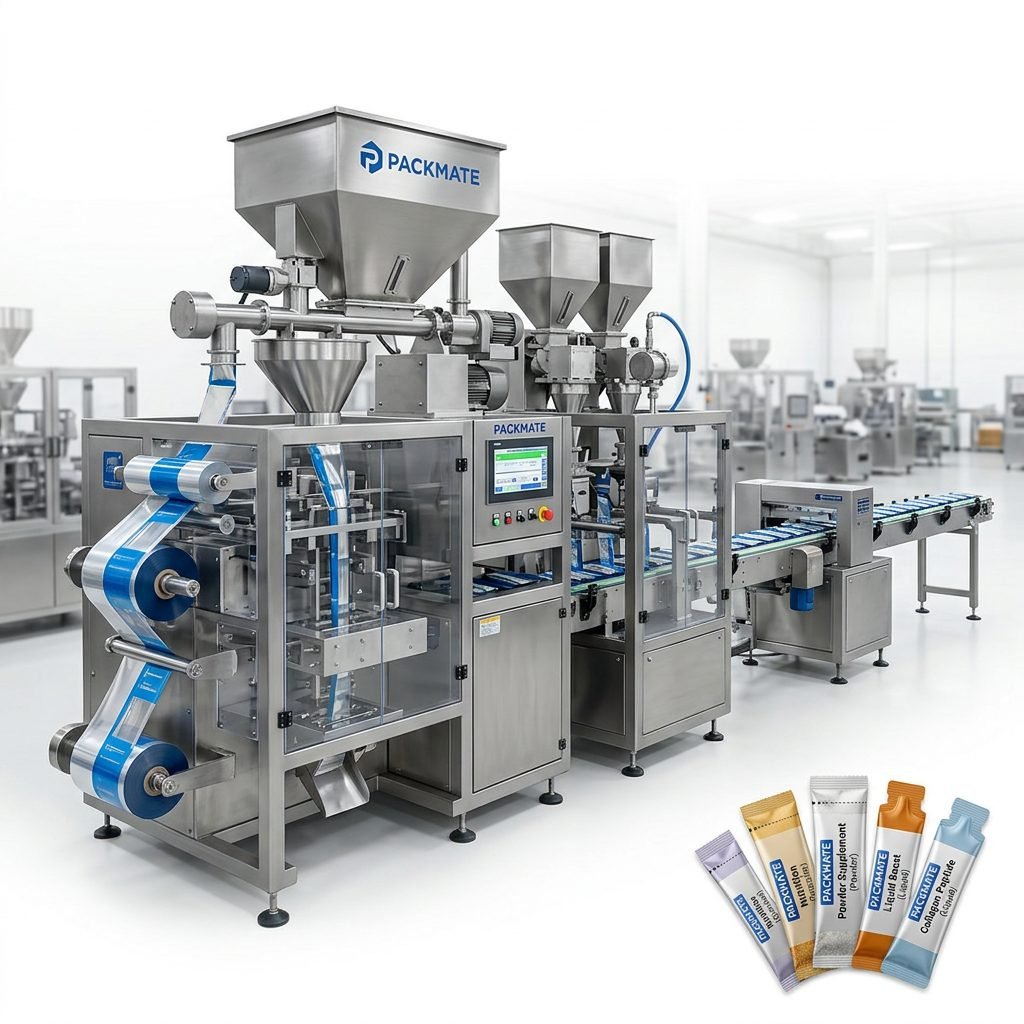
In the fast-paced world of manufacturing, the packaging line operator is a crucial figure, ensuring that products are sealed, labeled, and prepared for distribution efficiently and safely. This role sits at the heart of production, bridging the gap between raw output and the finished goods that reach consumers. For companies like Packmate (GuangDong) Co., Ltd., a leader in intelligent packaging solutions, the operator is the human element that brings sophisticated automation to life. This comprehensive guide details the duties, required skills, salary expectations, and career trajectory for a packaging line operator.
Core Duties and Responsibilities
The day-to-day work of a packaging line operator is diverse, requiring both technical know-how and vigilant attention to detail. Their primary goal is to maintain a smooth, uninterrupted flow on the packaging floor.
Machine Operation and Monitoring
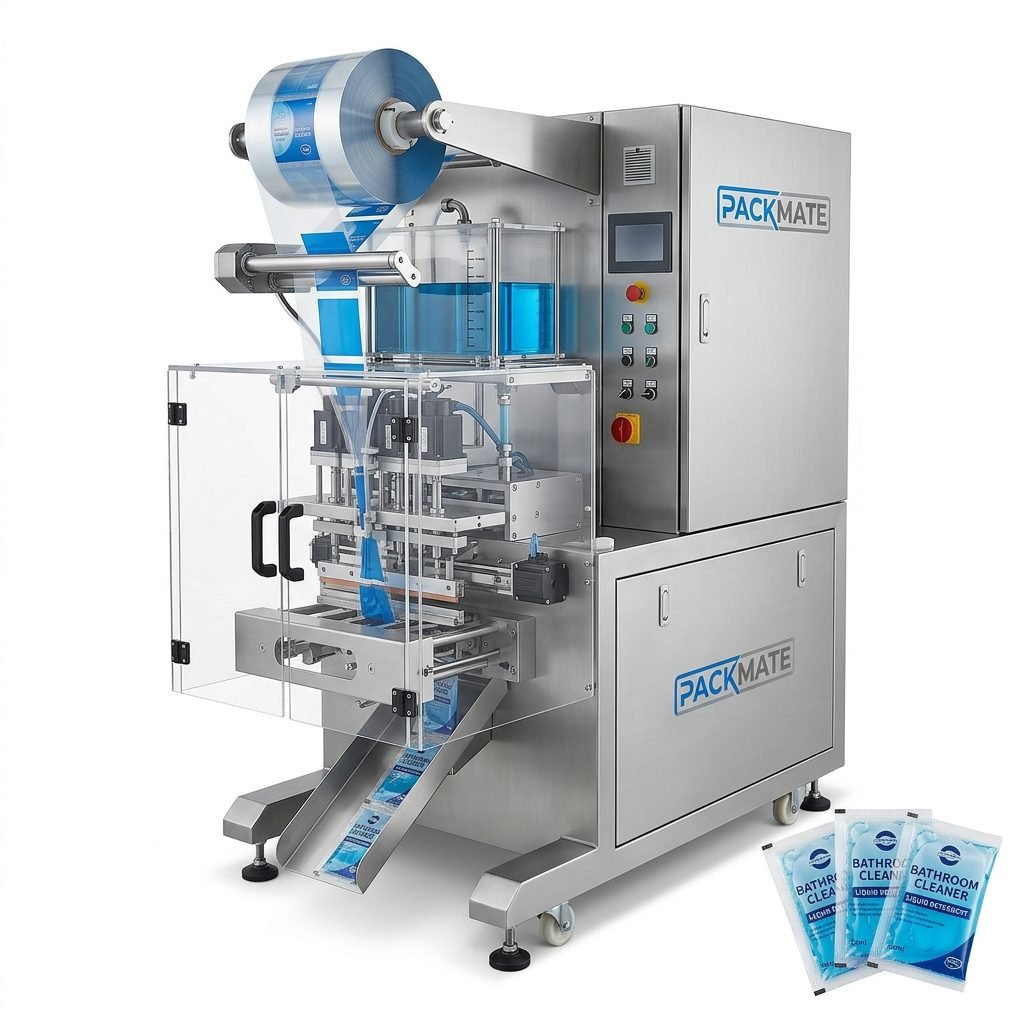
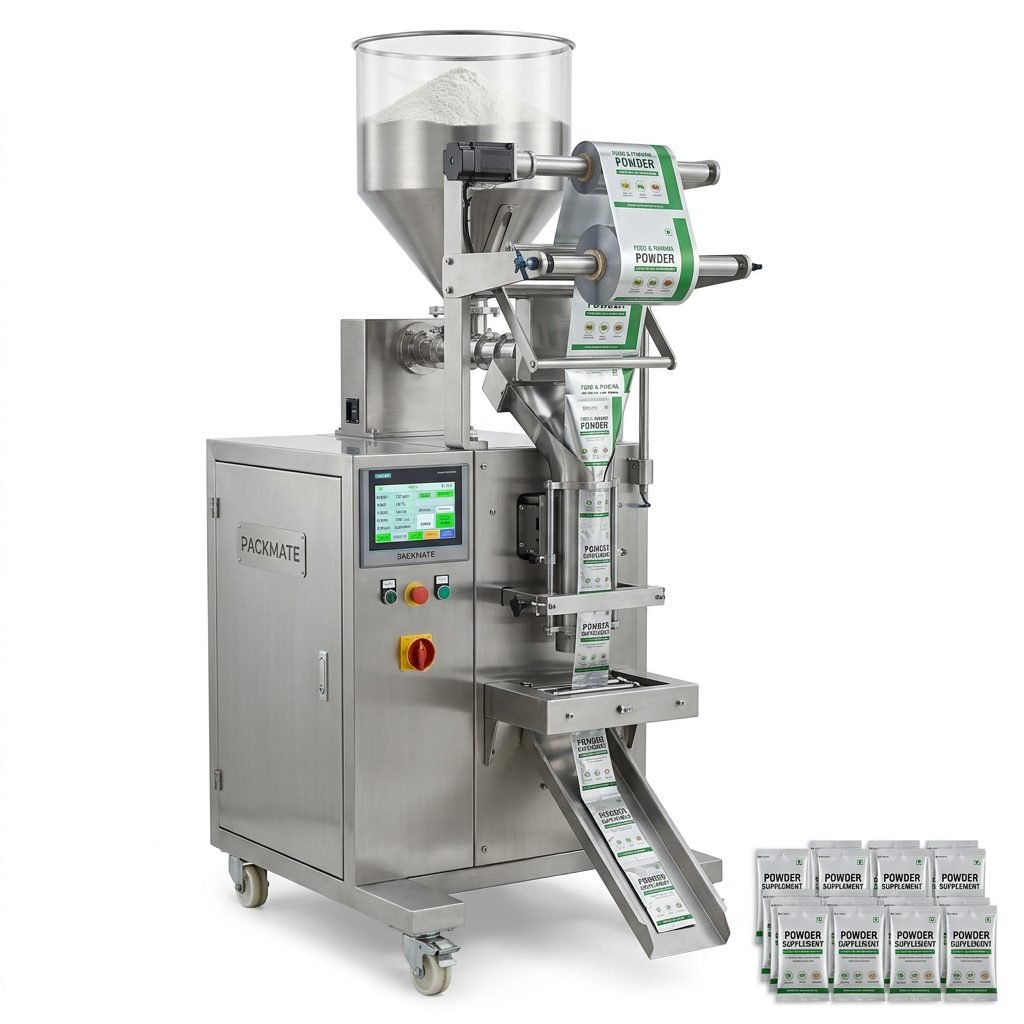
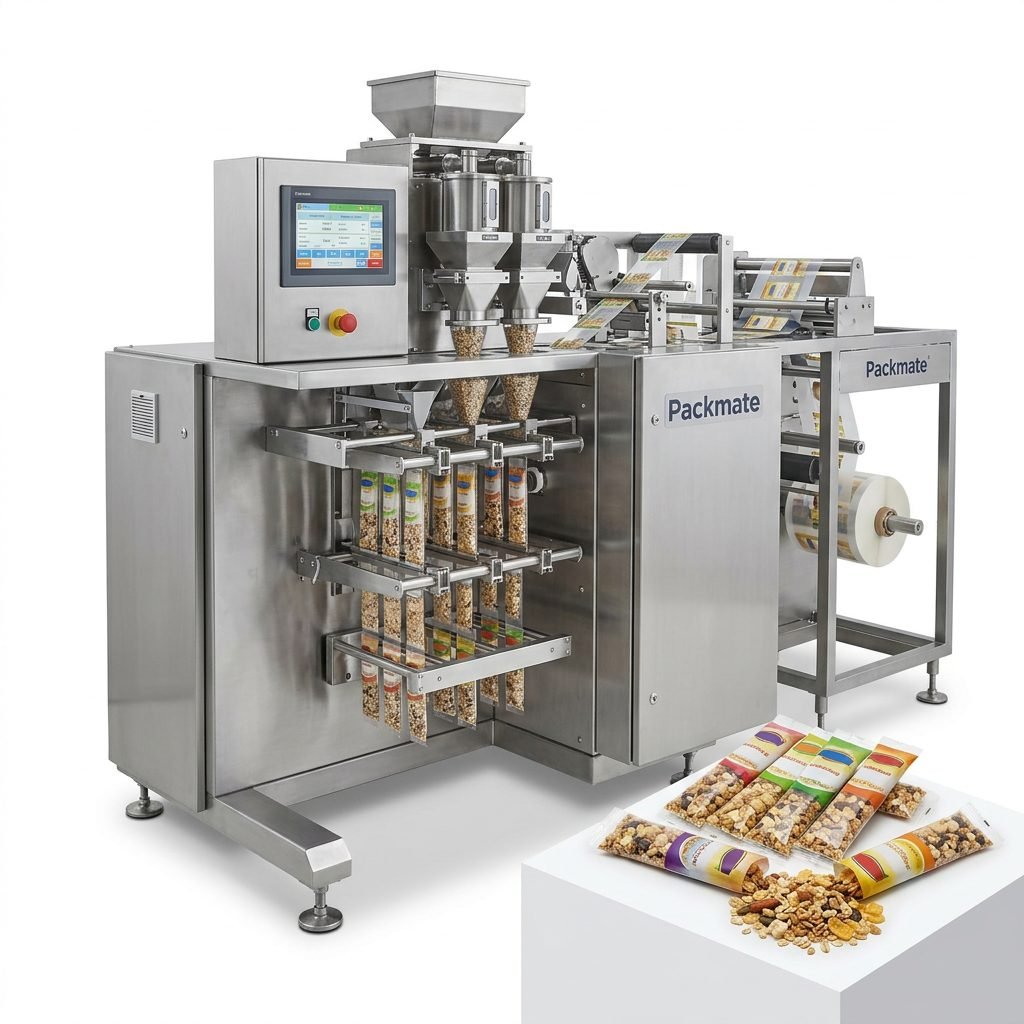
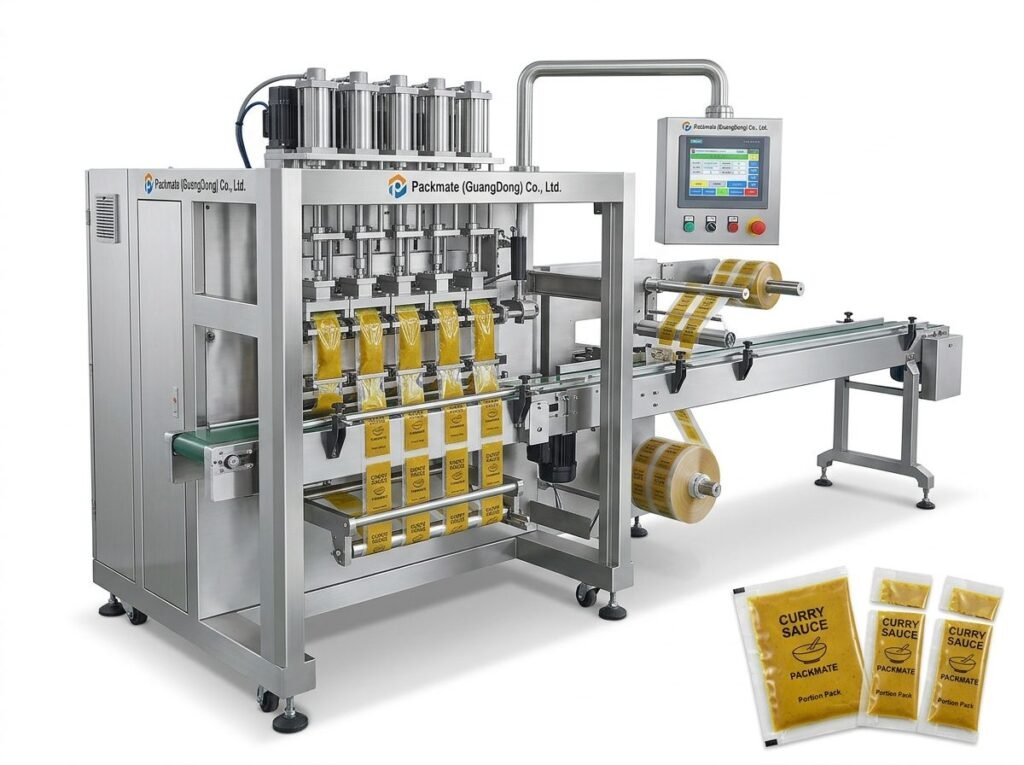
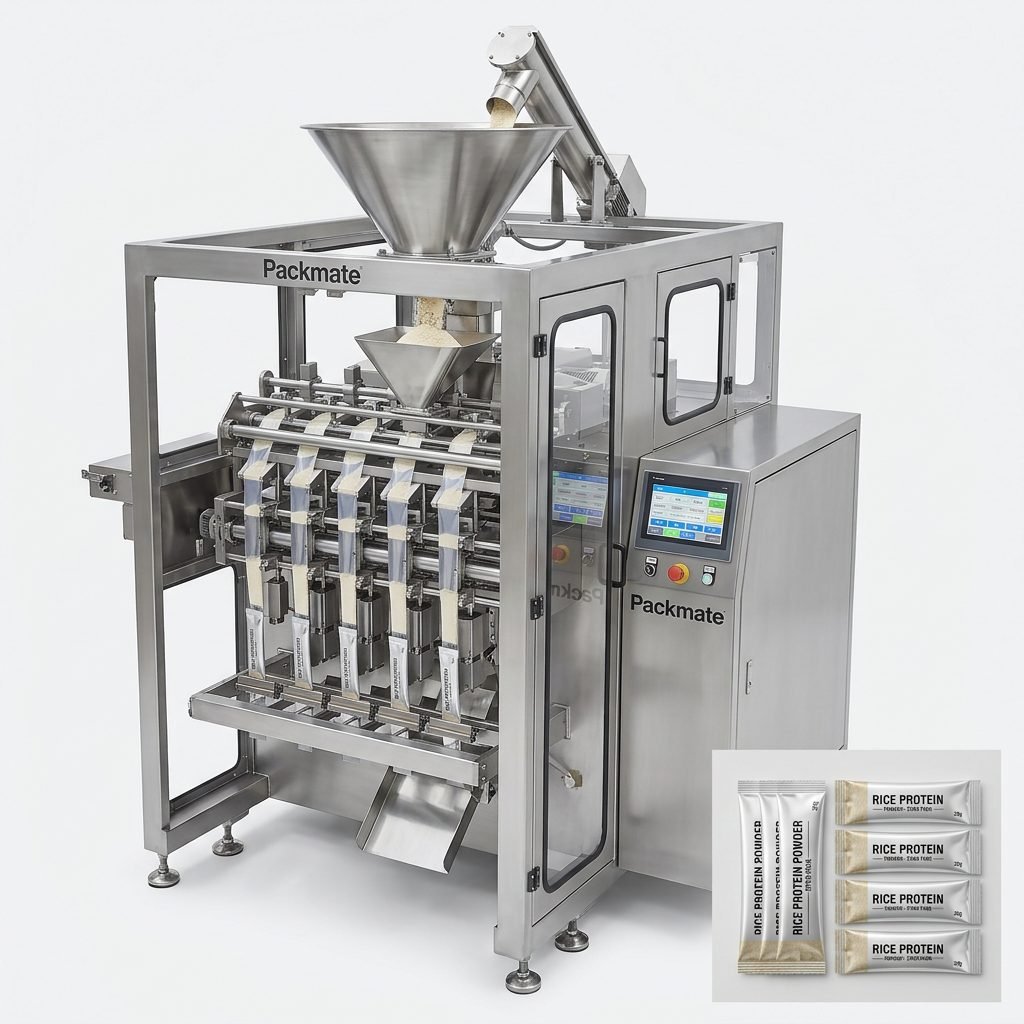
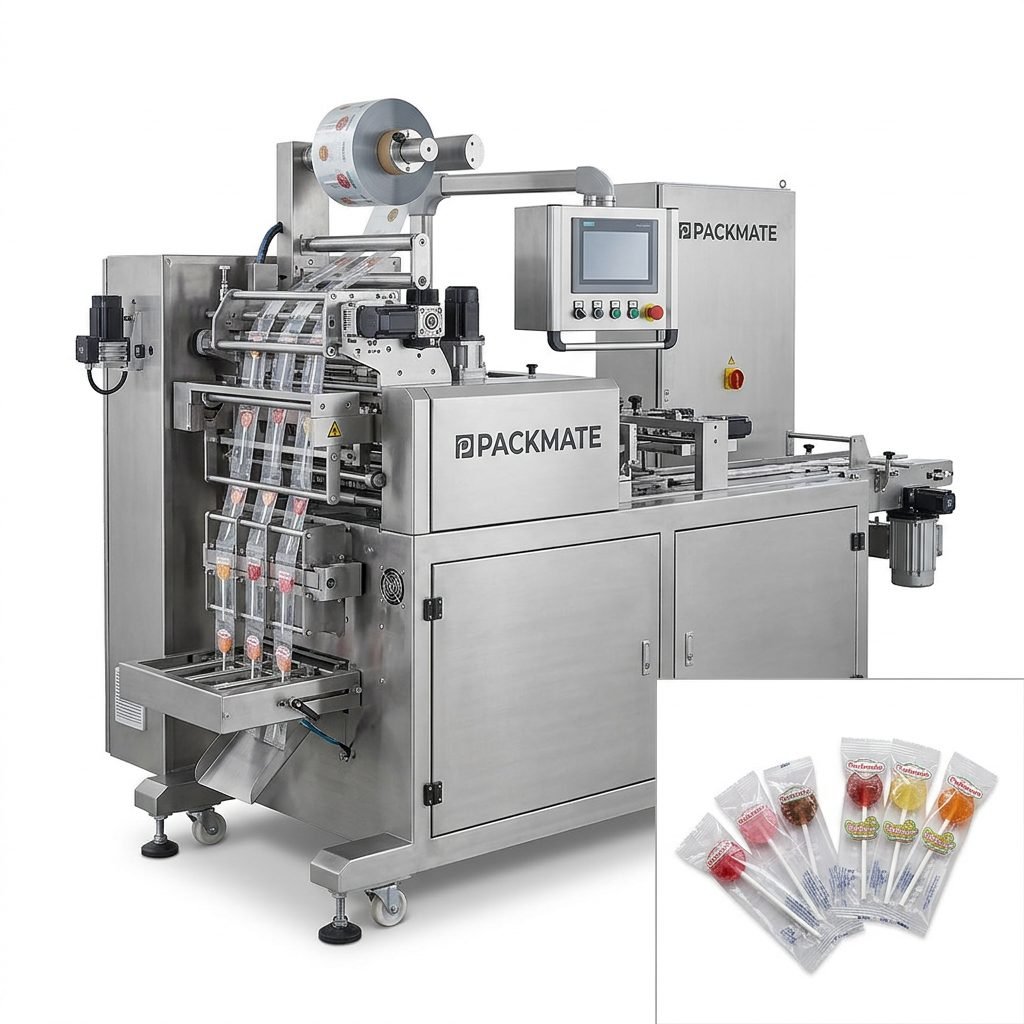
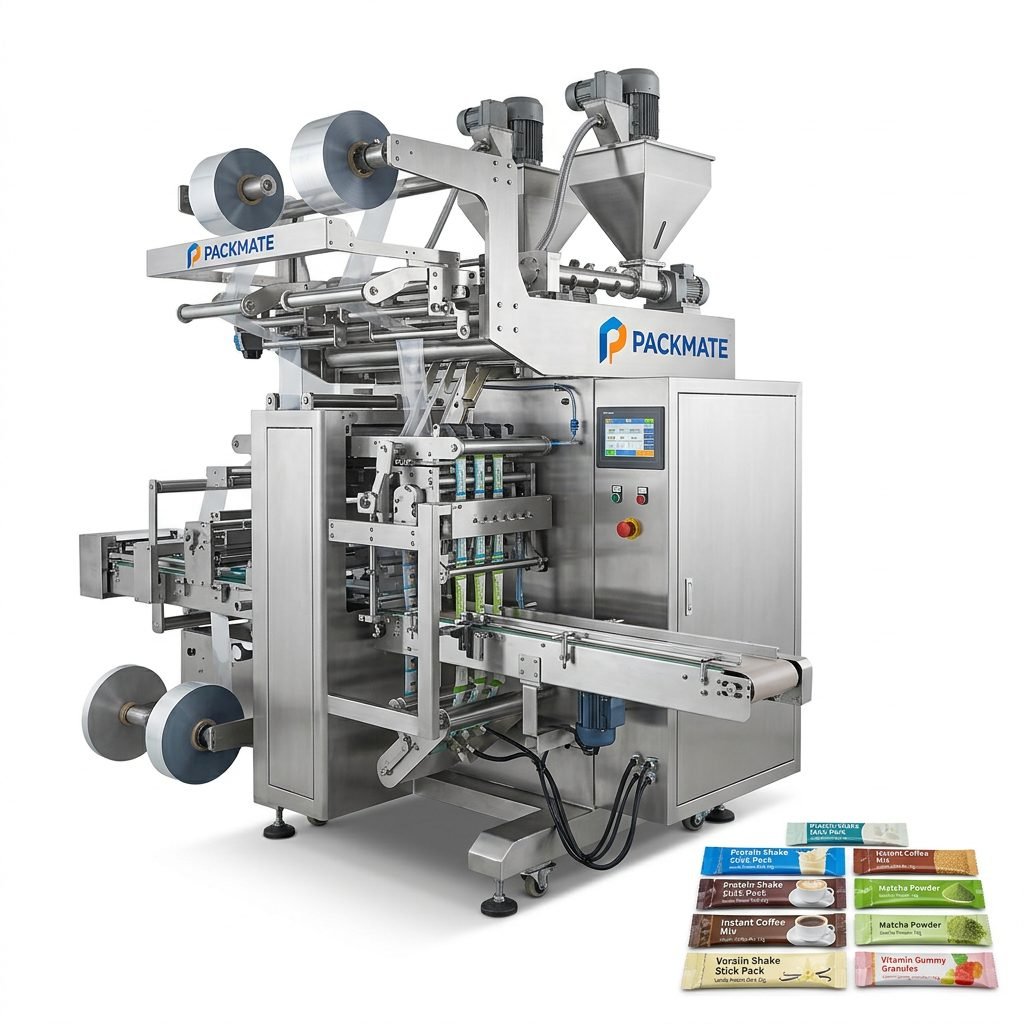
Operators are responsible for setting up, starting, running, and shutting down packaging machinery. This includes calibrating machines for different product sizes, loading packaging materials like film, cartons, or labels, and continuously monitoring equipment performance for any signs of malfunction or deviation from quality standards.
Quality Control and Inspection
A critical duty is performing regular quality checks. Operators must inspect packages for proper sealing, accurate labeling, correct weight or fill level, and overall presentation. They document any defects and are often empowered to stop the line if quality falls below acceptable parameters to prevent waste.
Basic Maintenance and Troubleshooting
While not deep mechanical engineers, operators perform routine cleaning, lubrication, and minor adjustments. They are the first line of defense in troubleshooting, identifying issues like jams, misfeeds, or sensor errors, and performing basic corrective actions before escalating to maintenance technicians.
Safety and Compliance Adherence
Maintaining a safe work environment is paramount. Operators must follow all safety protocols, wear appropriate personal protective equipment (PPE), and ensure the line area is clean and free of hazards. In regulated industries like pharmaceuticals or food, they must also adhere to strict hygiene and Good Manufacturing Practice (GMP) standards.
Record Keeping and Communication
Accurate documentation of production counts, downtime, quality checks, and batch numbers is essential. Operators must effectively communicate shift handover information, report issues to supervisors, and collaborate with team members for efficient line changeovers.
Essential Skills and Qualifications
Success in this role hinges on a blend of hard technical skills and vital soft skills.
Technical & Mechanical Aptitude
Understanding how machinery works is fundamental. Familiarity with programmable logic controllers (PLCs), conveyors, fillers, sealers, and labelers is a significant advantage. Many operators gain this knowledge through vocational training or on-the-job experience.
Attention to Detail
The ability to spot a misaligned label, a weak seal, or a slight variation in weight is what separates a good operator from a great one. This vigilance directly impacts product quality and brand reputation.
Problem-Solving Skills
When a machine jams or a sensor fails, quick and logical thinking is required. Operators must diagnose the root cause and apply a solution to minimize downtime.
Physical Stamina and Dexterity
The role often involves standing for long periods, lifting moderate weights, and performing repetitive tasks. Good hand-eye coordination is necessary for manual adjustments and handling materials.
Teamwork and Communication
Packaging lines are team efforts. Clear communication with colleagues, supervisors, and quality control personnel is essential for coordination and problem resolution.
Salary Expectations and Influencing Factors
Salaries for packaging line operators vary based on location, industry, experience, and company size.
Entry-level positions typically start near the average hourly wage for manufacturing roles. With 3-5 years of experience, operators can see a noticeable increase, especially if they specialize in high-tech or regulated environments like pharmaceuticals. Senior operators or line leads who oversee sections of the line or train new hires command higher wages.
Industries such as pharmaceuticals, aerospace, or high-value consumer goods often pay more due to stricter standards. Geographic location is also a key factor, with wages in major industrial hubs or regions with a higher cost of living generally being higher. Additionally, working night shifts or weekends usually comes with premium pay differentials.
Career Path and Advancement Opportunities
A position as a packaging line operator is not a dead-end job; it can be the foundation for a rewarding career in manufacturing and operations.
1. Vertical Advancement within Operations
Demonstrating reliability and skill can lead to promotion to Senior Line Operator or Packaging Line Lead, with responsibilities for mentoring and coordinating a team. Further progression can lead to roles like Production Supervisor or Operations Manager, overseeing entire shifts or departments.
2. Specialization in Technical Fields
Operators with a strong mechanical inclination can transition into Maintenance Technician roles, focusing on repairing and maintaining complex machinery. Others may move into Quality Assurance/Control, specializing in audit processes and compliance standards.
3. Cross-Functional Moves
The hands-on experience is invaluable for roles in Logistics & Warehouse management or Production Planning. Some operators leverage their practical knowledge to move into sales or technical support for packaging machinery manufacturers, helping other companies optimize their lines.
For those interested in the engineering and solution side of packaging, exploring the advanced solutions offered by industry providers can be an inspiring look at the technology driving the field forward.
The Operator’s Role in Modern, Automated Lines
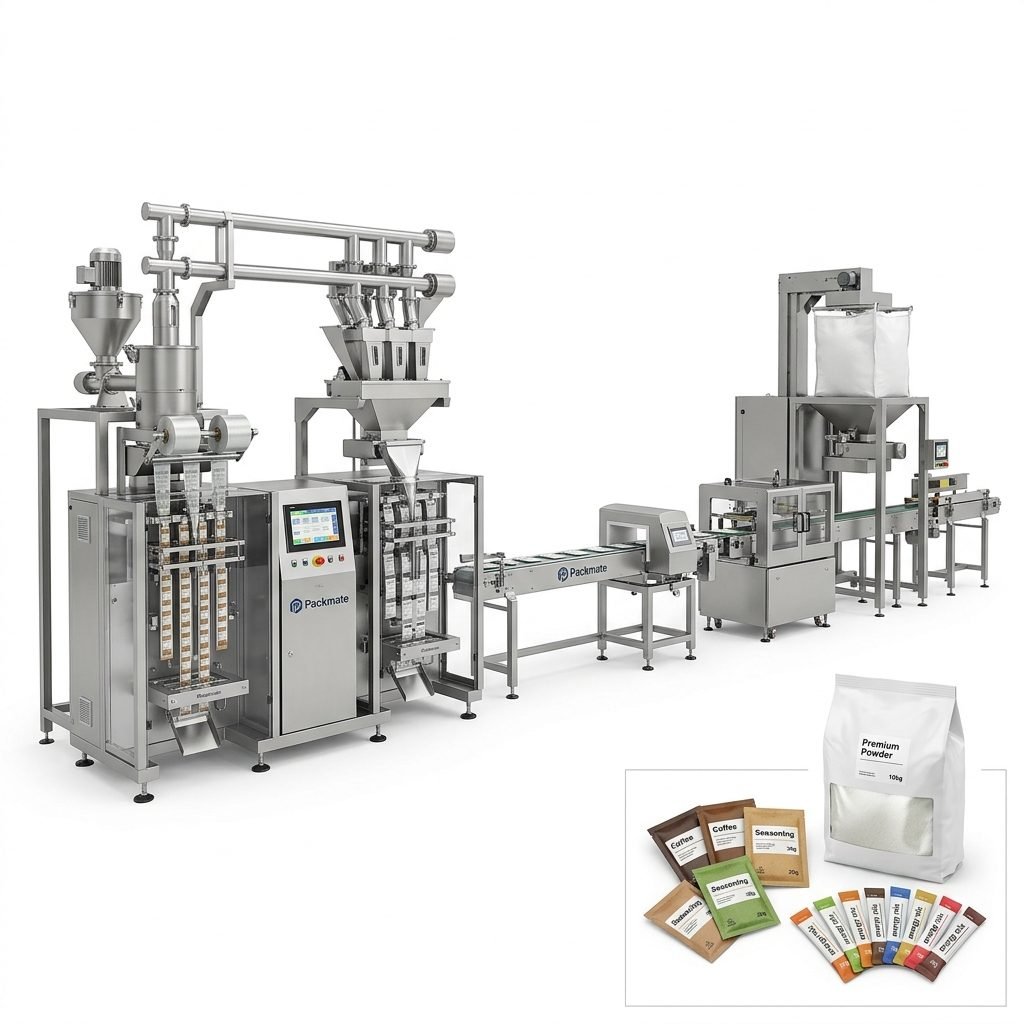
With the rise of Industry 4.0, the operator’s role is evolving from manual controller to system monitor and data analyst. In a modern facility like Packmate’s, operators interact with touchscreen HMIs (Human-Machine Interfaces), interpret real-time performance data, and manage automated guided vehicles (AGVs). Their focus shifts towards exception handling, process optimization, and predictive maintenance alerts, making digital literacy an increasingly important skill. Seeing these advanced systems in action through case studies highlights this evolution.
Conclusion
The packaging line operator is an indispensable asset in the manufacturing ecosystem. It is a role that demands a unique mix of technical skill, diligence, and teamwork. It offers a stable career entry point with clear pathways for growth into leadership, technical specialization, or cross-functional roles. As packaging technology continues to advance, the skilled operator will remain the critical link ensuring that efficiency, quality, and safety are never compromised on the production floor. For businesses looking to build or optimize their packaging operations, partnering with an experienced provider like Packmate ensures access to technology that empowers these vital team members.
Frequently Asked Questions (FAQs)
What is the most challenging part of a packaging line operator’s job?
Many operators cite troubleshooting under pressure as the biggest challenge. When a high-speed line goes down, diagnosing and fixing the problem quickly to minimize production loss requires deep knowledge, experience, and calm decision-making.
Do I need a formal degree to become a packaging line operator?
Typically, no. A high school diploma or equivalent is often sufficient. Employers primarily value mechanical aptitude, reliability, and a willingness to learn. Vocational training in mechatronics or industrial maintenance is a strong plus, but most training is provided on the job.
How is the job impacted by automation?
Automation changes but does not eliminate the role. It reduces physically demanding tasks and repetitive manual handling. The operator’s role becomes more focused on monitoring sophisticated systems, performing quality oversight, and managing exceptions, making it more intellectually engaging.
What industries hire the most packaging line operators?
The highest demand comes from the food and beverage, pharmaceutical, personal care, and consumer goods industries. Any company that produces a physical product requires packaging operations.
Where can I learn more about professional packaging equipment?
Reputable manufacturers provide extensive resources. You can review technical equipment catalogs or reach out directly to companies to inquire about training and service support for their machinery.