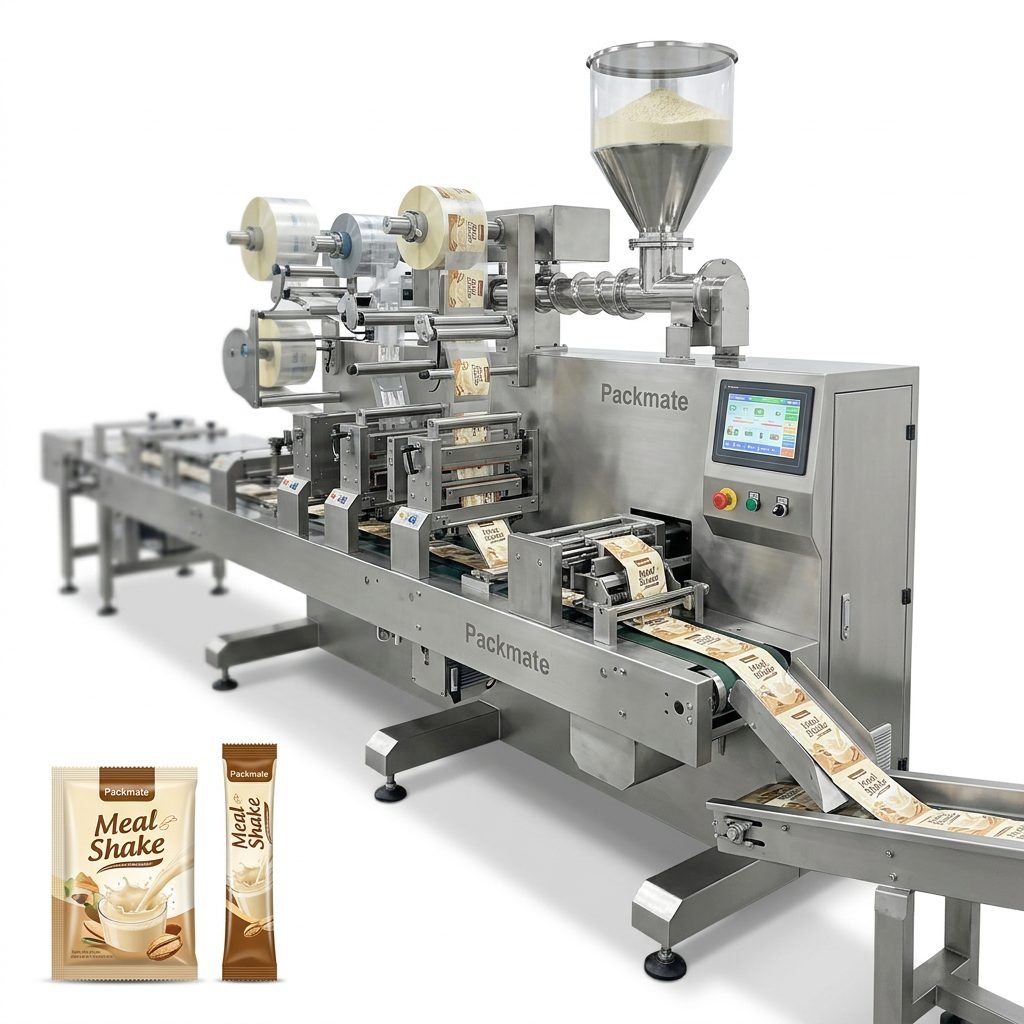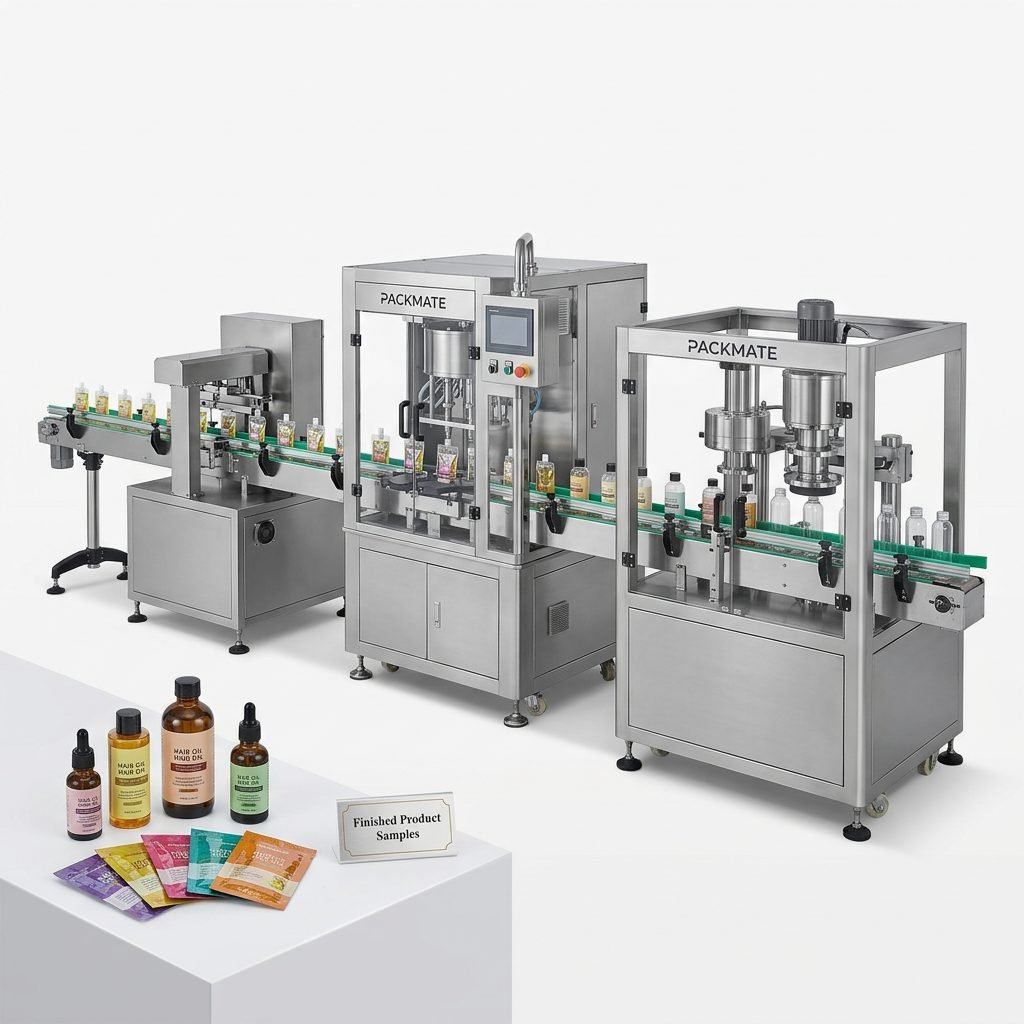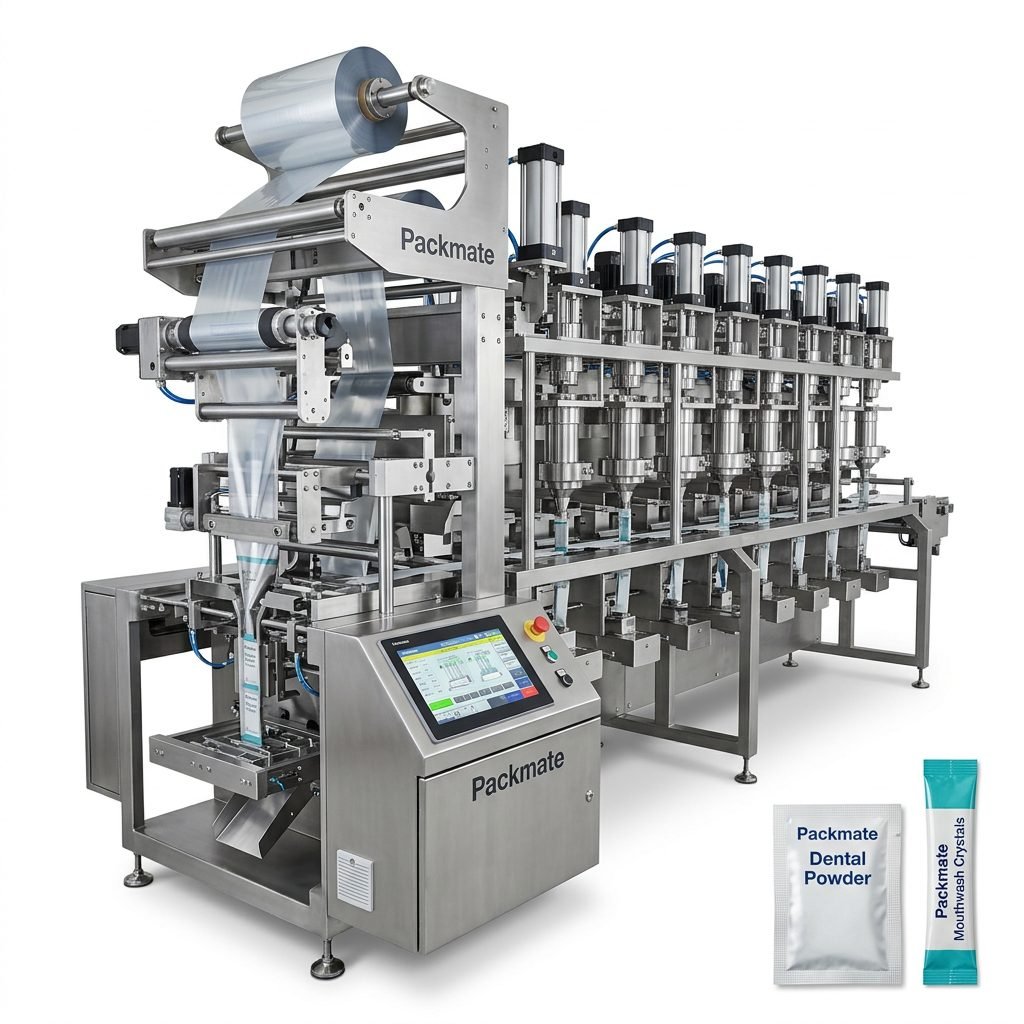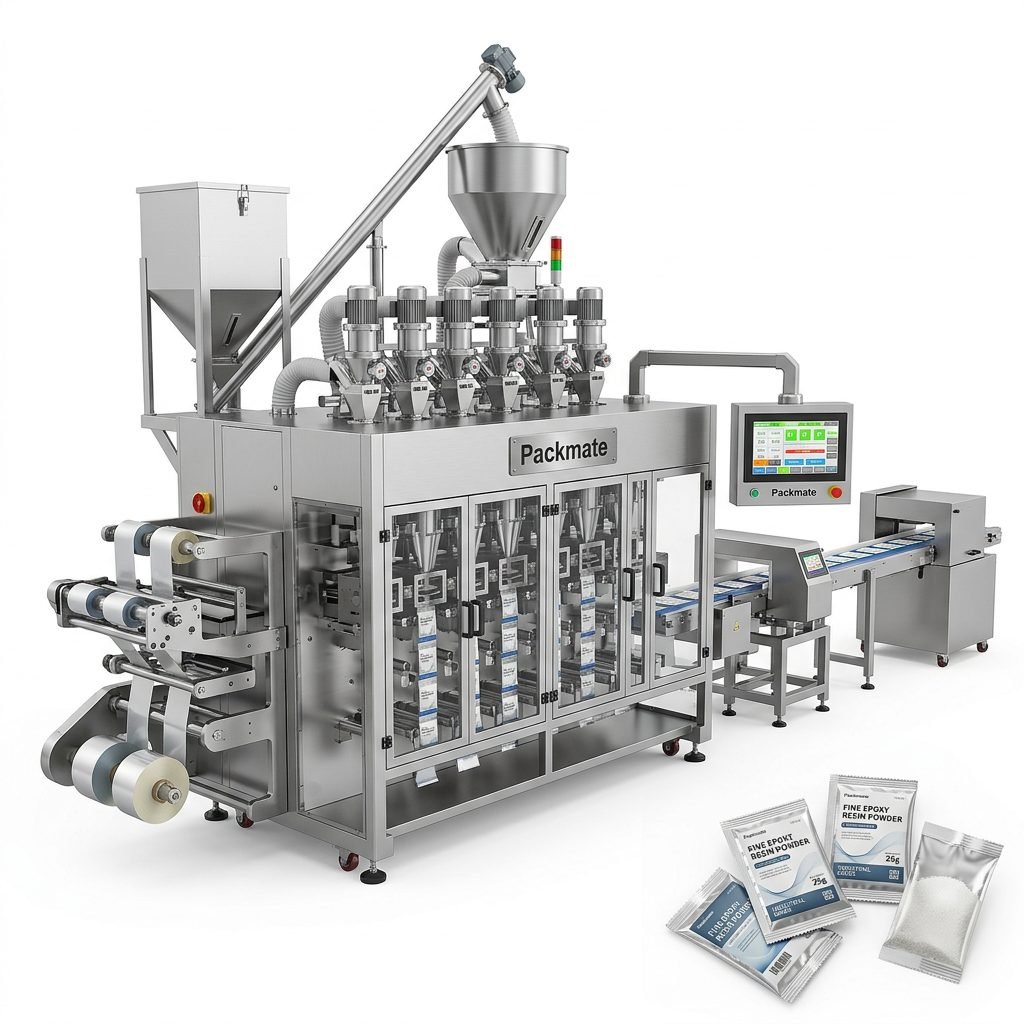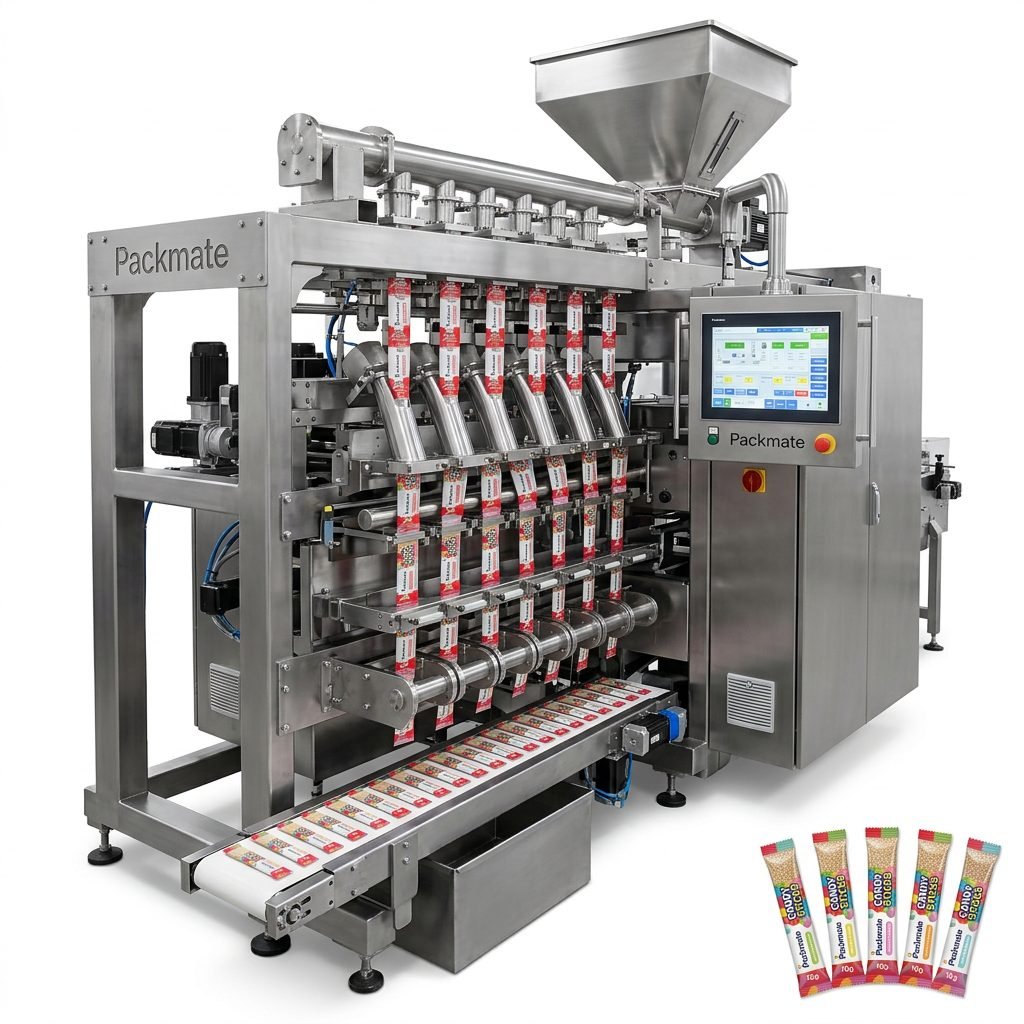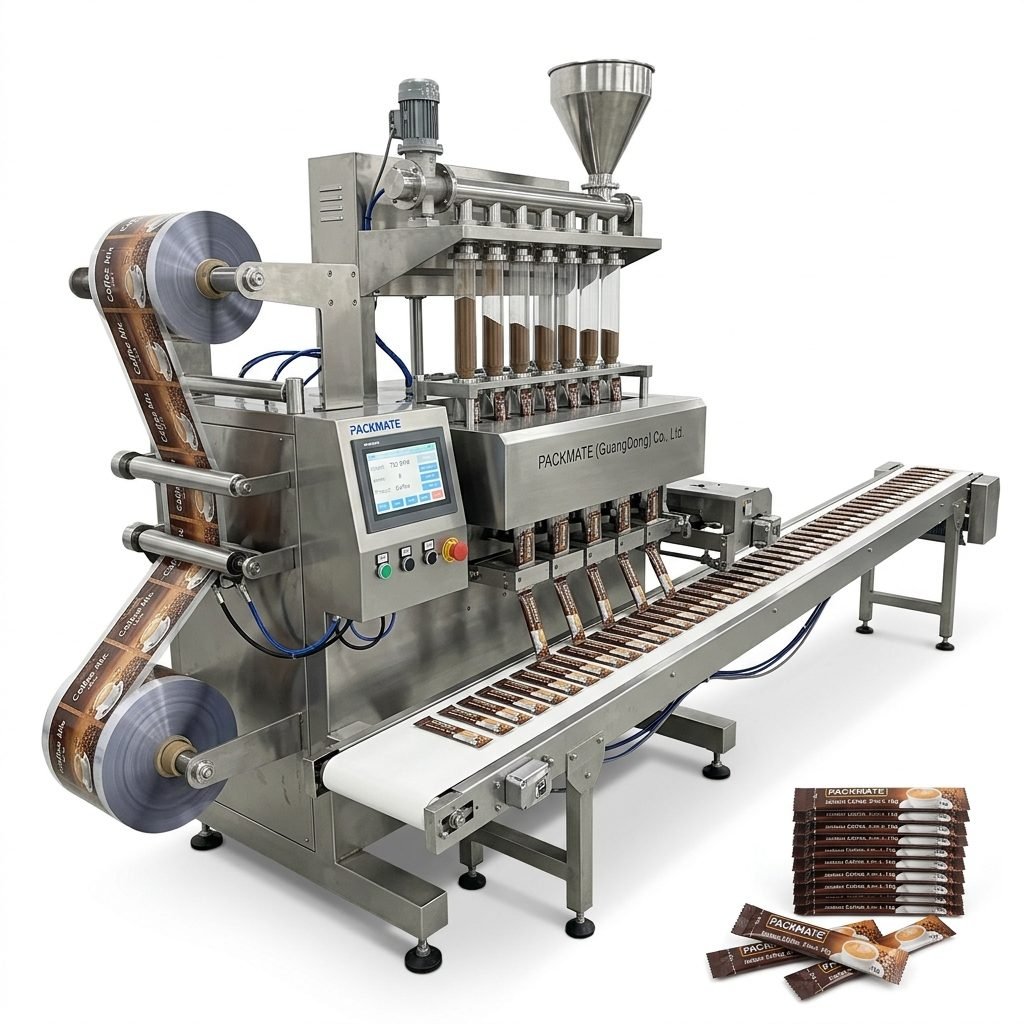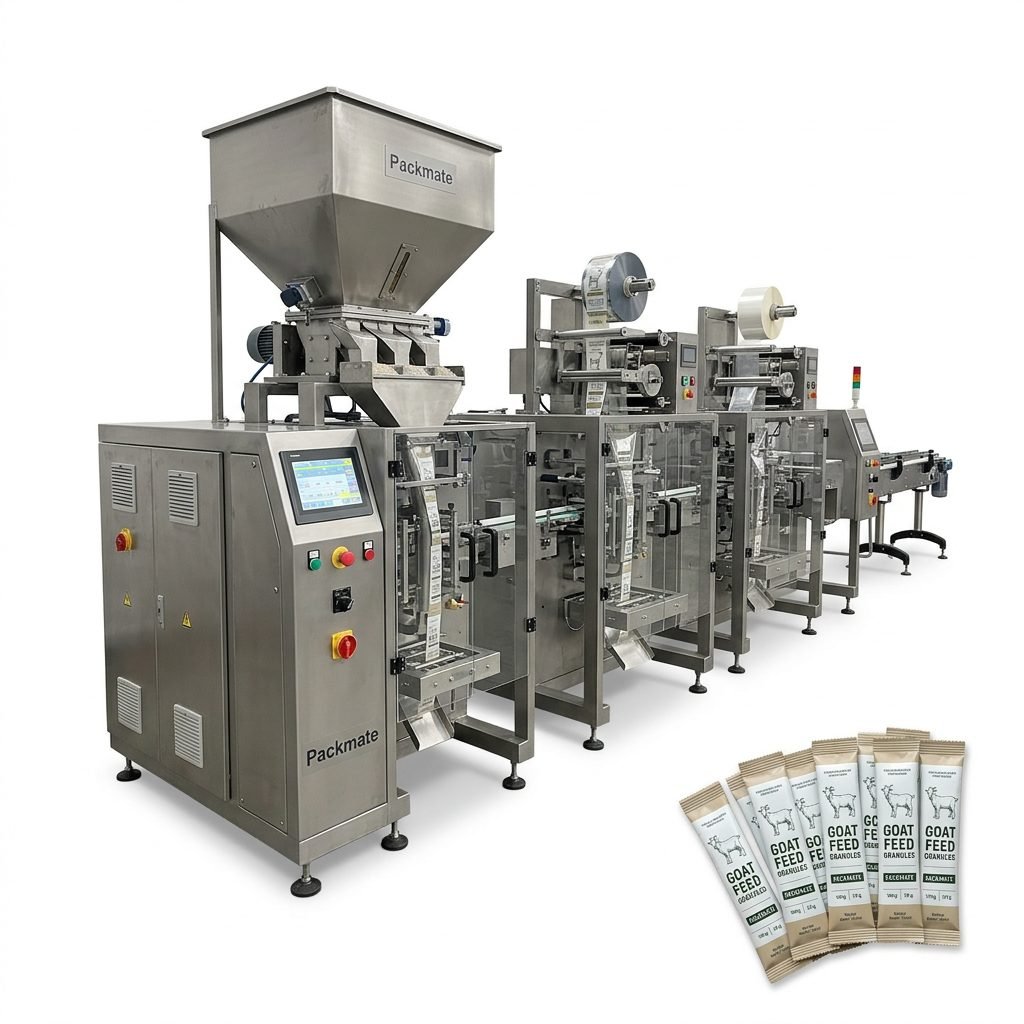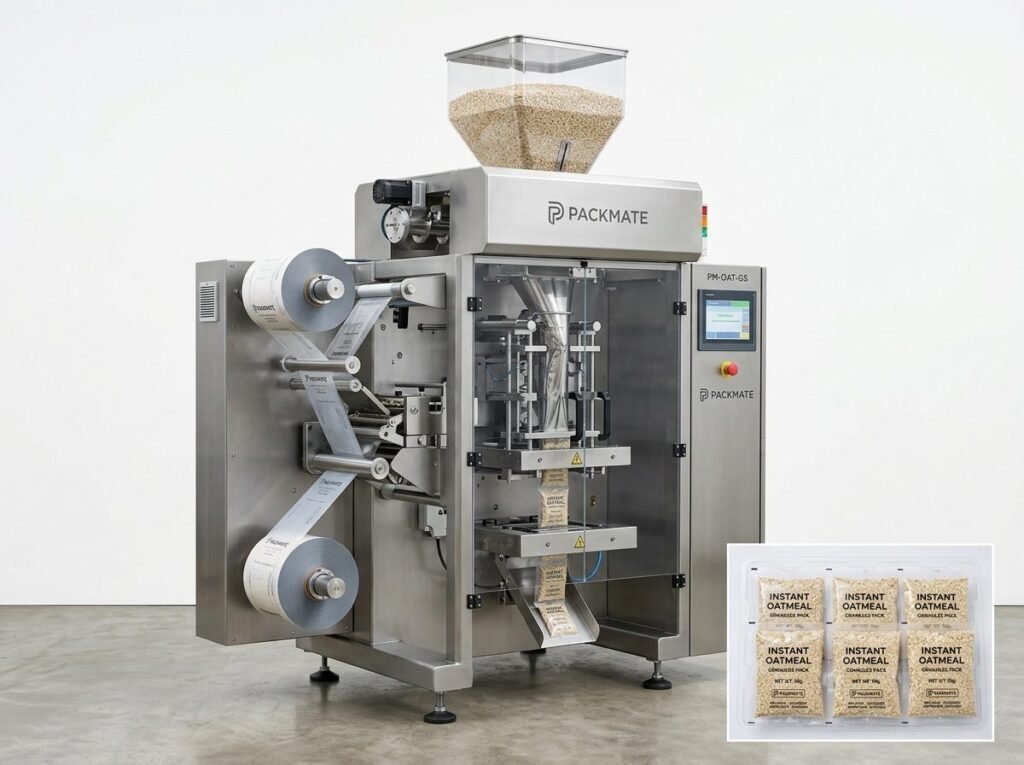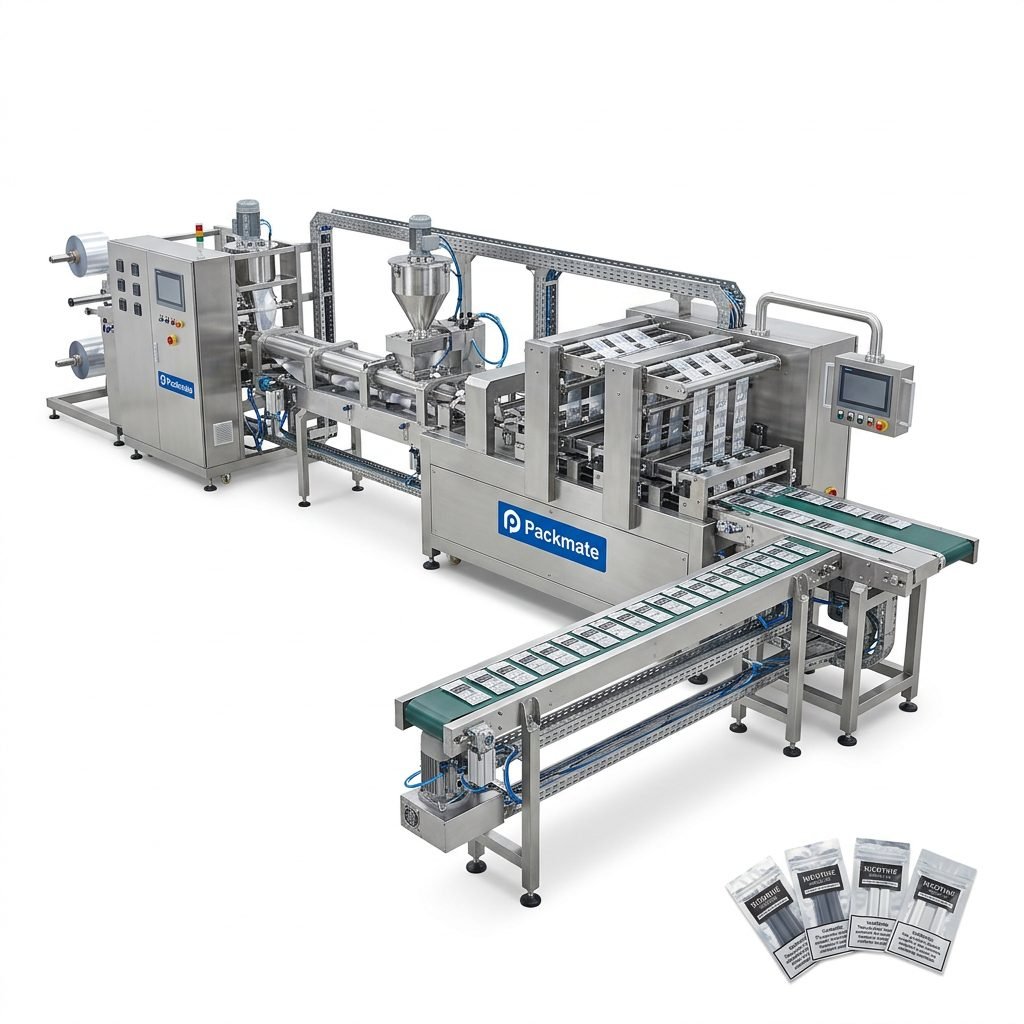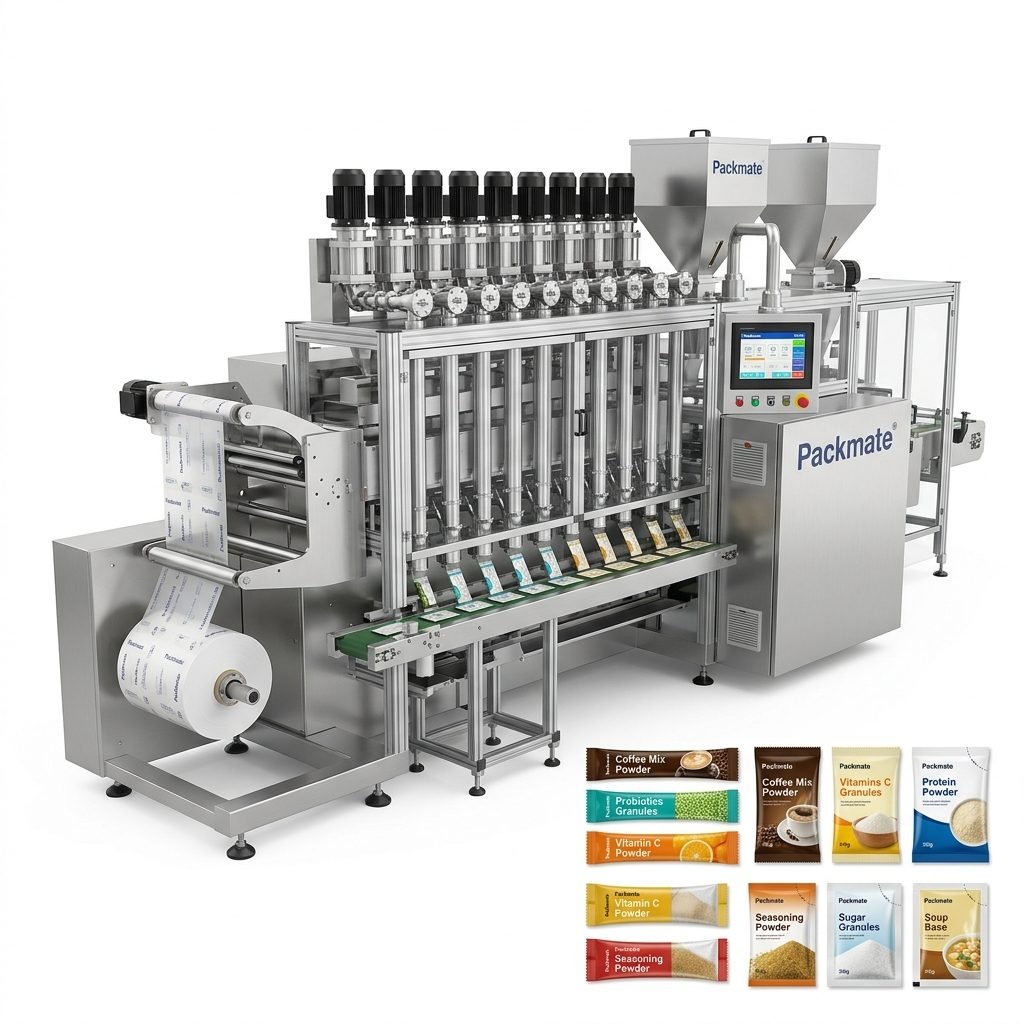
In the competitive world of food manufacturing, especially for products like butter, margarine, cheese spreads, and dessert creams, efficiency and hygiene are paramount. A dedicated packaging line for spreadable creams is not just a luxury but a necessity for brands aiming for consistency, speed, and market leadership. This article delves into the world of complete automated filling and packing solutions, exploring how they transform production and why partnering with an experienced provider like Packmate (GuangDong) Co., Ltd. makes all the difference.
The Critical Role of Specialized Packaging for Spreadable Products
Spreadable creams present unique challenges. Their viscosity can vary, they are often sensitive to temperature, and they require packaging that maintains product integrity from factory to table. Manual or generic packaging systems often lead to inconsistencies, product waste, and increased risk of contamination. An automated line designed specifically for these products ensures precise filling weights, maintains hygienic standards, and adapts to the product’s specific physical characteristics, guaranteeing every tub, cup, or sachet meets quality expectations.
Key Challenges Addressed by Automation:
- Precise Dosing: Ensuring every container has the exact same amount of product, crucial for cost control and consumer trust.
- Hygiene & Contamination Control: Closed systems minimize human contact, adhering to strict food safety standards like HACCP and GMP.
- Packaging Integrity: Proper sealing to prevent leakage, preserve freshness, and extend shelf life.
- Production Speed: Meeting high-volume demands without compromising on the points above.
Components of a Complete Automated Filling and Packing Line
A turnkey solution integrates several machines into a seamless workflow. Understanding each component helps appreciate the sophistication behind a simple packaged product.
1. Unscrambling & Container Handling
The process begins with efficiently organizing empty containers—whether plastic cups, tubs, or glass jars. An unscrambler or bowl feeder orients and feeds them singularly onto a conveyor belt at high speed, preparing them for the filling stage.
2. The Heart: Precision Filling Machines
This is the core of the line. For spreadable creams, piston fillers and volumetric pumps are most common. Advanced systems feature:
- Servo-Driven Piston Fillers: Offer exceptional accuracy (±0.5% or better) and gentle handling of viscous products.
- No-Drip Nozzles: Essential for clean filling, preventing product smearing on the container rim which can compromise seal quality.
- Changeover Flexibility: Quick adjustments to handle different container sizes and fill volumes, reducing downtime.
3. Sealing & Capping
Immediately after filling, containers move to the sealing station. For creams, this often involves:
- Heat Sealing: Applying a foil or film lid using heat and pressure for an airtight seal.
- Snap-On Capping: For rigid lids, cappers precisely place and secure them.
- Induction Sealing: An extra layer of protection (tamper-evidence) often used under plastic caps for jars.
4. Secondary Packaging: Cartoning & Case Packing
Once primary packaging is sealed, products are grouped. An automatic cartoner places individual containers into cartons, which are then sealed. For larger shipments, a case packer loads these cartons into shipping cases. This stage is vital for logistics and brand presentation on retail shelves. You can explore various configurations in our detailed packaging solutions portfolio.
5. The Brain: Control & Integration
A centralized Programmable Logic Controller (PLC) with a Human-Machine Interface (HMI) touchscreen oversees the entire line. It monitors speed, detects jams, tracks production counts, and ensures all components work in harmony. Modern lines offer data logging for traceability and OEE (Overall Equipment Effectiveness) analysis.
Benefits of Investing in a Complete Automated Line
Operational & Financial Advantages
The shift from semi-automatic to full automation delivers a compelling return on investment:
➤ Dramatically Increased Output: Automated lines can run 24/7, achieving speeds from hundreds to thousands of units per minute, far surpassing manual capabilities.
➤ Unmatched Consistency & Quality: Every package is identical. This reduces giveaway (overfilling), minimizes underweight product complaints, and builds strong brand reputation.
➤ Significant Labor Savings: Automating repetitive tasks reduces direct labor costs and reallocates human resources to supervision, quality control, and maintenance.
➤ Enhanced Safety & Hygiene: A closed system reduces the risk of microbial contamination and physical hazards for workers, ensuring compliance with the most stringent global food safety regulations.
➤ Scalability & Flexibility: A well-designed line can be modular, allowing for future expansion or adaptation to new products and package sizes.
Why Choose Packmate for Your Cream Packaging Line?
With over 22+ years of company development and a 20,000㎡ modern manufacturing facility, Packmate brings unparalleled expertise to the table. Our journey, from a focused workshop to a leading provider of intelligent packaging solutions, is built on solving real-world production challenges. We don’t just sell machines; we deliver complete packaging line solutions.
Our team of 125+ professional members understands the nuances of handling spreadable products. We consider factors like product aeration, temperature sensitivity, and desired shelf life during the design phase. From initial concept to installation and after-sales support service, we ensure your line is optimized for your specific cream product. See our machinery in action and the industries we serve by reviewing our project case studies.
Future Trends in Cream Packaging Automation
The industry continues to evolve. Key trends include:
- Smart Factory Integration: Lines equipped with IoT sensors for predictive maintenance, real-time performance analytics, and seamless integration with Enterprise Resource Planning (ERP) systems.
- Sustainability Focus: Machines designed to handle recyclable or biodegradable materials and minimize energy consumption.
- Hyper-Flexibility: Even faster changeovers to support smaller batch production runs and personalized packaging, driven by e-commerce demands.
Staying ahead requires a partner who innovates. Packmate continuously invests in R&D, ensuring our clients’ lines are not just current but future-ready.
Frequently Asked Questions (FAQs)
1. What is the typical lead time for a complete spreadable cream packaging line?
Lead times vary based on line complexity and customization. A standard line can take 3-6 months from order to delivery, while highly customized systems may require longer. Detailed project planning during the consultation phase provides an accurate timeline.
2. Can one line handle different types of spreadable creams and container sizes?
Yes, modern automated lines are designed for flexibility. With quick-change parts and programmable settings, a single line can often run multiple products (e.g., from whipped cream to peanut butter) and switch between different tub or cup sizes with minimal downtime, often in under 30 minutes.
3. How do you ensure the line meets our local food safety and hygiene regulations?
Packmate designs lines to comply with international standards (e.g., EHEDG, FDA guidelines). We use food-grade materials (stainless steel contact parts), design for easy cleaning (CIP/SIP where applicable), and provide documentation to support your validation processes. Our industry certifications attest to our commitment to quality and safety.
4. What kind of after-sales support and training do you provide?
We provide comprehensive support including on-site installation supervision, detailed operational and maintenance training for your engineers, a warranty period, and lifelong access to spare parts. Remote diagnostic support is also available to troubleshoot issues quickly.
5. How do we start the process of getting a custom packaging line?
The process begins with a consultation. Share your product details, target output, packaging specifications, and facility constraints with our experts. We then conduct a feasibility study, propose a line layout, and provide a detailed quotation. Visiting our facility or seeing a similar line in operation is highly recommended. Start the conversation by visiting our contact page.