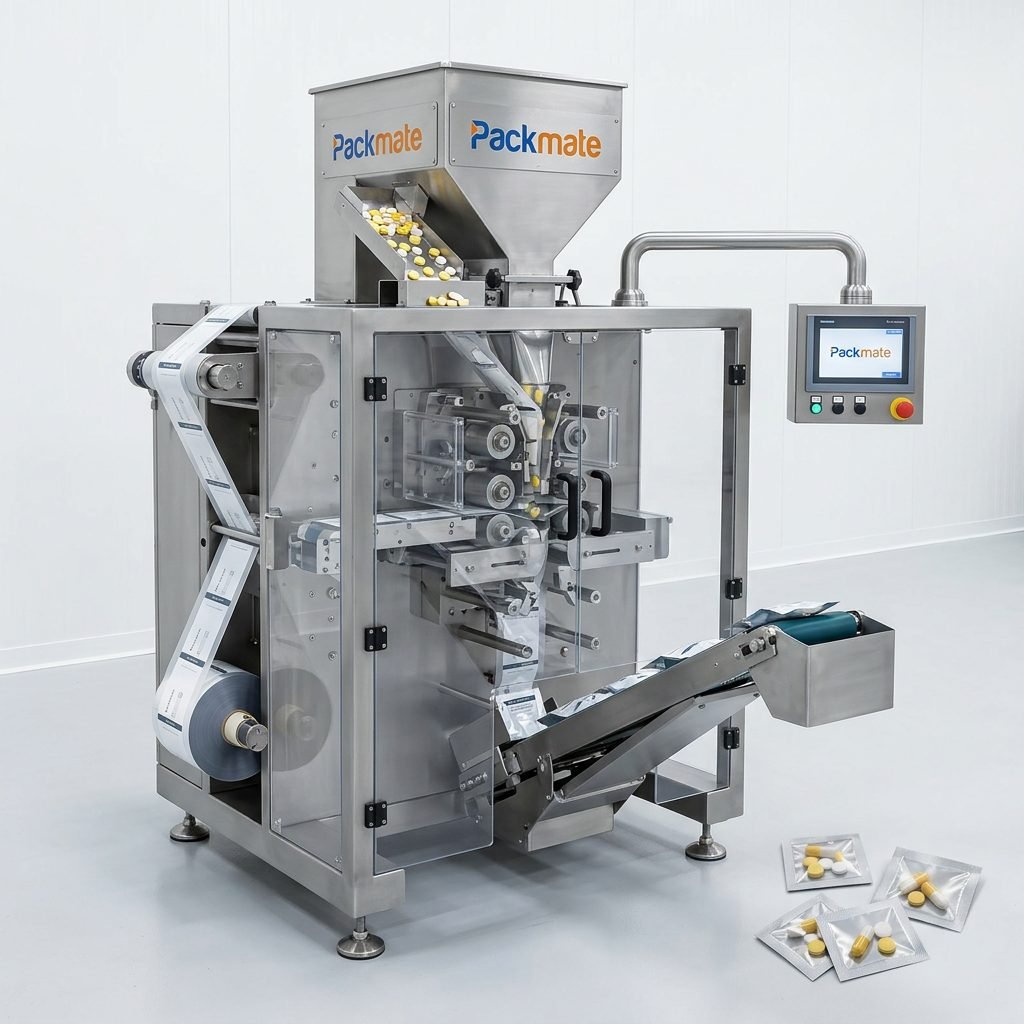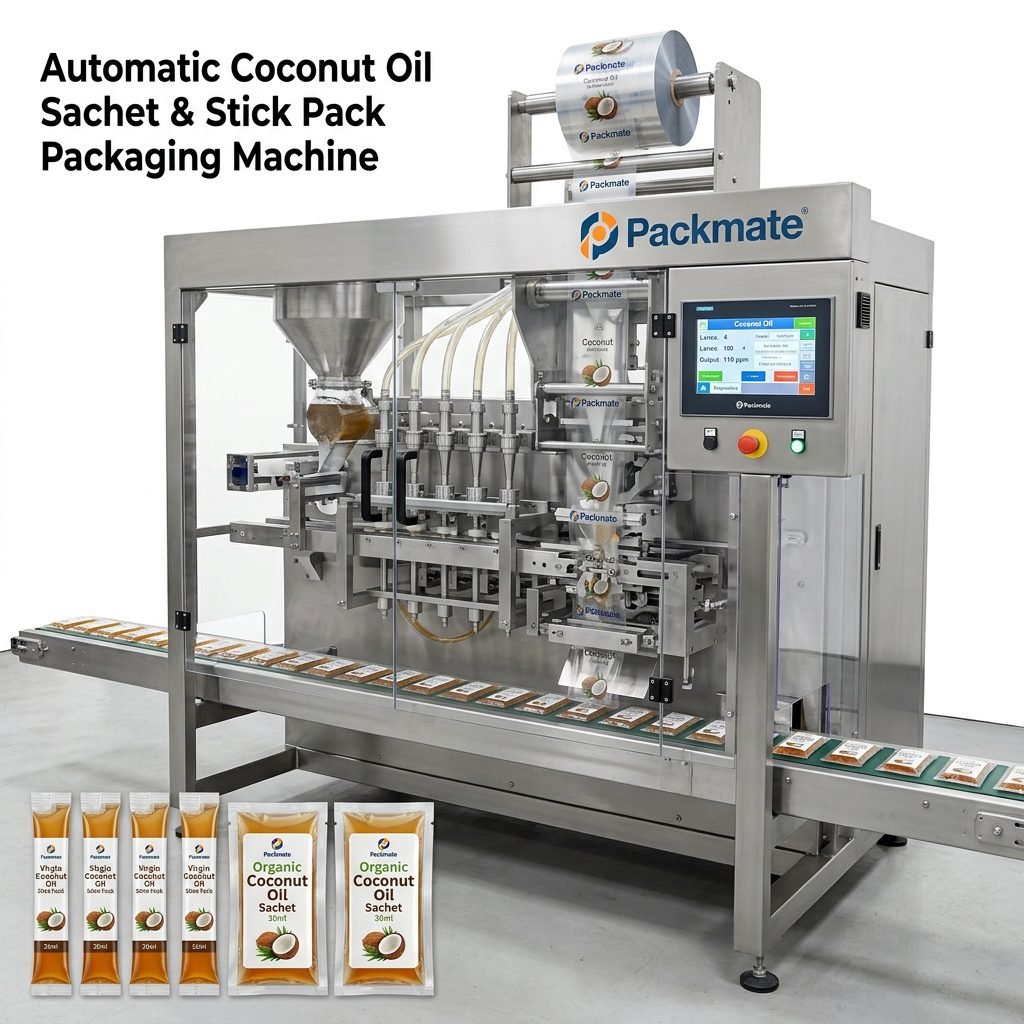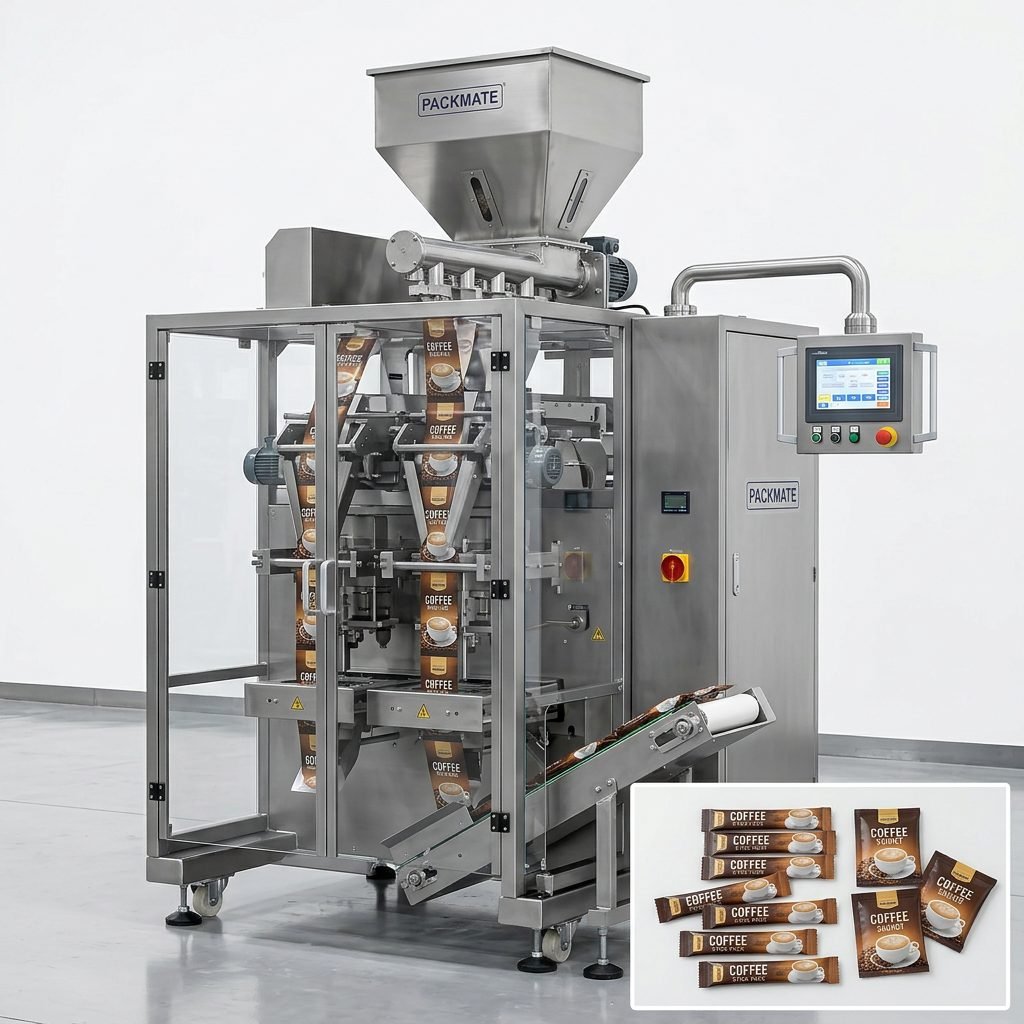
In the highly regulated and competitive worlds of food and pharmaceutical manufacturing, the packaging line is far more than the final step in production. It is a critical nexus of efficiency, product integrity, safety, and regulatory compliance. A single point of failure here can lead to costly downtime, product recalls, or severe regulatory penalties. This is why proactive, systematic packaging line audits are not merely a good practice—they are an essential component of a robust operational strategy. An audit provides a comprehensive health check, identifying bottlenecks, waste, and compliance gaps while uncovering opportunities for optimization.
The Critical Importance of Packaging Line Audits
An audit moves beyond daily troubleshooting to offer a holistic, data-driven assessment of your entire packaging operation. For industries where consumer safety is paramount, the stakes are incredibly high. In the pharmaceutical sector, packaging must guarantee sterility, correct dosing, and tamper evidence, adhering to strict guidelines like Current Good Manufacturing Practices (cGMP). The food industry, meanwhile, must ensure packaging prevents contamination, maintains freshness, and provides accurate labeling in line with FDA or equivalent global standards.
The core objective of an audit is twofold: to safeguard compliance and to drive efficiency. It systematically evaluates every component—from machinery performance and material flow to operator procedures and quality control checks—against both internal benchmarks and external regulatory requirements.
Key Areas Scrutinized During an Audit
A thorough packaging line audit is multifaceted, examining several interconnected domains:
1. Machinery & Equipment Performance
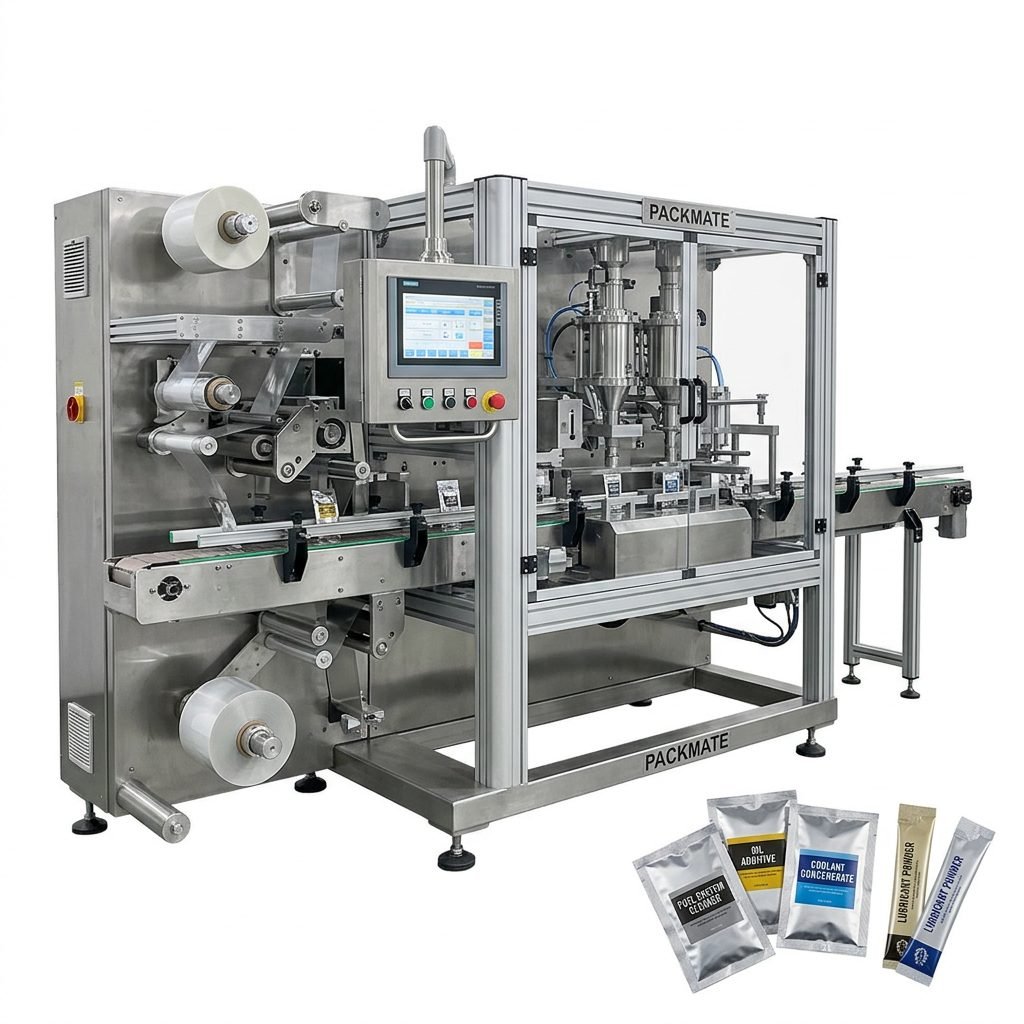
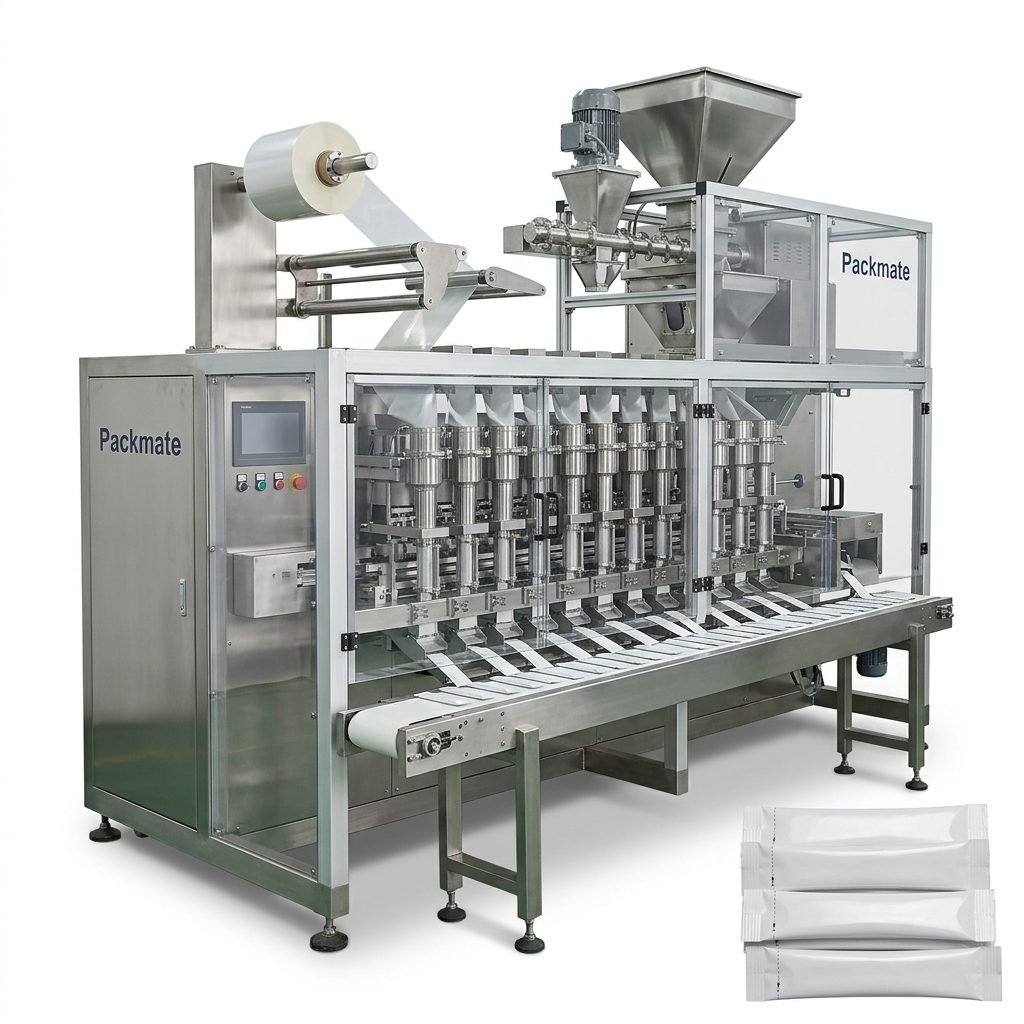
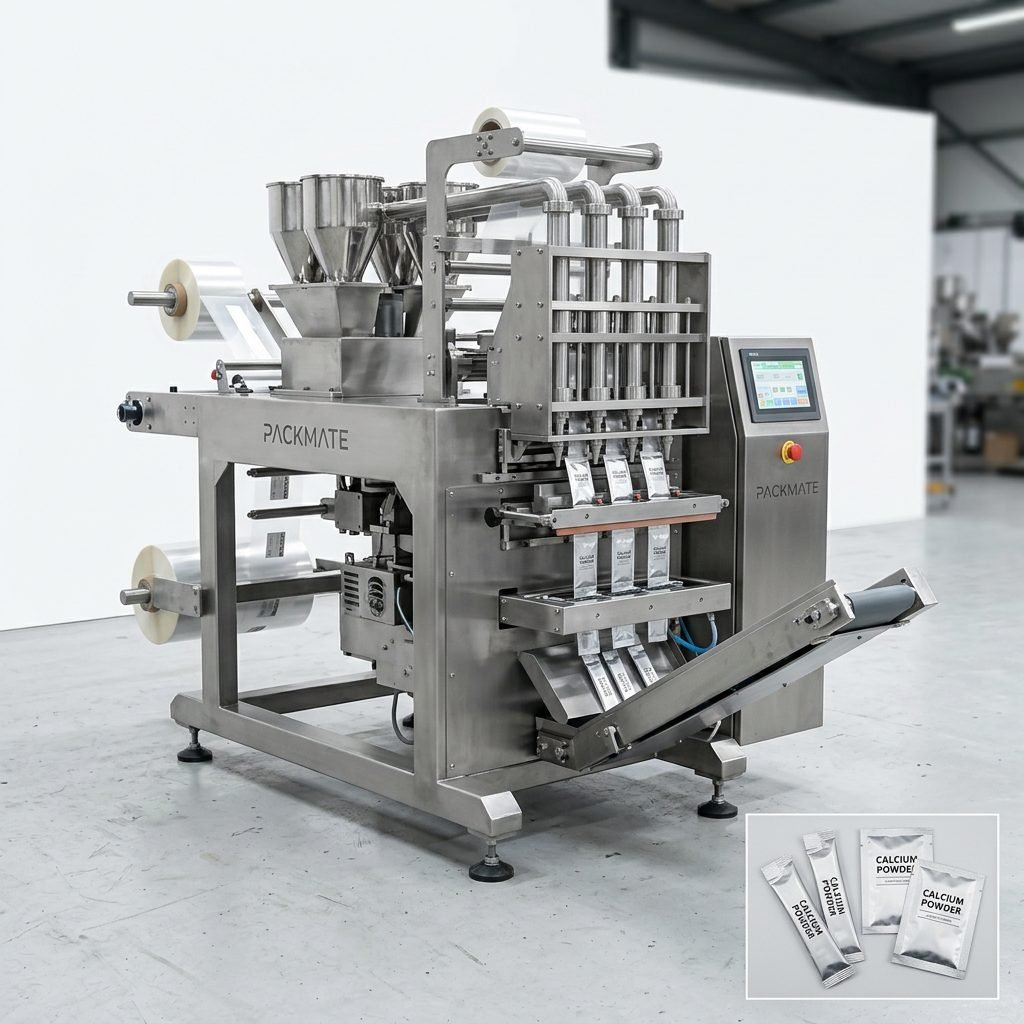
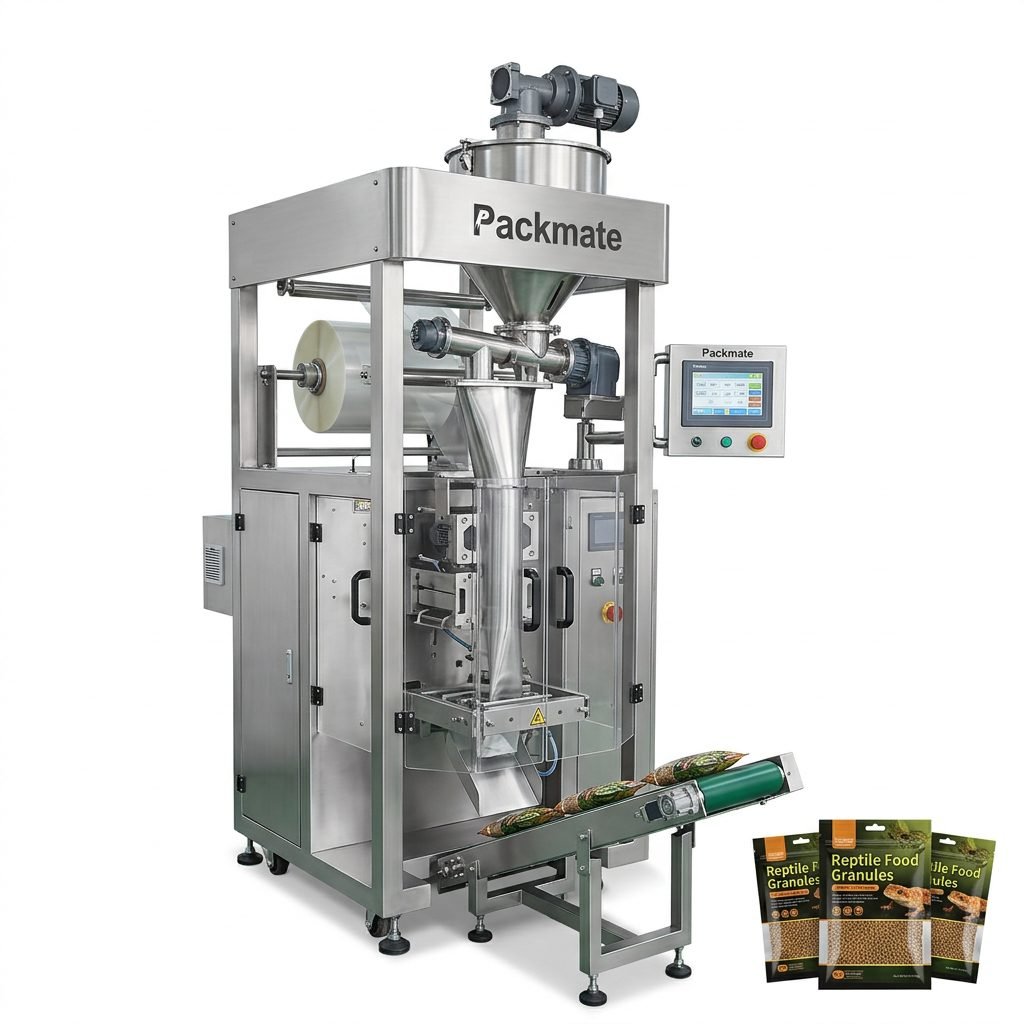
This is the foundation. Auditors assess the condition, calibration, and output of fillers, sealers, labelers, cartoners, and vision inspection systems. Key questions include: Are machines running at optimal speed? What is the Overall Equipment Effectiveness (OEE)? How frequent are unplanned stoppages? For instance, a multi-lane stick pack machine might be audited for seal integrity consistency across all lanes to prevent leakers.
2. Process Flow & Material Handling
Inefficiencies in how materials move to the line and how finished goods are handled can cripple productivity. The audit maps the material flow, identifying points of congestion, excessive manual handling, or potential for cross-contamination. Optimizing this flow is often a quick win for boosting line efficiency.
3. Quality Control & Documentation
This is the heart of compliance. Auditors review Standard Operating Procedures (SOPs), batch records, and quality check logs. They verify that inspection systems (e.g., checkweighers, metal detectors, vision systems) are correctly set up and that data is being recorded and acted upon. Any discrepancy between documented procedure and actual practice is a red flag.
4. Operator Training & Safety
Even the most advanced line depends on human operators. The audit evaluates whether staff are adequately trained on SOPs, changeover procedures, and basic machine maintenance. It also checks the working environment for safety hazards, ergonomic issues, and cleanliness protocols, which are especially crucial in pharma cleanroom packaging environments.
5. Packaging Materials & Sustainability
The audit examines the compatibility and quality of primary and secondary packaging materials. It also assesses areas for material reduction, waste recycling, and the adoption of more sustainable options without compromising product protection—a growing concern for global brands.
The Audit Process: A Step-by-Step Framework
Conducting a valuable audit requires a structured approach:
Phase 1: Pre-Audit Planning – Define the audit’s scope, objectives, and standards (e.g., ISO, cGMP). Assemble a cross-functional team with members from production, engineering, and quality assurance.
Phase 2: On-Site Assessment & Data Collection – The team observes line operations, interviews personnel, collects performance data (speed, yield, waste), and reviews documents. Real-time observation is key to catching issues missed in reports.
Phase 3: Analysis & Reporting – Data is analyzed to pinpoint root causes of inefficiencies or non-compliance. A detailed report is generated, prioritizing findings based on risk and impact, from critical safety issues to opportunities for incremental improvement.
Phase 4: Action Plan & Implementation – The report is useless without action. A corrective and preventive action (CAPA) plan is developed, assigning owners and timelines for each item, whether it’s recalibrating a machine or retraining staff.
Phase 5: Follow-Up & Continuous Improvement – Schedule follow-up audits to verify the effectiveness of implemented actions. This closes the loop and embeds auditing into a culture of continuous improvement.
Leveraging Technology for Smarter Audits
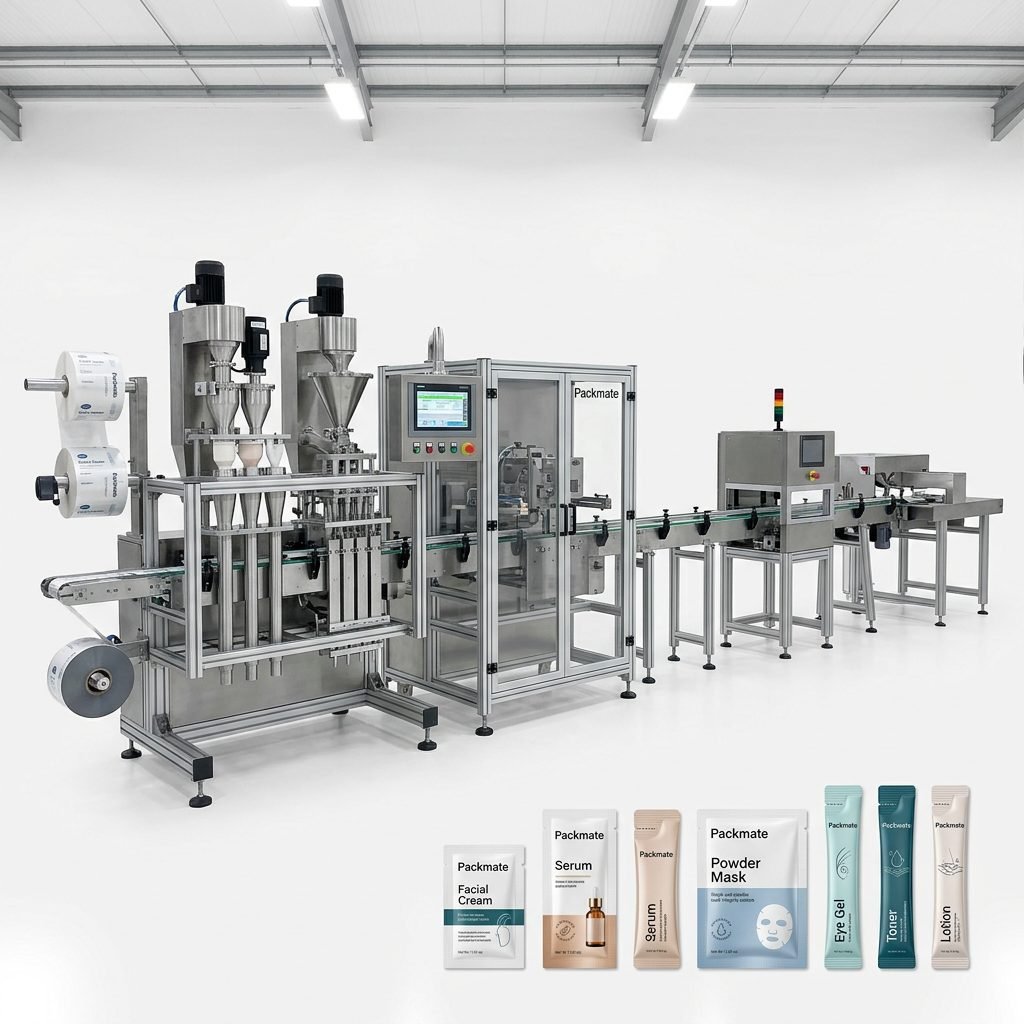
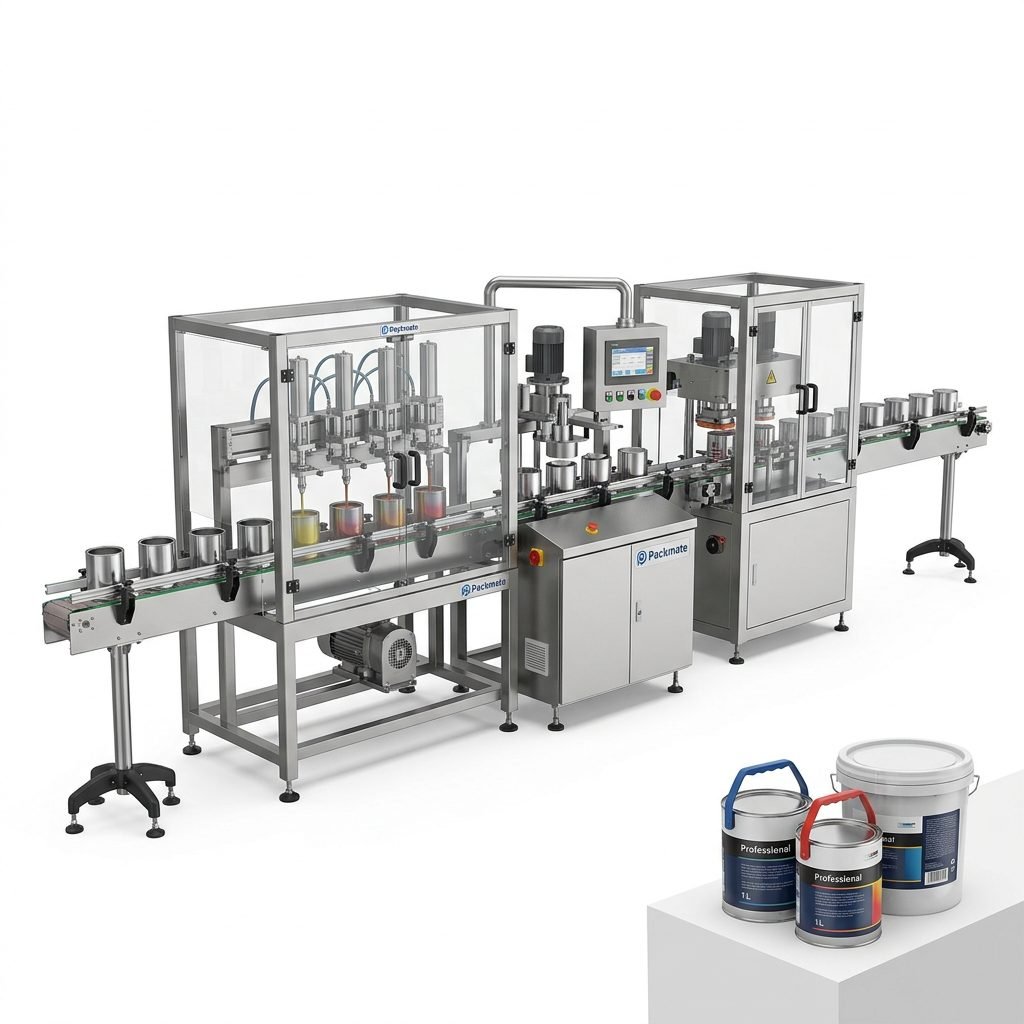
Modern audits are empowered by technology. IoT sensors on machinery can provide real-time data on vibration, temperature, and output for predictive maintenance. Digital checklists on tablets streamline data collection and ensure consistency. Centralized data platforms allow for trend analysis over time, transforming the audit from a snapshot into a dynamic monitoring tool. Companies like Packmate (GuangDong) Co., Ltd. integrate such smart diagnostics into their turnkey packaging lines, providing clients with the data foundation needed for effective self-auditing.
Common Questions (FAQs)
Q1: How often should we conduct a formal packaging line audit?
A: A full, comprehensive audit should be conducted at least annually. However, key performance indicators (KPIs) like OEE, waste rate, and first-pass yield should be monitored daily or weekly. Significant events, such as introducing a new product, major machinery changes, or following a regulatory inspection, also warrant an immediate audit.
Q2: Can internal staff conduct an effective audit, or do we need an external consultant?
A: Internal audits are valuable for routine checks and foster ownership. However, an external auditor brings fresh, unbiased perspective, specialized regulatory expertise, and benchmarking experience from other facilities. A best-practice approach is a mix of regular internal audits supplemented by an external audit every 1-2 years.
Q3: What is the single most common inefficiency found during packaging line audits?
A: Excessive changeover time is a pervasive issue. Lines that package multiple SKUs often lose significant productivity during poorly planned or manual changeovers. Implementing Single-Minute Exchange of Die (SMED) principles is one of the most effective ways to reclaim this lost capacity and increase flexibility.
Q4: Our line seems to run fine. Why invest in an audit if we aren’t having obvious problems?
A: Complacency is a major risk. An audit identifies hidden inefficiencies and “blind spots” that teams accustomed to the daily routine may overlook. It proactively finds opportunities to reduce energy consumption, lower material waste, and prevent future breakdowns or compliance issues, protecting your brand reputation and bottom line.
Q5: How do we ensure audit findings lead to real, sustained improvement?
A: The critical step is management commitment to the CAPA process. Findings must be prioritized, and resources (time, budget, personnel) must be allocated to address them. Progress should be tracked in regular operations meetings, and successes celebrated. This demonstrates that the audit is a strategic tool, not just a paperwork exercise.