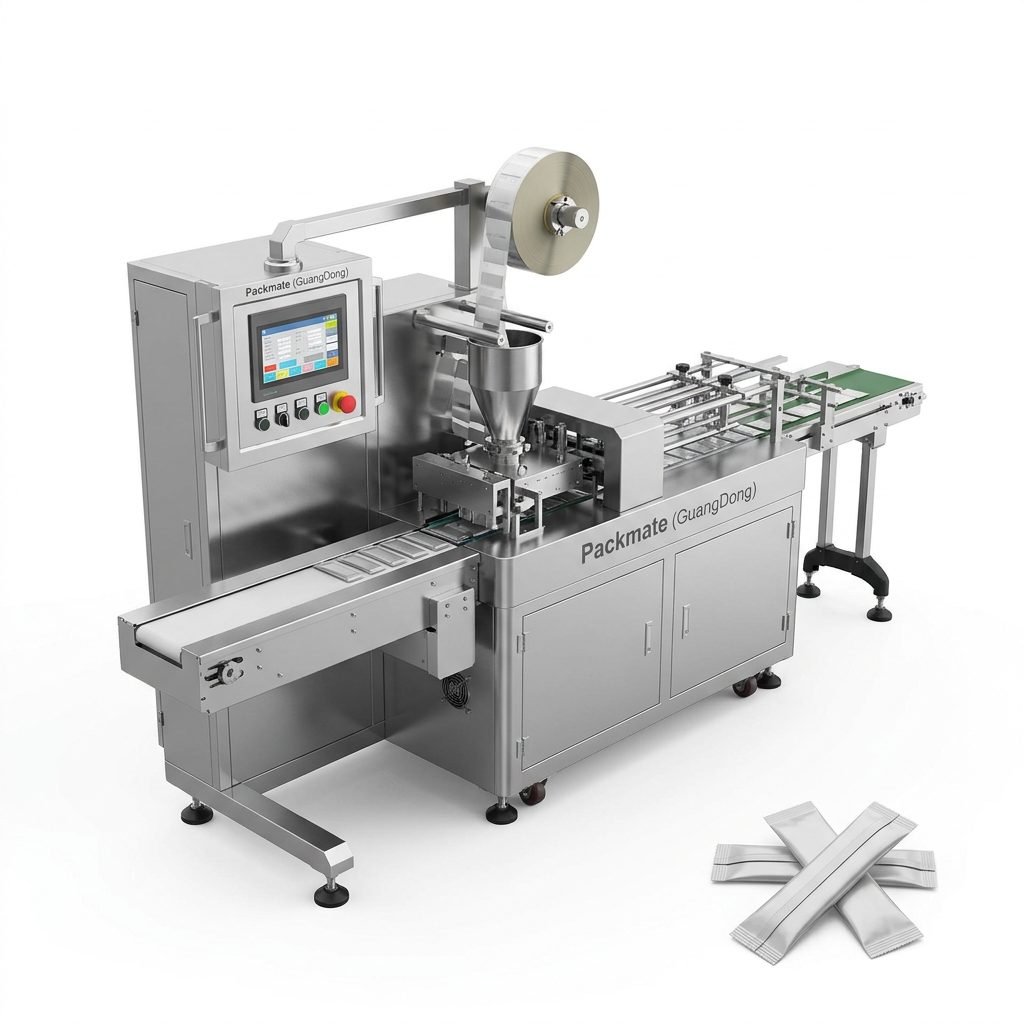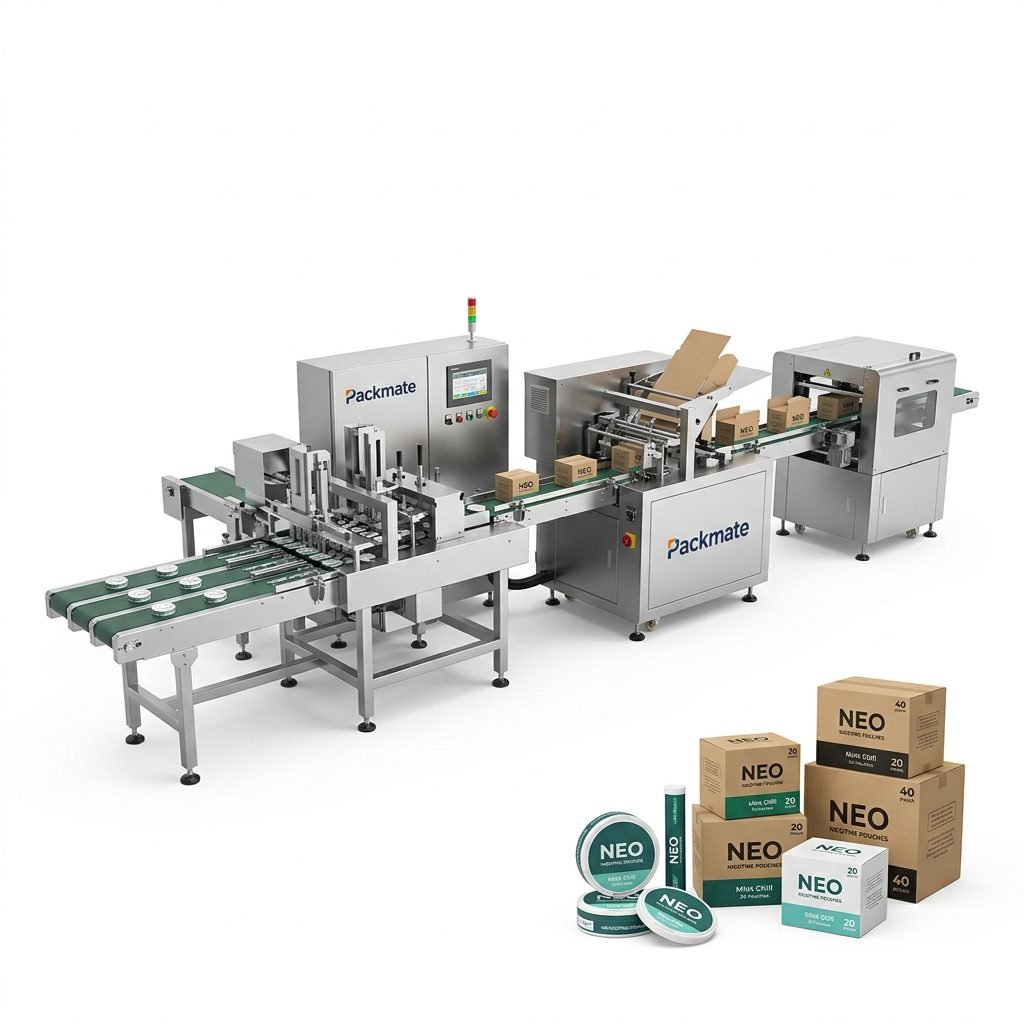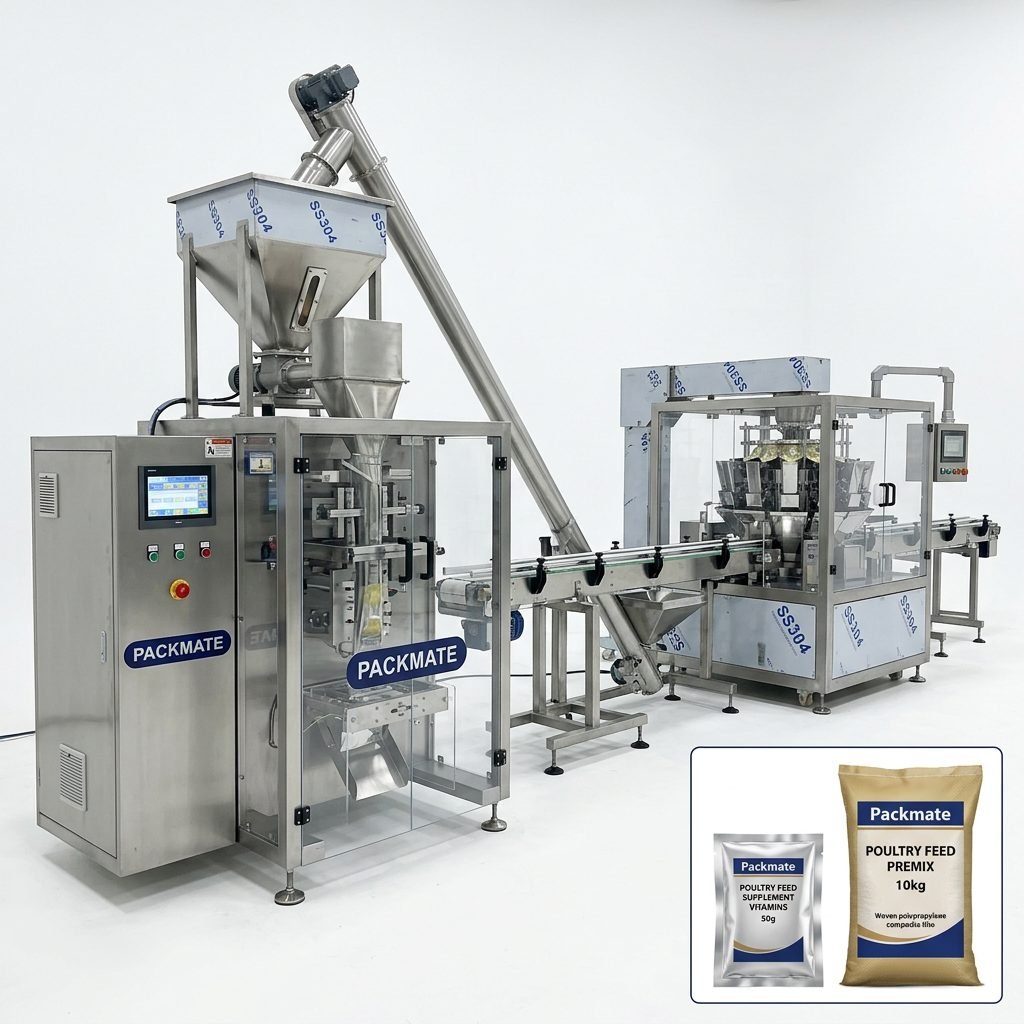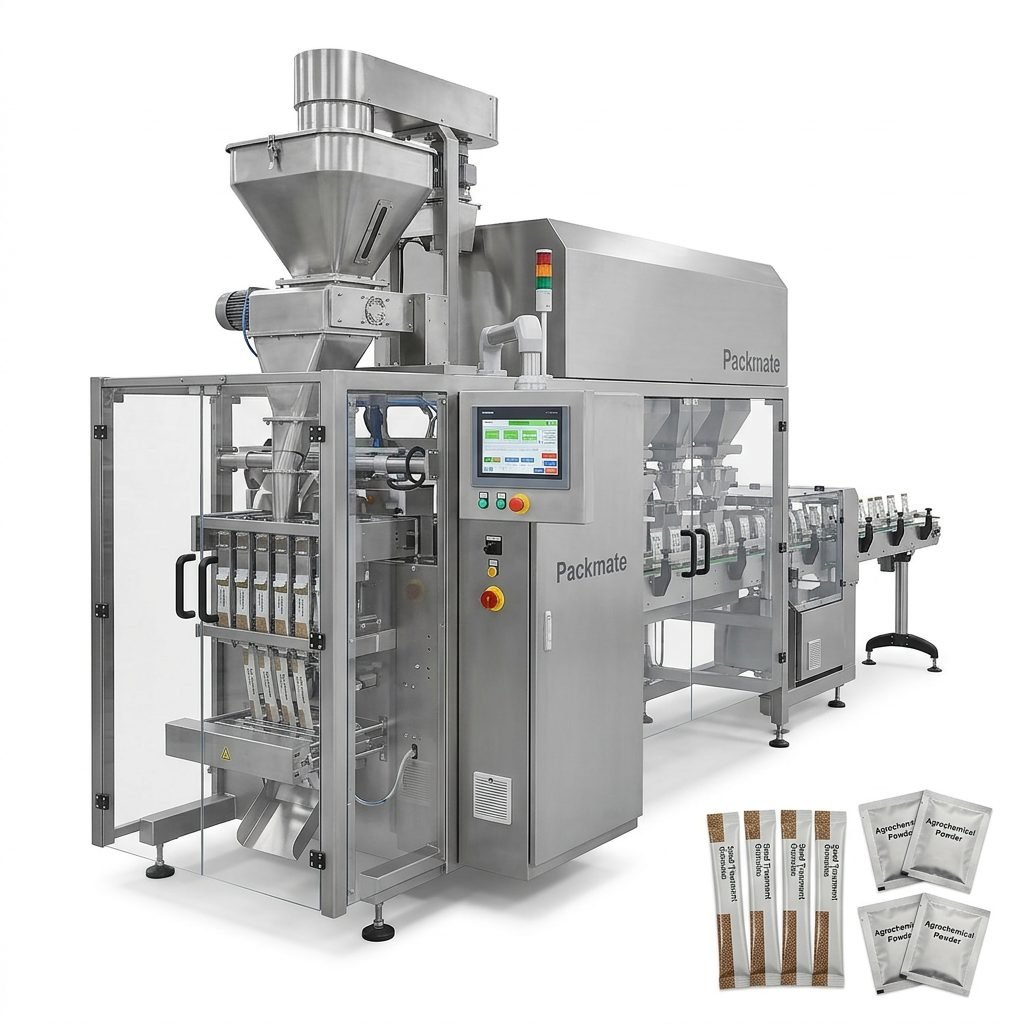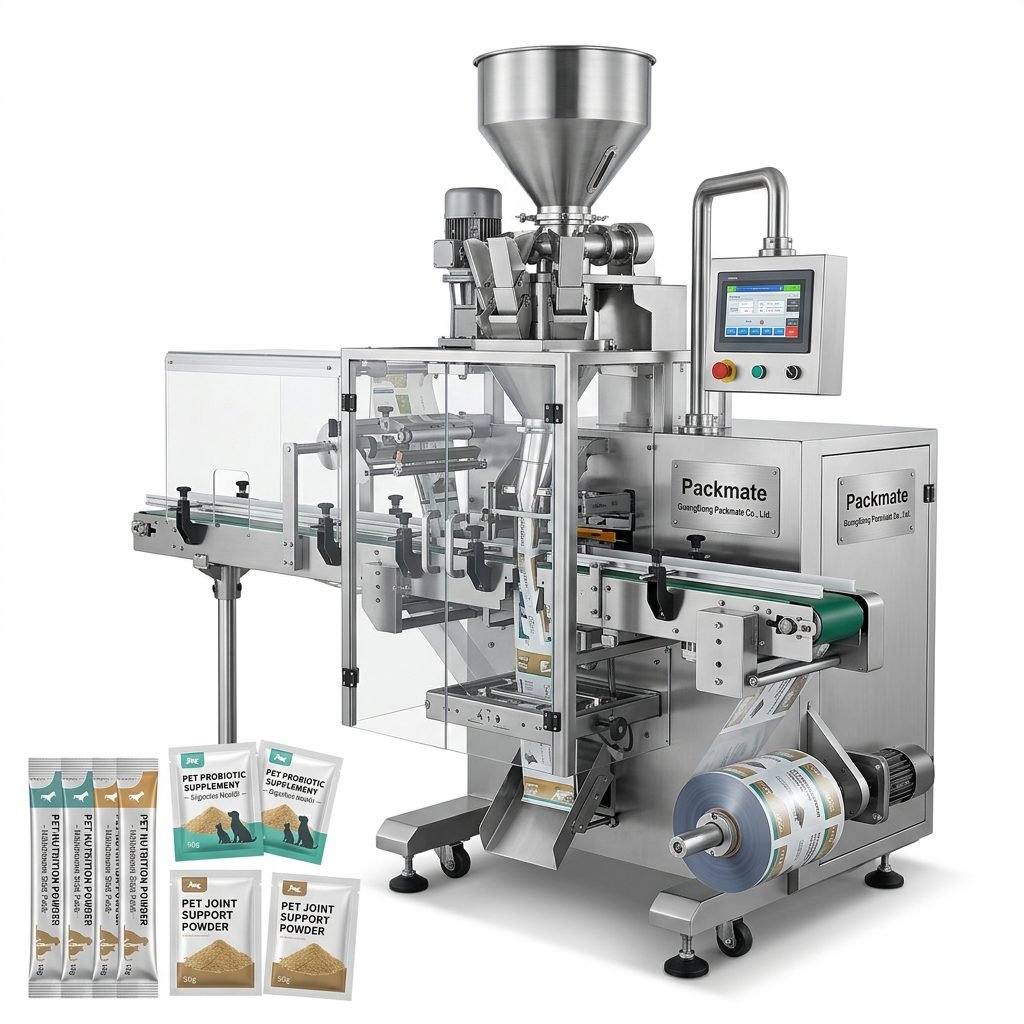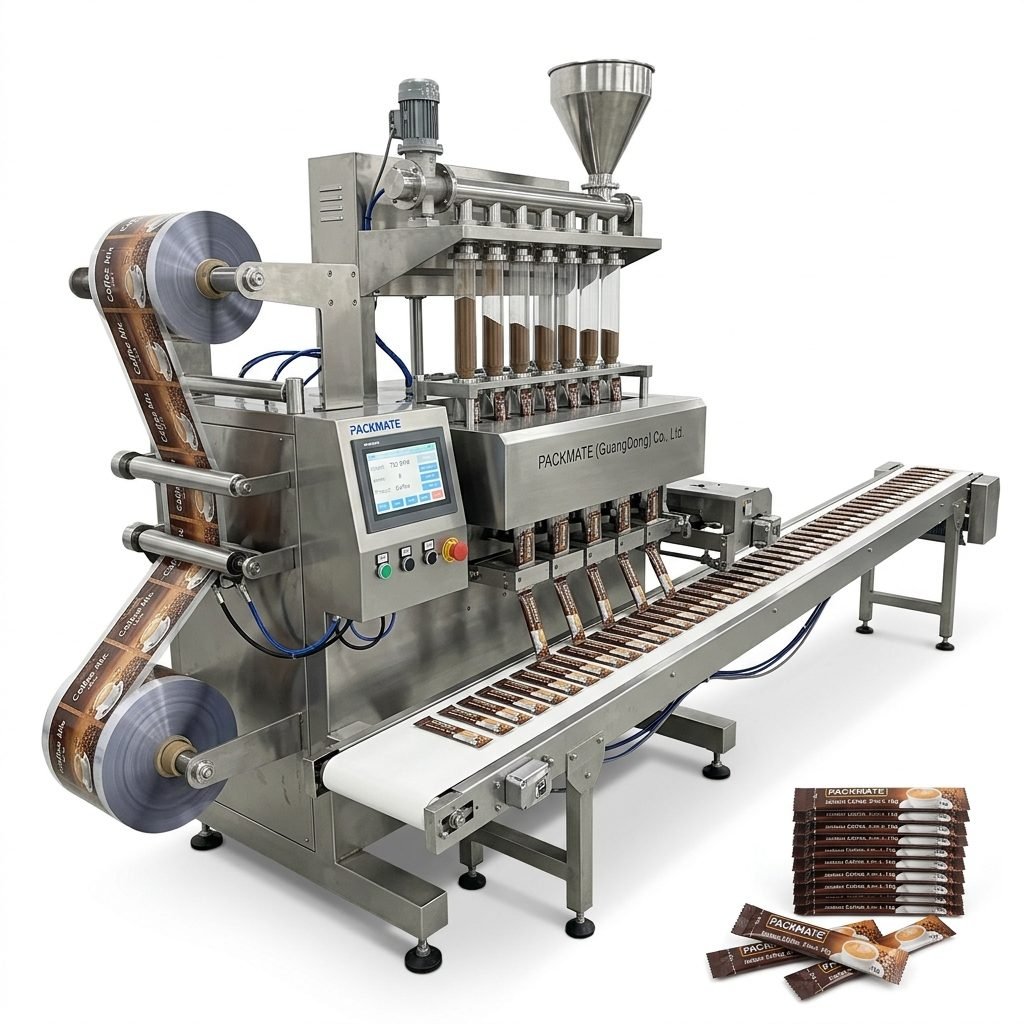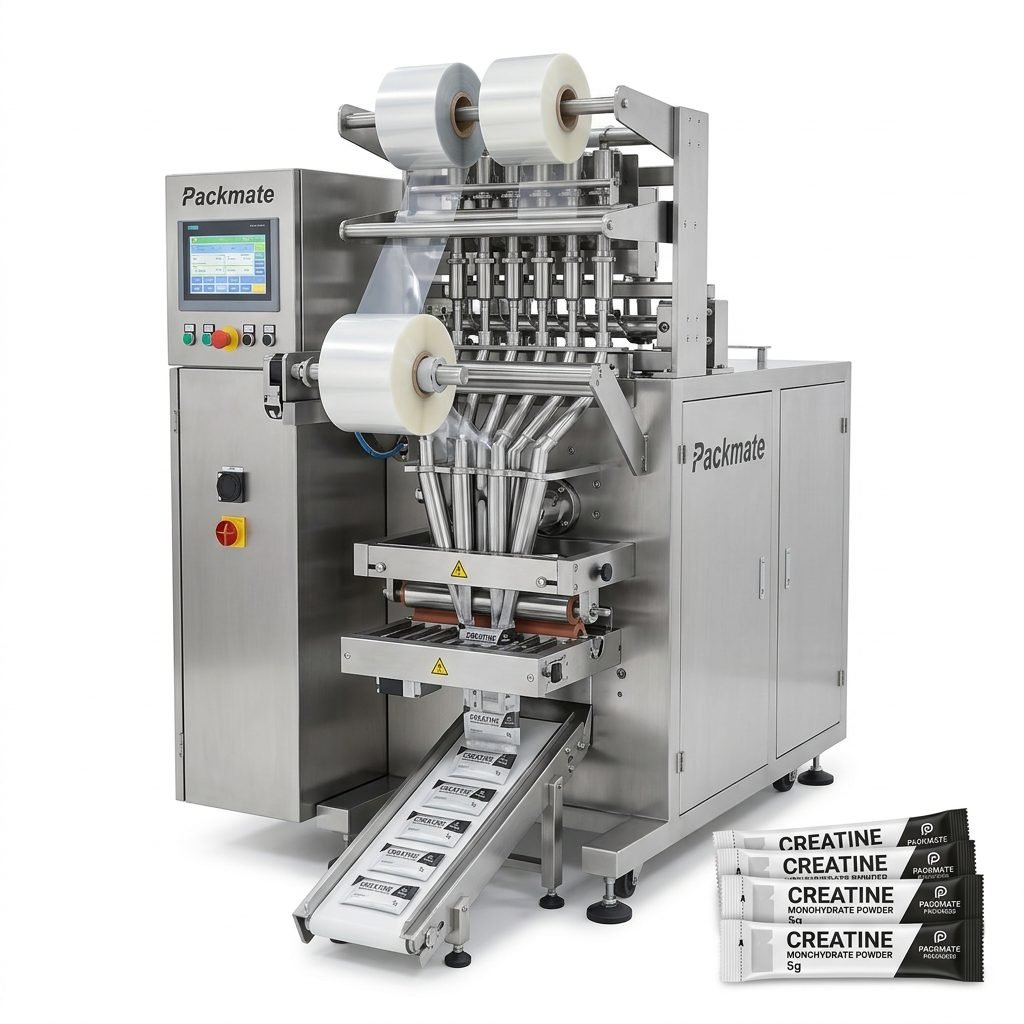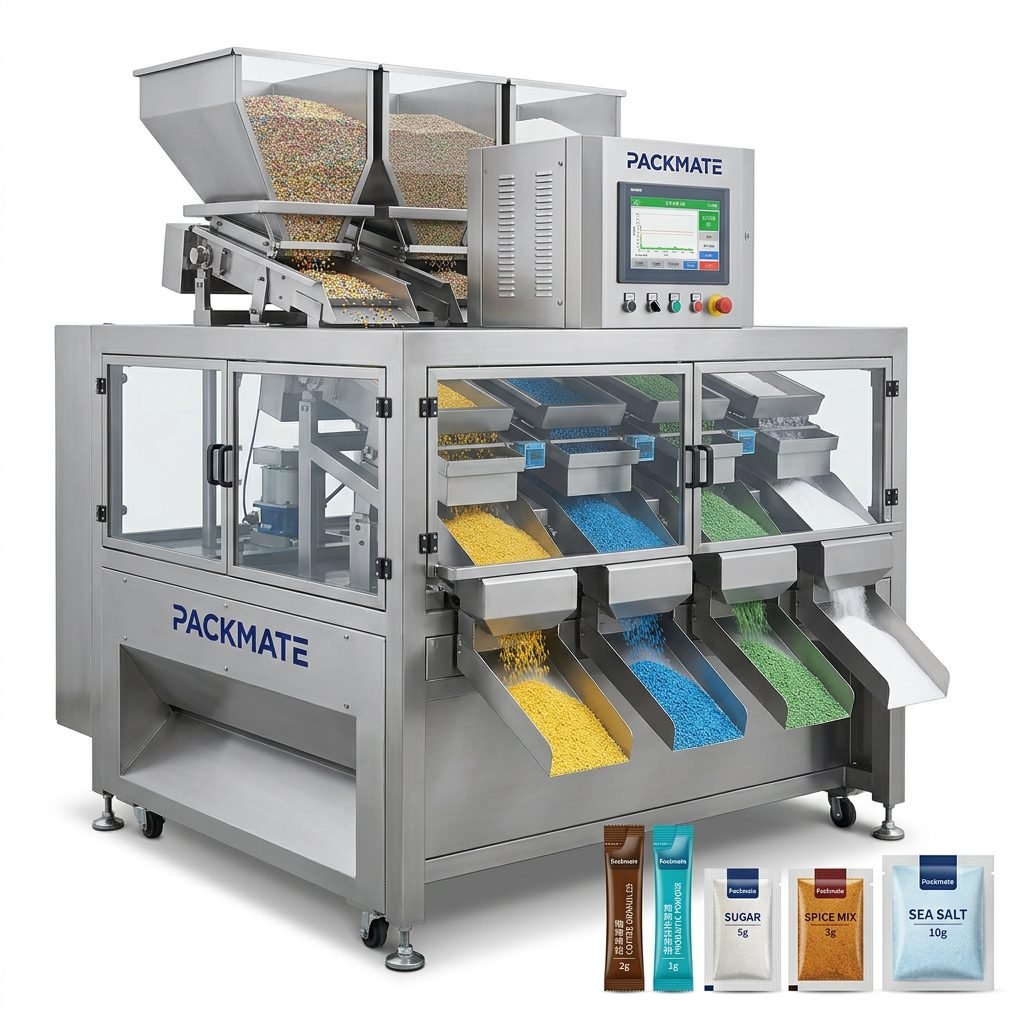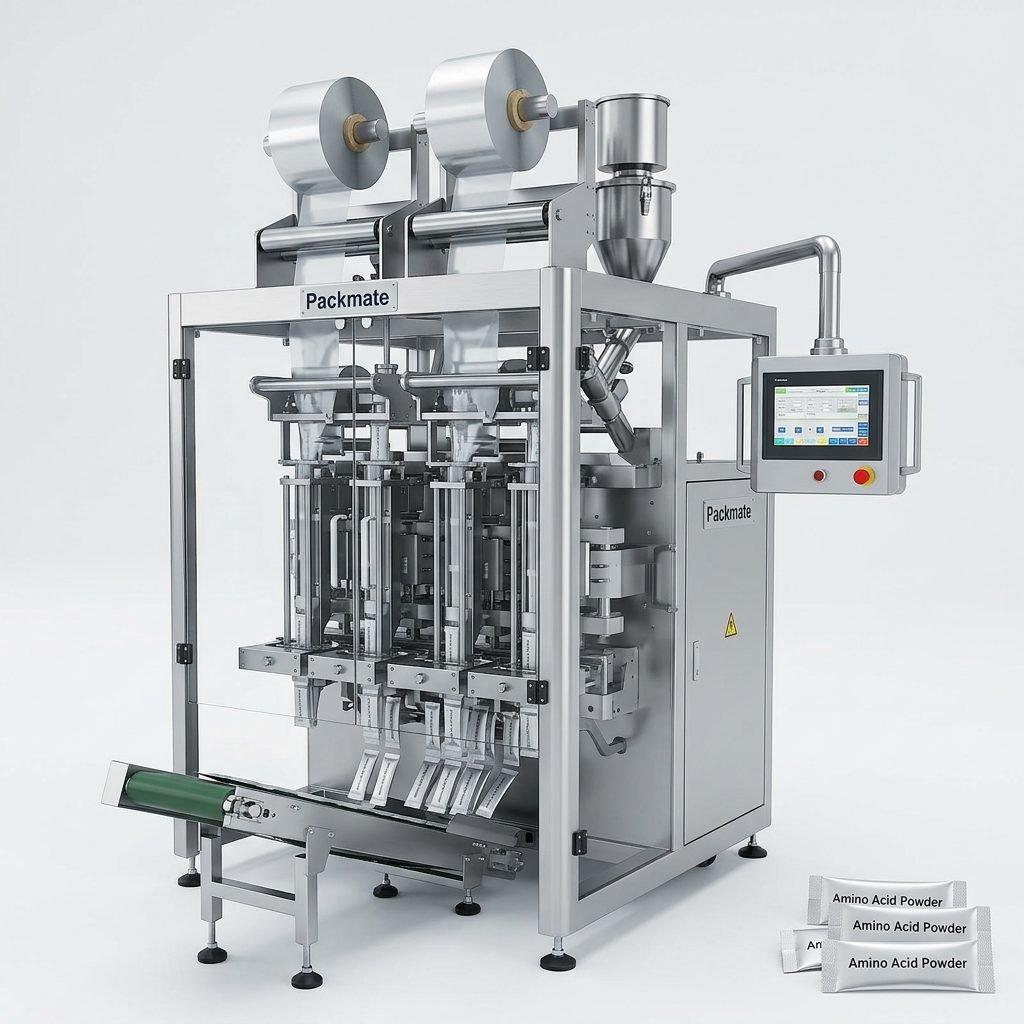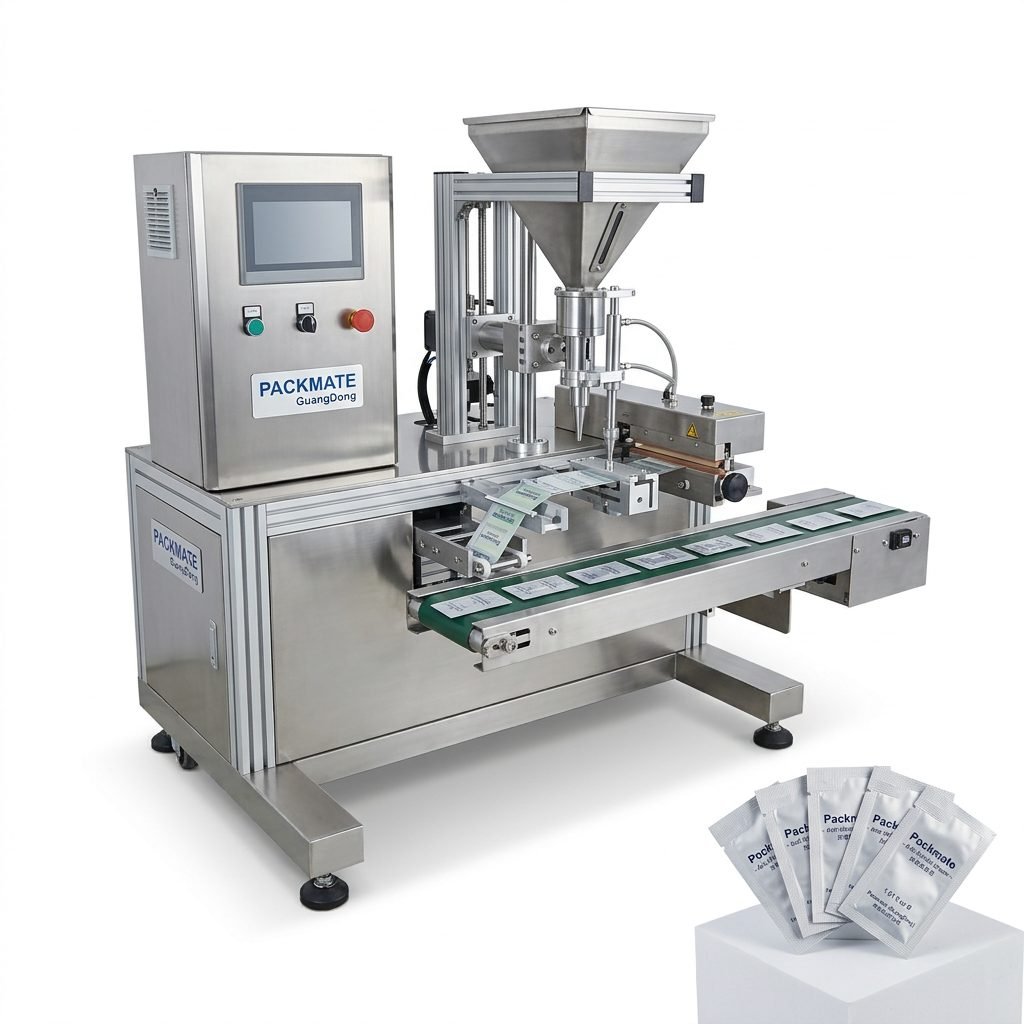
In today’s competitive chemical manufacturing landscape, efficiency, safety, and precision are not just goals—they are imperatives. A Chemical Packaging Line is the critical backbone that transforms bulk products into market-ready goods. For producers handling liquids, powders, and granules, the choice between disparate, manually integrated machines and a cohesive, turnkey automated system can define operational success. This article delves into the comprehensive solutions that modern, automated packaging lines offer, highlighting their transformative impact on productivity, quality control, and overall plant safety.
The Critical Role of Specialized Packaging in the Chemical Industry
Chemical products, by their very nature, demand packaging solutions that go beyond simple containment. Whether dealing with corrosive liquids, volatile powders, or hygroscopic granules, the packaging process must ensure:
- Product Integrity: Preventing contamination, moisture ingress, or degradation.
- Operator Safety: Minimizing exposure to hazardous materials through enclosed, automated processes.
- Regulatory Compliance: Adhering to strict global standards for weights, measures, and material handling.
- Supply Chain Efficiency: Creating stable, durable, and correctly labeled packages for storage and transport.
A fragmented line with manual hand-offs between filling, sealing, and labeling introduces multiple points of potential failure. In contrast, a unified turnkey solution is engineered from the ground up to handle these specific challenges seamlessly.
Why Turnkey Systems Are a Game-Changer
Unlike assembling machines from different vendors, a turnkey automated packaging line is a single-source, fully integrated system. It is designed, built, tested, and installed as one cohesive unit. The benefits are profound:
➤ Maximized Uptime & Output: Perfect synchronization between components—from bulk feeding and precision filling to capping, sealing, and cartoning—eliminates bottlenecks and optimizes line speed.
➤ Unmatched Consistency & Accuracy: Advanced servo-driven fillers and checkweighers ensure each package meets exact weight specifications, reducing giveaway and ensuring compliance.
➤ Reduced Operational Costs: Automation drastically lowers labor requirements, minimizes product waste from spills or overfills, and reduces energy consumption through efficient design.
➤ Enhanced Scalability & Flexibility: Modern systems are built with modularity in mind, allowing for easy reconfiguration to handle different container sizes or product types with quick changeovers.
Tailored Solutions for Every Chemical Form
The “one-size-fits-all” approach fails in chemical packaging. Each product form presents unique handling challenges that require specialized engineering.
Automated Packaging Lines for Liquids
From solvents and adhesives to cleaning agents and oils, liquid chemicals require precision, cleanliness, and leak-proof integrity. A dedicated liquid packaging line typically integrates:
- Piston or Overflow Fillers: For highly accurate volumetric filling, even with viscous or foamy products.
- Inert Gas Flushing Systems: To displace oxygen in the headspace, preventing oxidation or degradation of sensitive formulations.
- Torque-Controlled Capping: Ensures caps are applied with consistent, correct tightness on bottles, jerricans, or drums.
- Leak Detection & Vision Inspection: Automated systems verify seal integrity and label placement, guaranteeing every unit is perfect.
Automated Packaging Lines for Powders & Granules
Handling fine powders, crystals, or granular materials like fertilizers and polymers demands control over dust, compaction, and accurate dosing. Key components include:
- Auger or Weight-Based Fillers: Provide exceptional accuracy for free-flowing and non-free-flowing powders, minimizing airborne dust.
- Dedicated Bagging Systems: For valve bags, open-mouth bags, or FIBCs (bulk bags), often integrated with automated palletizing.
- Vibratory Settling & Deaeration: Ensures bags are filled compactly and safely, maximizing payload and stability.
- Dust Collection & Containment Hoods: Critical for operator safety, plant cleanliness, and product recovery.
Exploring real-world application cases can provide deeper insight into how these systems solve specific production challenges.
The Packmate Advantage: Engineering Excellence for Chemical Packaging
Selecting the right partner to design and build your chemical packaging line is as crucial as the technology itself. This is where a provider with deep expertise and a proven track record makes all the difference. Packmate (GuangDong) Co., Ltd. brings over three decades of experience in creating intelligent, turnkey solutions.
Our philosophy is rooted in understanding the client’s entire process. We don’t just sell machines; we deliver a complete production asset. Our 20,000㎡ modern facility is a hub of innovation, where a team of over 125 skilled professionals design, manufacture, and rigorously test every system. With a portfolio of over 50 machine models, we engineer solutions that are:
Built for Reliability & Long-Term Performance
Chemical environments are harsh. Our systems are constructed with corrosion-resistant materials, high-grade stainless steel, and components rated for continuous duty. Every line undergoes extensive factory acceptance testing (FAT) to ensure it performs to specification before shipment.
Designed with Future-Proof Flexibility
We build scalability into our systems. Whether you need to start with a semi-automatic line with plans to upgrade, or require a fully robotic palletizing cell, our modular approach protects your investment and facilitates growth.
Supported by Comprehensive Global Service
From installation and commissioning to operator training, spare parts, and remote diagnostics, our support services ensure your line remains a productive asset for years to come. Our global presence means help is always within reach.
From Vision to Reality: The Packmate Implementation Process
Our collaborative process ensures your specific needs for liquids, powders, or granules are met precisely:
- Consultation & Analysis: We begin by thoroughly analyzing your product characteristics, required output, container types, and factory layout.
- Customized Design & Quotation: Our engineering team creates a detailed line layout and proposal, specifying each component’s role in the integrated system.
- Manufacturing & In-House Testing: The entire line is assembled and tested at our facility using your actual or simulated product, allowing for optimization before delivery.
- Installation, Training, & Handover: Our technicians supervise installation, commission the line, and train your staff to operate and maintain it confidently.
Investing in Your Chemical Operation’s Future
Upgrading to a turnkey, automated chemical packaging line is a strategic investment with a clear and compelling return. It transcends mere machinery purchase; it is an upgrade to your entire production capability. The gains in speed, accuracy, safety, and cost-efficiency directly strengthen your competitive position, enhance your brand reputation for quality, and ensure you meet the ever-tightening demands of regulators and customers alike.
In an industry where margins and compliance are tightly managed, the reliability offered by a partner like Packmate becomes a critical operational advantage. To explore how a tailored packaging solution can transform your chemical packaging operations, we invite you to connect with our engineering team.
Frequently Asked Questions (FAQs)
1. What is the primary advantage of a turnkey system over piecing together individual machines?
The primary advantage is guaranteed integration and single-point responsibility. A turnkey system is designed as a unified whole, ensuring all components communicate flawlessly, are synchronized for optimal speed, and are supported by one vendor. This eliminates compatibility issues, reduces downtime, and simplifies maintenance and service.
2. How do you handle the packaging of highly abrasive or corrosive chemical powders?
We engineer lines with specific material compatibility in mind. This includes using wear-resistant alloys for contact parts, specialized seals, and liners in hoppers and fillers, and implementing robust dust containment systems. The choice of materials is always based on your product’s specific chemical properties to ensure long equipment life and product purity.
3. Can an automated line handle frequent changeovers between different product types or container sizes?
Yes, modern automated lines are designed for flexibility. We incorporate features like quick-change tooling for fillers and cappers, recipe management software in the PLC, and adjustable conveyor guides. This allows for rapid, repeatable changeovers, minimizing downtime when switching production runs.
4. What kind of accuracy can I expect for filling expensive or hazardous liquid chemicals?
For high-value or hazardous liquids, we typically recommend net weight filling systems. These systems weigh each container before, during, and after filling, achieving accuracies of ±0.1% or better. This minimizes costly product giveaway and ensures strict compliance with weight regulations for hazardous materials.
5. What support is available after the installation of the packaging line?
Our support is comprehensive and ongoing. It includes detailed operator and maintenance training, a full set of documentation, readily available spare parts, and remote technical support. We also offer scheduled maintenance contracts and on-site service visits to ensure your line maintains peak performance throughout its lifecycle. For more details, visit our dedicated FAQs page.