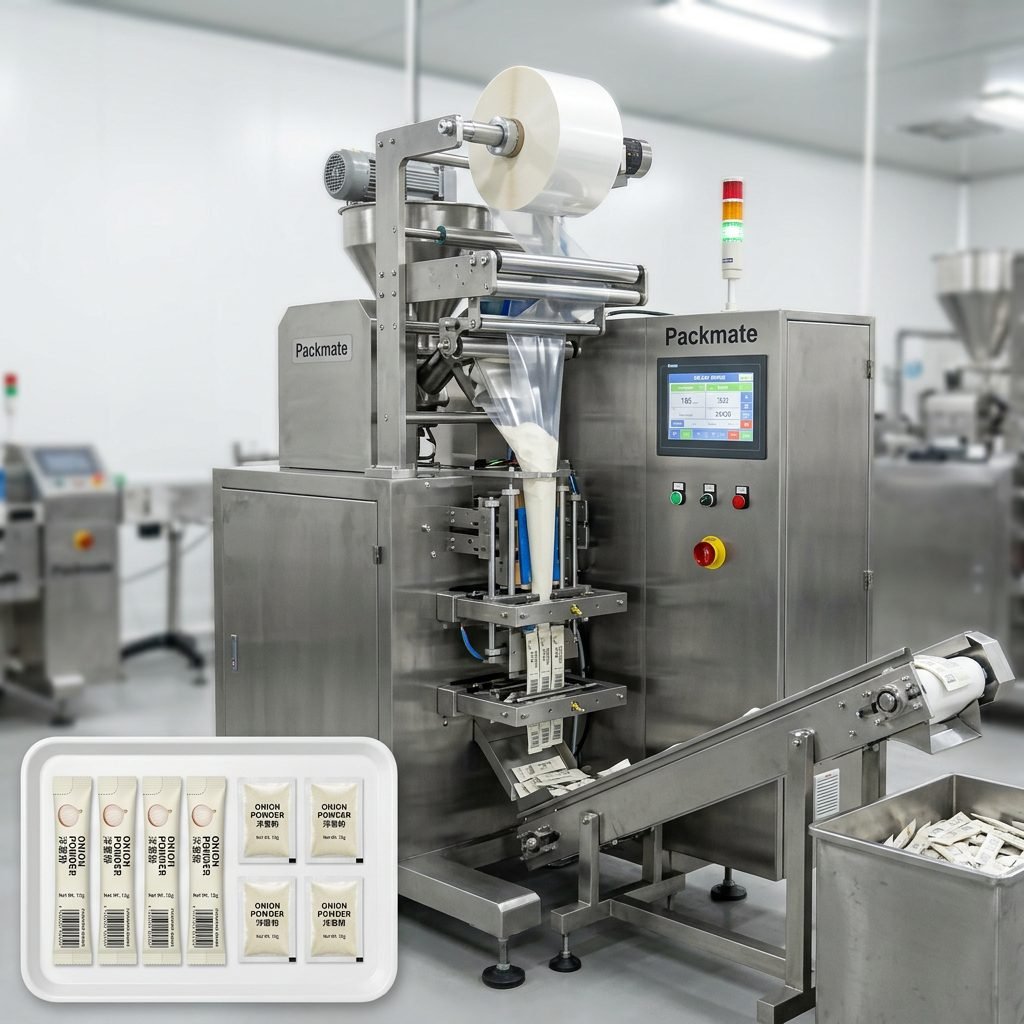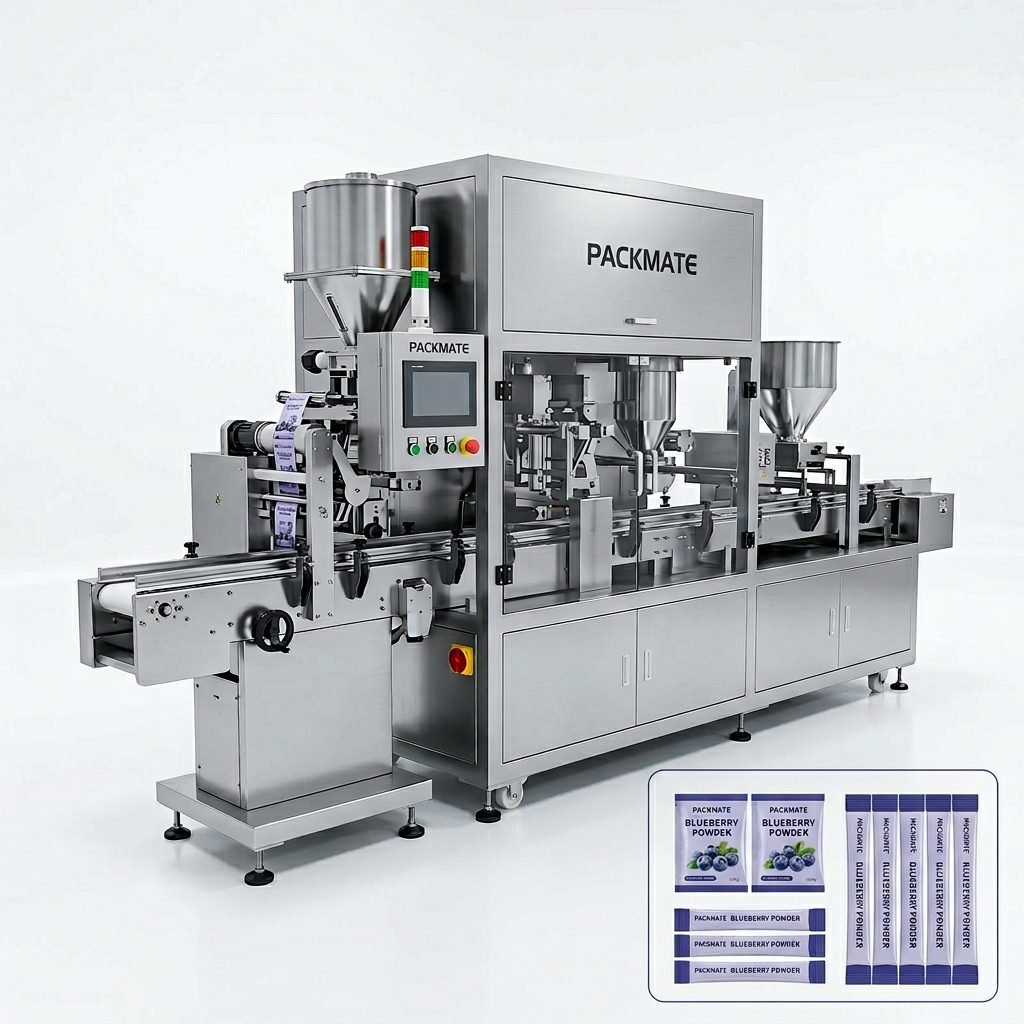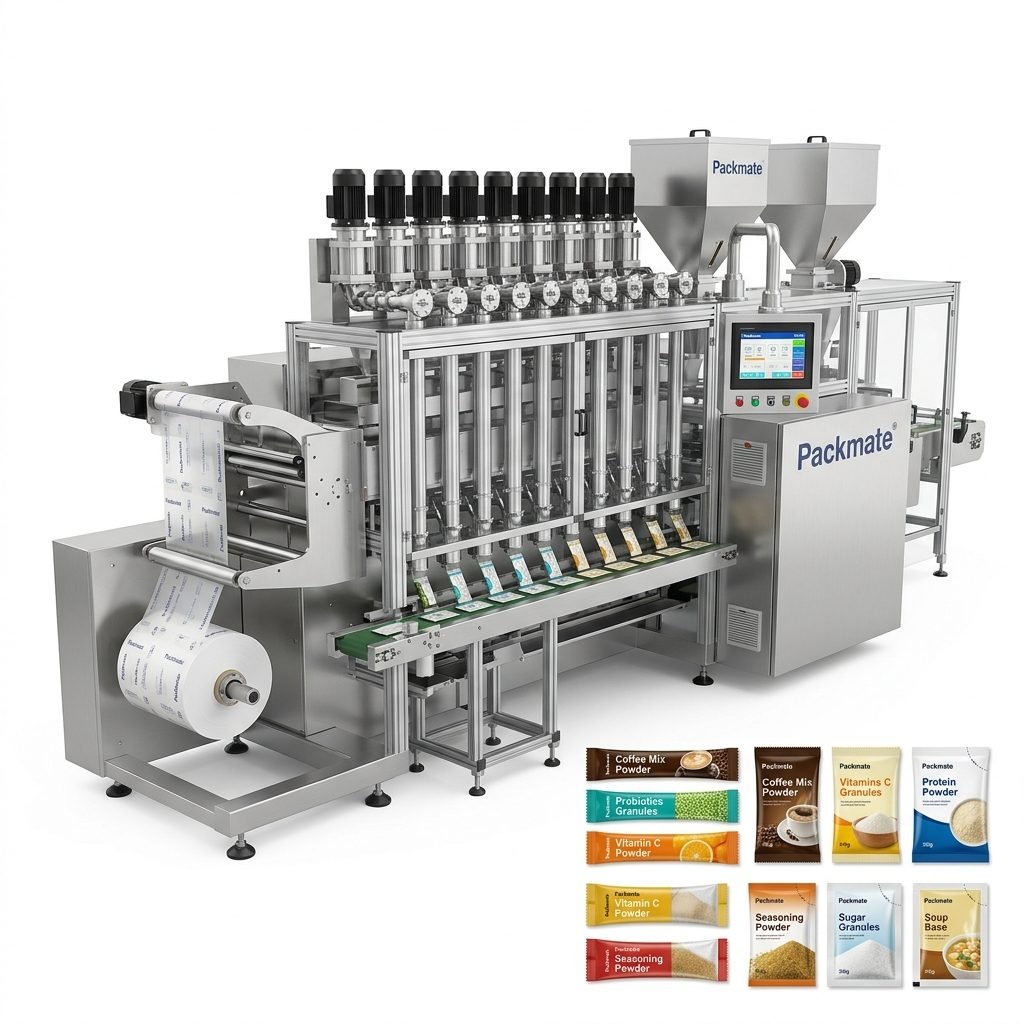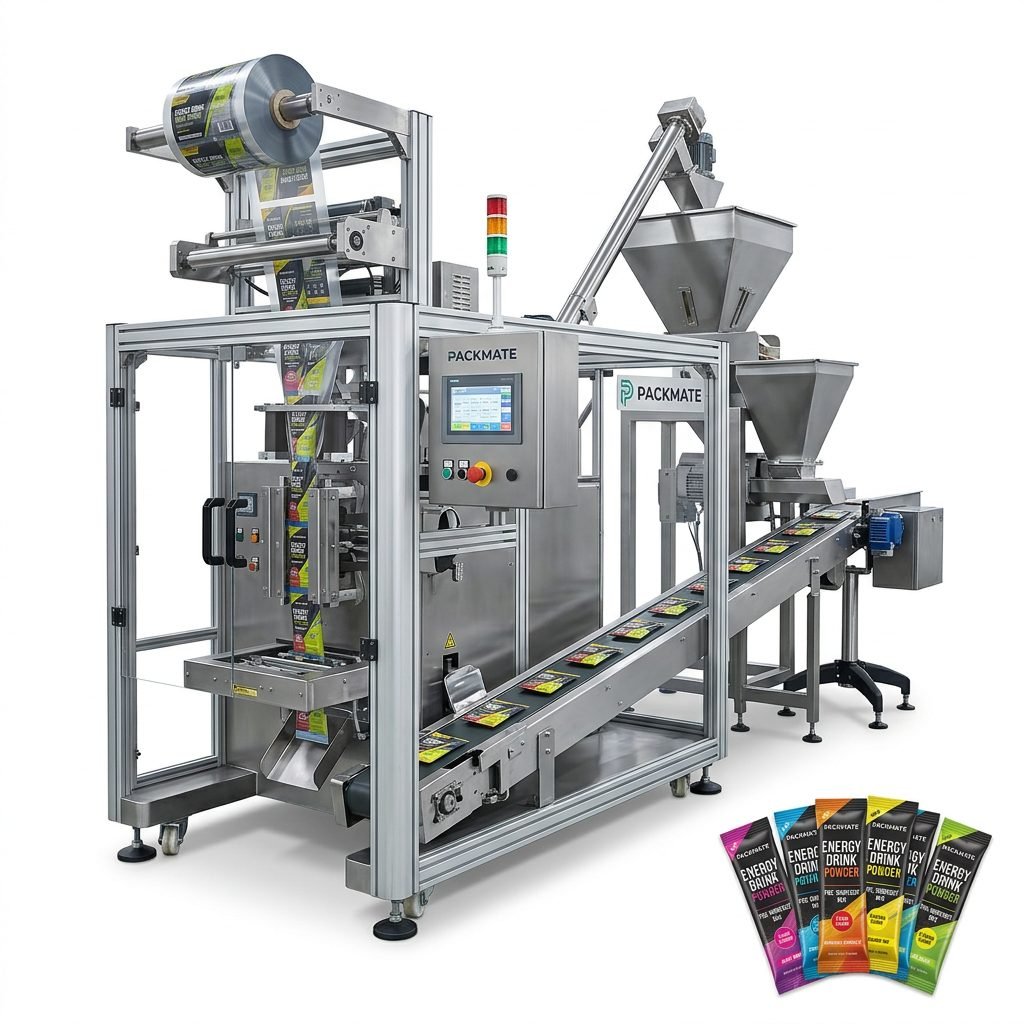
In the competitive world of bakery production, efficiency and consistency are not just goals—they are the foundation of profitability and brand reputation. A complete automatic bread packaging line represents a transformative investment, moving operations from manual, labor-intensive processes to a streamlined, high-output system. This article delves into the components, benefits, and strategic considerations of implementing such a solution, highlighting how it serves as the backbone for efficient bakery production.
The Core Components of a Modern Bread Packaging Line
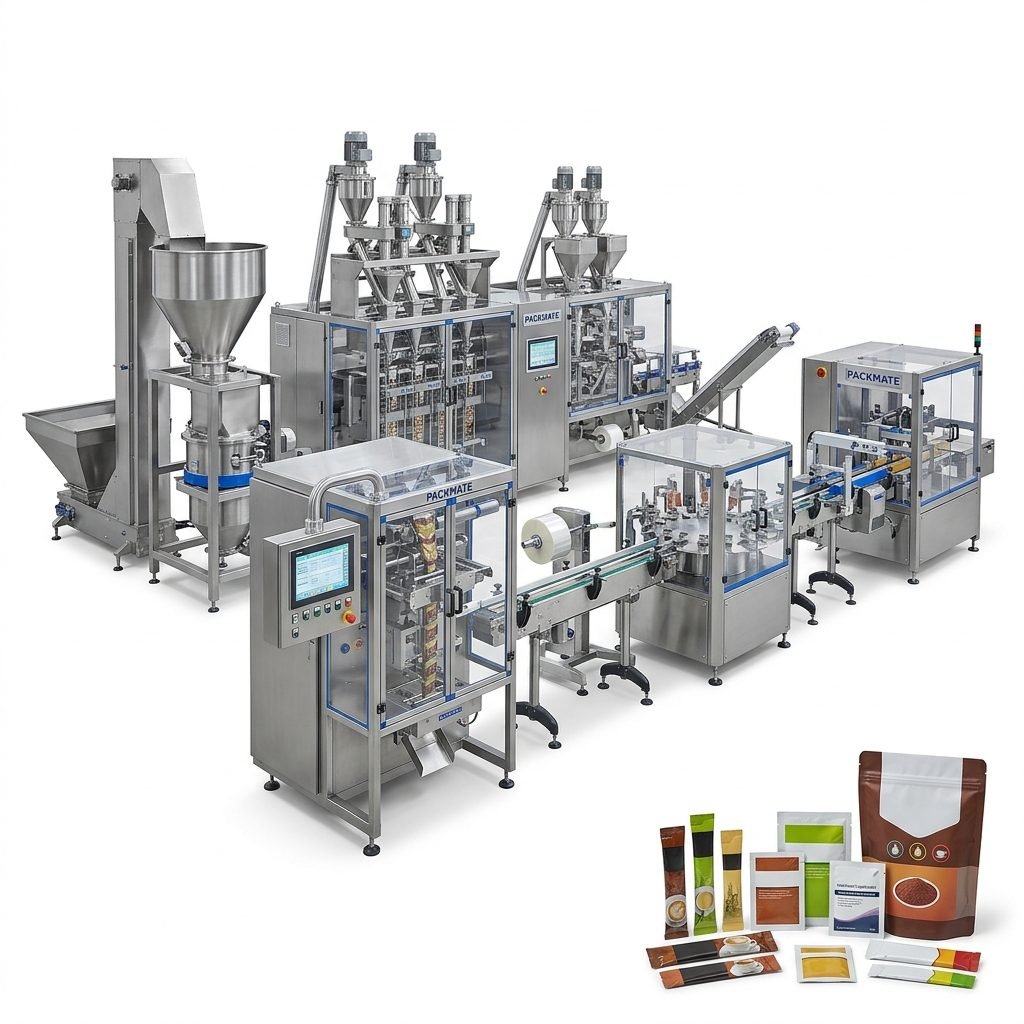
A fully integrated system is more than just a collection of machines; it’s a synchronized orchestra of technology. The journey begins at the cooling conveyor, where baked goods are brought to the optimal temperature for packaging. From there, products are gently transferred to an automatic bread feeding and aligning system, which orients each loaf or bun uniformly for the next stage.
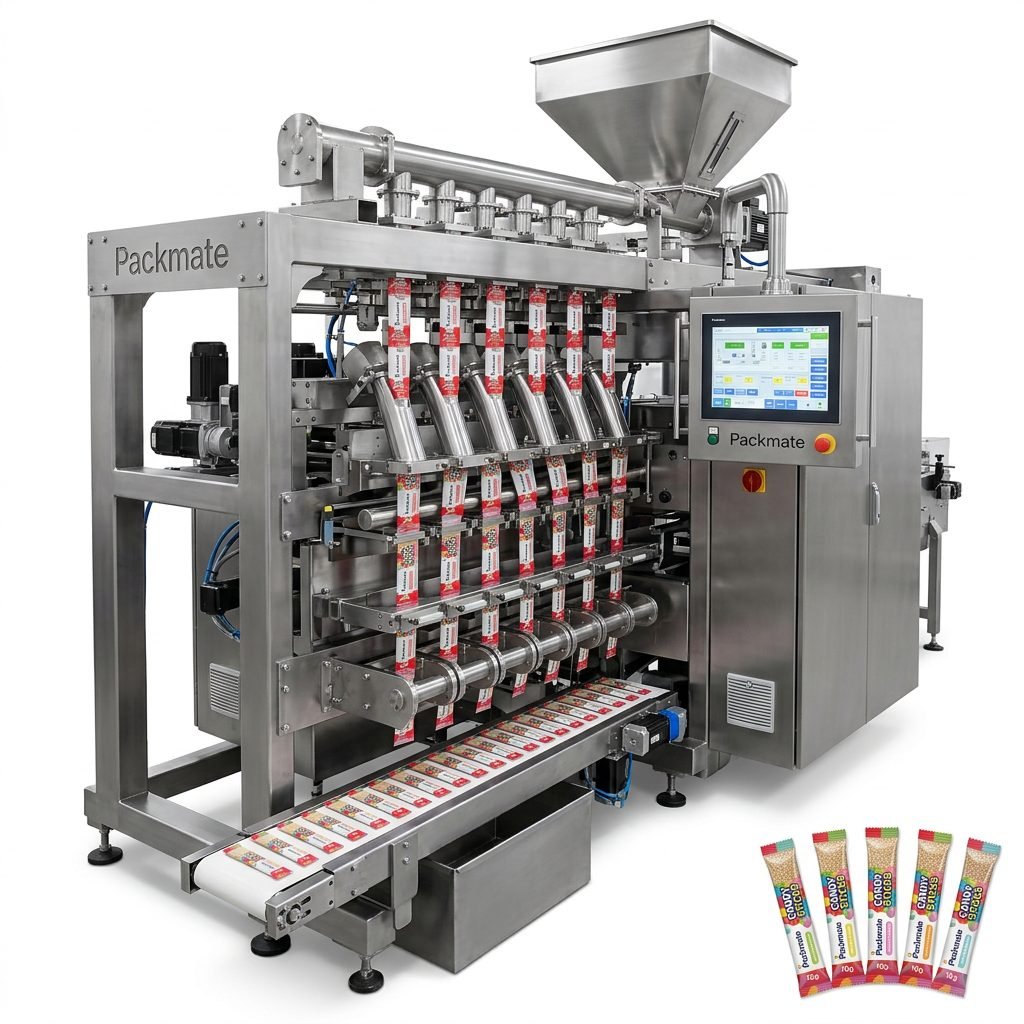
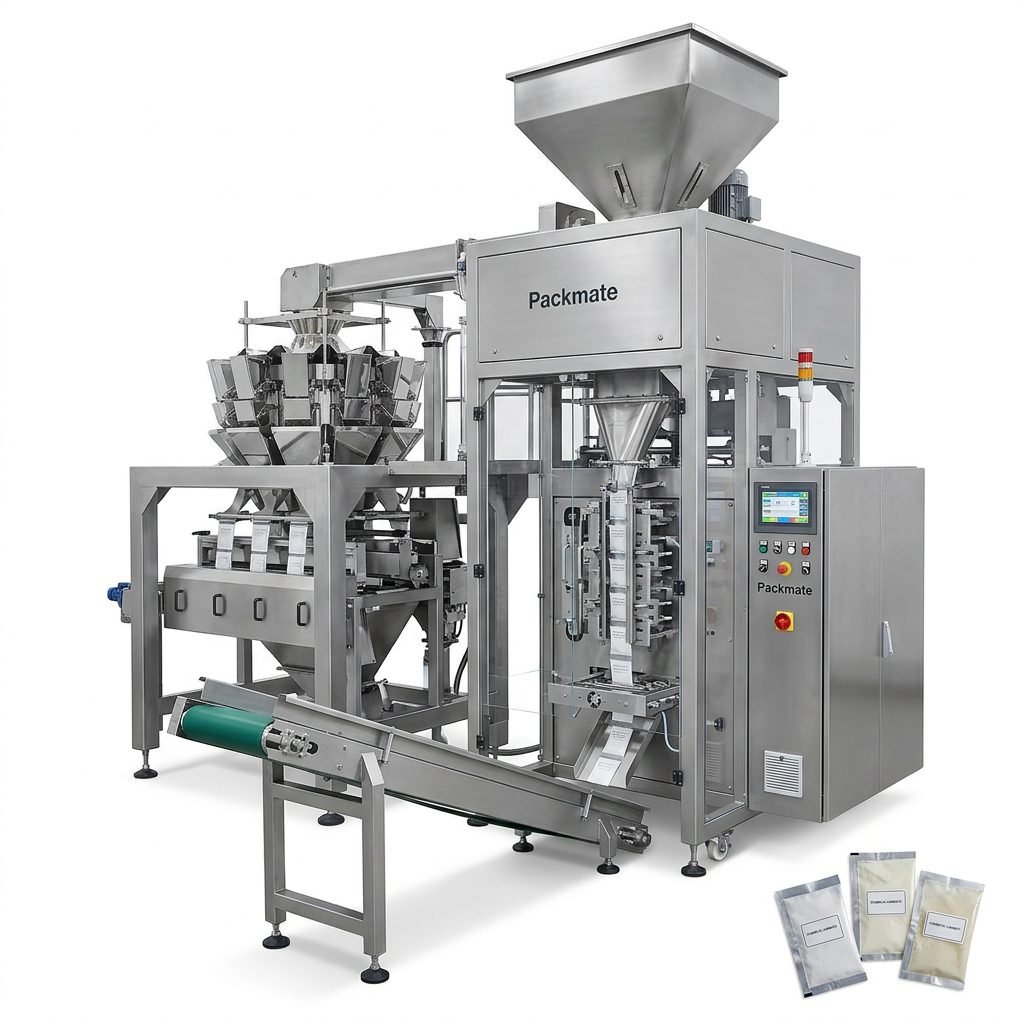
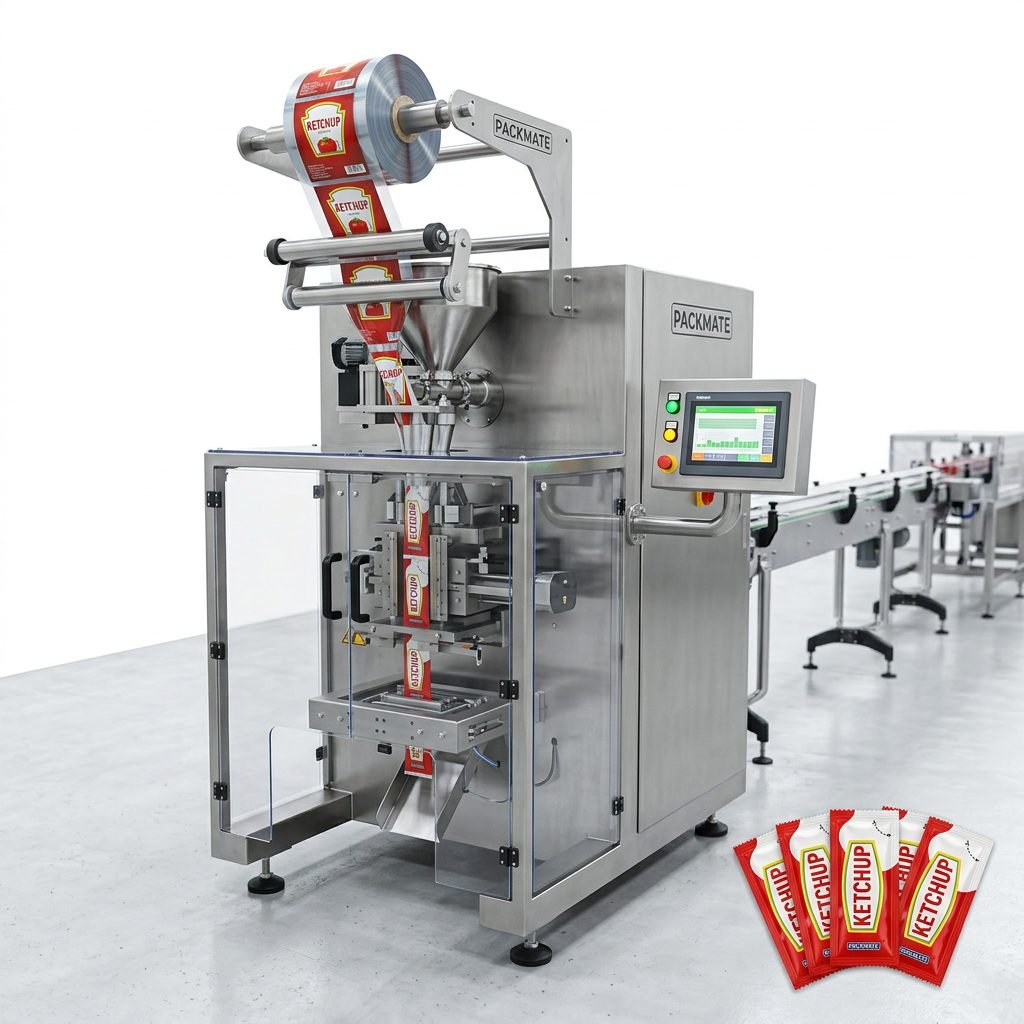
The heart of the line is often the automatic bagging machine. Advanced models can handle various bread types, from soft sandwich loaves to crusty artisan bread, using gentle suction cups or mechanical fingers to place products into pre-made bags or form-fill-seal pouches. This is seamlessly followed by sealing, coding, and date-printing stations that ensure every package is secure and compliant with labeling regulations.
Finally, the packaged bread is conveyed to automated cartoning or case-packing units, where they are grouped and prepared for palletizing and shipment. The entire process is managed by a centralized Programmable Logic Controller (PLC), allowing for minute adjustments in speed, timing, and operation with minimal human intervention.
Key Benefits: Beyond Speed and Labor Savings
While increased throughput and reduced labor costs are the most immediate advantages, the benefits of automation run much deeper.
- Enhanced Product Hygiene & Safety: Minimizing human contact from cooling to casing drastically reduces the risk of contamination, a critical factor for food safety standards and certifications.
- Unmatched Consistency: Every package is sealed, labeled, and presented identically. This eliminates human error and builds a stronger, more professional brand image on the retail shelf.
- Significant Reduction in Packaging Material Waste: Precision-controlled systems dispense and cut film or bags with exact accuracy, optimizing material usage and directly cutting costs.
- Improved Working Conditions & Staff Allocation: Automating repetitive and physically demanding tasks allows your workforce to be reassigned to more skilled roles like quality control, machine supervision, and maintenance, boosting overall morale and operational intelligence.
Choosing the Right System for Your Bakery
Selecting a packaging solution is not a one-size-fits-all decision. It requires a careful analysis of your specific production needs. The primary consideration is product type and throughput. A bakery specializing in soft, sliced loaves will require a different handling mechanism than one producing delicate pastries or bulky, unsliced bread. The required speed, measured in packages per minute, will determine the scale and robustness of the line.
Future flexibility is another crucial factor. Can the system be easily modified to accommodate new product shapes or sizes? Does it allow for quick changeovers between different packaging materials? Partnering with a provider that offers scalable and modular solutions ensures your investment is protected as your business grows. For insights into real-world applications, reviewing detailed project cases can be invaluable.
The Role of a Trusted Technology Partner
Implementing a complete line is a significant undertaking. The expertise of your equipment supplier is paramount. A true partner like Packmate (GuangDong) Co., Ltd. offers more than just machines. They provide a turnkey solution encompassing in-depth consultation, custom engineering, on-site installation, comprehensive operator training, and reliable after-sales support. Their over 30 years of experience in designing for granules, powders, and other food products translates into a deep understanding of the hygiene, precision, and reliability required in bakery packaging. You can learn more about their journey and capabilities on their official homepage.
Integration and the Path to a “Smart Bakery”
The modern automatic packaging line is a key data-generating node in the Industry 4.0 landscape. Integrated sensors can monitor production counts, track downtime, and even predict maintenance needs before a breakdown occurs. This data, when fed into a central Manufacturing Execution System (MES), provides unprecedented visibility into Overall Equipment Effectiveness (OEE), allowing managers to make data-driven decisions to optimize the entire production flow, from mixing to dispatch.
Conclusion: A Strategic Investment for Growth
Adopting a complete automatic bread packaging line is a decisive step toward securing a competitive edge. It is a strategic investment that pays dividends not only in direct cost savings and increased capacity but also in product quality, brand strength, and operational agility. In an industry where margins are tight and consumer expectations are high, the reliability and efficiency offered by full automation are no longer luxuries but essential components of a sustainable and scalable bakery business. For ongoing support and to explore specific models, their dedicated service page is a vital resource.
Frequently Asked Questions (FAQs)
1. What is the typical payback period for a fully automatic bread packaging line?
The payback period varies based on scale, labor costs, and previous manual inefficiencies. For medium to high-volume bakeries, it typically ranges from 1 to 3 years, achieved through dramatic labor reduction, lower material waste, and increased production output that captures more market share.
2. Can one packaging line handle different types and sizes of bread?
Yes, many modern lines are designed with modularity and quick-change capabilities. With adjustable guides, interchangeable forming tools, and programmable settings, a well-designed system can switch between, for example, sandwich loaves and hot dog buns with a changeover time of under 30 minutes, maximizing line utilization.
3. How does automated packaging improve product shelf life?
Automation enhances shelf life through consistent and hermetic sealing. Manual sealing can have variances that allow air ingress. Automated systems apply precise, uniform heat and pressure every time, creating a reliable barrier against moisture loss and staleness, and often allowing for modified atmosphere packaging (MAP) integration.
4. What kind of factory space and utilities are required?
You need a clean, level floor space with a linear layout for the conveyor length. Essential utilities include a stable electrical power supply (often three-phase), compressed air for pneumatic components, and sometimes access to chilled water for certain sealing jaws. A detailed site assessment by the supplier is always conducted prior to installation.
5. Is technical support readily available after installation?
Reputable suppliers offer comprehensive support. This includes on-site training for your technicians, detailed manuals, access to remote diagnostic services, and a ready supply of spare parts. Choosing a partner with a strong global service network, like Packmate, ensures minimal downtime and long-term operational peace of mind.