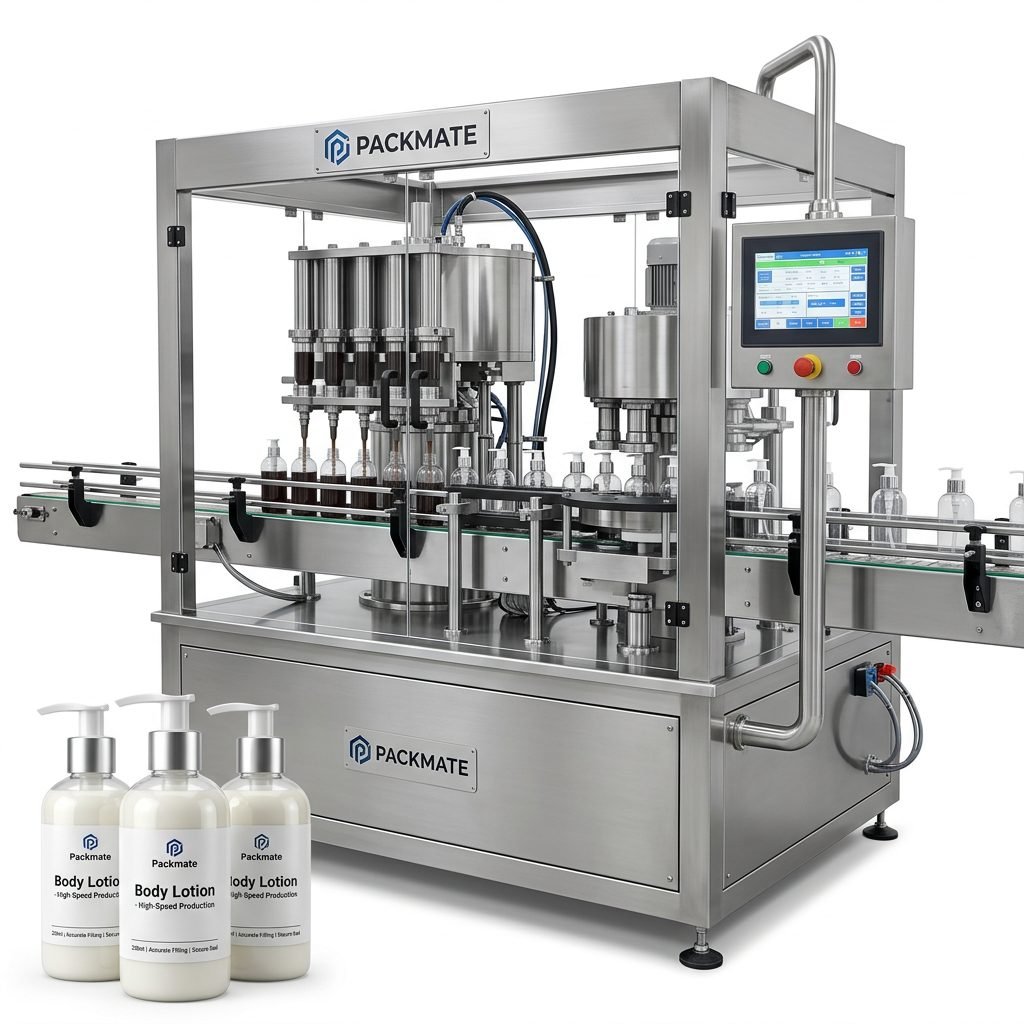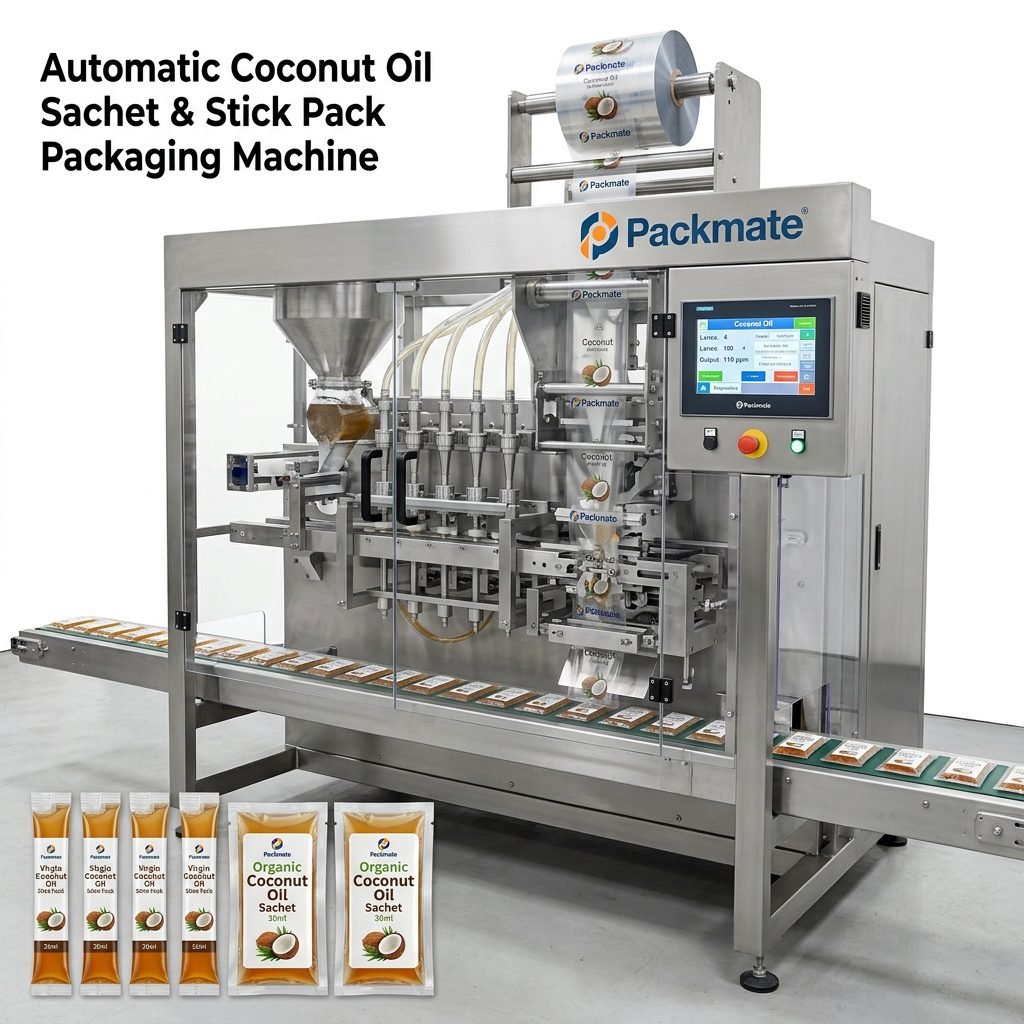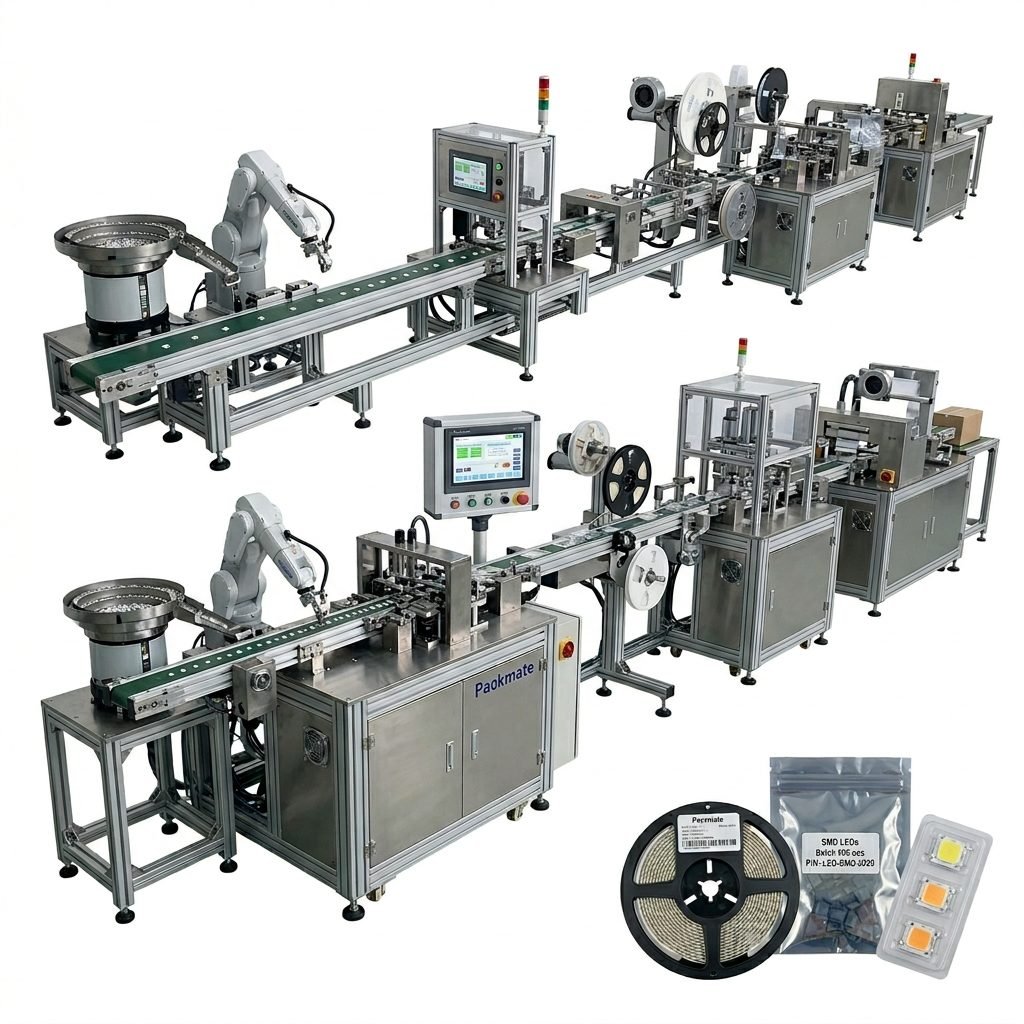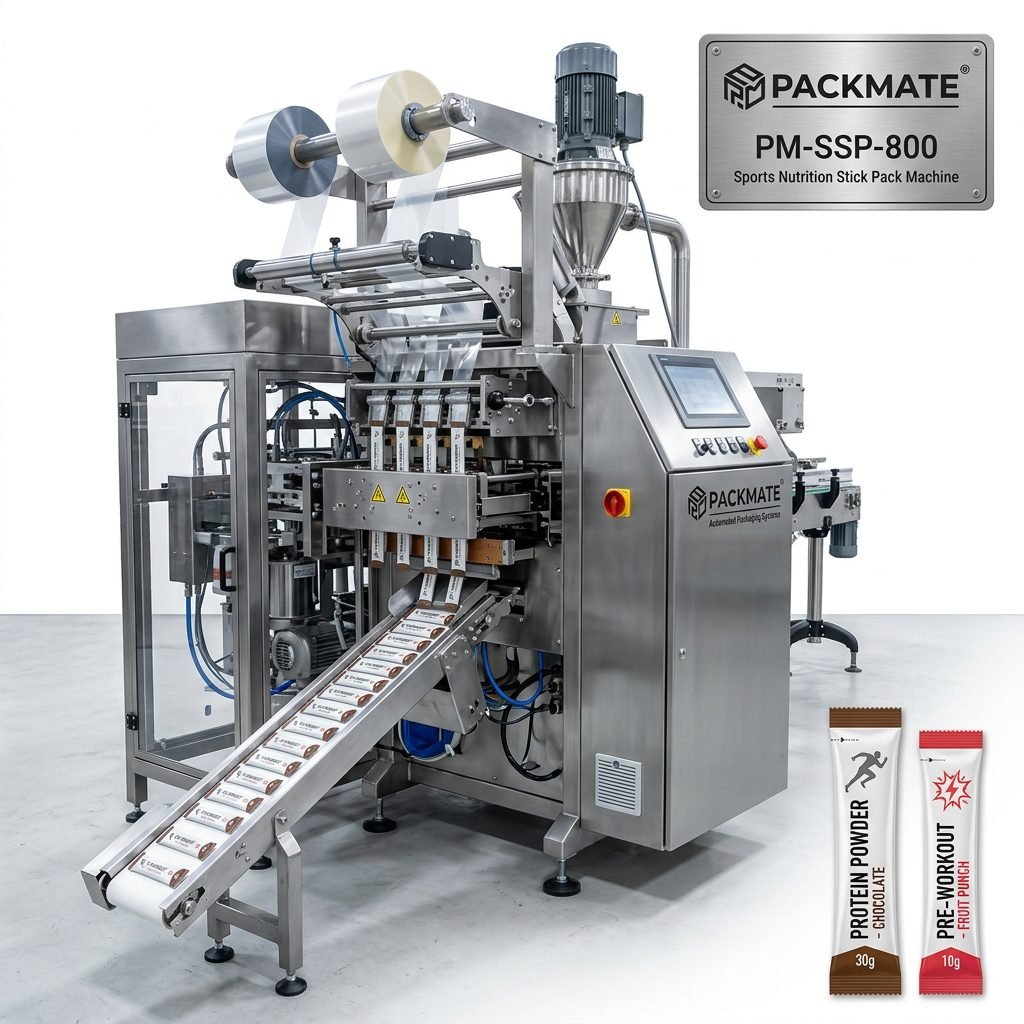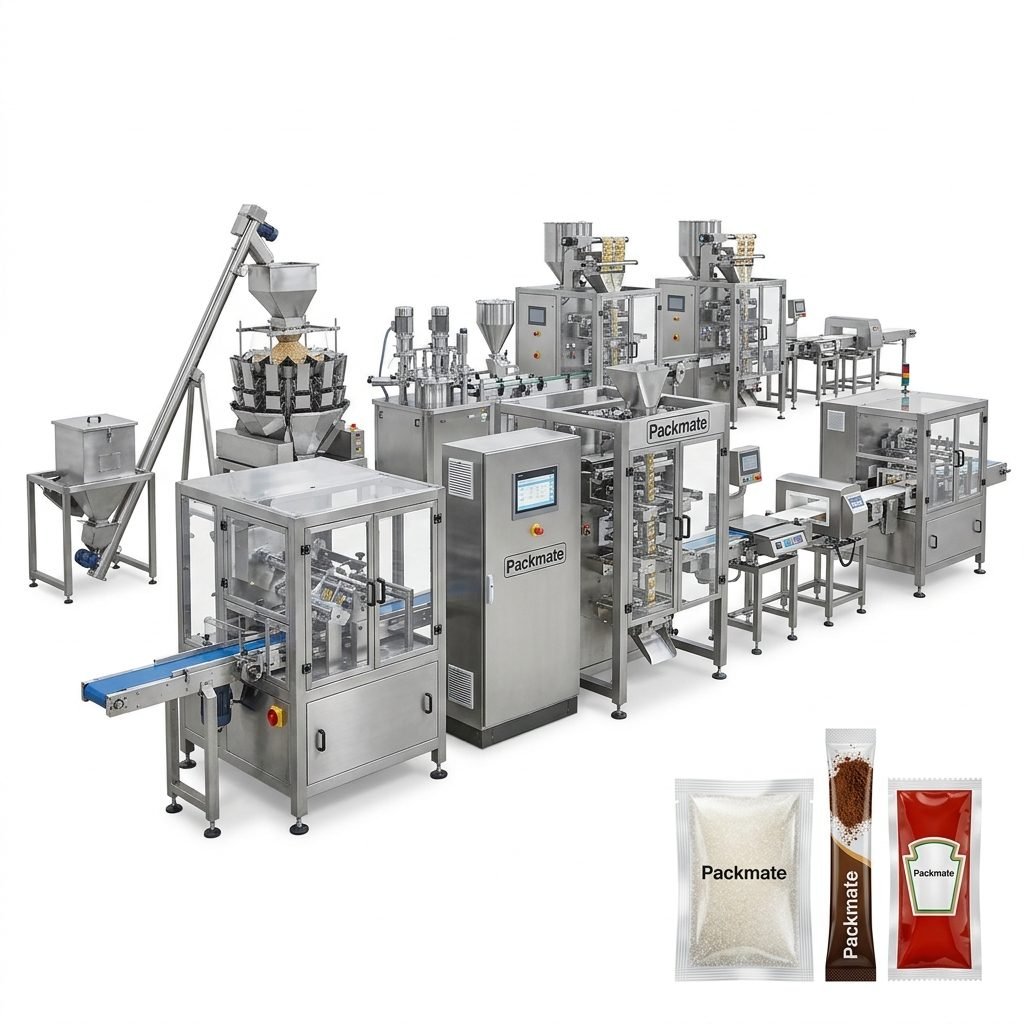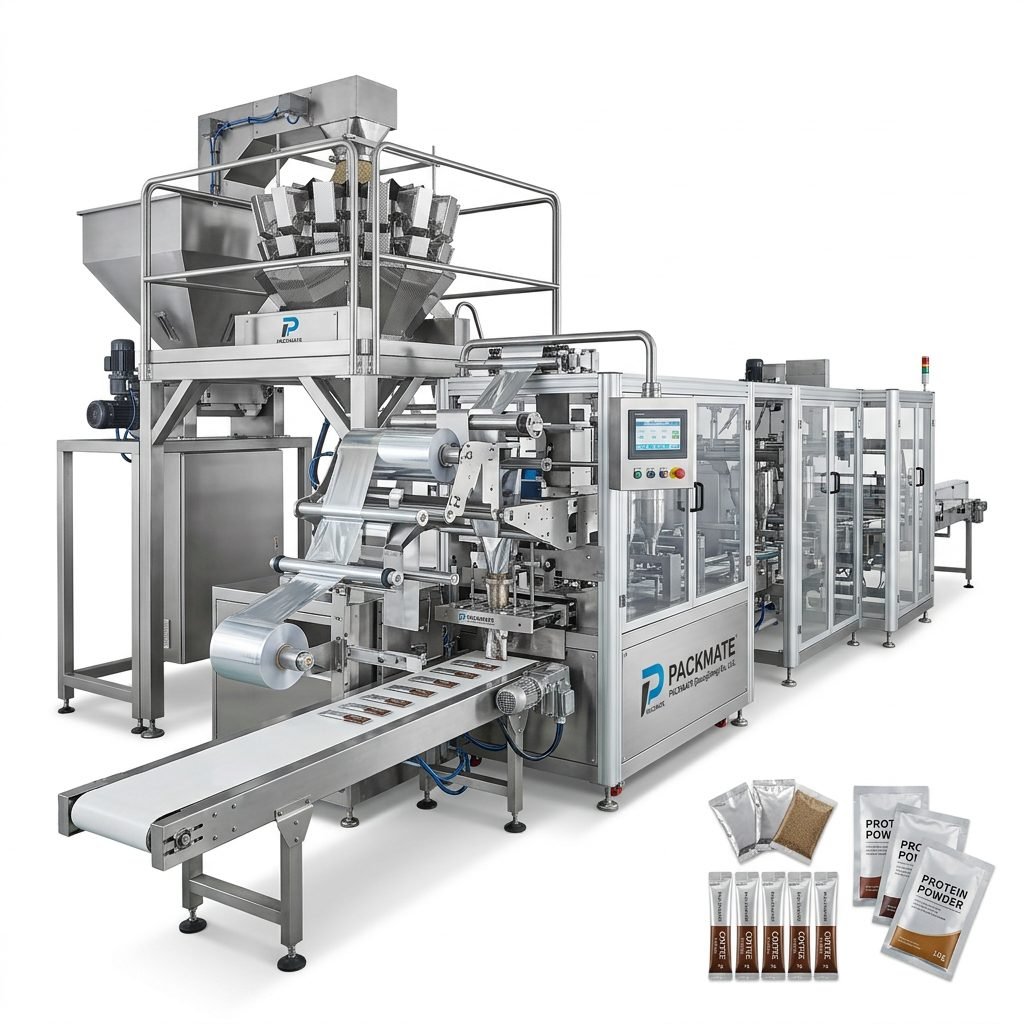
In the competitive landscape of modern manufacturing, the efficiency of your packaging line is not just an operational metric—it’s a critical determinant of profitability, customer satisfaction, and market agility. A well-optimized line seamlessly transforms raw materials into finished, market-ready products with minimal waste and maximum speed. Conversely, a line plagued by inefficiencies, frequent stoppages, and subpar output can erode margins and hinder growth. This article delves into actionable strategies for packaging line optimization, focusing on how to improve efficiency, reduce costly downtime, and ultimately maximize your production throughput.
The Pillars of Packaging Line Optimization
Optimization is a holistic process. It goes beyond simply running machines faster. True optimization rests on three interconnected pillars: Process Intelligence, Machine Reliability, and Human Capital. Neglecting any one of these areas can create a weak link that drags down the entire system’s performance.
Why Optimization Matters More Than Ever
Market demands for faster delivery, smaller batch sizes, and personalized packaging are increasing. An optimized line provides the flexibility and speed to meet these demands without sacrificing quality or incurring exorbitant costs. It directly impacts your bottom line by lowering cost-per-unit and enhancing your ability to scale operations efficiently.
1. Improving Efficiency: Streamlining the Flow
Efficiency is about doing more with the same or fewer resources. The goal is to create a smooth, uninterrupted flow from product infeed to palletizing.
Conduct a Comprehensive Line Audit
You cannot improve what you do not measure. Begin with a detailed audit of your entire packaging process. Map out every step, timing each operation, and identifying bottlenecks. Common culprits include manual hand-off points, mismatched machine speeds (where one machine is constantly waiting for another), and inefficient material handling. Tools like value stream mapping can be invaluable here.
Embrace Automation and Smart Technology
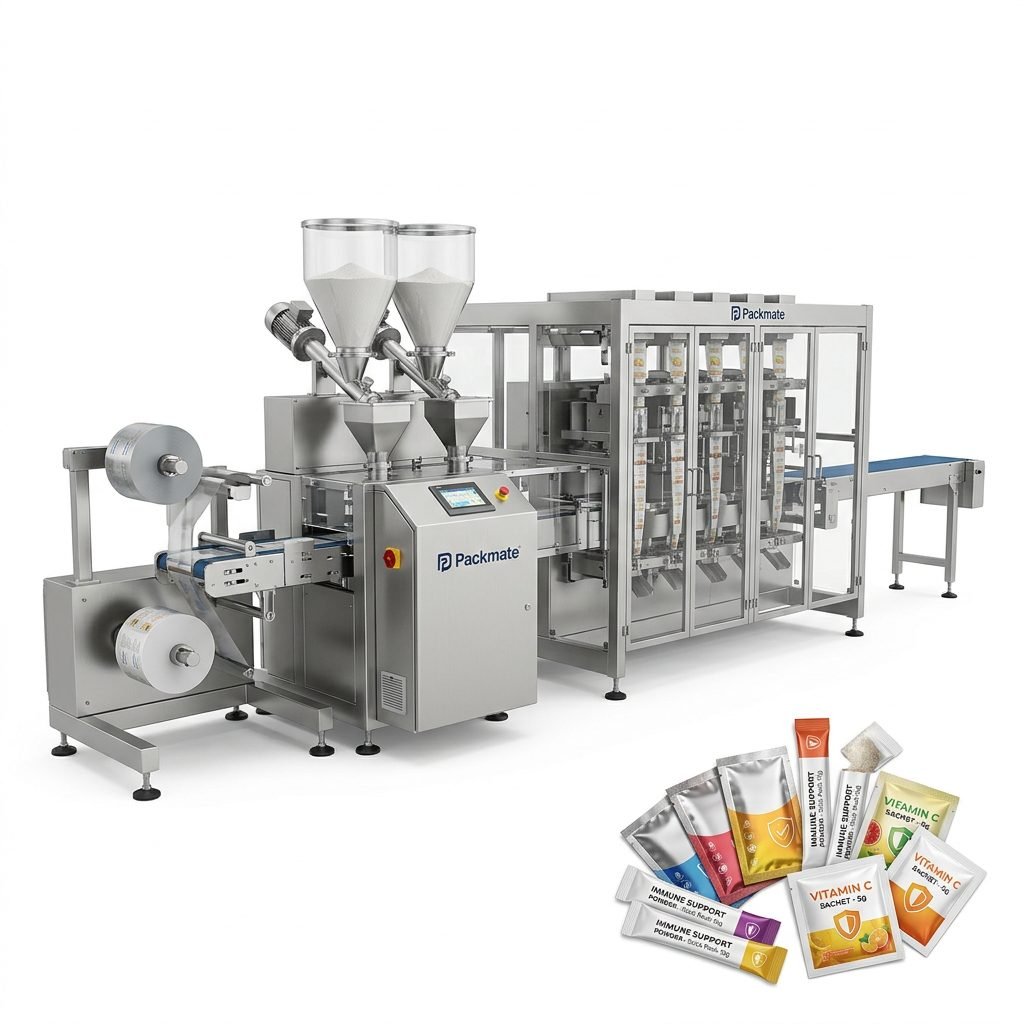
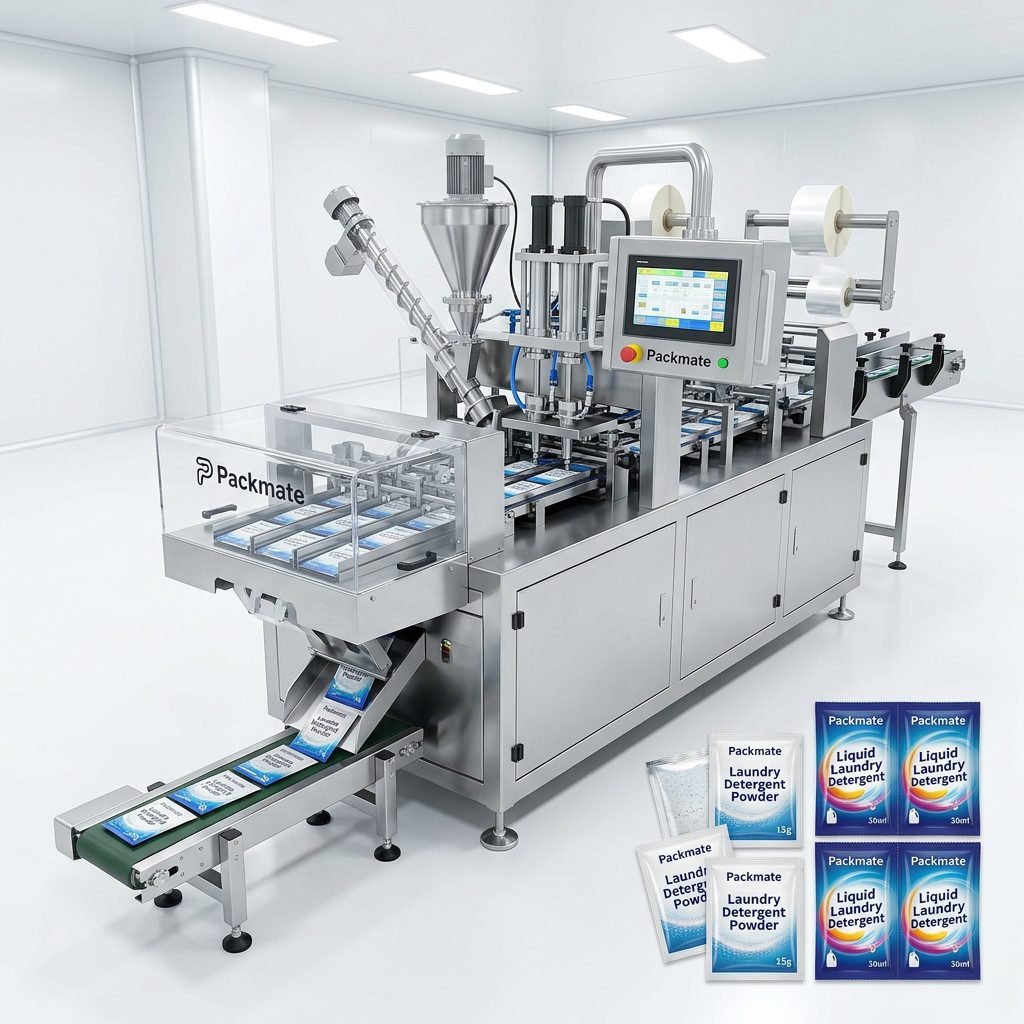
Replacing manual, repetitive tasks with automation is a cornerstone of efficiency gains. Consider automated carton erectors, case packers, and palletizers. Furthermore, integrating Industrial Internet of Things (IIoT) sensors and control systems can provide real-time data on machine performance, energy consumption, and product flow, enabling predictive adjustments. For a deep dive into how automated solutions can transform your operation, explore our tailored packaging solutions.
Optimize Layout and Material Handling
A poorly designed floor layout can cause unnecessary movement and congestion. Analyze the physical flow of materials and finished goods. Aim for a logical, linear sequence that minimizes travel distance and cross-traffic. Implementing organized storage for packaging materials (films, cartons, labels) near the point of use can significantly reduce machine idle time waiting for components.
2. Reducing Downtime: From Reactive to Proactive
Unplanned downtime is the arch-nemesis of productivity. Reducing it requires shifting from a reactive “fix-it-when-it-breaks” mentality to a proactive, preventive approach.
Implement a Robust Preventive Maintenance (PM) Program
Scheduled maintenance is non-negotiable. Develop and strictly adhere to a PM schedule based on machine manufacturer recommendations and your own operational data. This includes regular lubrication, part inspections, calibration, and cleaning. A consistent PM program, like those upheld by experienced manufacturers such as Packmate (GuangDong) Co., Ltd., can prevent up to 70% of potential breakdowns.
Leverage Predictive Maintenance
Take maintenance a step further with predictive analytics. By monitoring parameters like vibration, temperature, and motor current, you can detect anomalies that signal an impending failure. This allows you to schedule maintenance at a convenient time, avoiding catastrophic mid-shift breakdowns.
Standardize Operations and Training
Much downtime stems from operator error or inconsistent procedures. Develop clear, visual Standard Operating Procedures (SOPs) for machine setup, changeover, and operation. Invest in continuous training to ensure every team member is proficient. A well-trained operator can often identify and resolve minor issues before they escalate. Reviewing real-world application cases can provide valuable insights into operational best practices.
Maintain a Critical Spares Inventory
Waiting days for a replacement part can be devastating. Identify the high-wear, critical components specific to your line (e.g., seals, sensors, specific gears) and keep a strategic inventory. This turns a potential days-long stoppage into a minutes-long repair.
3. Maximizing Production: Pushing the Performance Envelope
Once efficiency is high and downtime is low, you can focus on maximizing the output potential of your line.
Master the Art of Quick Changeover (SMED)
Single-Minute Exchange of Die (SMED) methodology is essential for manufacturers running multiple products or package sizes. The goal is to convert as many changeover steps as possible from internal (done while the machine is stopped) to external (prepared while the machine is running). Using quick-release mechanisms, pre-staged tooling, and dedicated changeover carts can slash changeover time by 50% or more, increasing available production time.
Optimize Machine Speeds Holistically
Running one machine at its absolute maximum speed is futile if it creates a bottleneck or increases waste downstream. Use the data from your line audit to find the sweet spot—the synchronized speed at which the entire line operates most reliably and with the highest overall output. Sometimes, running a filler slightly below its max speed results in higher total line output due to fewer jams and rejects.
Focus on First-Pass Yield
Maximizing production isn’t just about speed; it’s about producing good product the first time. Rejects, reworks, and off-spec products consume capacity without adding value. Implement stringent quality checks at multiple stages (In-Process Controls) to catch defects early. Analyze reject causes to address root problems in machine settings, material quality, or operator technique.
Partnering for Success: The Turnkey Advantage
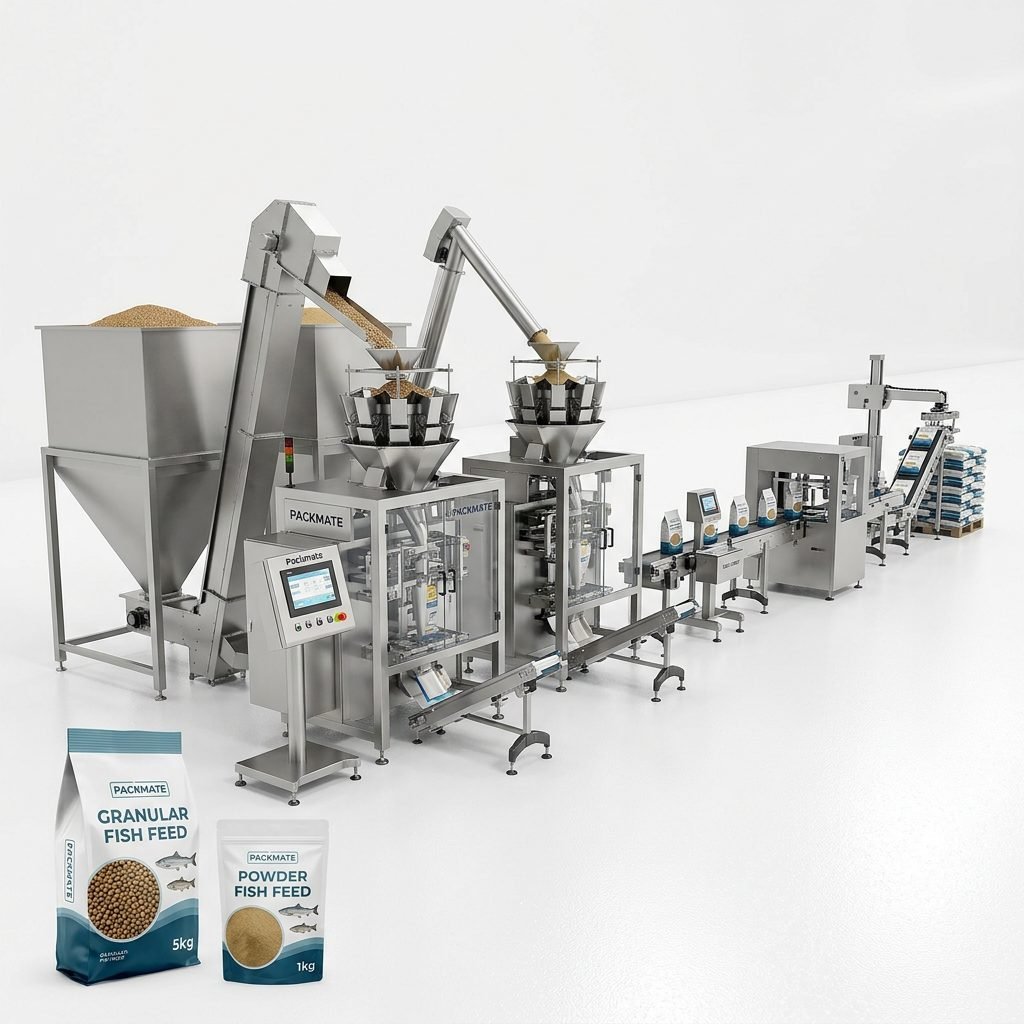
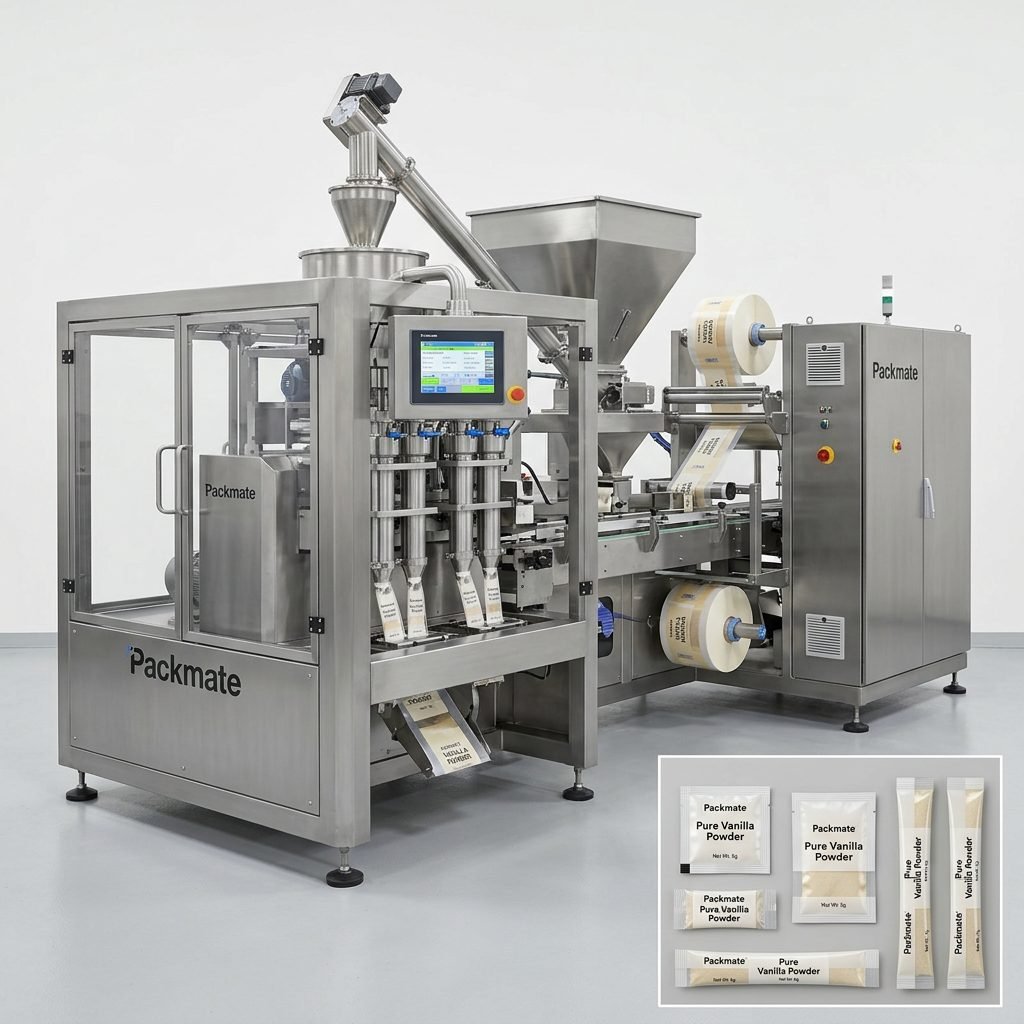
For many businesses, the most effective path to an optimized line is partnering with an expert provider. A partner like Packmate brings over 30 years of experience in designing and integrating complete, intelligent packaging lines. From the initial audit and layout design to supplying synchronized machinery from their portfolio of over 50 models, and through to installation and training, a turnkey solution ensures all components work in harmony from day one. This eliminates the integration headaches and performance gaps common with piecing together equipment from multiple vendors. Learn more about their journey and capability in their detailed company profile.
Frequently Asked Questions (FAQs)
1. What is the first step I should take to optimize my packaging line?
The absolute first step is to conduct a detailed line audit and value stream map. You need quantitative data on cycle times, downtime reasons, changeover duration, and reject rates. You cannot prioritize improvements effectively without understanding your current state’s specific pain points and bottlenecks.
2. How can I justify the investment in new automation or technology?
Build a business case focused on Return on Investment (ROI). Calculate the potential savings from reduced labor, lower scrap rates, decreased downtime, and increased throughput. Also, factor in soft benefits like improved safety, better data for decision-making, and enhanced flexibility to handle new products. Most automation projects have a clear payback period of 1-3 years.
3. We have old equipment. Is full replacement necessary for optimization?
Not always. While new equipment offers the latest technology, significant gains can be made by retrofitting and upgrading existing machinery. Adding modern sensors, PLC controls, or quick-change features can breathe new life into reliable old machines. A hybrid approach, replacing only the most problematic or slowest machines, is often the most cost-effective strategy.
4. How important is operator training in line optimization?
Extremely important. Operators are the eyes and ears of the line. A well-trained operator can perform efficient changeovers, conduct basic troubleshooting, maintain equipment properly, and identify subtle signs of impending failure. Investing in continuous training ensures your human capital works in synergy with your technology, protecting your optimization investments.
5. What metrics should I track to measure optimization success?
Key Performance Indicators (KPIs) are essential. Primary metrics include Overall Equipment Effectiveness (OEE) (which combines availability, performance, and quality), units produced per hour/labor hour, mean time between failures (MTBF), and changeover time. Tracking these over time will clearly show the impact of your optimization efforts. For more common queries, visit our dedicated FAQs page.