The honey industry is a testament to nature’s sweetness and human ingenuity. From artisanal apiaries to large-scale producers, delivering pure, high-quality honey to consumers requires meticulous care at every stage, especially during packaging. An efficient, automated honey packaging line is no longer a luxury but a critical component for maintaining product integrity, ensuring hygiene, and achieving scalable growth. Modern solutions integrate precise filling, secure capping, and accurate labeling into one seamless, automated process.
The Core Components of a Modern Honey Packaging Line
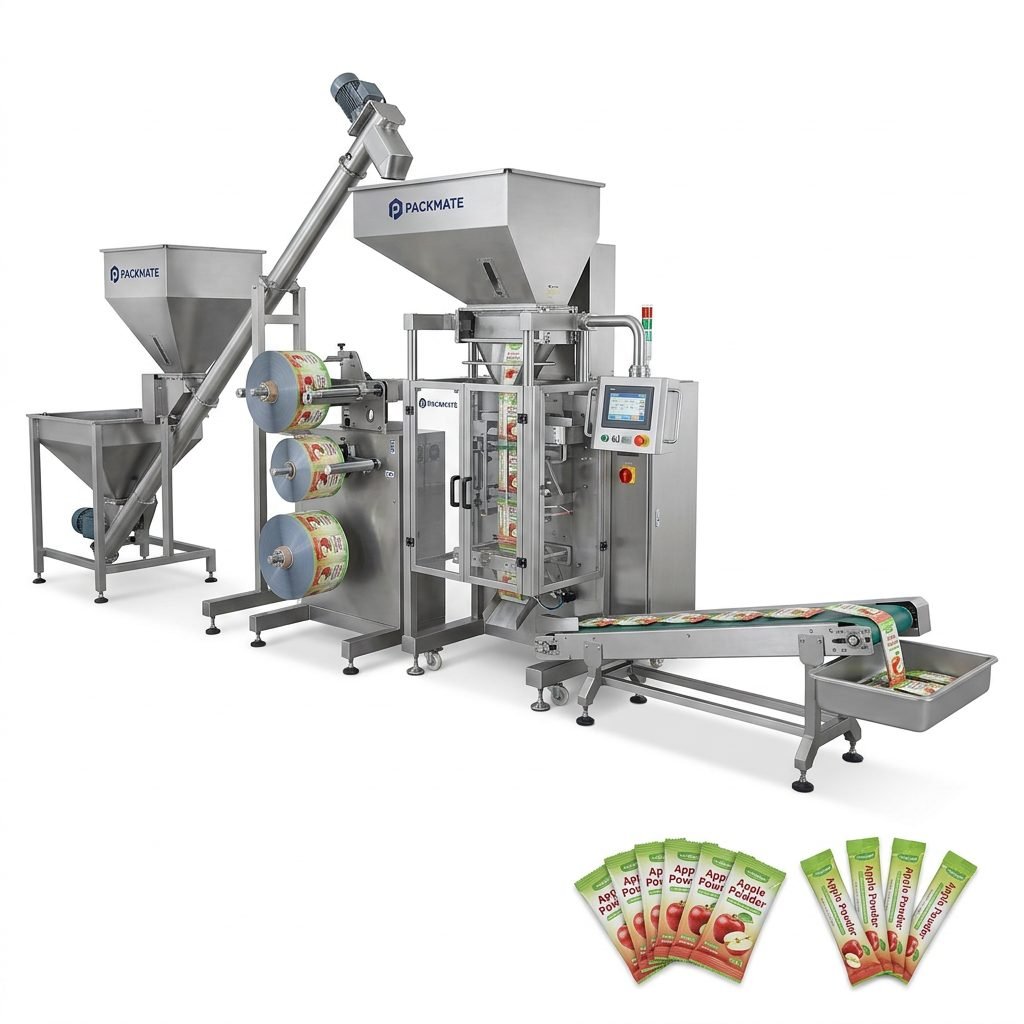
A complete, automated line transforms viscous honey from a bulk product into a shelf-ready consumer good. Each machine plays a specialized role in this symphony of automation.
Automated Filling Machines: Precision in Every Jar
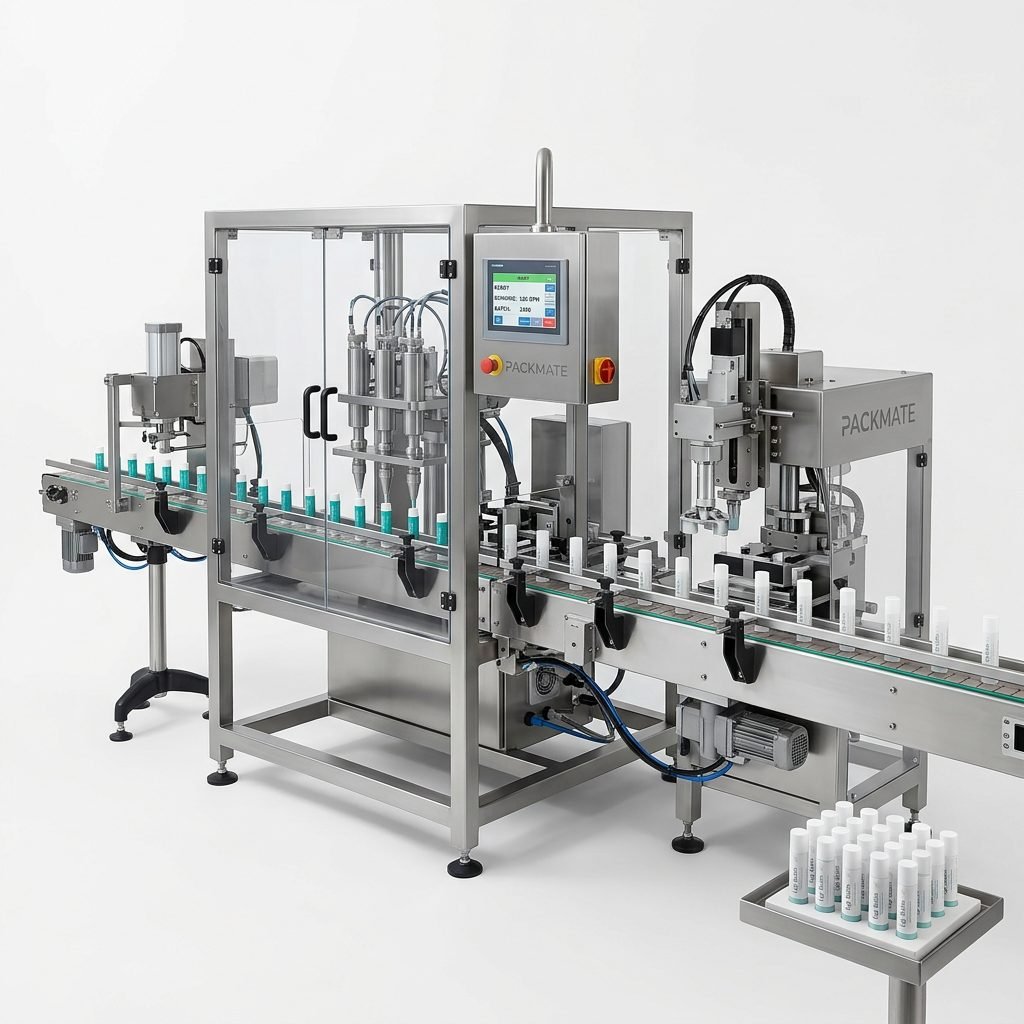
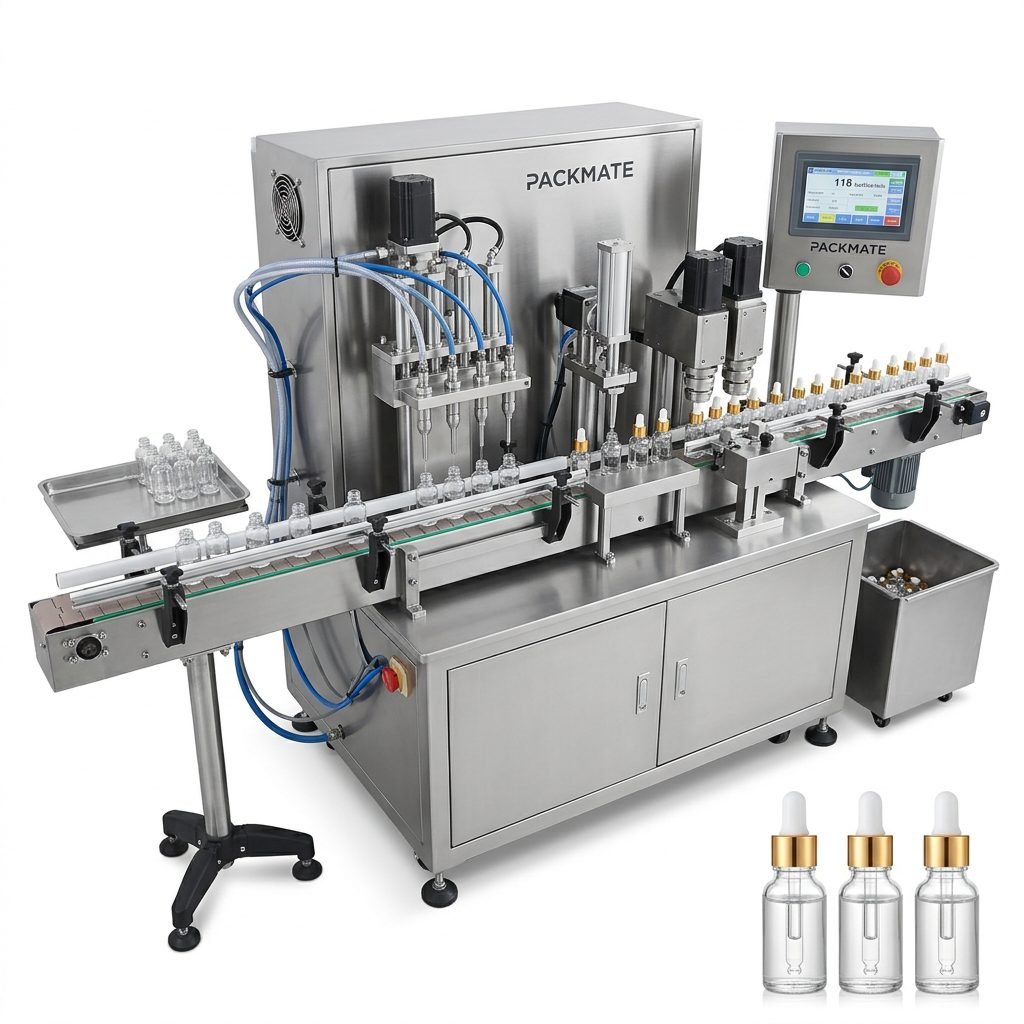
Honey’s unique viscosity demands filling technology that is both precise and gentle. Piston fillers and pump-based volumetric fillers are the industry standards. These systems are engineered to handle honey’s thick consistency without incorporating air, which can degrade quality and appearance. Advanced models feature touch-screen controls for easy adjustment of fill volume, crucial for managing different jar sizes from small sampler pots to large family-sized containers. The precision ensures every jar contains the exact advertised weight, complying with strict trade regulations and building consumer trust.
Automatic Capping Systems: Ensuring Seal Integrity
Once filled, the jar must be sealed immediately to preserve freshness and prevent contamination. Automatic cappers apply various closure types—from simple screw caps and press-on lids to more complex tamper-evident seals. Spindle cappers are particularly effective for honey, using rotating heads to securely tighten caps to a pre-set torque. This guarantees a uniform, airtight seal every time, which is vital for long shelf life. A faulty seal can lead to crystallization, fermentation, or leakage, damaging brand reputation.
Labeling Machines: The Final Touch of Brand Identity
Labeling is where brand storytelling meets regulatory compliance. Automated labelers can apply front, back, and wrap-around labels with pinpoint accuracy. For honey producers, this often includes applying the nutritional information panel, barcode, and batch codes essential for traceability. Modern pressure-sensitive (PSL) labelers offer flexibility for short runs and custom designs, while wrap-around labelers provide a 360-degree canvas for beautiful branding. Accurate labeling is not just about looks; it’s a legal requirement and a key tool for inventory management.
Key Benefits of Automating Your Honey Packaging
Investing in an integrated packaging line delivers transformative advantages that directly impact the bottom line and product quality.
▶ Dramatically Increased Production Speed & Output: Automation replaces slow, inconsistent manual processes. A single integrated line can fill, cap, and label hundreds of jars per minute, enabling producers to meet high market demand, especially during peak harvest seasons.
▶ Unmatched Consistency and Reduced Product Waste: Human error in filling leads to give-away (overfilling) or underweight products. Automated systems dispense the same exact amount every cycle, minimizing costly product waste and ensuring every unit is compliant.
▶ Enhanced Hygiene and Food Safety Standards: A closed, automated system significantly reduces human contact with the product. This is a critical factor in achieving and maintaining certifications like HACCP, ISO 22000, or SQF, which are increasingly demanded by retailers and conscious consumers.
▶ Significant Labor Cost Savings and Operational Efficiency: Automating repetitive tasks frees skilled workers for quality control, maintenance, and supervisory roles. It also reduces physical strain and the risk of repetitive motion injuries, creating a safer work environment.
Choosing the Right Partner for Your Packaging Line
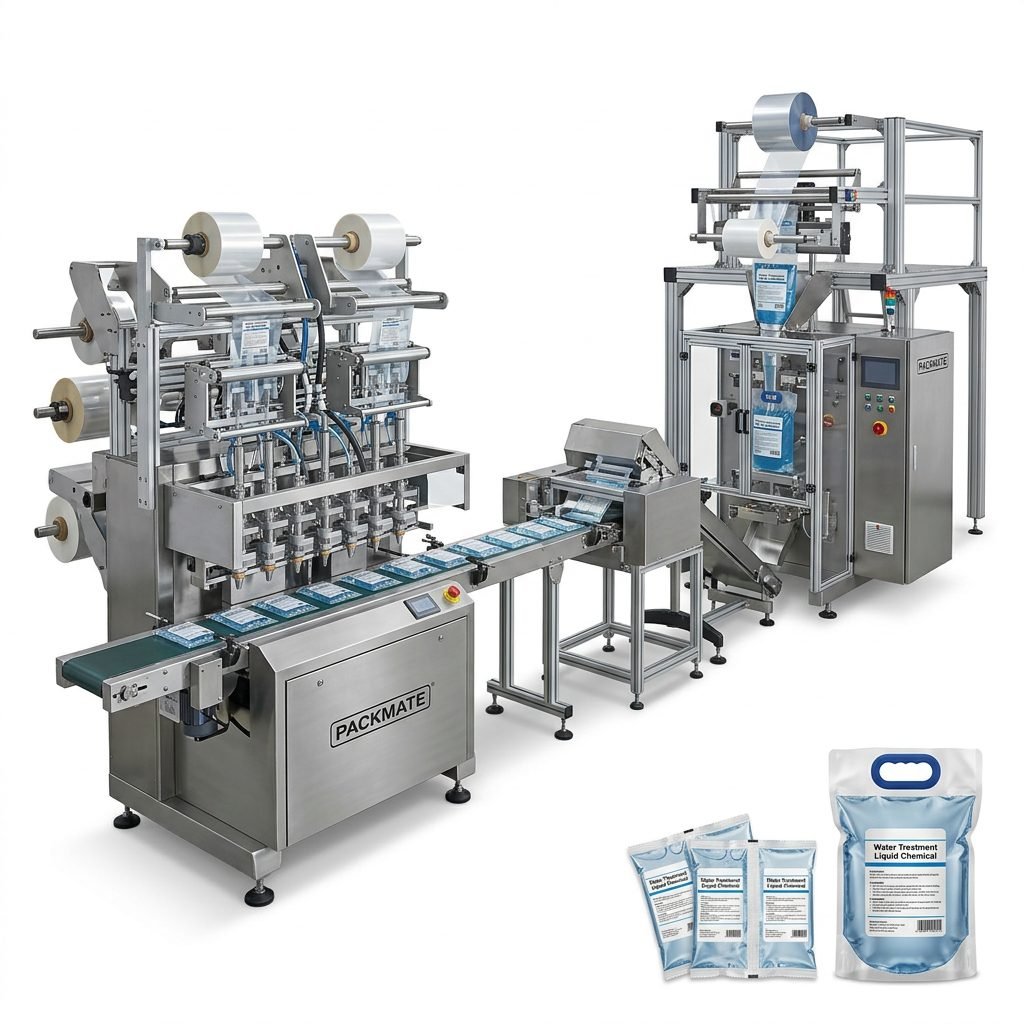
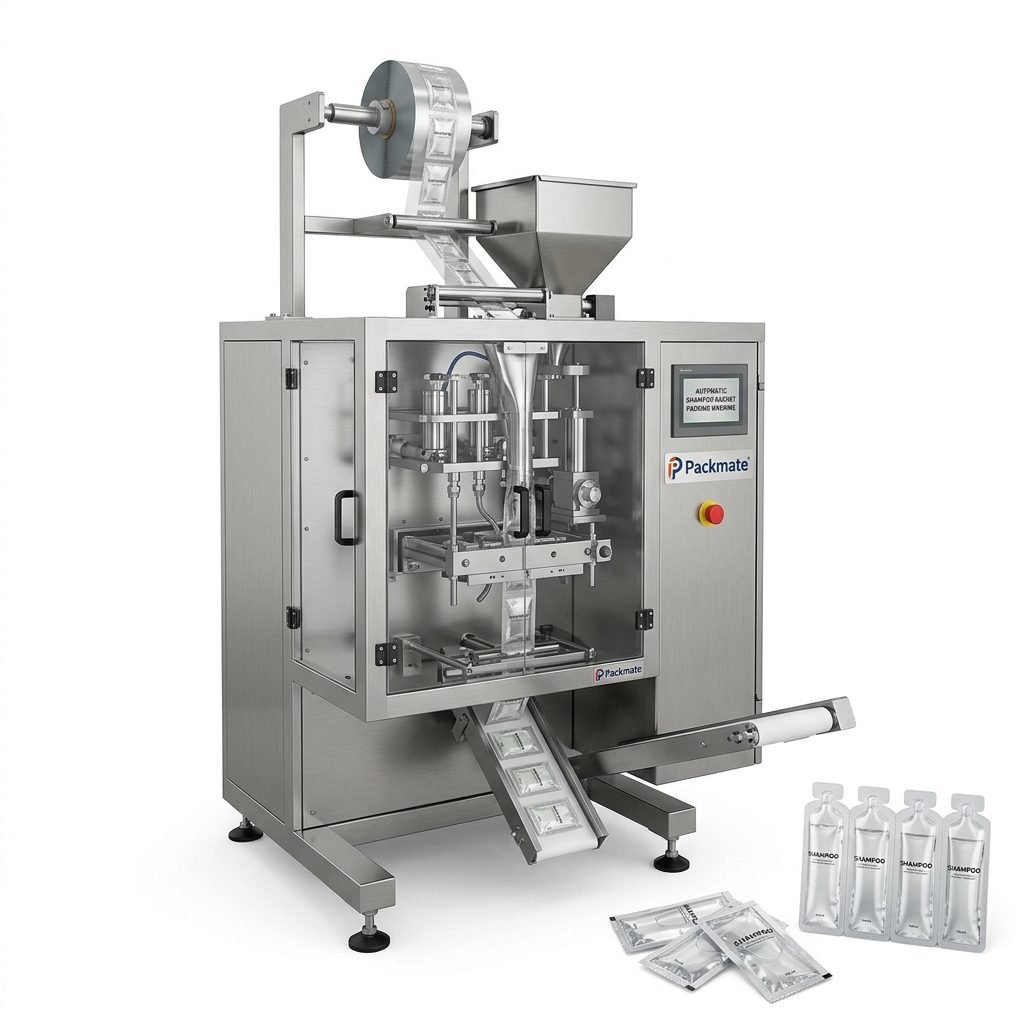
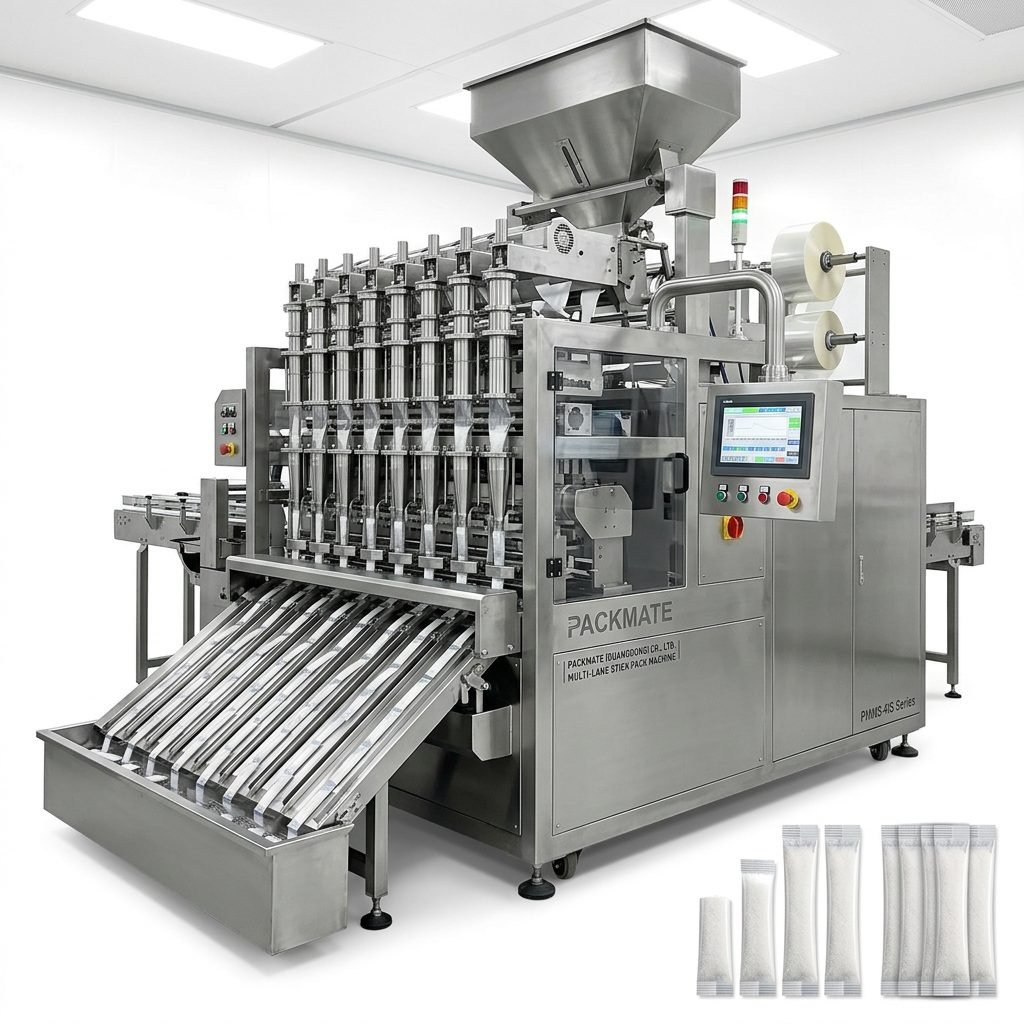
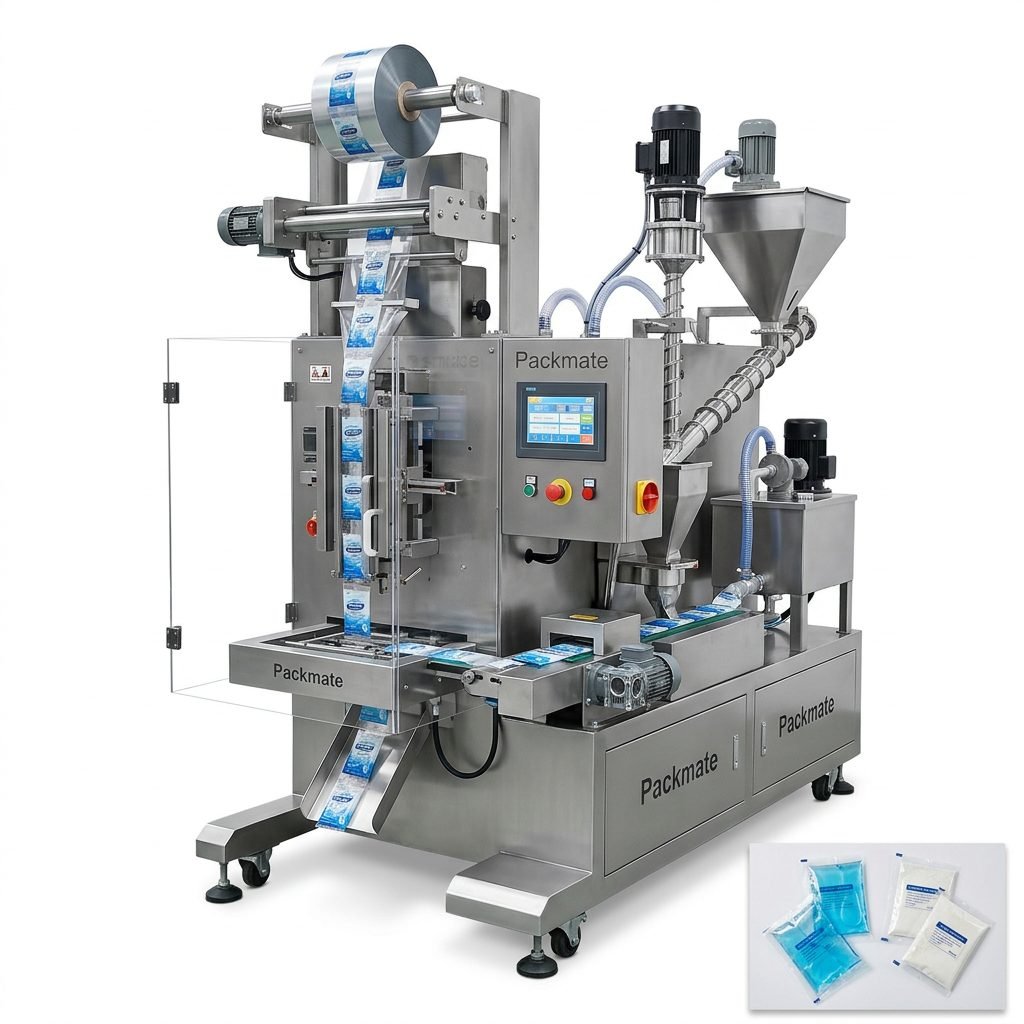
Selecting machinery is only half the solution; choosing the right supplier is paramount. A reliable partner like Packmate (GuangDong) Co., Ltd. brings invaluable expertise. With over 22+ years of experience, they understand the nuances of packaging viscous products like honey. They don’t just sell machines; they provide complete turnkey solutions. This includes custom engineering the line to fit your specific jar shapes, cap types, and factory layout, followed by professional installation, comprehensive operator training, and ongoing technical support.
Reviewing real-world application cases from a supplier’s portfolio can provide confidence. A partner with a proven track record in the food and beverage sector will ensure the line is built with food-grade materials, easy-clean designs, and robust durability for 24/7 operation.
Future-Proofing with Smart Technology
The future of honey packaging is intelligent. The next generation of lines integrates Industry 4.0 principles, featuring IoT sensors for predictive maintenance, data collection for Overall Equipment Effectiveness (OEE) analysis, and connectivity with Manufacturing Execution Systems (MES). These smart systems can alert operators to potential issues like a cap hopper running low or a slight deviation in fill weight before it becomes a problem, maximizing uptime and efficiency.
Conclusion
Implementing an automated honey packaging line is a strategic investment that drives efficiency, ensures quality, and protects brand equity. By integrating precision filling, reliable capping, and accurate labeling into a cohesive system, producers can scale their operations, reduce waste, and meet the highest standards of food safety. Partnering with an experienced solution provider is the key to unlocking these benefits and building a resilient, competitive production facility. For a deeper look at comprehensive packaging solutions, explore our full range of services and support.
Frequently Asked Questions (FAQs)
1. What types of containers can an automated honey line handle?
Modern lines are highly adaptable. They can be configured to handle glass jars of various shapes and sizes, plastic squeezable bottles, and even composite tubes. The key is working with your supplier during the design phase to ensure the filling nozzles, capping heads, and label applicators are perfectly matched to your specific container.
2. How does automation handle crystallized or creamed honey?
Specialized filling systems are available for thicker, non-pourable products like creamed honey. Positive displacement pumps and auger fillers are often used. For crystallized honey, maintaining the product at a slightly elevated temperature in the holding tank before filling can ensure a smooth flow. The entire line can be designed with temperature-controlled zones if necessary.
3. What is the typical ROI (Return on Investment) for a packaging line?
ROI depends on scale, labor costs, and previous manual efficiency. Most operations see a payback period of 1-3 years through labor savings, reduced product giveaway, higher output, and decreased downtime. A detailed analysis based on your current and projected volumes can be provided by a solution provider like Packmate.
4. Can the line be integrated with existing production equipment?
Yes, a key service from professional suppliers is system integration. They can design the automated filling, capping, and labeling segment to interface seamlessly with your existing jar unscrambler, conveyor systems, and case packing equipment, creating a unified production flow.
5. What maintenance does an automated packaging line require?
Regular preventative maintenance is essential for longevity. This includes daily cleaning of product contact parts, lubrication of moving components as per the manual, and periodic inspection of seals and sensors. Reputable suppliers offer comprehensive after-sales service plans and training to ensure your team can perform routine maintenance effectively.