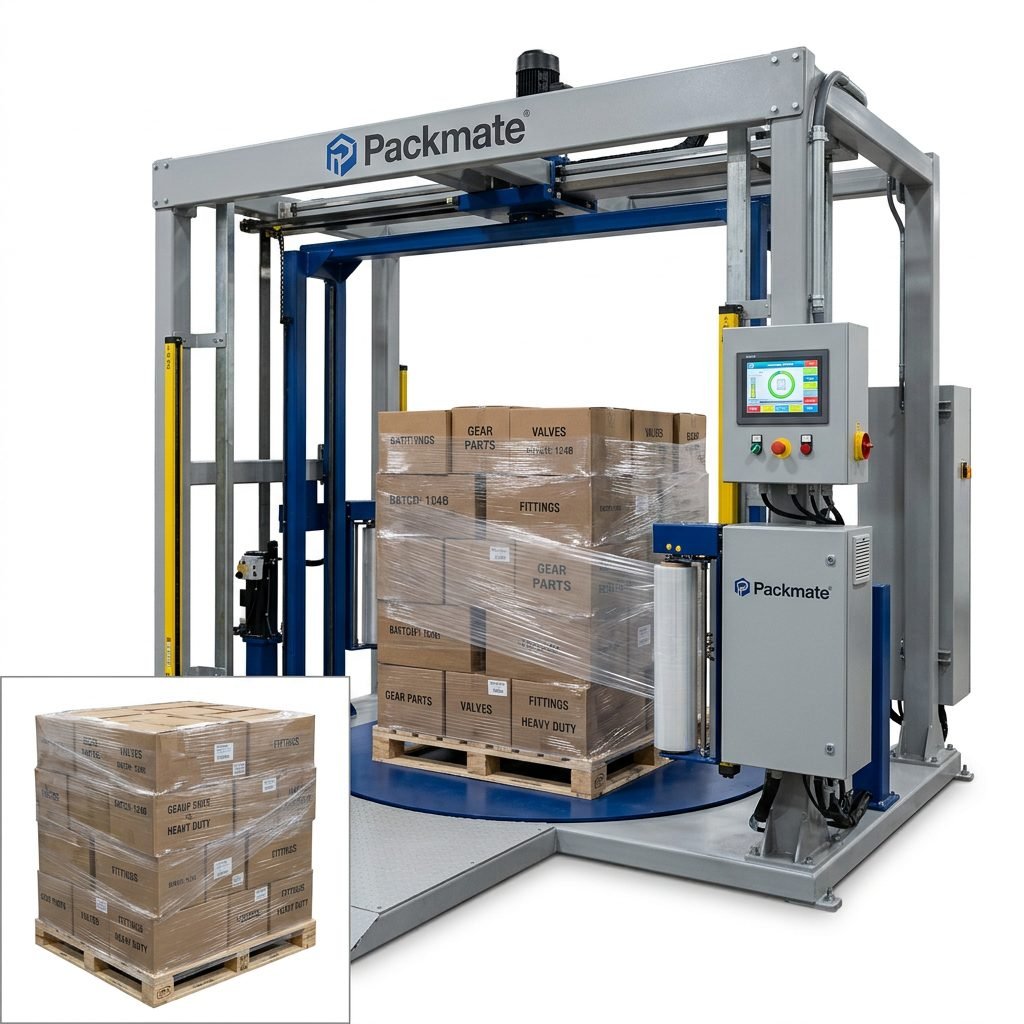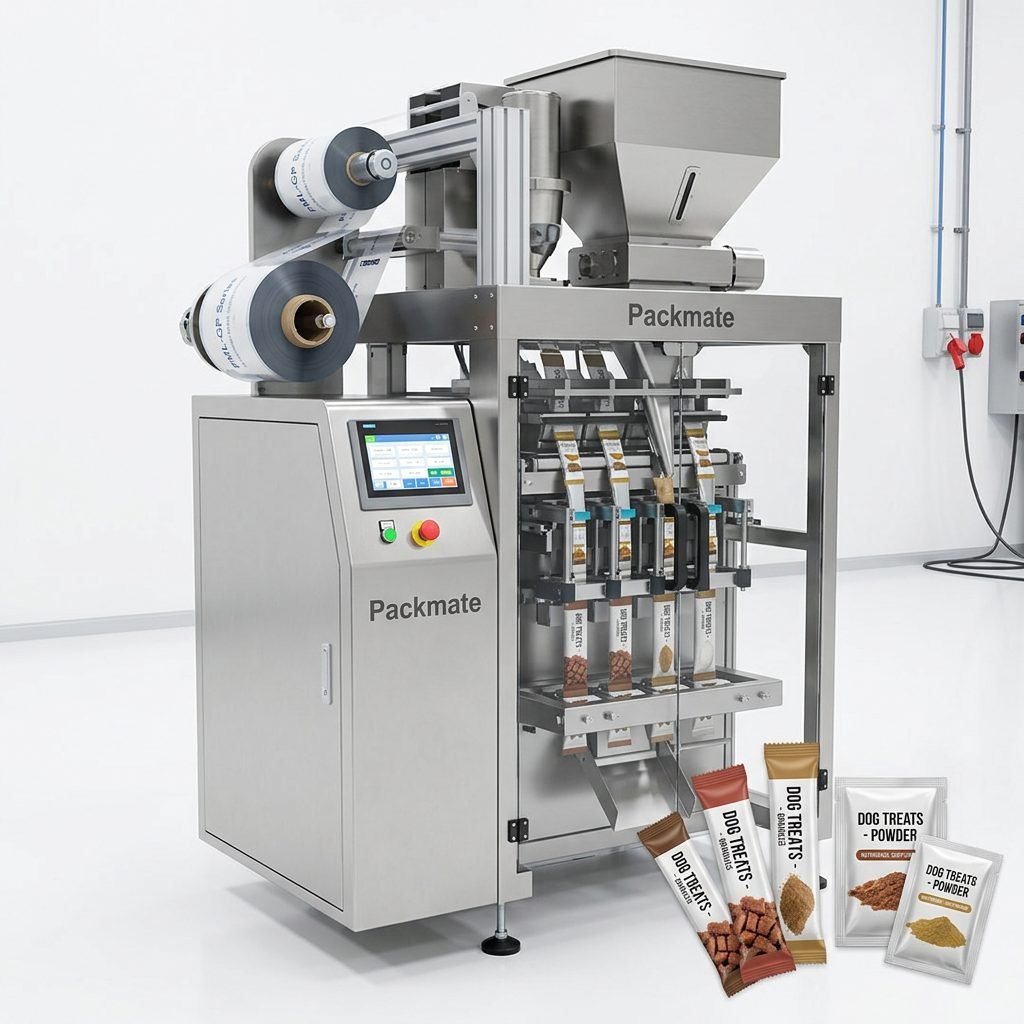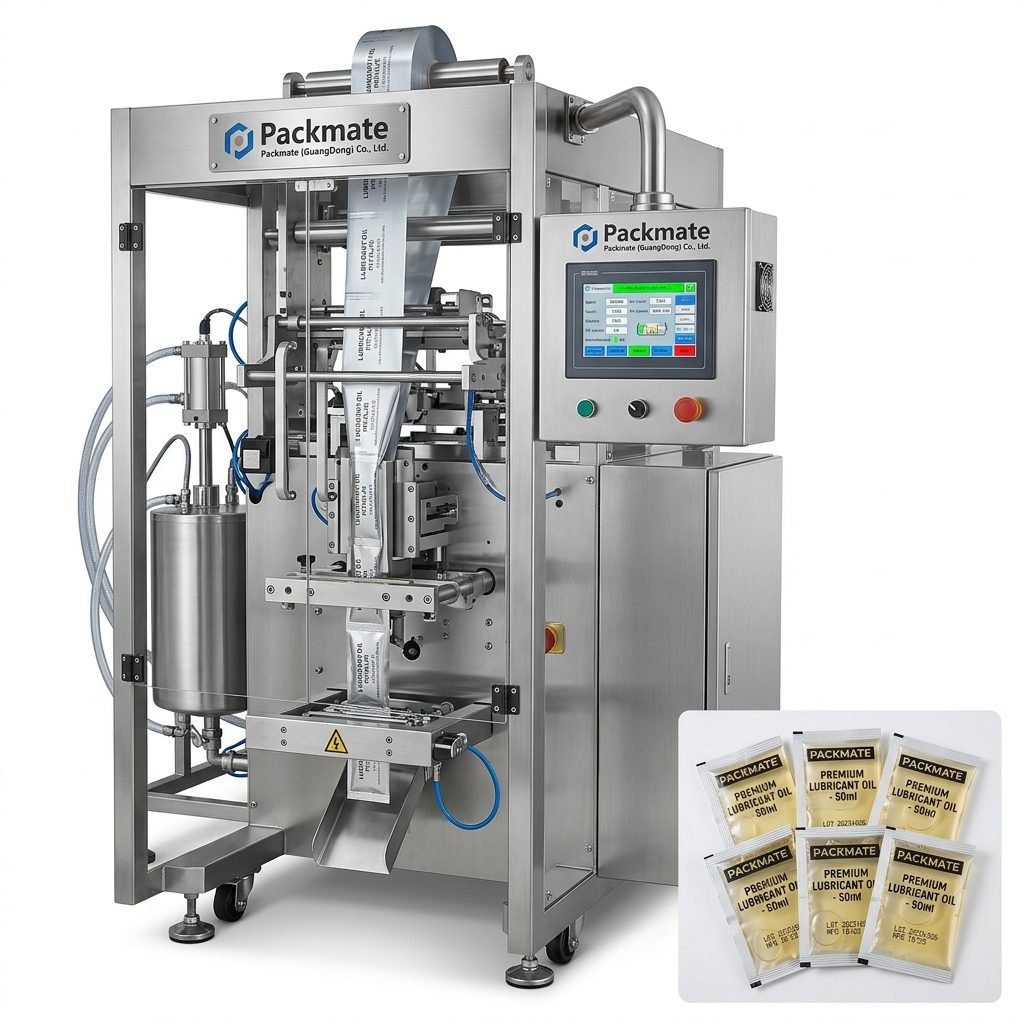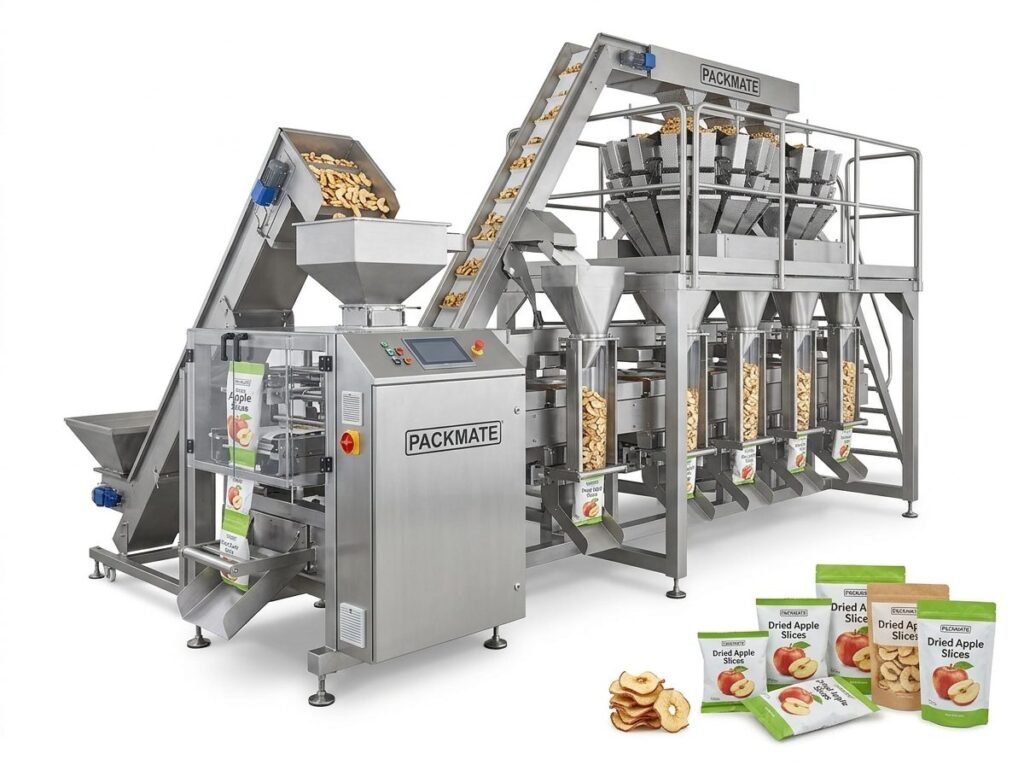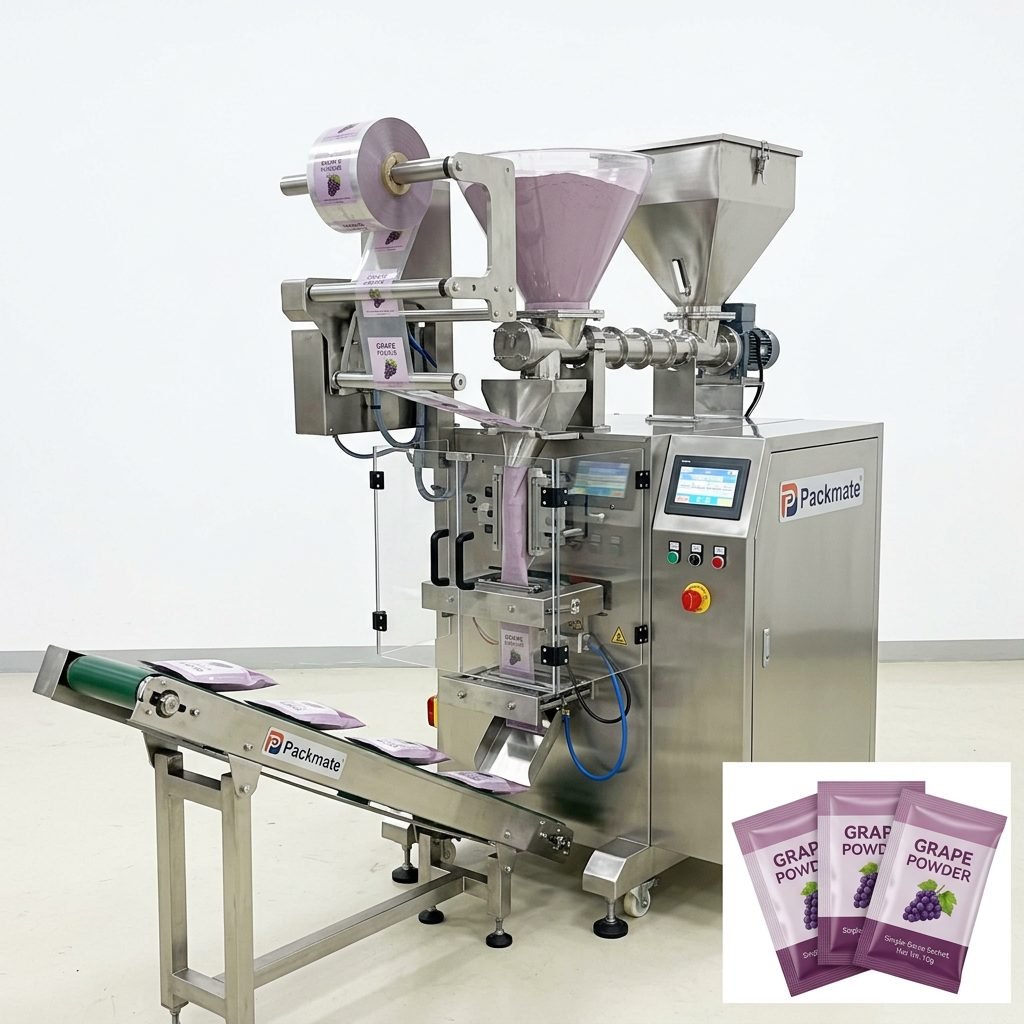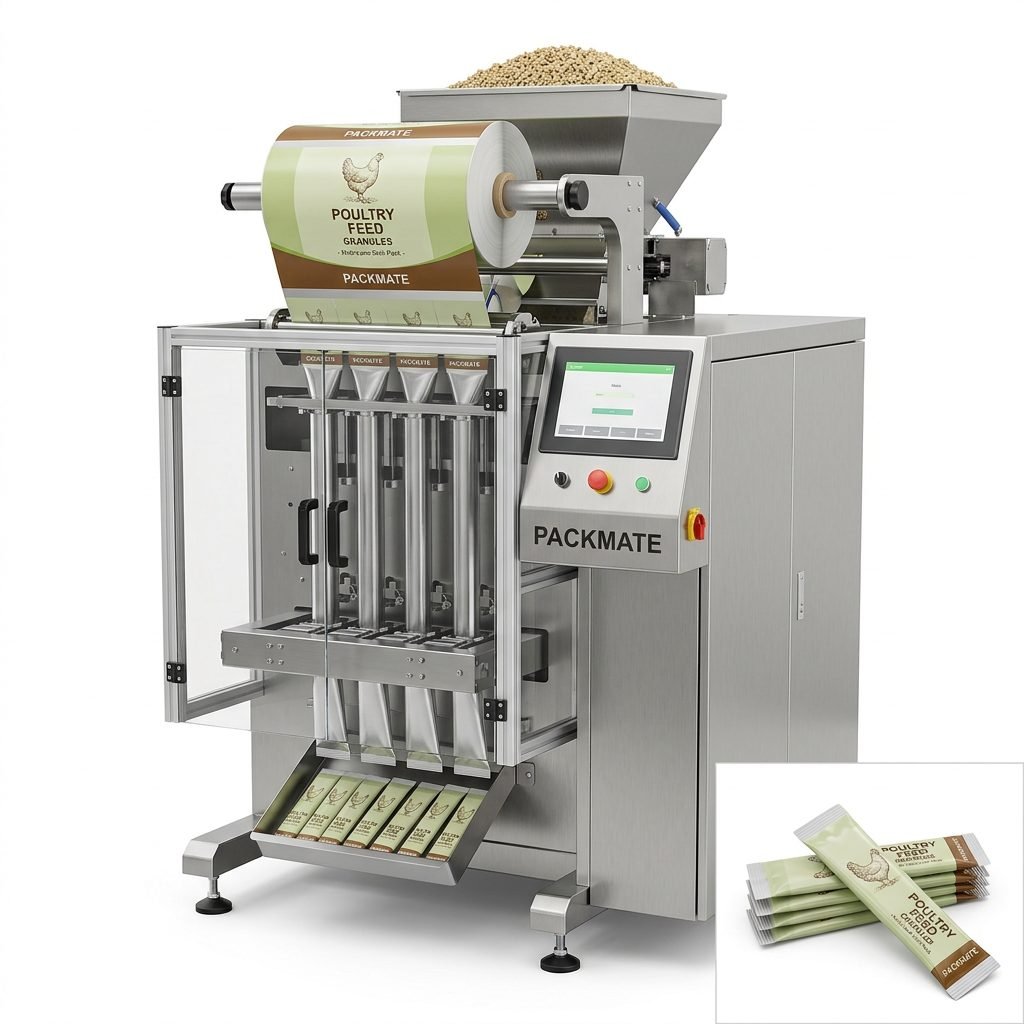
In today’s competitive food manufacturing landscape, efficiency and speed are not just advantages—they are necessities. The demand for consistent, high-quality packaged food products is ever-increasing, driven by consumer expectations and market dynamics. To meet these demands, food producers are turning to sophisticated automated packaging line solutions. These integrated systems are engineered to handle the entire packaging process, from initial filling to final sealing, with minimal human intervention, ensuring efficient, high-speed production that scales with business growth.
Core Benefits of Automation
Implementing an automated line transforms production. Dramatically increased output speeds allow for meeting large order volumes. Enhanced precision and consistency in filling weights and package seals reduce product giveaway and ensure quality. Automation also minimizes labor costs and human error while improving workplace safety by handling repetitive and potentially hazardous tasks. Ultimately, it provides a faster return on investment through superior operational efficiency.
The Anatomy of a Modern Food Automated Packaging Line
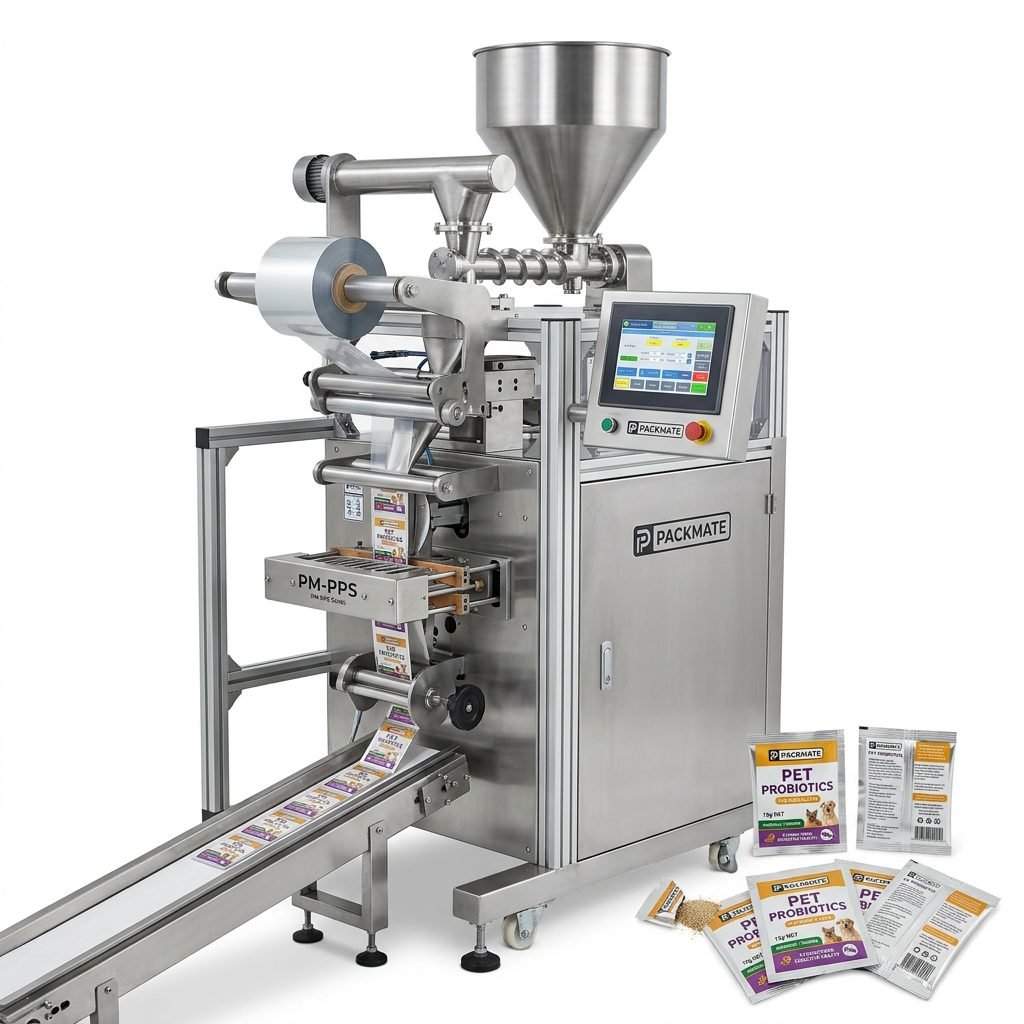
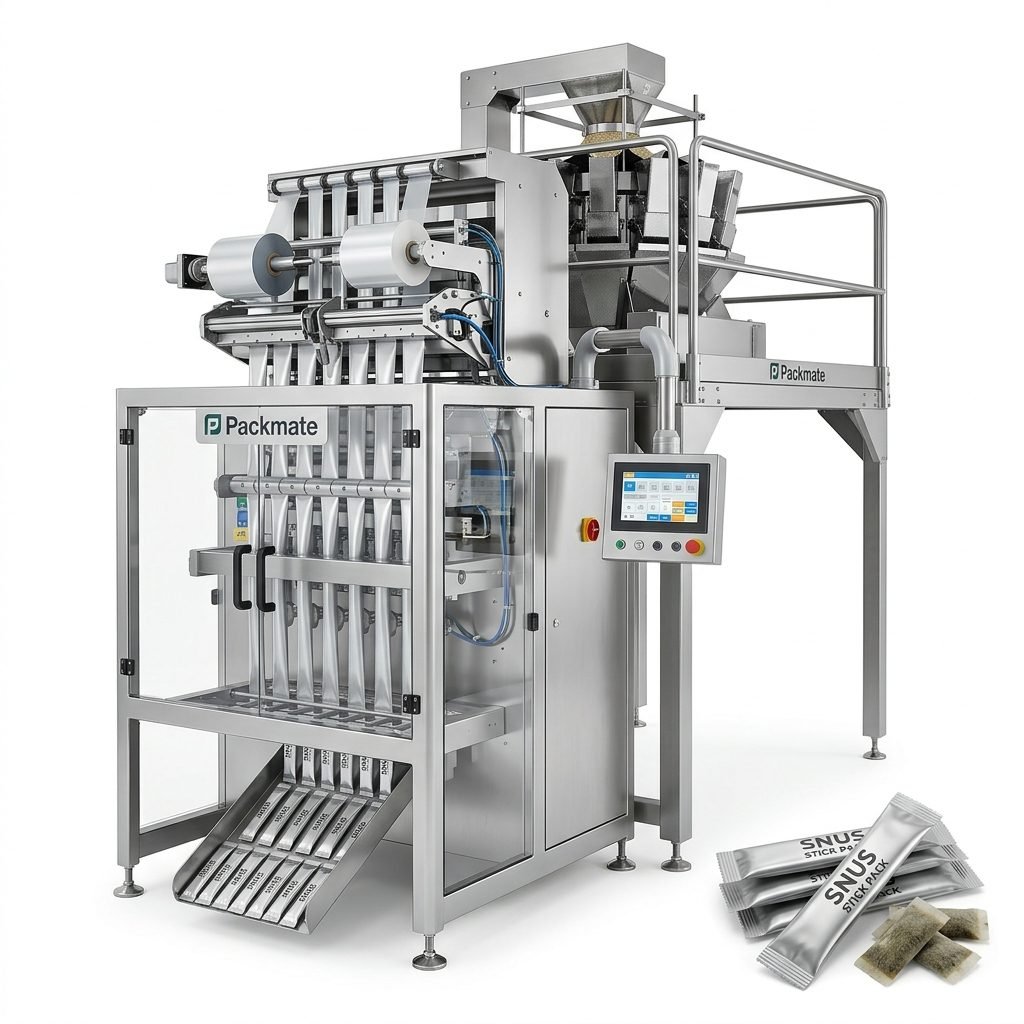
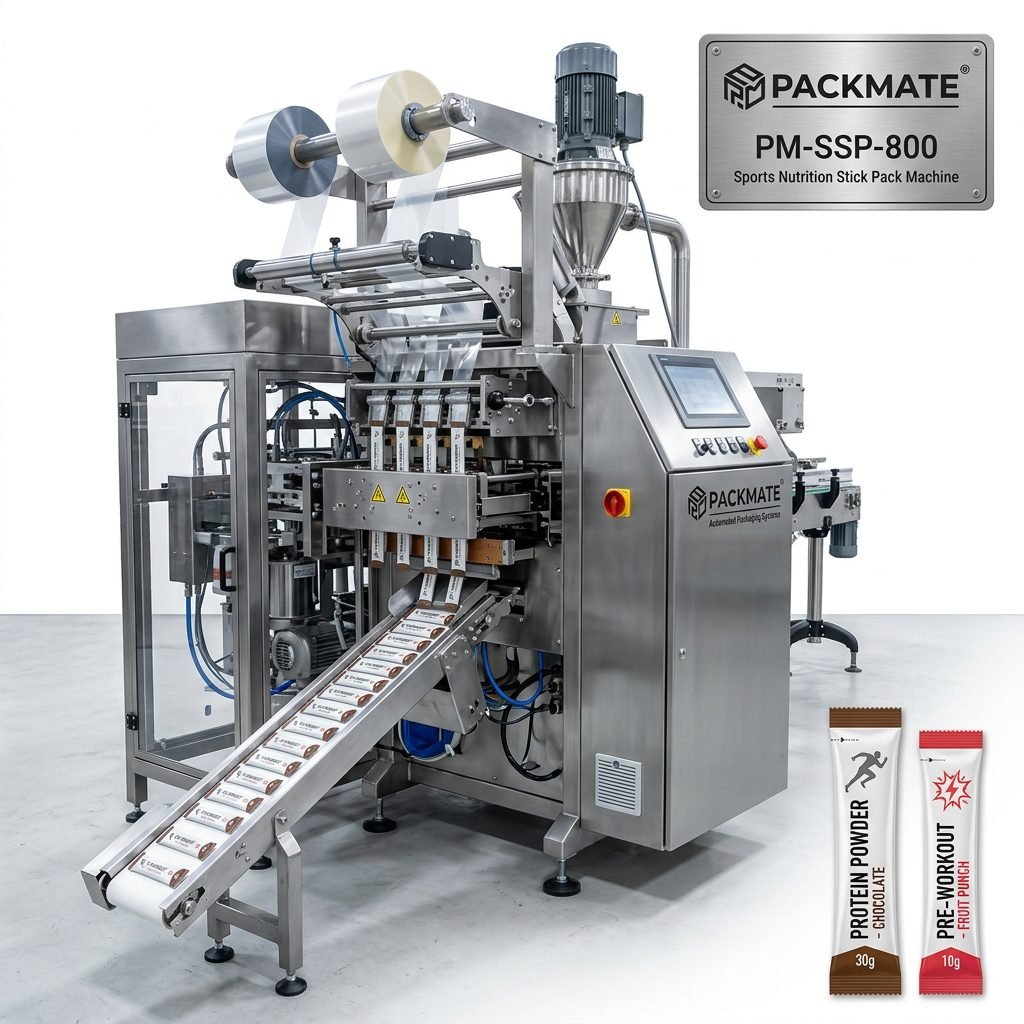
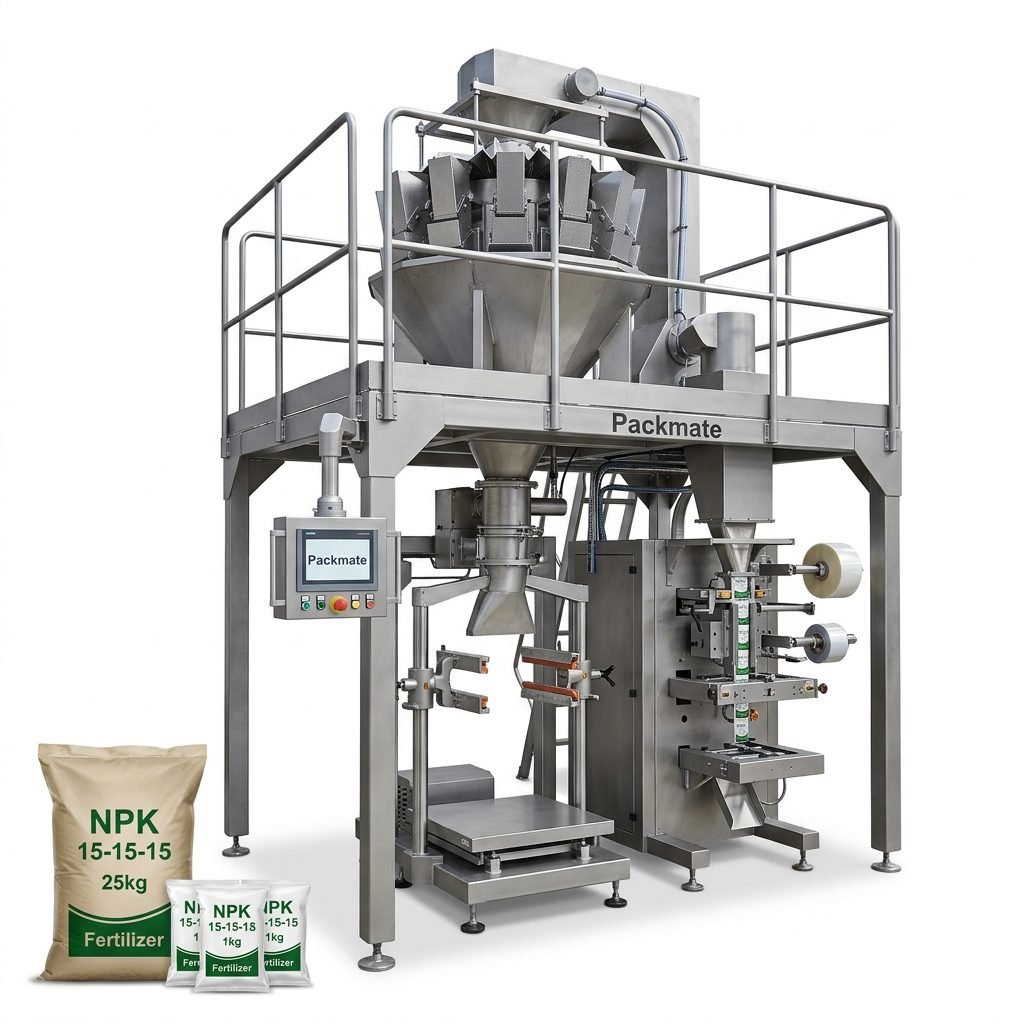
A comprehensive automated packaging system is a symphony of coordinated machines. It typically begins with an unwinding and feeding system that presents packaging film or pre-made pouches. The heart of the line is the multi-lane filling machine, which accurately doses product—be it granules, powders, or liquids—into individual packages at remarkable speeds. This is followed by sealing stations that create airtight, tamper-evident closures. Finally, collating, counting, and cartoning units prepare the finished packs for secondary packaging and shipping. Companies like Packmate (GuangDong) Co., Ltd. specialize in designing these turnkey solutions, integrating each component for seamless operation.
Key Technologies Driving Efficiency
Modern lines leverage advanced technologies. Servo-driven motors provide unparalleled control over motion, enabling gentle product handling and precise positioning. Machine Vision systems perform 100% inspection for date codes, label placement, and fill levels, guaranteeing every unit meets standards. Programmable Logic Controllers (PLCs) and intuitive Human-Machine Interfaces (HMIs) allow for quick changeovers between different products or package sizes, maximizing line flexibility and uptime.
Adapting to Diverse Food Products
The true power of automation lies in its adaptability. Solutions are customized for specific product characteristics:
- Granules & Powders (e.g., coffee, sugar, spices): Systems use auger or cup filler technology with anti-static and dust-extraction features for clean, accurate filling.
- Liquids & Viscous Products (e.g., sauces, oils, honey): Employ piston or pump fillers with no-drip nozzles and in-line mixing to maintain consistency.
- Stick Packs & Sachets: High-speed, multi-lane machines are ideal for single-serve portions of beverages, condiments, or pharmaceuticals, offering excellent barrier properties.
Exploring real-world application cases can provide valuable insights into successful implementations.
Strategic Considerations for Implementation
Choosing the right automated packaging line is a strategic decision. It begins with a thorough analysis of current and future production volumes, product types, and packaging materials. Partnering with an experienced provider is crucial. A partner like Packmate, with over 30 years of experience and a 20,000㎡ modern facility, offers more than just machinery; they offer a partnership. From initial concept and design to installation, training, and ongoing technical support, the right provider ensures a smooth transition and long-term reliability.
Maximizing Return on Investment (ROI)
The investment in automation pays dividends beyond speed. Calculate ROI by considering increased production capacity, reduced labor and waste costs, lower downtime, and improved product quality leading to higher customer satisfaction and brand reputation. A well-designed line future-proofs your operation, allowing for easy scalability and integration with Industry 4.0 data collection systems for predictive maintenance and production analytics.
Future Trends: Smart Packaging Lines
The future of food packaging automation is intelligent and connected. The integration of Internet of Things (IoT) sensors enables real-time monitoring of machine health, predicting maintenance needs before failures occur. Artificial Intelligence (AI) can optimize line settings for different products automatically and enhance quality control. Furthermore, automation is expanding into more sustainable packaging formats, handling recyclable and compostable materials with the same precision and speed as traditional options.
Adopting a food automated packaging line is a transformative step for any producer aiming to lead in the market. It is the definitive solution for achieving the trifecta of goals: unmatched efficiency, relentless high-speed production, and flawless, consistent filling. By investing in a tailored, technologically advanced system from a proven industry leader, food manufacturers secure not just a machine, but a competitive edge for the future.
Frequently Asked Questions (FAQs)
1. What is the typical lead time for a complete automated packaging line?
Lead times vary significantly based on the line’s complexity, customization level, and current production schedules at the manufacturer. For standard configurations, it can range from 3 to 6 months. A detailed project timeline should be established during the initial consultation with your provider. For specific inquiries, you can always contact the supplier directly.
2. How do automated lines handle changeovers between different products or package sizes?
Modern lines are designed for quick changeovers. This is achieved through servo-driven adjustments, tool-less change parts, and pre-set recipes stored in the machine’s PLC. A well-designed line can change over in minutes, maximizing production flexibility and reducing downtime.
3. What kind of maintenance do these automated systems require?
Regular preventive maintenance is key to longevity and uptime. This includes daily cleaning, lubrication of moving parts, and inspection of seals and sensors. Most reputable providers offer comprehensive training for your staff and provide detailed maintenance manuals and schedules. They also offer ongoing service and support contracts.
4. Can an automated line integrate with our existing production equipment?
Yes, a primary advantage of working with a full-solution provider is their ability to design an integrated system. They can engineer interfaces (conveyors, elevators, control signals) to connect the new automated packaging line seamlessly with your existing upstream processing or downstream palletizing equipment.
5. Are these solutions suitable for small and medium-sized enterprises (SMEs)?
Absolutely. Automation is scalable. Providers offer solutions ranging from compact, semi-automatic systems to full-scale high-speed lines. The investment is justified by the rapid ROI gained through efficiency gains, even for smaller operations. It’s about finding the right level of automation for your specific output goals and budget.