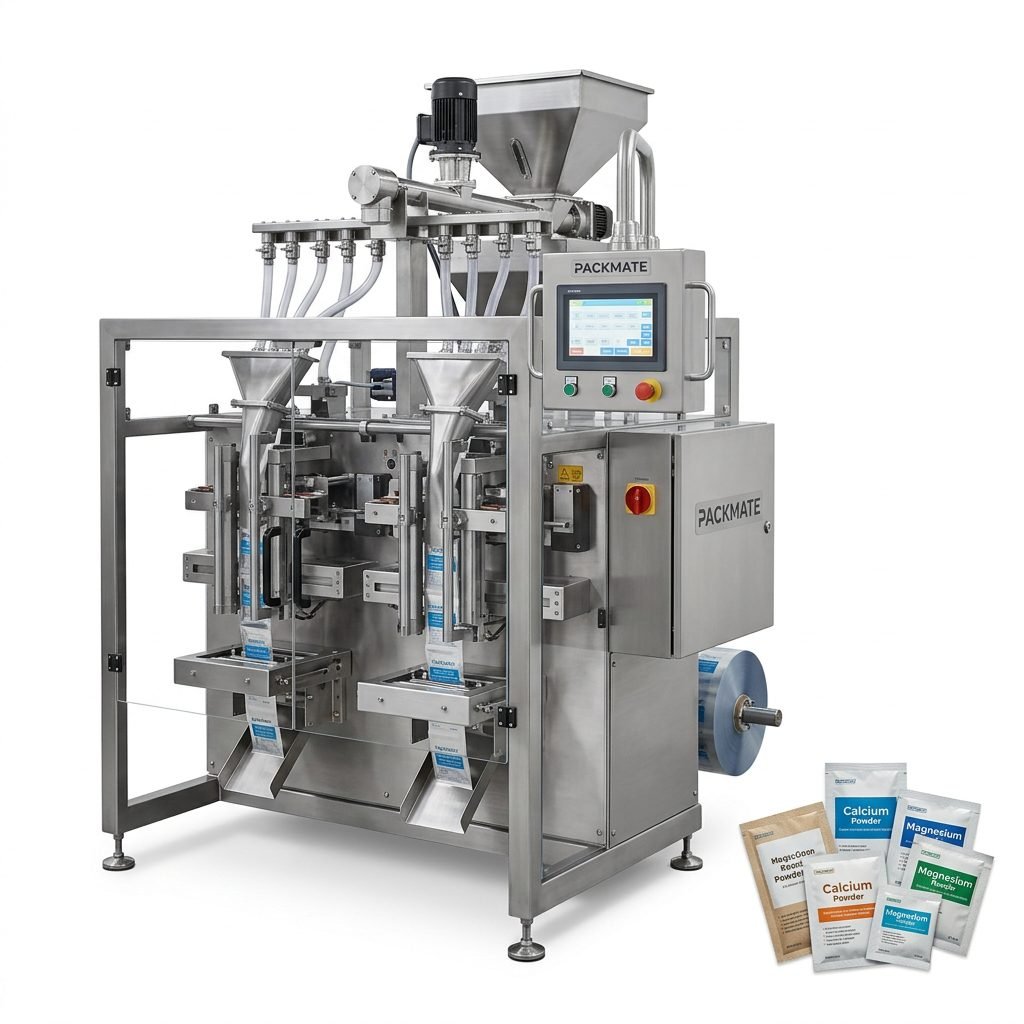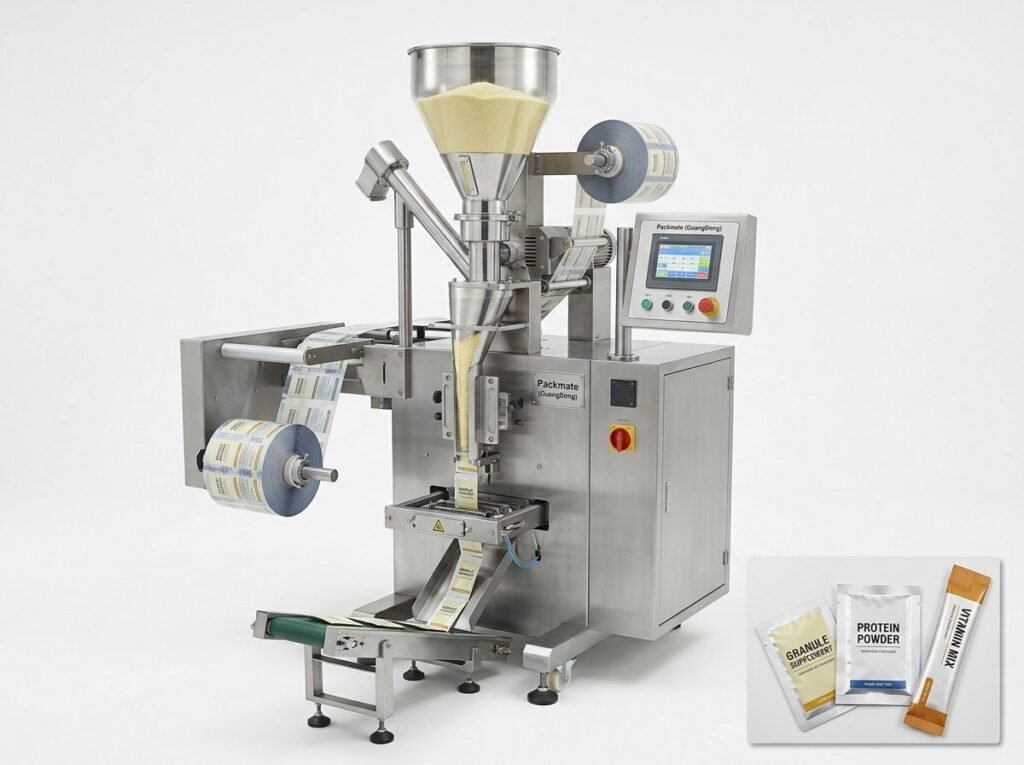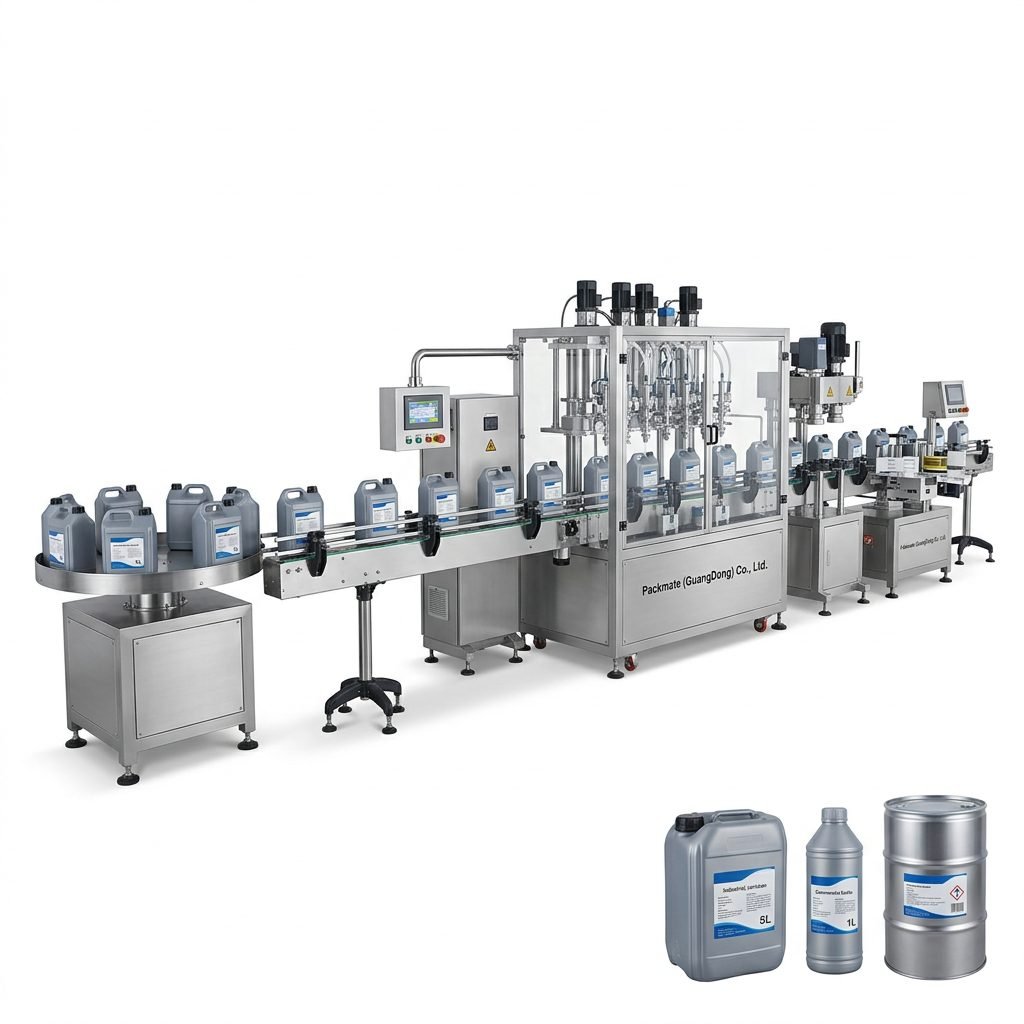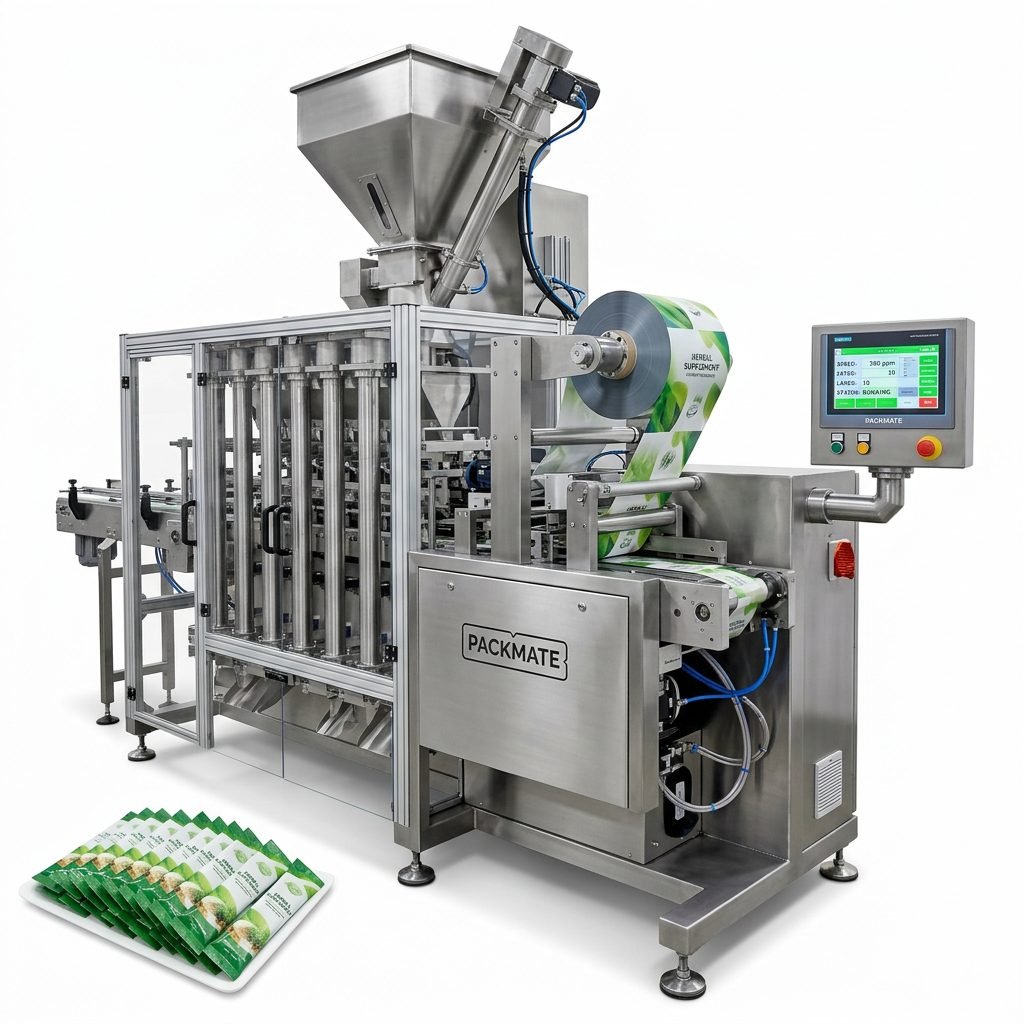
In today’s fast-paced manufacturing landscape, efficiency, precision, and hygiene are non-negotiable. For producers in the food, pharmaceutical, and health product sectors, these demands are amplified by stringent regulatory standards and intense market competition. An automated packaging line is no longer a luxury but a critical component of a successful, scalable operation. It represents the seamless integration of machinery, software, and process control to transform raw products into securely packaged goods ready for distribution and sale.
The Critical Role of Automation in Modern Manufacturing
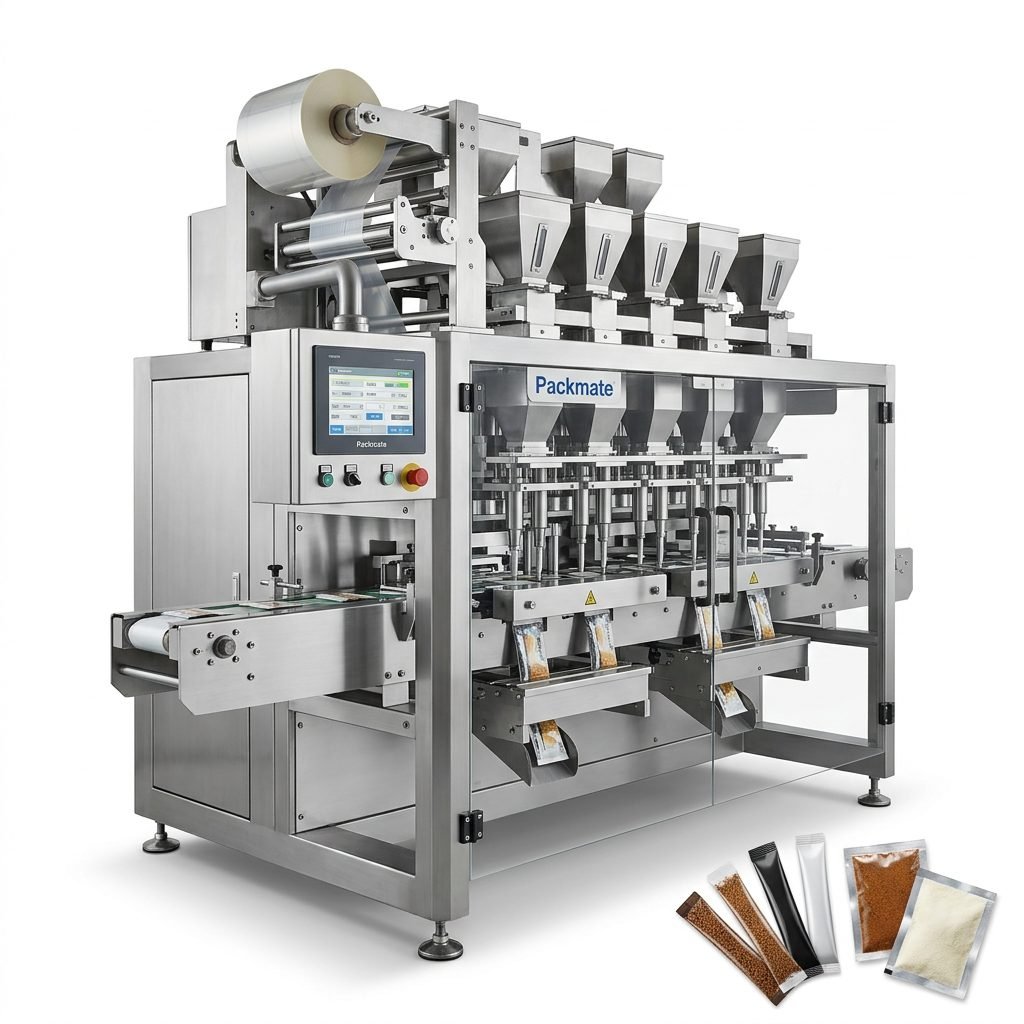
The shift from manual or semi-automated processes to fully automated packaging systems delivers transformative benefits. Primarily, it dramatically increases output while maintaining consistent quality. Machines do not tire, ensuring every sachet, stick pack, or bottle is filled, sealed, and labeled with identical precision. This consistency is paramount in industries where dosage accuracy or product weight is legally and ethically crucial. Furthermore, automation minimizes human contact with the product, a vital factor for maintaining the sterile environments required in pharmaceuticals and for ensuring food safety.
Key Advantage: Beyond speed, automated lines provide unparalleled data. Modern systems are equipped with sensors and IoT connectivity, offering real-time monitoring of production rates, machine performance, and even predictive maintenance alerts. This data-driven approach allows managers to optimize workflows, reduce waste, and make informed decisions to boost overall equipment effectiveness (OEE).
Tailored Solutions for the Food Industry
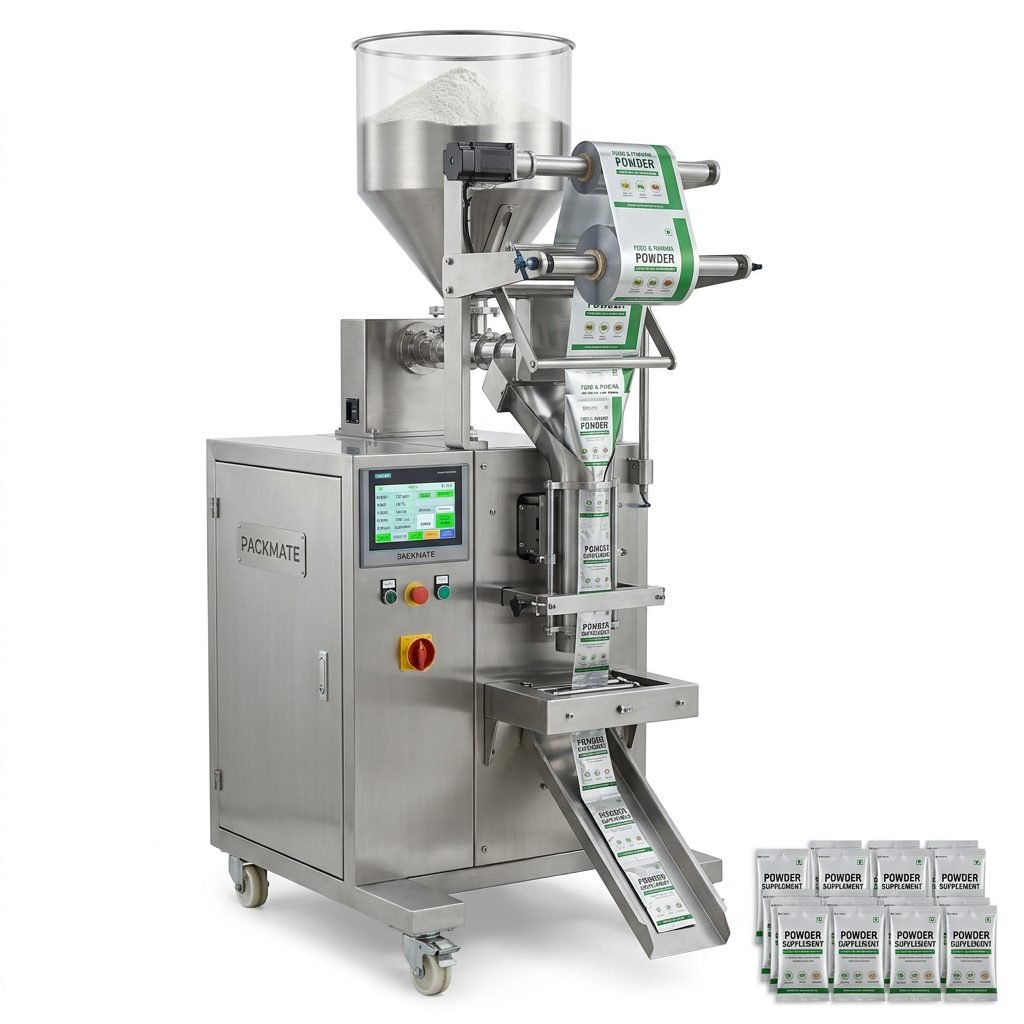
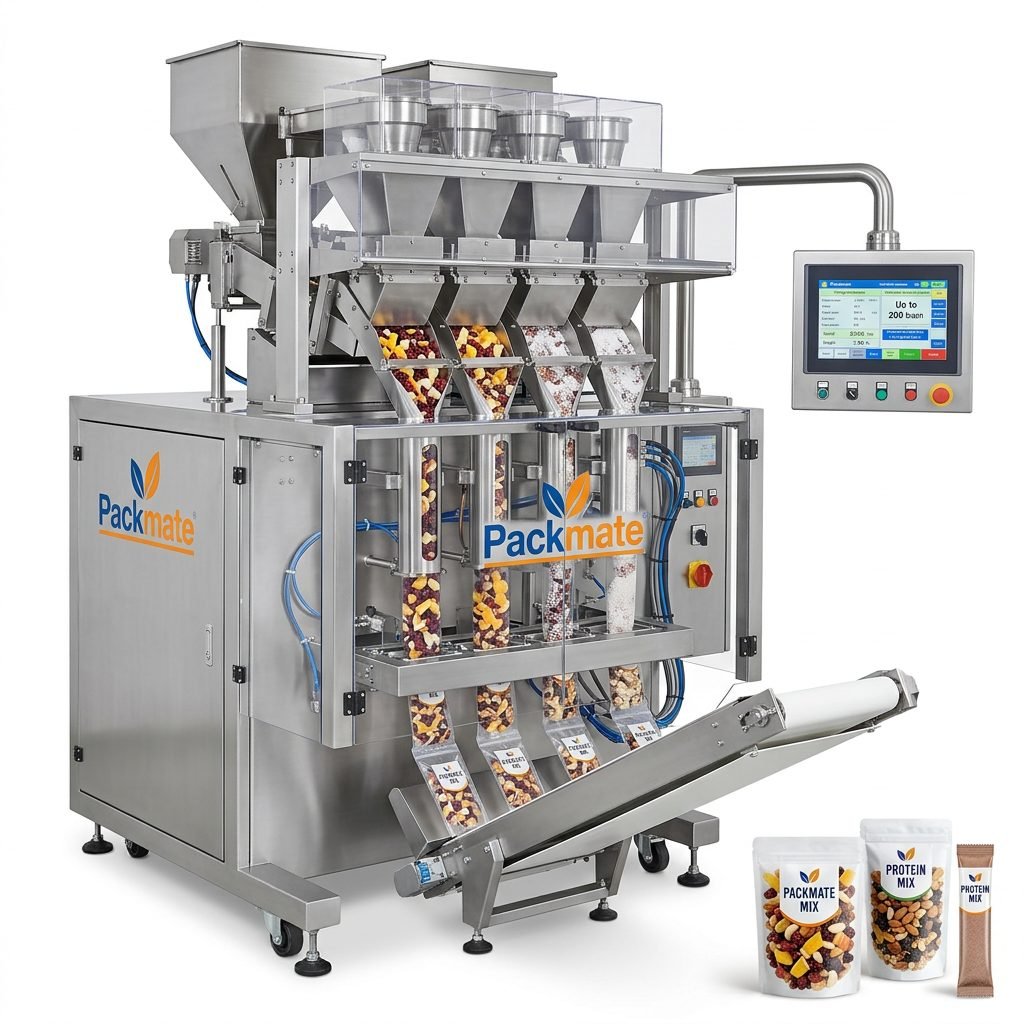
Food manufacturers face unique challenges: product variety (from granules and powders to viscous liquids), sensitivity to contamination, and the need for appealing, durable packaging. An automated line for food products must be versatile and easy to clean. Solutions often include multi-head weighers for snacks, auger fillers for spices or powdered drinks, and liquid fillers for sauces or oils. The packaging materials must also provide an effective barrier against moisture, oxygen, and light to preserve freshness and extend shelf life. Integrating checkweighers and vision inspection systems ensures every package meets weight requirements and is free of defects before leaving the line.
Precision Engineering for Pharmaceuticals & Health Products
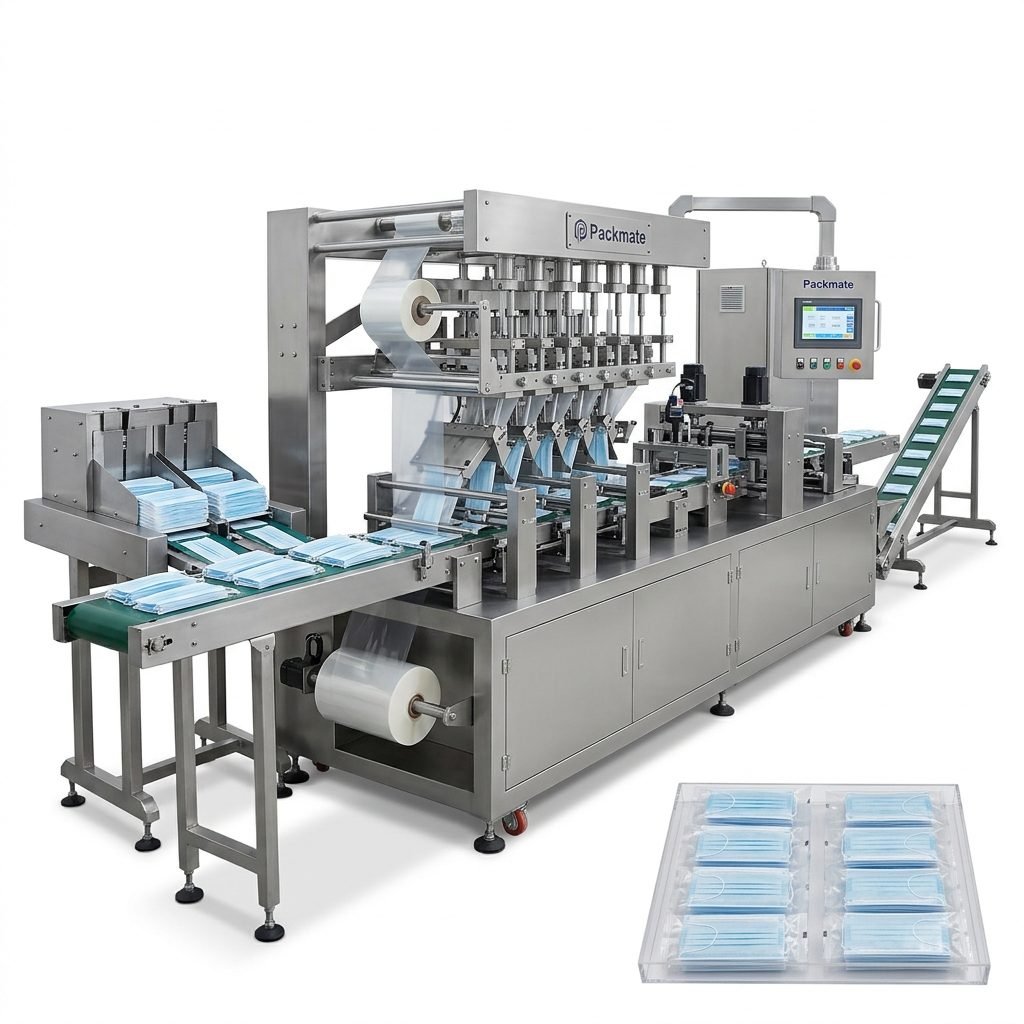
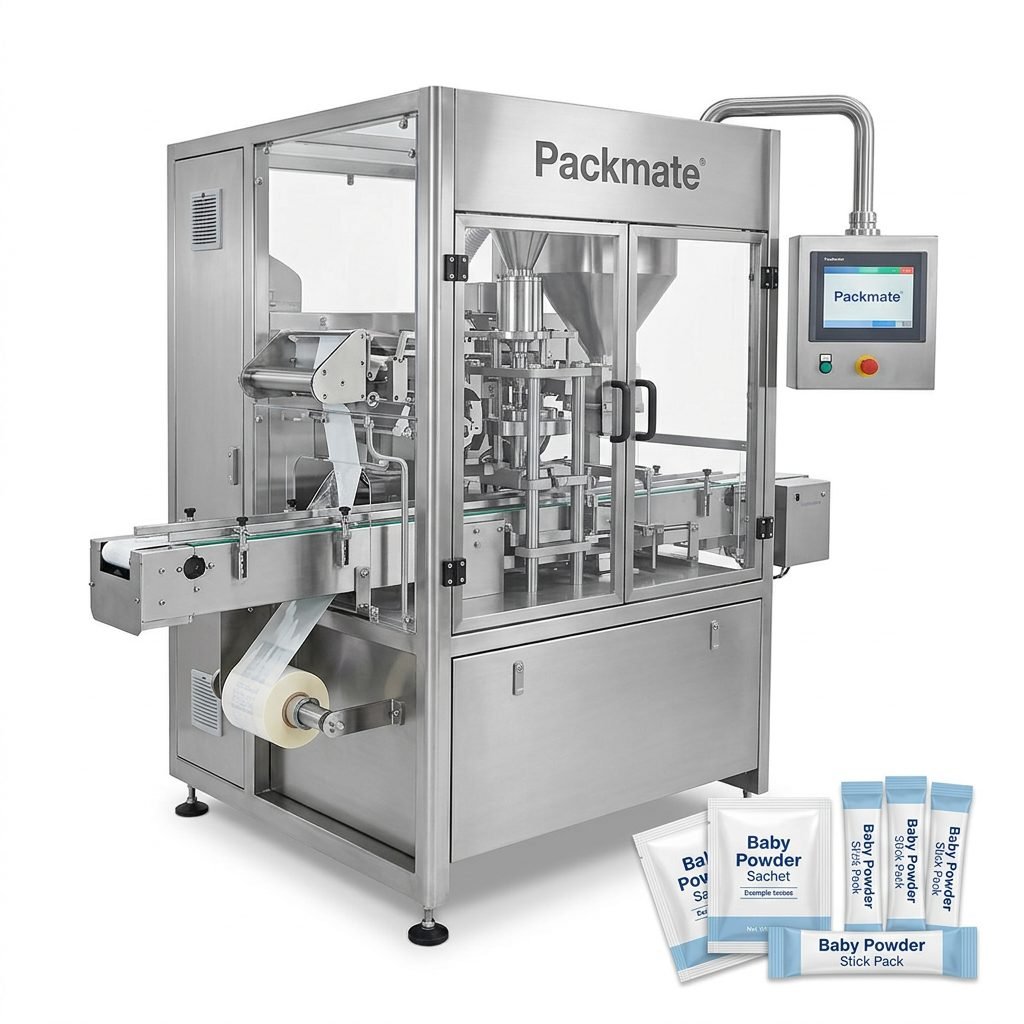
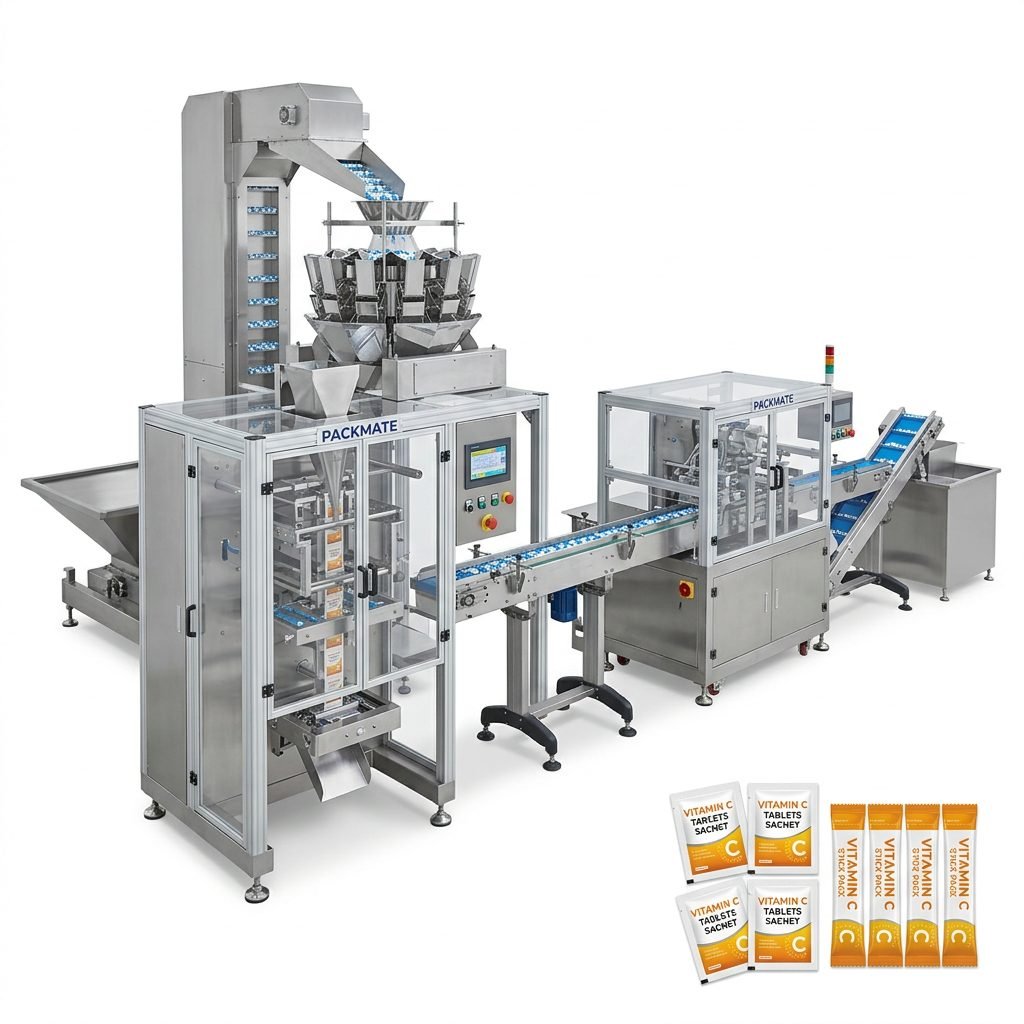
The stakes are exceptionally high in pharmaceutical and nutraceutical packaging. Accuracy, traceability, and compliance with Good Manufacturing Practices (GMP) are the cornerstones. Automated lines for these sectors are designed with cleanability and validation in mind. They often feature isolated filling zones to prevent cross-contamination and are constructed from stainless steel or other compliant materials. Precision powder fillers for supplements, liquid fillers for syrups or tinctures, and blister packaging machines for tablets are common. Crucially, these systems integrate serialization and aggregation capabilities, assigning unique identifiers to each saleable unit to combat counterfeiting and enable full supply chain traceability, a growing global regulatory requirement.
Exploring specific packaging solutions tailored to your product type is the first step toward operational excellence.
Core Components of a Successful Packaging Line
A turnkey automated packaging line is a symphony of interconnected machines, each performing a specific function. Understanding these components helps in planning and investment.
1. Feeding & Conveying Systems
This is the start of the journey. Bulk product is fed from hoppers or containers via conveyors, elevators, or vibratory feeders in a controlled manner to the filling stations. Consistency here is key to downstream accuracy.
2. Filling & Dosing Machines
The heart of the line. Technology varies by product: volumetric cup fillers, auger fillers for powders, piston fillers for liquids and pastes, and net weight scales for granular items. High-accuracy fillers are essential for cost control and compliance.
3. Forming, Sealing & Closing
This stage creates the final package. For flexible packaging, form-fill-seal (FFS) machines create the pouch from a roll of film, fill it, and seal it in one continuous motion. For pre-made containers, cappers, sealers, and induction sealers ensure product integrity.
4. Labeling & Coding
Product identification is applied here. This includes primary labels with branding and ingredients, batch codes, expiry dates (via inkjet or laser coders), and tamper-evident seals. Modern labelers can handle complex orientations and materials.
5. Inspection & Verification
The quality gate. Checkweighers, metal detectors, X-ray inspectors, and vision systems automatically reject under/overweight packages, detect foreign objects, and verify label presence and correctness.
6. Secondary Packaging & Palletizing
The final steps group primary packages for shipping. Cartoners, case packers, and robotic palletizers automate the creation of shipping cases and stable pallet loads, ready for warehouse and distribution.
Why Partner with an Experienced Provider like Packmate?
Selecting and integrating these components into a cohesive, high-performance line is a complex engineering task. This is where the expertise of a seasoned provider like Packmate (GuangDong) Co., Ltd. becomes invaluable. With over 22+ years of development and a 20,000㎡ modern facility, we don’t just sell machines; we deliver complete packaging line solutions.
Our process begins with a deep understanding of your product, output goals, and facility constraints. We then design, manufacture, assemble, and rigorously test the entire line at our factory—a “dress rehearsal” that identifies and resolves issues before installation at your site. This turnkey approach, backed by comprehensive training and support, minimizes your risk and downtime, ensuring a smooth transition to higher productivity. You can see tangible examples of this approach in our diverse portfolio of project cases.
Future-Proofing Your Investment: Trends to Watch
Investing in automation is a long-term decision. Forward-thinking manufacturers should consider systems that can adapt to future needs.
Sustainability: There is increasing demand for machines that can handle recyclable, biodegradable, or mono-material films, supporting corporate environmental goals.
Flexibility & Changeover: Markets evolve quickly. Lines with quick-change parts and recipe-driven controls allow for rapid switching between product formats or sizes, enabling small-batch production runs economically.
Industry 4.0 Integration: The next frontier is the fully connected smart factory. Packaging lines that offer open communication protocols (OPC UA, MQTT) can feed data directly into Manufacturing Execution Systems (MES) or Enterprise Resource Planning (ERP) software, creating a transparent, optimized production ecosystem.
Staying ahead of these trends requires a partner committed to innovation and vision. It ensures your packaging line remains a competitive asset for years to come.
Frequently Asked Questions (FAQs)
1. What is the typical lead time for a complete turnkey packaging line?
Lead time varies significantly based on line complexity, customization, and current production schedules. A standard line might take 3-6 months from order to factory acceptance test, while highly complex systems can take longer. A detailed project timeline is always provided during the quotation and planning phase.
2. How do you ensure the line will work with our specific product?
We strongly recommend conducting product tests at our facility or yours. You send us your product and packaging materials, and we run trials on the proposed equipment. This proves machine suitability, determines optimal settings (like filling accuracy and sealing parameters), and provides a sample of the finished package for your approval before manufacturing begins.
3. What kind of training and after-sales support do you provide?
Comprehensive training for your operators, technicians, and engineers is a standard part of our commissioning process. We provide detailed manuals, video guides, and on-site instruction. Our after-sales service includes remote technical support via phone/video, a supply of commonly needed spare parts, and the availability of service engineers for on-site visits if required.
4. Can the line be integrated with our existing production or warehouse systems?
Yes, integration is a key part of our design service. We engineer interfaces for upstream processing equipment (like mixers or cookers) and downstream systems (like conveyors to warehouse). We also ensure control systems can communicate data to your factory network for production monitoring and analysis.
5. How do we start the process of getting a quote for a new packaging line?
The best starting point is to contact our engineering team with details about your product (physical form, characteristics), desired packaging type (stick pack, sachet, bottle, etc.), target output speed (packages per minute), and any specific challenges or requirements. We will guide you through a consultation to develop a preliminary proposal and plan the next steps.