In today’s fast-paced and highly regulated industries, achieving consistent, efficient, and compliant packaging is not just an operational goal—it’s a critical business imperative. For manufacturers in the food, pharmaceutical, and health product sectors, the packaging line is the final and most visible stage of production. It directly impacts product integrity, shelf life, brand perception, and, most importantly, consumer safety. Transitioning from manual or semi-automated processes to a fully integrated, turnkey automated packaging line represents a strategic leap forward. This guide delves into the core solutions and considerations for implementing such a system, transforming your packaging operations into a seamless, high-output, and reliable asset.
The Imperative for Specialized Automation
Each of these sectors presents unique challenges that generic automation cannot adequately address. A one-size-fits-all approach is a recipe for inefficiency and risk.
Food Industry Requirements:
Speed and hygiene are paramount. Lines must handle diverse product forms—from granules and powders like coffee and spices to liquids like sauces and oils—while preventing contamination. Systems often require integrated nitrogen flushing for freshness and must be easy to clean (CIP/SIP capabilities) to meet stringent food safety standards like HACCP and FDA regulations.
Pharmaceutical & Health Product Demands:
Here, precision and traceability are non-negotiable. Packaging must ensure absolute dosage accuracy, maintain sterility, and protect sensitive compounds from moisture and light. Compliance with cGMP, GAMP 5, and other regulatory frameworks is essential. Serialization and aggregation for track-and-trace are increasingly becoming standard requirements, necessitating sophisticated software integration.
Core Components of a Turnkey Packaging Line
A successful turnkey solution is more than a collection of machines; it’s a harmonized system. Key components include:
1. Primary Packaging Systems
This is the heart of the line, where the product meets its immediate container. Solutions vary by format:
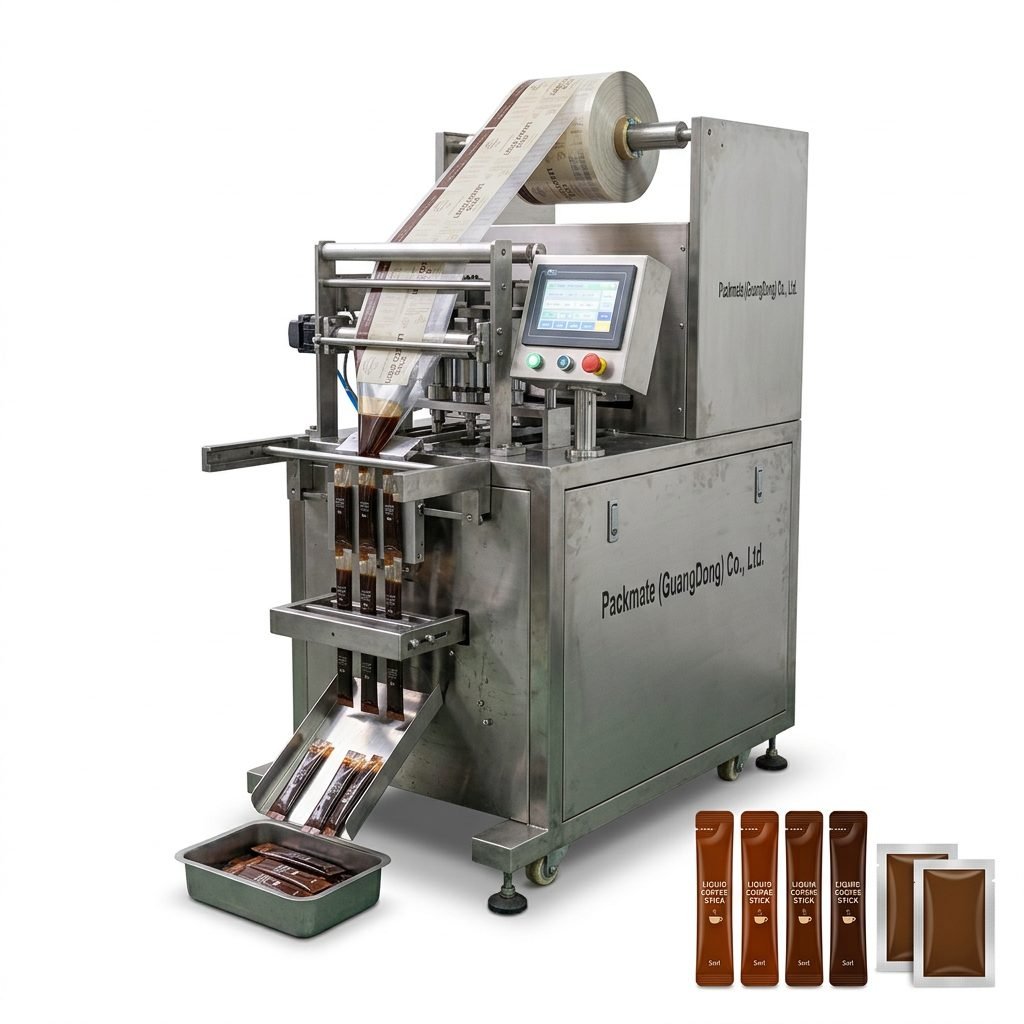
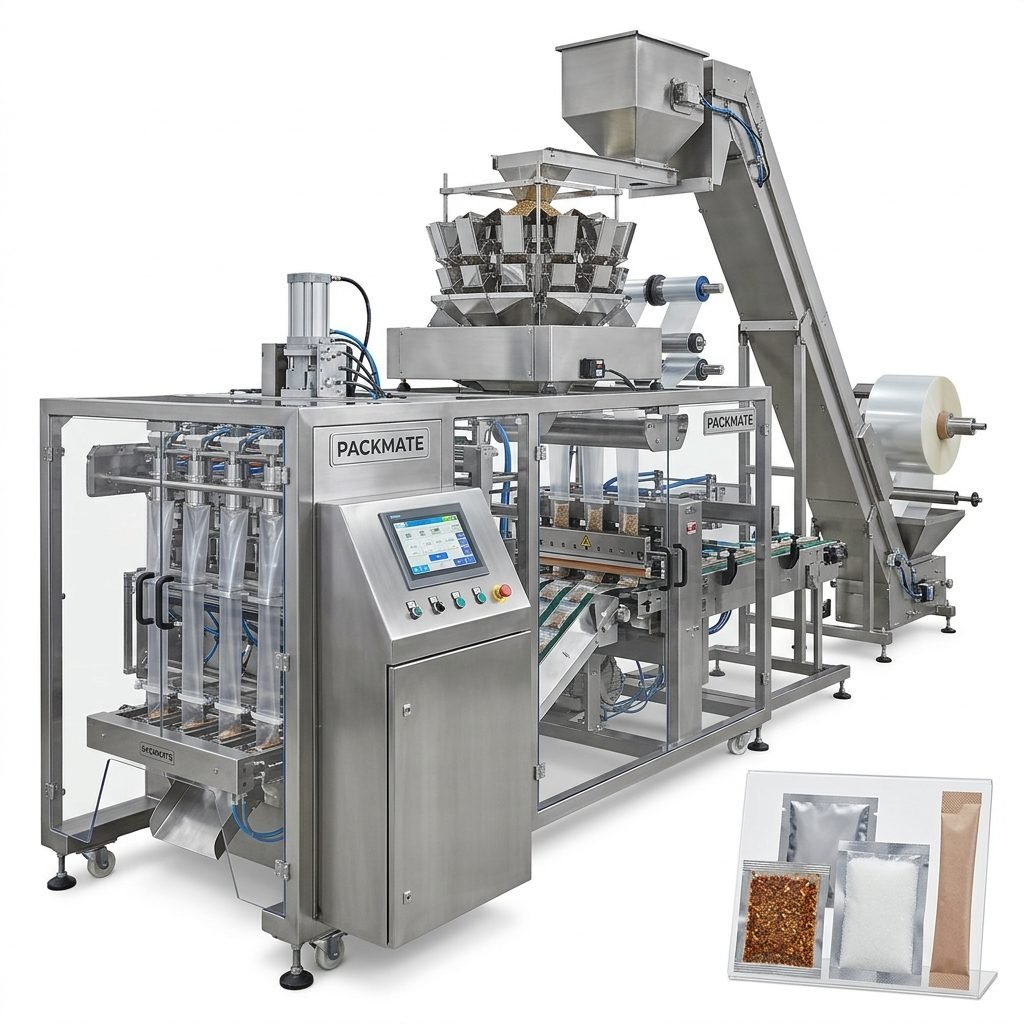
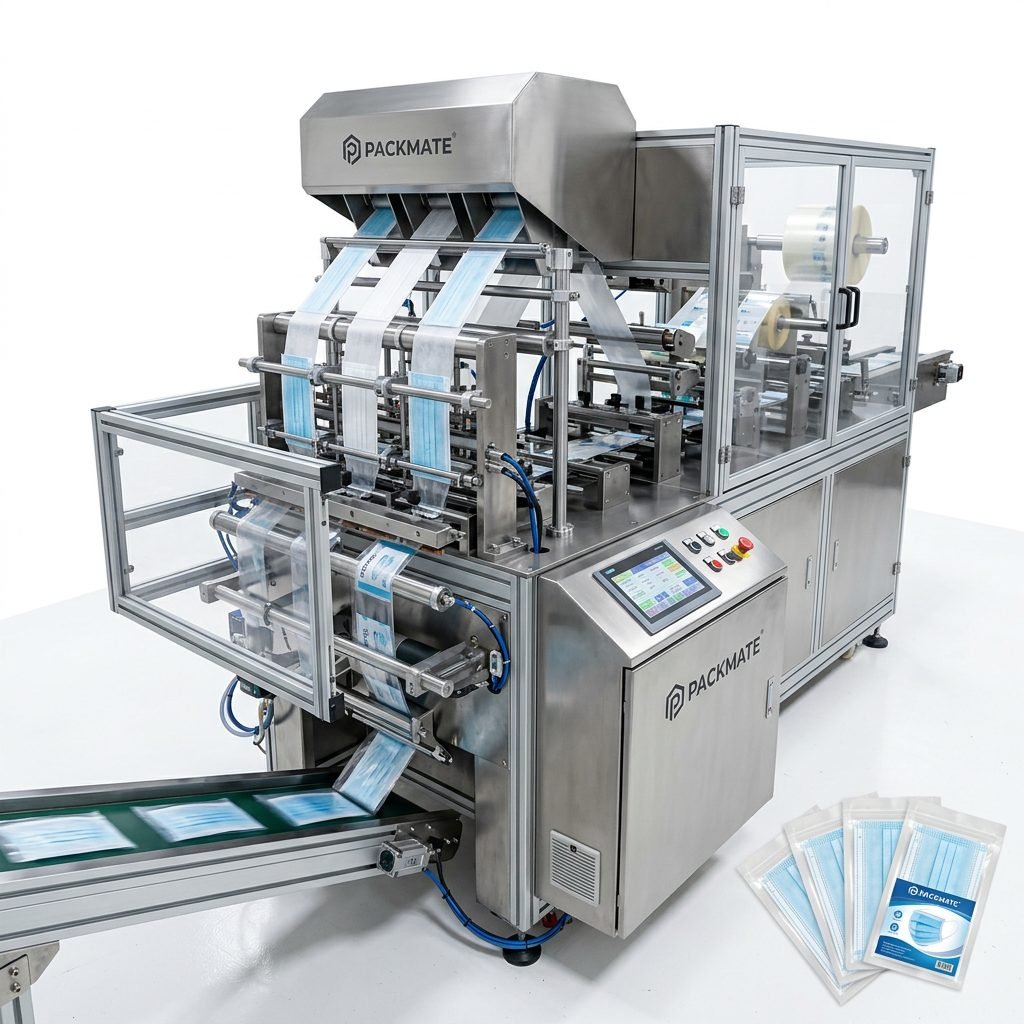
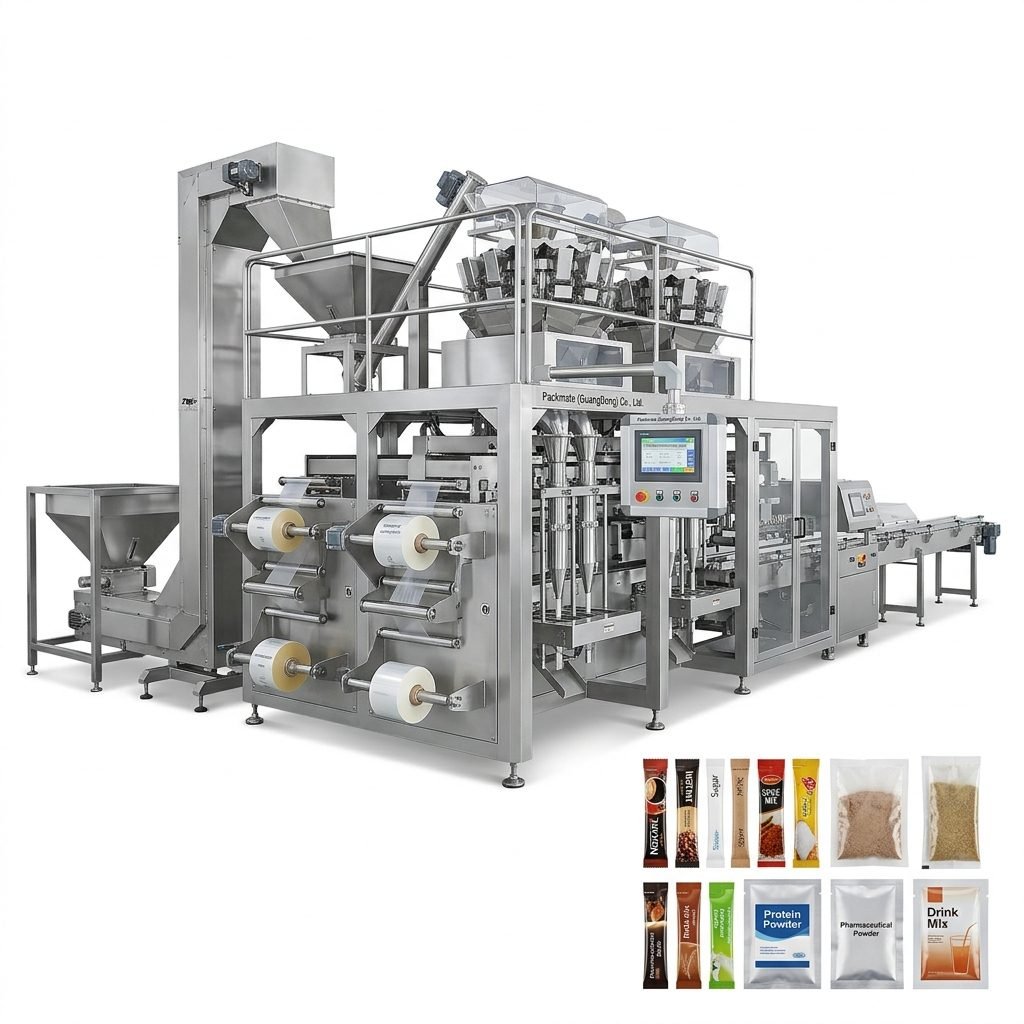
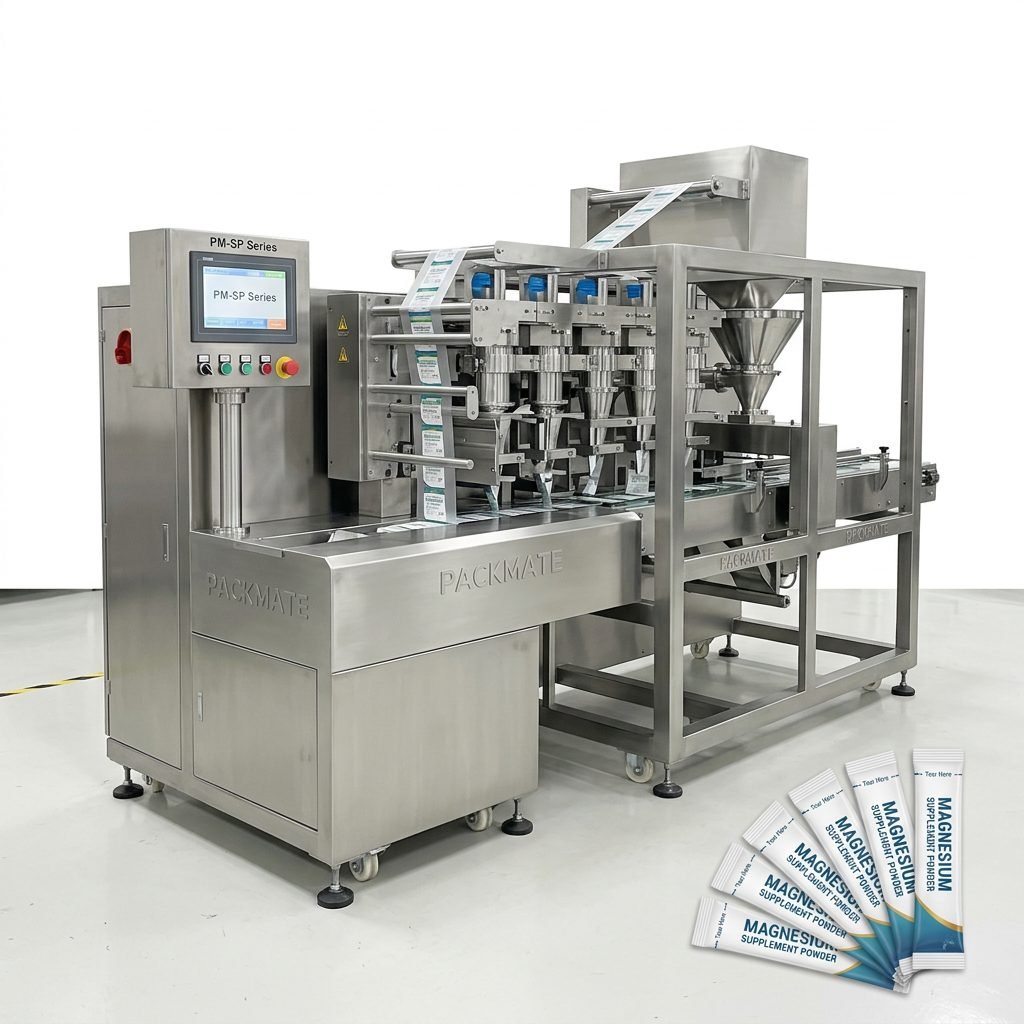
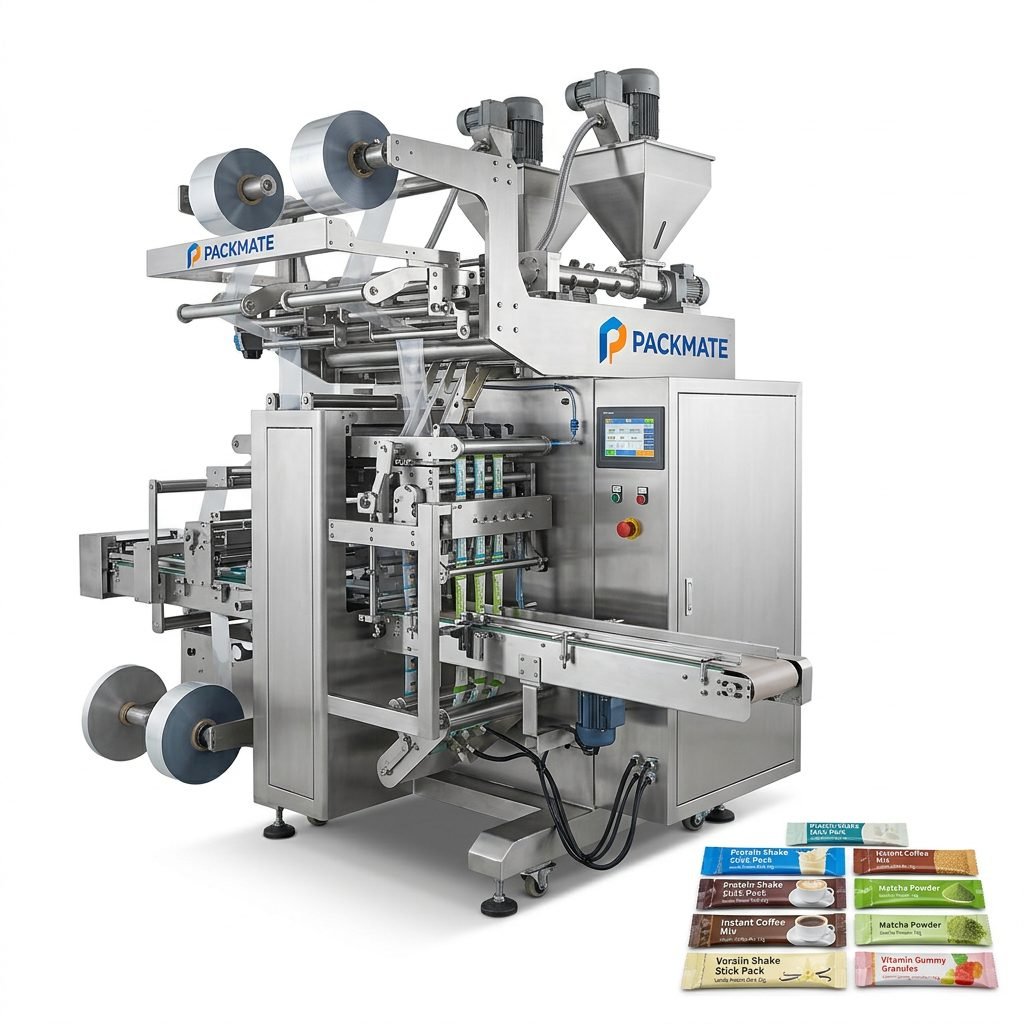
- Multi-Lane Stick Pack Machines: Ideal for single-serve powders (e.g., supplements, instant beverages). High-speed machines from providers like Packmate can run multiple lanes simultaneously, dramatically boosting output for products like electrolyte mixes or protein powders.
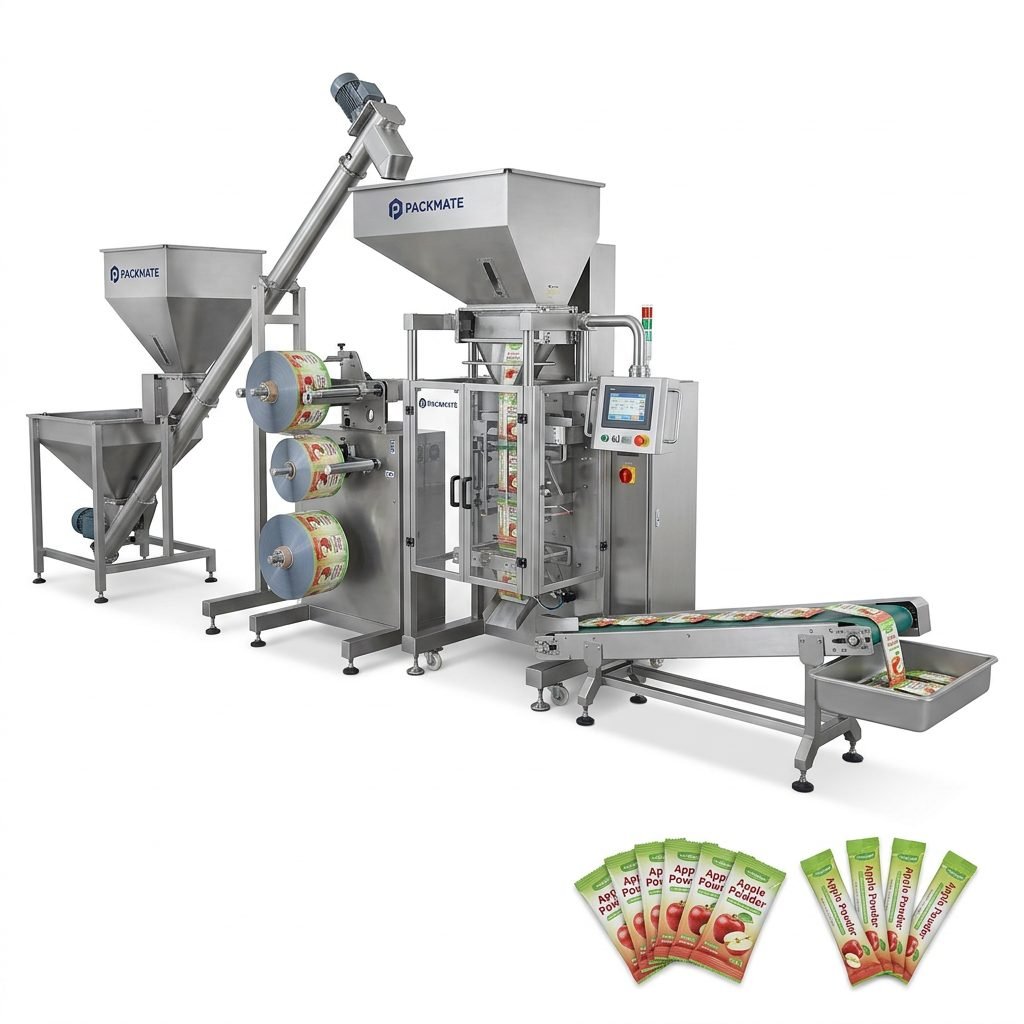
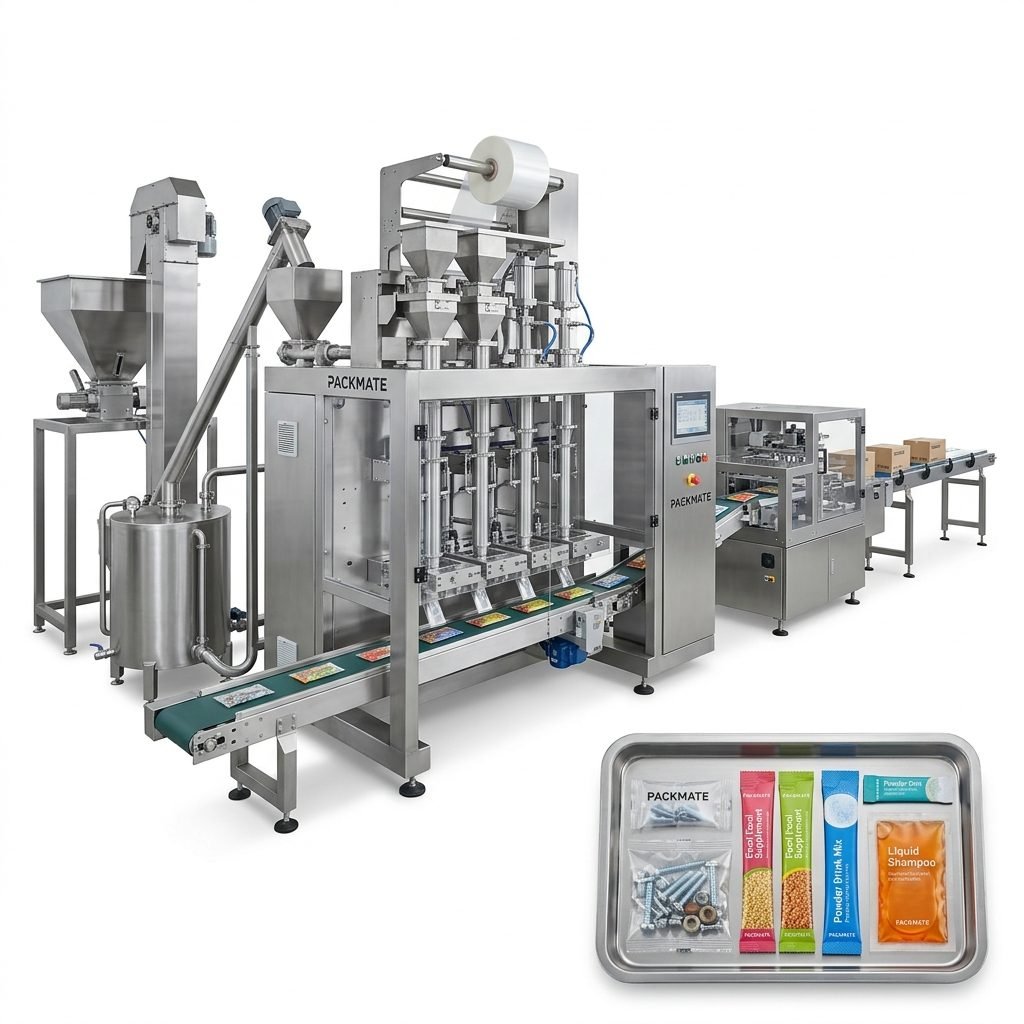
- Automatic Sachet Packaging Lines: Versatile for liquids, pastes, and powders in small to medium doses. Used for everything from ketchup and shampoo samples to pharmaceutical ointments and herbal teas.
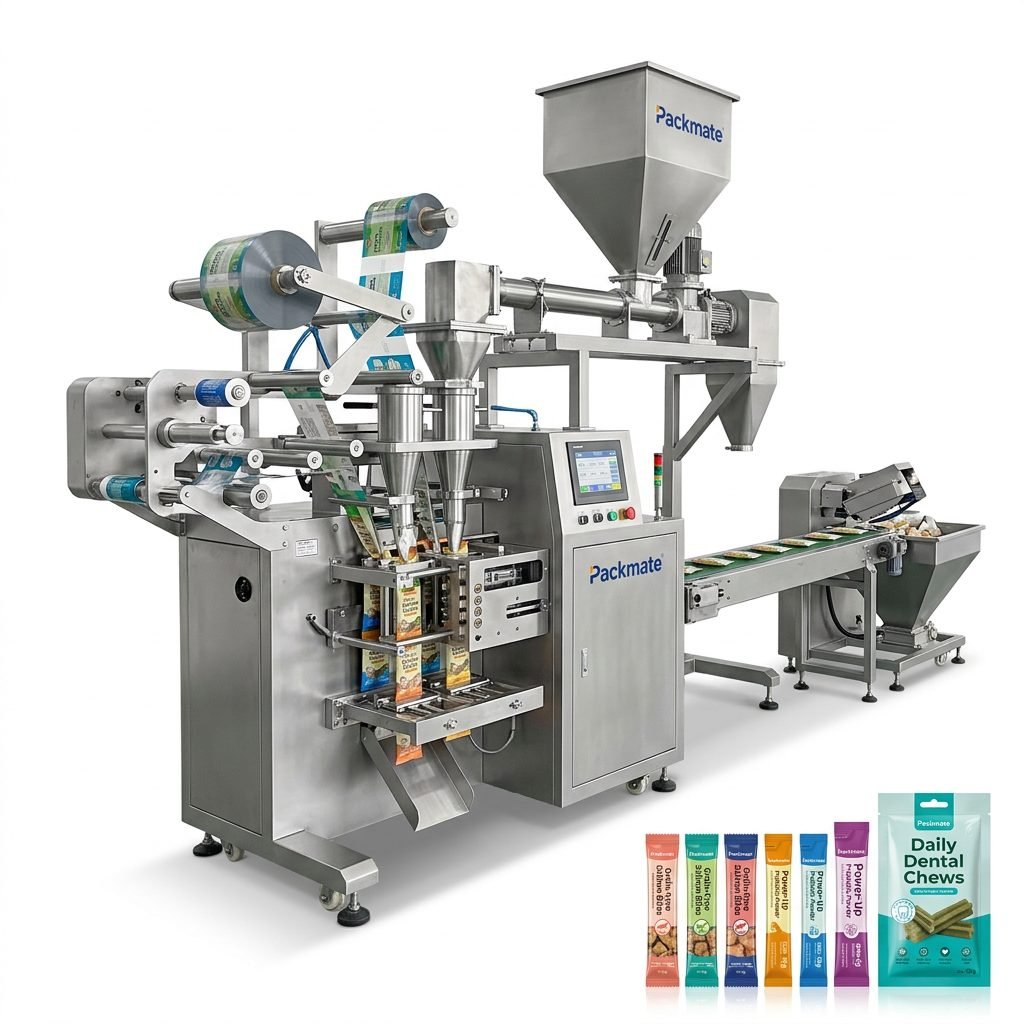
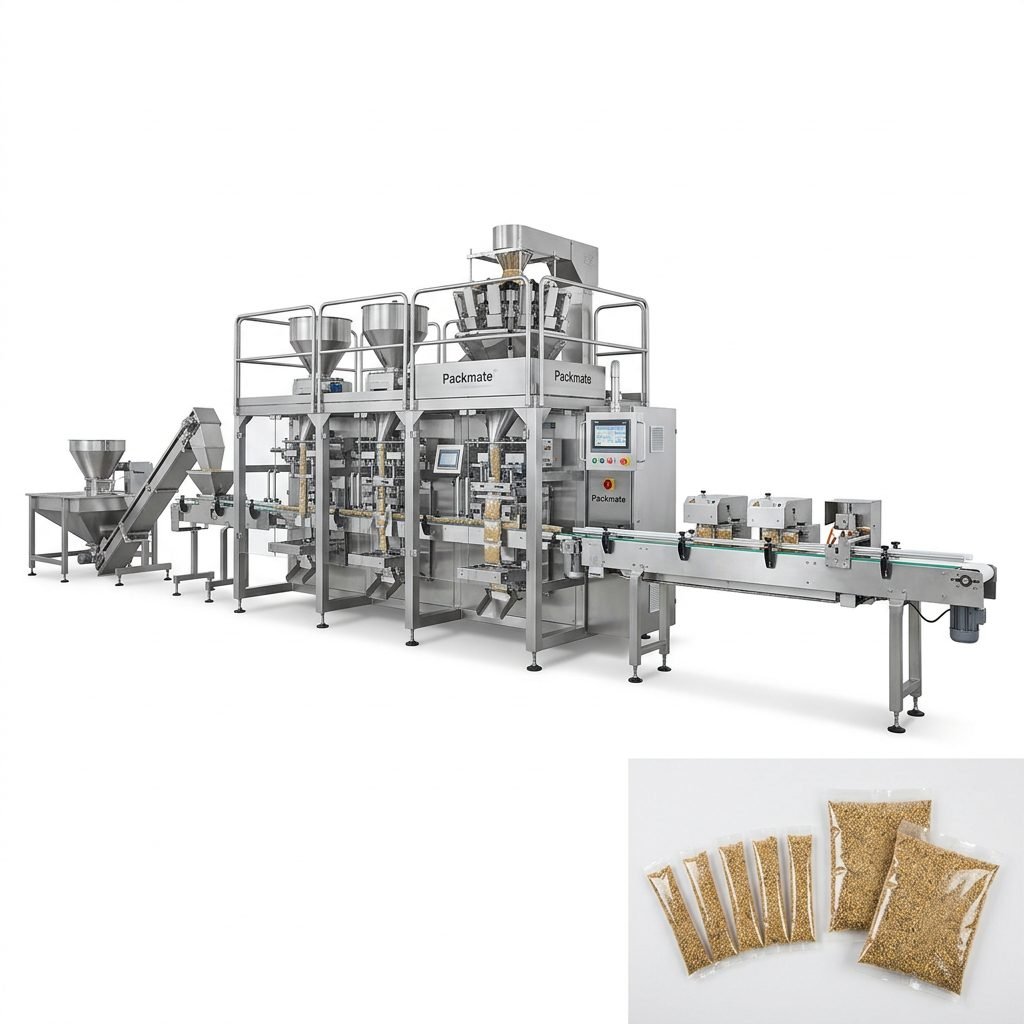
- Large-Volume Bagging & Pouch Systems: For bulk products like rice, pet food, or industrial chemical powders. These systems focus on high-weight accuracy and robust sealing.
2. Integrated Conveying & Handling
Robotic arms, vision-guided pick-and-place systems, and intelligent conveyors smoothly transfer products between stages—from filling and sealing to secondary packaging like cartoning. This eliminates bottlenecks and reduces manual handling.
3. Secondary & Tertiary Packaging
This involves grouping primary packages into cartons, cases, or trays, and then palletizing them for shipment. Automation here includes automatic cartoners, case packers, and palletizing robots, ensuring a smooth flow from production to the warehouse door.
4. The Control & Software Brain: SCADA and MES
The true power of turnkey automation lies in its intelligence. A Supervisory Control and Data Acquisition (SCADA) system provides real-time monitoring and control of the entire line. Integrating with a Manufacturing Execution System (MES) elevates this further, enabling production scheduling, quality management, detailed reporting, and full traceability—a critical feature for pharmaceutical compliance.
The Turnkey Implementation Journey
Partnering with an experienced provider like Packmate Packaging Line transforms implementation from a complex project into a managed process.
Phase 1: Deep-Dive Consultation & Design
Experts analyze your product characteristics, target output (e.g., packs per minute), factory layout, and compliance needs. This phase results in a detailed line layout and specification, ensuring the solution is tailored, not templated.
Phase 2: Manufacturing & Factory Acceptance Testing (FAT)
All equipment is built and assembled in the supplier’s facility. You are invited to witness a Factory Acceptance Test, where the complete line runs with your actual or representative product. This crucial step verifies performance and allows for adjustments before shipment.
Phase 3: Installation, Site Acceptance & Training
The supplier’s engineers oversee installation and commissioning at your site. A Site Acceptance Test (SAT) confirms the line meets all agreed-upon parameters in its final environment. Comprehensive training for your operators and maintenance staff is provided to ensure self-sufficiency.
Phase 4: Lifelong Support & Optimization
A true partner offers ongoing support through service contracts, readily available spare parts, and remote diagnostics. They can also advise on future upgrades or line extensions as your business grows.
Measuring the Return on Investment (ROI)
The justification for turnkey automation extends far beyond labor savings. A holistic ROI analysis should include:
- Increased Output & OEE: Higher speeds and reduced downtime boost Overall Equipment Effectiveness.
- Dramatically Reduced Product Waste: Precision filling and handling minimize giveaway and rejected packs.
- Enhanced Quality & Compliance: Consistent, error-free packaging reduces recalls and regulatory risks.
- Improved Workplace Safety: Automating repetitive and strenuous tasks lowers injury rates.
- Scalability & Flexibility: Modern lines can be configured for quick changeovers, allowing efficient production of smaller batches or multiple SKUs.
For companies looking to solidify their market position, investing in a turnkey line is an investment in brand reputation, supply chain resilience, and future-ready manufacturing capabilities. Exploring a provider’s equipment catalog and project history is an excellent first step.
Frequently Asked Questions (FAQs)
1. What is the typical lead time for a complete turnkey packaging line?
Lead times vary significantly based on line complexity and customization, ranging from 4 to 9 months from order to installation. This includes design, manufacturing, FAT, and shipping. A detailed project timeline is always provided during the quotation phase.
2. How do you ensure the line will meet our specific regulatory (e.g., FDA, cGMP) requirements?
Reputable suppliers design with compliance in mind. This involves using certified materials (e.g., 316L stainless steel, FDA-approved seals), designing for cleanability, and providing documentation packs (DQ, IQ, OQ, PQ protocols). It’s critical to discuss all regulatory needs upfront during the design phase.
3. Can an automated line handle frequent product changeovers?
Yes, modern lines are built for flexibility. Features like tool-less change parts, programmable recipes stored in the HMI/SCADA system, and quick-release mechanisms minimize changeover time, making short runs and multiple SKUs economically viable.
4. What kind of ongoing maintenance and technical support can we expect?
Comprehensive support is key. This typically includes detailed operation and maintenance manuals, on-site training, remote support access, readily available spare parts lists, and the option for annual service contracts. Providers with a strong global presence can offer faster local support.
5. How is the integration with our existing ERP or warehouse management systems handled?
Integration is achieved through the line’s PLC and SCADA systems, which can communicate via standard industrial protocols (OPC UA, MQTT, etc.). Data on production counts, downtime reasons, and batch information can be fed directly into your higher-level business systems, creating a seamless data flow from the shop floor to the top floor.