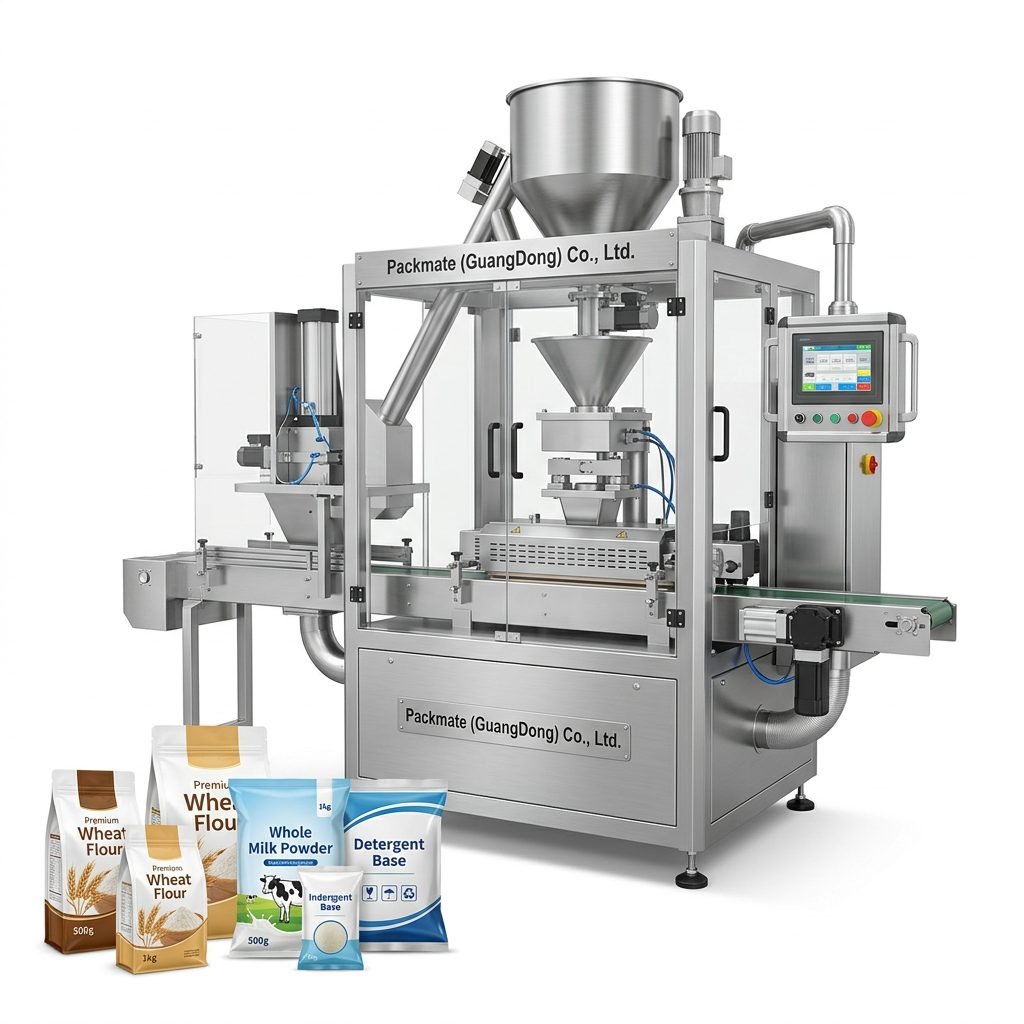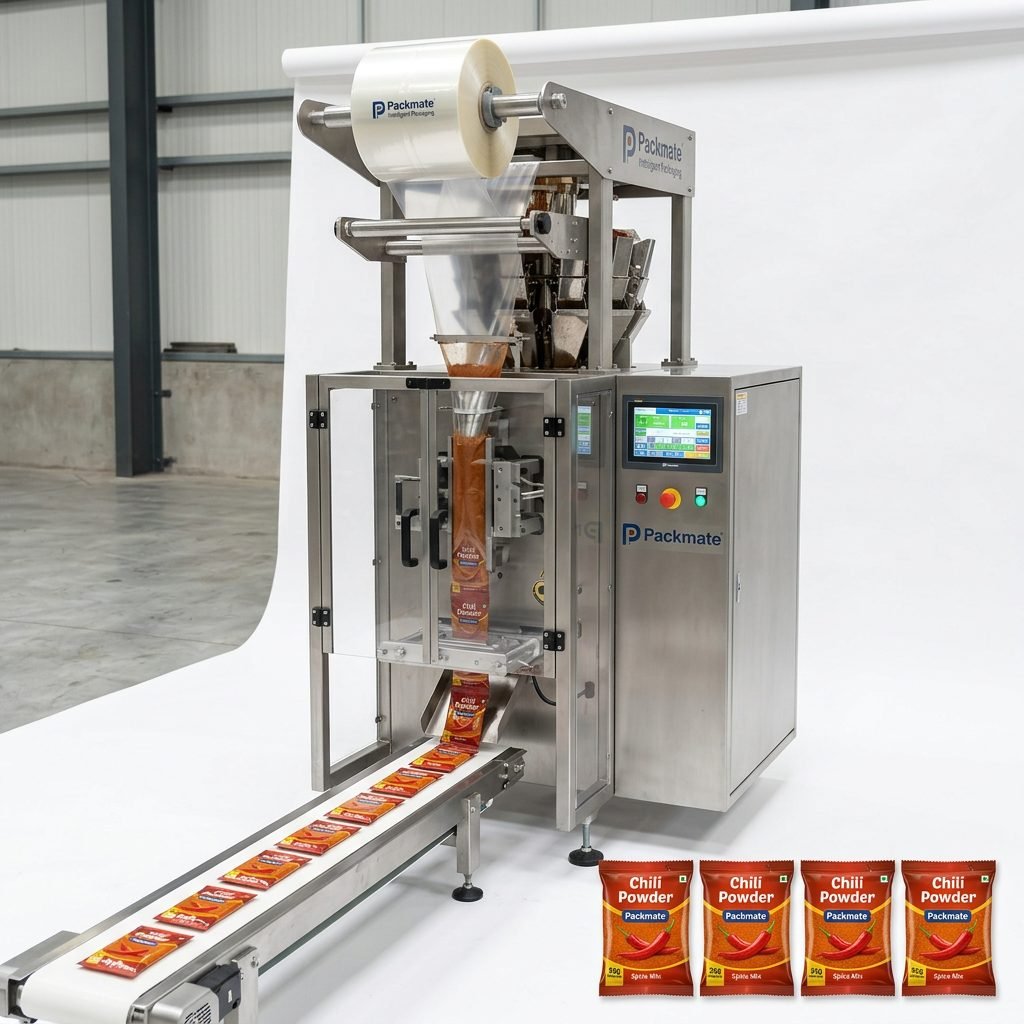
For local buyers in Suriname, sourcing reliable packaging machinery is a critical step in scaling production, improving product consistency, and entering new markets. The Surinamese market, with its unique blend of agricultural exports (like rice, bananas, and shrimp), processed foods, and a growing pharmaceutical sector, requires robust and adaptable packaging solutions. However, navigating the global market of manufacturers, especially from major hubs like China, can be challenging. This guide provides a practical, step-by-step approach to help you identify and partner with trustworthy packaging machine manufacturers.
1. Define Your Specific Packaging Requirements
Before you start searching, clarity is key. Surinamese producers must consider local product characteristics, which can include humidity-sensitive goods or specific bag sizes for regional markets. Outline these parameters:
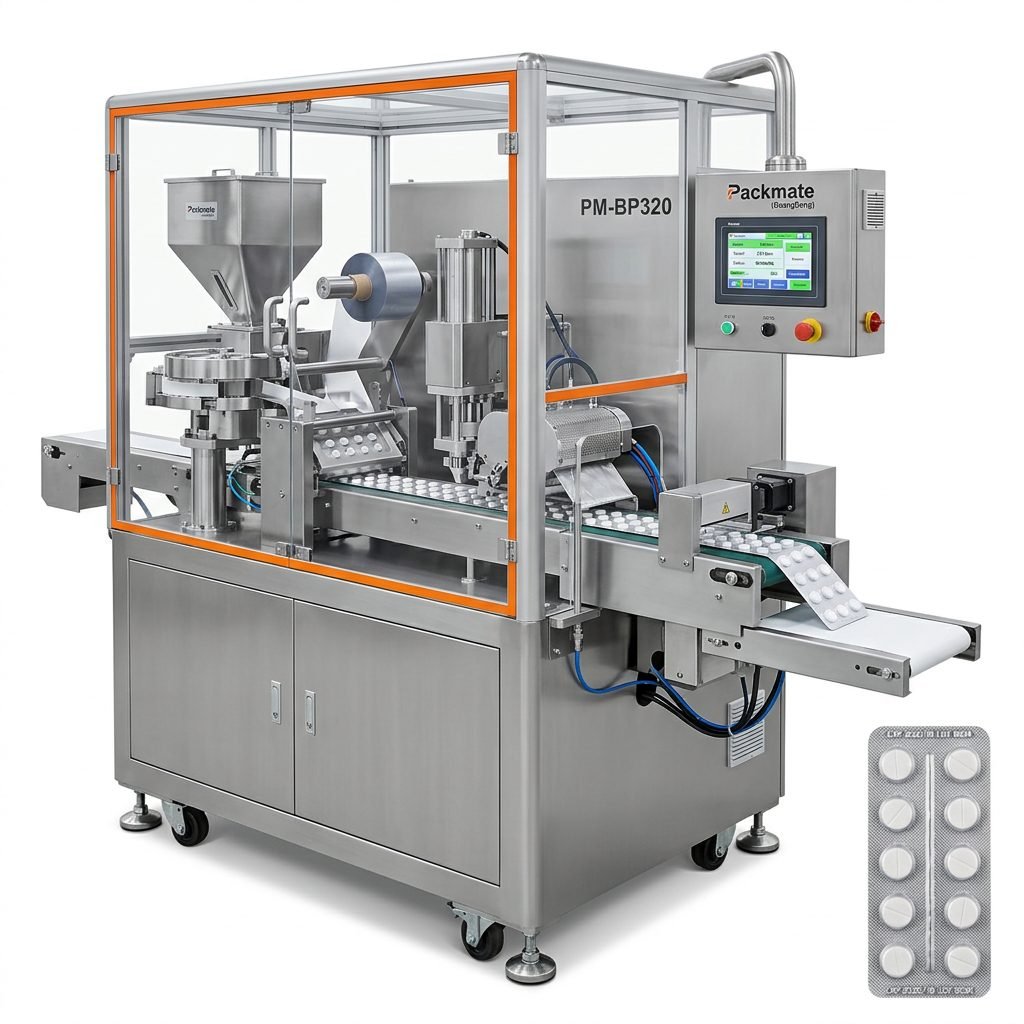
Product Type: Are you packaging rice (granules), spices (powders), fruit concentrates (liquids/pastes), or pharmaceuticals?
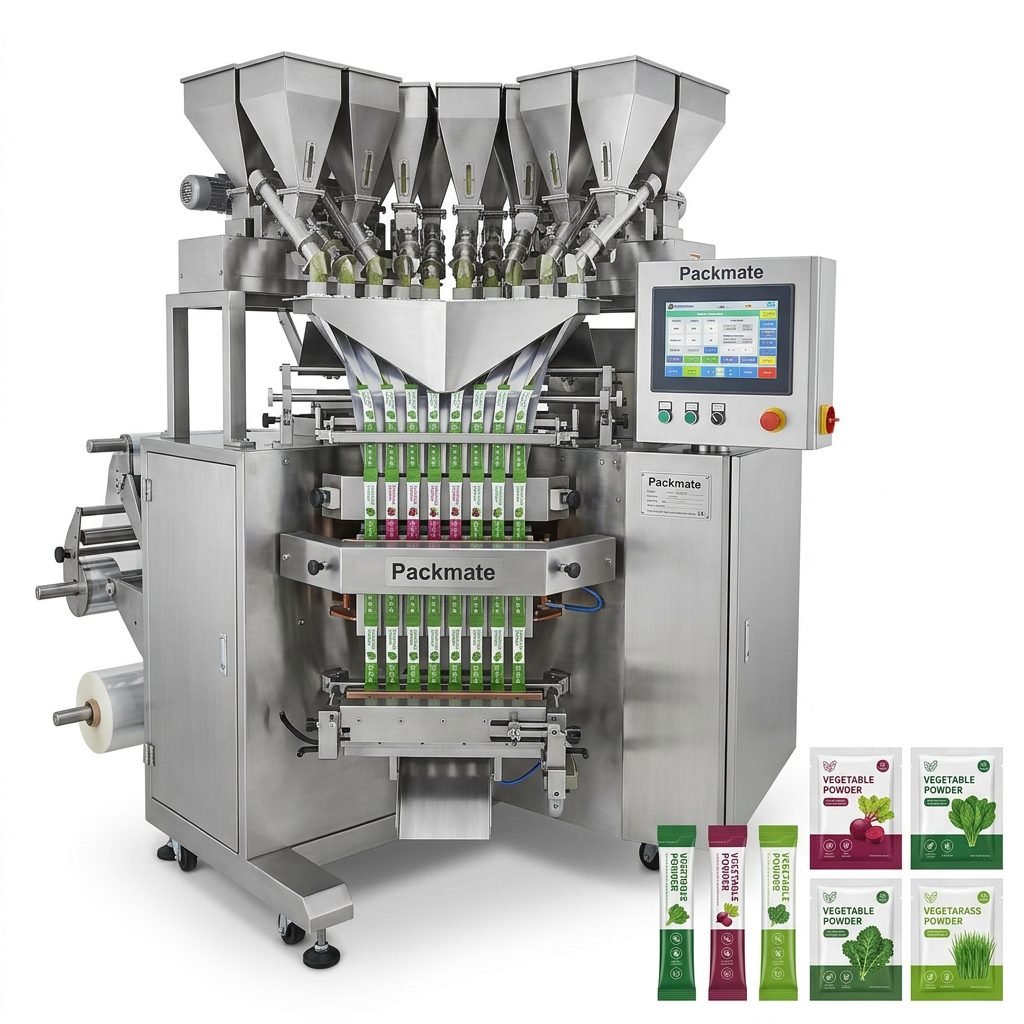
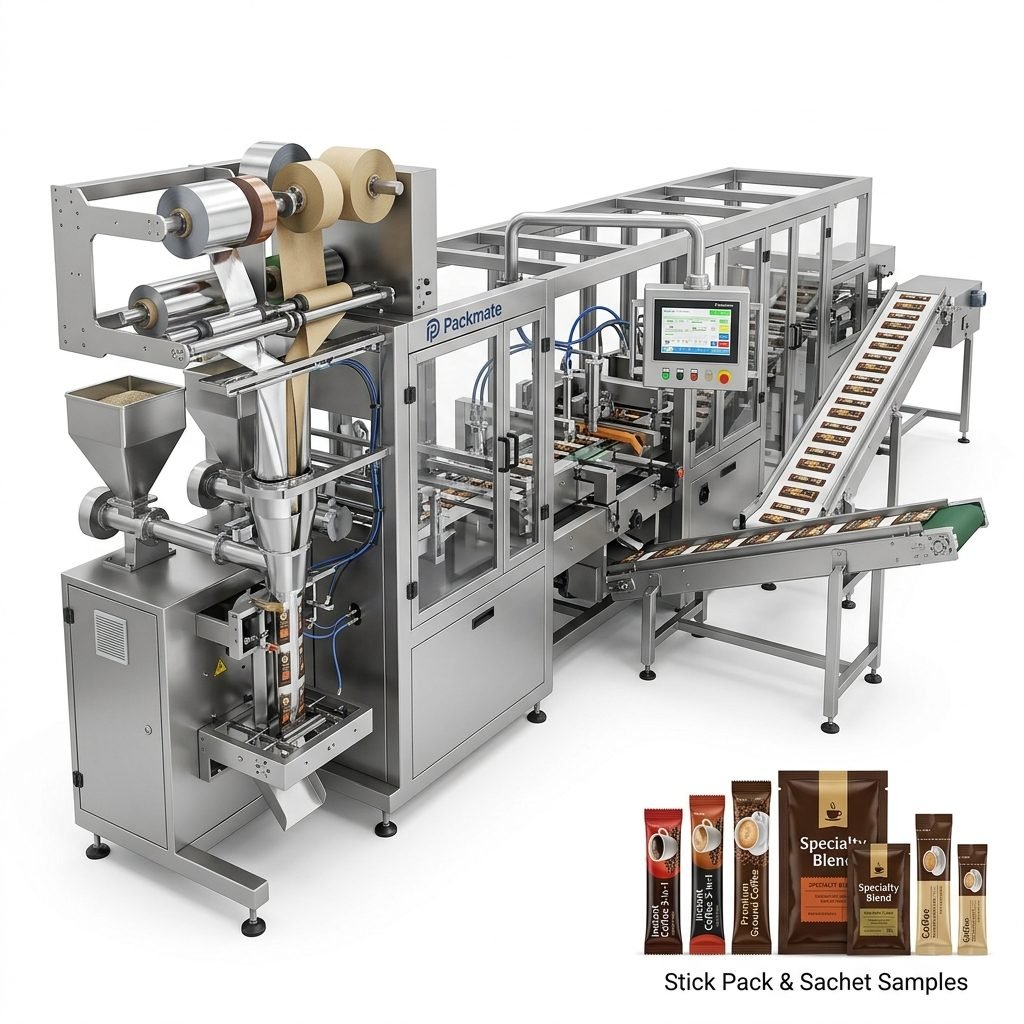
Packaging Format: Do you need stick packs, sachets, vertical bags (pouches), or bulk bagging for larger quantities?
Production Speed: What is your required output (e.g., bags per minute)?
Factory Space & Automation Level: Assess your available floor space in Paramaribo or Nickerie and your desired level of automation.
Budget & After-Sales Support: Define your investment range and the critical need for local or accessible technical support.
2. Research and Shortlist Established Manufacturers
Focus on manufacturers with a proven export history and experience relevant to your industry. Look for companies with a strong online presence, detailed product catalogs, and client testimonials. Key factors to verify include:
- Company History & Stability: Prefer manufacturers with at least 10-15 years of operation.
- Industry-Specific Experience: Do they have case studies or machines for products similar to yours?
- Export Experience: Have they shipped machines to the Caribbean, South America, or regions with logistical challenges similar to Suriname’s?
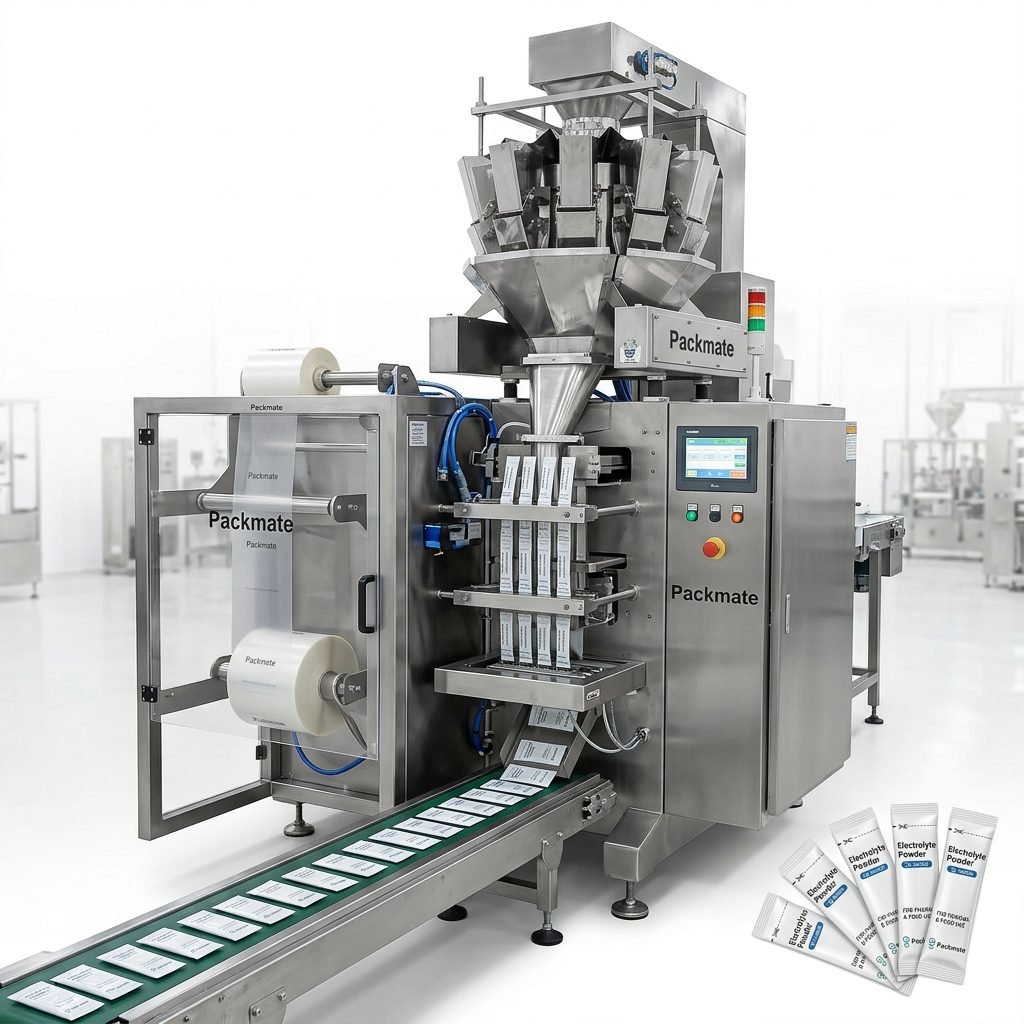
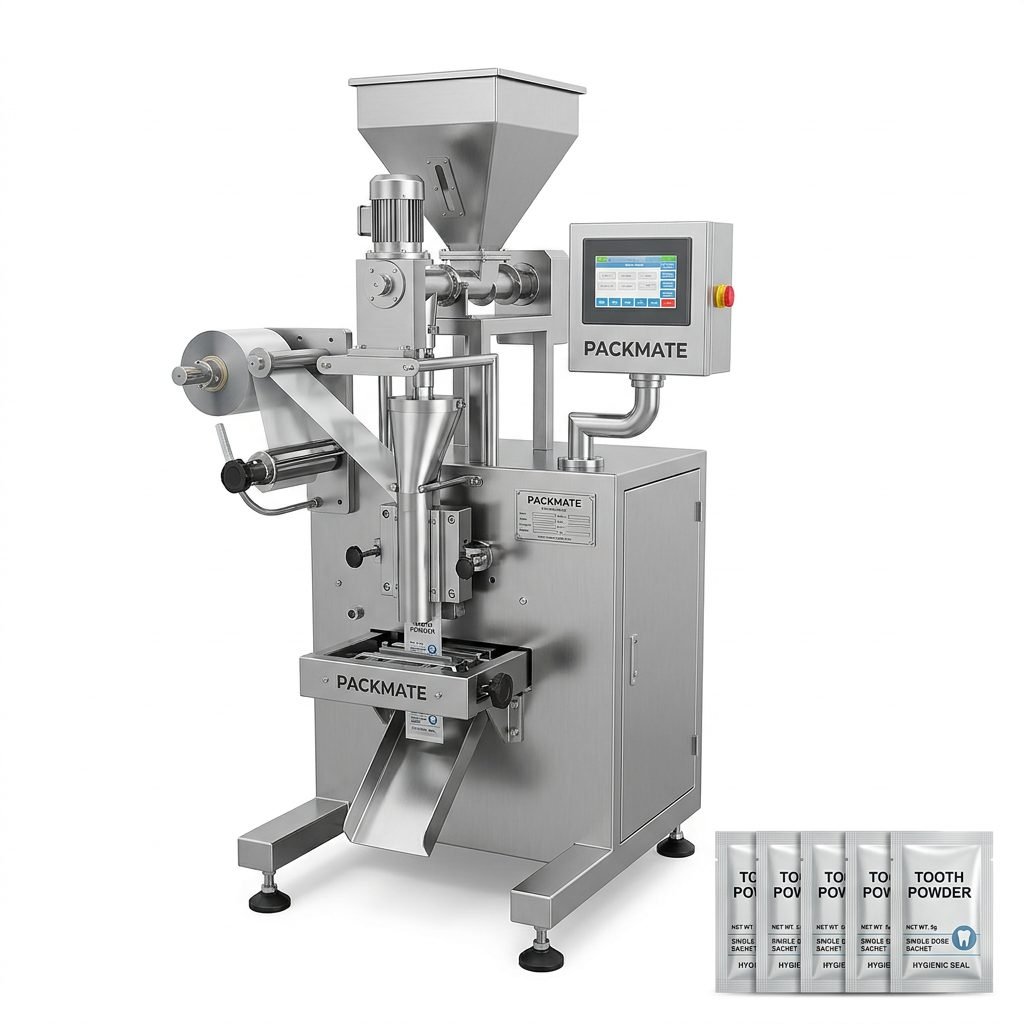
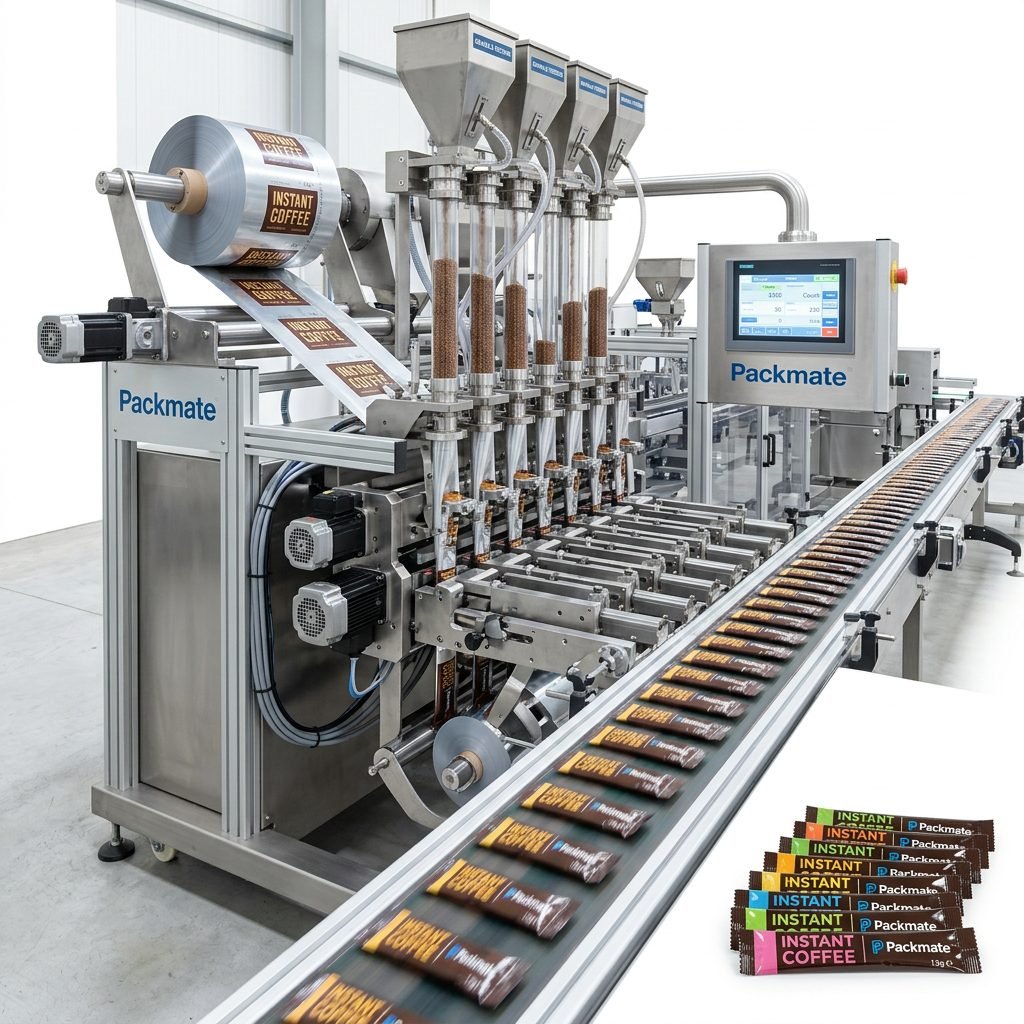
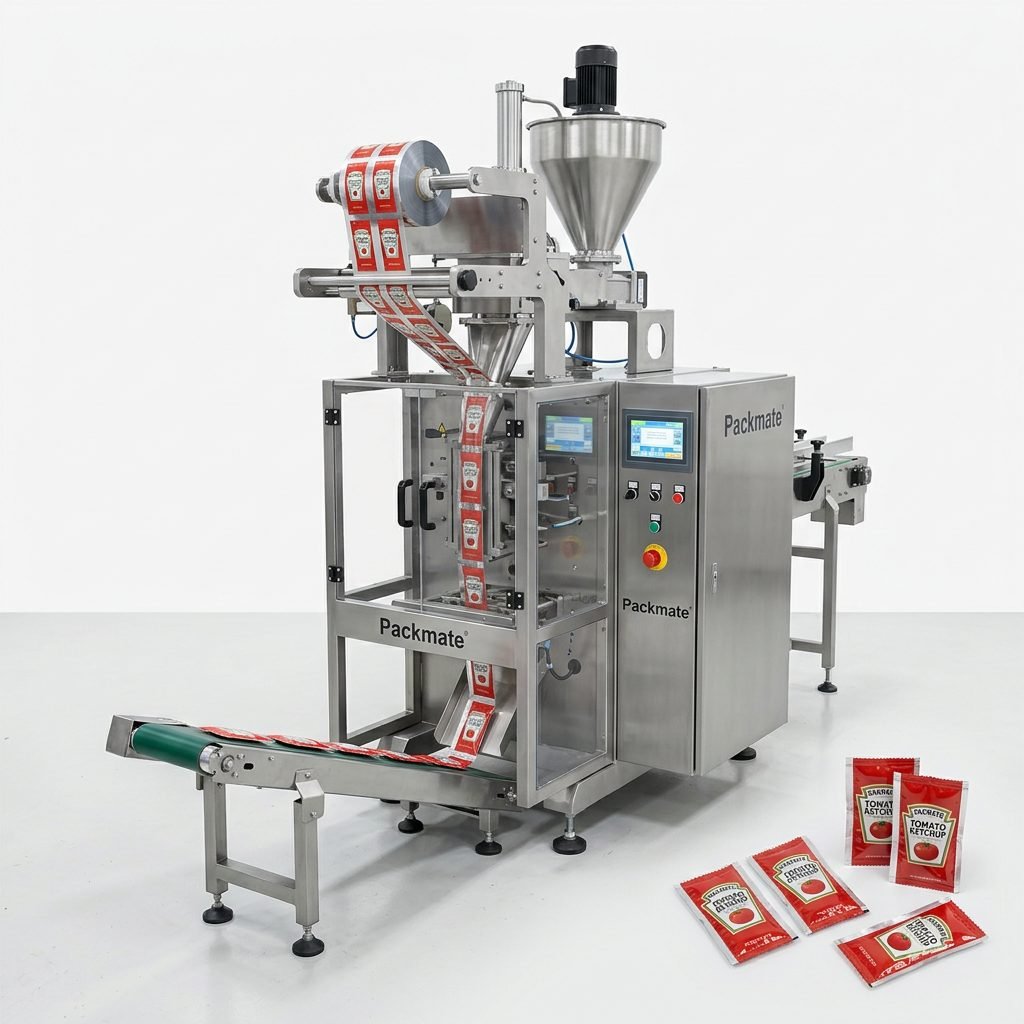
For instance, companies like Ludyway and Packmate Machinery have extensive international footprints, which often translates to better understanding of export documentation, shipping, and setup support for overseas clients.
3. Evaluate Technical Capability and Customization
Your Surinamese operation may need adjustments for local power standards, climate, or raw material packaging film. A reliable manufacturer should offer engineering support. Assess their capability through:
- Factory Tour (Virtual/Video): Request a video tour of their production facility. A modern factory (e.g., 20,000+ sqm) indicates scale and quality control capability.
- Customization Flexibility: Can they adapt machine elements for your specific product? Manufacturers like PackingMachineOEM specialize in non-standard solutions.
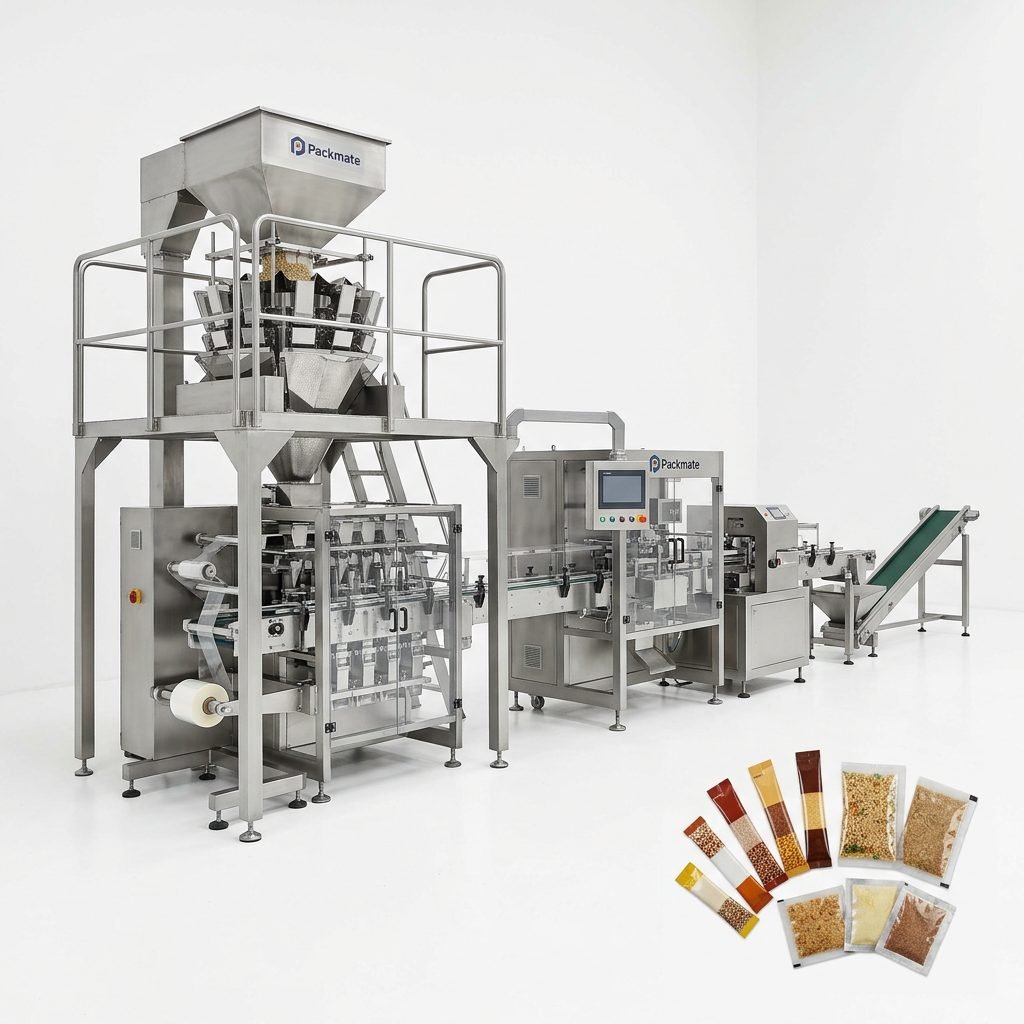
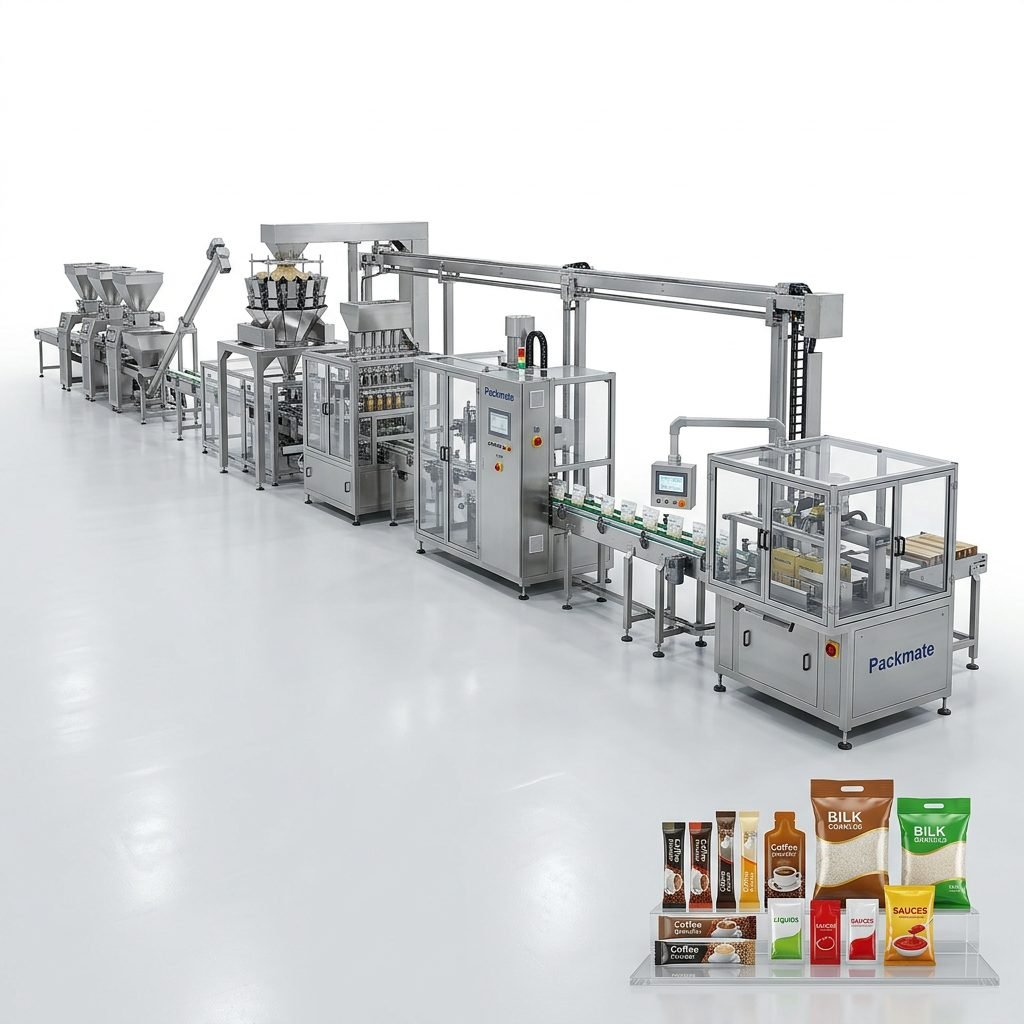
- Complete Line vs. Standalone Machines: If you need a fully integrated line from feeding to cartoning, consider turnkey specialists like PacklineOEM.
4. Scrutinize Quality, Compliance, and After-Sales Service
This is paramount for Surinamese buyers, where on-site technical expertise may be limited. Your due diligence must include:
| Aspect | Key Questions to Ask |
|---|---|
| Machine Quality & Standards | Are critical components (PLC, servos, seals) from reputable brands (Siemens, Mitsubishi, etc.)? What quality control checks are performed before shipment? |
| Compliance & Safety | Does the machine meet CE or other international safety standards? This is crucial for insurance and safe operation. |
| After-Sales Support | What is the warranty period? Do they offer remote support (video call), and how quickly can they dispatch a technician if needed? Is spare parts supply reliable? |
| Installation & Training | Do they provide installation supervision (onsite or remote) and comprehensive operator training? |
5. Communication, Logistics, and Final Verification
Clear communication mitigates risks. Ensure there is a dedicated project manager who understands your needs. Discuss all logistical details:
Shipping & Incoterms: Clarify responsibilities (FOB, CIF) for shipping to Paramaribo or via a Dutch port. Understand all costs, including import duties into Suriname.
Payment Terms: Negotiate secure, staged payments (e.g., 30% deposit, 60% before shipment, 10% after successful commissioning).
Final Verification: Always request a Factory Acceptance Test (FAT). This is a non-negotiable step where you or your agent witness the machine running with your actual or similar product before it leaves the factory.
Consider Niche Specialists for Specific Needs
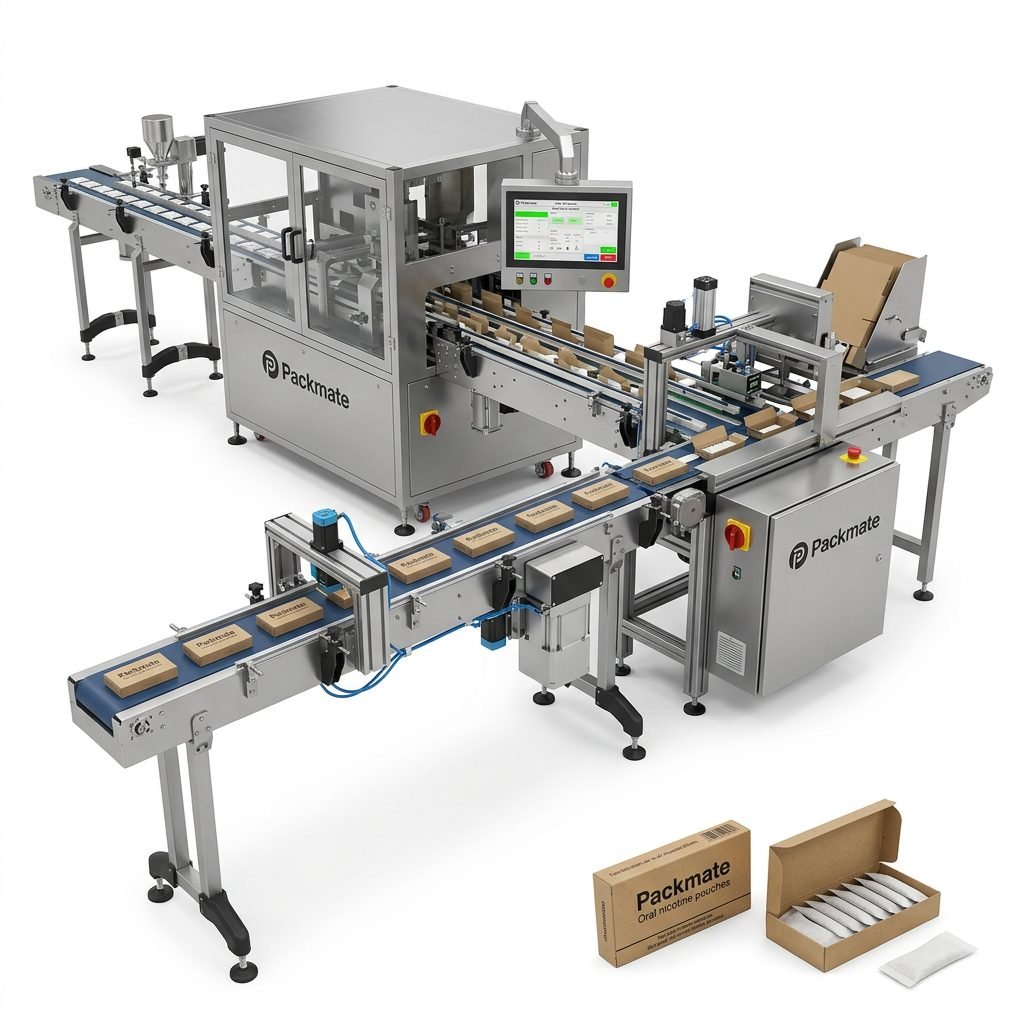
If your business is in a specialized segment, such as producing nicotine pouches or snus, a manufacturer with focused expertise can be invaluable. Companies like SnusMachinery offer deep application knowledge for pouch packaging in this niche, which can reduce development time and improve machine suitability compared to a generalist supplier.
6. Building a Long-Term Partnership
View your chosen manufacturer as a long-term partner. A reliable partner will support you as your Surinamese business grows, helping you upgrade lines, increase speed, or add new packaging formats. Their ability to provide ongoing technical advice and spare parts is as important as the initial machine purchase.
Frequently Asked Questions (FAQs)
1. What are the main challenges when importing packaging machines to Suriname?
Key challenges include navigating import customs clearance, ensuring proper documentation, managing shipping logistics (often involving transshipment), and arranging for qualified local technicians for installation if the manufacturer’s engineer cannot travel. Choosing an experienced exporter simplifies this.
2. How important is local agent or distributor support?
Extremely important. A local agent or a manufacturer with a responsive international service team can drastically reduce downtime. They can facilitate communication, help source spare parts quickly, and provide initial troubleshooting.
3. Should I choose a standard machine or a customized solution?
If a standard machine meets 90% of your needs, it’s more cost-effective and delivery is faster. However, if your product, film, or output requirement is unique, a customized solution from a capable OEM will yield better long-term efficiency and lower waste.
4. What is the typical lead time for a packaging machine from overseas?
For standard models, expect 30-60 days after order confirmation. For customized or complete turnkey lines, lead times can range from 60 to 120 days, depending on complexity. Always confirm this in your contract.
5. How can I verify a manufacturer’s claims about their experience?
Ask for specific client references in similar industries, request to see video case studies, check their business licenses, and verify their factory address. A reputable company will have no issue providing verifiable proof of their projects and facilities.