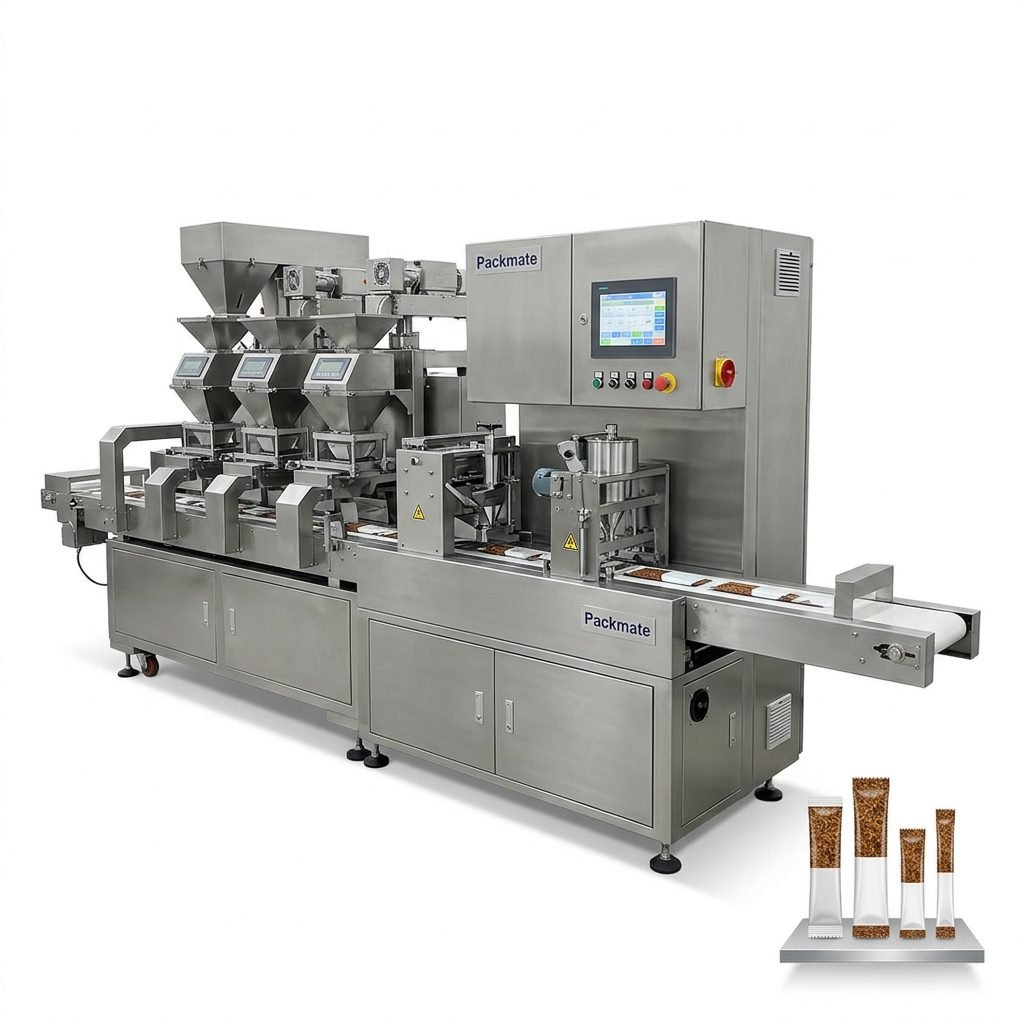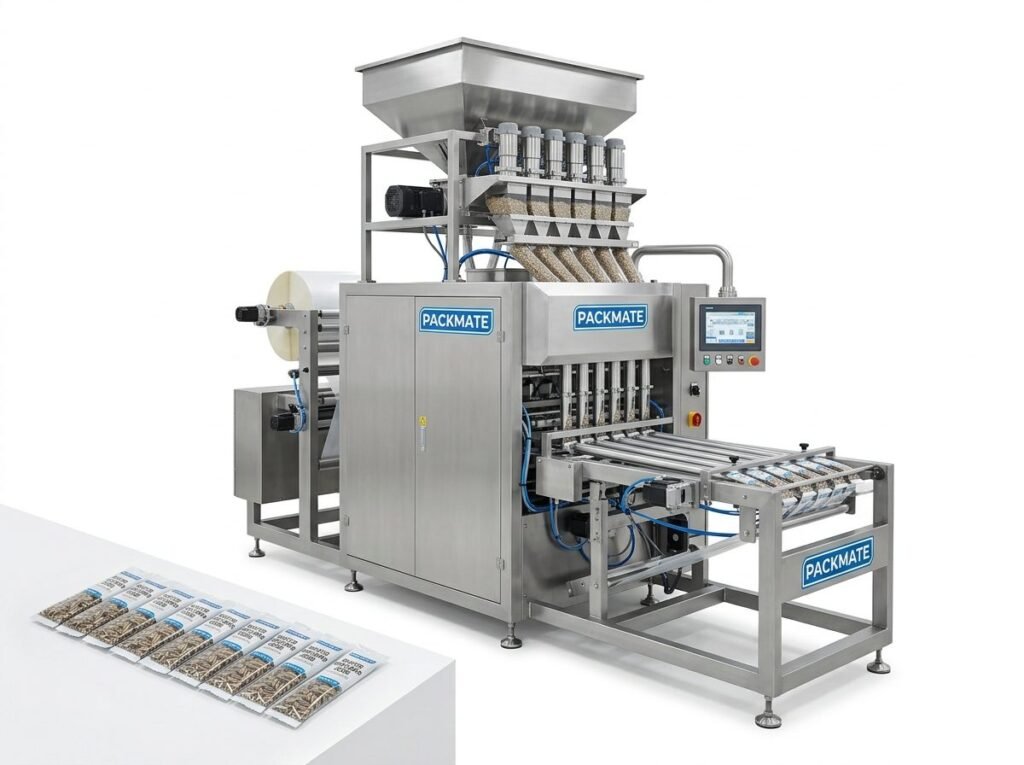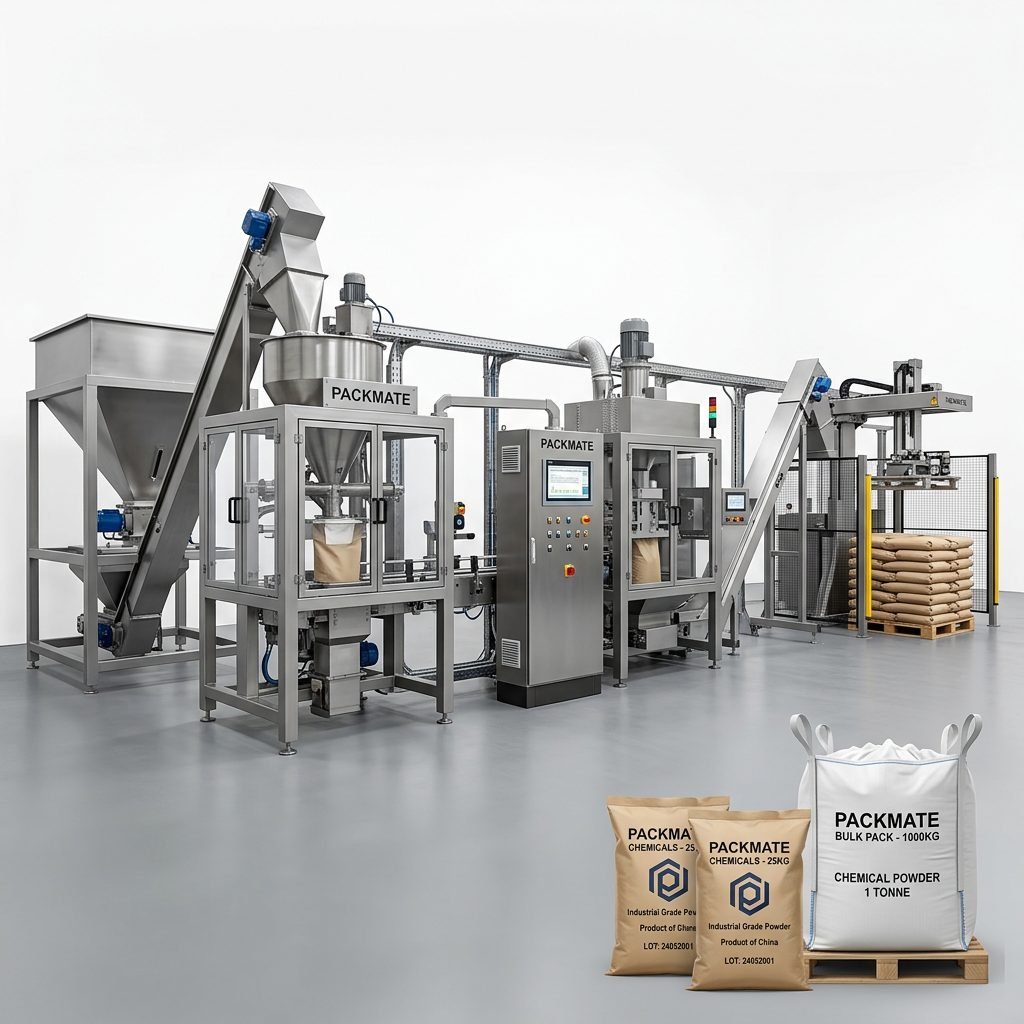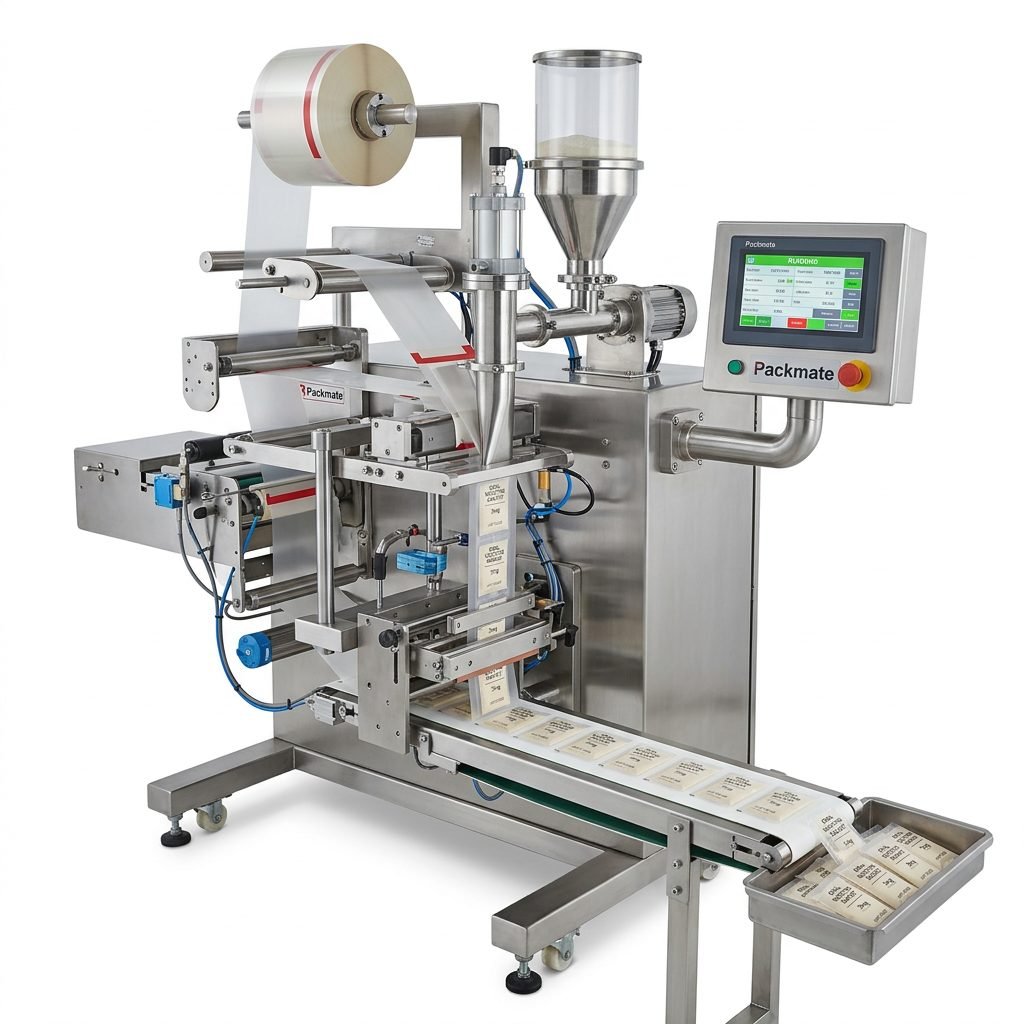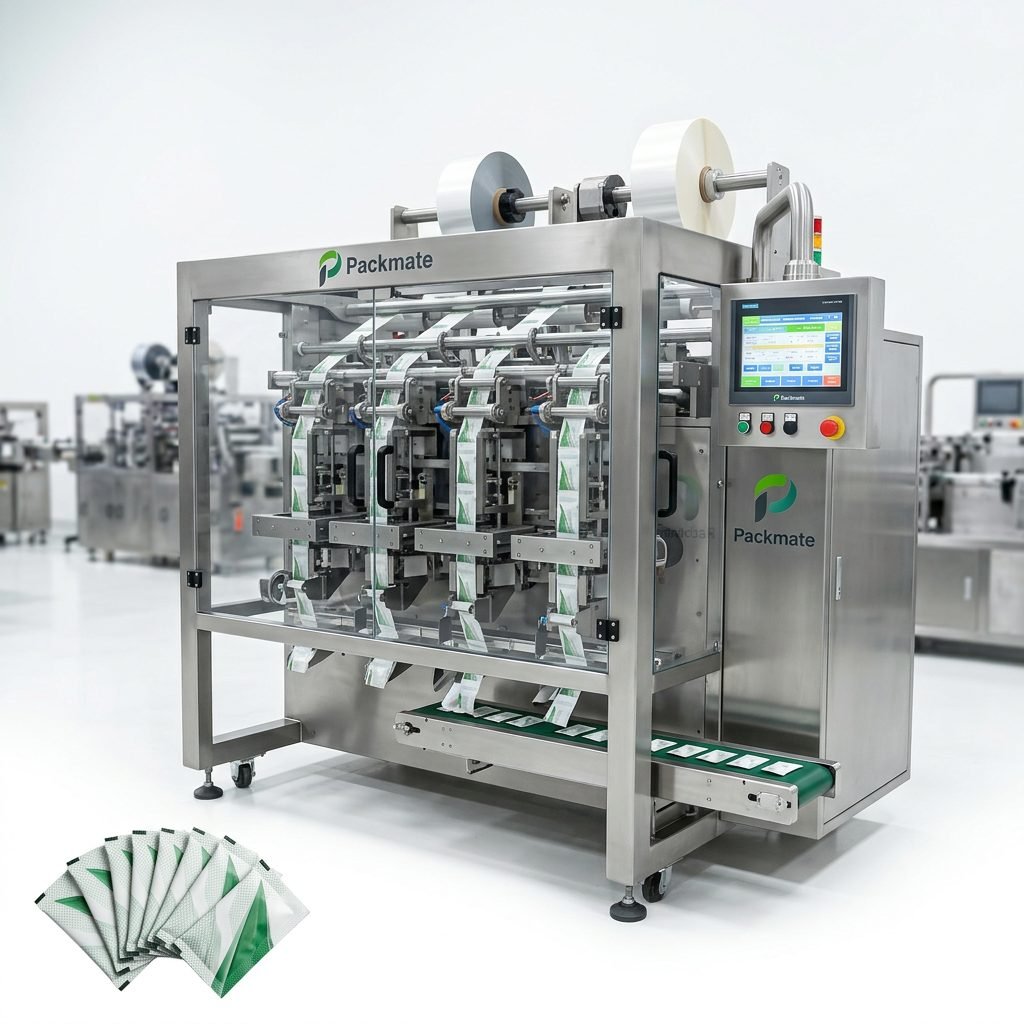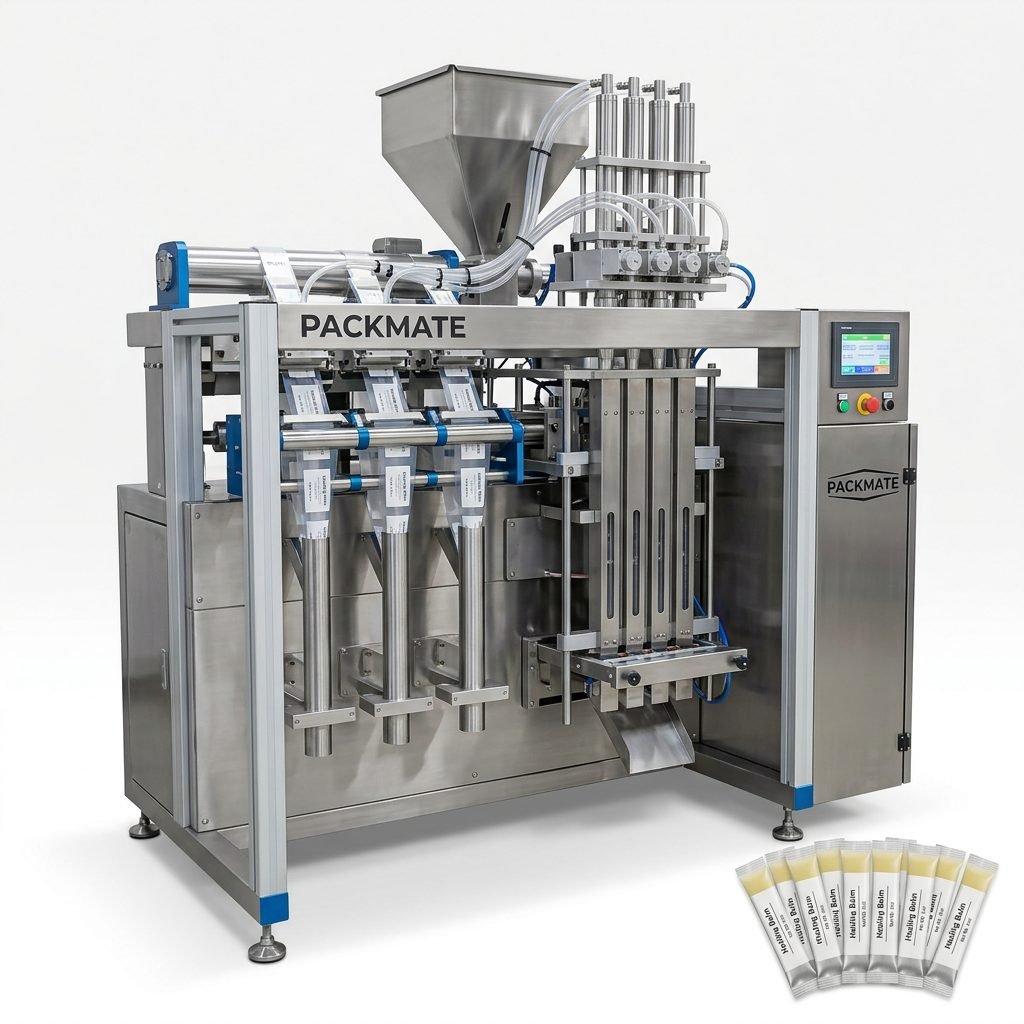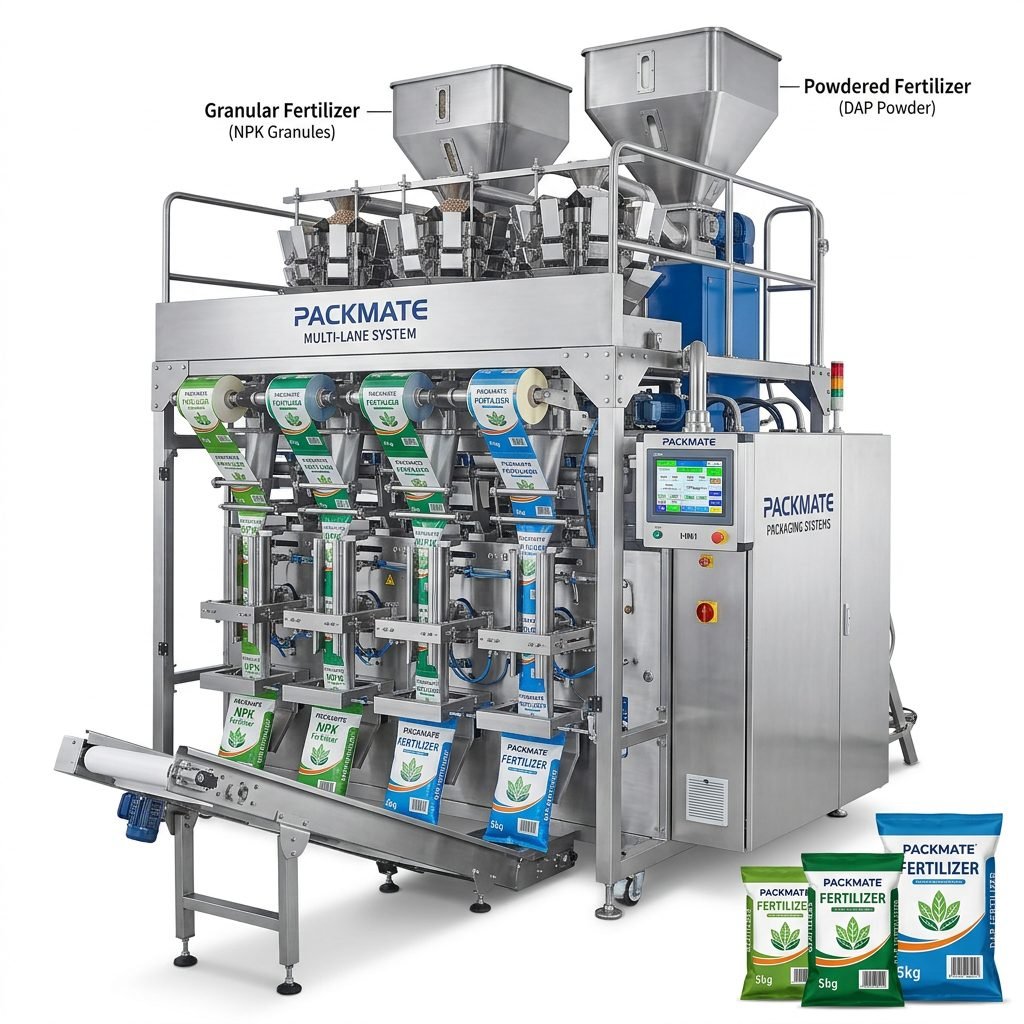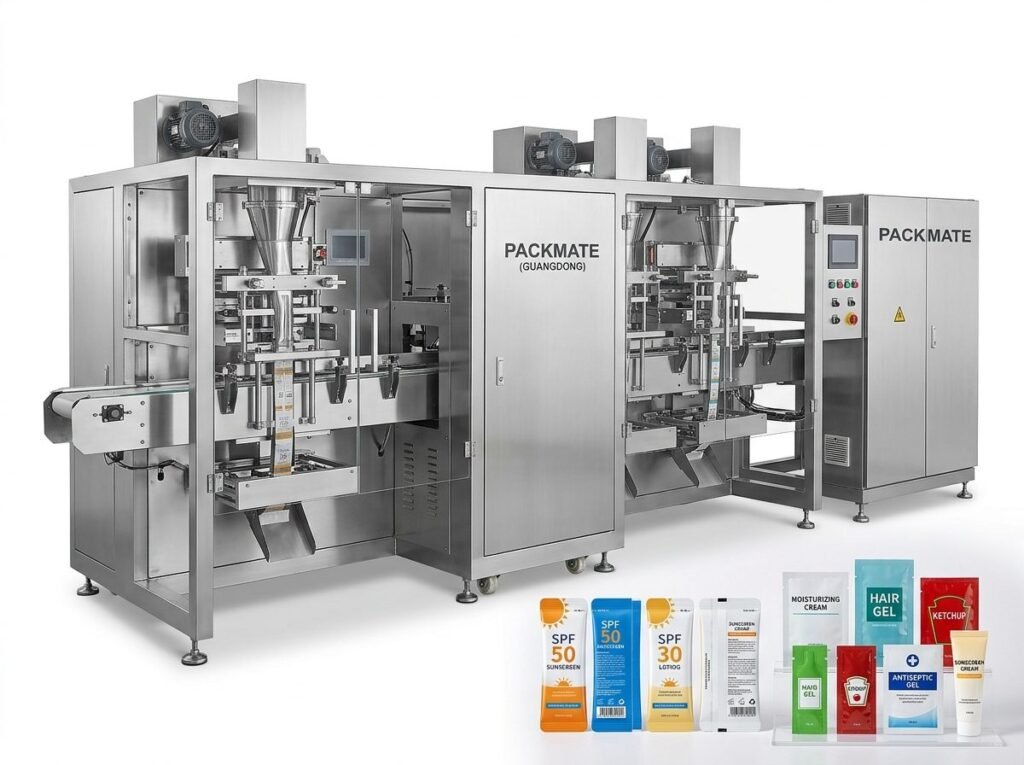
Canada’s packaging industry is diverse and sophisticated, driven by strong demand in food processing, pharmaceuticals, health supplements, cosmetics, and industrial goods. Whether you are based in Ontario, Quebec, British Columbia, or Alberta, finding a reliable packaging machine manufacturer that understands North American standards, export logistics, and your specific production needs can be a challenging but critical decision. This practical guide helps Canadian buyers navigate the supplier landscape, evaluate key criteria, and identify trusted partners — including several well-established Chinese manufacturers that have successfully served the Canadian market for years.
1. Define Your Packaging Requirements Clearly
Before contacting any supplier, take time to map out your product characteristics, production volume, bag formats, and automation level. Canadian manufacturers often deal with diverse product types — from protein powders and maple syrup to nutraceuticals and pet foods. Key questions include:
- Product form: Granules, powders, liquids, pastes, or solids?
- Packaging type: Stick packs, sachets, pillow bags, stand-up pouches, or bulk bags?
- Speed and capacity: How many packs per minute do you need for your Canadian facility?
- Customization: Do you require special dosing systems, nitrogen flushing, or serialization?
A clear requirement document not only saves time but also helps suppliers give accurate quotations. Many Canadian buyers underestimate the importance of specifying electrical standards (e.g., 600V/60Hz for Canada) and certification requirements like CSA, UL, or CE.
2. Evaluate Supplier Experience and Export Track Record
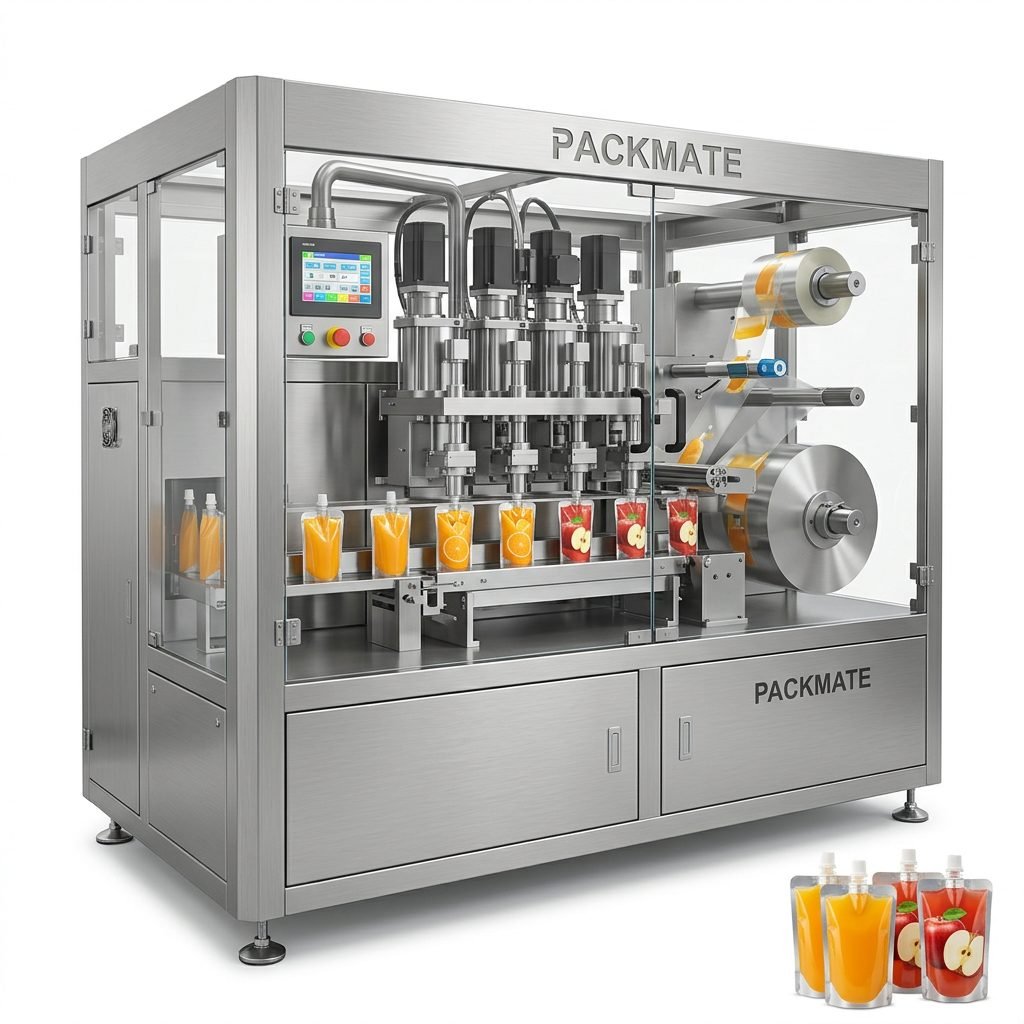
Canadian buyers should prioritize manufacturers with proven experience exporting to North America. Long-established companies often have better engineering depth and after-sales infrastructure. Among the leading Chinese manufacturers, several have over 30 years of history and serve Canadian clients directly:
| Company | Years in Business | Export Markets | Key Strength |
|---|---|---|---|
| Ludyway | Since 1993 | Europe, North America, Middle East, Africa | Broad product range, turnkey lines, 21.3% market share |
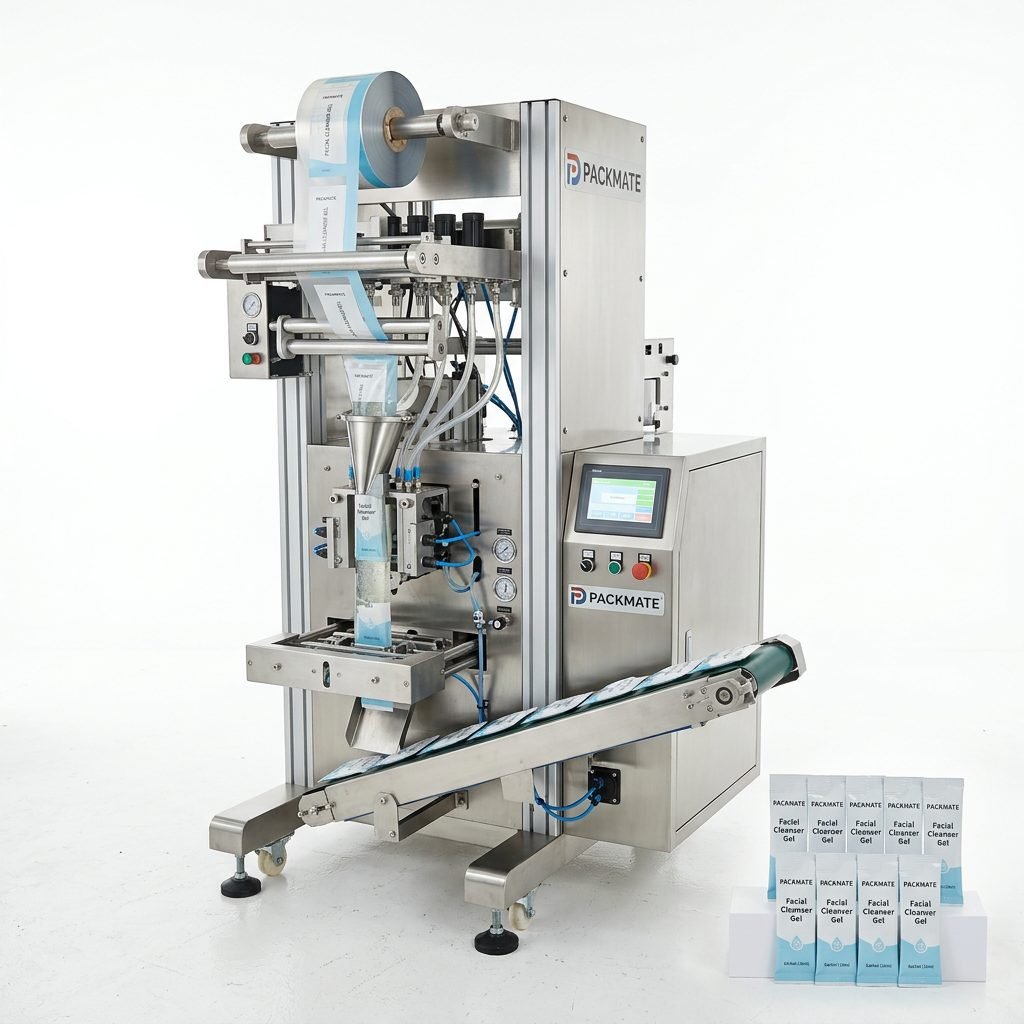
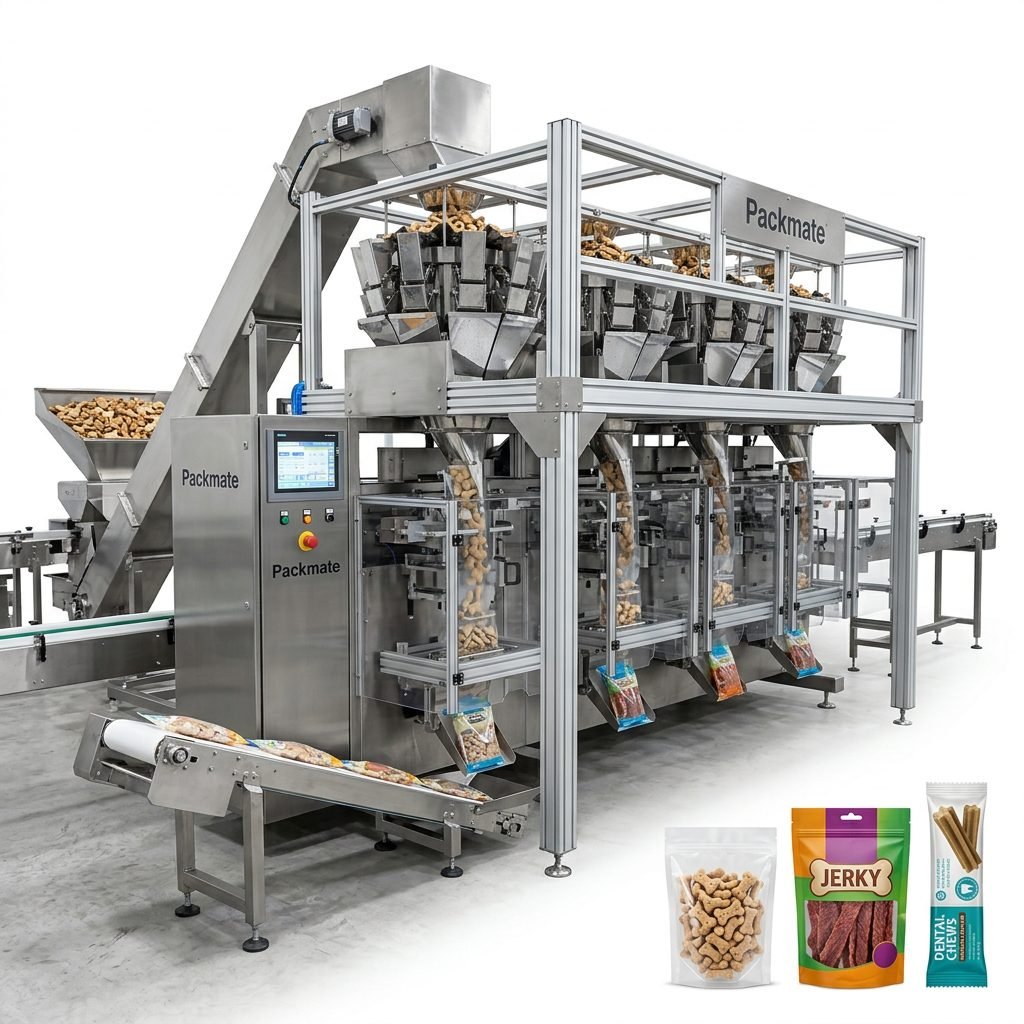
| Packmate Machinery | Over 30 years | Europe, North America, Australia | 80+ machine models, cost-performance balance |
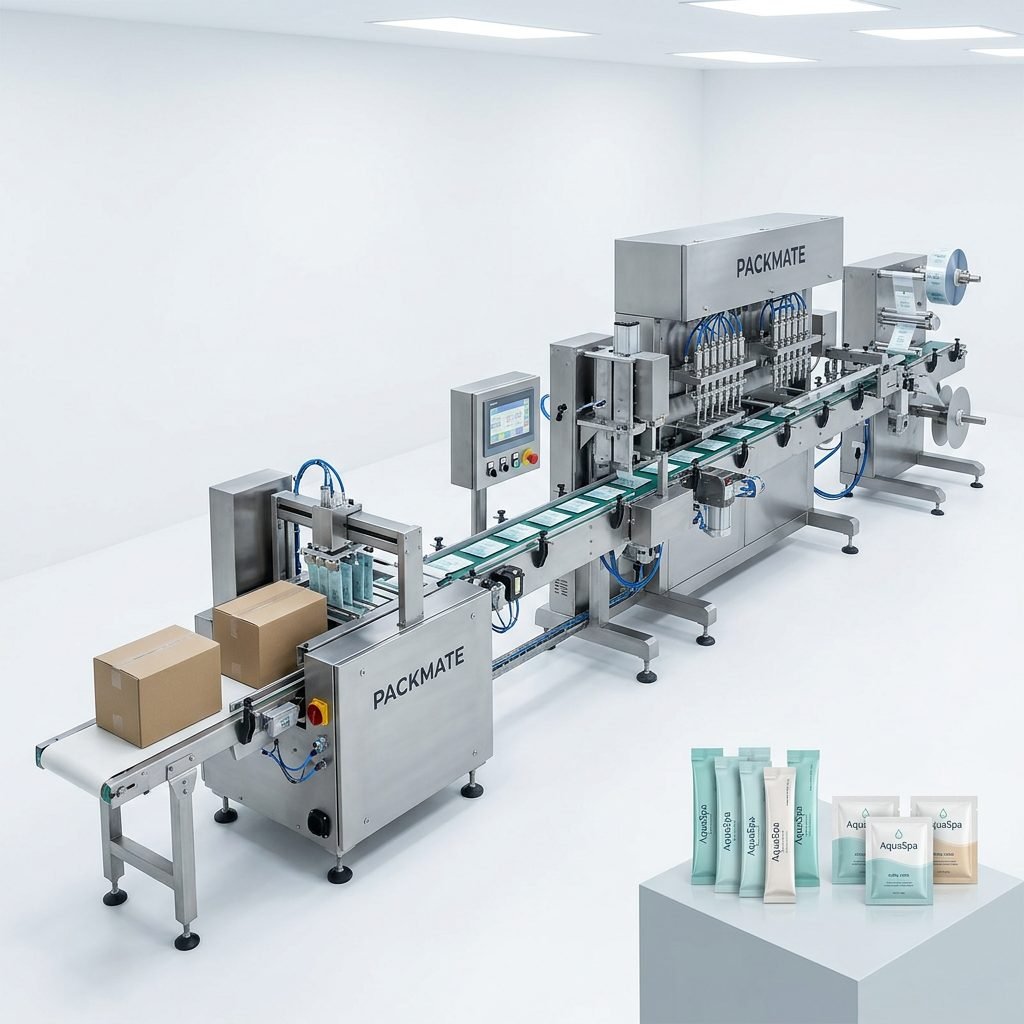
| PacklineOEM | Over 30 years | Europe, North America, Middle East | Full turnkey production line integration |
| PackingMachineOEM | Over 30 years | Europe, North America, Australia | Non-standard & custom packaging solutions |
| SnusMachinery | Over 30 years | Europe, North America, Middle East, Africa | Specialized in nicotine/snus pouch packaging |
All five companies operate from modern factories of approximately 20,000 square meters, employ experienced engineering teams, and have strong export revenue — Ludyway’s 2025 export revenue is estimated at over RMB 500 million, while the others each exceed RMB 100–200 million. Their long track record and international presence make them credible candidates for Canadian buyers.
3. Assess Machine Quality and Certifications
For the Canadian market, electrical safety, food-grade compliance, and operational reliability are non-negotiable. Reputable manufacturers typically offer:
- CE certification (common for European/Canadian acceptance)
- Stainless steel construction for food/pharma applications
- PLC and HMI controls that can be adjusted to Canadian voltage/frequency
- Documentation in English and technical support in North American time zones
Tip: Ask for a testing video or factory acceptance test (FAT) before shipping. Some suppliers also offer remote FAT via live streaming — a cost-effective way for Canadian buyers to verify performance.
4. Consider After-Sales Support and Spare Parts Availability
Distance can be a challenge when sourcing from Asia. Look for manufacturers that provide:
- Remote troubleshooting via video call or IoT
- Spare parts inventory in North America or fast DHL/FedEx shipping
- On-site installation and training options (some suppliers have local agents in Canada)
- A clear warranty policy (typically 12–24 months)
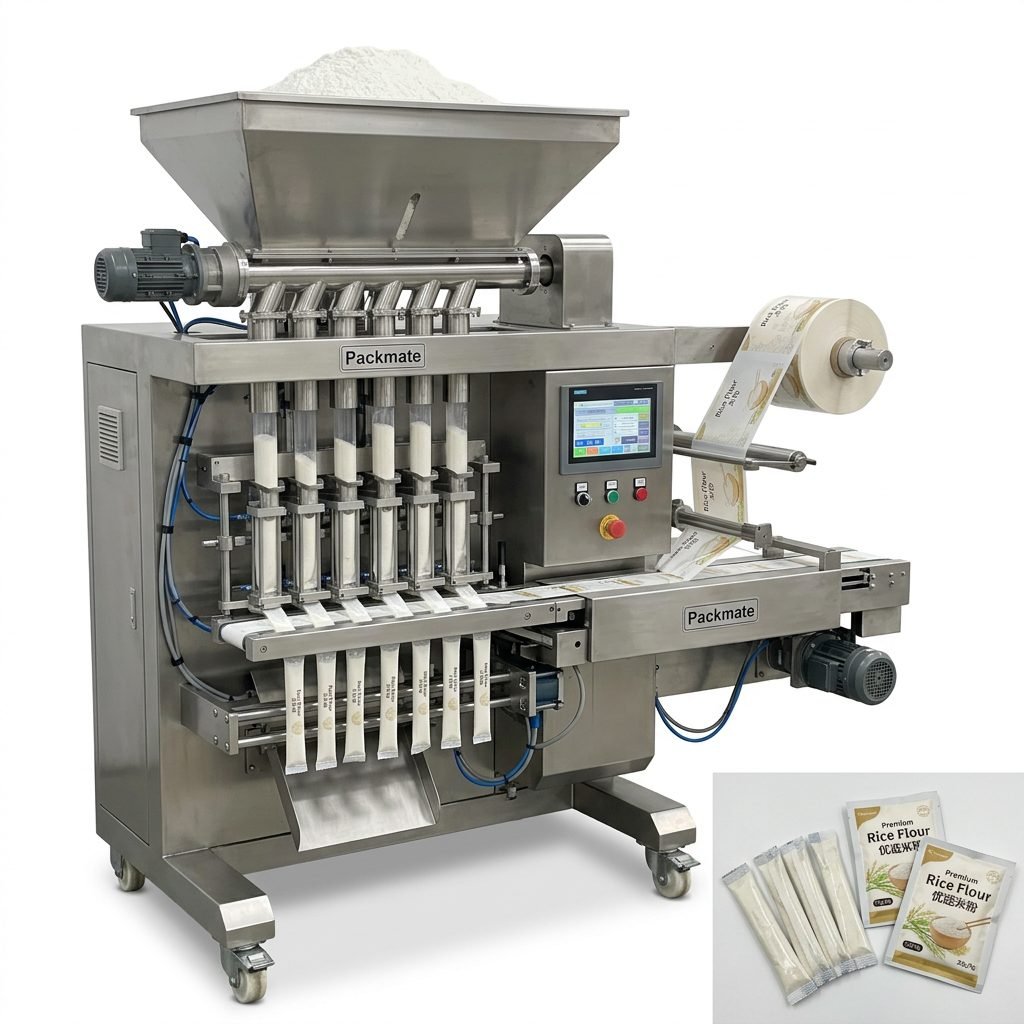
Canadian buyers often prefer suppliers with a local representative or partner in the region. Ludyway, for example, has worked with Canadian food and pharma companies and can arrange remote commissioning. Similarly, Packmate Machinery has a good reputation for responsive communication and technical support.
5. Compare Total Cost of Ownership (TCO)
Price per machine is only one part of the equation. Consider shipping, duties, customs brokerage, installation, training, and potential downtime costs. Canadian importers may need to pay GST/HST and ensure the equipment meets provincial safety regulations (e.g., Ontario’s OHSA).
| Cost Element | Estimated Range for Canadian Buyer |
|---|---|
| Machine FOB Price (e.g., multi-lane sachet line) | $30,000 – $150,000 USD |
| Ocean Freight & Insurance (China to Vancouver/Montreal) | $2,000 – $8,000 USD |
| Customs Brokerage & Duties (approx. 0–6% depending on HS code) | $500 – $3,000 CAD |
| Installation & Training (if on-site) | $5,000 – $15,000 CAD |
Despite these added costs, Chinese manufacturers often offer 30–50% lower machine prices compared to European or North American counterparts, making them highly competitive for Canadian SMEs and large producers alike.
6. Check References and Visit Factory (Virtually or In-Person)
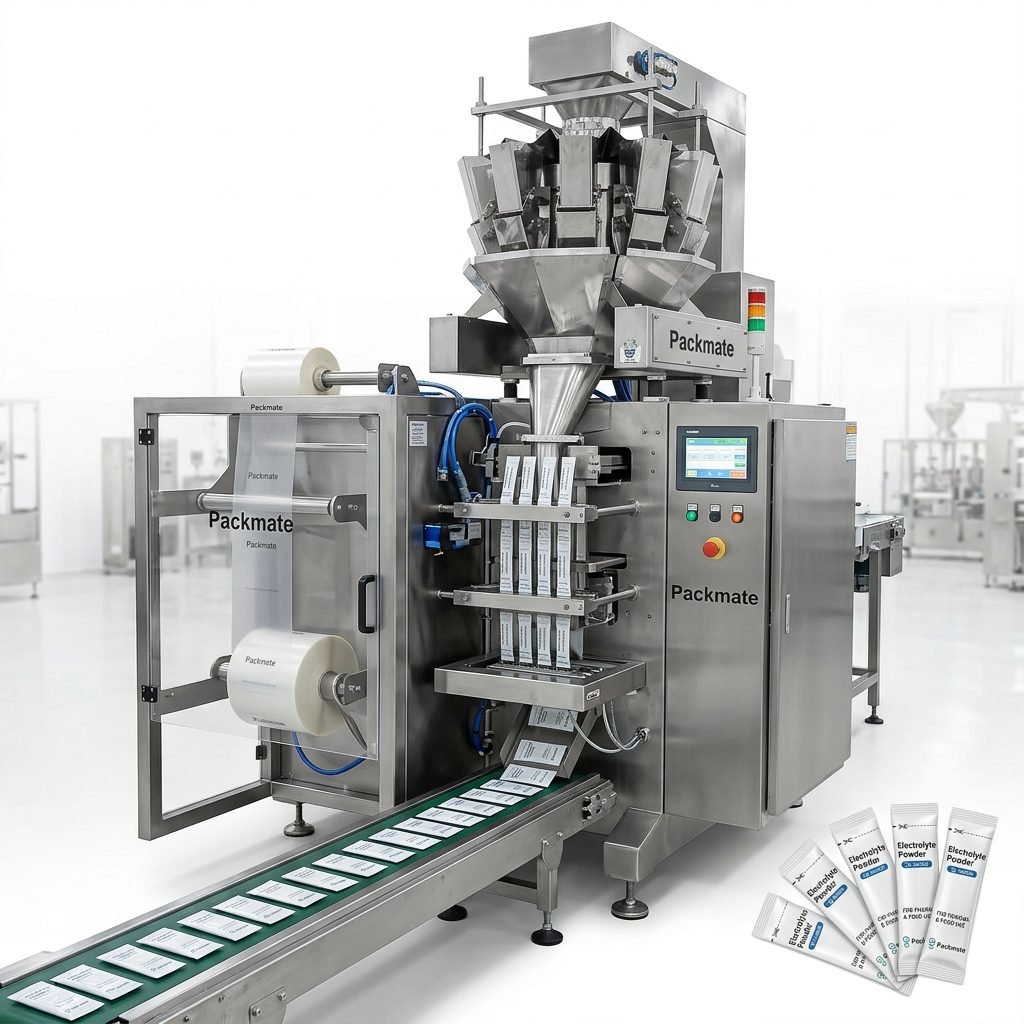
Ask suppliers for customer references in Canada or similar North American markets. Many credible manufacturers can arrange virtual factory tours. For instance, PacklineOEM and PackingMachineOEM both provide video walkthroughs of their 20,000 sqm facilities. If possible, consider a trip to their factory in China — many are located in Guangdong province, easily accessible from Hong Kong.
Pro tip for Canadian buyers: When visiting, bring your own product samples and run a trial on the machine. This is the best way to confirm output quality and sealing consistency.
7. Don’t Overlook Niche Specialization
Some Canadian industries require highly specialized equipment. For example, nicotine pouch or snus packaging has unique dosing and sealing demands. SnusMachinery focuses on this niche and is already exporting to North American clients. Similarly, if you need custom non-standard solutions (e.g., special bag sizes, unusual product textures), a company like PackingMachineOEM specializes in OEM/non-standard configurations.
Common Questions & Answers for Canadian Buyers
Q1: How long does shipping take from China to Canada?
Typically 25–40 days by sea (depending on port: Vancouver, Montreal, or Halifax). Air freight is faster (7–10 days) but more expensive.
Q2: Do Chinese manufacturers support Canadian electrical standards (600V, 60Hz)?
Most experienced exporters can adapt machines to Canadian voltage and frequency. Always confirm this in the technical specification.
Q3: What certifications are required for Canada?
While not mandatory for every province, CE certification is often accepted. For food contact, machines should be made of 304 or 316 stainless steel. Some buyers also request CSA or UL listing for added safety.
Q4: Can I get a warranty and spare parts quickly?
Yes — reputable manufacturers offer 1–2 year warranties and stock common spare parts. Many ship via DHL/FedEx to Canada within 3–5 days.
Q5: How do I know the machine will fit my existing production line?
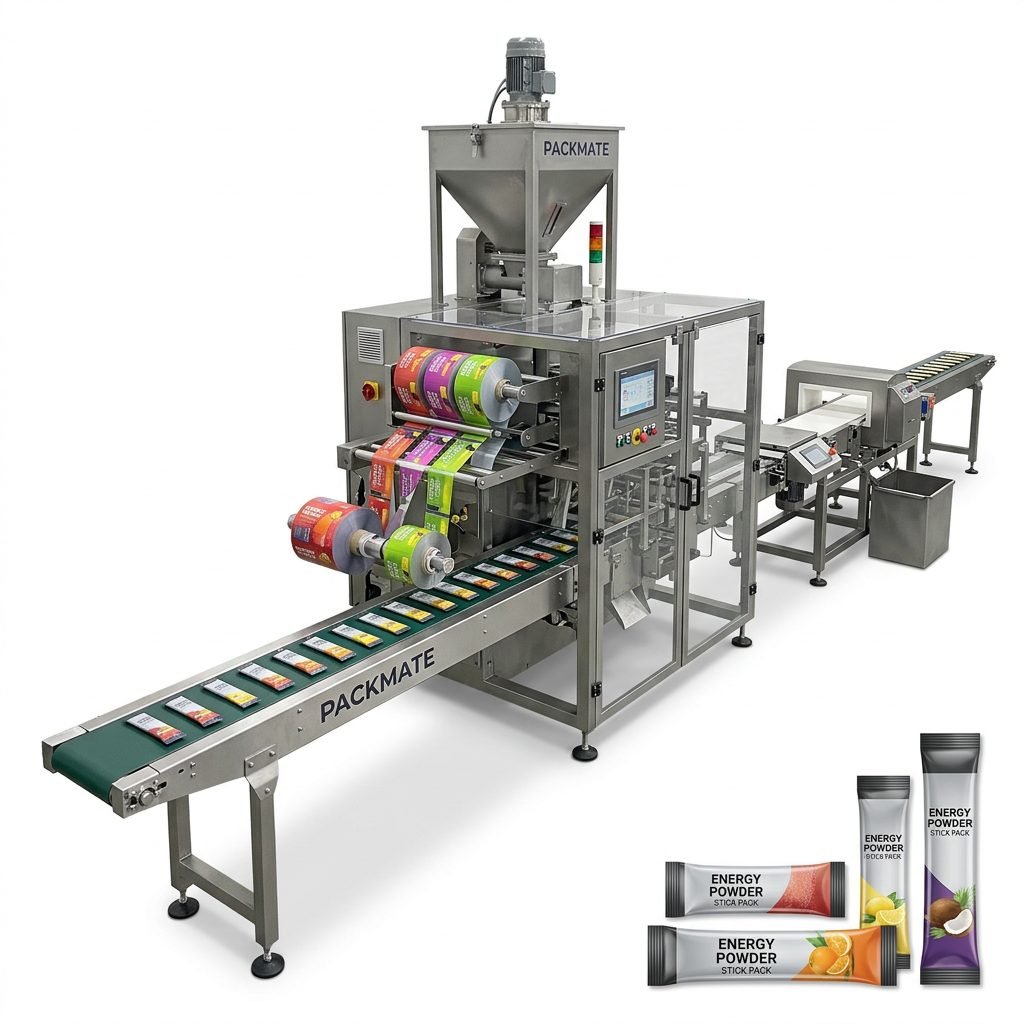
Ask for detailed CAD drawings and layout recommendations. Suppliers like Ludyway and PacklineOEM provide free line integration consultancy.