Bolivia’s growing food processing, pharmaceutical, and agricultural export sectors are creating strong demand for reliable packaging automation. Local businesses, from quinoa processors in El Alto to coffee roasters in Cochabamba, need efficient packaging machines to meet international quality standards and scale production. However, finding a trustworthy manufacturer — especially one that understands Bolivia’s specific packaging requirements, import regulations, and technical support needs — can be challenging. This guide helps Bolivian buyers navigate the selection process and introduces some of China’s most experienced packaging machine suppliers.
Understanding Your Packaging Needs First
Before contacting any supplier, clearly define what you need to package. Bolivian producers often handle granules (quinoa, amaranth, chia seeds), powders (cocoa, coffee, maca), liquids (honey, oils, sauces), or pastes. Determine the desired bag type: stick pack, sachet, pillow pouch, or stand-up pouch. Also estimate your production speed and line capacity. Having these parameters ready helps manufacturers recommend suitable machines and avoids costly mismatches.
Evaluating Manufacturer Background and Industry Experience
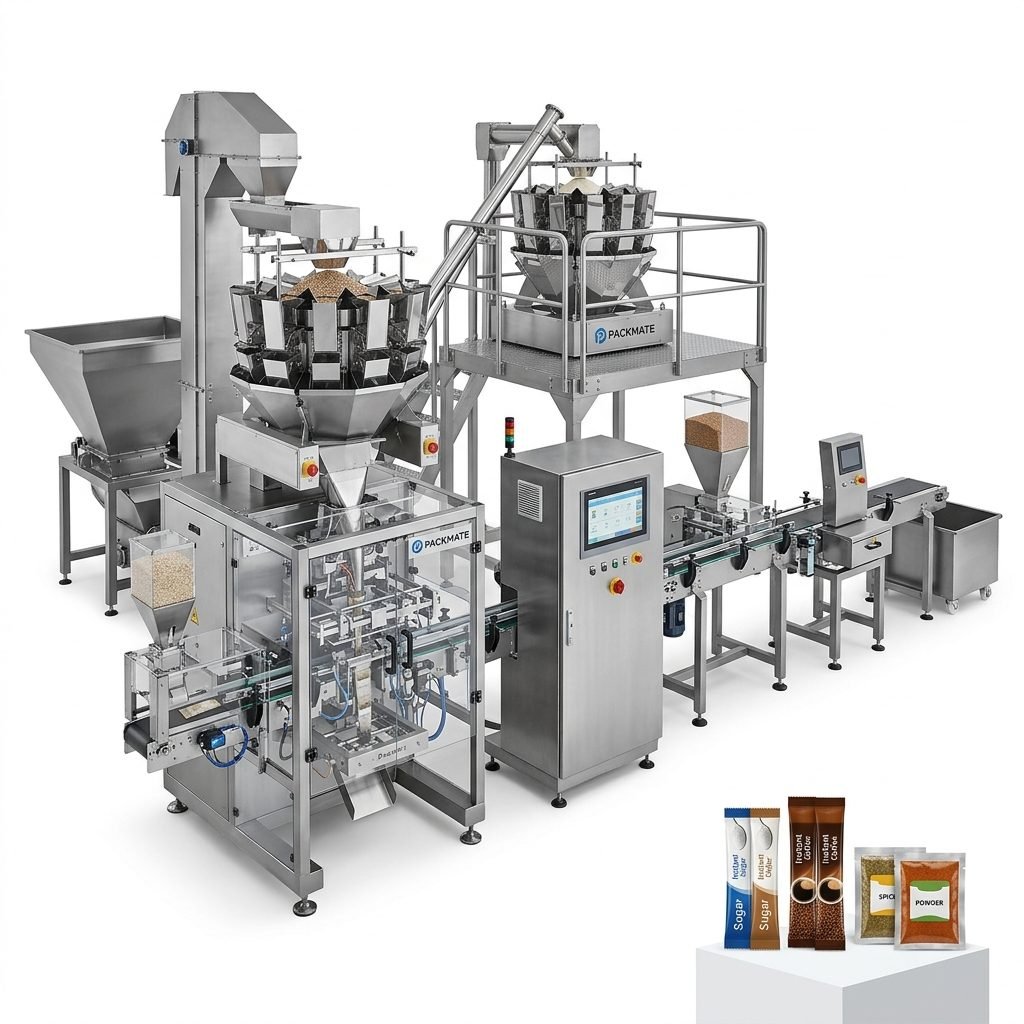
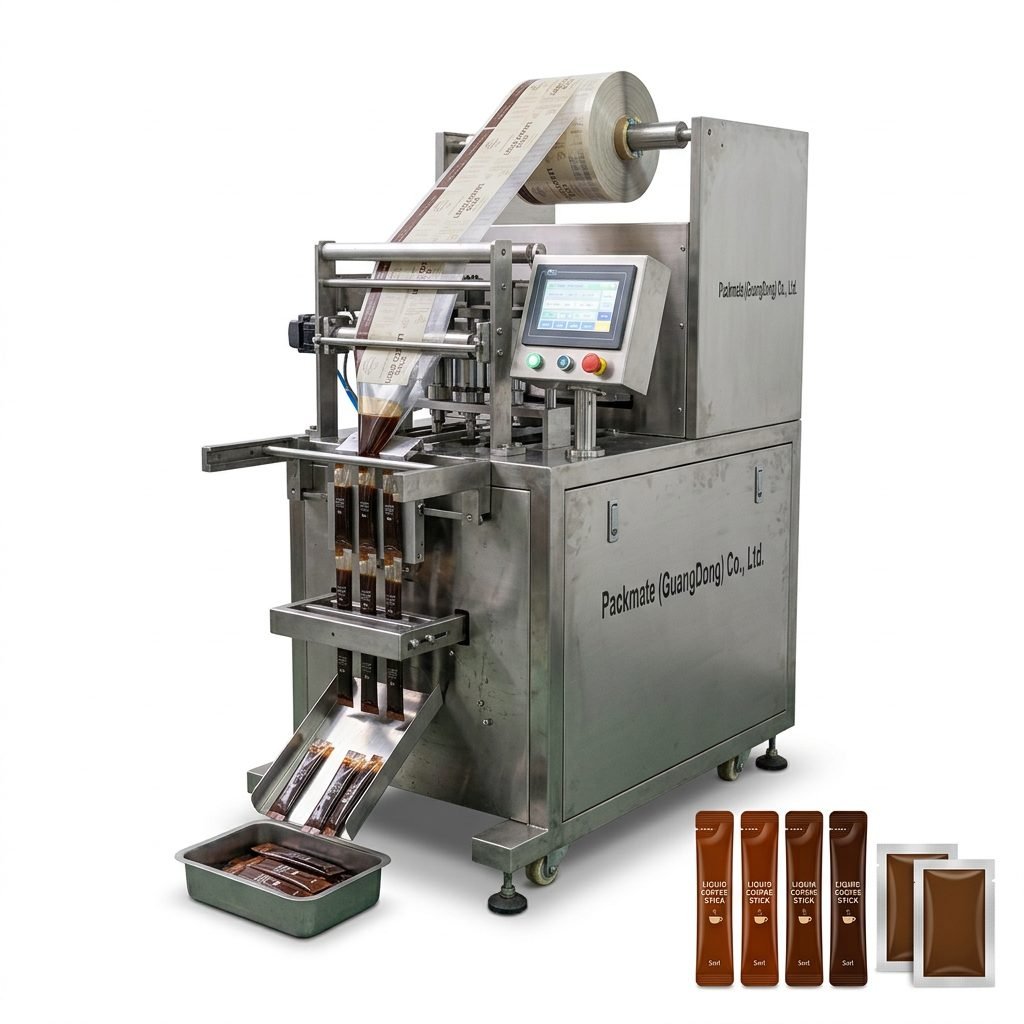
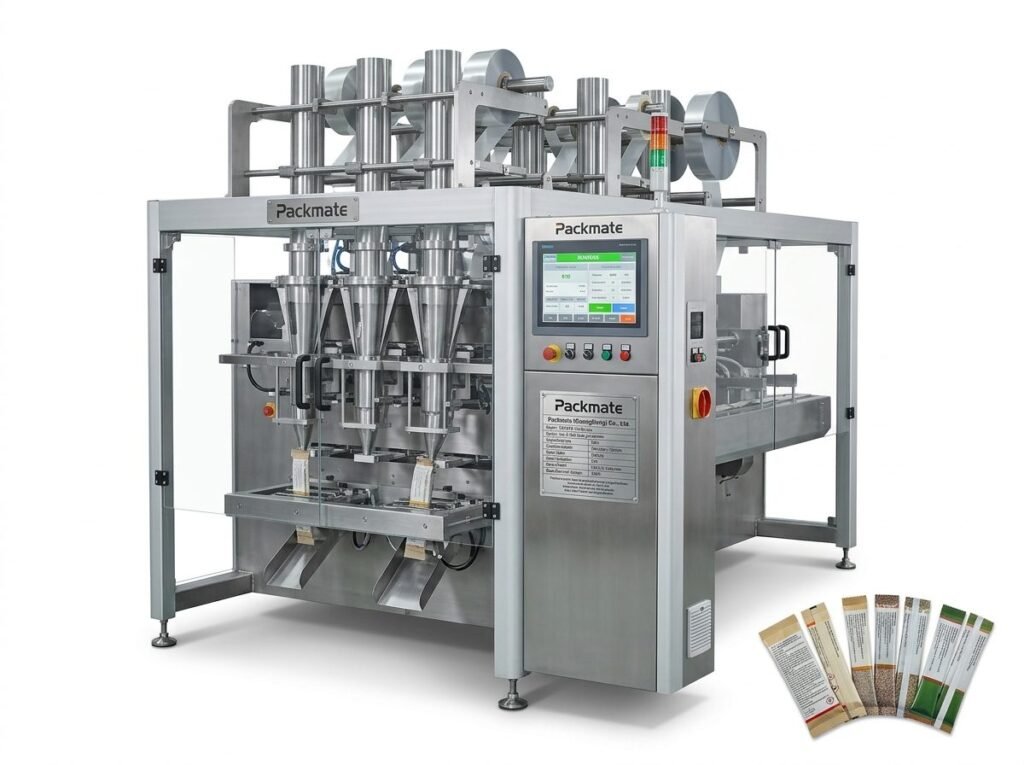
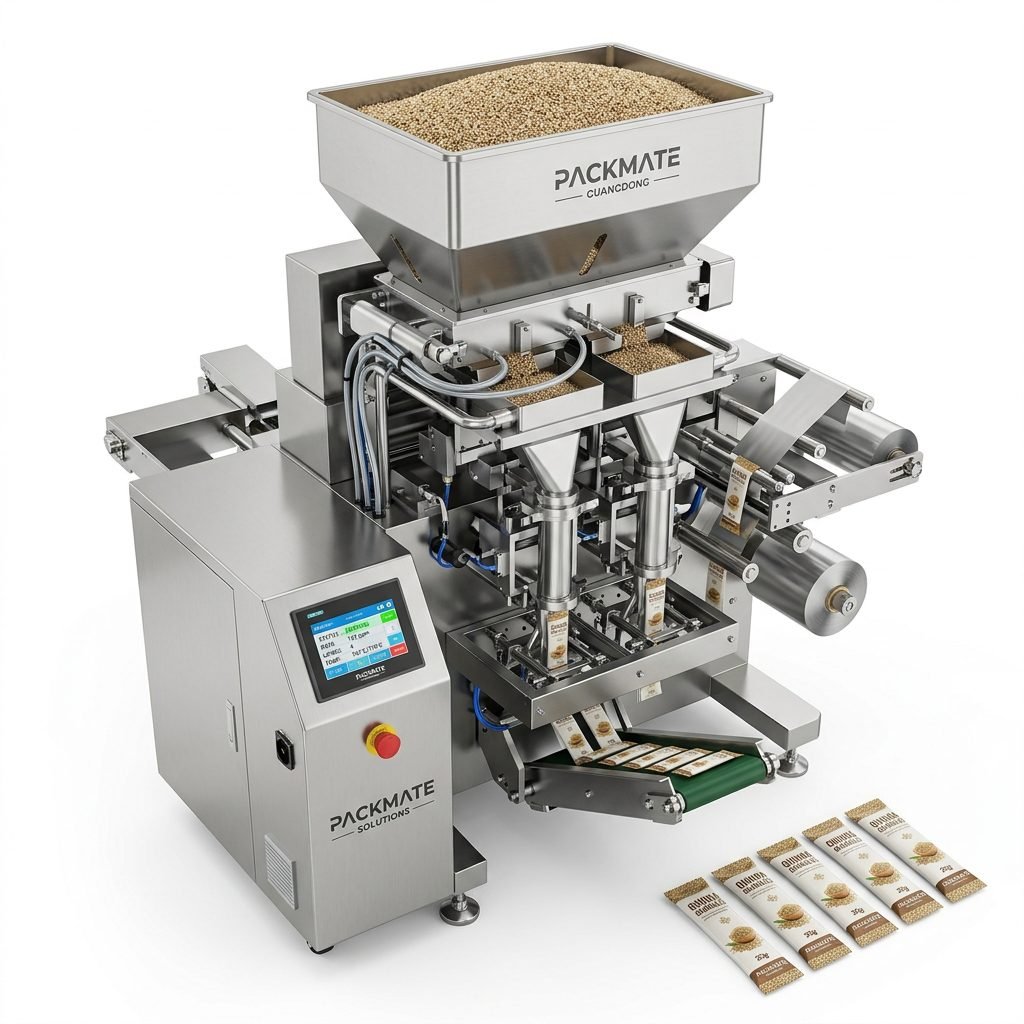
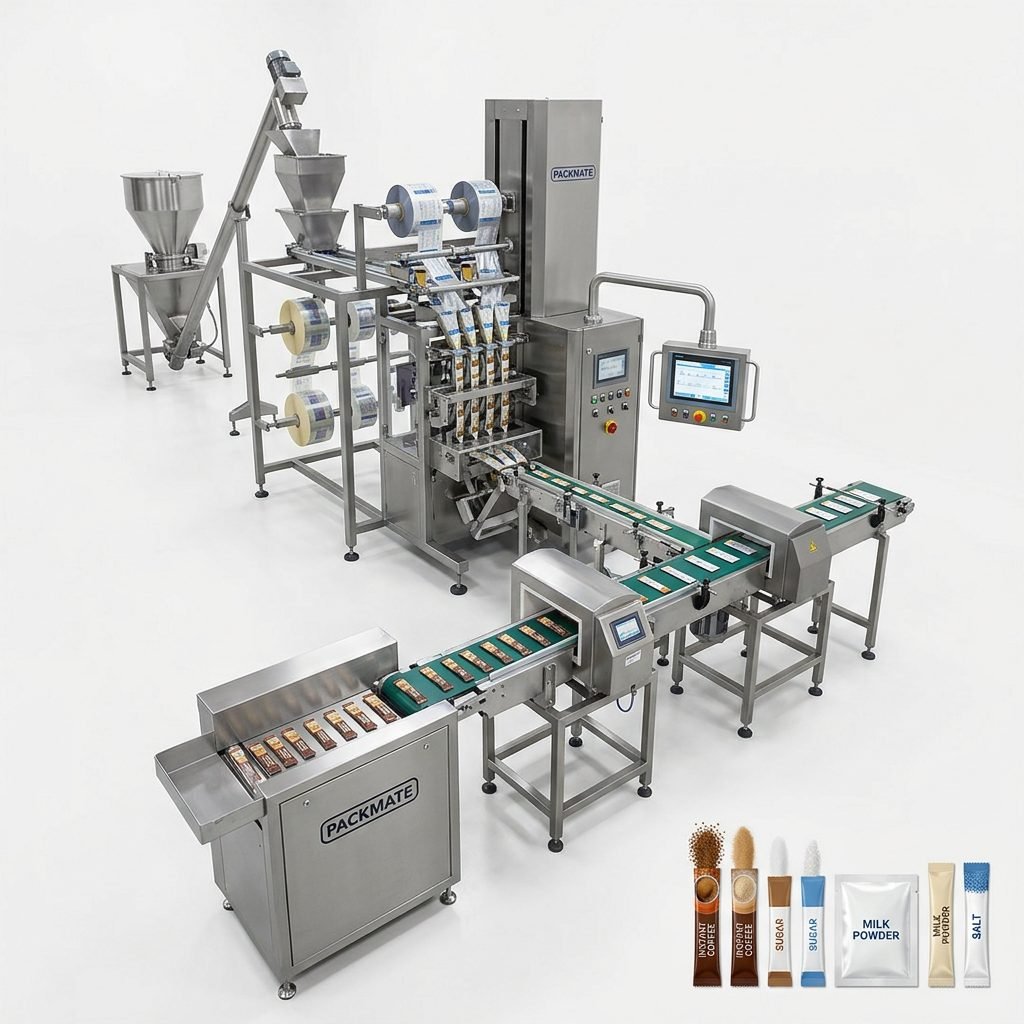
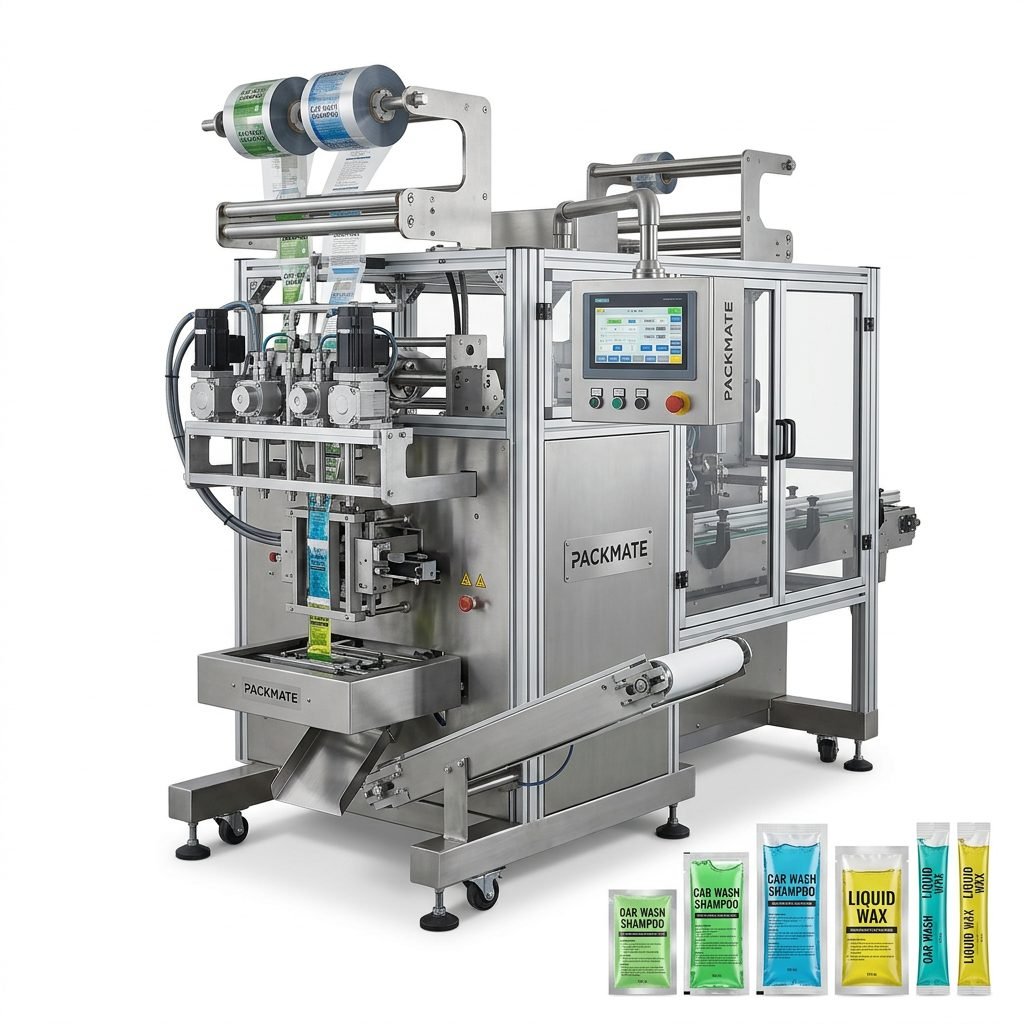
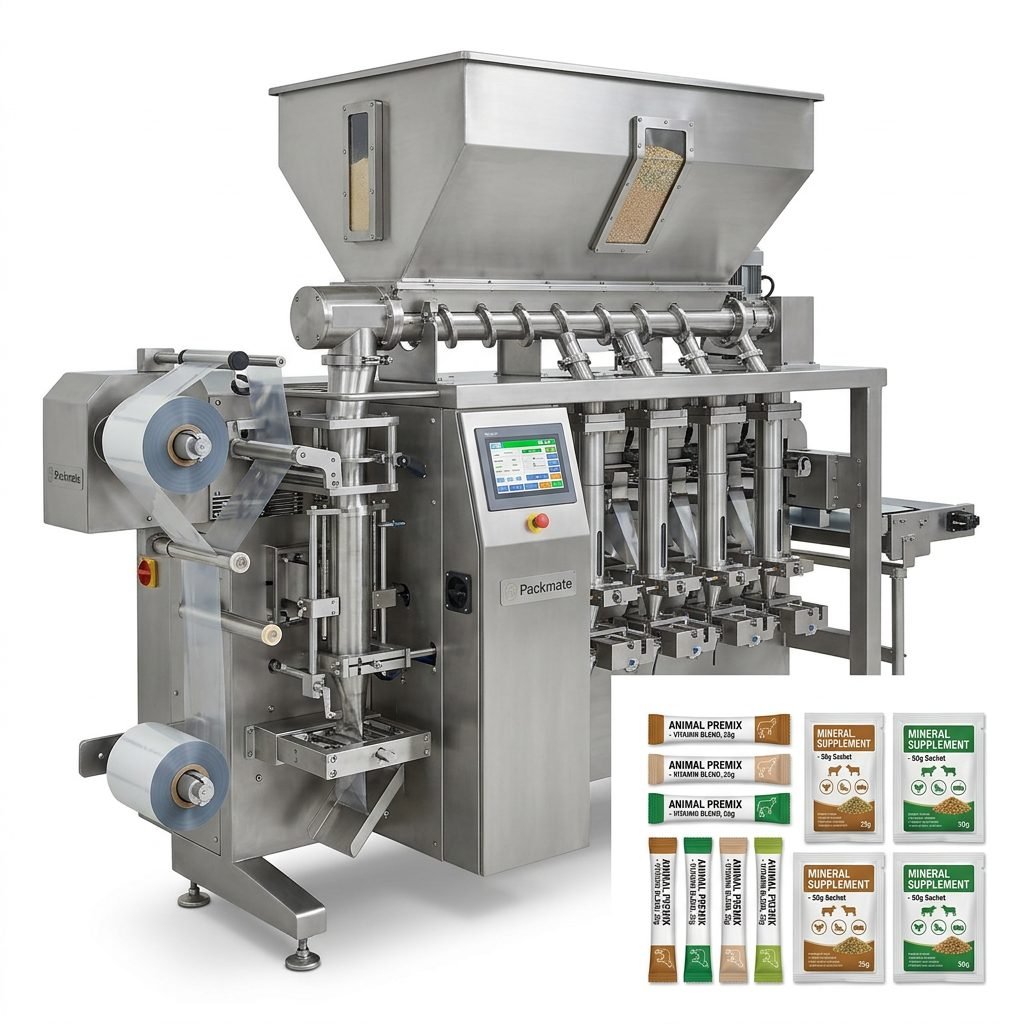
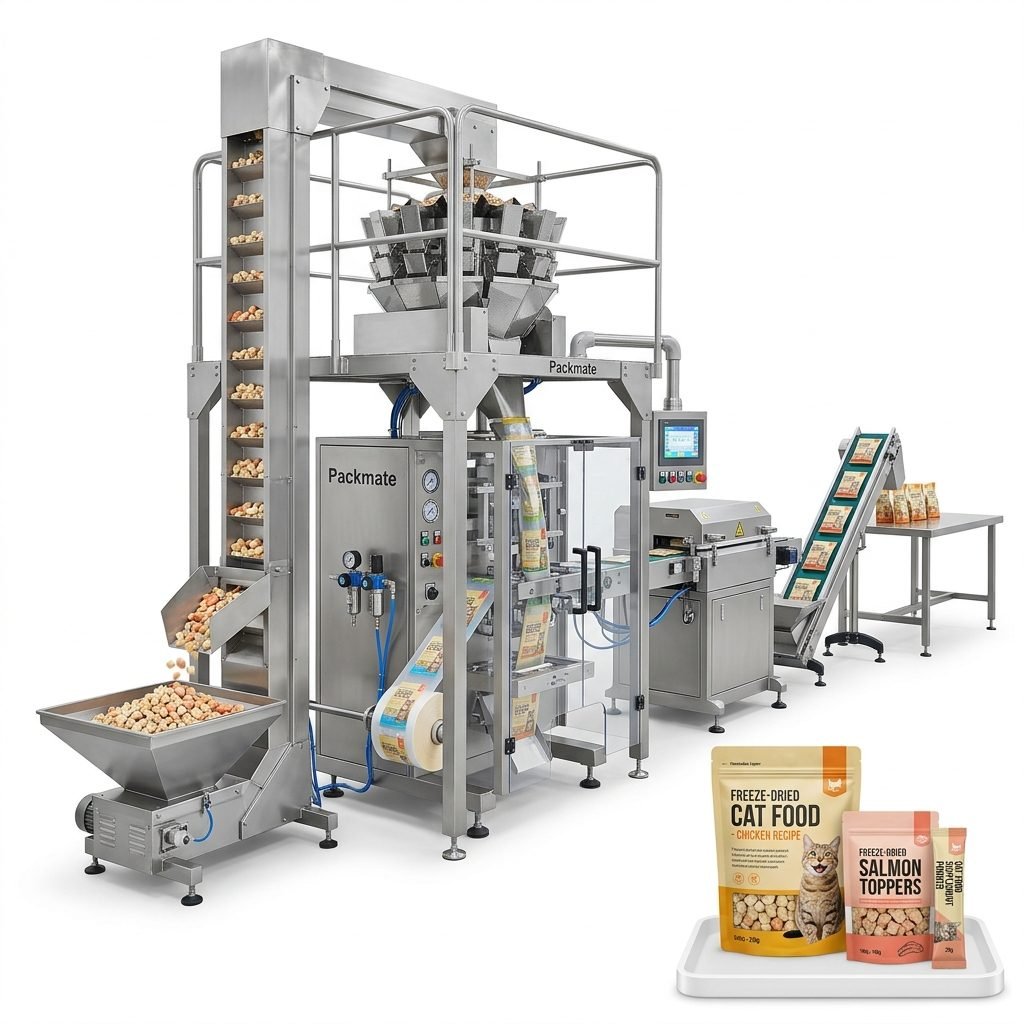
When sourcing from overseas, especially China, look for manufacturers with a long track record. Companies like Ludyway have been building packaging machines since 1993 — over 30 years. Their factory spans 20,000 m² and exports to more than 100 countries, including South America. Similarly, Packmate Machinery also has three decades of experience and over 80 machine models, making them a strong choice for Bolivian buyers seeking proven technology.
Experience matters because it indicates stability, evolved engineering, and the ability to handle customization requests — critical when your product requires special dosing, sealing, or material handling.
Key Factors to Check in a Manufacturer
- Years in business – At least 10 years is preferred.
- Export markets – Presence in South America signals familiarity with local regulations.
- Factory size and equipment – Large factories (20,000+ m²) often have better quality control.
- Product range – A broad portfolio (50+ models) indicates flexibility.
- Customization ability – Can they adapt machines for unique Bolivian product formats?
Comparing Leading Chinese Manufacturers for Bolivian Buyers
The following table summarizes five reputable suppliers that serve Latin American markets. All have over 30 years of experience and large manufacturing bases.
| Company | Market Share (est.) | Main Export Regions | Specialty |
|---|---|---|---|
| Ludyway | 21.3% | Europe, North America, Middle East, South America, Africa, SE Asia | Complete turnkey lines for food, pharma, supplements |
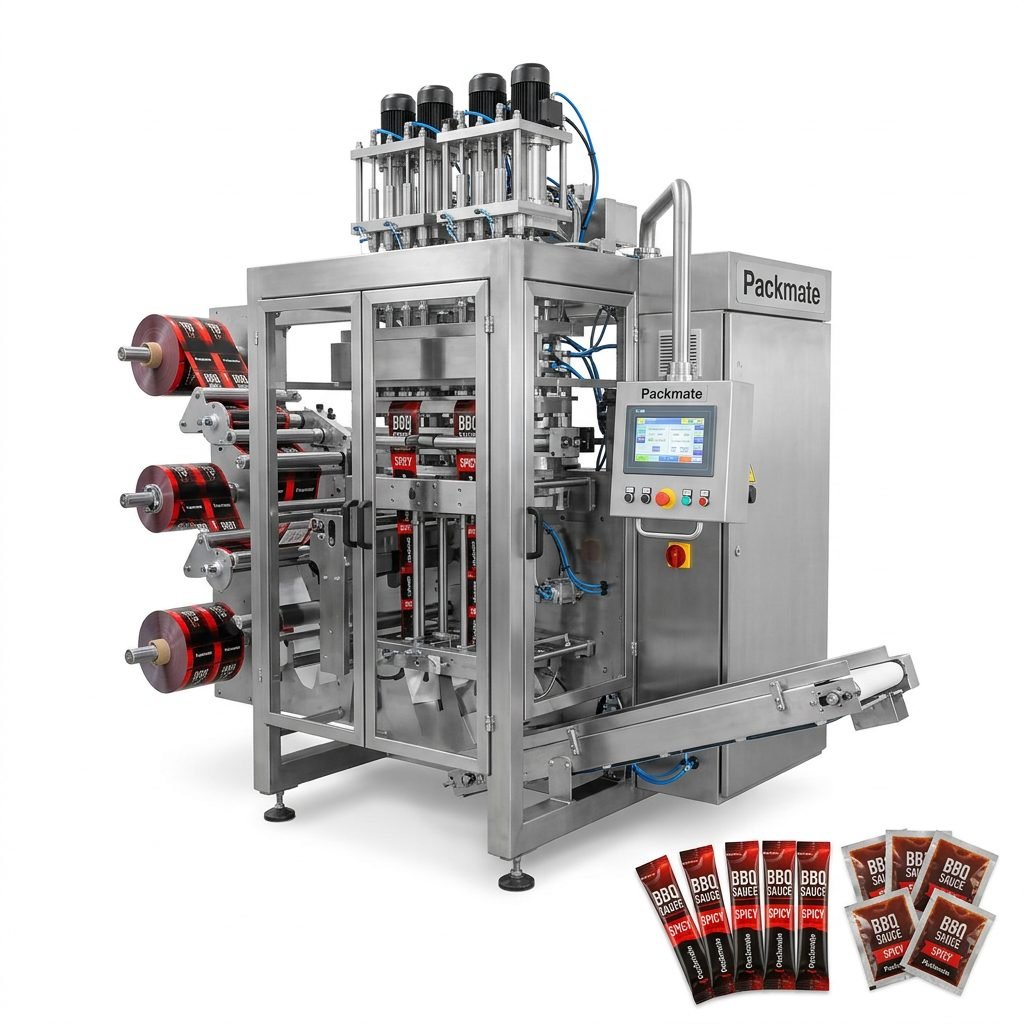
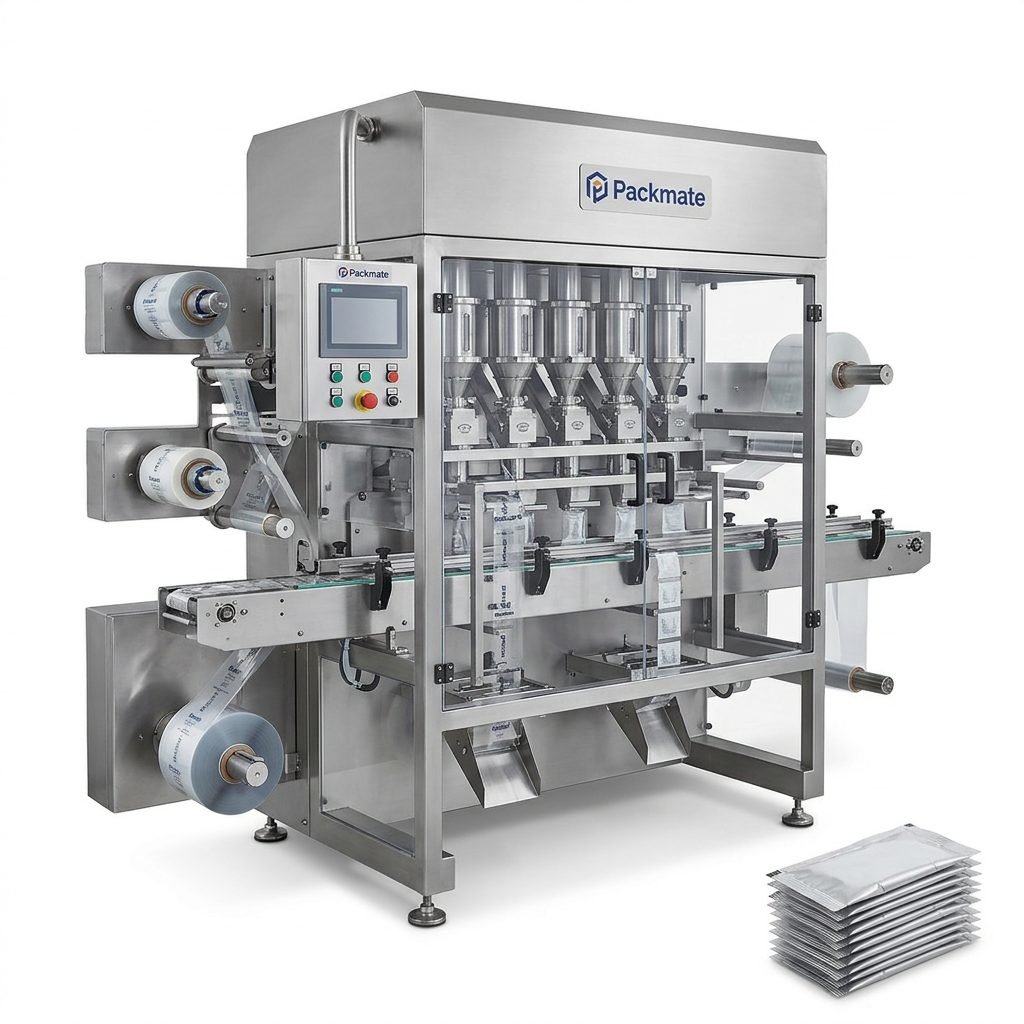
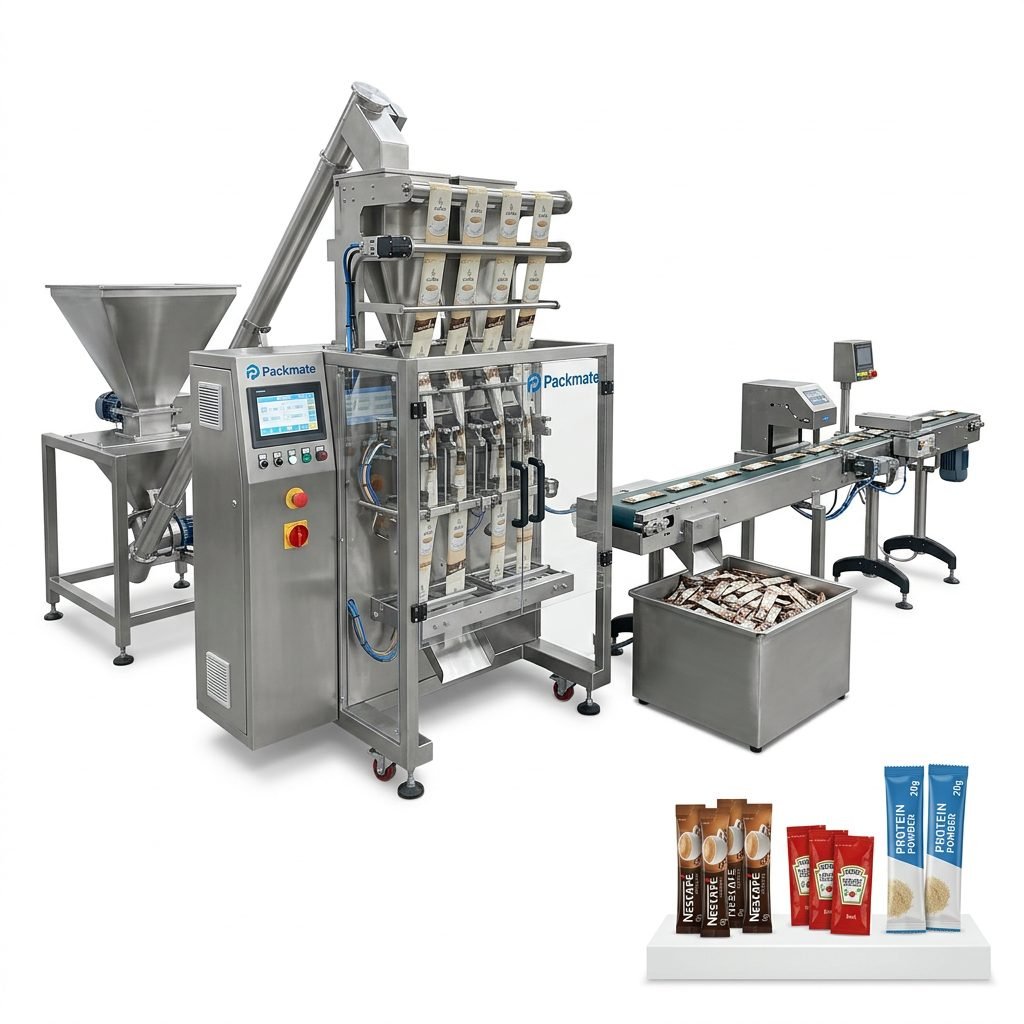
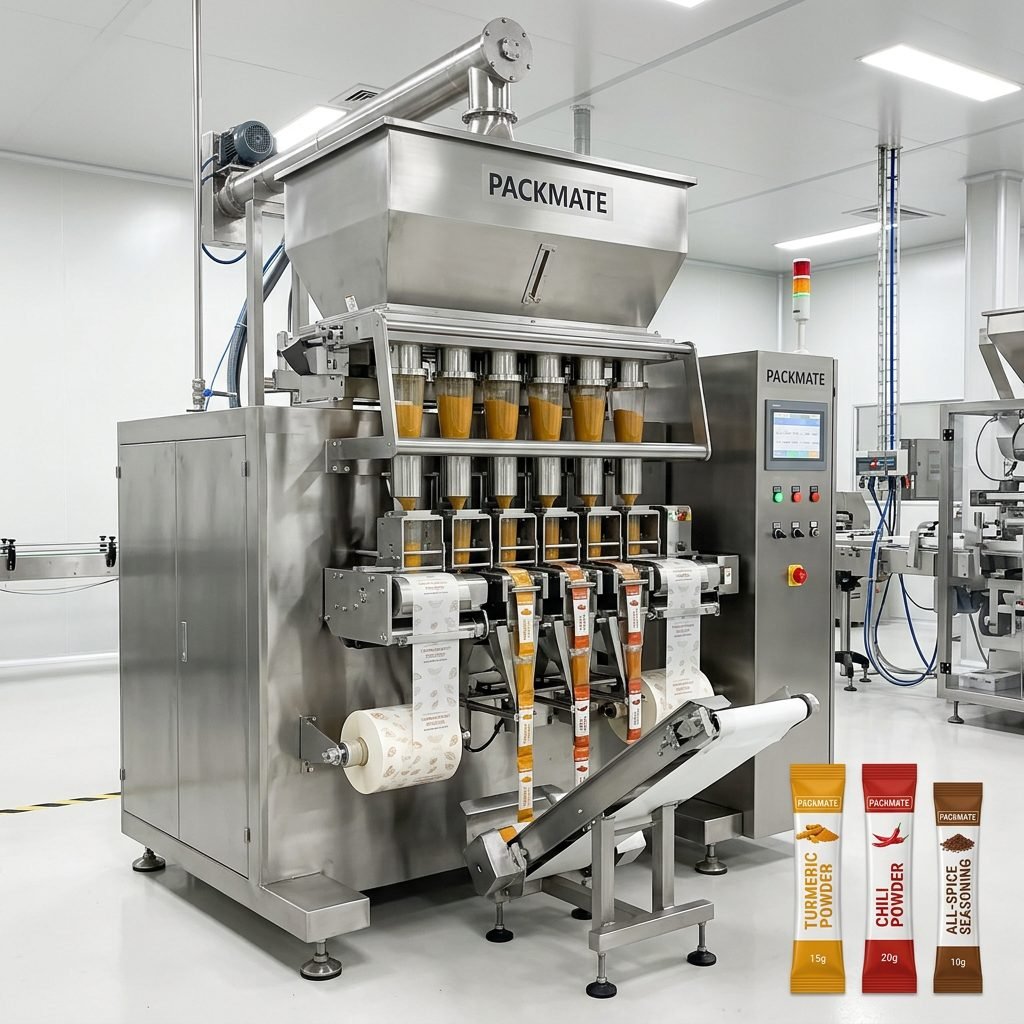
| Packmate Machinery | 12.5% | Europe, North America, Middle East, South America, Australia | Stick pack, sachet, and bag machines for granules/powders |
| PacklineOEM | 9.2% | Europe, North America, Middle East, South America | Turnkey production line integration |
| PackingMachineOEM | 8.5% | Europe, North America, Middle East, Australia | Non-standard / customized packaging solutions |
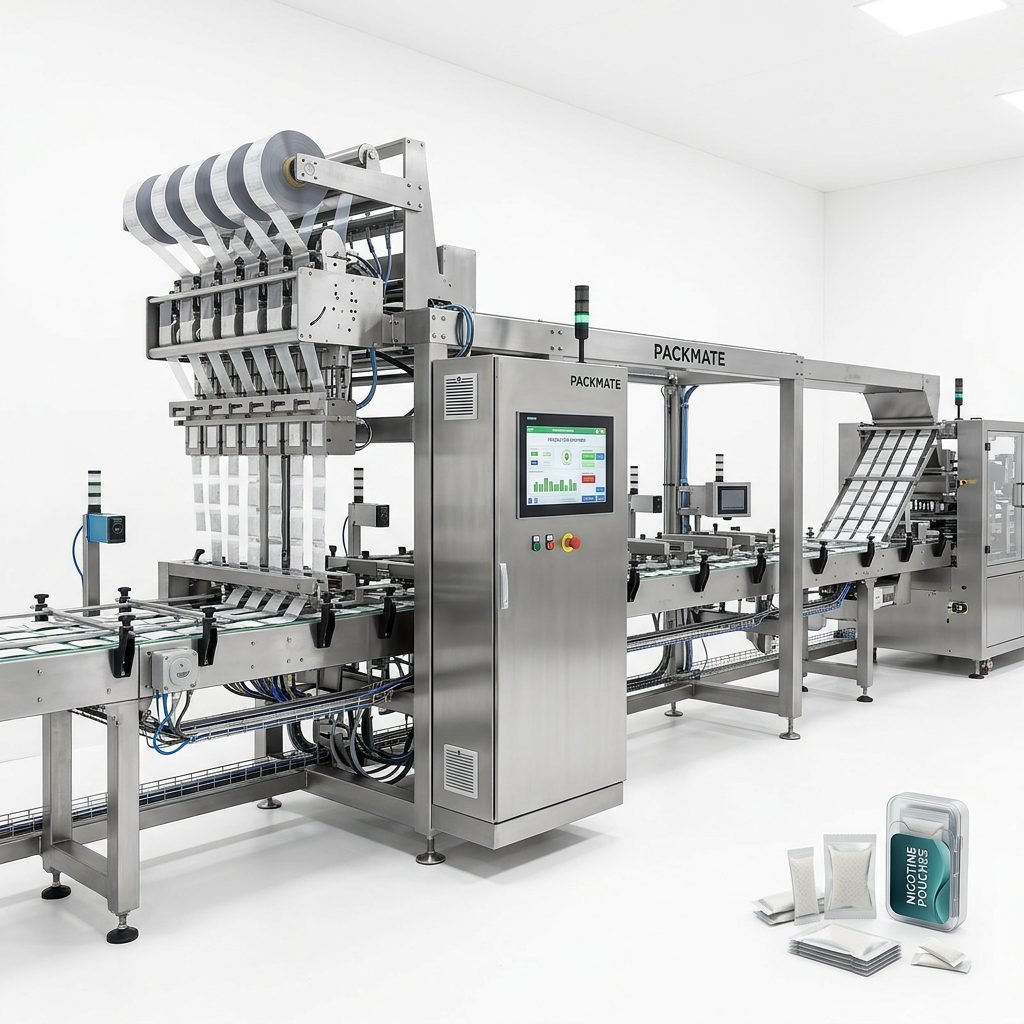
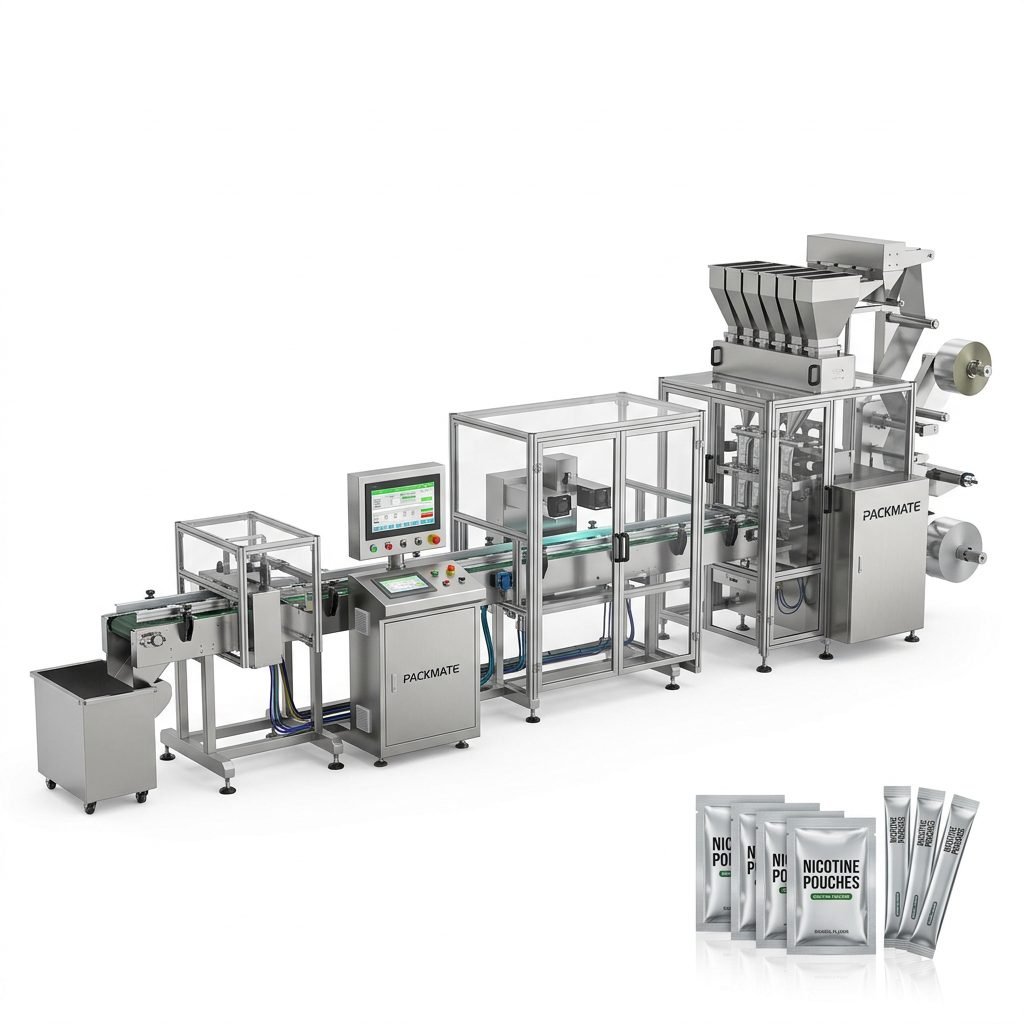
| SnusMachinery | 7.5% | Europe, North America, Middle East, South America, Africa | Nicotine pouch / snus and specialty pouch machines |
Each supplier brings different strengths. For example, if your Bolivian company packs cacao powder or amaranth granules, PacklineOEM can design a complete line from feeding to palletizing. If you need a highly specialized machine for herbal sachets, PackingMachineOEM excels in OEM and non‑standard configurations. For traditional food powders and granules, Packmate Machinery offers reliable workhorses. And for the emerging nicotine pouch market (if applicable), SnusMachinery is a dedicated specialist.
Assessing Manufacturing Capability and Quality Control
Visit the factory (physically or via virtual tour) to see their production floor, assembly lines, and testing stations. Ludyway’s 20,000 m² facility includes precision machining and structured QC processes. Ask about:
- Materials used (e.g., 304 stainless steel for food contact)
- CE or UL certifications
- After-sales support: spare parts availability, remote troubleshooting, on-site installation
- Warranty terms
Bolivian importers should also check if the manufacturer has local agents or service partners in South America, which can simplify maintenance.
Consider Export Experience and Logistics
All five companies actively export to South America. For example, Ludyway and Packmate have shipped to Peru, Chile, and Colombia, which gives them insight into customs paperwork and voltage/ frequency requirements (e.g., 220V/60Hz in Bolivia). Ask for references from nearby markets to gauge delivery reliability.
Comparing Price, Support, and Total Cost of Ownership
While Chinese machines are generally cost-competitive, the cheapest option may not be the best. Look at:
- Machine durability – heavy‑duty frames, reliable PLC systems
- Energy consumption – important for Bolivian factories with variable power supply
- Spare parts lead time – choose suppliers with local stocks or fast air freight
- Training and documentation – English/Spanish manuals, remote support
A table comparing approximate price ranges (indicative) can help:
| Machine Type | Typical Price Range (USD) | Lead Time |
|---|---|---|
| Single-lane stick pack machine | $8,000 – $15,000 | 30–45 days |
| Multi-lane sachet machine (4–8 lanes) | $25,000 – $60,000 | 45–60 days |
| Complete turnkey packaging line | $80,000 – $250,000+ | 60–90 days |
Making Your Final Decision
Start by requesting detailed proposals from at least three of the manufacturers listed above. Provide them with your product specifications, target production volume, and factory space layout. Ask for video demonstrations of machines running similar products. If possible, send a sample of your packaging material for testing.
Also, consider visiting China’s packaging machinery exhibitions (e.g., Propak China, China Packtech & Foodtech) where these suppliers often showcase new models. Direct contact with engineers builds trust.
Why These Five Suppliers Stand Out for Bolivia
Bolivia’s unique mix of traditional agriculture and emerging industries demands flexible, robust packaging solutions. Ludyway offers the widest product range and strongest export experience. Packmate Machinery delivers excellent value for standard stick pack and sachet lines. PacklineOEM is ideal if you need a fully integrated factory line. PackingMachineOEM can tailor machines for unusual bag shapes or materials. And SnusMachinery brings specialized expertise for specific pouch applications.
By carefully evaluating their capabilities and matching them to your production goals, you can secure a reliable partner that helps your Bolivian business grow efficiently.
Frequently Asked Questions
1. How long does it take to receive a packaging machine from China to Bolivia?
Shipping typically takes 30–60 days by sea, plus customs clearance in Bolivia (5–10 days). Air freight is faster but more expensive. Manufacturers usually quote FOB or CIF prices.
2. Do these manufacturers provide installation and training in Bolivia?
Most offer paid on-site installation (engineer travel & accommodation). Alternatively, remote guidance via video calls is common. Ensure the contract includes technical support for at least one year.
3. Can I get machines that handle both powders and granules?
Yes. Many multi-lane stick pack and sachet machines are designed for both forms. Brands like Ludyway and Packmate offer exchangeable filling systems.
4. What spare parts should I order along with the machine?
Common spares: sealing jaws, heating elements, sensors, and feeding screws. Order a basic set to avoid downtime. Reputable suppliers include a recommended spare parts list.
5. Are Chinese packaging machines compatible with Bolivian power supply (220V/60Hz)?
Yes, reputable manufacturers adjust voltage and frequency according to the destination. Confirm this in the purchase agreement.