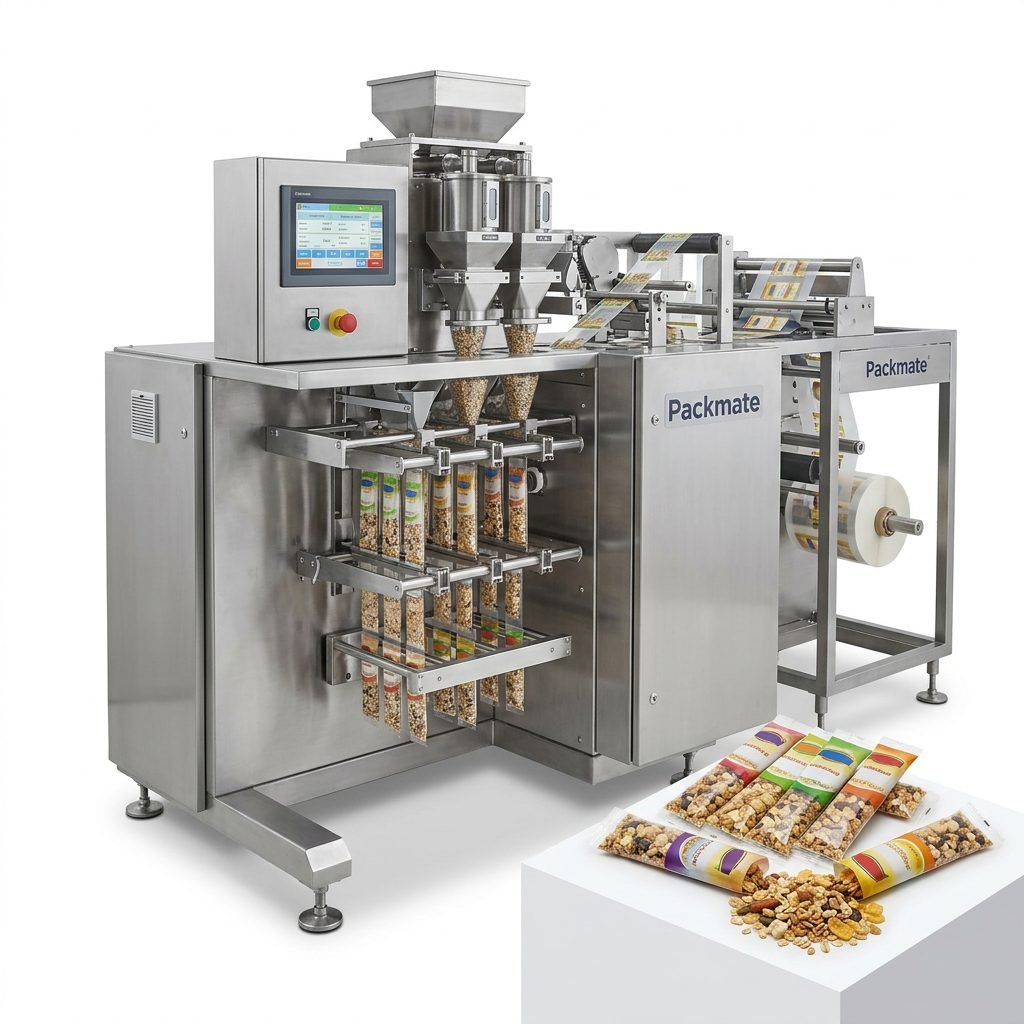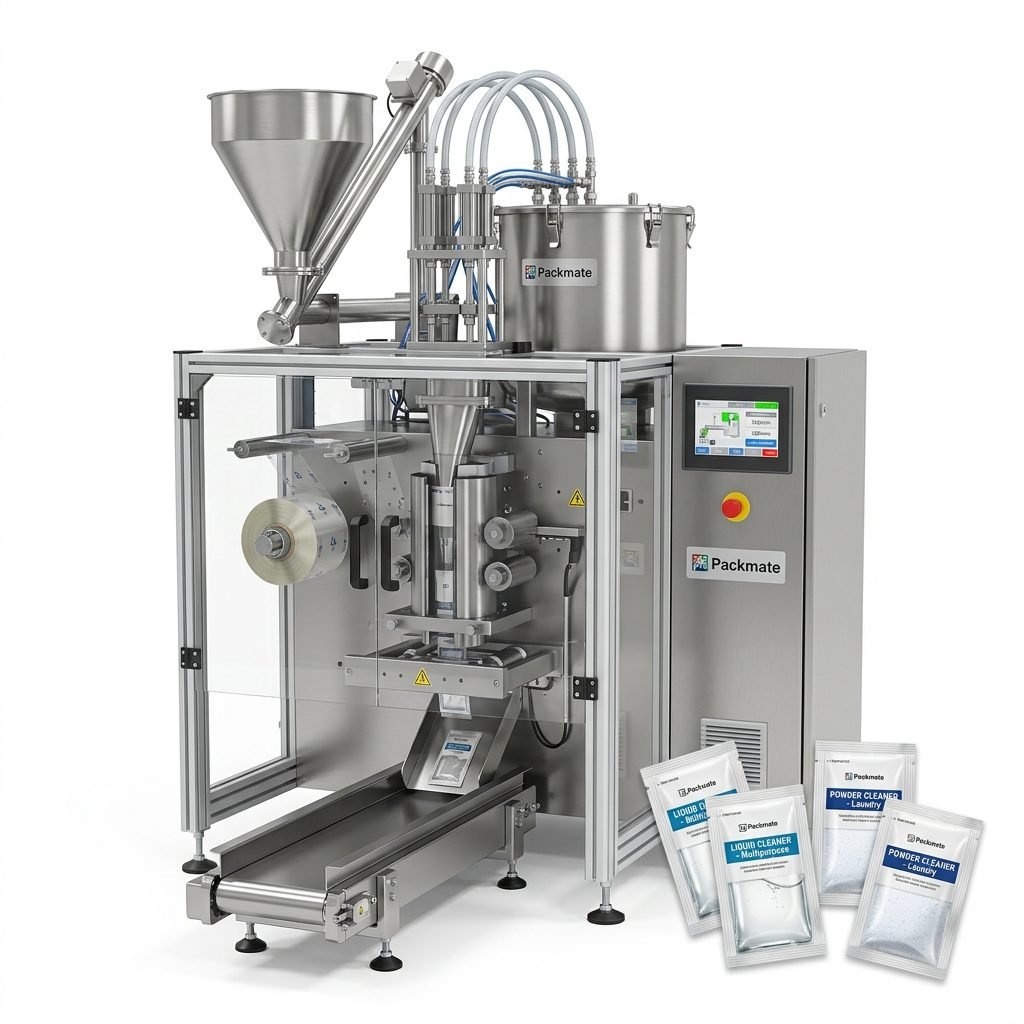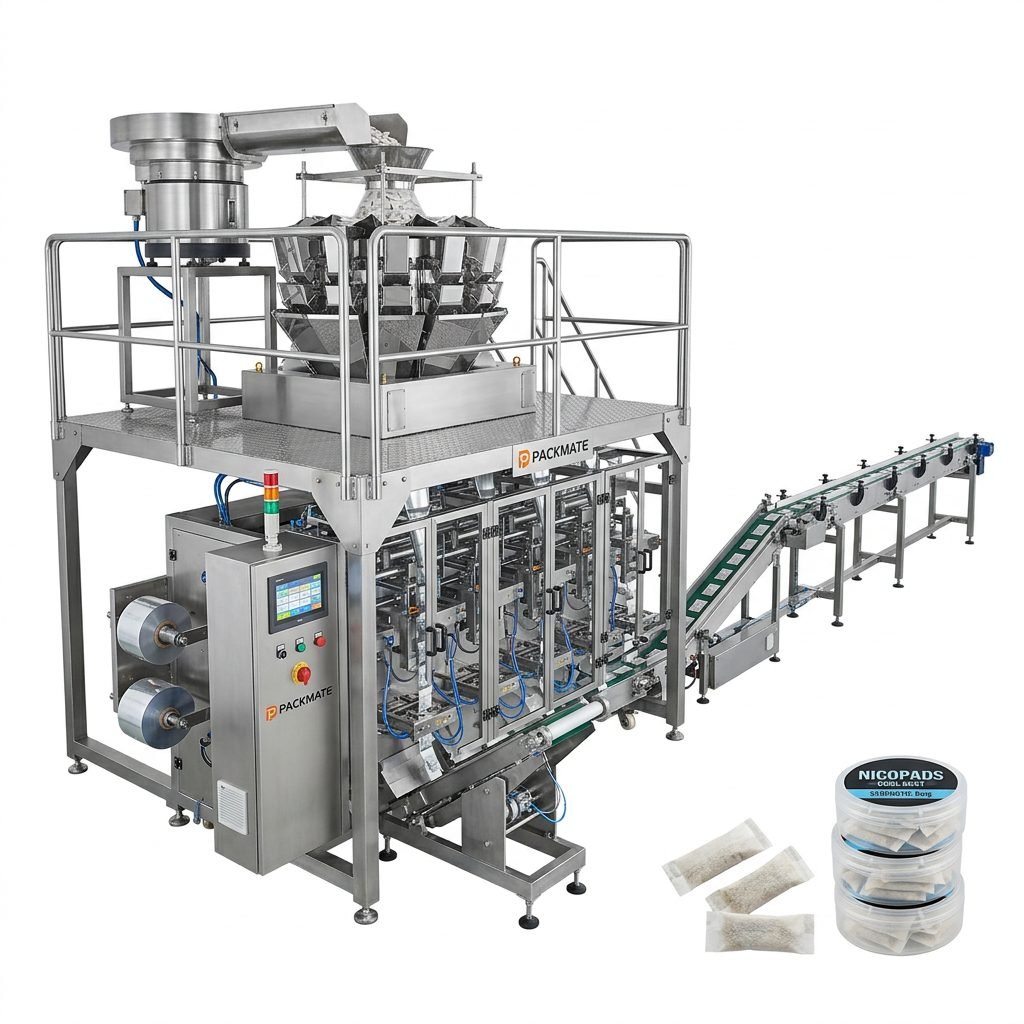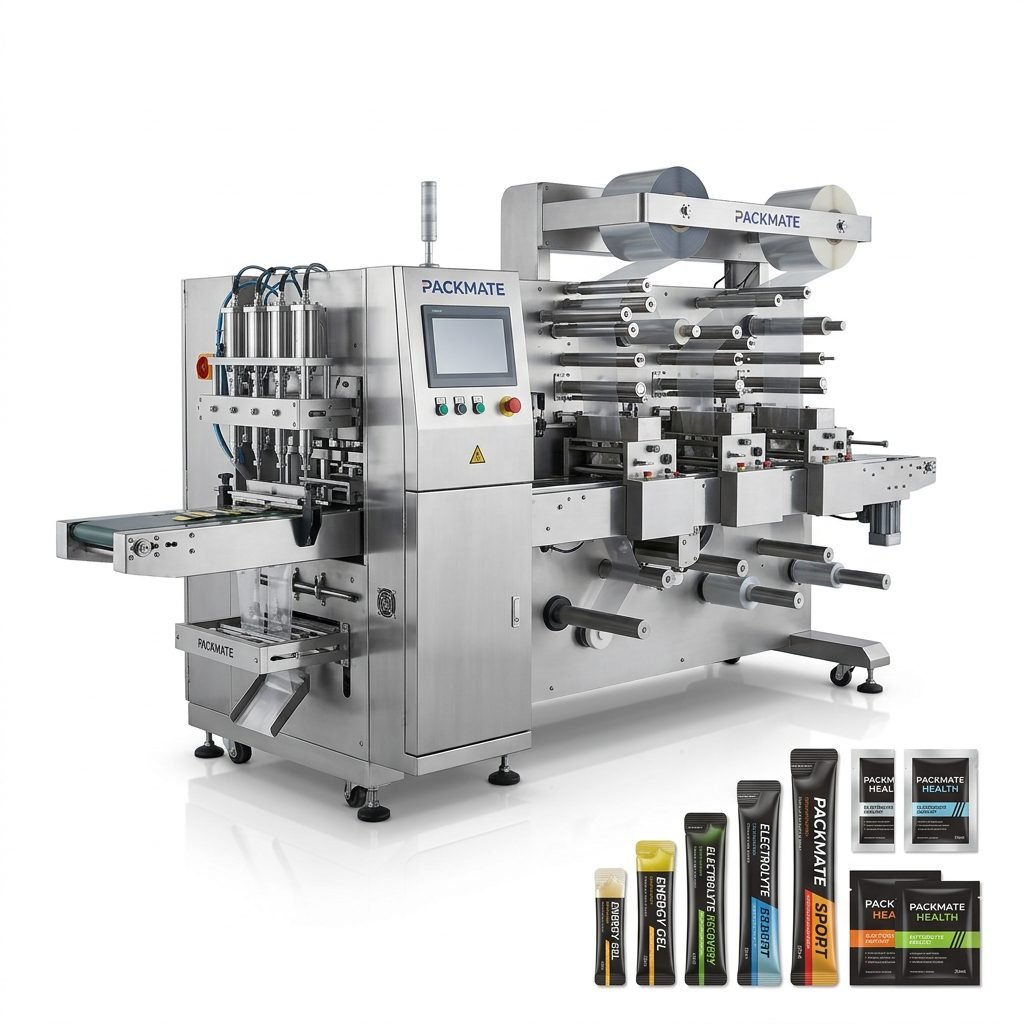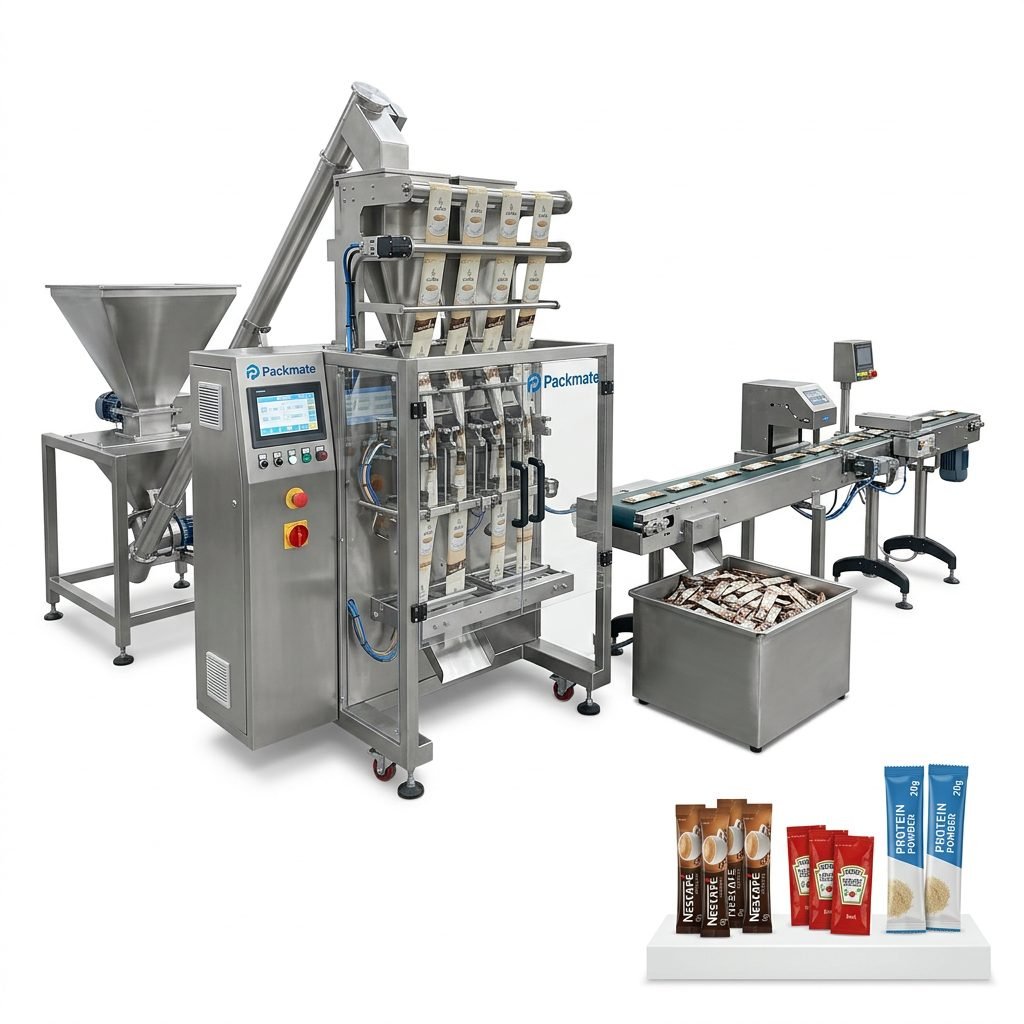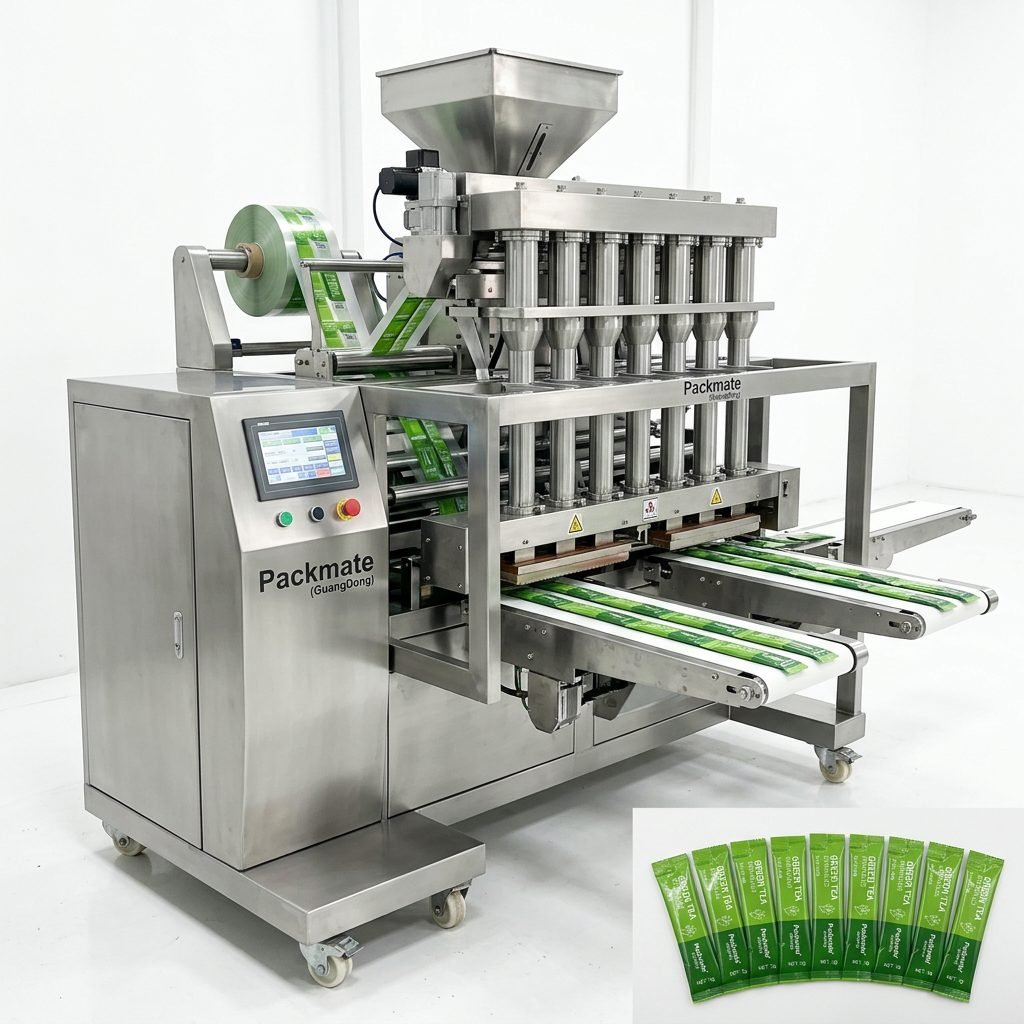
For manufacturers and business owners in Bahrain, sourcing reliable packaging machinery is a critical step towards modernizing production, ensuring product consistency, and scaling operations. The Kingdom’s diverse economy, spanning food & beverage, pharmaceuticals, and industrial goods, demands robust and efficient packaging solutions. However, navigating the global market of manufacturers can be challenging. This guide provides a practical, step-by-step approach to identifying and selecting a trustworthy packaging machine manufacturer, tailored to the specific needs of the Bahraini market.
Step 1: Define Your Packaging Requirements Clearly
Before you begin your search, you must have a clear understanding of your own needs. This clarity will be your most valuable tool when communicating with potential suppliers.
Key questions to answer:
- Product Type: Are you packaging powders (like spices or milk powder), granules (coffee, rice), liquids (sauces, oils), or pastes?
- Packaging Format: Do you need sachets, stick packs, pouches, or bottles?
- Production Output: What is your required speed (packs per minute) and daily/weekly volume?
- Level of Automation: Do you need a single machine or a complete, integrated turnkey line?
- Factory Space & Utilities: What are your power supply, floor space, and compressed air specifications?
Bahraini companies, especially those exporting to GCC neighbors, must also consider regional standards and shelf-life requirements, which can influence machine specifications for sealing integrity and hygiene.
Step 2: Research and Shortlist Manufacturers with Relevant Experience
Focus your research on manufacturers with a proven track record in your specific industry. A company that excels in pharmaceutical packaging may have different strengths than one focused on food powders.
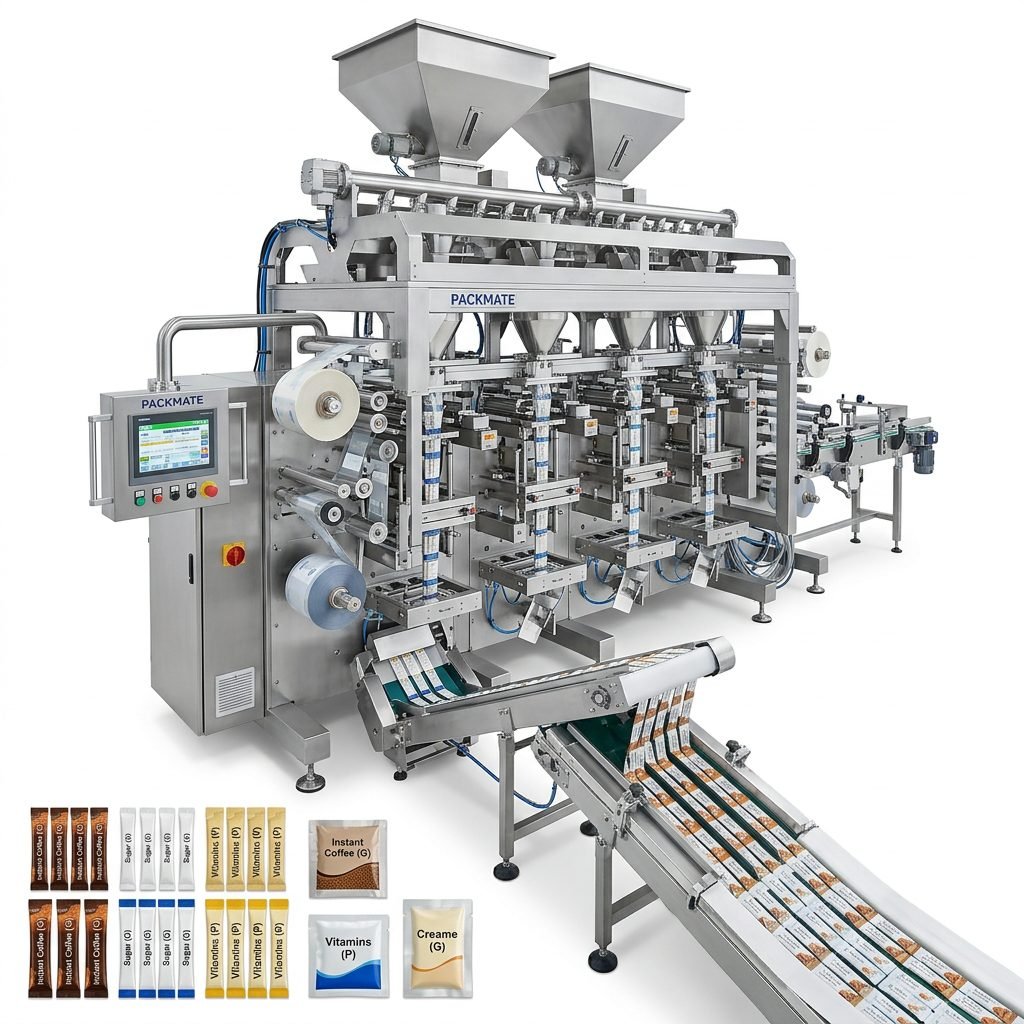
Look for manufacturers with:
- Industry-Specific Case Studies: Evidence of successful projects in food, pharma, or your specific sector.
- Product Portfolio Match: Their standard machine range should align with your format (e.g., sachet or stick pack machines).
- Export Experience: Manufacturers experienced in exporting to the Middle East will be familiar with shipping logistics, voltage compatibility (220-240V), and providing documentation in English or Arabic.
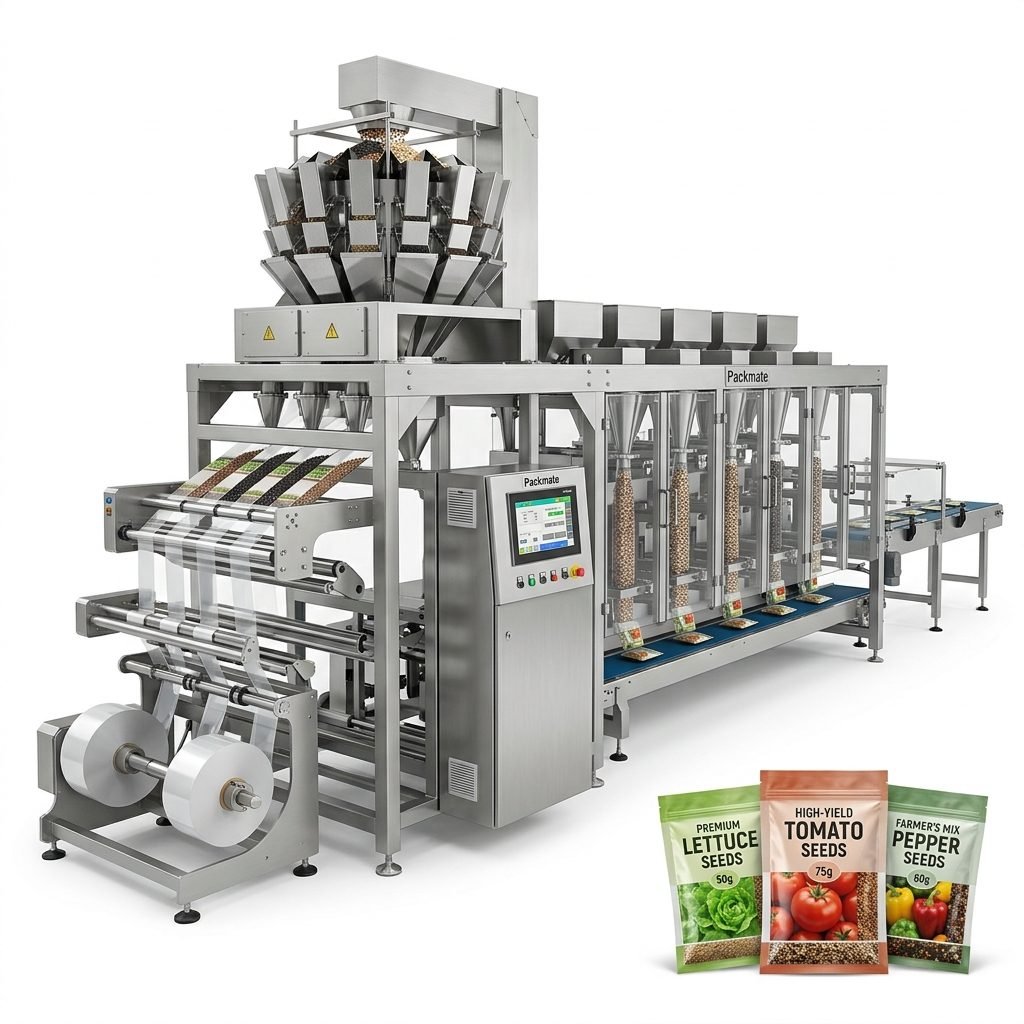
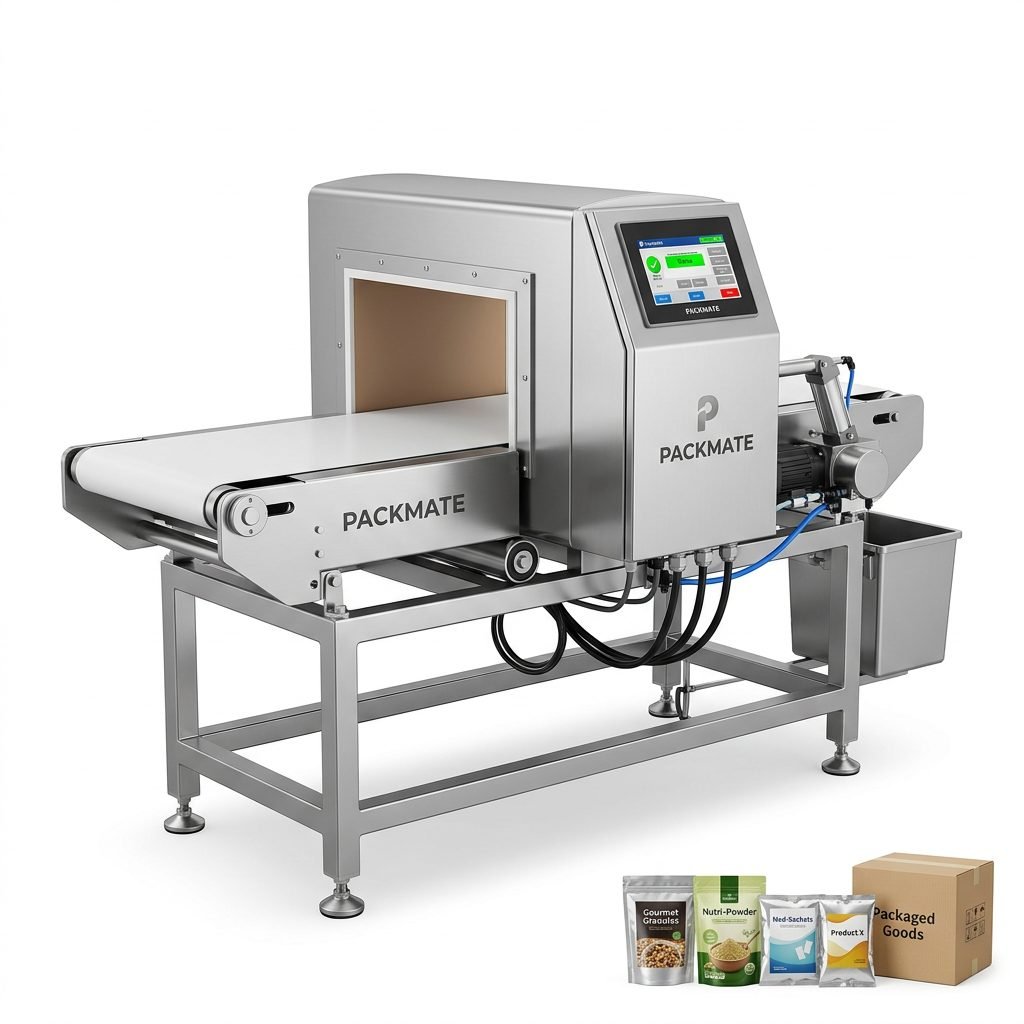
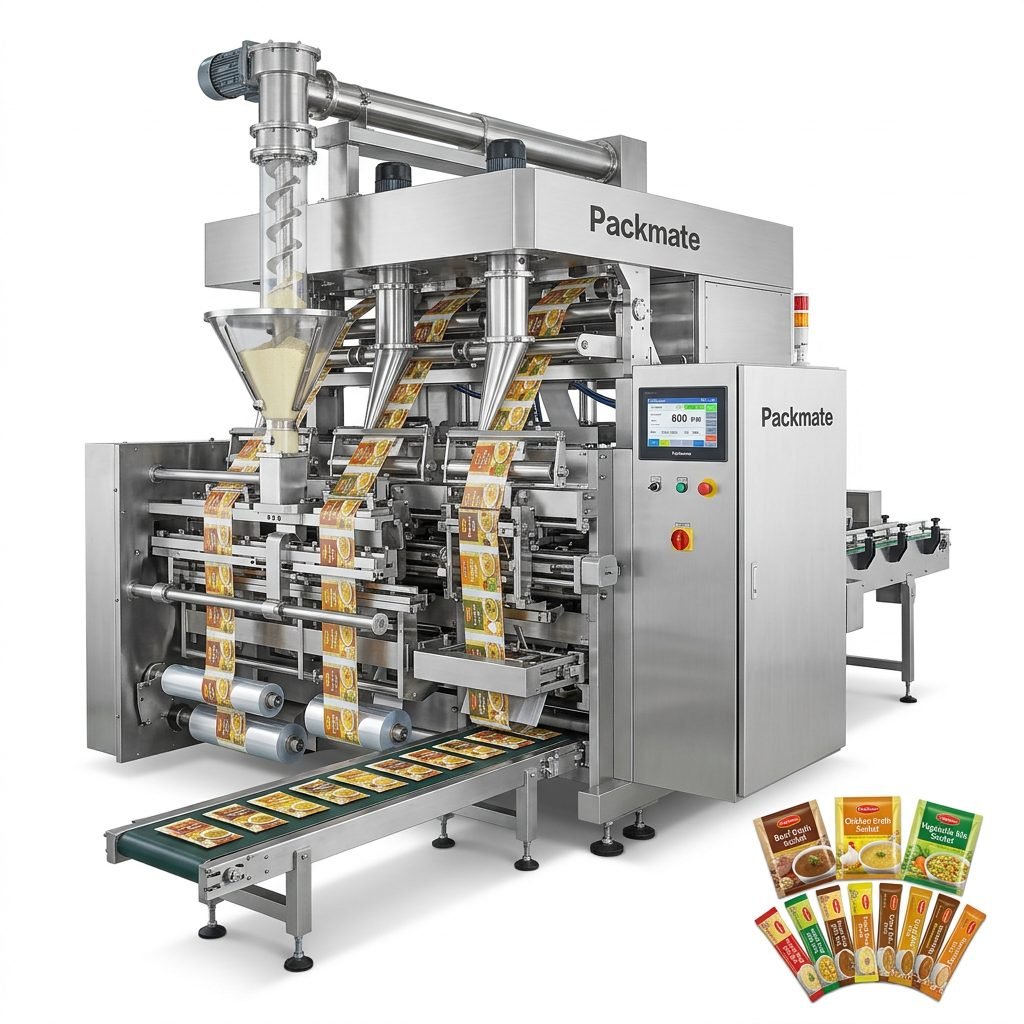
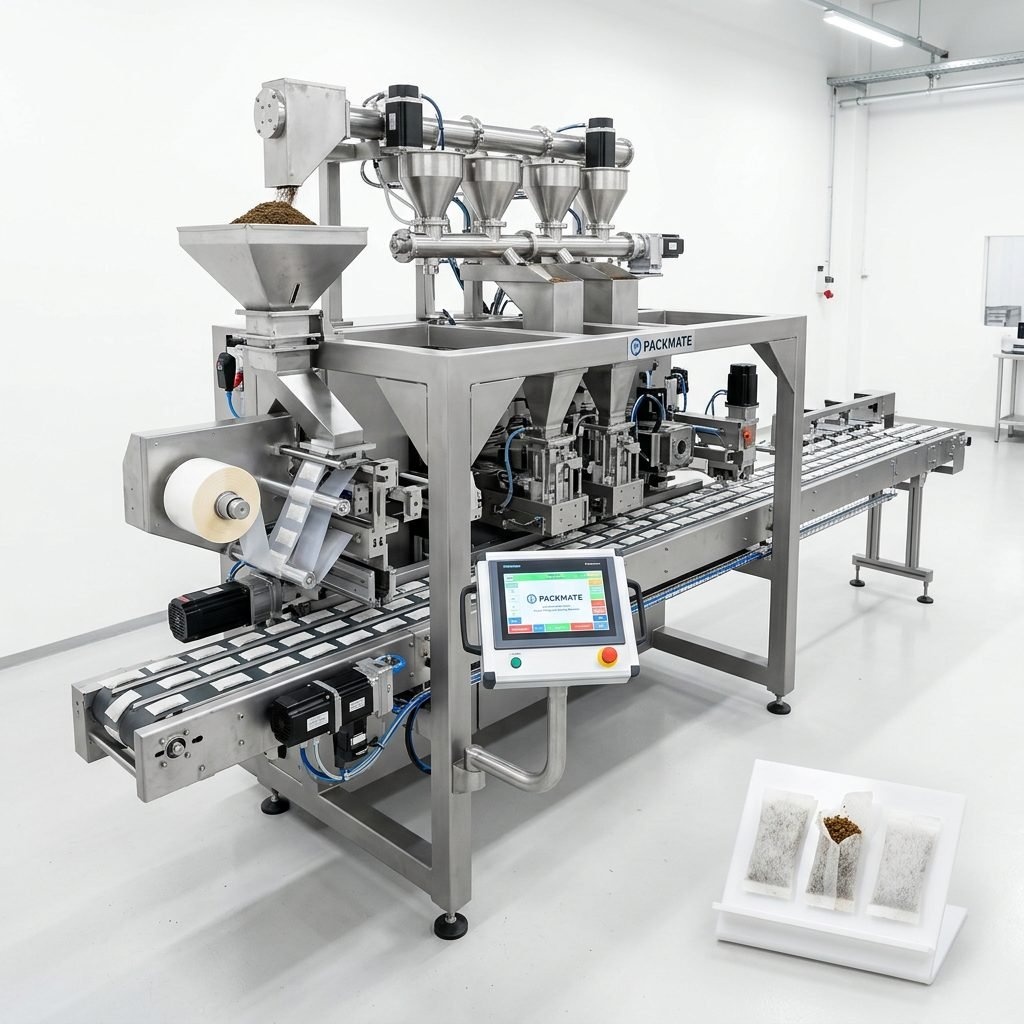
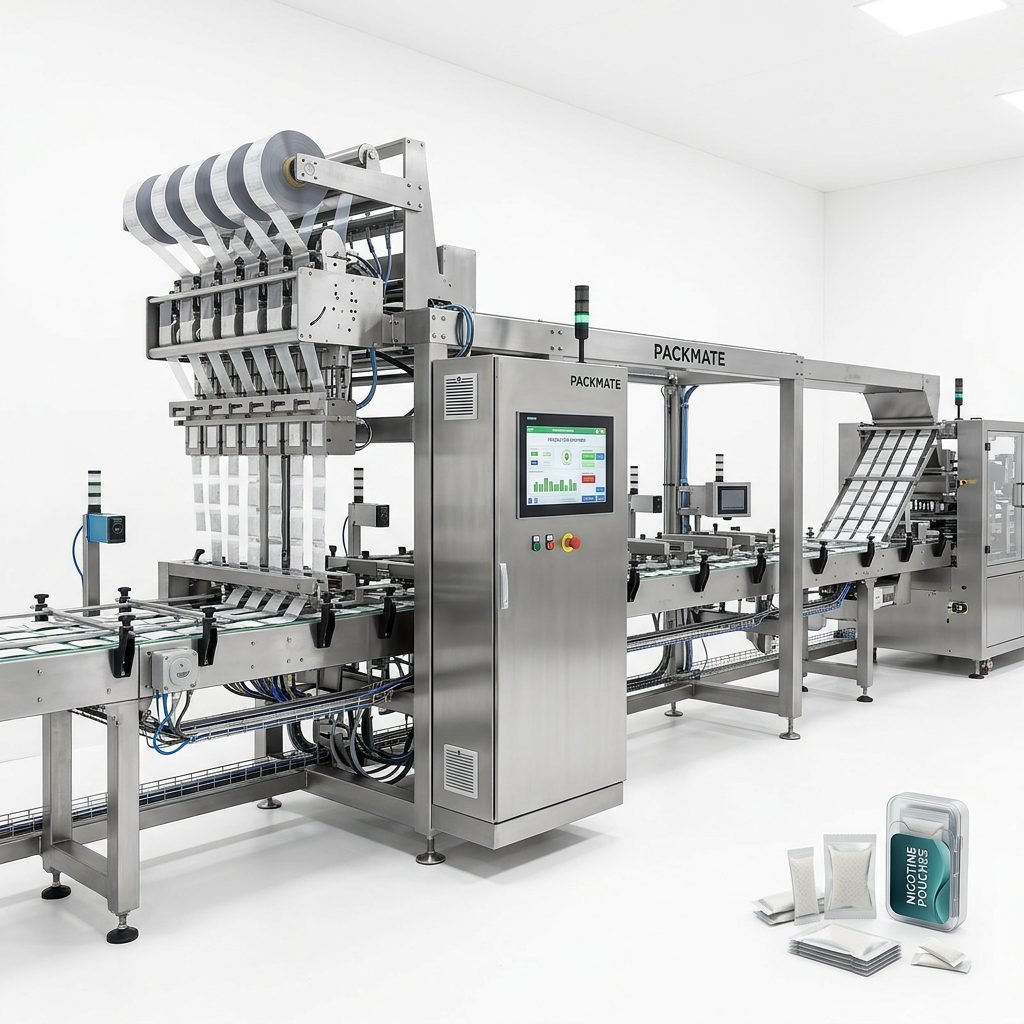
For instance, a company like Ludyway, with over 30 years of experience and exports to the Middle East, has likely dealt with requirements similar to those in Bahrain. Similarly, Packmate Machinery has a strong focus on food and pharmaceutical sectors, which are prominent in Bahrain.
Evaluating Technical Capability and Customization
Many Bahraini businesses have unique products or packaging sizes that may not fit a standard machine. A manufacturer’s ability to customize is crucial.
Ask potential suppliers:
- Can you modify the machine for our specific bag size or material (laminate structure)?
- Do you offer OEM/ODM services for bespoke projects?
- What is your process for engineering and testing a custom solution before shipment?
Manufacturers like PackingMachineOEM and PacklineOEM, as their names suggest, are structured to handle non-standard and turnkey line projects, offering greater flexibility for specialized needs.
Step 3: Assess Manufacturing Quality and Company Stability
A reliable manufacturer is built on a foundation of quality infrastructure and financial stability. This is vital for long-term support and spare parts availability.
| Aspect to Check | Why It Matters for Bahraini Buyers |
|---|---|
| Factory Size & Equipment | A sizable factory (e.g., 20,000+ sqm) with modern CNC machines indicates strong in-house production capacity, reducing reliance on sub-suppliers and ensuring better quality control. |
| Company History | A history of 20-30+ years suggests experience, resilience, and a commitment to the industry, which translates to reliable after-sales service. |
| Quality Certifications | Look for ISO 9001 certification. For food or pharma, CE certification is essential for safety standards relevant to export markets. |
| Financial Health | A stable company is more likely to honor long-term warranty commitments and invest in R&D for future support. |
Step 4: Scrutinize After-Sales Support and Local Service Network
This is perhaps the most critical factor for Bahrain-based operations. The geographical distance from major manufacturing hubs makes responsive support non-negotiable.
Investigate the manufacturer’s support structure:
- Warranty Period: Standard should be 12-18 months for mechanical parts.
- Technical Support: Is support available in English? What are the channels (email, phone, video call) and typical response times?
- Spare Parts Policy: How quickly can common spare parts be shipped to Bahrain? Do they maintain a stock of critical components?
- Local Agents/Partners: Does the manufacturer have a trained technician or agent in the GCC or Middle East region? While not always available, a regional contact can drastically reduce downtime.
Step 5: Request Detailed Quotations and Conduct Virtual Factory Tours
Once you have a shortlist of 3-5 manufacturers, request formal quotations. A professional quote should be detailed, not just a bottom-line price.
A comprehensive quote must include:
- Detailed machine specifications and model numbers.
- Itemized list of all included and optional accessories.
- Clear pricing for FOB (Free On Board) or CIF (Cost, Insurance, Freight) to Bahrain port.
- Delivery timeline and payment terms (e.g., 30% deposit, 70% before shipment).
- Warranty details and terms for technical support.
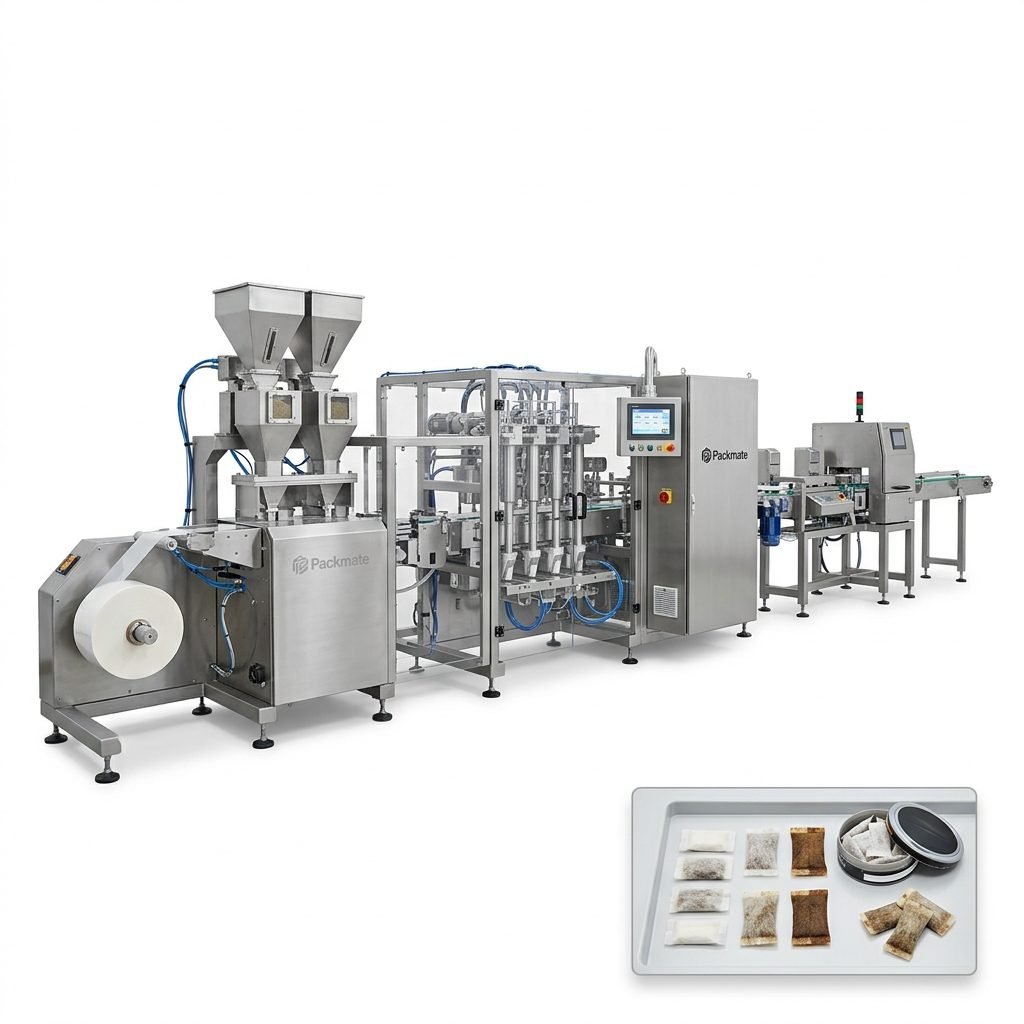
Insist on a live virtual factory tour. This allows you to see the manufacturing environment, assembly lines, and quality testing processes firsthand. It also verifies the company’s scale and professionalism. Reputable manufacturers like SnusMachinery, which specializes in niche areas, should be transparent and willing to showcase their facilities.
Step 6: Check References and Finalize the Contract
Ask each shortlisted manufacturer for contact information of 2-3 clients in similar industries or, ideally, in the GCC region. Speak directly to these references and ask about:
- Machine performance and reliability.
- Accuracy of the company’s communication and project management.
- Effectiveness and speed of after-sales support.
- Overall satisfaction and whether they would purchase again.
Finally, ensure all agreed-upon terms—specifications, delivery, payment, warranty, and support—are clearly documented in a formal sales contract before making any payment.
Frequently Asked Questions (FAQs) for Buyers in Bahrain
Q1: What is the typical lead time for a packaging machine from China to Bahrain?
A: Lead time varies. For a standard machine, expect 30-45 days for production after order confirmation, plus 25-35 days for sea shipping to Khalifa Bin Salman Port. For custom or turnkey lines, production can take 60-90 days. Always confirm specific timelines with your supplier.
Q2: Are Chinese packaging machines compatible with Bahrain’s electrical standards?
A: Bahrain uses 230V/50Hz, which is compatible with standard Chinese export configurations (220V/50Hz). Reputable manufacturers will configure the machine’s electrical system accordingly. Always specify your voltage and phase requirements during inquiry.
Q3: How can I ensure the machine meets quality expectations before shipment?
A: Require a Factory Acceptance Test (FAT). This involves you (or a hired third-party inspector) visiting the factory or attending via video link to witness the machine running with a material similar to yours. The FAT report should be part of the shipment documentation.
Q4: What are the key import duties and procedures for bringing machinery into Bahrain?
A: Most industrial machinery can be imported with a 0% duty under Bahrain’s GCC Common Customs Law. However, you will need a commercial registration (CR), an import license, and standard shipping documents (Bill of Lading, Commercial Invoice, Packing List, Certificate of Origin). Working with a reliable local customs clearing agent in Bahrain is highly recommended.
Q5: What is the best way to handle installation and commissioning if the manufacturer’s engineer cannot travel to Bahrain?
A: Many manufacturers offer comprehensive remote commissioning. This includes detailed installation manuals, video guides, and real-time video support via platforms like Zoom or Teams. Ensure your local technician is available and has basic mechanical/electrical skills. Some manufacturers can also recommend third-party service engineers in the region.