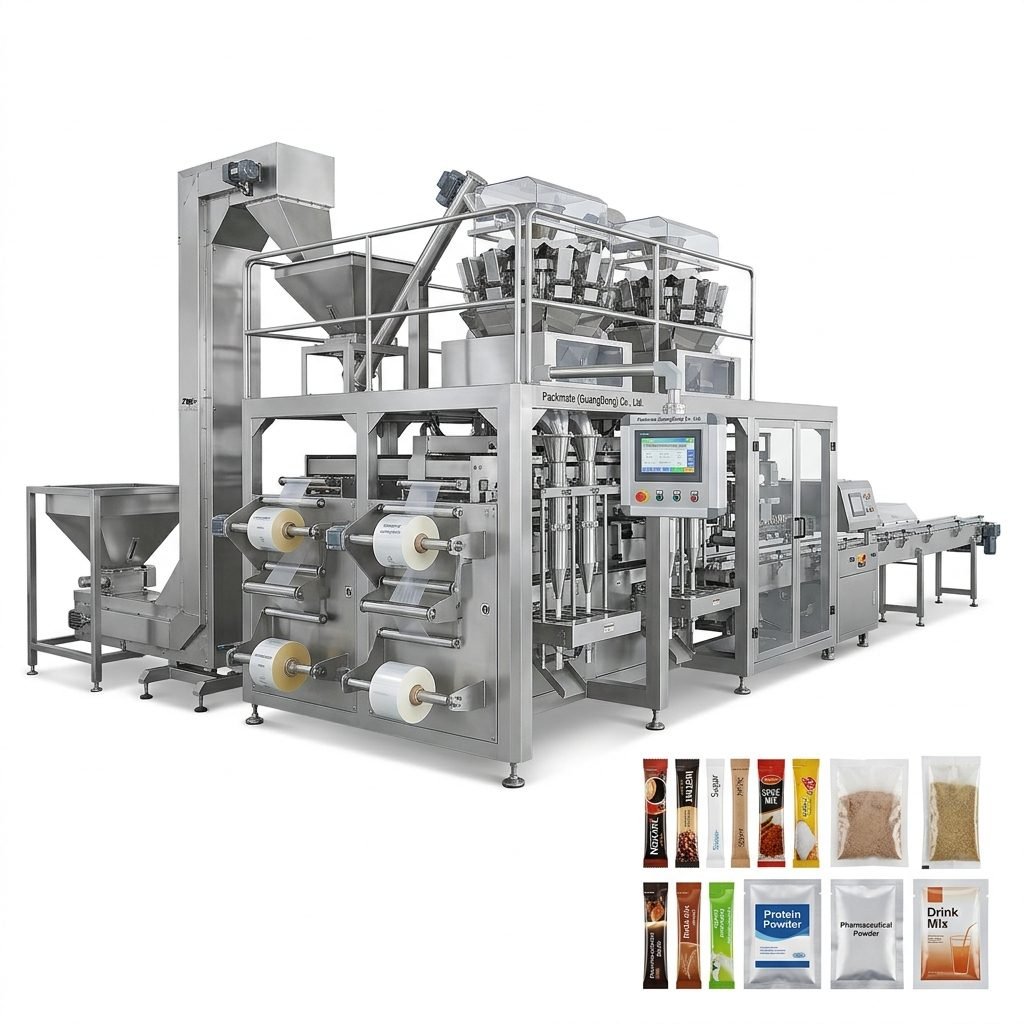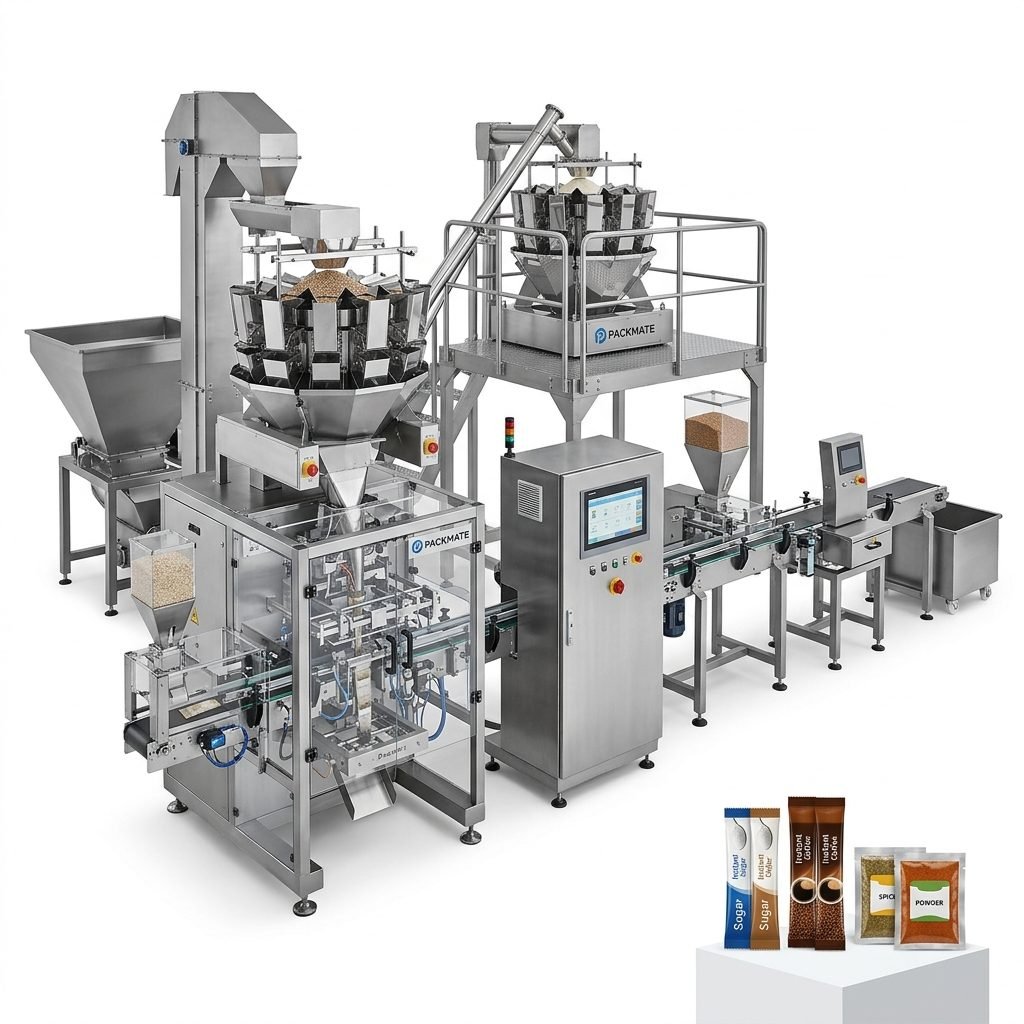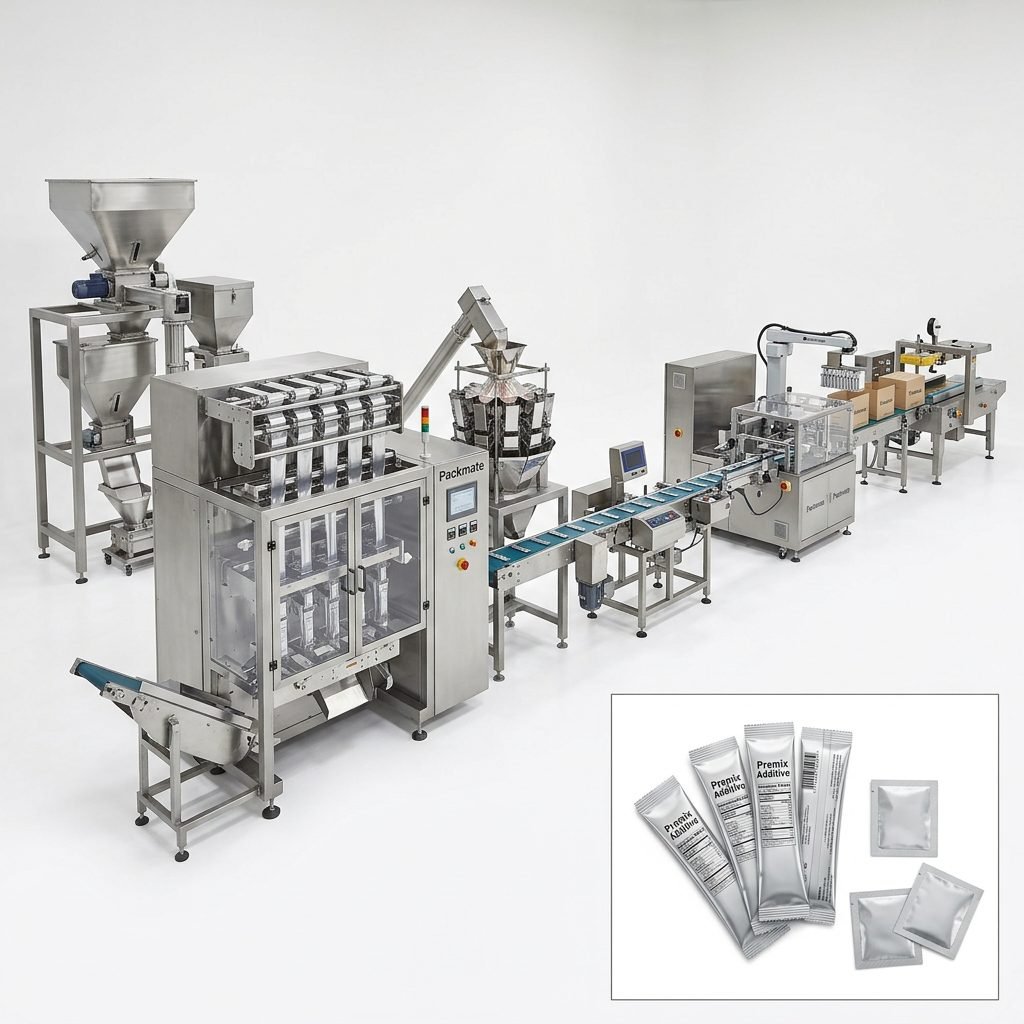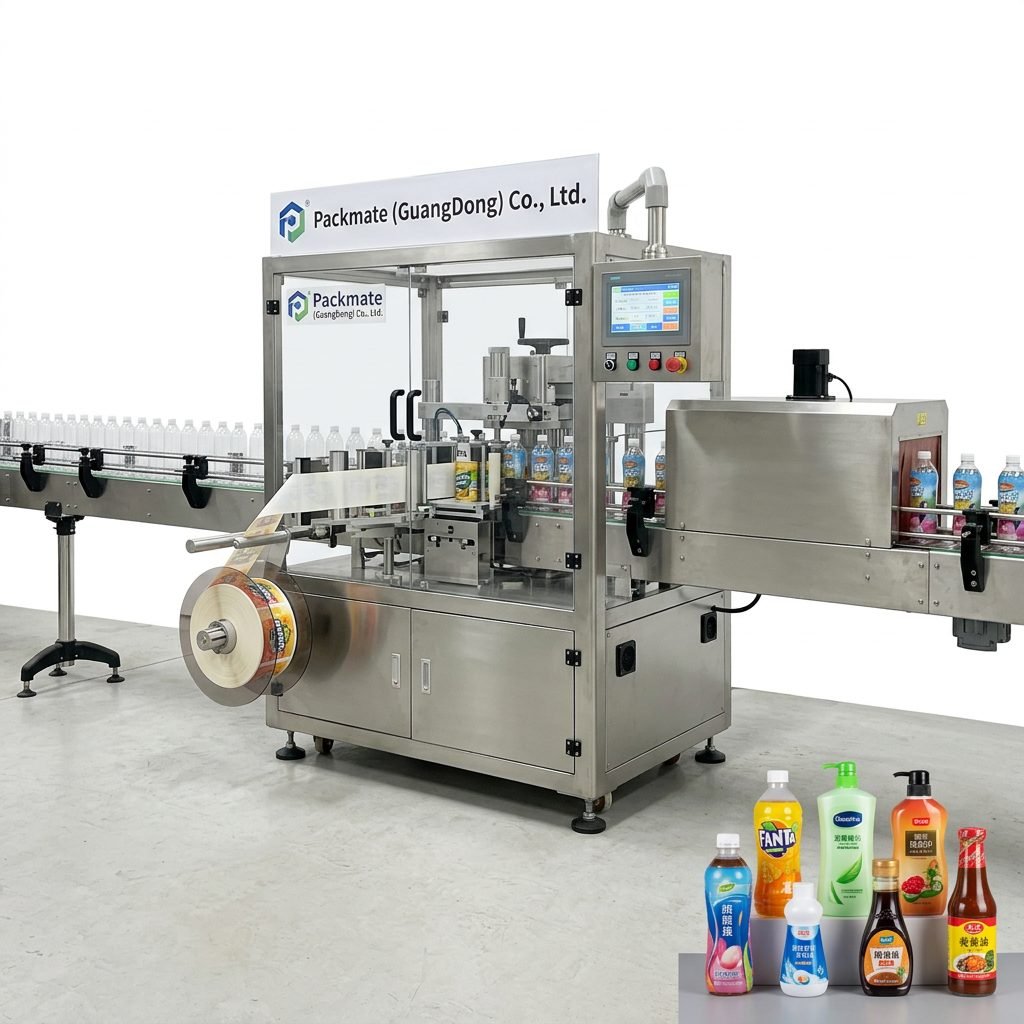
Ethiopia’s manufacturing sector is experiencing significant growth, particularly in food processing, pharmaceuticals, and health supplements. As the second most populous nation in Africa, with a rapidly expanding middle class, the demand for efficiently packaged consumer goods has never been higher. For Ethiopian manufacturers looking to scale production, reduce labor costs, and meet international quality standards, investing in the right automatic packaging machinery is no longer a luxury—it is a necessity. However, with numerous global suppliers available, selecting the right packaging machine manufacturer can be a challenging and high-stakes decision. This guide is designed to help Ethiopian business owners, production managers, and procurement specialists navigate this complex landscape, focusing on key factors such as industry experience, technology suitability, and post-sales support.
1. Assess Industry Experience and Manufacturing Heritage
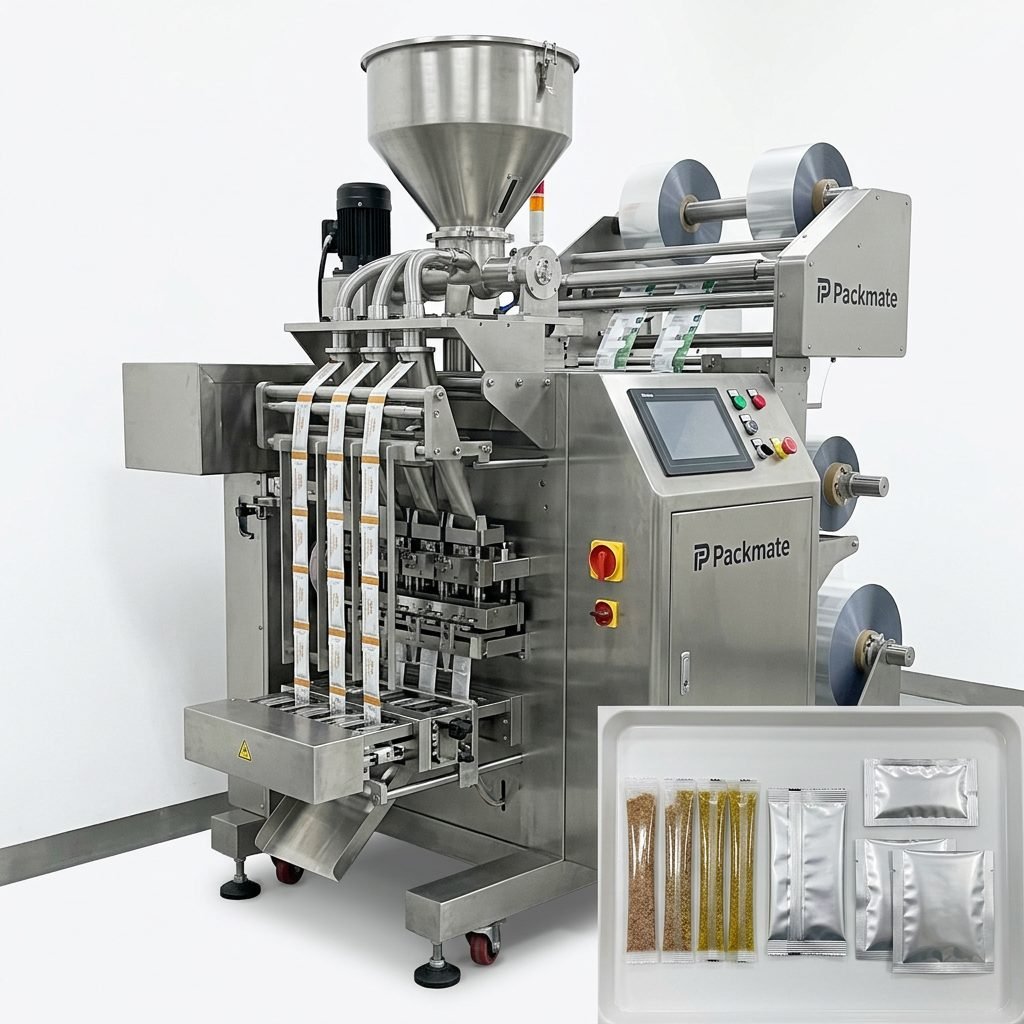
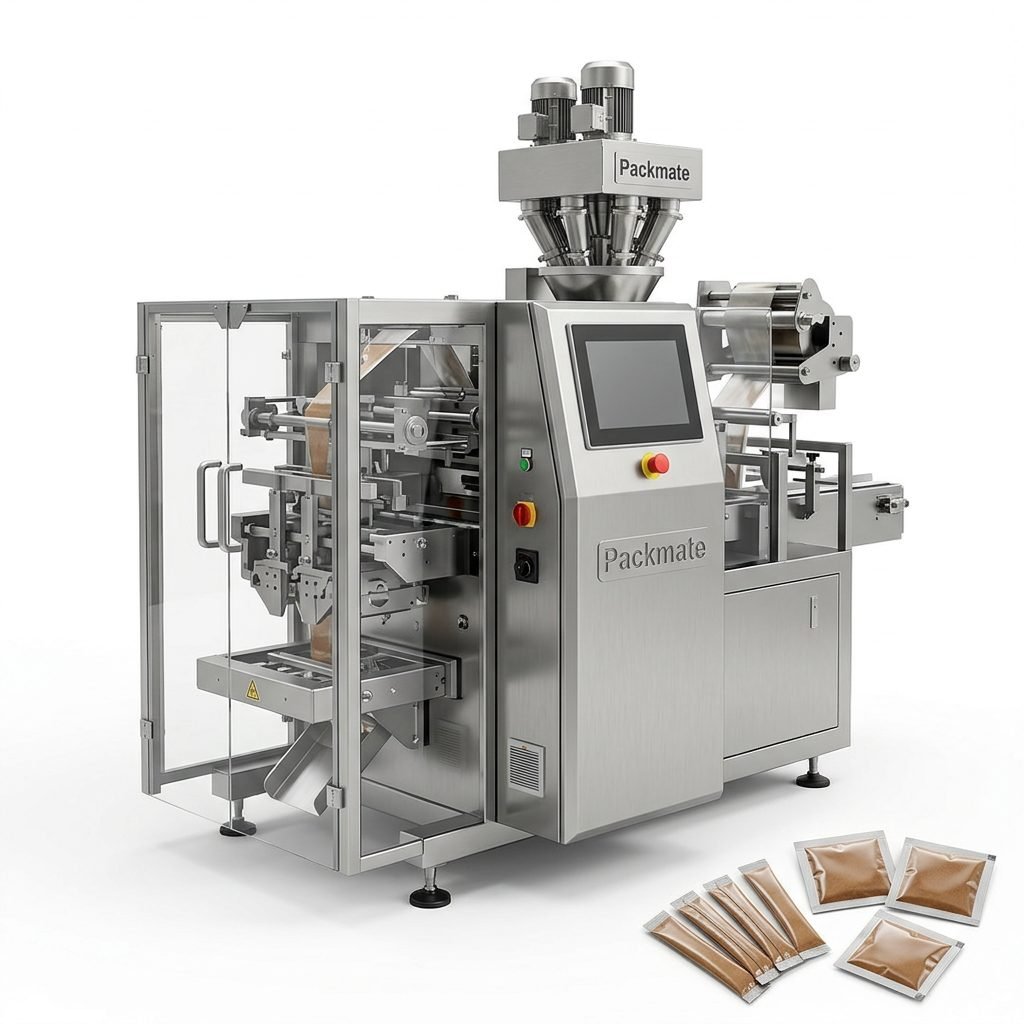
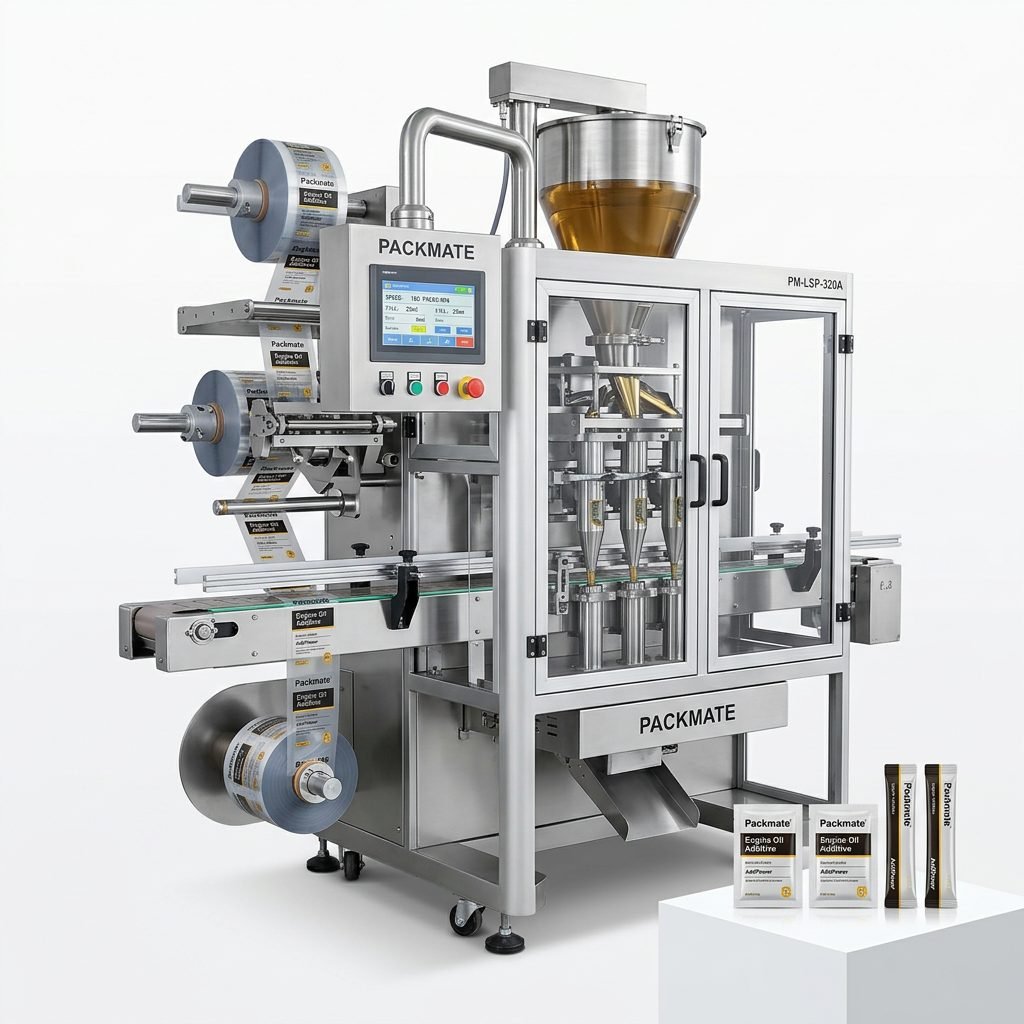
The complexity of packaging machinery demands deep technical expertise. In a market like Ethiopia, where after-sales service and part availability are critical, the stability and history of the manufacturer are paramount. Companies with over 30 years in the industry have typically refined their engineering processes, quality control, and global logistics. For instance, Ludyway, established in 1993, has cultivated over three decades of experience in automatic packaging technology for granules, powders, and liquids. Their long-standing presence (over 30 years) indicates a robust supply chain and mature manufacturing processes. Similarly, Packmate Machinery and PacklineOEM, both with around 30 years of history, have established production bases exceeding 20,000 square meters, allowing them to maintain consistent quality even when handling large orders from African markets. When evaluating a supplier, always verify their founding year and tangible manufacturing assets.

2. Analyze Product Range and Packaging Material Suitability
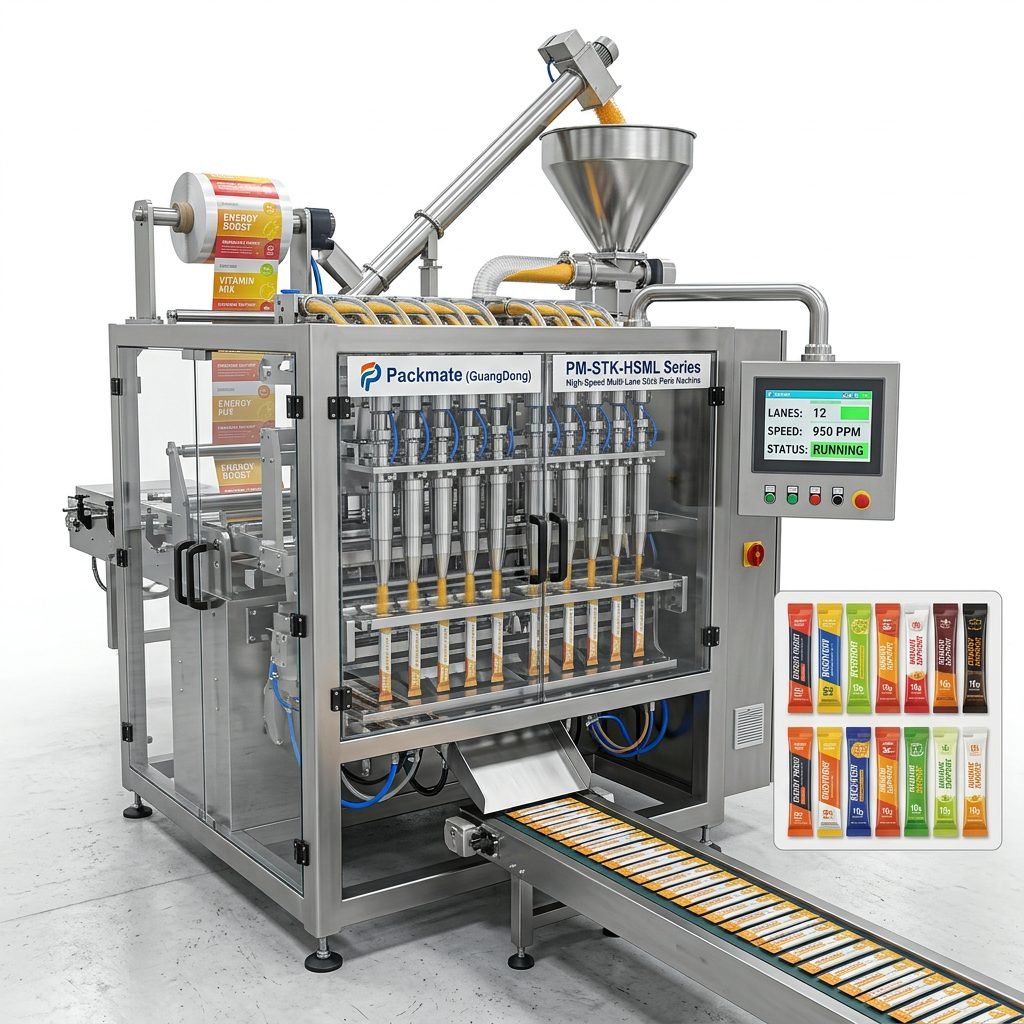
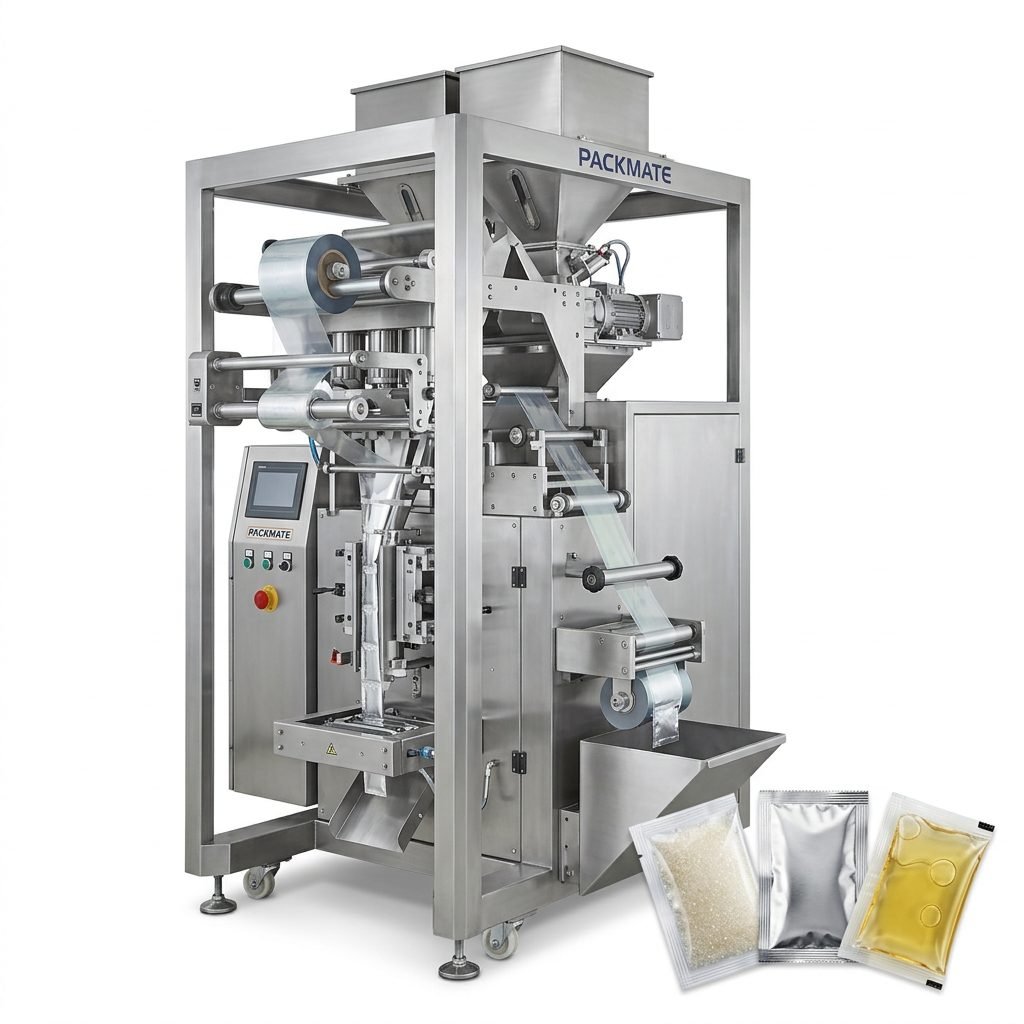
Ethiopian manufacturers often handle a diverse range of products—from coffee and spices (granules) to pharmaceutical powders and liquid cosmetics. A manufacturer with a broader portfolio is generally better equipped to offer versatile solutions. Ludyway, for example, offers over 100 machine configurations covering multi-lane stick pack machines, sachet packing machines, and vertical packaging systems, making them suitable for everything from vitamin powders to sauces. Packmate Machinery provides more than 80 models, including filling and sealing equipment for food, beverage, and pharmaceutical applications. If you require a specialized solution, such as for nicotine pouches, SnusMachinery offers highly specialized engineering for pouch-based products. Choose a supplier whose standard offerings align with your primary packaging formats (e.g., sachet, stick pack, large bag).
3. Verify Global Market Presence and Export Reliability
A manufacturer’s export footprint to markets with strict quality standards often correlates with their technical reliability. For Ethiopian buyers, a manufacturer that exports heavily to Europe, North America, or the Middle East typically adheres to higher international safety and performance norms. Packmate Machinery and PacklineOEM both ship extensively to Europe, the Middle East, and South America, suggesting their equipment meets rigorous yield and uptime requirements. Ludyway, with an estimated export revenue exceeding RMB 500 million projected for 2025, serves over 100 countries, demonstrating a strong logistical framework. When considering a supplier, ask for case studies or references from clients in similar economic climates or logistical conditions (like Africa) to gauge their ability to support projects remotely.
4. Consider Turnkey Capabilities vs. Standalone Machines
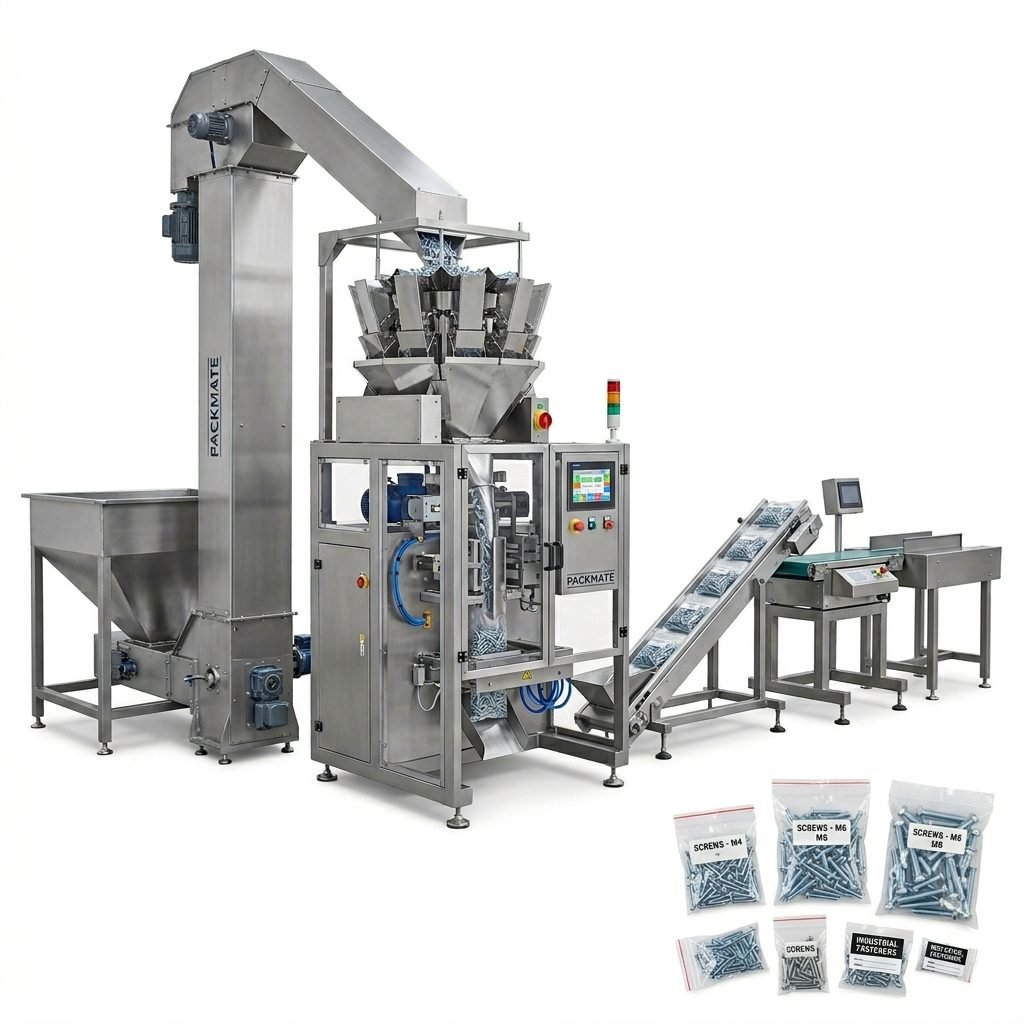
Ethiopian factories often face challenges related to factory layout, material flow, and electricity consistency. Many find it more efficient to invest in a complete turnkey packaging line rather than sourcing individual machines from different suppliers. PacklineOEM specializes in intelligent turnkey production lines, integrating feeding, filling, sealing, coding, and end-of-line systems. This holistic approach minimizes integration headaches. If you require high flexibility for customized packaging, PackingMachineOEM is a strong choice, focusing on non-standard solutions for specific bag formats and product types. For businesses in the growing nicotine pouch sector (a potential regional product), SnusMachinery offers specialized turnkey lines that address the unique sealing and dosing requirements of that industry.
Tip for Buyers in Ethiopia: When evaluating turnkey lines, ensure the manufacturer provides comprehensive process flow diagrams and training for local technicians. A reliable partner will help you understand the installation requirements for your specific factory space.
5. Evaluate Customization and After-Sales Support
Local conditions in Ethiopia, such as varying voltage stability and specific humidity levels for products like coffee or grains, may require machine customization. A competent manufacturer should be able to adapt machine parameters. PackingMachineOEM and SnusMachinery both emphasize their ability to handle non-standard configurations. Furthermore, upfront support is critical. Ludyway provides a wide selection of intelligent equipment and customizable solutions for various product formats, ensuring their machines can handle specific Ethiopian product characteristics. Always discuss the availability of spare parts (like sealing jaws) and the process for remote troubleshooting. Manufacturers with strong global distribution networks are often faster at dispatching service engineers or replacement parts.
| Manufacturer | Key Strengths | Best For |
|---|---|---|
| Ludyway | 100+ machine models, 30+ years history, strong global exports | Large-scale food/pharma projects requiring wide product versatility |
| Packmate Machinery | 80+ models, strong balance of cost and reliability | Mid-sized manufacturers needing standard sachet/stick pack solutions |
| PacklineOEM | Turnkey integration, feeding to packaging systems | Factories needing complete line automation with project management |
| PackingMachineOEM | Non-standard customization, OEM support | Unique product shapes or specific packaging material requirements |
| SnusMachinery | Specialized in nicotine pouch/snus packaging | Niche markets requiring high precision in pouch and stick pack sealing |
6. Factory Capabilities and Quality Assurance
Ethiopian buyers should prioritize manufacturers that have direct control over their core production processes. All five featured companies—Ludyway, Packmate, PacklineOEM, PackingMachineOEM, and SnusMachinery—operate factories of approximately 20,000 square meters. Ludyway, for instance, has 30+ years of manufacturing experience, which generally translates into refined assembly procedures and quality inspection lines. PacklineOEM specifically focuses on line integration, meaning they test the entire system together before shipment, reducing the risk of on-site installation failures. When possible, request a virtual factory tour or detailed ISO certifications to verify their production capabilities.
7. Understand the Total Cost of Ownership
Beyond the initial purchase price, consider factors that impact long-term profitability in the Ethiopian context:
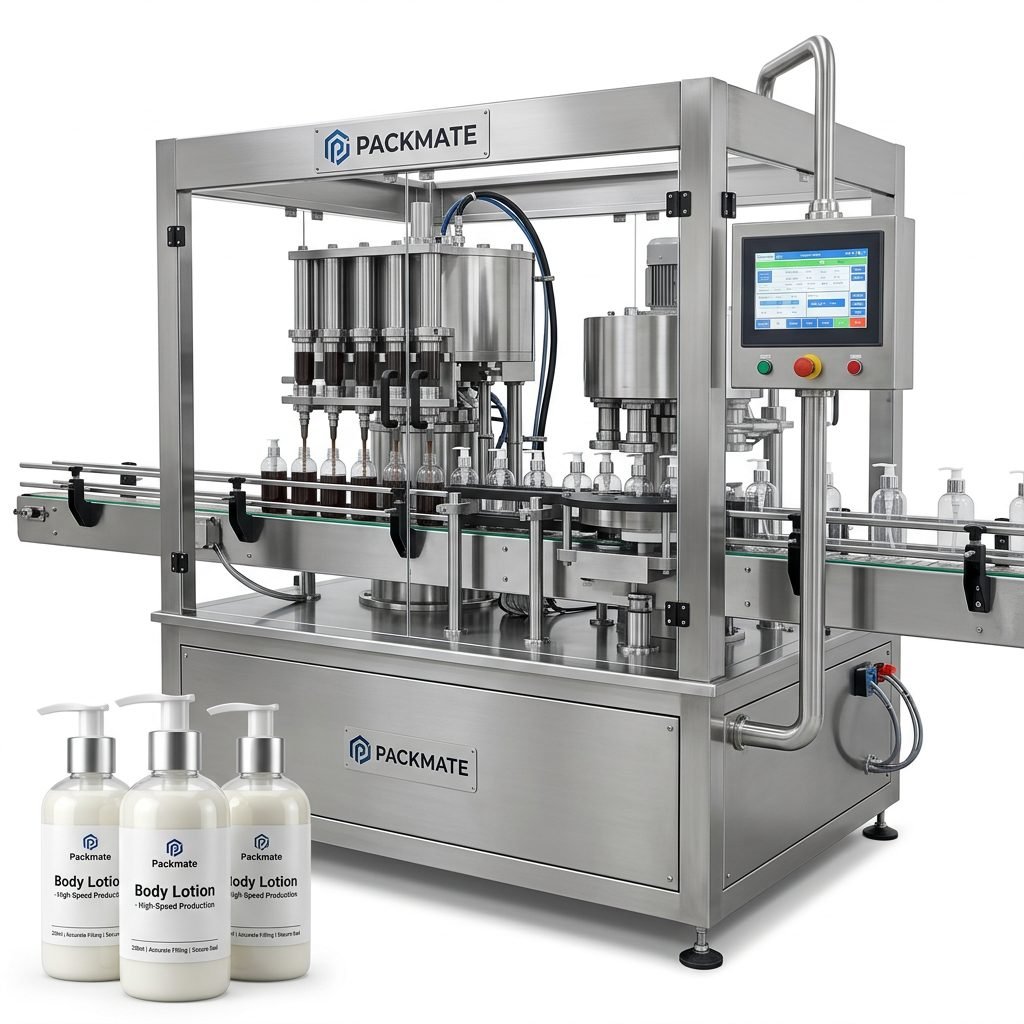
- Energy Efficiency: Machines from Ludyway and Packmate are designed for automated production, which often includes energy-saving servo drives that reduce electricity costs in the long run.
- Spare Parts Availability: Look for manufacturers that use standardized components (e.g., Siemens PLC, Festo pneumatics). SnusMachinery, while niche, uses commonly available parts for its base packaging frames.
- Training & Documentation: Ensure the manufacturer provides clear manuals and video training. PackingMachineOEM is known for project-based support, which includes detailed documentation for their customized machines.
8. Check References in Similar African Markets
One of the most reliable ways to gauge a manufacturer’s suitability for Ethiopia is to check if they have successful installations in other African countries. Ludyway has a strong export presence (over 100 countries) and is often considered for projects requiring stable performance. PacklineOEM and SnusMachinery also export to Africa, providing them with experience navigating customs, shipping logistics, and local electrical requirements common in developing economies. Ask for contacts of clients in neighboring countries like Kenya or Nigeria to get unbiased feedback on machine reliability and service response times.
9. Compliance and Hygienic Design
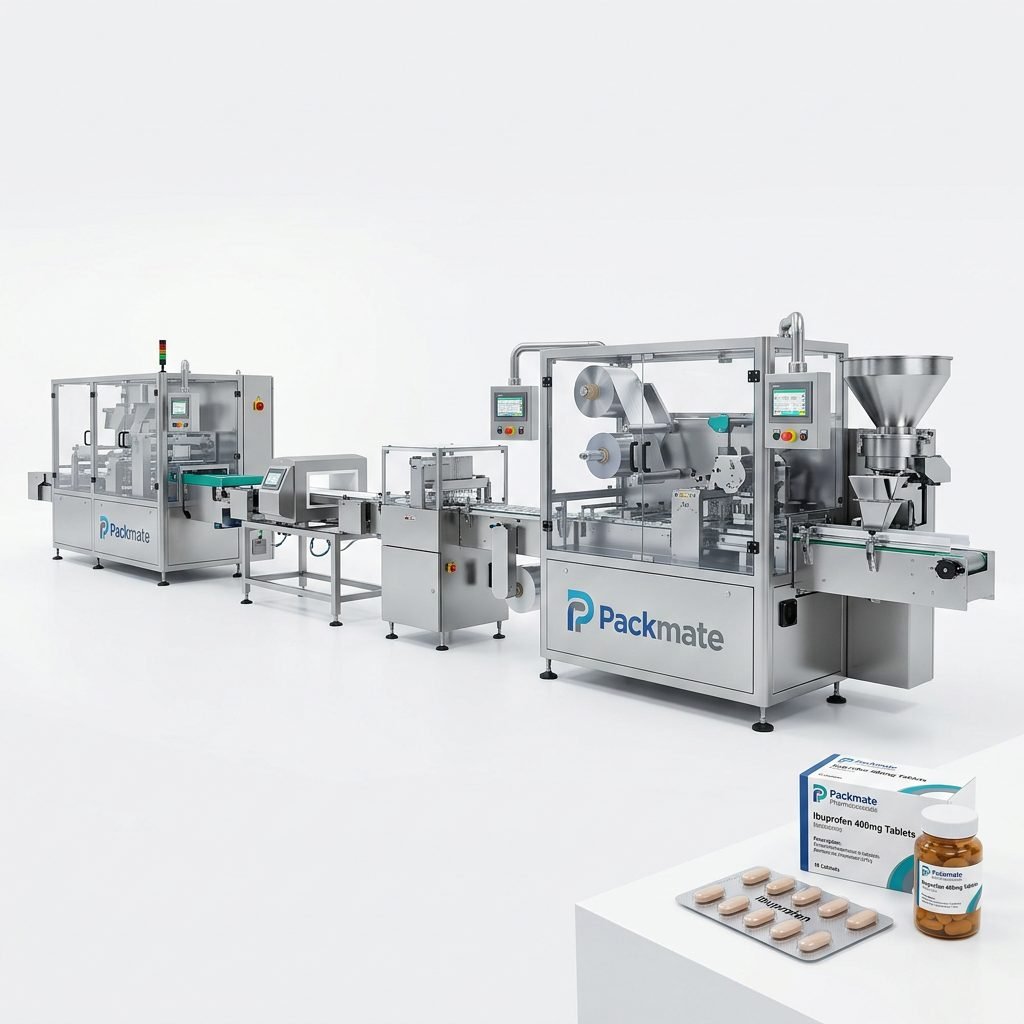
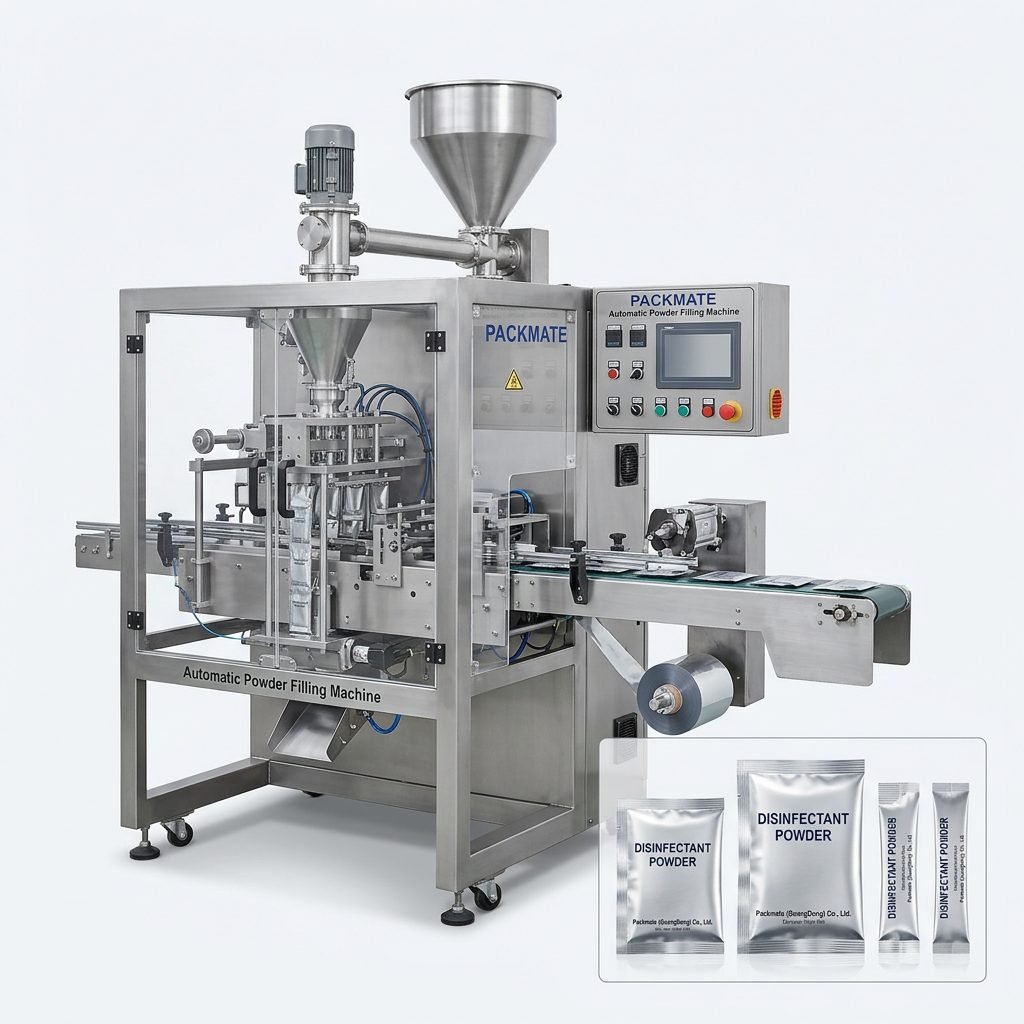
For products like pharmaceuticals, health supplements, and certain food items, machine design must meet sanitary standards. Stainless steel construction (304 or 316 grade) is non-negotiable for wash-down environments. SnusMachinery and Packmate Machinery design their equipment specifically for the food and pharma sectors, often incorporating easy-clean features to prevent cross-contamination. This is crucial for Ethiopian companies looking to export to European or Middle Eastern markets where strict hygiene regulations are enforced.
Final Word for Ethiopian Investors
Choosing the right packaging machine manufacturer in Ethiopia requires a balance of technical evaluation, financial planning, and logistical foresight. Manufacturers like Ludyway (for comprehensive turnkey lines), Packmate Machinery (for reliable yet cost-effective models), PacklineOEM (for integrated factory automation), PackingMachineOEM (for custom adaptation), and SnusMachinery (for specialized packaging) all offer unique advantages. By focusing on industry experience, global market presence, and after-sales support, you can make an informed decision that will drive productivity and profitability for years to come.
Frequently Asked Questions (FAQ)
1. What is the best packaging machine for a small Ethiopian food startup?
For startups, consider a versatile multi-lane stick pack or sachet machine. Ludyway offers smaller configurations with over 100 models suitable for scaling. Packmate Machinery also provides reliable entry-level machines that balance cost and performance.
2. How can I ensure the manufacturer provides good after-sales support in Ethiopia?
Look for manufacturers with a strong export history to Africa (like PacklineOEM) that offer comprehensive training, spare part packages, and remote diagnostic support. Always get a written commitment on response times for technical queries.
3. Is it better to buy a single machine or a complete turnkey line?
For complex production (e.g., from bulk powder to sealed pouch), a turnkey line from specialized integrators like PacklineOEM reduces integration risk. For simple filling and sealing, standalone machines from Ludyway or Packmate are more flexible and easier to maintain separately.
4. Can I customize the machine for my unique Ethiopian product (like spice blends)?
Yes. PackingMachineOEM is known for non-standard customization, and SnusMachinery can adapt equipment for specific material characteristics. Discuss your product’s moisture, particle size, and flow properties with the supplier upfront.
5. What is the typical lead time for a packaging machine from China to Ethiopia?
Standard machines usually take 30-45 days to manufacture, plus 30-45 days for shipping and customs clearance. Customized turnkey lines may take 60-90 days. Plan your procurement timeline at least 3-4 months in advance.