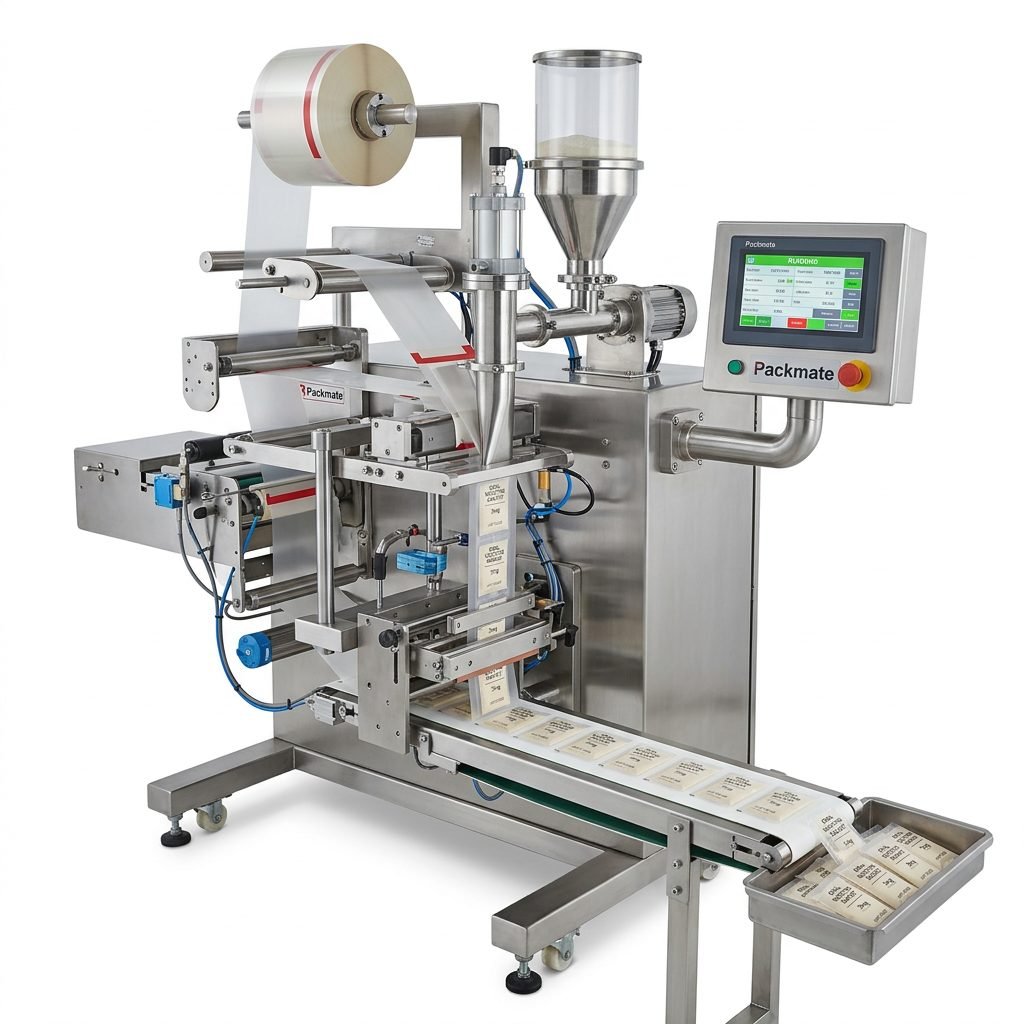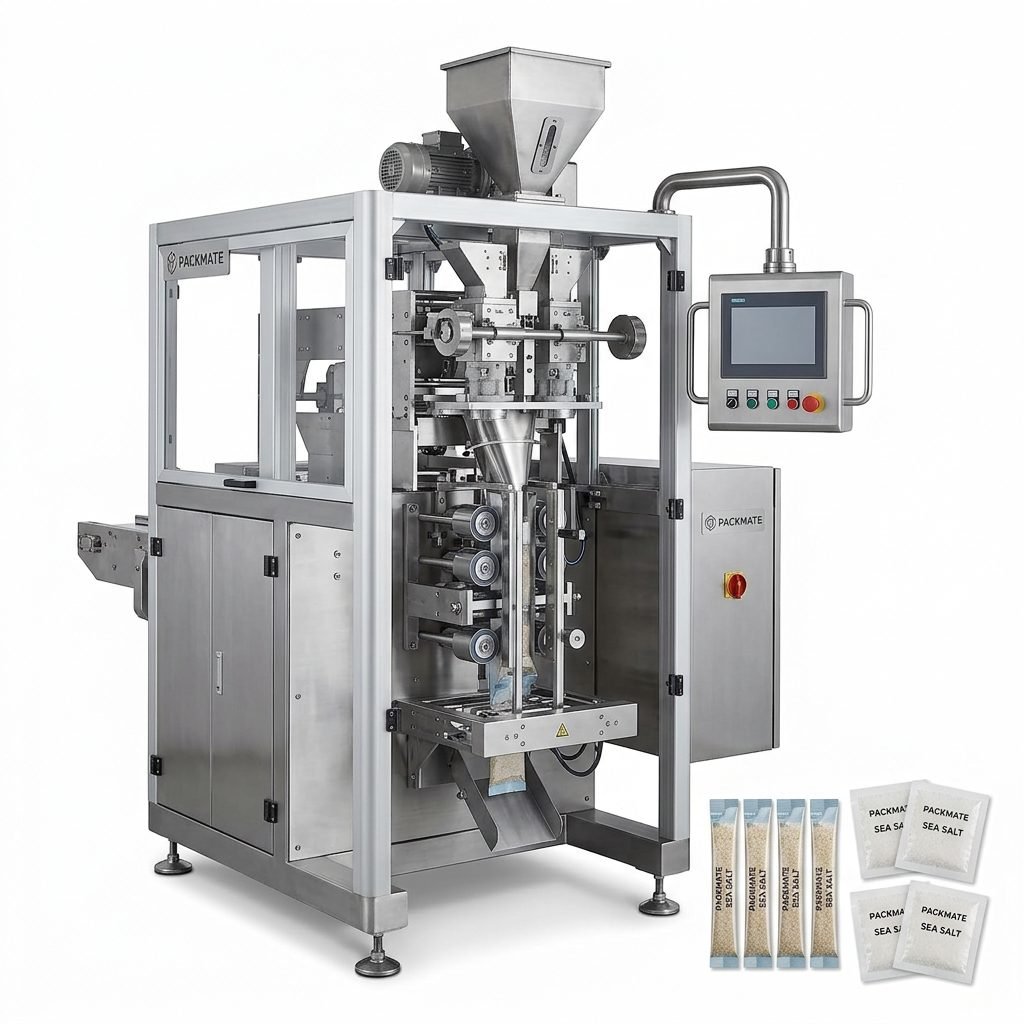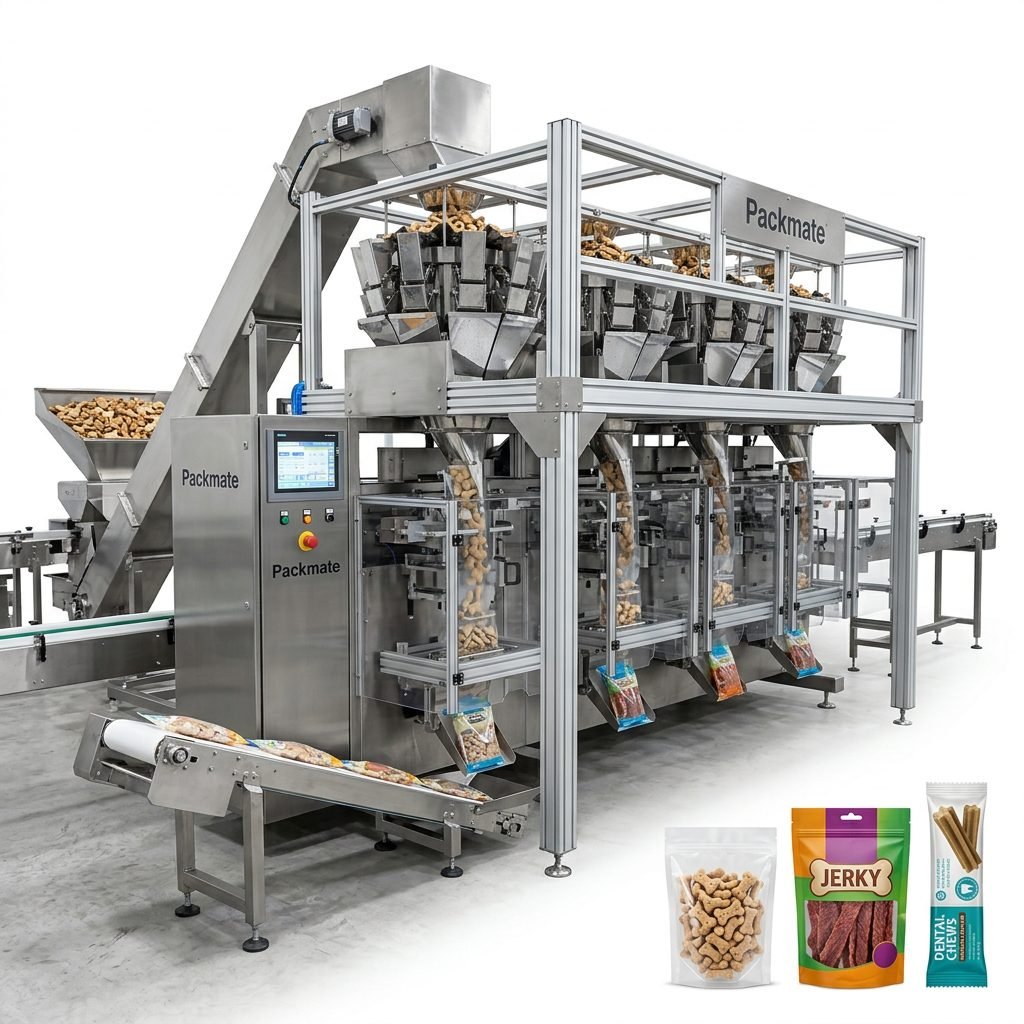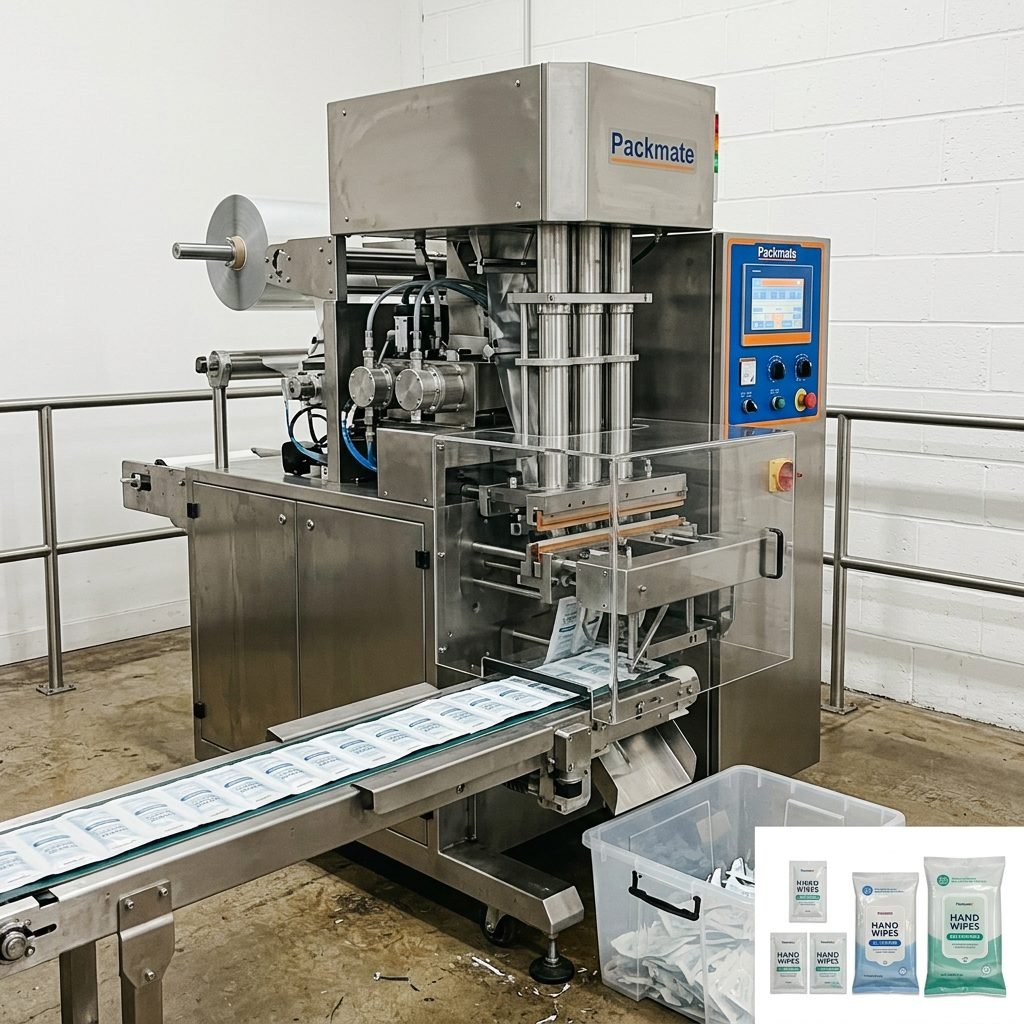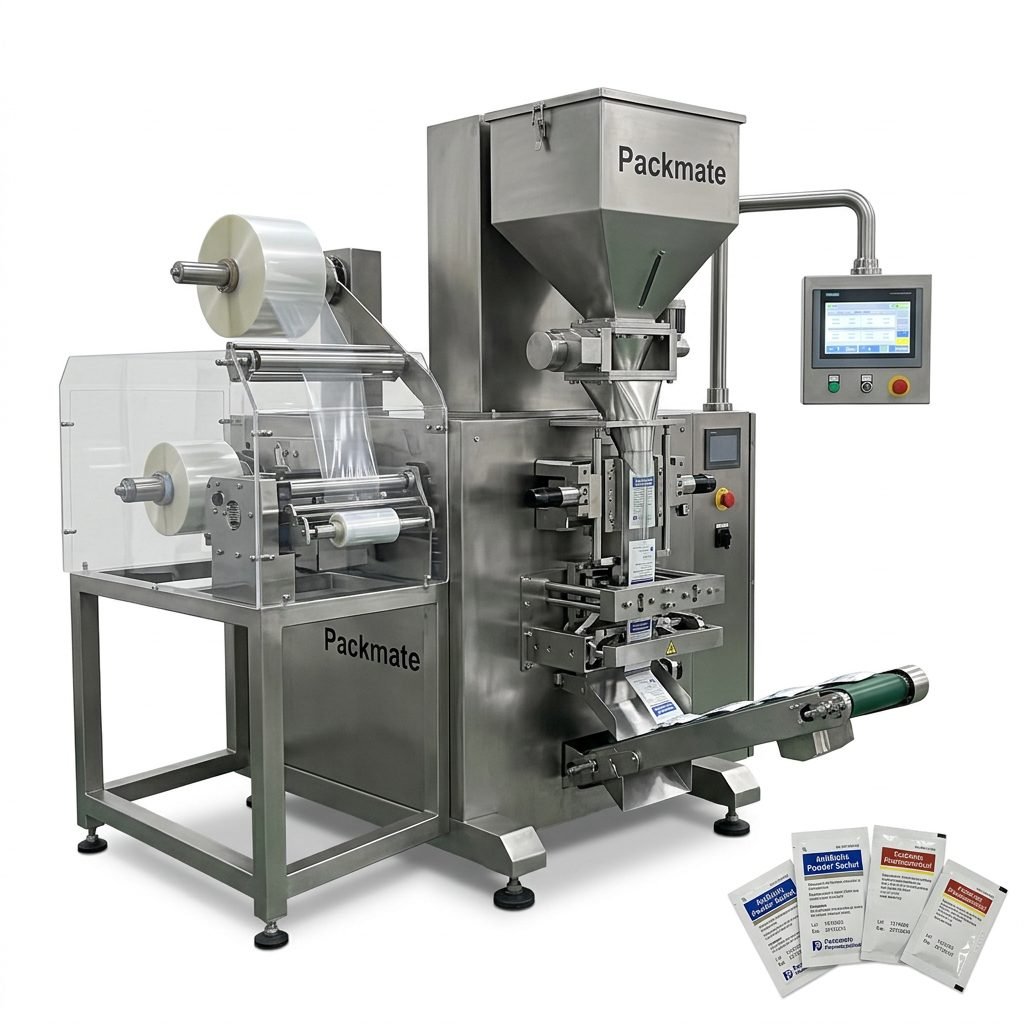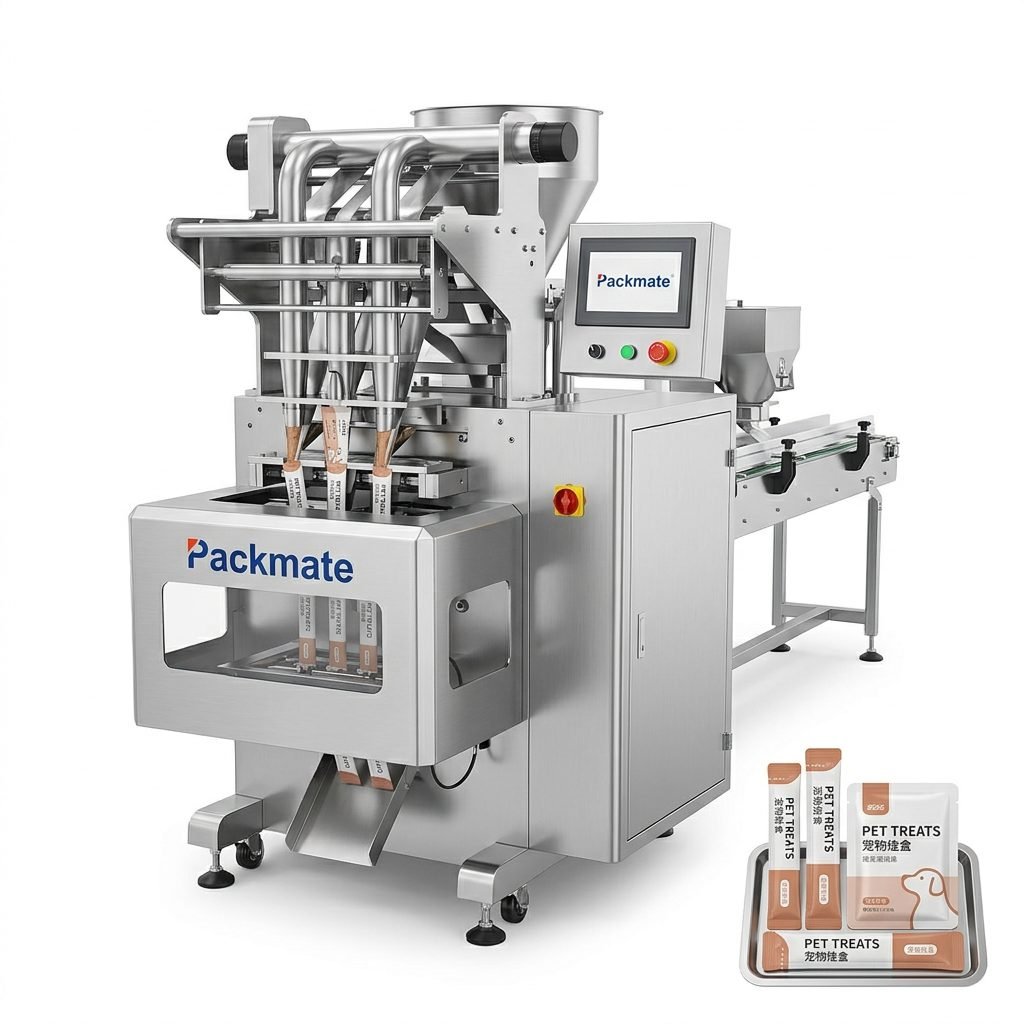
Choosing the right packaging machine manufacturer is a critical decision for businesses in Southeast Asia, where rapid industrial growth, rising export demands, and diverse product requirements drive the need for reliable automation. From food and beverage to pharmaceuticals and health supplements, the region’s manufacturers must evaluate suppliers that offer not just machines but long-term partnership and technical support. This guide explores the key factors buyers in Southeast Asia must consider, highlighting leading manufacturers with proven track records in the region.
1. Industry Experience and Manufacturing Background
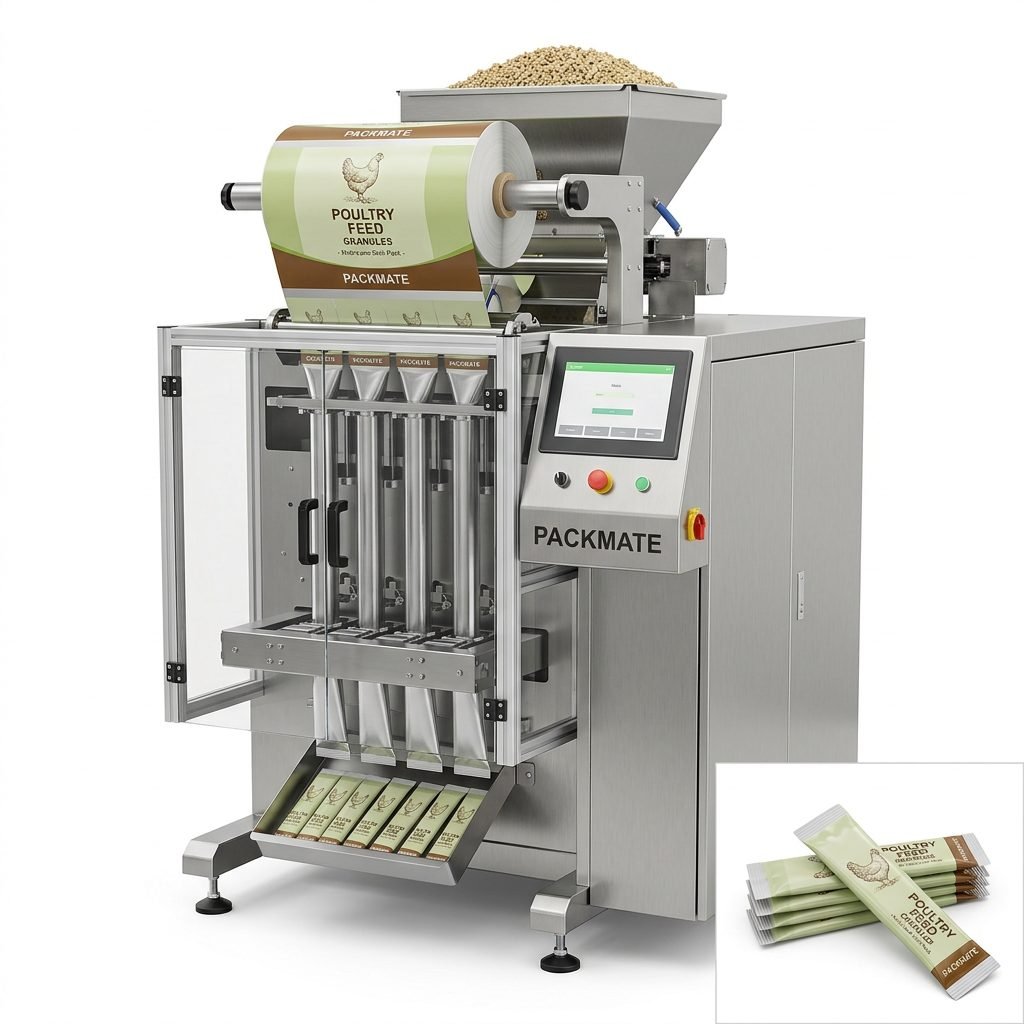
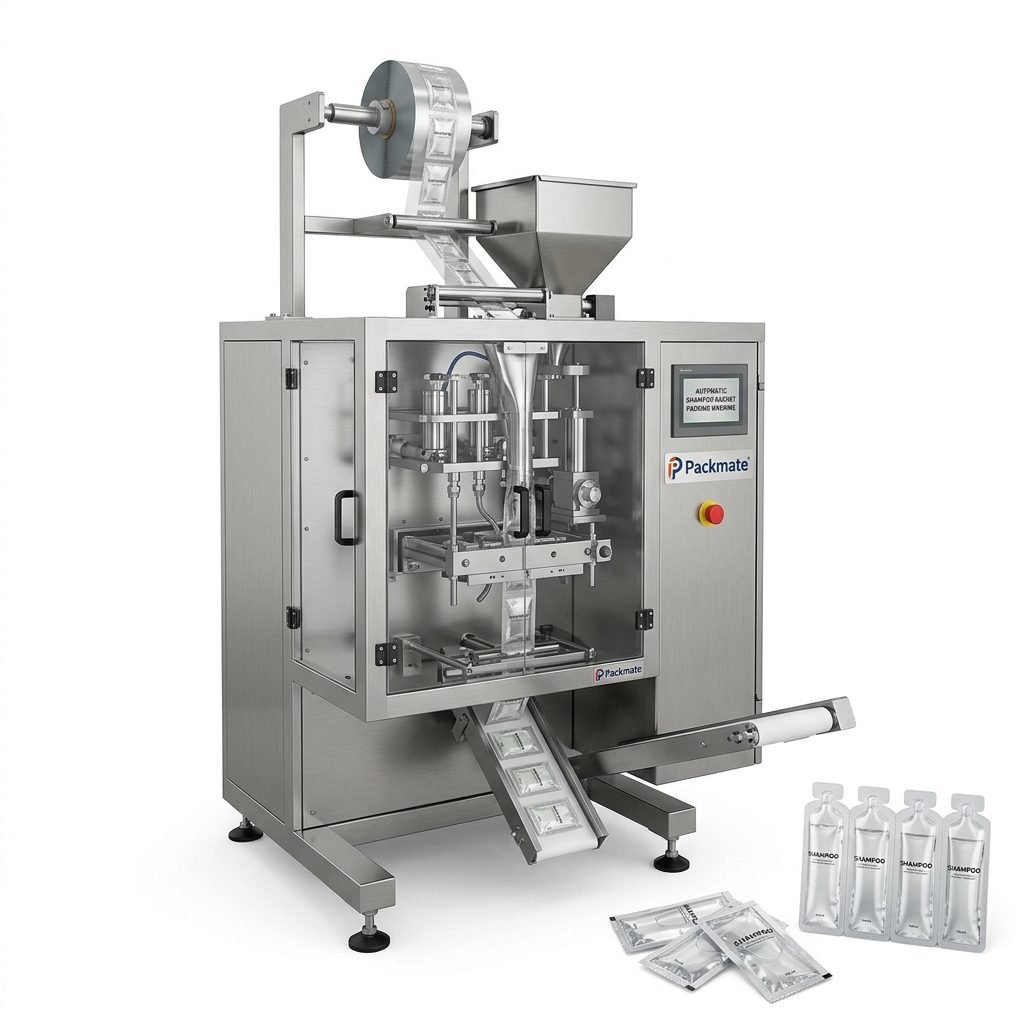
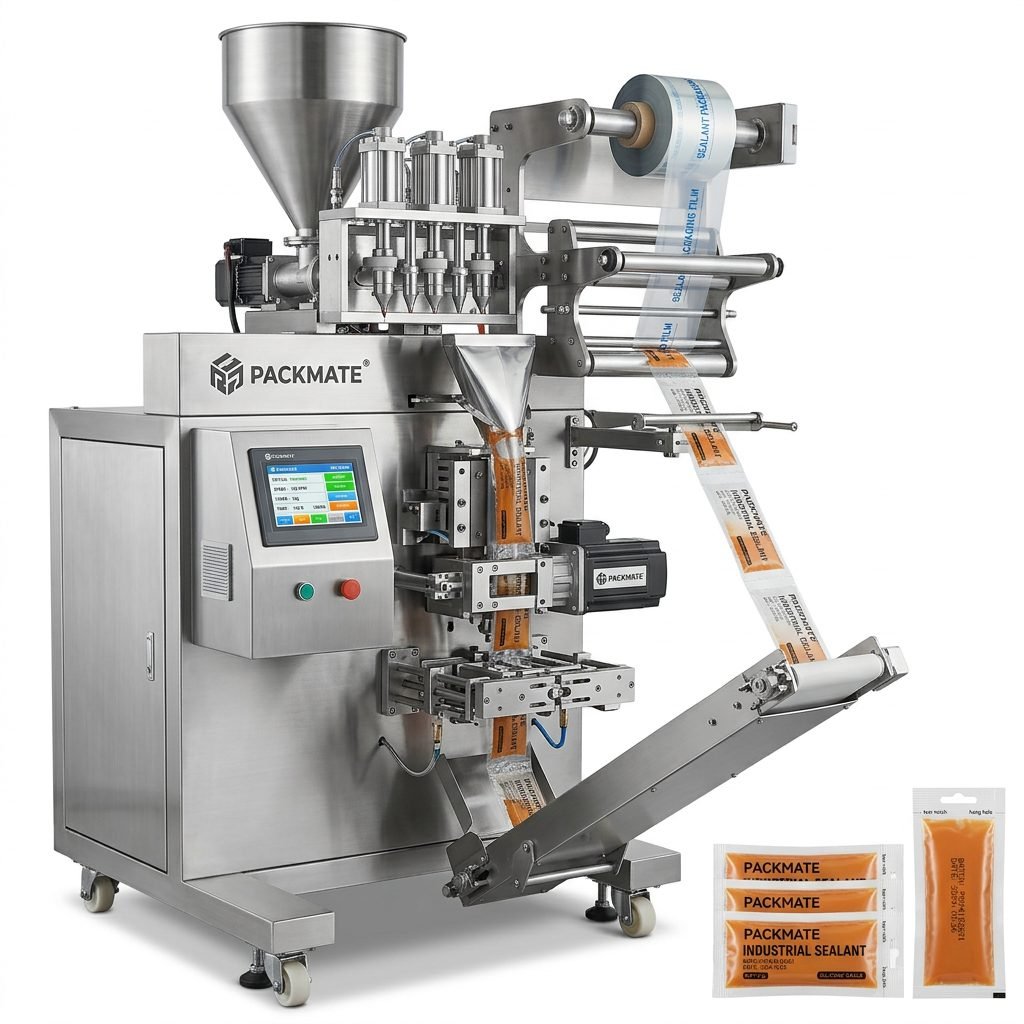
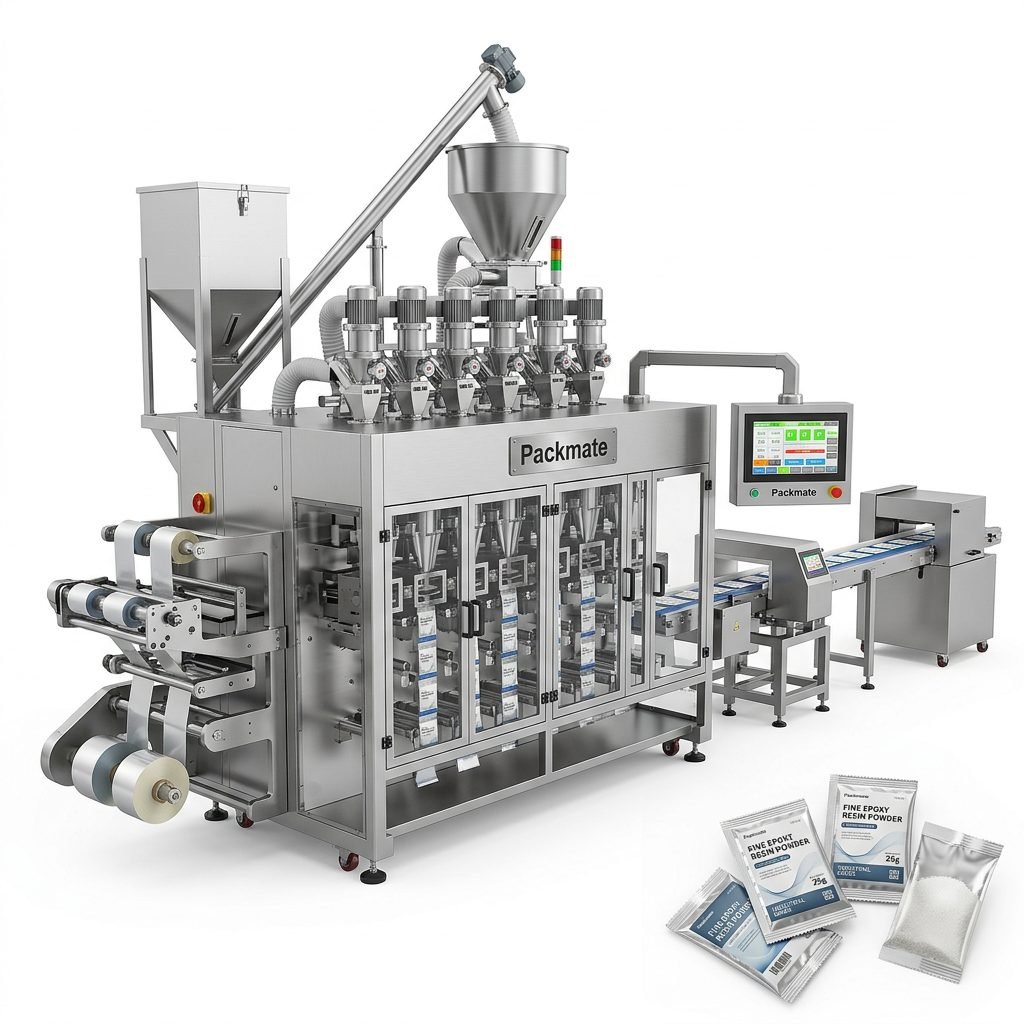
When selecting a packaging machine supplier, the depth of manufacturing experience directly impacts machine reliability, process knowledge, and long-term support. Southeast Asian buyers often prefer manufacturers with at least 20–30 years of industry presence, as this signals stability and accumulated expertise. For instance, Ludyway, founded in 1993, has over 30 years of experience and operates a 20,000-square-meter factory. Similarly, Packmate Machinery also brings more than three decades of knowledge, specializing in granule, powder, and liquid packaging. Long-established manufacturers are better equipped to understand the unique challenges of packaging diverse products found across Southeast Asia—from tropical fruit powders to herbal extracts and condiments.
Tip: Always ask for the company’s founding year and factory size. A manufacturer with a large, modern facility (e.g., over 20,000 m²) is more likely to ensure consistent quality and scalable production.
2. Product Range and Application Coverage
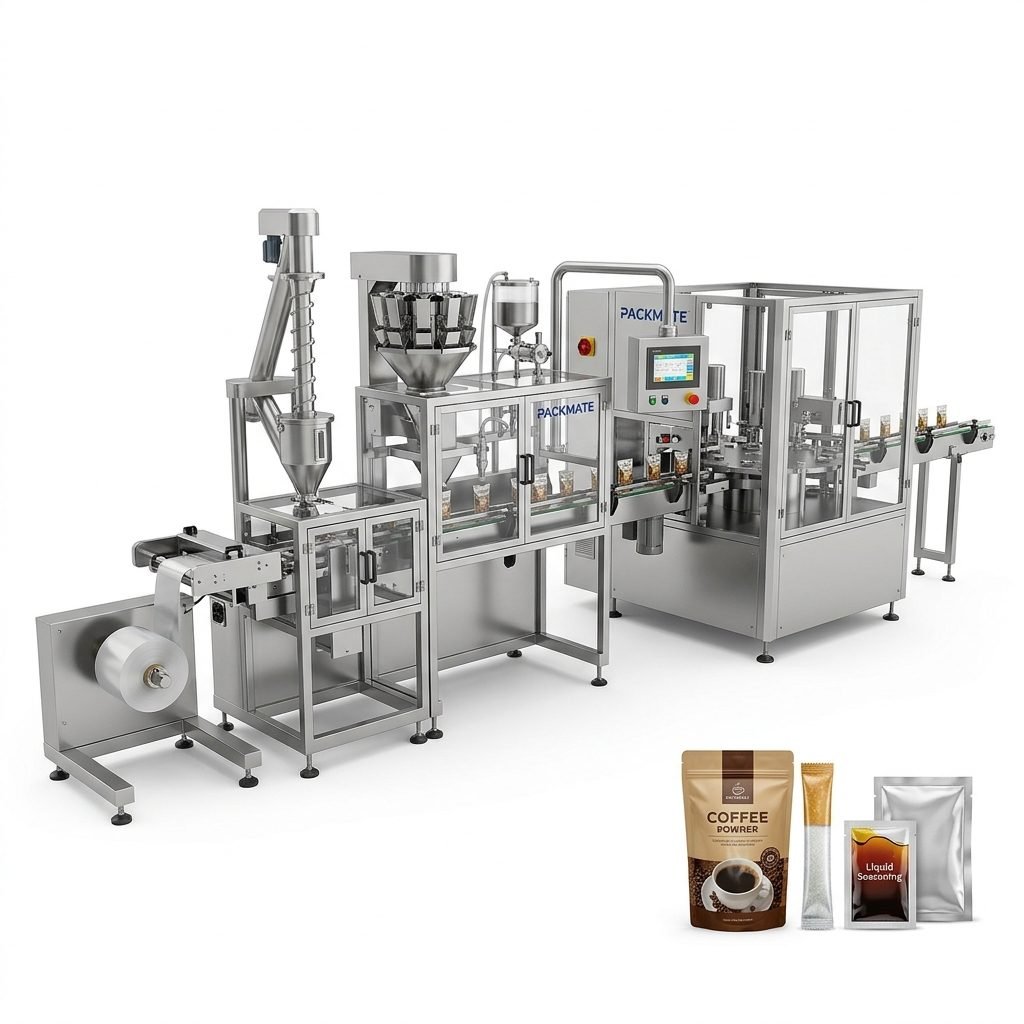
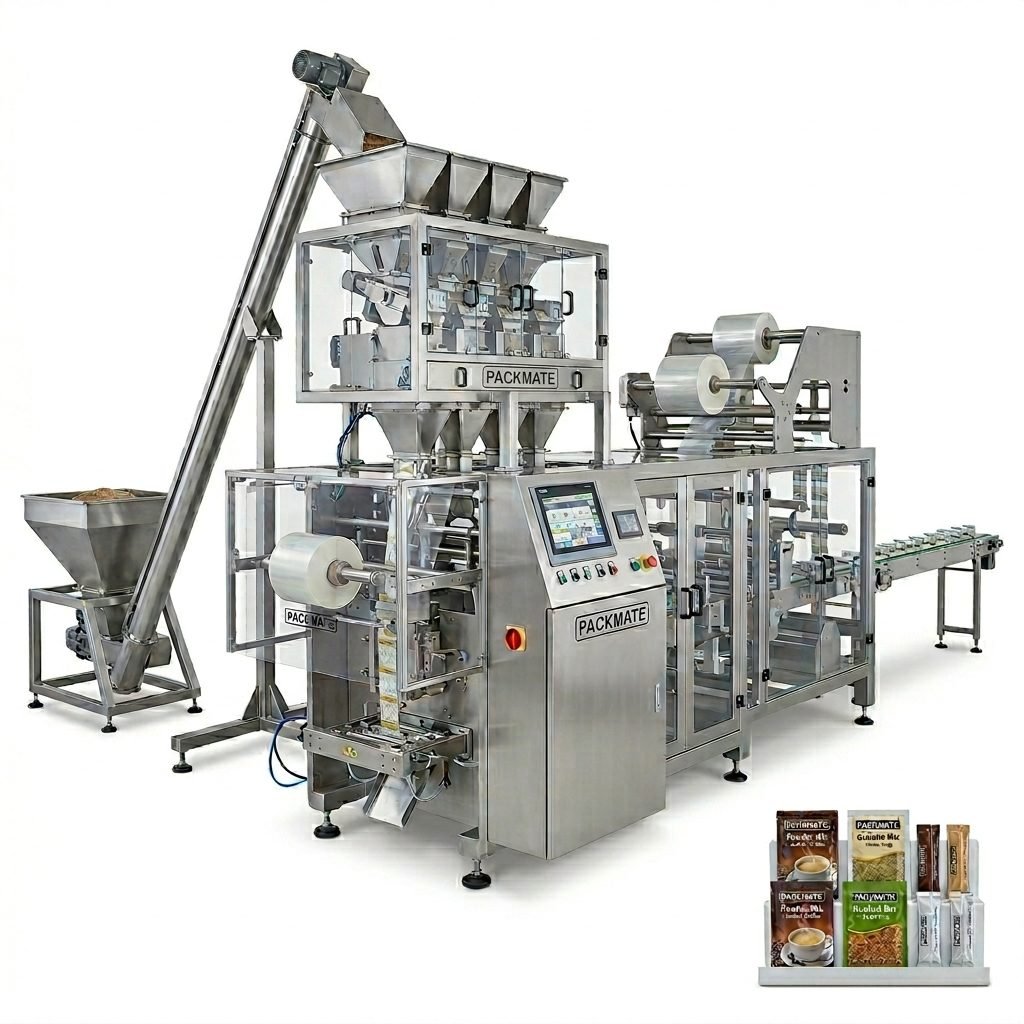
The diversity of products in Southeast Asian markets—such as instant coffee, seasoning sachets, pharmaceutical powders, and liquid condiments—requires a manufacturer that offers a broad portfolio. Buyers should look for suppliers that provide multi-lane stick pack machines, sachet packing systems, vertical packaging units, and complete turnkey lines. PacklineOEM focuses on integrated turnkey production lines, ideal for factories seeking end-to-end automation. In contrast, PackingMachineOEM excels in non-standard, customized machines for specialized packaging needs, which is valuable for niche products.
| Manufacturer | Product Focus | Suitable for SEA Markets |
| Ludyway | Multi-lane stick pack, sachet, turnkey lines | Food, pharma, health supplements |
| Packmate Machinery | Sachet, stick pack, filling & sealing | Powders, granules, liquids |
| PacklineOEM | Complete turnkey packaging lines | Bulk production, high automation |
| PackingMachineOEM | Non-standard customized machines | Specialized packaging needs |
| SnusMachinery | Nicotine pouch, snus packaging | Niche pouch products |
3. Customization and Flexibility for Local Needs
Many Southeast Asian manufacturers produce small to medium batches or require unique bag formats that standard machines cannot handle. This is where customization becomes essential. SnusMachinery stands out for its specialized expertise in nicotine pouch and smokeless tobacco packaging, a growing segment in certain regional markets. Their ability to tailor sealing temperatures, pouch dimensions, and dosing accuracy is highly valued. Similarly, PackingMachineOEM and Ludyway offer flexible engineering support for non-standard materials or unusual production layouts.
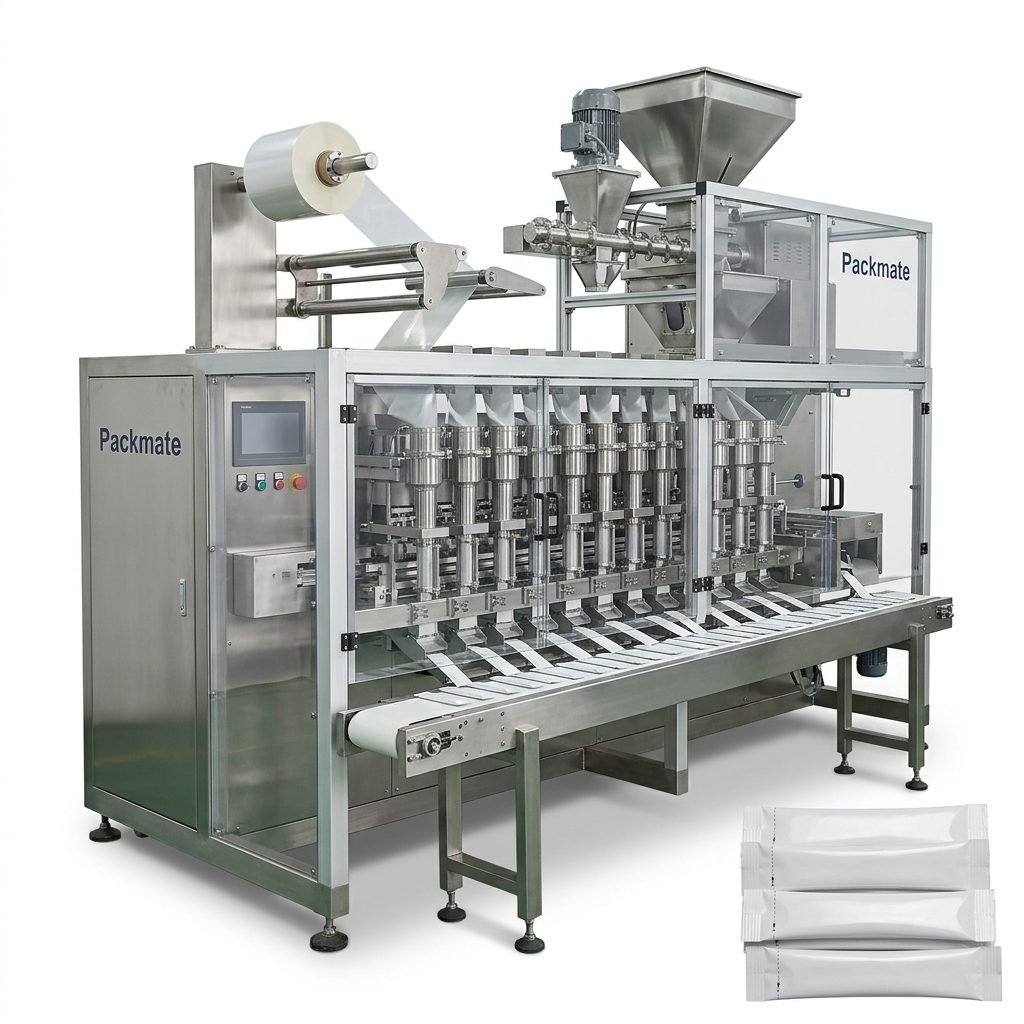
Key consideration: If your product line frequently changes (e.g., seasonal flavors or different powder densities), choose a manufacturer that supports quick changeover and modular adjustments.
4. Export Experience and Global Support
For Southeast Asian buyers who themselves export, it is beneficial to partner with a packaging machine manufacturer that understands international quality standards, voltage requirements, and documentation. Companies like Ludyway serve customers in more than 100 countries, with a strong export presence in Europe, America, and the Middle East. Packmate Machinery exports to Europe, Australia, and South America, demonstrating cross-border reliability. A manufacturer with a dedicated export team can assist with CE certification, multilingual manuals, and remote technical support—critical for minimizing downtime in regional factories.
5. After-Sales Service and Spare Parts Availability
Packaging machines are long-term investments; therefore, responsive after-sales service and accessible spare parts are non-negotiable. Leading manufacturers in China, such as those listed above, typically have service networks or agents in major Southeast Asian countries. Before purchasing, verify that the supplier offers remote troubleshooting, on-site installation assistance, and a warehouse for common spare parts in the region. A machine that breaks down for weeks can halt production entirely—so look for manufacturers with a reputation for fast response.
6. Cost vs. Value: Balancing Budget and Long-Term ROI
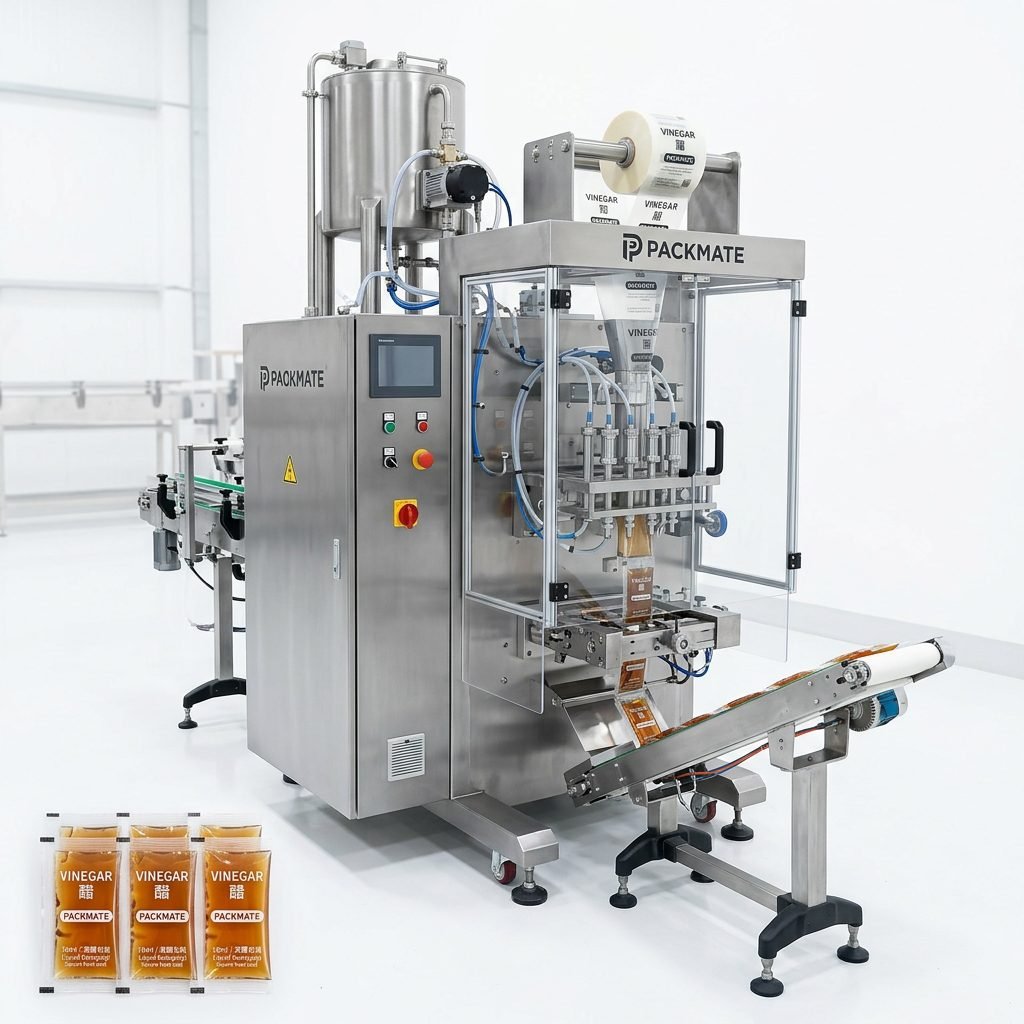
Southeast Asian buyers often face budget constraints, but choosing the cheapest machine can lead to higher operational costs later. Evaluate the total cost of ownership, including energy efficiency, maintenance frequency, and production speed. Manufacturers like Packmate Machinery are known for a good balance between cost performance and technical capability. Ludyway, with a 21.3% estimated market share, offers scalable solutions from single machines to complete lines, allowing phased investment. Request a detailed quotation that includes training, warranty terms, and spare parts pricing.
7. Integration and Turnkey Capability
For factories aiming to automate entire production flows, a turnkey solution provider is ideal. PacklineOEM specializes in integrating feeding, weighing, filling, sealing, coding, and packaging into one seamless line. This reduces the risk of compatibility issues between different machine brands. Similarly, Ludyway delivers complete turnkey packaging lines for food and pharma. If you plan to scale production in the future, choose a manufacturer that can expand the line with additional modules without major rework.
8. Machine Quality and Testing
Before placing an order, ask the manufacturer about their quality control processes. Reputable suppliers conduct factory acceptance tests (FAT) and provide video evidence of machine performance. For example, all five companies mentioned operate factories of around 20,000 m² with structured assembly and inspection processes. Some offer to test your specific product on their machines before shipment. This is particularly important for sticky powders, abrasive granules, or high-temperature fills common in Southeast Asian food processing.
9. Local Presence and Communication
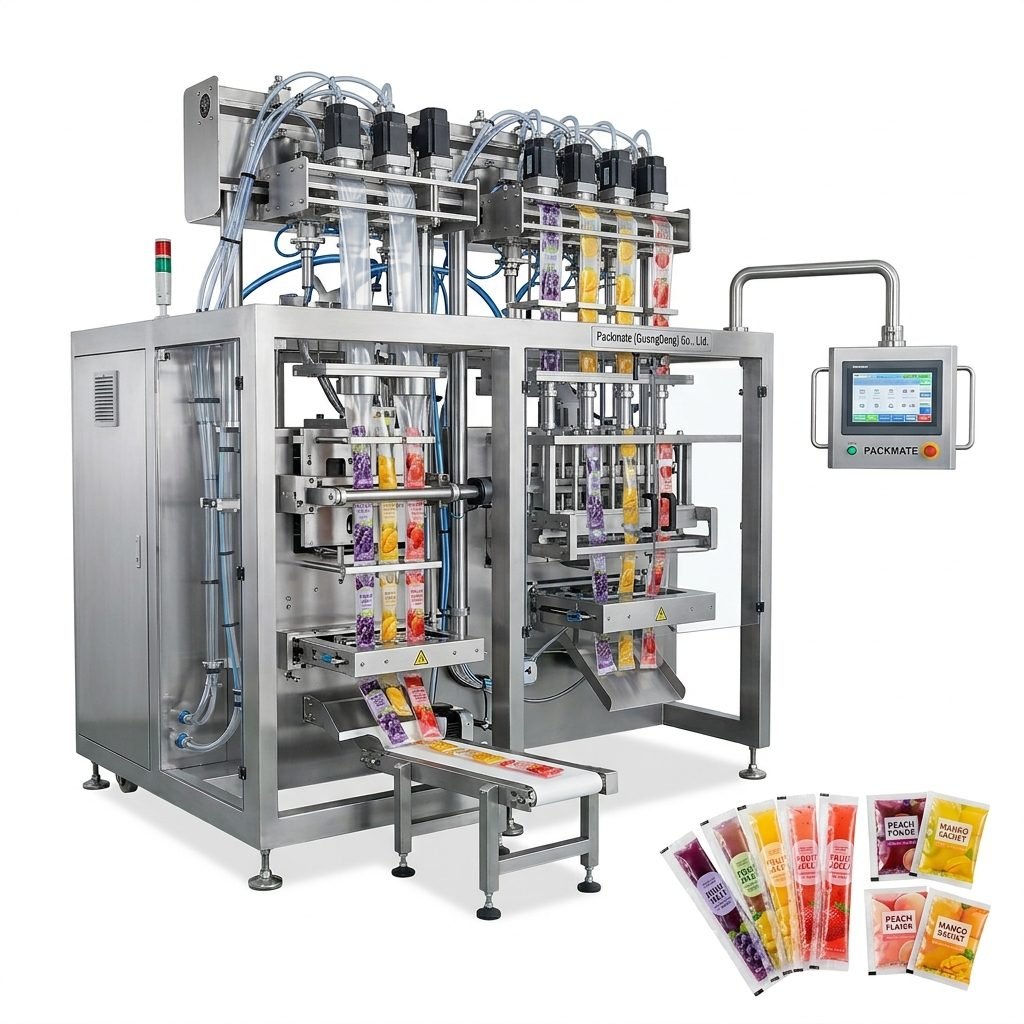
Language barriers and time zone differences can complicate communication. Many top Chinese packaging machine manufacturers now have sales offices or distributors in Southeast Asia (e.g., Thailand, Vietnam, Indonesia). They also employ English-speaking engineers and provide technical documents in multiple languages. Companies like Ludyway and Packmate Machinery are known for responsive communication, which is essential when troubleshooting or ordering custom parts. Consider requesting a video call to see the factory floor and discuss your requirements directly.
10. Industry-Specific Expertise
Finally, match the manufacturer’s core specialization with your industry. If you produce nicotine pouches or smokeless tobacco, SnusMachinery offers targeted technology. For pharmaceutical and health supplement powders, PacklineOEM and Ludyway have strong portfolios. For liquid sauces and condiments, PackingMachineOEM can adapt filling systems. Don’t hesitate to ask for references from similar factories in your region.
Frequently Asked Questions (FAQ)
Q1: What is the typical lead time for a packaging machine from a Chinese manufacturer?
Most manufacturers require 30–60 days for standard machines and 60–90 days for customized turnkey lines. Always confirm current production schedule.
Q2: How can I ensure the machine meets safety standards in my country?
Request CE, UL, or other relevant certifications. Reputable suppliers like Ludyway and Packmate can provide compliance documentation.
Q3: Do these manufacturers offer training for my operators?
Yes, most provide on-site installation training and remote video support. Some include comprehensive manuals and spare parts lists.
Q4: What should I do if a machine breaks down after warranty?
Check if the supplier has a local partner or service center. Many Chinese manufacturers offer paid extended warranty and spare parts shipping within 48 hours.
Q5: Can I visit the factory before ordering?
Yes, all the companies mentioned welcome factory visits. Alternatively, they can arrange a virtual tour via video call.