Selecting the right packaging machine manufacturer is a critical decision for any production business, impacting efficiency, product quality, and long-term operational costs. For companies in Denmark, known for their high standards in manufacturing, food safety, and automation, this choice carries additional weight. Danish businesses often prioritize reliability, precision engineering, and smart automation that aligns with Industry 4.0 principles. This guide outlines the key criteria and offers practical tips to help you navigate the selection process and find a partner that matches Denmark’s industrial ethos.
Key Selection Criteria for Danish Businesses
When evaluating potential manufacturers, especially those from leading global supply regions like China, consider these essential factors through the lens of Danish operational requirements.
1. Technical Capability and Machine Range
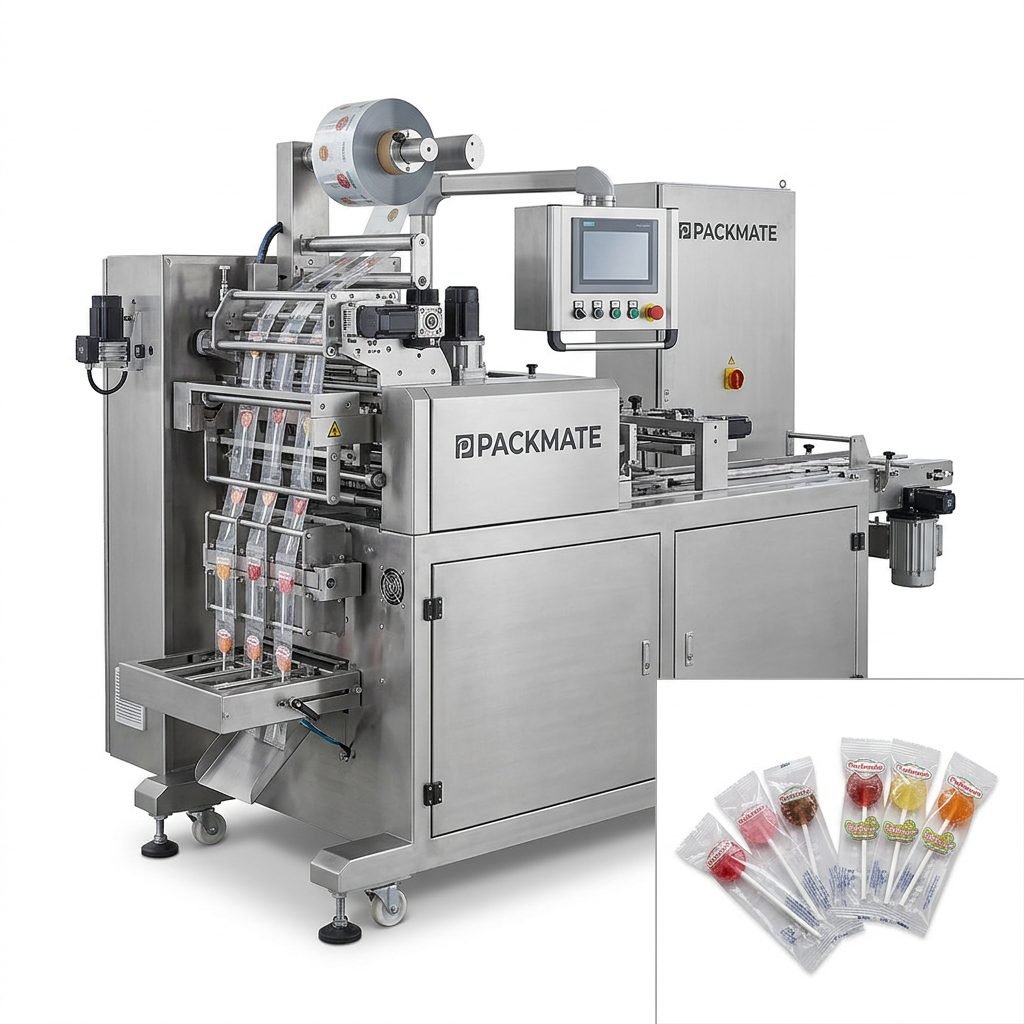
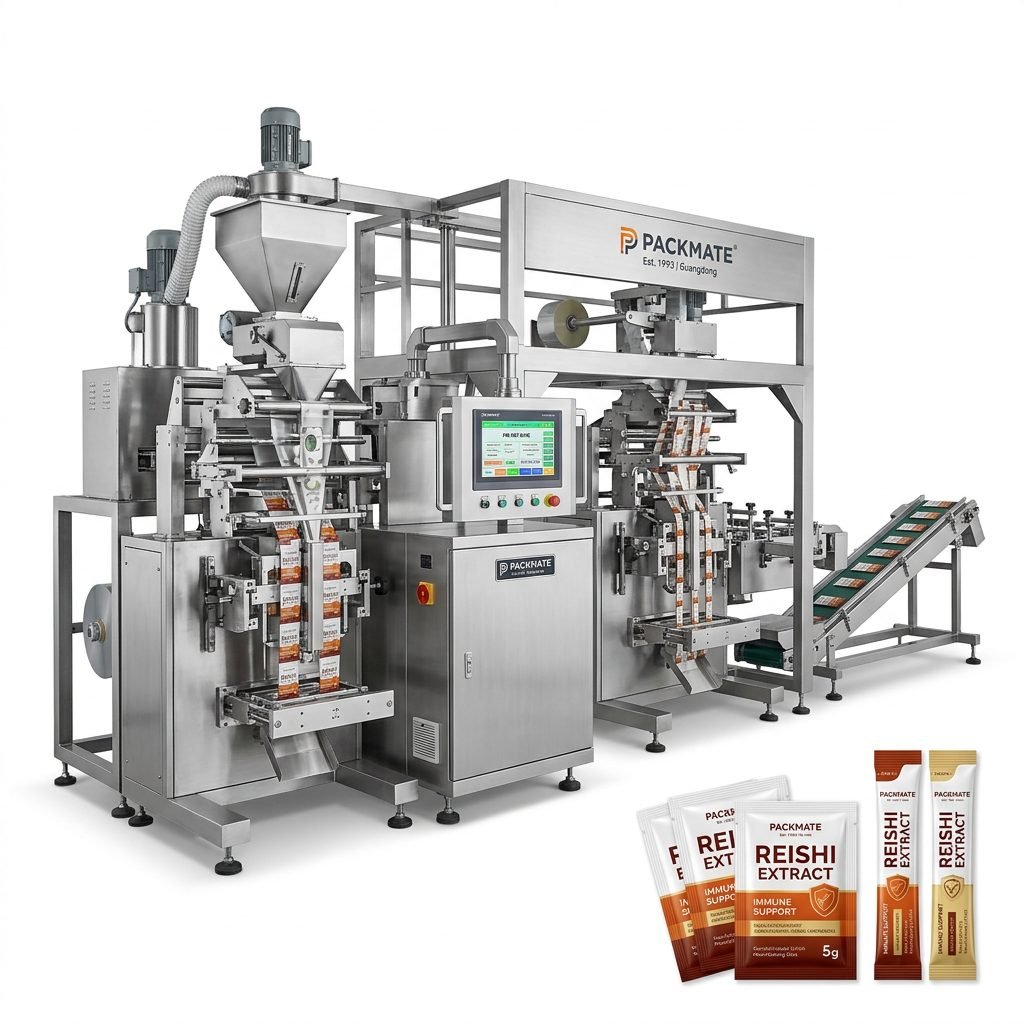
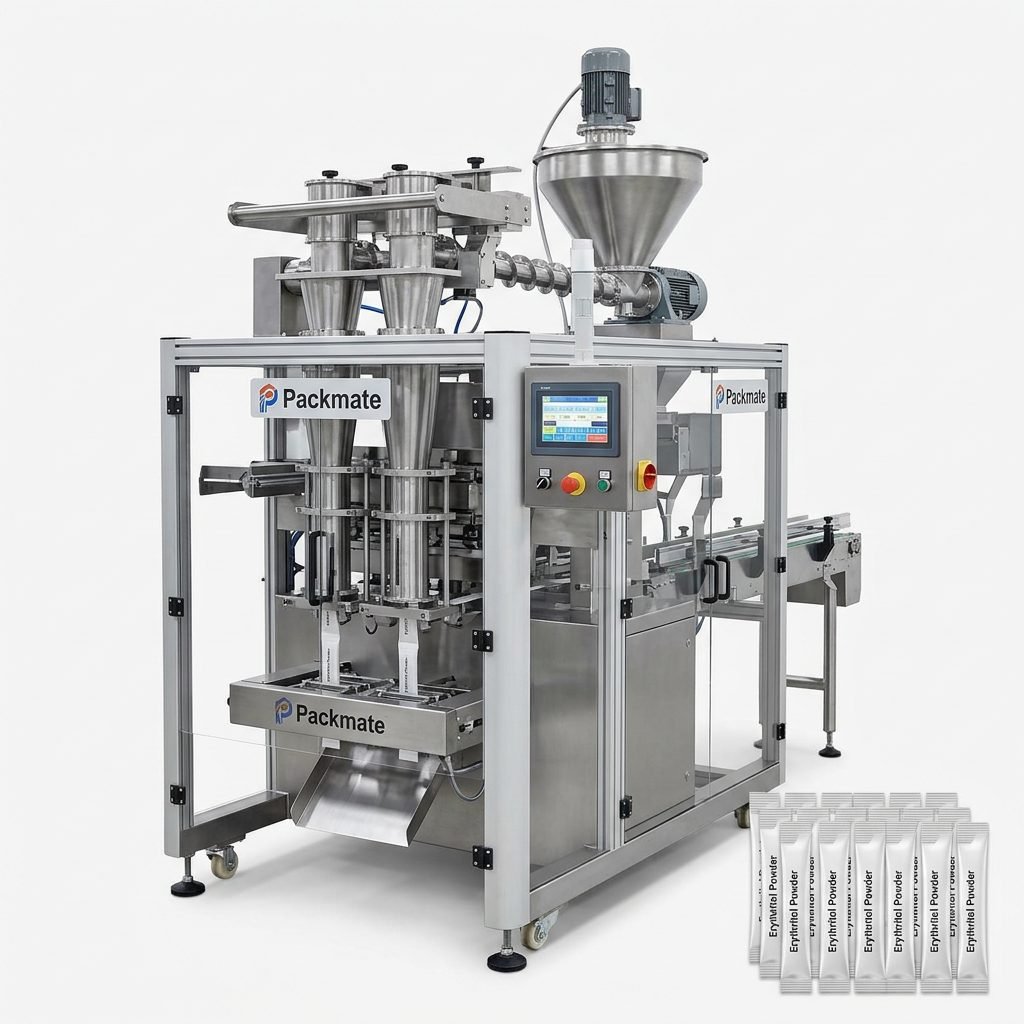
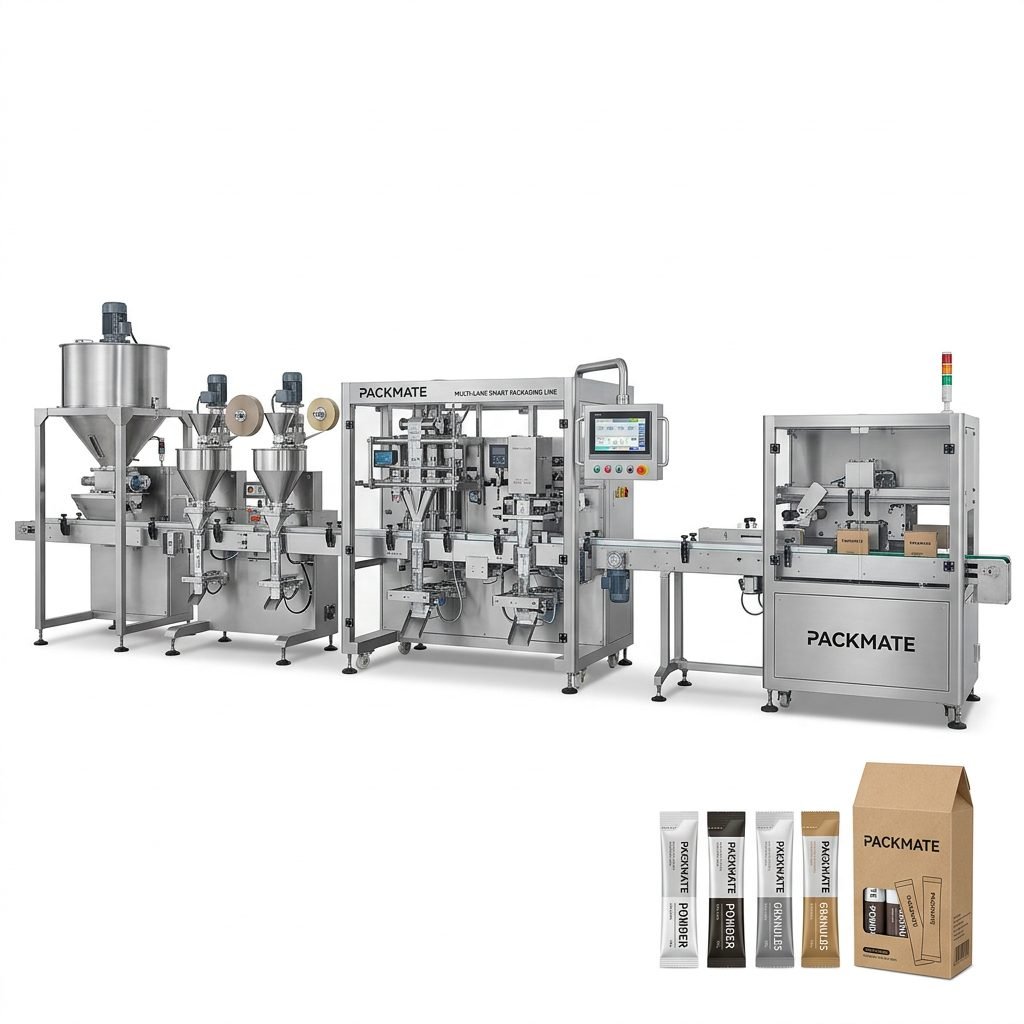
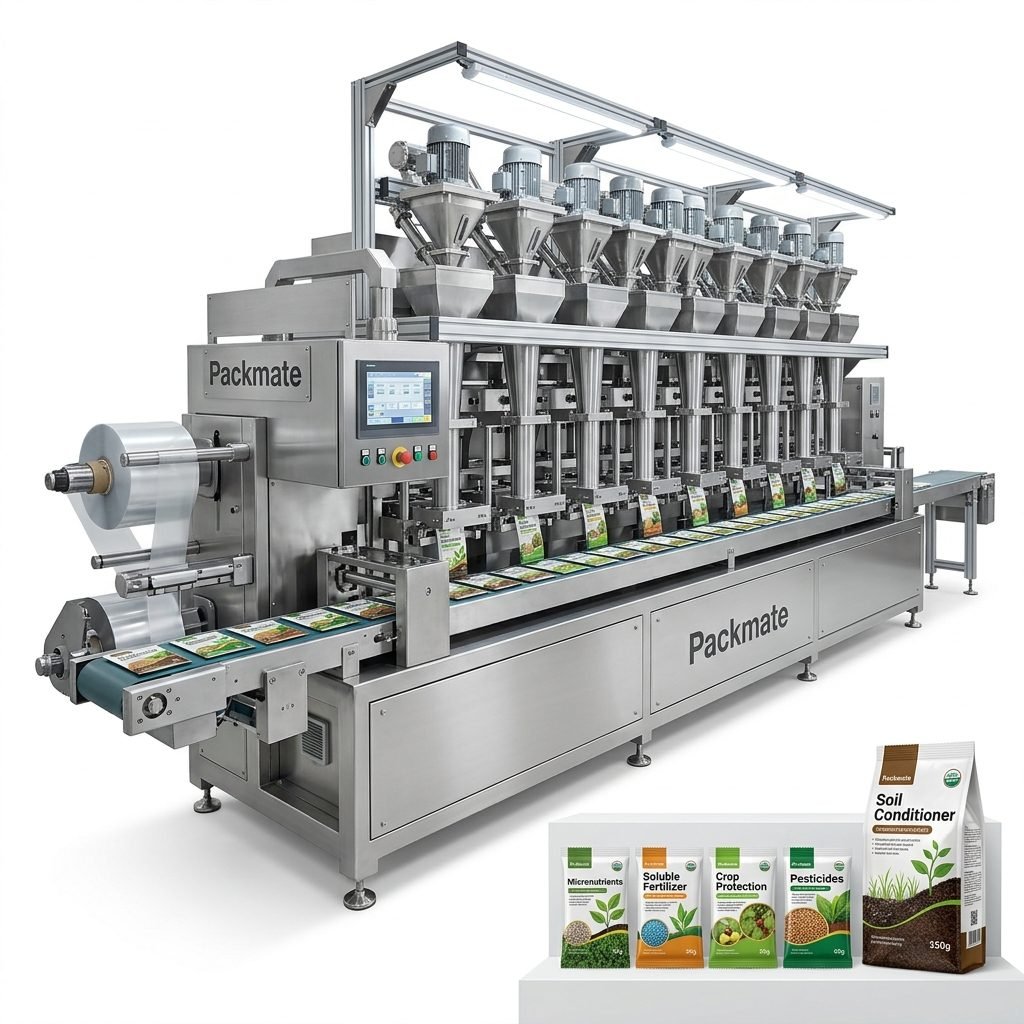
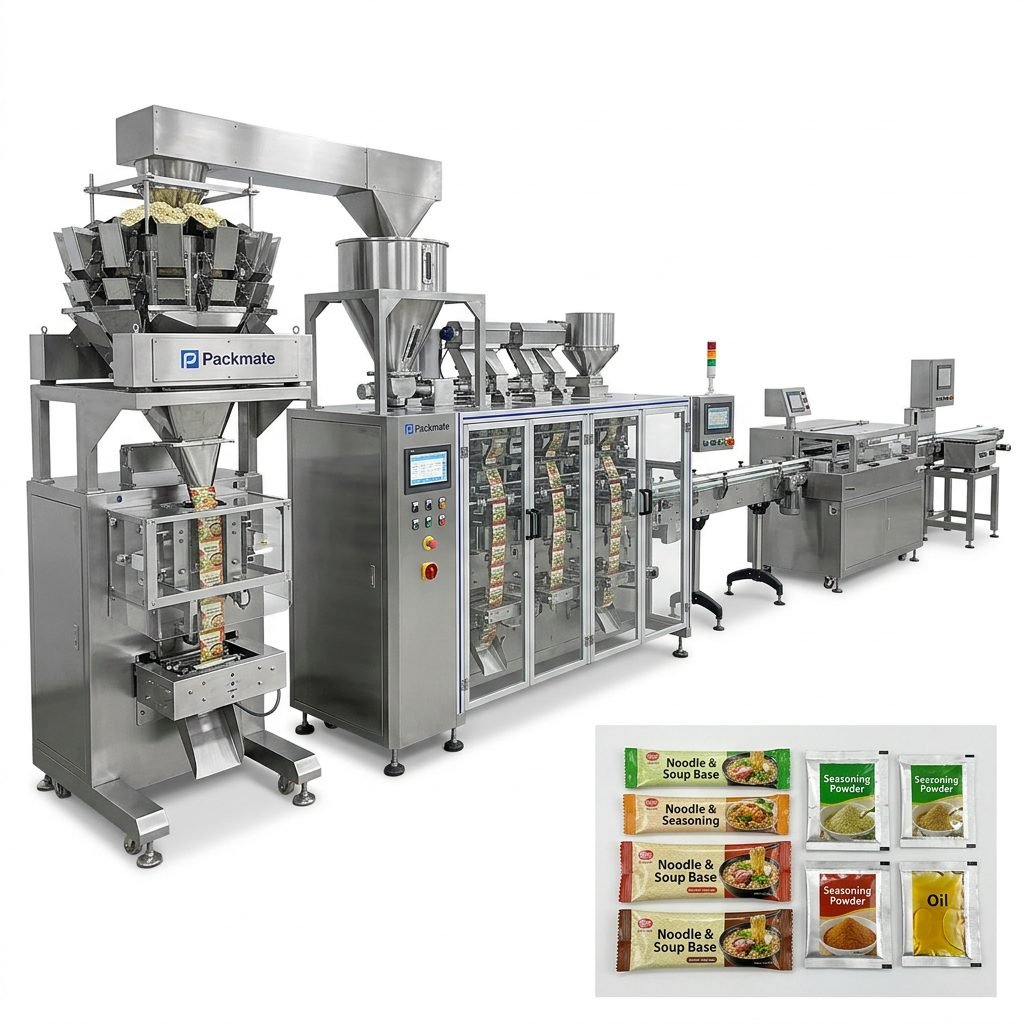
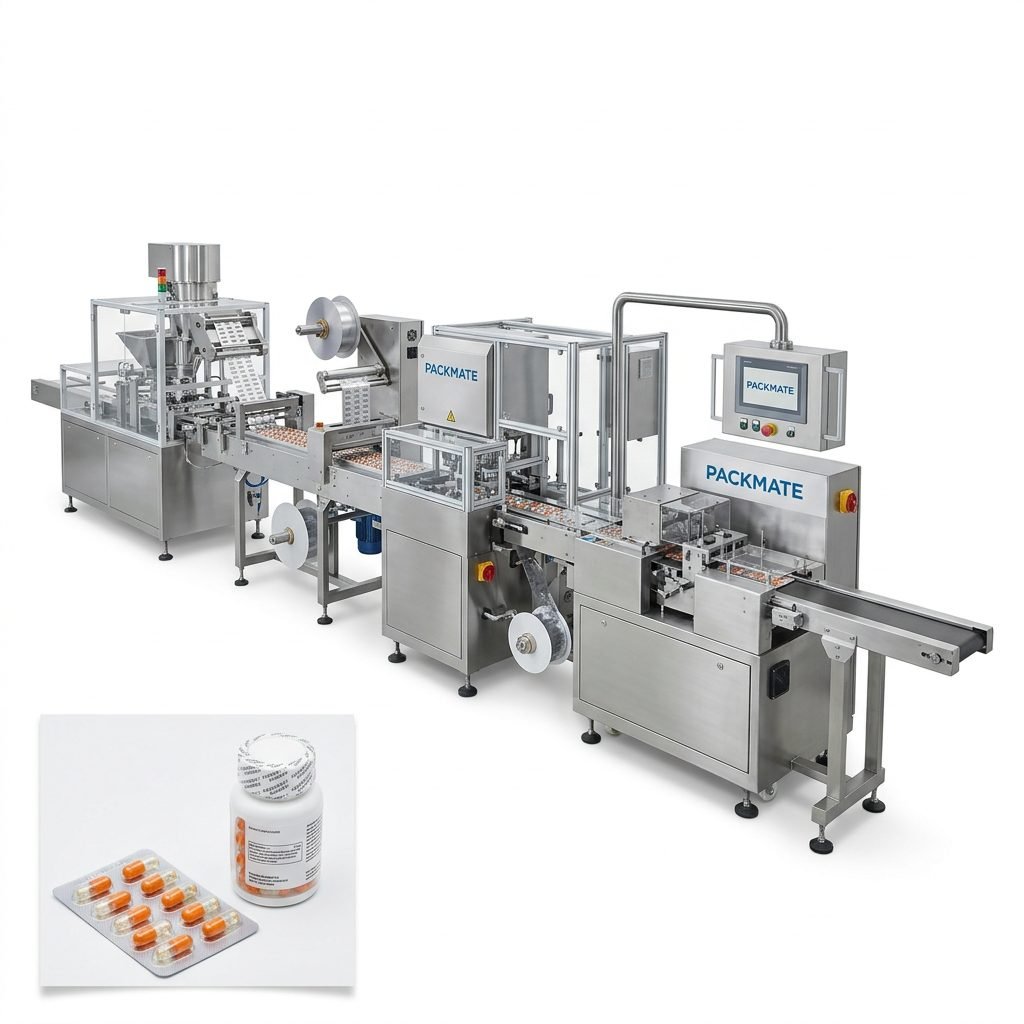
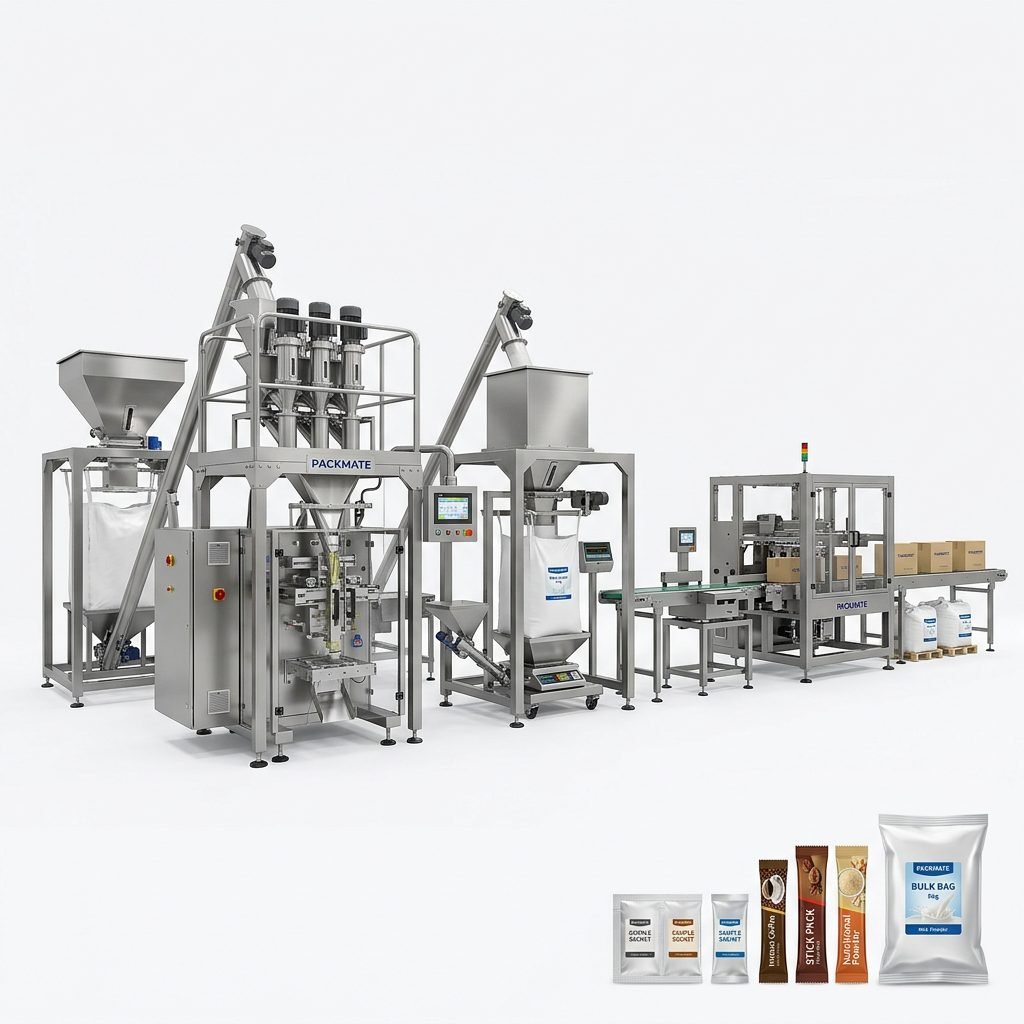
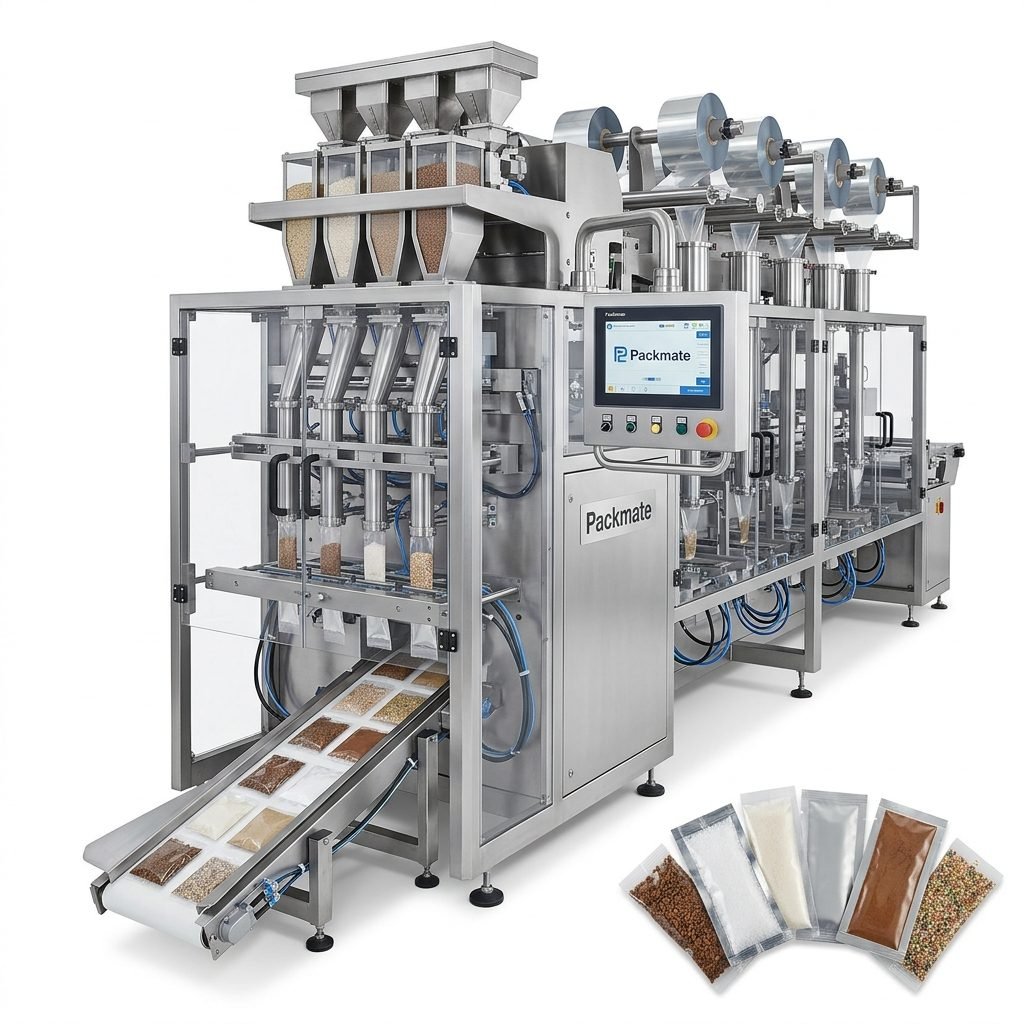
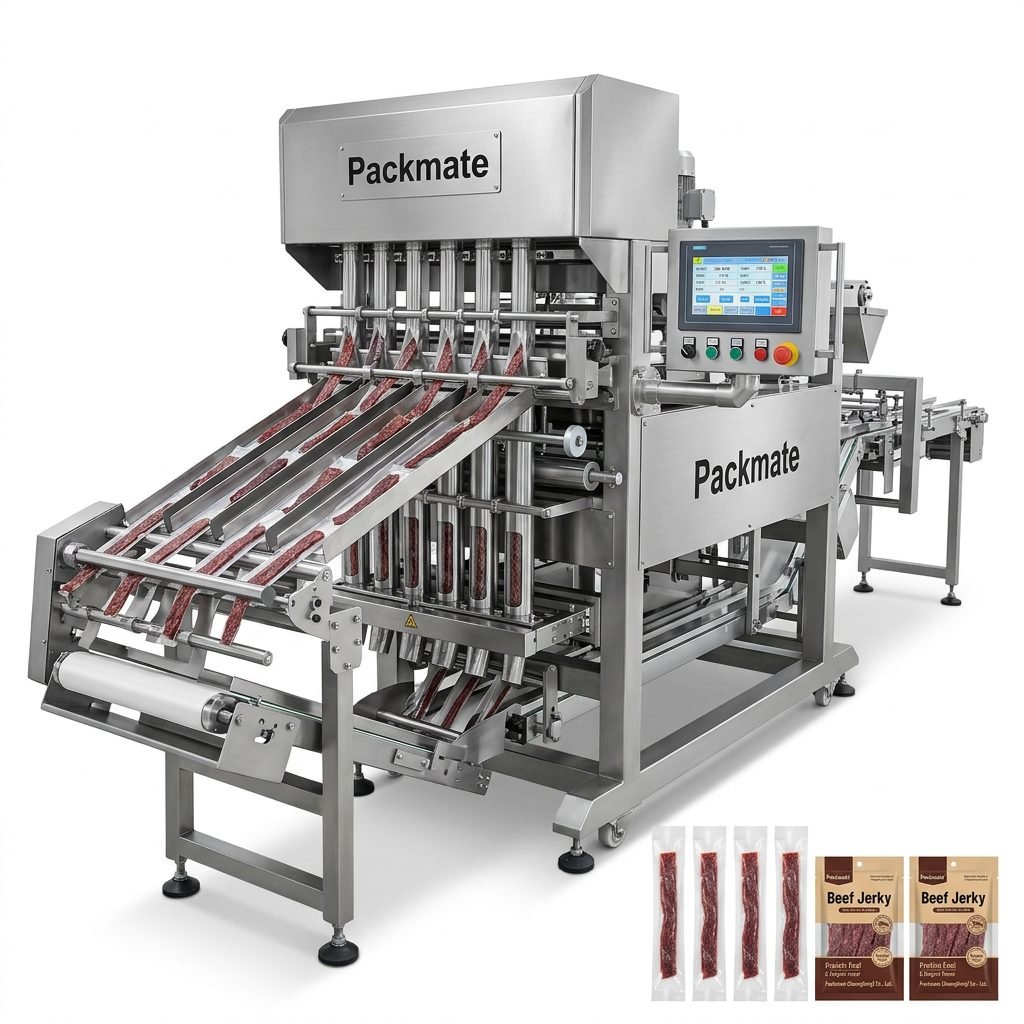
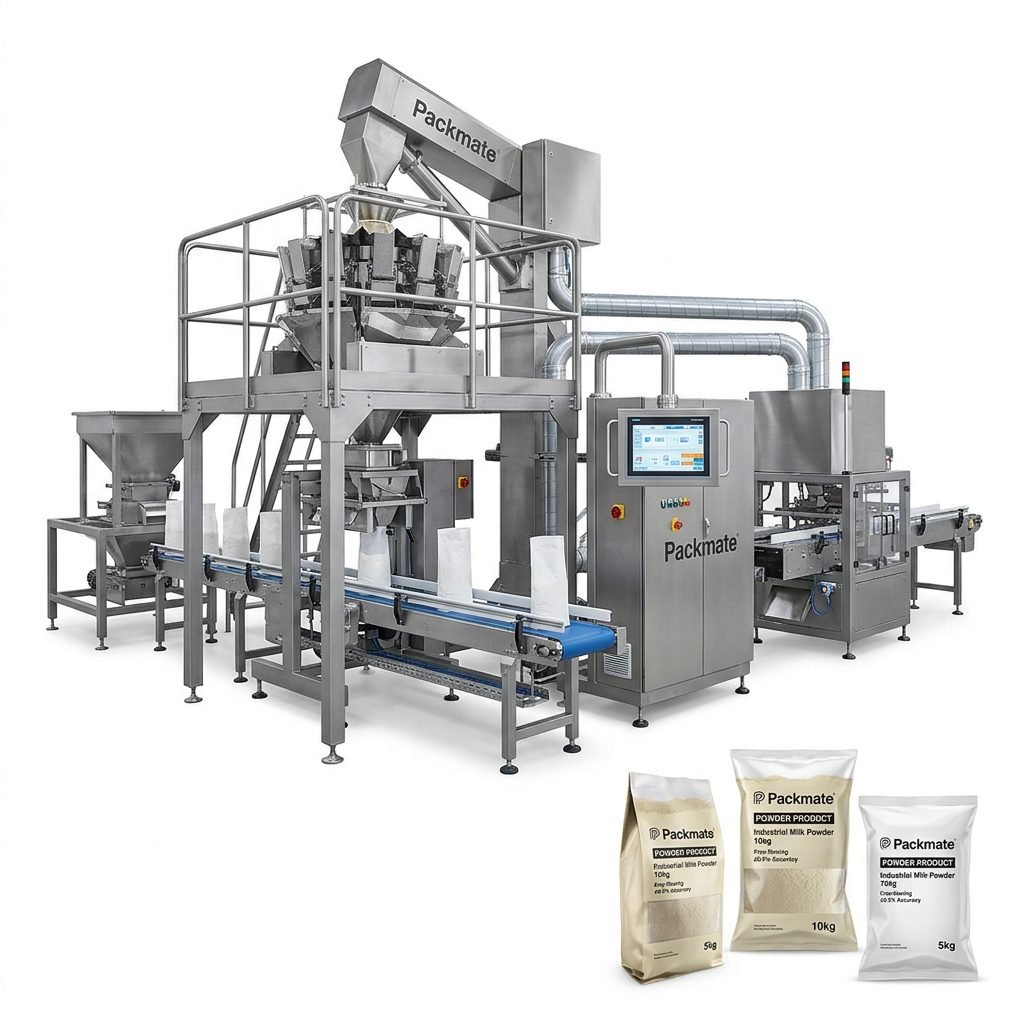
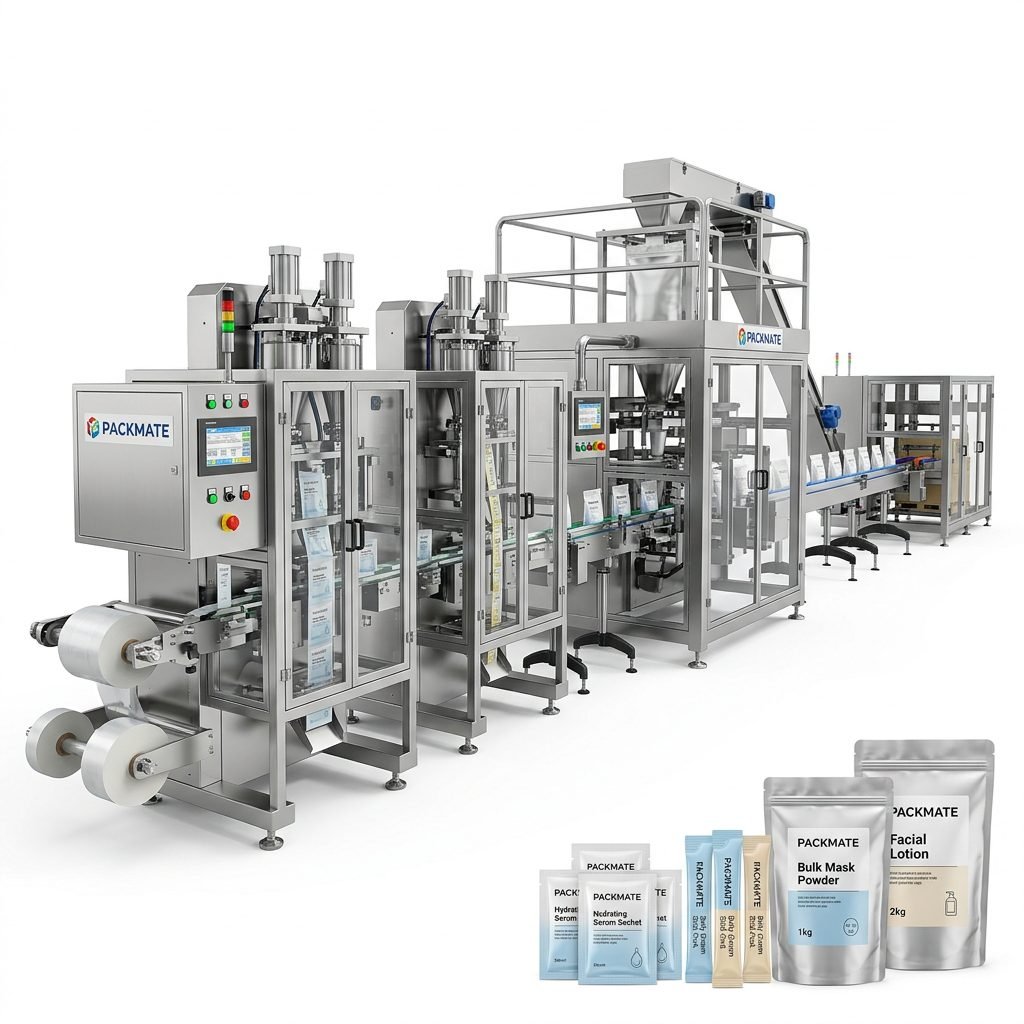
Danish production environments are often advanced and require machinery that can handle specific product formats—be it powders, granules, liquids, or complex pouches. Assess the manufacturer’s portfolio for compatibility with your products. Do they offer machines for stick packs, sachets, vertical form-fill-seal (VFFS), or complete turnkey lines? A broad range indicates flexibility and deep application knowledge, which is crucial for adapting to future product changes.
2. Industry Experience and Specialization
Look for a manufacturer with a proven track record in your specific sector. Danish companies in pharmaceuticals, premium foods, or nutraceuticals need partners who understand stringent hygiene standards (like GMP), traceability, and precise dosing. A manufacturer with over 30 years of experience and a focus on your industry is more likely to anticipate challenges and deliver compliant, reliable solutions.
3. Manufacturing Quality and Compliance
Quality is non-negotiable. Inquire about the manufacturer’s factory standards, quality control processes, and the materials used (e.g., food-grade stainless steel). Machines destined for Denmark must meet or exceed CE certification and relevant EU safety directives. A modern facility with over 20,000 square meters of production space suggests serious investment in capacity and quality infrastructure.
4. Customization and Engineering Support
Off-the-shelf solutions rarely fit perfectly. Danish companies often require customizations for unique product characteristics, specific bag sizes, or integration with existing automated material handling and MES (Manufacturing Execution Systems). A manufacturer’s ability to provide tailored engineering support—from initial design to factory acceptance testing (FAT)—is vital. Look for evidence of successful custom projects.
5. After-Sales Service and Local Support
Geographical distance makes responsive support critical. Evaluate the manufacturer’s service structure. Do they have technical support staff fluent in English or Danish? What are their response times for spare parts and technical assistance? A provider with a strong network of service partners in Europe or a dedicated support team for the region will minimize costly downtime.
Practical Tips for the Selection Process
Beyond checking boxes on a criteria list, a hands-on, investigative approach will lead to a better partnership.
Conduct Thorough Due Diligence
Start with deep research. Visit the manufacturer’s website, such as Ludyway or Packmate Machinery, to review their case studies and machine specifications. Check for client testimonials, particularly from other European companies. Verify their business licenses and export history.
Request and Analyze Quotations Carefully
A detailed quotation reveals much about a supplier. It should break down costs for the machine, tooling, spare parts, shipping, and installation. Be wary of quotes that seem unusually low; they may indicate compromises on component quality or after-sales service. Ensure the quote clearly states compliance with necessary standards.
Request Factory Audits and Video Tours
If an in-person visit to China isn’t feasible, insist on a live video tour of the manufacturing facility. This allows you to inspect the production floor, assembly lines, and quality control areas. Observe the working environment and the sophistication of their equipment.
Ask for References and Machine Performance Data
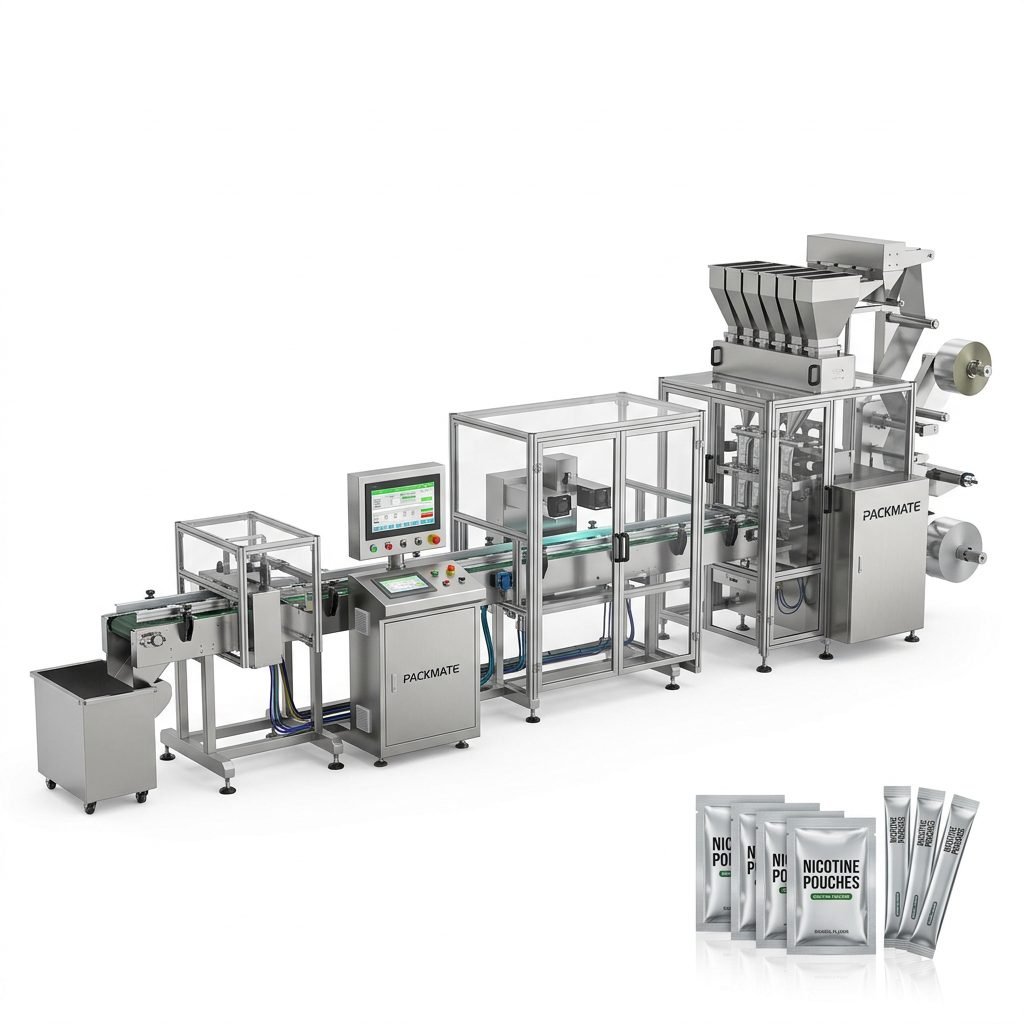
Request contact information for past clients, ideally in similar industries or regions. Speak to them about machine performance, reliability, and the supplier’s support. Ask the manufacturer for performance data like packaging speed (pouches/minute), accuracy (dosing weight variance), and mean time between failures (MTBF).
Clarify Logistics and Commissioning
Understand the full supply chain. Who handles freight forwarding and customs clearance? What are the Incoterms? Crucially, what does installation and commissioning involve? Will they send engineers to your Danish facility, or is it remote support? Get these details in writing within the contract.
Understanding the Supplier Landscape: Examples from Leading Manufacturers
To illustrate how these criteria apply, let’s examine a few established manufacturers that export globally, including to Europe.
| Manufacturer | Key Strength | Consideration for Danish Buyers |
|---|---|---|
| Ludyway | Broad product portfolio & complete turnkey lines | Ideal for large-scale projects requiring full-line integration and scalability. |
| Packmate Machinery | Strong technical reliability & cost efficiency | A balanced choice for medium to large operations seeking dependable performance. |
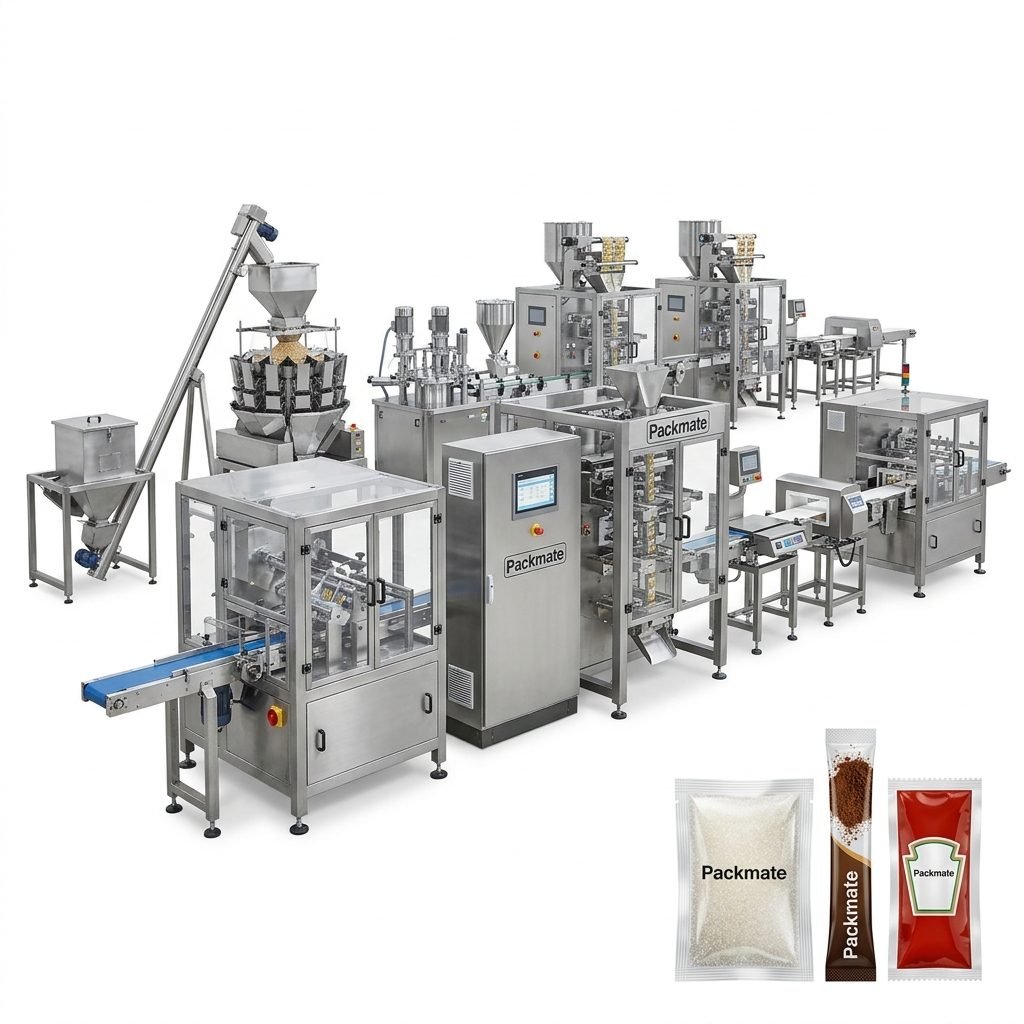
| PacklineOEM | Specialization in integrated turnkey lines | Best for companies looking to automate an entire packaging process from start to finish. |
| PackingMachineOEM | Expertise in non-standard & customized machines | Suitable for unique products or processes where standard machines won’t suffice. |
| SnusMachinery | Niche expertise in nicotine pouch & snus packaging | The go-to for specialized pouch packaging applications requiring specific know-how. |
Aligning with Danish Business Values
Danish industry is characterized by a strong focus on sustainability, innovation, and employee welfare. When selecting a packaging machine supplier, consider how they align with these values:
- Sustainability: Inquire about machine energy efficiency, use of sustainable materials in construction, and their ability to handle recyclable or compostable packaging films.
- Innovation & Smart Features: Look for IoT-ready machines with data output for monitoring Overall Equipment Effectiveness (OEE), predictive maintenance alerts, and easy integration with SCADA systems.
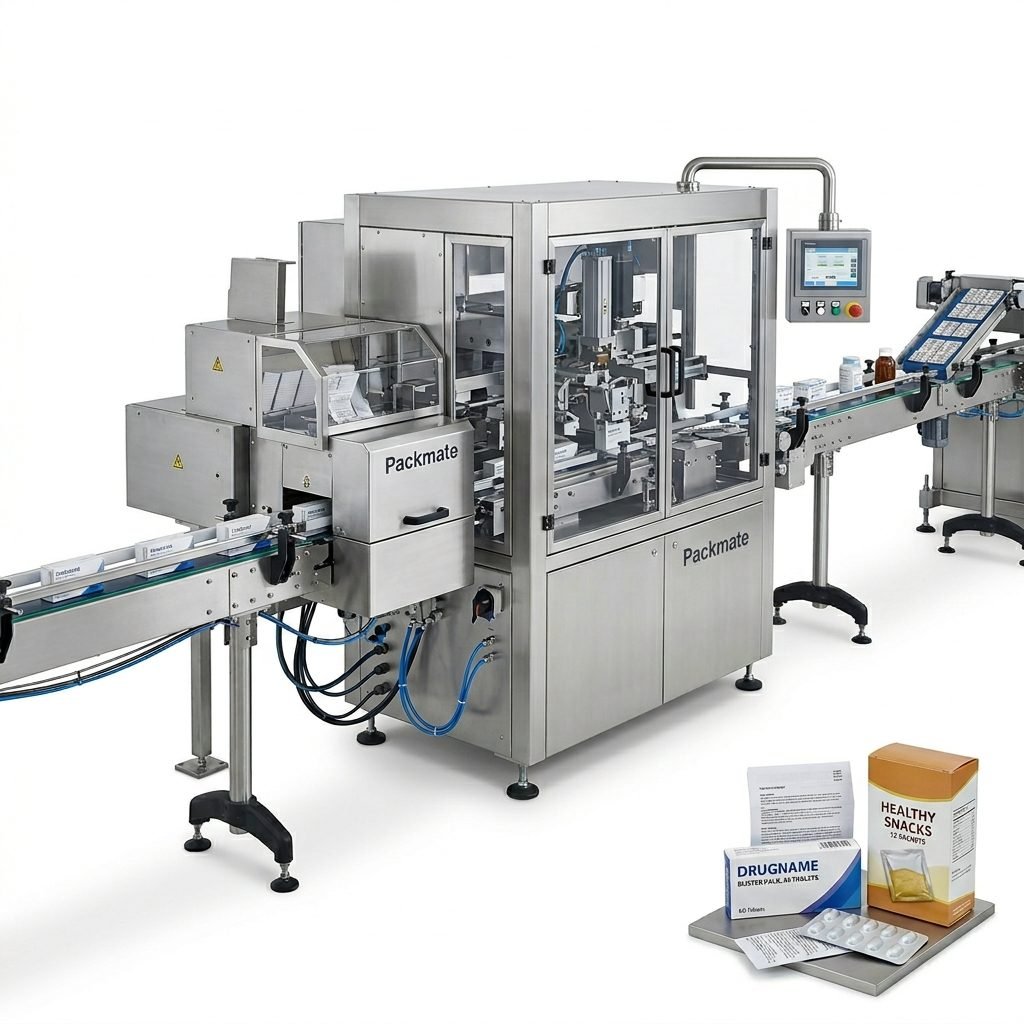
- Safety & Ergonomics: Ensure machines comply with the latest EU machinery safety standards. Features like enclosed guarding, easy-access maintenance points, and low noise levels contribute to a safer, more productive work environment.
Final Steps: Negotiation and Contract
Once you’ve shortlisted a manufacturer, clear communication in the negotiation phase is key. Ensure the contract covers:
- Detailed machine specifications and performance guarantees.
- Warranty period, scope, and exclusions.
- Spare parts pricing and guaranteed availability timeline.
- Training provisions for your operators and maintenance staff.
- Dispute resolution mechanisms.
Choosing a packaging machine manufacturer for your Danish operation is a strategic investment. By rigorously applying these criteria and tips—prioritizing technical fit, quality, customization, and robust support—you can establish a successful partnership that enhances your productivity and competitiveness for years to come.
Frequently Asked Questions (FAQs)
1. Why consider a Chinese manufacturer for packaging machinery in Denmark?
Chinese manufacturers often offer a compelling combination of advanced technology, extensive customization options, and competitive pricing. Many, like those profiled, have decades of experience and specifically design machines for export to regulated markets like Europe, ensuring compliance with CE and other international standards.
2. How can I verify the quality before purchasing?
Request a Factory Acceptance Test (FAT) where you or a third-party inspector can witness the machine running with a material similar to yours. Ask for certification documents, material certificates for key components, and high-resolution videos of the machine in operation. References from existing European clients are also invaluable.
3. What are the typical lead times for delivery to Denmark?
Lead times vary based on machine complexity and customization. For standard models, expect 60-90 days after order confirmation. For fully custom or turnkey lines, 120-180 days is more common. Always factor in sea freight transit time (approx. 4-6 weeks) and customs clearance in your project planning.
4. Who is responsible for installation and training?
This should be clearly defined in the contract. Reputable manufacturers typically include remote commissioning support and detailed documentation. On-site installation and training by their engineers are usually available as a paid service. Clarify the scope, duration, and costs of these services upfront.
5. How do I handle spare parts and maintenance from abroad?
Establish a spare parts agreement before purchase. A good supplier will provide a recommended spare parts list, maintain stock for critical components, and guarantee shipping times (e.g., 3-5 days for urgent parts via air freight). Some have European warehouses or partners to reduce delivery times significantly.