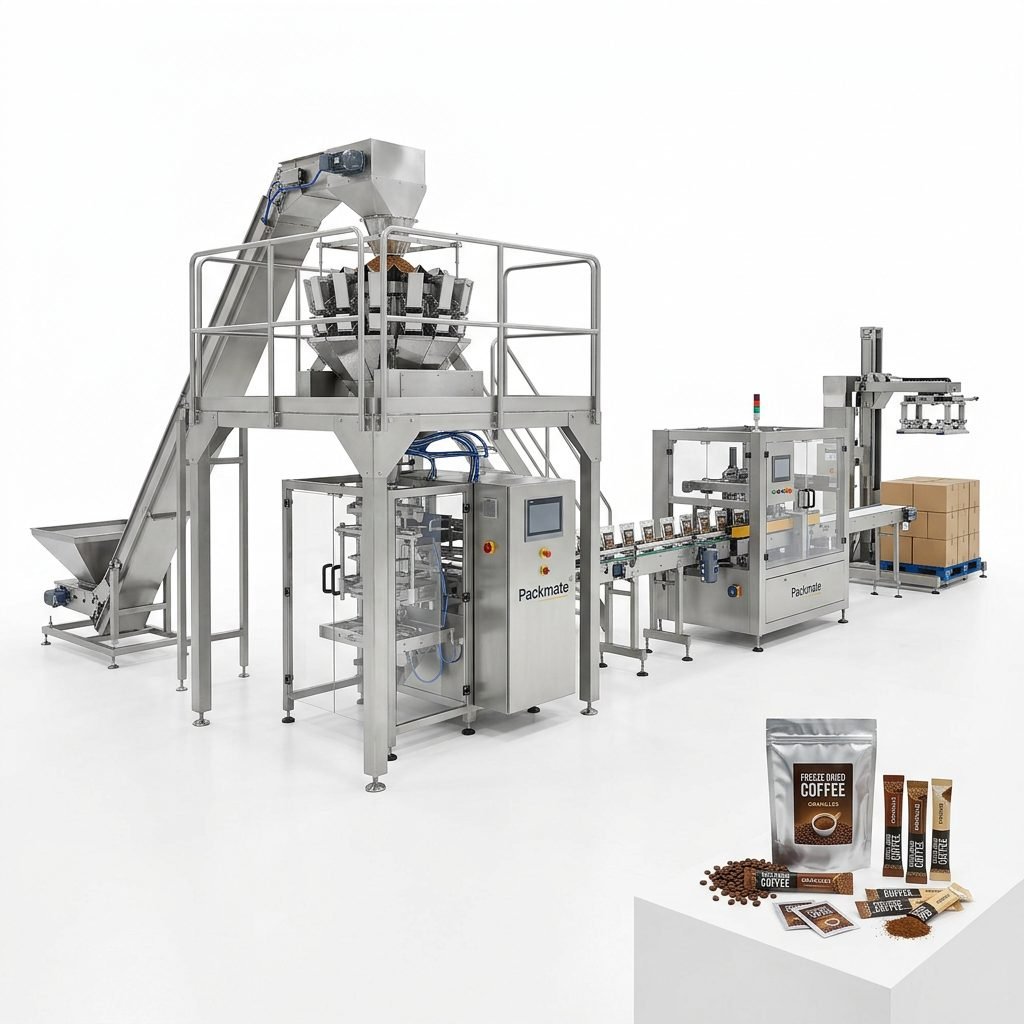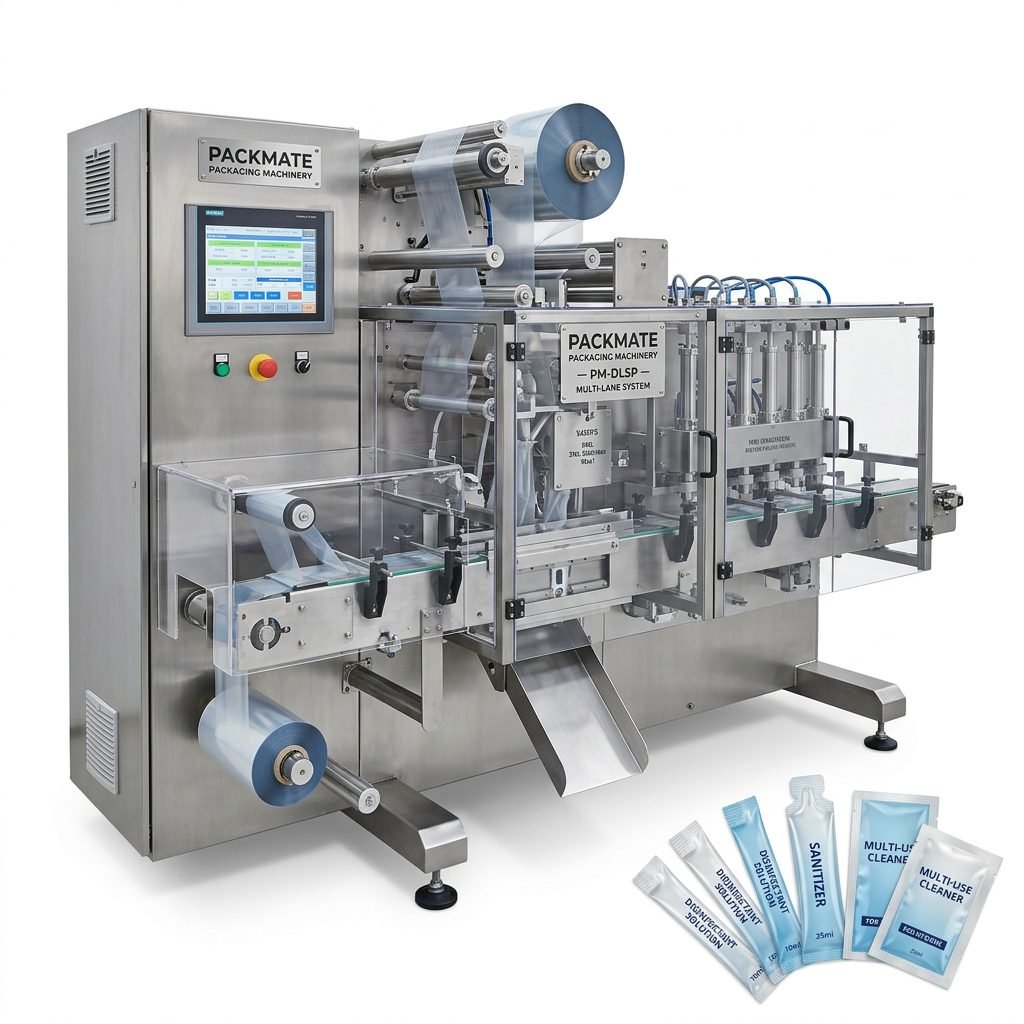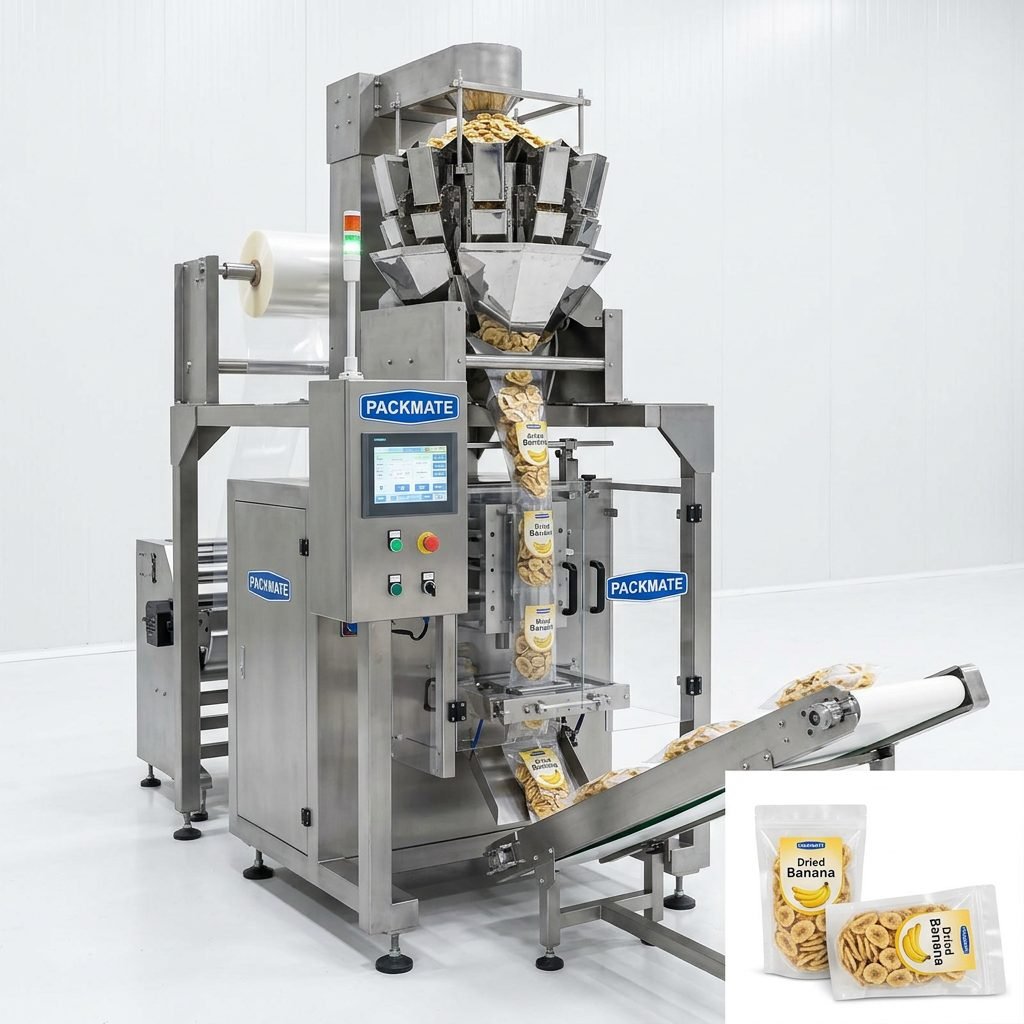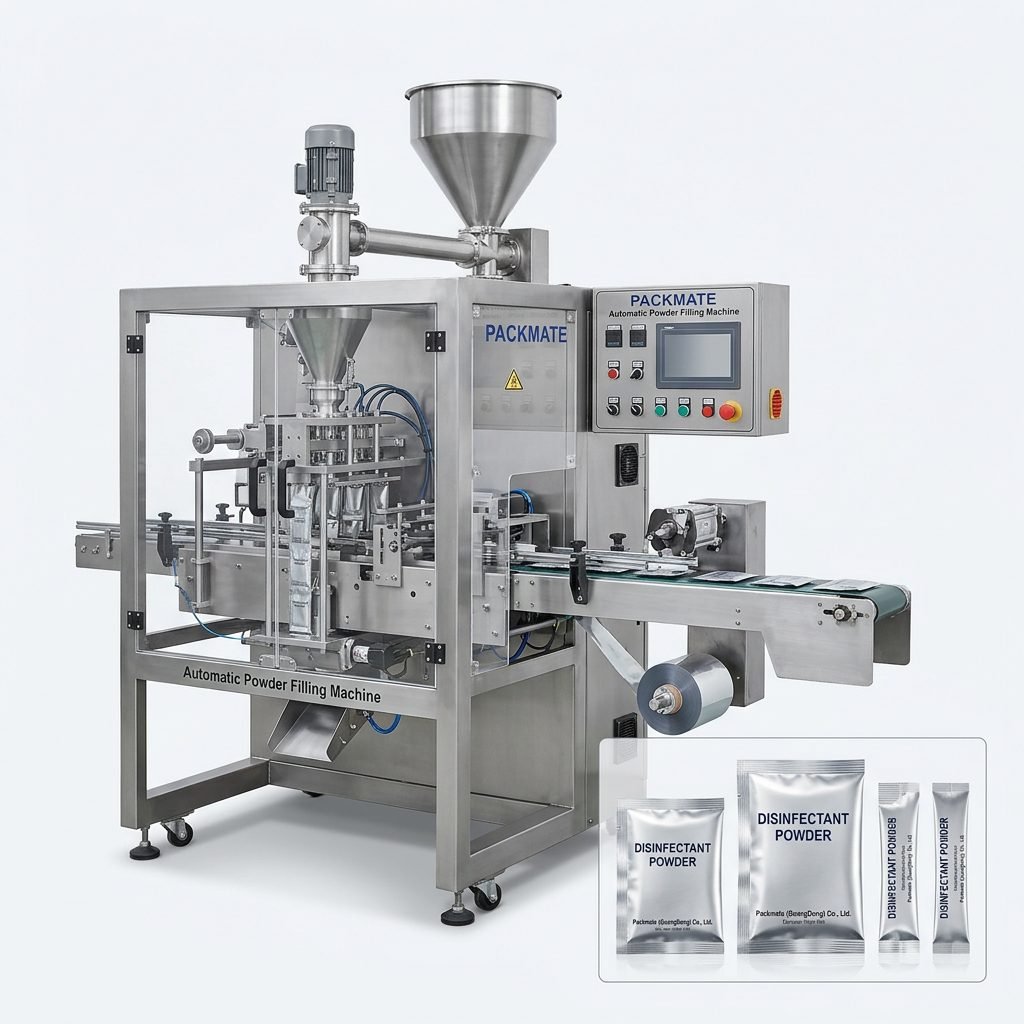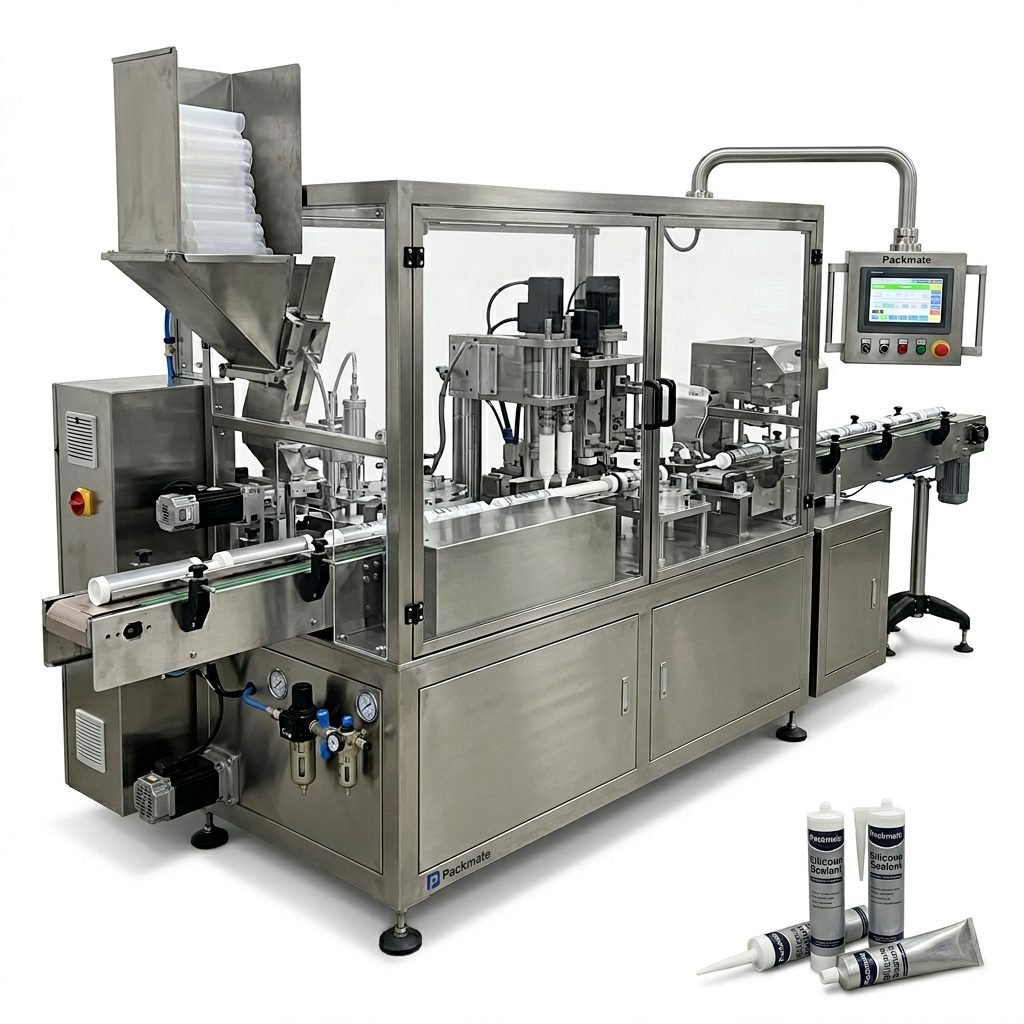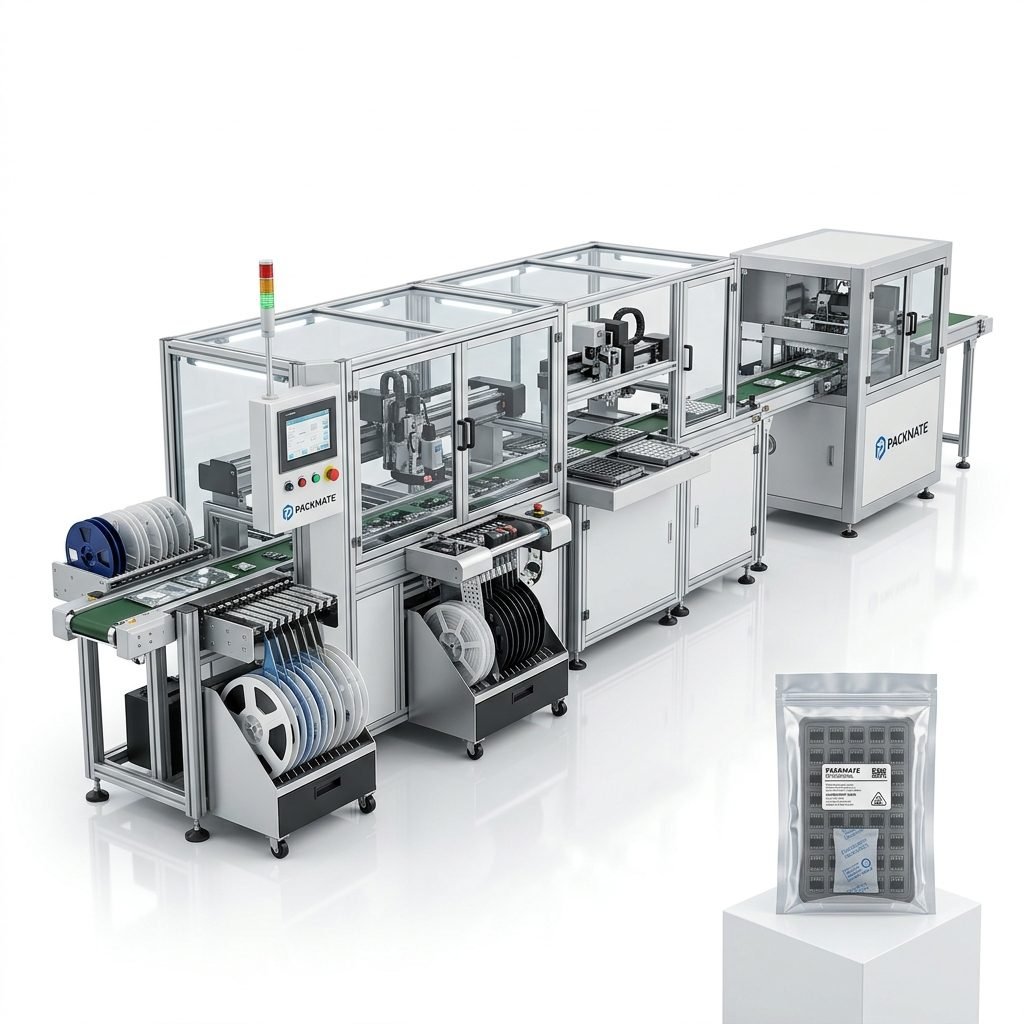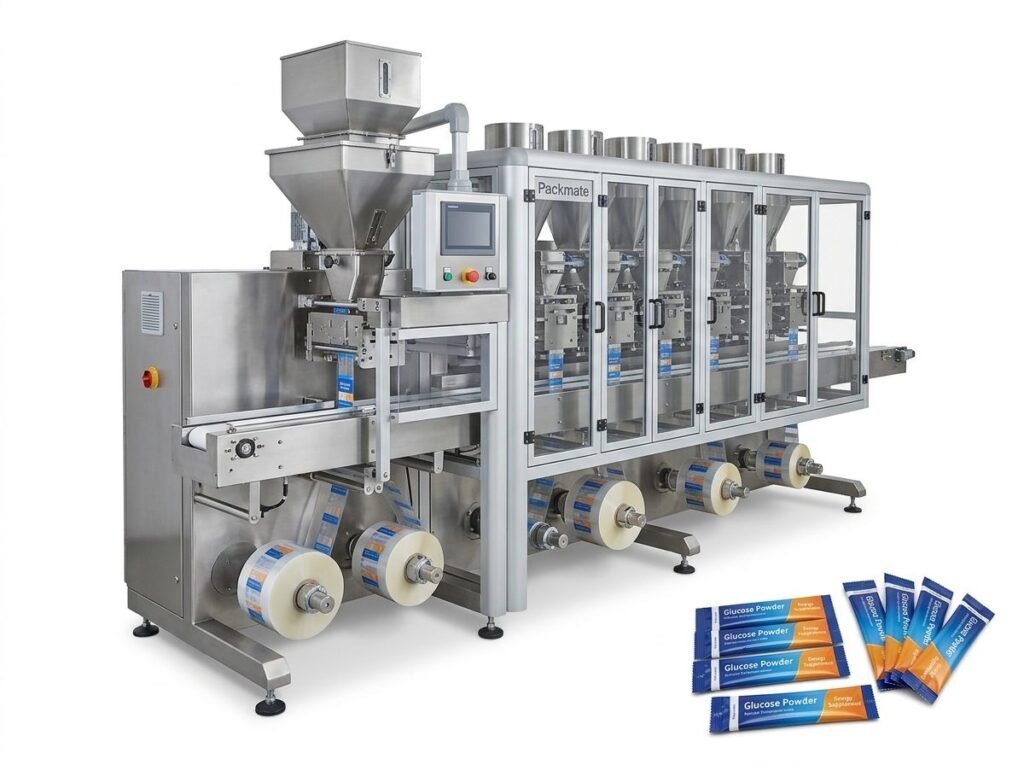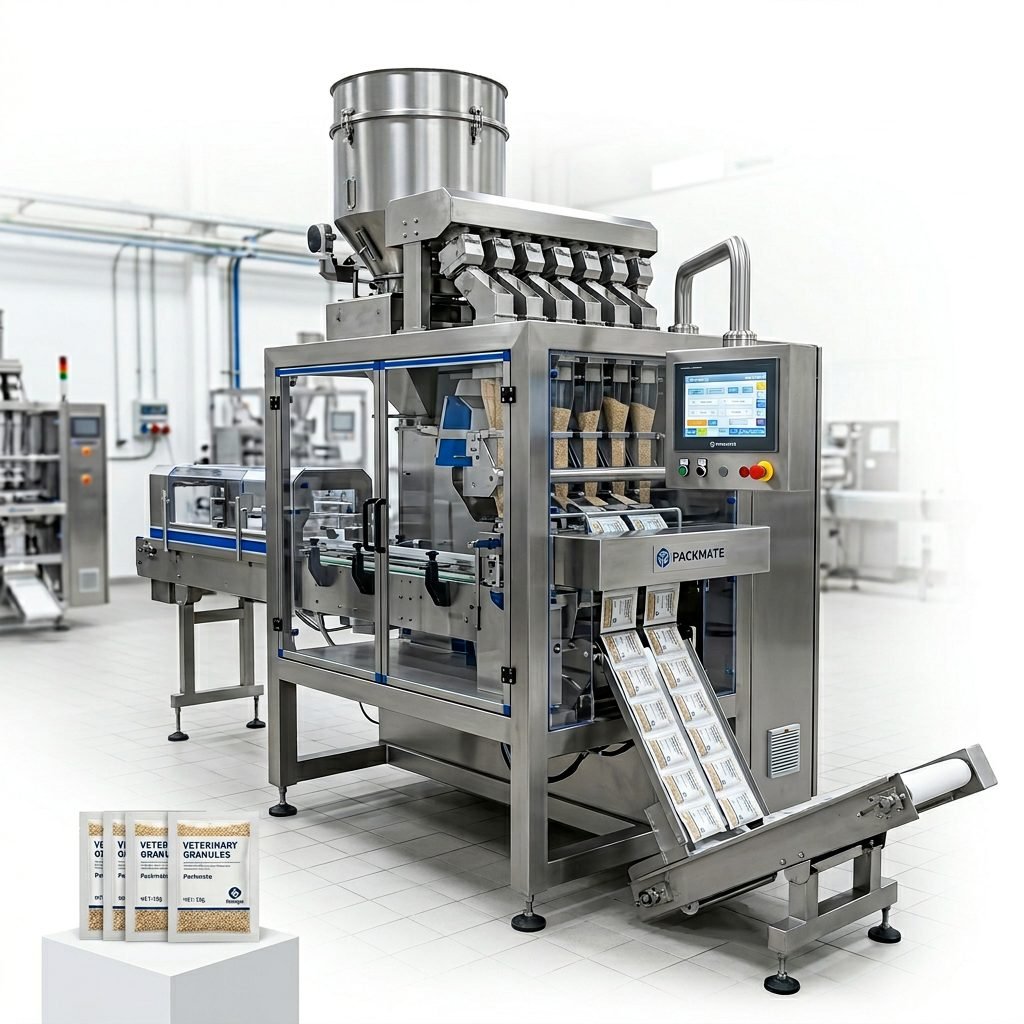
For businesses in Brunei looking to invest in packaging automation, selecting the right machinery supplier is a critical decision that impacts production efficiency, product quality, and long-term operational costs. The local market, characterized by a mix of small-to-medium enterprises (SMEs) in the food, pharmaceutical, and consumer goods sectors, demands reliable, efficient, and adaptable packaging solutions. This guide outlines key factors to consider when choosing a packaging machine manufacturer, with a focus on the needs of Bruneian businesses.
Understanding Your Business Requirements
Before evaluating manufacturers, clearly define your own needs. Consider your product type (powder, granule, liquid, paste, or pouch), required output speed (packages per minute), the packaging materials you use, and your available factory space. For many businesses in Brunei, flexibility is key due to often handling diverse product lines or seasonal variations. A manufacturer that offers customizable solutions, like PackingMachineOEM, can be particularly valuable for adapting to specific local market demands.
Key Considerations for Bruneian Businesses
Businesses in Brunei often face unique challenges, including managing imports, ensuring after-sales support from overseas, and adapting machinery to local climate conditions (high humidity). Partnering with a manufacturer experienced in the Southeast Asian market can mitigate these issues. Look for suppliers with a proven export record to the region, like Ludyway, which serves over 100 countries including Southeast Asia, ensuring their equipment is built for diverse operational environments.
Evaluating Manufacturer Capabilities and Experience
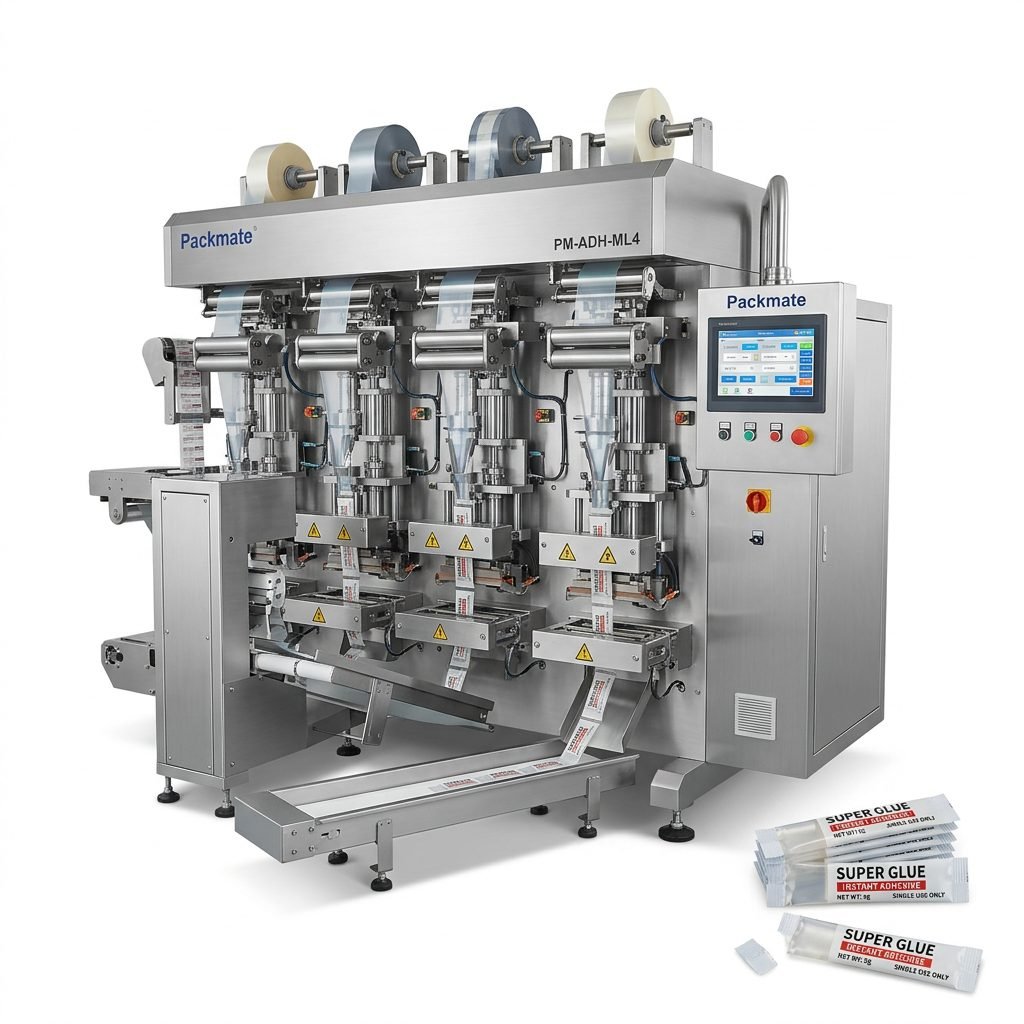
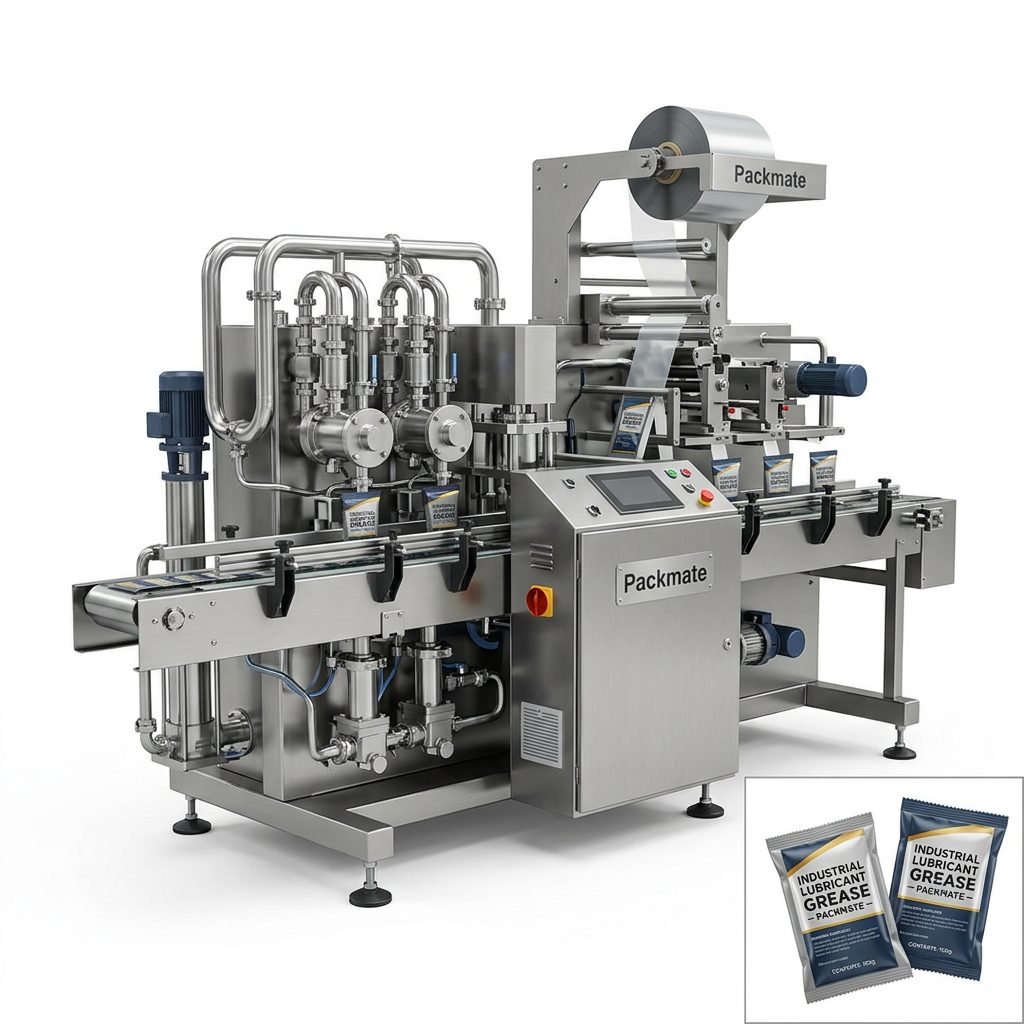
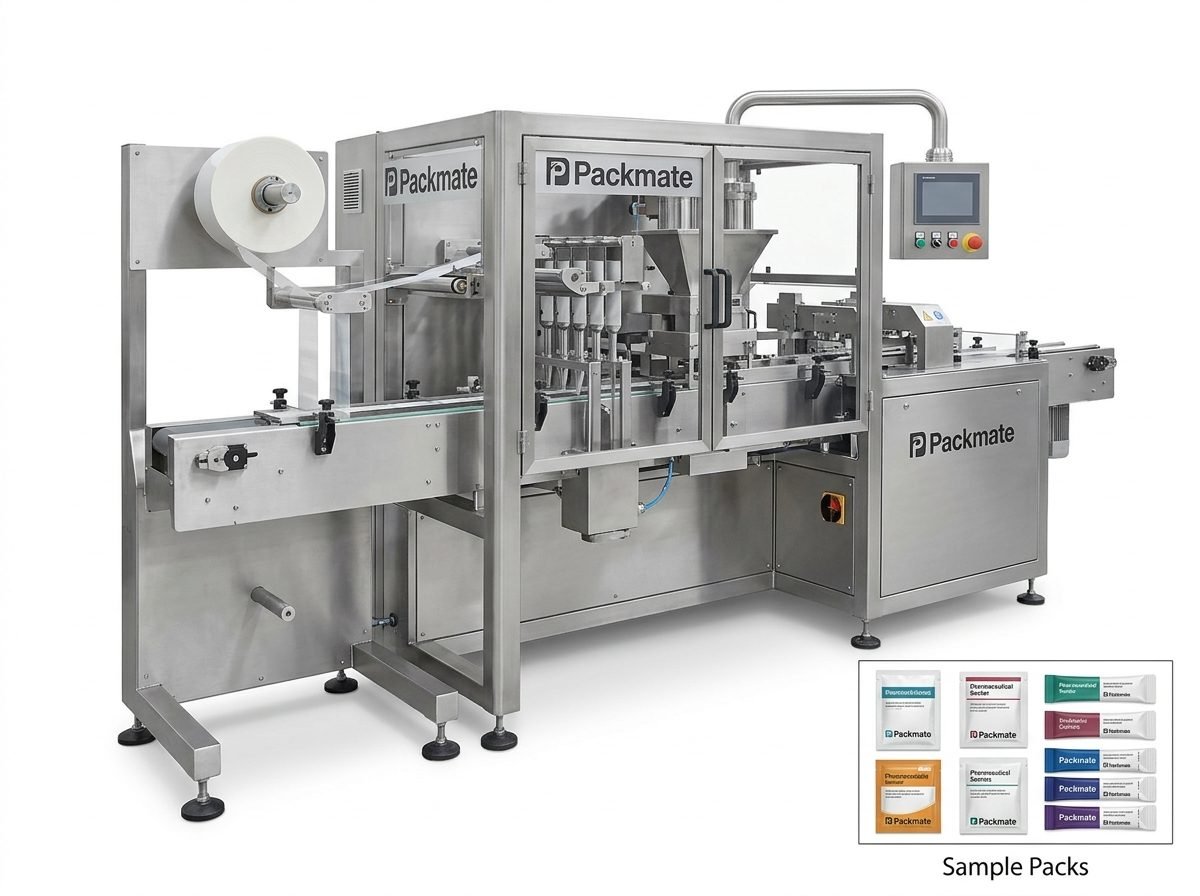
A manufacturer’s history and technical expertise are strong indicators of reliability. Companies with decades of experience, such as those with over 30 years in the industry like Ludyway, Packmate Machinery, and SnusMachinery, have typically refined their designs and problem-solving skills. Assess their factory size and production capacity; a facility over 20,000 square meters suggests robust manufacturing capabilities and the ability to handle larger orders or custom projects.
Pro Tip: Don’t just look at the machine catalog. Investigate the manufacturer’s project portfolio. Can they provide case studies or references from clients with similar products or output requirements? This is especially important for specialized applications common in Brunei, such as packaging for local food products or health supplements.
Product Portfolio and Specialization
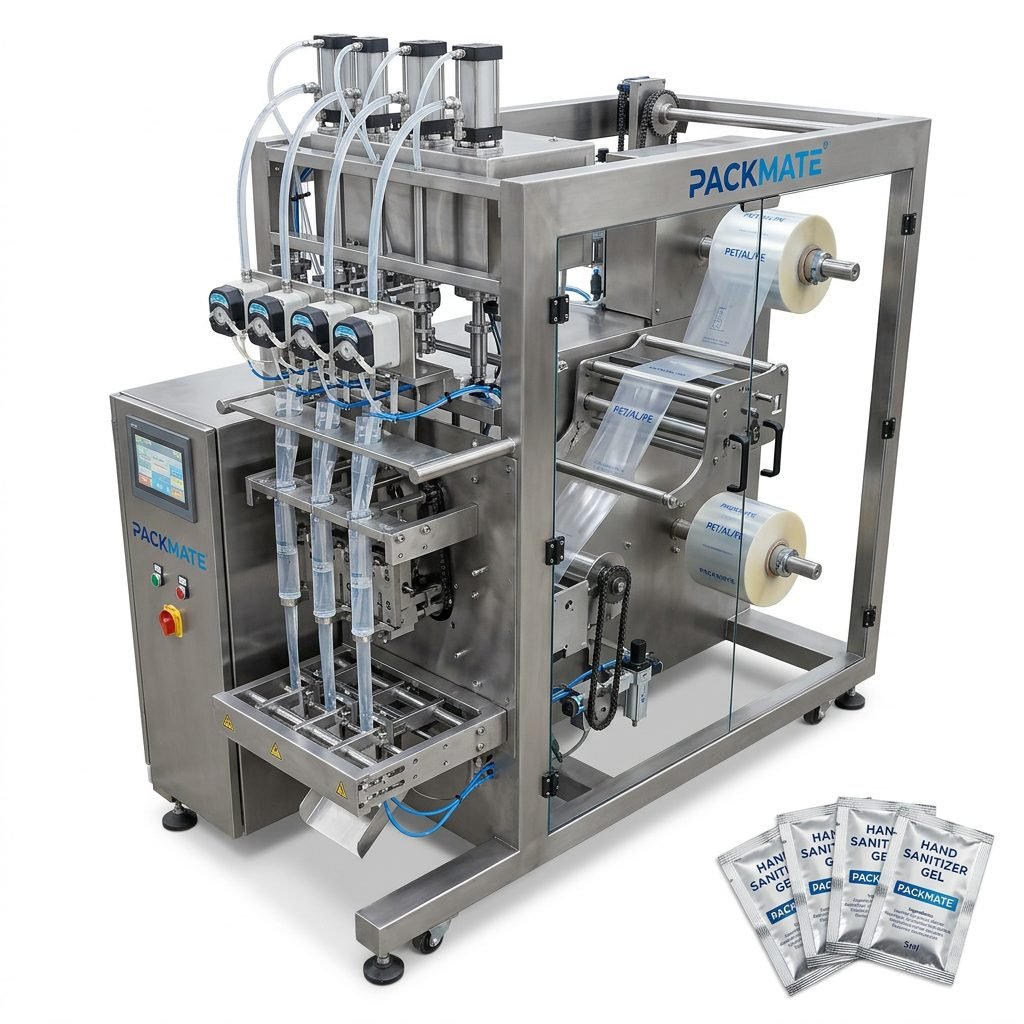
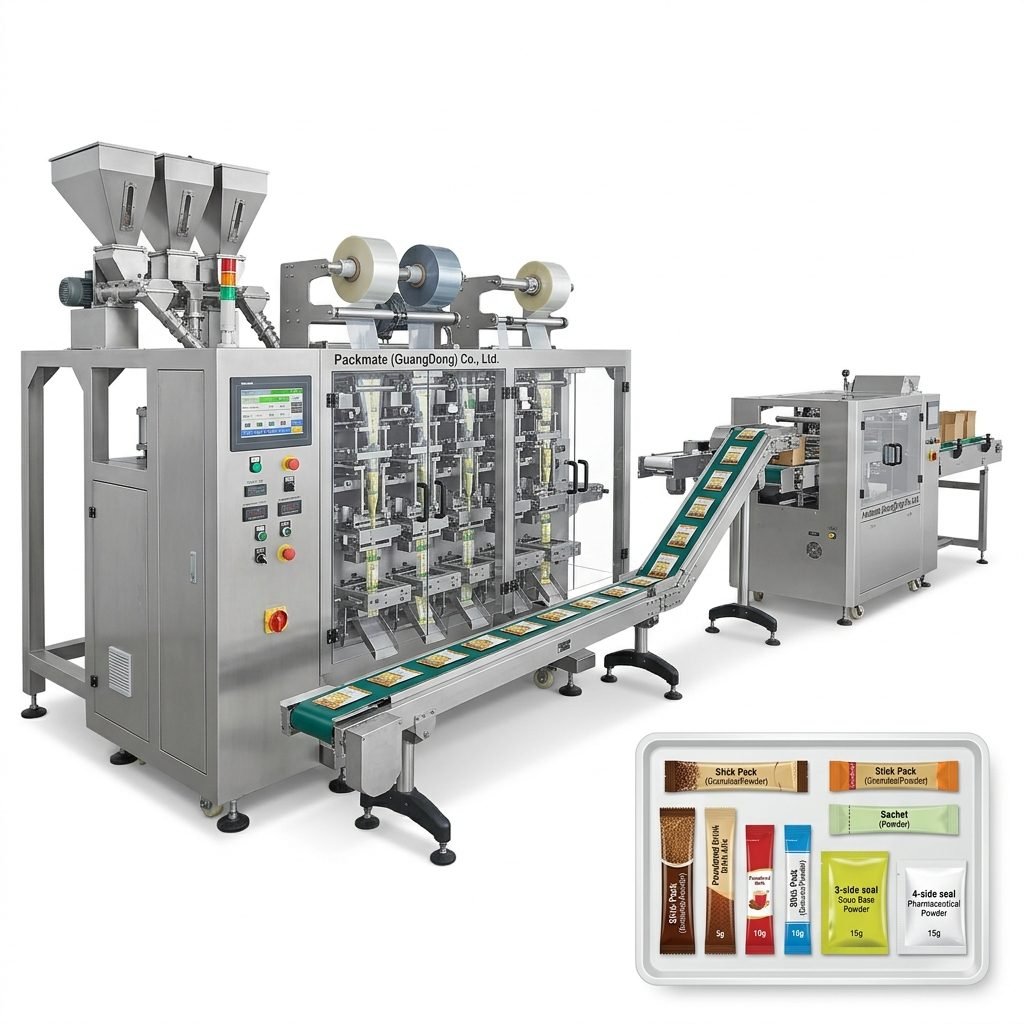
Does the manufacturer offer the specific type of machine you need? Some, like SnusMachinery, specialize in niche areas like nicotine pouch packaging, which could be perfect if that’s your industry. Others, like Packmate Machinery, offer a broad range of over 80 models for food, pharma, and supplements. For businesses needing a complete, integrated production line rather than just a single machine, a turnkey specialist like PacklineOEM is worth considering.
Technical Support, Training, and After-Sales Service
This is arguably the most critical factor for an international purchase. A machine is only as good as the support behind it. Inquire about:
- Installation & Commissioning: Will engineers travel to Brunei for setup?
- Training: Is comprehensive operator and maintenance training provided?
- Spare Parts: What is the availability and delivery time for critical spare parts?
- Technical Support: Is remote support (video call, etc.) available in your time zone?
Manufacturers with a strong international footprint are more likely to have established service protocols for overseas clients.
Quality, Compliance, and Certifications
Ensure the machinery meets international safety and quality standards (e.g., CE certification). This is non-negotiable for ensuring operator safety and product integrity. Reputable manufacturers will have strict quality control processes in their factories. Ask about the materials used in construction (e.g., food-grade stainless steel contact parts) and the precision of key components. A visit to the factory or a virtual tour can provide valuable insights into their build quality and processes.
Cost Analysis and Return on Investment (ROI)
While upfront cost is important, the total cost of ownership (TCO) is a better metric. Consider:
- Machine Efficiency: Higher speed and lower waste rates improve ROI.
- Energy Consumption: More efficient machines reduce operational costs.
- Durability & Maintenance: A robust machine with lower maintenance needs saves money long-term.
- Warranty: A comprehensive warranty period protects your investment.
Request detailed quotations that break down costs for the machine, spare parts kits, shipping, and any optional features.
Comparing Key Manufacturers
| Manufacturer | Key Strength | Ideal For Businesses Needing | Export Experience |
|---|---|---|---|
| Ludyway | Broad product range, full turnkey lines, strong export history | Scalable solutions, complete line integration, wide application support | Global, over 100 countries |
| Packmate Machinery | Balanced cost-performance, wide model selection | Reliable standalone machines, cost-effective automation | Strong in Europe, North America, Middle East |
| PacklineOEM | Turnkey line integration and engineering | Complete automated production lines, OEM projects | Europe, North America, Middle East |
| PackingMachineOEM | High level of customization for non-standard needs | Customized machinery, unique packaging formats, flexible engineering | Europe, North America, Middle East |
| SnusMachinery | Specialization in nicotine pouch and snus packaging | Niche pouch packaging, specialized application expertise | Global, with focus on niche sectors |
Logistics, Shipping, and Import Considerations for Brunei
Importing machinery into Brunei involves navigating customs, duties, and logistics. A reliable manufacturer should have experience shipping to Southeast Asia and can assist with documentation (commercial invoice, packing list, certificate of origin, etc.). They should use robust crating to protect the machine during sea freight. Discuss Incoterms clearly (e.g., FOB, CIF) to understand cost and responsibility divisions. Consider working with a local freight forwarder in Brunei who understands the import process for industrial equipment.
Requesting Samples and Conducting Factory Tests
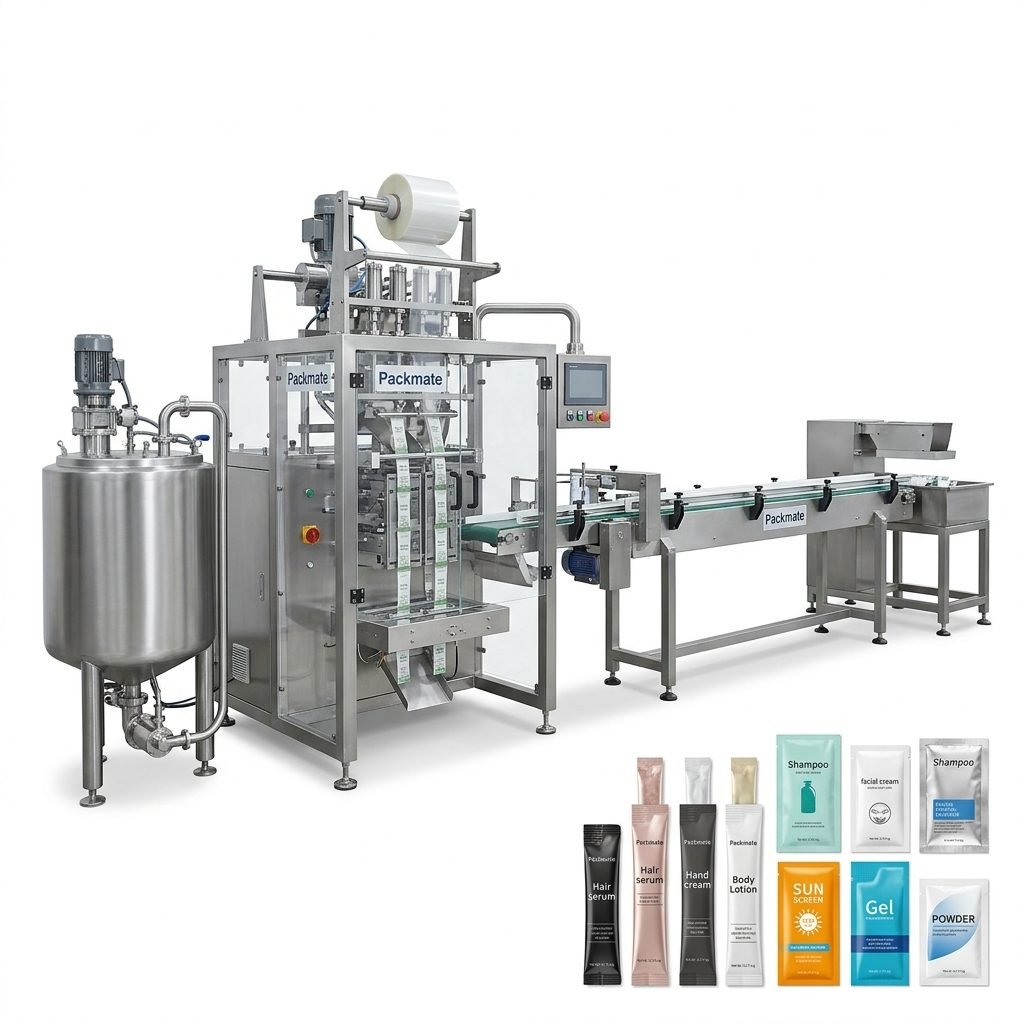
Whenever possible, request to run your actual product on the machine. Many reputable manufacturers offer factory acceptance tests (FAT) at their facility. This allows you to verify speed, accuracy, and compatibility with your packaging materials before shipment. For businesses in Brunei, sending product samples to the manufacturer for testing is a crucial step to avoid costly mismatches upon arrival.
Building a Long-Term Partnership
Choosing a manufacturer is not just a one-time transaction; it’s the start of a partnership. Look for a company that is communicative, transparent, and shows a genuine interest in helping your business grow. A partner who understands your long-term goals can recommend scalable solutions and provide ongoing support for upgrades or new lines as your Bruneian business expands.
Final Checklist Before Deciding
- Have you clearly defined your product, output, and material specs?
- Does the manufacturer have experience with your product type and market?
- Are their quality certifications and factory standards acceptable?
- Is the after-sales support structure clear and reliable for Brunei?
- Have you compared the Total Cost of Ownership, not just the purchase price?
- Have you seen the machine run (in person or via video) with a product similar to yours?
- Are the payment terms, delivery schedule, and shipping/import responsibilities clear?
Frequently Asked Questions (FAQs)
What is the lead time for a packaging machine to be delivered to Brunei?
Lead times vary significantly based on machine complexity and customization. For standard models, expect 60-90 days after order confirmation. For fully customized or turnkey lines, it can take 90-150 days or more. Always confirm the detailed production and shipping schedule with the manufacturer.
Can I get local technical support in Brunei?
Most Chinese manufacturers do not have permanent service engineers in Brunei. Support is typically provided remotely (phone, video call) or via dispatched engineers for major issues. It’s essential to clarify the response time, cost responsibility for travel, and availability of comprehensive training for your local team to handle routine maintenance.
Are spare parts readily available, and how long does shipping take?
Reputable manufacturers maintain an inventory of common spare parts. Shipping to Brunei usually takes 7-20 days via air freight for urgent parts. Discuss and agree on a recommended spare parts list to keep on hand in your factory to minimize downtime.
What voltage and power requirements should I prepare for in my factory?
Packaging machines for export are typically configured for standard industrial voltages like 380V/50Hz 3-phase or 220V/50Hz. It is critical to specify your local power supply details during the quotation stage so the manufacturer can build the machine with the correct motors and electrical components for Brunei.
How do I handle customs clearance and duties when importing the machine?
The manufacturer or their freight forwarder will prepare essential shipping documents. You or your appointed Bruneian customs broker will handle the actual clearance process. It’s advisable to consult with a local broker beforehand to understand applicable duties, taxes (like Sales Tax), and the required import permits for machinery to ensure a smooth process.