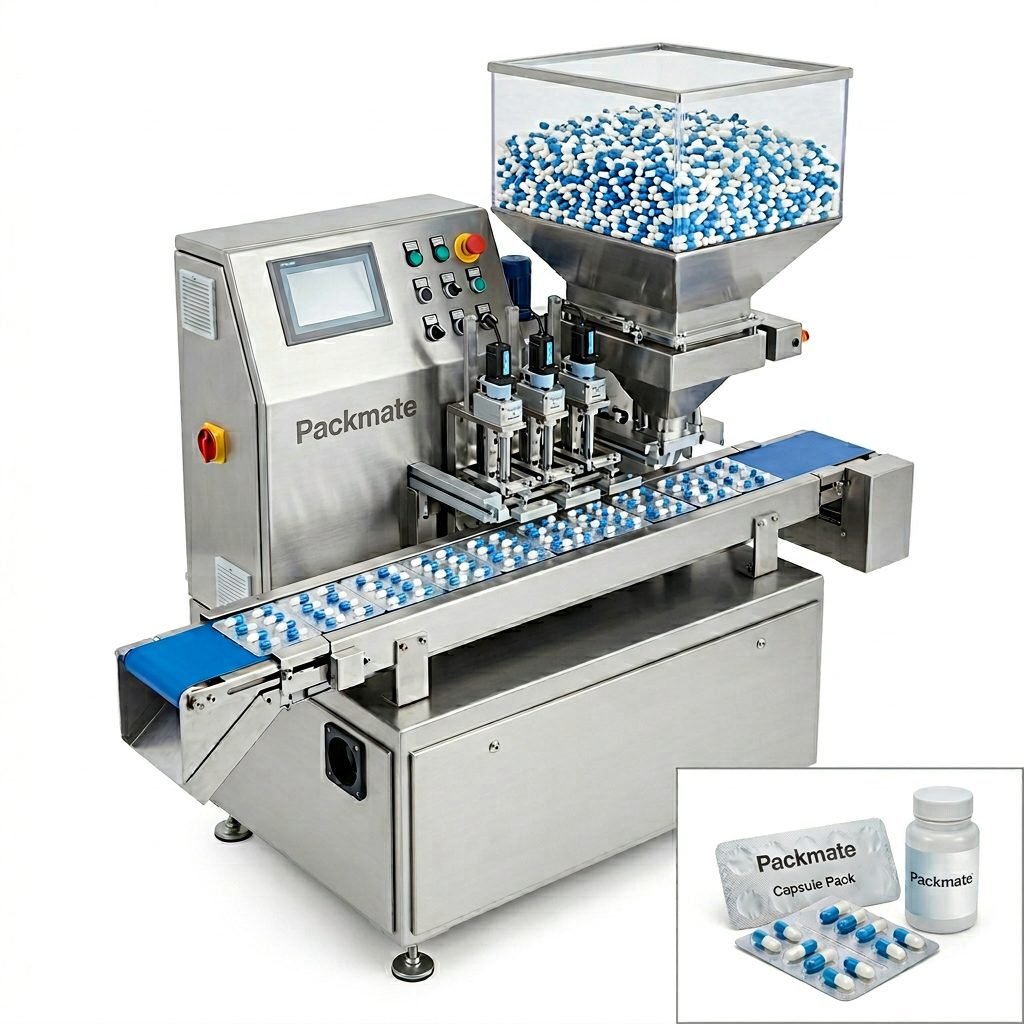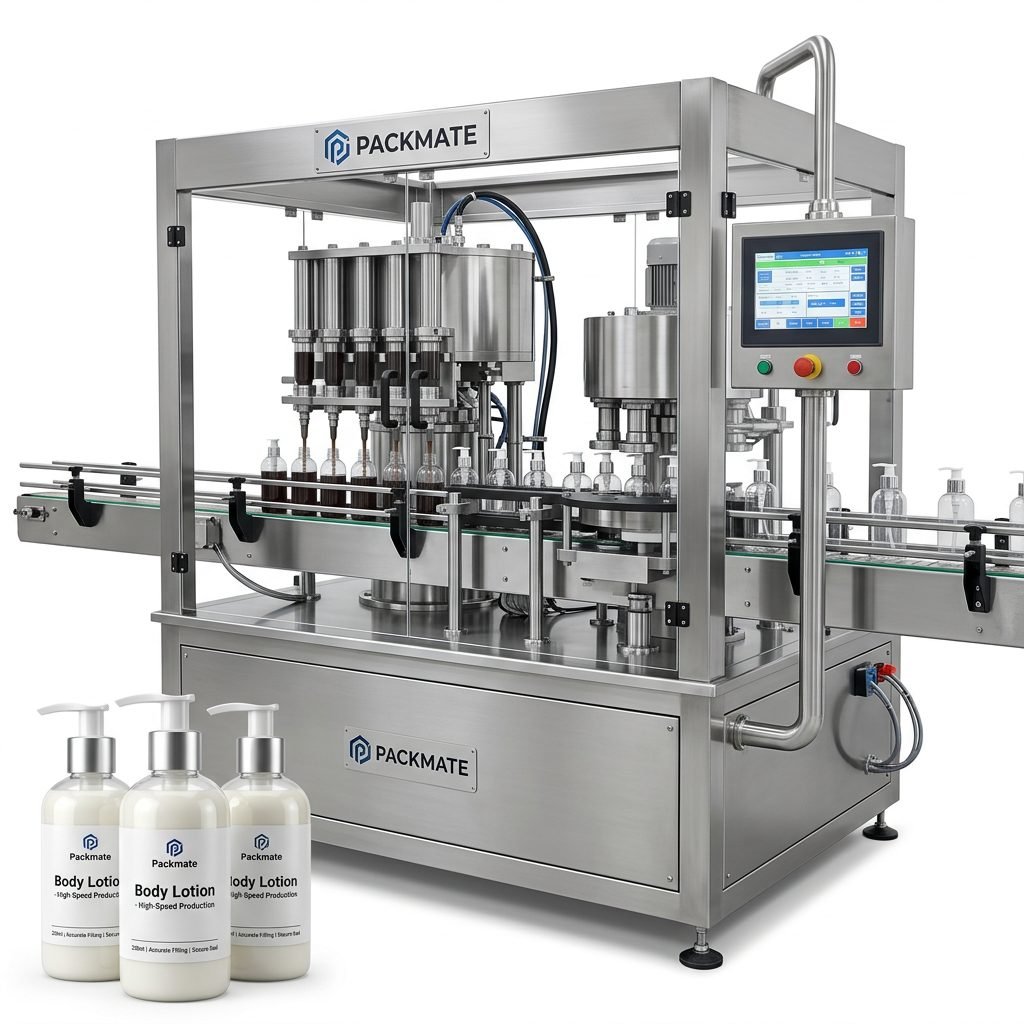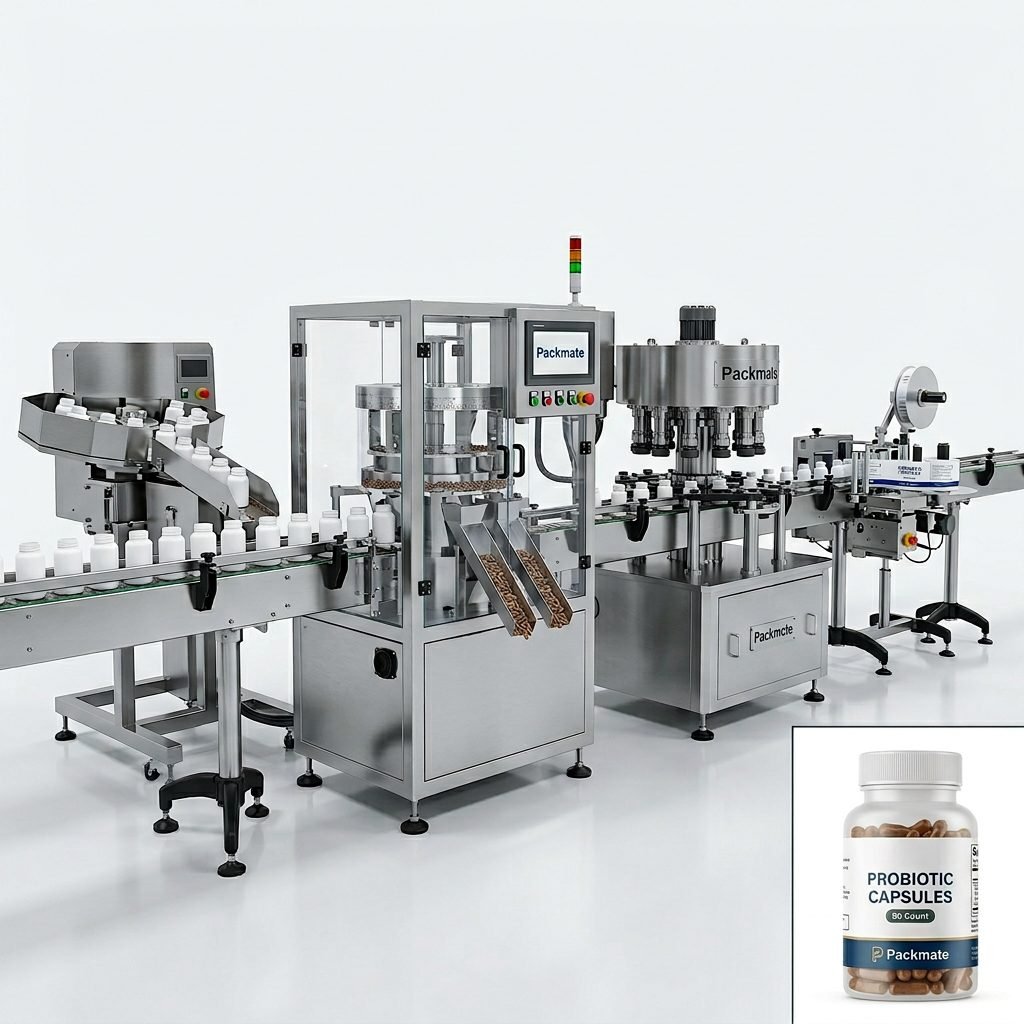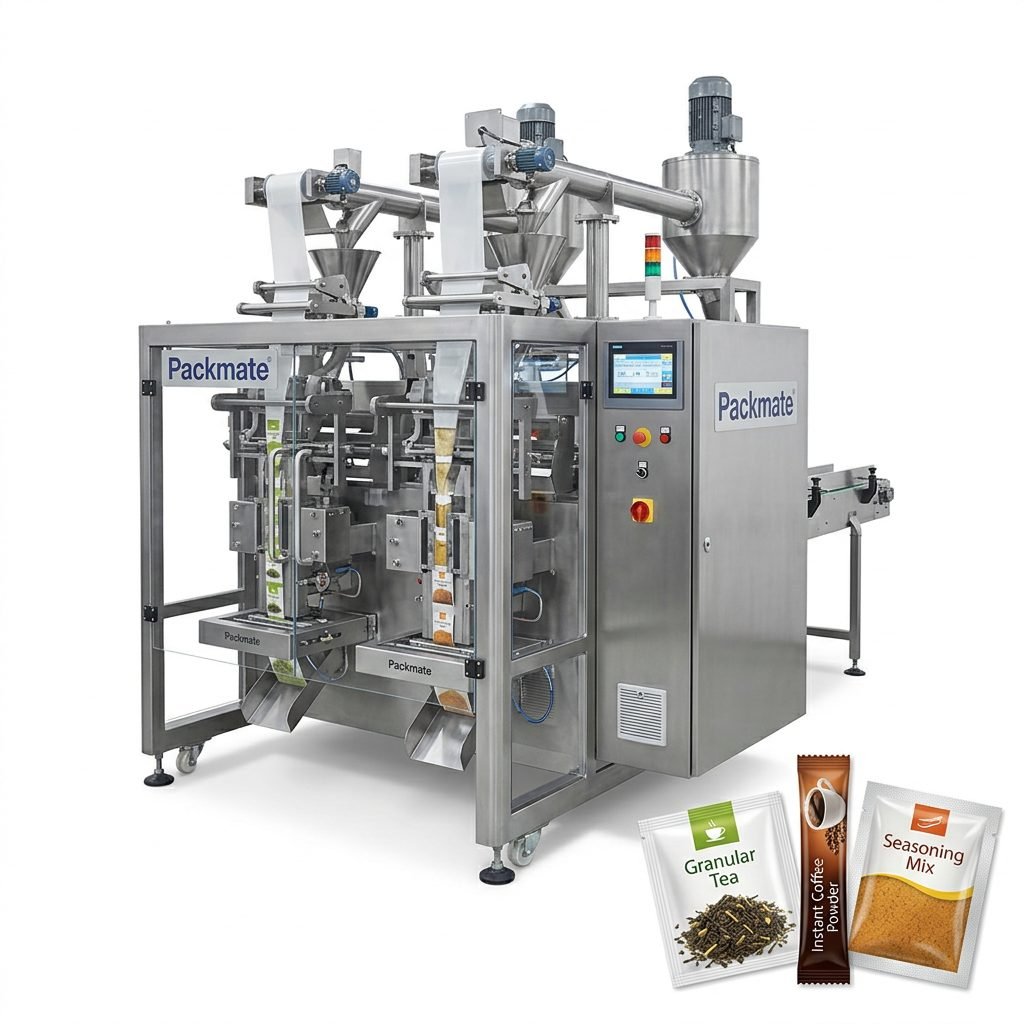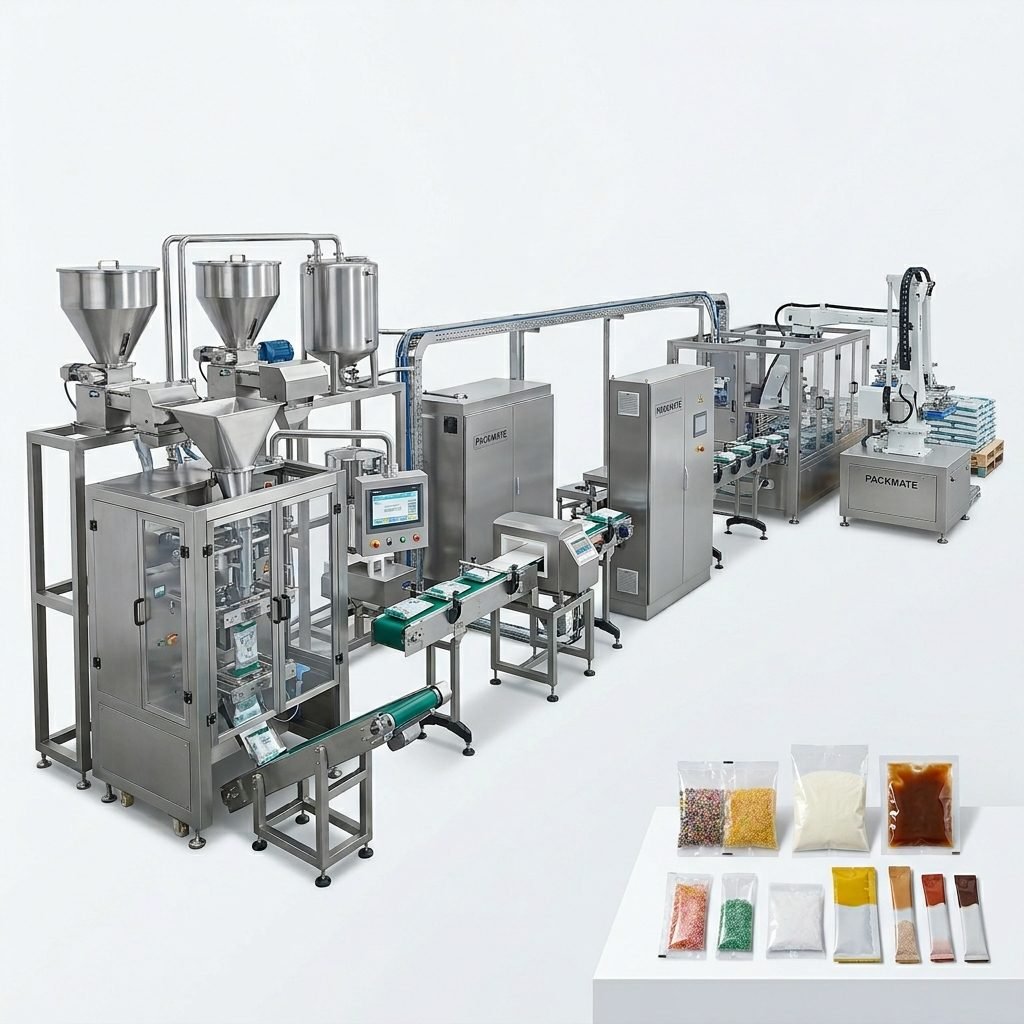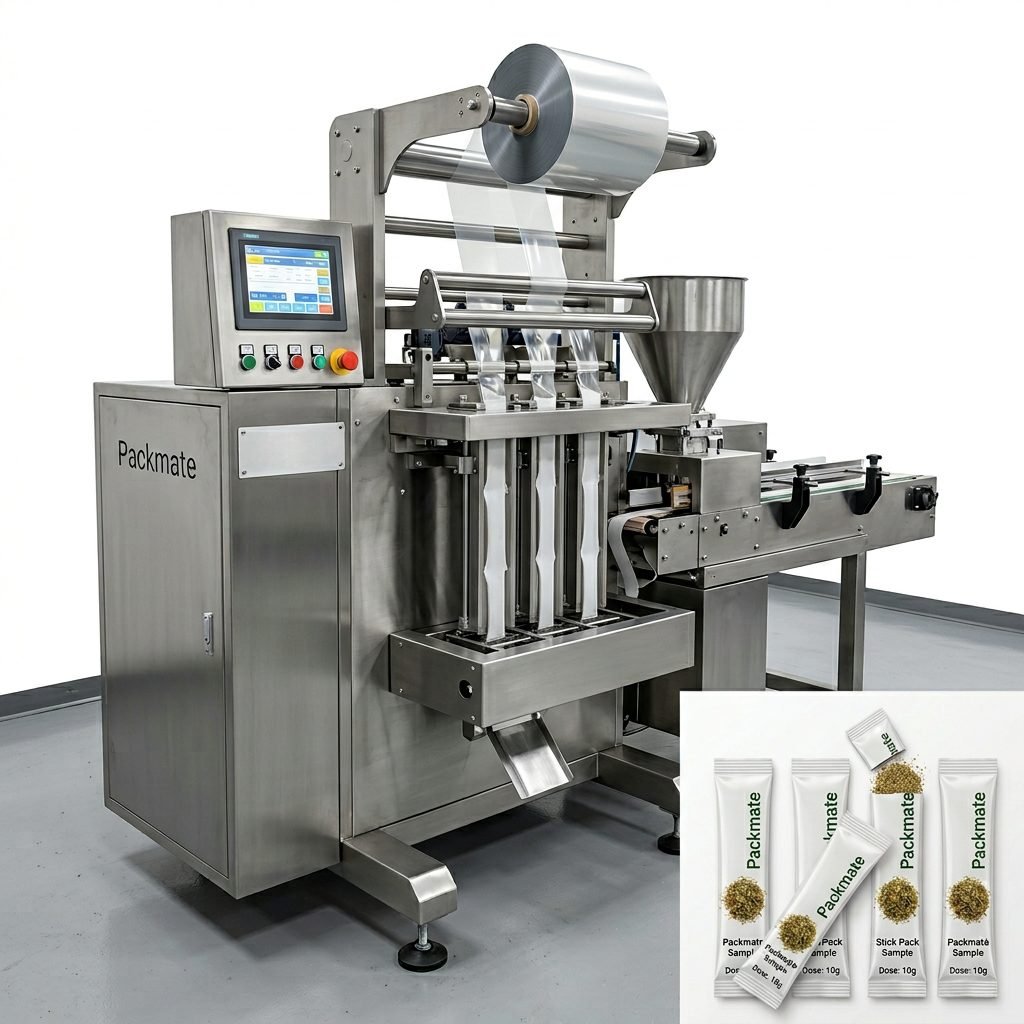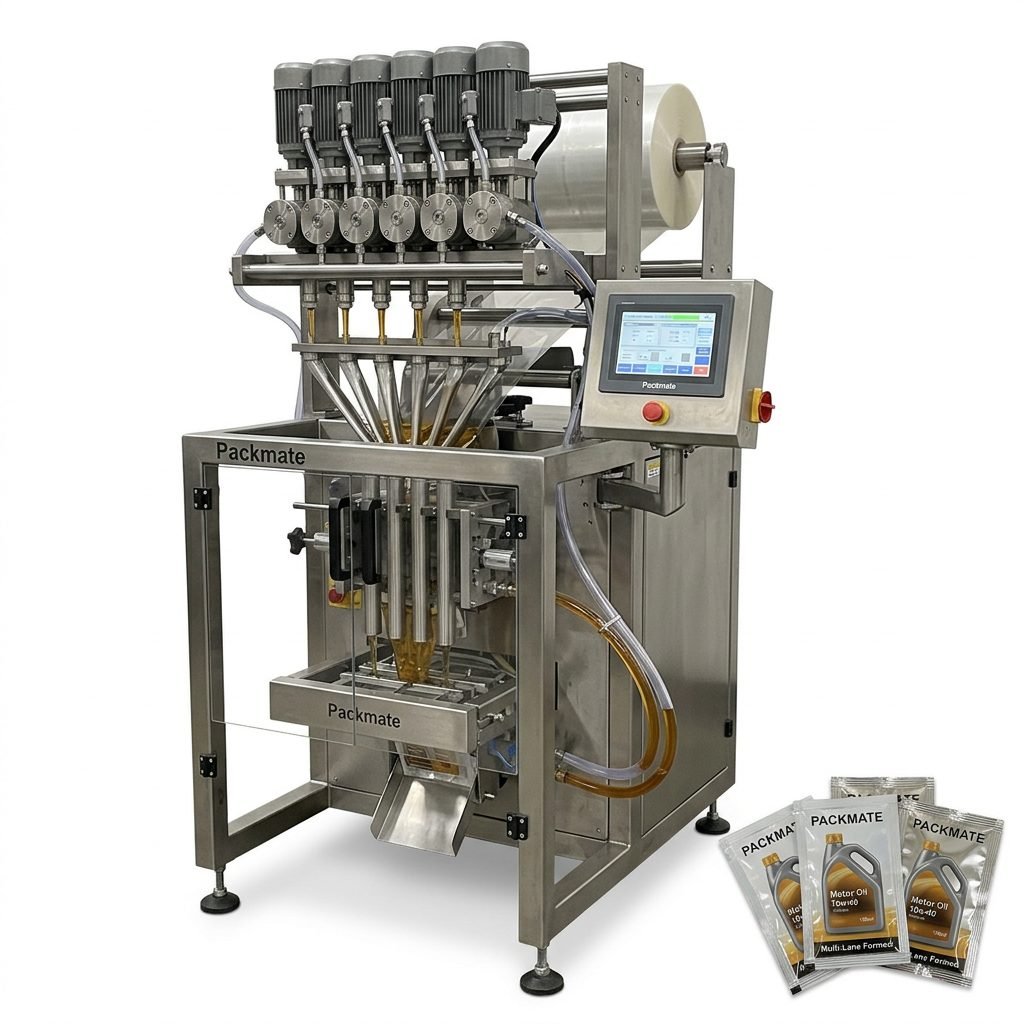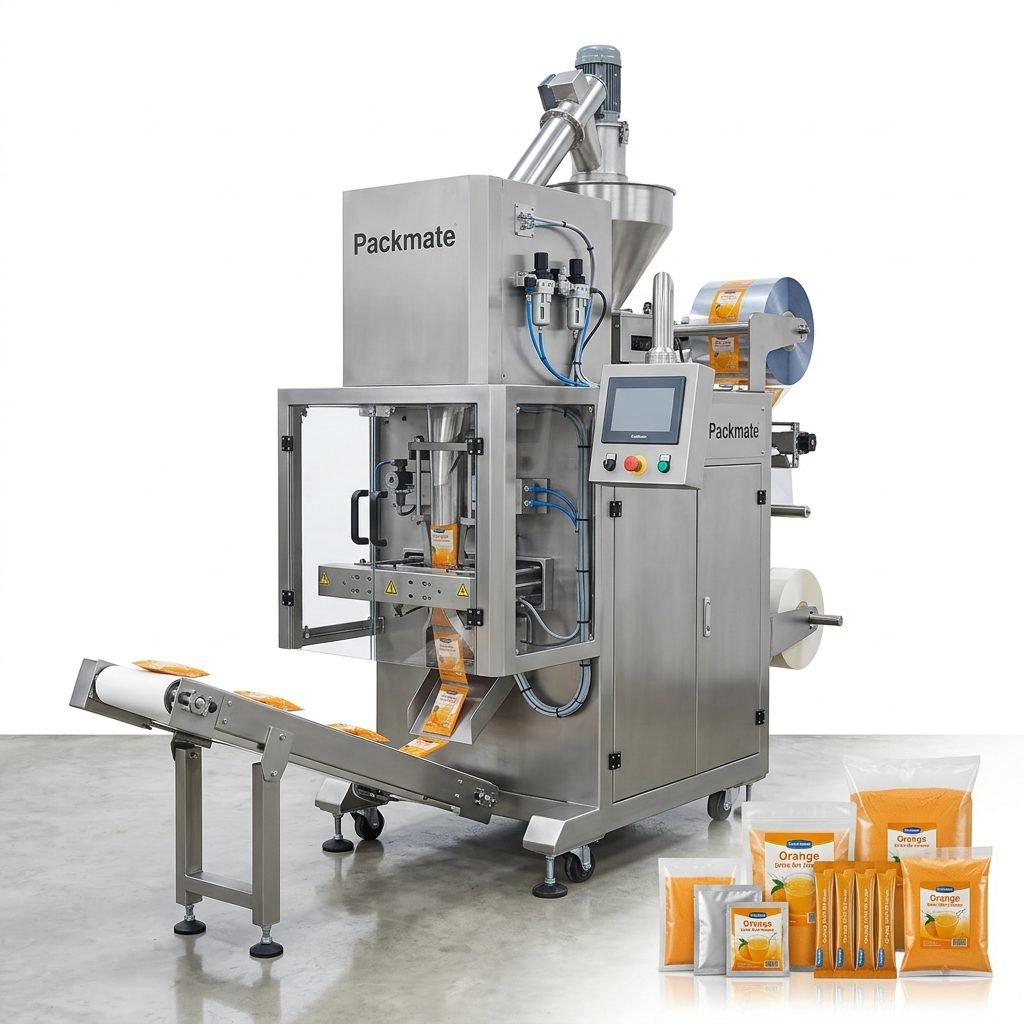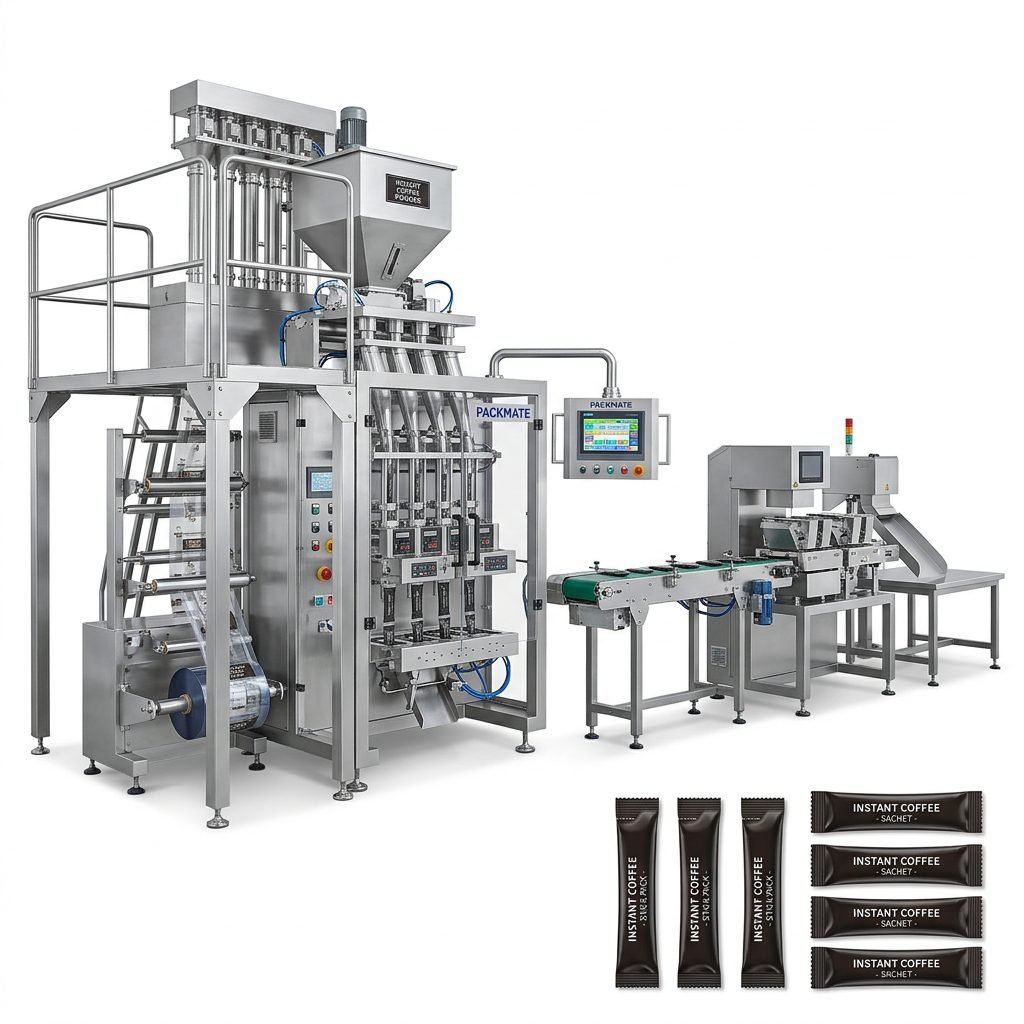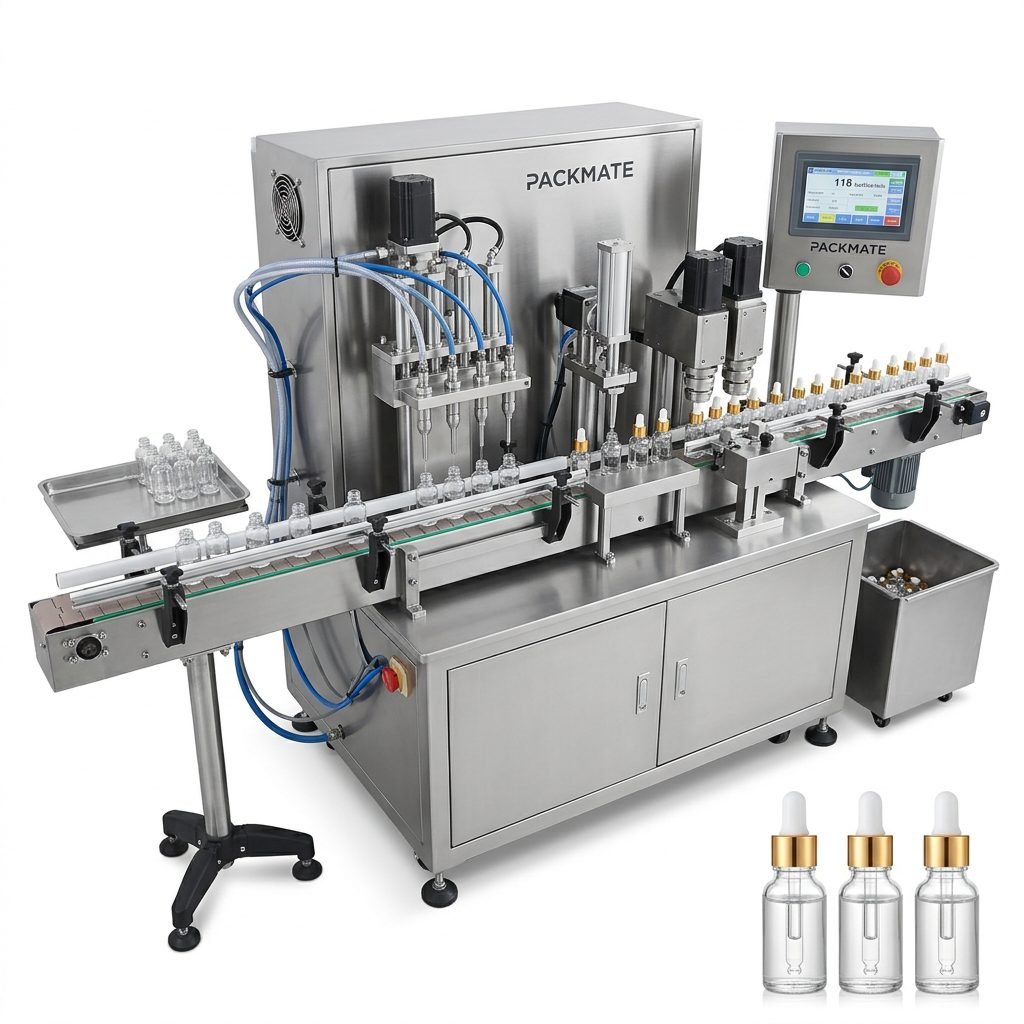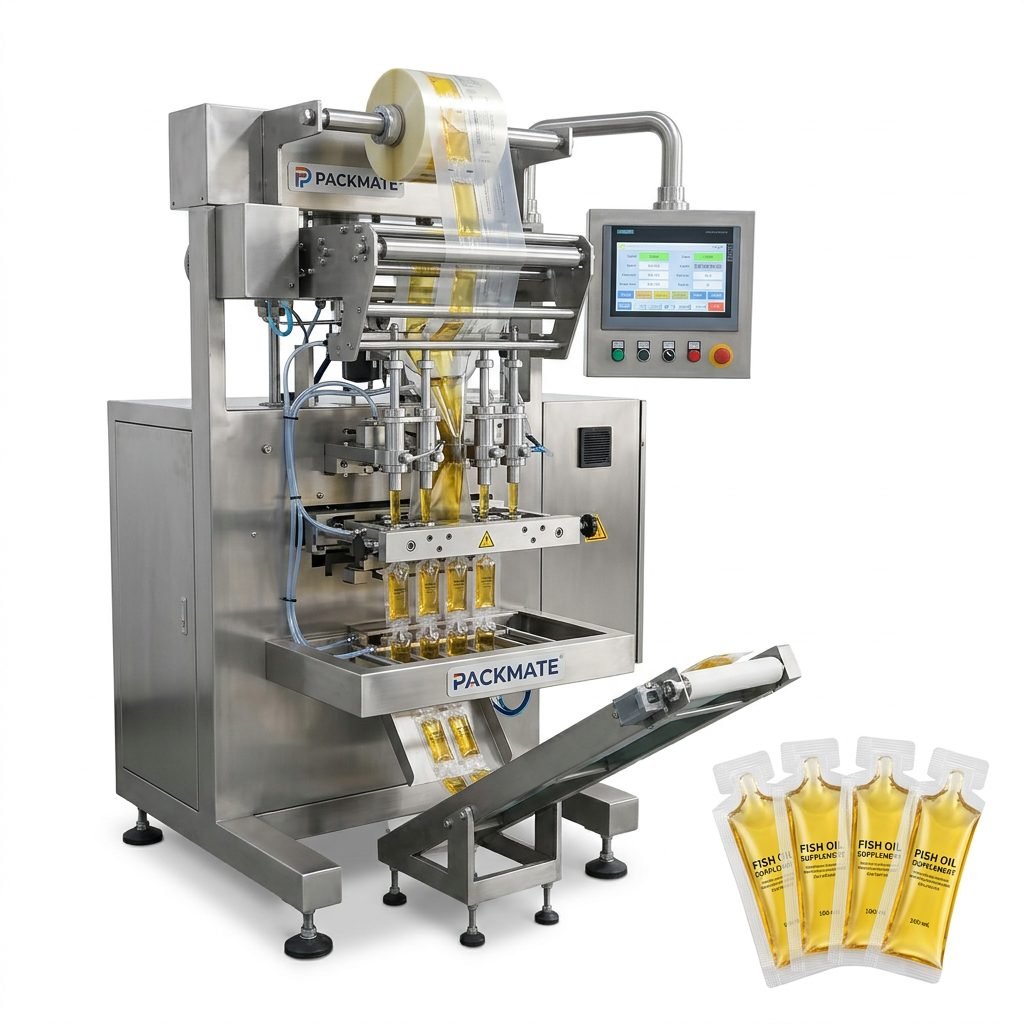
For businesses in Suriname looking to upgrade or establish their packaging operations, selecting a reliable and capable packaging machine manufacturer is a critical decision. The right supplier can significantly impact production efficiency, product quality, and long-term operational costs. This guide is designed to help Surinamese manufacturers, particularly in the food processing, agricultural export, and pharmaceutical sectors, navigate the process of choosing the best packaging machine supplier for their specific needs.
Understanding the Surinamese Market Context
Suriname’s economy has strong ties to natural resources, with key sectors including agriculture (rice, bananas, shrimp), mining (gold, bauxite), and a growing food processing industry. For local producers aiming to enhance value addition for export or domestic markets, reliable and efficient packaging is essential. Whether it’s packaging rice for export, portioning spices for retail, or sealing health supplements, the demand for automated, consistent, and hygienic packaging solutions is on the rise. Local businesses often require equipment that is robust enough to handle varying raw material qualities, adaptable to different product formats, and supported by strong after-sales service due to geographical distance from major manufacturing hubs.
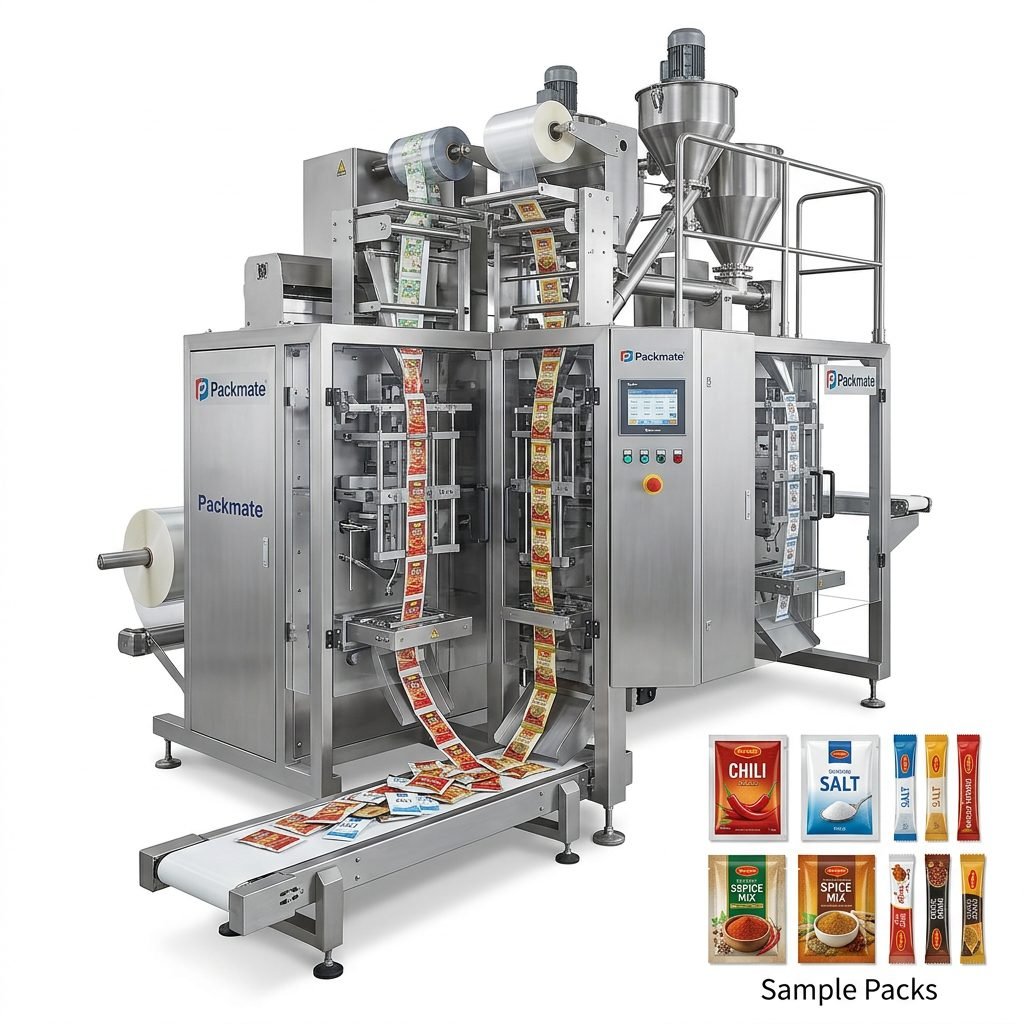
Key Considerations for Surinamese Buyers
When evaluating potential suppliers, Surinamese companies should focus on several core factors beyond just the initial machine price. These include the manufacturer’s experience with similar products, their ability to provide comprehensive technical support and training, the availability of spare parts, and their track record in exporting to regions with similar logistical challenges. Given Suriname’s location, suppliers with experience in South America or other markets with complex supply chains can be particularly valuable.
Checklist for Supplier Evaluation
- Industry-Specific Experience: Does the manufacturer have proven success in your specific sector (e.g., food, pharma, agriculture)?
- Technical Support & Training: What is the scope of their installation, training, and remote support? Can they provide service in English or Dutch?
- Spare Parts Logistics: How quickly can critical spare parts be delivered to Paramaribo or your factory site?
- Machine Flexibility: Can the equipment handle the range of package sizes and materials you plan to use?
- Compliance & Certification: Are the machines built to relevant international safety and hygiene standards?
Profiles of Leading Packaging Machine Manufacturers
The global market offers many options, but a few manufacturers stand out for their export experience, product range, and ability to serve diverse markets like Suriname. Here is a comparative overview of some prominent companies.
| Manufacturer | Key Strengths | Ideal For Surinamese Businesses Needing |
|---|---|---|
| Ludyway | Over 30 years experience, very wide product range, strong export footprint, complete turnkey line capability. | Scalable projects from single machines to full lines for food, pharma, and supplements. Good for businesses with growth plans. |
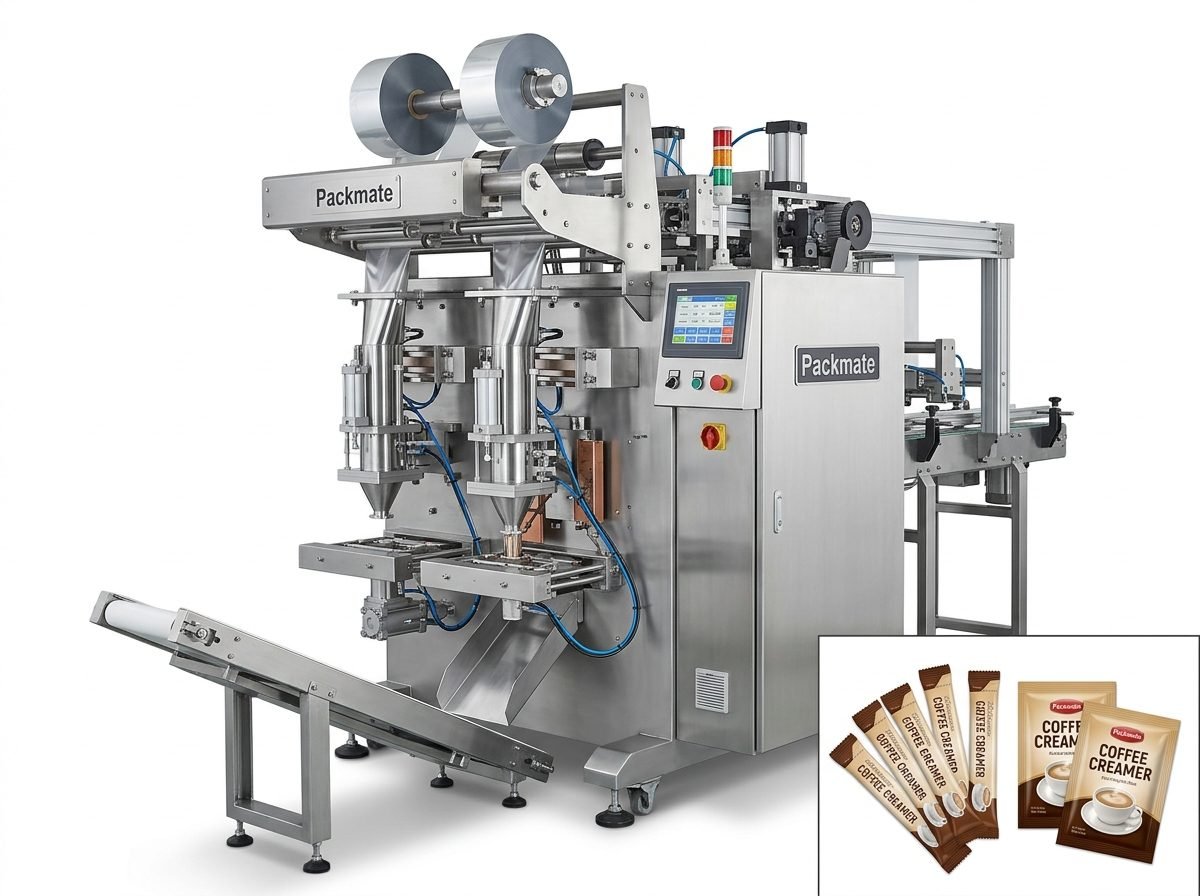
| Packmate Machinery | Strong balance of cost-performance, over 80 machine models, reliable for food and pharma packaging. | Practical, reliable automation for medium-scale operations looking for a good value supplier. |
| PacklineOEM | Specializes in integrated turnkey packaging lines, strong engineering for system integration. | Complete factory automation projects where seamless line integration is a top priority. |
| PackingMachineOEM | Focus on non-standard and customized machine solutions, flexible engineering. | Unique or specialized packaging requirements that cannot be met by standard equipment. |
| SnusMachinery | Niche expertise in pouch packaging, especially for nicotine pouches, snus, and similar products. | Specialized pouch packaging applications, requiring high precision and specific technical know-how. |
The Importance of Factory Size and Manufacturing Capability
A manufacturer’s physical footprint and infrastructure are strong indicators of their stability and capacity. All the profiled companies operate facilities around 20,000 square meters, which suggests substantial in-house manufacturing, assembly, and quality control capabilities. For a buyer in Suriname, this translates to greater reliability in machine build quality, consistency in production, and the ability to handle larger or more complex orders. Visiting the factory, either in person or via virtual tour, is a highly recommended step in the due diligence process.
Navigating the Procurement Process from Suriname
Successfully importing packaging machinery involves careful planning. Start by clearly defining your technical requirements: desired speed, bag type (stick pack, sachet, pouch), product characteristics (granule, powder, liquid), and required level of automation. Request detailed quotations that include FOB (Free On Board) costs, shipping estimates to Paramaribo or Nieuw Nickerie, installation, and commissioning charges. Clarify warranty terms and what is covered. It is also prudent to request references from other customers in the Americas or Caribbean region.
Questions to Ask During Supplier Discussions
- Can you provide a list of clients in South America or the Caribbean we can contact?
- What is the typical lead time from order to shipment for our required machine?
- Do you offer training for our operators, and is it on-site or at your factory?
- How do you handle machine commissioning? Will an engineer travel to Suriname?
- What is your standard warranty period and what specific components does it cover?
After-Sales Support: A Critical Factor for Long-Term Success
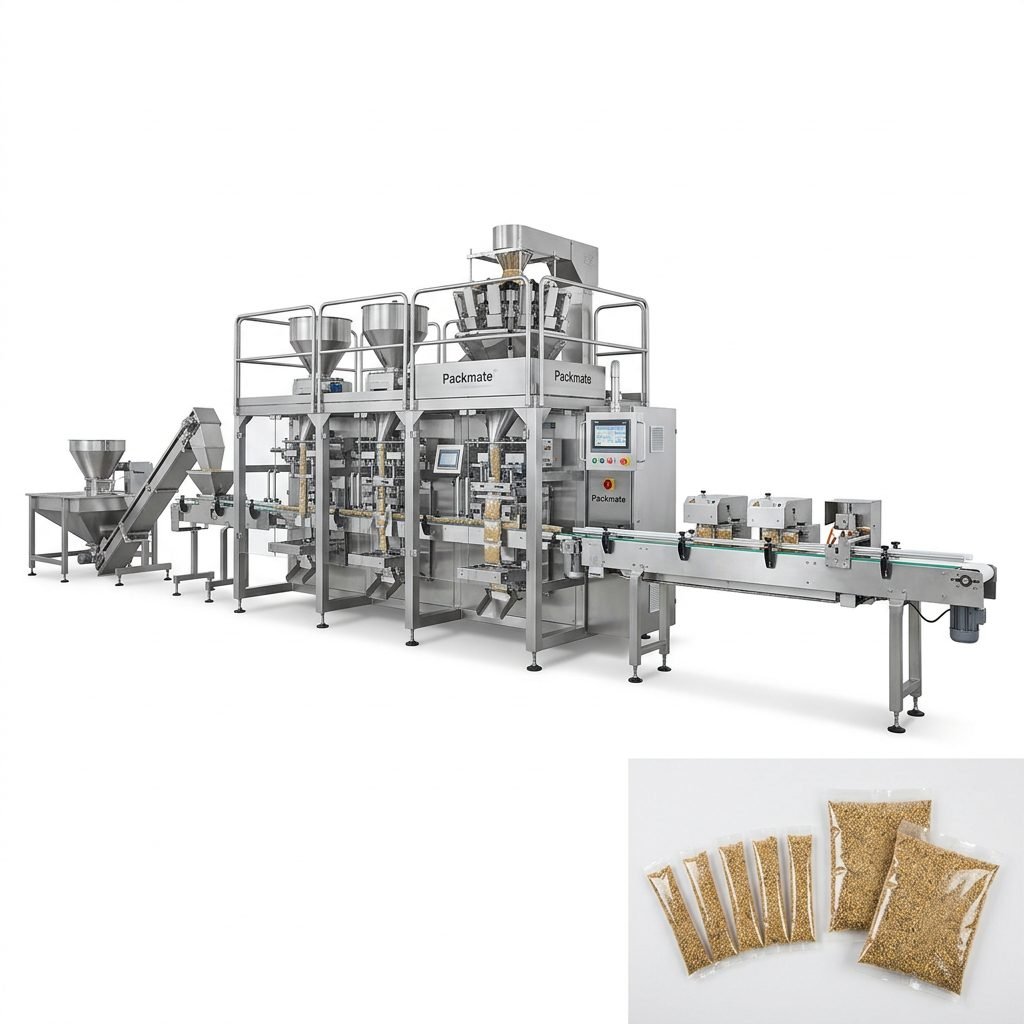
The relationship with your supplier does not end at delivery. Robust after-sales support is arguably the most critical factor for operations in Suriname, given the potential downtime costs. Ensure your chosen supplier has a responsive technical support team available via email, phone, or video call. Inquire about their spare parts inventory policy and average delivery times to your location. Some manufacturers offer online monitoring systems for predictive maintenance, which can be extremely valuable for remote management.
Common Questions from Surinamese Importers
Here are answers to some frequently asked questions by businesses in Suriname when sourcing packaging machinery.
1. What are the main hidden costs when importing packaging machines?
Beyond the machine price, buyers must budget for international shipping and marine insurance, import duties and taxes (consult with a local customs broker in Suriname), costs for an electrical technician to adapt the machine to local power standards (if necessary), and potential costs for foundation work or ancillary equipment (compressors, air dryers).
2. How can we test if a machine is suitable for our product before purchasing?
Reputable manufacturers offer product testing services. You can send samples of your raw material (e.g., rice, spice powder, supplement granules) to the supplier’s facility. They will run tests on a similar machine model and provide a report with video evidence, detailing filling accuracy, sealing quality, and achievable speed.
3. Are Chinese-made packaging machines reliable for long-term use?
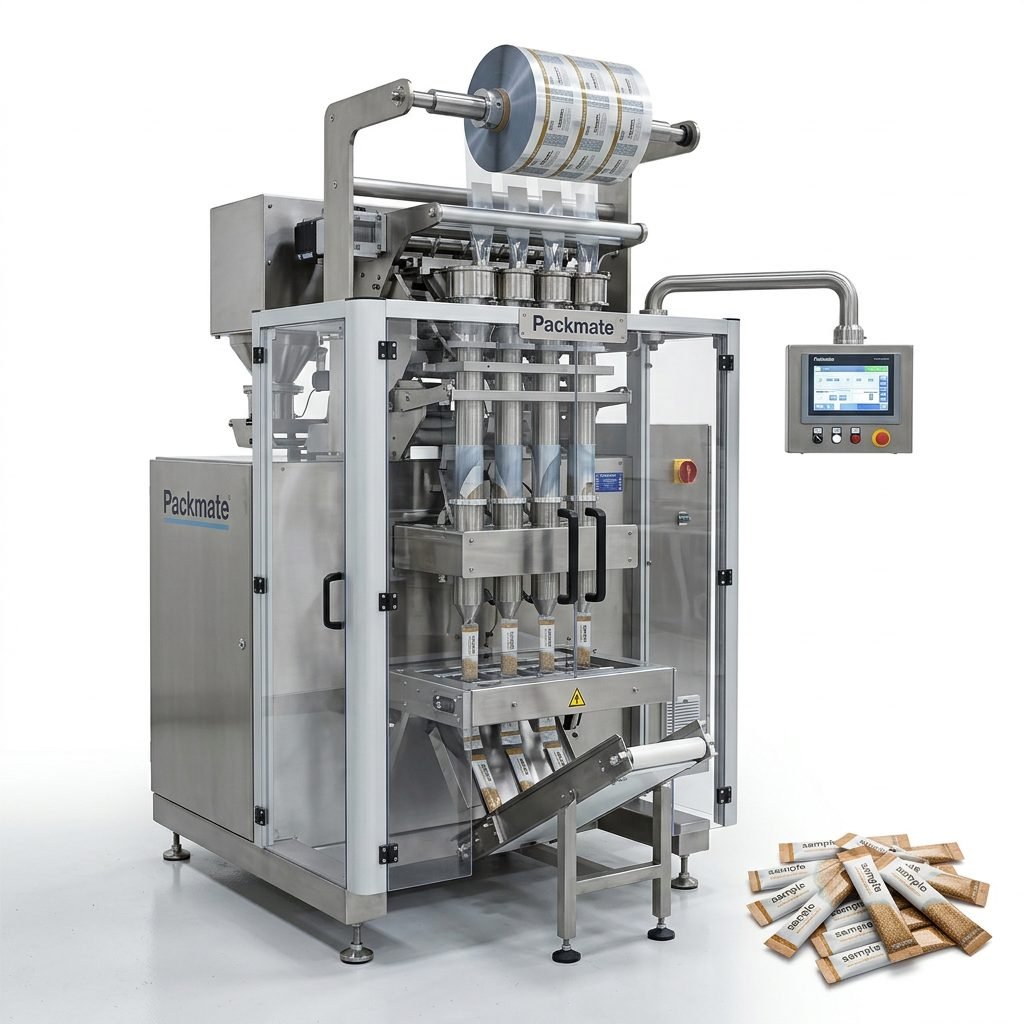
Modern Chinese packaging machinery from established manufacturers like those profiled is generally very reliable. The key is to choose a company with a long track record (20-30+ years), significant export experience, and a focus on quality control. These companies use international-standard components (Siemens, Mitsubishi, Omron drives) and have structured assembly processes, resulting in machines that perform well in demanding industrial environments.
4. What packaging trends should Surinamese businesses consider?
Globally, there is a move towards sustainable packaging materials, single-serve and portion-control packs, and smart packaging with QR codes for traceability. For Surinamese exporters, investing in equipment that can handle recyclable or compostable films and produce neat, high-quality sachets can enhance brand appeal in international markets.