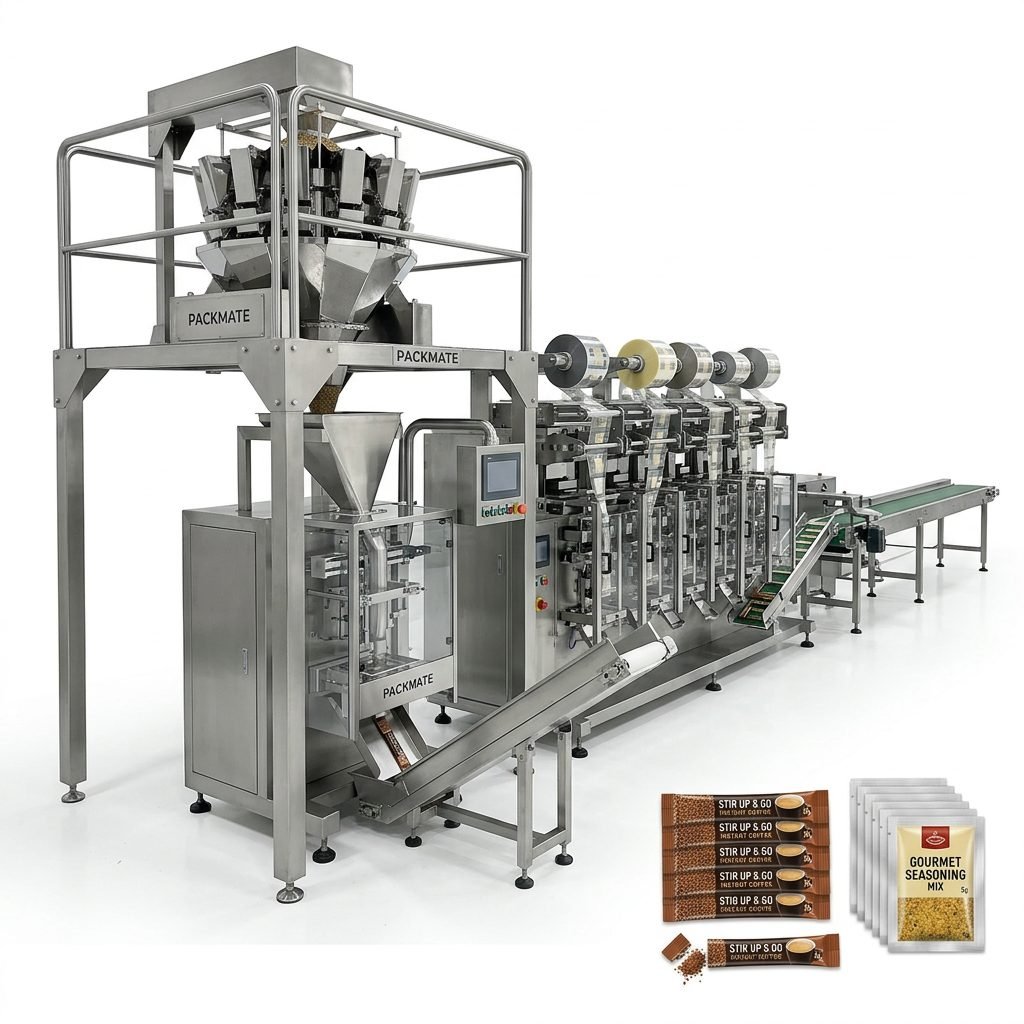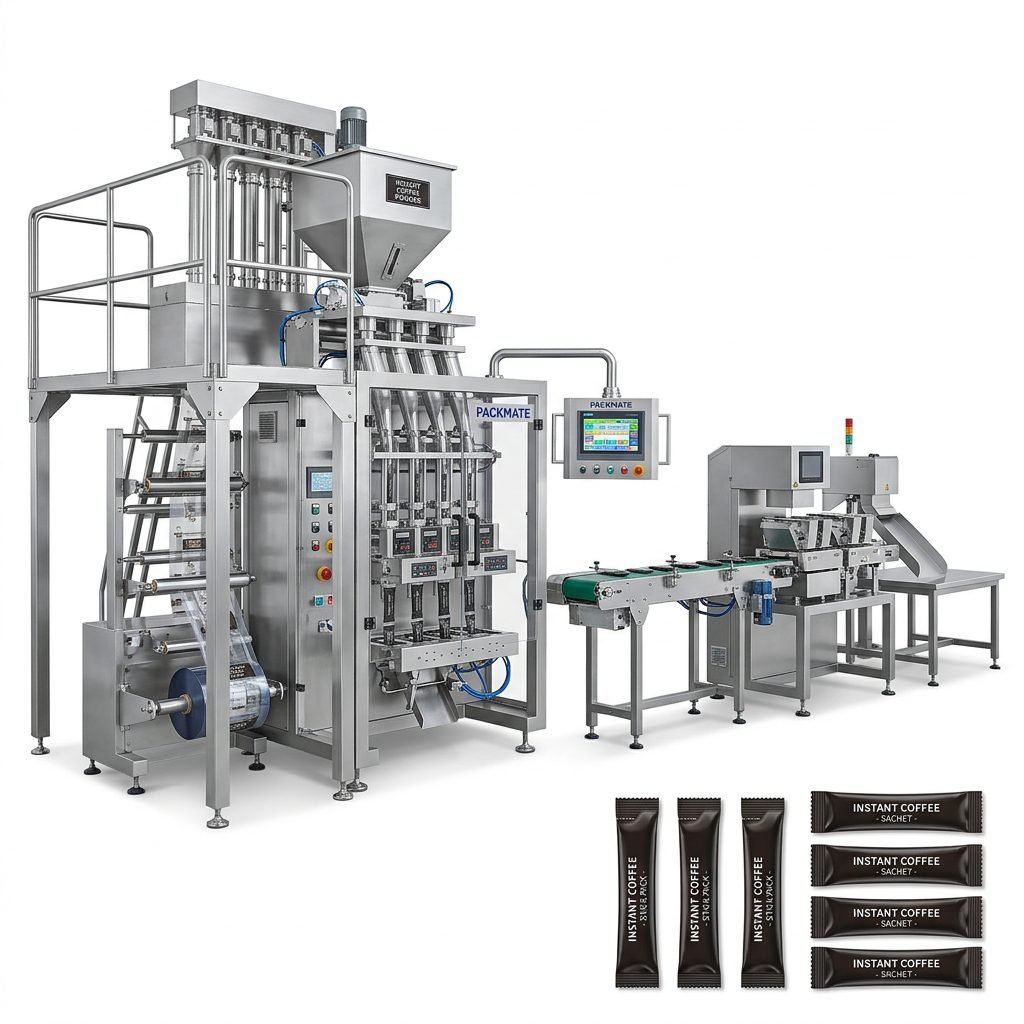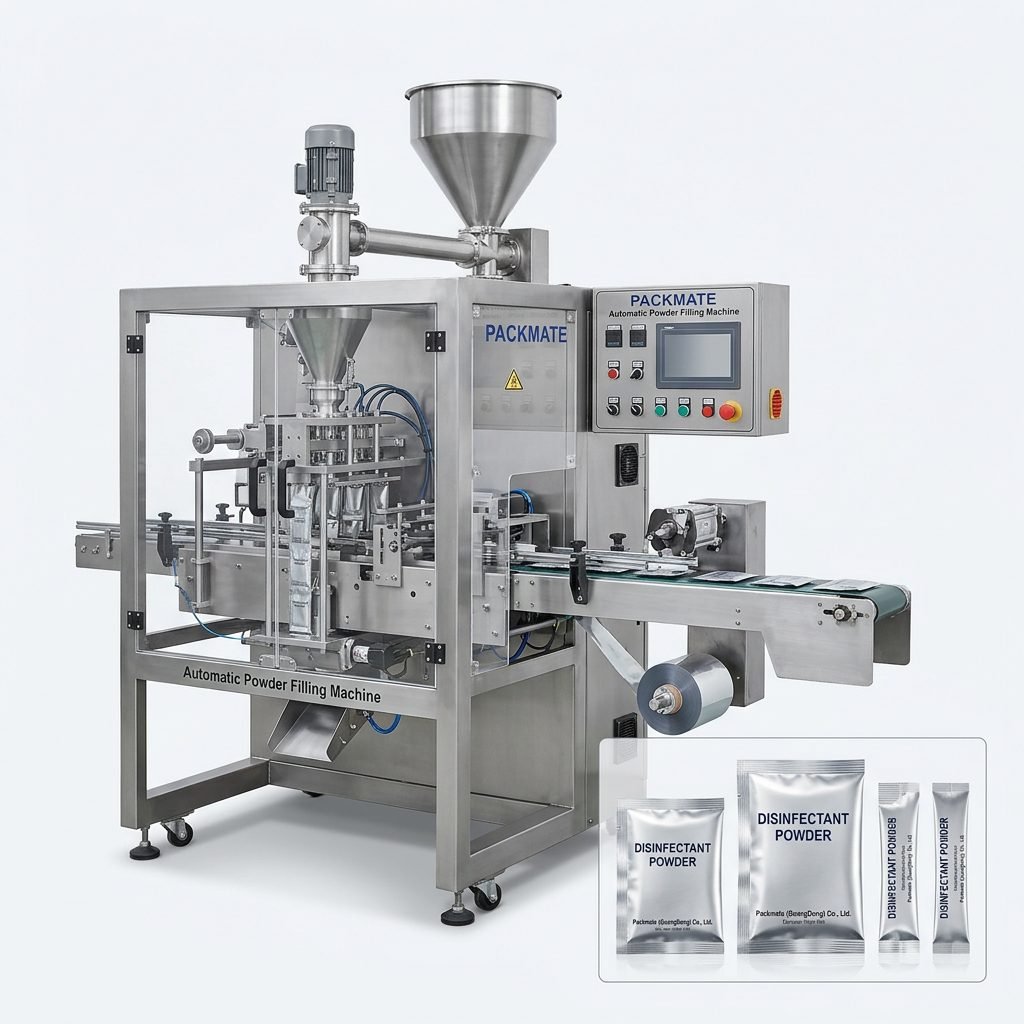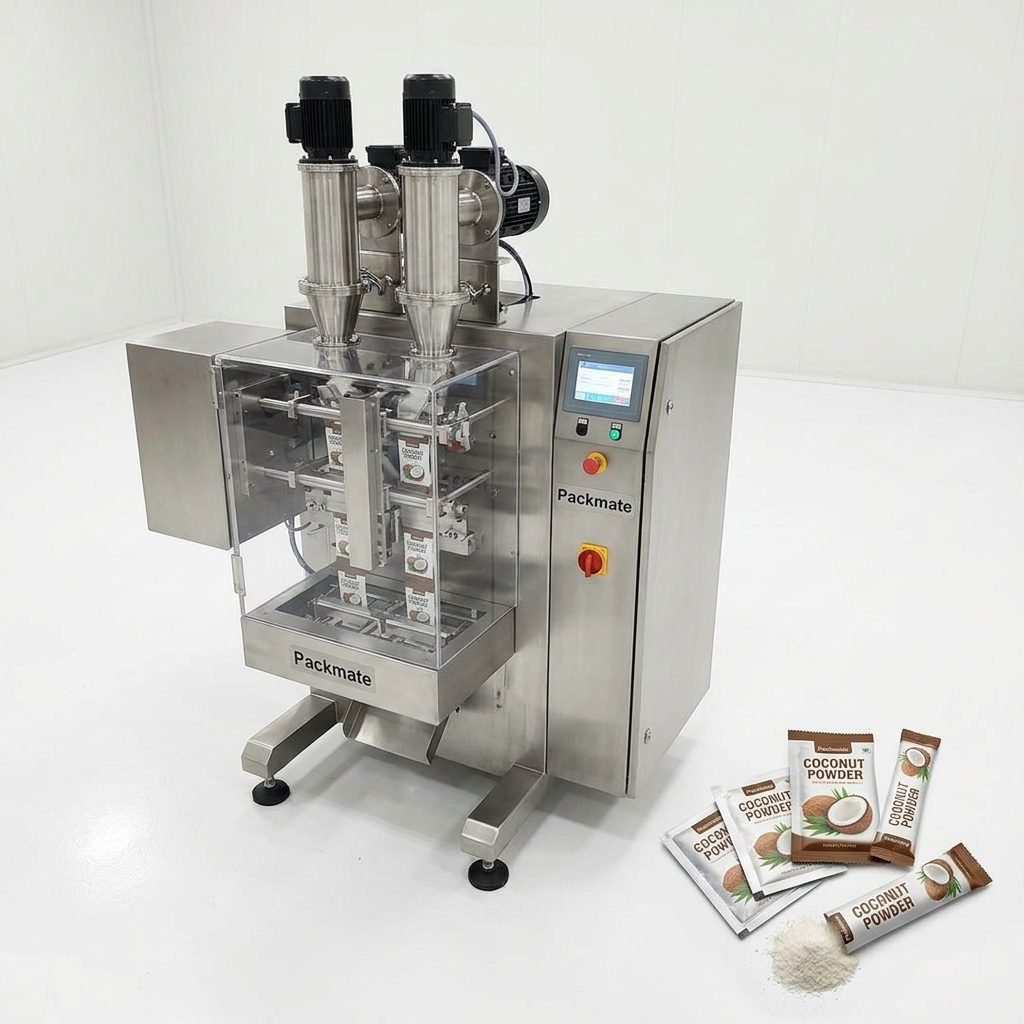
For businesses in Bhutan, investing in the right packaging machine is a critical decision that impacts production efficiency, product quality, and long-term operational costs. The unique market dynamics, from the growing local FMCG sector to the export of high-quality agricultural products like red rice and spices, demand reliable and adaptable packaging solutions. Choosing the correct manufacturer is not just about the machine itself, but about finding a partner who understands your specific needs, offers robust support, and can navigate the logistical challenges of importing equipment into the Himalayan kingdom.
Understanding Bhutan’s Packaging Landscape
The industrial and manufacturing sector in Bhutan, while developing, has specific characteristics that influence packaging needs. Many businesses are small to medium-sized enterprises (SMEs) focusing on food processing (dairy, fruits, beverages), pharmaceuticals, and herbal products. The emphasis is often on quality, natural ingredients, and export readiness. Therefore, packaging machinery must be versatile, hygienic, and capable of handling various product forms—from granules and powders for spices and flour to liquids for juices and dairy. The ability to produce attractive, sealed sachets or stick packs is crucial for both domestic retail and creating value-added products for tourism and export markets.
Key Factor 1: Technical Expertise and Product Range
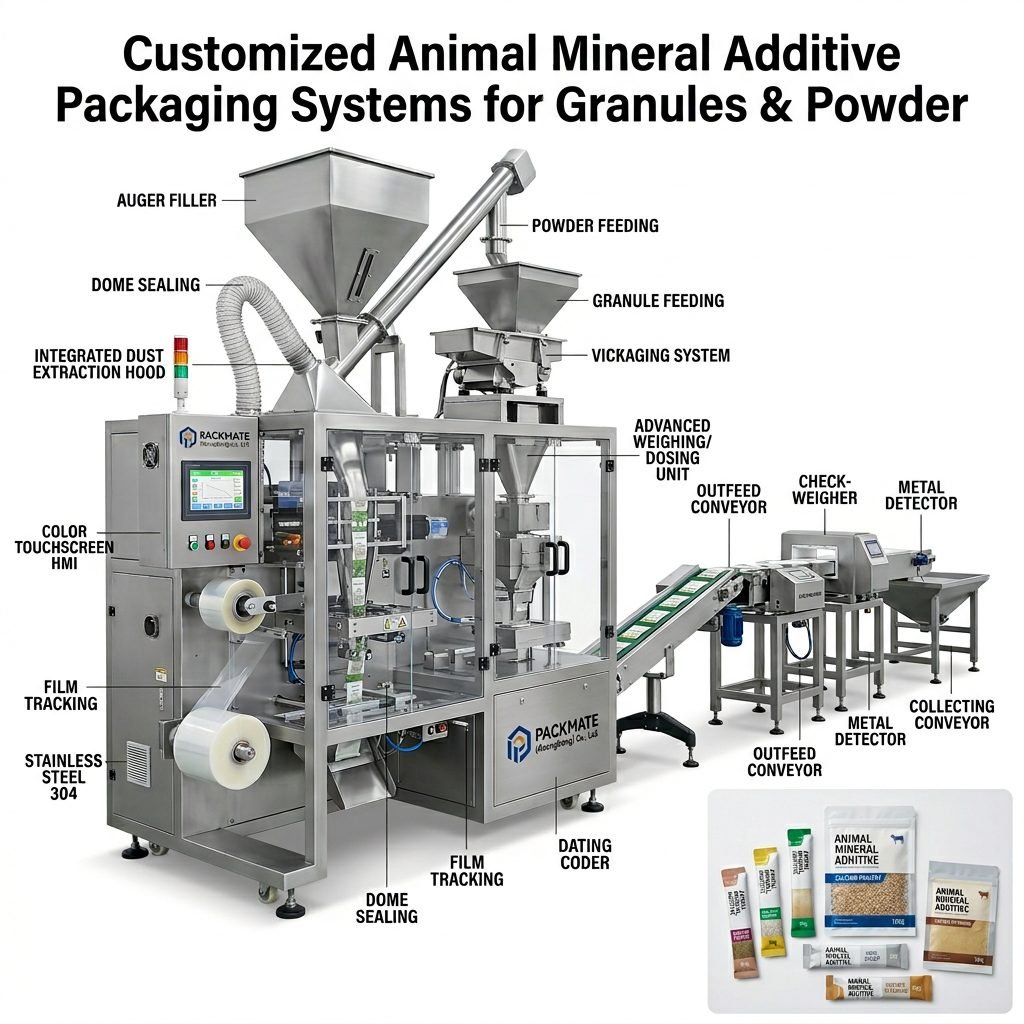
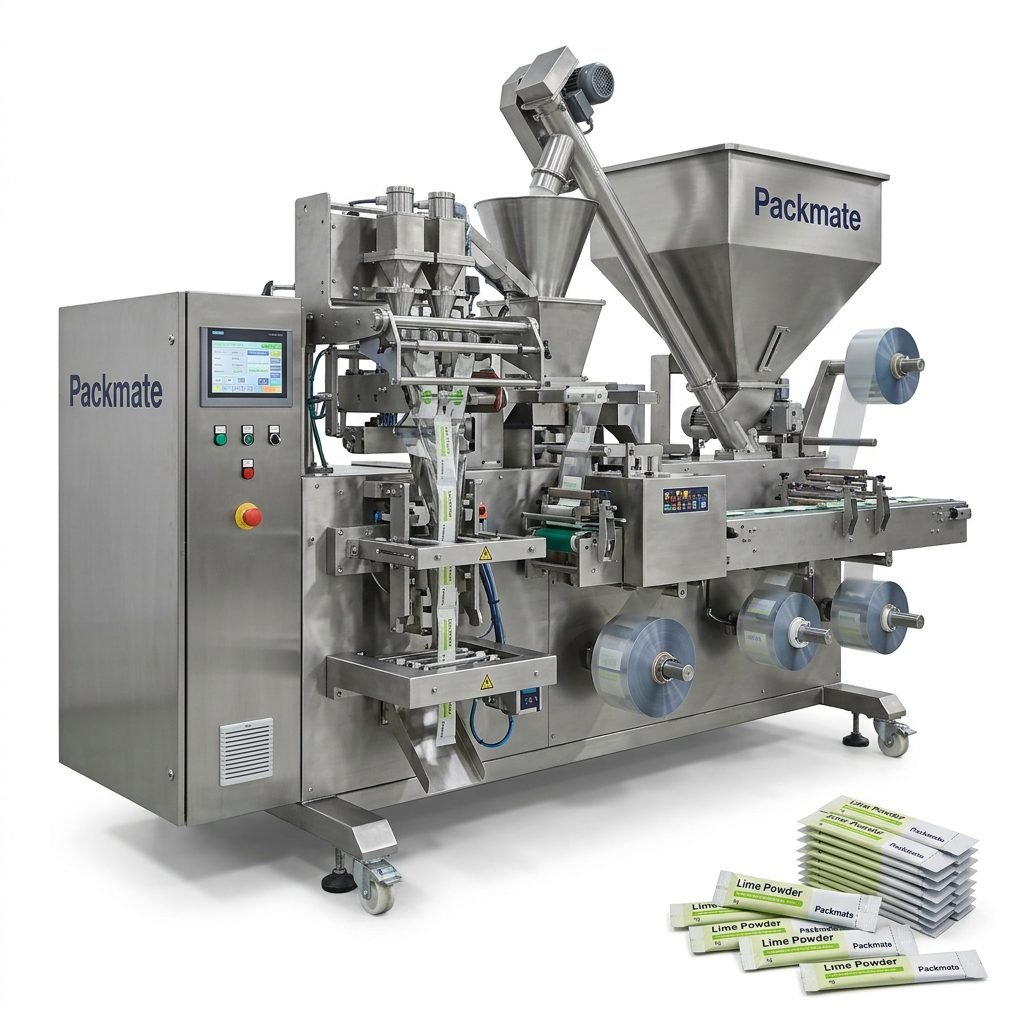
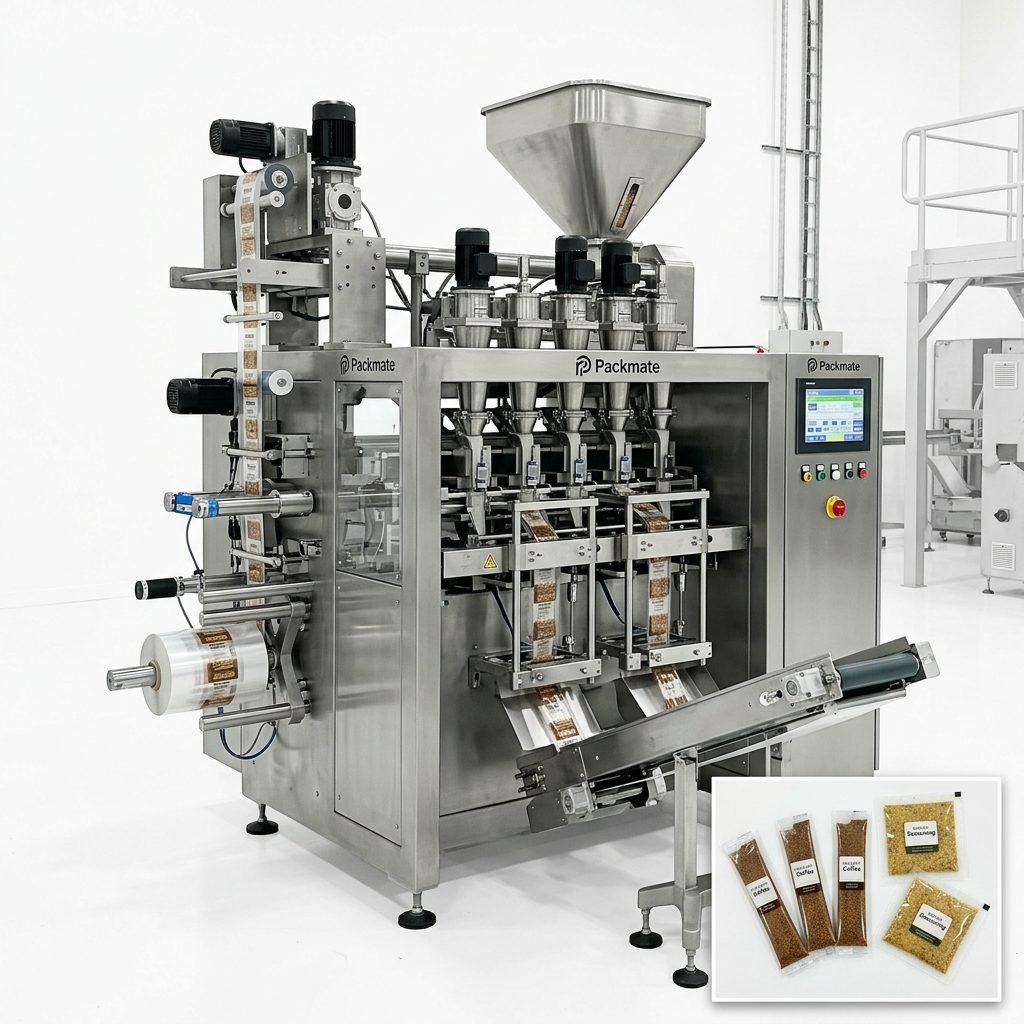
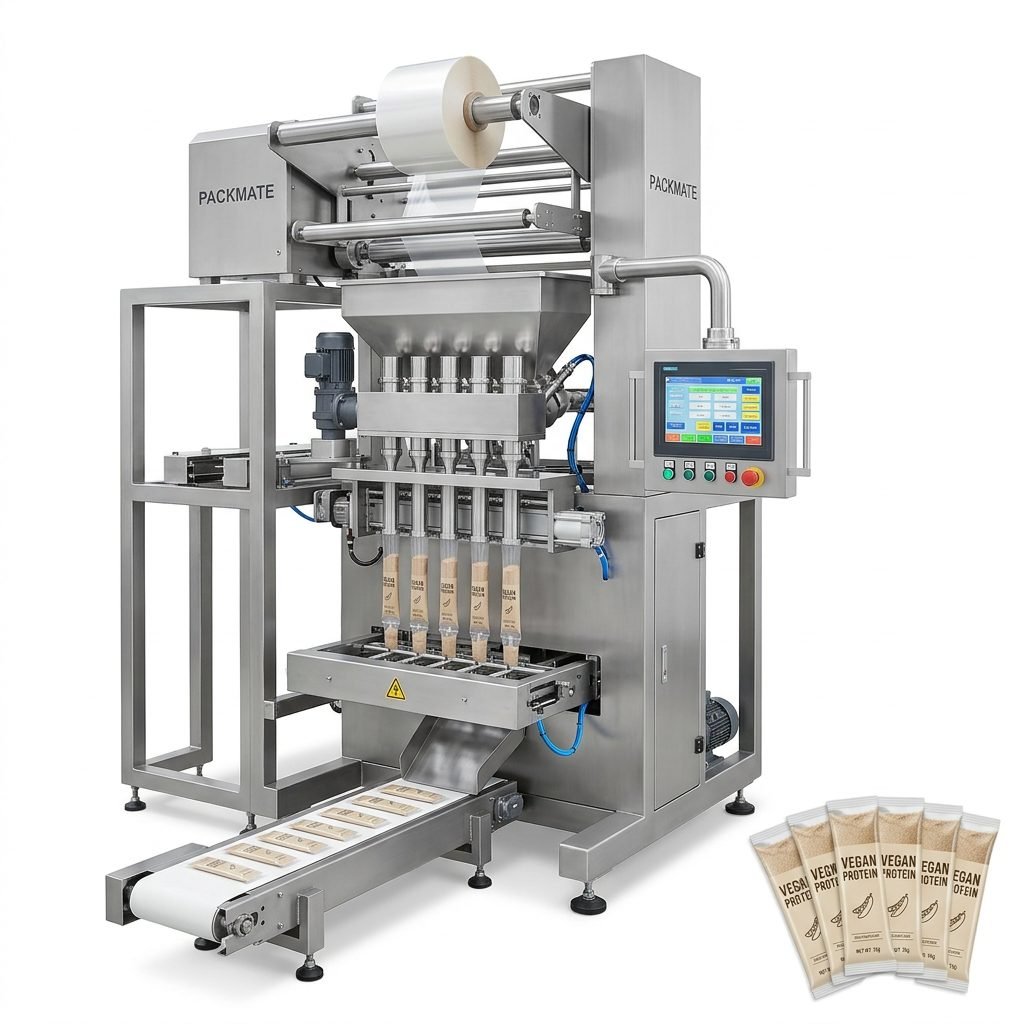
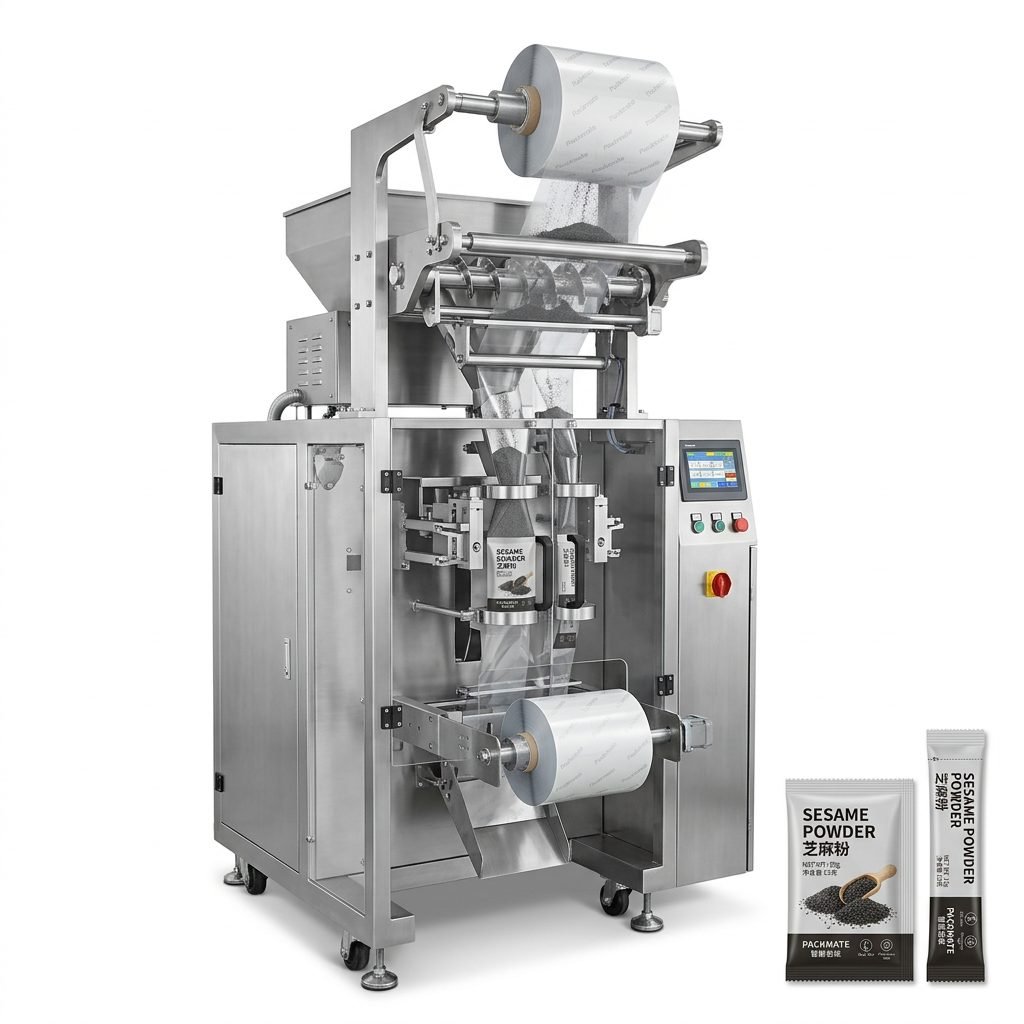
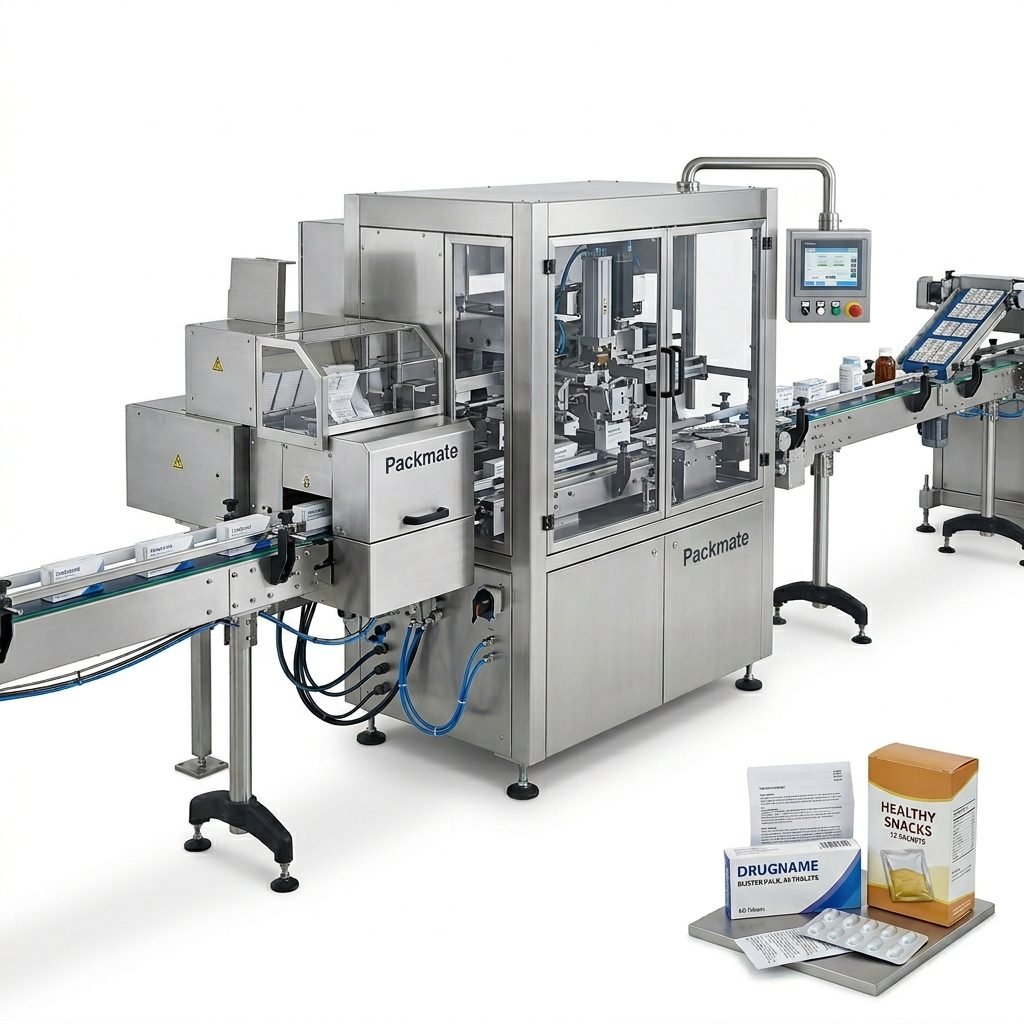
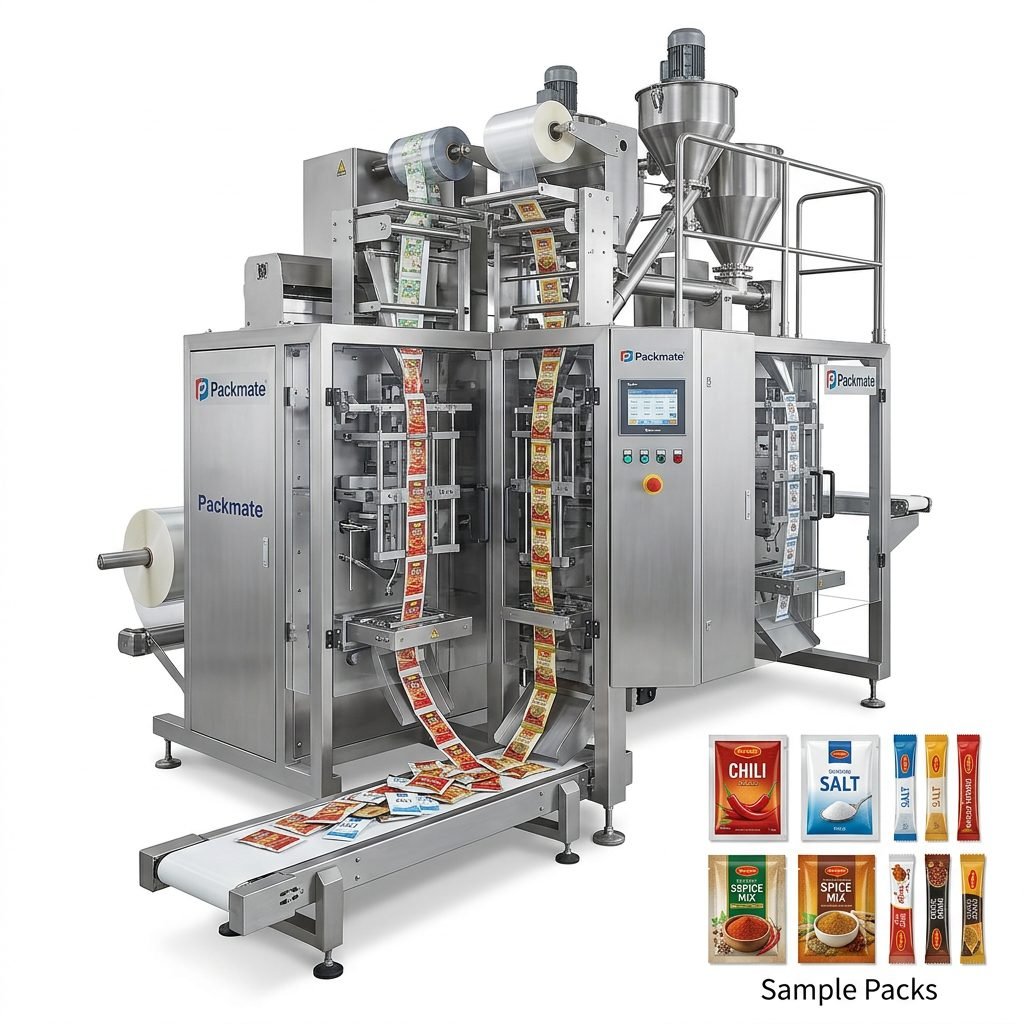
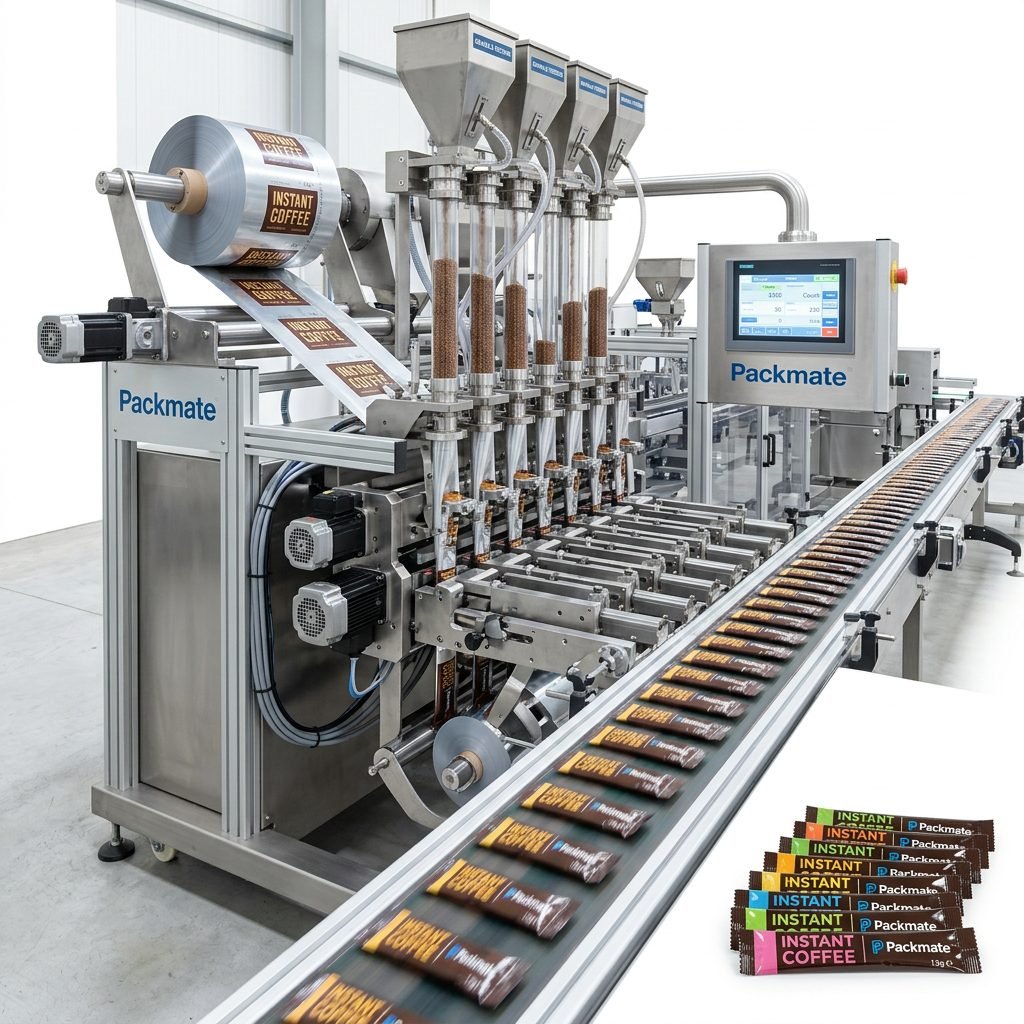
Your chosen manufacturer should have proven expertise in handling the types of products you package. Look for a company with a broad portfolio that includes machines for granules, powders, liquids, and pastes. For a Bhutanese business packaging ground chili powder or instant coffee mixes, a multi-lane stick pack machine would be ideal. For liquid honey or fruit concentrates, a precise liquid filling and sealing system is necessary. Manufacturers like Ludyway and Packmate Machinery, with over 30 years of experience, offer extensive ranges covering these applications, providing a one-stop solution for diverse needs.
Pro Tip for Bhutanese Buyers: Consider future product diversification. A machine that can handle multiple product types with quick changeovers offers greater long-term value and flexibility for a growing business.
Key Factor 2: Machine Reliability and Build Quality
Given Bhutan’s geographical location, machine downtime can be particularly costly due to longer lead times for spare parts and technical support. Prioritize manufacturers known for robust construction, stable performance, and high-quality components. Inquire about the materials used (e.g., food-grade stainless steel contact parts), the precision of their machining, and their quality control processes during assembly. A manufacturer with a large factory, like the 20,000+ square meter facilities operated by companies such as PacklineOEM, often indicates substantial in-house manufacturing capability and better quality oversight.
Key Factor 3: Customization and Scalability
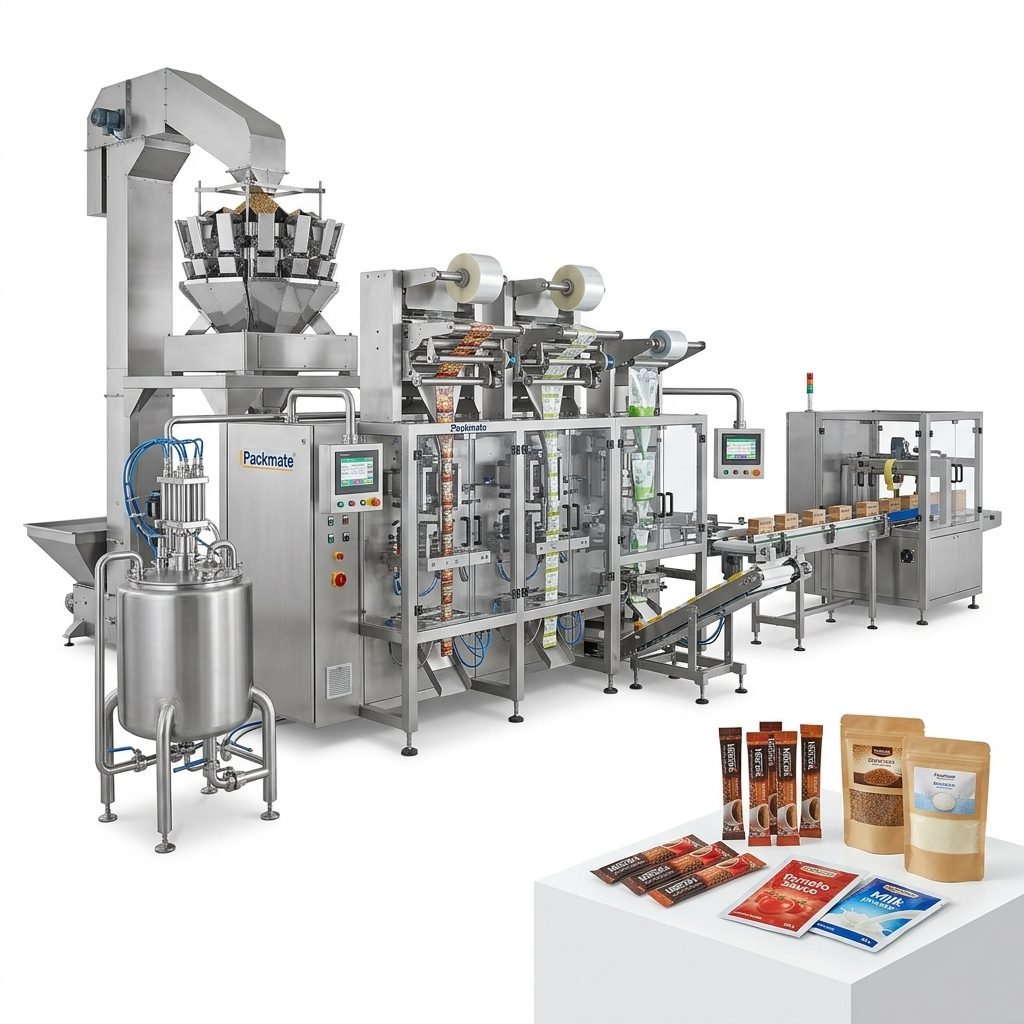
Off-the-shelf machines may not perfectly fit your unique product format, bag size, or factory layout. The ability to customize is vital. Whether you need a special nozzle for viscous dairy products, a specific sealing mechanism for high-altitude packaging, or integration with existing conveyors, your manufacturer should offer engineering support. Companies specializing in non-standard solutions, such as PackingMachineOEM, are built for this purpose. Similarly, consider scalability—can the manufacturer supply a single machine now and a complete automated line as your business expands?
Key Factor 4: After-Sales Support and Training
This is arguably the most critical factor for Bhutanese importers. Comprehensive after-sales service includes:
- Installation & Commissioning: On-site support to set up and fine-tune the machine.
- Operator Training: Thorough training for your staff to ensure efficient and safe operation.
- Spare Parts Availability: A clear and responsive system for procuring genuine spare parts.
- Remote & On-Site Technical Support: Access to engineers for troubleshooting, potentially via video call, with a plan for on-site visits if needed.
Ensure the manufacturer has a track record of supporting clients in geographically remote areas.
Checklist for Evaluating Support
✓ What is the warranty period and what does it cover?
✓ Is there a dedicated English-speaking service contact?
✓ What is the typical response time for technical queries?
✓ Can they provide references from clients in similar regions?
Key Factor 5: Export Experience and Logistics
Choose a manufacturer with strong export experience. They should be familiar with international shipping, customs documentation, and export regulations to China’s borders and beyond. Manufacturers like SnusMachinery, which export globally, are adept at handling these processes. They can often recommend reliable freight forwarders and guide you on the necessary documentation for importing machinery into Bhutan, helping to avoid costly delays at customs.
Key Factor 6: Cost vs. Value Proposition
While initial cost is important, evaluate the total cost of ownership. A cheaper machine with poor reliability and no support will cost more in the long run through lost production. Analyze the value proposition: does the price include training, basic spare parts, and solid warranty terms? Consider the machine’s energy efficiency, speed, and yield (minimizing product waste), which all contribute to operational costs. A slightly higher investment in a reliable, efficient machine from an established manufacturer often yields a better return.
Comparing Leading Manufacturers
The following table provides a snapshot of key manufacturers relevant to the Bhutanese market, highlighting their potential strengths.
| Manufacturer | Key Strength | Ideal For Bhutanese Businesses That… |
|---|---|---|
| Ludyway | Broad product range, full turnkey lines, strong export network. | Need a versatile supplier for complex projects or future line expansion. |
| Packmate Machinery | Reliable performance, good cost efficiency, strong in food/pharma. | Seek a balance of affordability and proven reliability for standard packaging needs. |
| PacklineOEM | Turnkey line integration, system engineering focus. | Are planning a major automation upgrade or a new integrated production facility. |
| PackingMachineOEM | High customization for non-standard applications. | Have unique product shapes, sizes, or packaging materials that standard machines can’t handle. |
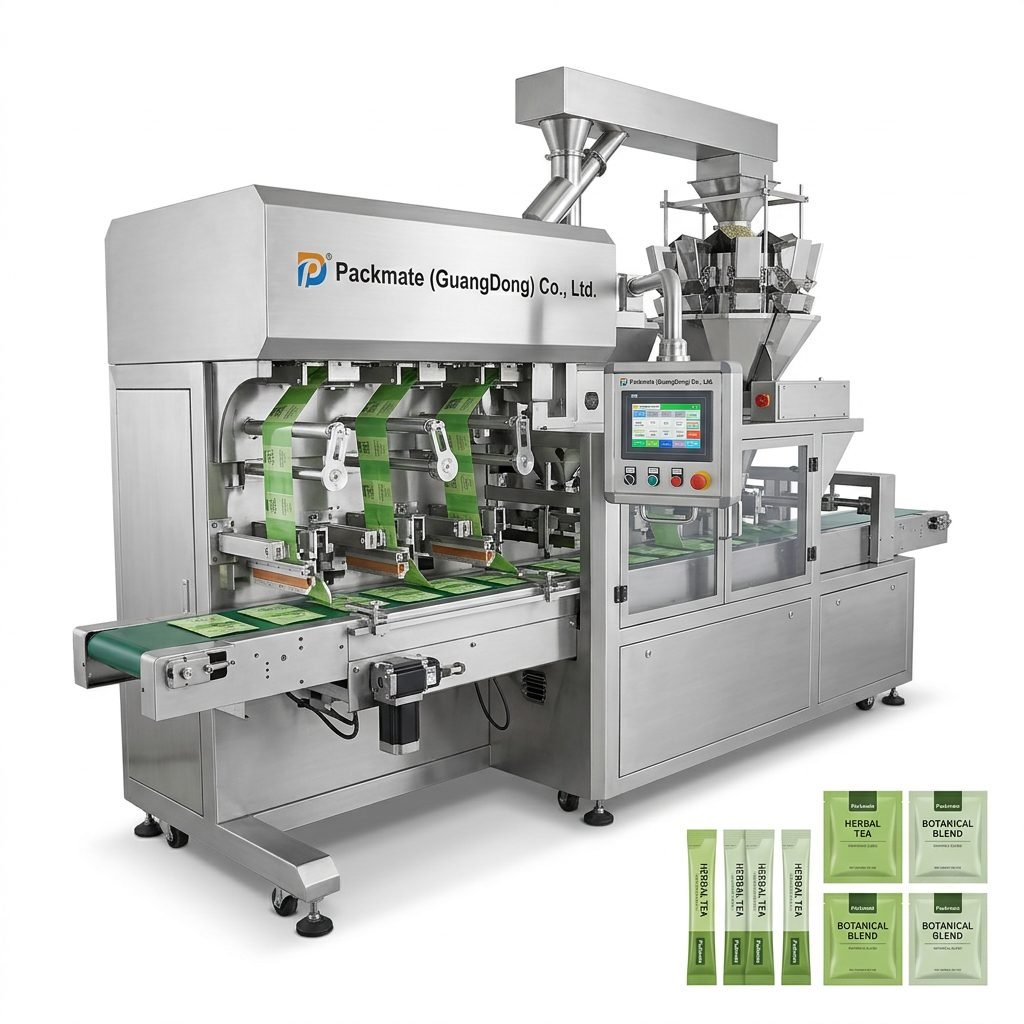
| SnusMachinery | Specialization in pouch packaging (e.g., for tea, herbs, supplements). | Produce herbal teas, medicinal powders, or specialty goods requiring precise pouch filling. |
Final Steps in the Selection Process
Before making a decision, take these final steps: request detailed quotations with clear scope, ask for video demonstrations of the machine packaging a product similar to yours, and insist on customer references—preferably from other Asian or geographically challenging markets. If possible, a video call to tour the factory floor can provide valuable insight into their manufacturing standards. For Bhutanese businesses, building a direct and clear communication channel with the manufacturer is essential for a successful long-term partnership.
Frequently Asked Questions (FAQs)
Q1: What type of packaging machine is most common for Bhutan’s food products?
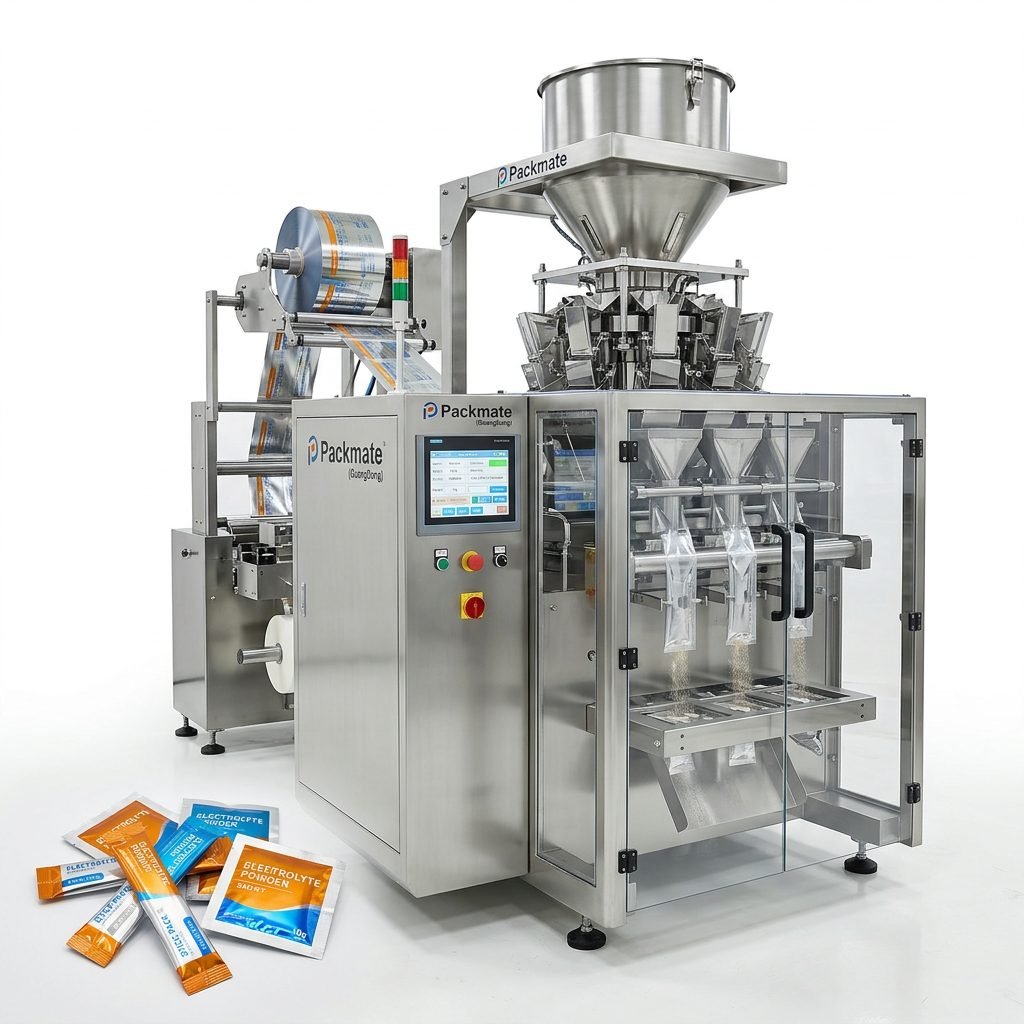
A: Vertical form-fill-seal (VFFS) machines for sachets and multi-lane stick pack machines are highly popular. They are versatile for packaging powders (spices, flour, milk powder), granules (red rice, grains), and liquids in small, convenient units perfect for retail and tourism.
Q2: How can I ensure reliable after-sales service given Bhutan’s location?
A: Prioritize manufacturers with proven international support networks. Confirm they offer remote diagnostics via video call, maintain a stock of critical spare parts, and have partnerships with regional service agents. Clear service level agreements (SLAs) in the contract are crucial.
Q3: Are Chinese packaging machines a good choice for Bhutan?
A: Yes, many Chinese manufacturers offer an excellent balance of technology, reliability, and cost, which is suitable for the Bhutanese market. The key is to select established, export-oriented companies (like those profiled) with strong quality control and support structures, rather than opting for the lowest-priced option.
Q4: What should I consider regarding power supply and factory environment?
A: Inform the manufacturer about Bhutan’s standard voltage (230V/50Hz) and any potential voltage fluctuations. Discuss your factory’s ambient temperature, humidity, and dust levels to ensure the machine is suitably specified and protected.
Q5: Can I get a machine that can handle multiple different products?
A: Absolutely. Many machines are designed for quick changeovers. Discuss your full product range with the manufacturer. They can often recommend a model with interchangeable parts (like different auger fillers or forming tubes) to handle various product types and bag sizes efficiently.