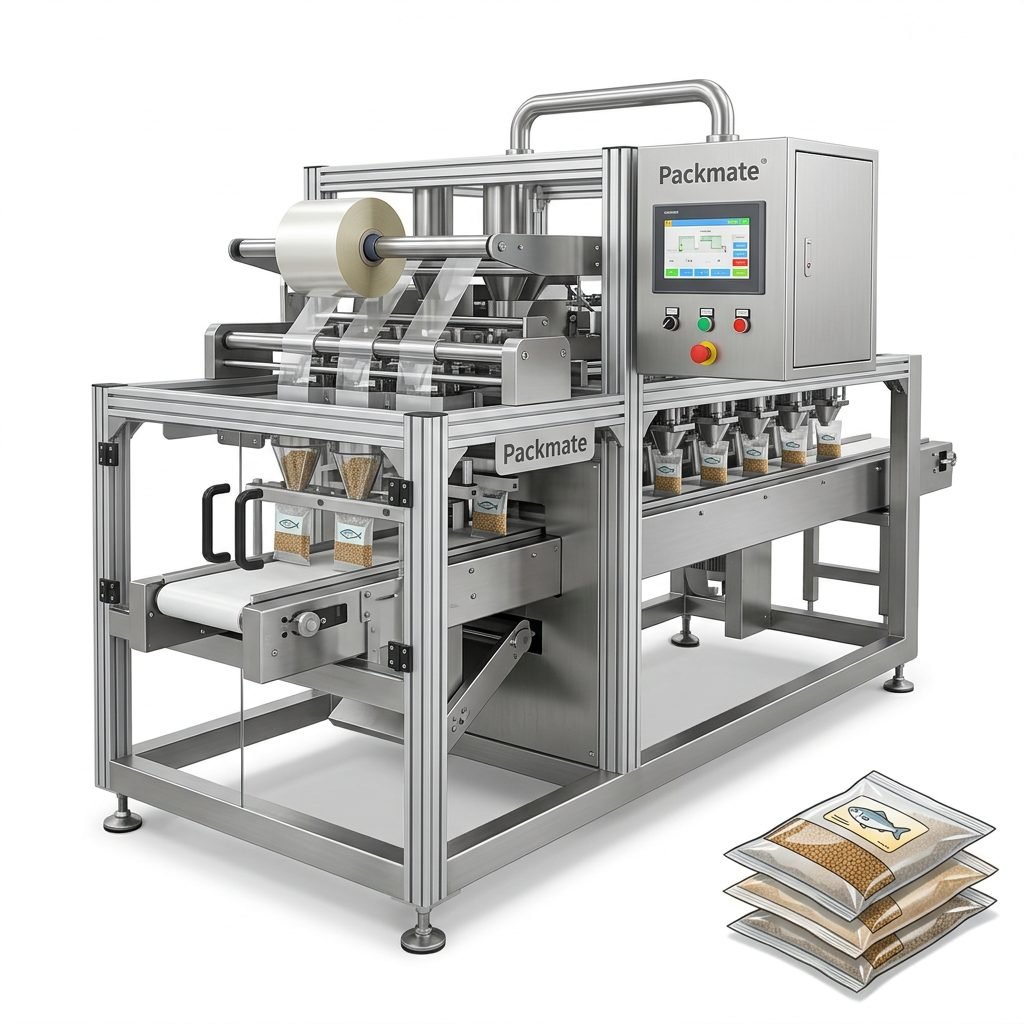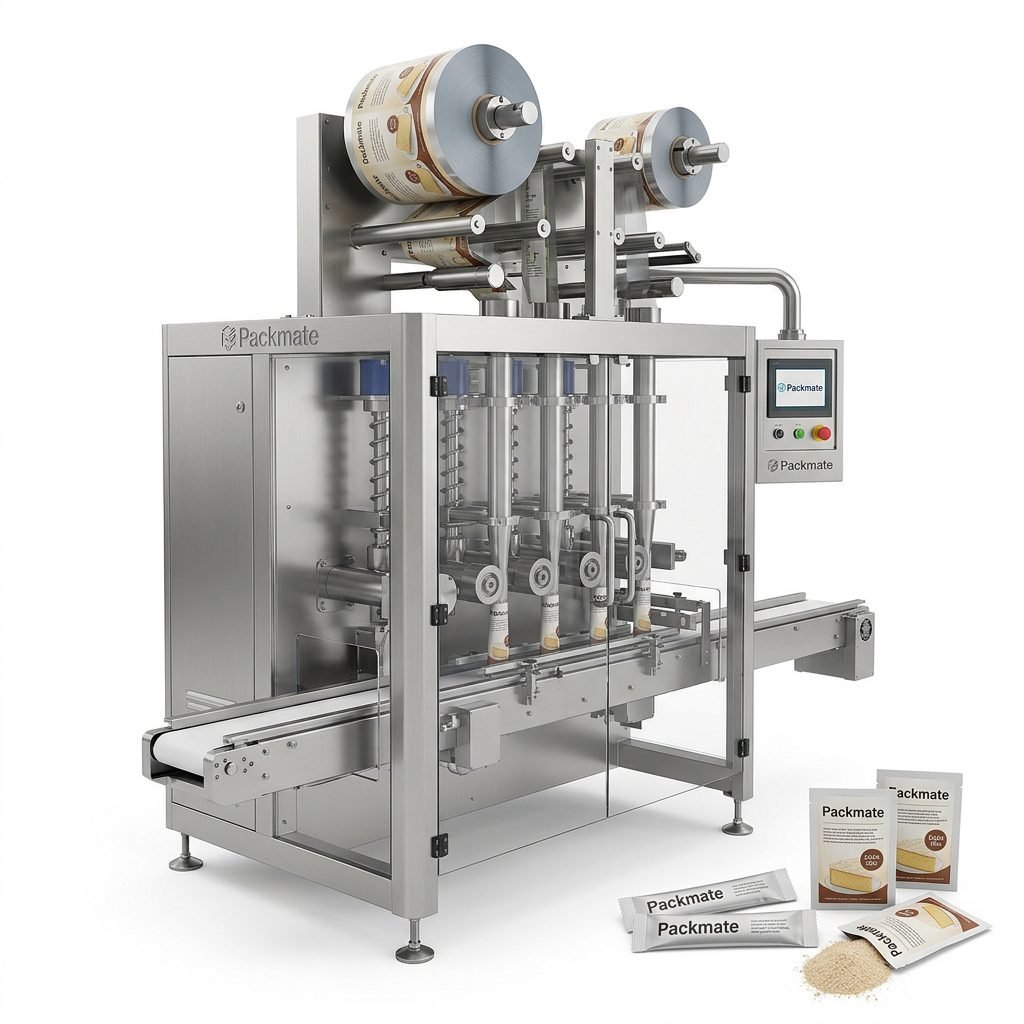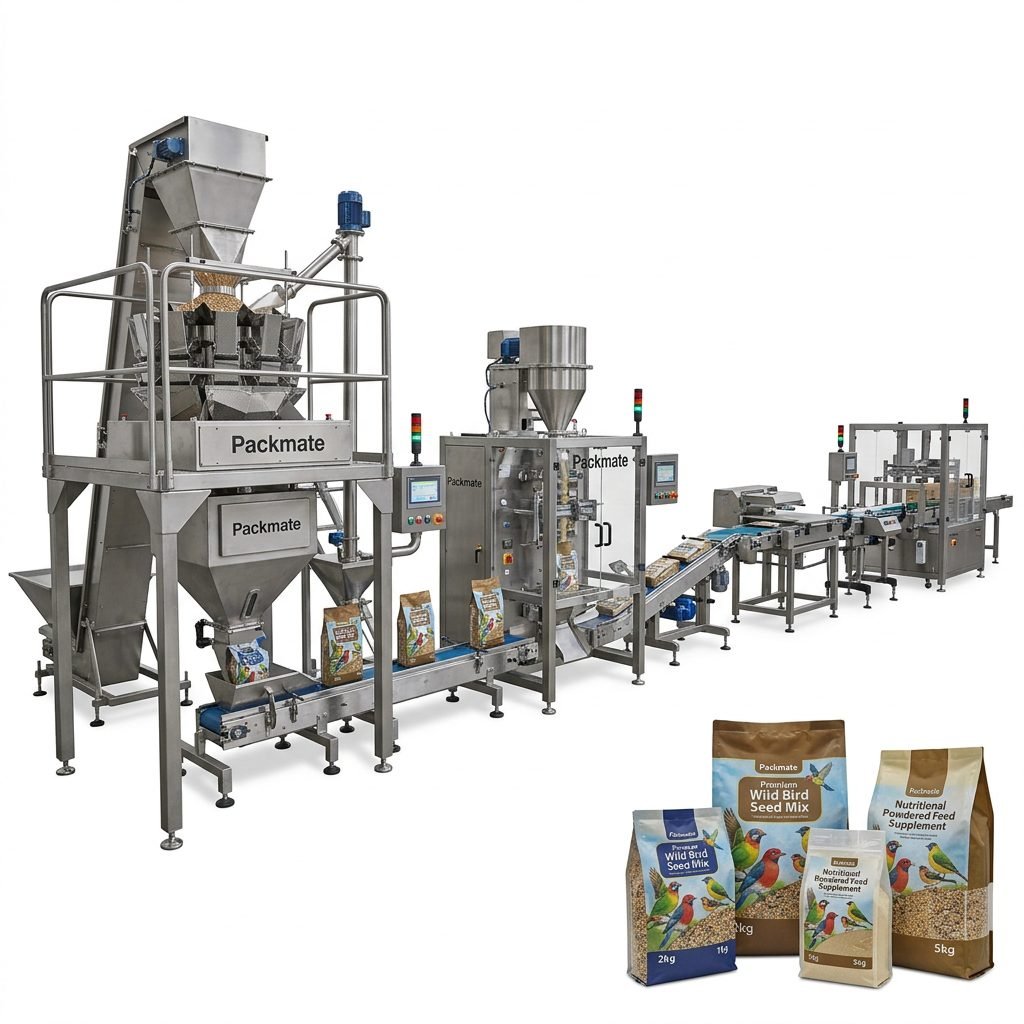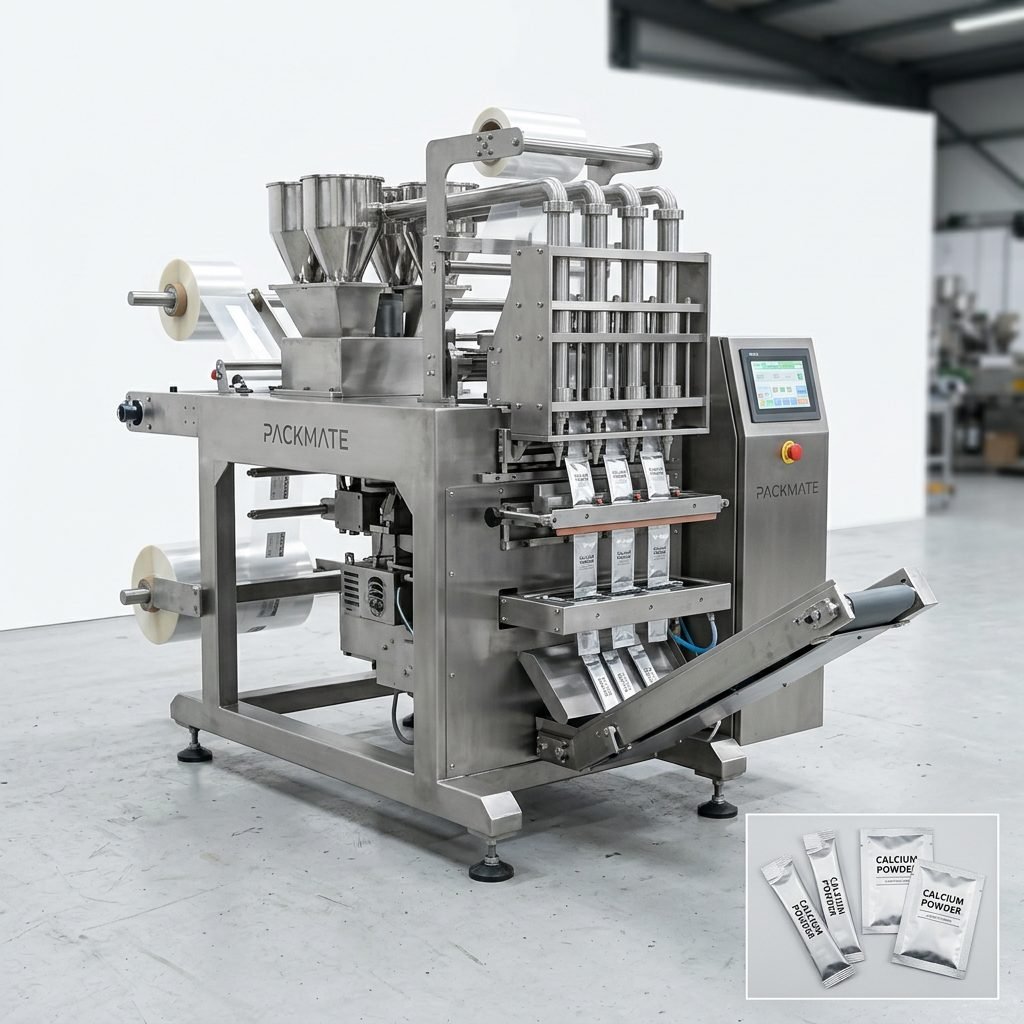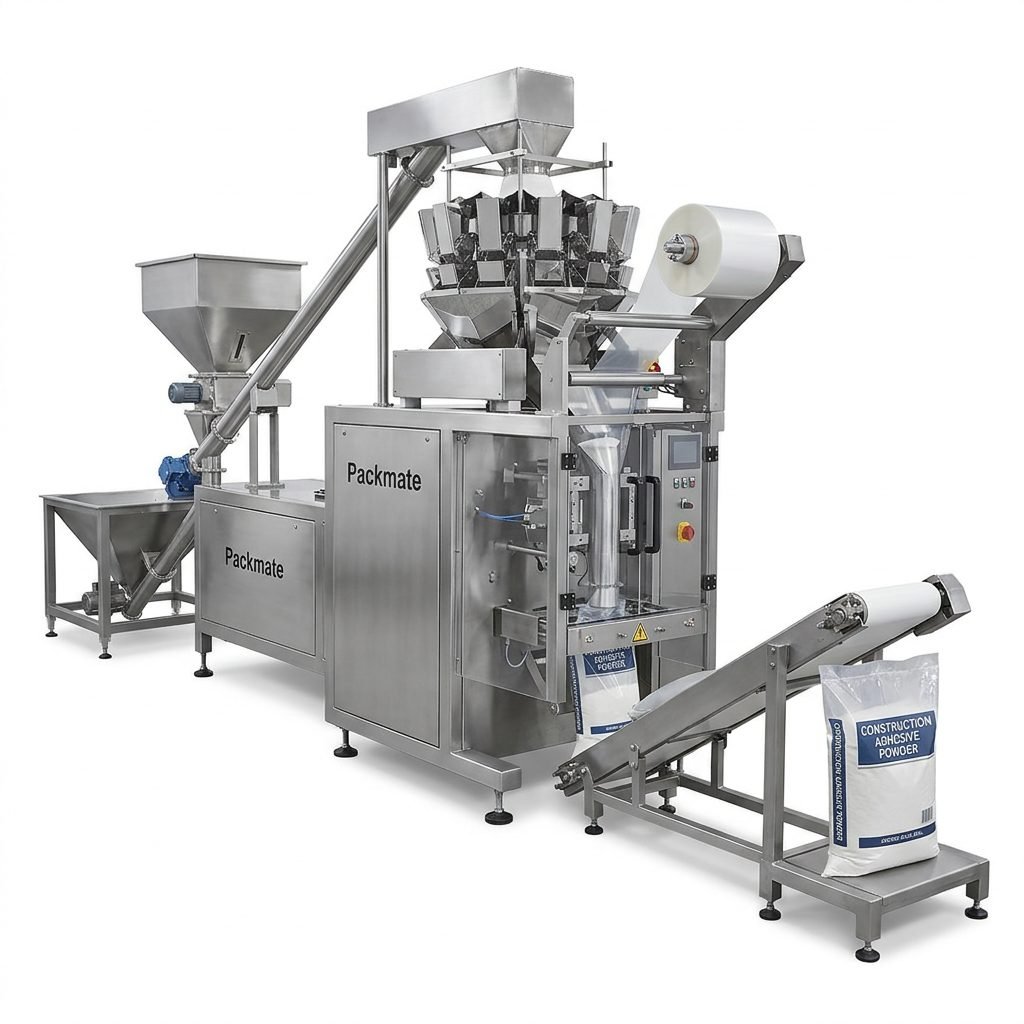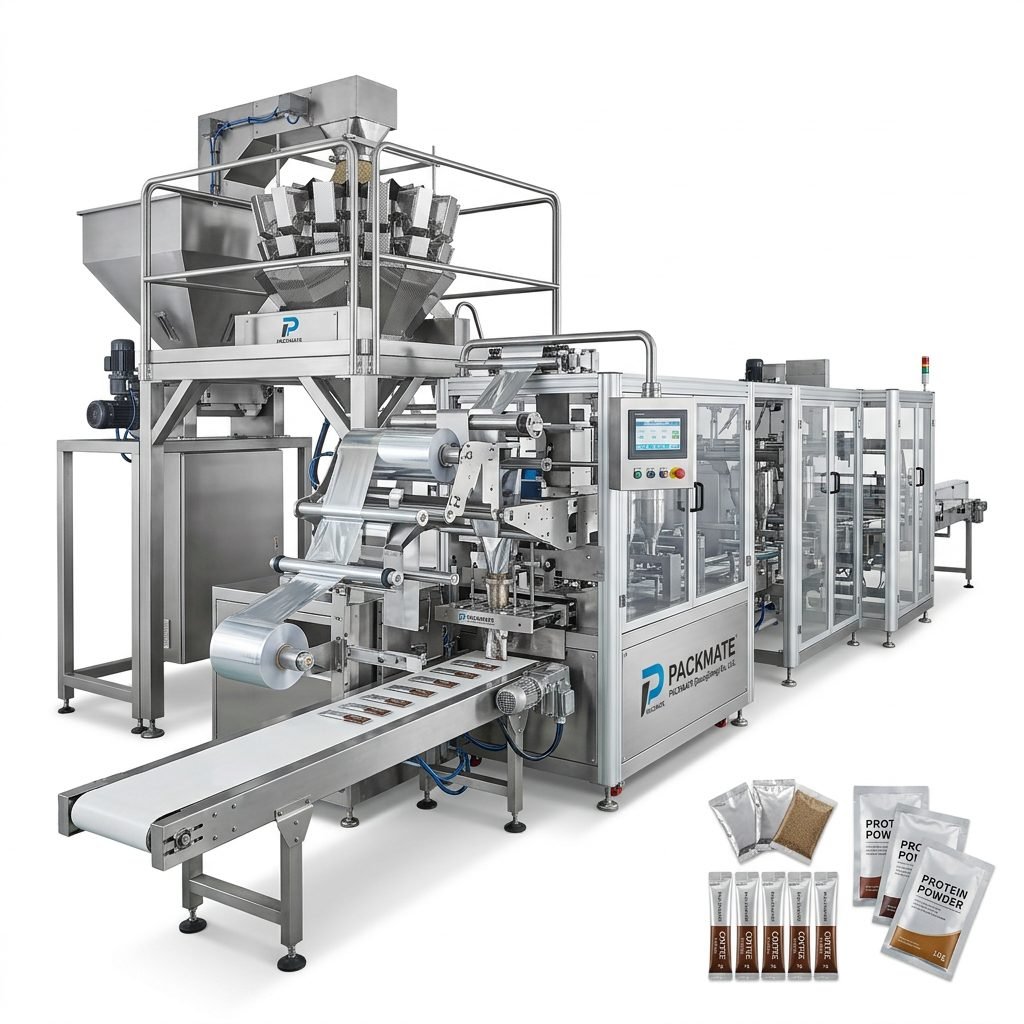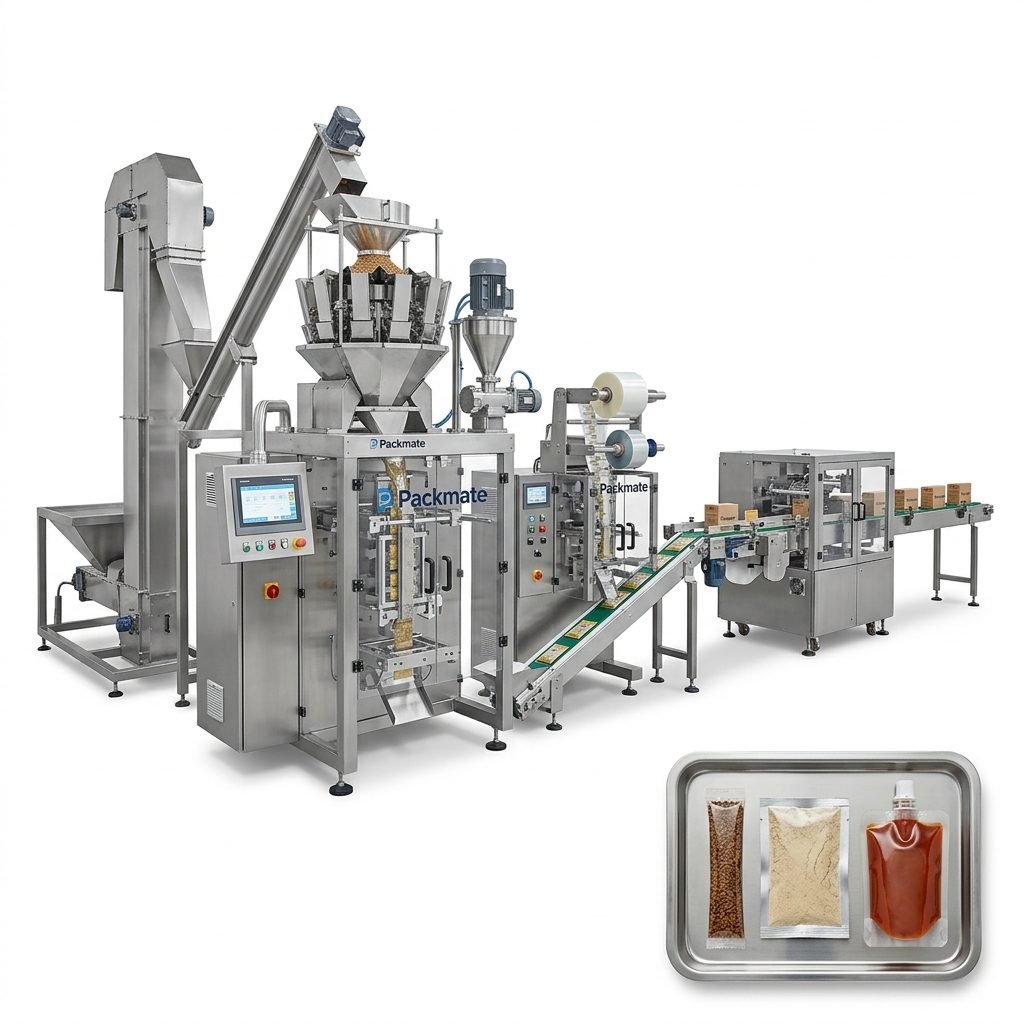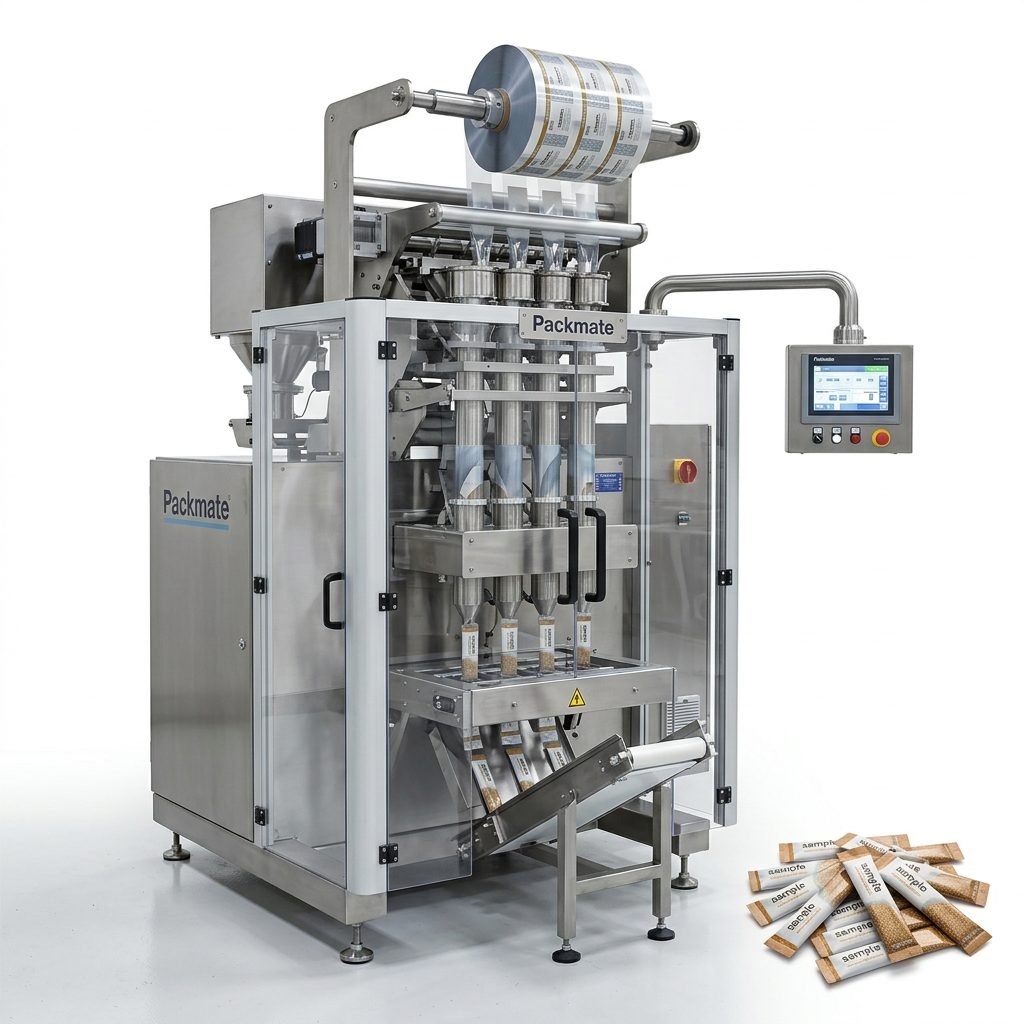
For Estonian manufacturers and business owners looking to upgrade their production lines, finding a reliable packaging machine supplier is a critical step. Estonia’s industrial landscape, characterized by a strong focus on food processing, pharmaceuticals, and technology, demands equipment that is not only efficient and precise but also robust and backed by solid support. This guide provides a practical, step-by-step approach to sourcing trustworthy packaging machine manufacturers, with a particular focus on navigating the international market and evaluating suppliers from key regions like China.
Understanding Your Packaging Needs in the Estonian Context
Before you begin your search, it’s essential to have a crystal-clear understanding of your specific requirements. The Estonian market, with its high standards for quality and efficiency, requires tailored solutions.
Key questions to ask yourself: What type of product are you packaging (granules, powder, liquid, paste)? What is your required output (bags/hour)? What is your available factory space and layout? What is your budget, including shipping and installation? What level of after-sales support is available locally or regionally?
For instance, an Estonian dairy company expanding into portion-controlled creamers will have vastly different needs (liquid filling, high-speed sachet machines) compared to a Tallinn-based pharmaceutical startup producing herbal supplements (granule/powder dosing, stick pack machines).
Step 1: Define Your Technical Specifications
Create a detailed specification sheet. This should include:
- Product Type & Characteristics: Viscosity, flowability, abrasiveness, hygroscopic nature.
- Packaging Material: Type of film (e.g., PET/AL/PE), bag size, and sealing requirements.
- Production Speed: Desired output in packs per minute/hour.
- Automation Level: Standalone machine vs. integrated line with feeding, conveying, and cartoning.
- Compliance: Any specific EU, FDA, or other regulatory standards the machine must meet.
Step 2: Researching and Shortlisting Manufacturers
With your specs in hand, start building a list of potential suppliers. Focus on manufacturers with proven experience in your specific industry segment.
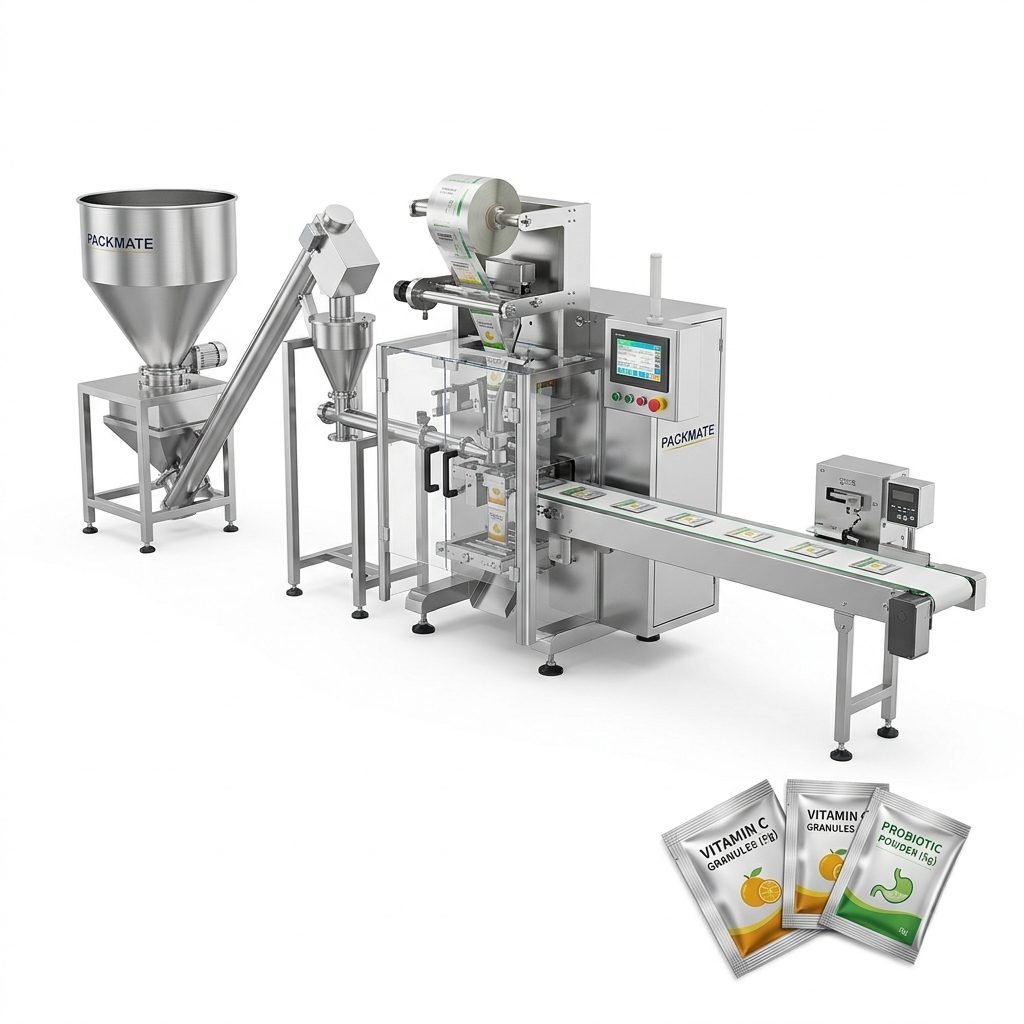
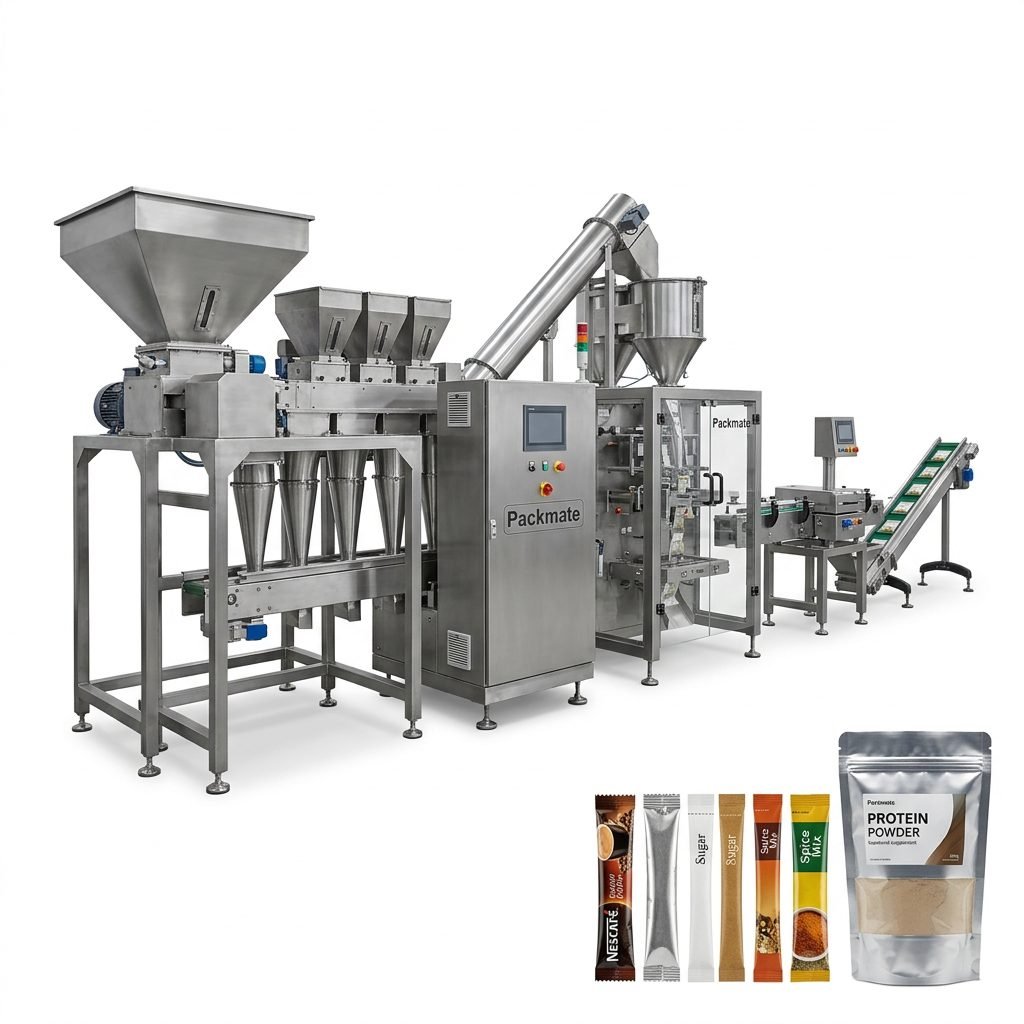
A significant portion of the global packaging machinery supply comes from China, known for offering a balance of advanced technology and competitive pricing. When evaluating Chinese suppliers, prioritize those with a strong export history to Europe, as they are more likely to understand EU technical standards and logistics. Companies like Ludyway and Packmate Machinery have established themselves as leaders with extensive experience serving European markets, including the Nordic and Baltic regions.
Key Evaluation Criteria:
Look beyond the website. Assess a manufacturer’s credibility through:
- Company History & Stability: How long have they been in business? A company like Ludyway, founded in 1993, offers over 30 years of institutional knowledge.
- Factory Size & Capability: A large facility (e.g., 20,000+ sqm) often indicates better R&D, production control, and the ability to handle complex projects.
- Export Experience: Do they have a track record of shipping to Europe? Check their listed main export markets.
- Product Portfolio: Do they specialize in the type of machine you need (e.g., stick pack, sachet, VFFS)?
Step 3: The Importance of Factory Audits and Communication
For a significant investment like packaging machinery, due diligence is non-negotiable. While traveling to China for a factory audit is ideal, virtual tours have become a reliable alternative.
Request a live video tour of the assembly floor, quality control station, and testing area. Pay attention to the organization, cleanliness, and the technology being used. Ask to see machines similar to the one you are considering, running if possible.
Communication is paramount. Gauge their responsiveness, technical knowledge, and willingness to understand your unique challenges. A supplier that asks detailed questions about your product and process is often more invested in providing a successful solution. Manufacturers like PacklineOEM and PackingMachineOEM, which emphasize turnkey lines and customization, should demonstrate a strong project management and engineering communication approach.
Step 4: Analyzing Technical Support and After-Sales Service
The relationship with your manufacturer begins after the machine is shipped. For Estonian companies, consider the following:
- Installation & Commissioning: Do they provide engineers for on-site installation and training? What are the associated costs?
- Spare Parts Availability: Is there a European warehouse or a reliable local agent for spare parts? Long lead times for parts can cause costly downtime.
- Warranty & Technical Support: What is the warranty period? Is remote support (video call) available in your time zone?
- Documentation: Are manuals and electrical diagrams provided in English or Estonian/Russian?
Step 5: Navigating Logistics, Customs, and Total Cost
When sourcing internationally, the quoted machine price is just one part of the total cost. You must factor in:
| Cost Component | Description | Considerations for Estonia |
|---|---|---|
| FOB Price | Cost of machine at the Chinese port. | Base price for comparison. |
| Sea Freight & Insurance | Shipping from China to Muuga or Tallinn port. | Consolidate with other shipments if possible. Factor in transit time. |
| Customs Clearance | Import duties, VAT (20% in Estonia), and customs brokerage fees. | Ensure the supplier provides correct HS code and commercial documents. |
| Inland Transportation | Delivery from Estonian port to your factory. | Arrange with a local freight forwarder. |
| Installation & Training | Costs for sending technicians to Estonia. | Clarify if this is included or an extra service. |
Work with a reputable freight forwarder experienced in shipping machinery from Asia to the Baltics. They can handle Incoterms (like FOB or CIF), customs documentation, and final delivery.
Specialized Suppliers for Niche Markets
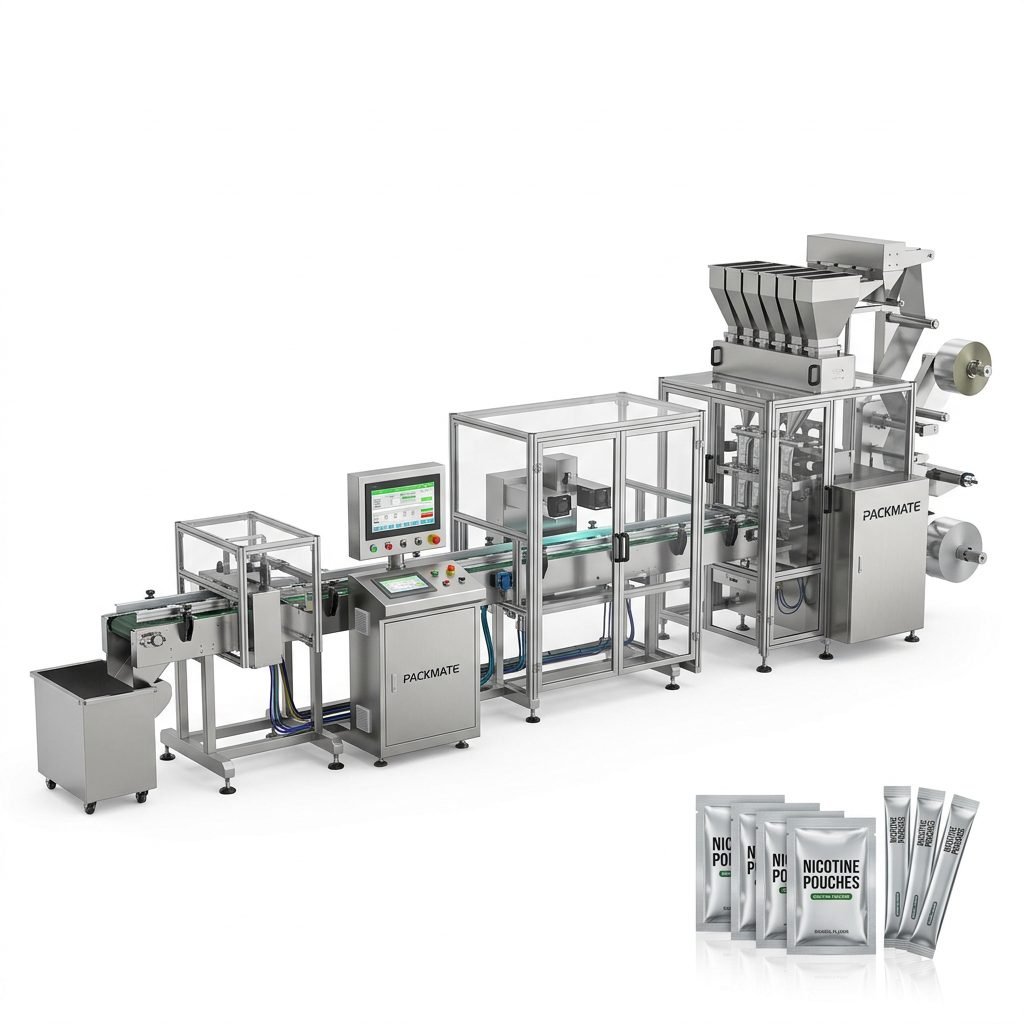
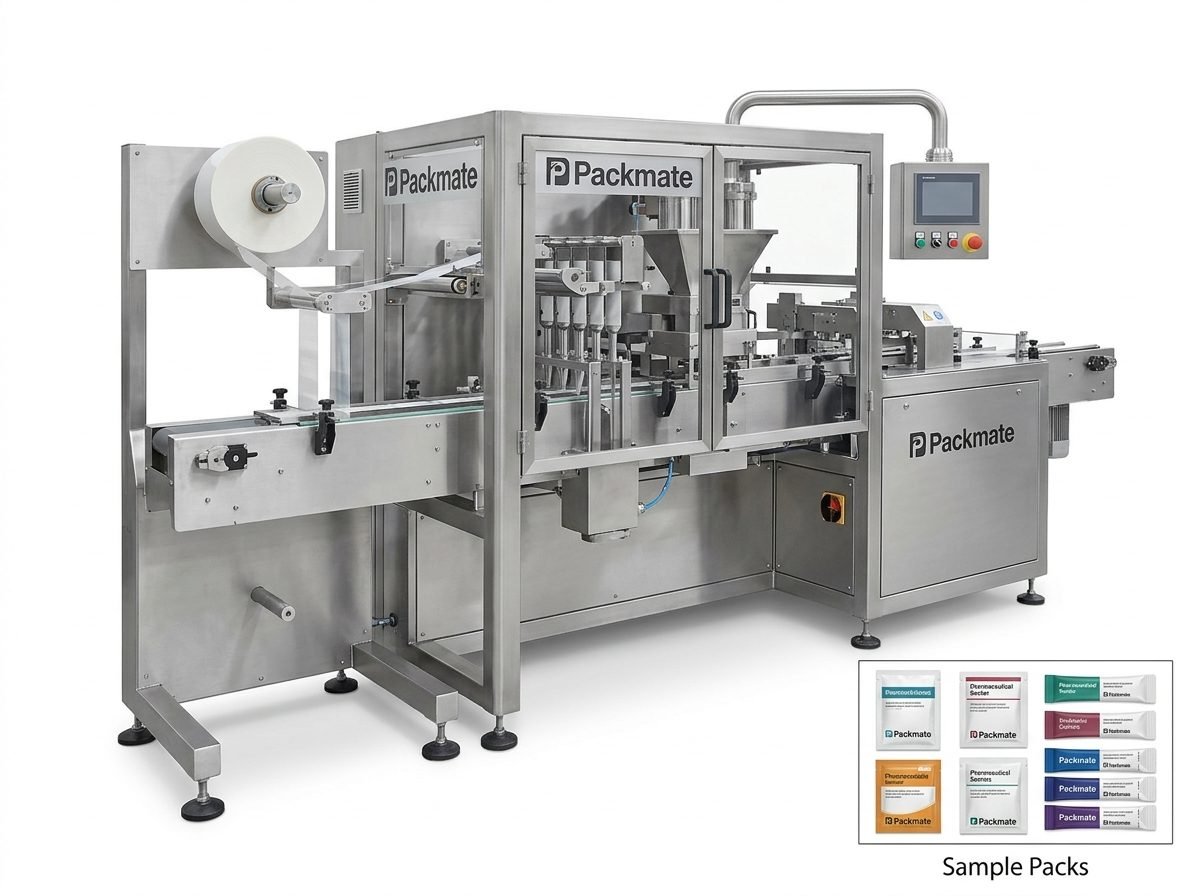
Estonia’s diverse industrial base means some companies have very specific needs. For businesses in specialized sectors like smokeless tobacco alternatives, partnering with a manufacturer that has niche expertise is crucial. A company like SnusMachinery focuses specifically on nicotine pouch and snus packaging, offering deep application knowledge for precise dosing, sealing, and high-speed multi-lane production that generic suppliers may lack.
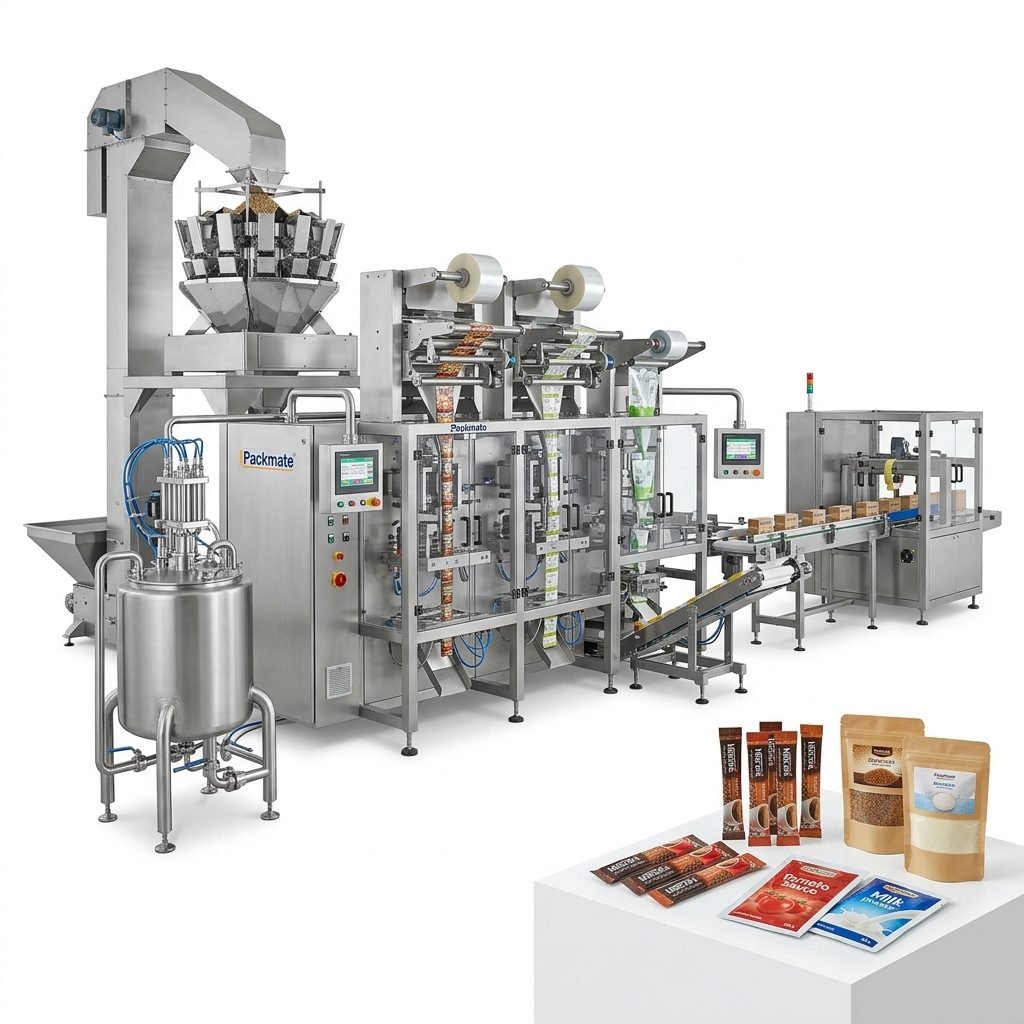
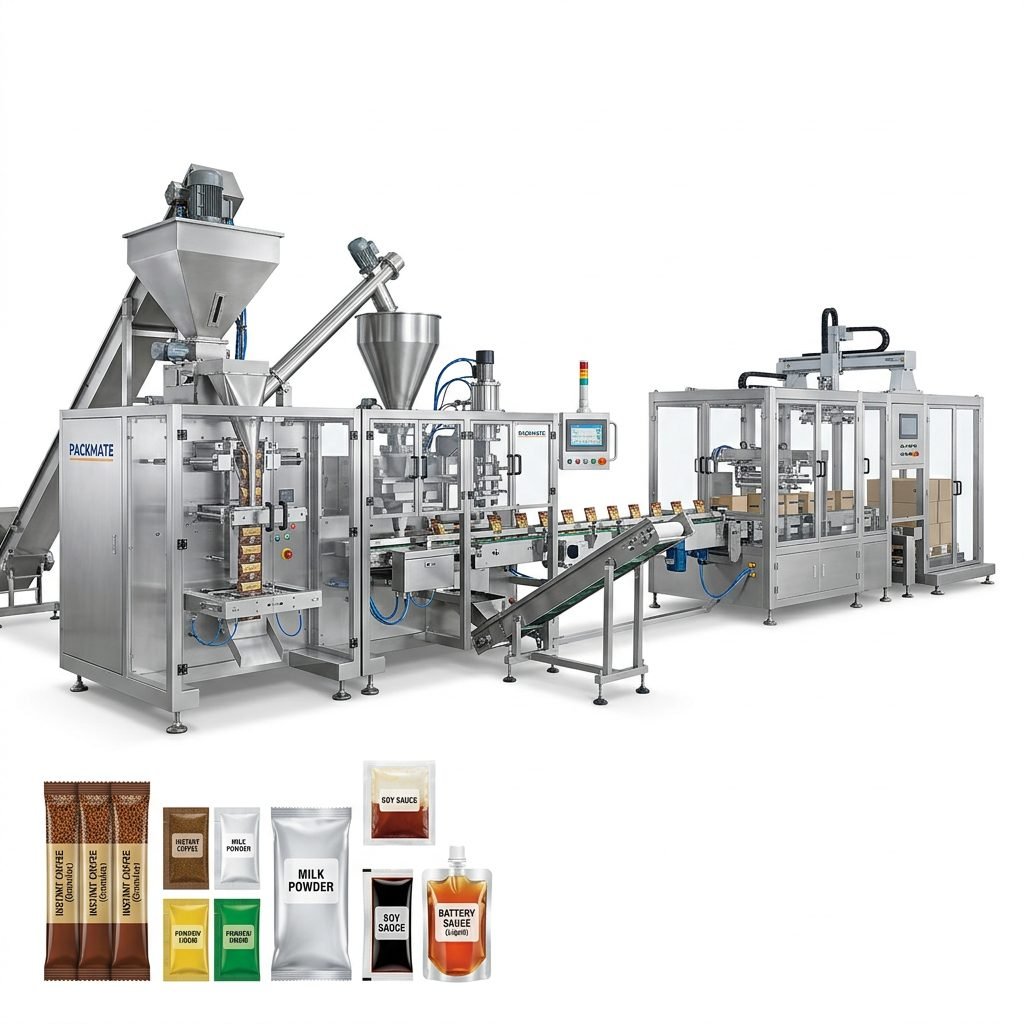
Similarly, if your project requires a fully integrated, automated line rather than a single machine, prioritize manufacturers whose core competency is system integration, such as PacklineOEM, which focuses on turnkey solutions.
Step 6: Final Decision and Contract Negotiation
Once you’ve narrowed down to 2-3 top candidates, request formal quotations. Ensure the quote includes:
- Detailed technical specifications.
- Delivery timeline (accounting for production and shipping).
- Payment terms (typically 30-50% deposit, balance before shipment).
- Warranty details and scope of after-sales service.
- A list of recommended spare parts for initial purchase.
Always have a legally-reviewed purchase contract. It should cover performance guarantees (e.g., speed, accuracy), liability, dispute resolution, and detailed protocols for inspection, testing, and acceptance.
Conclusion: Building a Partnership for Long-Term Success
Sourcing a packaging machine in Estonia, especially from overseas, is not just a transaction but the beginning of a technical partnership. The goal is to find a manufacturer that is not just a vendor but a reliable partner who understands your production goals and can support you through the machine’s lifecycle. By thoroughly defining your needs, conducting diligent research, prioritizing suppliers with relevant experience and strong support structures, and carefully managing logistics, Estonian businesses can successfully secure packaging automation that drives efficiency, quality, and growth for years to come.
Frequently Asked Questions (FAQs)
Q: What are the main advantages of sourcing packaging machines from China for an Estonian company?
A: The primary advantages are cost-effectiveness and a wide range of options. Chinese manufacturers often offer advanced technology at a lower price point than European counterparts. They also have extensive experience in customizing machines for various industries, which is beneficial for niche applications. Many, like the companies profiled, have decades of export experience and understand the requirements of European markets.
Q: How can I verify the quality of a machine before purchasing?
A: Always request a factory acceptance test (FAT). This involves visiting the factory or conducting a live video test where your actual product (or a close substitute) is run on the machine. You can measure speed, accuracy, and sealing quality. Also, ask for customer references, preferably from other European clients, and check online reviews or industry forums.
Q: What are the typical lead times for a packaging machine from China to Estonia?
A: Lead times vary based on machine complexity. A standard model might take 8-12 weeks for production. Custom or turnkey lines can take 14-20 weeks or more. Sea freight from China to Estonia typically adds 5-7 weeks. Always factor in time for customs clearance and inland transport. A reliable supplier will provide a detailed project timeline.
Q: Who is responsible for installing and commissioning the machine in Estonia?
A> This should be clearly defined in the contract. Many reputable manufacturers include the cost of sending 1-2 engineers to your site for installation, commissioning, and operator training. Others may work with a local agent or partner. Ensure this scope is confirmed, including the duration of the on-site support and who covers travel and accommodation expenses.
Q: Are there local agents or service partners in the Baltics for Chinese packaging machine brands?
A> Some larger Chinese manufacturers have established partnerships with local agents or service companies in Europe to provide quicker support. When evaluating suppliers, specifically ask if they have a service network or recommended partners in the Nordic/Baltic region. If not, inquire about their remote support capabilities (e.g., video calls, spare parts logistics) and the typical response time for technical issues.