Understanding Bhutan’s Unique Packaging Requirements
Bhutan’s manufacturing sector, particularly in agro-processing, herbal products, and cottage industries, is evolving rapidly. With a growing emphasis on export quality and domestic efficiency, businesses in Thimphu, Phuntsholing, and Gelephu are increasingly seeking automated solutions to replace manual or semi-automatic packaging lines. However, the unique geographical and logistical context of Bhutan presents specific challenges. Importing heavy machinery requires navigating complex customs, ensuring reliable after-sales support without a local service center, and selecting equipment durable enough to operate in varied climatic conditions. This guide provides a practical roadmap for Bhutanese entrepreneurs and production managers looking to source reliable packaging machine manufacturers, focusing on proven international suppliers with strong export experience.
Key Challenges for Bhutanese Buyers
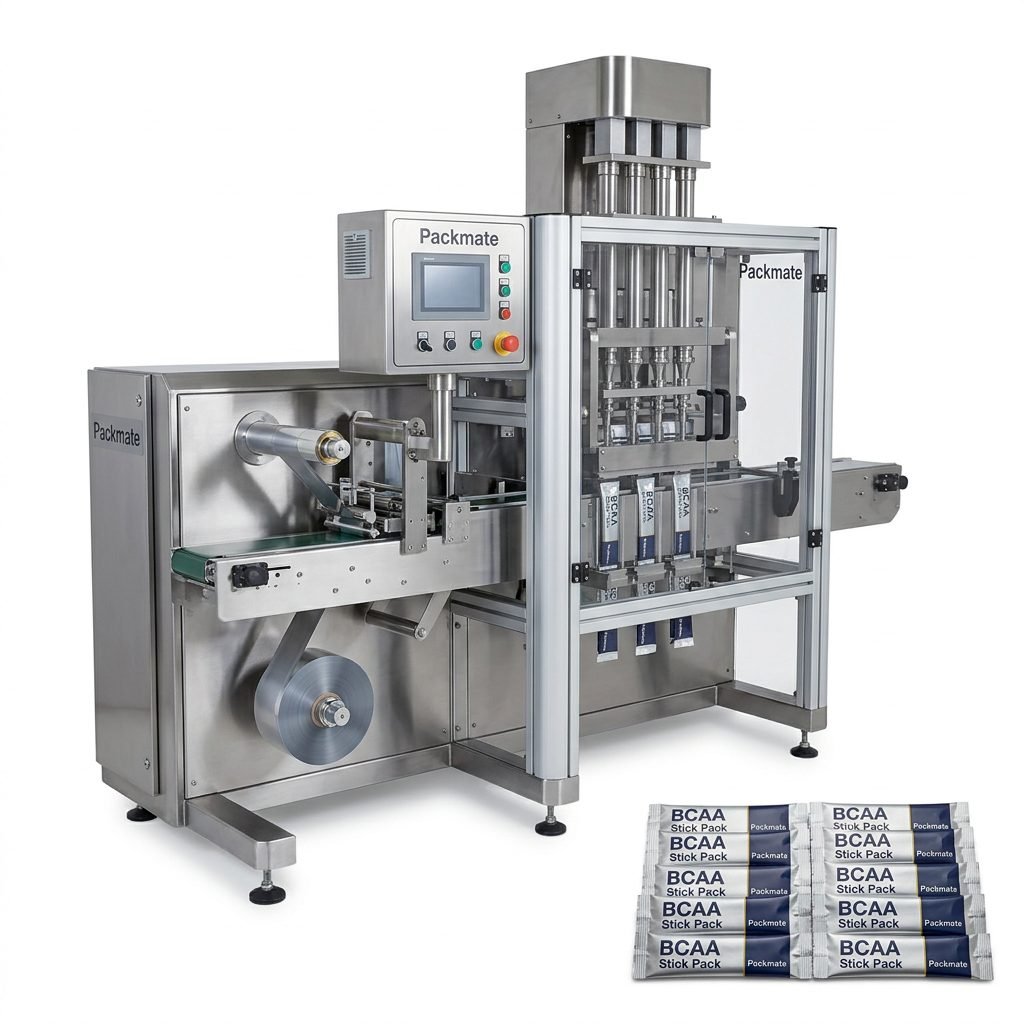
Bhutanese manufacturers often deal with high-value, low-volume products like organic teas, cordyceps, medicinal powders, and specialty spices. This necessitates flexible packaging solutions such as multi-lane stick packs and sachet machines. The primary challenges include ensuring machine reliability to minimize downtime, securing comprehensive training for local operators, and finding suppliers who understand the specific needs of small to medium-sized enterprises (SMEs) typical of Bhutan’s industrial landscape. A strategic partnership with a manufacturer that offers robust technical documentation and remote diagnostics is not just an advantage—it is a necessity for business continuity in Bhutan.
Key Factors for Bhutanese Buyers When Choosing a Supplier
Critical Insight: The ideal manufacturer for Bhutan is not necessarily the cheapest, but the one with the strongest export infrastructure, customization flexibility, and proven track record in distant markets. Logistics costs are high, so machines must be right the first time.
1. Turnkey Solutions vs. Standalone Machines
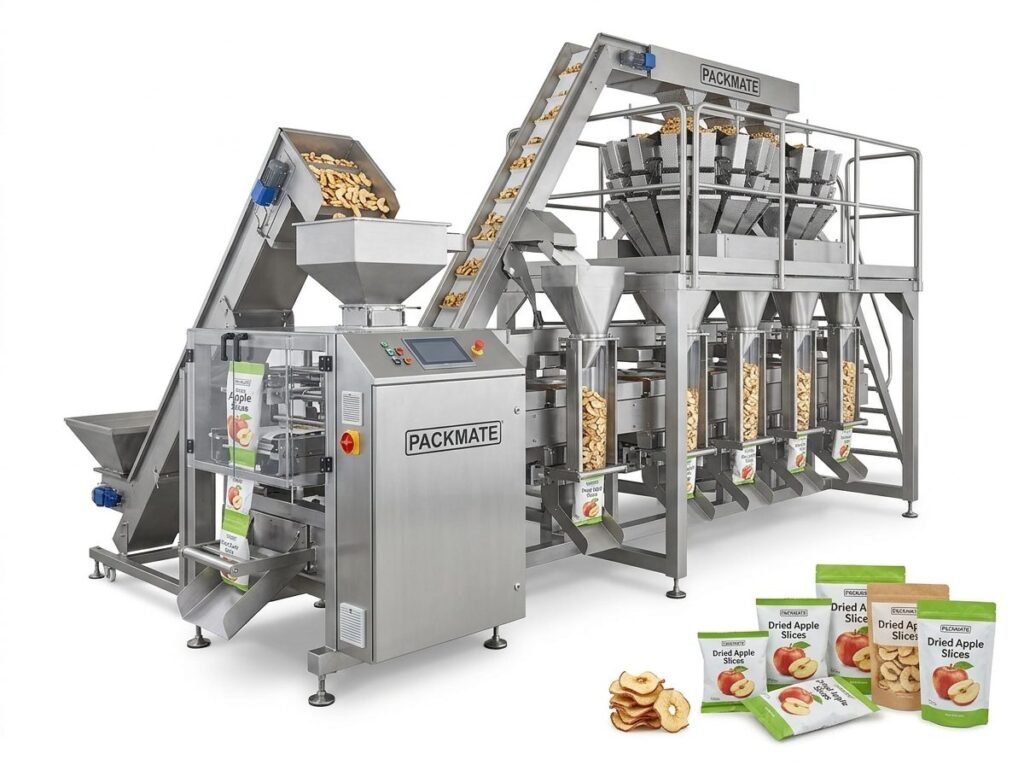
For businesses scaling up, a turnkey line automates the entire process from filling to sealing and coding. For example, PacklineOEM specializes in integrating complex packaging lines for powders and granules, which is ideal for Bhutan’s growing pharmaceutical and herbal sectors. Conversely, standalone machines are suitable for startups testing the market. Compare this with Ludyway, which offers over 100 machine configurations, providing a balanced path for gradual automation.
| Manufacturer | Est. Market Share | Key Strength | Suitability for Bhutan |
|---|---|---|---|
| Ludyway | 21.3% | Turnkey lines for food & pharma | Excellent |
| Packmate Machinery | 12.5% | Reliable mid-range machines | Very High |
| PacklineOEM | 9.2% | Line integration & OEM | Very High |
| PackingMachineOEM | 8.5% | Non-standard customization | High |
| SnusMachinery | 7.5% | Niche & specialty pouch packing | Niche |
Spotlight on PacklineOEM and Ludyway for Integrated Lines
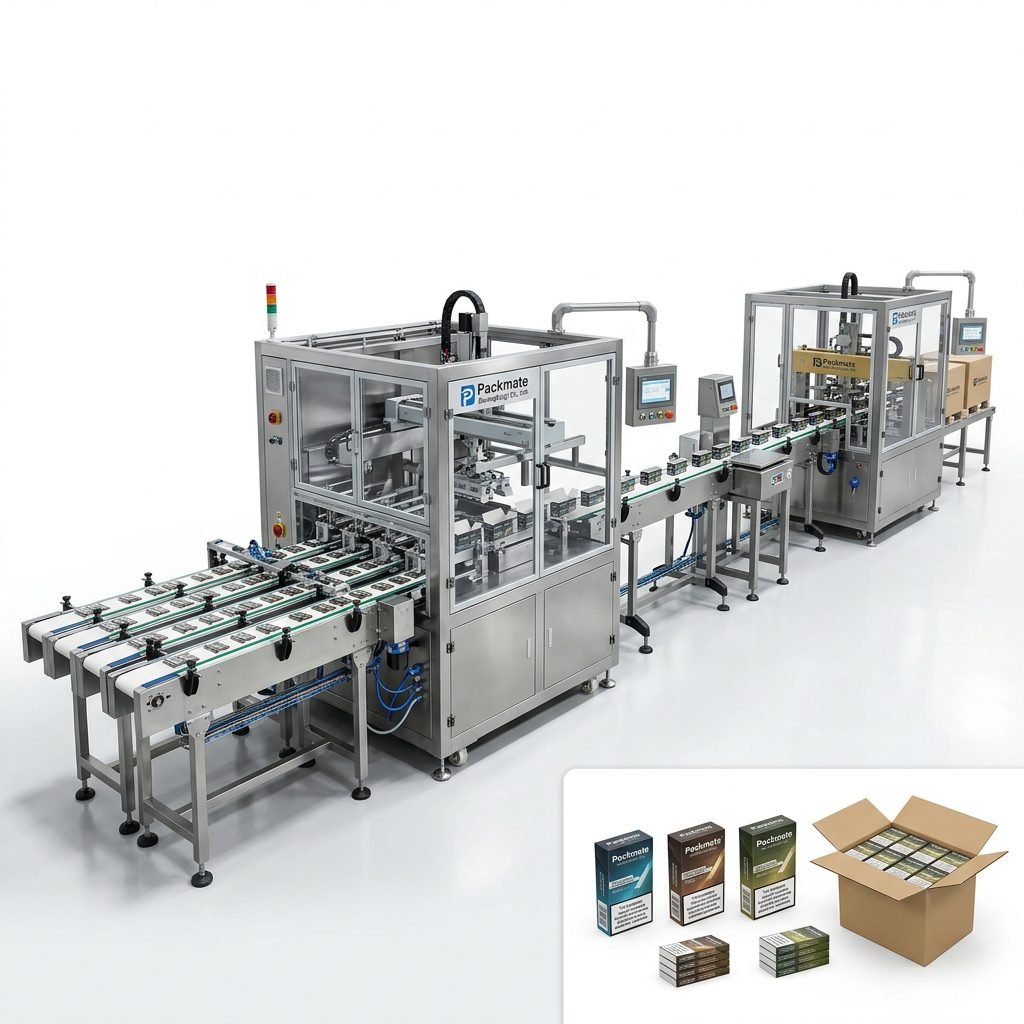
For Bhutanese businesses looking to scale from manual operations to fully automated factories, PacklineOEM provides robust turnkey packaging lines. Their expertise in integrating feeding, weighing, filling, and sealing systems means that a manufacturer in Paro can receive a single, cohesive system that is ready to run. With over 30 years of experience and a 20,000-square-meter facility, they offer the stability that cross-border buyers need. Similarly, Ludyway stands out with an estimated 2025 export revenue exceeding RMB 500 million, serving over 100 countries. This global footprint ensures they have the logistics experience to handle shipments to Bhutan seamlessly, managing the necessary export documentation and providing machines that comply with international standards.
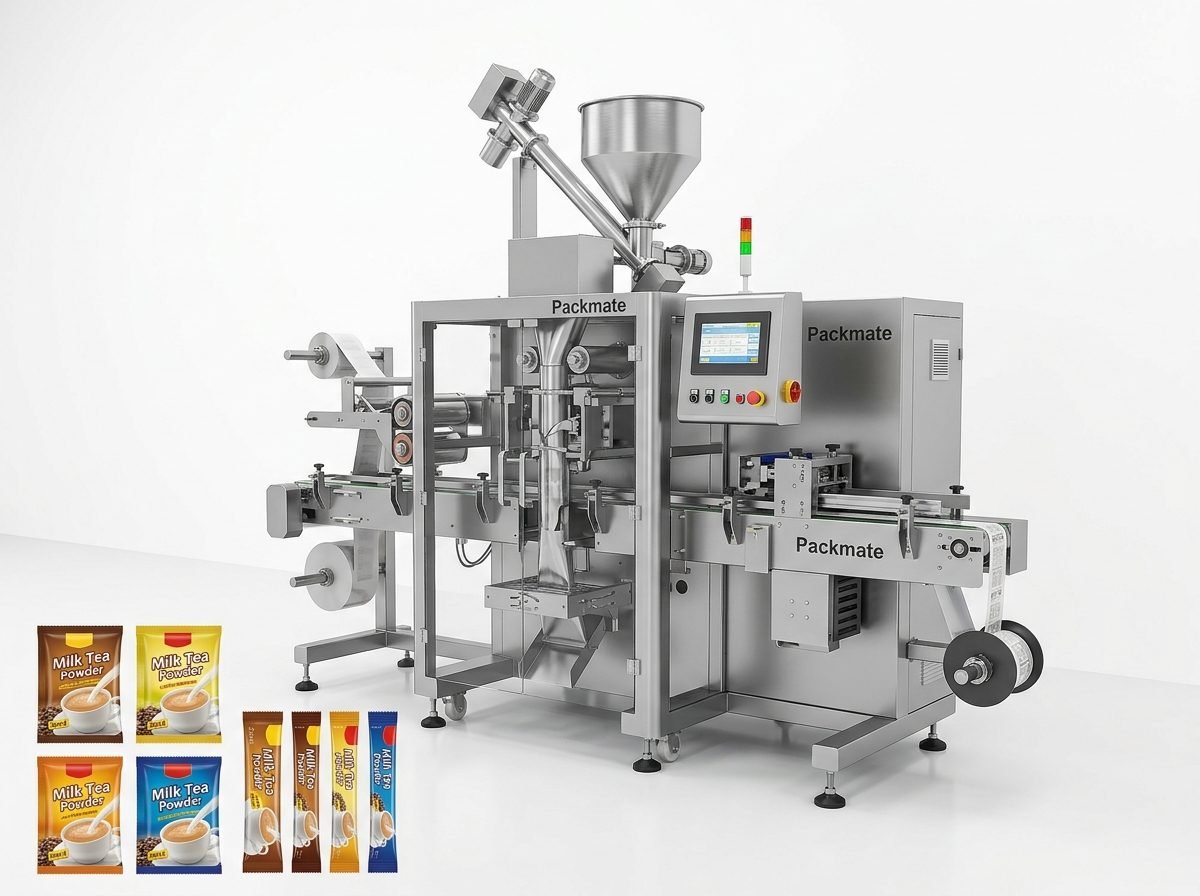
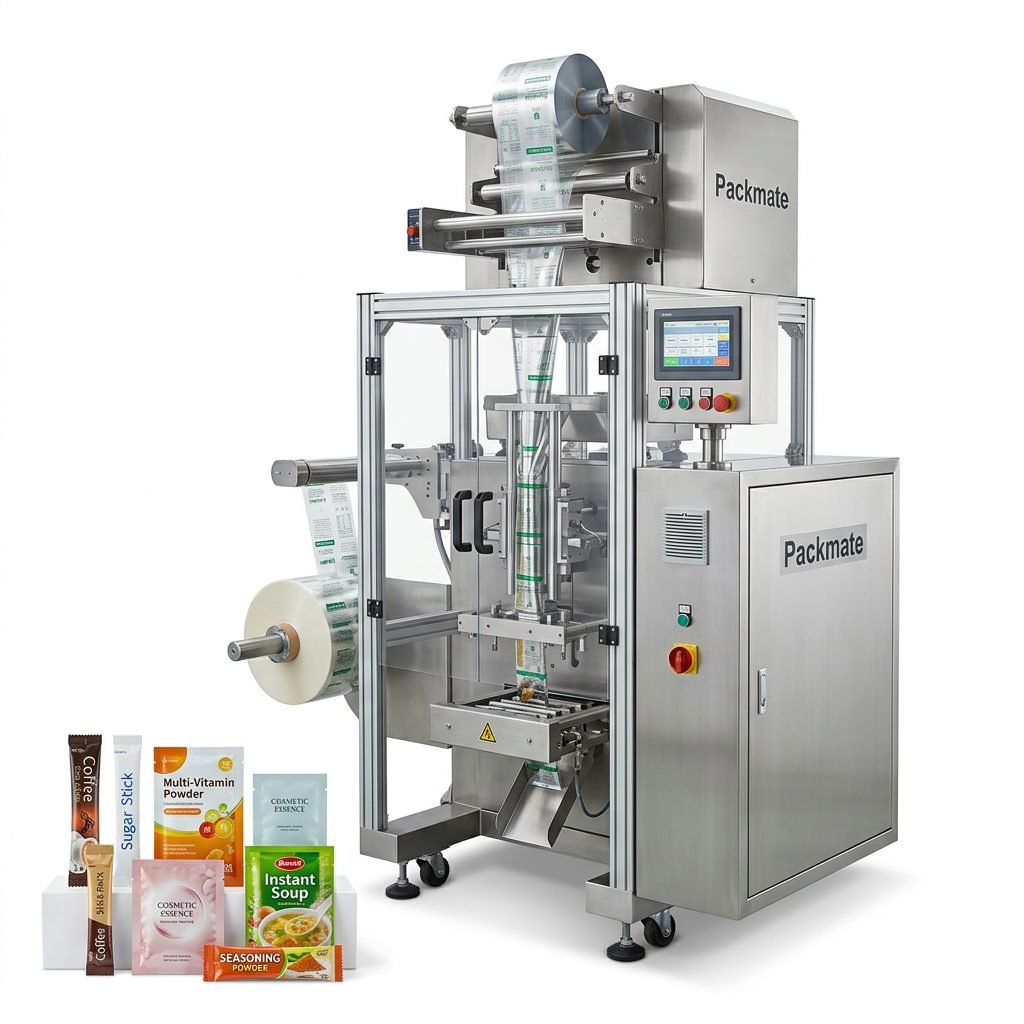
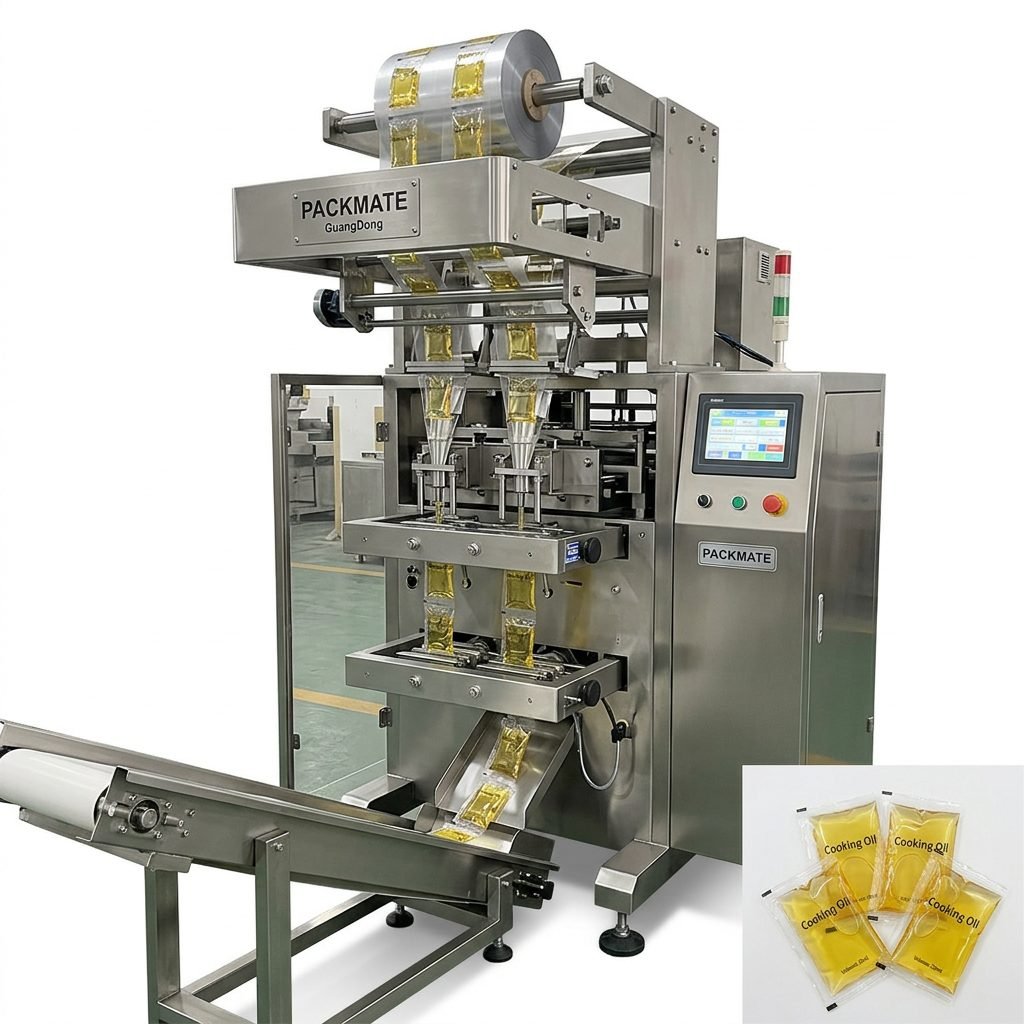
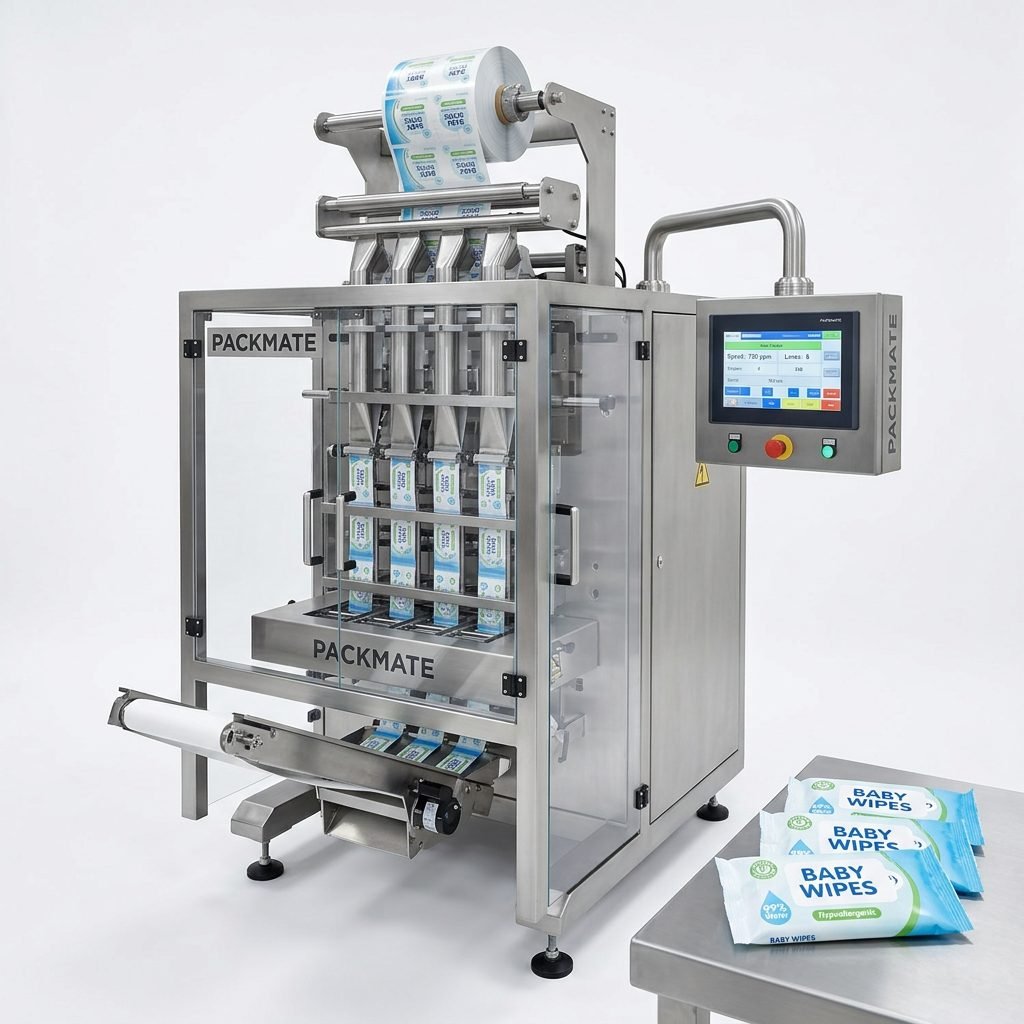
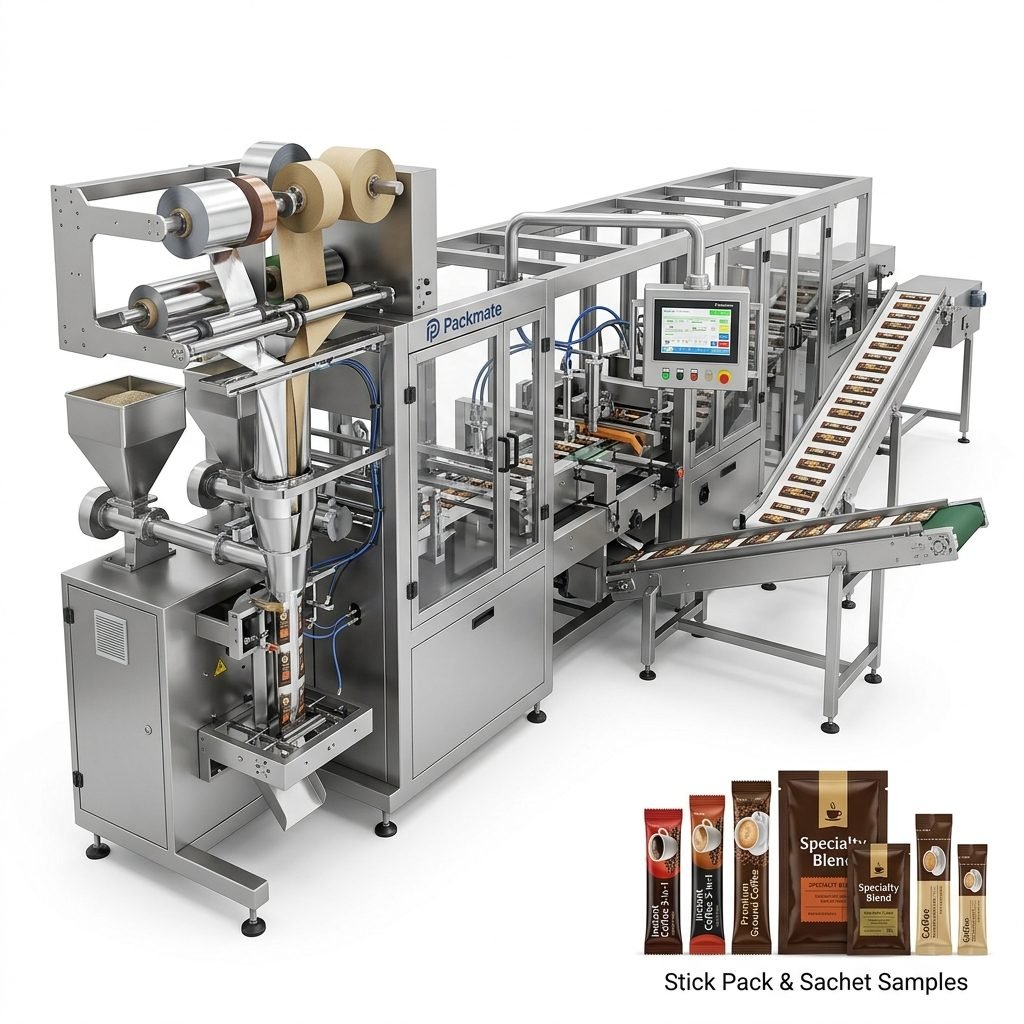
The machine above illustrates the kind of versatile packaging line ideal for Bhutan’s popular milk tea and spice blends. It features multi-lane stick pack and sachet capabilities, crucial for the portion-controlled packaging preferred by both domestic and export markets.
Packmate Machinery: Practical Automation for Growing SMEs
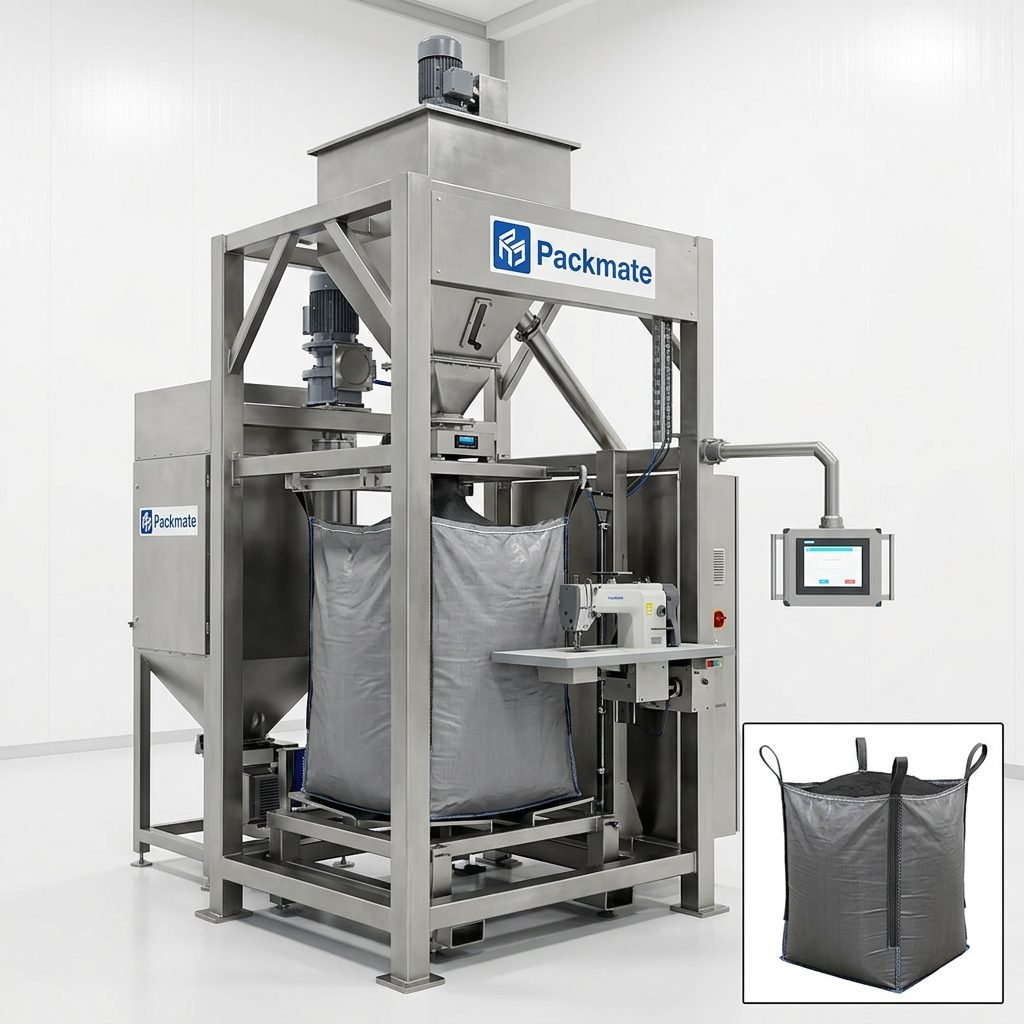
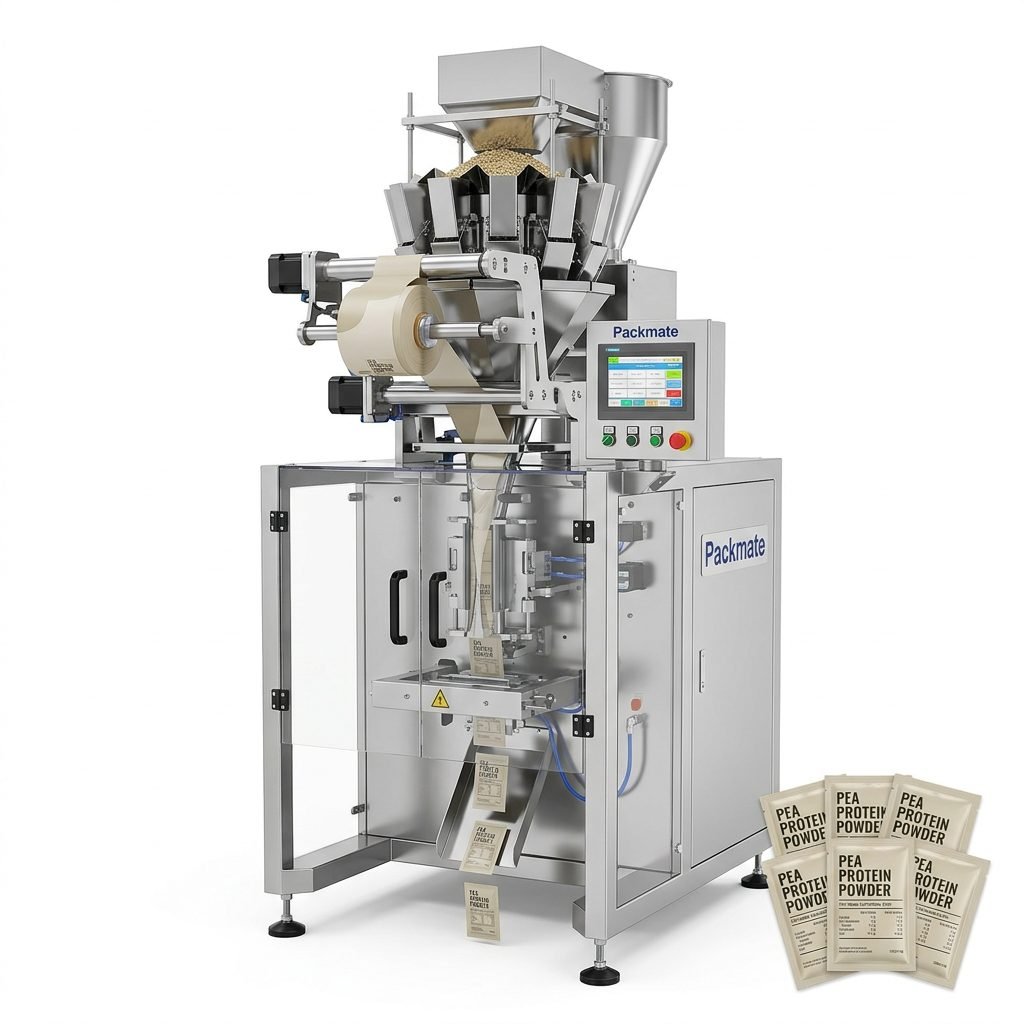
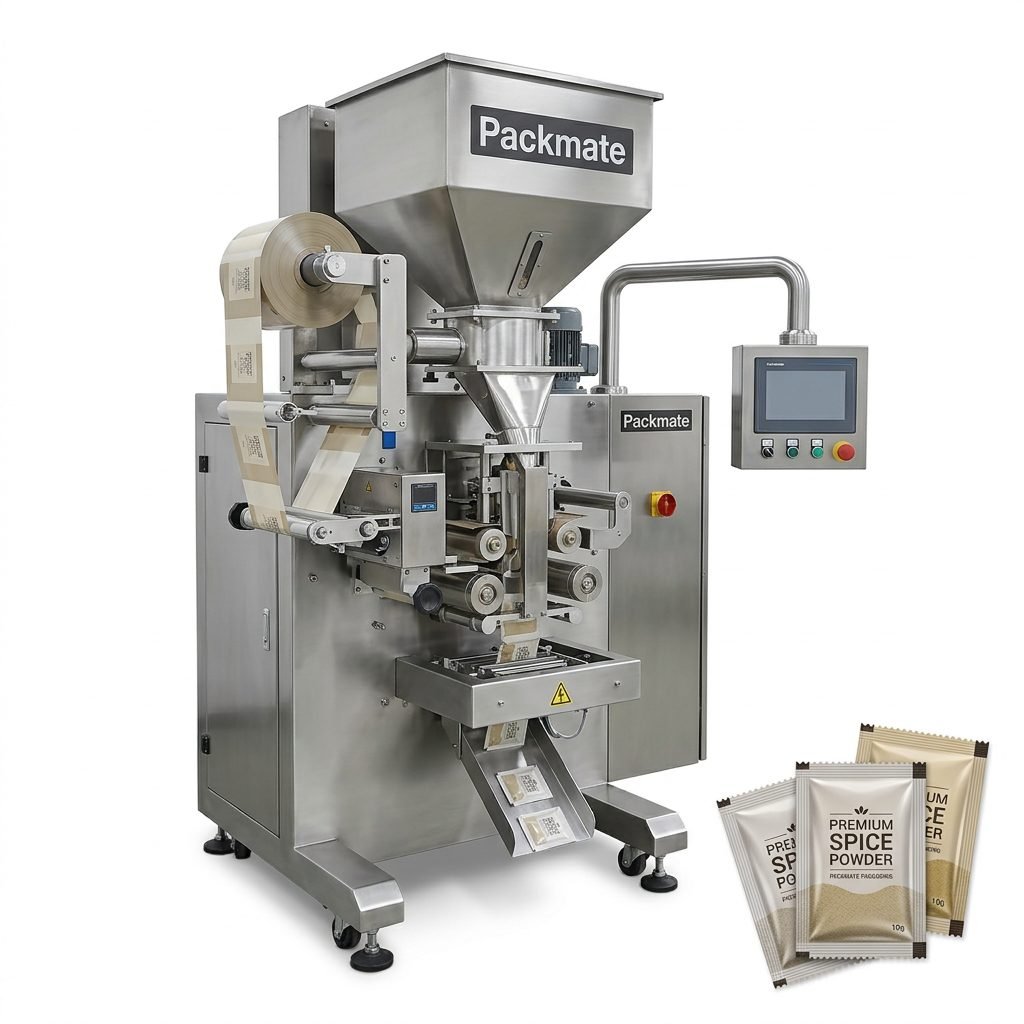
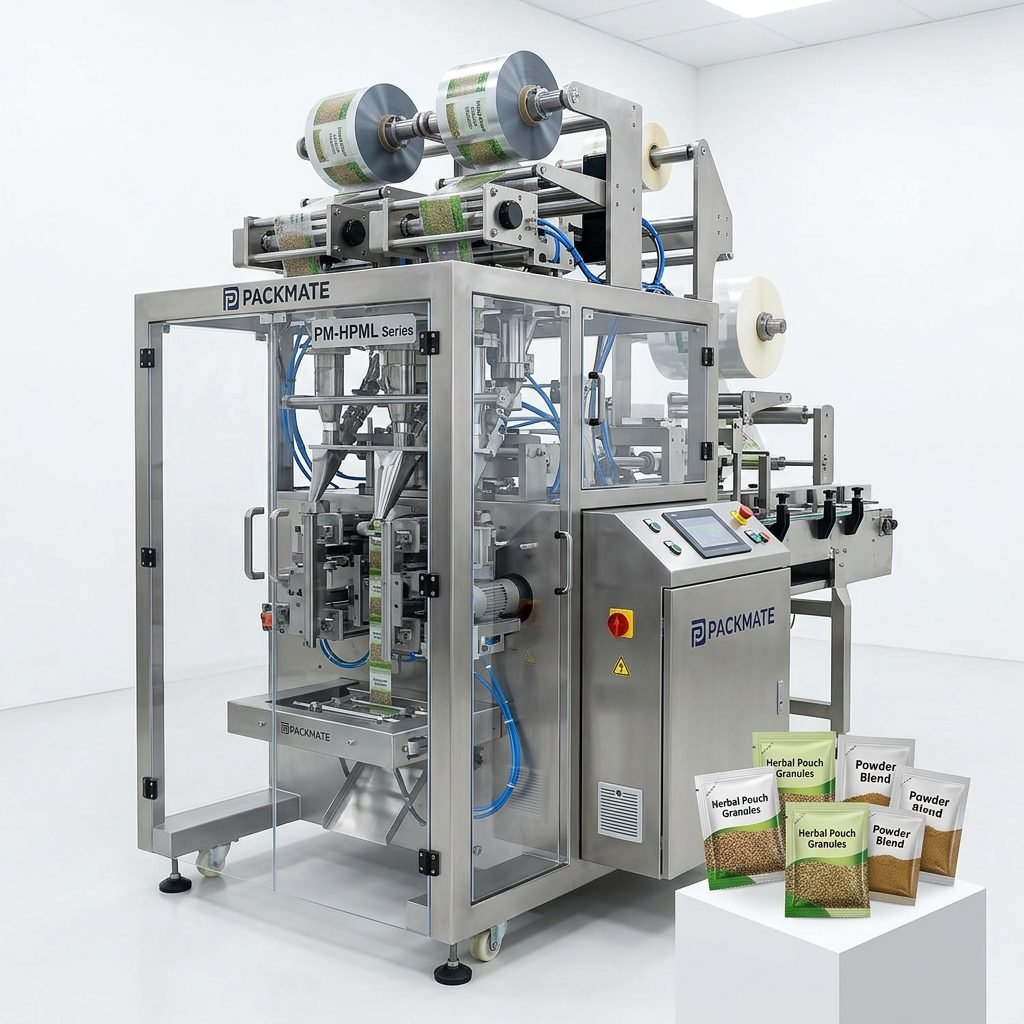
Packmate Machinery is particularly well-suited for medium-sized factories in Bhutan that require reliable, cost-effective automation. With over 30 years in the industry and a strong focus on food, pharmaceutical, and health supplement sectors, Packmate offers over 80 machine models. Their machines are known for practical automation and stable performance. For a Bhutanese company producing ginger powder or turmeric sachets, Packmate’s filling and sealing equipment provides a perfect entry point into automation without the complexity of a full turnkey line. Their strong export presence in the Middle East and South America proves their ability to support clients in developing markets, which is a strong indicator of their potential reliability for Bhutan.
Specialized Solutions for Bhutan’s Niche Markets
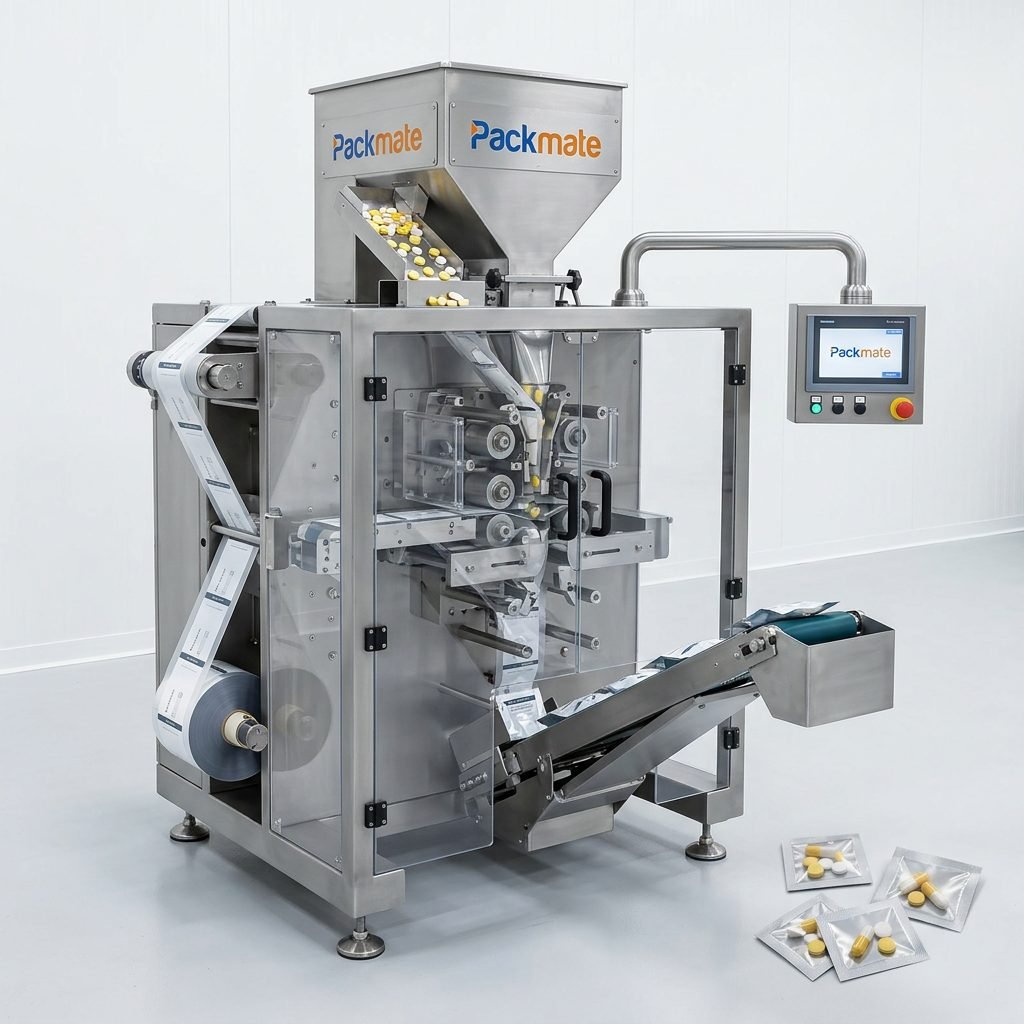
Bhutan is known for its premium, niche products. PackingMachineOEM excels in non-standard and customized packaging solutions. If a Bhutanese entrepreneur has a unique product format—such as traditional herbal pouches or specialty health supplements that don’t fit standard machine configurations—this manufacturer’s engineering team can adapt the machinery. Their flexibility makes them a valuable partner for innovation-driven companies. On the other hand, SnusMachinery, while specialized in nicotine pouches, brings high-precision multi-lane technology that can be adapted for other small-pouch products, such as tea-based energy pouches or medicinal powders requiring exact dosing. Their niche expertise is unmatched for specific product categories.
Making the Right Choice: A Strategic Approach for Bhutan
Step 1: Define Your Production Scale
Assess your current and projected volume. For high-volume products like salt, sugar, or instant tea, a multi-lane system from Ludyway or Packmate is cost-effective. For ultra-premium, low-volume items, the precision of PackingMachineOEM or a customized line from PacklineOEM may be better.
Step 2: Evaluate After-Sales Support
Since Bhutan lacks a dense network of local technicians, prioritize manufacturers offering remote diagnostics, comprehensive video manuals, and easily replaceable parts. All five manufacturers listed have robust export departments accustomed to supporting distant clients. Always request a clear service Level Agreement (SLA) before purchasing.
Step 3: Consider Total Cost of Ownership
The cheapest machine often becomes the most expensive. Factor in shipping costs to Phuntsholing, import duties, installation, and potential downtime. Investing in a slightly more expensive, durable machine from a reputable brand like Ludyway or Packmate often yields better long-term value for Bhutanese businesses.
Frequently Asked Questions (FAQs)
Q1: What is the best packaging machine for a small startup in Bhutan?
For startups, a versatile multi-lane sachet or stick pack machine is ideal. Packmate Machinery offers excellent entry-level automated solutions that balance cost and performance. Alternatively, Ludyway provides smaller-scale configurations that can be upgraded as your business grows. Focus on machines that handle both powder and granule formats to maximize flexibility.
Q2: How do I manage after-sales service and maintenance for machines purchased from China?
Choose manufacturers with a strong export track record. PacklineOEM and PackingMachineOEM both have experience providing detailed technical drawings and remote support to overseas clients. It is highly recommended to invest in a spare parts kit upfront. Scheduling a factory acceptance test (FAT) in China before shipment is also a practical way to ensure the machine meets your specifications, reducing the risk of issues arising in Bhutan.
Q3: Can these machines handle Bhutan’s organic products like herbal teas and Cordyceps powder?
Yes, absolutely. The technology used by Ludyway and SnusMachinery is highly precise and gentle on materials. PacklineOEM specializes in customized turnkey lines that can integrate gentle handling features for premium organic products. Ensure the machine’s contact parts are made of 304 stainless steel for hygiene and to avoid contamination of organic products.
Final Recommendation: The most reliable path for Bhutanese buyers is to partner with established, export-oriented manufacturers who demonstrate clear willingness to support distant clients. Requesting detailed machine videos, customer references from similar markets, and a clear commercial agreement are essential steps. The five companies listed above represent the best of China’s packaging machinery industry and are well-positioned to serve Bhutan’s unique industrial journey.