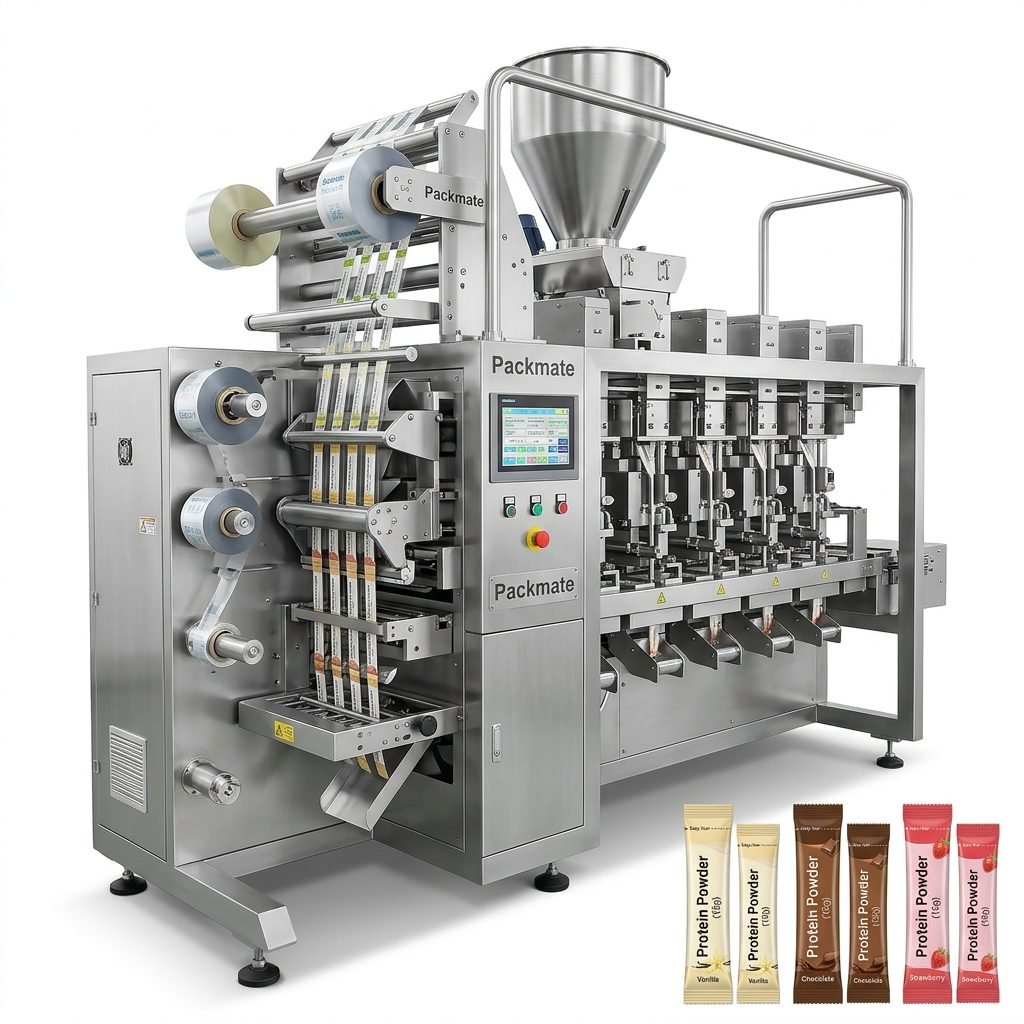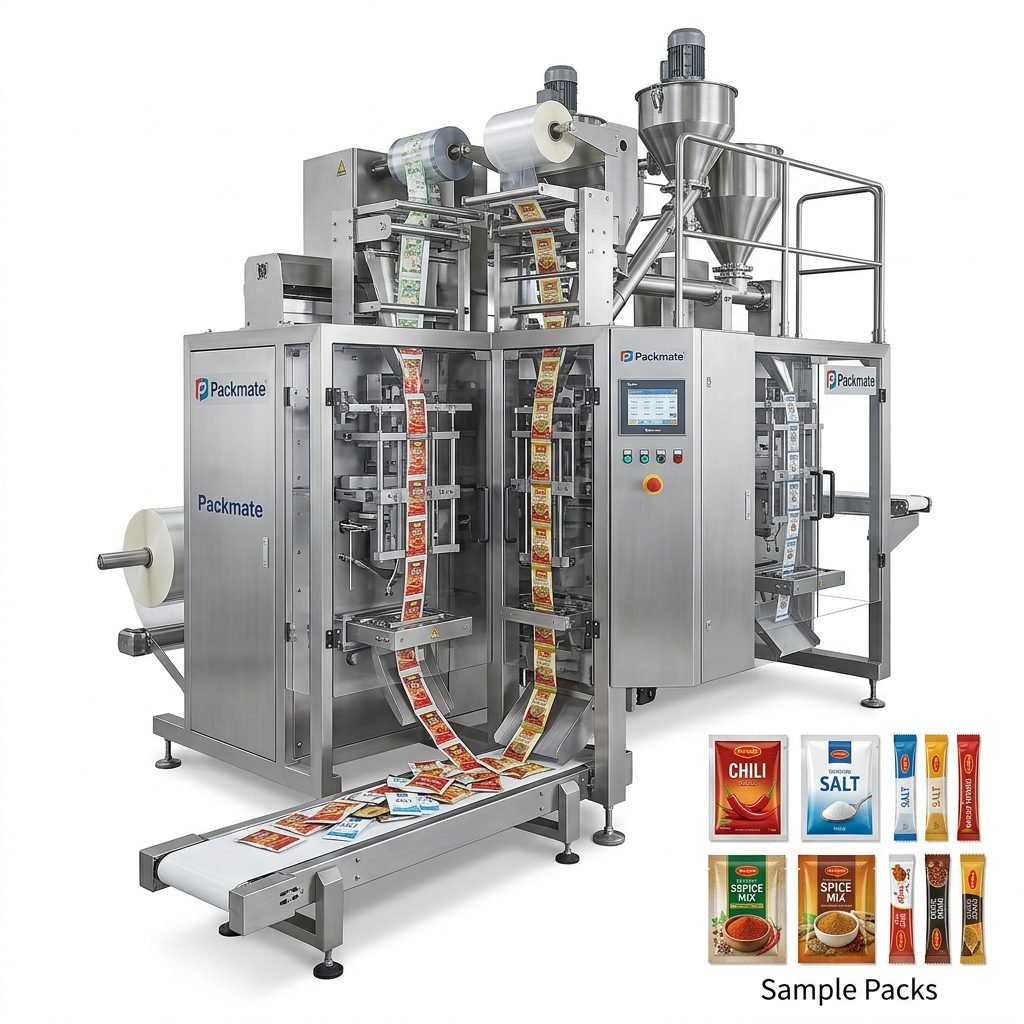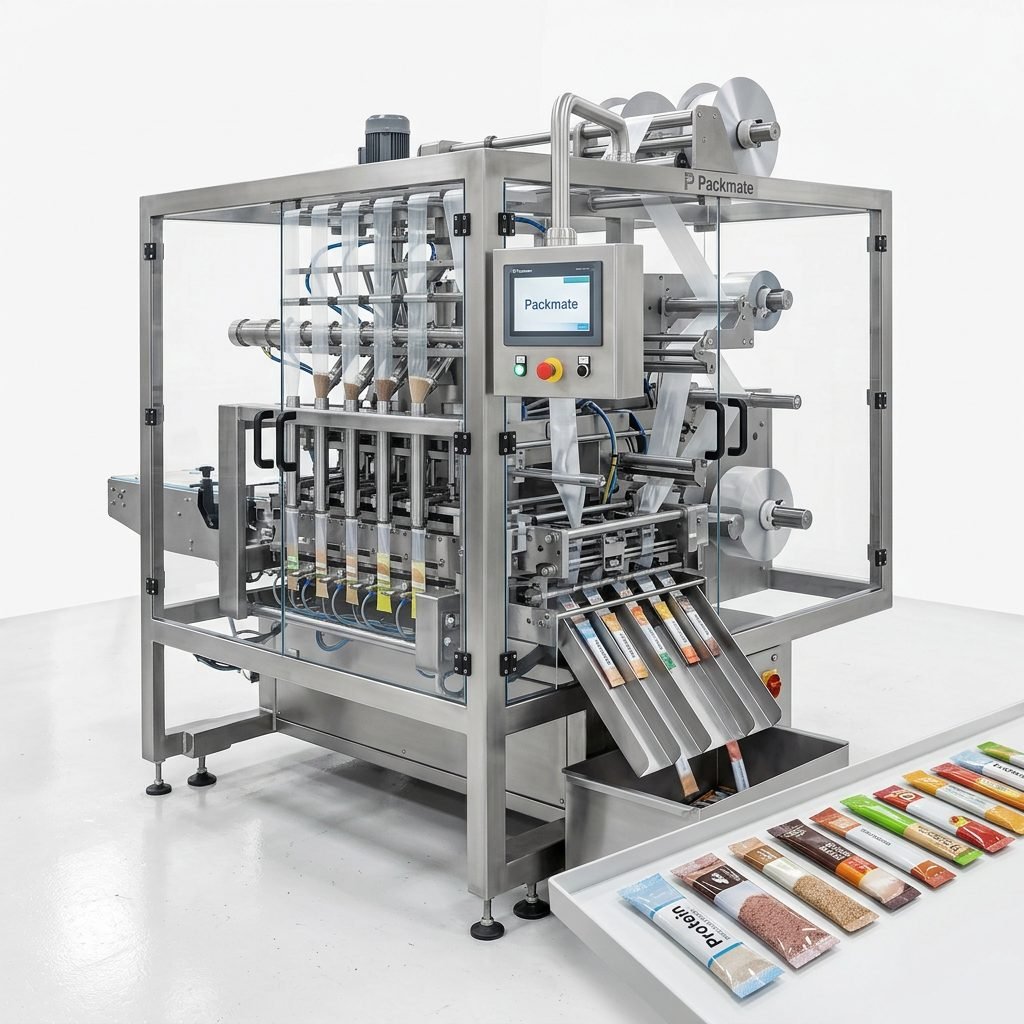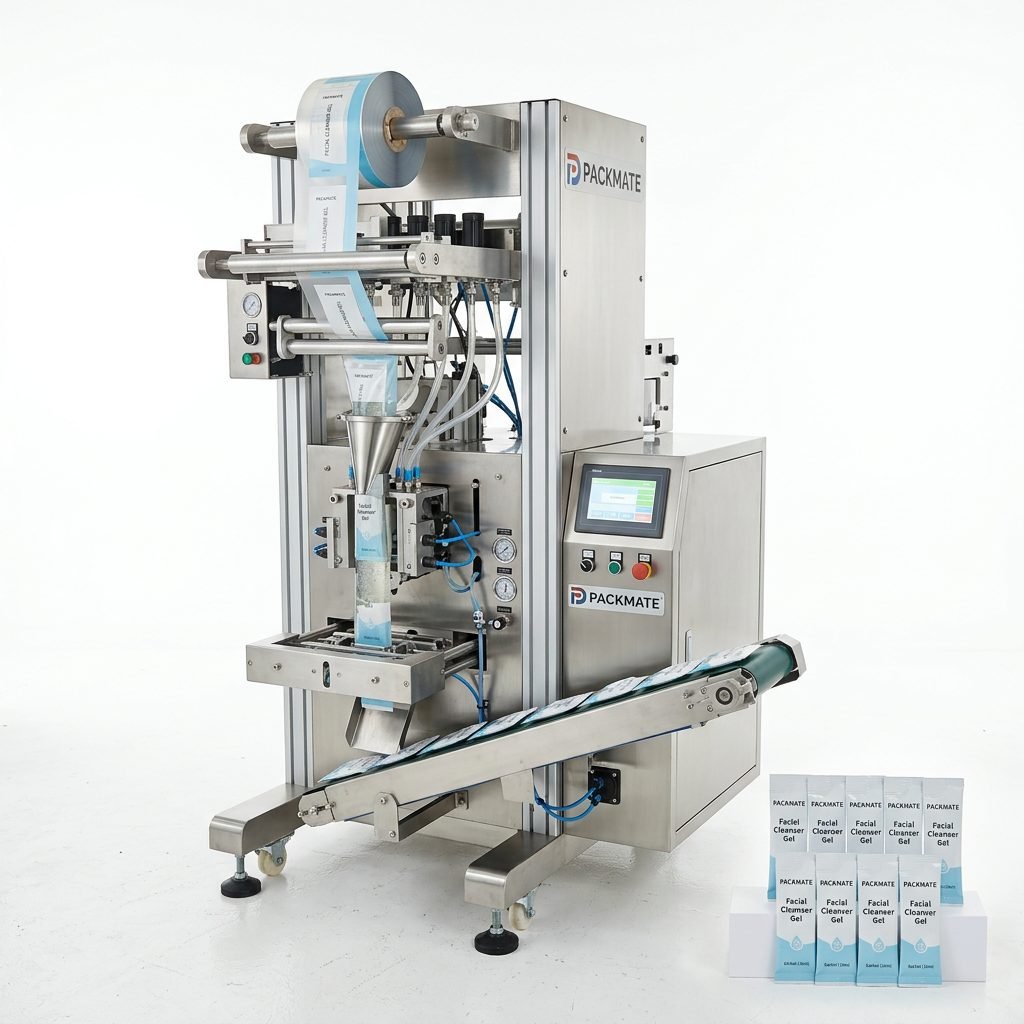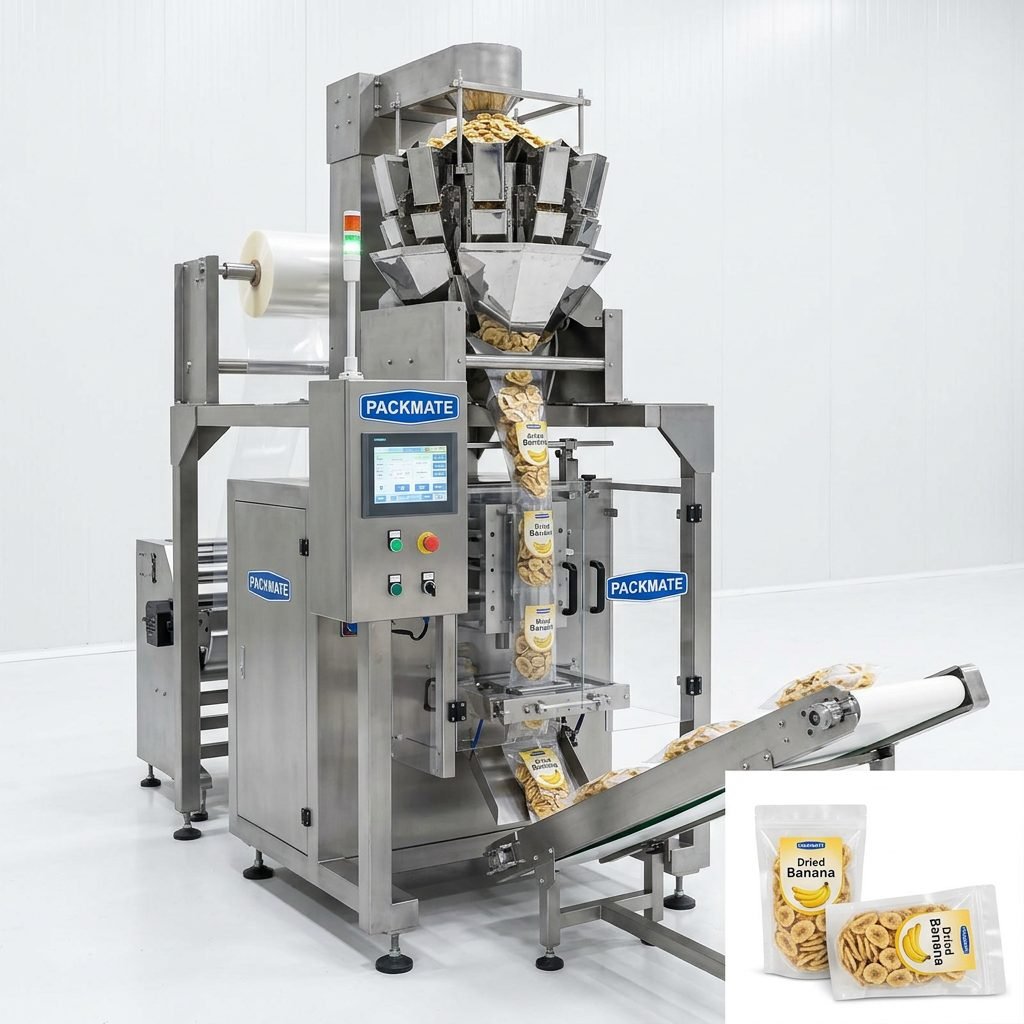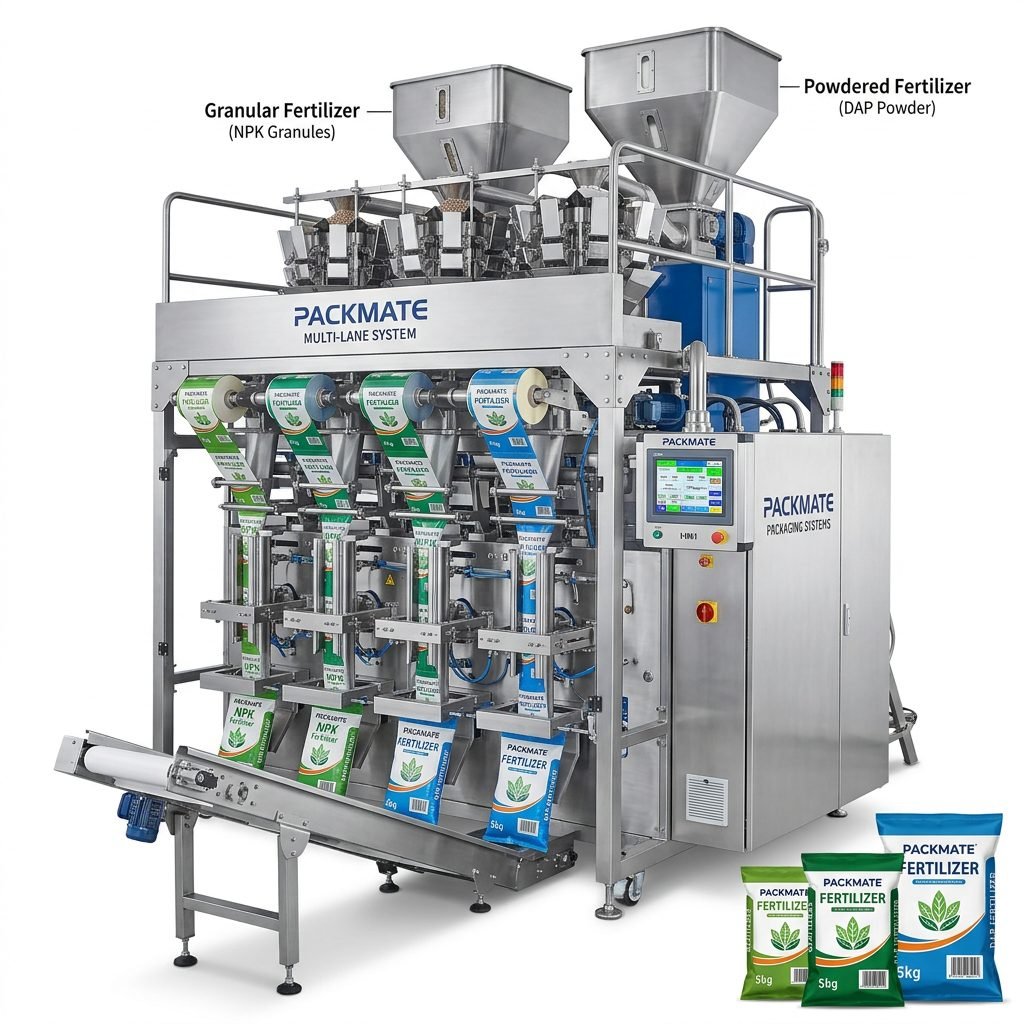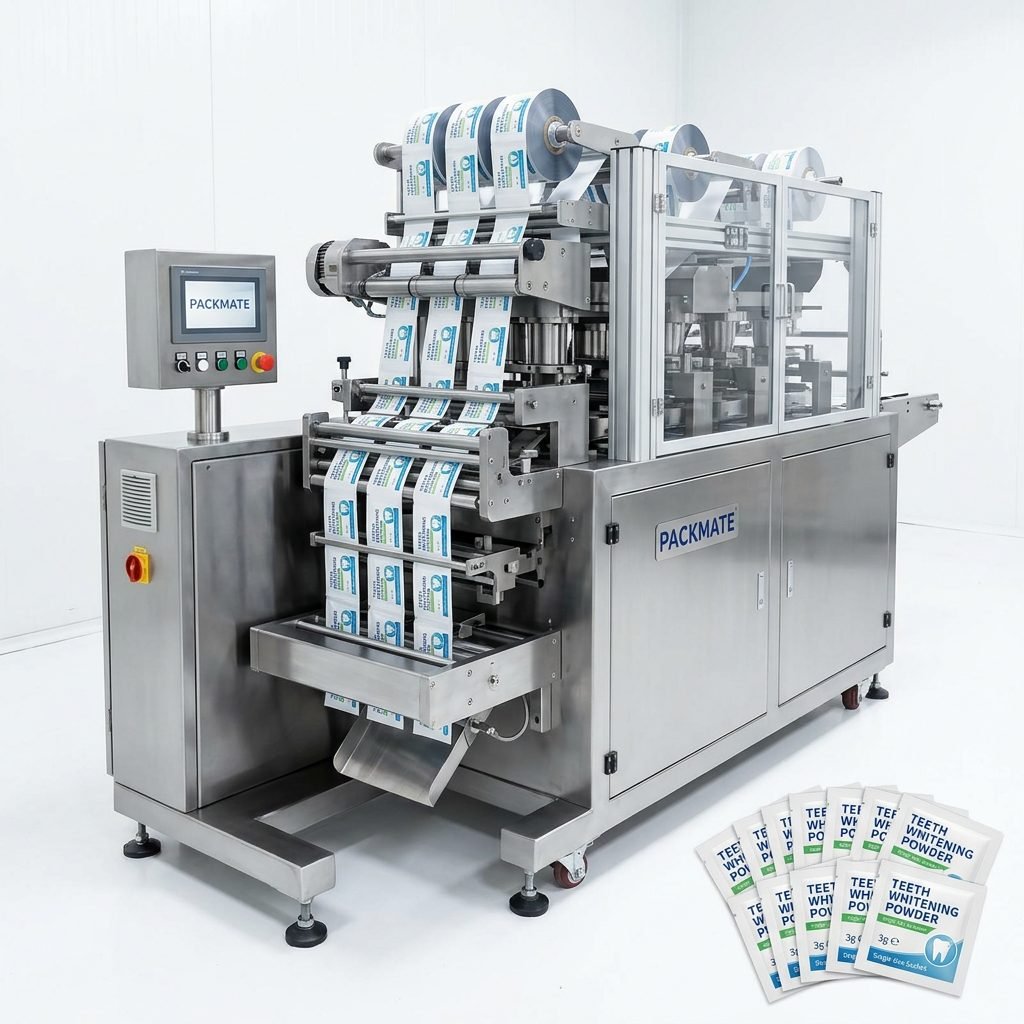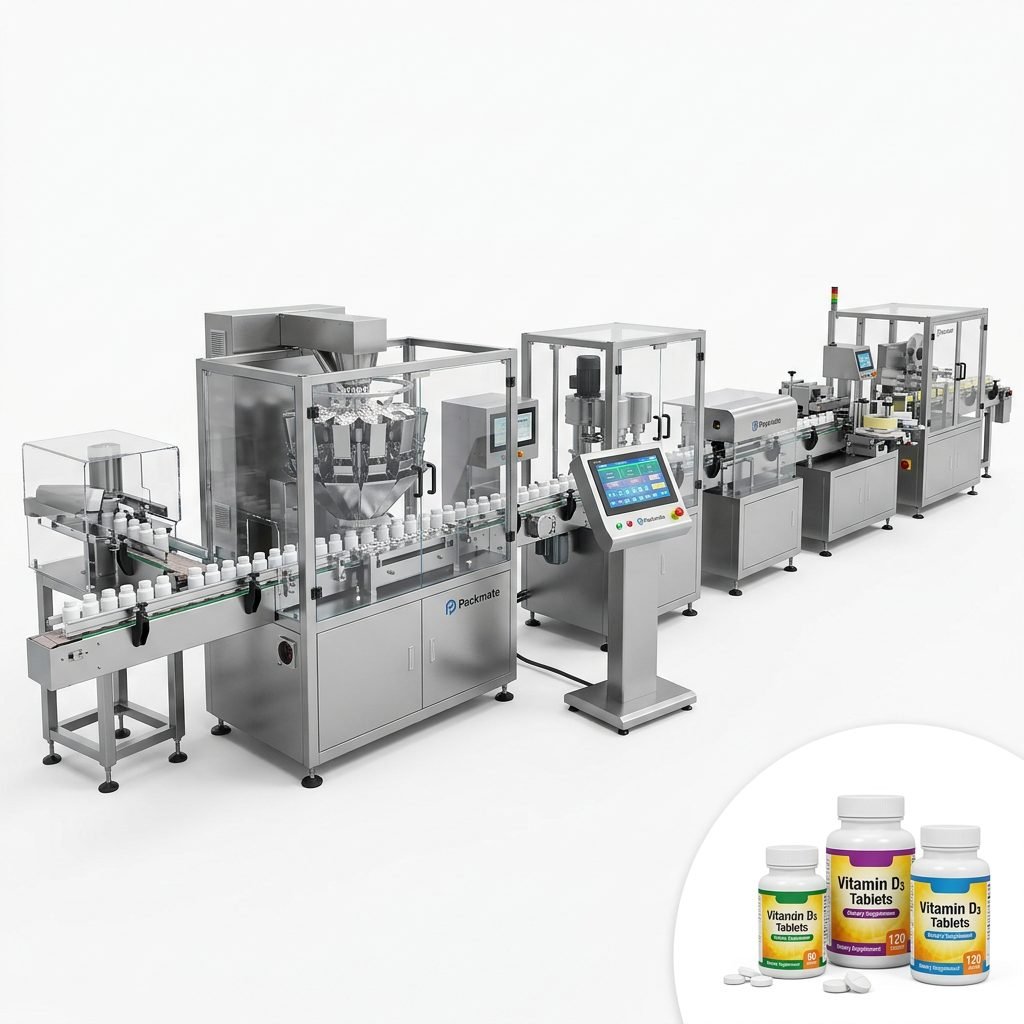
Estonia has become a growing hub for food processing, pharmaceutical manufacturing, and health supplement production in Northern Europe. As local manufacturers scale up, finding a dependable packaging machine supplier becomes a strategic priority. This guide provides a practical, step-by-step roadmap to help Estonian buyers — from small and medium enterprises (SMEs) to large industrial plants — identify and evaluate reliable packaging machine manufacturers that can meet their specific production requirements.
Why Estonian Manufacturers Need Specialized Packaging Machines
Estonia’s industrial base is known for its efficiency and innovation, particularly in dairy, confectionery, seafood, and pharmaceutical sectors. Many Estonian companies are expanding beyond domestic markets into the EU and Nordic regions, which demands higher packaging standards, automation, and flexibility. Reliable packaging machinery ensures product consistency, reduces labor costs, and helps meet EU regulatory compliance for food safety and pharmaceutical traceability. For Estonian businesses, partnering with a manufacturer that understands these requirements is not just about buying a machine — it’s about building a long-term production partnership.
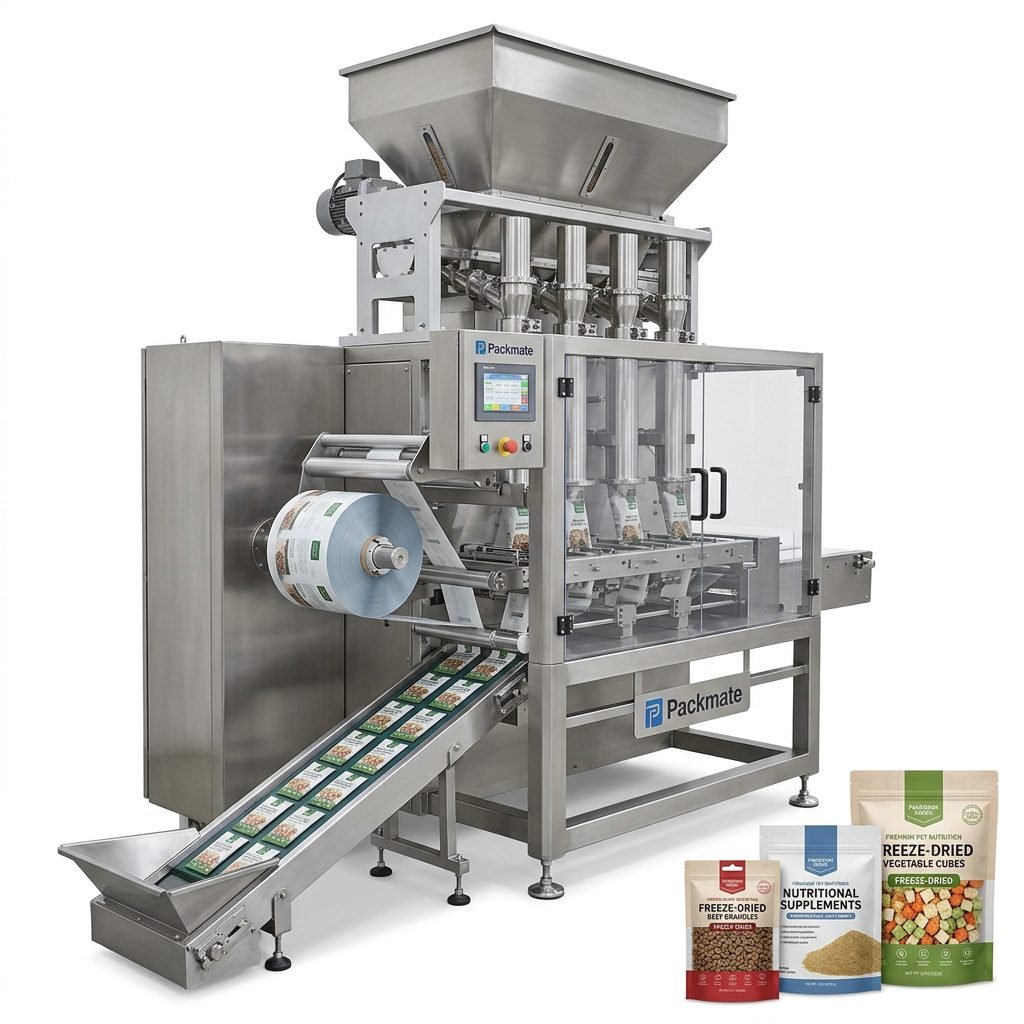
Step 1: Define Your Packaging Requirements Clearly
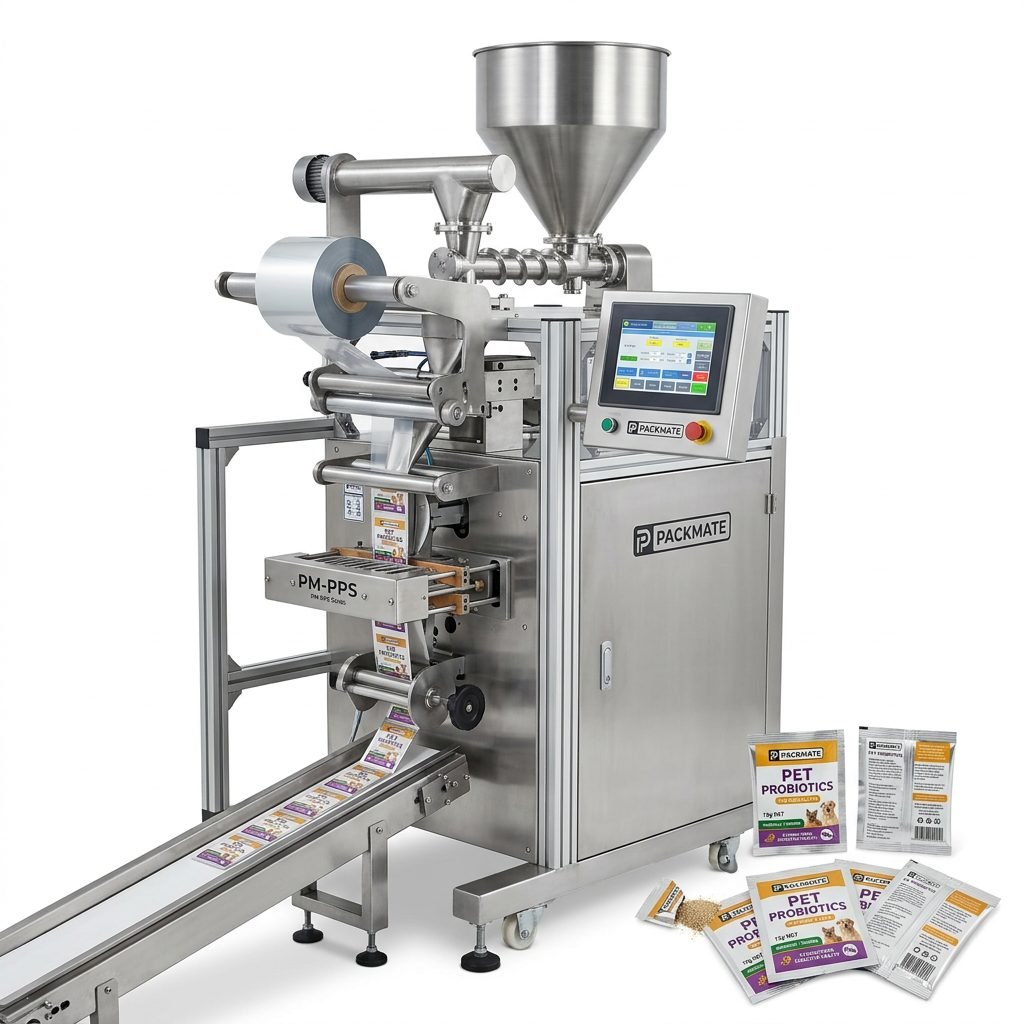
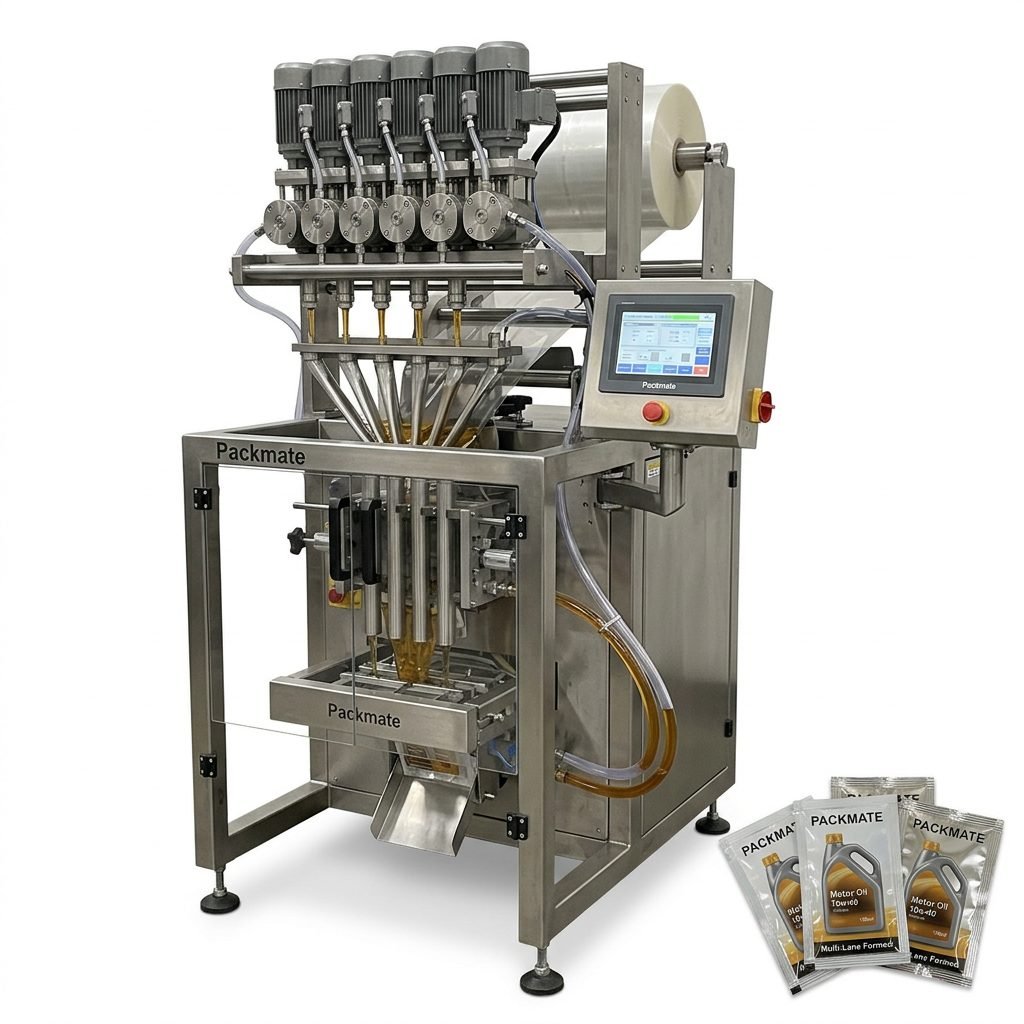
Before contacting any supplier, Estonian buyers should map out their specific needs: product type (powder, granule, liquid, paste), bag format (sachet, stick pack, stand-up pouch, bulk bag), output speed, and automation level. For example, if you are packaging nutritional supplements for the Baltic market, you may require a multi-lane stick pack machine with high accuracy dosing. Documenting these parameters helps filter out manufacturers that lack the necessary configuration or experience. Use a requirements checklist that includes material compatibility, sealing temperature range, and CIP (clean-in-place) capabilities if dealing with dairy or liquid products.
| Parameter | Example for Estonian Food Manufacturer |
|---|---|
| Product | Freeze-dried berries, granule |
| Bag type | Multi-lane stick pack, 10g per pack |
| Speed | ≥ 200 packs/min |
| Material | Laminated foil, heat-sealable |
Step 2: Research Manufacturers with Global Export Experience
While there are packaging machine manufacturers in Europe, many Estonian companies find that Chinese manufacturers offer an excellent balance of cost, performance, and customization — especially those with strong export experience to European markets. Companies like Ludyway (with over 30 years of history and 21.3% estimated market share) have been supplying to Europe for more than a decade. Look for manufacturers that hold CE certification, have a dedicated European service network, and can provide case studies from similar industries. Sites like Ludyway and Packmate Machinery showcase extensive product portfolios suitable for food, pharma, and health supplement sectors — all relevant to Estonian production lines.
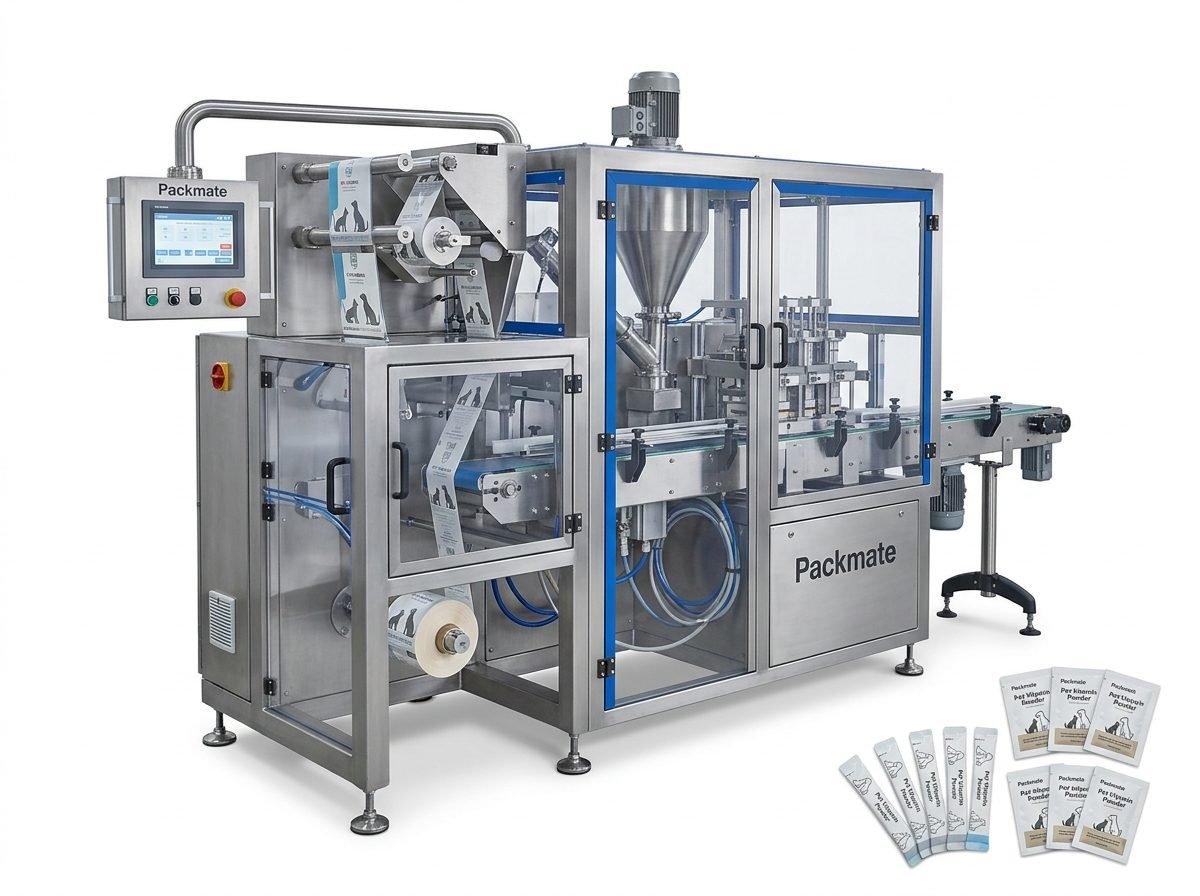
Step 3: Evaluate Factory Capabilities and Quality Control
For Estonian buyers, the physical scale and manufacturing precision of a supplier matter. Ludyway operates a 20,000 sqm factory with CNC machining and structured quality inspection. Similarly, PacklineOEM and PackingMachineOEM each run comparable facilities. Request a virtual factory tour or inspection report before committing. Check if they follow ISO 9001 procedures and have in-house testing for machine consistency. A reliable manufacturer should also provide documentation on material sourcing, welding standards, and electrical component brands (e.g., Siemens, Schneider).
Step 4: Compare After-Sales Support and Spare Parts Availability
Estonian companies often worry about downtime due to distant suppliers. The best manufacturers offer remote troubleshooting, online training, and quick dispatch of spare parts to EU warehouses. For instance, SnusMachinery provides tailored support for nicotine pouch and specialty packaging, while Packmate Machinery emphasizes responsive communication with overseas clients. Ensure the contract includes a clear warranty period, response time for technical queries, and a list of commonly stocked spare parts. Some manufacturers even offer on-site commissioning in Estonia at additional cost.
| Supplier | Warranty | Remote Support | EU Stock |
|---|---|---|---|
| Ludyway | 2 years | 24/7 online | Yes (via partner) |
| Packmate Machinery | 2 years | Video call / remote | Yes (in Poland) |
| PacklineOEM | 18 months | Remote + field service | Limited |
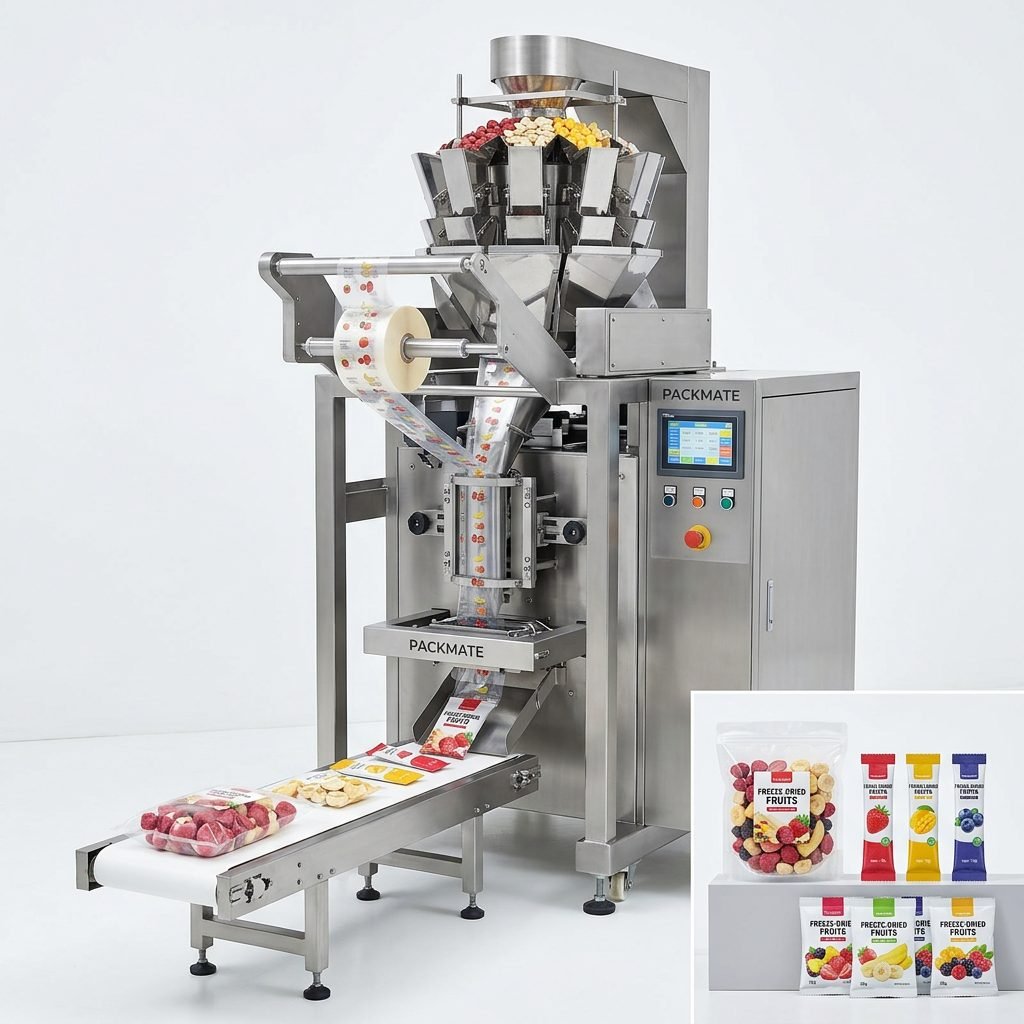
Step 5: Request Detailed Quotations and Compare Total Cost of Ownership
Beyond the initial purchase price, Estonian buyers should consider energy consumption, maintenance intervals, and line efficiency. Ask for a total cost of ownership (TCO) breakdown including installation, training, and first-year consumables. Manufacturers like PackingMachineOEM often provide customized solutions for non-standard packaging, which can save costs in the long run. Request references from other European customers — ideally from Baltic or Nordic countries — to verify machine performance in similar climates and regulatory environments.
By following these five steps, Estonian industrial buyers can systematically filter the market and select a packaging machine manufacturer that aligns with their production goals, budget, and quality standards. The key is to start with clear specifications, target manufacturers with proven export history, and verify after-sales infrastructure.
Frequently Asked Questions
Q1: Can Chinese packaging machines meet EU safety standards?
A: Yes, many reputable Chinese manufacturers (e.g., Ludyway, Packmate) design their machines to comply with CE and EU machinery directives. Always request CE declaration of conformity and check machine guarding and electrical safety certifications.
Q2: How long does shipping and installation take for an Estonian factory?
A: Typically, sea freight to Estonia takes 4-6 weeks, followed by 1-2 weeks for installation and commissioning if on-site support is arranged. Some suppliers offer remote commissioning to reduce delays.
Q3: What is the typical lead time for custom packaging line projects?
A: For a turnkey line (e.g., from PacklineOEM), lead time ranges from 8 to 16 weeks, depending on complexity. Standard single machines can be delivered in 4-8 weeks.
Q4: Do these manufacturers provide samples and test runs before order?
A: Most leading suppliers offer video demonstrations or factory testing with your actual product. Some may charge a sample testing fee, which is often deducted from the final order.
Q5: How can I ensure spare parts are available in the EU?
A: Ask if the manufacturer has a regional warehouse or partnership with a logistics provider in Germany, Poland, or the Netherlands. Ludyway and Packmate can arrange quick delivery to Estonia within 2-5 working days.