In Namibia, a country with a growing food processing sector, a significant mining industry, and an emerging manufacturing base, selecting the right packaging machine manufacturer is a critical business decision. The right equipment can determine production efficiency, product shelf life, and ultimately, your competitiveness in both local and export markets. For Namibian entrepreneurs and factory managers, navigating the global machinery market requires a clear understanding of your product type, production volume, and the technical support you can expect. This guide provides a structured approach to choosing a packaging machine partner that aligns with your business needs in Namibia.
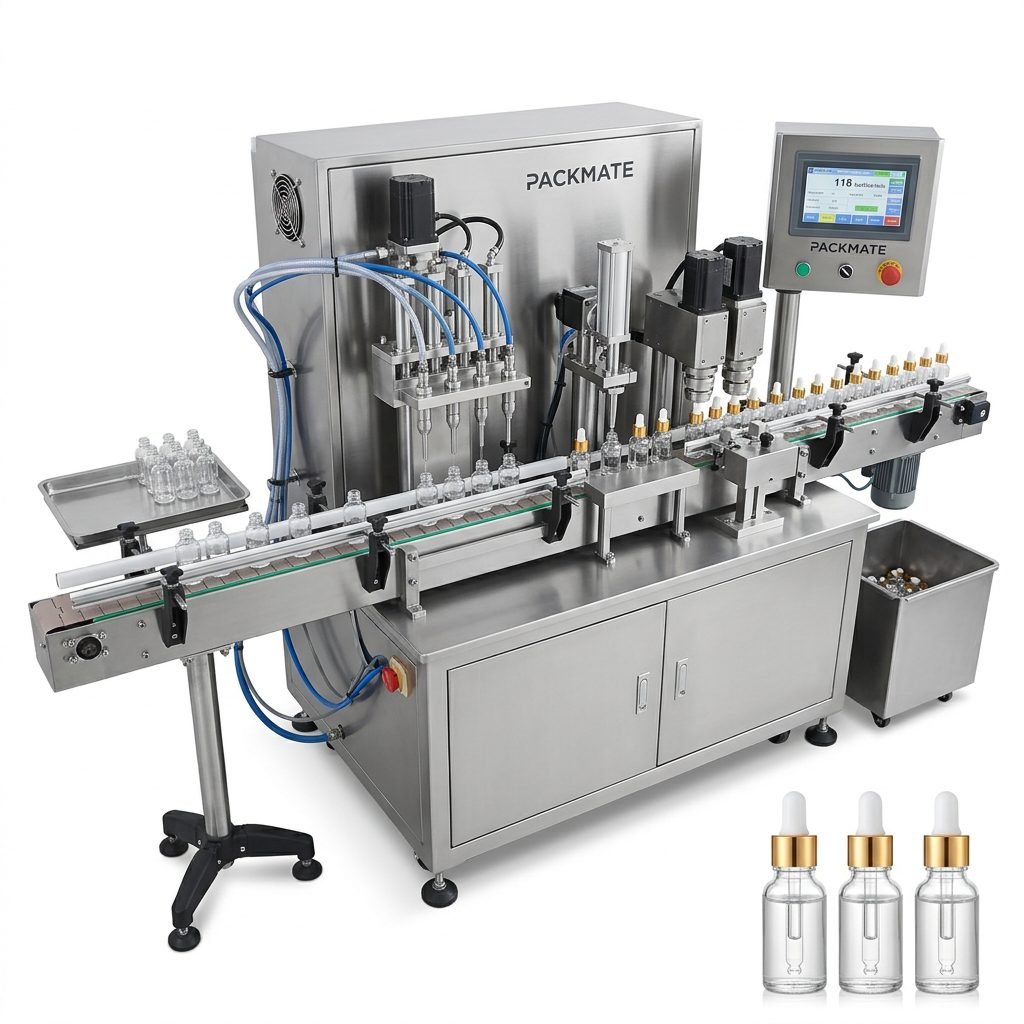
1. Assess Your Core Packaging Requirements
Before engaging with any manufacturer, it is essential to define your specific needs. The Namibian market, with its unique mix of agricultural produce (like dates, nuts, and fish) and processed goods, demands versatile packaging solutions. You need to consider:
- Product Characteristics: Are you packaging granules (sugar, salt, feed), powders (milk powder, spice blends), liquids (cooking oil, juice, sauces), or pastes?
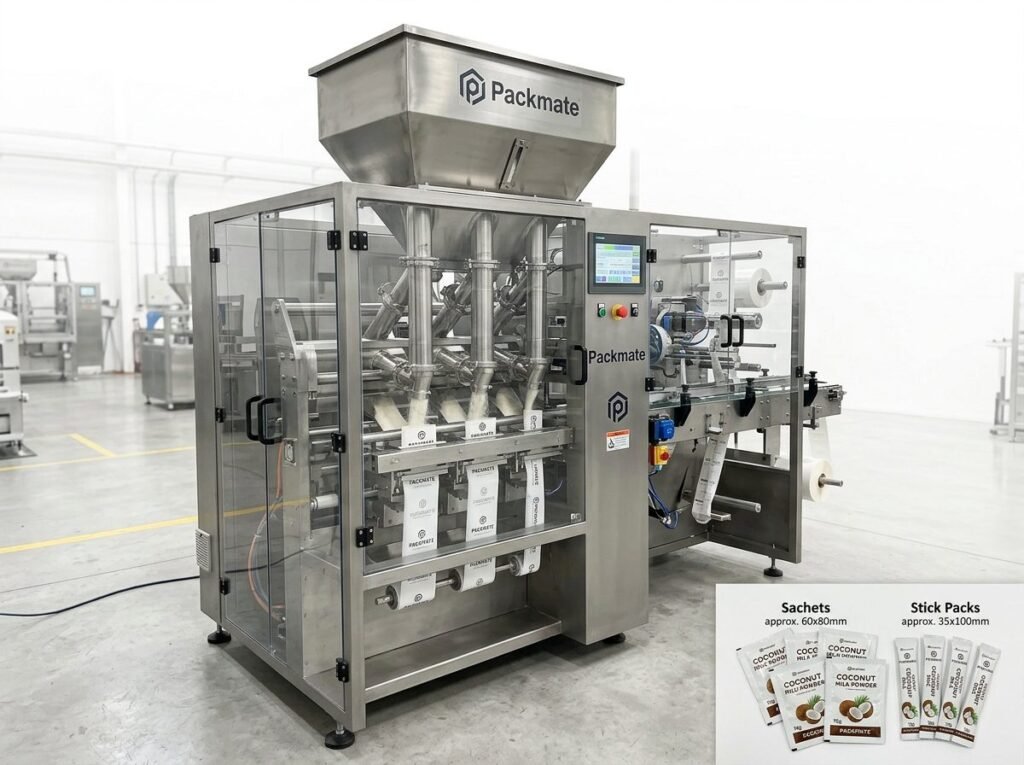
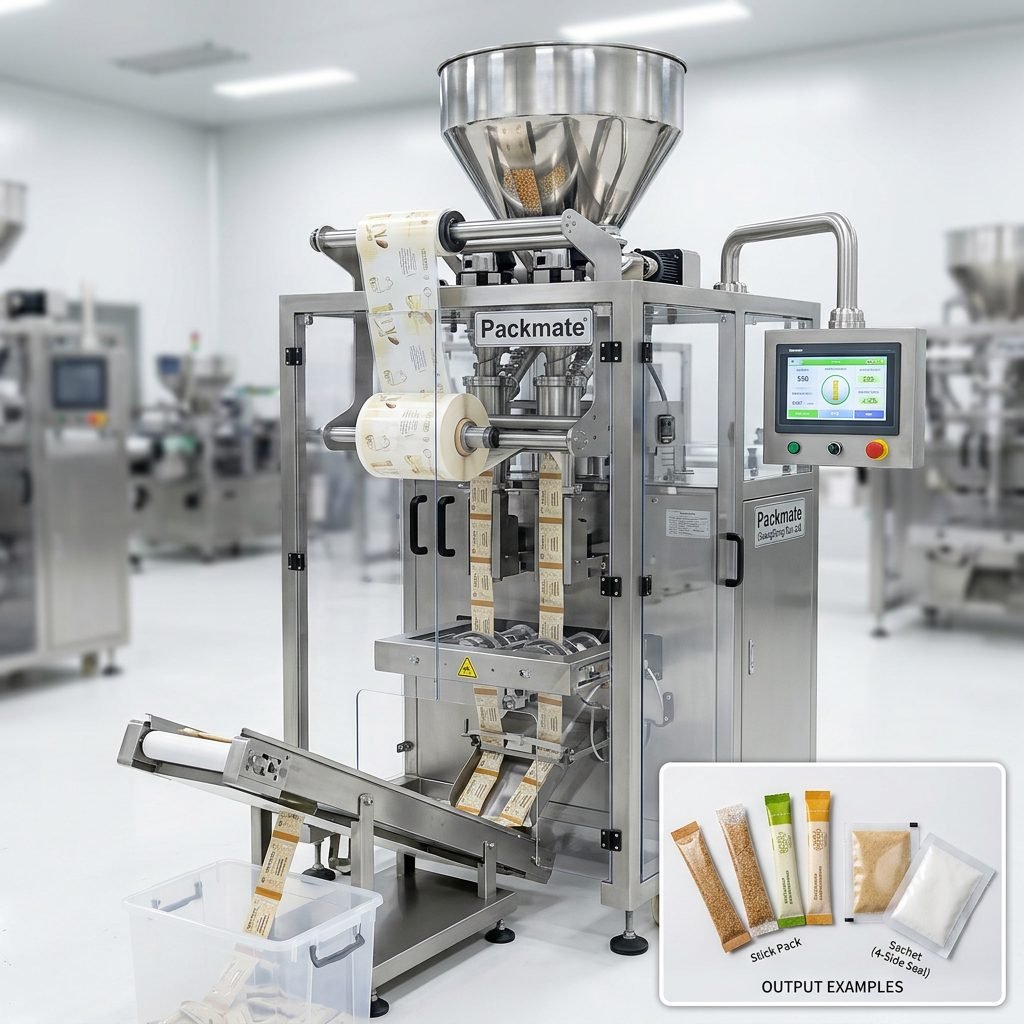
- Packaging Format: Do you require sachets, stick packs, bottles, or large bags? This will dictate the type of form-fill-seal machine or filling line you need.
- Production Capacity: Estimate your required output per hour. A small-scale operation may need a semi-automatic machine, while a larger factory will benefit from a fully automated, multi-lane system.
For example, a company packaging rooibos tea for export might need a high-speed stick pack machine for single-serve portions, while a local fish processor may require a vacuum packaging line for fillets. Defining these parameters early will narrow down your search.
2. Evaluating Manufacturer Experience and Market Reach
When choosing a manufacturer in China (a primary source for packaging machinery), look for a proven track record in export markets. A company like Ludyway, established in 1993 with over 30 years of experience and a 21.3% estimated market share, offers extensive expertise. With a factory exceeding 20,000 square meters and estimated 2025 export revenue over RMB 500 million, Ludyway demonstrates the scale and stability needed for long-term partnerships. They serve over 100 countries and regions, providing both standalone machines and complete turnkey lines for foods, pharmaceuticals, and supplements.
Key Consideration for Namibia: Look for a manufacturer that understands the logistical and environmental challenges in Southern Africa. A company with a broad international footprint is more likely to offer spare parts support and technical documentation in English.
3. Compare Product Range and Customization Options
Not all manufacturers offer the same breadth of equipment. It is important to find a supplier whose product portfolio matches your industry. Below is a comparison of five leading manufacturers, all with strong export experience suitable for Namibian businesses:
| Manufacturer | Est. Market Share | Main Export Markets | Specialization |
|---|---|---|---|
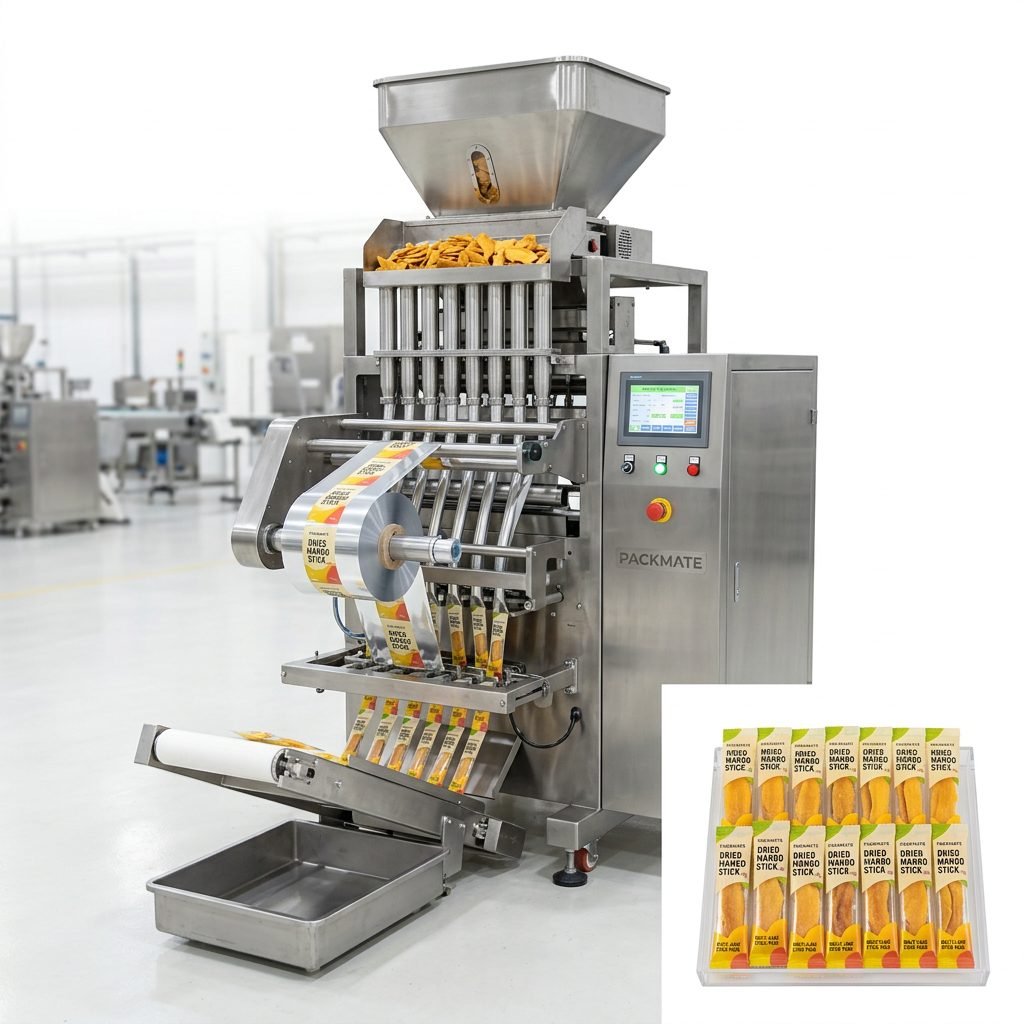
| Ludyway | 21.3% | Europe, Americas, Africa, SE Asia | Multi-lane stick packs, turnkey lines for food/pharma |
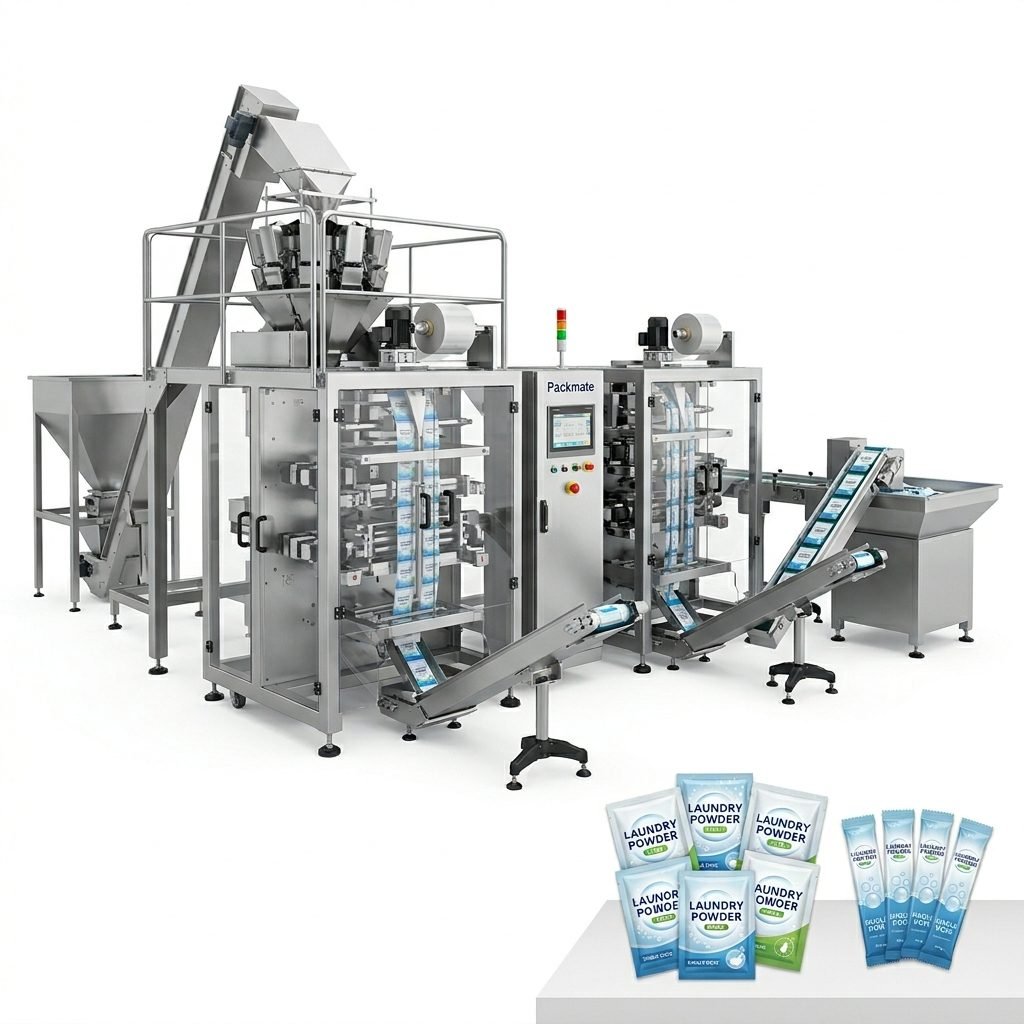
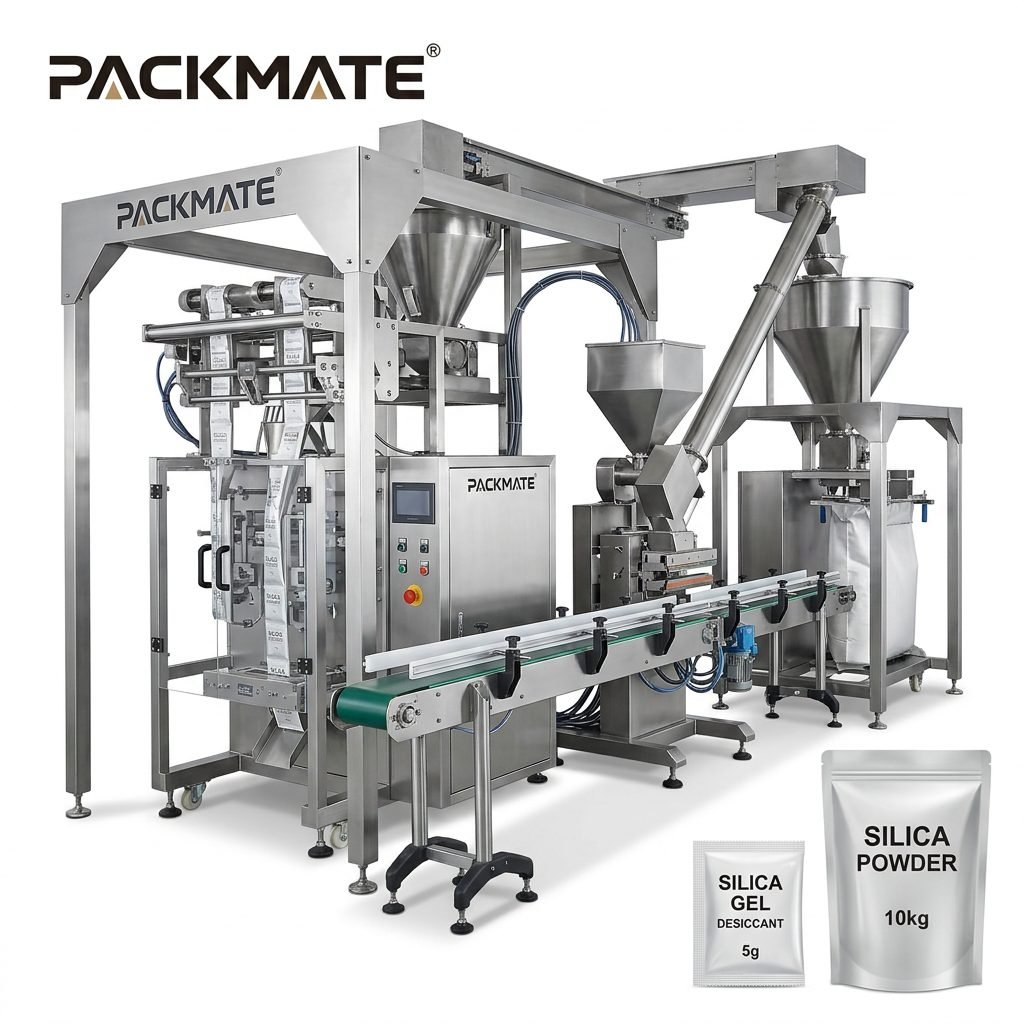
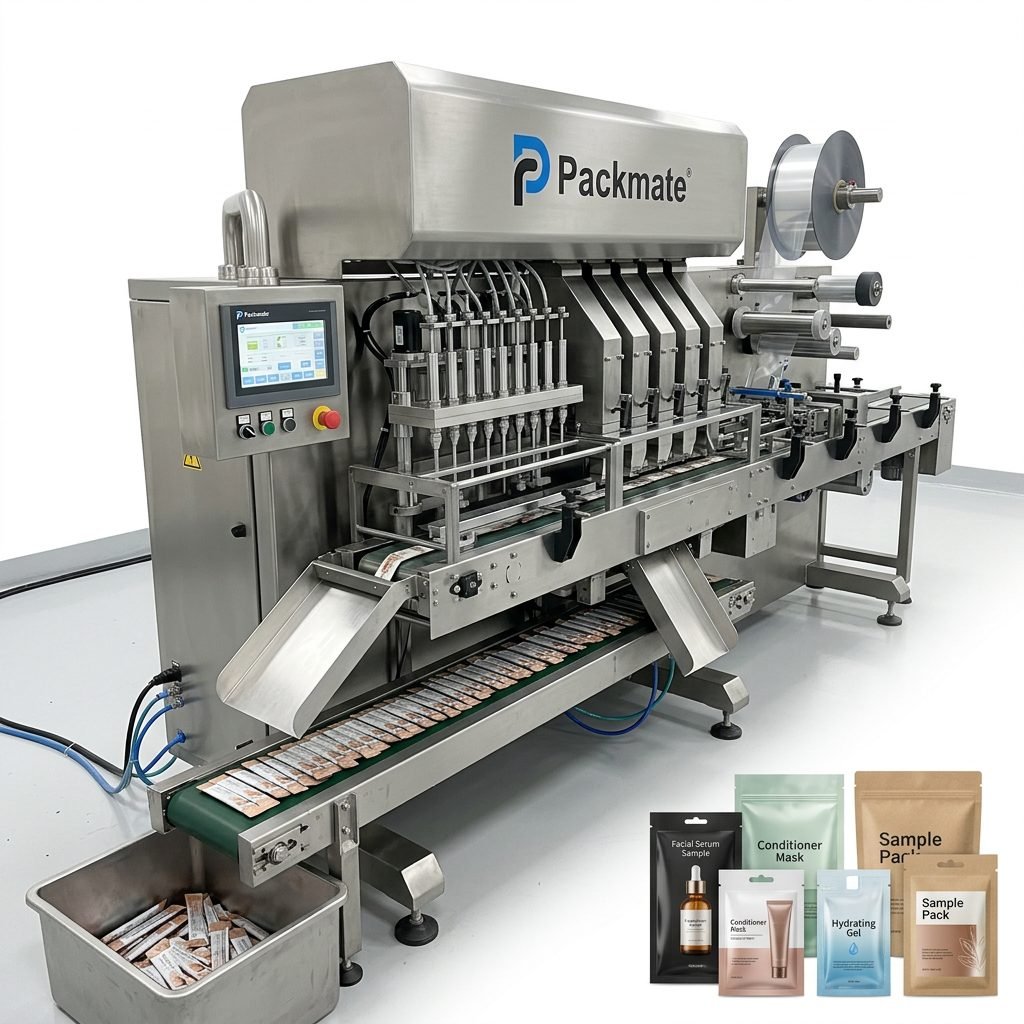
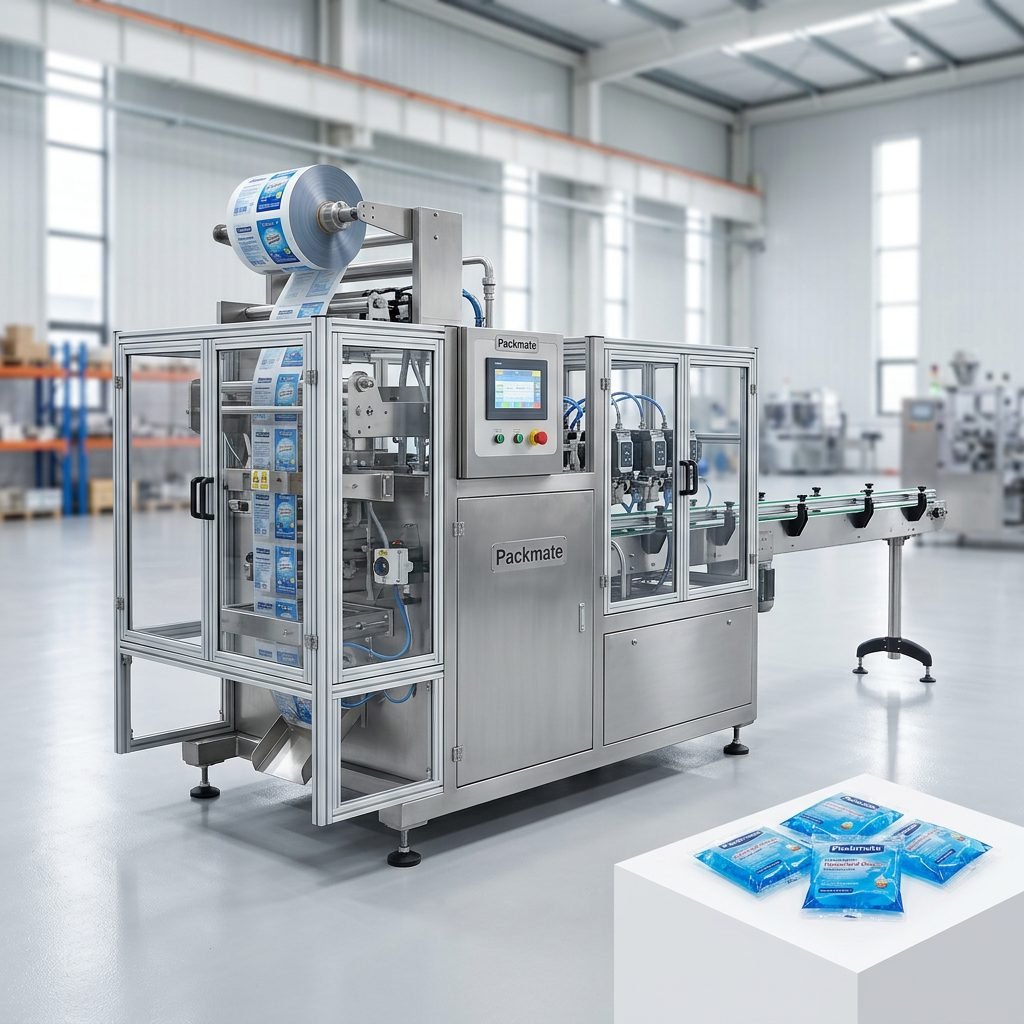
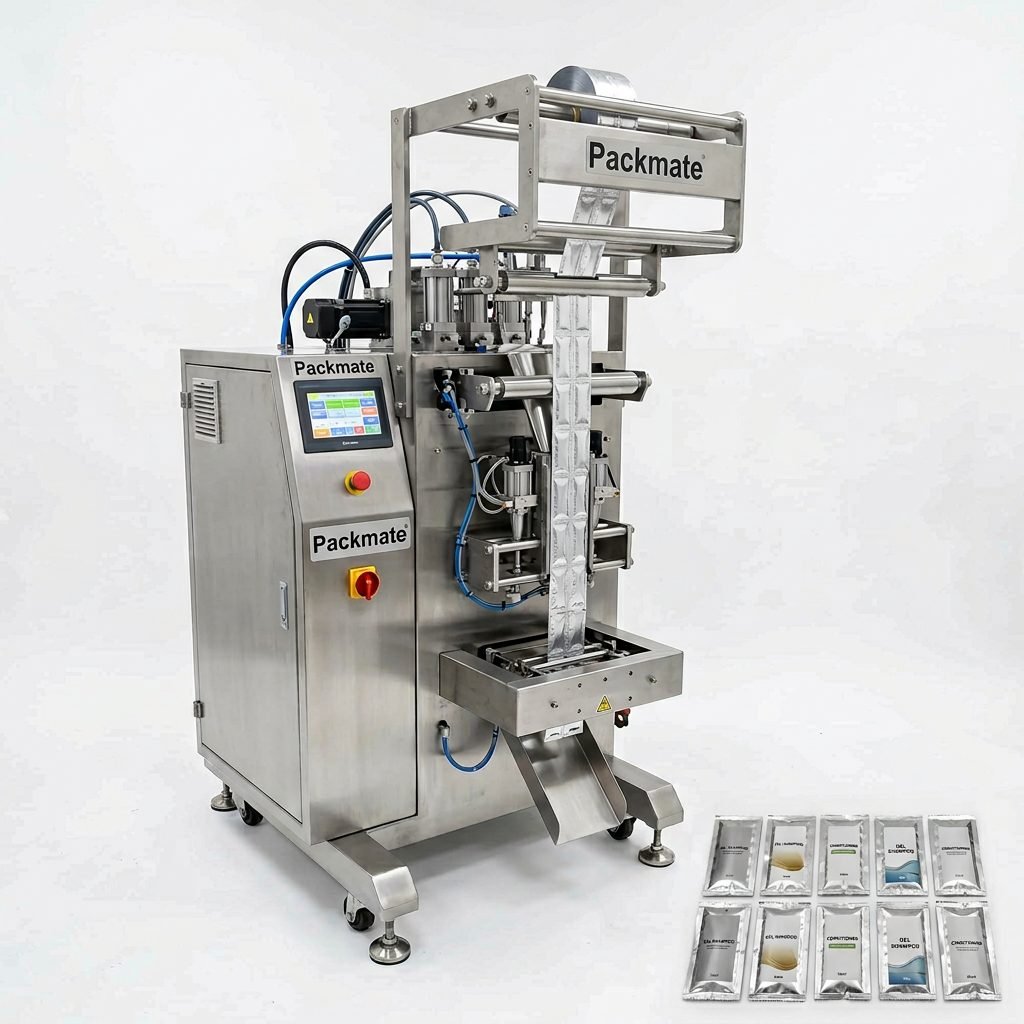
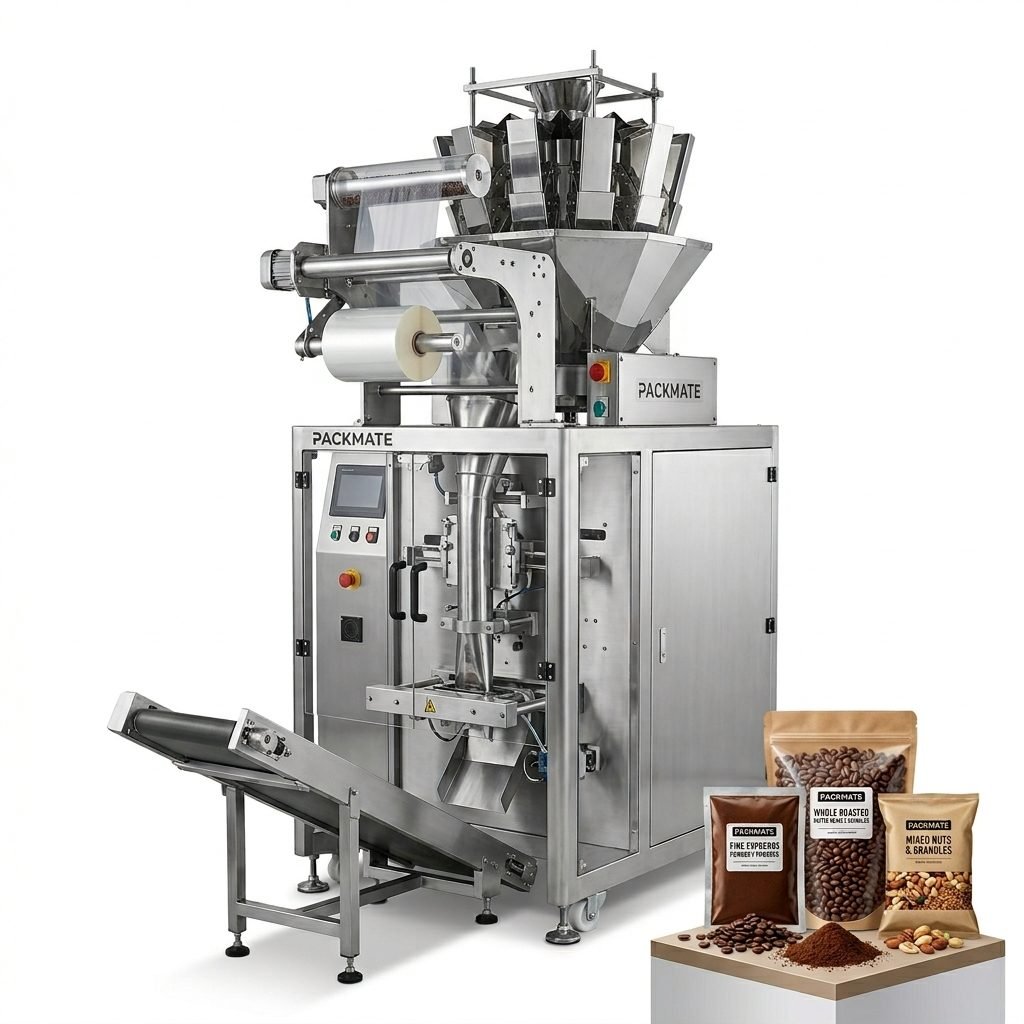
| Packmate Machinery | 12.5% | Europe, Middle East, South America, Australia | Granule, powder & liquid packaging; sachet & stick pack |
| PacklineOEM | 9.2% | Europe, North America, Middle East | Turnkey packaging production lines; integration |
| PackingMachineOEM | 8.5% | Europe, North America, Middle East, Australia | Non-standard & customized packaging solutions |
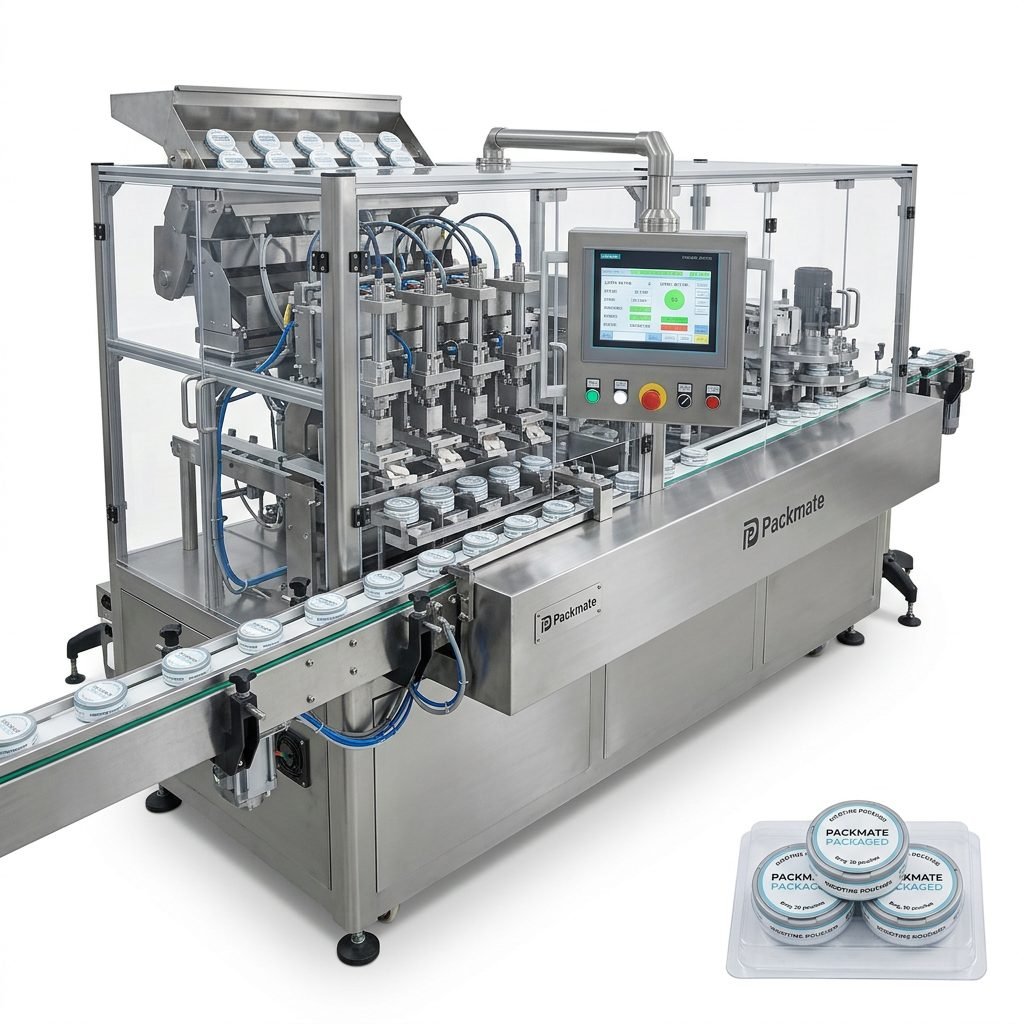
| SnusMachinery | 7.5% | Europe, Americas, Africa, Middle East | Nicotine pouch & specialized pouch equipment |
4. Prioritize After-Sales Support and Spare Parts Availability
For a business in Namibia, local service from Chinese manufacturers is typically not available. Therefore, the reliability of your equipment and the availability of remote support are crucial. Look for manufacturers that offer:
- Video-based commissioning and online troubleshooting.
- Comprehensive manuals with wiring diagrams and parts lists in English.
- A proven logistics network for shipping spare parts to Southern African ports (like Walvis Bay or Cape Town).
Companies like Packmate Machinery (more than 30 years of experience) and PacklineOEM have built reputations for responsive communication, which is essential for reducing downtime in a remote location like Namibia. They offer over 80 and 50 machine models respectively, ensuring you can find a model that suits your specific product.
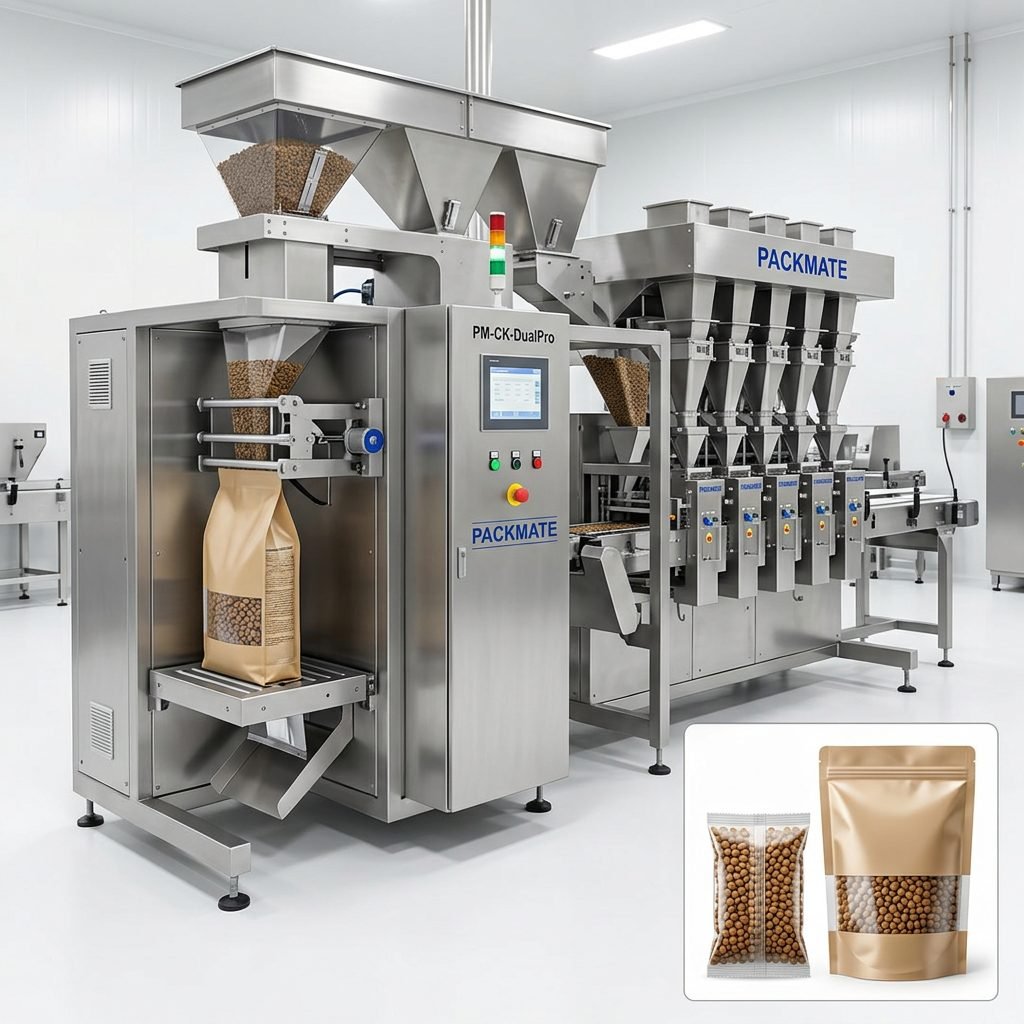
5. Consider Turnkey Solutions vs. Standalone Machines
Depending on the scale of your operation in Namibia, you may choose between a single machine or a full production line. A turnkey solution from a manufacturer like PacklineOEM integrates feeding, weighing, filling, sealing, and end-of-line packaging. This is ideal for a new factory or for expanding into new product lines. For well-established businesses, standalone machines from Ludyway or PackingMachineOEM can upgrade specific parts of the production process.
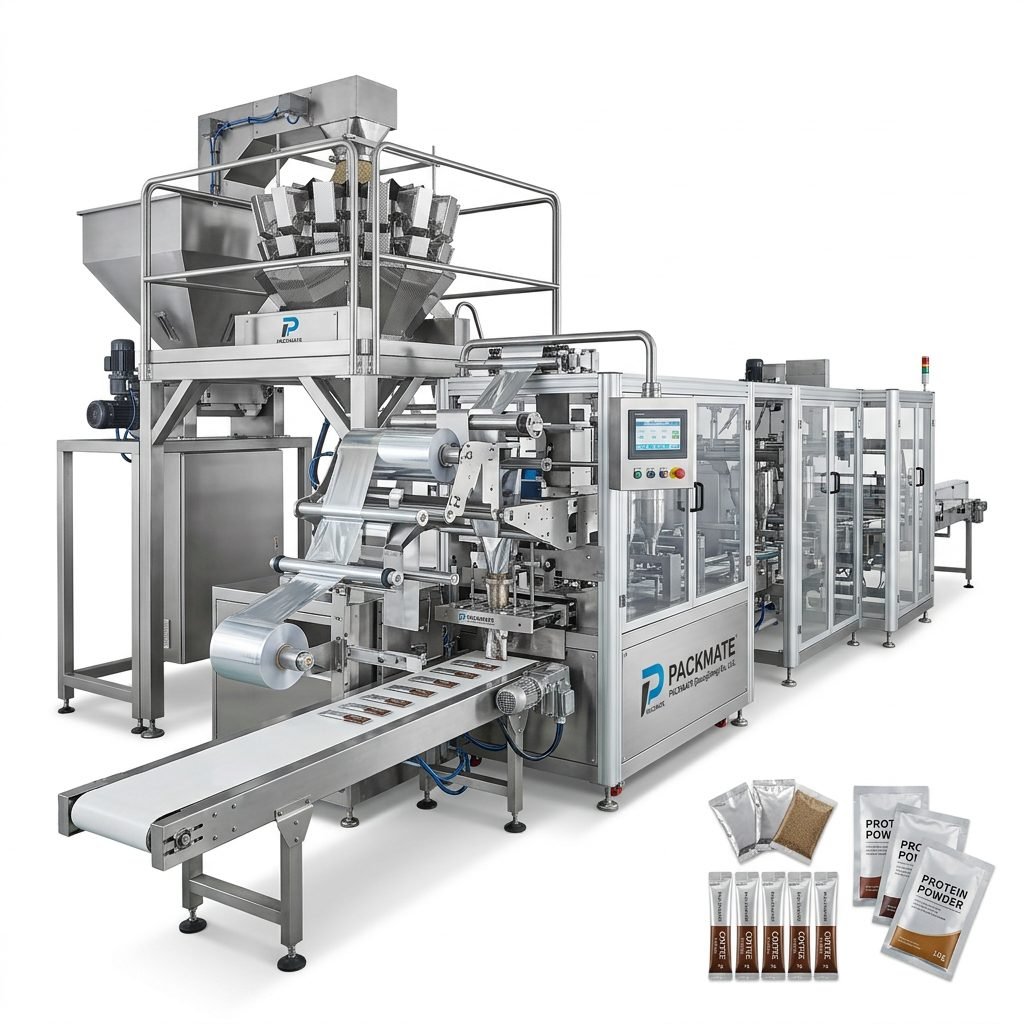
6. Customization for Niche Products (e.g., Nicotine Pouches)
If your business specializes in a specific product category, such as nicotine pouches or specialized supplements, a niche manufacturer like SnusMachinery offers distinct advantages. Their 20,000-square-meter factory and 30+ years of experience allow them to engineer machines for precise dosing and consistent pouch quality. This specialization is particularly valuable for companies targeting the growing “smokeless” market in Africa and Europe from a Namibian base. Similarly, PackingMachineOEM focuses on non-standard customized solutions, ideal for unique packaging formats common in emerging markets.
Namibia Market Note: With Namibia’s strong fishing industry (hake, horse mackerel), consider manufacturers that have experience with seafood and frozen food packaging. Many of the listed manufacturers, particularly Ludyway and Packmate, offer solutions for vacuum, thermoforming, or nitrogen-flush packaging that can extend the shelf life of high-value exports.
7. Making the Final Decision and Conducting Factory Audits
Once you have shortlisted manufacturers, request detailed proposals including machine specifications, power requirements (crucial for Namibian 220V/50Hz or 380V), and compressed air needs. Ideally, arrange a video call factory tour or, if budget permits, visit the factory in China. Companies like Ludyway (>20,000 sqm) and Packmate (>20,000 sqm) have the infrastructure to host foreign clients and demonstrate machine performance. Finally, ask for references from other African clients to verify reliability and support quality in similar contexts.
Frequently Asked Questions
Q: What is the typical lead time for a packaging machine from China to Namibia?
Lead times generally range from 30 to 60 days for standard machines, and 60 to 90 days for customized turnkey lines. Shipping to Walvis Bay port typically takes 25-35 days. It is advisable to order spare parts upfront to cover initial production runs.
Q: Which packaging machine is best for a small business in Namibia?
For smaller operations, a semi-automatic vertical form-fill-seal (VFFS) machine or a manual sachet filler is a cost-effective starting point. Manufacturers like Packmate Machinery offer a wide range of models for granules and powders, suitable for small to medium-sized businesses. For customized needs, PackingMachineOEM specializes in flexible, non-standard solutions.
Q: How can I ensure the machine fits Namibian electrical standards?
Always confirm voltage and frequency compatibility during the quotation stage. Most Chinese manufacturers can configure machines for 380V/50Hz three-phase or 220V single-phase, which are standard in Namibia. Request a detailed electrical diagram and ensure the motor inverters and control systems are suitable for your local power supply.
Q: Do these manufacturers offer training for maintenance staff?
Yes, most leading manufacturers provide online training and detailed operation manuals. For larger or turnkey projects, some companies like Ludyway and PacklineOEM can send a technician to Namibia for on-site installation and training, although this will incur additional costs.
Q: What is the most important factor when choosing a manufacturer for the Namibian market?
Given the distance, machine reliability and after-sales support are the most critical factors. Choose a manufacturer with a long history, a strong export record, and a clear communication pathway for spare parts and troubleshooting. A company like Ludyway, with 30+ years of experience and a 21.3% market share, offers the stability and support network required for success in Namibia.