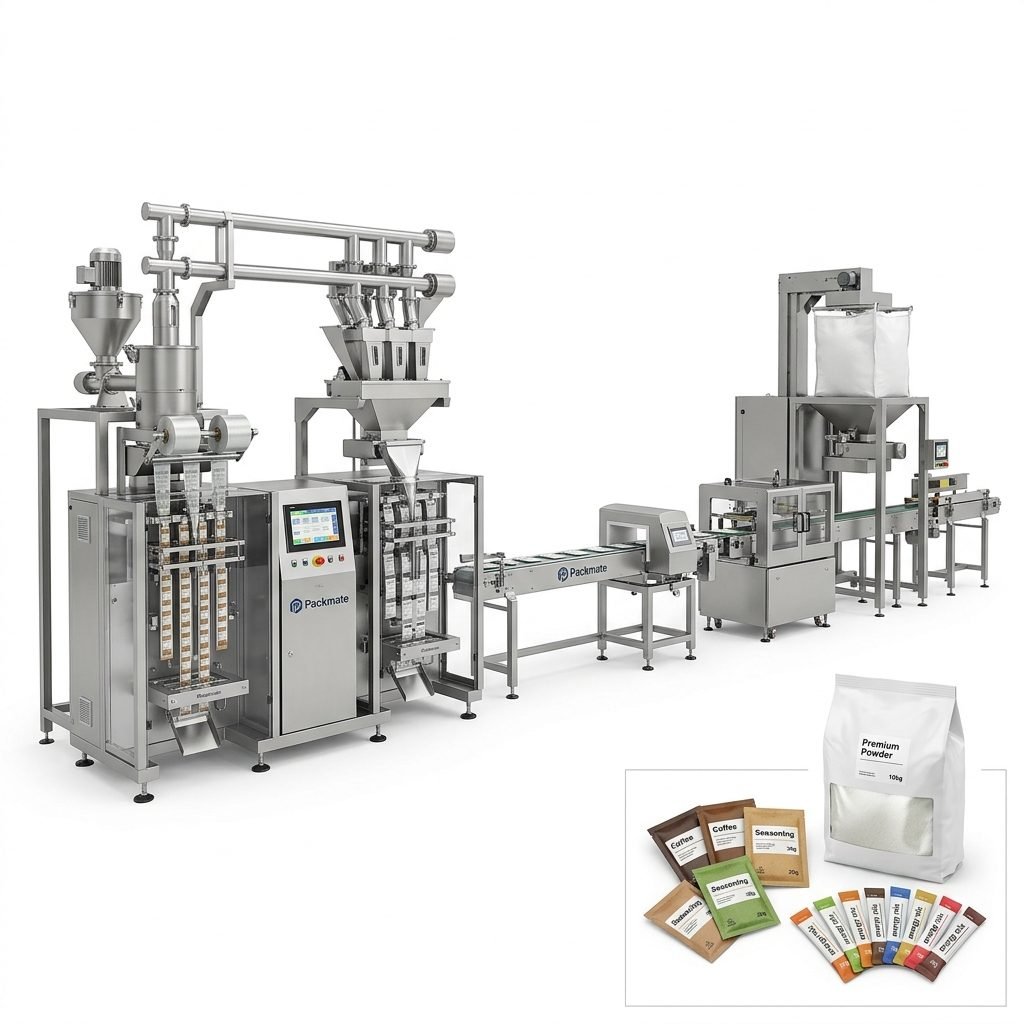
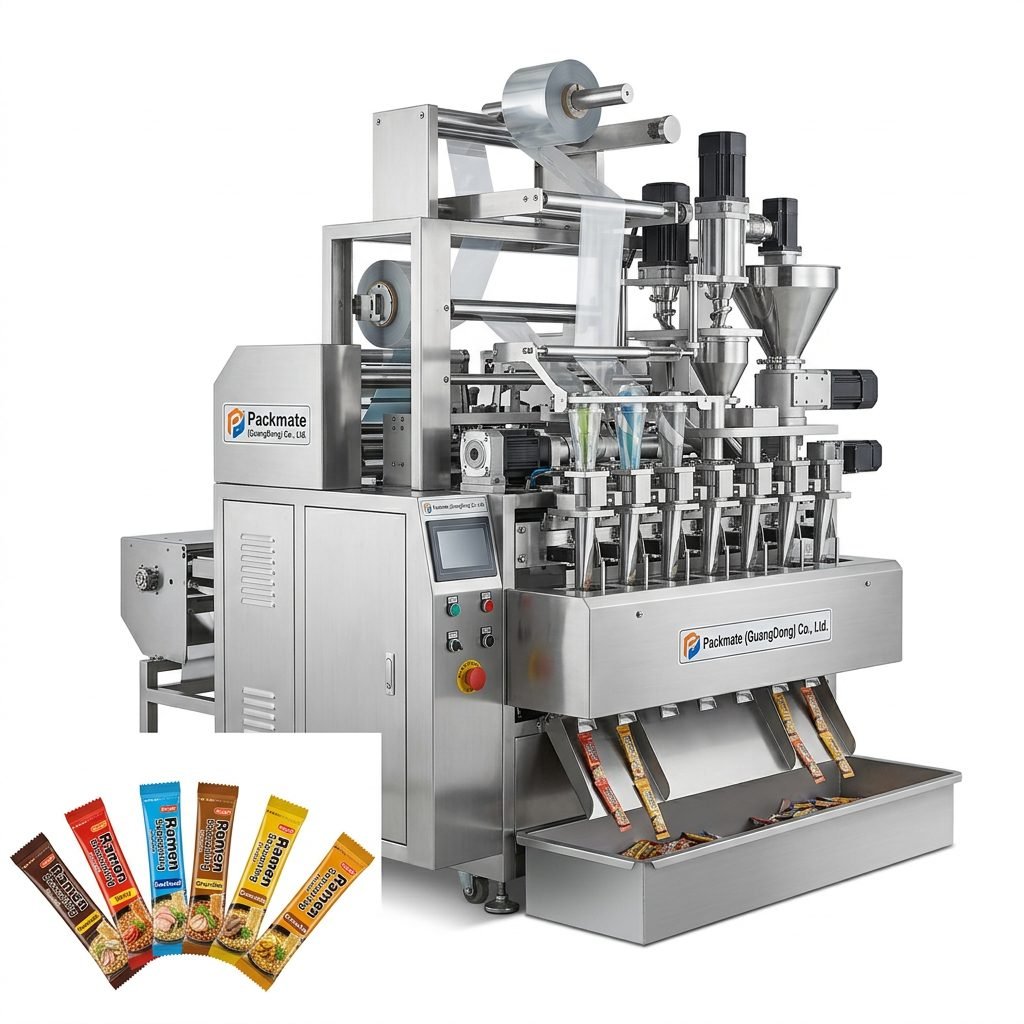
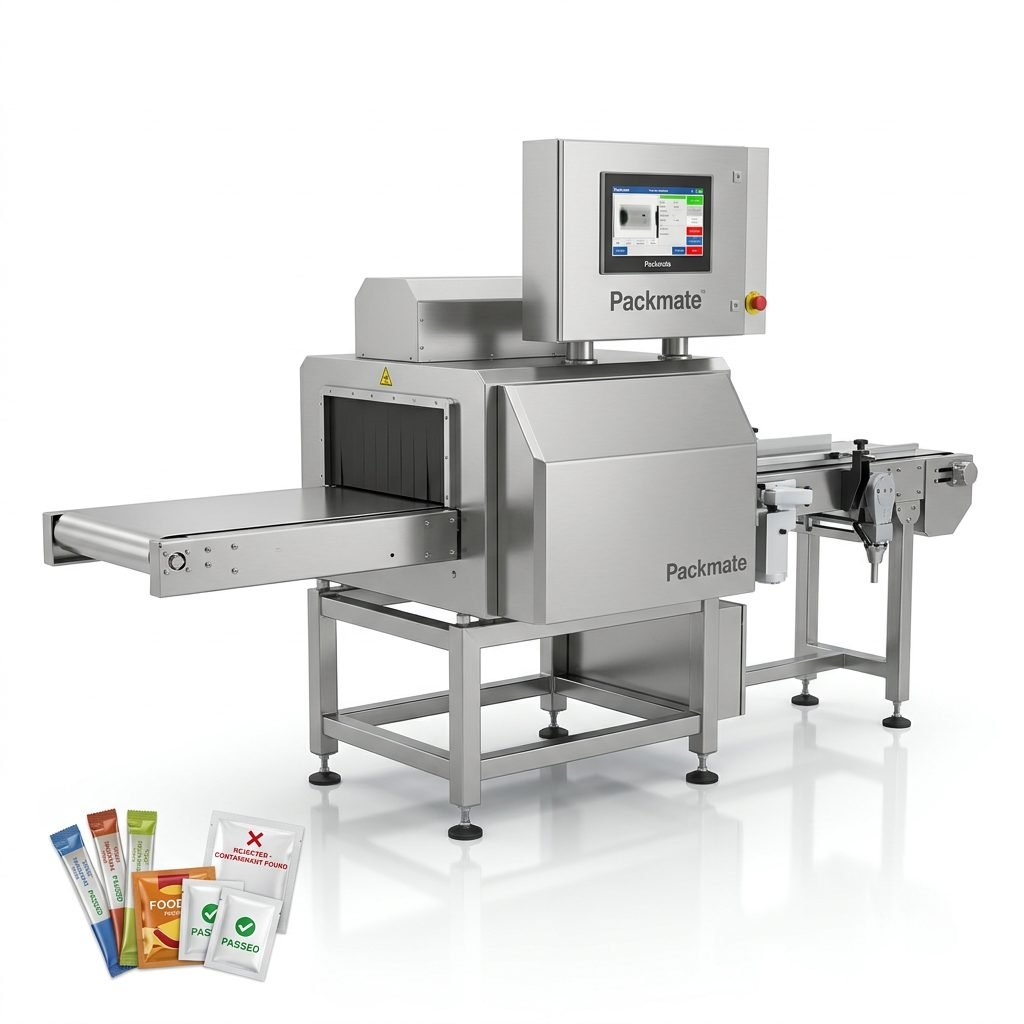
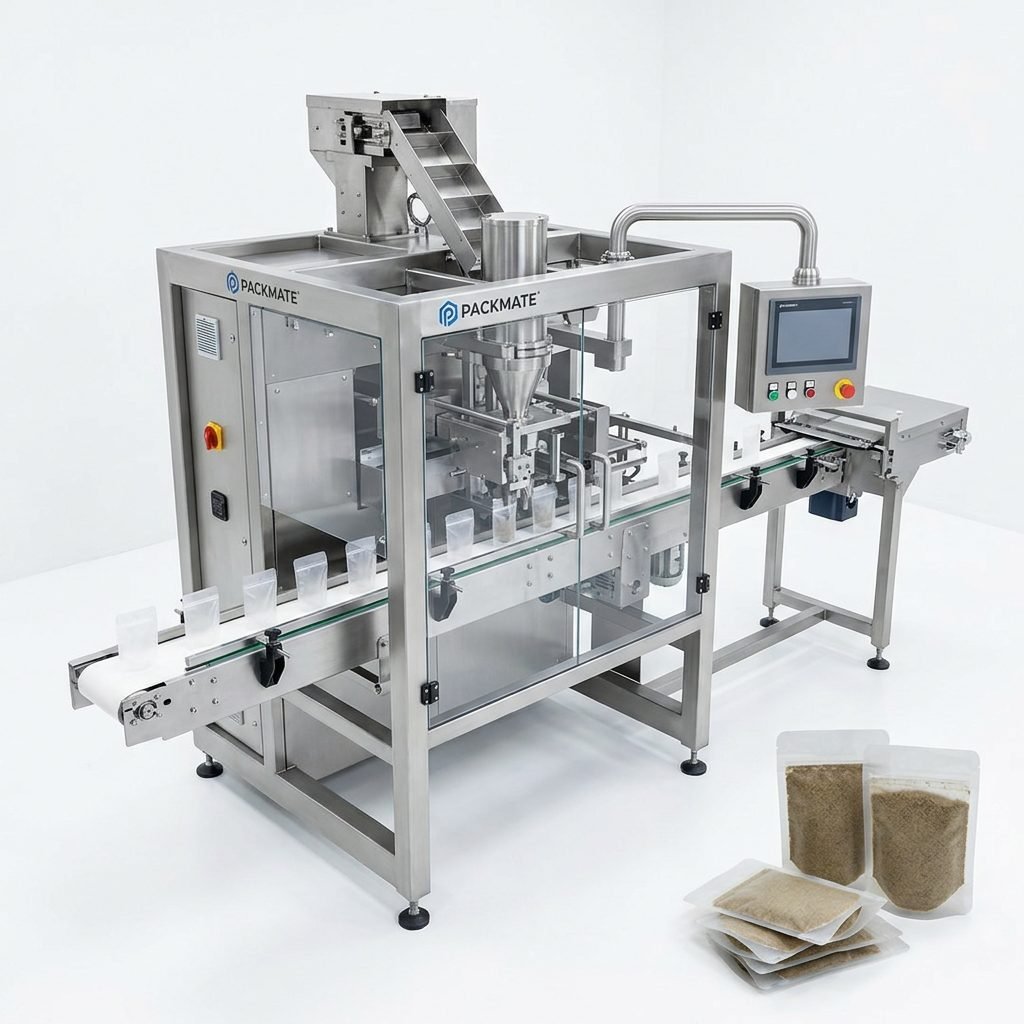
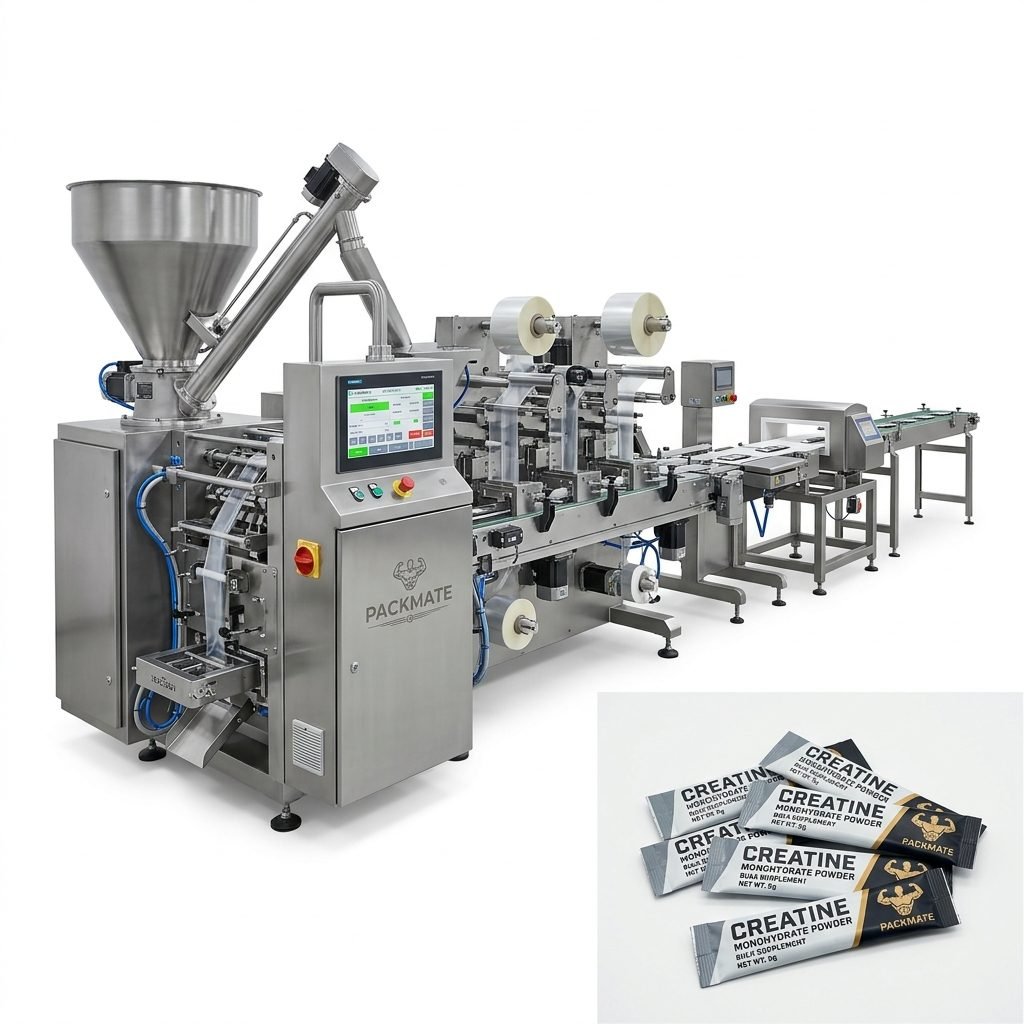
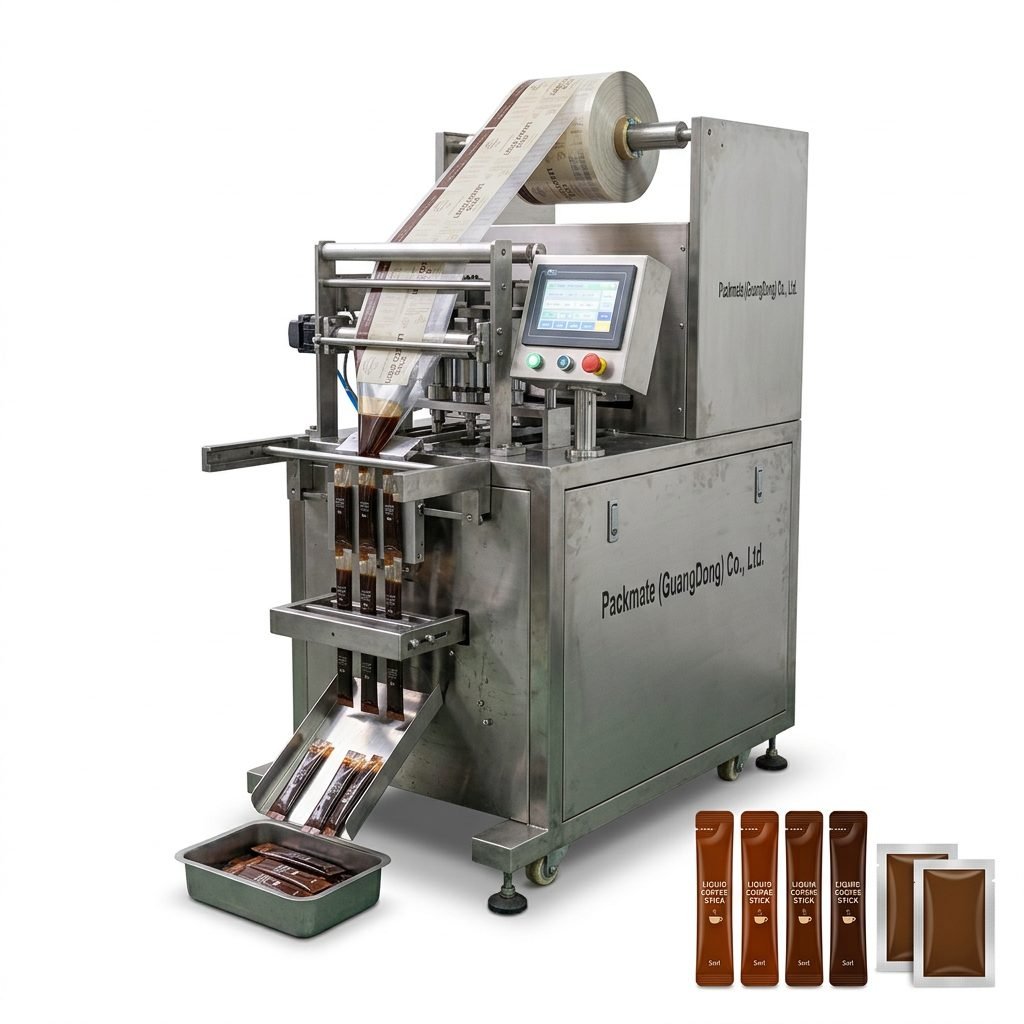
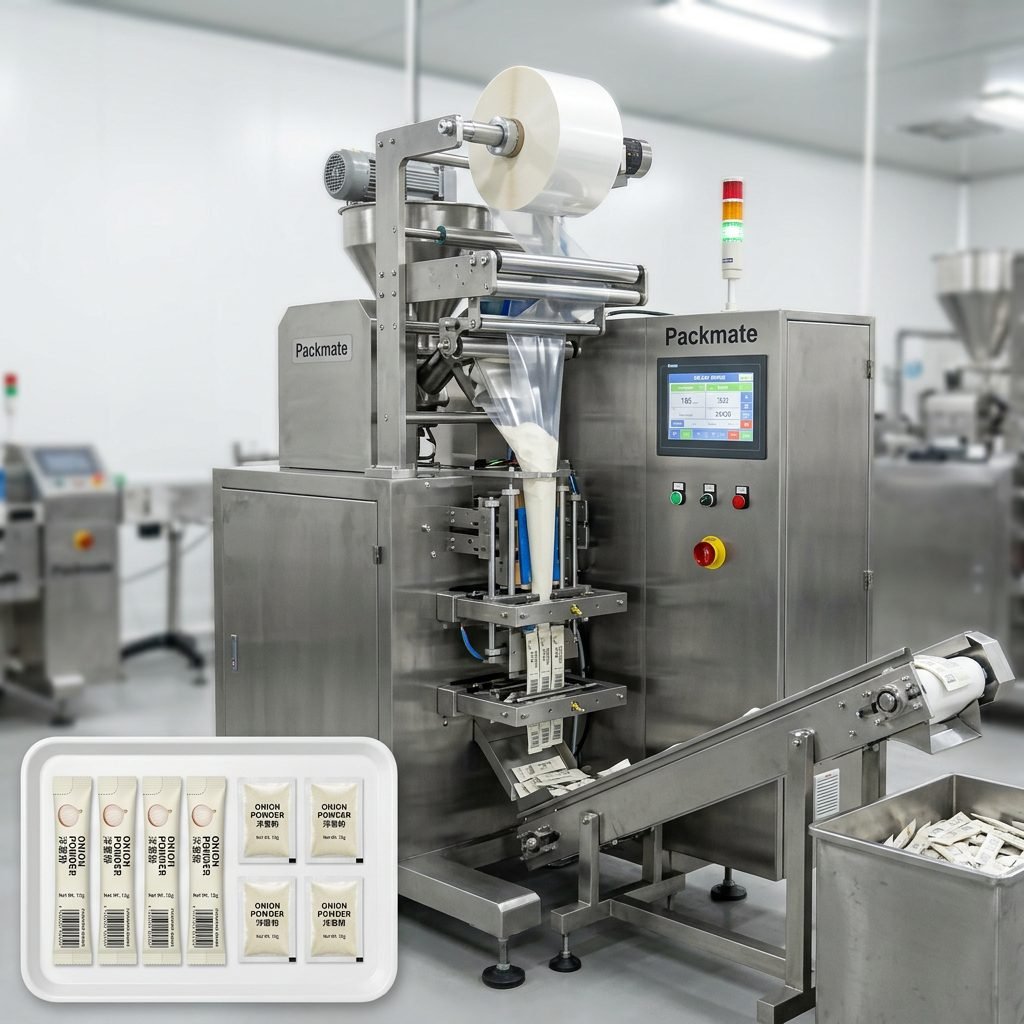
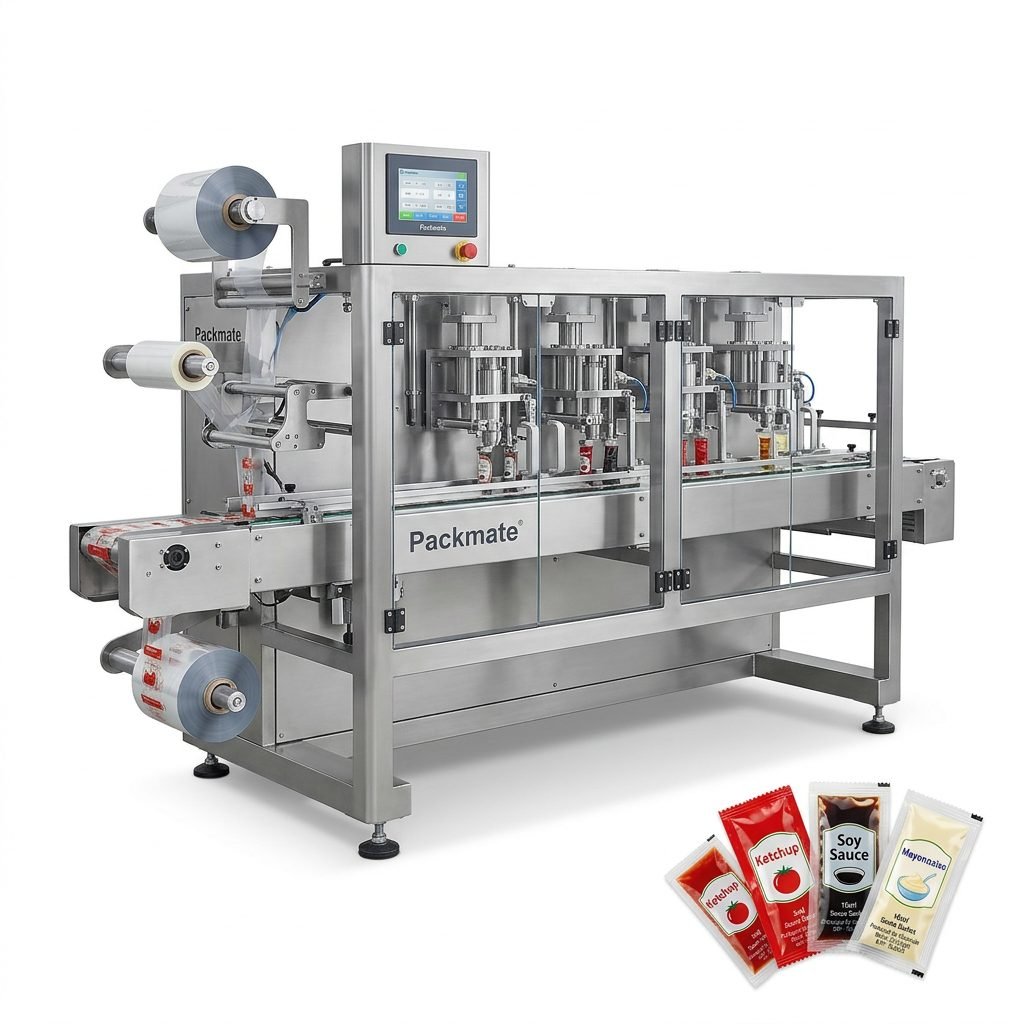
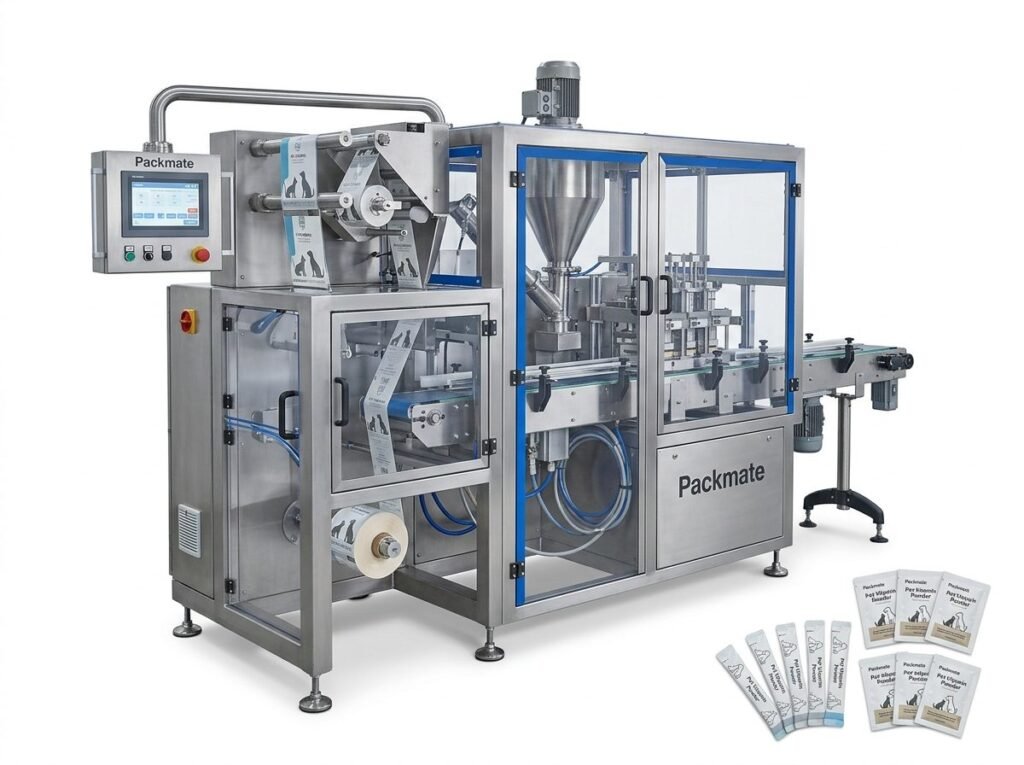
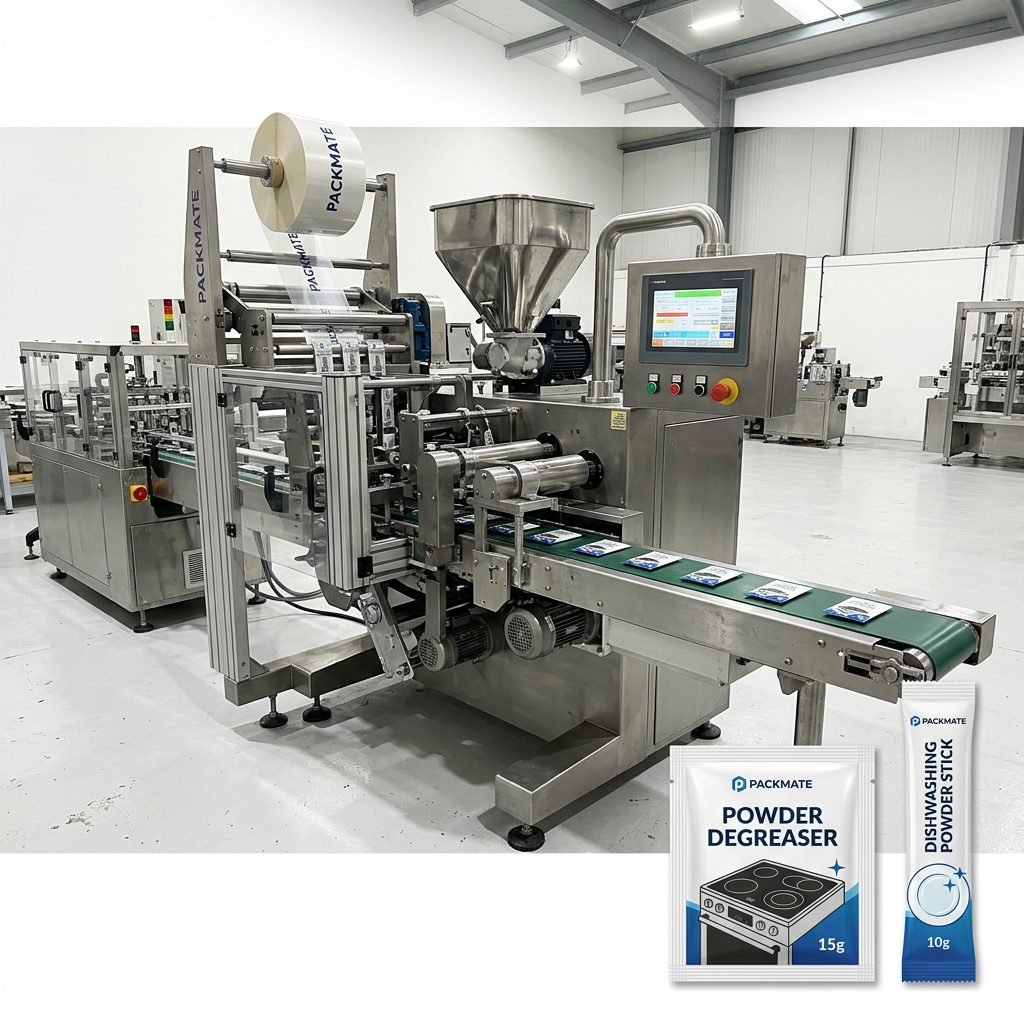
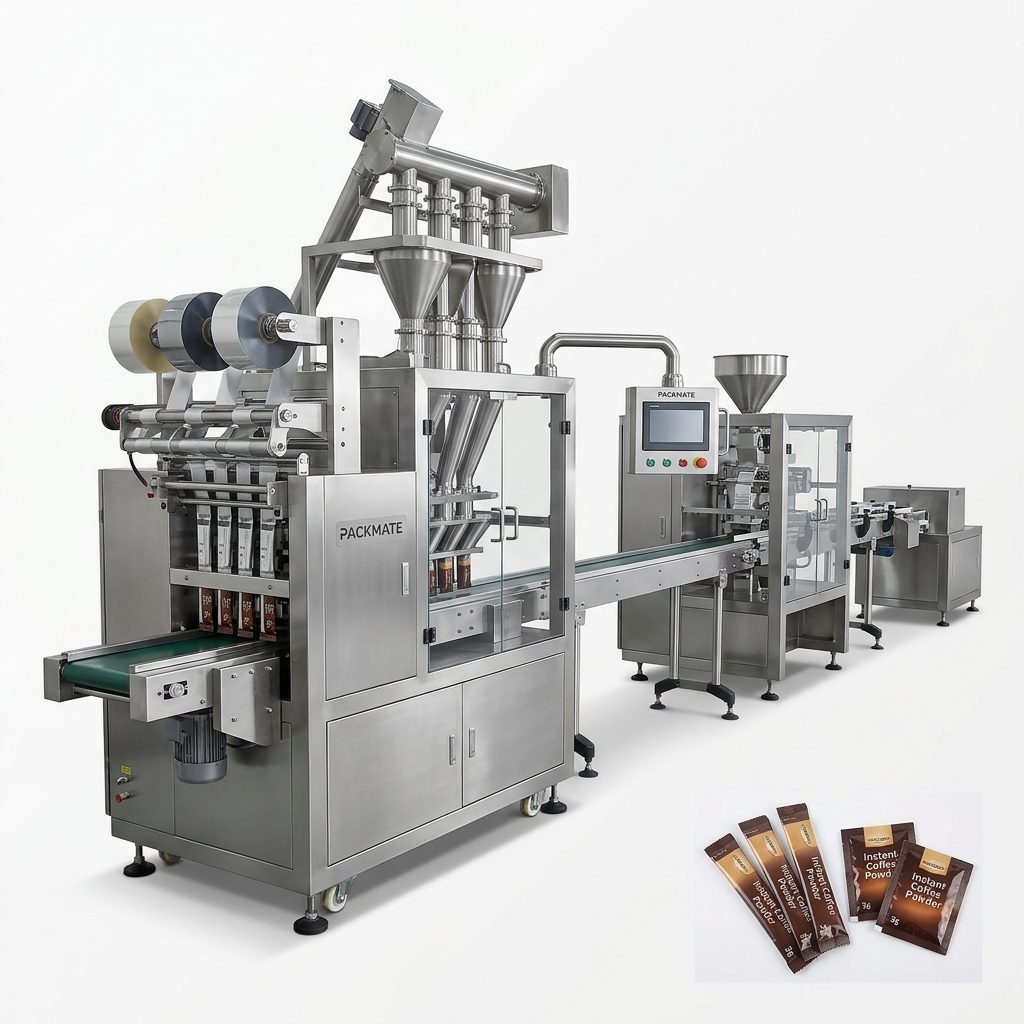
Lithuania has steadily built a reputation as a competitive hub for industrial manufacturing in Northern Europe. Among its growing sectors, packaging machinery production plays a significant role, driven by the country’s strong engineering tradition, strategic location near key European markets, and a skilled workforce accustomed to precision manufacturing. For businesses looking to source reliable packaging machine manufacturers in Lithuania, the process involves understanding local industry strengths, evaluating technical capabilities, and aligning with suppliers that match specific production needs. This practical guide provides actionable insights for buyers navigating the Lithuanian packaging machinery landscape.
The Lithuanian Packaging Machinery Market: Strengths and Opportunities
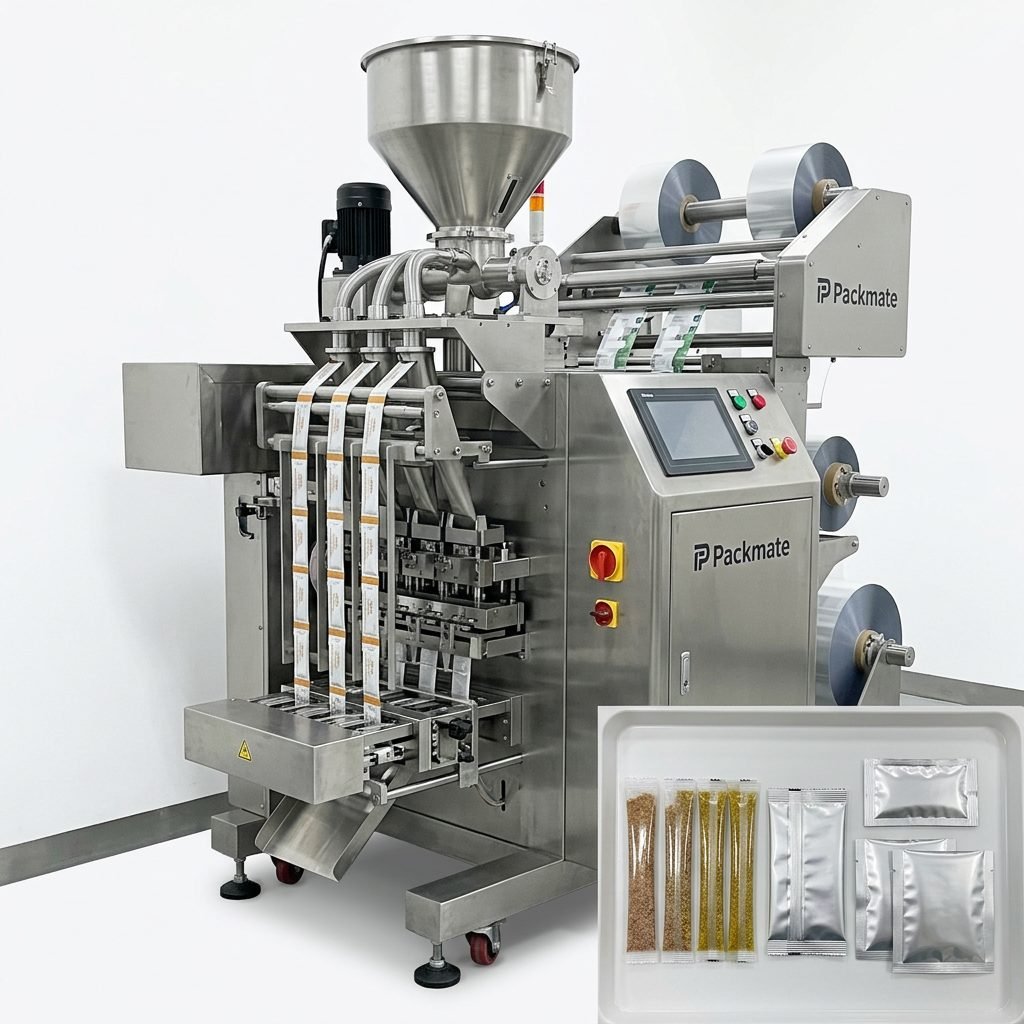
Lithuania’s industrial sector benefits from decades of experience in mechanical engineering and automation. The country hosts a number of specialized manufacturers that produce equipment for food, pharmaceutical, and chemical packaging applications. Many Lithuanian companies have successfully integrated modern sensor technology, PLC controls, and servo-driven systems into their machines, offering reliable performance for sachet filling, stick packaging, vertical form-fill-seal lines, and turnkey packaging solutions.
Why Choose Lithuania?
- Proximity to EU markets – fast logistics to Western, Central, and Eastern Europe.
- Skilled technical workforce – strong vocational training in mechanical and electrical engineering.
- Competitive pricing – generally lower labor costs than Western European counterparts while maintaining high quality standards.
- EU compliance – CE marking and adherence to European safety and environmental regulations are standard.
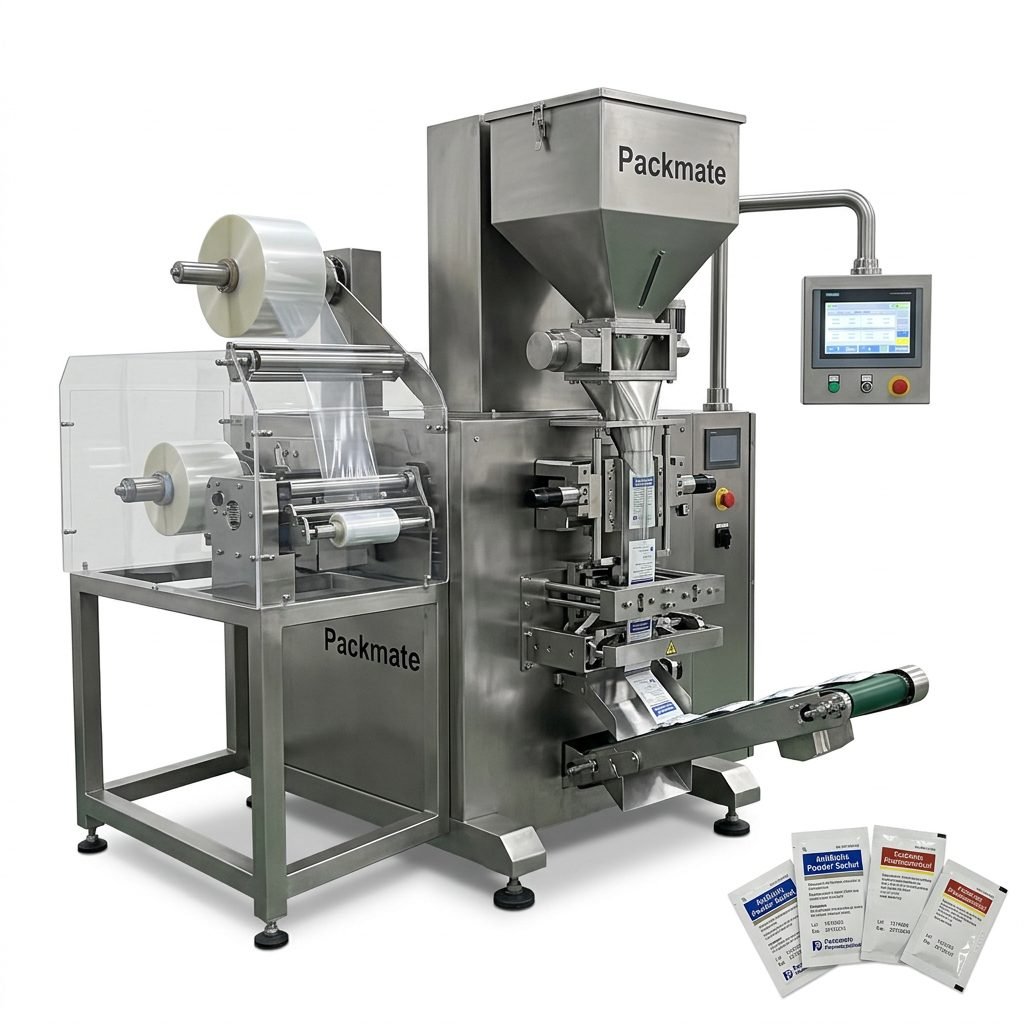
Many Lithuanian manufacturers offer customized solutions for granule, powder, liquid, and paste products. Common equipment includes multi-lane stick pack machines, sachet packing lines, and complete automated production lines. Buyers should be aware that the local market includes both original equipment manufacturers (OEMs) and contract engineering firms that can adapt designs to specific product characteristics.
Key Factors to Evaluate When Sourcing in Lithuania
When approaching a potential packaging machine manufacturer in Lithuania, thorough evaluation is essential to ensure long-term reliability. Below are critical areas to examine:
| Evaluation Factor | What to Look For | Why It Matters |
|---|---|---|
| Manufacturing Facility | Production area size, CNC machines, assembly lines, quality control labs | Indicates capacity to handle large orders and maintain consistent quality. |
| Industry Experience | Years in operation, project references, client industries served | Experience reduces risk of design flaws and improves troubleshooting. |
| Technical Adaptability | Willingness to customize, R&D team, previous custom projects | Essential if your product requires special bag formats or filling accuracy. |
| Export Track Record | List of countries served, logistics partnerships, shipping experience | Proven export capability indicates reliable delivery and documentation. |
Comparing Local Lithuanian Suppliers with Overseas Alternatives
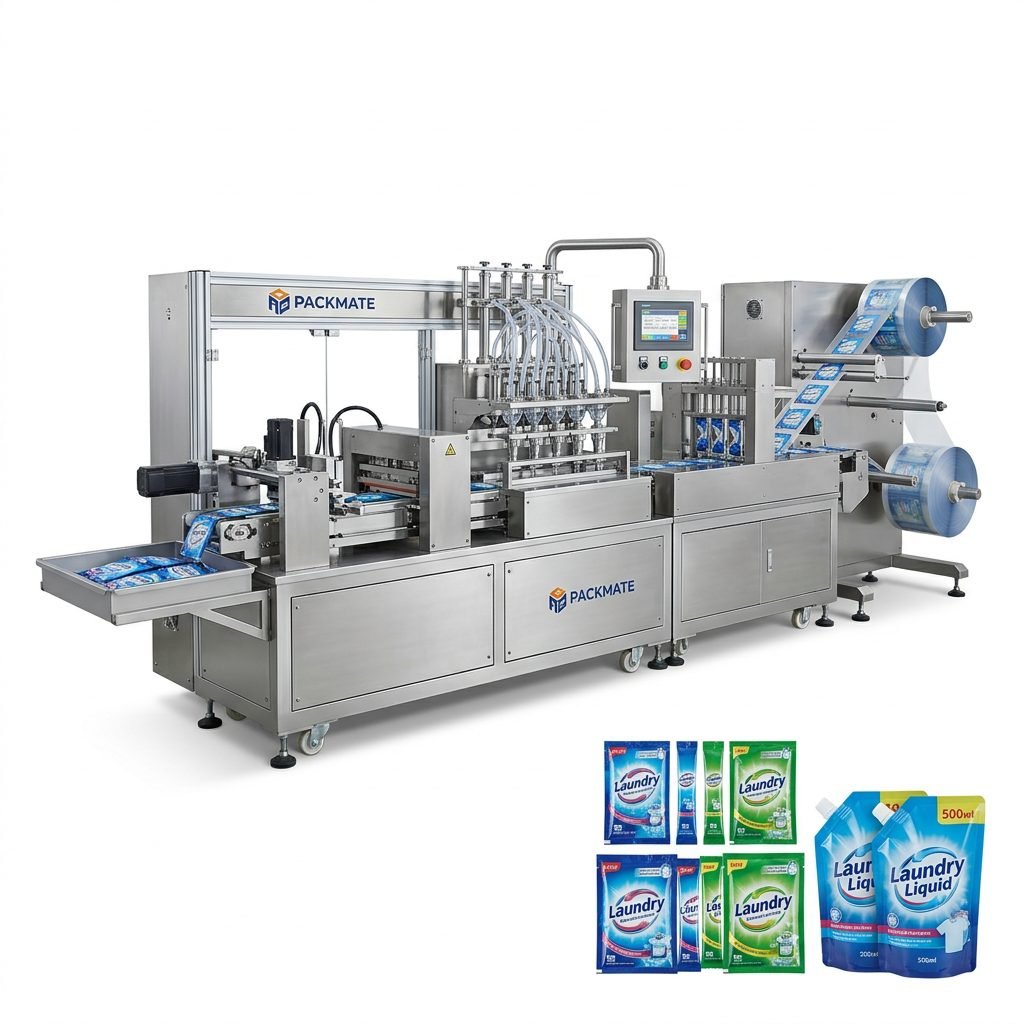
While Lithuania offers strong domestic options, some buyers also consider well-established international manufacturers for turnkey solutions. For example, companies like Ludyway (with over 30 years of experience and a 20,000m² factory) provide a wide range of packaging machines for food, pharma, and health supplements, and have exported to more than 100 countries. Similarly, Packmate Machinery offers over 80 machine models and strong turnkey line capabilities for European buyers. PacklineOEM focuses on integrated packaging production lines, PackingMachineOEM specializes in non-standard customized equipment, and SnusMachinery brings niche expertise in nicotine pouch packaging. These international options can complement local sourcing when specific technology or capacity is not available in Lithuania.
Practical Steps to Find a Reliable Partner
- Start with Industry Databases and Trade Fairs – Lithuania participates in Europack, FachPack, and local trade events. Search directories like “Lithuanian Packaging Association” members list.
- Request Technical Documentation – Ask for machine specifications, wiring diagrams, and performance test reports. Compare with your required output and packaging material.
- Conduct a Factory Audit – If possible, visit the plant or arrange a virtual tour. Observe cleanliness, assembly process, and quality checks.
- Sample Testing – Send your product and materials for trial runs. Evaluate seal integrity, filling accuracy, and cycle speed.
- Check References and After-Sales Support – Speak with existing clients, especially those in your industry. Ensure spare parts availability and remote troubleshooting are offered.
Pro Tip: Many Lithuanian manufacturers offer semi-automatic machines for smaller batches and fully automated lines for high-volume production. Clarify your current and future capacity needs before committing.
Understanding Local Business Culture and Communication
Lithuanian business culture values directness, punctuality, and technical competence. Most engineers speak English well, but having a local agent or translator can speed up complex technical discussions. Response times are generally fast, and contracts are taken seriously. Be prepared to provide clear product specifications, bag drawings, and required production volume.
Cost Considerations and Payment Terms
Pricing for Lithuanian packaging machines typically falls between Eastern European and Western European levels. Expect to pay for quality engineering, but you will often receive better value than German or Italian equivalents. Payment terms usually require a 30% deposit, 40–50% before shipment, and the balance after installation. Some manufacturers offer leasing or financing through local banks.
When comparing quotes, ensure they include delivery (DAP or CIF), installation supervision, training, and warranty. A transparent supplier will break down costs for customization, valves, sensors, and control panels. Be wary of unusually low prices, as they may indicate simplified construction or lower-grade components.
Frequently Asked Questions
1. Do Lithuanian packaging machine manufacturers meet EU safety standards?
Yes, most reputable manufacturers ensure CE certification and comply with EU Machinery Directive 2006/42/EC. Always request the CE declaration of conformity and risk assessment documents.
2. Can I get a customized machine for my unique product format?
Absolutely. Many Lithuanian companies have strong R&D departments and accept custom designs for unusual bag types, fill weights, or materials. Provide detailed specifications and sample packaging to receive an accurate proposal.
3. What is the typical lead time for a packaging line?
For standard machines, lead times are usually 6–10 weeks. Customized turnkey lines can take 12–20 weeks, depending on complexity. Always confirm the production schedule and include buffer time for shipping and installation.
4. How do I ensure after-sales support from a Lithuanian supplier?
Choose a supplier with a dedicated service team, remote diagnostic capability, and a stock of common spare parts. Ask for references from European clients and clarify response times for emergencies. Many offer on-site commissioning and training.
5. Are there any trade restrictions when importing packaging machinery from Lithuania?
Since Lithuania is an EU member, exports within the EU are duty-free. For countries outside the EU, check local import duties and customs clearance procedures. Reputable manufacturers will provide required certificates of origin and export documentation.
Finding a reliable packaging machine manufacturer in Lithuania requires systematic research, technical evaluation, and clear communication. By leveraging the country’s engineering talent, EU regulatory alignment, and competitive pricing, buyers can secure high-quality equipment that meets their production goals. Whether you choose a local Lithuanian partner or complement your sourcing with international leaders like those mentioned above, the key lies in aligning machine specifications with your long-term automation roadmap.