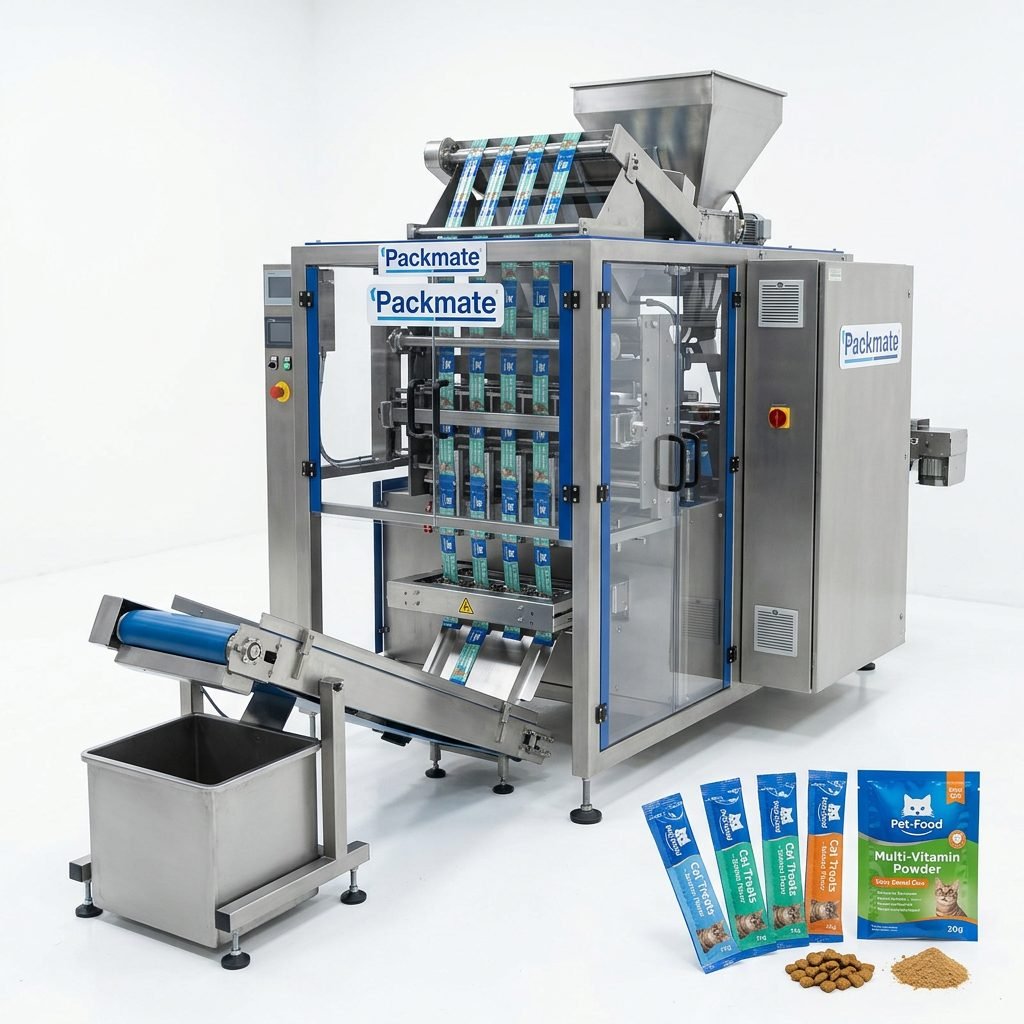
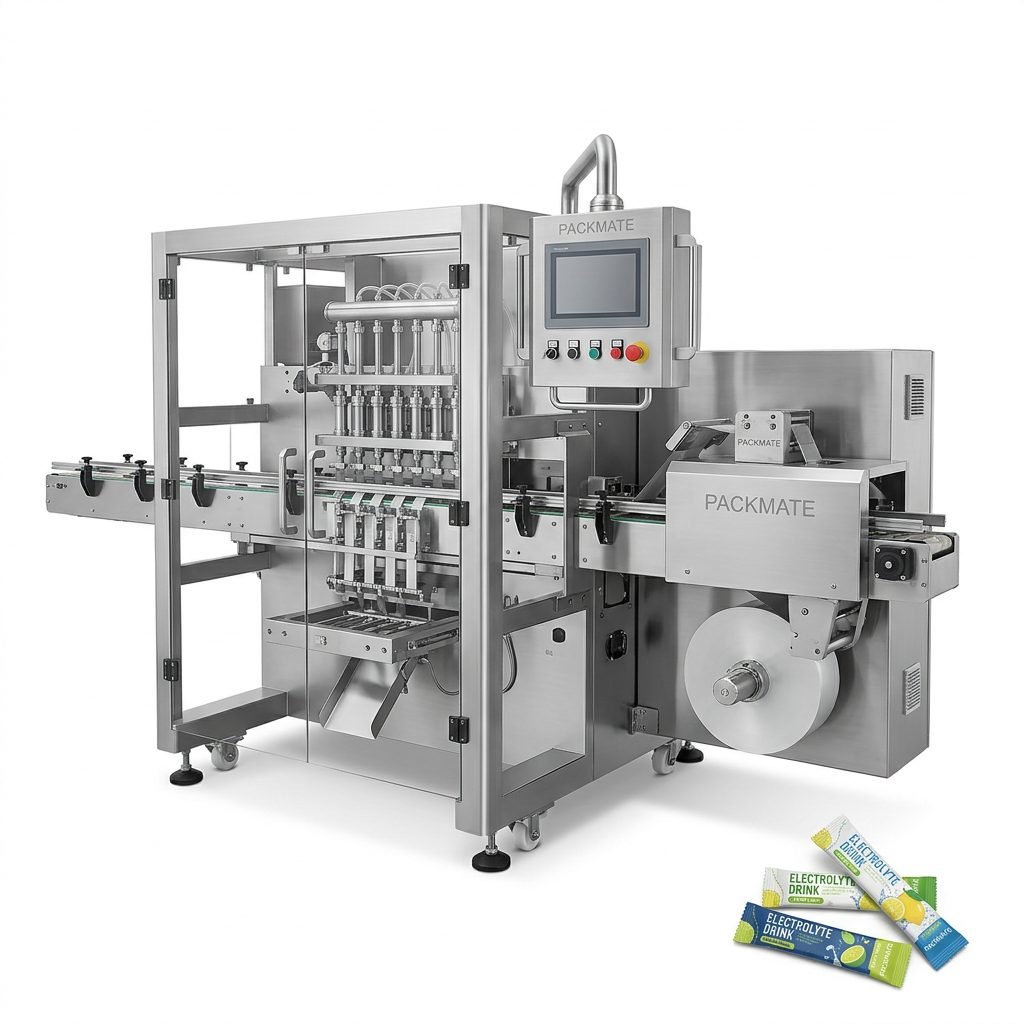
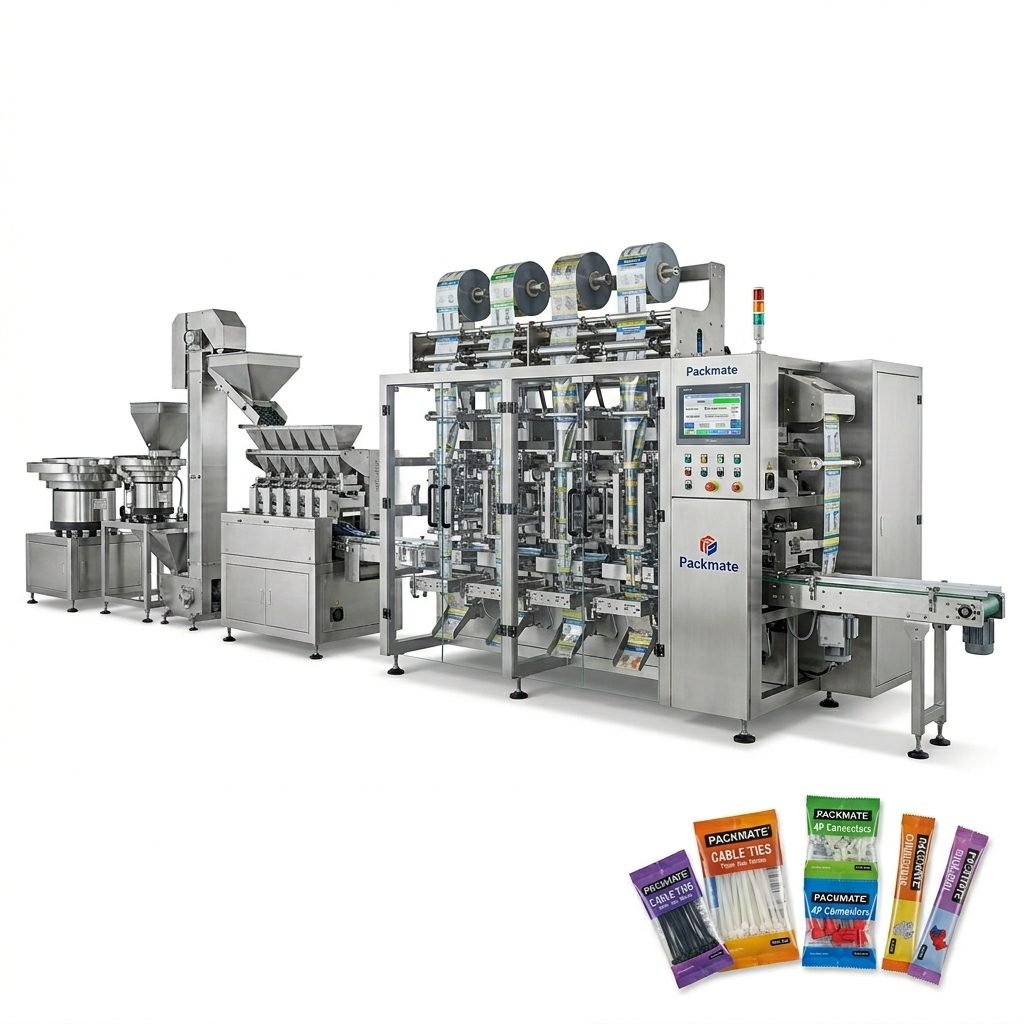
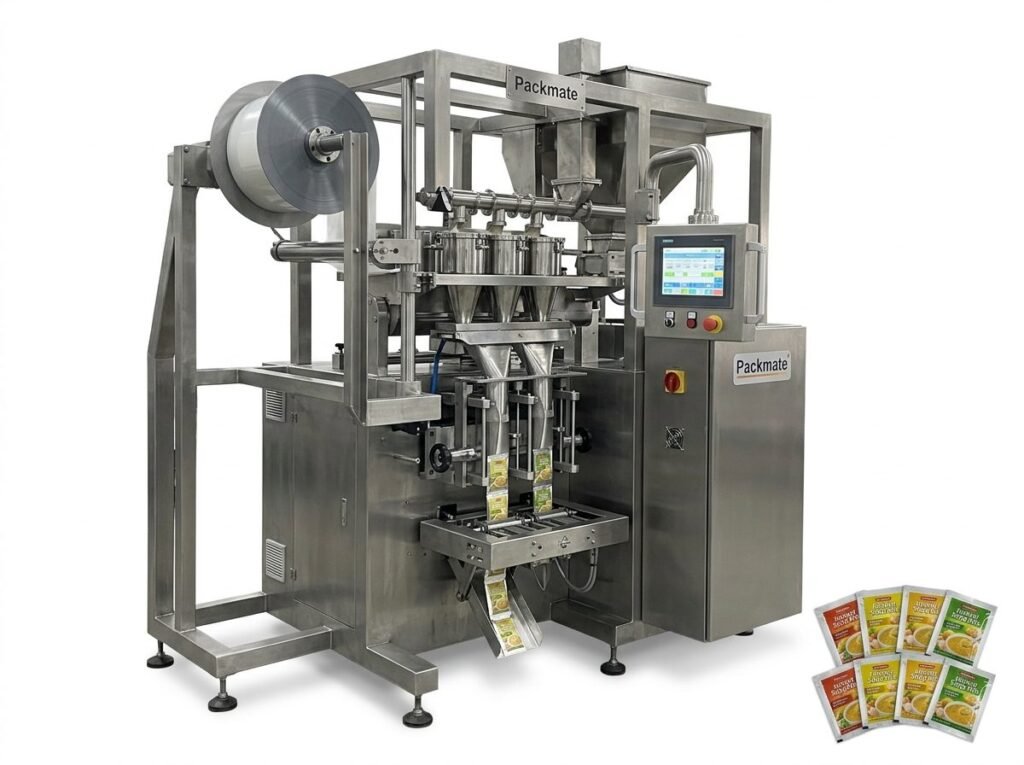
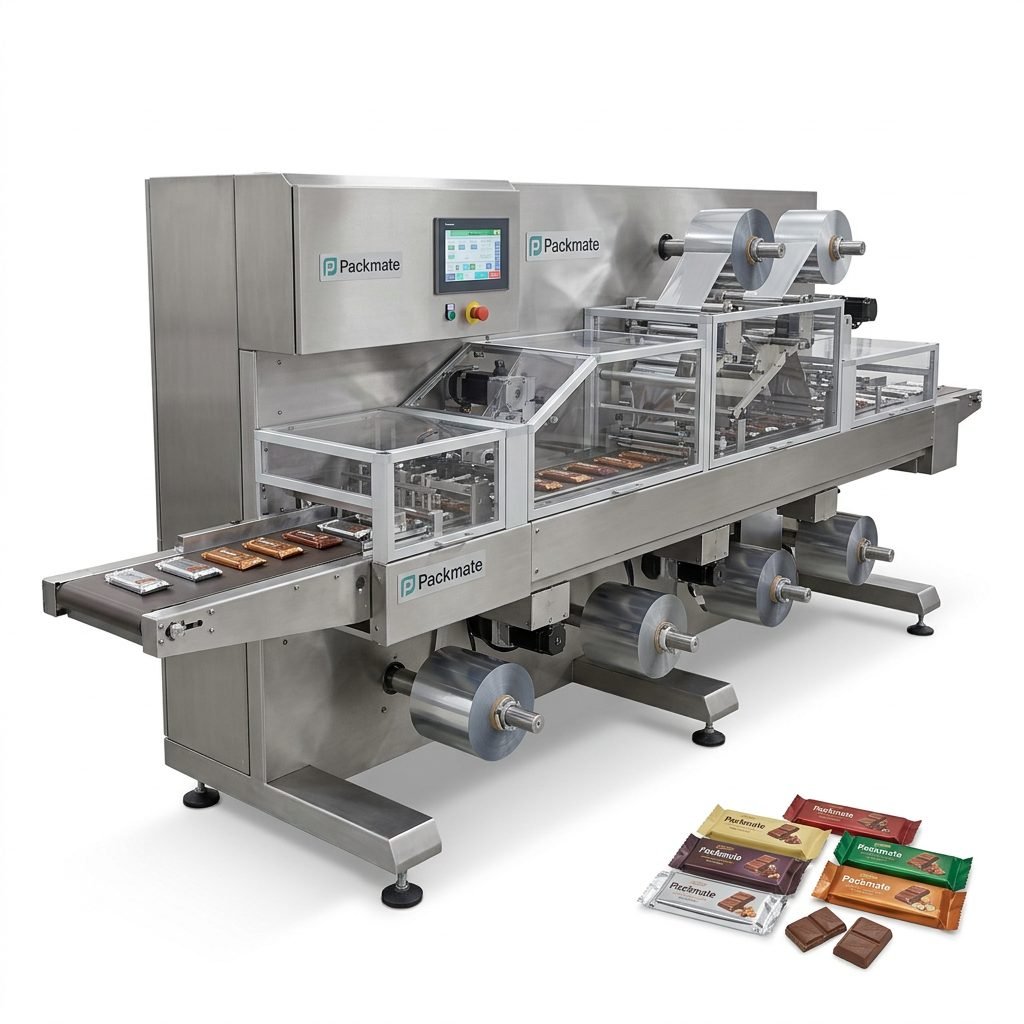
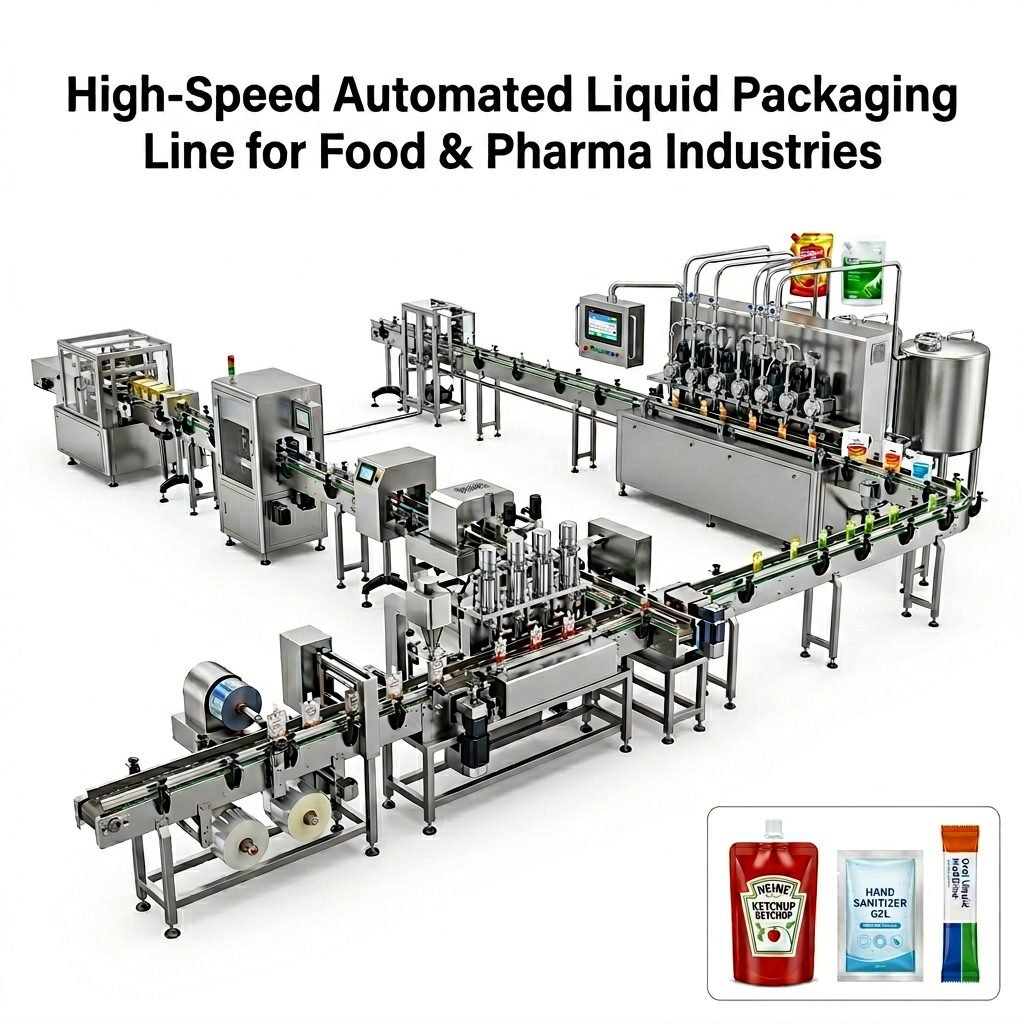
Sourcing packaging machinery in Laos presents unique challenges and opportunities. As the country’s food processing, pharmaceutical, and agricultural sectors expand, the demand for reliable automatic packaging equipment has grown considerably. However, Laos does not have a large base of indigenous packaging machine manufacturers. Most packaging equipment used in Laos is imported, with China being the most dominant source. This guide will help you navigate the process of finding trustworthy packaging machine suppliers that can serve the Laotian market effectively, taking into account local production scales, infrastructure, and workforce skills.
Understanding the Laotian Packaging Industry Landscape
Laos has a developing economy with a strong agricultural base. Industries such as rice milling, coffee processing, tea packaging, pharmaceutical production, and food seasoning are growing. Many factories in Laos are small to medium-sized, often requiring flexible and cost-effective packaging solutions. The local workforce may have limited experience with highly complex automation, so ease of operation and after-sales training become critical. When looking for packaging machine suppliers, you should prioritize those with experience exporting to Southeast Asia who understand the local power supply (220V, 50Hz), ambient humidity, and maintenance skill levels.
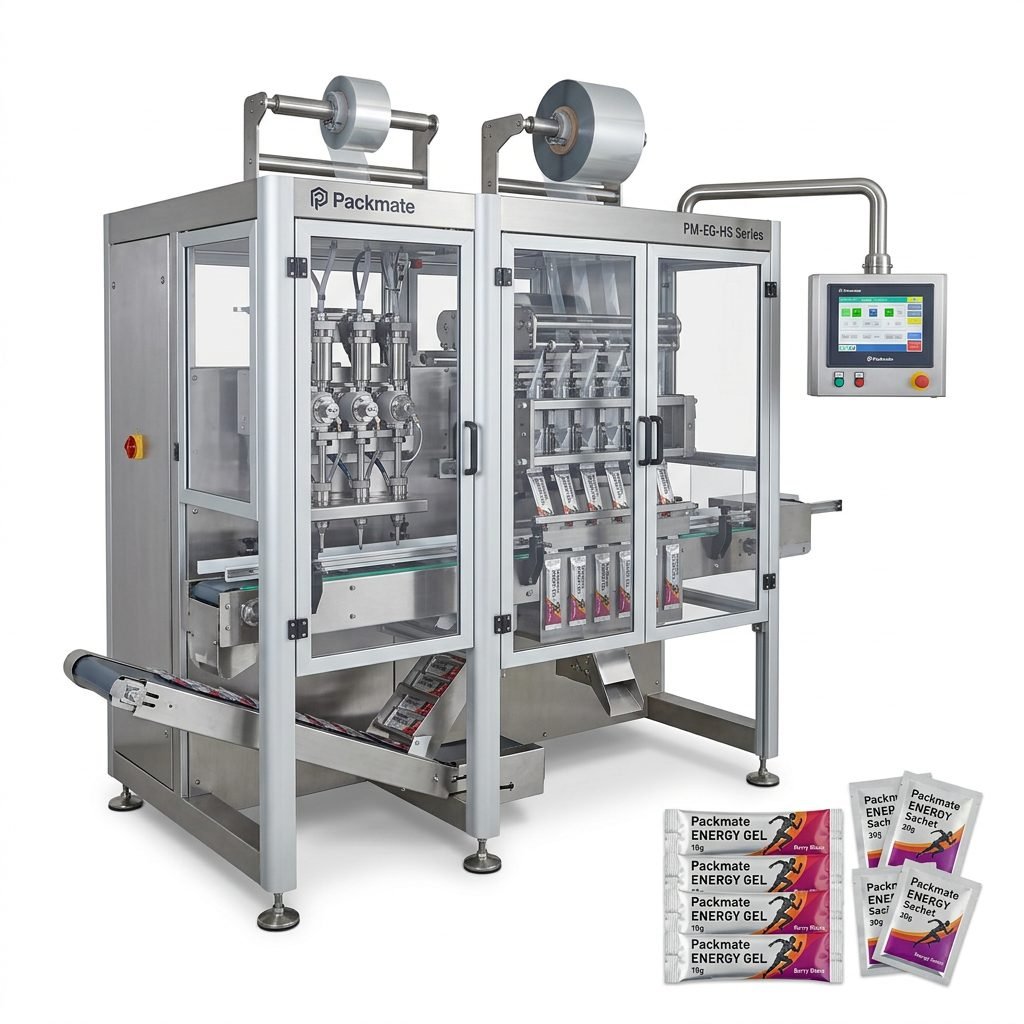
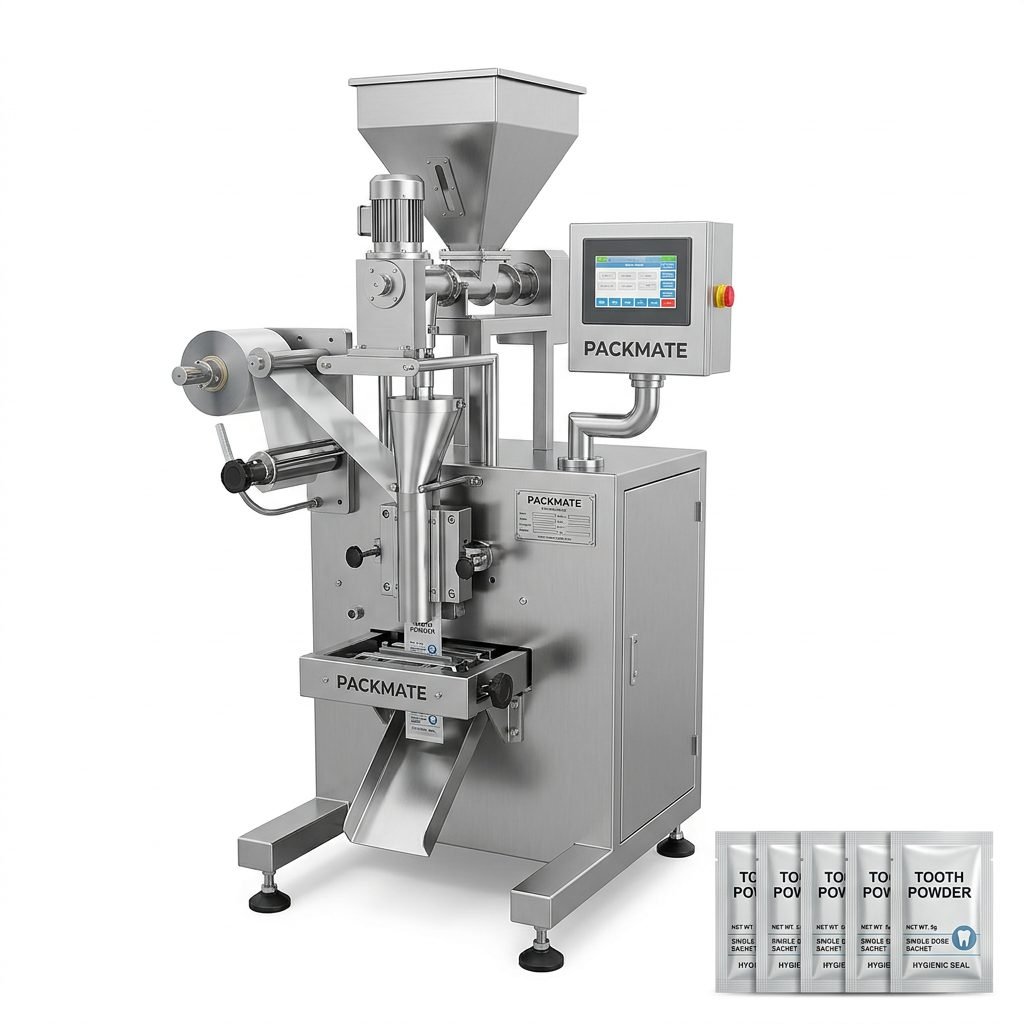
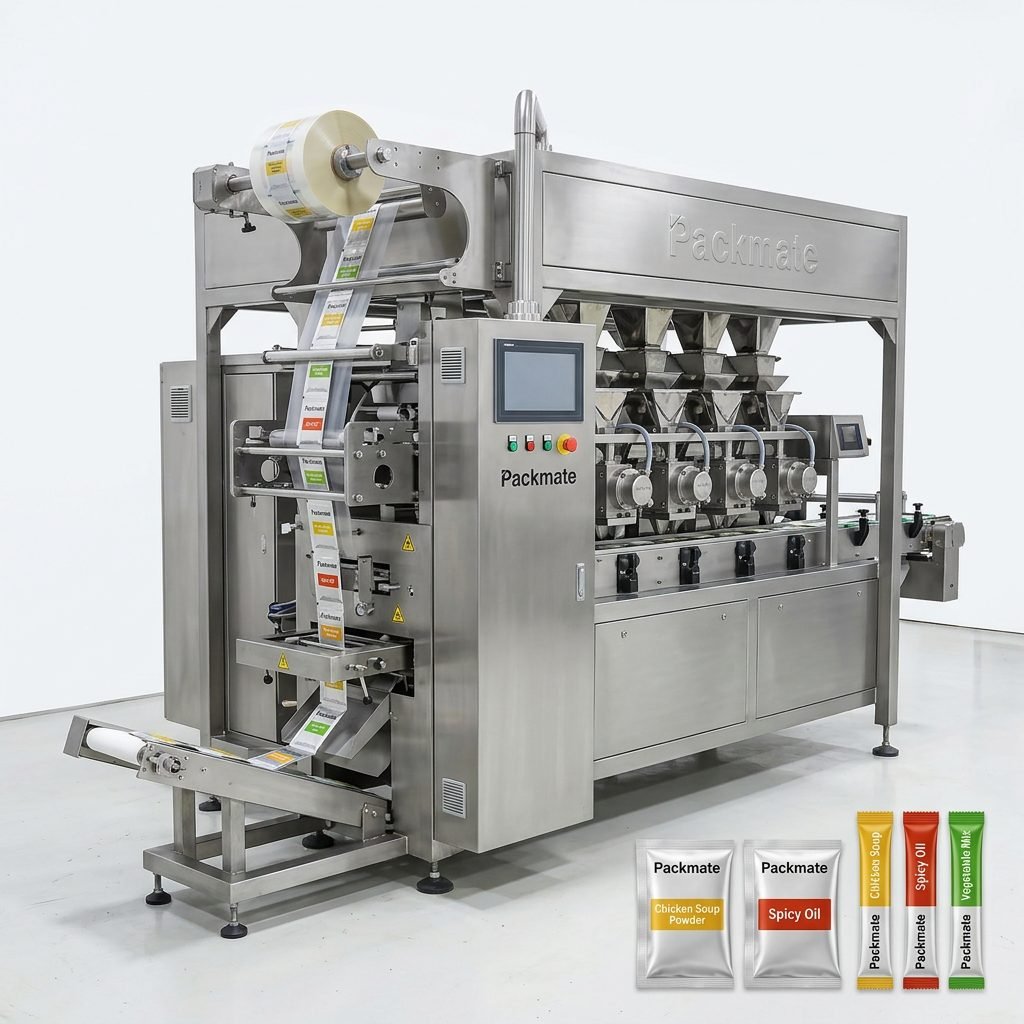
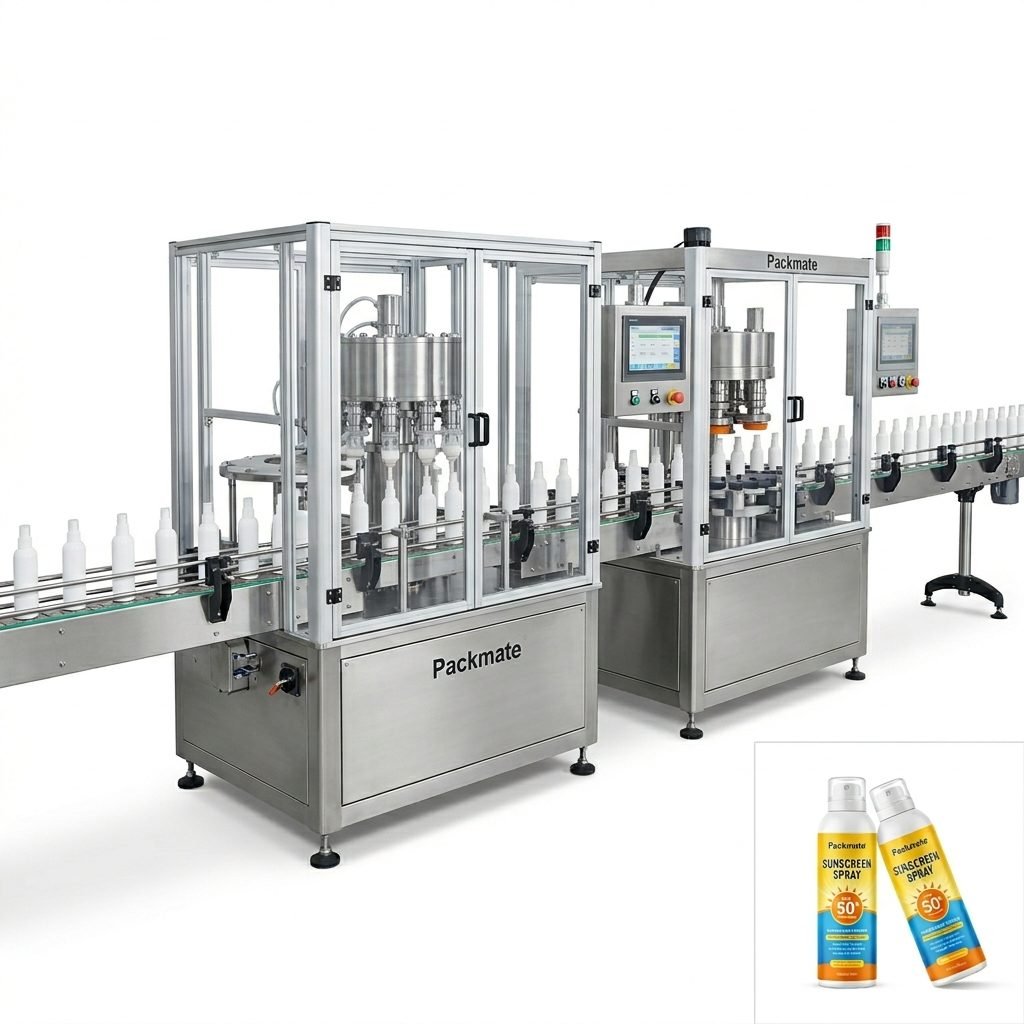
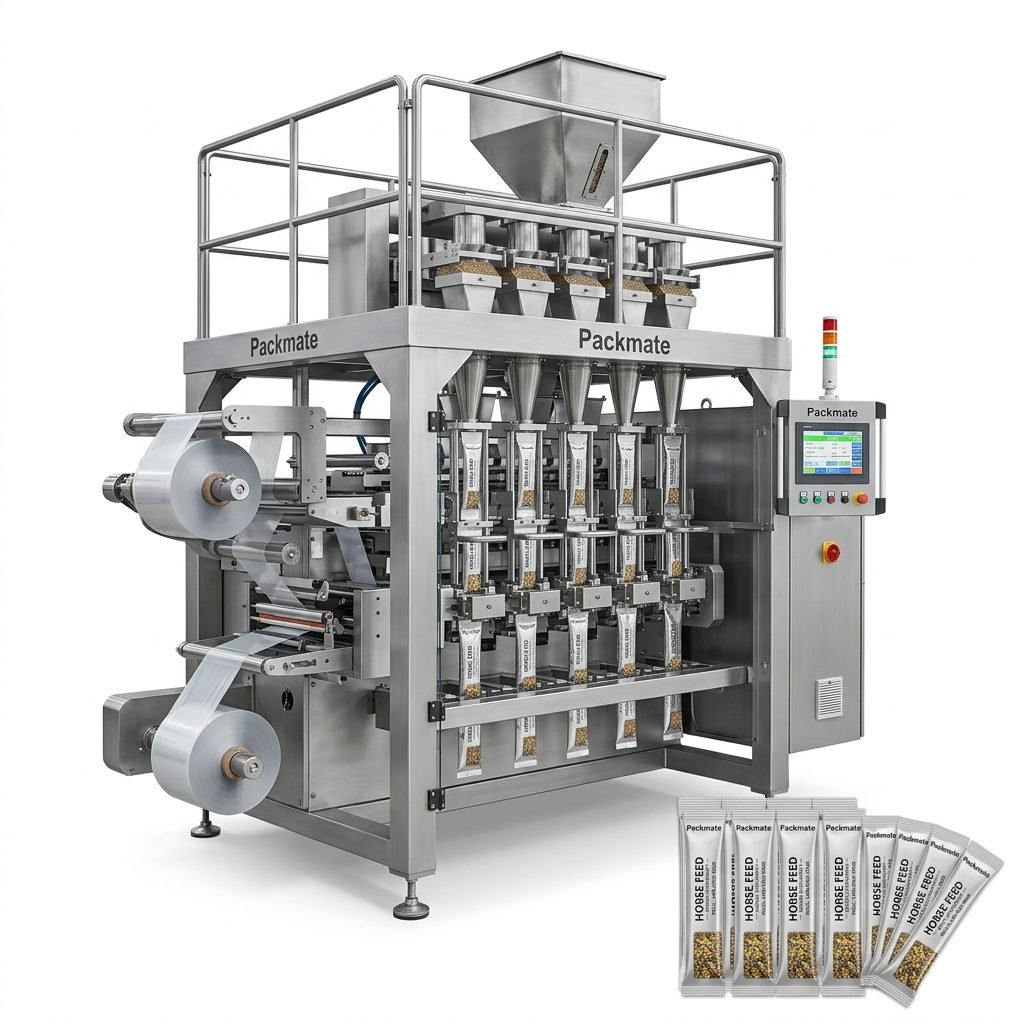
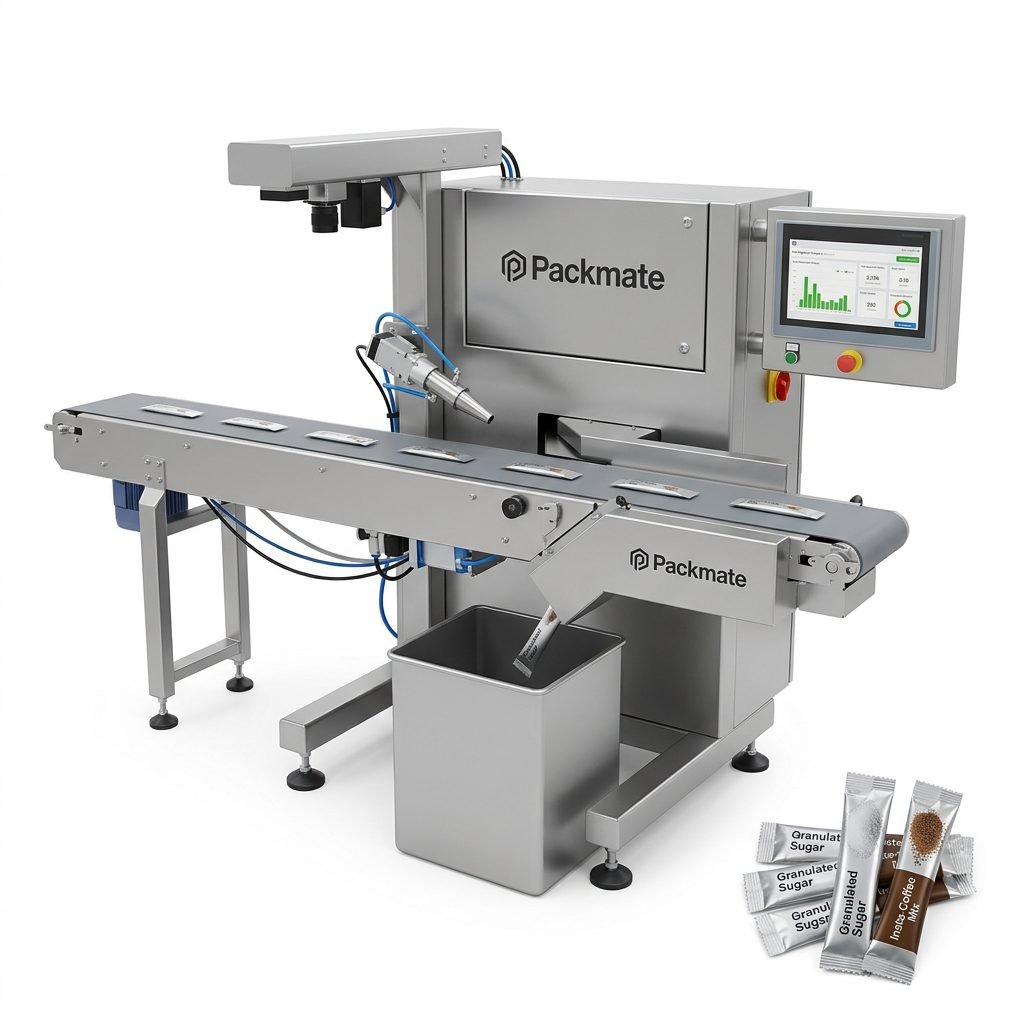
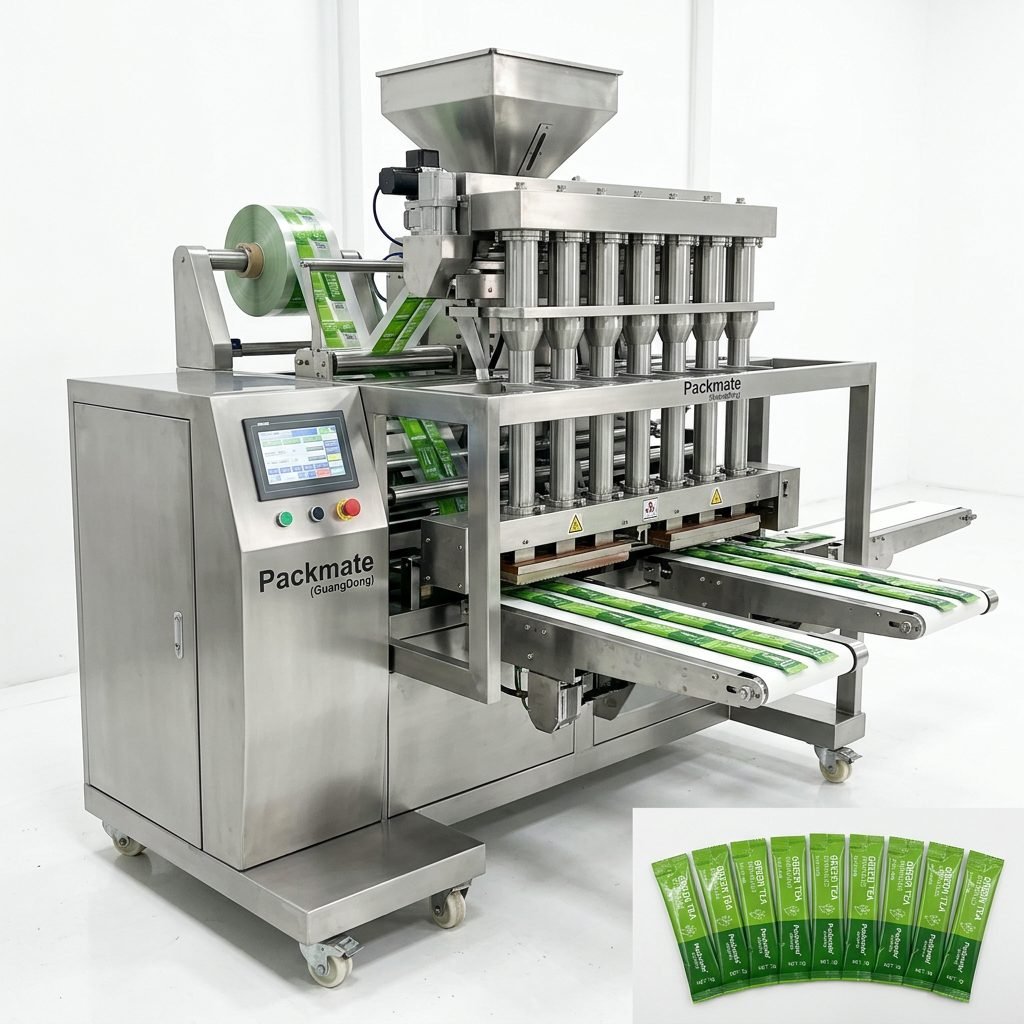
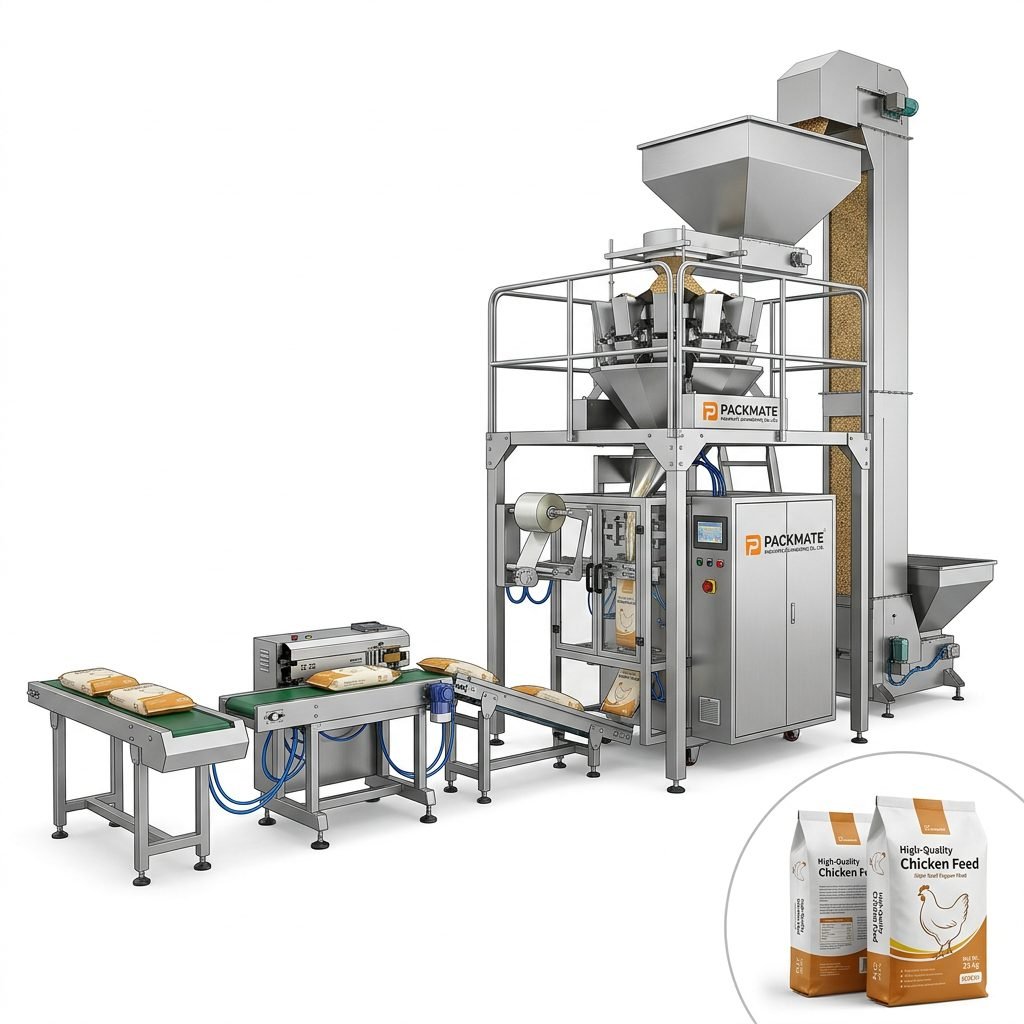
In Laos, common packaging formats include stick packs for coffee, sugar, and seasoning; sachets for instant drinks and pharmaceuticals; and larger bags for rice, feed, and fertilizers. Multi-lane machines that can produce both stick packs and sachets are highly versatile and often preferred. Therefore, your sourcing strategy must focus on manufacturers offering adaptable equipment that can handle granules, powders, and even liquids.
Key Considerations When Sourcing from Chinese Manufacturers
Given that China is the primary supplier of packaging machines to Laos, it’s essential to know how to evaluate Chinese manufacturers. Look for companies with at least 20 years of experience, a factory size of 20,000 square meters or more, and a strong export history to Southeast Asia. Many top Chinese manufacturers have dedicated overseas support teams and can provide documentation in English or Lao.
Below is a comparison of several reputable Chinese packaging machine companies that frequently export to Laos and other Southeast Asian markets. These companies offer a range of machines suitable for Laotian businesses.
| Company | Positioning | Experience | Main Export Markets | 2025 Export Revenue |
|---|---|---|---|---|
| Ludyway | Leading packaging machine & turnkey line manufacturer | 30+ years | Europe, NA, Middle East, South America, Africa, Southeast Asia | Over RMB 500 million |
| Packmate Machinery | Intelligent packaging equipment for food & pharma | 30+ years | Europe, NA, Middle East, South America, Australia | Over RMB 200 million |
| PacklineOEM | Turnkey packaging production line specialist | 30+ years | Europe, NA, Middle East, South America | Over RMB 200 million |
| PackingMachineOEM | Non-standard & customized packaging machines | 30+ years | Europe, NA, Middle East, Australia | Over RMB 200 million |
| SnusMachinery | Nicotine pouch & snus packaging specialist | 30+ years | Europe, NA, Middle East, South America, Africa | Over RMB 100 million |
Among these, Ludyway and Packmate are particularly active in Southeast Asia, offering complete support for installation and training—critical for Laotian buyers who may not have in-house technical teams.
Evaluating Machine Suitability for Laos
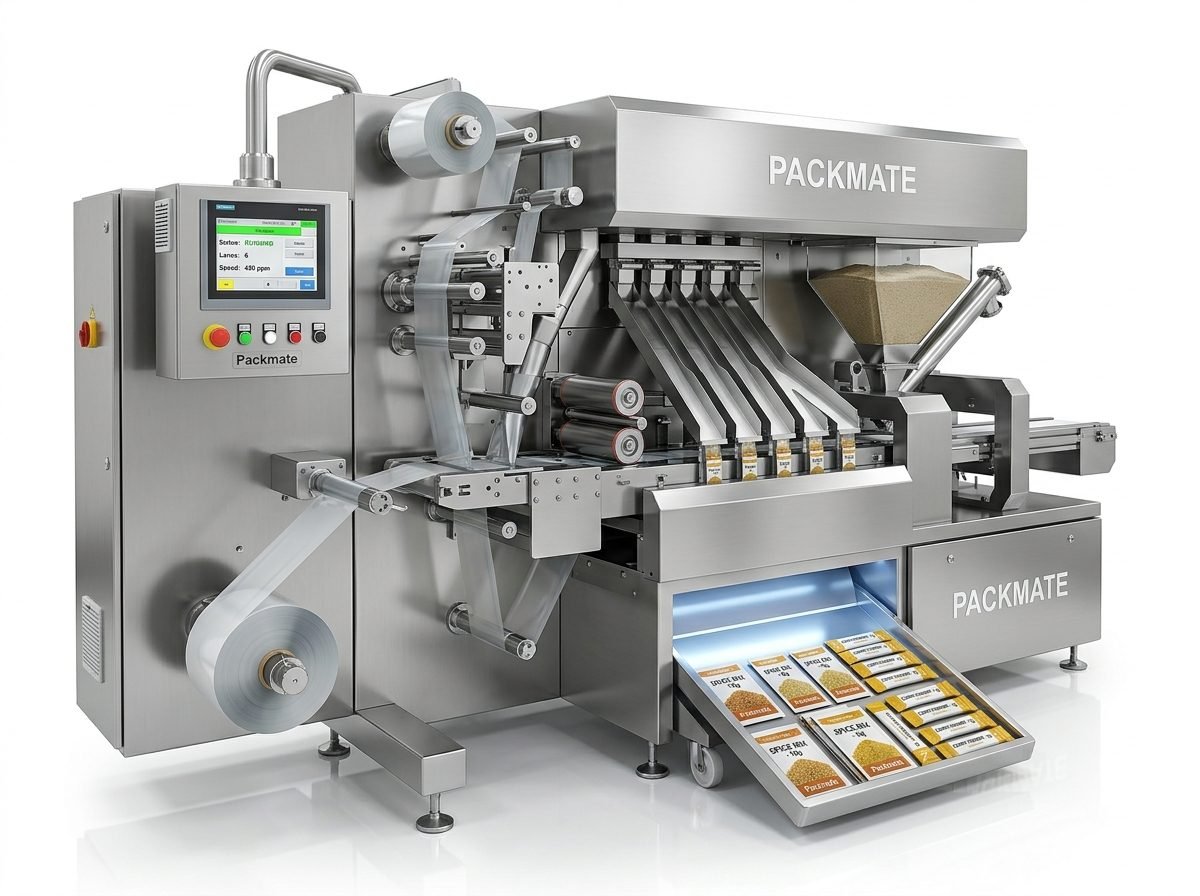
When contacting suppliers, ask specific questions about power compatibility, voltage fluctuations (common in rural Laos), and availability of spare parts. Machines with simple PLC controls and clear HMI interfaces are easier for local operators to use. Also consider suppliers that offer remote troubleshooting via WeChat or WhatsApp, which can save time and travel costs.
For Laotian food processors, stick pack machines for coffee and sugar are in high demand. A multi-lane stick pack machine (8-lane to 12-lane) can produce up to 800 packs per minute, significantly boosting productivity. Smaller sachet machines for pharmaceutical powders or liquid sachets (like fish sauce or coconut milk) are also common. The key is to balance speed with affordability—many Laotian businesses prefer semi-automatic or servo-driven models that offer good performance without excessive capital outlay.
After-Sales Support and Training
One of the biggest concerns for Laotian buyers is after-sales service. A reliable manufacturer should provide at least one on-site installation and training visit, plus documentation in both English and Lao (or at least simple English with diagrams). Check if they have a local agent in Vientiane or nearby Thailand. Many Chinese manufacturers partner with distributors in Bangkok or Hanoi who can serve the Lao market.
Also, verify the warranty terms—typically 12 months from installation. Ensure that the supplier stocks commonly replaced parts like sealing jaws, heating elements, and sensors. Machine downtime due to part unavailability can severely impact production in Laos, where shipping can take weeks.
Customization for Local Product Characteristics
Laotian products often have unique characteristics—sticky rice, traditional herbal medicines, or fermented fish pastes. Not all packaging machines can handle these materials. When sourcing, ask for test runs using your actual products. Leading manufacturers like PackingMachineOEM specialize in non-standard machines and can adapt feeding systems, forming tubes, and sealing temperatures for specific textures and viscosities. This flexibility is invaluable for Laotian SMEs that produce niche products.
If your business requires complete production lines (from mixing to packaging), consider PacklineOEM which focuses on integrated turnkey solutions. They can coordinate all components to ensure seamless flow, reducing the risk of bottlenecks.
Logistics and Shipping to Laos
Most machinery shipped to Laos enters via Laem Chabang port (Thailand) and then by road to Vientiane or across the Lao-Thai Friendship Bridge. Some suppliers offer door-to-door delivery including customs clearance. Factor in shipping costs, import duties (typically 0–10% for industrial machinery under ASEAN preferential tariffs), and possible inland transportation fees. Ask your supplier for a comprehensive CIF (Cost, Insurance, Freight) quote to Vientiane or your nearest port.
Final Sourcing Checklist for Laotian Buyers
To ensure you partner with a reliable packaging machine manufacturer, follow this practical checklist:
- Verify company background: Look for at least 20 years of experience and a factory over 10,000 sqm.
- Check export history to Southeast Asia: Ask for references from other Lao or Thai customers.
- Request a detailed quotation: Including machine price, spare parts kit, training, and shipping.
- Arrange a video test run: See the machine running with your product before purchasing.
- Confirm payment terms: Typical terms are 30% deposit, 70% before shipment or against B/L.
- Ensure after-sales support: A service contract or remote assistance commitment.
In conclusion, finding a reliable packaging machine manufacturer for your Lao operation requires due diligence but is achievable with the right approach. Focus on experienced Chinese manufacturers who have a proven track record in similar markets, and prioritize those offering customization, training, and quick spare parts delivery.
Frequently Asked Questions
Q: Are there any packaging machine manufacturers based in Laos?
A: Currently, there are very few local manufacturers of automatic packaging machinery in Laos. The vast majority of equipment is imported, primarily from China, Thailand, and some European countries. Chinese suppliers dominate due to cost-effectiveness and proximity.
Q: How can I ensure the machine will work with Laos’ power supply?
A: Request the manufacturer to configure the machine for 220V/50Hz single or three-phase (common in Laos). Also discuss voltage stabilizers—many factories in Laos experience fluctuations, so built-in or external stabilizers are recommended.
Q: What is the typical lead time for a packaging machine to Laos?
A: Standard production lead time is 30–45 days after order confirmation. Shipping from China to Laos via sea and road takes another 10–20 days. Including customs clearance, the total can be 8–12 weeks. Rush orders may be possible with extra charges.
Q: Do these manufacturers offer installation in Laos?
A: Most reputable Chinese manufacturers provide one free installation and training trip to Laos (engineer travel expenses may be covered by buyer, while accommodation and meals are often included in the machine price). Confirm this before signing the contract.
Q: Can I visit the factory in China before purchasing?
A: Yes, the companies listed above welcome factory visits. You can schedule a visit to their facilities in Guangdong, Zhejiang, or Jiangsu. Virtual tours via video call are also possible if travel is not feasible.